Continually Updated Clinical Reference
 
 
  All Sources     eMedicine     Medscape     Drug Reference     MEDLINE
 
eMedicine - Hereditary Spastic Paraplegia : Article by

Quick Find
Authors & Editors
Introduction
Clinical
Differentials
Workup
Treatment
Medication
Follow-up
Miscellaneous
Multimedia
References


Patient Education
Procedures Center

BOTOX® Injections Overview

BOTOX® Injections Preparation


Author: Nam-Jong Paik, MD, PhD, Chief, Associate Professor of Rehabilitation Medicine, Rehabilitation Medicine, Seoul National University Bundang Hospital

Nam-Jong Paik is a member of the following medical societies: American Association of Neuromuscular and Electrodiagnostic Medicine

Coauthor(s): Jae-Young Lim, MD, Assistant Professor, Department of Rehabilitation Medicine, Division of Musculoskeletal Rehabilitation, Bundang Hospital, Seoul National University College of Medicine

Editors: Teresa L Massagli, MD, Residency Director, Professor, Department of Rehabilitation Medicine and Pediatrics, University of Washington School of Medicine; Francisco Talavera, PharmD, PhD, Senior Pharmacy Editor, eMedicine; Kat Kolaski, MD, Assistant Professor, Departments of Orthopedics and Pediatrics, Wake Forest University School of Medicine; Kelly L Allen, MD, Consulting Staff, Department of Physical Medicine and Rehabilitation, Lourdes Regional Rehabilitation Center, Our Lady of Lourdes Medical Center; Denise I Campagnolo, MD, MS, Director of Multiple Sclerosis Clinical Research and Staff Physiatrist, Barrow Neurology Clinics, St. Joseph's Hospital and Medical Center; Investigator for Barrow Neurology Clinics; Director, NARCOMS Project for Consortium of MS Centers, Phoenix

Author and Editor Disclosure

Synonyms and related keywords: hereditary spastic paraplegia, HSP, hereditary spastic paraparesis, familial spastic paraparesis, Strumpell-Lorrain syndrome, Strumpell-Lorrain disease, pure hereditary spastic paraplegia, uncomplicated hereditary spastic paraplegia, complicated hereditary spastic paraplegia

Background

Strumpell first described hereditary forms of spastic paraplegia in 1883. Lorrain later described them more extensively. The common feature of these syndromes is progressive, often severe, spasticity in the lower extremities. Hereditary spastic paraplegia (HSP) is also called familial spastic paraparesis and Strumpell-Lorrain syndrome.

Numerous clinical reports have documented that HSP syndromes are heterogeneous. Syndromes are classified as uncomplicated or pure when only spinal involvement occurs, and they are classified as complicated when they are associated with neurologic abnormalities such as ataxia, mental retardation, dementia, extrapyramidal dysfunctions, visual or hearing dysfunctions, adrenal insufficiency, and ichthyosis.

Inheritance may be X-linked, autosomal recessive, or autosomal dominant. The most useful classifications now are based on the mode of inheritance and genetic linkage. Clinical distinctions between pure and complicated forms of HSP have some utility; however, age of onset often has no clear relation to the HSP genotype.

Pathophysiology

HSP causes degeneration of the ends of the corticospinal tracts within the spinal cord. The ends of the longest fibers, which supply the lower extremities, are affected to a much greater extent than the fibers to the upper body. Even though some degeneration of the fibers supplying the arms commonly takes place, most people with HSP do not have symptoms in the hands or arms.

In most cases of HSP, the primary problem may be disturbance of the ends of the long axons with little or no loss of myelin and not abnormal myelin. A rare type of X-linked HSP, however, has been associated with a myelin protein gene mutation. Patients with this form of HSP generally show evidence of myelin abnormalities. In addition, myelin abnormalities are known to affect function of axons. Although genes involved with myelination of the central nervous system (CNS) are less likely to be involved with HSP than those associated with axonal stability, these genes must be considered.

Frequency

International

In Europe, frequency of HSP is estimated to be 1-9 cases per 100,000 population. Since HSP is rare, it is often misdiagnosed, making the actual frequency rate difficult to determine. A reasonable estimate, however, is that it affects approximately 3 persons per 100,000 population. This represents fewer than 10,000 cases in the United States. Further estimates indicate that about 10% of people with HSP have complicated HSP.

Mortality/Morbidity

For patients with uncomplicated HSP, the life expectancy is typically unchanged. Generalizations about the life expectancy of people with complicated HSP are difficult because each individual has unique symptoms.

Age

Uncomplicated HSP may occur at any age from infancy through late adulthood (eg, 85 y). Most patients experience the onset of symptoms in the second through fourth decades of life.


History

  • Clinical features
    • HSP is not a single disease entity, but rather a group of clinically and genetically diverse disorders that share the primary feature of progressive and generally severe lower extremity weakness and spasticity.
    • Uncomplicated autosomal dominant HSP has been reviewed recently. After normal gestation, delivery, and early childhood development, subjects develop leg stiffness and gait disturbance (eg, stumbling, tripping) because of difficulty in dorsiflexing the foot and because of weakness in hip flexion.
  • Classification
    • HSP is generally classified as uncomplicated or complicated.
    • In uncomplicated HSP, symptoms are generally limited to gradual weakening in the legs; urinary bladder disturbance; and, sometimes, impaired sensation in the feet.
    • In complicated HSP, additional symptoms may include peripheral neuropathy, epilepsy, ataxia, optic neuropathy, retinopathy, dementia, ichthyosis, mental retardation, deafness, or problems with speech, swallowing, or breathing. Complicated HSP is rare.
    • Some of these additional symptoms may be related to a separate disorder and not directly caused by the HSP. Patients may actually have uncomplicated HSP, plus 1 or more other disorders. For example, a person with uncomplicated HSP may have peripheral neuropathy caused by diabetes or may have unrelated epilepsy.
    • HSP may also be classified by the mode of inheritance (X-linked, autosomal dominant, or autosomal recessive) with each type having several subtypes; these are based on the location of the gene. The mode of inheritance cannot be used to predict severity of the disorder since symptoms can vary greatly within each type.
    • In the past, HSP also has been classified as type I or type II on the basis of the patient's age at the onset of symptoms and the amount of spasticity versus weakness. Because both types can appear in the same family, this method of classification is no longer in general use.
    • To date, the locations of several genes have been identified. Ten types of dominantly inherited uncomplicated or complicated HSP are known, along with 7 types of recessively inherited HSP and 3 types of X-linked HSP.
  • Symptoms
    • The classic symptom of HSP is progressive difficulty in walking, but the severity varies. Some patients eventually may require the use of a wheelchair, while others may never need any type of assistive device. Patients usually have difficulty lifting their toes, which results in their dragging the toes when walking and catching them on stairs or on uneven sidewalks or curbs.
    • In later stages, patients experience difficulty flexing the thigh muscle to raise the leg when walking. Reduced sense of balance is noted. Muscles weaken but also experience increased muscle tone. Some patients complain of reduced sensation in the distal regions of the legs.
    • Some people also experience urinary problems (eg, incontinence, sense of urgency even when bladder is not full). People with HSP also experience hyperactive reflexes. Many symptoms common in people with HSP are not directly caused by HSP but indirectly result from muscle spasticity, weakness, or hyperactive reflexes.
    • Spasticity
      • Spasticity is an increase in muscle tone with resulting stiffness. Muscle tone refers to the mild contraction that muscles continue to have even when at rest (ie, resting muscle tone). A reflex between nerve endings in the muscle and spinal cord regulates muscle tone. Normally, the corticospinal nerves control and reduce sensitivity of this reflex. Since HSP causes deterioration of the corticospinal nerves, the reflex is not reduced as it should be, and the result is an exaggerated (ie, hyperactive) reflex and increased muscle tone.
      • The amount of spasticity experienced is likely to change a good deal depending on the circumstances. Stiffening of the leg muscles is normal after long periods of sitting because the muscles have been contracted and then are stretched upon standing. Many people also notice that their muscles seem tighter when they are emotionally stressed or upset. Other factors that can affect spasticity are cold temperature, poor posture, high humidity, and illness.
    • Abnormal gait
      • Increasing stiffness in the legs is associated with frequent tripping, particularly when the patient is walking on uneven terrain.
      • Uncontrollable shaking of the legs may be noted when the patient ambulates. Dragging of the feet, scissoring of the legs during ambulation, weakness and giving way at the ankles, flexor spasms of the legs during the night, and a sense of unsteadiness during walking also are common.
    • Decreased sense of balance
      • A common symptom of HSP is a decreased sense of balance. For many people, this symptom is the first that they notice.
      • Many people with HSP have impaired sense of position in their feet. If the brain does not receive accurate signals about the body's position, it may not be able to respond properly to those signals, and loss of balance occurs.
    • The age of symptom onset, rate of symptom progression, and extent of disability are variable both within and between HSP kindreds. In contrast to the variable age of the patients at symptom onset and the extent of disability, the distribution of neurologic deficits in uncomplicated HSP is consistent and consists of spastic weakness in the legs, variable impairment of vibratory sense in the feet, and variable urinary bladder disturbance.
    • Additional deficits, such as visual disturbance, marked muscle wasting, fasciculations, dementia, seizures, and peripheral neuropathy, in patients with uncomplicated HSP kindreds should not be attributed to variant presentations of uncomplicated HSP. Rather, such patients should be thoroughly evaluated for concurrent or alternative neurologic disorders.
    • Some autosomal dominant uncomplicated HSP kindreds exhibit onset of progressive spastic paraplegia in childhood (ie, <6 y) and relatively little progression of symptoms beyond adolescence. These patients often do not experience urinary bladder disturbances and generally remain ambulatory with assistance.

Physical

  • Neurologic examination reveals no evidence of reduced mentation and cranial nerve dysfunction. Although the jaw jerk may be brisk in older subjects, no speech disturbance, difficulty swallowing, or evidence of frank corticobulbar tract dysfunction is noted.
  • Upper extremity muscle tone and strength are normal.
    • In the lower extremities, muscle tone is increased at the hamstrings, quadriceps, and ankles.
    • Results of manual muscle testing are difficult to assess because of increased tone; however, weakness is occasionally demonstrated in the legs.
    • Weakness is most notable at the iliopsoas muscles; the tibialis anterior muscles; and, to a lesser extent, the hamstring muscles.
    • Muscle wasting may occur in patients with uncomplicated HSP, but it is mild and limited to atrophy of the shins in wheelchair-dependent elderly patients.
  • Peripheral nerves are normal in patients with uncomplicated HSP, although decreased perception of sharp stimuli below the knees is occasionally noted.
    • Vibratory sensation is often mildly diminished in the distal lower extremities. When present, this deficit is useful as a diagnostic sign that helps distinguish HSP from other disorders.
    • Slight terminal dysmetria is occasionally observed on finger-to-nose testing in older affected individuals.
    • Deep tendon reflexes may be brisk (2+ to 3+) in the upper extremities but are pathologically increased (3+ to 4+) in the lower extremities.
  • The patient's gait demonstrates circumduction owing to a difficulty with hip flexion and ankle dorsiflexion.
    • Crossed adductor reflexes, ankle clonus, and extensor plantar responses are uniformly present.
    • Hoffman and Tromner signs may be observed.
    • High arched feet (pes cavus) are generally present and usually prominent in older patients.

Causes

Familial spastic paraplegia is a hereditary condition.


Other Problems to be Considered

Hereditary motor sensory neuropathy type V
Spondylosis, atlantoaxial canal stenosis
Arteriovenous malformation compressing spinal cord
Arnold-Chiari syndrome, tethered cord
Neoplasm, granuloma, syringomyelia
Spinocerebellar ataxias
Adrenomyeloneuropathy, Krabbe, metachromatic leukodystrophy
Deficiency of vitamins B-12 and E, abetalipoproteinemia, mitochondrial disorders
Syphilis, human T-cell lymphocytotrophic virus infection, HIV infection/AIDS
DOPA-responsive dystonia, hydrocephalus, toxins
Stiff-limb syndrome


Lab Studies

  • Presently, genetic loci (designated SPG1 through SPG23, in order of their discovery) have been identified for 10 autosomal dominant, 8 autosomal recessive, and 3 X-linked types of HSP. Ten HSP genes have been discovered.
  • With regard to autosomal dominant pure HSP, SPG4, SPG3A, and SPG6 account for 50-60% of families.
    • The SPG4 HSP is the single most common cause of dominantly inherited HSP, representing approximately 40% of such cases. Hazan et al discovered that mutations in a novel gene designated SPG4 (protein, spastin) are the cause of this disorder. Genetic testing for SPG4/spastin mutations is available commercially, can provide laboratory confirmation of the diagnosis, and can be applied to prenatal testing. Insights into SPG4 phenotype and spastin function can yield useful information about hypotheses for axonal degeneration in SPG4 HSP, such as direct cytoskeletal instability, abnormal mitochondrial distribution, and other consequences of abnormal axonal transport.
    • A second autosomal dominant HSP (SPG3A) shows a linkage to band 14q11-q21. This is also uncomplicated HSP. Symptoms usually begin in early childhood and are often nonprogressive. Genetic testing for SPG3A is commercially available.
    • A third autosomal dominant HSP, SPG6 shows a linkage to band 15q11.1. Symptoms begin in late teenage years. This kindred contains a number of affected members who have developed more severe disability than is typical in HSP families with other linkages.
  • With regard to autosomal recessive HSPs, SPG5, SPG7, and FALDH are involved.
    • A family with pure HSP has demonstrated a linkage to band 8q12-q13 (SPG5 HSP).
    • Autosomal recessive SPG7 HSP has been linked to mutations in the gene encoding for paraplegin. Mutations in the gene result in impaired oxidative phosphorylation.
    • Another autosomal recessive form of HSP (Sjögren-Larsson syndrome) is a disorder of the fatty aldehyde dehydrogenase gene (FALDH) and is associated with seizures.
  • With regard to X-linked HSP, the border between pure and complicated HSP syndromes is blurred.
    • SPG1 HSP is linked to mutations in the gene for the L1 cell adhesion molecule, and these are associated with spasticity, ataxia, and mental retardation.
    • SPG2 HSP is linked to a missense mutation in the gene for proteolipid protein, which is located on band Xq21. Mutations in this gene are also related to complicated X-linked HSP and Pelizaeus-Merzbacher syndrome.
  • Preliminary genotype-phenotype correlations are discussed as follows:
    • With the identification of HSP loci on chromosome X and 2p, 8q, 14q, 15q, and 16q, a comparison of phenotypes is possible in families for whom the disorder is linked to one of these loci, as well as in HSP families for whom these loci are excluded.
    • Thus far, genetically diverse types of autosomal dominant HSP (those linked to 2p, 14q, and 15q) appear to be clinically and electrophysiologically similar. This observation suggests that the different abnormal gene products may interact in a common biochemical cascade that results in similar patterns of neuronal degeneration.
    • The disorder may be more severe in the 15q-linked kindred compared with kindreds linked with 14q.
    • In a study of the kindred with disease linked to 14q (Hazan et al), only 1 patient needed a wheelchair. In contrast, 9 of the patients affected in a kindred HSP linked to 15q required a wheelchair (for some patients, the need began in their 40s).
    • Kindreds with autosomal dominant HSP linked to 2p have exhibited both (1) the prototypical adolescent- or adult-onset progressive form and (2) the less common childhood-onset relatively nonprogressive form. The significant variations in patients' ages at symptom onset and the degree of progression in these kindreds indicate that the complete phenotype is influenced either by different mutations in the same gene or by the effects of modifying genes.

Imaging Studies

  • MRI scans may demonstrate atrophy of the spinal cords and occasionally the cerebral cortex.

Other Tests

  • Electrophysiologic studies are useful for assessing peripheral nerve, muscle, dorsal column, and corticospinal tract involvement in patients with HSP. Because obtaining permission to perform autopsies is uncommon, these studies are particularly useful for characterizing the extent of involvement. Although results of these studies are variable, a number of generalizations can be made. Most studies found nerve conduction test results to be normal (in contrast to Friedrich ataxia and some other spinocerebellar ataxias). One study, however, showed that subclinical sensory impairment was common in patients with HSP, with involvement of peripheral nerves, spinal pathways, or both.
    • Lower extremity somatosensory evoked potentials show a conduction delay in dorsal column fibers.
    • Cortical evoked potentials used to measure neurotransmission in corticospinal tracts show greatly reduced conduction velocity in the corticospinal tract and greatly reduced amplitude of the evoked potential.
    • Often, no cortical evoked potential is elicited in muscles innervated by lumbar spinal segments, but cortical evoked potentials of the arms are normal or show only mildly reduced conduction velocity. These findings indicate that decreased numbers of corticospinal tract axons are reaching the lumbar spinal cord and that the remaining axons have reduced conduction velocity.
    • Schady et al emphasized the variable results of cortical evoked potentials. In their patients, central motor conduction velocity in the upper extremities was normal except for all 5 affected members of 1 HSP kindred for whom responses were considerably delayed. Shady et al concluded that measurement of central motor conduction velocity may be a useful way of identifying clinical subgroups of HSP.
  • The cerebrospinal fluid is usually normal, although increased protein is noted in some patients.

Histologic Findings

  • The major neuropathologic feature of autosomal dominant uncomplicated HSP is axonal degeneration that is maximal in the terminal portions of the longest descending and ascending tracts (ie, crossed and uncrossed corticospinal tracts to the legs and fasciculus gracilis, respectively). Autopsy studies demonstrated the loss of axons in the ventral and lateral corticospinal tracts.
  • Spinocerebellar fibers are involved to a lesser extent. Neuronal cell bodies of degenerating fibers are preserved, and no evidence of primary demyelination is noted. Loss of anterior horn cells is observed in some cases. Dorsal root ganglia, posterior roots, and peripheral nerves are normal.
  • The regional pattern of axonal degeneration in uncomplicated HSP is different from that seen in system degeneration diseases, such as amyotrophic lateral sclerosis (ALS). System degeneration in ALS includes cortical (ie, pyramidal) neurons, corticospinal tracts, anterior horn cells innervated by corticospinal tracts, and skeletal muscle. Parkinson disease, characterized by loss of dopaminergic neurons in the substantia nigra pars compacta and secondary changes in brain regions that receive this dopaminergic innervation, may exemplify another system degeneration.
  • Axonal degeneration in uncomplicated, autosomal dominant HSP involves different classes of neurons (eg, corticospinal tract fibers from pyramidal neurons in the motor cortex; fasciculus gracilis; cuneatus to a lesser extent, from dorsal root ganglia neurons). One obvious feature shared by these degenerating axons is their length. These fibers are the longest in the CNS. Degeneration was maximal in the distal axons of these fibers.


Rehabilitation Program

Physical Therapy

Regular physical therapy (PT) is important to maintain and improve range of motion (ROM) and muscle strength. Furthermore, PT is necessary to maintain aerobic conditioning of the cardiovascular system. Although PT does not reduce the degenerative process within the spinal cord, individuals with HSP must maintain an exercise regimen at least several times each week, as guided by their physical therapist. Exercise can help retain or improve muscle strength, minimize atrophy of the muscles caused by disuse, increase endurance and reduce fatigue, help prevent spasms and cramps, and maintain or improve ROM. Exercise also has a positive psychological effect, helping to reduce stress and produce feelings of well-being.

Patients with HSP may experience both spasticity and weakness (ie, increased muscle tone and reduced muscle strength). The spasticity may make it difficult for patients to exercise certain muscles because of the increased resistance to passive stretching. Antispasmodic drugs may help the patient reduce the spasticity and allow weakened muscles to be targeted to improve the effectiveness of PT.

Different types of exercised incorporated into PT programs for patients with HSP may include strengthening, stretching, and aerobic exercises, as follows:

  • Strengthening exercises help to strengthen the muscles that have not become weakened yet. Strengthened muscles help compensate for muscles that have become weakened, decreasing the rate of functional impairment. Exercise may also help slow the development of disuse atrophy that occurs when muscles are not used (eg, atrophy of the calf muscles of people who use wheelchairs). Back-strengthening exercises may help reduce or eliminate the back pain associated with HSP. Such pain is probably not due to HSP itself but to the strain on the back due to HSP (eg, poor gait, poor posture, use of mobility device).
  • Stretching exercises help maintain or increase ROM and reduce problems such as tendonitis, bursitis, and muscle cramps.
  • Aerobic exercises improve cardiovascular fitness, reduce fatigue, and increase endurance and general fitness. Walking, bicycle riding, water aerobics, and swimming are excellent choices, as are many others.

Medical Issues/Complications

Currently, no specific treatment exists to prevent, retard, or reverse the progressive disability in patients with HSP. Nonetheless, treatment approaches used for chronic paraplegia from other causes are useful.

Possible complications associated with HSP include the following:

  • Gastrocnemius-soleus contracture
    • This condition is more common when symptoms begin in childhood rather than in adulthood.
    • This also occurs when PT has not been sufficient.
  • Cold feet
    • Many people with HSP complain of cold feet. This is a common complaint in many disorders of the upper or lower motor neurons.
    • Cold feet may be related to abnormal thermoregulation of cutaneous vessels; however, circulation is usually preserved.
  • Fatigue
    • Fatigue is a common symptom of HSP. One obvious cause is the extra effort required for walking because of the muscle weakness in the legs.
    • Various medications prescribed for HSP cause drowsiness or fatigue. Many patients with HSP may not get their required amount sleep. Many patients with HSP have difficulty sleeping because of leg cramps or spasms or the frequent need to urinate during the night.
    • A less obvious cause may be that people with HSP often are not fit aerobically because of a more sedentary lifestyle, which in turn reduces their endurance. Stress or depression also can contribute to fatigue.
  • Back or knee pain
    • Back and/or knee pain is common for people with HSP. The pain is not directly due to HSP itself, but it is often a result of the muscle weakness and gait abnormalities caused by HSP.
    • As certain muscles become weaker, other muscles need to compensate for that weakness. Compensatory measures create an awkward gait that causes strain on many muscles and joints.
    • Patients may thrust their shoulders back or swing their legs outward as they walk. Use of certain mobility devices also may put a strain on the arms or back.
  • Stress and depression
    • Stress, depression, and denial are not unusual in patients with HSP or any other chronic illness.
    • Denial is not necessarily a problem, as long as the person in denial is not depriving himself or herself of proper treatment and care. Denial allows some people to cope and set their worries aside.
    • Some people with HSP face denial by others in their families who refuse to admit any problem exists. Denial on the part of a family member can create a frustrating and stressful situation.

Consultations

  • Physical medicine and rehabilitation specialist
  • Neurologist


The goals of pharmacotherapy are to reduce morbidity and prevent complications.

Drug Category: Antispasmodics

Bladder spasticity has been improved with oxybutynin (Ditropan).

Drug NameOxybutynin (Ditropan)
DescriptionInhibits action of acetylcholine on smooth muscle and has direct antispasmodic effect on smooth muscle, which in turn causes an increase in bladder capacity and a decrease in uninhibited contractions.
Adult Dose5 mg PO bid/tid; not to exceed 5 mg qid
Pediatric Dose<5 years: Not established
>5 years: 5 mg PO bid/tid
ContraindicationsDocumented hypersensitivity; glaucoma, partial or complete GI obstruction, myasthenia gravis, ulcerative colitis and toxic megacolon
InteractionsCNS effects increase with concurrent CNS depressants
PregnancyB - Usually safe but benefits must outweigh the risks.
PrecautionsCaution in urinary tract obstruction, reflux esophagitis, and heart disease

Drug Category: Skeletal muscle relaxants

Antispasticity medications can be useful. One of the drawbacks of medications for spasticity is that some people find that the stiffness helps overcome the problem of muscle weakness also found in HSP. When patients are medicated to reduce stiffness, walking may become more difficult. Adverse effects can also be a problem. If the patient does well with the medications, however, discomfort associated with spasticity can generally be reduced, mobility can be improved, and the effectiveness of PT can be enhanced. Patients in relatively early stages of the illness have achieved symptomatic improvement with oral and intrathecal baclofen and oral dantrolene.

Drug NameBaclofen (Lioresal)
DescriptionMay induce the hyperpolarization of afferent terminals and inhibit both monosynaptic and polysynaptic reflexes at the spinal level.
Adult Dose5 mg PO tid for 3 d; 10 tid for 3 d; 15 mg tid for 3 d; 20 mg tid for 3 d; thereafter, additional increases may be necessary; not to exceed 80 mg/d PO divided qid
Pediatric Dose<2 years: Not established
>2 years: 2.5-5 mg/d PO initially
2-7 years: Not to exceed 30 mg/d
>8 years: Not to exceed 60 mg/d
ContraindicationsDocumented hypersensitivity
InteractionsOpiate analgesics, benzodiazepines, alcohol, tricyclic antidepressants, guanabenz, MAOIs, clindamycin, and hypertensive agents may increase effects
PregnancyC - Safety for use during pregnancy has not been established.
PrecautionsCaution in history of autonomic dysreflexia and when spasticity is used to increase function; autonomic dysreflexia can result from withdrawal of this medication

Drug NameTizanidine (Zanaflex)
DescriptionCentrally acting muscle relaxant metabolized in the liver and excreted in urine and feces. Single oral dose of 8 mg reduces muscle tone in patients with spasticity for several hours. Blood levels and spasmolytic effect are linearly correlated.
Adult Dose4-8 mg PO q8h prn; not to exceed 36 mg/d
Pediatric DoseNot established
ContraindicationsDocumented hypersensitivity
InteractionsMay interact with alcohol (increasing somnolence, stupor) and oral contraceptives (decreasing clearance); possible increased hypotensive effects with concurrent diuretics
PregnancyC - Safety for use during pregnancy has not been established.
PrecautionsCaution in renal impairment

Drug NameDantrolene sodium (Dantrium, Dantrium IV)
DescriptionStimulates muscle relaxation by modulating skeletal muscle contractions at site beyond myoneural junction and acting directly on muscle itself. Most patients respond to 400 mg/d or less.
Adult Dose25 mg PO qd initially; increase to 25 mg bid/qid, then by 25 mg increments to as high as 100 mg bid/qid prn
Pediatric Dose0.5 mg/kg PO bid initially; increase to 0.5 mg/kg bid/qid, then by increments of 0.5 mg/kg, to 3 mg/kg bid/qid if necessary; not to exceed 100 mg qid
ContraindicationsDocumented hypersensitivity; active hepatic disease (hepatitis and cirrhosis)
InteractionsCoadministration of clofibrate and warfarin may increase toxicity; coadministration with estrogen may increase hepatotoxicity in women >35 y
PregnancyC - Safety for use during pregnancy has not been established.
PrecautionsMay cause hepatotoxicity (use only for recommended indications); caution in impaired pulmonary function and severe cardiac insufficiency; may cause photosensitivity with exposure to sunlight

Drug NameBotulinum toxin (BOTOX®)
DescriptionBinds to receptor sites on motor nerve terminals and inhibits release of acetylcholine, which in turn inhibits transmission of impulses in neuromuscular tissue. Most useful for treating spasticity in gastrocnemius and soleus muscles; less effective in larger muscles (eg, quadriceps). Re-examine patients 7-14 d after initial dose to assess for response. May be repeated q3-4mo.
Adult Dose5-100 U depending on muscle affected and injection technique; not to exceed 300-400 U/treatment session
Pediatric Dose<12 years: Not established
>12 years: Administer as in adults
ContraindicationsDocumented hypersensitivity
InteractionsAminoglycosides or drugs that interfere with neuromuscular transmission may potentiate effects of botulinum toxin
PregnancyC - Safety for use during pregnancy has not been established.
PrecautionsDo not exceed recommended dosages and frequencies of administration; presence of antibodies to botulinum toxin type A may reduce effects of therapy

Drug Category: Benzodiazepines

These agents may act in the spinal cord to induce muscle relaxation.

Drug NameDiazepam (Valium)
DescriptionDepresses all levels of CNS (eg, limbic and reticular formation), possibly by increasing activity of GABA.
Individualize dosage and increase cautiously to avoid adverse effects.
Adult DoseMild spasms: 5-10 mg PO q4-6h prn
Moderate spasms: 5-10 mg IV prn
Severe spasms: Mix 50-100 mg in 500 mL D5W and infuse at 40 mL/h
Pediatric DoseMild spasms: 0.1-0.8 mg/kg/d PO divided tid/qid
Moderate or severe spasms: 0.1-0.3 mg/kg IV q4-8h
ContraindicationsDocumented hypersensitivity; narrow-angle glaucoma
InteractionsIncreases toxicity of benzodiazepines in CNS with coadministration of phenothiazines, barbiturates, alcohols, and MAOIs
PregnancyC - Safety for use during pregnancy has not been established.
PrecautionsCaution with other CNS depressants, low albumin levels, or hepatic disease (may increase toxicity)


Deterrence/Prevention:

  • Because familial spastic paraplegia is a hereditary condition, no deterrence or prevention measures exist.

Complications:

  • Patients with HSP may have several possible complications, including the following:
    • Gastrocnemius-soleus contracture
    • Cold feet
    • Fatigue
    • Back and knee pain
    • Stress and depression
  • See the Medical Issues/Complications section for more information.

Prognosis:

Patient Education:


Medical/Legal Pitfalls

  • Failure to rule out reversible forms of spinal cord lesions (mechanical cord compression or spinal cord tumor) when considering a diagnosis of HSP invites problems.


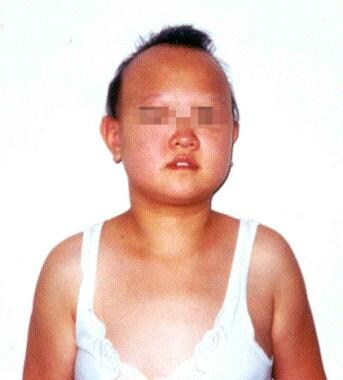
Media file 1:  Photograph of 16-year-old girl with complicated hereditary spastic paraplegia. She had a spastic gait disturbance, mental retardation, and extrapyramidal symptoms. Note the dysmorphic features.
Click to see larger pictureClick to see detailView Full Size Image
Media type:  Photo

Media file 2:  Dysmorphic appearance of 16-year-old girl with complicated hereditary spastic paraplegia, with a short stature (145 cm) and hair loss. Anterior (left), lateral (middle), and posterior (right) views are shown.
Click to see larger pictureClick to see detailView Full Size Image
Media type:  Photo

Media file 3:  General appearance of sisters with complicated hereditary spastic paraplegia. They are aged 16 and 17 years. Physical examination revealed increased deep tendon reflexes in all 4 extremities, with an extensor plantar reflex. Sensory losses mainly affected joint positions and vibration sensations.

Click to see larger pictureClick to see detailView Full Size Image
Media type:  Photo


  • Appleton RE, Farrell K, Dunn HG. ''Pure'' and ''complicated'' forms of hereditary spastic paraplegia presenting in childhood. Dev Med Child Neurol. Apr 1991;33(4):304-12. [Medline].
  • Claus D, Waddy HM, Harding AE, et al. Hereditary motor and sensory neuropathies and hereditary spastic paraplegia: a magnetic stimulation study. Ann Neurol. Jul 1990;28(1):43-9. [Medline].
  • Fink JK, Heiman-Patterson T, Bird T, et al. Hereditary spastic paraplegia: advances in genetic research. Hereditary Spastic Paraplegia Working group. Neurology. Jun 1996;46(6):1507-14. [Medline].
  • Fink JK. Advances in the hereditary spastic paraplegias. Exp Neurol. Nov 2003;184 Suppl 1:S106-10. [Medline].
  • Fink JK, Rainier S. Hereditary spastic paraplegia: spastin phenotype and function. Arch Neurol. 2004;61:830-833.
  • Reid E. Pure hereditary spastic paraplegia. J Med Genet. Jun 1997;34(6):499-503. [Medline].
  • Sawhney IM, Bansal SK, Upadhyay PK, Chopra JS. Evoked potentials in hereditary spastic paraplegia. Ital J Neurol Sci. Sep 1993;14(6):425-8. [Medline].
  • Schady W, Smith CM. Sensory neuropathy in hereditary spastic paraplegia. J Neurol Neurosurg Psychiatry. Jun 1994;57(6):693-8. [Medline].
  • Tallaksen CM, Durr A, Brice A. Recent advances in hereditary spastic paraplegia. Curr Opin Neurol. Aug 2001;14(4):457-63. [Medline].

Hereditary Spastic Paraplegia excerpt

Article Last Updated: Jan 5, 2007