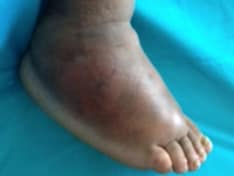
Practice Essentials
Diabetic neuropathy is the most common complication of diabetes mellitus (DM), affecting as many as 50% of patients with type 1 and type 2 DM. Diabetic peripheral neuropathy involves the presence of symptoms or signs of peripheral nerve dysfunction in people with diabetes after other possible causes have been excluded. [1, 2, 3] In some cases, patients are symptomatic long before routinely performed clinical examination reveals abnormalities. Of all treatments, tight and stable glycemic control is probably the most important for slowing the progression of neuropathy. [4]
Signs and symptoms of diabetic neuropathy
In type 1 DM, distal polyneuropathy typically becomes symptomatic after many years of chronic prolonged hyperglycemia, whereas in type 2, it may be apparent after only a few years of known poor glycemic control or even at diagnosis. Symptoms include the following:
-
Sensory – Negative or positive, diffuse or focal; usually insidious in onset and showing a stocking-and-glove distribution in the distal extremities
-
Motor – Distal, proximal, or more focal weakness, sometimes occurring along with sensory neuropathy (sensorimotor neuropathy)
-
Autonomic – Neuropathy that may involve the cardiovascular, gastrointestinal, and genitourinary systems and the sweat glands
Physical examination should include the following assessments:
-
Peripheral neuropathy testing – Gross light touch and pinprick sensation; vibratory sense; deep tendon reflexes; strength testing and muscle atrophy; dorsal pedal and posterior tibial pulses; skin assessment; Tinel testing; cranial nerve testing
-
Autonomic neuropathy testing – Objective evaluation of cardiovagal, adrenergic, and sudomotor function in a specialized autonomic laboratory; may be preceded by bedside screening to assess supine and upright blood pressure and heart rate, with measurement of sinus arrhythmia ratio
Two classification systems for diabetic neuropathy are the Thomas system and the symmetrical-versus-asymmetrical system. The Thomas system (modified) is as follows:
-
Hyperglycemic neuropathy
-
Generalized symmetrical polyneuropathies
-
Sensory neuropathy
-
Sensorimotor neuropathy
-
Autonomic neuropathy
-
Focal and multifocal neuropathies
-
Superimposed chronic inflammatory demyelinating polyneuropathy
Distal symmetrical sensorimotor polyneuropathy is commonly defined according to the following 3 key criteria:
-
The patient must have diabetes mellitus consistent with a widely accepted definition
-
Severity of polyneuropathy should be commensurate with duration and severity of diabetes
-
Other causes of sensorimotor polyneuropathy must be excluded
Pure autonomic diabetic neuropathy is rare.
Asymmetrical neuropathies include the following:
-
Median neuropathy of the wrist (carpal tunnel syndrome)
-
Other single or multiple limb mononeuropathies
-
Thoracic radiculoneuropathy
-
Lumbosacral radiculoplexus neuropathy
-
Cervical radiculoplexus neuropathy
Diabetic polyneuropathy is commonly staged as follows:
-
NO - No neuropathy
-
N1a - Signs but no symptoms of neuropathy
-
N2a - Symptomatic mild diabetic polyneuropathy; sensory, motor, or autonomic symptoms; patient is able to heel-walk
-
N2b - Severe symptomatic diabetic polyneuropathy; patient is unable to heel-walk
-
N3 - Disabling diabetic polyneuropathy
See Clinical Presentation for more detail.
Diagnosis of diabetic neuropathy
Laboratory tests that may be helpful include the following:
-
Fasting plasma glucose
-
Hemoglobin A1c
-
Complete blood count
-
Complete metabolic panel (electrolytes and liver function panel)
-
Vitamin B-12 and folate levels
-
Thyroid function tests
-
Erythrocyte sedimentation rate
-
C-reactive protein
-
Serum protein electrophoresis with immunofixation electrophoresis
-
Antinuclear antibody
-
Anti-SSA and SSB antibodies
-
Rheumatoid factor
-
Paraneoplastic antibodies
-
Rapid plasma reagin
-
Genetic screens
-
Hematology screen (for anemia)
-
Sequential multiple analysis-7 (renal function and electrolyte imbalances)/complete metabolic panel (CMP)
Other diagnostic modalities that may be considered are as follows:
-
Electromyography and nerve conduction velocity testing
-
Electrophysiologic studies
-
Magnetic resonance imaging
-
Computed tomography (including single-photon emission computed tomography)
-
Nuclear imaging
-
Doppler imaging
-
Microdialysis
-
Electrocardiography
-
Nerve and skin biopsy (now rarely recommended for clinical purposes)
See Workup for more detail.
Management of diabetic neuropathy
Key components of the management of diabetic neuropathy include the following:
-
Foot care, including regular follow-up, patient education, and referral as appropriate
-
Tight, stable glycemic control (most important for slowing progression of neuropathy)
-
Pain management (eg, with pregabalin, gabapentin, sodium valproate, dextromethorphan, morphine sulfate, tramadol, oxycodone, duloxetine, topical capsaicin, transdermal lidocaine)
-
Treatment of diabetic gastroparesis (eg, with erythromycin, cisapride [not available in the United States], metoclopramide, polyethylene glycol 3350, tegaserod [currently available only on an emergency basis])
-
Experimental therapies include aldose reductase inhibitors, alpha-lipoic acid, actovegin, and spinal cord stimulators.
Treatment of autonomic dysfunction must address the following:
-
Erectile dysfunction
-
Orthostatic hypotension
-
Gustatory sweating
Surgical treatment may be considered as follows:
-
Aggressive debridement or amputation for recalcitrant foot necrosis or infection
-
Jejunostomy for intractable gastroparesis
-
Implantation of a penile prosthesis for ongoing impotence
-
Bracing, special boots, or, in some cases, surgery for Charcot foot
-
Pancreatic transplantation for diabetes with end-stage renal disease
See Treatment and Medication for more detail.

Background
Neuropathies are characterized by a progressive loss of nerve fiber function. A widely accepted definition of diabetic peripheral neuropathy is "the presence of symptoms and/or signs of peripheral nerve dysfunction in people with diabetes after exclusion of other causes." [5, 6]
Neuropathies are the most common complication of diabetes mellitus (DM), affecting up to 50% of patients with type 1 and type 2 DM. In type 1 diabetes mellitus, distal polyneuropathy typically becomes symptomatic after many years of chronic prolonged hyperglycemia. Conversely, patients with type 2 diabetes mellitus may present with distal polyneuropathy after only a few years of known poor glycemic control; sometimes, these patients already have neuropathy at the time of diagnosis. (See Clinical Presentation.)
Neuropathies severely decrease patients' quality of life (QOL). Furthermore, while the primary symptoms of neuropathy can be highly unpleasant, the secondary complications (eg, falls, foot ulcers, cardiac arrhythmias, and ileus) are even more serious and can lead to fractures, amputations, and even death in patients with DM.
Since diabetic neuropathy can manifest with a wide variety of sensory, motor, and autonomic symptoms, a structured list of symptoms can be used to help screen all diabetic patients for possible neuropathy (see History). Physical examination of patients with suspected distal sensory motor or focal (ie, entrapment or noncompressive) neuropathies should include assessments for both peripheral and autonomic neuropathy (see Physical Examination).
Multiple consensus panels recommend the inclusion of electrophysiologic testing in the evaluation of diabetic neuropathy. An appropriate array of electrodiagnostic tests includes both nerve conduction testing and needle EMG of the most distal muscles usually affected. (See Workup.)
Management of diabetic neuropathy should begin at the initial diagnosis of diabetes. The primary care physician needs to be alert for the development of neuropathy—or even its presence at the time of initial diabetes diagnosis—because failure to diagnose diabetic polyneuropathy can lead to serious consequences, including disability and amputation. In addition, the primary care physician is responsible for educating patients about the acute and chronic complications of diabetes (see Patient Education). Patients with diabetic peripheral neuropathy require more frequent follow-up, with particular attention to foot inspection to reinforce the need for regular self-care. (See Treatment Strategies and Management.)
Management of diabetic neuropathy includes 2 approaches: therapies for symptomatic relief and those that may slow the progression of neuropathy. Of all treatments, tight and stable glycemic control is probably the most important for slowing the progression of neuropathy. Many medications are available for the treatment of diabetic neuropathic pain, although most of them are not specifically approved by the United States Food and Drug Administration for this use. Nonpharmacologic treatment includes rehabilitation, which may comprise physical, occupational, speech, and recreational therapy. (See Medication.)
Anatomy
A review of the anatomy of the peripheral nervous system can facilitate understanding of the classification of diabetic peripheral neuropathy. Peripheral neurons can be categorized broadly as motor, sensory, or autonomic.
Motor neurons originate in the central nervous system (CNS) and extend to the anterior horn of the spinal cord. From the anterior horn, they exit the spinal cord (via ventral roots) and combine with other fibers in the brachial or lumbar plexuses and innervate their target organs through peripheral nerves.
Sensory neurons originate at the dorsal root ganglia (which lie outside the spinal cord) and follow a similar course with motor neurons. Sensory neurons are subdivided into categories according to the sensory modality they convey (see the Table below).
Autonomic neurons consist of sympathetic and parasympathetic types. In the periphery, preganglionic fibers leave the CNS and synapse on postganglionic neurons in the sympathetic chain or in sympathetic ganglia.
The smaller fibers are affected first in DM. With continued exposure to hyperglycemia, the larger fibers become affected. Fibers of different size mediate different types of sensation, as shown in the table below.
Table. Subdivisions of Sensory Neurons (Open Table in a new window)
Fiber Type |
Size |
Modality |
Myelination |
A-alpha (I) |
13-20 micrometers |
Limb proprioception |
Yes |
A-beta (II) |
6-12 micrometers |
Limb proprioception, vibration, pressure |
Yes |
A-delta (III) |
1-5 micrometers |
Mechanical sharp pain |
Yes |
C (IV) |
0.2-1.5 micrometers |
Thermal pain, mechanical burning pain |
No |
Pathophysiology
The factors leading to the development of diabetic neuropathy are not understood completely, and multiple hypotheses have been advanced. [7, 8, 9, 10, 11, 12, 13, 14, 15, 16] It is generally accepted to be a multifactorial process. Development of symptoms depends on many factors, such as total hyperglycemic exposure and other risk factors such as elevated lipids, blood pressure, smoking, increased height, and high exposure to other potentially neurotoxic agents such as ethanol. Genetic factors may also play a role. [17] Important contributing biochemical mechanisms in the development of the more common symmetrical forms of diabetic polyneuropathy likely include the polyol pathway, advanced glycation end products, and oxidative stress.
For more information, see Type 2 Diabetes and TCF7L2.
Polyol pathway
Hyperglycemia causes increased levels of intracellular glucose in nerves, leading to saturation of the normal glycolytic pathway. Extra glucose is shunted into the polyol pathway and converted to sorbitol and fructose by the enzymes aldose reductase and sorbitol dehydrogenase. [18] Accumulation of sorbitol and fructose lead to reduced nerve myoinositol, decreased membrane Na+/K+ -ATPase activity, impaired axonal transport, and structural breakdown of nerves, causing abnormal action potential propagation. This is the rationale for the use of aldose reductase inhibitors to improve nerve conduction. [19]
Advanced glycation end products
The nonenzymatic reaction of excess glucose with proteins, nucleotides, and lipids results in advanced glycation end products (AGEs) that may have a role in disrupting neuronal integrity and repair mechanisms through interference with nerve cell metabolism and axonal transport. [20]
Oxidative stress
The increased production of free radicals in diabetes may be detrimental via several mechanisms that are not fully understood. These include direct damage to blood vessels leading to nerve ischemia and facilitation of AGE reactions. Despite the incomplete understanding of these processes, use of the antioxidant alpha-lipoic acid may hold promise for improving neuropathic symptoms. [21, 22, 23]
Related contributing factors
Problems that are a consequence of or co-contributors to these disturbed biochemical processes include altered gene expression with altered cellular phenotypes, changes in cell physiology relating to endoskeletal structure or cellular transport, reduction in neurotrophins, and nerve ischemia. [24] Clinical trials of the best-studied neurotrophin, human recombinant nerve growth factor, were disappointing. With future refinements, however, pharmacologic intervention targeting one or more of these mechanisms may prove successful.
In the case of focal or asymmetrical diabetic neuropathy syndromes, vascular injury or autoimmunity may play more important roles. [25]
A cross-sectional, case-control study by Gastoł et al indicated that in patients with type 1 diabetes mellitus (DM), epigenetic factors are involved in the development of autonomic neuropathy. T1DM patients with autonomic neuropathy showed differences in gene methylation compared with T1DM patients without neuropathy. For example, in the NINJ2 gene, which is involved in nerve regeneration, patients with autonomic neuropathy had significantly greater methylation in the first axon than did the other patients with type 1. In addition, two genes involved in nerve functionality, BRSK2 and CLDN4, showed decreased methylation (in the region of the first intron of BRSK2 and the 5’UTR regions of CLDN4) in the patients with neuropathy. [26]
A study by Groener et al of sciatic nerve lesions in diabetic polyneuropathy indicated that lesion load positively correlates with the duration of diabetes, attaining clinical relevance “once a critical amount of nerve fascicles is affected.” [27]
Etiology
Risk factors that are associated with more severe symptoms include the following [28] :
-
Poor glycemic control
-
Advanced age
-
Hypertension
-
Long duration of DM
-
Dyslipidemia
-
Smoking
-
Heavy alcohol intake
-
HLA-DR3/4 phenotype
-
Tall height
Development of symptoms depends on many factors, such as total hyperglycemic exposure and other risk factors such as elevated lipids, blood pressure, smoking, increased height, and high exposure to other potentially neurotoxic agents such as ethanol. Genetic factors may also play a role. [17]
Peripheral neuropathies have been described in patients with primary DM (types 1 and 2) and in those with secondary diabetes of diverse causes, suggesting a common etiologic mechanism based on chronic hyperglycemia. The contribution of hyperglycemia has received strong support from the Diabetes Control and Complications Trial (DCCT). [29]
An association between impaired glucose tolerance and peripheral neuropathy has been construed as further evidence of a dose-dependent effect of hyperglycemia on nerves, although this relationship remains an area of some controversy for type 2 diabetes and prediabetes. [30, 31, 32, 33]
A study by Jende et al indicated that in patients with type 1 diabetes, the predominant nerve lesions of distal symmetrical diabetic neuropathy develop in relation to poor glycemic control and nerve conduction loss, while in type 2 diabetes, these lesions arise in association with lipid metabolism changes. [34]
A study by Pai et al indicated that in adults with type 2 diabetes, an association exists between variability in fasting plasma glucose and the risk for painful diabetic peripheral neuropathy. Using the coefficient of variation (CV) for fasting plasma glucose, the investigators found that, after consideration of HbA1c, the odds ratios for the development of painful diabetic peripheral neuropathy were 4.08 and 5.49 for the third and fourth CV quartiles, respectively, compared with the first quartile. [35]
A study by Altaf et al indicated that obstructive sleep apnea (OSA) is linked to small-fiber neuropathy in type 2 diabetes, with poly–adenosine diphosphate ribose polymerase activation being a possible mechanism behind OSA’s association with diabetic peripheral neuropathy and endothelial dysfunction. [36]
A study by Dabelea et al found that among teenagers and young adults who had been diagnosed with type 1 or type 2 diabetes during childhood or adolescence, the age-adjusted prevalence of peripheral neuropathy was greater in those with type 2 diabetes than in patients with type 1 diabetes (17.7% vs 8.5%, respectively). After modifications had been made for established risk factors measured over time, the odds ratio for peripheral neuropathy in patients with type 2 diabetes versus those with type 1 was 2.52. [37]
Epidemiology
United States statistics
A large American study estimated that 47% of patients with diabetes have some peripheral neuropathy. [38] Neuropathy is estimated to be present in 7.5% of patients at the time of diabetes diagnosis. More than half of cases are distal symmetric polyneuropathy. Focal syndromes such as carpal tunnel syndrome (14-30%), [39, 40, 41] radiculopathies/plexopathies, and cranial neuropathies account for the rest. Solid prevalence data for the latter 2 less-common syndromes is lacking.
The wide variability in symmetric diabetic polyneuropathy prevalence data is due to lack of consistent criteria for diagnosis, variable methods of selecting patients for study, and differing assessment techniques. In addition, because many patients with diabetic polyneuropathy are initially asymptomatic, detection is extremely dependent on careful neurologic examination by the primary care clinician. The use of additional diagnostic techniques, such as autonomic or quantitative sensory testing, might result in a higher recorded prevalence. [42, 43]
International statistics
In a cohort of 4400 Belgian patients, Pirart et al found that 7.5% of patients already had neuropathy when diagnosed with diabetes. [44] After 25 years, the number with neuropathy rose to 45%. In the United Kingdom, the prevalence of diabetic neuropathy among the hospital clinic population was noted to be around 29%. [45] A study by Pan et al found that in Beijing, peripheral neuropathy had prevalence rates of 21.92% and 35.34% in patients with type 1 and type 2 diabetes, respectively. [46]
A Korean study, by Moon et al, looked at changes over a 10-year period in the prevalence of diabetic neuropathy among people with diabetes aged 30 years or older. The investigators found that the annual prevalence rose from 24.9% in 2006 to 26.6% in 2007. The value then gradually fell, declining to 20.8% in 2015. The prevalence was 3-4% greater in women than men throughout the study period. [47]
Diabetic neuropathy in racial minorities
No definite racial predilection has been demonstrated for diabetic neuropathy. However, members of minority groups (eg, Hispanics, African Americans) have more secondary complications from diabetic neuropathy, such as lower-extremity amputations, than whites. [28] They also have more hospitalizations for neuropathic complications.
Sex differences in diabetic neuropathy
DM affects men and women with equal frequency. However, male patients with type 2 diabetes may develop diabetic polyneuropathy earlier than female patients, [48] and neuropathic pain causes more morbidity in females than in males.
Diabetic neuropathy and advancing age
Diabetic neuropathy can occur at any age but is more common with increasing age and severity and duration of diabetes.
Prognosis
Patients with untreated or inadequately treated diabetes have higher morbidity and complication rates related to neuropathy than patients with tightly controlled diabetes. Repetitive trauma to affected areas may cause skin breakdown, progressive ulceration, and infection. Amputations and death may result.
Treating diabetic neuropathy is a difficult task for the physician and patient. Most of the medicines mentioned in the Medication section do not lead to complete symptom relief. Clinical trials are under way to help find new ways to treat symptoms and delay disease progression.
Mortality is higher in people with cardiovascular autonomic neuropathy (CAN). The overall mortality rate over periods up to 10 years was 27% in patients with DM and CAN detected, compared with a 5% mortality rate in those without evidence of CAN. Morbidity results from foot ulceration and lower-extremity amputation. These 2 complications are the most common causes of hospitalization among people with DM in Western countries. Severe pain, dizziness, diarrhea, and impotence are common symptoms that decrease the QOL of a patient with DM. In patients with diabetic peripheral neuropathy, the prognosis is good, but the patient's QOL is reduced.
In a Canadian study of patients with painful diabetic neuropathy being managed in a tertiary care setting, Mai et al found that at 12-month follow-up, significant improvement in pain and function had been achieved in almost one third of these individuals. That included pain reduction of 30% or greater in 37.2% of patients, functional improvement (reduction of 1 or greater on the Pain Interference Scale) in 51.2% of patients, and achievement of both of these measures in 30.2% of patients. Polypharmacy was found to be essential to symptom management and included the use of analgesic antidepressants and anticonvulsants. [49]
For more information, go to Diabetic Foot.
for more information, go to Diabetic Foot Infections.
Patient Education
Controlling diet and nutrition are paramount to improving the secondary complications of diabetes, including neuropathy. Patients with diabetic neuropathy should work with nutritionists or their primary care physicians to develop a realistic diet for lowering blood glucose and minimizing large fluctuations in blood glucose.
Patients with diabetic neuropathy should be encouraged to remain as active as possible. However, those with significant sensory loss or autonomic dysfunction should be cautioned about exercising in extreme weather conditions, which may result in injury. For example, patients with extremity numbness may not be aware of frostbite injuries during prolonged cold exposure, or those with abnormal sweating may become easily overheated in hot conditions. In most cases, consultation with the patient's regular physician is reasonable before the initiation of a regular exercise program.
Patients with diabetic neuropathy need to be educated on all aspects of their condition, and they need to know that it is very much affected by poor glycemic control. Prevention of diabetic neuropathy is potentially best achieved by having near-euglycemic control from the onset of DM. Even in patients with symptoms of diabetic neuropathy, controlling blood glucose to euglycemic levels reduces pain significantly. When a person has poor control and becomes euglycemic quickly, pain may be exacerbated (possibly due to an insulin effect), but this pain disappears in a few days. The bottom line for patients is that medications are imperfect. Many result in no pain relief for certain patients. However, glucose control is something that the patient can achieve that may reduce pain.
The importance of protection and care of insensitive feet cannot be overemphasized. Patients should be instructed to trim their toenails with great care and to be fastidious about foot hygiene. Any fungal or bacterial infection mandates prompt medical attention. The need for well-fitting shoes should be stressed.
Diabetic polyneuropathy is often associated with diabetic retinopathy and nephropathy. Patients with neuropathy should be counseled to seek appropriate eye care and discuss renal care and follow-up with their primary care physicians or endocrinologists.
Patient education should begin in the primary care office. The following outline reviews some common questions and answers that can serve as a springboard for discussion.
What is diabetic neuropathy?
Diabetic neuropathy is nerve damage caused by diabetes. In the United States, diabetes is one of the most common causes of nerve damage, also known as peripheral neuropathy. Diabetic neuropathy can affect nerves that supply feeling and movement in the arms and legs. It can also affect the nerves that regulate unconscious vital functions such as heart rate and digestion.
How does diabetic neuropathy occur?
Doctors have been studying this problem for many years, but they do not yet understand exactly how diabetes damages nerves. However, they have observed that good control of blood sugar levels helps prevent diabetic neuropathy and slows its progression, especially in patients with type 1 diabetes.
What are the symptoms?
Symptoms of diabetic neuropathy may include the following:
-
Numbness or loss of feeling (usually in the feet and legs first, then the hands)
-
Pain
-
Muscle weakness
-
Low blood pressure and dizziness when rising quickly from sitting or lying down
-
Rapid or irregular heartbeats
-
Trouble having an erection
-
Nausea or vomiting
-
Difficulty swallowing
-
Constipation or diarrhea
Pain from diabetic neuropathy may range from minor discomfort or tingling in toes to severe pain. Pain may be sharp or lightning-like, deep and aching, or burning. Extreme sensitivity to the slightest touch can also occur (allodynia).
A study by D’Amato et al indicated that among diabetes-related complications and comorbidities, painful diabetic polyneuropathy is the greatest determinant of depression in patients with diabetes. The study involved 181 patients, including 25 with painful diabetic polyneuropathy and 46 with the painless form of the condition. [50]
How can I help prevent diabetic neuropathy?
The following steps may help to prevent or slow the worsening of diabetic neuropathy [51] :
-
Control diabetes; try to keep blood sugar at a normal level
-
Maintain normal blood pressure
-
Exercise regularly, according to the healthcare provider's recommendation
-
Stop smoking
-
Limit the amount of alcohol intake because excessive alcohol also can cause neuropathy or make it worse
-
Eat a healthy diet and avoid elevated levels of triglycerides in the blood
-
Maintain a healthy weight
-
Keep follow-up appointments with the healthcare provider
How is diabetic neuropathy treated?
No treatment is currently available to reverse neuropathy. The best approach is to control the diabetes and other risk factors.
Muscle weakness is treated with support, such as braces. Physical therapy and regular exercise may help patients maintain the muscle strength they have.
Pain medications may help make pain more tolerable. Medications can be used to treat nausea, vomiting, and diarrhea.
Men who have trouble having erections because of neuropathy should talk to their healthcare providers. Medications can help a man achieve and maintain an erection, or prosthetic devices can be put in the penis.
Preventing injuries such as burns, cuts, or broken bones is especially important, because patients with neuropathy have more complications from simple injuries and may not heal as quickly as healthy individuals.
How can I take care of myself?
Diabetes patients can take the following self-care measures:
-
Work with primary care physicians and endocrinologists to control glucose levels
-
Examine the skin of feet and lower legs regularly to look for injuries
-
See a healthcare provider promptly for calluses, sores on the skin, or other potential problems so they can be treated properly.
-
Wear good-fitting, comfortable shoes that protect the feet
How long will the problem last?
Once a person has neuropathy, the symptoms will persist indefinitely, but most people with diabetic neuropathy are able to lead active, fulfilling lives. Keeping blood sugar under good control may stop neuropathy from worsening.
For excellent patient education resources, visit eMedicineHealth's Diabetes Center and Men's Health Center. Also, see eMedicineHealth's patient education articles, Diabetes Mellitus and Diabetic Foot Care.
Tables
Fiber Type |
Size |
Modality |
Myelination |
A-alpha (I) |
13-20 micrometers |
Limb proprioception |
Yes |
A-beta (II) |
6-12 micrometers |
Limb proprioception, vibration, pressure |
Yes |
A-delta (III) |
1-5 micrometers |
Mechanical sharp pain |
Yes |
C (IV) |
0.2-1.5 micrometers |
Thermal pain, mechanical burning pain |
No |

What would you like to print?
- Overview
- Presentation
- DDx
- Workup
- Treatment
- Approach Considerations
- Glycemic Control
- Diabetic Neuropathic Pain Management
- Pain Control in Pregnancy
- Diabetic Gastroparesis
- Dietary Supplements
- Experimental Therapies
- Treatment of Autonomic Dysfunction
- Surgical Treatment
- Pancreatic Transplantation
- Rehabilitation
- Complications of Disease
- Consultations
- Long-Term Monitoring
- Show All
- Medication
- Medication Summary
- Nonsteroidal Anti-Inflammatory Drugs (NSAIDs)
- Analgesics, Topical
- Anticonvulsant
- Antidepressant, Tricyclic
- Antidepressant, Selective Serotonin/norepinephrine Reuptake Inhibitor (SSNRI)
- Antidepressant, Serotonin Reuptake Inhibitor
- Antiarrhythmic Agent, Class I-b
- Prokinetic Agents
- Antidepressant, Tetracyclic
- Synthetic Adrenocortical Steroids
- Cholinergic Agent
- Laxative, Bowel Evacuant
- Show All
- Questions & Answers
- Tables
- References