Continually Updated Clinical Reference
 
 
  All Sources     eMedicine     Medscape     Drug Reference     MEDLINE
 
eMedicine - Acid Maltase Deficiency Myopathy : Article by

Quick Find
Authors & Editors
Introduction
Clinical
Differentials
Workup
Treatment
Medication
Follow-up
Multimedia
References

Related Articles
Limb-Girdle Muscular Dystrophy


Patient Education
Click here for patient education.


Author: Michael Weinik, DO, Associate Chairman, Associate Professor, Physical Medicine and Rehabilitation, Temple University Hospital

Michael Weinik is a member of the following medical societies: American Academy of Physical Medicine and Rehabilitation

Coauthor(s): Frank J King, MD, Consulting Staff, Community Orthopedic Medical Group; Daniel A Lee, MD, Intern, Department of Family Medicine, Contra Costa Regional Medical Center

Editors: Elizabeth A Moberg-Wolff, MD, Associate Professor, Department of Physical Medicine and Rehabilitation, Medical College of Wisconsin; Consulting Staff, Department of Physical Medicine and Rehabilitation, Children's Hospital of Wisconsin; Francisco Talavera, PharmD, PhD, Senior Pharmacy Editor, eMedicine; Kat Kolaski, MD, Assistant Professor, Departments of Orthopedics and Pediatrics, Wake Forest University School of Medicine; Kelly L Allen, MD, Consulting Staff, Department of Physical Medicine and Rehabilitation, Lourdes Regional Rehabilitation Center, Our Lady of Lourdes Medical Center; Denise I Campagnolo, MD, MS, Director of Multiple Sclerosis Clinical Research and Staff Physiatrist, Barrow Neurology Clinics, St. Joseph's Hospital and Medical Center; Investigator for Barrow Neurology Clinics; Director, NARCOMS Project for Consortium of MS Centers, Phoenix

Author and Editor Disclosure

Synonyms and related keywords: Pompe disease, acid maltase deficiency, Pompe's disease, cardiomegalia glycogenica diffusa, type II glycogenosis, severe muscle weakness, cardiomegaly

Background

Acid maltase deficiency (AMD) is an autosomal recessive disease characterized by an excessive accumulation of glycogen within lysosome-derived vacuoles in nearly all types of cells. Excessive quantities of free extralysosomal glycogen also have been described. AMD first was described by J.C. Pompe in Amsterdam in 1932; Pompe reported the case of a 7-month-old girl who became fatally ill from what appeared to be pneumonia. An autopsy revealed an unusually enlarged heart with normal valves. Pompe called this condition cardiomegalia glycogenica diffusa and considered it a disease analogous to von Gierke syndrome. The first article by Pompe was followed by similar reports by 2 independent authors who described children with severe muscle weakness and cardiomegaly who died in early infancy. Their disease was attributed to an excessive deposition of glycogen in various tissues. This entity was named Pompe disease, and, in 1957, G.T. Cori classified it as type II glycogenosis.

The following clinical phenotypes of AMD have been identified:

  • Infantile (Pompe disease)
  • Late infantile
  • Juvenile
  • Adult

Infantile acid maltase deficiency (Pompe disease) is the classic example of a metabolic myopathy and motor neuron disease that causes infantile hypotonia. This form of the disorder is the most severe and carries the worst prognosis with death ensuing between 6 months and 2 years of life. The other forms are somewhat milder and vary in clinical presentation.

Pathophysiology

Acid alpha-1,4 glucosidase (acid maltase), like other lysosomal enzymes, is synthesized as a precursor form (molecular weight 105,000) in the endoplasmic reticulum. The precursor molecule then is modified by the addition of a mannose-6-phosphate recognition signal that allows its transport to the lysosomes. Then, the acid maltase is partially degraded into a mature form with a molecular weight of 76,001. The gene for acid alpha-glucosidase is on chromosome band 17q23.

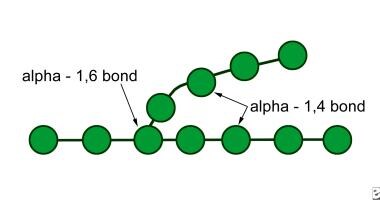
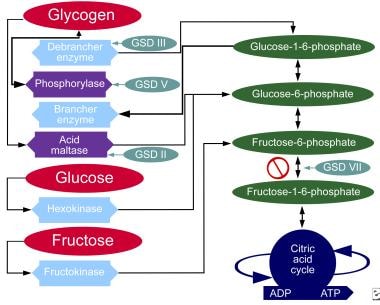
Acid maltase cleaves glycogen 1,4 and 1,6 alpha-glycosidic linkages. Its action gives rise to free glucose molecules (see History).

Nearly 35 distinct mutations have been identified in the q23-28 locus of chromosome 17, which encodes acid maltase. Establishing the genotype-phenotype correlation is difficult; however, the severity of mutation usually correlates with the severity of the disease. Deletions or missense mutations (mutations in which the base replacement changes the codon for one amino acid to another) usually are associated with the infantile variant (Pompe disease), whereas "leaky" (partial) mutations are associated with the childhood and adult forms of AMD.

The absence of acid maltase leads to an excessive accumulation of glycogen in lysosome-derived vacuoles. The presence of abnormal quantities of glycogen disrupts the normal architecture and function of the affected cells. The excess glycogen is expected to be, at least initially, in the vacuolar system. This has been found to be true in the liver and in other tissues; however, in muscle, most of the polysaccharide appears to be extravacuolar, possibly reflecting the fact that the glycogen is packed so densely in skeletal muscle that the surrounding membrane is difficult to see. Another possibility is that the intense pressure exerted on the vacuoles during muscular contracture causes them to rupture, allowing the contents to spill over into the cytosol.

Abnormal storage of glycogen occurs in many organs including the central nervous system (CNS), heart, liver, and skeletal muscles, thus leading to hypotonia, weak bulky muscles, macroglossia, cardiomegaly, and congestive heart failure. The intramuscular storage of glycogen is more severe in Pompe disease than in any other glycogenosis.

Frequency

United States

Pompe disease, or infantile AMD, occurs in 1 out of 50,000 live births.

Mortality/Morbidity

Pompe disease is inherited as an autosomal recessive disease. In the infantile form, death usually occurs between 6 months and 2 years of age; however, a less severe infantile form has been identified with a better prognosis and improved survival. Patients with the late infantile form may survive for several years. Patients with the juvenile and adult forms of AMD have been known to survive into the sixth or seventh decade of life. The clinical presentation may vary considerably, and some cases may go undetected; hence, the life expectancy for these groups is not exactly known.

Race

No ethnic predilection exists in connection with AMD.

Sex

AMD occurs with equal frequency among males and females.

Age

The correlation of AMD with age depends on the form of the disease.


History

Several forms of AMD have been observed. Clinical variation within siblings is uncommon; however, the occurrence of infantile or juvenile forms and adult forms in the same family has been reported, probably due to various compound heterozygous states.

Glycogenoses include the following:

  • Type I - von Gierke disease (glucose-6-phosphatase deficiency)
  • Type II - Pompe disease (acid maltase deficiency)
  • Type III - Forbes disease (debrancher, amylo- 1,6-glucosidase deficiency)
  • Type IV - Andersen disease (brancher, amylo- transglucosidase deficiency)
  • Type V - McArdle disease (myophosphorylase deficiency)
  • Type VI - Hers disease (hepatophosphorylase deficiency)
  • Type VII - Tarui disease (phosphofructokinase deficiency)

Other glycogenoses include the following:

  • Smith disease (acid maltase deficiency) (late infantile form)
  • Engel disease (acid maltase deficiency) (adult form)
  • Hers disease (hepatophosphorylase deficiency)
  • Hug disease (hepatic phosphorylase kinase deficiency)
  • Satoyoshi disease (phosphohexose isomerase deficiency)
  • Thomson disease (phosphoglucomutase deficiency)
  • Glycogen synthase deficiency
  • Bresolin disease (phosphoglycerate kinase deficiency)
  • Tonin disease (phosphoglycerate mutase deficiency)
  • Tsujimo disease (lactate dehydrogenase deficiency)

Infantile form of AMD

Pompe disease is characterized by hypotonia, weakness, areflexia, macroglossia, massive cardiomegaly, and moderate hepatomegaly. Development usually is normal for the first weeks or months of life, but as the disease progresses, spontaneous movements slowly decline and the infant's cry becomes weak and struggling. Swallowing becomes difficult. Skeletal muscle weakness and inability to handle pooled secretions lead to respiratory difficulty. Pulmonary atelectasis may be seen. Cardiomegaly then results, and a soft murmur sometimes is heard over the left sternal border. Ultimately, hepatomegaly appears, and the tongue may become enlarged and may protrude awkwardly. Skeletal muscles are small and firm, and the stretch reflexes are depressed. A sharp contrast can be seen between the gross motor dysfunction and the normal mental development.

Although the liver becomes progressively enlarged, neither hypoglycemia nor ketosis is noted, and the mobilization of glycogen by glucagon or epinephrine is normal. Death typically occurs as a result of heart failure within the first 2 years of life. When cardiac involvement is less severe, survival can extend beyond 2 years, depending on the degree of muscular and neurologic function.

Late infantile form of AMD

Difficulty walking usually is the first symptom to appear in the late infantile form of AMD. The signs and symptoms may simulate those of Duchenne muscular dystrophy but usually manifest during the first few months of life. In such patients, the gastrocnemius and deltoid muscles are firm and rubbery. Hypertrophy of the calf muscles is noted, and the Gower sign often is present. Toe walking develops with ankle contractures. Ambulation is unsteady and wobbly because of lumbar lordosis. The disease can progress for several years until death results from cardiorespiratory decompensation.

Juvenile and adult forms of AMD

Motor delay and progressive myopathy are the main features of the juvenile and adult forms of AMD. The disease is limited to skeletal muscle and leads to progressive weakness and respiratory insufficiency. Mental retardation may be present. Calf enlargement may be observed, and the Gower sign may be present. Muscle creatine kinase (CK) may range from 200-2000 IU/L, but CK usually is within the reference range in the adult form. Distinct electromyogram (EMG) findings usually can be found. Because enzymatic function is not entirely affected in the juvenile and adult forms, cardiac function in these groups usually is normal.

Patients with the adult form may have no complaints until the second or third decade of life. Progressive weakness occurs into the sixth decade of life. The legs are affected more than the arms, with proximal muscles involved earlier than distal ones, and the pelvic girdle is more involved than the shoulder. Hepatomegaly and cardiomegaly usually are not seen; however, these conditions are sometimes seen in the terminal phase. This form of the disease may be confused with limb-girdle dystrophy or chronic polymyositis. The heart, liver, and CNS generally are uninvolved in the juvenile and adult forms of AMD.

Manifestations of AMD

  • Infantile AMD
    • Early hypotonia
    • Massive cardiomegaly, soft murmur, and heart failure
    • Weakness and depressed or absent muscle stretch reflexes
    • Macroglossia
    • Moderate hepatomegaly
    • Mental retardation
    • "Metabolic" anterior horn cell pathology (uncommon)
  • Juvenile
    • Motor delay
    • Progressive myopathy
    • Signs and symptoms limited to skeletal muscles
    • Respiratory insufficiency
  • Adult
    • Onset occurs in the second or third decade of life. Muscle weakness progresses in the third to sixth decades of life.
    • Proximal muscle weakness is greater than distal muscle weakness.
    • The pelvic girdle is more involved than the shoulder. Intercostal and diaphragmatic involvement is common.
    • No liver, heart, or tongue enlargement occurs, except sometimes in terminal stages.

Causes

AMD is an autosomal inherited condition characterized by a buildup of glycogen in the cells.


Limb-Girdle Muscular Dystrophy

Other Problems to be Considered

Other diseases must be ruled out before the diagnosis of AMD is definite. These other entities include spinal muscular atrophy and Duchenne muscle dystrophy, as well as most causes of floppy infant syndrome. Limb-girdle dystrophy and chronic inflammatory myopathy should be ruled out in the adult.

Differential diagnosis

  • Infantile
    • Acute Werdnig-Hoffman disease (SMA type I)
    • Muscular dystrophies (Duchenne)
    • Other myopathies
    • Floppy infant syndrome
    • Endocardial fibroelastosis
    • Left ventricular outflow tract obstruction
    • Coarctation of the aorta
    • Myocarditis
  • Juvenile and adult forms
    • Limb-girdle dystrophy
    • Chronic inflammatory myopathy


Lab Studies

  • Serum CK usually is elevated in the forms of the disease that affect younger patients, but CK can be within the reference range in the adult variety. CK levels can be as high as 2000 IU/L.
  • Serum aspartate aminotransferase and lactic dehydrogenase can also be elevated.
  • The tissue concentration level of acid maltase helps establish a definite diagnosis.

Imaging Studies

  • Chest radiographs reveal an enlarged globular heart associated with pulmonary vascular congestion. Atelectasis can also be seen.

Other Tests

  • EMG
    • Brief small amplitude polyphasic potentials or myopathic features, excessive electrical irritability, and pseudomyotonic discharges usually are seen on EMG.
    • A myopathy is demonstrated.
    • Neuropathic findings may be revealed.
    • Pseudomyotonia may bee seen in the absence of myotonia.
  • Electrocardiographic findings include extremely tall and broad QRS complexes (representing ventricular depolarization) with a short PR interval (time between P wave and the beginning of the QRS complex), commonly less than 0.009 seconds. The short PR interval may be due to facilitated atrioventricular conduction as a result of myocardial glycogen deposition. A distinct left ventricular trabeculation can be seen on selective angiography.
  • Prenatal/postnatal testing
    • Prenatal diagnosis using chorionic villi or amniocentesis is available for the fatal infantile form. Decreased serum levels of acid maltase can be detected. Acid phosphatase levels also can be measured and will be elevated.
    • Newborn screening for Pompe disease can be performed by determining the total acid alpha-glucosidase in plasma or dried blood spots. The sensitivity of these tests is 82-95%, and the specificity is 100%.

Procedures

  • Biopsy
    • The diagnosis of AMD usually is made based on the absence or reduction in the levels of alpha-acid maltase in muscle tissue or cultured skin fibroblasts. This deficiency usually is more pronounced in the infantile form than in the juvenile and adult forms.
    • Muscle biopsy shows the presence of vacuoles that stain positive for glycogen. The large vacuoles contain material that is positive for the periodic acid-Schiff stain (typical of lysosomal glycogen storage). Acid phosphatase is increased, most likely because of a compensatory increase in the production of lysosomal enzymes. Electron microscopy reveals glycogen accumulation within the vacuoles and in the cytoplasm.
    • Brain tissue samples from patients with AMD reveal swelling of the perinuclear space (perikaryal edema) caused by excessive storage of glycogen. These cells usually display absence or dispersion of Nissl substance. The cytoplasm may be foamy or stained irregularly, and the nucleus may not be displaced to the periphery. Storage-induced changes tend to be more diffuse or multifocal rather than localized.


Rehabilitation Program

Physical Therapy

Little information has been published regarding the physiatric management of Pompe disease, probably due to the lack of a specific treatment, the relentlessly progressive course, and the fatal outcome of the disease.

In the juvenile and adult forms of AMD, it would seem intuitive to focus physiatric treatment on the systems involved.

The use of assistive devices and orthoses may prove beneficial in patients with AMD who develop ambulatory difficulties. The use of intermittent positive pressure ventilation in Pompe disease would seem appropriate; however, because the disease is limited not only to the respiratory muscles but also involves the heart, the final outcome is likely to be the same.


Treatment for this fatal disorder is limited. A copious amount of research currently is exploring the possibility of replacing the deficient enzyme by means of gene therapy. Up to this point in time, the results have been frustratingly unfruitful. Future strategies may include in-vivo or ex-vivo gene therapy and/or mesenchymal stem cell or bone marrow transplantation approaches. Some results have been positive in animal models, but to extrapolate these results to the human form, new approaches to AMD must be determined and improvements in the access to cardiac and skeletal muscle must be made. Newer more efficacious and innocuous vectors also must be discovered. L-alanine supplementation in late-onset AMD has been shown to decrease resting energy expenditure.

Emerging research has shown that infusions of recombinant human alpha-glucosidase from rabbit milk is helpful for stabilizing pulmonary function and improving muscle fatigue in both early- and late-onset Pompe disease. The younger and least affected children showed the most improvement and delay in the progression of the disease process.

Originally described in the treatment of mice with glycogen storage disease, Ven den Hout et al have treated 4 babies with recombinant human alpha-glucosidase obtained from rabbit milk in an open-label study. Recombinant glucosidase was administered intravenously at a weekly dose of 15-20 mg/kg and later was increased to 40 mg/kg. Alpha-glucosidase activity normalized in muscle, the tissue morphology and motor and cardiac function improved, and the left ventricular mass index significantly decreased. Normal neurologic development was noted in all patients. The lessons learned from the research of this disease may lead to better understanding and treatment of other genetic disorders.

Drug Category: Enzyme replacement

Recombinant human enzyme alpha-glucosidase has recently been designated an orphan drug.

Drug NameAlglucosidase alfa (Myozyme)
DescriptionRecombinant human enzyme alpha-glucosidase (rhGAA) indicated as an orphan drug for treatment of Pompe disease. Replaces rhGAA, which is deficient or lacking in persons with Pompe disease. Alpha-glucosidase is essential for normal muscle development and function. Binds to mannose-6-phosphate receptors and then is transported into lysosomes; undergoes proteolytic cleavage that results in increased enzymatic activity and ability to cleave glycogen. Improves infant survival without requiring invasive ventilatory support compared with historical controls without treatment.
Adult DoseData limited; administer as in pediatrics
Pediatric Dose20 mg/kg IV q2wk; initial infusion rate not to exceed 1 mg/kg/h; may increase infusion rate by 2 mg/kg/h q30min to a maximum of 7 mg/kg/h if tolerated
ContraindicationsNone known
InteractionsNone reported
PregnancyB - Usually safe but benefits must outweigh the risks.
PrecautionsSerious adverse effects reported include heart and lung failure; infusion-related reactions are common (51%) and include life-threatening anaphylaxis, shock, or respiratory or cardiac events (eg, bronchospasm, dyspnea, arrhythmias, hypotension, hypertension); medical support measures must be readily available; discontinue or temporarily stop infusion if reaction occurs; common adverse effects include pneumonia, respiratory failure and distress, infection, and fever


Deterrence

This disease is an autosomal recessive inherited disease; therefore, there is no prevention for this condition.

Complications

Respiratory and heart complications are common in the infantile form of AMD. Severe muscle weakness, including weakness of the respiratory muscles, is a complication of all 3 types of AMD.

Prognosis

The infantile form of AMD has a very unfavorable prognosis. Death usually occurs when the infant is aged 6 months to 2 years. A less severe infantile form that exhibits a better prognosis and improved survival has been identified. Patients with the late infantile form may survive for several years.

Patient Education

Educating patients and family members thoroughly about this condition is important. Parents and caregivers need to be instructed in all aspects of taking care of an infant or child with AMD. Increasing public awareness of this disease also is important, as more research is needed to find a cure for AMD.


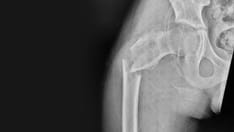
Media file 1:  Acid maltase deficiency myopathy.
Click to see larger pictureClick to see detailView Full Size Image
Media type:  Image


  • Amato AA. Acid maltase deficiency and related myopathies. Neurol Clin. Feb 2000;18(1):151-65. [Medline].
  • Behrman RE. Nelson Textbook of Pediatrics. 16th ed. Philadelphia, Pa: WB Saunders; 2000:. 411-13.
  • Bijvoet AG, Van Hirtum H, Kroos MA, et al. Human acid alpha-glucosidase from rabbit milk has therapeutic effect in mice with glycogen storage disease type II. Hum Mol Genet. Nov 1999;8(12):2145-53. [Medline].
  • Bodamer OA, Halliday D, Leonard JV. The effects of l-alanine supplementation in late-onset glycogen storage disease type II. Neurology. Sep 12 2000;55(5):710-2. [Medline].
  • Bradly WG. Neurology in Clinical Practice: The Neurological Disorders. 2nd ed. Boston, Mass: Butterworth-Heineman; 1995:. 1537-38.
  • Braunwald E. Heart Disease: A Textbook of Cardiovascular Medicine. 4th ed. Philadelphia, Pa: WB Saunders; 1992:. 995-6.
  • Caliskan M, Yilmaz Y, Serdaroglu P, et al. Late infantile acid maltase deficiency: a case report. Turk J Pediatr. Jan-Mar 1999;41(1):121-5. [Medline].
  • Chen YT, Amalfitano A. Towards a molecular therapy for glycogen storage disease type II (Pompe disease). Mol Med Today. Jun 2000;6(6):245-51. [Medline].
  • Damjanov I, Linder J. Anderson's Pathology. 10th ed. St. Louis, Mo: Mosby; 1996:. 2699-2700.
  • Goetz CG, Pappert EJ. Textbook of Clinical Neurology. Philadelphia, Pa: WB Saunders; 1999:. 571-3.
  • Hagemans ML, Winkel LP, Van Doorn PA, et al. Clinical manifestation and natural course of late-onset Pompe's disease in 54 Dutch patients. Brain. Mar 2005;128(Pt 3):671-7. [Medline].
  • Hagemans ML, Hop WJ, Van Doorn PA, et al. Course of disability and respiratory function in untreated late-onset Pompe disease. Neurology. Feb 28 2006;66(4):581-3.
  • Hagemans ML, Winkel LP, Hop WC, et al. Disease severity in children and adults with Pompe disease related to age and disease duration. Neurology. Jun 28 2005;64(12):2139-41. [Medline].
  • McKusick VA. Mendelian Inheritance in Man. 10th ed. Baltimore, Md: Johns Hopkin University Press; 1992.
  • McMillan JA. Oski's Pediatrics: Principles and Practice. 3rd ed. Philadelphia, Pa: Lippincott Williams & Wilkins; 1999:. 1961, 1977-8.
  • Mellies U, Ragette R, Schwake C, et al. Sleep-disordered breathing and respiratory failure in acid maltase deficiency. Neurology. Oct 9 2001;57(7):1290-5. [Medline].
  • Melvin JJ. Pompe''s disease. Arch Neurol. Jan 2000;57(1):134-5. [Medline].
  • Poenaru L. Approach to gene therapy of glycogenosis type II (Pompe disease). Mol Genet Metab. Jul 2000;70(3):163-9. [Medline].
  • Rowland LP. Merritt's Textbook of Neurology. 9th ed. Philadelphia, Pa: Lippincott Williams & Wilkins; 1995:. 506.
  • Scriver CR. The Metabolic Basis of Inherited Disease. 6th ed. New York, NY: McGraw-Hill; 1989:. 437-440.
  • Selak MA, de Chadarevian JP, Melvin JJ, et al. Mitochondrial activity in Pompe''s disease. Pediatr Neurol. Jul 2000;23(1):54-7. [Medline].
  • Slonim AE, Bulone L, Ritz S, et al. Identification of two subtypes of infantile acid maltase deficiency. J Pediatr. Aug 2000;137(2):283-5. [Medline].
  • Stryer L. Biochemistry. 3rd ed. New York, NY: WH Freeman & Co; 1988.
  • Umapathysivam K, Whittle AM, Ranieri E, et al. Determination of acid alpha-glucosidase protein: evaluation as a screening marker for Pompe disease and other lysosomal storage disorders. Clin Chem. Sep 2000;46(9):1318-25. [Medline].
  • Van den Hout H, Reuser AJ, Vulto AG, et al. Recombinant human alpha-glucosidase from rabbit milk in Pompe patients. Lancet. Jul 29 2000;356(9227):397-8. [Medline].
  • Vorgerd M, Burwinkel B, Reichmann H, et al. Adult-onset glycogen storage disease type II: phenotypic and allelic heterogeneity in German patients. Neurogenetics. Mar 1998;1(3):205-11. [Medline].
  • Winkel LP, Kamphoven JH, van den Hout HJ, et al. Morphological changes in muscle tissue of patients with infantile Pompe''s disease receiving enzyme replacement therapy. Muscle Nerve. Jun 2003;27(6):743-51. [Medline].
  • Winkel LP, Van den Hout JM, Kamphoven JH, et al. Enzyme replacement therapy in late-onset Pompe''s disease: a three-year follow-up. Ann Neurol. Apr 2004;55(4):495-502.
  • van der Ploeg AT. Monitoring of pulmonary function in Pompe disease: a muscle disease with new therapeutic perspectives. Eur Respir J. Dec 2005;26(6):984-5.

Acid Maltase Deficiency Myopathy excerpt

Article Last Updated: Jun 2, 2006