You are in: eMedicine Specialties >
Physical Medicine and Rehabilitation > SPINAL CORD INJURY
Brown-Sequard Syndrome
Article Last Updated: May 7, 2008
AUTHOR AND EDITOR INFORMATION
Section 1 of 11
Author: Carol Vandenakker-Albanese, MD, Director, Post-Polio Clinic, Department of Physical Medicine and Rehabilitation, University of California at Davis Health System; Physical Medicine and Rehabilitation Residency Director, University of California at Davis
Carol Vandenakker-Albanese is a member of the following medical societies: American Academy of Physical Medicine and Rehabilitation, American Association of Neuromuscular and Electrodiagnostic Medicine, American College of Sports Medicine, American Medical Association, American Paraplegia Society, American Spinal Injury Association, Association of Academic Physiatrists, Florida Society of Physical Medicine and Rehabilitation, and Physiatric Association of Spine, Sports and Occupational Rehabilitation
Coauthor(s):
Holly Zhao, MD, PhD, Assistant Professor of Clinical Physical Medicine and Rehabilitation, University of California Davis Health System
Editors: Elizabeth A Moberg-Wolff, MD, Associate Professor and Pediatric PM&R Fellowship Director, Department of Physical Medicine and Rehabilitation, Medical College of Wisconsin; Program Director, Tone Management and Mobility, Department of Physical Medicine and Rehabilitation, Children's Hospital of Wisconsin; Francisco Talavera, PharmD, PhD, Senior Pharmacy Editor, eMedicine; Michael T Andary, MD, MS, Residency Program Director, Professor, Department of Physical Medicine and Rehabilitation, Michigan State University College of Osteopathic Medicine; Kelly L Allen, MD, Consulting Staff, Department of Physical Medicine and Rehabilitation, Lourdes Regional Rehabilitation Center, Our Lady of Lourdes Medical Center; Denise I Campagnolo, MD, MS, Director of Multiple Sclerosis Clinical Research and Staff Physiatrist, Barrow Neurology Clinics, St. Joseph's Hospital and Medical Center; Investigator for Barrow Neurology Clinics; Director, NARCOMS Project for Consortium of MS Centers, Phoenix
Author and Editor Disclosure
Synonyms and related keywords:
Brown-Séquard syndrome, Brown-Séquard's syndrome, Brown-Séquard-plus syndrome, hemisection of the spinal cord, hemisection syndrome, partial spinal sensory syndrome
Background
Charles Edouard Brown-Séquard (1817-1894) was a remarkable man who is remembered primarily for his contribution to neurology. He was a prolific researcher and writer, publishing 577 papers during his lifetime. The finding for which he became famous carries his name. He first published a description of lateral hemisection of the spinal cord in 1849. His description of ipsilateral paralysis and hyperesthesia with loss of sensation in the contralateral limb was based on numerous animal experiments and collected human cases with autopsy confirmation. Brown-Séquard syndrome is defined as an incomplete lesion of the spinal cord characterized by ipsilateral upper motor neuron paralysis and loss of proprioception, with contralateral loss of pain and temperature sensation. A zone of partial preservation or segmental ipsilateral lower motor neuron weakness and analgesia may be noted. Loss of ipsilateral autonomic function can result in Horner syndrome. As an incomplete spinal cord syndrome, the clinical presentation of Brown-Séquard syndrome may range from mild to severe neurologic deficit. Brown-Séquard–plus syndrome is a term often used to describe less pure forms of the syndrome.1
Related eMedicine topics: Brown-Sequard Syndrome [Emergency Medicine] Spinal Cord Trauma and Related Diseases
Related Medscape topic: Resource Center Spinal Disorders
Pathophysiology
The pathophysiology of Brown-Séquard syndrome is damage to or loss of ascending and descending spinal cord tracts on one side of the spinal cord. Spinal cord anatomy accounts for the clinical presentation. The motor fibers of the corticospinal tracts cross at the junction of the medulla and spinal cord. The ascending dorsal column carrying sensation of vibration and position runs ipsilateral to the roots of entry and crosses above the spinal cord in the medulla. The spinothalamic tracts convey sensations of pain, temperature, and crude touch from the contralateral side of the body. At the site of spinal cord injury (SCI), nerve roots and/or anterior horn cells also may be affected. The structural and ultrastructural changes that occur in the cord have been studied in animals and postmortem human subjects. Scattered petechial hemorrhages develop in the gray matter and enlarge and coalesce by 1 hour postinjury. Subsequent development of hemorrhagic necrosis occurs within 24-36 hours. White matter shows petechial hemorrhage at 3-4 hours. Myelinated fibers and long tracts show extensive structural damage.
Frequency
United States
The true incidence of Brown-Séquard syndrome is not known. No national database exists to record all spinal cord syndromes resulting from traumatic and nontraumatic etiologies. The incidence of traumatic SCIs in the United States is estimated at 11,000 new cases per year, with Brown-Séquard syndrome accounting for 2-4% of the traumatic injuries. Prevalence of all SCIs in the United States is estimated to be approximately 247,000 persons.2
Related Medscape topic: Resource Center Trauma
International
International incidence is unknown.
Mortality/Morbidity
- Acute mortality rates are measured for all traumatic SCIs without differentiation according to level or completeness. These figures do not include nontraumatic cases and do not differentiate the incomplete spinal cord syndromes. Incomplete tetraplegia has been the most frequent neurologic category reported to the database since 2000. The mortality rate is 5.7% during the initial hospitalization if no surgery is performed, and 2.7% if surgical intervention is performed. Mortality prior to hospitalization is not known but has decreased with the advancement of emergency medical services. Long-term mortality has been studied extensively for complete and incomplete spinal cord lesions, based on age at injury and neurologic level. Statistics on mortality ratios, life expectancy, and the underlying and secondary causes of death are available from the National Model Systems Database.
- Morbidity following any SCI, regardless of etiology, is related to loss of motor, sensory and autonomic function as well as to common secondary medical complications. Although prognosis for neurologic recovery is better in the incomplete syndromes than it is in complete SCIs, complete recovery by the time of hospital discharge is less than 1%. The most prevalent medical complication is a pressure ulcer, followed by pneumonia, urinary tract infection, deep vein thrombosis, pulmonary embolus, and postoperative infection.
Race
The SCI database indicates that since 2000, 63% of cases of Brown-Séquard syndrome have occurred in the white population; 22.7%, in African Americans; 11.8%, in Hispanics; and 2.4%, in other racial/ethnic groups.
Sex
Various demographic studies have consistently shown a greater frequency of SCI in males than in females. This finding primarily reflects traumatic injury data and may not reflect the frequency of nontraumatic etiologies.
Age
Population-based studies reveal that SCI occurs primarily in persons aged 16-30 years, but the mean age has increased over the past 30 years. Since 2000, the average age at injury is 38 years. If other etiologies of Brown-Séquard syndrome were to be considered, mean age would increase further.3
History
Clinical history often reflects the etiology of Brown-Séquard syndrome. Onset of symptoms may be acute or gradually progressive. Complaints are related to hemiparesis or hemiparalysis and sensory changes, paresthesias, or dysesthesias in the contralateral limb(s). Isolated weakness or sensory changes may be reported.
Physical
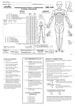
Diagnosis and identification of Brown-Séquard syndrome is based on physical examination findings. In clinical practice, the pure classic syndrome is rarely seen. Motor examination reveals spastic weakness or paralysis with upper motor neuron signs of increased tone, hyperreflexia, clonus, and a Hoffmann sign on one side of the body. Motor strength of key muscles representing cervical and lumbar spinal root levels should be graded on the standard 0-5 scale. Special care must be taken to test in positions with gravity eliminated and against gravity. The sensory examination is notable for contralateral decreased sensations of light touch and hot or cold. Sensory function should be recorded in representative dermatomes from C2-S4/5 for absent, impaired, or normal sensations of light touch and pinpricks.4 The findings then can be classified according to the American Spinal Injury Association (ASIA) standard neurologic classification of SCI. The neurologic level is defined as the most caudal segment with normal function. Complete or incomplete assessment is based on sensory or motor function in S4-S5. The ASIA impairment scale reflects the degree of incomplete injury based on motor and sensory function below the neurologic level (see Images 1-2).
Causes
Brown-Séquard syndrome can be caused by any mechanism resulting in damage to one side of the spinal cord. Multiple causes of Brown-Séquard syndrome have been described in the literature. The most common cause remains traumatic injury, often a penetrating mechanism, such as a stab or gunshot wound or a unilateral facet fracture and dislocation due to a motor vehicle accident or fall. More unusual etiologies that have been reported include assault with a pen, removal of a cerebrospinal fluid drainage catheter after thoracic aortic surgery, and a blowgun dart injury.5 Traumatic injury may also be the result of blunt trauma or pressure contusion. Numerous nontraumatic causes of Brown-Séquard syndrome have also been reported, including the following:
Acute Poliomyelitis
Cervical Disc Disease
Decompression Sickness
Guillain-Barre Syndrome
Multiple Sclerosis
Posttraumatic Syringomyelia
Other Problems to Be Considered
Spinal infection Vascular malformation Spinal cord tumor, primary or metastatic Spinal cord herniation Postradiation spinal cord dysfunction Eccentric disk herniation with cord compression
Lab Studies
- Laboratory tests are not routinely required for the diagnosis of Brown-Séquard syndrome, but they may be ordered in situations in which an infectious or neoplastic etiology is suspected.
Imaging Studies
- Radiographic studies help to confirm the diagnosis and determine the etiology of Brown-Séquard syndrome. Plain films always are required in acute trauma to the spine, but more information usually is obtained by newer techniques. Magnetic resonance imaging (MRI) is very useful in determining the exact structures that have been damaged, as well as in identifying nontraumatic etiologies of Brown-Séquard syndrome. No contrast is necessary for acute injury, but if an intradural etiology is suspected, a gadolinium or phase-contrast cine MRI scan may be helpful.6, 7 In persons who are unable to have an MRI scan performed, a computed tomography (CT) myelogram is the study of choice. Imaging is expected to reveal destruction of nerve tissue localized to one side of the spinal cord.8, 9
- The suggested etiology of the syndrome dictates the use of other imaging studies. Angiography is helpful in identifying vascular malformation. Nuclear medicine scans may be necessary to identify infectious or inflammatory causes.
Other Tests
- Purified protein derivative and sputum for acid-fast bacilli should be ordered if tuberculosis is suggested as an etiology.
Procedures
- Procedures are performed only for diagnosis of specific suggested etiologies. Diagnosis of multiple sclerosis, transverse myelitis, tumor, or tuberculosis may require lumbar puncture with laboratory analysis of cerebral spinal fluid. Diagnosis of tumor may require open biopsy with tissue pathology or CT scan–guided needle biopsy.
Rehabilitation Program
Physical Therapy
Physical therapy intervention starts in the acute care phase of treatment.10 Goals for therapy include the following:
- Maintaining strength in neurologically intact muscles
- Maintaining range of motion in joints
- Preventing skin breakdown by proper positioning and weight shifting
- Improving respiratory function by positioning and breathing exercises
- Achieving early mobilization to increase tolerance of the upright position
- Providing emotional and educational support for the patient and his/her family
As a person with SCI advances through acute rehabilitation, physical therapy addresses mobility issues. Functional movement starts with bed mobility, followed by transfers, wheelchair mobility, and in many cases of Brown-Séquard syndrome, ambulation. Appropriate equipment must be prescribed, and proper use of the equipment should be taught to the patient and caregivers. Prior to discharge, the patient's home is evaluated for accessibility and modifications, as well as for the need for adaptive equipment. The need for orthotics is assessed and recommended. After fitting, training with the device is vital to functional use. Patients and caregivers should be instructed in home exercise programs that are designed to maintain strength, flexibility, and balance. Because neurologic recovery often continues following discharge from acute inpatient rehabilitation, physical therapy should continue in the outpatient setting. Frequent reassessments are indicated to set new functional goals and to modify treatment as needed.
Occupational Therapy
Occupational therapy is essential for regaining as much independence as possible in activities of daily living. Upper extremity function is assessed carefully and then is used to learn new techniques, with or without the use of adaptive equipment, for the performance of oral-facial hygiene, feeding, and dressing. Head control, upper extremity strength, and trunk balance are developed to enable the patient to accomplish these tasks. Transfers and wheelchair mobility are addressed in conjunction with the physical therapist. Driving assessment, adaptations, and training are performed when appropriate. Patients with Brown-Séquard syndrome typically show neurologic improvement over the course of the first year after onset and may advance through several stages of independence in performing activities of daily living. Occupational therapy should be continued as long as the patient shows improvement in functional status.
Recreational Therapy
A person's leisure and recreational needs often increase after a significant change in physical function. Although patients with Brown-Séquard syndrome may regain more function than do most patients with SCI, recreational needs are important. Premorbid interests are assessed and incorporated into the development of adaptive sports, leisure activities, and a recreational program. The recreational therapist re-introduces a person with a disability into the community to develop the confidence needed for re-integration into society. The therapist also serves as a source of information and as a liaison to community programs for the disabled.
Medical Issues/Complications
Any SCI, regardless of degree of completeness, results in significant alterations of function of the respiratory, cardiovascular, digestive, urinary, musculoskeletal, and integumentary systems. Decreased pulmonary function, altered cardiovascular dynamics, neurogenic bowel and bladder dysfunctions, hypercalcemia, osteoporosis, heterotopic ossification, and insensate skin may not be avoidable, but secondary medical complications often are preventable with expert care. Secondary complications that need to be addressed with aggressive preventive measures and early treatment are:
- Development of pulmonary infections and respiratory insufficiency
- Uncontrolled autonomic dysreflexia
- Bowel impaction
- Urinary tract infections
- Pressure ulcers
Avoidance of medical complications reduces morbidity and mortality; it also speeds the rehabilitation process.
Surgical Intervention
Surgical intervention in traumatic SCI has been controversial, focusing primarily on spinal stability.11, 12 The need for prompt reduction of any spinal deformity is well accepted. The reduction can be achieved either posturally or operatively. Stabilization of the reduced spine to prevent further injury to the cord is more controversial. Stability may come from direct surgical repair with bone grafting and (often) instrumentation or from natural healing or autofusion in an orthosis. Most stable spinal injuries are treated nonoperatively, while unstable injuries are treated surgically. Surgical decompression of the spinal canal may be indicated for an incomplete syndrome in which residual compression is present. Nontraumatic etiologies of Brown-Séquard syndrome usually involve mechanical compression or herniation of the spinal cord and require surgical decompression.8
Consultations
Acute consultations are based on patient symptomatology and the etiology of the Brown-Séquard syndrome. Although patients with Brown-Séquard syndrome frequently regain bladder function, consultation with a urologist is required most commonly for evaluation of neurogenic bladder dysfunction.13 Other specialists that should be available for consultation over the course of the patient's rehabilitation include the following:
- Orthopedist
- Neurosurgeon
- General surgeon
- Hematologist-oncologist
- Infectious disease specialist
- Pulmonologist
- Cardiologist
- Gastroenterologist
- Neurologist
- Psychiatrist
- General medicine specialist
- Dentist
The use of medications for Brown-Séquard syndrome is dependent on the etiology and acuity of onset. Acute treatment of traumatic SCI involves immediate dosing of methyl prednisolone. Acute immobility that is unrelated to a bleed requires anticoagulation therapy, if not contraindicated. GI protection is strongly recommended. Other medications are used to manage symptoms and complications as needed, including antibiotics, antispasmodics, pain medications, and laxatives. Full discussions of medications and other treatment options for the associated conditions can be found in articles on the specific medical complication.
Drug Category: Corticosteroids
These have anti-inflammatory properties and cause profound and varied metabolic effects. Corticosteroids modify the body's immune response to diverse stimuli.
| Drug Name | Methylprednisolone (Adlone, Medrol, Solu-Medrol, Depo-Medrol, Depopred) |
| Description | Decreases inflammation by suppressing migration of polymorphonuclear leukocytes and reversing increased capillary permeability. |
| Adult Dose | 2-60 mg/d PO in 1-4 divided doses followed by gradual reduction to lowest level that maintains clinical response |
| Pediatric Dose | 0.5-1.7 mg/kg/d or 5-25 mg/m2/d PO/IV/IM divided q6-12h |
| Contraindications | Documented hypersensitivity; viral, fungal, or tubercular skin infections |
| Interactions | Co-administration with digoxin may increase digitalis toxicity secondary to hypokalemia; estrogens may increase levels; phenobarbital, phenytoin, and rifampin may decrease levels (adjust dose); monitor patients for hypokalemia when taking concurrently with diuretics |
| Pregnancy | C - Fetal risk revealed in studies in animals but not established or not studied in humans; may use if benefits outweigh risk to fetus
|
| Precautions | Hyperglycemia, edema, osteonecrosis, peptic ulcer disease, hypokalemia, osteoporosis, euphoria, psychosis, growth suppression, myopathy, and infections are possible complications of glucocorticoid use |
Further Inpatient Care
- After acute hospitalization and inpatient rehabilitation, further inpatient care is not necessary except in the event of a significant medical complication.
Further Outpatient Care
- Basic medical follow-up care for SCI is recommended every 1-3 years. The suggested assessments include full history and physical (eg, weight, vital signs), vital capacity if the injury level is above T6, routine blood tests, neurologic evaluation with ASIA scoring, and cardiac risk assessment. Urologic evaluation also is recommended, but it is not necessary if a patient with Brown-Séquard syndrome has regained normal bladder function.
- Brown-Séquard syndrome carries a more favorable prognosis than do most SCIs, with ongoing neurologic recovery occurring for up to 2 years following the injury. As long as a person's neurologic status is improving and his/her rehabilitation goals change, ongoing physical and occupational therapy are indicated. Following achievement of an optimal functional level, assessment by a physical therapist, occupational therapist, psychosocial counselor, and therapeutic recreation specialist is recommended every 1-3 years.
- In the patient who recovers ambulatory function, regular evaluation of any orthotics or assistive devices also is necessary to ensure safety and prevent skin breakdown.
In/Out Patient Meds
- Medication use is dependent on the secondary effects of SCI. Medication may be indicated for spasticity, pain, or a number of other possible complications. Please refer to individual articles on secondary effects for information on recommendations about medications. In general, persons with Brown-Séquard syndrome regain significant function, and many of these medications are not needed long term.
Deterrence
- A number of community outreach programs have been developed to educate young people about the risks of traumatic injury associated with certain behaviors. Results of such injury, such as SCI, are described in detail, and preventive measures are outlined. These programs have been found to have a positive impact on the rate of injury.
- Nontraumatic etiologies of Brown-Séquard syndrome are best prevented through early recognition and treatment of the underlying pathology.
Complications
- Potential long-term complications of Brown-Séquard syndrome are similar to those associated with aging and SCI. Lower extremity problems related to ambulation may increase, but this phenomenon has not been documented in the literature.
Prognosis
- A retrospective review of 412 patients with traumatic, incomplete cervical SCIs examined variables associated with improved neurologic outcomes.14 The most important prognostic variable relating to neurologic recovery was found to be completeness of the lesion. If the cervical spinal cord lesion is incomplete, younger patients with central cord or Brown-Séquard syndrome have the more favorable prognosis for recovery. Recovery was not linked to high-dose steroid administration, early surgical intervention, or surgical decompression in stenotic patients without fracture.
- Prognosis for significant motor recovery in Brown-Séquard syndrome is good.3 One half to two thirds of the 1-year motor recovery occurs within the first 1-2 months following injury. Recovery then slows but continues for 3-6 months and has been documented to progress for up to 2 years following injury.
- The most common pattern of recovery includes the recovery of the ipsilateral proximal extensor muscles prior to that of the ipsilateral distal flexors, recovery from weakness in the extremity with sensory loss before recovery occurs in the opposite extremity, and the recovery of voluntary motor strength and a functional gait within 1-6 months.15 Studies suggest that spared descending motor axons in the contralateral cord may mediate much of the motor recovery. Most individuals with incomplete injuries at the time of initial examination recover the ability to ambulate.
Patient Education
- Patient education occurs throughout all phases of care, from the time of diagnosis through acute hospitalization, rehabilitation, and community re-entry. Initially, the patient is informed about the diagnosis and its implications. During hospitalization, treatment is explained and rehabilitation is introduced. Extensive education on body system functions, social and psychological effects, coping strategies, and community re-integration is presented. Education for the patient with Brown-Séquard syndrome continues throughout life, using various mechanisms.
- For excellent patient education resources, visit eMedicine's Environmental Exposures and Injuries Center. Also, see eMedicine's patient education article The Bends - Decompression Syndromes.
Medical/Legal Pitfalls
- Special care must be taken in preparing a life-care plan for a patient with Brown-Séquard syndrome. The incompleteness of the syndrome in conjunction with a good prognosis for recovery makes determination of needs over a lifetime difficult. If evaluated too early, needs may be grossly overestimated. If evaluation is performed at the time of maximal function, the expected difficulties and changes associated with aging with disability must not be forgotten.
| Media file 1:
American Spinal Injury Association (ASIA) Impairment Scale. |

 | View Full Size Image | |
Media type: Image
|
| Media file 2:
American Spinal Injury Association (ASIA) standard neurologic classification of spinal cord injury. |
 | View Full Size Image | |
Media type: Image
|
- McCarron MO, Flynn PA, Pang KA, et al. Traumatic Brown-Séquard-plus syndrome. Arch Neurol. Sep 2001;58(9):1470-2. [Medline]. [Full Text].
- Spinal Cord Injury Information Network. Facts and Figures at a Glance. 2008;[Full Text].
- McKinley W, Santos K, Meade M, et al. Incidence and outcomes of spinal cord injury clinical syndromes. J Spinal Cord Med. 2007;30(3):215-24. [Medline]. [Full Text].
- Hayes KC, Hsieh JT, Wolfe DL, et al. Classifying incomplete spinal cord injury syndromes: algorithms based on the International Standards for Neurological and Functional Classification of Spinal Cord Injury Patients. Arch Phys Med Rehabil. May 2000;81(5):644-52. [Medline].
- Moin H, Khalili HA. Brown Séquard syndrome due to cervical pen assault. J Clin Forensic Med. Apr 2006;13(3):144-5. [Medline].
- Clatterbuck RE, Belzberg AJ, Ducker TB. Intradural cervical disc herniation and Brown-Séquard's syndrome. Report of three cases and review of the literature. J Neurosurg. Apr 2000;92(2 Suppl):236-40. [Medline].
- Jacobsohn M, Semple P, Dunn R, et al. Stab injuries to the spinal cord: a retrospective study on clinical findings and magnetic resonance imaging changes. Neurosurgery. Dec 2007;61(6):1262-6; discussion 1266-7. [Medline].
- Parmar H, Park P, Brahma B, et al. Imaging of idiopathic spinal cord herniation. Radiographics. Mar-Apr 2008;28(2):511-8. [Medline].
- Miranda P, Gomez P, Alday R, et al. Brown-Sequard syndrome after blunt cervical spine trauma: clinical and radiological correlations. Eur Spine J. Aug 2007;16(8):1165-70. [Medline].
- Winchester PK, Williamson JW, Mitchell JH. Cardiovascular responses to static exercise in patients with Brown-Séquard syndrome. J Physiol. Aug 15 2000;527 Pt 1:193-202. [Medline]. [Full Text].
- Massicotte EM, Montanera W, Ross Fleming JF, et al. Idiopathic spinal cord herniation: report of eight cases and review of the literature. Spine. May 1 2002;27(9):E233-41. [Medline].
- Kohno M, Takahashi H, Yamakawa K, et al. Postoperative prognosis of Brown-Séquard-type myelopathy in patients with cervical lesions. Surg Neurol. Mar 1999;51(3):241-6. [Medline].
- Scivoletto G, Cosentino E, Morganti B, et al. Clinical prognostic factors for bladder function recovery of patients with spinal cord and cauda equina lesions. Disabil Rehabil. May 11 2007;1-8. [Medline].
- Pollard ME, Apple DF. Factors associated with improved neurologic outcomes in patients with incomplete tetraplegia. Spine. Jan 1 2003;28(1):33-9. [Medline].
- Little JW, Halar E. Temporal course of motor recovery after Brown-Sequard spinal cord injuries. Paraplegia. Feb 1985;23(1):39-46. [Medline].
- Antich PA, Sanjuan AC, Girvent FM, et al. High cervical disc herniation and Brown-Sequard syndrome. A case report and review of the literature. J Bone Joint Surg Br. May 1999;81(3):462-3. [Medline]. [Full Text].
- Blackwell TL, Krause JS, Winkler T, et al. Spinal Cord Injury Desk Reference: Guidelines for Life Care Planning and Case Management. New York, NY: Demos Medical Pub; 2001.
- Brugieres P, Malapert D, Adle-Biassette H, et al. Idiopathic spinal cord herniation: value of MR phase-contrast imaging. AJNR Am J Neuroradiol. May 1999;20(5):935-9. [Medline]. [Full Text].
- Cervical Spine Research Society, Editorial Committee. The Cervical Spine. 2nd ed. Philadelphia, Pa: Lippincott; 1989.
- Ellger T, Schul C, Heindel W, et al. Idiopathic spinal cord herniation causing progressive Brown-Séquard syndrome. Clin Neurol Neurosurg. Jun 2006;108(4):388-91. [Medline].
- Francis D, Batchelor P, Gates P. Posttraumatic spinal cord herniation. J Clin Neurosci. Jun 2006;13(5):582-6. [Medline].
- Gorman PH, Wuolle KS, Peckham PH, et al. Patient selection for an upper extremity neuroprosthesis in tetraplegic individuals. Spinal Cord. Sep 1997;35(9):569-73. [Medline].
- Hwang W, Ralph J, Marco E, et al. Incomplete Brown-Séquard syndrome after methamphetamine injection into the neck. Neurology. Jun 24 2003;60(12):2015-6. [Medline].
- Longo MJ, Jaffe CC. Images in clinical medicine. Electrical alternans. N Engl J Med. Dec 30 1999;341(27):2060. [Medline].
- Hochschuler SH, Cotler HB, Guyer RD, eds. Rehabilitation of the Spine: Science and Practice. St Louis, Mo: Mosby; 1993.
- Stover SL. Clinical Outcomes from the Model Systems. Gaithersburg, Md: Aspen Pubs; 1995.
- Tattersall R, Turner B. Brown-Séquard and his syndrome. Lancet. Jul 1 2000;356(9223):61-3. [Medline].
Brown-Sequard Syndrome excerpt Article Last Updated: May 7, 2008
|