Continually Updated Clinical Reference
 
 
  All Sources     eMedicine     Medscape     Drug Reference     MEDLINE
 
eMedicine - Head Trauma : Article by

Quick Find
Authors & Editors
Introduction
Clinical
Differentials
Workup
Treatment
Medication
Follow-up
Miscellaneous
Multimedia
References

Related Articles
Child Abuse & Neglect: Physical Abuse


Patient Education
Back, Ribs, Neck, and Head Center

Back, Neck, and Head Injury Center

Eye and Vision Center

Concussion Overview

Concussion Causes

Concussion Symptoms

Concussion Treatment

Bicycle and Motorcycle Helmets

Black Eye Overview

Child Passenger Safety Introduction


Author: Jagvir Singh, MD, Director, Division of Pediatric Emergency Medicine, Lutheran General Hospital of Park Ridge

Jagvir Singh is a member of the following medical societies: American Academy of Pediatrics

Coauthor(s): Arabela Stock, MD, Consulting Staff, Department of Pediatrics, Divisions of Critical Care and Pulmonology, Florida Pediatric Association

Editors: G Patricia Cantwell, MD, Associate Clinical Professor, Department of Pediatrics, University of Miami; Director of Pediatric Critical Care Medicine, Miller School of Medicine, Jackson Children's Hospital; Mary L Windle, PharmD, Adjunct Assistant Professor, University of Nebraska Medical Center College of Pharmacy, Pharmacy Editor, eMedicine.com, Inc; Barry J Evans, MD, Assistant Professor of Pediatrics, Temple University Medical School; Director of Pediatric Critical Care and Pulmonology, Associate Chair for Pediatric Education, Temple University Children's Medical Center; Mary E Cataletto, MD, Associate Director, Division of Pediatric Pulmonology, Winthrop University Hospital; Associate Professor, Department of Clinical Pediatrics, State University of New York at Stony Brook; Maureen Strafford, MD, Arnold P Gold Foundation Associate Professor, Departments of Anesthesiology and Pediatrics, Tufts University and Tufts-New England Medical Center

Author and Editor Disclosure

Synonyms and related keywords: head trauma, head injury, brain trauma, brain injury, primary head trauma, secondary head trauma, intracranial pressure, ICP

Background

Trauma is a leading cause of death in children older than 1 year in the United States, with head trauma representing 80% or more of the injuries. In approximately 5% of head trauma cases, patients die at the site of the accident. Head trauma has a high emotional, psychosocial, and economic impact because these patients often have comparatively long hospital stays, and 5-10% require discharge to a long-term care facility.

The anatomical differences of the child's brain render it more susceptible than the adult brain to certain types of injuries following head trauma. The head is larger in proportion to the body surface area, and stability is dependent on the ligamentous rather than bony structure. The pediatric brain has a higher water content, 88% versus 77% in adult, which makes the brain softer and more prone to acceleration-deceleration injury. The water content is inversely related to the myelinization process. The unmyelinated brain is more susceptible to shear injuries. Infants and young children tolerate intracranial pressure (ICP) increases better because of open sutures.

Pathophysiology

Primary and secondary injuries are described with head trauma, and the presence of these injuries affects the outcome of these patients.

The primary injury occurs at the time of impact, either by a direct injury to the brain parenchyma or by an injury to the long white matter tracts through acceleration-deceleration forces. Direct injury to the brain parenchyma occurs as the brain is impacted on the bony protuberances of the calvaria or by penetration of the brain by bony fragments or a foreign body. In children, the compliant skull is easily deformed, and impacts on the brain at the time of the insult result in a coup injury, as opposed to adults, in whom the brain is forced against the bony protuberances opposite the point of the impact, resulting in a countercoup injury. Intracranial hemorrhage may also result from shearing or laceration of vascular structures. Acceleration-deceleration forces cause shearing of the long white matter tracts, leading to axonal disruption and secondary cell death.

The secondary injury is represented by systemic and intracranial events that occur in response to the primary injury and further contribute to neuronal damage and cell death.

The systemic events are hypotension, hypoxia, and hypercapnia and may occur as a direct result of primary injury to the CNS or can result from associated injuries in a person with multiple traumas.

The intracranial events are a series of inflammatory changes and pathophysiologic perturbations that occur immediately after the primary injury and continue over time. Their presence adds to the adverse outcome of the head trauma patient. The inflammatory events are the result of a cascade of biomolecular changes triggered by the initial insult, leading to microcirculatory disruption and neuronal disintegration. A series of factors such as free radicals, free iron, and excitatory neurotransmitters (glutamate, aspartate) are the result of these inflammatory events, and their presence contributes to the negative outcome. The pathophysiologic events are cerebral edema, increased ICP, hyperemia, and ischemia.

The brain has minimal ability to store energy; thus, it is dependent on aerobic metabolism. The delivery of oxygen and metabolic substrate to the brain is maintained by a constant supply of blood known as cerebral blood flow (CBF). CBF, defined as the amount of blood in transit through the brain at one given point in time, is estimated to be 50mL/100g/min in a healthy adult, and it is known to be much higher in children. However, the minimum amount necessary to prevent ischemia remains unknown. CBF is influenced by mean arterial blood pressure (MAP), ICP, viscosity of the blood, metabolic products, and the diameter of brain vessels. CBF should not be confused with cerebral blood volume (CBV), which represents the amount of blood present in the brain vasculature. CBV is the major contributor to the ICP and is dependent on the diameter of intracranial vessels. When CBV is increased, the pressure gradient across the compartment is decreased, and the CBF is decreased.

The brain has the capacity of maintaining constant blood flow through a mechanism known as autoregulation. This occurs over a wide range of blood pressures through changes in cerebral resistance in response to fluctuations in MAP pressure. The CBF is maintained at a MAP of 60-150 mm Hg. At 60 mm Hg, the cerebral vasculature is maximally dilated, and at 150 mm Hg, it is maximally constricted. Fluctuations past this range lead to alterations in CBF and contribute to ischemia or disruption of the blood-brain barrier. Several mechanisms are known to affect autoregulation of CBF, and they can be divided into metabolic products and arterial blood gas content and myogenic, neurogenic, and endothelium-dependent factors. Their effect is not fully known, and their mechanism of action is still under experimental investigation.

CBF is closely linked to cerebral metabolism. Although the mechanism of coupling is not clearly defined, it is suspected to involve vasodilators released from neurons. Several factors have been implicated such as adenosine and free radicals. Pathophysiologic states, such as fever and seizure activity, that are known to increase the metabolic activity lead to an increase in CBF.

CBF can be altered by changes in the partial pressure of oxygen or carbon dioxide. Alteration in the partial pressure of oxygen acts on the vascular smooth muscle through mechanisms that remain unclear. Hypoxia causes vasodilatation with significant increase in CBF. Increases in oxygen pressure cause vasoconstriction but to a lesser degree than hypoxia. Hypercarbia increases CBF up to 350% of normal; hypocapnia produces a decrease in blood flow. The mechanism appears to involve alteration in tissue pH that leads to changes in arteriolar diameter. This mechanism is preserved even when autoregulation is lost.

The myogenic mechanism was considered for a long time to be the most important in the autoregulation process. The changes in the actin-myosin complex were thought to lead to rapid changes in the vasculature diameter, thus affecting the CBF. Currently, changes in the actin-myosin complex have been shown to mostly cause dampening of arterial pulsation and to have little direct effect on cerebral autoregulation.

The neurogenic mechanism is represented by the effect of the sympathetic system on the cerebral vasculature. The sympathetic nervous system shifts autoregulation towards higher pressures, whereas sympathetic blockade shifts it downwards.

Recent studies identified nitric oxide as one of the factors affecting cerebral autoregulation by producing relaxation of cerebral vessels. It is present in several conditions such as ischemia, hypoxia, and stroke. Nitric oxide has been shown to be generated by different cells at rest but also under direct stimulation by factors such as cytokines.

Traumatic brain injury may lead to loss of autoregulation through alterations of the described mechanisms. These mechanisms represent the foundation upon which the medical management of increased ICP and cerebral perfusion pressure (CPP) is based in patients with traumatic brain injury.

Frequency

United States

Head injury is estimated to occur in approximately 200 per 100,000 population per year. The number includes all head injuries that resulted in hospitalization, death, or both in persons aged 0-19 years.

Mortality/Morbidity

The overall outcome for children with head injuries is better than that of adults with the same injury score. Recovery in children takes longer, from months to sometimes years, whereas adults reach maximum recovery by about 6 months following the injury. Outcome assessment based on the Glasgow Coma Scale (GCS) could be used as an early predictor, but it has limitations regarding long-term outcome. Patients with multiple organ injuries, including head trauma, generally have a far worse outcome than those with head injury alone.

  • Mortality: According to the National Center for Health Statistics, the mortality rate from head trauma is 29% in the pediatric population. These data are based on death certificate information, and 29% could be an underestimation of the actual rate. Data reported by studies in trauma centers show that head injury represents 75-97% of pediatric trauma deaths.
  • Neurologic deficits: Ten to 20% of children with moderate-to-severe head injury (GCS of 6-8) have short-term memory problems and delayed response times, especially if the coma lasts longer than 3 weeks. More than half of children with GCS of 3-5 have permanent neurologic deficits.

Race

Black adolescent boys account for most of the firearms-related CNS injuries in the pediatric population.

Sex

Males are twice as likely to sustain head injuries as females, and they have 4 times the risk of fatal trauma.

Age

The distribution of head trauma is relatively stable throughout childhood. An increase in the incidence of head trauma was identified in 2 age groups.

  • At approximately age 15 years, a dramatic increase occurs, mainly in males, related to their involvement in sports and driving activities.
  • Infants younger than 1 year have also been identified by several studies as having an elevated incidence of head trauma, which is attributed to falls and child abuse.


History

Head trauma patients may experience one or a combination of primary injuries, depending on the degree and mechanism of trauma. Specific types of primary injury include scalp injury, skull fracture, basilar skull fracture, concussion, contusion, intracranial hemorrhage, subarachnoid hemorrhage, epidural hematoma, subdural hematoma, intraventricular hemorrhage, subarachnoid hemorrhage, penetrating injuries, and diffuse axonal injury.

  • Scalp injury
    • Often observed with traumatic brain injuries, scalp injury can overlie other intracranial pathology; therefore, it requires careful exploration for foreign bodies or underlying skull fractures.
    • Bleeding associated with scalp lacerations could be significant enough to cause hypotension and shock in a small infant.
    • Caput succedaneum and cephalohematoma are observed with birth-related head trauma. Caput succedaneum involves molding of the neonatal head and crosses the suture lines, whereas cephalohematoma involves subperiosteal bleeding and is limited by the suture lines.
  • Skull fracture
    • Skull fractures are linear, comminuted, depressed, and diastatic. In children, 90% of the fractures are linear and tend to be more diastatic; thus, the radiographic appearance is more impressive. An open fracture is a fracture overlaid by a laceration. The presence of cerebrospinal fluid (CSF) in the wound indicates a violation of the dura and warrants further exploration.
    • Location of the fracture is important because it may cross the path of a major vessel and be associated with an intracranial bleed.
    • Depressed skull fracture is defined as displacement of the inner table of the skull by more than one thickness of the bone. One third of depressed fractures are simple, one third are associated with dural laceration, and one fourth have cortical lacerations.
  • Basilar skull fracture
    • This is present in 6-14% of pediatric patients with head trauma and is suggested by a history of a blow to the back of the head.
    • Loss of consciousness, seizures, and neurologic deficits may or may not be present. Children with basilar skull fracture usually have prolonged nausea, vomiting, and general malaise, most likely because of the vicinity of the fracture to the emesis and vestibular brainstem centers.
    • Physical findings such as Battle sign, raccoon eyes, and CSF otorrhea and rhinorrhea are pathognomonic; ocular nerve entrapment may occur in 1-10% of patients.
  • Concussion
    • A transient loss of consciousness, concussion occurs as the result of head trauma. Patients often have normal findings on neurologic examination; the diagnosis is usually a retrospective one.
    • Infants and young children have a higher incidence of posttraumatic seizures and most often increased delayed somnolence and vomiting; older children have a history of posttraumatic amnesia.
    • Waxing and waning of mental status in the absence of any morphologic changes is also characteristic of concussion and is more often observed in older children.
  • Contusion
    • Caused by a direct injury to the head, a contusion is an area of bruising or tearing of the brain tissue. The temporal and frontal lobes are the most vulnerable areas because of their anatomical relationship with the bony protuberances of calvaria.
    • The typical presentation is of progressive neurologic deterioration secondary to local cerebral edema, infarcts, and/or late-developing hematomas.
  • Epidural hematoma
    • Developing between the skull and the dura and secondary to the laceration of an artery or vein, epidural hematomas of arterial origin peak in size by 6-8 hours after the injury. Epidural hematomas of venous origin may grow over 24 or more hours. Common locations are the temporal, frontal, and occipital lobes. An overlying skull fracture may be present.
    • Patients may present with the classic lucid interval between the initial loss of consciousness and subsequent neurologic deterioration, but this is less frequent in the pediatric population.
    • When neurologic deterioration with hemiparesis, unconsciousness, posturing, and pupillary changes develops, it is due to the expansion of hematoma and exhaustion of compensatory mechanisms, with subsequent compression of the temporal lobe and/or brain stem.
  • Subdural hematoma
    • Located between the dura and the cortex, subdural hematoma results from tearing of the bridging veins across the dura or laceration of the cortical arteries during acceleration-deceleration forces; it is usually associated with severe parenchymal injury, and the presentation is that of profound and progressive neurologic deterioration.
    • Subdural hematoma may develop secondary to birth trauma, in which case the presentation is within 12 hours of life and includes seizures, full fontanel, anisocoria, and respiratory distress.
    • Subdural hematoma is also a feature of shaken baby syndrome; the usual presentation is of new-onset seizures, increased head circumference, poorly thriving infant, and tense fontanel. Focal neurologic deficits are usually absent.
  • Penetrating injuries: Resulting from various sources, penetrating injuries should be considered neurosurgical emergencies because rapid deterioration and fatal hemorrhages may ensue.
  • Intraventricular hemorrhage: This type of hemorrhage is usually the result of minor trauma and resolves spontaneously. Large hemorrhages could lead to obstructive hydrocephalus, especially when they are located at the level of the foramen of Monroe and the aqueduct of Sylvius, in which case surgical intervention is required.
  • Subarachnoid hemorrhage
    • The most common form of hemorrhage associated with head trauma, subarachnoid hemorrhage, results from disruption of the small vessels on the cerebral cortex. The usual location is along the falx cerebri or tentorium and the outer cortical surface.
    • Common symptoms include nausea, vomiting, headache, restlessness, fever, and nuchal rigidity caused by blood in the subarachnoid space.
  • Diffuse axonal injury
    • A result of rapid acceleration-deceleration forces, this type of injury causes disruption of the small axonal pathways.
    • The most commonly affected areas are the basal ganglia, thalamus, deep hemispheric nuclei, and corpus callosum. Their increased vulnerability to shear injuries is attributed to a different momentum of these structures from the rest of the brain at the time of the injury.
    • Patients usually present with various states of altered mentation and often remain in a vegetative state for long periods. A marked discrepancy exists between the highly abnormal neurologic examination findings and the lack of findings on CT scanning. Occasionally, small petechial hemorrhages may be present.
    • Prognosis for full recovery often is poor.

Physical

Head trauma patients often have multiple organ injuries. Assessment of patients with severe head injuries involves a primary and a secondary survey. The primary survey is a focused physical examination directed at identifying and treating life-threatening conditions present in a trauma patient and by this, preventing secondary brain injury. The secondary survey of patients with head trauma is a detailed examination and assessment of the system with the goal of identifying all traumatic injuries and directing further treatment.

  • Airway (primary survey)
    • Airway inspection should be directed at identifying the presence of foreign bodies, loose teeth, facial lacerations and bone instability, deviation of trachea, and circumoral cyanosis indicative of hypoxia.
    • Auscultation of airway may suggest the presence of upper airway obstruction, especially when a turbulent flow pattern is noted.
  • Breathing (primary survey): Apnea and hypoventilation secondary to pulmonary or neurologic causes are common findings in patients with head trauma. When present, they require immediate intervention and endotracheal intubation.
  • Circulation (primary survey)
    • Cushing triad, bradycardia, hypertension, or alteration of respiration, if present, is a late manifestation indicative of herniation.
    • When present, hypotension should not solely be attributed to intracranial hemorrhage. Several other causes may lead to this finding, such as internal hemorrhages, spinal cord injury, cardiac contusion, and dysrhythmias with secondary impaired cardiac output. Hypotension associated with bradycardia in a trauma patient should be highly suspicious of spinal cord injury.
  • Neurologic examination (primary survey)
    • Responsiveness is assessed with the alert, verbal, pain, unresponsive (AVPU) system and with the GCS and its modified Pediatric Glasgow Coma Scale (PGCS). The PGCS was developed for children younger than 5 years of age as a more accurate tool to avoid errors that occur when the GCS is applied to children and infants with limited verbal skills. A PGCS of 13-15 represents minor injury, 8-12 is moderate injury, and less than 8 is severe injury. The GCS and its pediatric modification do not include a pupillary examination. For this reason, pupillary assessment should be performed each time a neurologic assessment is conducted.
    • Pupillary size and response to light may include the following: (1) Ipsilateral pupillary dilatation with no response to direct or consensual stimulation to light is caused by transtentorial herniation and compression of the parasympathetic fibers of cranial nerve III. (2) Bilateral, dilated, and unresponsive pupils constitute an ominous sign indicative of either bilaterally compressed cranial nerve III or global cerebral anoxia and ischemia.
    • Motor ability is assessed by direct observation of spontaneous and symmetric movement, by pressure applied to the nail bed, or by centrally applied painful stimuli such as a sternal rub. Findings may include the following: (1) Decreased spontaneous movement and/or flaccidity may indicate local or spinal cord injury. (2) Decerebrate posturing suggests damage to the midbrain. (3) Decorticate posturing indicates damage to the cerebral cortex, white matter, or basal ganglia.

    Table 1. Eye Opening

    Score>1 Year0-1 Year
    4Opens eyes spontaneouslyOpens eyes spontaneously
    3Opens eyes to a verbal commandOpens eyes to a shout
    2Opens eyes in response to painOpens eyes in response to pain
    1No responseNo response

    Table 2. Best Motor Response

    Score>1 Year0-1 Year
    6Obeys commandN/A
    5Localizes painLocalizes pain
    4Flexion withdrawalFlexion withdrawal
    3Flexion abnormal (decorticate)Flexion abnormal (decorticate)
    2Extension (decerebrate)Extension (decerebrate)
    1No responseNo response

    Table 3. Best Verbal Response

    Score> 5 Years2-5 Years0-2 Years
    5Oriented and able to converseUses appropriate wordsCries appropriately
    4Disoriented and able to converseUses inappropriate wordsCries
    3Uses inappropriate wordsCries and/or screamsCries and/or screams inappropriately
    2Makes incomprehensible soundsGruntsGrunts
    1No responseNo responseNo response
  • Head (secondary survey)
    • Cervical deformity, swelling, pain with palpation, step-off, or malalignment could suggest an unstable injury of the cervical spine and should prompt immobilization of the cervical spine until further diagnostic tests are obtained.
    • Lacerations and depressions, when present, require further exploration for foreign bodies and underlying bone and dural disruption.
    • Battle sign or ecchymosis in the retroauricular and mastoid area is pathognomonic for basilar skull fracture. It is the result of blood dissecting in the occipital and mastoid area from the disrupted skull cortex.
    • Raccoon eyes or periorbital ecchymosis is indicative of basilar skull fracture. It is also the result of blood dissecting from the disrupted skull cortex into the soft tissue of periorbital region.
    • Hemotympanum (blood behind the tympanic membrane) indicates fracture of the petrous temporal bone and may be associated with disruption of cranial nerves VII and VIII.
    • CSF otorrhea and rhinorrhea are also present with basilar skull fracture and are the result of disruption of the leptomeninges and the cribriform plate. A glucose oxidase tape may be used to differentiate between rhinorrhea and CSF leakage.
    • Bulging of the fontanel is a sign of increased ICP.
  • Respiratory patterns (secondary survey)
    • Apnea secondary to diaphragmatic paralysis indicates high spinal cord injury. Cheyne-Stokes respiration or alternating periods of hyperpnea with apnea indicates injury to the cerebral hemispheres or diencephalon.
    • Hyperventilation is indicative of damage to the rostral brain stem or tegmentum.
    • Apneustic respiration described as prolonged end-expiratory pauses is secondary to damage of mid or caudal pontine level.
  • Neurologic examination (secondary survey)
    • Unilateral dilated pupil is due to compression of cranial nerve III and usually indicates ipsilateral herniation. Initially, the light reflex is preserved, but as herniation progresses and the cranial nerve III is compressed by the temporal lobe, the pupil becomes unresponsive to light stimulus.
    • Pupillary size could suggest the level of the injury. Pinpoint pupils are present in pontine lesions. Pupils that are mid position and nonreactive to light but maintain hippus and response to accommodation indicate midbrain tectum injury.
    • Horner syndrome or ipsilateral pupillary constriction, ptosis, and anhydrosis accompany damage of the hypothalamus and disruption of the sympathetic pathways. This may also be an early sign of transtentorial herniation.
    • Nystagmus, when present, suggests cerebellar or vestibular injury.
    • Tonic eye deviation is secondary to cortical lesions, cranial nerve dysfunction, or seizure activity. Retinal hemorrhages suggest nonaccidental head trauma or sustained increased ICP.
    • Papilledema, loss of venous pulsation, is observed with increased ICP.
    • Reflexes such as corneal, gag, and oculovestibular and the presence of spontaneous respiratory effort may help in locating the level of injury.
    • Motor and sensory function should be assessed to determine the integrity of the spinal cord.
    • Deep tendon reflexes that are symmetric and hyperactive indicate head or spinal cord injury, as opposed to asymmetric reflexes, which indicate a unilateral lesion.
    • Babinski reflex, dorsiflexion of the great toe at plantar stimulation, suggests pyramidal tract involvement. Infants might have a positive sign normally, and the value of this sign in this age group is limited.

Causes

Most head injuries occur secondary to motor vehicle accidents, falls, assaults, recreational activities, and child abuse. The percentage of each contributing factor differs between studies, and the distribution varies according to age, group, and sex. A few factors such as seizure disorder, attention deficit disorder, and alcohol and drug use enhance the vulnerability of the child or adolescent to this type of trauma. Infants and young children are more vulnerable to abuse because of their dependency on adults.

  • Motor vehicle accidents account for 27-37% of all pediatric head injuries. In most of the cases involving children younger than 15 years, the victim is a pedestrian or a bicyclist; pedestrian accidents in children aged 5-9 years are the second most frequent cause of death. Young adults aged 15-19 years tend to be passengers in the accidents, and alcohol is often a contributing factor.
  • Falls are the largest cause of injury in children younger than 4 years, contributing to 24% of all cases of head trauma.
  • Recreational activities have a seasonal distribution, with peaks during spring and summer months. They represent 21% of all pediatric brain injuries, with the largest vulnerable group aged 10-14 years.
  • Assault represents 10% and firearm-related injuries are 2% of all pediatric brain injuries.
  • Child abuse has been identified as the cause of brain injury in 24% of pediatric patients younger than 2 years; it was suspected in another 32%.


Child Abuse & Neglect: Physical Abuse


Lab Studies

  • A complete blood cell count, including platelets, provides a baseline hematocrit and should be monitored serially, especially when bleeding is suspected.
  • Blood chemistry, including an amylase and lipase, provides information regarding other organ injury.
  • Coagulation profile, prothrombin time (PT)/activated partial thromboplastin time (aPTT), and fibrinogen should be obtained in patients with head trauma because they may have an underlying or trauma-triggered coagulopathy.
  • Type and cross is useful in anticipation of need for transfusion, especially in patients with multiple traumas.
  • Arterial blood gas provides information regarding oxygenation and ventilation, and results direct further treatment.
  • A blood or urine toxicology screen should be obtained in addition to the routine panel, especially in patients who have altered mental status, seizures, and an unclear history.
  • Wound cultures from lacerations or open skull fractures should be taken; findings might help guide further therapy when infection is suspected.

Imaging Studies

  • CT scanning
    • CT scanning of the head remains the most useful imaging study for patients with severe head trauma or with unstable multiple organ injury.
    • Indications for CT scanning in a patient with a head injury include posttraumatic seizures, amnesia, progressive headache, unreliable history or examination because of possible alcohol or drug ingestion, loss of consciousness for longer than 5 minutes, physical signs of basilar skull fracture, repeated vomiting or vomiting for more than 8 hours after injury, and instability following multiple traumas.
    • A noncontrast study is useful in the immediate posttrauma period for rapid diagnosis of intracranial pathology that requires prompt surgical intervention. A contrast-enhanced study should follow when the patient is stable and IV contrast is no longer a contraindication.
    • CT scanning provides information regarding the following:
      • The integrity of soft tissue and bone, the size of the fontanel and suture lines, and the presence of foreign bodies
      • The appearance of the normal structures, the presence or absence of hemorrhage, and signs of edema, infarct, or contusion
      • Mass effect as indicated by midline shift
      • The appearance of the ventricles and cisterns: Compression of the ventricles is suggestive of mass effect. Ventricular enlargement may suggest development of hydrocephalus from intraventricular hemorrhage or blockage by mass effect.
      • The presence of cerebral edema as indicated by loss of gray-white matter demarcation
  • Magnetic resonance imaging
    • MRI is a more sensitive imaging study providing more detailed information regarding the anatomic and vascular structures, the myelination process, and detection of small hemorrhages in areas that might escape CT scanning.
    • MRI is not practical in emergency situations because the magnetic field precludes the use of monitors and life-support equipment needed by unstable patients.
    • MRI is useful for estimating the initial mechanism and extent of injury and predicting its outcome in the neurologically stable patient.
  • Skull radiography is not routinely indicated except in the following situations:
    • Patients younger than 1 year
    • Loss of consciousness for 3 minutes or longer
    • Skull penetration
    • Preexistent shunt
    • Scalp hematoma and/or depression
    • Otorrhea and/or rhinorrhea
    • Hemotympanum
    • Battle sign
    • Raccoon eyes
    • Altered mental status
    • Focal neurologic examination
  • Ultrasonography can be performed in neonates and small infants with open fontanel and could provide information regarding intracranial bleed or obstruction of the ventricular system.
  • Xenon CT scanning is a modality that may be useful in assessing the impact of medical management on the cerebral perfusion of a patient with head trauma, but it is not widely available and requires special equipment.

Other Tests

  • ECG: Patients with head trauma are prone to developing dysrhythmias through a reentry mechanism. ST-T wave abnormalities and prolonged QT interval could be present.

Procedures

  • External ventricular drains
    • The standard for ICP monitoring, they are also used as a therapeutic modality allowing for CSF removal during episodes of increased ICP or draining hemorrhage-induced hydrocephalus.
    • Placement is indicated for patients with severe head trauma and GCS less than 8, abnormal CT scan findings on admission, and rapidly deteriorating neurologic examination results or for patients in whom subsequent rises in the ICP are expected.
  • Lumbar drains
    • Lumbar drains are used for patients with refractory increased ICP, allowing further CSF removal.
    • An external ventricular drain should be placed initially; basilar cisterns must be open on CT scan prior to placement of a lumbar drain.
  • Subarachnoid and epidural monitors
    • Subarachnoid and epidural monitors have been used more often in the past, especially when an intraventricular catheter could not be placed. Their use has decreased since the development of fiberoptic transducers.
    • The theoretical advantages, such as ease of placement, reduced risk of infection, and decreased risk of hemorrhage should be weighed against the risk of inaccurate readings and inability to remove CSF.
    • Some other disadvantages include zero drift, hysteresis in measurement, and temperature sensitivity.


Medical Care

The goal of medical care of patients with head trauma is to recognize and treat life-threatening conditions and to eliminate or minimize the role of secondary injury. Patients with severe head trauma are at increased risk of developing cerebral edema, respiratory failure, and herniation secondary to the increased ICP; therefore, frequent serial assessments of the neurologic status must be performed.

The Brain Trauma Foundation has developed guidelines regarding the medical management of patients with severe head injury. These guidelines suggest that cardiopulmonary resuscitation should be the foundation upon which treatment of intracranial hypertension must be based. They also state that, in the absence of any obvious signs of increased ICP, no prophylactic treatment should be initiated because this may directly interfere with the optimal resuscitation process.

  • Airway management
    • A stable airway should be obtained to provide adequate oxygenation and ventilation. If endotracheal intubation is required, adequate sedation and paralysis must be assured to avoid further increase in ICP. Rapid sequence induction and endotracheal intubation are generally recommended. Stabilization of the cervical spine should be achieved in every patient with severe head trauma. Nasal intubation or nasogastric tube placement should be avoided, especially for patients in whom basilar skull fracture is suspected.
    • Breathing may be impaired because of neurological or thoracic injuries. Patients with significant head injury and altered mentation should be supplemented with 100% oxygen and should be supported with positive pressure ventilation.
    • Endotracheal intubation should be performed in cases in which the patient has difficulty maintaining the airway because of large secretions, poor gag reflex, coma, or the need prolonged ventilatory support.
    • Premedication for rapid sequence induction (RSI) includes atropine (0.02 mg/kg for children younger than 8 y) to blunt the effect of vagal stimulation and decrease the secretions. Lidocaine (1-2 mg/kg) may be used to decrease airway stimulation during intubation and prevent an increase in ICP. Thiopental (4-7 mg/kg), etomidate (0.3 mg/kg), or midazolam (0.1 mg/kg) have been successfully used to sedate the patient for intubation. Ketamine is contraindicated in patients with significant head and eye injuries because it may increase ICP and IOP. Succinylcholine, a depolarizing paralytic agent, may be used in older children in doses of 1-1.5 mg/kg. It acts rapidly and lasts for a short duration. Succinylcholine is contraindicated in neuromuscular disorders. Nondepolarizing agents including rocuronium, pancuronium, and vecuronium are commonly used in young children.
  • Cardiovascular management
    • Achieving normotension and euvolemia is the goal in cardiovascular management. CPP, defined as the MAP minus the ICP (CPP = MAP - ICP), is the physiologic variable that defines the pressure gradient driving the CBF and metabolite delivery, it is therefore closely related to ischemia. Several clinical studies suggest that maintaining CPP at 70-80 mm Hg may be the critical threshold.
    • Adequate volume resuscitation with isotonic solutions should be conducted to maintain adequate filling pressures, normal cardiac output, and ultimately normotension (MAP >90 mm Hg). More recent adult and pediatric studies have shown that the use of hypertonic solution in the resuscitation process is superior to that of lactated Ringer solution or isotonic sodium chloride solution. Patients who have received hypertonic sodium chloride solution have improved blood pressure response, overall decreased fluid requirement, fewer interventions in controlling the ICP, fewer complications, and improved survival.
    • Hypertension, if present, could represent a compensatory mechanism in response to the increased ICP; thus, reflex treatment of it may significantly compromise the cerebral perfusion. When normotension is desired in the presence of intracranial or intracerebral hemorrhage following surgical evacuation, calcium channel blockers or beta-blockers are the drugs of choice instead of direct vasodilators to avoid sudden hypotension.
    • Continuous cardiac monitoring should be performed because of the high incidence of ventricular dysrhythmias present in patients with head trauma and in those in whom cardiac contusion is suspected.
  • Increased ICP and cerebral perfusion management
    • Medical management of increased ICP includes elevating the head end of the bed to 30° and maintaining head and neck in midline position. Sedation and paralysis are used to prevent agitation and increased muscular activity that may increase the ICP. If neuromuscular blockers are used, monitoring the ICP and having an electroencephalogram in place is necessary.
    • The use of loop or osmotic diuretics (eg, furosemide, mannitol) is directed mostly at decreasing CSF production and improving cerebral compliance and CBF by decreasing the CBV. The effect on the reduction of cerebral edema remains unproved. They are also used to maintain euvolemia.
    • Hyperventilation should be used carefully for treating acute ICP elevations. Studies have shown that prolonged prophylactic use of hyperventilation in head trauma patients is associated with negative outcome. CBF is known to be diminished in the first 24 hours in patients with severe traumatic brain injury, with absolute values close to those of ischemia. Hyperventilation decreases CBF. It also potentially leads to the loss of autoregulation. This may cause further ischemic injury and does not produce a consistent reduction in ICP. Therefore, mild hyperventilation with PaCO2 level of 30-35 mm Hg is tolerated better over a longer period with less deleterious effect.
    • CSF drainage by extraventricular drains improves the ICP in these patients and provides continuous ICP monitoring.
    • Corticosteroids have no effect in decreasing the cerebral edema associated with head trauma and are not currently recommended. However, in the presence of head trauma and spinal cord injury, prompt use of methylprednisolone as a continuous infusion may improve the outcome of spinal injury.
    • Barbiturate therapy lowers the ICP and exerts cerebral protection through several mechanisms: alterations in vascular tone, inhibition of free radical–mediated lipid peroxidation, and suppression of metabolism. By lowering the metabolic demands, it decreases the CBF and related CBV, providing beneficial effects on the ICP and global cerebral perfusion. However, several studies have shown that barbiturate therapy does not improve outcome when compared to mannitol as empiric coma therapy or when used as prophylactic treatment of ICP.
    • The only patients to respond favorably to barbiturate ICP control seem to be those in whom the cerebrovascular autoregulatory response is preserved. Therefore, their use should be reserved only for intractable increased ICP when all conventional medical therapies have failed. The goal of barbiturate therapy should be directed to achieve electroencephalographic burst suppression because maximal reduction in CBF and metabolism occurs at this level. The main side effect remains hypotension and cardiovascular toxicity. Hence, when used, invasive hemodynamic monitoring is generally recommended.
  • Bleeding management: Disseminated intravascular coagulopathy is present in one third of head trauma patients and requires aggressive management and correction with replacement factors in order to decrease the risk of further intracranial bleeding and allow surgical intervention when necessary.
  • Seizure management: Posttraumatic seizures present in 10% of pediatric patients with head trauma may affect the outcome adversely by increasing the ICP, increasing the metabolic demands of the brain, and causing hypoxia and/or hypoventilation in a spontaneously breathing patient. Short-acting benzodiazepines (eg, lorazepam, diazepam) may be used to control the seizure, and phenytoin or phenobarbital should be used for maintenance anticonvulsant.

Surgical Care

  • Surgical decompression is required in the presence of a rapidly expanding epidural or subdural hematoma that causes an increase in ICP and focal compression.
  • The craniotomy and surgical drainage of an epidural hematoma and repair of vessels should be done immediately if signs of increased ICP, altered mentation, focal neurologic signs, pupillary changes, or a midline shift are present.
  • Conservative management with close monitoring in a pediatric ICU (PICU) is acceptable if no focal neurologic signs, altered mentation, or pressure effects with midline shift are present and the hematoma is less than 2 cm.
  • Patients with subdural hematoma with midline shift or altered mental status should have the hematoma emergently drained.
  • Patients with small subdural hematoma with no midline shift or pressure effects should be managed conservatively with close monitoring.
  • Surgical drainage of subdural hematoma is not required in most cases.
  • Most patients with penetrating injuries require surgical debridement and evacuation of the hematoma and receive prophylactic antibiotics, as well as anticonvulsants.
  • Depressed skull fractures require surgical elevation if the depth of the depression is thicker than the calvaria, if the depression is greater than 1 cm, and if bony fragments are causing the compression against the brain tissue.

Consultations

  • Consult a neurosurgeon.
  • A child advocacy team or child protective services should be contacted if child abuse is suspected, the mechanism of injury is unknown or unexplained, or the history is inconsistent.

Diet

Nutritional support is directed at avoiding hypoglycemia or hyperglycemia and providing enough calories to prevent catabolism and a negative nitrogen balance. Either the enteral or the parenteral route could be used, depending on the clinical status of the patient.

Activity

  • Elevation of the head to 30° and maintaining midline position continues to be recommended because it improves the venous drainage and decreases the ICP without affecting the CBF.
  • A cervical spine collar should be used until clearance of the spine is achieved.


Medical therapy is directed at controlling the ICP with sedatives and neuromuscular blockers, diuretics, lidocaine, and anticonvulsants.

Drug Category: Nondepolarizing neuromuscular blockers

These are used in combination with a sedative as part of the rapid sequence intubation process or to achieve control of the ICP.

Drug NameVecuronium (Norcuron)
DescriptionUsed to facilitate endotracheal intubation and provide neuromuscular relaxation during intubation and mechanical ventilation. Used as an adjunct to a sedative or hypnotic agent.
Adult Dose0.1 mg/kg/dose IV
Pediatric DoseLoading dose: 0.08-0.1 mg/kg/dose IV
Maintenance: 0.05-0.1 mg/kg/dose IV q1h prn; alternatively, 0.1 mg/kg/h IV as continuous infusion
ContraindicationsDocumented hypersensitivity; myasthenia gravis or related syndromes
InteractionsWhen vecuronium is used concurrently with inhalational anesthetics, neuromuscular blockade is enhanced; renal or hepatic failure as well as concomitant administration of steroids may result in prolonged blockade despite withdrawal of the agent
PregnancyC - Safety for use during pregnancy has not been established.
PrecautionsSmaller dose should be used in patients with myasthenia gravis, and the effect should be titrated with a peripheral nerve stimulator

Drug Category: Barbiturates

These are used as an adjunct for intubation in patients with head trauma and in the management of elevated ICP. They may also be used as anticonvulsants.

Drug NameThiopental (Pentothal Sodium)
DescriptionDOC for endotracheal intubation of patients with head injury. Also decreases the ICP.
Facilitates transmission of impulses from thalamus to cortex of brain, resulting in an imbalance in central inhibitory and facilitatory mechanisms.
Adult Dose75-250 mg/dose IV, repeat prn
Pediatric DoseInduction: 4-7 mg/kg/dose IV
Maintenance: 1 mg/kg IV prn
Acute rises in ICP: 1.5-5 mg/kg/dose IV
ContraindicationsDocumented hypersensitivity; porphyria; severe hypovolemia; unstable hemodynamics; lack of familiarity with drug; inability to manage airway
InteractionsCoadministration with CNS depressants, salicylates, and sulfisoxazole increases toxicity
PregnancyC - Safety for use during pregnancy has not been established.
PrecautionsMay cause myocardial depression, decreased cardiac output, and hypotension; caution in hepatic or renal insufficiency, asthma, severe cardiovascular disease, unstable aneurysm, hypotension, and laryngospasm or bronchospasm

Drug NamePentobarbital (Nembutal)
DescriptionShort-acting barbiturate with sedative, hypnotic, and anticonvulsant properties. May be used in high dosage to induce barbiturate coma for treatment of refractory increased ICP.
Pediatric DosePentobarbital coma:
Loading dose: 10-15 mg/kg/dose IV over 1-2 h
Maintenance: 1 mg/kg/h IV; may increase to 2-3 mg/kg/h until burst suppression is shown on EEG
ContraindicationsDocumented hypersensitivity; liver failure
InteractionsConcomitant use with alcohol may produce additive CNS effects and fatality; chloramphenicol may inhibit pentobarbital metabolism; pentobarbital may enhance chloramphenicol metabolism; MAOIs may enhance sedative effects of barbiturates; valproic acid appears to decrease barbiturate metabolism, increasing toxicity; barbiturates can decrease effects of anticoagulants (patients may require dosage adjustments if barbiturates are added to or withdrawn from the regimen); barbiturates may decrease corticosteroid and digitoxin effects through induction of hepatic microsomal enzymes, which increase metabolism; barbiturates decrease theophylline levels and may decrease effects; pentobarbital may decrease verapamil bioavailability
PregnancyD - Unsafe in pregnancy
PrecautionsRapid and prolonged IV administration may cause hypotension, respiratory depression, apnea, bronchospasm, and laryngospasm; caution in hypovolemic shock, respiratory dysfunction, renal dysfunction, and congestive heart failure

Drug NamePhenobarbital (Luminal, Solfoton)
DescriptionUsed for seizure control in patients with head trauma.
Adult Dose300-800 mg, followed by 120-240 mg/dose at 20-min intervals until seizures are controlled or total dose of 1-2 g is administered
Pediatric DoseLoading dose: 15-20 mg/kg/dose IV in single or divided doses
Maintenance: 5 mg/kg/d PO/IV divided bid
ContraindicationsDocumented hypersensitivity; severe respiratory disease; marked impairment of liver function; nephritis
InteractionsMay decrease effects of chloramphenicol, digitoxin, corticosteroids, carbamazepine, theophylline, verapamil, metronidazole, and anticoagulants (patients stabilized with anticoagulants may require dosage adjustments if medications are added to or withdrawn from their regimen); coadministration with alcohol may produce additive CNS effects and death; chloramphenicol, valproic acid, and MAOIs may increase phenobarbital toxicity; rifampin may decrease phenobarbital effects
PregnancyD - Unsafe in pregnancy
PrecautionsMonitor respiratory and cardiac function during loading dose; may cause drowsiness and impaired ability to perform tasks requiring alertness; caution in myasthenia gravis and myxedema

Drug Category: Benzodiazepines

These agents may be used to obtain immediate control of seizure activity or as adjuncts to narcotics and neuromuscular blockers to control the ICP. Prolonged use of these drugs may alter neurologic examination findings.

Drug NameMidazolam (Versed)
DescriptionShort-acting benzodiazepine with rapid onset of action. Useful in treating increased ICP.
Pediatric Dose0.05-0.1 mg/kg/dose IV; dose may be repeated prn; not to exceed a cumulative dose of 6 mg for infants and 10 mg for children
ContraindicationsDocumented hypersensitivity; uncontrolled pain; preexisting hypotension; narrow-angle glaucoma
InteractionsSedative effects of midazolam may be antagonized by theophyllines; narcotics and erythromycin may accentuate sedative effects of midazolam because of decreased clearance
PregnancyD - Unsafe in pregnancy
PrecautionsCareful monitoring of cardiorespiratory status during administration; caution in congestive heart failure, pulmonary disease, renal impairment, and hepatic failure

Drug NameLorazepam (Ativan)
DescriptionLong-acting benzodiazepine, used as anticonvulsant for immediate control of seizure activity.
Adult Dose4 mg/dose IV slowly over 2-5 min and repeat in 10-15 min prn; not to exceed a cumulative dose of 8 mg/12 h
Pediatric Dose0.05-0.1 mg/kg/dose IV over 2-5 min; may be repeated in 10-15 min
ContraindicationsDocumented hypersensitivity; CNS depression; hypotension; narrow-angle glaucoma; uncontrolled pain
InteractionsToxicity of benzodiazepines in CNS increases when used concurrently with alcohol, phenothiazines, barbiturates, and MAOIs
PregnancyD - Unsafe in pregnancy
PrecautionsCardiorespiratory monitoring during administration is required; long-term use requires liver function and CBC monitoring; caution in renal or hepatic impairment, myasthenia gravis, organic brain syndrome, or Parkinson disease

Drug Category: Anticonvulsants

These agents are recommended as a prophylactic measure for patients at increased risk for seizure activity following head trauma. No proof exists of a beneficial effect in seizure prevention after 1 week following head trauma. They are also used for immediate control of seizures.

Drug NamePhenytoin (Dilantin)
DescriptionMay act in motor cortex where may inhibit spread of seizure activity. Activity of brainstem centers responsible for tonic phase of grand mal seizures may also be inhibited. Is preferred to phenobarbital to control seizures because it does not cause as much CNS depression.
Adult DoseLoading dose for status epilepticus: 15-20 mg/kg PO/IV once or in divided doses, followed by 100-150 mg/dose at 30-min intervals
Initial maintenance dose (administered 12 h after loading dose): 100 mg (if administering oral susp, use dose of 125 mg) PO/IV tid
Maintenance: 300-400 mg/d PO/IV divided tid or qd/bid if using ER; increase to 600 mg/d (625 mg/d for PO susp) may be necessary; not to exceed 1500 mg/24 h
Rate of IV infusion must not exceed 50 mg/min to avoid hypotension and arrhythmias
Pediatric DoseLoading dose: 15-20 mg/kg PO/IV once or in divided doses
Initial maintenance dose (administered 12 h after loading dose): 5 mg/kg/d PO/IV divided bid/tid
Maintenance: 4-8 mg/kg PO/IV divided bid/tid; children > 6 y may require minimum adult dose (300 mg/d); not to exceed 300 mg/d
ContraindicationsDocumented hypersensitivity; sinoatrial block; second- and third-degree AV block; sinus bradycardia; Adams-Stokes syndrome
InteractionsAmiodarone, benzodiazepines, chloramphenicol, cimetidine, fluconazole, isoniazid, metronidazole, miconazole, phenylbutazone, succinimides, sulfonamides, omeprazole, phenacemide, disulfiram, ethanol (acute ingestion), trimethoprim, and valproic acid may increase phenytoin toxicity; phenytoin effects may decrease when taken concurrently with barbiturates, diazoxide, ethanol (long-term ingestion), rifampin, antacids, charcoal, carbamazepine, theophylline, and sucralfate; phenytoin may decrease effects of acetaminophen, corticosteroids, dicumarol, disopyramide, doxycycline, estrogens, haloperidol, amiodarone, carbamazepine, cardiac glycosides, quinidine, theophylline, methadone, metyrapone, mexiletine, PO contraceptives, and valproic acid; continuous tube feeding decreases the bioavailability of phenytoin
PregnancyD - Unsafe in pregnancy
PrecautionsPerform blood counts and urinalyses when therapy is initiated; discontinue use if a rash appears and do not resume use if rash is exfoliative, bullous, or purpuric; rapid IV infusion may result in death from cardiac arrest, marked by QRS widening; caution in acute intermittent porphyria and diabetes (may elevate blood sugars); discontinue use if hepatic dysfunction occurs

Drug Category: Diuretics

These may have a beneficial effect in lowering the ICP by decreasing the CSF production, excreting more water over solute and decreasing blood viscosity, with subsequent improvement of CBF.

Drug NameFurosemide (Lasix)
DescriptionA loop diuretic helpful in decreasing the ICP via 2 mechanisms. One influences CSF formation by affecting the sodium-water movement across the blood-brain barrier; the other mechanism is the preferential excretion of water over solute in the distal tubule.
Mostly useful when used in combination with mannitol, especially when the latter is administered 15 min before furosemide.
Adult Dose20-80 mg/d IV/IM; may increase dose; not to exceed 600 mg/d
Pediatric Dose1-2 mg/kg/dose IV q6-12h
ContraindicationsDocumented hypersensitivity; hepatic coma, anuria, and severe electrolyte depletion
InteractionsMetformin decreases furosemide concentrations; furosemide interferes with hypoglycemic effect of antidiabetic agents and antagonizes muscle-relaxing effect of tubocurarine; auditory toxicity appears to be increased with coadministration of aminoglycosides and furosemide; hearing loss of varying degrees may occur; anticoagulant activity of warfarin may be enhanced when taken concurrently with this medication; increased plasma lithium levels and toxicity are possible when taken concurrently with this medication
PregnancyC - Safety for use during pregnancy has not been established.
PrecautionsAvoid hypotension due to large-volume depletion; requires serum electrolyte monitoring

Drug NameMannitol (Osmitrol)
DescriptionOsmotic diuretic, which lowers the blood viscosity and produces cerebral vasoconstriction with normal CBF. ICP decrease occurs subsequent to a decrease in CBV.
Adult Dose1.5-2 g/kg IV as 20% solution (7.5-10 mL/kg) or as 15% solution (10-13 mL/kg) over a period as short as 30 min
Pediatric Dose0.5-1 g/kg/dose IV initial dose
0.25-0.5 g/kg/dose IV q4-6h
ContraindicationsDocumented hypersensitivity; anuria; severe pulmonary congestion; progressive renal damage; severe dehydration; active intracranial bleeding; progressive heart failure
InteractionsMay decrease serum lithium levels
PregnancyC - Safety for use during pregnancy has not been established.
PrecautionsCarefully evaluate cardiovascular status before rapid administration of mannitol because a sudden increase in extracellular fluid may lead to fulminating CHF; avoid pseudoagglutination, when blood is administered simultaneously, add at least 20 mEq of sodium chloride to each liter of mannitol solution; do not administer electrolyte-free mannitol solutions with blood; If used every 4-6 h, serum osmolarity should be monitored and dose held if osmolarity exceeds 320 mOsm/kg

Drug Category: Anesthetics

These agents may be used to blunt ICP elevation during endotracheal intubation process or during airway manipulation such as suctioning.

Drug NameLidocaine 1% (Xylocaine)
DescriptionUsed with good results in controlling the ICP in patients with head trauma.
Pediatric Dose1-1.5 mg/kg/dose IV
ContraindicationsDocumented hypersensitivity; Adams-Stokes syndrome (avoid); Wolf-Parkinson-White syndrome (avoid); severe sinoatrial, (AV), or intraventricular block if artificial pacemaker not in place (avoid)
InteractionsCoadministration with cimetidine or beta-blockers increases toxicity of lidocaine; coadministration with procainamide and tocainide may result in additive cardiodepressant action; may increase effects of succinylcholine
PregnancyB - Usually safe but benefits must outweigh the risks.
PrecautionsCaution in heart failure, hepatic disease, hypoxia, hypovolemia or shock, respiratory-depression, and bradycardia; may increase risk of CNS and cardiac adverse effects in elderly patients; high plasma concentrations can cause seizures, heart block, and AV conduction abnormalities


Further Inpatient Care

  • Criteria for hospitalization should be directed on an individual basis. Usual indications for admission include the following:
    • Documented loss of consciousness longer than 5 minutes
    • Coma, altered mental status, or seizures
    • Focal neurologic deficit
    • Protracted vomiting, severe and persistent headache
    • Intoxication with substances such as alcohol or drugs that interfere with the neurologic examination
    • Suspected child abuse
    • Unreliable caregiver
    • Underlying pathology such as coagulopathy or hydrocephalus
  • ICU admission should be based upon the severity of the trauma and associated injuries.

Further Outpatient Care

  • Patients with minor head injury (ie, PGCS of 14-15) can be discharged with observation instructions in the care of a reliable adult.
  • Patients who sustained loss of consciousness less than 5 minutes and have normal findings on neurologic examination, no symptoms of increased ICP such as vomiting or headache, no signs of basilar skull fracture, and normal findings on CT scanning or skull radiography can also be discharged with close observation by a reliable adult.

In/Out Patient Meds

  • Tetanus immunization status should be checked and updated for any patient, especially when lacerations or contaminated wounds are present.
  • Anticonvulsants may be needed to control or provide prophylaxis for seizure activity.
  • NSAIDs may be used for minor pain control.
  • Beta-blockers can be prescribed for patients with trauma-induced migraines.

Transfer

  • Transfer may be required to hospitals where consultation with a neurosurgeon is available, especially when surgical intervention is necessary.

Deterrence/Prevention

  • Passenger seat belts and airbags may be useful in preventing head injury.
  • Helmet use by children and adolescents during certain sport activities may reduce head trauma risk.
  • Education regarding avoidance of alcohol and drug use may also help in decreasing the incidence of alcohol- and drug-related accidents.
  • Children younger than 12 years should ride in the back seat of the car away from the airbag.

Complications

  • Seizures are more commonly observed with contusions (subdural hematoma more so than epidural hematoma), depressed skull fracture, and severe head injury (PGCS of 3-5).
  • Leptomeningeal cyst or growing fracture represents extrusion of leptomeninges and brain tissue through a dural defect.
  • Meningitis could develop secondary to basilar skull fracture.
  • Cranial nerve injury may develop secondary to basilar skull fracture. Oculomotor palsy is due to injury of cranial nerves VI, III, or IV. Trauma to nerve VII leads to facial nerve palsy. Hearing loss may occur because of injury of cranial nerve VIII.
  • Posttraumatic syndrome may develop following mild-to-moderate head trauma and consists of irritability, inability to concentrate, nervousness, and occasionally behavioral or cognitive impairment.
  • Cortical blindness, described as an acute loss of vision following head trauma, usually resolves spontaneously within 24 hours. Several mechanisms have been implicated, including acute cerebral edema and transient vasospasm. Cortical blindness is now considered to result from minor transient alterations in the brain function triggered by the traumatic event.
  • Trauma-induced migraine may begin from minutes to hours following the injury and may last from hours to days. Beta-blockers are the drugs of choice for this complication.
  • Hydrocephalus results from either an obstruction caused by an intraventricular hemorrhage or decreased reabsorption of CSF due to proteinaceous obstruction of the arachnoid villi.
  • Neurogenic pulmonary edema is thought to be due to medullary ischemia that leads to increased sympathetic tone with subsequent increase in pulmonary vascular pressure and a shift in blood distribution from the systemic to pulmonary bed.
  • Pulmonary infections are often present in patients with head trauma because of either an initial aspiration process or prolonged mechanical ventilation.

Prognosis

  • Patients with severe head trauma and a PGCS of 3-5 have a mortality rate of 6-35%; the rate increases to 50-60% for those with a PGCS of 3.
  • Of those with a PGCS of 3-5 who survive, 90% require rehabilitation following hospital discharge and most of them eventually return to school.
  • Patients with a PGCS of 3 have poor neurologic outcomes.
  • Patients with a PGCS of 6-8 are most likely to regain consciousness within 3 weeks, but one third are left with focal neurologic deficits and learning difficulties, especially when coma persists beyond 3 weeks.

Patient Education


Medical/Legal Pitfalls

  • Failure to recognize or suspect child abuse
  • Failure to recognize associated life-threatening injuries
  • Failure to recognize severe head injury that may initially seem less serious in a patient with multiple traumas (An example is the Waddell triad for a child pedestrian hit by motor vehicle, involving chest-abdomen trauma, leg injury, and a countercoup head injury.)


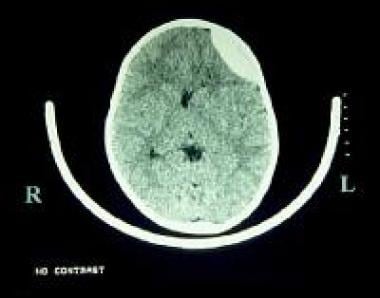
Media file 1:  Epidural hematoma with midline shift.
Click to see larger pictureClick to see detailView Full Size Image
Media type:  CT

Media file 2:  Subdural hematoma.
Click to see larger pictureClick to see detailView Full Size Image
Media type:  CT

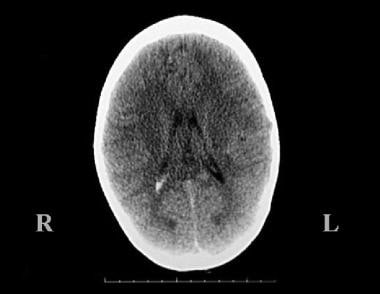
Media file 3:  Intraventricular hemorrhage.
Click to see larger pictureClick to see detailView Full Size Image
Media type:  CT

Media file 4:  Epidural hematoma with acute neurologic deterioration.
Click to see larger pictureClick to see detailView Full Size Image
Media type:  CT


  • Alberico AM, Ward JD, Choi SC, et al. Outcome after severe head injury. Relationship to mass lesions, diffuse injury, and ICP course in pediatric and adult patients. J Neurosurg. Nov 1987;67(5):648-56. [Medline].
  • Allen EM, Boyer R, Cherny WB. Head and Spinal Cord Injury. In: Rogers MC, Nichols DG, eds. Text Book of Pediatric Intensive Care. 3rd ed. Baltimore, Md:. Lippincott, Williams & Wilkins;1996:809-857.
  • Dias MS. Traumatic brain and spinal cord injury. Pediatr Clin North Am. Apr 2004;51(2):271-303.
  • Dietrich AM, Bowman MJ, Ginn-Pease ME, et al. Pediatric head injuries: can clinical factors reliably predict an abnormality on computed tomography?. Ann Emerg Med. Oct 1993;22(10):1535-40. [Medline].
  • Dikmen S, Machamer J, Temkin N, McLean A. Neuropsychological recovery in patients with moderate to severe head injury: 2 year follow-up. J Clin Exp Neuropsychol. Aug 1990;12(4):507-19. [Medline].
  • Doberstein CE, Hovda DA, Becker DP. Clinical considerations in the reduction of secondary brain injury. Ann Emerg Med. Jun 1993;22(6):993-7. [Medline].
  • Dolan M. Head Trauma. In: Pediatric Emergency Medicine. St. Louis, Mo:. Mosby-Year Book;1997:236-251.
  • Duhaime AC, Gennarelli TA, Thibault LE, et al. The shaken baby syndrome. A clinical, pathological, and biomechanical study. J Neurosurg. Mar 1987;66(3):409-15. [Medline].
  • Fessler RD, Diaz FG. The management of cerebral perfusion pressure and intracranial pressure after severe head injury. Ann Emerg Med. Jun 1993;22(6):998-1003. [Medline].
  • Ford EG, Jennings LM, Andrassy RJ. Steroid administration potentiates urinary nitrogen losses in head- injured children. J Trauma. Sep 1987;27(9):1074-7. [Medline].
  • Ghajar J, Hariri RJ, Narayan RK, et al. Survey of critical care management of comatose, head-injured patients in the United States. Crit Care Med. Mar 1995;23(3):560-7. [Medline].
  • Goldman H, Morehead M, Murphy S. Use of adrenocorticotrophic hormone analog to minimize brain injury. Ann Emerg Med. Jun 1993;22(6):1035-40. [Medline].
  • Greenes DS. Neurotrauma. Textbook of Pediatric Emergency Medicine. 2006;5th ed:1361-1388.
  • Haas DC, Lourie H. Trauma-triggered migraine: an explanation for common neurological attacks after mild head injury. Review of the literature. J Neurosurg. Feb 1988;68(2):181-8. [Medline].
  • Kadish HA, Schunk JE. Pediatric ba