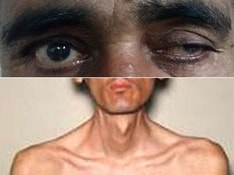
Continually Updated Clinical Reference
 
 
  All Sources     eMedicine     Medscape     Drug Reference     MEDLINE
 
eMedicine - Graves Disease : Article by

Quick Find
Authors & Editors
Introduction
Clinical
Differentials
Workup
Treatment
Medication
Follow-up
Miscellaneous
Multimedia
References

Related Articles
Anxiety Disorder: Generalized Anxiety

Attention Deficit Hyperactivity Disorder

McCune-Albright Syndrome

Thyroiditis


Patient Education
Endocrine System Center

Thyroid Problems Overview

Thyroid Problems Causes

Thyroid Problems Symptoms

Thyroid Problems Treatment


Author: Robert J Ferry Jr, MD, Associate Professor, Division of Pediatric Endocrinology and Diabetes, University of Texas Health Science Center at San Antonio; Major (Medical Corps), 162nd Area Support Medical Company, Texas Army National Guard

Robert J Ferry, Jr, is a member of the following medical societies: American Academy of Pediatrics, American Diabetes Association, American Medical Association, Endocrine Society, Lawson-Wilkins Pediatric Endocrine Society, Society for Pediatric Research, and Texas Pediatric Society

Coauthor(s): Lynne Lipton Levitsky, MD, Chief, Pediatric Endocrine Unit, Massachusetts General Hospital; Associate Professor, Department of Pediatrics, Harvard University Medical School

Editors: Thomas A Wilson, MD, Professor of Clinical Pediatrics, Department of Pediatrics; Director of Pediatric Endocrinology, Division of Pediatric Endocrinology, Department of Pediatrics, State University of New York at Stony Brook; Mary L Windle, PharmD, Adjunct Assistant Professor, University of Nebraska Medical Center College of Pharmacy, Pharmacy Editor, eMedicine.com, Inc; George P Chrousos, MD, FAAP, MACP, MACE, Professor and Chair, Department of Pediatrics, Athens University Medical School; Merrily P M Poth, MD, Professor, Department of Pediatrics and Neuroscience, Uniformed Services University of the Health Sciences; Stephen Kemp, MD, PhD, Professor, Department of Pediatrics, Section of Pediatric Endocrinology, University of Arkansas and Arkansas Children's Hospital

Author and Editor Disclosure

Synonyms and related keywords: Graves disease, hyperthyroidism, thyrotoxicosis, von Basedow disease, Graves' disease, thyroid-stimulating immunoglobulin, TSI, thyroxine, T4, triiodothyronine, T3

Background

Graves disease is the most common cause of hyperthyroidism in children. It is an immune-mediated disorder resulting from the production of thyroid-stimulating immunoglobulins (TSI) by stimulated B lymphocytes. These immunoglobulins bind to the thyroid-stimulating hormone (TSH) receptor to mimic the action of TSH and stimulate thyroid growth and thyroid hormone overproduction. Signs and symptoms of thyrotoxic Graves disease include an enlarged thyroid, rapid heart rate, widened pulse pressure, a hyperthyroid stare (infrequent blinking) or frank exophthalmos, tremor, sweating, palpitations, smooth moist skin, frequent bowel movements or diarrhea, sleeplessness, attention problems in school, irritability, and weight loss.
Diagnosis requires identification of suppressed TSH levels and elevated levels of free thyroxine (FT4) and/or triiodothyronine (T3). Measurement of TSI is of interest but is not required for therapeutic evaluation. Treatment is directed at alleviating symptoms and reducing thyroid hormone production. Symptoms may be improved by treatment with beta-blocking drugs. Reduction of thyroid hormone is accomplished by use of drug therapy, surgical subtotal thyroidectomy, or treatment with radioactive iodine (RAI). Because circulating TSI can cross the placenta, infants born to women with a history of Graves disease may have transient neonatal Graves thyrotoxicosis and also require treatment.

Although Perry was first to report hyperthyroidism in English, the classic description in 1835 by Graves became most widely accepted. Europeans often prefer to recognize the description by Basedow.

Pathophysiology

The reasons for the development of Graves disease are presently unknown. Patients likely have defective immune tolerance, leading to the development of specific autoantibodies directed against various thyroid antigens and against proteins with putatively similar antigenic sites in other tissues, notably, the subcutaneous tissues and extraocular muscles. The TSH receptor is the most significant thyroid autoantigen in this disorder. However, children with Graves disease also produce immunoglobulins directed against thyroperoxidase (anti-TPO) and thyroglobulin, as well as TSH receptor–blocking antibodies, as may be found in chronic lymphocytic thyroiditis (Hashimoto thyroiditis).

Because other antibodies can coexist with TSI, not all children with Graves disease are thyrotoxic. However, thyrotoxicosis is the hallmark of most cases of Graves disease. In general, thyrotoxic Graves disease is considered in this article. Onset of Graves disease in susceptible individuals has variously been attributed to acute infections and to both physical and emotional stress.

The thyroid is enlarged because of constant TSH receptor stimulation and the presence of activated T lymphocytes and plasma cells in pseudofollicular patterns. The thyroid often has a firm rubbery consistency when palpated, and the pyramidal lobe may be prominent. When overstimulated by TSI, the thyroid becomes quite vascular and an audible bruit is not uncommon. If the thyroid becomes very large, it may cause pressure symptoms and signs, including difficulty swallowing and hoarseness. Rarely, children may report associated pain.

Thyroid hormone excess, as a result of thyroid hyperstimulation, affects all organ systems. Patients with thyroid hyperstimulation are irritable and restless, have poor sleep habits, and often report daytime tiredness associated with nocturnal insomnia. Inability to concentrate and tremor translate in children into scholastic inattention, poor handwriting, and deteriorating school performance. Neuropsychiatric symptoms can mimic attention deficit/hyperactivity disorder (ADHD), yet few children with ADHD are actually discovered to be thyrotoxic. ADHD and thyrotoxicosis are usually distinguished easily by thyroid examination and measurement of pulse and blood pressure (BP).

Cardiovascular stimulation by thyroid hormone leads to a rapid pulse rate and a dynamic precordium. Patients sometimes subjectively report palpitations. The patient typically shows a widened pulse pressure. Hypermetabolism usually leads to weight loss with increased appetite. Heat intolerance often is subtle. Muscle wasting is present with decreased muscle strength. Typically, atrophy of the thenar and hypothenar eminences may be observed. The hair becomes fine, and temporal hair loss often occurs. Rare genetically determined individuals may develop thyrotoxic periodic paralysis. Darkening of the skin may occur, most noticeably in darker-skinned individuals, and intense pruritus may also occur. The skin is typically very fine and moist. Sweating is increased. Thickening of the skin (localized myxedema) is almost never observed in childhood Graves disease.

In severely hypermetabolic individuals, abnormalities of liver function may be found with elevations of serum glutamic-oxaloacetic transaminase (SGOT) and serum glutamic-pyruvic transaminase (SGPT). Increases in gut motility result in diarrhea and frequent bowel movements. Graves disease with thyrotoxicosis leads to loss of bone mineral, decreased bone density, and resultant hypercalcuria. Hypercalcuria, as well as hyposthenuria, as a direct effect of thyroid hormone on the renal tubule, leads to nocturia, and in some susceptible children, it leads to nocturnal enuresis. Nocturnal enuresis occasionally is the first finding noted in children with Graves disease.

Growth in height may be enhanced by hypermetabolism, and bone age may be advanced. Puberty may be affected. Girls with Graves disease may have irregular sparse menses, and boys may have excess estrogen effect because of increased metabolism of steroids to estrogen. Symptoms of gynecomastia and decreased libido in older adolescents are not uncommon.

Frequency

United States

The prevalence of Graves disease in childhood in the United States has not been quantitated. One speculation has been an incidence of 0.2-0.4%, which probably is an overestimation. Approximately 10% of infants born to women with Graves disease have elevations of thyroid hormone, but only 1-2% clinically have symptoms of thyrotoxicosis. The most common association with childhood Graves disease is a history of other family members with thyroid disease. On the other hand, concordance for Graves disease in identical twins is only 30-50%, indicating that both genetic and environmental factors play a role in this disease.

International

A Danish study identified a national incidence density for thyrotoxicosis of 0.79/100,000 person-years in children aged 0-14 years. Incidence density increases during childhood, with a peak incidence of 0.48/100,000 persons for boys and 3.01/100,000 persons for girls aged 10-14 years.

Mortality/Morbidity

Graves disease is potentially life threatening. The most severe manifestation of Graves disease is thyroid storm, which carries a mortality risk approaching 100% in untreated adults. Recent series with newer treatments, including the use of beta-adrenergic blocking agents, show a reduced risk of death near 20%. This is such a rare disorder in children that no comparable figures are available (see Thyroid Storm). Even children and adolescents with less severe manifestations of Graves disease can display long-term consequences of this disorder, including problems with schooling and chronic loss of bone mineral.

Race

No racial predilection for Graves disease seems to exist. It has been reported in every population studied. In whites, Graves disease is associated with certain histocompatibility antigens (HLA), ie, DR3, DR1, that have previously been linked to other autoimmune disorders. The link between HLA subtypes and Graves disease identified in whites is weaker in blacks.

Sex

Graves disease is much more common at any age in girls than in boys. The female preponderance has been estimated as 4-7 girls for every boy affected.

Age

Incidence increases with age, reaching a childhood peak during adolescence. Graves disease as a cause of thyrotoxicosis is very rare in children younger than 5 years.


History

Children with Graves disease are usually identified initially because of enlarged thyroid, weight loss, or behavioral changes. Exophthalmos, common in adults with Graves disease, is less commonly observed in children. The reason for this difference is not clear, but smoking is a well-recognized risk factor for exophthalmos. The enlarged thyroid may be big enough to cause dysphagia, with reports of difficulty swallowing. Usually, the enlarged thyroid is identified by a parent or physician, and it is not overtly symptomatic. Weight loss accompanied by a voracious appetite and excessive growth in height can lead to initial evaluation. Often, children begin to have distractibility in the classroom, trouble sleeping, and mood changes, which lead to the identification of thyroid enlargement and elevated levels of circulating thyroid hormone.

The astute clinician may identify these children when they are referred for evaluation of symptoms of attention deficit disorder (ADD). Adolescents with this disorder may also report pruritus, temporal hair loss, thinning of the hair, darkening of the skin, palpitations, and, in girls, amenorrhea or infrequent or light menses. Frequent stools or frank diarrhea and symptoms of heat intolerance are common. A strong family history of Graves disease or other autoimmune thyroid disease may often exist.

  • Symptoms include the following:
    • Dysphagia
    • Irritability and emotional lability
    • Sleeplessness and restlessness
    • Inability to concentrate
    • Deterioration of handwriting and school performance
    • Frequent stools or diarrhea
    • Palpitations
    • Pruritus
    • Weight loss
    • Increased appetite
    • Nocturia, increase in urination and thirst
    • Infrequent or light menses
    • Weakness and tiredness
    • Exercise intolerance
    • Heat intolerance

Physical

  • General manifestations:
    • On initial inspection, children and adolescents with thyrotoxicosis usually are tall and thin, with a fixed staring gaze and fidgety behavior.
    • Children with thyrotoxicosis may sit on their hands or clasp their hands to control fidgeting.
    • A widened pulse pressure and a rapid heart rate are typically found.
  • Ocular findings are often independent of the degree of thyrotoxicosis and may appear before the onset of hyperthyroidism.
    • Exophthalmos may be present, usually of mild degree. Weakness of the extraocular muscles is rare, but may be elicited by checking the capacity for convergence and looking for lid lag. Some adolescents may have true inability to close the eyelids because of more severe exophthalmos. Severe exophthalmos can be associated with a sandy gritty feeling in the eyes upon awakening or with corneal irritation or ulceration (exceedingly rare). Exophthalmos may be unilateral.
    • Nonspecific signs include lid reaction, wide palpebral aperture (Dalrymple sign), lid lag (von Graefe sign), stare or appearance of fright, infrequent blinking (Stellwag sign), and absent wrinkling of forehead skin on upward gaze (Joffroy sign). Signs unique to orbitopathy in Graves disease are the inability to keep the eyeballs converged (Mobius sign), limited extraocular gaze (especially upward), diplopia, blurred vision due to inadequate convergence and accommodation, swollen orbital contents and puffy lids, chemosis, corneal injection orulceration, irritated eye, globe pain, exophthalmos, enlarged lacrimal glands (visible on inspection and palpable), visible swelling of lateral rectus muscles at insertion sites into the globe and injection of overlying vessels, and decreased visual acuity (due to papilledema, retinal edema, retinal hemorrhages, or optic nerve damage).
    • Always perform thyroid function tests (TFTs) in addition to local imaging studies in children with unilateral exophthalmos or proptosis to rule out orbital tumor.
    • Exophthalmos can be quantitated using an exophthalmometer, which measures the extension of the eye beyond the bony socket. This measurement is standardized for adults. Values for young children are not readily available, but this study may still be useful to measure progression of the eye disease.
  • Thyroidal findings
    • The thyroid is firm and usually smooth and rubbery.
    • A bosselated gland may suggest the thyrotoxic phase of chronic lymphocytic thyroiditis.
    • A gland with a single nodule suggests an autonomously functioning nodule inducing thyrotoxicosis, while a multinodular gland indicates a multinodular goiter, a reasonably rare finding in children living in an iodine-replete environment. Malignancy is rarely associated with such hyperfunctioning lesions.
    • The finding of hyperthyroidism without a goiter suggests the possibility of exogenous administration of thyroid hormone.
  • Cardiopulmonary manifestations
    • Cardiac examination may reveal the murmur of mitral valve prolapse.
    • A rapid heart rate and prominent precordium are noted.
    • In the most severe form of thyrotoxicosis associated with Graves disease, thyroid storm, high-output heart failure is observed.
    • Atrial fibrillation may rarely be induced by thyrotoxicosis in children.
  • Neuromuscular findings
    • Deep tendon reflexes are exaggerated.
    • Thenar and hypothenar wasting may exist.
    • Muscle weakness can be profound.
    • In some genetically prone individuals, periodic paralysis associated with hypokalemia may be induced by thyrotoxicosis. Although thyrotoxic periodic paralysis is described as an adult disorder, it has been observed in adolescents.
  • Dermal manifestations
    • The skin usually is fine and moist.
    • Excoriations may be present because of pruritus.
    • Skin darkening may be observed in some darker-skinned individuals.
    • Thyrotoxicosis may intensify the lesions of acanthosis nigricans.
    • The presence of irregular café au lait spots may suggest the diagnosis of thyrotoxicosis associated with McCune-Albright syndrome rather than Graves disease.

Causes

Graves disease is a humorally mediated autoimmune disorder in which hyperthyroidism is induced by TSH receptor–stimulating antibodies.

  • In most children and adults, these antibodies are endogenous; however, transplacental passage of immunoglobulin G (IgG) antibodies from women with Graves disease to their infants may lead to the development of neonatal Graves disease. This is a self-limited disorder that resolves when the immunoglobulins are cleared by the neonate and may be followed by transient hypothyroidism if fetal pituitary TSH remains suppressed.
  • The presence of a long-acting thyroid stimulator (LATS) was postulated by Adams and Purves in 1956 and confirmed by the identification of the stimulatory immunoglobulins some years later. These immunoglobulins bind to the TSH receptor and mimic TSH action.
  • Almost all patients producing TSI also produce other immunoglobulins more commonly associated with chronic lymphocytic thyroiditis, such as antibodies directed against thyroperoxidase and thyroglobulin. This suggests a close relation between Graves disease and chronic lymphocytic thyroiditis. Indeed, many individuals have thyrotoxic components to their chronic lymphocytic thyroiditis, and the natural history of untreated Graves disease is that a percentage of individuals with Graves eventually become hypothyroid. Moreover, lymphocytic infiltrates similar to those of chronic lymphocytic thyroiditis are found in the thyroids of patients with Graves disease.
    • Immunoglobulins produced in this disorder may be measured in a number of in vitro assays. Because these assays may measure different aspects of immunoglobulin function, results in different assays may be discrepant. For instance, TSH receptor binding is measured in assays of thyroid-binding immunoglobulins (TBI), whereas TSH receptor activation (eg, increased activation of adenyl cyclase) is measured by TSI or thyroid-stimulating antibodies (TSAb).
    • Some immunoglobulins may bind to the TSH receptor without stimulating it and actually block the action of TSH (so-called blocking antibodies). These may be produced in individuals with Graves disease or chronic lymphocytic thyroiditis, further complicating the picture in occasional individuals with these disorders.
  • The mechanism of the failure of immune tolerance that leads to the development of Graves disease is not entirely understood, and competing hypotheses have not yet been definitively evaluated.
    • Nonetheless, HLA haplotypes commonly associated with other autoimmune disorders (B8, DR3) have also been linked to Graves disease.
    • An infectious etiology of thyrotoxicosis has been postulated based on occurrence frequency in unrelated family members. An association with Yersinia enterocolitica infection has been described but has not been confirmed fully.
    • Case-controlled studies have suggested an association with recent life stress. The familial occurrence of thyrotoxicosis as well as other autoimmune thyroid disorders suggests a genetic link that may be more powerful than that of the HLA association.


Anxiety Disorder: Generalized Anxiety
Attention Deficit Hyperactivity Disorder
McCune-Albright Syndrome
Thyroiditis

Other Problems to be Considered

TSH-secreting pituitary tumor
Autonomously functioning thyroid nodule
Toxic multinodular goiter
Ingestion of exogenous thyroid hormone
Hydatidiform mole/choriocarcinoma
Struma ovarii associated with a teratoma
Pituitary resistance to thyroid hormone
Subacute thyroiditis
Metastatic follicular carcinoma
Bipolar disorder


Lab Studies

  • Thyroid-stimulating hormone
    • TSH levels are suppressed in Graves disease and in all forms of thyrotoxicosis except that due to a TSH-secreting tumor of pituitary or other origin.
    • Children with pituitary thyroid hormone resistance also have elevated TSH.
  • Thyroxine
    • Total serum thyroxine (TT4) levels are elevated in almost all patients with thyrotoxicosis except those with pure elevations in T3 (T3 toxicosis) and individuals with decreased thyroxine (T4) binding.
    • Acutely ill individuals with sick syndrome may appear euthyroid when they are thyrotoxic.
    • FT4 may also be measured and is elevated except in patients with pure T3 toxicosis or the sick syndrome. T4 and FT4 are elevated in patients with pituitary insensitivity to thyroid hormone.
  • Thyroid hormone binding index
    • Thyroid hormone binding index (THBI), sometimes referred to as the T3 resin uptake or T3RU, measures binding of thyroid hormone to serum proteins. In combination with the TT4, THBI estimates FT4.
    • THBI is elevated in almost all patients with thyrotoxicosis except for those with pure T3 toxicosis. THBI is also elevated in patients with decreased serum thyroid binding proteins (TBG deficiency).
    • THBI may not be elevated in acutely ill individuals with sick syndrome.
    • Like T4, THBI is elevated in patients with pituitary insensitivity to thyroid hormone.
  • Triiodothyronine
    • T3 is elevated in all patients with thyrotoxicosis unless they are acutely or chronically ill, malnourished, or taking medication (eg, propylthiouracil) that interferes with the conversion of T4 to T3 peripherally.
    • T3 is slightly elevated in obesity and in overfeeding.
    • T3 levels are higher in children in the first several years of life than in older children.
    • Children with pituitary resistance to thyroid hormone also have elevated serum T3.
  • Antithyroid antibodies
    • Graves disease is almost always associated with measurable markers of autoimmunity in the form of suppressive or destructive antibodies.
    • Elevated levels of anti-TPO, antimicrosomal, or antithyroglobulin antibodies (in order of sensitivity) usually confirm the autoimmune nature of the thyrotoxicosis without recourse to the more difficult in vitro bioassays for TBI or TSI.
  • Thyroid-stimulating or thyroid-binding immunoglobulins
    • Measures of these antibodies by in vitro bioassay confirm Graves disease but are rarely necessary for diagnosis. Occasionally, these are not measurable even in patients with clinically proven Graves disease.
    • Maternal titers of these antibodies may be predictive of the severity of neonatal thyrotoxicosis.
  • Complete blood cell count: Graves disease may be associated with a leukopenia and relative increase in lymphocytes as well as a mild anemia. In a child who is treated with an antithyroid drug, a baseline CBC may be reassuring if later CBCs show a slight leukopenia because propylthiouracil (PTU) and methimazole may induce neutropenia.
  • Liver function tests
    • Severe thyrotoxicosis may be associated with elevations in liver enzymes and in bilirubin (thyroid storm).
    • If antithyroid drugs are to be used to treat thyrotoxicosis, initial liver enzymes (aspartate aminotransferase [AST] or SGPT is usually sufficient) that are within the reference range are reassuring because these drugs can induce hepatitis.
  • Other measures of autoimmune function, including antinuclear antibody
    • Thyrotoxicosis may be associated with lupus.
    • In patients with nonspecific symptoms of joint and muscle pain, a negative antinuclear antibody (ANA) can be reassuring. The ANA may become positive during treatment with antithyroid drugs if an immune response to the medication occurs, and this is associated with arthritis or arthralgia.
  • Serum calcium, urine calcium/creatinine ratio
    • Rare individuals have symptoms of polyuria, nocturia, and thirst as a result of hypercalcuria.
    • Documentation of hypercalcuria and reference range serum calcium levels may be useful.

Imaging Studies

  • Thyroid scanning and radioactive iodine uptake
    • Thyroid scanning is rarely indicated for the diagnosis of classic Graves disease.
    • If a thyroid nodule is identified and autonomously functioning nodular disease is suspected, perform an iodine I-123 (123I) scanning.
    • Technetium scans image the thyroid, but quantitation of uptake is not usually possible. Technetium is taken up by the thyroid but not organified, so discrepancies between iodine and technetium scanning results may exist. Administration of 123I also facilitates calculation of a radioactive iodine uptake (RAIU), which is not necessary for the diagnosis of Graves disease.
    • Because of wide variations in iodine sufficiency in the North American diet, standards for RAIU are quite wide and may be confusing in the diagnosis of thyrotoxicosis; however, radioactive iodine (RAI) scanning and uptake can be useful when a goiter is not noted in a hyperthyroid patient or other disorders are suspected. For instance, the hyperthyroidism of subacute thyroiditis is associated with the release of thyroid hormone from a damaged thyroid gland. Therefore, despite thyrotoxicosis, the RAIU is very low. Similarly, in factitious hyperthyroidism because of thyroid hormone ingestion or the rare hyperthyroidism associated with struma ovarii, the RAIU is suppressed.
    • Because of higher radiation exposure, RAIUs using iodine I-131 (131I) are now limited to patients who undergo RAI therapy for treatment of thyrotoxicosis or for visualization of residual thyroid malignancy.
  • Ultrasonography: Ultrasonography of the thyroid may help to define anatomy in puzzling cases but is almost never indicated in classic Graves disease.

Procedures

  • Fine-needle aspiration biopsy of the thyroid is rarely indicated in the diagnosis of Graves disease, but biopsy of a suspicious nodular lesion can usually be conducted without incident, even in the presence of the vascular gland of Graves disease.

Histologic Findings

Thyroid: The TSH receptor antibodies that are etiologic in Graves disease stimulate the thyroid gland and produce diffuse hyperplasia. Loss of normal thyroid colloid and a hyperemic gland is observed. Formation of many new small follicles is noted, and the thyroid cells form tall columnar structures. The blood vessels are larger than normal. Patchy lymphocytic infiltrates are found between follicles, and lymphoid hyperplasia may be found. Both T cells and B cells may be identified. The outflow from the thyroid gland is enriched with anti-TSH receptor antibodies, suggesting that these mononuclear cells are a major source of the autoantibodies that maintain the disorder.

Eyes: Fluid accumulates in periorbital tissues. Extraocular muscles may be infiltrated with lymphocytes.

Skin: Thickening of the subcutaneous tissues because of deposition of glycosaminoglycans (pretibial myxedema) may rarely be found in children.


Medical Care

None of the treatments presently available for Graves disease are fully satisfactory. All are aimed at the thyroid, which is simply the target of potent autoantibodies, rather than the cause of the disorder. Two medical therapies, antithyroid drugs and RAI ablation, and one surgical therapy, subtotal thyroidectomy, are acceptable approaches to treatment. These therapeutic options reduce thyroid gland mass or action and, as a limited side benefit, may reduce the mass or activity of the mononuclear cells producing the TSH receptor–stimulating antibodies etiologic in the disorder.

Antithyroid drugs of the thiourea class have been available since the late 1940s and their uses and limitations have been well defined. The 2 agents available for use in the United States are PTU and methimazole (Tapazole). These drugs inhibit the synthesis of thyroid hormone by inhibition of organification of iodide and by inhibition of coupling of iodotyrosines (inhibition of thyroperoxidase). In addition, PTU specifically inhibits the peripheral conversion of T4 to T3, making it advantageous when a rapid reduction in active thyroid hormone is indicated, as in thyroid storm.

Some evidence exists that both drugs inhibit the production of TSIs. This immunosuppressive effect may explain the reduction in thyroid gland size often observed during therapy with the thioamide drugs. Methimazole has a longer half-life in serum than PTU and, therefore, can be administered as a bid dose. PTU is usually administered tid. Both agents have a rather significant array of adverse effects, but complete overlap does not occur. The most common adverse effect is a pruritic skin rash. Both agents can induce autoimmune or allergic responses ranging from skin rashes and fever to arthralgia, arthritis, and frank lupuslike findings with positive ANAs and vasculitis. Leukopenia may be induced by both drugs and may be dose related. Arthralgia, urticaria, rash, and fever may occur in 5% of patients treated with these drugs.

Other complications are much less common. Idiosyncratic agranulocytosis is reported in fewer than 1% of individuals and appears more common in elderly persons. Liver disease is a rare complication of both agents, but methimazole administration leads to cholestatic jaundice, whereas fulminant hepatic failure leading to death and/or liver transplantation has been reported with PTU. Less significant adverse effects include ageusia or dysgeusia. PTU is the drug of choice in pregnant women with Graves disease. Methimazole has been associated with fetal scalp aplasia cutis. It also crosses to the fetus much more easily than PTU and, therefore, is more likely to be a fetal goitrogen, even when used cautiously.

Antithyroid drugs are often administered with a beta-blocking agent during the initial weeks of treatment. The rate of remission while taking these agents is much higher in adults than in children. Remission rates are enhanced if drug withdrawal is not completed until the thyroid gland is essentially of normal size. Nonetheless, remission figures in childhood and adolescence are rather poor, ranging from 25% for each year of therapy in one series to much lower remission figures in prepubertal children.

RAI treatment of thyrotoxicosis has proved efficacious for 50 years. Nonetheless, some small concern has always existed that this therapy carries increased risk of malignancy in children. Recent meta-analyses and long-term follow-up (over 35 y) suggests that if increased risk exists, it is very small compared with the real and serious risks of other forms of therapy.

Some consider RAI the treatment of choice for all nonpregnant patients with Graves disease who are older than 10 years. If possible, younger children are maintained on antithyroid drugs until they enter into remission or reach this age. This practice is not based upon strong data suggesting that younger children might be at greater risk of malignancy. The idea that the outcome of RAI treatment should be thyroid ablation is fairly well accepted. Therefore, thyroid hormone replacement therapy is generally required after the RAI has exerted its full effect. This treatment may take 3-4 months or more to be effective. During the first month, treatment with iodine drops or a return to antithyroid drugs may restore euthyroidism. Do not start iodine drops or antithyroid medication for 5-7 days after treatment so that the full effect of the RAI on the thyroid can be realized.

Adjunctive therapy with a beta-blocking agent can also be useful. Monitor the patient closely so that thyroid hormone can be instituted as soon as hypothyroidism is detected. In rare instances, more than one treatment with RAI is necessary.

Surgical Care

Subtotal thyroidectomy was the treatment of choice for Graves disease before experience with RAI developed. In the hands of an experienced thyroid surgeon, subtotal thyroidectomy carries little risk; however, do not forget the risks of surgery and anesthesia, hypoparathyroidism, and injury to the recurrent laryngeal nerve. The thyroid surgeon must weigh the risk of recurrence against that of hypothyroidism when the thyroidectomy is carried out. Hypothyroidism is usually considered a suitable outcome today because this greatly reduces the risk of later recurrence.

Medical management of the candidate for subtotal thyroidectomy preoperatively and postoperatively is very important. Although anesthetic management of the thyrotoxic patient has been made easier with the availability of newer anesthetic agents and short-acting beta-blocking drugs, most surgeons prefer to operate on a euthyroid patient with a small minimally vascular gland. Therefore, pretreatment with antithyroid thiourylene drugs until a euthyroid state is reached and 10 days to 2 weeks of treatment with daily iodide drops (eg, saturated solution of potassium iodide [SSKI]) is considered the standard of care at most institutions.

After surgery, careful assessment of calcium status and of thyroid hormone status permits institution of supplemental calcium as necessary and indicates the appropriate time to begin thyroid hormone therapy. Adolescents with a long history of thyrotoxicosis may have rather depleted calcium stores and develop hungry bone syndrome after surgery, requiring large amounts of calcium intravenously until the calcium stores are replete and their parathyroid glands return to peak functioning.

Consultations

  • Endocrinologist: An experienced endocrinologist can adjust medication and plan medical management as well as assist the patient and family in decision-making as to appropriate long-term therapy options.
  • Nuclear medicine specialist or endocrinologist: Certification in the therapeutic use of RAI is required for this form of therapy. Few pediatric endocrinologists are certified in this use. Most refer to the locally certified individuals who may be specialists in nuclear medicine or endocrinologists.
  • Thyroid surgeon: If a family opts for their child to have a subtotal thyroidectomy, having the thyroidectomy performed by an experienced endocrine or pediatric surgeon is important to maintain the lowest possible risk of complications.

Diet

Children and adolescents with thyrotoxicosis are often voracious eaters. When they are treated for their condition, if they continue to eat in the same manner, they often gain weight and begin to struggle with obesity.

  • Anticipatory guidance before and in the early phases of treatment can be very useful.
  • Appropriate food choices can be discussed, and early referral for nutritional counseling can be considered.

Activity

Many children with Graves disease self-limit their activity. While they are thyrotoxic, they probably should not compete in stressful competitive sports.


Drugs used in the treatment of Graves disease include thiourea antithyroid medications, iodide or iodine preparations, beta-blocking agents, and thyroid hormone.

Drug Category: Thiourea antithyroid agents

These agents inhibit organification of iodide to iodine by blocking peroxidase, thereby, inhibiting the coupling reaction of iodotyrosines to form T4 or T3. Additional actions likely include direct immunosuppressive effects (in the presence of high concentrations) and inhibition of peripheral conversion of T4 to T3 (PTU only).

Drug NameMethimazole (Tapazole)
DescriptionTypically the drug of choice except in thyroid storm and in pregnant women. It does not inhibit peripheral conversion of T4 to T3; thus, it does not have an immediate needed effect in the most severely thyrotoxic individuals. Possesses a longer half-life than PTU, allowing qd or bid administration. Has never been associated with life-threatening hepatitis. Weakly associated with neonatal aplasia cutis following in utero exposure.
Adult Dose10-15 mg PO bid initially; rapidly titrate downward, usually to one half of the initial dose as euthyroidism is achieved
Pediatric Dose15-20 mg/m2/d PO divided bid initially; eventually titrate to lowest effective dose to maintain euthyroidism
ContraindicationsDocumented hypersensitivity; neutropenia; liver disease; pregnancy; breastfeeding women; thyroid storm
InteractionsHas anti–vitamin K activity and may potentiate activity of PO anticoagulants
PregnancyD - Unsafe in pregnancy
PrecautionsMonitor CBC, differential, and SGOT periodically; warn patient of risk of skin rash, arthritis, arthralgia, cholestatic jaundice, neutropenia, and agranulocytosis; rare association with lupus syndrome and nephritis; monitor TFTs at intervals so that dose adjustment can be made as appropriate

Drug NamePropylthiouracil (PTU)
DescriptionDrug of choice for thyroid storm because it inhibits peripheral conversion of T4 to T3. DOC in lactation or pregnancy because it does not cross the placenta to the extent as methimazole and has not been associated with cutis aplasia in the fetus.
Adult Dose100-150 mg PO tid initially; eventually titrate to lowest effective dose to maintain euthyroid state
Pediatric Dose5-7 mg/kg/d PO divided tid initially; eventually titrate to lowest effective dose to maintain euthyroid state
ContraindicationsDocumented hypersensitivity; neutropenia; liver disease
InteractionsHas anti–vitamin K activity; may potentiate activity of PO anticoagulants
PregnancyD - Unsafe in pregnancy
PrecautionsMonitor CBC, differential, and SGOT periodically; warn patient of risk of skin rash, arthritis, arthralgia, hepatitis, neutropenia, and agranulocytosis; liver disease in PTU-associated hepatitis has been fatal or requires liver transplant; rare association with lupus syndrome and nephritis; monitor TFTs at intervals so that dose adjustment can be made as appropriate

Drug Category: Iodides

These agents decrease iodide transport, iodide oxidation, and organification and suppress thyroid hormone release from the thyroid. Various iodide preparations, including strong iodine solution (ie, Lugol solution), SSKI, and iodinated radiographic contrast agents (sodium ipodate) have been used. Radiographic contrast agents are effective not only because they release iodide but also because they inhibit conversion of T4 to T3. Sodium iodide may be administered IV if PO intake is compromised. It must be specially prepared by a pharmacy with that capability. Damaged or immature thyroid glands (eg, post-RAI treatment, thyrotoxic neonate) are particularly susceptible to the suppressive effects of iodides and less likely to rebound from these effects.

Drug NameStrong iodine solution (Lugol solution)
DescriptionSSKI is equally effective. Lugol solution contains 100 mg KI and 50 mg elemental iodine per 1 mL or approximately 8 mg iodine per drop. Usually administered preoperatively to reduce gland vascularity or after RAI therapy to induce a more rapid remission. May be used as part of the initial therapy of thyroid storm. May be used as monotherapy in children with neonatal Graves disease because of transplacental passage of maternal antibodies. Breakthrough from iodide suppression and intensification of Graves disease symptoms may occur; thus, do not use as monotherapy in older children except in the mildest of thyrotoxicosis. The salty metallic taste may be masked by orange juice or tomato juice.
Adult Dose2-5 gtt PO qd for 10-14 d before subtotal thyroidectomy or beginning 1 wk after RAI treatment
Pediatric DoseInfants with neonatal Graves disease: 1-2 gtt PO qd
Older children: Administer as in adults
ContraindicationsDocumented hypersensitivity; pulmonary edema; bronchitis; tuberculosis; hyperkalemia
InteractionsAdminister PTU before iodides in thyroid storm so that the effect of the PTU is manifested fully; iodides may inhibit the action of the thiourea drugs because iodine uptake may be increased initially with these drugs; increases lithium toxicity by inducing additive hypothyroid effects
PregnancyD - Unsafe in pregnancy
PrecautionsMay induce hypothyroidism or activate thyrotoxicosis; maternal iodide intake may lead to fetal hypothyroidism and goiter; toxic multinodular goiter may be exacerbated by iodine therapy

Drug NamePotassium iodide (SSKI)
DescriptionMay be used in the same manner as Lugol solution. One mL of SSKI contains 750 mg of iodide (ie, 35-50 mg per drop). The taste can be disguised partially by mixing in orange or tomato juice.
Adult Dose1 gtt PO qd
Pediatric DoseAdminister as in adults; lower dose is probably sufficient, but this dose is not associated with increasing side effects or risk
ContraindicationsDocumented hypersensitivity; pulmonary edema; bronchitis; tuberculosis; hyperkalemia
InteractionsAdminister PTU before iodides in thyroid storm so that the effect of the PTU is manifested fully; iodides may inhibit the action of the thiourea drugs because iodine uptake may be increased initially with these drugs
PregnancyD - Unsafe in pregnancy
PrecautionsMay induce hypothyroidism or activate thyrotoxicosis; maternal iodide intake may lead to fetal hypothyroidism and goiter; toxic multinodular goiter may be exacerbated by iodine therapy

Drug NameSodium ipodate
DescriptionIodinated contrast agent acts by liberating iodide. The compound's structure inhibits peripheral deiodination of T4 to T3. Has a prolonged action. Can be used as monotherapy in neonatal thyrotoxicosis or as adjuvant therapy in thyroid storm.
Adult Dose1 g PO qd; alternatively, 2 g PO q3d
Pediatric DoseNeonates: Limited dosing information, 0.1-0.25 g PO q3d prn suggested dose
Older children: Not established, but an empiric dose based on adult dose is unlikely to cause harm
ContraindicationsDocumented hypersensitivity; pregnancy (potential fetal effects)
InteractionsAdminister after PTU in the treatment of thyroid storm
PregnancyD - Unsafe in pregnancy
PrecautionsCaution in renal or hepatic dysfunction; large doses may cause hypotension

Drug NameSodium iodide
DescriptionAcquire from a sterile compounding pharmacy.
Adult Dose0.5-1 g IV q12h for thyroid storm
Pediatric DoseExperience is limited; use of a dose proportionate by body weight to the adult dose would not seem to carry risk based on knowledge of the actions of this agent
ContraindicationsDocumented hypersensitivity
InteractionsAdminister PTU first in thyroid storm
PregnancyX - Contraindicated in pregnancy
PrecautionsAdminister IV in thyroid storm only if PO administration of alternative agents is not possible; it must be specially prepared by a pharmacy for IV use and may not be readily available

Drug Category: Beta-blocking agents

These agents rapidly decrease tachycardia, palpitations, tremor, and widened pulse pressure. Children feel better after starting a beta-blocking agent despite the minimal effect on thyroid hormone levels. Weight loss is not affected nor is thyroid size. CNS effects are related to the lipid solubility of the agent. Use beta1 selective agents in children with asthma. These agents are used for initial treatment before antithyroid drugs or for those awaiting remission after receiving RAI. They are used for primary management in neonatal Graves disease or during subtotal thyroidectomy without other preparation; however, these 2 indications are not recommended. All the symptoms and signs of hyperthyroidism are not masked.

Drug NamePropranolol (Inderal)
DescriptionDOC in children who do not have asthma. A nonselective beta-adrenergic antagonist.
Adult Dose40-60 mg PO q6-8h; alternatively, a long-acting preparation may be administered in a dose of 120-160 mg PO qd
For rapid effect: 1-3 mg IV preparation may be used with careful monitoring of HR and BP, repeat in 2 min prn and then q4h prn
Pediatric Dose1-2 mg/kg/d PO divided q6-8h; ER preparation may be administered q24h in the same dose
For rapid effect: 0.01-0.1 mg/kg/dose IV bolus over 10 min q4h; not to exceed 1 mg/dose in infants and 3 mg/dose in children
ContraindicationsDocumented hypersensitivity; uncompensated congestive heart failure; bradycardia; cardiogenic shock; AV conduction abnormalities; bronchospastic disease (may increase bronchospasm); asthma
InteractionsBarbiturates, indomethacin, or rifampin may increase propranolol metabolism, lowering serum levels, whereas cimetidine, hydralazine, verapamil, or chlorpromazine may increase serum levels; bioavailability of propranolol may be increased in Down syndrome, so lower doses may be required in these children; coadministration with catecholamine-depleting drugs such as reserpine may lead to hypotension, bradycardia, and vertigo; propranolol may decrease the clearance of theophylline, antipyrine, and lidocaine
PregnancyC - Safety for use during pregnancy has not been established.
PrecautionsUse in diabetes may mask symptoms of hypoglycemia; monitor pulse rate and BP; dose used should decrease pulse and BP only into the reference range; beta-adrenergic blockade may reduce symptoms of acute hypoglycemia and mask signs of hyperthyroidism; abrupt withdrawal may exacerbate symptoms of hyperthyroidism and cause thyroid storm; monitor patients closely and withdraw drug slowly; during an IV administration, carefully monitor BP, heart rate, and ECG; weakness, nausea, vomiting, depression, and exacerbation of heart block

Drug NameAtenolol (Tenormin)
DescriptionSelective beta1-receptor blocking agent recommended for children with a history of asthma. Because of decreased lipid solubility, it does not cross the blood-brain barrier as well as propranolol; thus, some of the CNS effects of thyrotoxicosis (eg, irritability, sleeplessness) may not respond as well to atenolol as to propranolol.
Adult Dose25-100 mg PO qd
Pediatric Dose0.5-1.2 mg/kg/dose PO qd
ContraindicationsDocumented hypersensitivity; congestive heart failure; pulmonary edema; cardiogenic shock; AV conduction abnormalities; heart block (without a pacemaker)
InteractionsCoadministration with aluminum salts, barbiturates, calcium salts, cholestyramine, NSAIDs, penicillins, and rifampin may decrease effects; haloperidol, hydralazine, loop diuretics, and MAOIs may increase toxicity of atenolol
PregnancyD - Unsafe in pregnancy
PrecautionsMay cause bronchospasm, bradycardia, and hypotension; monitor BP, pulse, and breath sounds; beta-adrenergic blockade may reduce symptoms of acute hypoglycemia and mask signs of hyperthyroidism; abrupt withdrawal may exacerbate symptoms of hyperthyroidism and cause thyroid storm; monitor patients closely and withdraw drug slowly; during an IV administration, carefully monitor BP, heart rate, and ECG; high doses may exacerbate bronchospasm in patients with asthma

Drug NameEsmolol (Brevibloc)
DescriptionVery short-acting IV beta1-specific blocking drug. Should be reserved for use to treat tachycardia or atrial fibrillation in severe Graves disease, thyroid storm, or during surgery and anesthesia in an individual discovered to have active thyrotoxicosis. Dilute concentrated preparation in IV fluid before administration.
Adult DoseLoading dose: 100-500 mcg/kg IV administered over 1 min; titrate dose to desired effect
Maintenance dose: 25-100 mcg/kg/min IV as a continuous infusion
Pediatric DoseLoading dose: Administer as in adults
Maintenance dose: Administer as in adults
ContraindicationsDocumented hypersensitivity; uncompensated congestive heart failure; bradycardia; cardiogenic shock; AV conduction abnormalities
InteractionsAluminum salts, barbiturates, NSAIDs, penicillins, calcium salts, cholestyramine, and rifampin may decrease bioavailability and plasma levels of esmolol, possibly resulting in decreased pharmacologic effect; cardiotoxicity of esmolol may increase when administered concurrently with sparfloxacin, astemizole, calcium channel blockers, quinidine, flecainide, and contraceptives; toxicity of esmolol increases when administered concurrently with digoxin, flecainide, acetaminophen, clonidine, epinephrine, nifedipine, prazosin, haloperidol, phenothiazines, and catecholamine-depleting agents
PregnancyC - Safety for use during pregnancy has not been established.
PrecautionsAdminister with careful monitoring because of risk of severe bradycardia and hypotension; beta-adrenergic blockers may mask signs and symptoms of acute hypoglycemia and clinical signs of hyperthyroidism; symptoms of hyperthyroidism, including thyroid storm, may worsen when medication is abruptly withdrawn; withdraw drug slowly and monitor patient closely; high dose may induce bronchospasm in patients with asthma

Drug Category: Thyroid hormones

Hypothyroidism is readily treated by lifelong replacement therapy with levothyroxine.

Drug NameLevothyroxine (T4, Synthroid, Levothroid, Levoxyl)
DescriptionDrug of choice for thyroid hormone replacement after treatment of Graves disease with RAI, surgery, or during long-term maintenance on a balanced regimen of antithyroid drug and thyroid hormone.
Metabolized in the periphery by outer ring deiodinases to T3, the active form of thyroid hormone. Therefore, T4 and T3 preparations or T3 alone are not needed. These preparations provide T3 peaks and less smooth levels of T4 and T3 than does the levothyroxine product administered alone.
Patients with thyrotoxicosis may need a smaller dose (than the recommended dose of 0.1-0.2 mg/d) because they do not readily suppress remaining endogenous thyroid function.
Reevaluate thyroid tests 4-6 wk after starting T4. TSH may not be an adequate means of assessment if the patient has had a suppressed TSH for a long time. Rarely, the TSH may stay suppressed and not rise adequately until the axis recovers; therefore, FT4 or FT4I may provide more accurate monitoring.
Adult Dose100-200 mcg (1-3 mcg/kg/d) PO qd as full replacement
Pediatric DoseFull replacement dose
Neonate: 10-15 mcg/kg PO qd
3-6 months: 6-10 mcg/kg PO qd
6-12 months: 5-6 mcg/kg PO qd
1-5 years: 4-6 mcg/kg PO qd
5-10 years: 3-5 mcg/kg PO qd
>10 years: 2-3 mcg/kg PO qd
ContraindicationsDocumented hypersensitivity; uncorrected adrenal insufficiency; hyperthyroidism
InteractionsAbsorbed poorly if administered with meals; soy products particularly interfere with absorption as does iron therapy; cholestyramine resin also binds T4; T4 enhances the action of warfarin; reduce doses if T4 is started; activity of some beta-blockers may decrease when a hypothyroid patient is converted to a euthyroid state
PregnancyA - Safe in pregnancy
PrecautionsMonitor thyroid hormone levels at frequent intervals during dose adjustment; lower levels of supplementation may be required in individuals with treated Graves disease and nonsuppressible residual thyroid hormone secretion; caution in angina pectoris or cardiovascular disease


Further Inpatient Care

  • Inpatient care is only indicated in the event of thyroid storm or for a few days of the postoperative period after subtotal thyroidectomy.
  • See Thyroid Storm for management of this disorder.
  • Post–subtotal thyroidectomy, assess serum calcium and laryngeal nerves. Damage to these tissues is very unusual in the hands of an experienced thyroid surgeon; nonetheless, having calcium for injection by the bedside is reasonable to treat severe acute hypocalcemia. If the patient is hypocalcemic because of transient or permanent hypoparathyroidism, commence treatment with calcium and vitamin D as soon as necessary. See Hypoparathyroidism for treatment of hypoparathyroidism.

Further Outpatient Care

  • Outpatient care is predicated upon the treatment option chosen.
  • Antithyroid drug therapy is as follows:
    • Monitor the patient at 6-week to 3-month intervals with TFTs, liver function tests (LFTs), and CBC. Assess other potential adverse effects of the agent by history.
    • If beta-adrenergic blocking agents have been started, discontinue when the patient is euthyroid.
    • At each visit, assess thyroid gland size and firmness. Risk of recurrence upon discontinuation of therapy is great unless the thyroid gland is close to normal in size. After 1-2 years of therapy, if the thyroid is still large and the drug dose has not been able to be decreased to relatively low levels (eg, one half to one fourth of the initial dose), consider alternative therapies.
  • Radioactive iodine treatment
    • The purpose of this treatment should be to render the patient hypothyroid and, therefore, decrease risk of recurrence. In severe thyrotoxicosis, adding Lugol solution or SSKI drops to the regimen 5-7 days after treatment may enhance the speed of remission. Antithyroid drugs may also be started or restarted after 5-7 days, and beta-adrenergic blocking agents may be continued until remission, which may take 4-6 months for full effect.
    • If the patient is not in remission by 6 months, consider a second treatment. Repeat thyroid hormone and TSH levels at about 4- to 6-week intervals and start supplementation with levothyroxine (L-T4) when indicated by these tests. Long-term follow-up is essential for adjustment of thyroid hormone.
  • Subtotal thyroidectomy
    • TFTs performed after surgery should provide evidence of hypothyroidism.
    • Individuals who are euthyroid have a very high recurrence rate.
    • Start thyroid hormone treatment as indicated and monitor the appropriate dose at 3-month intervals for several visits and then at 6-month intervals during childhood.

In/Out Patient Meds

  • Treat all symptomatic patients with beta-adrenergic blocking agents unless a strong concern exists about exacerbation of severe bronchospastic disease even with a selective beta1 antagonist. Other treatment plans depend upon the therapeutic approach chosen.
  • Begin antithyroid drug therapy with methimazole or PTU promptly and monitor carefully. L-T4 can be added to the regimen when the dose of methimazole or PTU decreases and the thyroid gland is still large and firm in order to establish an equilibrium during therapy. This addition of T4 does not enhance the rapidity of remission.
  • Discontinue antithyroid drugs 4 days before RAI therapy. Antithyroid drugs can be restarted 1 week after treatment or, alternatively, iodine drops can be administered until remission.
  • In most cases, L-T4 therapy is started within 4-7 days after subtotal thyroidectomy.

Transfer

  • An experienced pediatric endocrinologist should care for children with Graves disease.
  • If care involves RAI therapy, transfer to the temporary care of the treating endocrinologist or nuclear medicine physician is indicated.
  • If care involves surgery, transfer to the care of an experienced thyroid surgeon is warranted.

Deterrence/Prevention

  • Presently, no means of preventing this disorder exist.

Complications

  • Hyperthyroidism leads to hypercalciuria and loss of bone mineral during childhood and adolescence. In severely thyrotoxic individuals, assessment of bone mineral by dual energy x-ray absorptiometry (DEXA) may be advisable.
  • Severe school problems because of inattention and restlessness may seriously handicap children.
  • Thyroid storm is the most severe form of thyrotoxicosis and can be provoked by surgical or medical stress in an undiagnosed thyrotoxic individual.
  • Other autoimmune disorders can be associated with Graves disease, including diabetes mellitus type 1, Addison disease, vitiligo, alopecia, and lupus.
  • Treatment complications include the following:
    • Severe drug reaction to methimazole or PTU, including liver disease, lupus, and agranulocytosis
    • Surgical complications, including hypoparathyroidism or recurrent laryngeal nerve damage
    • Rare induction of hypoparathyroidism post-RAI therapy and a questionable slight increase in the risk of thyroid cancer
    • Women treated with RAI during pregnancy have a fetus with thyroid ablation.

Prognosis

  • Graves disease is a chronic illness without a true cure. None of the management options for this disorder actually remove the underlying immunologic disorder. Therefore, the prognosis of the disorder is very much dependent upon the form of therapy chosen.
  • Antithyroid drug therapy
    • In one review, 46.8% of patients had a permanent remission following drug treatment for a variable number of years, and 29% had a relapse. Of this population of 651 children, culled from a number of reports, 5.6% of patients developed granulocytopenia, 2.3% had arthritis, 1.9% had liver disease, and 8% developed a skin rash. Likelihood of remission is greater if the thyroid gland is smaller, the RAIU is relatively low, and TSI levels are lower.
    • A statistical analysis of children who had long-term drug treatment suggests that approximately 25% of children have remission every 2 years. This remission rate is generous and is lower than the remission rate observed in adults.
  • Subtotal thyroidectomy: A recent review of outcomes in 555 children, taken from several large series, suggests that 42% of patients become hypothyroid, and 10% have recurrence. In this combined series, 2% of patients had hypoparathyroidism, 1.2% had vocal cord paralysis, 0.2% had bleeding, 1.7% had keloid formation, and 1.5% were discovered to have papillary cancer by histology.
  • Radioactive iodine therapy: In a recent review of outcomes of 555 children, taken from several large series, 69% of children became hypothyroid, 98% experienced cure of hyperthyroidism, 12% required re-treatment, and 4.4% had histologically benign nodules. The practice today in most centers is to aim for hypothyroidism, which would change these figures.

Patient Education

  • Instruct patients treated with antithyroid drugs as to possible adverse effects and the need for close follow-up.
  • Patients treated with surgery and RAI must understand the rationale for the development of hypothyroidism and the need for close follow-up.
  • For excellent patient education resources, visit eMedicine's Endocrine System Center. Also, see eMedicine's patient education article Thyroid Problems.


Medical/Legal Pitfalls

  • Graves disease can be masked by the presence of concurrent illness, such as diabetic ketoacidosis.
  • Neonates with Graves disease as a result of transplacental passage of maternal antibodies may be missed unless the maternal history is assessed carefully and the diagnosis considered.
  • Graves disease may be confused with ADHD, leading to delays in treatment.
  • The adverse effects of all treatments for Graves disease, but particularly antithyroid drug therapy, are considerable, and obtaining true collaborative informed consent is important.
  • Children with pituitary resistance to thyroid hormone, a rare genetic disorder, have been diagnosed mistakenly with hyperthyroidism and treated with antithyroid drug therapy or thyroid ablative therapy. The diagnosis is predicated upon the finding of elevated thyroid hormone levels, elevated or reference range TSH levels, and no evidence of pituitary disease. Diagnosis can be confirmed by identification of family history and of a mutation in the thyroid hormone receptor gene.

Special Concerns

  • Neonatal thyrotoxicosis caused by transplacental passage of maternal TSI is transient but leads to deaths prenatally from arrhythmia and cardiac failure. Postnatally, poor weight gain, rapid heart rate, and jaundice may indicate the severity of the disorder. These children require special attention after treatment of thyrotoxicosis and remission because TSI have been attenuated and long-term TSH suppression may render them hypothyroid for variable periods.
  • Assess adolescent girls treated for Graves disease for pregnancy risk and start contraception if indicated.
  • Management of Graves disease during pregnancy requires careful therapy with PTU and maintenance of thyroid hormone levels in the high range typical of pregnancy. Overtreatment can lead to fetal hypothyroidism and goiter with concomitant poor intellectual outcome. Undertreatment can lead to fetal loss. Surgery can lead to fetal loss and should be carried out only if absolutely necessary. Do not administer RAI therapy to a sexually active adolescent girl until she is known to have a negative pregnancy test result. Destruction of the fetal thyroid by RAI produces severe in utero hypothyroidism.


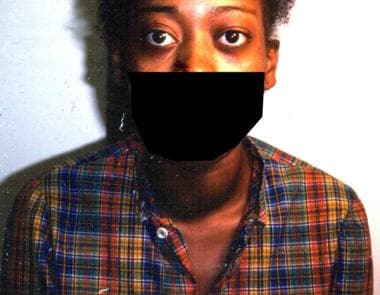
Media file 1:  A 16-year-old girl with thyrotoxicosis for 3 years is shown. Note her thyrotoxic stare and visibly large thyroid gland.
Click to see larger pictureClick to see detailView Full Size Image
Media type:  Photo

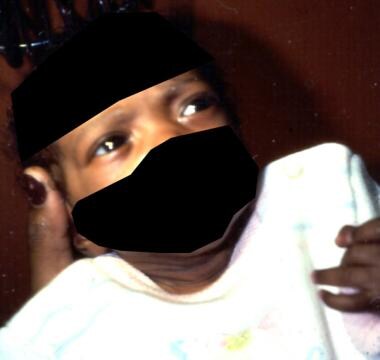
Media file 2:  Neonate with thyrotoxicosis secondary to transplacental passage of maternal thyroid-stimulating immunoglobulins (TSI). The baby has a noteworthy stare. On examination, a small goiter and a rapid heart rate could be appreciated.

Click to see larger pictureClick to see detailView Full Size Image
Media type:  Photo


  • Beck-Peccoz P, Persani L, LaFranchi S. Safety of medications and hormones used in the treatment of pediatric thyroid disorders. Pediatr Endocrinol Rev. 2004;2:124-133. [Medline].
  • Cassio A, Corrias A, Gualandi S, et al. Influence of gender and pubertal stage at diagnosis on growth outcome in childhood thyrotoxicosis: results of a collaborative study. Clin Endocrinol (Oxf). 2006;64:53-57. [Medline].
  • Chen QY, Huang W, She JX, et al. HLA-DRB1*08, DRB1*03/DRB3*0101, and DRB3*0202 are susceptibility genes for Graves'' disease in North American Caucasians, whereas DRB1*07 is protective. J Clin Endocrinol Metab. Sep 1999;84(9):3182-6. [Medline][Full Text].
  • Chen QY, Nadell D, Zhang XY, et al. The human leukocyte antigen HLA DRB3*020/DQA1*0501 haplotype is associated with Graves'' disease in African Americans. J Clin Endocrinol Metab. Apr 2000;85(4):1545-9. [Medline][Full Text].
  • Das PK, Wherrett D, Dror Y. Remission of aplastic anemia induced by treatment for Graves disease in a pediatric patient. Pediatr Blood Cancer. 2006;[Medline].
  • Durairaj VD, Bartley GB, Garrity JA. Clinical features and treatment of graves ophthalmopathy in pediatric patients. Ophthal Plast Reconstr Surg. 2006;22:7-12. [Medline].
  • Golomb MR, Biller J, Smith JL, et al. A 10-year-old girl with coexistent moyamoya disease and Graves' disease. J Child Neurol. 2005;20:620-624. [Medline].
  • Graves PN, Davies TF. New insights into the thyroid-stimulating hormone receptor. The major antigen of Graves'' disease. Endocrinol Metab Clin North Am. Jun 2000;29(2):267-86, vi. [Medline].
  • Krassas GE, Segni M, Wiersinga WM. Childhood Graves' ophthalmopathy: results of a European questionnaire study. Eur J Endocrinol. 2005;153:515-521. [Medline].
  • Krassas GE. Treatment of juvenile Graves' disease and its ophthalmic complication: the "European way". Eur J Endocrinol. 2004;150:407-414. [Medline].
  • Kubo T, Shimizu J, Furujo M, et al. An infant case of Graves' disease with ophthalmopathy. Endocr J. 2005;52:647-650. [Medline].
  • Lavard L, Ranlov I, Perrild H, et al. Incidence of juvenile thyrotoxicosis in Denmark, 1982-1988. A nationwide study. Eur J Endocrinol. Jun 1994;130(6):565-8. [Medline].
  • Lazar L, Kalter-Leibovici O, Pertzelan A, et al. Thyrotoxicosis in prepubertal children compared with pubertal and postpubertal patients. J Clin Endocrinol Metab. Oct 2000;85(10):3678-82. [Medline][Full Text].
  • Lippe BM, Landaw EM, Kaplan SA. Hyperthyroidism in children treated with long-term medical therapy: twenty-five percent remission every two years. J Clin Endocrinol Metab. Jun 1987;64(6):1241-5. [Medline].
  • McIver B, Morris JC. The pathogenesis of Graves'' disease. Endocrinol Metab Clin North Am. Mar 1998;27(1):73-89. [Medline].
  • Mora S, Weber G, Marenzi K, et al. Longitudinal changes of bone density and bone resorption in hyperthyroid girls during treatment. J Bone Miner Res. Nov 1999;14(11):1971-7. [Medline].
  • Moriyama T, Yamashita H, Noguchi S, et al. Intraoperative parathyroid hormone assay in patients with Graves' disease for prediction of postoperative tetany. World J Surg. 2005;29:1282-1287. [Medline].
  • Nabhan ZM, Kreher NC, Eugster EA. Hashitoxicosis in children: clinical features and natural history. J Pediatr. 2005;146:533-536. [Medline].
  • Perrild H, Gruters-Kieslich A, Feldt-Rasmussen U, et al. Diagnosis and treatment of thyrotoxicosis in childhood. A European questionnaire study. Eur J Endocrinol. Nov 1994;131(5):467-73. [Medline].
  • Raza J, Hindmarsh PC, Brook CG. Thyrotoxicosis in children: thirty years'' experience. Acta Paediatr. Sep 1999;88(9):937-41. [Medline].
  • Read CH Jr, Tansey MJ, Menda Y. A 36-year retrospective analysis of the efficacy and safety of radioactive iodine in treating young Graves' patients. J Clin Endocrinol Metab. 2004;89:4229-4233. [Medline][Full Text].
  • Rivkees SA, Sklar C, Freemark M. Clinical review 99: The management of Graves'' disease in children, with special emphasis on radioiodine treatment. J Clin Endocrinol Metab. Nov 1998;83(11):3767-76. [Medline][Full Text].
  • Ross DS, Daniels GH, De Stefano P, et al. Use of adjunctive potassium iodide after radioactive iodine (131I) treatment of Graves'' hyperthyroidism. J Clin Endocrinol Metab. Aug 1983;57(2):250-3. [Medline].
  • Rudberg C, Joh