Continually Updated Clinical Reference
 
 
  All Sources     eMedicine     Medscape     Drug Reference     MEDLINE
 
You are in: eMedicine Specialties > Pediatrics > Rheumatology

Sjogren Syndrome

Last Updated: December 11, 2006
Email to a Colleague
Synonyms and related keywords: Sjogren syndrome, Sjögren's syndrome, Sjögren syndrome, Sicca syndrome, keratoconjunctivitis, xerostomia, polyarthritis, parotitis, salivary gland enlargement, recurrent parotitis, autoimmune exocrinopathy

  AUTHOR INFORMATION Section 1 of 11    Click here to go to the next section in this topic
Author Information Introduction Clinical Differentials Workup Treatment Medication Follow-up Miscellaneous Pictures Bibliography

Author: Eyal Muscal, MD, Fellow, Section of Pediatric Rheumatology, Department of Pediatrics, Baylor College of Medicine, Texas Children's Hospital

Coauthor(s): Marietta Morales de Guzman, MD, Assistant Professor, Department of Pediatrics, Baylor College of Medicine; Consulting Staff, Section of Pediatric Rheumatology, Department of Pediatrics, Texas Children's Hospital, Ben Taub General Hospital; Lawrence K Jung, MD, Chief, Division of Pediatric Rheumatology and Immunology, Associate Professor, Department of Pediatrics, Creighton University School of Medicine; Catherine M Flaitz, DDS, MS, Dean and Co-director of Oral and Maxillofacial Pathology Laboratory, Professor of Oral and Maxillofacial Pathology and Pediatric Dentistry, Department of Diagnostic Sciences, University of Texas Health Sciences Center at Houston, Dental Branch

Eyal Muscal, MD, is a member of the following medical societies: Alpha Omega Alpha, American College of Rheumatology, and Clinical Immunology Society

Editor(s): Barry L Myones, MD, Director of Research, Pediatric Rheumatology Center, Texas Children's Hospital at Houston; Associate Professor, Departments of Pediatrics & Immunology, Pediatric Rheumatology Section, Baylor College of Medicine; Mary L Windle, PharmD, Adjunct Assistant Professor, University of Nebraska Medical Center College of Pharmacy, Pharmacy Editor, eMedicine.com, Inc; David D Sherry, MD, Professor of Pediatrics, University of Pennsylvania; Director of Clinical Rheumatology, Division of Rheumatology, Children's Hospital of Philadelphia; Daniel Rauch, MD, FAAP, Director, Pediatric Hospitalist Program, Associate Professor, Department of Pediatrics, New York University School of Medicine; and Barry L Myones, MD, Director of Research, Pediatric Rheumatology Center, Texas Children's Hospital at Houston; Associate Professor, Departments of Pediatrics & Immunology, Pediatric Rheumatology Section, Baylor College of Medicine

Disclosure


  INTRODUCTION Section 2 of 11   Click here to go to the previous section in this topic Click here to go to the top of this page Click here to go to the next section in this topic
Author Information Introduction Clinical Differentials Workup Treatment Medication Follow-up Miscellaneous Pictures Bibliography

Background: Sjögren syndrome is a slowly progressive inflammatory disorder that involves the exocrine glands. Mikulicz and others recognized the findings of keratoconjunctivitis and xerostomia as an entity in the late 1800s. In 1933, Sjögren recognized the association of this symptom complex with polyarthritis. Subsequent studies showed that Sjögren syndrome may be a primary disorder or may be secondary to other autoimmune disorders, such as systemic lupus erythematosus (SLE), rheumatoid arthritis, scleroderma, and biliary cirrhosis. Extraglandular manifestations may mimic these other autoimmune disorders. The primary disorder is most common in women in the fourth and fifth decades of life. Sjögren syndrome may overlap with other pediatric autoimmune disorders and, less commonly, may present as a primary condition.

Pathophysiology: Lymphocytic infiltration in the glandular lobules is the characteristic abnormality in lacrimal or salivary gland biopsy findings. The disorder appears to be mediated by a complex cascade of immune events and is often characterized as an autoimmune exocrinopathy.

The predominant immune cells are activated memory CD4+ T cells that express alpha/beta T-cell receptors, suggesting a central role in the pathogenesis of this disorder. Activated B cells are also found in the lesions, which may be responsible for the production of the autoantibodies to autoantigens Ro (SS-A) and La (SS-B). Anti-Ro (SS-A) is found in 40-45% of adult patients with Sjögren syndrome, and anti-La (SS-B) is found in 50% of these patients. Sixty-three percent of pediatric patients have one of these autoantibodies. Because these autoantibodies are also observed in other autoimmune disorders, including SLE, further diagnostic tools must be used for a more definitive diagnosis.

Family members of these patients have a higher incidence of Sjögren syndrome. The association of Sjögren syndrome with human leukocyte antigen (HLA)–B8, HLA-Dw3, HLA-DR3, and with the DQA1*0501 allele supports the notion of genetic susceptibility.

An active area of research involves genetic polymorphisms of cytokine genes, including IL10 and TNFA. Associations with these polymorphisms might implicate inappropriate regulation of the immune response in Sjögren syndrome.

Altered apoptotic mechanisms have also been implicated in the pathogenesis of Sjögren syndrome–related exocrinopathies. Exocrine gland tissue damage and chronic inflammation leads to fibrotic changes and impaired glandular function.

The pathophysiology of extraglandular manifestations is thought to be due to similar immune mechanisms.

Frequency:

  • In the US: Although Sjögren syndrome has been recognized in patients of all ages, it primarily affects women in the fourth and fifth decades of life. It is rare in childhood, although over 130 cases of primary disease have been described in the literature. Five percent of adult patients report onset of symptoms before age 12 years. Clinical manifestations and classification schema differ in pediatric patients; therefore, this disorder may be underreported. Features of Sjögren syndrome are well described in pediatric patients who have other autoimmune disorders. Overall, Sjögren syndrome is the second most common autoimmune disorder in adults, after rheumatoid arthritis. In the United States, between 500,000 and 2 million adults have this disease.
  • Internationally: Epidemiological studies from different ethnic groups show prevalence rates similar to those in the United States.

Mortality/Morbidity:

  • Although most patients have a mild and benign course, they often experience painful eye irritation, severe dental caries, and dyspareunia. Pediatric patients often do not have overt sicca syndrome symptomatology but often have recurrent parotitis. Because of the insidious nature of these symptoms, patients often do not seek medical attention until more severe symptoms appear years later. The time from disease onset until diagnosis is often 9 years in adults and perhaps up to 3 years in pediatric patients. Some patients develop systemic features that involve the nervous system, kidney, and lungs.
  • Lymphoproliferative disorders increase 40-fold in adult Sjögren syndrome. Although significant lymphoproliferation usually remains confined to the salivary and lacrimal glands, extraglandular lymphoproliferation (eg, lymphadenopathy, hepatosplenomegaly) sometimes resembles lymphoma (eg, pseudolymphoma) but may herald frank malignancies, including non-Hodgkin lymphoma, Waldenström macroglobulinemia, and B-cell lymphoma. Associations with lymphoproliferative diseases are unclear in pediatric populations.

Sex: The female-to-male ratio is approximately 9:1 in adults and 7:1 in one multicenter international pediatric cohort (Anaya, 1995; Cimaz, 2003).

Age: Sjögren syndrome is relatively rare in childhood. Disease onset in primary juvenile Sjögren syndrome appears to occur before age 10 years. The peak incidence in adult populations is around the fourth and fifth decades of life.


  CLINICAL Section 3 of 11   Click here to go to the previous section in this topic Click here to go to the top of this page Click here to go to the next section in this topic
Author Information Introduction Clinical Differentials Workup Treatment Medication Follow-up Miscellaneous Pictures Bibliography

History:

  • Sicca syndrome
    • Keratoconjunctivitis: Symptoms include dry eyes with reduced tear production, gritty or sandy sensation under the lids, red eyes, and photosensitivity. Keratoconjunctivitis is less prominent in primary juvenile Sjögren syndrome. Lacrimal gland enlargement appears to be a feature in both primary and secondary pediatric Sjögren syndrome.
    • Xerostomia: Symptoms include decreased saliva production that leads to difficulties with chewing, swallowing, and even speech; abnormality in taste and smell; dental caries; mucosal burning sensation; sensitivity to spicy and acidic foods and beverages; increased risk for oral candidiasis; hoarseness of voice, and dysphonia (common in adults). Recurrent parotitis appears to be the most common oroglandular manifestation in pediatric populations.
  • Musculoskeletal symptoms
    • Arthralgia (often noninflammatory), morning stiffness, nonerosive arthritis
    • Myalgia, muscle weakness
  • Cutaneous findings
    • Raynaud phenomenon
    • Nonthrombocytopenic purpura, especially of lower extremities
    • Nasal, vaginal, and cutaneous dryness
  • Gastrointestinal symptoms
    • Dysphagia, nausea, epigastric, and abdominal pain
    • Achalasia (in children)
    • Achlorhydria, chronic atrophic gastritis (adult patients)
    • Primary biliary cirrhosis
  • Pulmonary findings
    • Dyspnea due to mild interstitial disease
    • Dry cough
  • Renal findings - Interstitial nephritis and renal tubular acidosis
  • Other symptoms - Fatigue, depression, and insomnia

Physical:

  • Parotid gland enlargement and recurrent parotitis (pediatric populations)
  • Corneal ulceration, vascularization, uveitis
  • Vasculitic lesions - Purpura and erythema nodosum
  • Lymphadenopathy
  • Autoimmune thyroiditis
  • Nervous system manifestations
    • Peripheral sensorimotor neuropathy
    • CNS disorders such as movement disorder, transverse myelopathy, encephalopathy, aseptic meningitis, dementia, optic neuropathy, and cranial neuropathies (in both adult and pediatric patients)
  • Musculoskeletal manifestations
    • Intermittent synovitis
    • Chronic nonerosive oligoarticular or polyarthritis (Jaccoud arthropathy is observed in adults.)

    • Myalgias
  • Oral cavity manifestations
    • Mild erythema and thinning of the mucosa
    • Dental caries
    • Traumatic erosions and ulcers, angular cheilitis, and chapped lips
    • Frothy, ropey, and thickened saliva
    • Erythema, fissuring, coating, and depapillation of the dorsal tongue
    • Halitosis

Causes: Multiple etiological factors are likely involved in the pathogenesis of Sjögren syndrome.

  • Sex hormone: As with other autoimmune disorders, Sjögren syndrome is more common in females. This suggests that sex hormones may play a role in shaping the autoimmune response.
  • Genetics: The association of certain HLAs suggests that genetic factors likely play a role in the pathogenesis of Sjögren syndrome. Patients with HLA-B8, HLA-Dw3, and HLA-DR3 have a high incidence of autoantibody production and extraglandular manifestations. Most patients also have the DQA1*0501 allele, which may play a role in the pathogenesis of this disease.
  • Environmental factors: Epstein-Barr virus (EBV) replicates in the salivary glands during primary infection and remains latent in these organs. EBV-DNA is recovered from salivary glands and saliva of these patients. Its etiopathological role cannot be proven. Human immunodeficiency virus (HIV), human T-cell leukemia-lymphoma virus type 1 (HTLV-1), and cytomegalovirus (CMV) are also under scrutiny as possible inciting agents that lead to lymphoproliferation observed in the end organs.
  • Autoantibodies: The presence of anti-Ro (SS-A) and anti-La (SS-B) is associated with earlier onset, longer duration, and more extensive extraglandular manifestations of primary Sjögren syndrome. Antinuclear antibody (ANA) and rheumatoid factor (RF) are prevalent in both pediatric and adult cohorts. Autoantibody production and evidence of a polyclonal gammopathy implicate B-cell dysfunction as a component of Sjögren syndrome pathogenesis. Increased levels of B-cell activating factor (BAFF) or B-lymphocyte stimulator (BLyS), which are essential for B-cell survival, can be found in patients with Sjögren syndrome. Thus, B-cell depletion therapies that include the anti-CD20 monoclonal antibody (rituximab) are being used in open-label studies.
  • Inflammatory reactivity: In situ evidence suggests that proinflammatory cytokines, interleukin (IL)–1, IL-6, and tumor necrosis factor (TNF)–alpha are produced in the salivary glands. These cytokines are found in the infiltrating lymphocytes and the epithelial cells. This suggests that the infiltrating lymphocytes (ie, predominantly CD4 T cells) play a role in the perpetuation of an aberrant immune response. Specific IL-10 haplotypes are associated with early onset and vasculitic features of disease. Additional cytokine and chemokine gene polymorphisms are currently being studied.
  DIFFERENTIALS Section 4 of 11   Click here to go to the previous section in this topic Click here to go to the top of this page Click here to go to the next section in this topic
Author Information Introduction Clinical Differentials Workup Treatment Medication Follow-up Miscellaneous Pictures Bibliography

Eating Disorder: Anorexia
Eating Disorder: Bulimia
Graft Versus Host Disease
Hepatitis C
Herpes Simplex Virus Infection
Human Immunodeficiency Virus Infection
Infections in the Immunocompromised Host
Lymphoproliferative Disorders
Mixed Connective Tissue Disease
Mononucleosis and Epstein-Barr Virus Infection
Mumps
Sarcoidosis
Systemic Lupus Erythematosus
Systemic Sclerosis
Vasculitis and Thrombophlebitis


Other Problems to be Considered:

Medications that cause sicca symptoms (anticholinergic)
Recurrent juvenile parotitis
Oropharyngeal candidiasis
Gingivitis/periodontitis
Retrograde bacterial sialadenitis
Halitosis
Superficial mucoceles
Compromised nutrition
Dryness of the nasal and vaginal mucosa and skin
Pregnancy complications due to autoantibodies

Quick Find
Author Information
Introduction
Clinical
Differentials
Workup
Treatment
Medication
Follow-up
Miscellaneous
Pictures
Bibliography

Click for related images.

Related Articles
Eating Disorder: Anorexia

Eating Disorder: Bulimia

Graft Versus Host Disease

Hepatitis C

Herpes Simplex Virus Infection

Human Immunodeficiency Virus Infection

Infections in the Immunocompromised Host

Lymphoproliferative Disorders

Mixed Connective Tissue Disease

Mononucleosis and Epstein-Barr Virus Infection

Mumps

Sarcoidosis

Systemic Lupus Erythematosus

Systemic Sclerosis

Vasculitis and Thrombophlebitis


Patient Education


  WORKUP Section 5 of 11   Click here to go to the previous section in this topic Click here to go to the top of this page Click here to go to the next section in this topic
Author Information Introduction Clinical Differentials Workup Treatment Medication Follow-up Miscellaneous Pictures Bibliography

Lab Studies:

  • CBC count with differential: Mild anemia and leukopenia are present.
  • Erythrocyte sedimentation rate (ESR): Elevated ESR is observed in 80-90% of patients, often related to hypergammaglobulinemia; however, C-reactive protein (CRP) levels are usually within the reference range.
  • Immunoglobulin levels: Hypergammaglobulinemia, up to several grams of immunoglobulin G (IgG), is observed in 70-80% of both pediatric and adult patients.
  • Autoantibodies
    • ANA and RF levels - Usually elevated
    • Anti-Ro (SS-A), anti-La (SS-B)
    • Autoantibodies to thyroglobulin, thyroid microsomal, mitochondrial, smooth muscle, parietal, peroxisomal, and salivary duct (often present in adults with Sjögren syndrome)
    • Cryoglobulins and, occasionally, antiphospholipid antibodies
  • Rose Bengal staining: The dye stains damaged corneal epithelium and indicates keratoconjunctivitis. This is not often performed in children.
  • Schirmer tear test: This test is used to evaluate tear production by lacrimal glands. A strip of filter paper is placed beneath the lower lid, and wetting of the paper is measured at 5 minutes. Less than 10 mm of film is abnormal, and less than 5 mm of wetting suggests decreased tear production and sicca syndrome. This test is performed more often in pediatric patients.

Imaging Studies:

  • Sialography - A sensitive and specific radiographic technique to find evidence of sialectasis (Sialography sensitivity has not been reported in the pediatric literature. These techniques are not commonly used at most pediatric centers.)
  • Technetium Tc 99 pertechnetate scintigraphy - Delayed uptake in Sjögren syndrome; often correlates with pathological changes

Other Tests:

Procedures:

Histologic Findings: The characteristic histopathologic findings of the minor salivary glands include an inflammatory infiltrate adjacent to normal-appearing acinar structures. The inflammatory infiltrate consists of primarily lymphocytes and fewer plasma cells. Most of the infiltrating lymphocytes are activated CD4+ memory T lymphocytes. A focal periductal pattern is initially observed, with eventual confluence of the inflammatory infiltrate that replaces the acini. Periductal and perivascular hyaline deposits may be observed.

Unlike the parotid gland lesions, epimyoepithelial islands are rarely observed in the lymphocytic background. The finding of more than one focus of 50 or more inflammatory cells within a 4-mm2 area of glandular tissue supports the diagnosis of Sjögren syndrome. The greater the number of foci, the greater the disease correlation. A negative biopsy finding cannot completely exclude a diagnosis of Sjögren syndrome. Biopsies may also be used to rule out sarcoid or amyloid lesions.

When the major glands are enlarged, a benign lymphoepithelial lesion (BLEL) may develop. The characteristic features include a dense lymphocytic infiltrate that is associated with the destruction of salivary gland acini, while the ductal epithelium persists. Hyperplasia of the ductal epithelium and myoepithelial cells forms epimyoepithelial islands within the lymphoid tissues. Formation of germinal centers may be observed. Determination of monoclonality of the lymphocytic infiltrate by immunohistochemical or gene rearrangement studies may be necessary in order to exclude a low-grade B-cell lymphoma in adult patients.

Staging:

  • Diagnostic and classification schema: Diagnosis is made if the serology or histopathology is positive and if 4 of the following American-European Consensus Group (AECG) criteria for adult patients are met:
    • At least one positive response to the ocular symptoms questions (see Other Tests)

    • At least one positive response to the oral symptoms questions (see Other Tests)

    • Ocular signs (positive Schirmer tear test or Rose-Bengal stain findings)

    • Histopathological features on minor salivary gland biopsy findings

    • Salivary gland involvement revealed by at least one testing modality (salivary scintigraphy, parotid sialography, unstimulated salivary flow)

    • Anti-Ro (SS-A) or anti-La (SS-B)

    • Exclusion criteria - Preexisting lymphoma, HIV, hepatitis C, sarcoidosis, graft-versus-host disease (GVHD)
  • Proposed criteria for pediatric patients have not been prospectively validated. Only 76% sensitivity has been noted in compilation of retrospective patients. The clinical judgment of a pediatric rheumatologist is the criterion standard. However, the proposed pediatric criteria appear more sensitive than adult AECG criteria in classifying pediatric Sjögren syndrome. Diagnosis is based on the presence of 4 or more of the following proposed pediatric diagnostic criteria:
    • Clinical symptoms

      • Oral symptoms (dry mouth, parotitis, parotid gland enlargement)

      • Ocular symptoms (recurrent conjunctivitis, keratoconjunctivitis sicca)

      • Other mucosal symptoms (recurrent vaginitis, vulvovaginitis)

      • Systemic symptoms (fever of unknown origin, noninflammatory arthralgias, hypokalemic paralysis)
    • Immunologic abnormalities - Presence of anti-Ro (SS-A), anti-La (SS-B), high titer ANA, or RF
    • Other laboratory finding abnormalities or additional investigations

      • Elevated serum amylase levels

      • Leukopenia, high ESR

      • Polyclonal hyperimmunoglobulinemia

      • Renal tubular acidosis

      • Histological proof of lymphocytic infiltration of salivary gland or other organs

      • Objective documentation of ocular dryness (Rose Bengal stain findings, Schirmer tear test findings)

      • Objective documentation of parotid gland enlargement (sialography findings)
    • Exclusion of all other autoimmune disease
  TREATMENT Section 6 of 11   Click here to go to the previous section in this topic Click here to go to the top of this page Click here to go to the next section in this topic
Author Information Introduction Clinical Differentials Workup Treatment Medication Follow-up Miscellaneous Pictures Bibliography

Medical Care:

  • Xerostomia - Stimulation of salivary flow with sialagogues, such as pilocarpine (shown to be effective in increasing salivary flow in placebo-controlled randomized adult trials) or cevimeline; mechanical stimulation with sugarless chewing gum or lozenges; topical tissue hydration or lubrication from drinking water or the use of artificial saliva (These measures are supportive yet may improve quality of life in adult populations.)
  • Oral hygiene
    • Caries control - Good oral hygiene; diet control with attention to decreasing refined sugars, simple carbohydrates, and high-acidity foods and beverages; topical fluorides and remineralizing toothpaste and solutions to enhance remineralization of the teeth (Calcium is leeched from teeth because of reduction in saliva and interaction between simple sugars and acidogenic bacteria.)
    • Oropharyngeal candidiasis - Topical and systemic antifungal agents; daily cleaning of removable oral prostheses or appliances in older patients

    • Gingivitis and periodontitis - Good plaque control; use of antimicrobial agents such as chlorhexidine gluconate 0.12% oral rinse
  • Keratoconjunctivitis - Artificial tears and conservation of natural tear flow
  • Extraglandular or systemic manifestations - Often require immunosuppressive or disease-modifying antirheumatic drugs (DMARDs)

Surgical Care: In cases of parotid enlargement in adult patients, fine-needle aspiration (FNA) or open biopsy may be required if cystic or neoplastic disease is suspected.

Consultations:

  • Ophthalmologist - To diagnose keratitis and uveitis using slit-lamp examination and for supportive care for sicca syndrome and inflammatory changes
  • Dentist - Maintain salivary flow, prevent caries and periodontal disease
  • Rheumatologist - For diagnosis and long-term care of adult or pediatric disease; for evaluation of extraglandular, systemic, or overlapping autoimmune disease symptoms; and to guide use of immunosuppressive medications in extraglandular manifestations

Diet: A nutritious well-balanced diet with the appropriate servings from the basic food groups is recommended.

Activity:


  MEDICATION Section 7 of 11   Click here to go to the previous section in this topic Click here to go to the top of this page Click here to go to the next section in this topic
Author Information Introduction Clinical Differentials Workup Treatment Medication Follow-up Miscellaneous Pictures Bibliography

Primary Sjögren syndrome usually follows a benign course, and conservative management is indicated. Therapeutic approaches may include increasing lubrication with artificial tears, stimulation of salivary flow with sugar-free gum or lozenges, and vaginal lubricants. Saliva substitutes (eg, carboxymethylcellulose) are not usually effective. Cholinergic agonists have been shown to help increase salivary secretion and are approved by the US Food and Drug Administration (FDA) for this use. Treatment of secondary Sjögren syndrome is determined by the severity of the overlapping autoimmune disorder (might include additional agents such as cyclophosphamide and mycophenolate).

Drug Category: Cholinergic agonists -- These agents stimulate salivary secretion.
Drug Name
Pilocarpine (Salagen) -- Muscarinic M3 receptor agonist.
Adult Dose5 mg PO qid
Pediatric DoseNot established; titrate up from doses of 2.5 mg PO bid
ContraindicationsDocumented hypersensitivity; uncontrolled asthma; acute iritis; narrow-angle glaucoma
InteractionsMay antagonize effects of anticholinergics (eg, atropine, ipratropium bromide); coadministration with beta-adrenergic antagonists may result in cardiac conduction disturbances
Pregnancy C - Safety for use during pregnancy has not been established.
PrecautionsMay cause sweating, urinary frequency, dizziness, and vasodilatation (ie, flushing); use with caution and close medical supervision in patients with significant cardiovascular disease, Parkinson disease, asthma, or COPD
Drug Name
Cevimeline (Evoxac) -- Muscarinic M3 agonist. Has 40-fold less binding affinity to M2 receptors and, thus, has a theoretical benefit of less stimulation to cardiac tissues. Longer duration of action than pilocarpine.
Adult Dose30 mg PO tid
Pediatric DoseNot established
ContraindicationsDocumented hypersensitivity; uncontrolled asthma; acute iritis; narrow-angle glaucoma
InteractionsMay have additive effects when used with other cholinergic agents; concurrent use with beta-blockers may cause potential for cardiac conduction disturbances; CYP2D6 inhibitors (eg, fluoxetine, amiodarone, quinidine, ritonavir, paroxetine) or CYP3A3/4 inhibitors (eg, itraconazole, diltiazem, ketoconazole, verapamil) may increase toxicity; anticholinergic agents (eg, phenothiazines, TCAs, atropine) may decrease effects of cevimeline
Pregnancy C - Safety for use during pregnancy has not been established.
PrecautionsAdverse effects include sweating, nausea, and rhinitis; use with caution with close medical supervision in patients with significant cardiovascular disease, asthma, or COPD
Drug Category: Immunosuppressive agents -- These agents are used to treat extraglandular disease (ie, interstitial pneumonitis, glomerulonephritis, polyarthritis, vasculitis, pseudolymphoma, neurologic manifestations).
Drug Name
Prednisone (Deltasone, Meticorten, Orasone, Sterapred) -- Corticosteroid with salt-retention properties used for its potent anti-inflammatory effects.
Adult DoseUp to 60-80 mg PO qd
Pediatric Dose1-2 mg/kg/d PO
ContraindicationsDocumented hypersensitivity; systemic infections
InteractionsCoadministration with estrogens may decrease prednisone clearance; concurrent use with digoxin may cause digitalis toxicity secondary to hypokalemia; phenobarbital, phenytoin, and rifampin may increase metabolism of glucocorticoids (consider increasing maintenance dose); monitor for hypokalemia with coadministration of diuretics
Pregnancy B - Usually safe but benefits must outweigh the risks.
PrecautionsLong-term corticosteroid use leads to adrenal insufficiency, which may persist for months after its discontinuation; implement steroid replacement in times of stress and, during that period, avoid exposure to chickenpox and measles; long-term use may impair growth in children; electrolyte and fluid disturbances, myopathy, osteoporosis, vertebral fractures, aseptic necrosis of femoral and humeral heads, peptic ulcer, pancreatitis, esophagitis, facial erythema, skin fragility, impaired wound healing, headache, vertigo, depression, overexcitation, menstrual irregularities, cushingoid features, decreased carbohydrate tolerance, cataracts, or glaucoma may occur
Drug Category: Nonsteroidal anti-inflammatory drugs (NSAIDs) -- The use of NSAIDs in Sjögren syndrome is similar to agents used for juvenile arthritis. These agents may be used to treat polyarthritis associated with Sjögren syndrome.
Drug Name
Naproxen (Aleve, Naprosyn, Naprelan) -- For relief of mild to moderate pain. Inhibits inflammatory reactions and pain by decreasing activity of cyclooxygenase, which is responsible for prostaglandin synthesis.
Adult Dose250-500 mg PO bid (Naprosyn); may increase to 1.5 g/d for limited periods; available in SR formulation (Naprelan)
Pediatric Dose<2 years: Not established
>2 years: 15-20 mg/kg/d PO divided bid; not to exceed adult dose
ContraindicationsDocumented hypersensitivity; peptic ulcer disease; recent GI bleeding or perforation; renal insufficiency
InteractionsCoadministration with aspirin increases risk of inducing serious NSAID-related adverse effects; probenecid may increase concentrations and, possibly, toxicity of NSAIDs; may decrease effect of hydralazine, captopril, and beta-blockers; may decrease diuretic effects of furosemide and thiazides; may increase PT when taking anticoagulants (instruct patients to watch for signs of bleeding); may increase risk of methotrexate toxicity; phenytoin levels may be increased when administered concurrently
Pregnancy B - Usually safe but benefits must outweigh the risks.
PrecautionsCategory D in third trimester of pregnancy; acute renal insufficiency, interstitial nephritis, hyperkalemia, hyponatremia, and renal papillary necrosis may occur; patients with preexisting renal disease or compromised renal perfusion risk acute renal failure; leukopenia is rare, is transient, and usually returns to normal during therapy; persistent leukopenia, granulocytopenia, or thrombocytopenia warrants further evaluation and may require discontinuation of drug
Drug Category: Disease-modifying antirheumatic drugs (DMARDs) -- These agents are used for polyarthritis not controlled with NSAIDs. Methotrexate (MTX) has been shown to be effective in managing polyarthritis. Other DMARDs (eg, hydroxychloroquine, sulfasalazine, D-penicillamine) may be synergistic when coadministered with methotrexate.
Drug Name
Methotrexate (Folex PFS, Rheumatrex) -- Unknown mechanism of action in treatment of inflammatory reactions (although may involve adenosine receptors); may affect immune function. Ameliorates symptoms of inflammation (eg, pain, swelling, stiffness).
Adjust dose gradually to attain satisfactory response.
Adult Dose7.5 mg/wk or 2.5 mg PO/IM bid for 3 doses qwk as per use in RA
Pediatric Dose10-15 mg/m2/wk PO/SC as a single dose; alternatively, 3 divided doses administered 12 h apart or 2 divided doses 24 h apart
ContraindicationsDocumented hypersensitivity; alcoholism; hepatic insufficiency; documented immunodeficiency syndromes; preexisting blood dyscrasias (eg, bone marrow hypoplasia, leukopenia, thrombocytopenia, significant anemia); renal insufficiency
InteractionsPO aminoglycosides may decrease absorption and blood levels of concurrent PO methotrexate (MTX); charcoal lowers MTX levels; coadministration with etretinate may increase hepatotoxicity of MTX; folic acid or its derivatives contained in some vitamins may decrease response to MTX; coadministration with NSAIDs may be fatal; indomethacin and phenylbutazone can increase MTX plasma levels; may decrease phenytoin serum levels; probenecid, salicylates, procarbazine, and sulfonamides, including TMP-SMZ, may increase effects and toxicity of MTX; may increase plasma levels of thiopurines
Pregnancy X - Contraindicated in pregnancy
PrecautionsMonitor CBC counts monthly and liver and renal function q1-3mo during therapy (monitor more frequently during initial dosing, dose adjustments, or when risk of elevated MTX levels, eg, dehydration); MTX has toxic effects on hematologic, renal, GI, pulmonary, and neurologic systems; discontinue upon significant drop in blood counts; aspirin, NSAIDs, or low-dose steroids may be administered concomitantly with MTX (possibility of increased toxicity with NSAIDs, including salicylates, has not been tested); may consider folic acid supplementation to avoid deficiency
  FOLLOW-UP Section 8 of 11   Click here to go to the previous section in this topic Click here to go to the top of this page Click here to go to the next section in this topic
Author Information Introduction Clinical Differentials Workup Treatment Medication Follow-up Miscellaneous Pictures Bibliography

Further Inpatient Care:

Further Outpatient Care:

Deterrence/Prevention:

    • Oropharyngeal candidiasis - Good oral hygiene, frequent oral hydration and lubrication, and nightly removal and cleaning of dental prostheses (Intermittent use of topical or systemic antifungal agents may be necessary to prevent recurrent infection. If topical antifungal agents are used, consultation with a compounding pharmacist is recommended in order to formulate sucrose-free suspensions or lozenges.)

Complications:

  • Adult patients have a small risk of developing lymphoma and other malignancies.

Prognosis:

  • Patients with primary Sjögren syndrome usually have a good prognosis unless severe extraglandular manifestations appear. The prognosis of secondary Sjögren syndrome depends on the primary autoimmune disorder.

Patient Education:

  MISCELLANEOUS Section 9 of 11   Click here to go to the previous section in this topic Click here to go to the top of this page Click here to go to the next section in this topic
Author Information Introduction Clinical Differentials Workup Treatment Medication Follow-up Miscellaneous Pictures Bibliography

Medical/Legal Pitfalls:

  • Failure to diagnose and, thus, improve impairments of quality of life caused by sicca syndrome
  • Failure to recognize that adult patients have a small risk of developing lymphoma and other malignancies
  • Failure to review medication risks carefully with the patient and family prior to treatment with any new medication
  • Failure to diagnose systemic extraglandular manifestations of Sjögren syndrome or presence of a primary autoimmune disorder (eg, SLE) that requires immunosuppressive agents

Special Concerns:

  • Many of the symptoms associated with this disorder can seriously impair an individual's quality of life. In addition to sicca syndrome, concerns about facial appearance, depression, chronic fatigue, and joint pain must be addressed. Parotid enlargement and weight gain (if corticosteroids are used to manage the disease) may be problematic in an adolescent.
  • Close attention must be paid to emotional and cognitive functioning of the adolescent coping with a chronic disease.
  PICTURES Section 10 of 11   Click here to go to the previous section in this topic Click here to go to the top of this page Click here to go to the next section in this topic
Author Information Introduction Clinical Differentials Workup Treatment Medication Follow-up Miscellaneous Pictures Bibliography

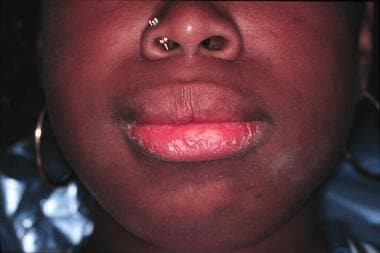
Caption: Picture 1. Lower facial appearance of a 14-year-old adolescent girl with Sjögren syndrome. She exhibits both parotid and submandibular gland enlargement and chapped lips.
Click to see larger pictureClick to see detailView Full Size Image
Picture Type: Photo
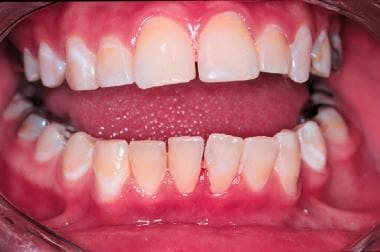
Caption: Picture 2. Intraoral view of a 14-year-old adolescent girl with Sjögren syndrome (see Image 1). Hyposalivation results in erythema of the mucosa, gingivitis, decalcification or white spot lesions of the teeth at the cervical margin, and dental caries with extensive restorations of the posterior teeth.
Click to see larger pictureClick to see detailView Full Size Image
Picture Type: Photo
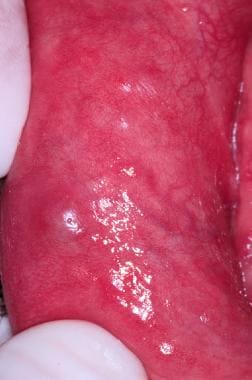
Caption: Picture 3. Erythema of the labial mucosa with enlargement of the minor salivary glands and superficial mucoceles.
Click to see larger pictureClick to see detailView Full Size Image
Picture Type: Photo
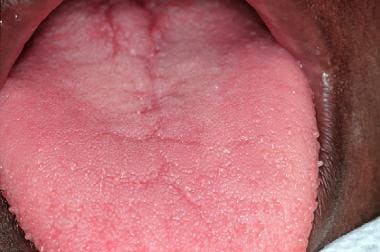
Caption: Picture 4. The dorsal surface of the tongue demonstrates generalized atrophy of the filiform papillae, mild fissuring, and median rhomboid glossitis.
Click to see larger pictureClick to see detailView Full Size Image
Picture Type: Photo
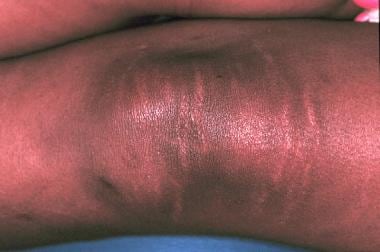
Caption: Picture 5. A 14-year-old adolescent girl with Sjögren syndrome (see Image 1) with painful unilateral swelling of the knee and hyperpigmentation of the overlying skin.
Click to see larger pictureClick to see detailView Full Size Image
Picture Type: Photo
Caption: Picture 6. The dorsal tongue demonstrates hyperplastic candidiasis with focal erosions and a brown hairy tongue. Ulcerated fissures are observed on the corners of the mouth that represent angular cheilitis.
Click to see larger pictureClick to see detailView Full Size Image
Picture Type: Photo
Caption: Picture 7. Biopsy of the minor salivary glands of the lower lip may be useful in the diagnosis of Sjögren syndrome. A 1.5- to 2-cm incision of normal-appearing mucosa allows for the harvesting of 5 or more salivary gland lobules.
Click to see larger pictureClick to see detailView Full Size Image
Picture Type: Photo
Caption: Picture 8. Low-power photomicrograph of a minor salivary gland lobule showing multiple lymphocytic foci that are replacing the acinar structures (hematoxylin-eosin, 40 X).
Click to see larger pictureClick to see detailView Full Size Image
Picture Type: Photo
Caption: Picture 9. Intermediate-power photomicrograph demonstrating a chronic inflammatory aggregate of more than 50 lymphocytes and plasma cells with a periductal pattern. The inflammatory focus is adjacent to normal appearing acini (hematoxylin-eosin, 200 X).
Click to see larger pictureClick to see detailView Full Size Image
Picture Type: Photo
Caption: Picture 10. High-power photomicrograph of the chronic inflammatory aggregate consists of lymphocytes and plasma cells around a ductal structure (hematoxylin-eosin, 400 X).

Click to see larger pictureClick to see detailView Full Size Image
Picture Type: Photo
  BIBLIOGRAPHY Section 11 of 11   Click here to go to the previous section in this topic Click here to go to the top of this page
Author Information Introduction Clinical Differentials Workup Treatment Medication Follow-up Miscellaneous Pictures Bibliography

  • Anaya JM, Ogawa N, Talal N: Sjogren's syndrome in childhood. J Rheumatol 1995 Jun; 22(6): 1152-8[Medline].
  • Athreya BH, Norman ME, Myers AR, South MA: Sjogren's syndrome in children. Pediatrics 1977 Jun; 59(6): 931-8[Medline].
  • Bell M, Askari A, Bookman A, et al: Sjogren's syndrome: a critical review of clinical management. J Rheumatol 1999 Sep; 26(9): 2051-61[Medline].
  • Cassidy JT, Petty RE, Laxer RM: Overlap syndromes. Textbook of Pediatric Rheumatology 2005; 5th edition: 486-89.
  • Chudwin DS, Daniels TE, Wara DW, et al: Spectrum of Sjogren syndrome in children. J Pediatr 1981 Feb; 98(2): 213-7[Medline].
  • Cimaz R, Casadei A, Rose C, et al: Primary Sjogren syndrome in the paediatric age: a multicentre survey. Eur J Paediatr 2003; 162 (10): 661-5[Medline].
  • DeGuzman M, Fishman MA, Lewis RA, et al: Chronic neurologic disease with visual, gait and bladder problems in a male teenager. J Pediatr 1998; 132: 742-47[Medline].
  • Deprettere AJ, Van Acker KJ, De Clerck LS, et al: Diagnosis of Sjogren's syndrome in children. Am J Dis Child 1988 Nov; 142(11): 1185-7[Medline].
  • Fox PC, Brennan M, Pillemer S, et al: Sjogren's syndrome: a model for dental care in the 21st century. J Am Dent Assoc 1998 Jun; 129(6): 719-28[Medline].
  • Fox RI, Michelson P: Approaches to the treatment of Sjogren's syndrome. J Rheumatol Suppl 2000 Dec; 61: 15-21[Medline].
  • Fox RI, ed: Sjogren's syndrome. Rheum Dis Clin North Am 1992; 18:3: entire volume.
  • Garcia-Carrasco M, Ramos-Casals M, Rosas J, et al: Primary Sjogren's Syndrome: Clinical and Immunologic Disease Patterns in a Cohort of 400 Patients. Medicine 2002; 81: 270-280[Medline].
  • Houghton K, Malleson P, Cabral D, et al: Primary Sjogren's syndrome in children and adolescents: are proposed diagnostic criteria applicable? J Rheumatol 2005 Nov; 32(11): 2225-32[Medline].
  • Jonsson R, Haga H-J, Gordon TP: Sjogren's syndrome. In: Koopman's Textbook of Arthritis and Allied Health Conditions. 14th ed. Philadelphia, Pa: Lippincott, Williams, & Wilkins; 2001: 1736 - 59.
  • Kobayashi I, Furuta H, Tame A, et al: Complications of childhood Sjogren syndrome. Eur J Pediatr 1996 Oct; 155(10): 890-4[Medline].
  • Leerdam CM, Martin HC, Isaacs D: Recurrent parotitis of childhood. J Paediatr Child Health 2005; 41 (12): 631-4[Medline].
  • Mannoussakis MN, Georgopoulou C, Zintzara E, et al: Sjogren's syndrome associated with systemic lupus erythematosus: clinical and laboratory profiles and comparison with primary Sjogren's syndrome. Arthritis Rheum 2004; 50 (3): 681-3[Medline].
  • McGuirt WF Jr, Whang C, Moreland W: The role of parotid biopsy in the diagnosis of pediatric Sjogren syndrome. Arch Otolaryngol Head Neck Surg 2002 Nov; 128(11): 1279-81[Medline].
  • Nikitakis NG, Rivera H, Lariccia C, et al: Primary Sjogren syndrome in childhood: report of a case and review of the literature. Oral Surg Oral Med Oral Pathol Oral Radiol Endod 2003 Jul; 96(1): 42-7[Medline].
  • Pessler F, Emery H, Dai L, et al: The spectrum of renal tubular acidosis in paediatric Sjogren syndrome. Rheumatology (Oxford) 2006 Jan; 45(1): 85-91[Medline].
  • Ramon-Casals M, Font J: Primary Sjogren's syndrome: current and emergent aetiopathogenic concepts. Rheumatology (Oxford) 2005; 44: 1354-1367[Medline].
  • Ramos-Casals M, Cervera R, Font J, et al: Young onset of primary Sjögren's syndrome: clinical and immunological characteristics. Lupus 1998; 7(3): 202-6[Medline].
  • Ramos-Casals M, Tzioufas AG, Font J: Primary Sjogren's syndrome: new clinical and therapeutic concepts. Ann Rheum Dis 2005 Mar; 64(3): 347-54[Medline][Full Text].
  • Reveille JD, Arnett FC: The immunogenetics of Sjogren's syndrome. Rheum Dis Clin North Am 1992 Aug; 18(3): 539-50[Medline].
  • Rhodus NL: Sjogren's syndrome. Quintessence Int 1999 Oct; 30(10): 689-99[Medline].
  • Siamopoulou-Mavridou A, Drosos AA, Andonopoulos AP: Sjogren syndrome in childhood: report of two cases. Eur J Pediatr 1989 Apr; 148(6): 523-4[Medline].
  • Stiller M, Golder W, Döring E, Biedermann T: Primary and secondary Sjogren's syndrome in children--a comparative study. Clin Oral Investig 2000 Sep; 4(3): 176-82[Medline].
  • Suzuki K, Matsumoto M, Nakashima M, et al: Effect of cevimeline on salivary components in patients with Sjogren syndrome. Pharmacology 2005 May; 74(2): 100-5[Medline].
  • Tzioufas AG, Moutsopoulos HM: Sjogren syndrome. In: Klippel J, Dieppe P, eds. Rheumatology. 2nd ed. St. Louis, Mo: Mosby; 1998: 7.32.1-7.32.12.
  • van der Reijden WA, Vissink A, Veerman EC, Amerongen AV: Treatment of oral dryness related complaints (xerostomia) in Sjogren's syndrome. Ann Rheum Dis 1999 Aug; 58(8): 465-74[Medline][Full Text].
  • Williams FM, Cohen PR, Jumshyd J, Reveille JD: Prevalence of the diffuse infiltrative lymphocytosis syndrome among human immunodeficiency virus type 1-positive outpatients. Arthritis Rheum 1998 May; 41(5): 863-8[Medline].

Sjogren Syndrome excerpt