Continually Updated Clinical Reference
 
 
  All Sources     eMedicine     Medscape     Drug Reference     MEDLINE
 
You are in: eMedicine Specialties > Pediatrics > Environmental

Burns, Chemical

Last Updated: June 20, 2006
Email to a Colleague
Synonyms and related keywords: chemical burns, acid burns, alkali burns, base burns, caustic agents, caustic burns, inhalation burn, cutaneous burn, ocular burn, gastrointestinal burn, coagulation necrosis, liquefaction necrosis

  AUTHOR INFORMATION Section 1 of 11    Click here to go to the next section in this topic
Author Information Introduction Clinical Differentials Workup Treatment Medication Follow-up Miscellaneous Pictures Bibliography

Author: Stephen J Nervi, MD, Staff Physician, Department of Dermatology, New Jersey Medical School

Coauthor(s): Robert A Schwartz, MD, MPH, Professor and Head of Dermatology, Professor of Medicine, Professor of Pediatrics, Professor of Pathology, Professor of Preventive Medicine and Community Health, UMDNJ-New Jersey Medical School; Franklin Desposito, MD, Professor of Pediatrics and Clinical Director, Center for Human and Molecular Genetics, UMDNJ-New Jersey Medical School; Consulting Staff, Department of Pediatrics, UMDNJ-University Hospital; Mark A Hostetler, MD, MPH, Assistant Professor of Pediatrics, University of Chicago; Chief, Section of Emergency Medicine, Department of Pediatrics, Medical Director of Pediatric Emergency Department, University of Chicago Children's Hospital

Stephen J Nervi, MD, is a member of the following medical societies: Alpha Omega Alpha, American Academy of Dermatology, American Medical Association, and Sigma Xi

Editor(s): Harold K Simon, MD, Director of Fellowship and Research, Associate Professor, Department of Pediatrics, Division of Pediatric Emergency Medicine, Emory University School of Medicine; Mary L Windle, PharmD, Adjunct Assistant Professor, University of Nebraska Medical Center College of Pharmacy, Pharmacy Editor, eMedicine.com, Inc; Wayne Wolfram, MD, MPH, Clinical Associate Professor, Departments of Pediatrics, Children's Hospital and University of Cincinnati; Paul D Petry, DO, FACOP, FAAP, Clinical Assistant Professor of Pediatrics, University of North Dakota, School of Medicine and Health Sciences; Consulting Staff, Altru Health System; and Maureen Strafford, MD, Arnold P Gold Foundation Associate Professor, Departments of Anesthesiology and Pediatrics, Tufts University and Tufts-New England Medical Center

Disclosure


  INTRODUCTION Section 2 of 11   Click here to go to the previous section in this topic Click here to go to the top of this page Click here to go to the next section in this topic
Author Information Introduction Clinical Differentials Workup Treatment Medication Follow-up Miscellaneous Pictures Bibliography

Background: Chemical burns are divided primarily into 2 groups: acid and alkali. In addition to the occupational hazards associated with industrial strength product use in the work place, a plethora of products are available and used by the general public. As with most environmental or toxicological exposures, knowing the specifics of the offending agent is key. Appropriate evaluation requires a complete assessment of the offending agent (composition, acid or alkali, concentration), type of exposure (inhalation, cutaneous, ocular, gastrointestinal), duration of exposure, and other events or injuries associated with the burn (explosion, fall, trauma).

Pathophysiology: Acids and alkalis cause injury via different mechanisms.

Acids produce coagulation necrosis by denaturing proteins upon tissue contact. An area of coagulation is formed and limits extension of injury. An exception is hydrofluoric acid, which produces a liquefaction necrosis similar to alkalis.

Hydrofluoric acid is also unique in that it may rapidly penetrate the skin to the vasculature, allowing for rapid fluoride ion dissemination. The fluoride may then precipitate with calcium, causing life-threatening hypocalcemia and metastatic calcification.

Alkalis cause a liquefaction necrosis, and are potentially much more dangerous than acid burns. Alkali agents liquefy tissue by denaturation of proteins and saponification of fats. In contrast to acids, whose tissue penetration is limited by the formation of a coagulum, alkalis can continue to penetrate very deeply into tissue.

Frequency:

  • In the US: Accurate statistics are lacking. However, approximately 25,000-100,000 chemical burns are reported every year.

Mortality/Morbidity:

  • Chemical burns result in approximately 20 deaths per year, with a mortality rate of less than 1%.
  • Morbidity, defined as severe toxicity, occurs in less than 1% of those exposed.
  • Bleach is associated with severe toxicity in less than 1% of cases. Death is rare, although anecdotal reports of fatalities exist.

  • Alkali exposures are high risk.

  • Drain cleaners are associated with severe toxicity in 1-2% of cases, with a mortality rate of less than 0.1%.

  • Caustic ingestions are high risk and may result in airway compromise.

  • Ocular exposures are high risk.

Age:

  • Children and adults have similar exposure rates.
  • Younger children tend to be exposed accidentally because of inadequate childproofing.
  • Older children and young adults may be exposed because of impetuous behavior or experimentation.


  CLINICAL Section 3 of 11   Click here to go to the previous section in this topic Click here to go to the top of this page Click here to go to the next section in this topic
Author Information Introduction Clinical Differentials Workup Treatment Medication Follow-up Miscellaneous Pictures Bibliography

History:

  • Although a careful physical examination is important, a thorough history usually helps determine how a patient should be treated.

  • Type of exposure
    • Determine the offending substance. It is not enough to rely solely on patient history. Obtain the substance's container, call the manufacturer, use a computerized poison index, and/or call your regional poison center.
    • Determine whether the substance is acid, alkali, or chemical in composition, and ascertain the concentration.
    • Determine whether the exposure was cutaneous, oral, gastrointestinal, ocular, or inhalation.
  • Time and duration of exposure
  • Symptoms immediately after the injury (pain, burning, numbness, change in level of consciousness, respiratory distress, vital signs, oral discomfort or swelling, ocular discomfort, change in vision)
  • Decontamination or life-saving measures provided at the scene
  • Other injuries possibly resulting from a fall, explosion, or fire
  • Preexisting medical conditions

Physical:

  • Airway
    • Patients with oral or inhalation injury may experience significant edema or difficulty maintaining their airway and often require intubation.

    • Particular attention should be paid to the presence of stridor, hoarseness, and oral swelling.
  • Breathing: Patients may develop wheezing and labored breathing as a result of inhalation. Symptoms may range from discomfort and mild wheezing to respiratory failure requiring artificial ventilation.
  • Circulation
    • Assess circulation by determining perfusion to end organs—level of consciousness, skin color and temperature, capillary refill, and urinary output.

    • Assess heart rate for appropriate rate and regularity.
  • Disability: Perform a thorough neurologic evaluation to determine the presence and degree of deficit. Serial examinations are necessary to evaluate symptom progression or resolution.
  • Environmental

    • As with many environmental injuries, patients may be at risk for becoming hypothermic, with associated increased morbidity and mortality. Attention should be paid to maintaining normal temperature.

    • Preventing further injury is also important. Wet or contaminated clothing should be removed, and the patient maintained warm and dry.
  • Extremities: Close inspection of all extremities should be performed to rule out any other associated injuries.
  • Special considerations
    • Patients with oral or inhalation injury may experience significant swelling or difficulty maintaining their airway. Particular attention should be paid to the presence of drooling, stridor, hoarseness, and oral swelling. Intubation may be necessary.

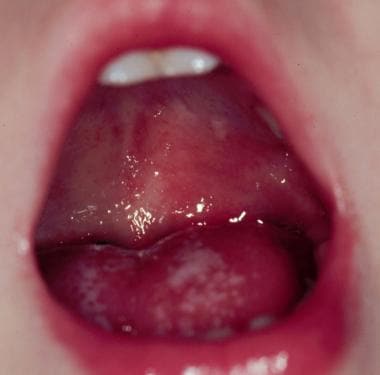
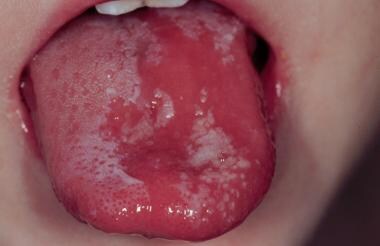
    • Oral burns are an underreported problem and may lead to severe contracture. Oral contractures can be divided into anterior, posterior, and total. Posterior oral contractures result from caustic ingestion and involve the posterior buccal mucosa, posterior tongue, retro-molar area and oro-pharynx. Total oral contractures typically result from caustic lye ingestion and involve the lips, tongue, oral cavity, and oro-pharyngeal mucosa.
    • Seek, and document, the presence, size, and depth of cutaneous burns.
    • Depths of burn classifications are superficial partial thickness, deep partial thickness, and full thickness. Depth determination involves describing the affected area's color, texture, and sensation.

      • First-degree burn: Redness without change in texture and intact sensation denotes a superficial injury.

      • Second-degree burn: Blister formation with or without denuding and pink to mildly pale tissue with intact sensation denotes deeper partial-thickness injury.

      • Third-degree burn: Areas that are white, leathery, and insensate denote full-thickness injury.
    • Determining extent of involvement requires an estimate of the affected body surface area. Special attention also is paid to injuries of the face, hands, feet, and genitalia. Circumferential injury should also be noted.

    • Body surface area can be estimated by using a standard chart with the Rule of 9's. However, the Lund and Browder Chart provides a more accurate estimate in children.

    • Most small injuries can be approximated using the size of the patient's palm. The entire palm, including the fingers, represents approximately 1% of total body surface area (TBSA).
  • Oral or gastrointestinal
    • Oral or gastrointestinal exposure may cause severe burns, particularly if the exposure is to a strong alkali.

    • Early injury may be represented by redness, swelling, and pain. Patients breathe through an open mouth, drool, speak with a hoarse voice, or have stridor.

    • Remember that alkali compounds result in liquefaction necrosis—with potential for ongoing deep tissue penetration. Severe precipitous airway edema or obstruction may result.

    • Children refusing to swallow their own saliva should be given particular attention. Risk of esophageal perforation and stricture is very real (although these are later complications and usually are not present when the patient is in the emergency department.
  • Ocular
    • Patients with ocular exposure or complaints require detailed ophthalmologic evaluation. However, initial examination is deferred until adequate decontamination has occurred with copious amounts of saline (minimum of 0.5 h).

    • Complete evaluation includes general appearance of the globe, conjunctiva, anterior chamber, and cornea with attention to redness, pallor, or opacification.

    • Examine the eye for presence of foreign bodies.

    • Verify pupillary and extraocular muscle function.

    • pH testing should be performed before and after each set of irrigations and should be continued until the pH returns to the normal range (7-8).

    • Stain with fluorescein to look for areas of increased uptake signifying corneal abrasion.

    • A slit lamp examination may be useful. It allows for a more detailed examination of the cornea and anterior chamber, including the presence of a hyphema or hypopyon.

    • Document the visual acuity of patients with ocular exposure or complaints. Documentation should include right eye and left eye individually, then vision with both eyes.

Causes:

  • Inadequate child-proofing
    • Cleaning or caustic products are not stored out of reach of young children.

    • Cleaning solutions or agents are stored in bottles other than the original container (eg, a potentially caustic solution in a soda pop bottle).
    • Directions are not regarded or supplies are inappropriately mixed (eg, mixing bleach and ammonia products creates a noxious gas, which can precipitate acute bronchospasm and respiratory distress).
    • Unintended exposures are caused by something breaking, exploding, or being squirted or sprayed.
  • Common sources of acids
    • Toilet bowl or drain cleaners may contain sulfuric or hydrochloric acid. They also may contain alkali.
    • Automotive tire or metal cleaners and rust removers may contain hydrofluoric, sulfuric, or phosphoric acid.
    • Engraving solution may contain hydrofluoric or nitric acid.
    • Tile cleaners or glass etching may contain hydrofluoric acid.
    • Battery fluid may contain sulfuric acid.
  • Common sources of alkalis (bases)
    • Drain or oven cleaners may contain sodium or potassium hydroxide.
    • Cleaners and detergents may contain ammonia or any of the sodium or potassium polyphosphates.
    • Household bleach or pool chlorination system or tablets may contain sodium or calcium hypochlorite.
    • Cement, mortar, or plaster may contain calcium hydroxide or oxide.
    • Denture cleaners or Clinitest tablets may contain sodium or potassium hydroxide.
    • Dishwashing or clothing detergents may contain silicates or sodium carbonate.
    • Toilet cleaners (lye) may contain potassium hydroxide or other strong alkali.
  DIFFERENTIALS Section 4 of 11   Click here to go to the previous section in this topic Click here to go to the top of this page Click here to go to the next section in this topic
Author Information Introduction Clinical Differentials Workup Treatment Medication Follow-up Miscellaneous Pictures Bibliography

Burns, Electrical
Burns, Thermal


Quick Find
Author Information
Introduction
Clinical
Differentials
Workup
Treatment
Medication
Follow-up
Miscellaneous
Pictures
Bibliography

Click for related images.

Related Articles
Burns, Electrical

Burns, Thermal


Patient Education


  WORKUP Section 5 of 11   Click here to go to the previous section in this topic Click here to go to the top of this page Click here to go to the next section in this topic
Author Information Introduction Clinical Differentials Workup Treatment Medication Follow-up Miscellaneous Pictures Bibliography

Lab Studies:

  • Mild burns: In most patients, no laboratory studies are indicated.
  • Severe burns: Consider basic screening with a computerized blood count, serum electrolytes, quantitative creatine kinase (CK), and coagulation studies.
  • Hydrofluoric or oxalic acid burns: Screening levels of calcium, magnesium, and phosphorus often are ordered and may be useful. An EKG should also be considered to monitor for prolonged QT intervals, especially if physical signs of hypocalcemia (tetany, Trousseau or Chvostek sign) are present. However, the degree to which these levels contribute to patient treatment is uncertain.

Imaging Studies:

  • Chest radiography is indicated for patients with inhalation injury or respiratory distress.
  • When evaluating for edema or perforation of the soft tissues of the neck, direct visualization with endoscopy is preferred. Radiographs of this area have limited value.
  • When evaluating for perforation of the abdomen, direct visualization with endoscopy is preferred, although radiographs have some value.
  • Head CT is indicated for patients with altered mental status, history of explosion, or closed head injury.
  • Abdominal CT with oral and intravenous contrast has limited utility in evaluating for perforation. Direct visualization with endoscopy is preferred.

Other Tests:

  • Direct visualization (endoscopy) of the posterior pharynx, airway, esophagus, and gastrointestinal tract is the method of choice for evaluation of injury.

Procedures:

  • Intubation and mechanical ventilation may be required for oral and inhalation exposures.
  • Intravenous access and possibly central venous access may be indicated, depending on the severity of the injury.
  • A Foley catheter (to monitor fluid status via continuous measurement of urine output) is indicated for the patient with severe burns.
  • Fasciotomies and escharotomies generally are not necessary.
  TREATMENT Section 6 of 11   Click here to go to the previous section in this topic Click here to go to the top of this page Click here to go to the next section in this topic
Author Information Introduction Clinical Differentials Workup Treatment Medication Follow-up Miscellaneous Pictures Bibliography

Medical Care:

  • Medical care begins with removal of the patient from the source of the injury (while maintaining the safety of rescuers and caregivers).

  • All products should be handled as potentially hazardous material. Decontamination should be provided at the scene of contact. To avoid spreading the material to the transport vehicle or urgency department, the patient should have as much of the offending substance removed as possible prior to transportation. Contaminated clothes should be removed immediately.

  • Airway

    • Removal of the patient from the offending gas is essential.

    • No method of lung decontamination exists.

    • Maintain airway patency. Oral and upper airway involvement may cause progressive edema and stridor, heralding the need for intubation. Patients with oral or inhalational exposures should be given continuous pulse oximetry monitoring and receive supplemental oxygen as indicated.

    • If there is any question about ongoing edema and airway patency, secure the airway with a prompt, semielective intubation.

  • Breathing

    • Maintain adequate ventilation and oxygenation. Patients may require artificial ventilation.

    • Patients with inhalation injuries may experience acute bronchospasm. Beta-agonist bronchodilators (eg, albuterol) are indicated for patients with wheezing.

  • Circulation

    • Maintain adequate perfusion to the tissues.

    • Patients should be volume resuscitated; however, most burns are of relatively small magnitude and usually do not require massive volume resuscitation.

  • Disability

    • After obtaining a baseline neurological examination, prevent any further injury.

    • If there is any potential for a cervical spine or back injury, the patient should be immobilized completely, pending radiographic studies.

  • Exposure

    • Patients need to be completely undressed for a thorough examination; however, they need to remain euthermic. Tepid water should be used for irrigation to avoid iatrogenic hypothermia. Afterward, patients should be covered and kept clean and dry.

    • External warming devices should be used early in the course of care if indicated because hypothermia has particularly deleterious effects on burn victims.
  • Pain management

    • Most, if not all, patients require medication for pain control; however, removing all pain that results from burns is nearly impossible. Although oral agents may be an option for mild burns, it is usually preferable to use the intravenous route to allow for exact titration of pain and reversal if necessary.

    • Morphine sulfate is the drug of choice (0.1 mg/kg).

  • Tetanus

    • Burns are considered tetanus prone, and all patients should be immunized.

    • If there is a question about the need for tetanus, it should be given.

  • Decontamination basics

    • Dilution is the solution to decontamination.

    • Never attempt to neutralize the offending agent because it may result in an exothermic reaction that could superimpose thermal injury or cause explosion.
  • Cutaneous exposure

    • If the agent is a powder, brush off as much as possible before moving the patient. After brushing as much of the powder from the patient as possible, rinse the affected area (tepid tap water is fine, if saline or other irrigant is unavailable in the field). Remember that rinsing creates a dilute solution of the offending substance. Make certain that the solution is not soaking the clothing and the patient no longer has contact with it.

    • If the substance is a liquid and has saturated the clothing, remove the clothing and rinse the affected area thoroughly. Use copious amounts of fluid to dilute the substance. Ensure that the patient no longer has contact with the remaining fluid, and provide dry covering to maintain patient euthermia.
  • Oral and gastrointestinal

    • The mouth should be rinsed as much as possible. Do not attempt neutralization.

    • Maintain the airway, and instruct the patient to have nothing by mouth (NPO).

    • Do not attempt gastric emptying. Do not lavage and do not give ipecac syrup.

    • The use of corticosteroids for prevention of esophageal stricture has been advocated in the past. However, supportive evidence for its use is scant at best and cannot be advocated as standard practice.
  • Ocular

    • The solution is dilution.

    • Affected eyes should be rinsed with copious amounts of an ocular irrigation solution for a minimum of 0.5 hour at a time. The pH of an irrigant solution plays a significant role in its tolerability, because nonneutral solutions cause pain and discomfort.

    • Currently, the irrigation solution of choice for most pediatric emergency ocular decontaminations is normal saline (NS), which has a pH range between 4.5 and 6.0. Other solutions available include lactated Ringer solution (LR), which has a pH range between 6.2 and 7.5, buffered NS with pH adjusted to 7.4 with sodium bicarbonate, and balanced salt solution (BSS) plus, which has a pH of 7.4.

    • The use of more pH-neutral solutions, such as LR, NS with bicarbonate buffer, or BSS plus, may decrease the discomfort associated with copious irrigation and may improve the tolerance of irrigation of the eye by the pediatric patient.

    • Anesthetic drops should be provided for pain relief; however, these usually provide only partial relief, and parental pain relief with morphine often is required.

    • A specialized ocular irrigation cup, or Morgan lens, may be used after adequate analgesia is provided (ocular and parenteral pain control).

    • The pH of the eye should be checked after each 0.5 hour of irrigation and continued until the pH has normalized (pH is 7-8).
  • Miscellaneous

    • Hydrofluoric acid burns

      • Calcium is used to treat hydrofluoric acid burns.

      • The hand is the body part most commonly exposed to hydrofluoric acid.

      • A glove containing a mixture of calcium chloride, KY jelly, and hydrocellulose is placed on the patient's hand to provide continuous and complete exposure to the calcium. 2.5% topical calcium gluconate gel may also be applied topically to the site of contact.

      • Another option is an intradermal or intra-arterial injection of calcium gluconate.

      • Bier-type block and IV calcium also are used.

      • Hemodialysis may be considered for cases refractory to standard treatment.

Surgical Care:

  • Vascular access may be necessary.
  • Fasciotomies and escharotomies are rarely necessary.
  • Eyelid reconstruction with acellular dermal allograft in patients with eyelid defects after chemical and thermal burns may be considered to improve cosmesis and function.

  • Amniotic membrane transplantation (AMT) has been performed in acute ocular burns for reduction of pain and promotion of early epithelialization with moderate burns. However, no definite advantage to AMT over medical therapy alone is apparent in terms of restoring visual acuity, appearance of symblepharon, corneal vascularization, and results of tear function tests on short-term follow-up.
  • Oral burns lead to stenosis and contracture, complications that prove refractory to fitting splints, injecting steroids, local surgical procedures, and the use of dynamic appliances to maintain mouth opening. Further investigation of early use of injected antiproliferative agents to prevent scarring, more aggressive surgery, and long-term physiotherapy appliance use may improve treatment outcome.

Consultations:

  • Always consult with the regional poison control center. The center has accurate statistics on exposures, can aid in substance identification, and has up-to-date information on burn management.
  • Consultation with a toxicologist also may be indicated, depending on the type and degree of exposure.
  • Chemical burns are treated similarly to thermal burns and require consultation with a burn specialist.
  • All but the most trivial of ocular injuries require consultation with an ophthalmologist.

  MEDICATION Section 7 of 11   Click here to go to the previous section in this topic Click here to go to the top of this page Click here to go to the next section in this topic
Author Information Introduction Clinical Differentials Workup Treatment Medication Follow-up Miscellaneous Pictures Bibliography

Drug Category: Analgesic agents -- Pain control is essential to quality patient care. Analgesics ensure patient comfort, promote pulmonary toilet, and have sedating properties, which are beneficial for patients who have sustained trauma or injuries.
Drug Name
Morphine sulfate -- DOC and provides immediate pain relief. IV administration provides rapid and effective pain relief that is titratable and reversible.
Adult Dose2-4 mg IV q2-4h prn
Pediatric Dose0.1 mg/kg IV; not to exceed 2 mg/dose; initially may repeat q5-10 min prn; then prn q2-4h
ContraindicationsDocumented hypersensitivity; hypotension; potentially compromised airway when establishing rapid airway control would be difficult
InteractionsIf given with a sedative (eg, benzodiazepines), the dose of each should be reduced by 25%; phenothiazines may antagonize analgesic effects of opiate agonists; tricyclic antidepressants, MAOIs, or other CNS depressants may potentiate adverse effects of morphine; CYP2D6 substrate, clearance may decrease with CYP2D6 inhibitors (eg, cimetidine, ranitidine, fluvoxamine)
Pregnancy B - Usually safe but benefits must outweigh the risks.
PrecautionsPregnancy category D if prolonged use or high doses; may cause respiratory depression and hypotension (may be reversed with naloxone and IV fluids); gradually titrate dose upward to effect
May cause a characteristic urticarial rash shortly after administration as a result of histamine release; this is not a true allergic reaction and usually resolves without any further treatment; if severe, the underlying cause (massive histamine release) is treated in the standard fashion with diphenhydramine, corticosteroids, and epinephrine
Chest wall rigidity may occur (may be reversed with naloxone); if severe rigidity occurs, use succinylcholine; however, succinylcholine causes paralysis and requires at least temporary ventilatory support
Drug Category: Vaccines -- Active immunization increases resistance to infection. Vaccines consist of microorganisms or cellular components, which act as antigens. Administration of the vaccine stimulates the production of antibodies with specific protective properties.
Drug Name
Tetanus toxoid -- Burns are considered tetanus-prone and require adequate prophylaxis. The immunizing agents of choice for most adults and children >7 y are tetanus and diphtheria toxoids. Necessary to administer booster doses to maintain tetanus immunity throughout life.
Adult Dose0.5 mL IM
Pediatric DoseAdminister as in adults
ContraindicationsDocumented hypersensitivity; a history of any type of neurological symptoms or signs following administration of this product; FDA recommends that elective tetanus immunization be deferred during any outbreak of poliomyelitis because tetanus toxoid injections are an important cause of provocative poliomyelitis
InteractionsPatients receiving immunosuppressants, including corticosteroids or radiation therapy, may remain susceptible despite immunization because of poor immune response; cimetidine may enhance or augment delayed-hypersensitivity responses to skin-test antigens; avoid concurrent use of medication with systemic chloramphenicol because it may impair amnestic response to tetanus toxoid; concurrent use of tetanus immune globulin may delay development of active immunity by several days (interaction is nevertheless clinically insignificant and does not preclude its concurrent use)
Pregnancy C - Safety for use during pregnancy has not been established.
PrecautionsDo not use to treat actual tetanus infections or for immediate prophylaxis of unimmunized individuals (use tetanus antitoxin instead, preferably human tetanus immune globulin) diminished antibody response to active immunization may be observed in patients receiving immunosuppressive therapy; better to defer primary diphtheria immunization until immunosuppressive therapy discontinued; routine immunization of symptomatic and asymptomatic HIV-infected persons is recommended
Drug Category: Topical antibiotic cream -- Topical agents, such as silver sulfadiazine, are used to cover cutaneous burns. The agent acts as a protective barrier and has some bactericidal properties. It also may provide relief of pain by covering the denuded highly sensate skin.
Drug Name
Silver sulfadiazine (Silvadene) -- DOC for topical covering of most cutaneous burns. Not recommended for burns involving the face because the silver component has been reported to cause staining of the skin. Facial burns should be covered with bacitracin ointment. Useful in prevention of infections from second- or third-degree burns. Has bactericidal activity against many gram-positive and gram-negative bacteria, including yeast.
Adult DoseApply a thin layer (1/16-in thickness) over the entire burn qd/bid
Pediatric Dose<2 years: Not recommended
>2 years: Administer as in adults
ContraindicationsDocumented hypersensitivity; age <2 years
InteractionsEffect of proteolytic enzymes is reduced when used concomitantly with this product
Pregnancy B - Usually safe but benefits must outweigh the risks.
PrecautionsUse with caution in patients with G-6-PD deficiency or renal insufficiency; may cause silver staining of skin
Drug Name
Bacitracin ointment (Baciguent) -- DOC for facial burns.
Adult DoseApplied in thin layer over affected area tid/qid
Pediatric DoseAdminister as in adults
ContraindicationsDocumented hypersensitivity
InteractionsNone reported
Pregnancy C - Safety for use during pregnancy has not been established.
PrecautionsProlonged use may result in growth of nonsusceptible organisms; rare topical sensitization has occurred
Drug Category: Miscellaneous pharmacologic antidotes -- The major pharmacologic intervention is calcium gluconate. It may be used in a gel, intravenously, or intra-arterially.
Drug Name
Calcium gluconate -- Used by various administration routes for treatment of hydrofluoric acid burns. Topical preparation may need to be extemporaneously compounded using IV calcium gluconate and surgical gel.
Adult DoseTopically: Apply 2.5% jelly to burn until pain resolves
Subcutaneous: Treat larger burns with a 10% calcium gluconate solution SC by using a 27- or 30-gauge needle at a dose of 0.5 mL/cm3
Intra-arterial: Used for severe extremity burns at a dose of 50 mL of a 4% solution administered over 4 h; may repeat q12h until pain subsides
Pediatric DoseNot established
ContraindicationsRenal calculi, hypercalcemia, hypophosphatemia, renal or cardiac disease, and digitalis toxicity
InteractionsMay decrease effects of tetracyclines, atenolol, salicylates, iron salts, and fluoroquinolones; antagonizes effects of verapamil; large intakes of dietary fiber may decrease calcium absorption and levels
Pregnancy B - Usually safe but benefits must outweigh the risks.
PrecautionsCaution in digitalized patients, respiratory failure, acidosis, or severe hyperphosphatemia
Drug Name
Calcium chloride -- Indicated for fluoride toxicity. Manages underlying hypocalcemic effects caused by fluoride poisoning.
Adult DoseInitial dose: 1-2 g slow IV push (10 mL vial of 10% CaCl contains 1 g/10 mL); repeat dose to obtain desired serum calcium level; for severe poisoning, may need to give multiple grams for the first several h
Pediatric Dose20-25 mg/kg slow IV push; repeat prn; may need massive doses with severe poisoning
ContraindicationsDocumented hypersensitivity; ventricular fibrillation not associated with hyperkalemia; digitalis toxicity, hypercalcemia, renal insufficiency, cardiac disease
InteractionsCoadministration with digoxin may cause arrhythmias; with thiazides, may induce hypercalcemia; may antagonize effects of calcium channel blockers, atenolol, and sodium polystyrene sulfonate
Pregnancy B - Usually safe but benefits must outweigh the risks.
PrecautionsAdminister by slow IV to avoid extravasation (not to exceed 0.5-1 mL/min); hypercalcemia may occur in renal failure
  FOLLOW-UP Section 8 of 11   Click here to go to the previous section in this topic Click here to go to the top of this page Click here to go to the next section in this topic
Author Information Introduction Clinical Differentials Workup Treatment Medication Follow-up Miscellaneous Pictures Bibliography

Further Inpatient Care:

Further Outpatient Care:

In/Out Patient Meds:

Transfer:

Deterrence/Prevention:

Complications:

Prognosis:

Patient Education:

  MISCELLANEOUS Section 9 of 11   Click here to go to the previous section in this topic Click here to go to the top of this page Click here to go to the next section in this topic
Author Information Introduction Clinical Differentials Workup Treatment Medication Follow-up Miscellaneous Pictures Bibliography

Medical/Legal Pitfalls:

  • Failure to decontaminate the area
  • Failure to appreciate the severity of the injury
  • Failure to obtain appropriate consultation or transfer
  • Failure to provide adequate fluid resuscitation and maintain perfusion
  • Failure to recognize associated injuries
  PICTURES Section 10 of 11   Click here to go to the previous section in this topic Click here to go to the top of this page Click here to go to the next section in this topic
Author Information Introduction Clinical Differentials Workup Treatment Medication Follow-up Miscellaneous Pictures Bibliography

Caption: Picture 1. Caustic oral burns.
Click to see larger pictureClick to see detailView Full Size Image
Picture Type: Photo
Caption: Picture 2. Caustic burns of tongue.
Click to see larger pictureClick to see detailView Full Size Image
Picture Type: Photo
  BIBLIOGRAPHY Section 11 of 11   Click here to go to the previous section in this topic Click here to go to the top of this page
Author Information Introduction Clinical Differentials Workup Treatment Medication Follow-up Miscellaneous Pictures Bibliography

  • Ahsan S, Haupert M: Absence of esophageal injury in pediatric patients after hair relaxer ingestion. Arch Otolaryngol Head Neck Surg 1999 Sep; 125(9): 953-5[Medline].
  • Anderson KD, Rouse TM, Randolph JG: A controlled trial of corticosteroids in children with corrosive injury of the esophagus [see comments]. N Engl J Med 1990 Sep 6; 323(10): 637-40[Medline].
  • Baruchin AM, Jakim I, Rosenberg L, Nahlieli O: On burn injuries related to airbag deployment. Burns 1999 Feb; 25(1): 49-52[Medline].
  • Bertolini JC: Hydrofluoric acid: a review of toxicity. J Emerg Med 1992 Mar-Apr; 10(2): 163-8[Medline].
  • Bjornhagen V, Hojer J, Karlson-Stiber C, et al: Hydrofluoric acid-induced burns and life-threatening systemic poisoning--favorable outcome after hemodialysis. J Toxicol Clin Toxicol 2003; 41(6): 855-60[Medline].
  • Bond SJ, Schnier GC, Sundine MJ, et al: Cutaneous burns caused by sulfuric acid drain cleaner. J Trauma 1998 Mar; 44(3): 523-6[Medline].
  • Broto J, Asensio M, Jorro CS, et al: Conservative treatment of caustic esophageal injuries in children: 20 years of experience. Pediatr Surg Int 1999 Jul; 15(5-6): 323-5[Medline].
  • Caravati EM: Acute hydrofluoric acid exposure. Am J Emerg Med 1988 Mar; 6(2): 143-50[Medline].
  • Edlich RF, Farinholt HM, Winters KL, et al: Modern concepts of treatment and prevention of chemical injuries. J Long Term Eff Med Implants 2005; 15(3): 303-18[Medline].
  • Ein SH: Gastric tubes in children with caustic esophageal injury: a 32-year review. J Pediatr Surg 1998 Sep; 33(9): 1363-5[Medline].
  • Fisher AA: Cement injuries: Part II. Cement burns resulting in necrotic ulcers due to kneeling on wet cement [news]. Cutis 1998 Mar; 61(3): 121[Medline].
  • Friedman EM, Lovejoy FH Jr: The emergency management of caustic ingestions. Emerg Med Clin North Am 1984 Feb; 2(1): 77-86[Medline].
  • Gallerani M, Bettoli V, Peron L, Manfredini R: Systemic and topical effects of intradermal hydrofluoric acid. Am J Emerg Med 1998 Sep; 16(5): 521-2[Medline].
  • Hashem FK, Al Khayal Z: Oral burn contractures in children. Ann Plast Surg 2003 Nov; 51(5): 468-71[Medline].
  • He J, Bazan NG, Bazan HE: Alkali-induced corneal stromal melting prevention by a novel platelet-activating factor receptor antagonist. Arch Ophthalmol 2006 Jan; 124(1): 70-8[Medline].
  • Holmes RG, Chan DC, Singh BB: Chemical burn of the buccal mucosa. Am J Dent 2004 Jun; 17(3): 219-20[Medline].
  • Homan CS, Singer AJ, Thomajan C, et al: Thermal characteristics of neutralization therapy and water dilution for strong acid ingestion: an in-vivo canine model. Acad Emerg Med 1998 Apr; 5(4): 286-92[Medline].
  • Horgan N, McLoone E, Lannigan B, et al: Eye injuries in children: a new household risk. Lancet 2005 Aug 13-19; 366(9485): 547-8[Medline].
  • Howell JM: Alkaline ingestions. Ann Emerg Med 1986 Jul; DA - 19860730(7): 820-5[Medline].
  • Hugh TB, Kelly MD: Corrosive ingestion and the surgeon [published erratum appears in J Am Coll Surg 2000 Jan;190(1):102]. J Am Coll Surg 1999 Nov; 189(5): 508-22[Medline].
  • Jiaqi C, Zheng W, Jianjun G: Eyelid reconstruction with acellular human dermal allograft after chemical and thermal burns. Burns 2006 Mar; 32(2): 208-11[Medline].
  • Karjoo M: Caustic ingestion and foreign bodies in the gastrointestinal system. Curr Opin Pediatr 1998 Oct; 10(5): 516-22[Medline].
  • Karnak I, Tanyel FC, Buyukpamukcu N, Hicsonmez A: Combined use of steroid, antibiotics and early bougienage against stricture formation following caustic esophageal burns. J Cardiovasc Surg (Torino) 1999 Apr; 40(2): 307-10[Medline].
  • Kerstein MD, Schaffzin DM, Hughes WB: Acute management of exposure to liquid ammonia. Mil Med 2001 Oct; 166(10): 913-4[Medline].
  • Kiristioglu I, Gurpinar A, Kilic N, et al: Is it necessary to perform an endoscopy after the ingestion of liquid household bleach in children? [letter]. Acta Paediatr 1999 Feb; 88(2): 233-4[Medline].
  • Lusk PG: Chemical eye injuries in the workplace. Prevention and management. AAOHN J 1999 Feb; 47(2): 80-7; quiz 88-9[Medline].
  • Makela JT, Laitinen S, Salo JA: Corrosion injury of the upper gastrointestinal tract after swallowing strong alkali. Eur J Surg 1998 Aug; 164(8): 575-80[Medline].
  • Mannan A, Ghani S, Clarke A, et al: Psychosocial outcomes derived from an acid burned population in Bangladesh, and comparison with Western norms. Burns 2006 Mar; 32(2): 235-41[Medline].
  • Mehta RK, Handfield-Jones S, Bracegirdle J: Cement dermatitis and chemical burns. Clin Exp Dermatol 2002 Jun; 27(4): 347-8[Medline].
  • Mercer R: Three steps toward eye safety. Occup Health Saf 1999 May; 68(5): 107-8[Medline].
  • Meredith JW, Kon ND, Thompson JN: Management of injuries from liquid lye ingestion. J Trauma 1988 Aug; 28(8): 1173-80[Medline].
  • Moghadam BK, Gier R, Thurlow T: Extensive oral mucosal ulcerations caused by misuse of a commercial mouthwash. Cutis 1999 Aug; 64(2): 131-4[Medline].
  • Nagel TR, Schunk JE: Using the hand to estimate the surface area of a burn in children. Pediatr Emerg Care 1997 Aug; 13(4): 254-5[Medline].
  • Nordt SP, Molloy M, Ryan J, McQuillan RF: Burns from automobile airbags. J Emerg Med 2003 Aug; 25(2): 201-2[Medline].
  • Ohtani M, Nishida N, Chiba T, et al: Pathological demonstration of rapid involvement into the subcutaneous tissue in a case of fatal hydrofluoric acid burns. Forensic Sci Int 2006 Jan 17;[Medline].
  • Pelclova D, Navratil T: Do corticosteroids prevent oesophageal stricture after corrosive ingestion? Toxicol Rev 2005; 24(2): 125-9[Medline].
  • Penner GE: Acid ingestion: toxicology and treatment. Ann Emerg Med 1980 Jul; 9(7): 374-9[Medline].
  • Ryan F, Witherow H, Mirza J, Ayliffe P: The oral implications of caustic soda ingestion in children. Oral Surg Oral Med Oral Pathol Oral Radiol Endod 2006 Jan; 101(1): 29-34[Medline].
  • Saidinejad M, Burns MM: Ocular irrigant alternatives in pediatric emergency medicine. Pediatr Emerg Care 2005 Jan; 21(1): 23-6[Medline].
  • Spoo J, Elsner P: Cement burns: a review 1960-2000. Contact Dermatitis 2001 Aug; 45(2): 68-71[Medline].
  • Tamhane A, Vajpayee RB, Biswas NR, et al: Evaluation of amniotic membrane transplantation as an adjunct to medical therapy as compared with medical therapy alone in acute ocular burns. Ophthalmology 2005 Nov; 112(11): 1963-9[Medline].
  • Tiras U, Erdeve O, Karabulut AA, et al: Debridement via collagenase application in two neonates. Pediatr Dermatol 2005 Sep-Oct; 22(5): 472-5[Medline].
  • Turner A, Robinson P: Respiratory and gastrointestinal complications of caustic ingestion in children. Emerg Med J 2005 May; 22(5): 359-61[Medline][Full Text].
  • Vitello W, Kim M, Johnson RM, Miller S: Full-thickness burn to the hand from an automobile airbag. J Burn Care Rehabil 1999 May-Jun; 20(3): 212-5[Medline].
  • Wallace KL, Pegg SP: Self-inflicted burn injuries: an 11-year retrospective study. J Burn Care Rehabil 1999 Mar-Apr; 20(2): 191-4; discussion 189-90[Medline].
  • Wason S: The emergency management of caustic ingestions. J Emerg Med 1985; 2(3): 175-82[Medline].
  • Wasserman RL, Ginsburg CM: Caustic substance injuries. J Pediatr 1985 Aug; 107(2): 169-74[Medline].
  • Wibbenmeyer LA, Morgan LJ, Robinson BK, et al: Our chemical burn experience: exposing the dangers of anhydrous ammonia. J Burn Care Rehabil 1999 May-Jun; 20(3): 226-31[Medline].
  • Wirbelauer C: Management of the red eye for the primary care physician. Am J Med 2006 Apr; 119(4): 302-6[Medline].
  • Woolf A, Shaw J: Childhood injuries from artificial nail primer cosmetic products. Arch Pediatr Adolesc Med 1998 Jan; 152(1): 41-6[Medline].

Burns, Chemical excerpt