Continually Updated Clinical Reference
 
 
  All Sources     eMedicine     Medscape     Drug Reference     MEDLINE
 
eMedicine - Toxicity, Hallucinogens - PCP : Article by

Quick Find
Authors & Editors
Introduction
Clinical
Differentials
Workup
Treatment
Medication
Follow-up
Miscellaneous
References

Related Articles
Acidosis, Metabolic

Anxiety Disorder: Generalized Anxiety

Anxiety Disorder: Panic Disorder

Child Abuse & Neglect: Dissociative Identity Disorder

Child Abuse & Neglect: Sexual Abuse

Conduct Disorder

Head Trauma

Hypoglycemia

Hyponatremia

Meningitis, Aseptic

Meningitis, Bacterial

Mood Disorder: Bipolar Disorder

Mood Disorder: Depression

Mood Disorder: Dysthymic Disorder

Oppositional Defiant Disorder

Personality Disorder: Avoidant Personality

Personality Disorder: Borderline

Rabies

Schizophrenia and Other Psychoses

Sepsis

Substance Abuse: Cocaine

Toxicity, Ethanol

Toxicity, Hallucinogens - LSD

Toxicity, Mushrooms - Muscarine

Toxicity, Oral Hypoglycemic Agents


Patient Education
Substance Abuse Center

Substance Abuse Overview

Substance Abuse Causes

Substance Abuse Symptoms

Substance Abuse Treatment

Club Drugs Introduction


Author: Ryan J Petersen, MD, Staff Physician, Department of Emergency Medicine, Barnes-Jewish Hospital

Ryan J Petersen is a member of the following medical societies: American Medical Association and Society for Academic Emergency Medicine

Coauthor(s): Bill Dribben, MD, Assistant Professor, Department of Emergency Medicine, Washington University School of Medicine

Editors: Halim Hennes, MD, MS, Pediatric Emergency Medicine Research Director, Professor, Departments of Pediatrics and Emergency Medicine, Medical College of Wisconsin; Mary L Windle, PharmD, Adjunct Assistant Professor, University of Nebraska Medical Center College of Pharmacy, Pharmacy Editor, eMedicine.com, Inc; Jeffrey R Tucker, MD, Assistant Professor, Department of Pediatrics, Division of Emergency Medicine, University of Connecticut and Connecticut Children's Medical Center; Paul D Petry, DO, FACOP, FAAP, Consulting Staff, Freeman Pediatric Care, Freeman Health System; Maureen Strafford, MD, Arnold P Gold Foundation Associate Professor, Departments of Anesthesiology and Pediatrics, Tufts University and Tufts-New England Medical Center

Author and Editor Disclosure

Synonyms and related keywords: hallucinogens, PCP, phenylcyclohexyl piperidine, phenyl cyclohexyl piperidine, phencyclidine, angel dust, ozone, wack, rocket fuel, dust, elephant tranquilizer, hog, ethyl-phenylcyclohexylamine, PCE, thienyl-cyclohexylpiperidine, TCP, porker, zoot, embalming fluid, love boat, crystal, horse tranquilizer, tic tac, peace pill, sherms, dusting, purple rain, zombie, worm, live ones, little ones, boat, ketamine, glutamate-N-methyl-D-aspartate receptor, NMDA receptor

Background

Phenylcyclohexyl piperidine (PCP) was originally discovered in 1926, but it was not until the 1950s that Parke-Davis reintroduced PCP as a dissociative general anesthetic. Because of severe adverse effects, such as postoperative psychoses and dysphoria, its clinical use in humans was discontinued in 1965, although it remained widely used in veterinary medicine. Ketamine, a dissociative anesthetic commonly used in pediatrics, is a structural analogue of PCP but does not possess the same clinical adverse effects as PCP does.

PCP was first introduced as a street drug in the late 1960s, and despite gaining a reputation as a drug that could cause unpleasant side effects, its use grew to epidemic proportions during the 1970s. Many PCP users state that they have feelings of strength, power, and invulnerability while intoxicated with PCP. Some also report a numbing effect that may lead to anger, rage, selective amnesia of unpleasant memories, and acute psychoses.

Drug forms

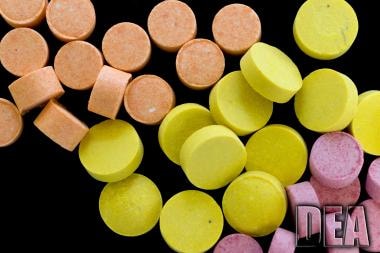
Because PCP is inexpensive and relatively easy to manufacture, it is often misrepresented as other hallucinogenic substances, such as lysergic acid diethylamide (LSD), tetrahydrocannabinol (THC), mescaline, psilocybin, cocaine, and amphetamine. PCP is distributed in widely varying purities and forms (eg, powder, liquid, tablets, leaf mixtures, rock crystal). Many drug users are unknowingly exposed to PCP, because it is often used as an adulterant in marijuana, LSD, and methamphetamine to save on production costs of those other drugs. PCP can be taken in pill form, snorted as a powder, smoked, or injected intravenously or subcutaneously. In certain forms, PCP can inadvertently be absorbed by means of contact with the skin.

PCP that is sold on the street is known by names such as angel dust, ozone, wack, rocket fuel, dust, elephant tranquilizer, hog, PCE (ethyl-phenylcyclohexylamine), TCP (thienyl-cyclohexylpiperidine), porker, zoot, embalming fluid, love boat, crystal, horse tranquilizer, tic-tac, peace pill, sherms, dusting, purple rain, zombie, worm, live ones, little ones, and boat. When PCP is added to marijuana, the combination is sometimes sold as crystal super grass, killer joints, super weed, killer weed, krystal joint (KJ), and green leaves. When PCP is dusted on marijuana or mint leaves and soaked in embalming fluid, the combination is known as illy, wet, hydro, or fry. The variety of street names for PCP reflects its unpredictable and volatile effects.

Manufacture

Because PCP is relatively inexpensive to synthesize, it is an attractive drug for dealers. Its recipe can be found easily on the Internet, and it can be manufactured illegally in crude, underground laboratories. Because of its continued use in veterinary medicine, pharmaceutical-grade formulations are often obtained through the illegal drug market.

Pathophysiology

PCP is a 3-ringed molecule that is structurally similar to ketamine. PCP differs from ketamine, however, in that it is longer acting, is more likely to cause seizures, and tends to cause more emergent confusion and delirium.

PCP is a noncompetitive antagonist at the glutamate-N-methyl-D-aspartate (NMDA) receptor and binds to sites located in the cortex and limbic structures of the brain. This mechanism is believed to be responsible for most of the dissociative effects of PCP. PCP has been shown to effect biogenic amine (eg, dopamine, norepinephrine, serotonin) release and reuptake in a dose-dependent manner. These actions can account for the sympathomimetic effects after PCP ingestion. In addition, PCP may indirectly modulate cholinergic and GABAnergic (GABA = gamma-aminobutyric acid) outflow in the CNS.

Pharmacokinetics

PCP is a weak base with a pKa between 8.6 and 9.4. In its unionized, or free base, form, PCP is lipid soluble and easily diffuses across membranes. However, in an acidic environment, such as in the stomach, PCP forms an ionized salt and becomes functionally trapped, preventing it from freely diffusing across the gastric mucosa. PCP that is absorbed from the alkaline duodenum can be secreted into the acidic stomach, creating a gastroenteric circulation. This phenomenon may help explain the prolonged and wavering course of PCP intoxication.

PCP has a large volume of distribution (6.2 L/kg). Although the initial dose is distributed quickly in the brain, it is redistributed to other lipid-containing organs and can remobilize for hours, days, or possibly even weeks. After entering the brain and reaching the acidic environment of the CSF, PCP becomes ionized. This ion trapping can produce levels of PCP in the CSF that are 6-9 times higher than those in plasma. PCP is predominantly metabolized in the liver to form glucuronide metabolites that are then excreted in the urine. A small amount of PCP is excreted unchanged in the urine.

Frequency

United States

Epidemiologic data indicate that PCP abuse is not widespread and that its abuse is not prevalent in adolescents. The National Institute on Drug Abuse (NIDA) Monitoring the Future Study revealed that the overall use of PCP by high-school seniors has decreased since 1979, when 7% of seniors used PCP. In 1997, 2.3% of high-school seniors used PCP at least once during the year before the study. Among high-school seniors, use in the month preceding the study decreased from 1.3% in 1996 to 0.7% in 1997. The Drug Abuse Warning Network (DAWN) estimates that in 2003, there were 4,581 emergency department (ED) visits related to PCP, representing approximately 1.5% of drug-related ED visits. PCP use was found to be highest in African American adults aged 21-24 years.

Mortality/Morbidity

Very large doses of PCP of 200 mg or more have resulted in death. A survey from 1981-1986 in metropolitan St. Louis, Mo, showed that 81 homicides, 13 suicides, 6 accidental deaths, and 4 deaths of unknown causes were related to PCP intoxication.

  • The major cause of death with PCP intoxication is behavioral disturbances that lead to self-destructive behaviors and impaired judgment, including self-inflicted injuries, injuries resulting from exceptional physical exertion, or injuries sustained from resisting physical restraints.
  • Deaths from the direct effects of PCP intoxication are related to hyperthermia, renal failure, disseminated intravascular coagulation (DIC), and rhabdomyolysis. In a study of 1000 patients with phencyclidine intoxication, rhabdomyolysis occurred in 25 patients; 10 patients developed acute renal failure (McCarron, 1981).


History

The dissociative effects of PCP cause patients to have disorganized thought processes, including delirium, amnesia, paranoia, and dysphoria. In light of this, obtaining a reliable history is doubtful. In addition, because PCP is frequently an adulterant, patients are unlikely to know that they have ingested PCP. The patient's friends and family should be questioned, if possible, to gain a greater understanding of the situation.

Physical

Diagnosis of PCP intoxication is generally made clinically. PCP exposure is suggested by the patient's fluctuating behavior, nystagmus, motor disturbances, and autonomic stimulation.

  • The presentation of patients with PCP intoxication varies widely from being inebriated and calm to being agitated and, often, violent. An important diagnostic clue is nystagmus—lateral, horizontal, or rotary. The largest case series demonstrated nystagmus in 57% of patients with PCP intoxication, though smaller studies have found an incidence of 89% or higher. Many CNS depressants can produce nystagmus when taken in high doses; however, the patient is generally sedated when nystagmus is observed. In PCP exposure, the patient may have nystagmus when he or she is awake and agitated. Additional autonomic effects include hypertension, tachycardia, salivation, flushing, and diaphoresis. CNS effects vary from stimulation and euphoria to depression and coma, which occur in a dose-related manner.
    • Motor disturbances include dystonic reactions: opisthotonos, torticollis, tortipelvis, facial grimacing, myoclonic movements, tremor, hyperactivity, athetosis, stereotypies, and catalepsy. Patients may demonstrate bizarre posturing or facial expressions.
    • The evaluation of PCP-intoxicated patients with actual or suspected trauma may be challenging because PCP acts as a dissociate anesthetic and can mask signs and symptoms such as abdominal pain or those associated with hidden injuries. Like ketamine, PCP is thought to prevent the integration of sensory input to create meaningful responses. Because of the analgesic effects of PCP and lack of normal pain response, PCP-intoxicated patients have sometimes been described as having extraordinary strength. PCP-intoxicated patients have broken handcuffs and fractured bones in the process.
    • Children may inhale PCP fumes in their environments, or they may ingest or have topical exposure to PCPs in their surroundings. Most parents who accompany their children for treatment of PCP exposure deny the possibility of their child's drug intoxication. Children exposed to PCP typically have symptoms similar to those of adults and can exhibit diminished response to tactile and verbal stimuli, bizarre behavior, ataxia, nystagmus, expressionless stare, dystonic posturing, irritability, poor feeding, seizures, and possibly miosis and hypertension.
  • Incidences of hallmark findings in 1000 PCP-intoxicated patients are as follows:
    • Nystagmus, 57.4%
    • Hypertension, 57%
  • Incidences of sensorium findings in 1000 PCP-intoxicated patients are as follows:
    • Alert and oriented, 45.9%
    • Acute brain syndrome, 36.9%
    • Unconsciousness, 10.6%
    • Lethargy, stupor, or both, 6.6%
  • Incidences of behavioral findings in 1000 PCP-intoxicated patients are as follows:
    • Violence, 35.4%
    • Agitation, 34%
    • Bizarreness, 28.8%
    • Hallucinations, delusions, or both, 18.5%
    • Muteness and stare, 11.7%
    • Nudism, 3.3%
    • None, 3.5%
  • Incidences of motor findings in 1000 PCP-intoxicated patients are as follows:
    • Generalized rigidity, 5.2%
    • Grand mal seizures, 3.1%
    • Localized dystonias, 2.4%
    • Facial grimacing, 1.7%
    • Athetosis, 1.3%
  • Incidences of cholinergic findings in 1000 PCP-intoxicated patients are as follows:
    • Diaphoresis, 3.9%
    • Bronchospasm, 2.1%
    • Pupils <1 mm, 2.1%
    • Hypersalivation, 1.7%
    • Bronchorrhea, 0.6%
  • Incidences of anticholinergic findings in 1000 PCP-intoxicated patients are as follows:
    • Pupils >4 mm, 6.2%
    • Urinary retention, 2.4%
  • Incidences of abnormal vital signs in 1000 PCP-intoxicated cases are as follows:
    • Tachycardia, 30%
    • Hypothermia, 6.4%
    • Apnea, 2.8%
    • Hyperthermia, 2.6%
    • Cardiac arrest, 0.3%
    • Hypotension, 1.6%


Acidosis, Metabolic
Anxiety Disorder: Generalized Anxiety
Anxiety Disorder: Panic Disorder
Child Abuse & Neglect: Dissociative Identity Disorder
Child Abuse & Neglect: Sexual Abuse
Conduct Disorder
Head Trauma
Hypoglycemia
Hyponatremia
Meningitis, Aseptic
Meningitis, Bacterial
Mood Disorder: Bipolar Disorder
Mood Disorder: Depression
Mood Disorder: Dysthymic Disorder
Oppositional Defiant Disorder
Personality Disorder: Avoidant Personality
Personality Disorder: Borderline
Rabies
Schizophrenia and Other Psychoses
Sepsis
Substance Abuse: Cocaine
Toxicity, Ethanol
Toxicity, Hallucinogens - LSD
Toxicity, Mushrooms - Muscarine
Toxicity, Oral Hypoglycemic Agents


Lab Studies

  • Quantitative laboratory analysis is generally unhelpful because serum and urine levels do not reflect vast lipid storage, nor does the precise serum concentration correlate with the clinical effect. Results of urinary toxicologic screening may remain positive for several weeks because of PCP's large volume of distribution.
  • Diphenhydramine and dextromethorphan (which is also an NMDA receptor antagonist and frequently abused) can produce false-positive urinary drug screens for PCP because their chemical structures are similar to the structure of PCP.
  • Other useful tests to determine the presence of rhabdomyolysis, renal dysfunction, and hypoglycemia include measurements of electrolytes, glucose, BUN, creatinine, and total creatine kinase, as well as a urinalysis (myoglobin). An arterial blood gas (ABG) measurement may be indicated to evaluate for metabolic acidosis and hypoxemia. A urinary pregnancy test is indicated in female patients of childbearing age.


Medical Care

  • Medical management of PCP intoxication is primarily supportive and encompasses treatment of agitated behavior, seizures, and hyperthermia. Patients intoxicated with PCP have been known to demonstrate violent behavior, and they can often present a danger to the clinical staff. The most important approach to management of agitated behavior is the implementation of safe physical restraints and chemical sedation. Benzodiazepines are effective in managing agitation and aggressive behavior. Phenothiazines and butyrophenones are not recommended, as they may cause significant hypotension, worsen hyperthermia, exacerbate any anticholinergic effect, lower the seizure threshold, and cause dystonic reactions. If delirium is severe and compromises patient or staff safety, endotracheal intubation may be necessary.
  • Seizure activity is seen in approximately 3% of patients presenting with PCP intoxication. Seizures should be treated with benzodiazepines, followed by barbiturates, propofol, or both.
  • Management of hyperthermia should consist of aggressive mechanical cooling. In patients who are profoundly hyperthermic (>40.5°C), rapid-sequence induction, with endotracheal intubation and paralysis, should be considered if they are unresponsive to more conservative measures.
  • Patients with recent oral use of PCP are candidates for gastrointestinal decontamination. Activated charcoal, 1 g/kg, may be administered and repeated every 4 hours for several doses in the most symptomatic patients. Activated charcoal absorbs PCP and increases its nonrenal clearance. Because PCP is a weak base, it once was recommended that the patient's urine be acidified to aid in its urinary excretion. This therapy is no longer recommended, because severely intoxicated patients are at risk for acidosis and rhabdomyolysis and because the acidification of urine promotes the precipitation of myoglobin within the renal tissue. Furthermore, urinary acidification has never been proven to decrease morbidity or mortality. Because of its large volume of distribution, PCP is not effectively removed with hemodialysis or hemoperfusion.

Consultations

A medical toxicologist or the staff at a regional poison control center may provide additional information about PCP intoxication and about current patient care recommendations.


No proven antidotes for PCP toxicity exist. Pharmacologic therapy facilitates supportive care and seizure control.

Drug Category: Sedative/hypnotic and anticonvulsant agents

Benzodiazepines are first-line agents for controlling seizures in patients with PCP toxicity. Barbiturates, propofol, or both provide a useful adjunct in the treatment of seizures or treatment of status epilepticus unresponsive to benzodiazepines. All of these agents are helpful in sedating patients with extreme agitation.

Drug NameDiazepam (Valium)
DescriptionDepresses all levels of CNS (eg, limbic and reticular formation), possibly by increasing activity of GABA. Although seizures may be promptly controlled, seizure activity resumes in a significant proportion of patients, presumably because of the short duration of action with an initial dose of IV diazepam. Rapidly distributes to other body fat stores. Twenty minutes after initial IV infusion, serum concentration drops to 20% of Cmax.
Adult DoseStatus epilepticus: 5-10 mg IV; repeat at 10- to 15-min intervals; not to exceed cumulative dose of 30 mg
Pediatric Dose<30 days: Not established
30 days to 5 years: 0.05-0.3 mg/kg/dose slow IV push q2-5min; not to exceed cumulative dose of 5 mg
>5 years: 0.05-0.3 mg/kg/dose slow IV push q15-30min for 2-3 doses; not to exceed cumulative dose of 10 mg
ContraindicationsDocumented hypersensitivity; acute narrow-angle glaucoma
InteractionsIncreased CNS toxicity with coadministration of other CNS depressants (eg, phenothiazines, barbiturates, alcohol, MAOIs)
PregnancyD - Unsafe in pregnancy
PrecautionsInjection has produced hypotension or muscular weakness in some patients, particularly when used with narcotics, barbiturates, or alcohol; prolonged CNS depression has been observed in neonates, apparently due to their inability to biotransform diazepam into inactive metabolites; caution in cases of renal or hepatic impairment

Drug NameLorazepam (Ativan)
DescriptionBy increasing the action of GABA, (major inhibitory neurotransmitter in the brain), may depress all levels of CNS, including limbic and reticular formation
Adult DoseStatus epilepticus: 4 mg IV over 2-5 min, may give second dose in 10-15 min; not to exceed cumulative dose of 8 mg
Pediatric DoseStatus epilepticus:
Neonates: 0.05 mg/kg IV over 2-5 min, may repeat in 10-15 min prn
Infants and children: 0.1 mg/kg IV over 2-5 min; may administer second dose of 0.05 mg/kg IV after 10-15 min if necessary
Adolescents: Administer as in adults
ContraindicationsDocumented hypersensitivity; preexisting CNS depression; hypotension; narrow-angle glaucoma
InteractionsProduces additive depression of the CNS when administered with other CNS depressants (eg, ethyl alcohol, phenothiazines, barbiturates, MAOIs) and other antidepressants; increased incidence of sedation, hallucinations, and irrational behavior observed with concomitant scopolamine; significant respiratory depression, stupor, and/or hypotension with concomitant loxapine rarely reported; marked sedation, excessive salivation, ataxia, and (rarely) death reported with concomitant clozapine; apnea, coma, bradycardia, arrhythmia, cardiac arrest, and death reported with concomitant haloperidol; risk with scopolamine, loxapine, clozapine, haloperidol, or other CNS-depressant drugs not evaluated systematically (caution with concomitant administration)
Valproic acid may decrease total clearance and formation of metabolites; oral contraceptive steroids associated with 55% decrease in half-life and 50% increase in volume of distribution, resulting in almost 3.7-fold increase in total clearance; probenecid may prolong half-life by 130% and decrease total clearance by 45%
PregnancyD - Unsafe in pregnancy
PrecautionsCaution in elderly patients, very ill patients, or patients with limited pulmonary reserve; propylene glycol toxicity (eg, lactic acidosis, hyperosmolality, hypotension) and polyethylene glycol toxicity (eg, acute tubular necrosis) possible with higher-than-recommended doses; symptoms may be more likely in renal impairment; contains benzyl alcohol, which may be toxic to infants in high doses

Drug NamePentobarbital (Nembutal)
DescriptionShort-acting barbiturate with sedative, hypnotic, and anticonvulsant properties; can produce all levels of CNS mood alteration.
Adult Dose150-200 mg IM as single dose
100 mg IV initially; may increase by increments prn; not to exceed cumulative dose of 200-500 mg
Pediatric Dose2-6 mg/kg IM as single injection; not to exceed 100 mg/dose
Rectal:
2 months to 1 year (10-20 lb): 30 mg
1-4 years (20-40 lb): 30-60 mg
5-12 years (40-80 lb): 60 mg
12-14 years (80-110 lb): 60-120 mg
ContraindicationsDocumented hypersensitivity; liver failure
InteractionsConcomitant use with alcohol may produce additive CNS effects and death; chloramphenicol may inhibit pentobarbital metabolism; may enhance chloramphenicol metabolism; MAOIs may enhance sedative effects of barbiturates; valproic acid appears to decrease barbiturate metabolism, increasing toxicity; barbiturates can decrease effects of anticoagulants (may require dosage adjustments if barbiturates added to or withdrawn from regimen); decreased contraceptive effect may occur due to induction of microsomal enzymes (alternative form of birth control suggested); barbiturates may decrease corticosteroid and digitoxin effects by inducing hepatic microsomal enzymes, increasing metabolism; barbiturates decrease theophylline levels and may decrease effects; may decrease verapamil bioavailability
PregnancyD - Unsafe in pregnancy
PrecautionsPatient may become tolerant to hypnotic effects; caution in hypovolemic shock, respiratory dysfunction, renal dysfunction, congestive heart failure, previous addiction to sedative hypnotics, and congestive heart failure

Drug NamePropofol (Diprivan)
DescriptionPhenolic compound that is a sedative hypnotic agent used for induction and maintenance of anesthesia or sedation. Has also been shown to have anticonvulsant properties.
Adult DoseInduction dose for ASA class I/II: 2-2.5 mg/kg IV, administered in increments of about 40 mg IV q10s until onset
Maintenance: 100-200 mcg/kg/min IV during initial 10-15 min, then 50-100 mcg/kg/min IV; alternatively, 25-50 mg IV by intermittent boluses
Note: Doses listed are for patients who are categorized as ASA I/II, are <55 y, and have not received premedication or have received only light premedication (eg, PO benzodiazepines, IM opioids); refer to product labeling for elderly, neurosurgical, cardiovascular, or otherwise debilitated patients
Pediatric DoseGeneral anesthesia induction:
<3 years: Not established
3-16 years and ASA class I/II:
2.5-3.5 mg/kg IV over 20-30 sec; then 125-150 mcg/kg/min IV during initiation
Maintenance: 200-300 mcg/kg/min IV during first 30 min
Note: Doses listed are for patients categorized as ASA I/II who have not received premedication or have received only light premedication (eg, PO benzodiazepines, IM opioids)
ContraindicationsDocumented hypersensitivity; those who are not mechanically ventilated
InteractionsReduce propofol dose when administered concomitantly with benzodiazepines, opiates, phenothiazines, ethanol, and narcotics; propofol may potentiate neuromuscular blockade of vecuronium; theophylline may weaken effects of propofol, and dose increase may be needed
PregnancyB - Usually safe but benefits must outweigh the risks.
PrecautionsDo not administer with blood or blood products using the same IV catheter; patients may develop apnea; may experience a decrease in systemic vascular resistance leading to hypotension

Drug Category: Decontamination agents

Consider activated charcoal decontamination in patients with oral PCP overdose who present within 4 hours of ingestion.

Drug NameActivated charcoal (Actidose-Aqua, Liqui-Char)
DescriptionEmergency treatment in poisoning caused by drugs and chemicals. Network of pores present in activated charcoal adsorbs 100-1000 mg of drug per gram of charcoal. Does not dissolve in water.
Adult Dose25-100 g PO as a single dose
Pediatric Dose<1 year: 1 g/kg PO as a single dose
1-12 years: 25-50 g PO as a single dose
Adolescents: Administer as in adults
ContraindicationsDocumented hypersensitivity; poisoning or overdosage of mineral acids and alkalies
InteractionsMay inactivate ipecac syrup if used concomitantly; effectiveness of other medications decreases with coadministration; do not mix charcoal with sherbet, milk, or ice cream (decreases adsorptive properties)
PregnancyC - Safety for use during pregnancy has not been established.
PrecautionsAdverse effects include nausea, vomiting, and possible aspiration in an unprotected airway; stools turn black from the charcoal; monitor for bowel sounds


Further Inpatient Care

  • Admit the patient to an intensive care unit if evidence of hyperthermia, seizure activity, or rhabdomyolysis is present.

Further Outpatient Care

  • Refer the patient for drug rehabilitation.

Complications

  • The usual street dose of PCP is 1-6 mg and results in mild intoxication. Larger ingestions (6-10 mg) can cause toxic psychoses and signs of sympathetic hyperactivity, including hypertension, rigidity, hyperthermia, tachycardia, and seizure. Very large doses (>200 mg) can result in death. Deaths from the direct effects of PCP intoxication are related to hyperthermia, renal failure, DIC, or rhabdomyolysis.

Patient Education


Medical/Legal Pitfalls

  • Urinary toxicologic screening is not 100% specific or sensitive for phencyclidine exposure. Diphenhydramine and dextromethorphan have been shown to produce false-positive results, and patients with negative test results may exhibit signs of acute PCP intoxication.
  • Condition may be misdiagnosed as a psychiatric disorder; the medical staff may fail to diagnose PCP intoxication and to aggressively treat life-threatening conditions, such as hyperthermia, traumatic injuries, and rhabdomyolysis.


  • Akmal M, Valdin JR, McCarron MM. Rhabdomyolysis with and without acute renal failure in patients with phencyclidine intoxication. Am J Nephrol. 1981;1(2):91-6. [Medline].
  • Barton CH, Sterling ML, Vaziri ND. Phencyclidine intoxication: clinical experience in 27 cases confirmed by urine assay. Ann Emerg Med. May 1981;10(5):243-6. [Medline].
  • Chen G, Ensor CR, Russell D, Bohner B. The pharmacology of 1-(1-phenylcyclohexyl) piperidine-HCl. J Pharmacol Exp Ther. Nov 1959;127:241-50. [Medline].
  • Fauman B, Baker F, Coppleson LW. Psychosis-induced by phencyclidine. JACEP. 1975;4:223-5.
  • Hoaken PN, Stewart SH. Drugs of abuse and the elicitation of human aggressive behavior. Addict Behav. Dec 2003;28(9):1533-54. [Medline].
  • McCarron MM, Schulze BW, Thompson GA. Acute phencyclidine intoxication: incidence of clinical findings in 1,000 cases. Ann Emerg Med. May 1981;10(5):237-42. [Medline].
  • Misra AL, Pontani RB, Bartolomeo J. Persistence of phencyclidine (PCP) and metabolites in brain and adipose tissue and implications for long-lasting behavioural effects. Res Commun Chem Pathol Pharmacol. Jun 1979;24(3):431-45. [Medline].
  • Picchioni AL, Consroe PF. Activated charcoal--a phencyclidine antidote, or hog in dogs. N Engl J Med. Jan 25 1979;300(4):202. [Medline].
  • Poklis A, Graham M, Maginn D. Phencyclidine and violent deaths in St. Louis, Missouri: a survey of medical examiners'' cases from 1977 through 1986. Am J Drug Alcohol Abuse. 1990;16(3-4):265-74. [Medline].
  • Schwartz RH, Einhorn A. PCP intoxication in seven young children. Pediatr Emerg Care. Dec 1986;2(4):238-41. [Medline].
  • Thombs DL. A review of PCP abuse trends and perceptions. Public Health Rep. Jul-Aug 1989;104(4):325-8. [Medline].

Toxicity, Hallucinogens - PCP excerpt

Article Last Updated: Aug 17, 2006