|
Related Articles | Acidosis, Metabolic
Acidosis, Respiratory
Acute Lymphoblastic Leukemia
Acute Respiratory Distress Syndrome
Afebrile Pneumonia Syndrome
Anemia, Acute
Anomalous Left Coronary Artery From the Pulmonary Artery
Anomalous Left Coronary Artery From the Pulmonary Artery: Surgical Perspective
Aortic Stenosis, Valvar
Aortic Valve Insufficiency
Aortopulmonary Septal Defect
Ascites
Aspiration Syndromes
Atrioventricular Block, Third Degree, Acquired
Atrioventricular Septal Defect, Complete
Atrioventricular Septal Defect, Unbalanced
Bacteremia
Bundle Branch Block, Left
Bundle Branch Block, Right
Cardiomyopathy, Dilated
Carnitine Deficiency
Child Abuse & Neglect: Failure to Thrive
Child Abuse & Neglect: Physical Abuse
Coarctation of the Aorta
Coarctation of the Aorta and Interrupted Aortic Arch: Surgical Perspective
Colic
Congenital Coronary Abnormalities: Surgical Perspective
Coronary Artery Anomalies
Coronary Artery Fistula
Cyclic Vomiting Syndrome
Dehydration
Diabetic Ketoacidosis
Ebstein Anomaly
Endocardial Fibroelastosis
Endocarditis, Bacterial
Failure to Thrive
Fever in the Toddler
Fever in the Young Infant
Fever Without a Focus
Heart Failure, Congestive
Hypoplastic Left Heart Syndrome
Infantile Polyarteritis Nodosa
Interrupted Aortic Arch
Intussusception
Kawasaki Disease
Long QT Syndrome
Lyme Disease
Marfan Syndrome
Mitral Stenosis, Acquired
Mitral Stenosis, Congenital
Mitral Valve Insufficiency
Myocarditis, Nonviral
Myocarditis, Viral
Pneumococcal Bacteremia
Pneumonia
Pulmonary Atresia With Ventricular Septal Defect
Respiratory Distress Syndrome
Rheumatic Heart Disease
Shock
Shock and Hypotension in the Newborn
Single Ventricle
Sinus of Valsalva Aneurysm
Sudden Infant Death Syndrome
Supraventricular Tachycardia, Atrial Ectopic Tachycardia
Supraventricular Tachycardia, Atrioventricular Node Reentry
Supraventricular Tachycardia, Junctional Ectopic Tachycardia
Syncope
Takayasu Arteritis
Tetralogy of Fallot With Absent Pulmonary Valve
Tetralogy of Fallot With Pulmonary Atresia
Tetralogy of Fallot: Surgical Perspective
Tricuspid Atresia
Vascular Ring and Sling: Surgical Perspective
Ventricular Fibrillation
Ventricular Tachycardia
|
|
You are in: eMedicine Specialties >
Pediatrics: Cardiac Disease and Critical Care Medicine > Cardiology
Myocardial Infarction in Childhood
Article Last Updated: Jul 10, 2006
AUTHOR AND EDITOR INFORMATION
Section 1 of 10
Author: Louis I Bezold, MD, Associate Professor, Department of Pediatrics, University of Kentucky College of Medicine; Chief, Division of Pediatric Cardiology, Medical Director, Kentucky Children's Hospital
Louis I Bezold is a member of the following medical societies: Alpha Omega Alpha, American Academy of Pediatrics, American College of Cardiology, American Heart Association, American Heart Association, American Society of Echocardiography, Society of Pediatric Echocardiography, and Texas Pediatric Society
Coauthor(s):
Kurt Pflieger, MD, Active Staff, Department of Pediatrics, Lake Pointe Medical Center
Editors: Jeffrey Towbin, MD, Associate Chair of Pediatric/Cardiology, Departments of Pediatrics, Molecular and Human Genetics, Cardiovascular, Professor, Baylor College of Medicine and Texas Children's Hospital; Mary L Windle, PharmD, Adjunct Assistant Professor, University of Nebraska Medical Center College of Pharmacy, Pharmacy Editor, eMedicine.com, Inc; Julian M Stewart, MD, PhD, Director of Center for Pediatric Hypotension, Professor, Departments of Pediatrics and Physiology, Division of Pediatric Cardiology, Westchester Medical Center and New York Medical College; Gilbert Herzberg, MD, Assistant Professor, Department of Pediatrics, Section of Pediatric Cardiology, New York Medical College; Stuart Berger, MD, Professor of Pediatrics, Division of Cardiology, Medical College of Wisconsin; Chief of Pediatric Cardiology, Medical Director of Pediatric Heart Transplant Program, Medical Director of The Heart Center, Children's Hospital of Wisconsin
Author and Editor Disclosure
Synonyms and related keywords:
myocardial infarction, MI, cardiac infarction, acute myocardial infarction, acute MI, juvenile heart disease, pediatric MI, Kawasaki disease, anomalous left coronary artery from the pulmonary artery, ALCAPA, anomalous origin of left coronary artery
Background
Acute myocardial infarction is rare in childhood. While adults acquire coronary artery disease from lifelong deposition of atheroma and plaque, which causes coronary artery spasm and thrombosis, children usually have either an acute inflammatory condition of the coronary arteries or an anomalous origin of the left coronary artery.
Pathophysiology
Whatever the etiology, the final common pathway of acute myocardial infarction includes ischemia of the myocardium (resulting in hypoxia), release of inflammatory cytokines, and cell death. The terminal event is often a cardiac arrhythmia, either ventricular tachycardia deteriorating to ventricular fibrillation or extreme bradycardic arrest. The onset of the terminal event is heralded by a loss of peripheral circulation and consciousness and by cardiovascular collapse and cardiac arrest.
Frequency
United States
According to the Centers for Disease Control and Prevention (CDC), annual mortality rates in the United States from all causes in the pediatric population range from 22 deaths per 100,000 in children aged 5-14 years to 756 deaths per 100,000 in infants younger than 1 year. (Compare this to 90 deaths per 100,000 in persons aged 15-24 y and 2,538 deaths 100,000 in individuals aged 65-74 y.)
The CDC also reports that the mortality rate from acute myocardial infarction is 0.2 deaths per 100,000 in persons aged 15-24 years and fewer than 0.2 deaths per 100,000 in infants younger than 1 year. (Compare this to 1.4 deaths per 100,000 in persons aged 25-34 y and 262 deaths per 100,000 in individuals aged 65-74 y.)
Mortality/Morbidity
Acute myocardial infarction affects a small subset of children at risk for sudden cardiac death. Sudden cardiac death is defined as any natural death from cardiac causes that occurs from minutes to 24 hours after onset of symptoms (Oglesby, 1970).
- The early mortality rate can be high, depending on the cause, the speed of diagnosis, and the availability of therapeutic interventions.
- Unlike adult myocardial infarction secondary to ischemic and atherogenic disease, children with myocardial infarction who survive are less likely to have significant prolonged illness or disability.
Age
The etiology of myocardial infarction determines the age of incidence.
- Anomalous origin of the left coronary artery from the pulmonary artery (ALCAPA) may occur as unexplained sudden death in a neonate.
- Coronary artery ostial stenosis may occur after repair of a D-transposition of the great arteries (d-TGA) in the neonatal period. In childhood, infarction may occur years after arterial switch due to kinking of the coronary arteries, possibly in association with aortic root dilation.
- Thrombotic coronary artery occlusion from Kawasaki disease may occur in early childhood.
- Sudden death from an aberrantly coursing left main coronary artery with its origin at the right sinus of Valsalva may occur in athletes who are exercising.
- Coronary insufficiency may develop in patients with Marfan syndrome, Takayasu arteritis, or cystic medial necrosis with aortic root dilatation, aneurysm formation, and dissection into the coronary artery.
- Although very rarely, traumatic myocardial infarction can occur in patients at any age, but it is more likely to occur in ambulatory patients.
- Accelerated atherosclerosis is known to occur in orthotopic cardiac transplant recipients on immunosuppressive therapy, and it can occur in early adolescence.
History
Patients in whom sudden death does not occur may present with a prodrome that can include any of the following features:
- Chest pain (angina)
- Palpitation
- Dyspnea
- Evidence of poor cardiac output
- Weakness
- Dizziness
- Mental confusion
- Irritability
- Orthostasis
- Presyncope
- Syncope
Physical
Examination findings are variable, depending on the degree of disability and duration of ischemia.
- Altered level of consciousness
- Lethargy
- Unconsciousness
- Irritability
- Pulse abnormalities
- Tachycardia
- Bradycardia
- Dysrhythmia
- Respiratory embarrassment
- Apnea
- Bradypnea
- Tachypnea
- Hyperpnea
- Nasal flaring
- Grunting
- Head bobbing
- Retractions (supraclavicular, intercostal, subcostal)
- Paradoxic respirations
- Rales
- Rubs
- Rhonchi
- Consolidation
- Cardiac examination abnormalities
- Hyperdynamic precordium
- Broad cardiac impulse
- Displaced apical beat
- S3
- S4
- Holosystolic murmur at the apex (mitral insufficiency)
- Holosystolic murmur at the left lower sternal border (tricuspid insufficiency)
- Loud pulmonic closure sound (P2, pulmonary hypertension)
- Diastolic murmur of aortic/pulmonary insufficiency
- Diastolic rumble of increased tricuspid/mitral flow
- Hypotension and signs of low cardiac output
- Cool skin
- Prolonged capillary refill time (CRFT)
- Diaphoresis
- Poor turgor
- Peripheral cyanosis
- Signs of cor pulmonale (right heart failure)
- Jugular vein distention
- Hepatosplenomegaly
- Hepatojugular reflux
- Ascites
- Peripheral edema
Causes
Two leading causes of acute myocardial infarction in children are ALCAPA and Kawasaki disease.
- Anomalous left coronary artery origin from the pulmonary artery
- Infants with ALCAPA develop irritability with dyspnea, tachycardia, diaphoresis, and vomiting while feeding. Irritability is secondary to anginal pain caused by a coronary artery steal phenomenon to the anomalous origin of the left coronary artery. The flow in this vessel, which has its distribution over the left ventricular myocardium, is retrograde to the main pulmonary artery.
- The diagnosis of ALCAPA is suspected in irritable anxious infants presenting with pain while feeding (a modified stress test). Electrocardiography (ECG) demonstrates classic findings of deep Q waves, peaked T waves, and/or ST segment changes consistent with ischemia, injury, or infarction. Confirmation of the anomaly may be obtained using high-quality 2-dimensional and Doppler echocardiography or cardiac catheterization with angiography. A high degree of suspicion must predominate to make this diagnosis.
- Kawasaki disease
- Kawasaki disease is an acquired disease of unknown etiology, and it can affect all cardiac tissues (pericardium, endocardium, myocardium, valvular, conductive). The pathogenetic mechanism is attributable to a high degree of immune activation. Since the introduction of IV gammaglobulin to standard therapy for Kawasaki disease, the incidence of acute myocardial infarction due to Kawasaki disease has decreased.
- Coronary artery involvement occurs in 15-25% of children with Kawasaki disease within 1-3 weeks of onset. In patients with untreated Kawasaki disease, sudden death has resulted from acute myocardial infarction caused by ruptured coronary artery aneurysms or thromboses.
- Detrimental changes in arterial wall hemodynamics are present and persist after acute Kawasaki disease which may predispose to long-term cardiovascular events.
- Other rarer conditions that predispose children to acute myocardial infarction have been described, as follows:
- Coronary artery ostial stenosis or coronary artery kinking may present after arterial switch repair of d-TGA in the neonatal period or may develop years later, possibly related to aortic root dilation.
- Other abnormalities of coronary structure or course: Left main coronary artery atresia is a rare anomaly that can masquerade as dilated cardiomyopathy. Coronary ostial stenoses can be seen in patients with Williams syndrome, most commonly accompanying supravalvar aortic stenosis, but can rarely occur in isolation.
- Sudden death from an aberrantly coursing left main coronary artery with its origin at the right sinus of Valsalva may present in athletes who are exercising.
- Coronary insufficiency may develop in patients with Marfan syndrome, Takayasu arteritis, or cystic medial necrosis with aortic root dilatation, aneurysm formation, and dissection into the coronary artery.
- Although very rarely, traumatic myocardial infarction can occur in patients of any age, but it is more likely to occur in ambulatory and adolescent patients.
- Accelerated coronary artery atherosclerosis is known to occur in orthotopic cardiac transplant recipients on immunosuppressive therapy.
- Familial homozygous hypercholesterolemia
- Cocaine intoxication
- Accelerated coronary atherosclerosis from juvenile diabetic dyslipidemia or nephrotic syndrome
- Accelerated atherogenesis after treatment for childhood cancer
- Inflammatory conditions including viral and eosinophilic myocarditis and systemic lupus erythematosus
- Sickle cell disease
- Complications of dilated/ischemic cardiomyopathy
- D-transposition of the great arteries
- For patients undergoing the Jatene arterial switch procedure, the presence of an intramural coronary artery course in patients with d-TGA may prohibit arterial repair.
- Hypothetically, manipulation of the intramural coronary artery may cause damage and resultant inflammation, kinking, thrombosis, and myocardial ischemia or infarction (see Transposition of the Great Arteries).
- Tetralogy of Fallot
- Surgical repair of pulmonary outflow obstruction often involves patching of the right ventricular outflow tract and resecting of the obstructing right ventricular muscle. An estimated 2-9% of patients with tetralogy of Fallot have coronary arterial anomalies, possibly affecting the timing of or approach to surgical repair.
- The most common anomaly (4% of patients) is the origin of the left anterior descending (LAD) coronary artery from the right coronary artery (RCA), which then courses across the pulmonary outflow tract. Inadvertent transection of this vessel yields disastrous consequences. Frequently, the conus branch of the RCA is large and supplies a significant portion of right ventricular infundibular muscle.
- Surgical techniques to avoid transection include limited incisions, varied tunneling techniques, and, perhaps, conduit placement. Cardiologists must predefine these abnormalities by noninvasive or invasive study (see Tetralogy of Fallot with Pulmonary Atresia).
- Pulmonary atresia with an intact ventricular septum
- Primitive embryonic sinusoidal connections to coronary vasculature (most commonly affected is the RCA, then the LAD system, and, less frequently, the distal extent of the circumflex [Cx] coronary artery) may demonstrate severe intimal thickening, occlusion, or interruption.
- In most patients, endocardial fibroelastosis, myocardial fibrosis, and acute myocardial infarction are observed (see Pulmonary Atresia with Intact Ventricular Septum).
Acidosis, Metabolic
Acidosis, Respiratory
Acute Lymphoblastic Leukemia
Acute Respiratory Distress Syndrome
Afebrile Pneumonia Syndrome
Anemia, Acute
Anomalous Left Coronary Artery From the Pulmonary Artery
Anomalous Left Coronary Artery From the Pulmonary Artery: Surgical Perspective
Aortic Stenosis, Valvar
Aortic Valve Insufficiency
Aortopulmonary Septal Defect
Ascites
Aspiration Syndromes
Atrioventricular Block, Third Degree, Acquired
Atrioventricular Septal Defect, Complete
Atrioventricular Septal Defect, Unbalanced
Bacteremia
Bundle Branch Block, Left
Bundle Branch Block, Right
Cardiomyopathy, Dilated
Carnitine Deficiency
Child Abuse & Neglect: Failure to Thrive
Child Abuse & Neglect: Physical Abuse
Coarctation of the Aorta
Coarctation of the Aorta and Interrupted Aortic Arch: Surgical Perspective
Colic
Congenital Coronary Abnormalities: Surgical Perspective
Coronary Artery Anomalies
Coronary Artery Fistula
Cyclic Vomiting Syndrome
Dehydration
Diabetic Ketoacidosis
Ebstein Anomaly
Endocardial Fibroelastosis
Endocarditis, Bacterial
Failure to Thrive
Fever in the Toddler
Fever in the Young Infant
Fever Without a Focus
Heart Failure, Congestive
Hypoplastic Left Heart Syndrome
Infantile Polyarteritis Nodosa
Interrupted Aortic Arch
Intussusception
Kawasaki Disease
Long QT Syndrome
Lyme Disease
Marfan Syndrome
Mitral Stenosis, Acquired
Mitral Stenosis, Congenital
Mitral Valve Insufficiency
Myocarditis, Nonviral
Myocarditis, Viral
Pneumococcal Bacteremia
Pneumonia
Pulmonary Atresia With Ventricular Septal Defect
Respiratory Distress Syndrome
Rheumatic Heart Disease
Shock
Shock and Hypotension in the Newborn
Single Ventricle
Sinus of Valsalva Aneurysm
Sudden Infant Death Syndrome
Supraventricular Tachycardia, Atrial Ectopic Tachycardia
Supraventricular Tachycardia, Atrioventricular Node Reentry
Supraventricular Tachycardia, Junctional Ectopic Tachycardia
Syncope
Takayasu Arteritis
Tetralogy of Fallot With Absent Pulmonary Valve
Tetralogy of Fallot With Pulmonary Atresia
Tetralogy of Fallot: Surgical Perspective
Tricuspid Atresia
Vascular Ring and Sling: Surgical Perspective
Ventricular Fibrillation
Ventricular Tachycardia
Lab Studies
- Testing of cardiac enzymes is the criterion standard for identification of myocardial cell death by measuring the following levels:
- Serum glutamic-oxaloacetic transaminase (SGOT)
- Lactate dehydrogenase (LDH) and isoenzymes
- Creatine kinase (CK)
- CK-MB isoforms
- Troponin I and troponin T
- Levels of acute-phase reactants are elevated in the early stages of Kawasaki disease.
- White blood cell (WBC)
- C-reactive protein
- Erythrocyte sedimentation rate (ESR)
- Thrombocytosis
- a1-Antitrypsin (A1AT)
Imaging Studies
- Chest radiography is indicated to demonstrate cardiomegaly, with or without pulmonary venous congestion.
- Echocardiography
- Two-dimensional echocardiography may be used to identify the following:
- The abnormal origin of the left coronary artery from the main pulmonary artery
- Chamber enlargement
- Systolic and diastolic dysfunction
- Coronary artery ectasia or aneurysm
- A flail mitral valve leaflet and ruptured papillary muscle
- Segmental wall motion abnormality
- Mural or intraventricular thrombi
- In experienced hands, color-flow Doppler mapping can have the following uses:
- Can be diagnostic for ALCAPA, demonstrating retrograde flow from the anomalous left coronary into the pulmonary trunk
- Demonstrates direction of coronary artery flow
- Quantifies mitral insufficiency
- In conjunction with spectral Doppler, quantifies pulmonary hypertension
- Tissue Doppler imaging (TDI): TDI is an echocardiographic technique that can noninvasively evaluate myocardial contraction and relaxation. Recent data suggest that TDI may have a role in early detection of graft failure due to coronary vasculopathy in orthotopic transplant recipients.
Other Tests
- Electrocardiography
- Deep Q waves in a completed transmural infarct over the involved areas
- Peaked T waves hyperacutely
- ST elevation in the acute phase
- ST depression when ischemia is present or in the latter stages of acute injury
- Various dysrhythmias and ectopy secondary to ischemia and irritable myocardium or conductive tissue
- An anterolateral infarct is demonstrated with abnormal deep (>3 mm) and wide (>30 ms) q waves in leads I, aVL, V5, and V6, with absent q waves in leads II, III, and aVF.
- The QRS axis typically is normal, although in some patients, a left superior axis is observed.
- CT and MRI
- Multislice CT angiography has been shown to be useful in identifying coronary ostial or arterial stenoses in pediatric patients following the arterial switch operation for d-TGA.
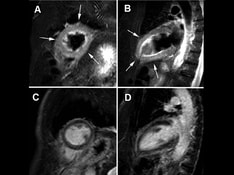
- MRI can identify coronary origins, anatomy and coronary artery abnormalities, and infarction in patients with Kawasaki disease.
- Myocardial perfusion imaging: This may be useful in evaluating myocardial ischemia and infarction in various disease states.
Procedures
- Cardiac catheterization and angiography
- Angiographic evaluation of the coronary artery system should be performed urgently but with caution because of the inherent instability of the diseased myocardium.
- Definitive diagnosis of an anomalous left coronary artery from the pulmonary artery is made.
- Aortography demonstrates an enlarged RCA system with collateralization to the left coronary artery and reflux of contrast into the pulmonary arterial system (ALCAPA).
- Coronary aneurysm, ectasia, or both is identified frequently in patients with Kawasaki disease.
- Hemodynamic (oximetric) measurements may demonstrate the following:
- Decreased systemic venous oxygen content is consistent with low cardiac output.
- A small left-to-right shunt may be demonstrated by oximetry in the main pulmonary artery if ALCAPA is the diagnosis.
- Elevated left atrial pressures are secondary to reduced left ventricular compliance, significant mitral valve insufficiency, or both.
- Successful percutaneous transluminal coronary angioplasty for proximal coronary stenoses following the arterial switch procedure has been reported in a small number of patients with apparent excellent results 3-5 years later.
- Postcatheterization effects that require precautions include hemorrhage, vascular disruption after balloon dilation, pain, nausea and vomiting, and arterial or venous obstruction from thrombosis or spasm.
- Possible complications include rupture of blood vessel, tachyarrhythmias, bradyarrhythmias, and vascular occlusion.
Medical Care
Medical care for a disease or condition that predisposes children to acute myocardial infarction can be found in Anomalous Left Coronary Artery from the Pulmonary Artery and Kawasaki Disease. The primary treatment in patients with ALCAPA is surgical. Surgical revascularization may also be necessary in patients with Kawasaki disease who develop significant coronary stenoses or occlusion.
- Intensive and acute care of the infant with symptoms of coronary artery ischemia or injury is initially directed at reducing myocardial oxygen demands while administering oxygen, fluids, or blood products and endotracheal intubation and correction of acid-base status and paralysis to reduce the work of breathing.
- Treatment of congestive heart failure (CHF) includes carefully administering diuretics, afterload reduction medications, and inotropic drugs.
- Aggressive afterload reduction may be deleterious in patients with ALCAPA. RCA perfusion may be reduced during aggressive afterload reduction, leading to decreased left coronary blood flow.
- Conversely, inotropic support may increase myocardial oxygen consumption significantly, which, in the presence of reduced myocardial blood flow, may worsen ischemia.
- Spontaneous resolution of CHF symptoms is rare. Surgical revascularization is usually necessary in the event of acute myocardial infarction.
- Percutaneous transluminal coronary angioplasty for proximal coronary stenoses following the arterial switch procedure for d-TGA has been reported.
Surgical Care
Once the patient is stabilized, surgical revascularization is performed to create a patent coronary arterial distribution. The techniques advocated in the Surgical Care section of the article Anomalous Left Coronary Artery from the Pulmonary Artery are recommended.
- Oral administration of digitalis, diuretics, and afterload reduction medications improves cardiac output and reduces preoperative symptoms in patients with CHF. These techniques frequently are used until left ventricular systolic and diastolic functions improve and mitral insufficiency stabilizes.
- Cardiac dysrhythmia secondary to preoperative myocardial ischemia or infarction is likely. Monitor continuously in the immediate postoperative period.
Consultations
- Consultation with an adult interventional cardiologist is indicated because of the wealth of information they have regarding proper imaging planes and anatomic variations of the coronary arteries.
- A nuclear medicine radiologist or cardiologist may help quantify approximate myocardial injury and recovery potential.
- Pediatric and adult cardiovascular surgeons may collaborate to effect optimal surgical repair.
Diet
No specific restrictions usually are necessary.
- Postoperative patients may require increased caloric density if failure to thrive is a preoperative morbidity.
- Patients with residual CHF may require salt and/or fluid restriction.
Activity
Restrictions are related directly to the severity of the left ventricular dysfunction and postoperative mitral valve insufficiency.
- In patients able to participate in exercise or competitive sports or in patients with residual postoperative hemodynamic problems, consider recommending avoidance of significant isometric activities.
- Exercise stress testing (eg, ECG, echocardiogram) is advised for assessment of myocardial response to exercise, preparticipation screening, and ongoing monitoring of conditioning effect.
Drug Category: Inotropic agents
These agents are used to enhance cardiac contractility as an adjunct to treating CHF.
| Drug Name | Digoxin (Lanoxin) |
| Description | Cardiac glycoside with direct inotropic effects and indirect effects on the cardiovascular system. Acts directly on cardiac muscle, increasing myocardial systolic contractions. Indirect actions result in increased carotid sinus nerve activity and enhanced sympathetic withdrawal for any given increase in mean arterial pressure. |
| Adult Dose | 0.125-0.375 mg/d PO |
| Pediatric Dose | Digitalization must be individualized to age and weight of patients; total digitalizing dose (TDD) is administered in divided doses tid over 24 h TDD: Premature infants: 20 mcg/kg PO Neonates: 30 mcg/kg PO Children: 40 mcg/kg PO Maintenance dose: Premature infants: 8 mcg/kg/d PO divided bid Neonates: 10 mcg/kg/d PO divided bid Children: 10 mcg/kg/d PO qd |
| Contraindications | Documented hypersensitivity; beriberi heart disease, idiopathic hypertrophic subaortic stenosis, constrictive pericarditis, and carotid sinus syndrome |
| Interactions | Medications that may increase digoxin levels include alprazolam, benzodiazepines, bepridil, captopril, cyclosporine, propafenone, propantheline, quinidine, diltiazem, aminoglycosides, oral amiodarone, anticholinergics, diphenoxylate, erythromycin, felodipine, flecainide, hydroxychloroquine, itraconazole, nifedipine, omeprazole, quinine, ibuprofen, indomethacin, esmolol, tetracycline, tolbutamide, and verapamil Medications that may decrease serum digoxin levels include aminoglutethimide, antihistamines, cholestyramine, neomycin, penicillamine, aminoglycosides, oral colestipol, hydantoins, hypoglycemic agents, antineoplastic treatment combinations (including carmustine, bleomycin, methotrexate, cytarabine, doxorubicin, cyclophosphamide, vincristine, procarbazine), aluminum or magnesium antacids, rifampin, sucralfate, sulfasalazine, barbiturates, kaolin/pectin, and aminosalicylic acid |
| Pregnancy | C - Safety for use during pregnancy has not been established.
|
| Precautions | Hypokalemia may reduce positive inotropic effect of digitalis; IV calcium may produce arrhythmias in patients taking digitalis; hypercalcemia predisposes patients to digitalis toxicity; hypocalcemia can make digoxin ineffective until serum calcium levels are within reference range; magnesium replacement therapy must be instituted in patients with hypomagnesemia to prevent digitalis toxicity; patients diagnosed with incomplete AV block may progress to complete block when treated with digoxin; exercise caution in hypothyroidism, hypoxia, and acute myocarditis |
Drug Category: Antiplatelet agents
These agents are used for reduction of platelet adhesiveness in thrombotic disease and as anti-inflammatory agents for immune-mediated or noninfectious inflammatory conditions.
| Drug Name | Aspirin (Anacin, Ascriptin, Bayer) |
| Description | Inhibits prostaglandin synthesis, preventing formation of platelet-aggregating thromboxane A2. May be used in low dose to inhibit platelet aggregation and improve complications of venous stases and thrombosis. |
| Adult Dose | 1-2 mg/kg/d PO for antiplatelet effect |
| Pediatric Dose | Acute intervention for Kawasaki disease: 80-100 mg/kg/d PO divided q6h until afebrile for 2-3 d Subsequent antiplatelet dose: 3-5 mg/kg/d PO Duration of treatment is 6-8 wk from onset of illness or until erythrocyte sedimentation rate and platelet count return to reference range; may require indefinite continuation if coronary artery abnormalities are observed |
| Contraindications | Documented hypersensitivity; liver damage; hypoprothrombinemia; vitamin K deficiency; bleeding disorders; asthma; due to association of aspirin with Reye syndrome, do not use in children ( <16 y) with viral illness |
| Interactions | Effects may decrease with antacids and urinary alkalinizers; corticosteroids decrease salicylate serum levels; additive hypoprothrombinemic effects and increased bleeding time may occur with coadministration of anticoagulants; may antagonize uricosuric effects of probenecid and increase toxicity of phenytoin and valproic acid; doses > 2 g/d may potentiate glucose-lowering effect of sulfonylurea drugs |
| Pregnancy | D - Unsafe in pregnancy
|
| Precautions | May cause transient decrease in renal function and aggravate chronic kidney disease; avoid use in patients with severe anemia or with history of blood coagulation defects or who are taking anticoagulants |
Drug Category: Afterload reduction
These agents are used for systemic afterload reduction following myocardial infarction with depressed left ventricular function.
| Drug Name | Captopril (Capoten) |
| Description | Prevents conversion of angiotensin I to angiotensin II, a potent vasoconstrictor, resulting in lower aldosterone secretion. Rapidly absorbed, but bioavailability is significantly reduced with food intake. It achieves a peak concentration in an hour and has a short half-life. The drug is cleared by the kidney. Impaired renal function requires reduction of dosage. Absorbed well PO. Give at least 1 h before meals. If added to water, use within 15 min. Can be started at low dose and titrated upward as needed and as patient tolerates. |
| Adult Dose | Starting dose: 6.25-25 mg PO bid/tid; increase dose by 25 mg prn at 1- to 2-wk intervals; not to exceed 450 mg/d divided tid Clcr 10-50 mL/min: Give 75% of starting dose Clcr <10 mL/min: Give 50% of starting dose |
| Pediatric Dose | Infants: 2.5-6 mg/kg/d PO divided bid/qid (start with 0.15-0.3 mg/kg/dose); not to exceed 6 mg/kg/d Children: 2.5-6 mg/kg/d PO divided bid/qid (start with 0.3-0.5 mg/kg/dose or for older children, 6.25-12.5 mg/dose); not to exceed 6 mg/kg/d |
| Contraindications | Documented hypersensitivity; renal impairment |
| Interactions | NSAIDs may reduce hypotensive effects of captopril; ACE inhibitors may increase digoxin, lithium, and allopurinol levels; rifampin decreases captopril levels; probenecid may increase captopril levels; the hypotensive effects of ACE inhibitors may be enhanced when given concurrently with diuretics |
| Pregnancy | D - Unsafe in pregnancy
|
| Precautions | Caution in renal impairment, valvular stenosis, or severe congestive heart failure |
Further Inpatient Care
- The severity of symptoms at presentation determines whether the patient is admitted to an intensive care unit (ICU) for aggressive medical management of CHF before surgical revascularization.
- Initial postoperative treatment usually is performed in a pediatric ICU until the patient is extubated and no longer requires intravenous inotropic support or antiarrhythmics.
- Following surgical revascularization, postoperative care includes the use of inotropes, diuretics, and afterload reduction medication to improve cardiac output and eliminate the preoperative symptoms of CHF.
- Monitor patients continuously during the immediate postoperative period because, although unusual, risk exists for cardiac dysrhythmia secondary to preoperative myocardial ischemia or infarction.
Further Outpatient Care
- The clinical status of the patient, in relation to residual CHF symptoms, determines the frequency of postoperative outpatient follow-up visits.
- Most patients do not require frequent cardiac evaluations following surgical revascularization once ventricular function and mitral valve insufficiency have improved dramatically.
- For patients with Kawasaki disease, long-term follow-up is recommended, even in cases without evidence of obvious coronary dilatation or aneurysms. Dipyridamole stress scintigraphy may be useful in long-term follow-up and risk stratification in patients with Kawasaki disease.
In/Out Patient Meds
- Short-term use of oral digoxin, diuretics, and ACE inhibitors is common following surgical revascularization.
- Long-term antiplatelet therapy with aspirin may be needed in conditions predisposed to coronary thrombosis, such as Kawasaki disease with significant aneurysm formation. In patients with giant aneurysms, additional anticoagulation with dipyridamole or warfarin may be recommended (clinical evidence is lacking).
Complications
- Complications are rare. The need for future valve surgery depends on the occurrence of hemodynamic complications (eg, residual mitral valve insufficiency precipitated by permanent damage of the mitral valve architecture) following surgery.
- Late complications related to coronary artery insufficiency are more likely to occur if revascularization was accomplished via any of the following:
- Surgical ligation
- Bypass grafts, which may become occluded or stenotic
- Intrapulmonary tunnel technique, which may cause supravalvar pulmonary stenosis or, less commonly, obstruction of the surgically created aortopulmonary window
- Although unlikely, growth of the coronary anastomosis may be inadequate if surgical reimplantation of the left coronary artery is performed. This occurrence is similar to the rare reports of late coronary artery problems following the arterial switch procedure for transposition of the great vessels, which also requires direct coronary transfer and reimplantation.
Prognosis
- Early diagnosis using echocardiography with color-flow mapping and improvements in surgical techniques (eg, myocardial preservation) dramatically improve the prognosis.
Patient Education
- All patients should undergo formal exercise stress testing at an appropriate age to aid in determining an appropriate exercise program.
- Long-term physical restrictions, including restrictions of participation in competitive sports, depend on whether myocardial ischemia is evident at rest or during exercise.
- No dietary restrictions are necessary following successful surgical revascularization with subsequent clinical improvement.
- For excellent patient education resources, see eMedicine's Heart Center and Cholesterol Center. Also, visit eMedicine's patient education articles Chest Pain, Coronary Heart Disease, Heart Attack, and Tetralogy of Fallot.
| Media file 1:
Electrocardiogram in an infant with anomalous origin of the left coronary artery from the pulmonary artery, demonstrating pathologic q waves in leads I and aVL and diffuse ST-T wave changes consistent with an anterolateral infarction. |

 | View Full Size Image | |
Media type: ECG
|
- Ahn YK, Jeong MH, Bom HS, et al. Myocardial infarction with Moyamoya disease and pituitary gigantism in a young female patient. Jpn Circ J. Aug 1999;63(8):644-8. [Medline].
- Bagby GC Jr, Goldman RD, Newman HC, Means JF. Acute myocardial infarction due to childhood lymphoma. N Engl J Med. Aug 17 1972;287(7):338-40. [Medline].
- Berenson GS, Srinivasan SR, Hunter SM, et al. Risk factors in early life as predictors of adult heart disease: the Bogalusa Heart Study. Am J Med Sci. Sep 1989;298(3):141-51. [Medline].
- Berry CL. Myocardial ischaemia in infancy and childhood. J Clin Pathol. Jan 1967;20(1):38-41. [Medline].
- Bex JP, Laborde F, Baillot F, et al. [Myocardial infarction in an infant without coronary artery birth anomalies]. Arch Mal Coeur Vaiss. May 1980;73(5):535-7. [Medline].
- Burns JC, Shike H, Gordon JB, et al. Sequelae of Kawasaki disease in adolescents and young adults. J Am Coll Cardiol. Jul 1996;28(1):253-7. [Medline].
- CDC. National Vital Statistics Report: Acute myocardial infarction. 1998 Nov; 47(9). Available at: http://www.disastercenter.com/cdc/aacutcar.html. Accessed July 12, 2002. [Full Text].
- Celermajer DS, Sholler GF, Howman-Giles R, Celermajer JM. Myocardial infarction in childhood: clinical analysis of 17 cases and medium term follow up of survivors. Br Heart J. Jun 1991;65(6):332-6. [Medline].
- Coggon D, Margetts B, Barker DJ, et al. Childhood risk factors for ischaemic heart disease and stroke. Paediatr Perinat Epidemiol. Oct 1990;4(4):464-9. [Medline].
- Dhillon R, Clarkson P, Donald AE, et al. Endothelial dysfunction late after Kawasaki disease. Circulation. Nov 1 1996;94(9):2103-6. [Medline].
- Esterly JR, Oppenheimer EH. Some aspects of cardiac pathology in infancy and childhood. IV. Myocardial and coronary lesions in cardiac malformations. Pediatrics. Jun 1967;39(6):896-903. [Medline].
- Fukuda T, Ishibashi M, Shinohara T, et al. Follow-up assessment of the collateral circulation in patients with Kawasaki disease who underwent dipyridamole stress technetium-99m tetrofosmin scintigraphy. Pediatr Cardiol. Sep-Oct 2005;26(5):558-64. [Medline].
- Fyfe DA, Ketchum D, Lewis R, et al. Tissue Doppler imaging detects severely abnormal myocardial velocities that identify children with pre-terminal cardiac graft failure after heart transplantation. J Heart Lung Transplant. May 2006;25(5):510-7. [Medline].
- Garcia RE, Moodie DS. Routine cholesterol surveillance in childhood. Pediatrics. Nov 1989;84(5):751-5. [Medline].
- Gattorno M, Falcini F, Ravelli A, et al. Outcome of primary antiphospholipid syndrome in childhood. Lupus. 2003;12(6):449-53. [Medline].
- Gunal N, Kara N, Cakar N, et al. Cardiac involvement in childhood polyarteritis nodosa. Int J Cardiol. Aug 8 1997;60(3):257-62. [Medline].
- Haitas B, Baker SG, Meyer TE, et al. Natural history and cardiac manifestations of homozygous familial hypercholesterolaemia. Q J Med. Jul 1990;76(279):731-40. [Medline].
- Hancock SL, Donaldson SS, Hoppe RT. Cardiac disease following treatment of Hodgkin''s disease in children and adolescents. J Clin Oncol. Jul 1993;11(7):1208-15. [Medline].
- Hawkins MM, Kingston JE, Kinnier Wilson LM. Late deaths after treatment for childhood cancer. Arch Dis Child. Dec 1990;65(12):1356-63. [Medline].
- Isaka N, Nakano T. [Myocardial infarction in childhood]. Ryoikibetsu Shokogun Shirizu. 1996;(12):679-83. [Medline].
- Israels SJ, Michelson AD. Antiplatelet therapy in children. Thromb Res. 2006;118(1):75-83. [Medline].
- Kampmann C, Kuroczynski W, Trubel H, et al. Late results after PTCA for coronary stenosis after the arterial switch procedure for transposition of the great arteries. Ann Thorac Surg. Nov 2005;80(5):1641-6. [Medline].
- Kondo C. Myocardial perfusion imaging in pediatric cardiology. Ann Nucl Med. Oct 2004;18(7):551-61. [Medline].
- Kovacs CS, Sanfilippo AJ, Burggraf GW. Anterior wall myocardial infarction in a 15-year-old diabetic female associated with spontaneously resolving coronary thrombosis. Can J Cardiol. Sep 1992;8(7):733-6. [Medline].
- Kreutzer U, Krulls-Munch J, Angres M, Schiessler A. [Successful resuscitation of a patient with ventricular fibrillation in Bland-White-Garland syndrome in adulthood. A case report]. Z Kardiol. Jul 1998;87(7):560-5. [Medline].
- L''Ecuyer TJ, Poulik JM, Vincent JA. Myocardial infarction due to coronary abnormalities in pulmonary atresia with intact ventricular septum. Pediatr Cardiol. Jan-Feb 2001;22(1):68-70. [Medline].
- Lindblade CL, Kirkpatrick EC, Ebenroth ES. Eosinophilic myocarditis presenting with pediatric myocardial infarction. Pediatr Cardiol. Jan-Feb 2006;27(1):162-5. [Medline].
- Long WA, Willis PW 4th, Henry GW. Childhood traumatic infarction causing left ventricular aneurysm: diagnosis by two-dimensional echocardiography. J Am Coll Cardiol. Jun 1985;5(6):1478-83. [Medline].
- Mavrogeni S, Papadopoulos G, Douskou M, et al. Magnetic resonance angiography, function and viability evaluation in patients with Kawasaki disease. J Cardiovasc Magn Reson. 2006;8(3):493-8. [Medline].
- McMahon CJ, Nihill MR, Denfield S. Neoaortic root dilation associated with left coronary artery stenosis following arterial switch procedure. Pediatr Cardiol. Jan-Feb 2003;24(1):43-6. [Medline].
- Monagle P. Thrombosis in pediatric cardiac patients. Semin Thromb Hemost. Dec 2003;29(6):547-55. [Medline].
- Najean Y, Haguenauer O. Long-term (5 to 20 years) Evolution of nongrafted aplastic anemias. The Cooperative Group for the Study of Aplastic and Refractory Anemias. Blood. Dec 1 1990;76(11):2222-8. [Medline].
- Neufeld EJ. Inherited dyslipidemias in childhood. Curr Opin Pediatr. Dec 1993;5(6):707-11. [Medline].
- Neufeld HN, Blieden LC. Coronary artery disease in children. Postgrad Med J. Mar 1978;54(629):163-70. [Medline].
- Newburger JW, Burns JC. Kawasaki disease. Vasc Med. 1999;4(3):187-202. [Medline].
- Newburger JW, Takahashi M, Gerber MA, et al. Diagnosis, treatment, and long-term management of Kawasaki disease: a statement for health professionals from the Committee on Rheumatic Fever, Endocarditis, and Kawasaki Disease, Council on Cardiovascular Disease in the Young, American Heart Association. Pediatrics. Dec 2004;114(6):1708-33. [Medline]. [Full Text].
- Oglesby P. The international cooperative study on epidemiology. Circulation. Jun 1970;41(6):895-7. [Medline].
- Ou P, Mousseaux E, Azarine A, et al. Detection of coronary complications after the arterial switch operation for transposition of the great arteries: first experience with multislice computed tomography in children. J Thorac Cardiovasc Surg. Mar 2006;131(3):639-43. [Medline].
- Pahl E, Naftel DC, Kuhn MA, et al. The impact and outcome of transplant coronary artery disease in a pediatric population: a 9-year multi-institutional study. J Heart Lung Transplant. Jun 2005;24(6):645-51. [Medline].
- Pfafferott C, Wirtzfeld A, Permanetter B. Atypical Kawasaki syndrome: how many symptoms have to be present?. Heart. Dec 1997;78(6):619-21. [Medline]. [Full Text].
- Radford DJ, Sondheimer HM, Williams GJ, Fowler RS. Mucocutaneous lymph node syndrome with coronary artery aneurysm. Am J Dis Child. Jun 1976;130(6):596-8. [Medline].
- Schaison G, Jacquillat C, Lemercier N, et al. [Acute leukemia in childhood: present status of 100 cases after 7 years of complete remission (author''s transl)]. Bull Cancer. 1980;67(3):261-8. [Medline].
- Senzaki H, Chen CH, Ishido H, et al. Arterial hemodynamics in patients after Kawasaki disease. Circulation. Apr 26 2005;111(16):2119-25. [Medline]. [Full Text].
- Shaukat N, Ashraf S, Mebewu A, et al. Myocardial infarction in a young adult due to Kawasaki disease. A case report and review of the late cardiological sequelae of Kawasaki disease. Int J Cardiol. Jun 1993;39(3):222-6. [Medline].
- Simoes MV, Felix PR, Marin-Neto JA. Acute myocardial infarction complicating the clinical course of dilated cardiomyopathy in childhood. Chest. Jan 1992;101(1):271-2. [Medline].
- Smith BA, Grider DJ. Sudden death in a young adult: sequelae of childhood Kawasaki disease. Am J Emerg Med. Jul 1993;11(4):381-3. [Medline].
- Srinivasan SR, Berenson GS. Serum apolipoproteins A-I and B as markers of coronary artery disease risk in early life: the Bogalusa Heart Study. Clin Chem. Jan 1995;41(1):159-64. [Medline].
- Su JT, Chung T, Muthupillai R, et al. Usefulness of real-time navigator magnetic resonance imaging for evaluating coronary artery origins in pediatric patients. Am J Cardiol. Mar 1 2005;95(5):679-82. [Medline].
- Takeuchi S, Imamura H, Katsumoto K, et al. New surgical method for repair of anomalous left coronary artery from pulmonary artery. J Thorac Cardiovasc Surg. Jul 1979;78(1):7-11. [Medline].
- Towbin JA, Bricker JT, Garson A Jr. Electrocardiographic criteria for diagnosis of acute myocardial infarction in childhood. Am J Cardiol. Jun 15 1992;69(19):1545-8. [Medline].
- Vrsanska V, Bircak J. [Risk factors for cardiovascular diseases in childhood]. Bratisl Lek Listy. Sep 1989;90(9):670-5. [Medline].
- van Pelt NC, Wilson NJ, Lear G. Severe coronary artery disease in the absence of supravalvular stenosis in a patient with Williams syndrome. Pediatr Cardiol. Sep-Oct 2005;26(5):665-7. [Medline].
Myocardial Infarction in Childhood excerpt Article Last Updated: Jul 10, 2006
|