Continually Updated Clinical Reference
 
 
  All Sources     eMedicine     Medscape     Drug Reference     MEDLINE
 
You are in: eMedicine Specialties > Pediatrics > Rheumatology

Vasculitis and Thrombophlebitis

Last Updated: March 30, 2006
Email to a Colleague
Synonyms and related keywords: vasculitis, superficial venous thrombosis, Henoch-Schönlein purpura, Kawasaki disease, infantile polyarteritis nodosa, polyarteritis nodosa, Takayasu's arteritis, Takayasu arteritis, temporal arteritis, Wegener granulomatosis, Wegener's granulomatosis, microscopic polyangiitis, Churg-Strauss syndrome, essential cryoglobulinemic vasculitis, cutaneous leukocytoclastic vasculitis

  AUTHOR INFORMATION Section 1 of 11    Click here to go to the next section in this topic
Author Information Introduction Clinical Differentials Workup Treatment Medication Follow-up Miscellaneous Pictures Bibliography

Author: Christine Hom, MD, Assistant Professor, Department of Pediatrics, Division of Pediatric Rheumatology, New York Medical College

Christine Hom, MD, is a member of the following medical societies: American College of Rheumatology, American Medical Association, and Arthritis Foundation

Editor(s): Barry L Myones, MD, Director of Research, Pediatric Rheumatology Center, Texas Children's Hospital at Houston; Associate Professor, Departments of Pediatrics & Immunology, Pediatric Rheumatology Section, Baylor College of Medicine; Mary L Windle, PharmD, Adjunct Assistant Professor, University of Nebraska Medical Center College of Pharmacy, Pharmacy Editor, eMedicine.com, Inc; Thomas JA Lehman, MD, Clinical Professor of Pediatrics, Weill-Cornell University; Chief, Department of Pediatrics, Division of Pediatric Rheumatology, Hospital for Special Surgery; Daniel Rauch, MD, FAAP, Director, Pediatric Hospitalist Program, Associate Professor, Department of Pediatrics, New York University School of Medicine; and Norman T Ilowite, MD, Professor of Pediatrics, Albert Einstein College of Medicine; Chief, Department of Pediatrics, Division of Rheumatology, Schneider Children's Hospital

Disclosure


  INTRODUCTION Section 2 of 11   Click here to go to the previous section in this topic Click here to go to the top of this page Click here to go to the next section in this topic
Author Information Introduction Clinical Differentials Workup Treatment Medication Follow-up Miscellaneous Pictures Bibliography

Background: Vasculitis is a descriptive term associated with a heterogeneous group of diseases that results in inflammation of blood vessels. Arteries and veins of any size in any organ may be affected, leading to ischemic damage to organs. The pattern of vessel involvement is highly variable, leading to innumerable clinical presentations. The most common vasculitides of childhood are Henoch-Schönlein purpura and Kawasaki disease. See articles on Kawasaki Disease, Infantile Polyarteritis Nodosa, Polyarteritis Nodosa, and Takayasu Arteritis.

For the clinician, diagnosing the cause of vasculitis is a difficult task that involves distinguishing disease entities with possibly overlapping clinical presentations. Classification criteria have been established for a number of distinct clinical syndromes, but these are less useful in making a diagnosis in patients who do not meet all the criteria of any one disease. While groups of patients with unifying features can be identified, a patient with vasculitis often presents initially with nonspecific constitutional findings. Diagnosis may not be made until more specific organ involvement occurs. Making a diagnosis in a patient with vasculitis is an evolving process because later organ system involvement may suggest revision of the initial diagnosis. Diagnosis must be flexible, following the course of the illness over time.

Primary systemic vasculitis is relatively rare, so the physician must eliminate other known causes of vasculitis, including infection, malignancy, collagen vascular disease, hypocomplementemic urticarial vasculitis, drug hypersensitivity, inflammatory bowel disease, and sarcoidosis. Many other infectious and inflammatory conditions mimic the signs and symptoms of vasculitis and must be ruled out.

Consider vasculitis in patients with constitutional symptoms in conjunction with multisystem disease, palpable purpura, unexplained neurologic symptoms, decreased pulses, bruits, or elevated inflammatory indices. Conversely, physical findings may be scant, without explanation for the presenting symptoms. A high index of suspicion may lead to early and aggressive treatment, with better outcomes for previously fatal diseases.

Various classification schemes for vasculitis have been proposed, most recently by an international consensus conference in Chapel Hill, North Carolina in 1994. This classification is as follows:

  • Large-sized vessel vasculitis

    • Temporal arteritis - Granulomatous arteritis of the aorta and major branches, especially the extracranial branches of the carotid artery that usually occurs in patients older than 50 years

    • Takayasu arteritis - Granulomatous arteritis of the aorta and major branches that usually occurs in patients younger than 50 years

  • Medium-sized vessel vasculitis

    • Polyarteritis nodosa - Necrotizing vasculitis of medium- or small-sized arteries without involvement of large arteries, veins, or venules; renal involvement without glomerulonephritis

    • Kawasaki disease - Medium- and small-sized arteritis of childhood associated with mucocutaneous lymph node syndrome; most commonly affects coronary arteries, although veins and aorta may be involved (Lesions of the aorta have been found on autopsy.)

  • Small-sized vessel vasculitis

    • Wegener granulomatosis - Granulomatous inflammation of small- to medium-sized vessels involving the respiratory tract; necrotizing glomerulonephritis common

    • Churg-Strauss syndrome - Eosinophil-rich and granulomatous inflammation involving the respiratory tract and necrotizing vasculitis of small- to medium-sized vessels; associated with asthma and eosinophilia (Under the classification of the American College of Rheumatology and traditional classifications, Wegener granulomatosis and Churg-Strauss syndrome are grouped together with polyarteritis nodosa under medium-sized vessel vasculitis.)

    • Microscopic polyangiitis (MPA) - Pauci-immune necrotizing vasculitis involving small- and medium-sized vessels; necrotizing glomerulonephritis common; pulmonary capillaritis frequent

    • Henoch-Schönlein purpura: Small-vessel vasculitis with immunoglobulin A (IgA) immune deposits; involvement of skin, gut, and glomeruli typical; associated with arthritis or arthralgia

    • Essential cryoglobulinemic vasculitis - Vasculitis with cryoglobulin immune deposits affecting arterioles and venules; associated with serum cryoglobulins; skin and glomeruli often involved

    • Cutaneous leukocytoclastic vasculitis - Isolated cutaneous vasculitis without systemic vasculitis or glomerulonephritis

    • Possible thrombophlebitis, or superficial venous thrombosis - Resulting from vasculitic lesions with endothelial activation; in children, more often due to hypercoagulable states or catheter instrumentation

A practical, more comprehensive classification was proposed by Lie in 1994:

Primary vasculitides

  • Affecting large, medium, and small blood vessels

    • Takayasu arteritis

    • Temporal arteritis

    • Isolated angiitis of the central nervous system

  • Affecting medium and small blood vessels

    • Polyarteritis nodosa

    • Churg-Strauss syndrome

    • Wegener granulomatosis

  • Affecting small vessels

    • Microscopic polyangiitis

    • Henoch-Schönlein purpura

    • Cutaneous leukocytoclastic angiitis

  • Miscellaneous conditions

    • Buerger disease

    • Cogan syndrome

    • Kawasaki disease

Secondary vasculitides

  • Infection-related vasculitis

  • Vasculitis secondary to connective tissue disease

  • Drug hypersensitivity-related vasculitis

  • Vasculitis secondary to mixed essential cryoglobulinemia

  • Malignancy-related vasculitis

  • Hypocomplementemic urticaria vasculitis

  • Post organ transplant vasculitis

  • Pseudovasculitic syndromes (myxoma, endocarditis, Sneddon syndrome)

Pathophysiology: Because the vasculitides comprise a group of different diseases, no single disease process explains the common final pathway of vessel wall inflammation. Immune complex disease, antibody-dependent cellular cytotoxicity (ADCC), endothelial activation, and coagulopathy have been invoked in models of inflammatory disease of the vasculature.

In immune complex disease, small (19S) immune complexes reach the vessel wall through increased vascular permeability and are deposited in the wall where Fc portions of immunoglobulin G (IgG) and immunoglobulin M (IgM) activate complement and initiate T- and B-cell responses with cytokine activation and recruitment of neutrophils. Levels of interferon-alpha and interleukin-2 (IL-2) are highly elevated in patients with polyarteritis nodosa. Tumor necrosis factor-alpha (TNF-alpha) and interleukin-1-beta are moderately elevated in polyarteritis nodosa.

In antibody-mediated disease, endothelial cell cytolysis follows binding of specific antibodies to granulocytic cells with subsequent activation of natural killer cells. B cells may also play a role; patients with Wegener granulomatosis had increased levels of B-cell activating factor of the TNF family (BAFF); levels decreased with treatment to control levels. B-cell targeted therapies have been used anecdotally in treatment of Wegener granulomatosis; an NIH funded randomized controlled trial of rituximab (anti-CD20) is in progress.

Antineutrophil cytoplasmic antibodies (ANCAs) have been implicated as pathogenic in Wegener granulomatosis, MPA, and polyarteritis nodosa. These antibodies, directed against proteins in the cytoplasm, were first described in 1985. In vitro, ANCAs activate neutrophils with up-regulation of adhesion molecules. The activated neutrophils adhere to endothelium and stimulate lysis of endothelial cells in the presence of TNF-alpha. Activated neutrophils express membrane-bound proteinase 3 (PR3; normally a cytosolic protein), the target antigen of cytoplasmic pattern ANCA (c-ANCA). Perinuclear ANCAs (p-ANCAs) are directed against myeloperoxidase, as well as other antigens, including elastase and lactoferrin. ANCAs identify a subset of small-vessel vasculitis with pulmonary and renal disease with poorer prognosis; rapidly rising ANCA titers have been associated with disease flare. ANCAs bind to membrane PR3 and trigger degranulation of neutrophils, endothelial cell injury, and necrotizing vasculitis with granuloma formation.

Antiendothelial cell antibodies (AECAs) are found in primary vasculitis, as well as in infection-related vasculitis, so they are not helpful in differentiating primary vasculitis. In vitro, these antibodies demonstrate complement-dependent cytotoxicity against endothelial cells. The antibodies may play a role in vascular damage as an end pathway in multiple vasculitis syndromes. Bound to endothelial cells, AECAs may also potentiate injury by neutrophils via Fc receptor binding on neutrophils.

The endothelium plays an active role in physiologic function, controlling vascular permeability and cell-adhesion molecules. In addition, the endothelium secretes a large range of proinflammatory cytokines, including prostaglandins, nitric oxide, adenosine nucleotides, and platelet-activating factor, in response to cellular injury. Endothelium can also be stimulated to express major histocompatibility complex II (MHC II) molecules and can present antigen to T cells with subsequent proliferation of T-cell populations.

Superantigen-mediated activation of B-cell subsets has been proposed as a mechanism for Kawasaki disease. The seasonal pattern of Kawasaki disease suggests an infectious etiology; a vigorous IgA response in the respiratory tract and medium vessels of patients with Kawasaki disease suggests a respiratory pathogen. Parvovirus B19, Chlamydia pneumoniae, Epstein-Barr virus, and toxin-producing staphylococcal or streptococcal infections have been proposed as putative etiologic agents but have not been substantiated. Most recently, a New Haven coronavirus has been associated with Kawasaki disease (8/11 vs 1/22 controls positive for PCR), but only 1/48 patients with Kawasaki disease tested positive for the coronavirus on nasopharyngeal swab in a subsequent series.

In thrombophlebitis, a complex interaction of endothelial activation, thrombogenic nidus, and hypercoagulability leads to thrombosis and vessel inflammation.

Frequency:

  • In the US: Henoch-Schönlein purpura occurs in 10,000 children per year, with an estimated incidence of 13.5 cases per 100,000 children. Kawasaki disease occurs in 1-3 per 10,000 children. Takayasu arteritis occurs much less frequently, with a total incidence of 2.6 cases per million people. Polyarteritis nodosa has a reported incidence of 0.7 cases per 100,000 people. Wegener granulomatosis is similarly rare, with an incidence of 1-3 cases per 100,000 adults.
  • Internationally: In Japan, Kawasaki disease occurs in as many as 1 in 1000 children younger than 5 years.

    In the United Kingdom, the annual incidence of MPA is 3.6 cases per million population; incidence of polyarteritis nodosa is 2.4 cases per million population. The combined annual incidence of MPA and polyarteritis nodosa in Kuwait is reported as 45 cases per million population.

Mortality/Morbidity: Morbidity and mortality of these syndromes is highly variable, from the self-limited course of uncomplicated Henoch-Schönlein purpura to fulminant Wegener granulomatosis. Overall, morbidity and mortality are determined by the extent of end-organ renal, pulmonary, cardiac, or CNS disease and ischemic disease caused by thrombosis. Children with renal and pulmonary involvement have a poorer outcome.

Aggressive early treatment is essential in a number of vasculitis syndromes. Untreated, Wegener granulomatosis carries a 100% mortality rate with a mean survival time of 5 months. Treatment of Wegener granulomatosis has resulted in an 87% remission rate, but with a 53% relapse rate. In a 1998 series by Valentini, renal failure occurred in only one seventh (14%) of pediatric patients treated with cyclophosphamide and corticosteroids for ANCA-positive glomerulonephritis. In patients with polyarteritis nodosa, the mortality rate at 5 years decreased from 85% to 20% with cytotoxic and glucocorticoid therapy. Most deaths due to uncontrolled vasculitis occur in the first 6 months. Additional morbidity and, ultimately, mortality occurs because of cytotoxic and immunosuppressive therapies used to control the disease.

In contrast, cutaneous polyarteritis nodosa is a relapsing and often painful disease limited to the skin with nodules or ulceration, and prognosis is excellent.

Patients with vasculitis secondary to hepatitis B become chronic viral carriers, and many progress to hepatic cirrhosis and esophageal varices.

Venous thrombophlebitis may lead to chronic vasculopathy, known as postphlebitic syndrome, with venous insufficiency, swelling, pain, and ulceration.

Race: The vasculitides are observed in people of all races and ethnicities, but they are not equally distributed. Children of Japanese descent have a higher incidence of Kawasaki disease. Young women of Japanese and Indian descent are affected more often with Takayasu arteritis. Non-Hispanic whites living in Turkey and other areas of the Middle East have an increased incidence of Behçet disease.

Sex:

  • Henoch-Schönlein purpura - Male-to-female ratio of 1.5:1
  • Kawasaki disease - Male-to-female ratio of 1.5:1
  • Polyarteritis nodosa - Male-to-female ratio of up to 2:1 (some demonstrate no preponderance)

  • Takayasu arteritis - Primarily affects adolescent and young adult females, with a male-to-female ratio of 1:8

  • Wegener granulomatosis - Male-to-female ratio of 2:1

Age:

  • Henoch-Schönlein purpura: Peak age of onset is 5-15 years.
  • Kawasaki disease: Mean age of onset is 1.5 years. Eighty percent of cases occur in children younger than 5 years.
  • Polyarteritis nodosa: Peak age of onset is 40-60 years.

  • Takayasu arteritis: Peak age of onset is 20-30 years. Twenty percent of patients are aged 19 years or younger.

  • Wegener granulomatosis: Peak age of onset is 40-50 years. Only 1-3% of cases occur in people younger than 20 years.


  CLINICAL Section 3 of 11   Click here to go to the previous section in this topic Click here to go to the top of this page Click here to go to the next section in this topic
Author Information Introduction Clinical Differentials Workup Treatment Medication Follow-up Miscellaneous Pictures Bibliography

History: Obtain a comprehensive history and full review of systems in all patients in whom vasculitis is suspected. The complete clinical picture often suggests the diagnosis. History should address any medications or herbal remedies, recent or recurrent upper respiratory illness, rashes, skin ulcerations, constitutional symptoms, and central and peripheral neurologic symptoms. Also seek other conditions, such as asthma, anemia, malignancy, and inflammatory bowel disease. Family history may help to identify patients with coagulopathy, antiphospholipid antibody syndrome, or other autoimmune diseases.

Classification criteria for vasculitis have been established by the American College of Rheumatology. These clinical guidelines are not meant for diagnostic purposes but are used to define uniform and distinct patient groups for definition and analysis of study populations for clinical research studies and treatment protocols.

Clinical information for several vasculitides is provided below:

  • Henoch-Schönlein purpura: Up to 50% of patients may report a history of preceding upper respiratory tract infection or pharyngitis. The triad of abdominal pain, palpable purpura, and periarticular inflammation, swelling, or both may be incomplete at presentation. Abdominal symptoms include severe colicky abdominal pain, nausea, vomiting, and hematochezia or diarrhea. The initial presentation of rash may be a bluish discoloration of the ankles, urticaria, or a maculopapular rash before progressing to the characteristic palpable purpura. Nephritis is a late finding, but if present initially, it portends a worse renal outcome. American College of Rheumatology criteria include the following:
    • Palpable purpura

    • Age of onset younger than 20 years

    • Abdominal pain or bowel angina

    • Positive wall granulocytes on biopsy sample of arteriole or venule
  • Kawasaki disease: Diagnosis requires high fever for more than 5 days and 4 out of the 5 criteria below. Additional findings include history of irritable behavior, hydrops of the gallbladder, myocarditis, and coronary artery aneurysms. In the presence of aneurysms, diagnosis may be made at day 4 of fever.
    • Polymorphous rash

    • Enlarged cervical lymph node

    • Mucous membrane changes (eg, erythema, swelling, crusting) of the lips, oropharynx, or both

    • Nonpurulent conjunctivitis

    • Peripheral extremity changes (eg, erythema, edema, desquamation)
  • Takayasu arteritis: The presence of 3 out of the 6 American College of Rheumatology criteria provide 90% sensitivity and 97.8% specificity. Criteria are as follows:
    • Extremity claudications, especially the upper extremities

    • Age younger than 40 years

    • Decreased brachial artery pulses

    • Blood pressure difference greater than 10 mm Hg in the arms

    • Abnormal findings on arteriography

    • Bruit over subclavian artery or aorta

    • Other frequent findings - Fever, weight loss, abdominal pain
  • Polyarteritis nodosa
    • American College of Rheumatology criteria include the following:

      • Weight loss of more than 4 kg

      • Livedo reticularis

      • Testicular tenderness

      • Myalgias or arthralgias

      • Mononeuropathy or polyneuropathy

      • Diastolic blood pressure greater than 90 mm Hg

      • Elevated BUN or creatinine

      • Hepatitis B infection

      • Abnormal findings on arteriography

      • Positive polymorphonuclear lymphocytes on artery biopsy

      • 3 of 10 criteria provide 82.2% sensitivity and 86.6% specificity
    • Renal involvement without glomerulonephritis is present. A cutaneous form is limited to the skin only and has an excellent prognosis. In addition, criteria for the diagnosis of polyarteritis nodosa in children were proposed by Ozen et al in 1992 (these have not been validated). The presence of 5 of the minor criteria and 1 major criterion is proposed to be highly suggestive of polyarteritis nodosa in children, and therapy should be instituted pending other diagnostic procedures. Major criteria include musculoskeletal or renal involvement. Minor criteria include the following:

      • Cutaneous findings

      • Gastrointestinal involvement

      • Peripheral neuropathy

      • Central nervous system involvement

      • Hypertension

      • Cardiac involvement

      • Lung involvement

      • Constitutional symptoms

      • Presence of acute-phase reactants

      • Presence of hepatitis B surface antigen
  • Wegener granulomatosis: Patients have fever, weight loss, recurrent sinusitis, pneumonias, cough, and hemoptysis. Pulmonary nodules or cavities are found. Glomerulonephritis and renal insufficiency are frequent. Additional symptoms may include saddle-nose deformity or other cartilaginous destruction, proptosis, and painful oral lesions. A strong association with c-ANCA (anti-PR3) exists. The presence of 2 of the 4 American College of Rheumatology criteria yields 88% sensitivity and 92% specificity. Criteria include the following:
    • Nasal or oral inflammation

    • Abnormal findings with fixed infiltrates on chest radiography

    • Microhematuria

    • Granulomatous inflammation of artery wall biopsy
  • Churg-Strauss disease: Asthma or atopic diathesis is always present first. In adults, the onset of asthma is late, occurring at age 30 years, in contrast to children. Fever, weight loss, myalgia, and skin lesions are observed. Serum eosinophilia is above 1500/mm3. When renal lesions are present, they usually consist of glomerulonephritis and hypertension. The presence of 4 of the 6 American College of Rheumatology criteria yields 85% sensitivity and 99.7% specificity. Criteria include the following:
    • Asthma

    • Eosinophilia

    • Mononeuropathy or polyneuropathy

    • Migratory or transitory pulmonary infiltrates

    • Paranasal sinus pain or tenderness

    • Extravascular eosinophilia
  • MPA: Patients present with fever, rash, weight loss, glomerulonephritis, and pulmonary capillaritis. A strong association with p-ANCA (anti-MPO) exists.
  • Essential cryoglobulinemia: Essential cryoglobulinemia is associated with fever, skin abscesses, arthralgias, myalgias, and Raynaud syndrome, Sjögren syndrome, or both. Glomerulonephritis and peripheral neuropathy are frequent. Type I is associated with such malignancies as Waldenström macroglobulinemia or multiple myeloma. Type II is essential, and type III is polyclonal and associated with hepatitis C infection.
  • Behçet syndrome: This syndrome is associated with oral ulcerations, genital ulcerations, uveitis, erythema nodosum, papulopustular lesions, arthritis, and pulmonary artery aneurysms.

Physical: A careful complete examination is required when a vasculitis is suspected.

  • Constitutional symptoms
    • Fever

    • Hypertension

    • Blood pressure difference between arms greater than 30 mm Hg
  • Head, ears, eyes, nose, and throat (HEENT) findings
    • Conjunctivitis

    • Chemosis

    • Proptosis

    • Saddle-nose deformity

    • Paranasal sinus tenderness

    • Painful aphthous ulcers

    • Palatal ulcerations

    • Cheilosis

    • Injected swollen lips

    • Strawberry tongue

    • Hearing loss
  • Chest findings
    • Wheezing

    • Stridor or decreased breath sounds
  • Cardiovascular manifestations
    • Bruits over subclavian vessels or aorta

    • Diminished or absent pulses
  • Abdominal findings
    • Abdominal tenderness

    • Hypoactive bowel sounds
  • Dermal manifestations
    • Palpable purpura

    • Erythema nodosum

    • Tender subcutaneous nodules

    • Livedo reticularis

    • Digital ulcers or peripheral gangrene

    • Genital ulcerations
  • Musculoskeletal manifestations - Arthritis or periarthritis and muscle pain, especially bilateral calf pain
  • Findings on examination of the extremities
    • Pedal edema

    • Decreased pulses
  • Neurologic manifestations
    • Peripheral neuropathy, especially sensory

    • Mononeuritis multiplex, common

    • Cranial nerve palsies, common

    • Localizing neurologic findings suggesting central nervous system lesions due to thrombosis or hemorrhage

    • Irritability typical in Kawasaki disease
  • Funduscopic examination findings
    • Cotton-wool exudates (cytoid bodies)

    • Retinal hemorrhages

    • Optic atrophy

    • Anterior or posterior uveitis
  • Genital manifestations

    • Testicular swelling and pain

    • Vaginal ulcers or scars of old ulcers

Causes:

  • Examples of infectious causes of vasculitis include the following:
    • Syphilitic aortitis
    • Lemierre syndrome (internal jugular vein thrombosis complicating pharyngeal infection)
    • Pylephlebitis (mesenteric vein thrombosis associated with appendicitis or appendiceal abscess)
    • Viral etiologies, such as hepatitis B and C, HIV, cytomegalovirus (CMV), Epstein-Barr virus (EBV), and Parvovirus B19
  • Vasculitis also occurs secondary to the following:
    • Malignancy
    • Polyarticular and systemic juvenile rheumatoid arthritis
    • Systemic lupus erythematosus
    • Sjögren syndrome
    • Drug reactions
    • Inflammatory bowel disease
    • Polyposis
    • Sarcoidosis
    • Juvenile dermatomyositis
  DIFFERENTIALS Section 4 of 11   Click here to go to the previous section in this topic Click here to go to the top of this page Click here to go to the next section in this topic
Author Information Introduction Clinical Differentials Workup Treatment Medication Follow-up Miscellaneous Pictures Bibliography

Anti-GBM Antibody Disease
Antiphospholipid Antibody Syndrome
Behcet Syndrome
Coronary Artery Anomalies
Endocarditis, Bacterial
Endocarditis, Fungal
Goodpasture Syndrome
Hematuria
Hepatitis B
Hepatitis C
Infantile Polyarteritis Nodosa
Kawasaki Disease
Mixed Connective Tissue Disease
Polyarteritis Nodosa
Proteinuria
Sarcoidosis
Sjogren Syndrome
Systemic Lupus Erythematosus
Takayasu Arteritis
Thrombasthenia
Thromboembolism
Weber-Christian Disease
Wegener Granulomatosis


Other Problems to be Considered:

Atrial myxoma
Atrial thrombus
Churg-Strauss disease
Cogan syndrome
Erythema nodosum
Henoch-Schönlein purpura
Lemierre syndrome
Mucha-Habermann syndrome
MPA
Panniculitis
Rheumatoid vasculitis
Thrombophlebitis
Glomerulonephritis

Quick Find
Author Information
Introduction
Clinical
Differentials
Workup
Treatment
Medication
Follow-up
Miscellaneous
Pictures
Bibliography

Click for related images.

Related Articles
Anti-GBM Antibody Disease

Antiphospholipid Antibody Syndrome

Behcet Syndrome

Coronary Artery Anomalies

Endocarditis, Bacterial

Endocarditis, Fungal

Goodpasture Syndrome

Hematuria

Hepatitis B

Hepatitis C

Infantile Polyarteritis Nodosa

Kawasaki Disease

Mixed Connective Tissue Disease

Polyarteritis Nodosa

Proteinuria

Sarcoidosis

Sjogren Syndrome

Systemic Lupus Erythematosus

Takayasu Arteritis

Thrombasthenia

Thromboembolism

Weber-Christian Disease

Wegener Granulomatosis


Patient Education
Click here for patient education.


  WORKUP Section 5 of 11   Click here to go to the previous section in this topic Click here to go to the top of this page Click here to go to the next section in this topic
Author Information Introduction Clinical Differentials Workup Treatment Medication Follow-up Miscellaneous Pictures Bibliography

Lab Studies:

  • CBC reveals normochromic normocytic anemia of chronic disease; leukocytosis and thrombocytosis are associated with inflammatory process.
  • The Westergren sedimentation rate is elevated.
  • The findings on a comprehensive metabolic profile depend on organ involvement. BUN, creatinine, and transaminases may be elevated. Hypoalbuminemia may be present (as a reverse acute-phase reactant or through protein loss).
  • Antineutrophil cytoplasmic antibodies
    • c-ANCAs (central or cytoplasmic) are associated with Wegener granulomatosis. Confirmatory enzyme-linked immunosorbent assay (ELISA) for antiproteinase 3 (anti-PR3) is usually positive. ELISA may be positive in MPA; anti-PR3 is often negative.
    • p-ANCAs are associated with MPA, polyarteritis nodosa, and crescentic glomerulonephritis. ELISA for myeloperoxidase is positive. p-ANCAs are also directed against other antigens, including elastase and lactoferrin. In contrast, over 90% of c-ANCAs are directed against PR3.
    • The data issued from the University of North Carolina Chapel Hill laboratory concerning their ANCA reports indicate that for MPA, 40% are c-ANCA (anti-PR3) positive, 50% are p-ANCA (anti-MPO) positive, and 10% are ANCA negative. This is compared with Wegener granulomatosis, in which 75% are c-ANCA positive, 20% are p-ANCA positive, and 5% are ANCA negative. In Churg-Strauss syndrome, 10% are c-ANCA positive, 60% are p-ANCA positive, and 30% are ANCA negative. Patients with necrotizing and crescentic glomerulonephritis are 20% c-ANCA positive, 70% p-ANCA positive, and 10% ANCA negative.
    • c-ANCAs and p-ANCAs are identified by the difference in fluorescent pattern on indirect immunofluorescence due to ethanol fixation; this difference does not occur with formaldehyde fixation of the slide. The indirect immunofluorescence method is widely regarded as the best assay for ANCAs. Confirmatory ELISA may be performed to identify the antigen to which these antibodies are directed.
  • AECA may be elevated.
  • Hepatitis is associated with polyarteritis nodosa; serology may indicate prior or current infection.
  • Antinuclear antibody (ANA) is rarely positive.
  • Rheumatoid factor (latex fixation) is always elevated in mixed cryoglobulinemia.
  • Angiotensin-converting enzyme levels may be elevated in sarcoid vasculitis (or with any pulmonary granulomatous involvement).
  • Factor VIII–related antigen, also called von Willebrand factor antigen (VWFAG), is a marker of endothelial cell activation. It may be elevated.
  • ELISA is used to screen for the presence of anticardiolipin antibody; antiphosphoserine, antiphosphoglycerol, antiphosphatidic acid, antiphosphoinositol, and antiphosphoethanolamine assays are also available.
  • Activated partial thromboplastin time (aPTT) is prolonged in the presence of lupus anticoagulant/antiphospholipid antibody.
  • Using lupus anticoagulant, various studies demonstrate functional antibody to phospholipid; aPTT, kaolin clotting time, dilute Russell viper venom time, and hexagonal phase phospholipid test are common assays. Clotting factor deficiencies correct with the addition of small amounts of normal plasma; a 4:1 (patient-to-normal ratio) mix may be needed to distinguish between factor deficiencies and low-level lupus anticoagulants.
  • Other markers for hypercoagulability include protein C, protein S, antithrombin III, factor V Leiden mutation, prothrombin gene mutation G20210A, methylene tetrahydrofolate reductase (MTHFR) mutation, and homocysteinemia, which are all cumulative risk factors for thrombosis.

Imaging Studies:

  • Chest radiography is used to screen for pulmonary infiltrates or consolidations in Wegener granulomatosis and MPA. Look for hilar adenopathy, which suggests pulmonary sarcoidosis.
  • Sinus CT scanning is used to look for thickening or opacification as evidence of upper airway disease in Wegener granulomatosis.
  • Angiography or magnetic resonance angiography (MRA) may show long areas of stenosis or aneurysm formation; bruits or symptoms of ischemia should guide site.
  • Ultrasonography may be useful in identifying subclavian artery disease. Ultrasonographic duplex Doppler studies can be used to identify venous thromboses of the extremities.
  • Head CT scanning or MRI is performed as needed for patients with confusion, mental status changes, and focal neurologic findings. Results may show hemorrhage, ischemia, and collateral formation (eg, moyamoya).
  • Short inversion imaging recovery (STIR) MRI images of tender muscles can show edema to help guide biopsy.

Other Tests:

  • Electromyography may be useful in evaluating patients with peripheral neurologic involvement, such as mononeuritis multiplex.

Procedures:

  • Renal biopsy findings may show focal segmental glomerulonephritis or crescentic lesions. Immunofluorescence may demonstrate immune deposition, suggestive of lupus, or a pauci-immune pattern, suggesting MPA. IgA deposits support a diagnosis of Henoch-Schönlein purpura.
  • Skin biopsy findings may be used to identify vasculitis, but findings are not specific beyond leukocytoclastic vasculitis (eg, nondiagnostic for a specific vasculitis syndrome). Sural nerve biopsy is usually nondiagnostic in a patient without peripheral nerve findings. In asymptomatic systems, blind biopsy has a very low yield.
  • Lung biopsy is useful in Wegener granulomatosis, Churg-Strauss syndrome, and sarcoidosis.
  • Conjunctival biopsy and sinus biopsy are useful in Wegener granulomatosis and sarcoidosis.
  • Testicular biopsy can be helpful in polyarteritis nodosa.
  • Muscle biopsy can be helpful in polyarteritis nodosa, especially if the muscle is bright on STIR MRI images.
Histologic Findings: Leukocytoclastic vasculitis observed in Henoch-Schönlein purpura, polyarteritis nodosa, and Wegener granulomatosis is characterized by focal segmental necrotizing full-thickness lesions of varying stages in small vessels. Fibrinoid necrosis is present. The cellular infiltrate is predominantly polymorphonuclear neutrophils. Lymphocytes and eosinophils may be present. Histologically, leukocytoclastic vasculitis is indistinguishable from MPA; indirect immunofluorescence may distinguish pauci-immune lesions of MPA.

  • Henoch-Schönlein purpura reveals a leukocytoclastic vasculitis with IgA immune deposits.

  • In Churg-Strauss disease, leukocytoclastic vasculitis, eosinophilic tissue infiltrate, and extravascular granuloma are present.

  • Takayasu disease is characterized by granulomatous destruction of the aorta and branches.

  • In Wegener granulomatosis, both leukocytoclastic and granulomatous vasculitis occur.

  TREATMENT Section 6 of 11   Click here to go to the previous section in this topic Click here to go to the top of this page Click here to go to the next section in this topic
Author Information Introduction Clinical Differentials Workup Treatment Medication Follow-up Miscellaneous Pictures Bibliography

Medical Care:

Surgical Care: For patients with thrombophlebitis, removal of any local intravascular instrumentation is recommended. Placement of Greenfield filters is not recommended for patients with hypercoagulability.

  • Stenting of stenotic vessels is increasingly used. Balloon dilatation has also been used to improve renovascular flow.
  • Patients with Wegener granulomatosis may develop subglottic stenosis; these lesions are also amenable to balloon dilatation.

Consultations:

  • Pediatric rheumatologist
  • Pediatric nephrologist for patients with renal involvement
  • Vascular surgeon or interventional radiologist
  • Pediatric cardiologist, as indicated
  • Pediatric neurologist, as indicated

Diet: Prescribe a low-sodium diet if the patient is hypertensive.

Activity: Activity may be performed as tolerated. Patients taking anticoagulants should not participate in contact sports.
  MEDICATION Section 7 of 11   Click here to go to the previous section in this topic Click here to go to the top of this page Click here to go to the next section in this topic
Author Information Introduction Clinical Differentials Workup Treatment Medication Follow-up Miscellaneous Pictures Bibliography

Immunosuppression is achieved using corticosteroids and, for patients with renal or CNS involvement, with cyclophosphamide as induction therapy. Monthly pulse doses of cyclophosphamide are associated with a higher incidence of relapse. Following induction, azathioprine or methotrexate has been used as maintenance to reduce toxicity from cyclophosphamide. Anecdotally, TNF-alpha blockade with etanercept or infliximab may be used; reports on use of rituximab (anti-CD20) have begun to appear. With the heterogeneity of vasculitis syndromes, response to a given agent may be variable. TNF blockade has been helpful in Takayasu arteritis but has not been useful in Wegener granulomatosis. IVIG and antiplatelet doses of aspirin are standard of care for Kawasaki disease.

Drug Category: Corticosteroids -- Potent immunosuppressive activity with rapid onset of action.
Drug Name
Prednisone (Deltasone, Sterapred) -- Used to control acute symptoms and laboratory evidence of inflammation. May decrease inflammation by reversing increased capillary permeability and suppressing PMN activity. Stabilizes lysosomal membranes and also suppresses lymphocytes and antibody production.
Adult Dose5-60 mg/d PO qd or divided bid to normalize symptoms and laboratory parameters; taper possible by 2 wk in some entities, as symptoms resolve
Pediatric Dose1-2 mg/kg/d PO to control acute symptoms and laboratory evidence of inflammation; after achievement of control, attempts may be made to taper within 4 wk in some entities (varies)
ContraindicationsDocumented hypersensitivity; viral infection; peptic ulcer disease; hepatic dysfunction; connective tissue infections; fungal or tubercular skin infections; GI bleeding or ulceration
InteractionsCoadministration with estrogens may decrease prednisone clearance; concurrent use with digoxin may cause digitalis toxicity secondary to hypokalemia; phenobarbital, phenytoin, and rifampin may increase metabolism of glucocorticoids (consider increasing maintenance dose); monitor for hypokalemia with coadministration of diuretics
Pregnancy C - Safety for use during pregnancy has not been established.
PrecautionsCushingoid side effects, including hypertension, hirsutism, moon facies, and striae; adrenal suppression, osteoporosis, pseudotumor cerebri, and increased appetite
Drug Category: Immunosuppressants -- Control of inflammatory signs and symptoms.
Drug Name
Cyclophosphamide (Cytoxan) -- Used as first-line therapy for severe systemic vasculitides such as Wegener granulomatosis and for steroid-refractory disease. Chemically related to nitrogen mustards. As an alkylating agent, the mechanism of action of the active metabolites may involve cross-linking of DNA, which may interfere with growth of normal and neoplastic cells.
Adult Dose1-2 mg/kg PO qd
0.5-1 g/m2 IV pulse every mo
Pediatric DoseAdminister as in adults; has also been used at the lower dosage q2-3wk
ContraindicationsDocumented hypersensitivity; severely depressed bone marrow function
InteractionsAllopurinol may increase risk of bleeding or infection and enhance myelosuppressive effects; may potentiate doxorubicin-induced cardiotoxicity; may reduce digoxin serum levels and antimicrobial effects of quinolones; chloramphenicol may increase half-life while decreasing metabolite concentrations; may increase effect of anticoagulants; coadministration with high doses of phenobarbital may increase rate of metabolism and leukopenic activity; thiazide diuretics may prolong cyclophosphamide-induced leukopenia and neuromuscular blockade by inhibiting cholinesterase activity; watch for additive effects with other drugs inducing leukopenia
Pregnancy D - Unsafe in pregnancy
PrecautionsHemorrhagic cystitis, syndrome of inappropriate antidiuretic hormone secretion, and hypertension; ovarian failure increases with age (>50% in patients >35 y) as does male sterility; neutropenia; nadir may occur between 7-14 d after IV dose
Drug Name
Azathioprine (Imuran) -- Antagonizes purine metabolism and inhibits synthesis of DNA, RNA, and proteins. May decrease proliferation of immune cells, which results in lower autoimmune activity.
Adult Dose1 mg/kg/d PO for 6-8 wk; increase by 0.5 mg/kg q4wk until response or dose reaches 2.5 mg/kg/d; not to exceed 100-150 mg/d PO
Pediatric DoseInitial dose: 2-5 mg/kg/d PO/IV
Maintenance dose: 1-2 mg/kg/d PO/IV; not to exceed 100-150 mg/d PO
ContraindicationsDocumented hypersensitivity; low levels of serum thiopurine methyl transferase (TPMT)
InteractionsToxicity increases with allopurinol; concurrent use with ACE inhibitors may induce severe leukopenia; may increase levels of methotrexate metabolites and decrease effects of anticoagulants, neuromuscular blockers, and cyclosporine
Pregnancy D - Unsafe in pregnancy
PrecautionsLeukopenia; increases risk of neoplasia; caution with liver disease and renal impairment; hematologic toxicities may occur; check TPMT level prior to therapy and monitor liver, renal, and hematologic function; pancreatitis rarely associated
Drug Category: Anticoagulants -- Immediate and long-term treatment of vascular thrombosis.
Drug Name
Heparin -- Augments activity of antithrombin III and prevents conversion of fibrinogen to fibrin. Does not actively lyse but is able to inhibit further thrombogenesis. Prevents reaccumulation of clot after spontaneous fibrinolysis.
Provide as continuous heparin infusion to maintain aPTT at 1.5 times the control.
Adult DoseInitial dose: 40-170 U/kg IV
Maintenance infusion: 18 U/kg/h IV
Alternatively, 50 U/kg/h IV initially, followed by continuous infusion of 15-25 U/kg/h and increase dose by 5 U/kg/h q4h prn using aPTT results
Pediatric DoseInitial dose: 50-100 U/kg IV
Maintenance infusion: 15-25 U/kg/h IV; increase dose by 2-4 U/kg/h q6-8h prn using aPTT results
ContraindicationsDocumented hypersensitivity; subacute bacterial endocarditis; active bleeding; history of heparin-induced thrombocytopenia; severe thrombocytopenia; intracranial hemorrhage
InteractionsDigoxin, nicotine, tetracycline, and antihistamines may decrease effects; NSAIDs, ASA, dextran, dipyridamole, and hydroxychloroquine may increase heparin toxicity
Pregnancy C - Safety for use during pregnancy has not been established.
PrecautionsHeparin-induced thrombocytopenia may occur within hours of starting or restarting heparin therapy; in neonates, preservative-free heparin is recommended to avoid possible toxicity (gasping syndrome) by benzyl alcohol, which is used as preservative; use caution in severe hypotension and shock; monitor for bleeding in peptic ulcer disease, menstruation, increased capillary permeability, and when administering IM injections
Drug Name
Enoxaparin (Lovenox) -- Low molecular weight heparin. Augments activity of antithrombin III and prevents conversion of fibrinogen to fibrin. Does not actively lyse but is able to inhibit further thrombogenesis. Prevents reaccumulation of clot after spontaneous fibrinolysis.
Advantages include intermittent dosing and decreased requirement for monitoring. Heparin anti–factor Xa levels may be obtained if needed to establish adequate dosing.
Adult Dose1 mg/kg SC bid
Pediatric Dose0.5-1 mg/kg SC bid
ContraindicationsDocumented hypersensitivity; subacute bacterial endocarditis; active bleeding; history of heparin-induced thrombocytopenia; severe thrombocytopenia; intracranial hemorrhage
InteractionsPlatelet inhibitors or PO anticoagulants such as dipyridamole, salicylates, aspirin, NSAIDs, sulfinpyrazone, and ticlopidine may increase risk of bleeding
Pregnancy C - Safety for use during pregnancy has not been established.
PrecautionsPossible accelerated osteoporosis with long-term use; risk of heparin-induced thrombocytopenia
Drug Name
Warfarin (Coumadin, Coumarin) -- Interferes with hepatic synthesis of vitamin K–dependent coagulation factors.
Adult Dose5-10 mg PO qd; titrate after 2-5 d to maintain INR at 2.5-3.5 following a thrombotic episode; 2-10 mg/d usual dose
Pediatric Dose0.05-0.34 mg/kg/d PO
ContraindicationsDocumented hypersensitivity; severe liver or renal disease; active bleeding; peptic ulcer disease; malignant hypertension; pregnancy
InteractionsDrugs that may decrease anticoagulant effects include griseofulvin, carbamazepine, glutethimide, estrogens, nafcillin, phenytoin, rifampin, barbiturates, cholestyramine, colestipol, vitamin K, spironolactone, PO contraceptives, and sucralfate; medications that may increase anticoagulant effects of warfarin include PO antibiotics, phenylbutazone, salicylates, sulfonamides, chloral hydrate, clofibrate, diazoxide, anabolic steroids, ketoconazole, ethacrynic acid, miconazole, nalidixic acid, sulfonylureas, allopurinol, chloramphenicol, cimetidine, disulfiram, metronidazole, phenylbutazone, phenytoin, propoxyphene, sulfonamides, gemfibrozil, acetaminophen, and sulindac
Pregnancy X - Contraindicated in pregnancy
PrecautionsResponse to PO anticoagulants may be markedly decreased in biliary obstruction because of reduced vitamin K absorption and may be decreased in hepatitis and cirrhosis because of decreased production of vitamin K–dependent clotting factors; do not switch brands once desired therapeutic range is achieved; discontinue use at least 3 d prior to invasive surgical procedure and check PT/INR
Drug Category: Immunomodulators -- IV immune globulin is used as first-line therapy for Kawasaki disease; decreases risk of coronary artery aneurysms.
Drug Name
Immune globulin, intravenous (Sandoglobulin, Gamimune, Gammar-P) -- Multiple mechanisms. May absorb superantigens or toxins in Kawasaki disease. May saturate available Fc receptors. May block cytokines, cytokine receptors, or both. May absorb complement activation products. May down-regulate immunoglobulin synthesis. Blocks Fc receptors on macrophages. Suppresses inducer T and B cells and augments suppressor T cells. Blocks complement cascade. May increase CSF IgG (10%).
Adult Dose2 g/kg IV over 2-5 d
Pediatric Dose2 g/kg IV infusion over 6-10 h for Kawasaki disease
ContraindicationsDocumented hypersensitivity; IgA deficiency; IgE/IgG anti-IgA antibodies
InteractionsIncreases toxicity of live virus vaccine (MMR); do not administer within 3 mo of vaccine
Pregnancy C - Safety for use during pregnancy has not been established.
PrecautionsPremedication with acetaminophen and diphenhydramine to be considered; possible reduction of adverse effects of flushing, fever, hypotension, and aseptic meningitis
Drug Category: Antibiotics -- Role for prophylaxis of relapse in Wegener granulomatosis (although an infectious etiology has not been identified).
Drug Name
Trimethoprim-sulfamethoxazole (Bactrim, Septra) -- As Pneumocystis carinii prophylaxis. This drug may delay flare in patients with Wegener granulomatosis.
Dihydrofolate reductase inhibitor in combination with sulfonamide.
Adult Dose1 DS tab (160 mg TMP/800 mg SMZ) PO 3 times/wk
Pediatric Dose<2 months: Contraindicated
>2 months: 10 mg/kg/d, based on TMP, PO 3 times/wk; not to exceed 320 mg TMP
ContraindicationsDocumented hypersensitivity; megaloblastic anemia due to folate deficiency; porphyria; age <2 mo
InteractionsMay increase PT when used with warfarin (perform coagulation tests and adjust dose accordingly); coadministration with dapsone may increase blood levels of both drugs; coadministration of diuretics increases incidence of thrombocytopenia purpura in elderly patients; phenytoin levels may increase with coadministration; may potentiate effects of methotrexate in bone marrow depression; hypoglycemic response to sulfonylureas may increase with coadministration; may increase levels of zidovudine
Pregnancy C - Safety for use during pregnancy has not been established.
PrecautionsDo not use during last trimester of pregnancy because of potential toxicity to newborn (eg, jaundice, hemolytic anemia, kernicterus)
Dosage adjustments (adult adjustments)
CrCl (mL/min) 80-50: Recommended IV dose q18h
CrCl 50-10: Recommended IV dose q24h
CrCl <10: Not recommended
HD: 4-5 mg/kg after HD
During peritoneal dialysis: 0.16-0.8 g q48h
Discontinue at first appearance of skin rash or sign of adverse reaction; obtain CBCs frequently; discontinue therapy if significant hematologic changes occur; goiter, diuresis, and hypoglycemia may occur with sulfonamides; prolonged IV infusions or high doses may cause bone marrow depression (if signs occur, give 5-15 mg/d leucovorin); caution in folate deficiency (eg, chronic alcoholics, elderly persons, those receiving anticonvulsant therapy, those with malabsorption syndrome); hemolysis may occur in G-6-PD deficient individuals; AIDS patients may not tolerate or respond to TMP-SMZ; caution in renal or hepatic impairment (perform urinalyses and renal function tests during therapy); give fluids to prevent crystalluria and stone formation; may cause Stevens-Johnson syndrome, toxic epidermal necrolysis, agranulocytosis, and aplastic anemia
Drug Category: Anti-inflammatory agents -- Used to decrease inflammation of blood vessels and to maintain adequate perfusion of skin and vital organs.
Drug Name
Methotrexate (Rheumatrex, Folex) -- Antimetabolite that inhibits dihydrofolate reductase, thereby hindering DNA synthesis and cell reproduction. Effects may also be mediated by adenosine via the inhibition of aminoimidazole carboxamide ribonucleotide (AICAR) transformylase, leading to increased release of adenosine.
Adjust dose gradually to attain satisfactory response.
Adult Dose0.3 mg/kg/wk PO/IM; not to exceed 20 mg/dose
Pediatric Dose0.3 mg/kg/wk PO/SC, titrate upwards to 1 mg/kg/wk; not to exceed 30 mg/dose (although higher doses up to 50 mg have been used over shorter treatment periods); alternatively, standard range is 10-20 mg/m2/wk
ContraindicationsDocumented hypersensitivity; alcoholism; hepatic insufficiency; documented immunodeficiency syndromes; preexisting blood dyscrasias (eg, bone marrow hypoplasia, leukopenia, thrombocytopenia, significant anemia); renal insufficiency
InteractionsPO aminoglycosides may decrease absorption and blood levels of concurrent PO methotrexate (MTX); charcoal lowers MTX levels; coadministration with etretinate may increase hepatotoxicity of MTX; folic acid or its derivatives contained in some vitamins may decrease response to MTX; indomethacin and phenylbutazone can increase MTX plasma levels; may decrease phenytoin serum levels; probenecid, salicylates, procarbazine, and sulfonamides, including TMP-SMZ, may increase effects and toxicity of MTX; may increase plasma levels of thiopurines
Pregnancy X - Contraindicated in pregnancy
PrecautionsMonitor CBCs monthly and liver and renal function q1-3mo during therapy (monitor more frequently during initial dosing, dose adjustments, or when risk of elevated MTX levels, eg, dehydration); MTX has toxic effects on hematologic, renal, GI, pulmonary, and neurologic systems; discontinue if significant drop in blood counts occurs; aspirin, NSAIDs, or low-dose steroids may be administered concomitantly with MTX (possibility of increased toxicity with NSAIDs, including salicylates, has not been tested)
  FOLLOW-UP Section 8 of 11   Click here to go to the previous section in this topic Click here to go to the top of this page Click here to go to the next section in this topic
Author Information Introduction Clinical Differentials Workup Treatment Medication Follow-up Miscellaneous Pictures Bibliography

Further Outpatient Care:

In/Out Patient Meds:

Transfer:

Deterrence/Prevention:

Complications:

Prognosis:

Patient Education:

  MISCELLANEOUS Section 9 of 11   Click here to go to the previous section in this topic Click here to go to the top of this page Click here to go to the next section in this topic
Author Information Introduction Clinical Differentials Workup Treatment Medication Follow-up Miscellaneous Pictures Bibliography

Medical/Legal Pitfalls:

  • Failure to diagnose specific vasculitides requiring aggressive therapy, eg, Wegener granulomatosis
  • Failure to diagnose vascular thrombosis: These patients should be on anticoagulation therapy early to prevent postphlebitic syndrome with incompetent venous return.

Special Concerns:

  • Long-term outcome for most patients with Kawasaki disease is unknown; numerous reports exist of patients experiencing early myocardial infarction, possibly due to residual endothelial injury.
  • Patients with Henoch-Schönlein purpura may be at increased risk for hypertension during later pregnancies.
  PICTURES Section 10 of 11   Click here to go to the previous section in this topic Click here to go to the top of this page Click here to go to the next section in this topic
Author Information Introduction Clinical Differentials Workup Treatment Medication Follow-up Miscellaneous Pictures Bibliography

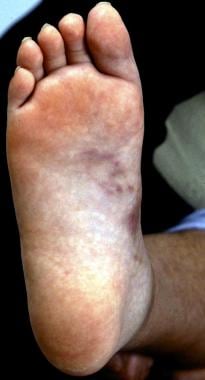
Caption: Picture 1. Vasculitis and thrombophlebitis. Vasculitis in childhood.
Click to see larger pictureClick to see detailView Full Size Image
Picture Type: Photo
  BIBLIOGRAPHY Section 11 of 11   Click here to go to the previous section in this topic Click here to go to the top of this page
Author Information Introduction Clinical Differentials Workup Treatment Medication Follow-up Miscellaneous Pictures Bibliography

  • Andrew M, David M, Adams M: Venous thromboembolic complications (VTE) in children: first analyses of the Canadian Registry of VTE. Blood 1994 Mar 1; 83(5): 1251-7[Medline].
  • Arend WP, Michel BA, Bloch DA: The American College of Rheumatology 1990 criteria for the classification of Takayasu arteritis. Arthritis Rheum 1990 Aug; 33(8): 1129-34[Medline].
  • Ball GV, Gay RM: Vasculitis. In: Koopman's Textbook of Arthritis and Allied Health Conditions. 14th ed. Philadelphia, Pa: Lippincott, Williams, & Wilkins; 2001: 1655-95.
  • Cassidy JT, Petty RE: Vasculitis. In: Textbook of Pediatric Rheumatology. 3rd ed. Philadelphia, Pa: WB Saunders; 1995: 365-422.
  • Dedeoglu F, Sundel RP: Vasculitis in children. Pediatr Clin North Am 2005 Apr; 52(2): 547-75, vii[Medline].
  • Dillon MJ: Childhood vasculitis. Lupus 1998; 7(4): 259-65[Medline].
  • Dillon MJ, Ansell BM: Vasculitis in children and adolescents. Rheum Dis Clin North Am 1995 Nov; 21(4): 1115-36[Medline].
  • Ehrenforth S, Junker R, Koch HG: Multicentre evaluation of combined prothrombotic defects associated with thrombophilia in childhood. Childhood Thrombophilia Study Group. Eur J Pediatr 1999 Dec; 158 Suppl 3: S97-104[Medline].
  • Esper F, Shapiro ED, Weibel C: Association between a novel human coronavirus and Kawasaki disease. J Infect Dis 2005 Feb 15; 191(4): 499-502[Medline].
  • Fries JF, Hunder GG, Bloch DA: The American College of Rheumatology 1990 criteria for the classification of vasculitis. Summary. Arthritis Rheum 1990 Aug; 33(8): 1135-6[Medline].
  • Gross WL: Antineutrophil cytoplasmic autoantibody testing in vasculitides. Rheum Dis Clin North Am 1995 Nov; 21(4): 987-1011[Medline].
  • Hunder GG, Arend WP, Bloch DA: The American College of Rheumatology 1990 criteria for the classification of vasculitis. Introduction. Arthritis Rheum 1990 Aug; 33(8): 1065-7[Medline].
  • Jennette JC, Falk RJ: Small-vessel vasculitis. N Engl J Med 1997 Nov 20; 337(21): 1512-23[Medline].
  • Jennette JC, Falk RJ, Andrassy K: Nomenclature of systemic vasculitides. Proposal of an international consensus conference. Arthritis Rheum 1994 Feb; 37(2): 187-92[Medline].
  • Kandarpa K: Catheter-directed thrombolysis of peripheral arterial occlusions and deep vein thrombosis. Thromb Haemost 1999 Aug; 82(2): 987-96[Medline].
  • Kearon C: Initial treatment of venous thromboembolism. Thromb Haemost 1999 Aug; 82(2): 887-91[Medline].
  • Keogh KA, Ytterberg SR, Fervenza FC: Rituximab for Refractory Wegener's Granulomatosis: Report of A Prospective, Open-Label Pilot Trial. Am J Respir Crit Care Med 2005 Oct 13;[Medline].
  • Knofler R, Siegert E, Lauterbach I, et al: Clinical importance of prothrombotic risk factors in pediatric patients with malignancy--impact of central venous lines. Eur J Pediatr 1999 Dec; 158 Suppl 3: S147-50[Medline].
  • Laupland KB, Dele Davies H: Epidemiology, etiology, and management of Kawasaki disease: state of the art. Pediatr Cardiol 1999 May-Jun; 20(3): 177-83[Medline].
  • Leavitt RY, Fauci AS, Bloch DA: The American College of Rheumatology 1990 criteria for the classification of Wegener's granulomatosis. Arthritis Rheum 1990 Aug; 33(8): 1101-7[Medline].
  • Lie JT: Nomenclature and classification of vasculitis: plus ca change, plus c'est la meme chose. Arthritis Rheum 1994 Feb; 37(2): 181-6[Medline].
  • Lightfoot RW Jr, Michel BA, Bloch DA: The American College of Rheumatology 1990 criteria for the classification of polyarteritis nodosa. Arthritis Rheum 1990 Aug; 33(8): 1088-93[Medline].
  • Manco-Johnson MJ: Disorders of hemostasis in childhood: risk factors for venous thromboembolism. Thromb Haemost 1997 Jul; 78(1): 710-4[Medline].
  • Michelson AD, Bovill E, Monagle P: Antithrombotic therapy in children. Chest 1998 Nov; 114(5 Suppl): 748S-769S[Medline].
  • Mitchell L, Hoogendoorn H, Giles AR, et al: Increased endogenous thrombin generation in children with acute lymphoblastic leukemia: risk of thrombotic complications in L'Asparaginase-induced antithrombin III deficiency. Blood 1994 Jan 15; 83(2): 386-91[Medline].
  • Newburger JW, Takahashi M, Gerber MA: Diagnosis, treatment, and long-term management of Kawasaki disease: a statement for health professionals from the Committee on Rheumatic Fever, Endocarditis and Kawasaki Disease, Council on Cardiovascular Disease in the Young, American Heart Association. Circulation 2004 Oct 26; 110(17): 2747-71[Medline].
  • Nowak-Gottl U, Dubbers A, Kececioglu D, et al: Factor V Leiden, protein C, and lipoprotein (a) in catheter-related thrombosis in childhood: a prospective study. J Pediatr 1997 Oct; 131(4): 608-12[Medline].
  • Nuss R, Hays T, Manco-Johnson M: Childhood thrombosis. Pediatrics 1995 Aug; 96(2 Pt 1): 291-4[Medline].
  • Ozen S, Besbas N, Saatci U: Diagnostic criteria for polyarteritis nodosa in childhood. J Pediatr 1992 Feb; 120(2 Pt 1): 206-9[Medline].
  • Peco-Antic A, Bonaci-Nikolic B, Basta-Jovanovic G: Childhood microscopic polyangiitis associated with MPO-ANCA. Pediatr Nephrol 2005 Oct 27;[Medline].
  • Shimizu C, Shike H, Baker SC: Human Coronavirus NL63 Is Not Detected in the Respiratory Tracts of Children with Acute Kawasaki Disease. J Infect Dis 2005 Nov 15; 192(10): 1767-71[Medline].
  • Streif W, Andrew ME: Venous thromboembolic events in pediatric patients. Diagnosis and management. Hematol Oncol Clin North Am 1998 Dec; 12(6): 1283-312, vii[Medline].
  • Valentini RP, Smoyer WE, Sedman AB, et al: Outcome of antineutrophil cytoplasmic autoantibodies-positive glomerulonephritis and vasculitis in children: a single-center experience. J Pediatr 1998 Feb; 132(2): 325-8[Medline].
  • Williams A, Nagy M, Wingate J, et al: Lemierre syndrome: a complication of acute pharyngitis. Int J Pediatr Otorhinolaryngol 1998 Sep 15; 45(1): 51-7[Medline].
  • Zoller B, Garcia de Frutos P, Hillarp A: Thrombophilia as a multigenic disease. Haematologica 1999 Jan; 84(1): 59-70[Medline].

Vasculitis and Thrombophlebitis excerpt