Continually Updated Clinical Reference
 
 
  All Sources     eMedicine     Medscape     Drug Reference     MEDLINE
 
eMedicine - Solitary Thyroid Nodule : Article by

Quick Find
Authors & Editors
Introduction
Clinical
Differentials
Workup
Treatment
Medication
Follow-up
Miscellaneous
Multimedia
References

Related Articles
Cystic Hygroma

Graves Disease

Hyperthyroidism

Lymph Node Disorders

Lymphadenopathy

Multiple Endocrine Neoplasia

Thyroiditis


Patient Education
Cancer and Tumors Center

Endocrine System Center

Cancer of the Mouth and Throat Overview

Mouth and Throat Cancer Causes

Mouth and Throat Cancer Symptoms

Mouth and Throat Cancer Treatment

Thyroid Problems Overview


Author: Andre Hebra, MD, Clinical Associate Professor, Department of Surgery, University of South Florida School of Medicine; Director, Minimally Invasive Pediatric Surgery Program, Chief of Surgery, All Children's Hospital

Andre Hebra is a member of the following medical societies: Alpha Omega Alpha, American Academy of Pediatrics, American College of Surgeons, American Medical Association, American Pediatric Surgical Association, Association for Academic Surgery, Society of Laparoendoscopic Surgeons, South Carolina Medical Association, Southeastern Surgical Congress, and Southern Medical Association

Coauthor(s): Melissa Miller, MD, Department of Surgery, Medical University of South Carolina; Patrick B Thomas, MD, Fellow, Department of Pediatric Surgery, Texas Children's Hospital

Editors: Arlan L Rosenbloom, MD, Adjunct Distinguished Service Professor Emeritus, Department of Pediatrics, University of Florida College of Medicine; Mary L Windle, PharmD, Adjunct Assistant Professor, University of Nebraska Medical Center College of Pharmacy, Pharmacy Editor, eMedicine.com, Inc; Lynne Lipton Levitsky, MD, Chief, Pediatric Endocrine Unit, Massachusetts General Hospital; Associate Professor, Department of Pediatrics, Harvard University Medical School; Merrily P M Poth, MD, Professor, Department of Pediatrics and Neuroscience, Uniformed Services University of the Health Sciences; George P Chrousos, MD, FAAP, MACP, MACE, Professor and Chair, Department of Pediatrics, Athens University Medical School

Author and Editor Disclosure

Synonyms and related keywords: follicular adenoma, thyroid nodule, hot nodule, warm nodule, cold nodule, nodulus, node, thyroid mass, thyroid cyst, thyroid cancer, cancer, papillary carcinoma, follicular carcinoma, medullary carcinoma, carcinoma, malignancy, solitary thyroid nodule

Background

True solitary nodules occur in 0.22-1.35% of the pediatric population as opposed to the adult population, in which the prevalence is closer to 4%. On further examination, thyroid masses often reveal asymmetric enlargement of one lobe, such as in unilateral agenesis, chronic lymphocytic thyroiditis (ie, Hashimoto thyroiditis), or other abnormalities such as lymph node or thyroglossal duct cysts. In addition, developmental errors, such as ectopic tissue, may cloud the picture. Suspected thyroid nodules merit close attention, however, in the pediatric population because the presence of malignancy in such nodules in a child is much more likely than in an adult. This frequency of malignancy is estimated to be 15-25%. In addition, thyroid cancer is much more aggressive in children and is associated with early metastasis to regional lymph nodes and parenchymal organs, most commonly lung and bone.

Pathophysiology

Although benign tumors are the most common cause of thyroid nodules in children (because of the higher rates of malignancy in this population), consider the possibility of neoplasia in the presence of a solitary thyroid nodule. Missed malignancy is tragic, but the prospect of lifetime hormone replacement therapy in the absence of pathological need is frustrating, making accurate diagnosis much more vital in the pediatric population.

A palpated mass may be solid, cystic, or mixed in nature. Benign cysts can be evacuated successfully by aspiration, usually with no recurrence. The aspirated fluid is usually clear yellow or bloody, with high levels of thyroid hormones. Rarely, a parathyroid cyst is aspirated. In this case, the fluid is clear and colorless, with high levels of parathyroid hormone. A true cyst has a very low risk of malignancy. However, the presence of a cyst does not exclude neoplasia, especially if the mass is mixed. Desjardins et al found that one half of their patients with thyroid carcinoma had a cystic component in the tumor.

If a palpated mass is diagnosed as a truly solitary solid thyroid nodule, scintigraphy enables the physician to classify its activity into hot, warm, or cold. Some authorities recommend that because definitive diagnosis can only be made by fine-needle aspiration biopsy (FNAB) or excisional biopsy. Scintigraphy should have a limited role in the initial diagnosis and management of thyroid nodules. However, these authors feel that radioactive iodine uptake characteristics of nodules can direct treatment and assist in estimating risk of malignancy.

Hot or autonomous nodules are less common in the pediatric population, comprising 5% of all nodules. These nodules have their own regulation and may suppress the rest of the gland. This autoregulation may cause hyperthyroidism and thyrotoxicosis. Hot nodules are fairly common in adults (comprising 20-25% of palpable nodules) and may be associated with Graves disease. The relative rarity in children is balanced somewhat by a higher tendency for thyrotoxicosis and malignancy. In children, speed of progression tends to be higher, with increased aggressiveness. However, gradual progression is also common. Initial symptoms may be insidious, such as mood and behavior changes, and may be overlooked.

Typically, most toxic nodules should be considered for surgical excision after the preoperative administration of antithyroid medications. The risk of malignancy in hot nodules in children is estimated at 2-18% (compared to <1% in adults); therefore, one should not ignore the possibility of neoplasia. Pay careful attention to any histologic specimens because toxic nodules can display pseudopapillary structures that resemble papillary cancer.

Warm nodules are usually functioning adenomas; however, they may harbor malignancy or represent testing error. By definition, the nodule shows some function on scintigraphy, but the patient remains euthyroid. Controversy exists regarding specific treatment recommendations. Some sources consider warm nodules with hot nodules, whereas others group them with cold nodules. The risk of malignancy in this group is very low. Therefore, these nodules can generally be observed. However, if the patient has signs and symptoms suspicious for cancer, such as growth of the nodule, fixation to tissues, or lymphadenopathy, the nodule should be excised surgically. Observation of a warm nodule may be the optimal course; however, care should be taken to maintain follow-up with the patient.

The solitary cold nodule is the most commonly discovered type in children, comprising 40-70% of all nodules. In addition, solitary cold nodules have the highest risk of malignancy (17-36%). Most commonly, cold nodules are follicular adenomas or other benign processes such as chronic lymphocytic thyroiditis (Hashimoto thyroiditis) or Hürthle cell hyperplasia. They may also represent ectopic tissue or other benign process, such as benign lymphadenopathy or abscess. Definitive diagnosis can only be made histologically.

Hashimoto thyroiditis may cause cold nodules. It occurs in 1% of school-aged children and may present as a nodule, have generalized swelling, or be undetectable on clinical examination. It is generally felt to be a T cell–mediated autoimmune disorder with histologic evidence of lymphocytic invasion of thyroid tissue, usually resulting in hypothyroidism; however, in 5-10% of patients, it may present initially as transient hyperthyroidism. Diagnosis is confirmed by measurement of antithyroid antibodies, including antibodies directed against thyroperoxidase (anti-TPO antibodies), which may play a role in the development of the thyroid dysfunction.

Hashimoto thyroiditis is associated with HLA-DR4, HLA-DR5, and HLA-DR3 haplotypes. It may also be associated with a slight increase in the occurrence of malignancy, but whether a lymphocytic response is induced locally by the presence of cancer cells or whether the disease itself increases risk of malignancy is unclear. Thus, lymphocytic thyroiditis actually may be a premalignant condition or induced locally by the malignancy.

Some studies have found that lymphocytic thyroiditis accompanied malignancy in as many as 50% of children with cancer. The key to accurate diagnosis in these individuals is the identification and biopsy of a dominant nodule. Additionally, Hürthle cell adenomas, which are considered benign, generally should be removed because of their increased aggressiveness and higher tendency toward progression to malignancy.

The most common malignancy types are papillary and follicular carcinoma. Medullary thyroid cancer and anaplastic or undifferentiated carcinomas are much more rare. Thyroid cancer is more common and aggressive in children than in adults, often with cervical lymph node metastases at the time of initial evaluation. Thyroid malignancy also metastasizes to the lungs in 10% of individuals. These metastases sometimes occur without lymph node spread, especially in individuals with follicular carcinoma. Cancer is also found in the contralateral lobe in as many as 66% of individuals with thyroid malignancy. Other sites of spread include the spinal cord, base of the tongue, and bone, especially the skull, tibia, and costochondral junction. Even metastatic thyroid cancer responds to treatment. Diligently search for possible metastatic sites to determine therapy.

Medullary thyroid cancer is rare in children and most often occurs with multiple endocrine neoplasia (MEN). Although medullary thyroid cancer usually affects the entire thyroid gland, it uncommonly may present as a solitary thyroid nodule, especially in adolescents with sporadic incidents of medullary cancer. This tumor involves the parafollicular C cells and is a calcitonin secretor. However, the tumor may also secrete adrenocorticotropic hormone (ACTH), melanocyte-stimulating hormone (MSH), histaminase, serotonin, prostaglandins, somatostatins, or beta-endorphin. It is an aggressive tumor treated by total thyroidectomy, but surgical cure is possible if spread is limited to the central compartment of the neck.

MEN is a hereditary syndrome of endocrine tumors. Medullary thyroid carcinoma occurs in MEN 2A and MEN 2B. MEN 2A consists of medullary thyroid cancer, adrenal pheochromocytoma, and hyperparathyroidism. MEN 2A is characterized by autosomal dominant inheritance and usually becomes clinically evident when the individual is aged 12-30 years. The associated thyroid malignancy is more aggressive in younger patients and metastasizes early to perithyroid lymph nodes, liver, lung, and bone.

MEN 2B causes mucosal neuromas, typical facies, marfanoid body habitus, and medullary thyroid carcinoma. The associated thyroid cancer is especially aggressive and often appears when the individual is aged almost 5 years. In both syndromes, because of disease aggression, early genetic identification is recommended with prophylactic thyroidectomy.

Frequency

United States

The prevalence of solitary thyroid nodules in children is relatively low (0.22-1.35%) compared to adults (4%). The frequency of malignancy in nodules of pediatric patients is much higher than in those of adults, estimated at 15-25% compared to an adult rate of 4%. Malignancy rates decrease to 11% in adolescence, more closely approximating adult rates. Thyroid cancers comprise 0.5-3% of childhood malignancies; 2.7-10% of the 13,900 new thyroid cancer cases each year occur in children. In addition, thyroid cancer comprises 9% of second malignancies. Most thyroid nodules are benign, either cystic or adenomatous lesions. Other benign disease processes may present with nodularity, most prominently autoimmune thyroiditis (chronic lymphocytic Hashimoto thyroiditis); 10-15% of these cases are associated with nodularity. However, an increased risk of malignancy occurs with autoimmune thyroiditis, and, in some cases, its nodules have harbored malignancy.

Changing medical practices have lowered the incidences of nodules and malignancies. In the 1950s, solitary thyroid nodules in children had a 70% risk of malignancy, most likely because of the widespread use of head and neck irradiation for benign disease processes. During this period, 80% of children with thyroid nodules had undergone such irradiation. Modern malignancy rates have fallen to 15-25%. Hung has demonstrated that this rate of malignancy may be falling further, even in patients with no history of irradiation. From 1963-1990, in Hung's irradiation-free pediatric population, the prevalence of malignancy was 20%. From 1991-1998, this rate fell to 5%. Further examination in the decades to come may continue to support this finding.

International

Some variation has been recognized in the occurrence of thyroid nodules throughout the world. The most common determining factors are endemic iodine intake and nuclear fallout exposure. In the areas surrounding Nagasaki, Hiroshima, and Chernobyl, rates of thyroid disease have greatly increased. One study showed that, after the incident at Chernobyl, incidence of thyroid disease in Eastern Europe increased to 62 times the normal rate. In addition, thyroid disease was found in increasing numbers in the atolls near the Bikini atoll in the Marshall Islands, where the United States employed nuclear arms testing. The Rongelap and Utrik atolls especially have shown correlation with fallout exposure; however, the picture is clouded by concomitant decreased iodine intake by individuals in this area.

The widespread use of iodized salt has helped to decrease the occurrence of thyroid disease, including nodular disease. However, iodized salt is not used in some countries, especially in underdeveloped areas. Iodine deficiency has been documented in many areas, including Tanzania, Ecuador, and Fiji. In the absence of iodized salt, a diet rich in fish may provide enough iodine; however, some species contain much more iodine than others, and consuming a fish-rich diet does not guarantee iodine sufficiency.

Mortality/Morbidity

The prognosis of a solitary thyroid nodule is generally quite good, even with diagnosed malignancy. Despite early metastasis and the relative aggressiveness of disease in the pediatric population, the 10- and 20-year mortality rates are almost zero. Because of this, survival rates often are based on the progression-free survival rate.

  • In a study of 329 pediatric patients with thyroid cancer, Newman et al found that the progression-free survival rate was 67% at 10 years and 60% at 20 years. They reported only 2 disease-related deaths. Factors contributing to less favorable prognosis vary among studies; however, patients younger than 10 years are generally considered to have an increased risk for poor outcomes. Other risk factors for poor prognosis are residual cervical disease after thyroidectomy, extensive pulmonary metastases, and tracheal and laryngeal invasion. Unfortunately, younger patients with thyroid cancer are likely to have more extensive disease on diagnosis than older patients, confusing the independence of these risk factors. Genetic markers indicating poor prognosis include nondiploid DNA, overexpression of p21 ras, and mutations of the n-ras gene.
  • Histologic findings also help determine mortality rates. Patients exhibiting papillary carcinoma or well-differentiated follicular carcinoma with proper treatment can have excellent recovery. Undifferentiated follicular cancer and anaplastic carcinoma cause poor outcomes. Medullary thyroid carcinoma in association with MEN has an increased mortality rate, as high as 50% at 10 years with MEN 2B. For this reason, prophylactic thyroidectomy is recommended for patients who have a family history of MEN and the proper genetic markers.
  • Operative morbidity mainly involves parathyroid complications, nerve injuries, and wound complications. Some centers report more complications with extensive operations as opposed to lobectomy; however, this finding is not universal. Most reports indicate that younger patients are more at risk of operative and recovery complications.
  • The consequence of hypothyroidism in a child can be devastating, whether the child is rendered hypothyroid by surgery, ablation, or by pathology. Growth delays and mental retardation can be severe if hormone deficiency is prolonged. Adequate replacement is fundamental to prevent hypothyroidism. Lifetime treatment from childhood involves adjustment in dosing based on changing size and development needs. Compliance with therapy and follow-up may become an issue.

Race

No race predilection has been described.

Sex

Thyroid nodules are 2-3 times more common in girls than in boys, with pubertal girls being at the highest risk. However, the probability that a nodule has associated malignancy is higher in boys than in girls. One study noted that the frequency of cancer in thyroid nodules in boys was twice as high as that in girls, 26.3% versus 13.5%.

Age

Thyroid nodules are quite infrequent in infants and young children. The incidence appears to increase with age, and they are more common in adult patients. In the pediatric population, pubertal females are more likely to develop a thyroid nodule, although the risk of malignancy in these individuals is less than in younger girls or in boys.


History

Most patients with a thyroid nodule have an asymptomatic neck mass, usually discovered by a parent or a pediatrician on routine examination. Upon evaluation, close attention should be paid to the presence of symptoms, the course of development of the mass, family history, and exposure to x-rays.

  • Risk factors
    • A history of head and neck irradiation increases the risk of nodularity and malignancy. This correlation is well-documented. Although the use of head and neck irradiation for benign conditions has decreased, this factor remains important, especially in patients with prior malignancies.
    • A family history of thyroid disease, benign or malignant, can be found in a significant number of patients with thyroid cancer and may help determine which patients have an increased risk. However, family history of thyroid disease also increases risk for autoimmune thyroiditis, and malignancy should not be assumed automatically.
  • Characteristics of the nodule
  • The history of the mass should be reviewed carefully. Time of initial appearance, rate of growth, and any associated symptoms especially can assist the clinician in determining the malignancy potential of the mass.
  • Rapid growth is an indicator of malignancy. Therefore, further diagnostic tests should be obtained expediently.
  • Transient tenderness within the mass at any time may signify an inflammatory process. However, this same symptom may also be caused by tumor hemorrhage, necrosis, or cyst formation. This information can be used to assist the clinician in determining malignancy of the mass.
  • Thyroid dysfunction
    • Although most patients are asymptomatic, some exhibit evidence of altered levels of thyroid hormones or nerve involvement.
    • Symptoms of hyperthyroidism include nervousness, heat intolerance, diarrhea, muscle weakness, and loss of weight and appetite.
    • Hypothyroidism may result in cold intolerance, constipation, fatigue, and weight gain, which, in children, primarily caused by the accumulation of myxedematous fluid.
    • Signs and symptoms of local nerve involvement should trigger rapid investigation because it may be indicative of local invasiveness from malignancy. The most important of these signs are dysphagia and hoarseness.
    • Obtaining a thorough history can be helpful for assessing malignancy and determining the need for surgery and/or medical therapy.

Physical

In patients with a thyroid mass, careful physical examination is a key step in evaluating malignancy. Most patients are asymptomatic, but exophthalmos rarely may be present in a person with a hyperfunctioning nodule. In one study, 55% of pediatric patients with thyroid cancer had no other symptoms than a neck mass, whereas 23% had only neck and cervical masses. Therefore, the lack of symptoms should not preclude thorough evaluation.

  • Careful examination of the neck reveals the nature, location, and tenderness of the mass; fixation of the thyroid to surrounding tissue; and the presence of other cervical masses, which can be metastases or lymphadenopathy.
    • Benign masses are usually movable, soft, and nontender.
    • Malignancy is associated with a hard nodule, fixation to surrounding tissue, and regional lymphadenopathy.
    • Suspicions of cancer rise in incidents of a true solitary thyroid nodule, especially if designated as cold on scintigraphy.
    • Reported rapid growth or recurrent laryngeal nerve dysfunction found on examination may indicate malignancy and local infiltration.
  • Finally, if medullary carcinoma is suspected in conjunction with MEN 2B, multiple mucosal neuromas, marfanoid body habitus, and skeletal defects may also be evident.

Causes

Many risk factors are associated with the development of thyroid nodules and cancer. A family history of thyroid disease, benign or malignant, significantly increases risk. Fowler et al found that a family history of thyroid disease was present in 41% of their patients with thyroid nodules. A family history of endocrine tumors also has been shown to increase risk, especially in persons with MEN. Increased risk has been found in some endemic areas, although environmental reasons have not been elucidated fully. In the pediatric population, pubertal girls are more likely to develop a thyroid nodule, although the risk of malignancy in these individuals is lower than that in boys. Thyroid disease also has been associated with familial polyposis syndrome.

  • Exposure to certain carcinogens predisposes patients to the development of thyroid disease. Previous head and neck irradiation is the most obvious and well-known risk factor.
    • In the first half of the 20th century, head and neck irradiation was used widely for treating a number of benign conditions, including acne, tonsillar enlargement, thymic enlargement, and tinea capitis. During this period, the incidence of thyroid nodules in children and the risk of malignancy in the nodules were much higher.
    • In the 1950s, 70% of thyroid nodules in children harbored malignancy.
    • Fortunately, widespread misuse of irradiation has ceased, and malignancy rates have fallen.
    • Irradiation is still a factor in children who have received therapeutic radiation for Hodgkin lymphoma, bone marrow transplants, or other malignancies or in those who have been exposed to unusual environmental radiation, such as the Chernobyl accident.
    • Thyroid tumors may occur as early as 5 years to as late as 40 years after radiation exposure, with a peak at 10-20 years after treatment.
    • Radiation levels as low as 0.1 Gy have been demonstrated to increase the risk of cancer.
    • Nuclear fallout exposure, such as that which occurred at Nagasaki, Hiroshima, and Chernobyl, also significantly increases risk. Children near Chernobyl were 62 times more likely to develop thyroid cancer after the Chernobyl incident than before it occurred. These tumors were especially aggressive, often occurring 4-6 years after exposure.
  • A history of other malignancy may also increase risk for thyroid cancer.
    • Alkylating agents have been associated with the development of thyroid nodules and malignancy.
    • In addition, thyroid cancer comprises 9% of all second malignancies, most often associated with Hodgkin lymphoma.
    • The mean age at incidence of second malignancies is 20 years.
  • Several genetic markers are under investigation for their association with thyroid tumors.
    • Papillary tumors are more likely to demonstrate abnormalities on chromosome arm 10q, whereas follicular tumors more often involve chromosome 3.
    • The ras proto-oncogene is present in 80% of follicular tumors and often is present in follicular adenomas. It is also found in 20% of papillary tumors, and the presence of p21 ras is considered a prognostic indicator.
    • The ret proto-oncogene is associated with papillary tumors and medullary cancer, both familial and nonfamilial. It may be induced directly by radiation exposure. The presence of ret mutations in patients with family histories of MEN 2 is an indication for prophylactic thyroidectomy.
    • Finally, mutations in the thyroid-stimulating hormone (TSH)-receptor gene have been associated with the development of papillary tumors.
    • As genetic research continues, the actual cause of thyroid tumors may become more evident.


Cystic Hygroma
Graves Disease
Hyperthyroidism
Lymph Node Disorders
Lymphadenopathy
Multiple Endocrine Neoplasia
Thyroiditis

Other Problems to be Considered

Neck infection and/or abscess
Thyroid abscess
Colloid nodule and/or multinodular goiter
Chronic lymphocytic or autoimmune or Hashimoto thyroiditis
Hürthle cell hyperplasia
Colloid cyst
Follicular adenoma
Papillary adenoma
Hyperplastic nodules
Developmental error
Agenesis of one lobe (unilateral thyroid agenesis)
Asymmetric enlargement of one lobe
Papillary carcinoma
Follicular carcinoma
Anaplastic carcinoma
Medullary thyroid carcinoma
Germ cell tumor of the neck
Lymphoma


Lab Studies

  • Several lab studies are helpful in assessing the nature of a thyroid nodule and in monitoring response to surgical treatment.
  • Thyroid function tests
    • Initially, thyroid function tests can determine whether a nodule is functioning or autonomous. However, a large percentage of malignant nodules cause no change in thyroid function tests.
    • An elevated TSH may indicate agenesis of a thyroid lobe or thyroiditis.
    • A very low TSH indicates an autonomous or hyperfunctioning nodule.
    • Levels of free thyroxine (T4), triiodothyronine (T3), and TSH are used to direct medical therapy.
  • Antithyroid antibodies: Some centers also find antithyroid antibodies helpful in diagnosing chronic lymphocytic thyroiditis (ie, Hashimoto thyroiditis); however, a positive antibody test result does not exclude the possibility of malignancy (it actually may indicate a higher risk).
  • A CBC may be obtained if abscess is suspected.
  • Postoperative assessment
    • Calcium levels should be monitored immediately postoperatively to assess parathyroid function and the need for supplementation.
    • In addition, certain laboratory findings should be monitored for therapeutic purposes and for the recurrence of disease after surgical excision.
      • TSH levels should be suppressed completely, but clinical euthyroidism should be maintained if the patient is on replacement therapy following total thyroidectomy for malignancy. This approach prevents TSH stimulation of any remaining tumor cells.
      • As the child grows, periodic thyroid hormone levels help determine thyroid hormone replacement adequacy and any changing needs due to development.
    • Some lab tests can also be used to monitor for recurrence of disease.
      • Thyroglobulin levels may be useful but only after total thyroidectomy is performed.
      • Thyroglobulin levels exceeding 1 ng/mL in patients on thyroxine therapy or 10 ng/mL in patients off thyroxine therapy indicate recurrence.
      • Calcitonin should be monitored after thyroidectomy for medullary thyroid carcinoma. Measurable calcitonin after surgery may indicate return of disease.

Imaging Studies

  • Once a thyroid nodule is palpated and thyroid function is obtained, several imaging studies are necessary to determine the nature of the lesion. Controversy exists regarding the efficacy of imaging studies and FNAB because precision and accuracy vary among centers. In general, the studies described below are useful but do not replace clinical judgment. When in doubt, perform excisional biopsy, especially in pediatric patients because of the higher rates of malignancy and aggressiveness of disease in this population.
  • Ultrasound
    • Ultrasound examination of the nodule is helpful for determining the nature of the nodule—whether cystic, solid, or mixed.
    • In addition, knowing the exact location of the nodule and the size can be helpful when planning FNAB.
    • Ultrasound also can be used to exclude the presence of other nodules, which indicates a multinodular disease process.
    • The radiologist also should assess the overall anatomy of the gland, searching for anatomic defects or developmental anomalies that can determine diagnosis or affect surgical excision. Discovery of a developmental error that explains physical findings, such as a thyroglossal duct cyst or agenesis of one lobe, may prevent the child having to undergo invasive biopsy or surgery.
  • Scintigraphy
    • Once a nodule has been confirmed as having a solid component, radioiodine scintigraphy is used to determine the activity of the nodule as cold, warm, or hot.
    • Scintigraphy also can be used to detect ectopic thyroid tissue or identify the thyroid tissue that will be lost with thyroglossal duct cyst removal, requiring lifelong thyroid hormone replacement.
    • The activity of the nodule determines the next step in therapy. Hot nodules often require antithyroid medications before surgery, whereas cold nodules have a much higher incidence of malignancy.
    • Scintigraphy also is used postoperatively to exclude the presence of metastases, especially after total thyroidectomy.
  • Chest radiography, CT, and MRI
  • Other useful imaging tests include chest radiography, CT, and MRI.
  • If malignancy is suspected, a chest radiograph should be obtained, given the high incidence of early metastases to the lungs. However, chest radiography has only 60% sensitivity in this setting and, therefore, should be confirmed with postoperative CT and scintigraphy.
  • If the tumor is large, and invasion of the airway or mediastinum is suspected, an MRI or CT of the neck and chest may be used to analyze the extent of disease.

Procedures

  • Fine-needle aspiration biopsy
    • FNAB has attracted much attention in the adult population in the evaluation of thyroid nodules. However, because of the uncertain results with FNAB in many centers, no clear-cut protocol regarding its use exists for pediatric patients.
    • FNAB can decrease rates of surgery by 25-50% in adults and has demonstrated promise in children; however, consistency in results is lacking.
    • FNAB remains unpopular in children because of their smaller neck sizes, the need for heavier amounts of anesthesia and sedation, and the amount of specimen needed. Furthermore, because the higher rates of malignancy in children, definitive pathologic diagnosis is much more in demand.
    • Results with FNAB are much more consistent at centers with staff that are skilled in aspiration in children and with experienced cytopathologists. However, even in these centers, distinguishing benign follicular adenomas and Hürthle cell hyperplasia from their malignant counterparts is difficult because of the amount of specimen obtained using FNAB. Results are more accurate with papillary and undifferentiated carcinomas.
    • In spite of the difficulties associated with FNAB, in a series involving 41 children, Al-Shaikh et al reported 100% sensitivity, 86% specificity, and a 59% decrease in surgery rates. However, Lugo-Vicente et al found no decrease in rates of surgery, 80% sensitivity, and 60% specificity; they used results to treat individuals with a frankly malignant gland more aggressively.
  • Current recommendations suggest the removal of nodules in children younger than 13 years.
    • The risk of cancer in adolescents more closely approximates that of adults; therefore FNAB is more useful.
    • FNAB is not necessary or recommended in the case of toxic nodules. Thyrotoxicosis should be controlled with antithyroid medications, and nodules should be removed, regardless of pathology.
    • Clinical suspicion of cancer because of a history of ionizing radiation, a family history of thyroid cancer, or clinical signs and symptoms of malignancy also should preclude the use of FNAB in favor of excisional biopsy.
  • FNAB can be very useful in centers with the appropriate experience level.
    • In the individual with a suspected benign cyst, surgery can be avoided if aspiration causes resolution without recurrence and cytopathology of the cyst wall demonstrates no malignant cells. Cytopathology of cyst fluid is not useful in the assessment of malignancy.
    • FNAB also may prevent surgery in adolescents with hypofunctioning and isofunctioning nodules in the absence of clinical suspicion of malignancy.
    • Each child should have close clinical follow-up to confirm the absence of malignancy.
  • As documentation and experience with FNAB in children continues, its use may expand. If any doubt exists regarding pathologic diagnosis, surgical excision is recommended.

Histologic Findings

Once a biopsy is performed, whether by fine-needle aspiration or excision, close examination of the tissue obtained is necessary to determine diagnosis and definitive treatment. Findings may be benign or malignant.

  • The most common histology is follicular adenoma. These tumors maintain the follicular architecture of the gland and usually are encapsulated without evidence of infiltration. Follicular adenomas are not associated with the development of malignancy.
  • In contrast, many papillary adenomas, which exhibit papillary structures within follicular and cystic spaces, have microscopic evidence of invasion and malignancy on further examination, raising doubts about the benign nature of this tumor.
  • Hashimoto thyroiditis often is associated with nodule development; therefore, it may be observed on biopsy. Histologic findings include lymphocytic infiltration and replacement of gland architecture with lymphocytes, plasma cells, and macrophages.
  • Hürthle cells, characteristic of Hashimoto thyroiditis, also are observed, having characteristic bright eosinophilic cytoplasm.
  • More rarely, Graves disease may present with a nodule. This condition reveals a hypercellular picture (cells increased in height and number with the formation of pseudopapillary beds), which may be confused with cancer.
  • Another benign condition that may be found on biopsy of a midline neck mass, especially in children, is a residual thyroglossal duct cyst. This structure retains the thyroid acinar epithelium and may be surrounded by lymphocytic infiltrate. It also may become infected and progress to abscess formation.

Major thyroid gland malignancies

The 4 major malignancies that may spring from the thyroid gland are papillary carcinoma, follicular carcinoma, anaplastic carcinoma, and medullary thyroid cancer. Papillary and follicular carcinomas occur more frequently and carry a better prognosis than anaplastic carcinoma and medullary thyroid cancer.

  • The most common thyroid gland malignancies, papillary carcinomas, are infiltrative, often with multiple centers of development. They rarely invade blood vessels, preferring early spread to regional lymph nodes. They tend to grow slowly and may display follicular elements. However, these tumors have certain unique identifiers. Psammoma bodies are pathognomonic for papillary cancer and may be surrounded by calcified rings. In addition, the nuclei, often called "Orphan Annie eyes," are hypochromatic, sometimes with nuclear grooves and eosinophilic nuclear inclusions, representing the invasion of cytoplasm. Ischemic necrosis and cystic changes may be present.
  • In contrast, follicular carcinomas demonstrate no nuclear features and lack psammoma bodies. These tumors prefer capsular and vessel invasion; therefore, they metastasize earlier to bone, lung, and liver, sometimes with no lymph node involvement. These tumors can be difficult to distinguish from their adenomatous counterparts because microscopic capsular invasion may be the only evidence of malignancy and may be missed by fine needle biopsy.
  • Less common are the anaplastic and medullary cancers, each comprising approximately 5% of all thyroid cancers and carrying a much worse prognosis. Anaplastic thyroid carcinomas present in 3 patterns. Spindle cell tumors have a sarcomatoid appearance. Small cell cancers closely resemble other small cell cancers and may be difficult to distinguish from bronchogenic cancer metastases and lymphoma. Giant cell carcinoma is the most anaplastic variety, characterized by huge bizarre cells, often with multiple nuclei and visible mitoses.
  • Medullary thyroid cancer of the parafollicular cells rarely presents as a single nodule, often affecting both lobes of the thyroid, especially in association with MEN 2A and MEN 2B. However, when found on biopsy, medullary thyroid cancer is characterized by large deposits of amyloid substance, surrounded by sheets of pleomorphic epithelial cells.

Finally, the thyroid may be affected by metastases from occult malignancies, most commonly lymphoma and leukemia but including many other cancers. In these incidents, histology obviously depends on the primary tumor.

Staging

When evaluating thyroid cancer, include several aspects useful for staging. Accurately record the size and location of the nodule and the presence of other nodules. Careful mapping of abnormal lymph nodes is vital to an effective dissection. Investigate evidence of fixation to surrounding tissues. In addition, obtain a preoperative chest radiograph to investigate the presence of pulmonary metastases.

  • A tumor, node, metastases (TNM) staging system has been developed for the adult population, but little data exist about its usefulness in children.
    • The lack of distant metastases in patients younger than 45 years designates the cancer stage I, whereas the presence of metastases signifies stage II. Any anaplastic cancer is considered stage IV.
    • Medullary thyroid cancer is classified differently, as follows:
      • Stage I consists of a T1 tumor, less than 10 mm, with no nodes or metastases.
      • Stage II includes larger tumors, also without nodes or metastases.
      • Stage III classification involves lymph nodes.
      • Stage IV indicates the presence of distant metastases.
  • Although the TNM staging system may be proven to be useful in the future, current recommendations in children with thyroid cancer suggest the following:
    • Palpation should be followed by ultrasound, scintigraphy, and FNAB. Scintigraphy can identify areas of increased radioactive iodine uptake (ie, hot areas), even in cystic lesions, and FNAB can be employed even in largely hot nodules if a question of malignancy exists. In general, however, scintigraphy with 123I is most useful for solid nodules, and FNAB is most useful for nodules that are considered cold.
    • All toxic nodules should be removed surgically.
    • Lobectomy may be used for smaller nodules; however, any indication of malignancy with spread beyond 1 lobe should lead to total thyroidectomy with lymph node dissection. The adult size threshold for total thyroidectomy versus lobectomy is 1 cm. However, in children, the answer is not so clear. Evidence of local spread should encourage total thyroidectomy, whereas a small well-circumscribed lesion may be removed using lobectomy.


Medical Care

After initial diagnosis and investigation of the thyroid nodule, medical and/or surgical therapy is decided.

  • A presumed benign nodule, especially in an adolescent, simply may be observed. Close observation and follow-up care is essential. The patient should be monitored closely for change of size and the development of symptoms.
  • Treatment of autoimmune thyroiditis involves hormone replacement to maintain a euthyroid state.
  • Treat infection appropriately. Abscesses should be drained and antibiotics administered. In patients with immunocompromise, be aware of the remote possibility of local spread to mediastinal structures.
  • A warm nodule without physical signs of malignancy is usually benign and may be observed with close follow-up for growth or change in the nodule.
  • A hot toxic nodule may require medical therapy before surgical removal to allow for operative stability. The patient should receive suppressive doses of antithyroid medications. Once physiologic stability is obtained, the surgeon can proceed with removal of the gland or lobe.
    • In the past, preoperative thyroid suppression was used to exclude benign disease. This no longer is recommended for several reasons, eg, the incidence of cancer in childhood thyroid nodules is high, and well-differentiated cancers may respond, delaying definitive diagnosis and treatment.
    • Routine preoperative and postoperative care includes the maintenance of nutrition and hydration as well as the observation for signs of complications.
    • The pediatrician or other primary care provider should cooperate closely with the surgeon to monitor for nerve injury or hypocalcemia. Calcium supplementation may be necessary in the individual with parathyroid compromise, whether temporarily or permanently.
    • Monitor laboratory findings closely to determine the initial and ongoing requirements.
    • Recurrent laryngeal nerve injuries may cause dysphagia, which can endanger nutrition. In such an individual, involve speech pathology early to optimize recovery.
  • After thyroidectomy, thyroid hormone replacement is necessary.
    • This therapy is continued for the child's lifetime.
    • Thyroid hormone levels should be monitored periodically so that adequate therapy is maintained during growth and changing needs. If malignancy is diagnosed, radioablation therapy may be used for any residual disease.
    • Long-term follow-up care remains vital in such individuals to screen for disease progression or late recurrence.

Surgical Care

The presence of a thyroid nodule in children presents somewhat of a dilemma, given the less-than-ideal reliability of diagnostic tests. However, the increased incidence of malignancy in pediatric nodules has led to a somewhat more aggressive approach than that used in adults.

  • Indications for surgical excision
    • Indications for surgery include physical examination findings consistent with malignancy, persistence of a nodule, progressive increase in size, or the presence of significant risk factors, including family history or history of irradiation exposure. All toxic nodules in children should be removed. If any doubt exists regarding presence of malignancy after diagnostic tests and procedures have been completed, perform surgical excision. Some authorities recommend the removal of all nonsuppressible thyroid nodules found in children younger than 13 years.
    • In the presence of a small asymptomatic nodule, the surgeon may elect to perform a simple lobectomy with close follow-up observation. Complications with this surgery are generally low. In such an individual, full thyroid suppression also is recommended as lifetime postoperative therapy. Many adenomas contain mutations, causing them to be hyperresponsive to TSH. The presence of such an adenoma may signify the presence of other cells bearing the same mutations.
  • Total thyroidectomy
    • With the presence of any metastases on diagnosis, including lymph node involvement, total thyroidectomy is the recommended treatment. This procedure has decreased the rates of local and metastatic recurrence.
    • Postoperative radioablation is also more effective in this case because tissue to absorb the radioiodine is reduced.
    • Because the rate of pulmonary metastasis is high, postoperative radioiodine scintigraphy is performed 6 weeks after surgery to exclude the presence of pulmonary tumors. Scintigraphy is only reliable after total or subtotal thyroidectomy because any remaining tissue may hide the presence of metastases.
    • Total thyroidectomy should be performed in individuals with medullary thyroid cancer, preferably before evidence of disease is obvious. This malignancy is aggressive and metastasizes early.
    • Prophylactic therapy, with removal of the gland in children with a family history and genetic markers, provides the best outcomes with this malignancy.
    • If Graves disease is diagnosed, thyroidectomy (near-total–to–total) may be performed. Thyroid hormone replacement therapy may not be needed in this case if some tissue remains.
  • Surgical technique
    • During the procedure, both lobes of the thyroid should be examined closely, because contralateral tumor involvement is common.
    • Lymph node exploration should include nodes in the jugulodigastric chain and along the recurrent laryngeal nerve in the tracheoesophageal groove.
    • Dissection also may be needed in the superior mediastinum.
    • Care should be taken to avoid injury to the recurrent laryngeal nerve or to the parathyroids.
    • Of the parathyroid glands, 1 or 2 may be preserved and transplanted into the sternocleidomastoid muscle or nondominant forearm if needed.
    • Thyroidectomy for familial medullary thyroid carcinoma demands a total thyroidectomy with complete lymph node dissection of the entire central compartment, including the paratracheal nodes, delphian nodes, and superior mediastinal nodes.
    • Adequate dissection should extend to both carotid sheaths and to the innominate artery.
    • A surgical cure is possible for this disease if the tumor has not spread to jugular or lateral cervical nodes or to distant organs.

Consultations

If a thyroid nodule is discovered, several consultations are useful. The team approach involves the pediatrician, pediatric endocrinologist, and pediatric surgeon. A hematologist-oncologist should be involved in caring for the patient with diagnosed malignancy. In addition, the treatment facility should have available experienced radiologists and cytopathologists who are comfortable with thyroid disease and its diagnosis in children.

Diet

No specific dietary recommendations exist for individuals with thyroid nodules. Supplementary dietary iodine may be useful, especially in persons with iodine deficiency or iodine 131 (131I) exposure.

Activity

Once an individual has recovered from surgery, no specific activity restrictions are necessary.


Possible medical therapy includes antithyroid medications, thyroid hormone replacement, and radioiodine ablation. Antithyroid therapy is used to physiologically stabilize the patient before surgical excision of a toxic nodule. Thyroid hormones are necessary postoperatively after thyroidectomy for replacement and suppression of TSH. Radioiodine ablation may be employed to treat the presence of residual disease and sometimes for suppression of a toxic nodule. Its use requires the cooperation of an experienced specialist. In addition, calcium supplementation may be required in the case of parathyroid complications, whether temporarily or permanently.

Drug Category: Thyroid hormones

Replacement is indicated after thyroidectomy to maintain levels and to prevent TSH stimulation of any remaining cells.

Drug NameLevothyroxine (Levothroid, Levoxyl, Synthroid, Unithroid)
DescriptionDOC. Levothyroxine exerts its effect largely after it is deiodinated to tri-iodothyronine at its site of action. In active form, influences growth and maturation of tissues. Involved in normal growth, metabolism, and development.
Adult Dose12.5-50 mcg/d PO initially; may increase by 25-50 mcg/d q2-4wk; not to exceed 100-200 mcg/d
Pediatric DoseNeonate to 6 months: 25-50 mcg/d PO
6-12 months: 50-75 mcg/d PO
1-5 years: 75-100 mcg/d PO
6-12 years: 100-150 mcg/d PO
>12 years: 150 mcg/d PO
ContraindicationsDocumented hypersensitivity; uncorrected adrenal insufficiency
InteractionsCholestyramine, iron salts, sucralfate, or aluminum hydroxide may decrease thyroid hormone absorption; estrogens may decrease response to thyroid hormone therapy in patients with nonfunctioning thyroid glands; effects of anticoagulants increase when administered with thyroid hormone; activity of some beta-blockers may decrease when hypothyroidism is converted to euthyroidism
PregnancyA - Safe in pregnancy
PrecautionsCaution in angina pectoris or cardiovascular disease; monitor thyroid status periodically

Drug NameLiothyronine (Cytomel)
DescriptionSynthetic form of natural thyroid hormone T3 converted from T4. Duration of activity is short and allows for quick dosage adjustments in event of overdosage. Active form influences growth and maturation of tissues.
Adult Dose25 mcg/d PO initially; may increase by 12.5-25 mcg/d q1-2wk; not to exceed 100 mcg/d
Pediatric Dose5 mcg/d PO initially; may increase by 5 mcg/d q3d to 20 mcg/d (infants), 50 mcg/d (1-3 y), or 100 mcg/d (>3 y)
ContraindicationsDocumented hypersensitivity; uncorrected adrenal insufficiency; acute MI uncomplicated by hypothyroidism; untreated thyrotoxicosis
InteractionsHepatic enzyme inducers (eg, phenytoin) may increase degradation; insulin, antidiabetic agents, theophylline, adrenocorticoids, digoxin, and anticoagulants may need dose adjustments; phenytoin IV may release thyroid hormone from thyroglobulin; effects of tricyclic antidepressants and sympathomimetics may be increased; cholestyramine, iron salts, sucralfate, or aluminum hydroxide may decrease absorption; estrogens may decrease response to thyroid hormone therapy in patients with nonfunctioning thyroid glands; activity of some beta-blockers may decrease when hypothyroidism is converted to euthyroidism
PregnancyA - Safe in pregnancy
PrecautionsCaution in elderly patients, renal insufficiency, hypertension, ischemia, angina, and other cardiovascular diseases; monitor thyroid status periodically

Drug Category: Antithyroid agents

Used when treating hot nodules before surgery.

Drug NameMethimazole (Tapazole)
DescriptionInhibits thyroid hormone by blocking oxidation of iodine in thyroid gland. However, it does not inhibit peripheral conversion of thyroid hormone. Taper gradually to minimum dose required to clinically maintain euthyroidism. Caution during pregnancy because it can cause fetal hypothyroidism and has been associated with fetal aplasia cutis.
Adult DoseInitial: 5 mg PO q8h
Maintenance: 5-15 mg/d PO
Severe hyperthyroidism: not to exceed 60 mg/d PO
Pediatric DoseInitial: 0.4 mg/kg/d PO divided tid
Maintenance: 0.2 mg/kg/d PO divided tid, not to exceed 30 mg/d
Because of long half-life, sometimes can be administered bid or qd
ContraindicationsDocumented hypersensitivity; women who are breastfeeding
InteractionsInhibits vitamin K activity and may potentiate activity of oral anticoagulants
PregnancyD - Unsafe in pregnancy
PrecautionsMonitor PT during therapy; may cause hypoprothrombinemia and bleeding; once symptoms of hyperthyroidism have resolved, presence of elevated serum TSH suggests use of lower maintenance dose
Agranulocytosis may occur, monitor patients for symptoms (eg, sore throat, fever, bleeding, bruising, malaise, stomatitis) and, if suspected, discontinue drug immediately

Drug NamePropylthiouracil (PTU)
DescriptionDerivative of thiourea that inhibits organification of iodine by thyroid gland. Blocks oxidation of iodine in thyroid gland, thereby inhibiting thyroid hormone synthesis; inhibits conversion of T4 to T3 (an advantage over other agents). DOC in pregnancy-associated thyrotoxicosis but should be used in lowest effective dose because of risk of hypothyroidism to fetus.
Adult DoseInitial dose: 300 mg/d PO divided tid
Severe hyperthyroidism: 600-1200 mg/d PO divided tid
Maintenance dose: 100-150 mg PO divided tid
Pediatric Dose<6 years: Not established
6-10 years: 50-150 mg/d PO divided q8h initially
>10 years: 150-300 mg/d PO divided q8h initially
Alternatively, 5-7 mg/kg/d or 150-200 mg/m2/d PO divided q8h; subsequent dosing determined by response
ContraindicationsDocumented hypersensitivity; breastfeeding women
InteractionsAntivitamin K activity; may potentiate oral anticoagulants
PregnancyD - Unsafe in pregnancy
PrecautionsMonitor PT during therapy; may cause hypoprothrombinemia and bleeding; may cause agranulocytosis, monitor patients for symptoms (eg, sore throat, fever, bleeding, bruising, malaise, stomatitis) and, if suspected, discontinue drug immediately; once symptoms of hyperthyroidism have resolved, lower maintenance dose of PTU if serum TSH levels are elevated.

Drug Category: Beta-adrenergic receptor blocking agents

Used to control symptoms from hyperthyroidism. Inhibit chronotropic, inotropic, and vasodilatory responses to beta-adrenergic stimulation.

Drug NamePropranolol (Inderal)
DescriptionDOC in treating cardiac arrhythmias resulting from hyperthyroidism. Controls cardiac and psychomotor manifestations within minutes.
Adult Dose80-240 mg/d PO divided q6-8h; up to 480 mg/d have been used to control severe symptoms
1-3 mg/dose IV; not to exceed infusion rate of 1 mg/min IV; not to exceed 10-mg cumulative dose for control of symptoms
Pediatric Dose2 mg/kg/d PO divided q6h
0.05-0.15 mg/kg IV; give one-half dose slowly over at least 10 min and observe; may repeat in 2 min prn; not to exceed 1 mg/dose
ContraindicationsDocumented hypersensitivity; uncompensated congestive heart failure; bradycardia; cardiogenic shock; AV conduction abnormalities
InteractionsCoadministration with aluminum salts, barbiturates, NSAIDs, penicillins, calcium salts, cholestyramine, and rifampin may decrease effects; calcium channel blockers, cimetidine, loop diuretics, and MAOIs may increase toxicity; may increase toxicity of hydralazine, haloperidol, benzodiazepines, and phenothiazines
PregnancyC - Safety for use during pregnancy has not been established.
PrecautionsBeta-adrenergic blockade may decrease signs of acute hypoglycemia and hyperthyroidism; abrupt withdrawal may exacerbate symptoms of hyperthyroidism, including thyroid storm; withdraw drug slowly and monitor closely


Further Inpatient Care

  • Postoperative inpatient care should be routine.
  • Monitor calcium levels to identify individuals with parathyroid complications who may need supplementation.
  • A pediatric endocrinologist should remain involved in the patient's long-term care to help determine timing and dosing of thyroid hormone supplementation if needed.
  • Antithyroid radiotherapy also may be necessary, requiring the participation of a thyroidologist or hematologist-oncologist.
  • Postoperative complications such as wound infections or nerve injury require monitoring and appropriate support.

Further Outpatient Care

  • After surgery for a diagnosed thyroid malignancy, outpatient follow-up care is vital to optimize patient survival.
  • Radioiodine scintiscan may be employed 6 weeks postsurgery to monitor for metastases. Uptake in the lungs, lateral neck, or around the recurrent laryngeal nerve indicates metastasis or residual disease. If these are discovered, therapeutic dosing of 131I is indicated to ablate remaining tumor cells.
  • Thyroxine in full replacement doses to suppress TSH stimulation of malignant cells is necessary, even if some thyroid tissue remains.
  • Pediatric patients require periodic monitoring of thyroid hormone levels as the child grows to ensure adequate dosing.
  • Annual radioiodine scan is recommended to monitor for long-term recurrence of disease.
  • Thyroglobulin levels also may be used to monitor for recurrence of disease, but only if a total thyroidectomy has been performed.
    • Levels vary based on replacement therapy.
    • Levels more than 1 ng/mL in patients on replacement therapy and 10 ng/mL in patients off thyroxine indicate recurrence of disease.
  • In patients with medullary thyroid cancer, calcitonin levels may be used to monitor for recurrence.
  • Late mortality caused by unmonitored recurrence of disease is tragic. Therefore, primary care physicians should be diligent in maintaining long-term follow-up care.

In/Out Patient Meds

  • Antithyroid medications are given preoperatively to stabilize a toxic thyroid nodule.
  • Beta-blockers may be used for cardiac arrhythmias.
  • Thyroid replacement is necessary after thyroidectomy. This therapy must be continued for life. Prescribe full replacement doses to minimize TSH stimulation of residual tumor cells.

Transfer

  • In treating a patient with a solitary thyroid nodule, optimal care involves a team approach that includes the primary care provider, an experienced radiologist and cytopathologist, and a surgeon comfortable with thyroid surgery in children (whether an otolaryngologist, pediatric surgeon, or endocrine surgeon). In addition, the cooperation of a pediatric endocrinologist and hematologist-oncologist is preferred. If any of these professional resources are not available, consider transferring the child to an appropriate referral center.

Deterrence/Prevention

  • No specific measures exist to prevent thyroid nodules other than minimizing exposure to risk factors as much as possible.
  • Sufficient dietary iodine helps prevent the formation of goiters and may offer some protection against malignancy, especially follicular and anaplastic types. However, iodine sufficiency may increase risk of papillary cancer. The nuclear fallout at Chernobyl included large amounts of 131I. The extremely high rates of thyroid cancer in the surrounding areas over the next decade could have been decreased greatly by sufficient intake of dietary iodine to block the uptake of 131I. Early detection also aids in improving outcomes. Children with a family history of thyroid disease or a medical history of malignancy, especially Hodgkin lymphoma or head and neck irradiation, have a higher risk of disease. The development of thyroid masses in these children raises the index of suspicion for malignancy.
  • Patients with a family history of MEN 2A or MEN 2B warrant close monitoring for the development of symptoms. Genetic testing for ret mutations is now available and can substantially improve outcomes by identifying children with the mutation before the onset of symptoms, allowing treatment before metastasis.
    • Children with mucosal neuromas and a family history of MEN 2B show evidence of the mutation. Medullary thyroid carcinoma should be assumed.
    • Patients with confirmed MEN should receive total thyroidectomy at an early age to prevent metastases. The author recommends this surgery by the time patients with MEN 2A are aged 5-10 years and by the time patients with MEN 2B are aged 3 years.

Complications

  • The most common complications of thyroidectomy are injuries to the recurrent laryngeal nerve and parathyroid compromise, causing hypocalcemia.
    • Both of these complications have been divided into temporary ( <6 mo) and permanent categories.
    • Permanent hypocalcemia has occurred in 6-27% of operative cases, while, in some studies, temporary hypocalcemia has affected an additional 29%.
    • In one study, recurrent laryngeal nerve damage temporarily caused difficulties in 12% of cases and permanently caused difficulties in 2%.
    • Overall, permanent damage rates have been estimated at 0-24%. This wide range is most likely the result of differing treatment and surgical techniques.
    • Some centers remove tumor-invaded recurrent laryngeal nerves, whereas others have achieved good results with careful dissection and subsequent treatment with 131I.
    • Millman et al assert that, with experience and proper technique, the rates of both these complications should approach 1%.
  • Much more rarely, other major complications can affect recovery.
  • Damage can occur in cranial nerves VII, X, and XI and the superior laryngeal nerve. An occasional postoperative pneumothorax has been noted.
  • Postoperative hemorrhage can be devastating because of possible airway compromise and may cause emergent reoperation.
  • In addition, required tracheostomy and extensive wound necrosis or infection can occur, severely delaying recovery.
  • Minor complications include hypertrophic scarring, delayed healing, seromas, temporary dysphagia, facial edema, and serous otitis media.
  • In general, complications are proportional to the amount of gland removed.
    • Simple lobectomy is associated with a low risk of complication, whereas total thyroidectomy may cause more problems.
    • In addition, children with malignant nodules tend to sustain more complications than children with benign disease.

Prognosis

  • Because mortality rates for thyroid cancer approach zero, prognosis is based on diagnosis of malignancy and progression-free survival rates.
    • Most pediatric patients with a solitary thyroid nodule can expect a normal life span.
    • Even in patients with malignancy, the progression-free survival rate is 60-70% at 10-20 years.
    • Determinants of poor prognosis include younger age ( <10 y), extensive pulmonary metastases, and tracheal and laryngeal invasion.
    • Medullary thyroid cancer and anaplastic cancer also result in poor outcomes.
    • Nondiploid DNA in tumor cells, overexpression of p21 ras, or mutations of the n-ras gene indicate poor prognosis.
    • Close follow-up care after treatment is essential because late deaths from extension of residual disease can occur.

Patient Education

  • Patient and family education should focus on the monitoring of symptoms. Parents of children with a strong family history, past exposure to head and neck irradiation, or a prior malignancy should be informed of the risk of thyroid cancer and the importance of a neck mass.
    • Postoperatively, parents and patients should monitor for recurrence of disease.
    • If thyroid replacement is used, families should understand symptoms of insufficient or excessive dosing.
  • In the catastrophic event of nuclear fallout, all families within the vicinity should be educated about the possibility of thyroid cancer and take preventative measures if possible.
  • For excellent patient education resources, visit eMedicine's Cancer and Tumors Center and Endocrine System Center. Also, see eMedicine's patient education articles Cancer of the Mouth and Throat and Thyroid Problems.


Medical/Legal Pitfalls

  • When evaluating a child with an anterior neck mass, consider the possibility of a thyroid nodule in the differential diagnosis. This is particularly important because a thyroid nodule in a child is more likely to be malignant than thyroid nodules in adult patients.
  • If a thyroglossal duct cyst is suspected and problematic to the child, full investigation should be made into the presence and location of thyroid tissue before considering surgery. Some thyroglossal duct cysts may contain the only thyroid tissue the child has; thus, removal in this case necessitates lifelong replacement for a condition that is not life-threatening.
  • Thorough and conscientious investigation and follow-up is required when thyroidectomy is considered. Mistaking a unilateral thyroid for a nodule could result in unnecessary surgery and possible litigation. In addition, the physician should closely monitor children on thyroid hormone replacement therapy, given the necessity of appropriate hormones for growth, development, and the growing child's changing needs. Failure to do so may be perceived as neglect.

Special Concerns

  • Use extra care with pregnant patients who have thyroid nodules. Exposure to radioiodine may harm the fetal thyroid and should be avoided. If antithyroid medications are needed, propylthiouracil is preferable to methimazole.


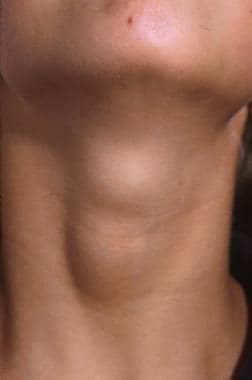
Media file 1:  A 12-year-old patient with an asymptomatic palpable thyroid nodule noticed on routine physical examination.
Click to see larger pictureClick to see detailView Full Size Image
Media type:  Photo

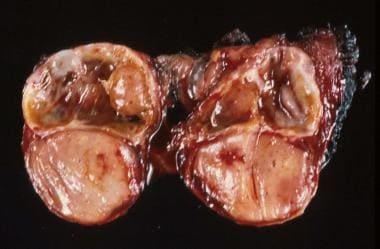
Media file 2:  Surgical specimen of a thyroid lobe with papillary carcinoma taken from a 12-year-old patient with an asymptomatic palpable thyroid nodule noticed on routine physical examination.
Click to see larger pictureClick to see detailView Full Size Image
Media type:  Photo


  • Al-Shaikh A, Ngan B, Daneman A, Daneman D. Fine-needle aspiration biopsy in the management of thyroid nodules in children and adolescents. J Pediatr. Jan 2001;138(1):140-2. [Medline].
  • Bentley AA, Gillespie C, Malis D. Evaluation and management of a solitary thyroid nodule in a child. Otolaryngol Clin North Am. Feb 2003;36(1):117-28. [Medline].
  • Chiesa F. Thyroid disease in northern Italian children born around the time of the Chernobyl nuclear accident. Annals of Oncology. 2004;15:1842-6. [Medline].
  • Cotran RS, Kumar V, Robbins SL. The thyroid. In: Robbins Pathologic Basis of Disease. 5th ed. 1994: 1121-42.
  • Desjardins JG, Khan AH, Montupet P, et al. Management of thyroid nodules in children: a 20-year experience. J Pediatr Surg. Aug 1987;22(8):736-9. [Medline].
  • Dreimane D, Varma SK. Common childhood thyroid disorders. Indian J Pediatr. Jan-Feb 1997;64(1):3-10. [Medline].
  • Fisher DA. The thyroid gland. In: Clinical Paediatric Endocrinology. 1989: 309-37.
  • Flannery TK, Kirkland JL, Copeland KC, et al. Papillary thyroid cancer: a pediatric perspective. Pediatrics. Sep 1996;98(3 Pt 1):464-6. [Medline].
  • Fowler CL, Pokorny WJ, Harberg FJ. Thyroid nodules in children: current profile of a changing disease. South Med J. Dec 1989;82(12):1472-8. [Medline].
  • Herrmann MA, Hay ID, Bartelt DH Jr, et al. Cytogenetic and molecular genetic studies of follicular and papillary thyroid cancers. J Clin Invest. Nov 1991;88(5):1596-604. [Medline].
  • Hung W. Solitary thyroid nodules in 93 children and adolescents. a 35-years experience. Horm Res. 1999;52(1):15-8. [Medline].
  • Hung W, Anderson KD, Chandra RS, et al. Solitary thyroid nodules in 71 children and adolescents. J Pediatr Surg. Nov 1992;27(11):1407-9. [Medline].
  • Loh KC, Greenspan FS, Gee L, et al. Pathological tumor-node-metastasis (pTNM) staging for papillary and follicular thyroid carcinomas: a retrospective analysis of 700 patients. J Clin Endocrinol Metab. Nov 1997;82(11):3553-62. [Medline].
  • Lugo-Vicente H, Ortiz VN, Irizarry H, et al. Pediatric thyroid nodules: management in the era of fine needle aspiration. J Pediatr Surg. Aug 1998;33(8):1302-5. [Medline].
  • Lugo-Vicente H, Ortiz VN. Pediatric thyroid nodules: insights in management. Bol Asoc Med P R. Apr-Jun 1998;90(4-6):74-8. [Medline].
  • Millman B, Pellitteri PK. Nodular thyroid disease in children and adolescents. Otolaryngol Head Neck Surg. Jun 1997;116(6 Pt 1):604-9. [Medline].
  • Newman KD, Black T, Heller G, et al. Differentiated thyroid cancer: determinants of disease progression in patients <21 years of age at diagnosis: a report from the Surgical Discipline Committee of the Children''s Cancer Group. Ann Surg. Apr 1998;227(4):533-41. [Medline].
  • Sclafani AP, Valdes M, Cho H. Hashimoto''s thyroiditis and carcinoma of the thyroid: optimal management. Laryngoscope. Aug 1993;103(8):845-9. [Medline].
  • Stezhko VA, Buglova EE, Danilova LI. A cohort study of thyroid cancer and other thyroid diseases after the Chornobyl accident: objectives, design and methods. Radiat Res. Apr 2004;161(4):481-92. [Medline].
  • Takahashi T, Fujimori K, Simon SL. Thyroid nodules, thyroid function and dietary iodine in the Marshall islands. Int J Epidemiol. Aug 1999;28(4):742-9. [Medline].
  • Walfish PG, Tseng KH. Thyroid physiology and pathology. In: Pediatric Endocrinology. 2nd ed. 1989: 367-448.
  • Yip FW, Reeve TS, Poole AG. Thyroid nodules in childhood and adolescence. Aust N Z J Surg. Oct 1994;64(10):676-8. [Medline].

Solitary Thyroid Nodule excerpt

Article Last Updated: Apr 4, 2006