Continually Updated Clinical Reference
 
 
  All Sources     eMedicine     Medscape     Drug Reference     MEDLINE
 
eMedicine - Myelodysplastic Syndrome : Article by

Quick Find
Authors & Editors
Introduction
Clinical
Differentials
Workup
Treatment
Medication
Follow-up
References

Related Articles
Acute Lymphoblastic Leukemia

Acute Myelocytic Leukemia

Anemia, Acute

Anemia, Chronic

Blastomycosis

Chromosomal Breakage Syndromes

Cytomegalovirus Infection

Herpesvirus 6 Infection

Histoplasmosis

Kostmann Disease

Myelodysplasia

Myelofibrosis

Parvovirus B19 Infection

Transient Erythroblastopenia of Childhood


Patient Education
Click here for patient education.


Author: Prasad Mathew, MBBS, DCH, Director, Ted R Montoya Hemophilia Center, Associate Professor, Department of Pediatrics, University of New Mexico

Prasad Mathew is a member of the following medical societies: American Society of Hematology

Coauthor(s): Franklin Smith, MD, Marjory J Johnson Endowed Chair, Professor of Pediatrics, Division of Hematology/Oncology, Professor of Pediatrics, University of Cincinnati College of Medicine, Cincinnati Children's Hospital Medical Center; Glenda H Grawe, MD, Fellow, Department of Pediatric Emergency Medicine, Children's Hospitals and Clinics of Minneapolis

Editors: Kathleen Sakamoto, MD, Professor, Department of Pediatrics, Mattel Children's Hospital, David Geffen School of Medicine, Division of Hematology-Oncology and Pathology and Laboratory Medicine, University of California at Los Angeles; Mary L Windle, PharmD, Adjunct Assistant Professor, University of Nebraska Medical Center College of Pharmacy, Pharmacy Editor, eMedicine.com, Inc; Timothy P Cripe, MD, PhD, Associate Professor of Pediatric Hematology/Oncology, University of Cincinnati; Director, Translational Research Trials Office, Department of Pediatrics, Cincinnati Children's Hospital Medical Center; Samuel Gross, MD, Professor Emeritus, Department of Pediatrics, University of Florida, Clinical Professor, Department of Pediatrics, UNC, Adjunct Professor, Department of Pediatrics, Duke University; Robert J Arceci, MD, PhD, King Fahd Professor, Division of Pediatric Oncology, Johns Hopkins University School of Medicine

Author and Editor Disclosure

Synonyms and related keywords: MDS, chronic myelomonocytic leukemia, CMML clonal hemopathy, juvenile chronic myeloid leukemia, JCML, juvenile myelomonocytic leukemia, JMML, monosomy 7, oligoblastic leukemia, preleukemia, refractory anemia, RA, smoldering acute leukemia, acute myelogenous leukemia, AML, adult-type MDS, a-MDS, refractory anemia with ringed sideroblasts, RARS, refractory anemia with excess blasts, RAEB, refractory anemia with excess blasts in transition to AML, RAEBT, cytopenia

Background

Myelodysplastic syndrome (MDS) in childhood encompasses a diverse group of bone marrow disorders that share a common clonal defect of stem cells and that result in ineffective hematopoiesis with dysplastic changes in the marrow. These disorders are characterized by 1 or more cytopenias despite a relatively hypercellular bone marrow. MDS disorders are referred to as preleukemias because of their tendency to transform into acute myeloid leukemia (AML). 

MDS is rare in childhood, and most affect children have a rapidly progressive course with an extremely poor prognosis. The disease can arise in a previously healthy child; in this case, it is referred to as de novo or primary MDS. MDS may develop in a child with a known predisposition; this is secondary MDS. The disease is most common in adults, especially elderly people, and it has a variable course ranging from an acute, rapidly fatal illness to a chronic, indolent illness.

MDS is classified into groups according to findings on peripheral blood smears, bone marrow histology, and clinical Examination. Notable controversy surrounds classification based on a systematic evaluation of frequency, outcomes, and treatment difficulty. Most accepted systems are modification of the classification of adult MDS the French-American-British (FAB) group proposed. Children with MDS whose disease fit in these classes are often considered to have adult-type MDS in current studies.

Types in the FAB system are the following:

  • Refractory anemia (RA)

  • RA with ringed sideroblasts (RARS)

  • RA with excess blasts (RAEB, 5-20% marrow blasts)

  • RAEB in transition to AML (RAEBT, 20-30% marrow blasts)
An exception to the FAB system is the classification of chronic myelomonocytic leukemia (CMML). A number of children fit this criterion; however, their peripheral blood smears often show >5% blasts. In addition, most children who otherwise fulfill criteria for CMML share an extremely poor prognosis compared with adults with CMML, who have a course more prolonged than that observed with other forms of MDS. 

CMML as it occurs in the adults is extremely rare in pediatric populations. Because of differences between adults and children, this entity has been referred to as juvenile myelomonocytic leukemia (JMML) or juvenile chronic myelogenous leukemia (JCML). The currently preferred term is JMML. Because JMML is a separate entity from MDS, it is not be discussed in detail in this section. MDS in children and adults differs in other ways; for example, RARS is exceedingly rare in children, and constitutional abnormalities are observed in many children but few adults. 

One of the criticisms of the FAB system is that it does not include the prognostic implications of cytogenetic findings or other biologic features. Of note are 5q- syndrome (5q deletion syndrome), monosomy 7 syndrome, and infantile monosomy 7. Monosomy 7 is most often associated with JMML, and as many as 30% of children with JMML have a deletion of all or part of chromosome 7. Although this finding imparts some prognostic value concerning morbidity, its contribution in predicting mortality is controversial. 

In an attempt to include some cytogenetic information, the World Health Organization (WHO) recently proposed an alternate classification scheme for MDS. As shown below, the WHO eliminated the RAEBT category, prompting criticism for grouping RAEBT with frank AML, and it added an unclassified category. The WHO classification is as follows:

  • RA or RARS (erythroid dysplasia only, marrow blasts <5%)

  • RA with multilineage dysplasia (blasts <5%)

  • 5q- syndrome (blasts <5%, no other genetic abnormalities)

  • RAEB (blasts 5-20%)

  • MDS unclassified (does not fit into above groups) 
The changing classification schemes and continuing controversies indicate our limited understanding of MDS. An adequate scheme is likely to be devised only after detailed comprehension of MDS at its genetic, biologic, and clinical levels is attained

Pathophysiology

MDS is a clonal disorder. Aberration occurs in a stem cell that can give rise to multiple lineages. This event explains the presence of multiple derangements observed in the bone marrow involving several cell lineages. As the affected cell lines continue to divide and provide the marrow with dysplastic cells, bone marrow dysfunction becomes apparent. This state may persist until a clone undergoes further transformation to leukemia and the marrow becomes fibrotic and aplastic. As an alternative, the clone may progressively deteriorate, and the appearance of marrow may return to normal as healthy stem cells repopulate it. The natural progression of MDS is thus a function of an abnormal clone leading to progressive loss of marrow function, transformation to AML, or spontaneous remission.  

The observation of cytogenetic abnormalities, most specifically monosomy 7 and neurofibromatosis type 1 (NF-1) genetic mutations, support the theory that cell dysregulation occurs in a multihit fashion. In the case of monosomy 7, a genetic predisposition and a later loss of a critical region on chromosome 7 that encodes a suspected tumor suppressor gene is suggested to set the stage for proliferation of an abnormal clone. Loss of the chromosome may occur during an embryonic period in hematopoietic stem cells, or it may result from cytotoxic therapy.  

In patients with NF, NF-1 gene product are lost, resulting in the loss of negative feedback of oncogene N-ras involving guanosine triphosphatase (GTPase). Without negative feedback, cell proliferation is disrupted. Therefore, Ras is constitutively active in NF-1. Farnesyltransferase inhibitors deactivate ras signaling, and, as a consequence, farnesyltransferase inhibitors might provide successful therapy.  

Another event occurring in children with NF then sets the stage for proliferation of an abnormal clone. Genetic predisposition or a second event in either of these situations may lead to complete or partial loss of a gene product. Both of these concepts are theoretical and based on the known frequency of monosomy 7 in patients with MDS and on the increased risk of MDS in children with NF. Either event may occur at several levels of differentiation, leading to variable involvement of multiple cell lines, such as erythroid and myeloid lines observed with RAEB.  

The 5q- syndrome is considered a unique MDS entity characterized by 5q- as the sole abnormality, bone marrow blasts <5%, normal or elevated platelet counts, and long survival. 5q- is occasionally reported in children, but the typical 5q- syndrome has not.  

Frequency

United States

The distribution of FAB classifications in adult populations is as follows: RA, 38.4%; RARS, 11.5%; RAEB, 15%; RAEBT, 3.9%; and CMML, 31.2%. In the pediatric population, aggressive forms such as RAEB and RAEBT are more common than RA or RARS. 

The epidemiologic literature on childhood MDS is sparse. Factors for this lack are the following:

    • A widely accepted classification is lacking.


    • Patients with indolent forms of the disease may not be referred to a tertiary center. This practice may result in a bias among institution-based studies toward the aggressive forms.


    • Cancer registries do not generally register patients with MDS.


    • No incidence data are available. In one of the earliest reports, MDS or preleukemia was reported in 17% of childhood AMLs, a rate corresponding to 2.9% of all children with leukemia. Other studies confirmed that a preleukemic phase precede 12-20% of childhood AMLs. These studies were based on referrals for suspected AML, leaving out the less advanced cases of MDS.

International

The few population-based studies have given conflicting data about the incidence of MDS. Population-based data from Denmark and Canada (British Columbia) showed that MDS and JMML represented 6% of all hematologic malignancies in children, corresponding to annual incidences of 1.8 and 1.2 cases per million children and adolescents aged 0-14 years, respectively. 

A similar rate of MDS and JMML (7.7% in combination with childhood leukemia) was found in Japan, where therapy-related MDS represents 23% of all cases. 

In England, the incidence is reported to be 0.5 case per million population, which accounts for 1.1% of childhood hematologic malignancies. The exclusion of secondary MDS may only partly explain the relatively low incidence in the United Kingdom. The incidence in elderly people is 89 per 100,000 population.

Mortality/Morbidity

  • The prognosis for pediatric patients with MDS is poor. The most common cause of death is cytopenia resulting from dysplastic marrow.


  • A recent study that included adults showed that the prognosis for Japanese patients with RA was significantly more favorable than that of German patients (median survival 175 vs 40 mo, P < .01). This result suggests an ethnic variation in survival between Asian and Caucasian populations. Furthermore, the cumulative risk of acute leukemia evolution was significantly lower in Japanese patients than in German patients.


  • Most long-term complications are related to myeloablative therapy with stem cell rescue. Sequelae include short stature, obesity, gonadal failure, hypothyroidism, and cataracts.

Race

  • Data from the Children's Cancer Group showed that 75% of patients are Caucasian, 8.5% are Hispanic, 8% are African American, 3.5% are Asian, and 5% are of unknown race or ethnicity.


  • Most studies have been conducted in countries with predominately Caucasian populations. Therefore, results may not reflection the true racial distribution.


  • The incidence for each race has not been reported.

Sex

  • Combined data from 290 patients with mainly primary MDS showed a nearly-equal sex distribution.


  • In patients with adult-type MDS such as RA, RAEB, and RAEBT, the male-to-female ratio is 1.2:1.

Age

MDS occurs in people of all ages.

  • For adult-type MDS, the median age is 5-8 years.


  • Data from about 290 children with primary MDS showed a median age of 6.8 years.


History

  • Children have a history consistent with bone marrow failure. Their history and presentation are similar to those of children with leukemia.
  • The interval between the onset of symptoms and diagnosis is 0-23 months, with a median of 2 months.
  • Patients may be asymptomatic, and the condition may be discovered when a routine CBC is obtained.
  • Other symptoms include the following:
    • Fatigue
    • Systemic infection, bacterial or fungal
    • Prolonged fever
    • Bruising, bleeding

Physical

  • Children have findings consistent with bone marrow failure. The presentation may that of acute leukemia.
  • General appearances range from well to constitutional wasting.
  • Pallor and fatigue due to anemia may be present.
  • Hepatosplenomegaly predominates in JMML.
  • Lymphadenopathy is present in 40-76% of patients with JMML but in <10% of patients with adult-type MDS.
  • About 30% of patients with JMML have a diffuse erythematous, maculopapular rash.

Causes

MDS may be primary or secondary. Children with primary MDS may have an underlying but unknown genetic defect that predispose them to develop MDS at a young age. Secondary MDS occurs in patients after chemotherapy or radiation therapy (therapy-related MDS) or in patients with inherited bone marrow failure disorders, acquired aplastic anemia, or familial MDS. Therefore, the distinction between primary MDS and secondary MDS may become arbitrary.

  • Approximately 20% of children have an underlying congenital anomaly or syndrome associated with chromosomal abnormalities.
  • MDS and AML in Down syndrome are closely linked with biologic and clinical features distinct from the diseases observed in children without Down syndrome. MDS and AML are now recognized as a single specific entity, myeloid leukemia of Down syndrome (ML-DS) in the proposed WHO classification (Hasle and Niemeyer, 2003). Antecedent MDS is common, affecting as many as 70% of children with ML-DS (Lange, 1998).
  • NF (1%) occurs mainly in JMML. Patients with NF-1 have a 350-fold increased risk of JMML.
  • Shwachman syndrome (7%) is pancreatic insufficiency with neutropenia.
  • Fanconi anemia (4-7%) may be a factor; 48% of patients develop leukemia or MDS by the age of 40 years.
  • Familial leukemia (2-6%) may be a factor; monosomy 7 families tend to have JMML.
  • Kostmann syndrome (0.6%) is congenital agranulocytosis.
  • As a causative factor, previous therapy with alkylating agents (2-5%) is associated with monosomy 7 and chromosome 5 deletions. These patients have poor response rates.


  • Previous administration of a topoisomerase inhibitor is a rare contributing factor. In the rare cases involving a topoisomerase inhibitor, patients usually develop AML.


Acute Lymphoblastic Leukemia
Acute Myelocytic Leukemia
Anemia, Acute
Anemia, Chronic
Blastomycosis
Chromosomal Breakage Syndromes
Cytomegalovirus Infection
Herpesvirus 6 Infection
Histoplasmosis
Kostmann Disease
Myelodysplasia
Myelofibrosis
Parvovirus B19 Infection
Transient Erythroblastopenia of Childhood

Other Problems to be Considered

Autoimmune cytopenias
Diamond-Blackfan anemia

The 2 major diagnostic challenges are to distinguish MDS with a low blast count from aplastic anemia and other nonclonal bone marrow disorders and to differentiate MDS with excess blasts from AML.


Lab Studies

  • CBC count with differential and smear
    • Patients often have anemia with high mean cellular volume and RBC distribution width.
    • Patients may be neutropenic and thrombocytopenic.
    • In JMML, marked monocytosis may be present. The monocyte count in peripheral blood may exceed 1 million cells.
  • Hemoglobin electrophoresis: Elevated levels of fetal hemoglobin are associated with a poor prognosis and with JMML.
  • Chromosomal analysis
    • Look for constitutional abnormalities if the patient has stigmata of Down syndrome.
    • Order chromosomal fragility studies, including diepoxybutane and mitomycin C tests for Fanconi anemia.
    • Children with complex chromosomal aberrations combined with a low platelet count and/or elevated hemoglobin F levels have a notably worsened outcome.
    • The presence of monosomy 7 should prompt an evaluation of family members.
  • Perform viral studies for cytomegalovirus (CMV) and Epstein-Barr virus (EBV) to exclude marrow suppression due to a viral etiology.
  • Obtain folate and vitamin B-12 levels to evaluate for possible defects or deficiencies.

Other Tests

  • Perform tissue typing of the patient and his or her family in anticipation of hematopoietic stem cell rescue.
  • Test for hypersensitivity to granulocyte-macrophage colony-stimulating factor (GM-CSF).

Procedures

  • Bone marrow aspirate and biopsy are essential in establishing diagnosis and classification.
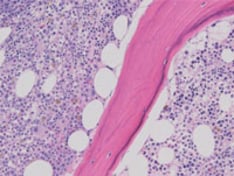
  • Biopsy may reveal dysplastic cells of various stages of differentiation with hypercellular findings.

Histologic Findings

On peripheral smears, dysplastic shapes and cells with odd-appearing nuclear and cytoplasmic ratios (eg, anisocytosis, macrocytosis, microcytosis, poikilocytosis) are apparent. Although macrocytosis can indicate megaloblastic anemia (vitamin B-12 or folate deficiency), it is often observed in most bone marrow failure syndromes, including MDS. RBCs are often dimorphic, being both hypochromic and normochromic. The number of reticulocytes is reduced in relation to the degree of anemia.  

Depending on the class, variable granulocytic abnormalities are present. Pseudo–Pelger-Huët anomalies (eg, hyposegmented mature neutrophils, hypogranulation of cytoplasm) are characteristic of dysgranulopoiesis observed with MDS. As additional immature elements are observed in periphery, these elements often appear bizarre with abnormal nucleus-to-cytoplasm ratios, and they are often oddly shaped. In addition, the number of eosinophils and basophils may increase in patients with adult-type MDS. On smears, platelets markedly vary in size. 

Myelodysplasia predominates in hypercellular marrow. In RA, the ratio of erythroid to myeloid cells is abnormal, and the marrow appears similar to that of patients with megaloblastic anemia due to folate or vitamin B-12 deficiency. Erythroblasts are often large, with clumped chromatin and a large nucleolus. In RAEB, the myeloid component of marrow increases. Small myeloblasts and promyelocytes predominate in the marrow. These cells are often dysmorphic with abnormal nucleus-to-cytoplasm ratios. 

Abnormal megakaryocytes may appear small (micromegakaryocytes) or large. They may have a variable number of nuclei in the same marrow sample.


Medical Care

  • Initially administer supportive care until the diagnosis is established. Many patients present with profound cytopenia and a notable risk for infection. Initial care may include transfusion support and the administration of broad-spectrum antibiotics to treat life-threatening anemia, thrombocytopenia, and infection may be required until definitive therapy can be started.


  • Intensive chemotherapy is successful for inducing bone marrow remission, but this is usually short-lived, and patients often have a relapse within 2 years of initial remission. In addition, data from some studies suggest that patients who receive chemotherapy (with its associated toxicities) before myeloablative therapy do poorly compared with patients who directly receive transplant regimens. Results of chemotherapeutic regimens are difficult to interpret because of the small numbers of patients in studies and because of the inclusion of children with MDS in adult studies or in pediatric studies of AML.  


  • By using International Prognostic Scoring System (IPSS), adults with low-risk MDS can often be monitored for extended periods without specific therapy, whereas those with intermediate- or high-risk MDS benefit from treatment.  

    • At present, only azacytidine is approved for the treatment of MDS.


    • Several agents are being tested, including angiogenesis inhibitors (thalidomide, lenalidomide), farnesyl transferase inhibitors (lonafarnib, tipifarnib), and DNA methyltransferase inhibitors (azacitidine, decitabine). Lenalidomide (Revlimid) appears to be particularly effective in patients with low-risk MDS and a deletion of chromosome band 5q31, and it has been approved for this indication.


    • Allogeneic stem cell transplantation is an alternative for high-risk MDS. With advances in transplantation techniques, this treatment can be offered to an increasing number of patients.  
       
  • Because of the rarity of studies addressing MDS as a unique disease entity, the Children's Oncology Group (COG) began phase 2 study (AAML0121) that is currently open to accrual. In addition, investigators in an open phase 1 study (ADVL0319) are enrolling patients with relapsed or refractory MDS. Details of these studies can be found on the COG Web site.


  • Regimens for hematopoietic stem cell rescue result in a 30-50% event-free survival rate at 3 years. Outcomes improve in children who are relatively young and who receive hematopoietic stem cell rescue soon after diagnosis. Myeloablative therapy with hematopoietic stem cell rescue from a human leukocyte antigen (HLA)–matched sibling is the best therapy for MDS. For children who do not have an eligible sibling donor, seek alternative donors, though outcome is even less favorable than it is with a sibling donor.


  • Acute or chronic moderate-to-marked graft versus host disease (GVHD) is associated with a lowered incidence of relapse.


  • Growth factors may be indicated.

    • Hesitation in using growth factors has been based on the known increased response of myelodysplastic clone to GM-CSF and on the reported associated of the use of G-CSF in children with severe aplastic anemia with the later development of MSDs or AML.  


    • Use of erythropoietin is helpful in patients who have low erythropoietin levels.


    • Granulocyte colony-stimulating factor (G-CSF) has also been used, with a transient improvement in neutropenia.


Surgical Care

  • A central line is often needed to administer chemotherapy and transfusions.
  • Splenectomy may prove helpful in patients with marked splenomegaly or hypersplenia. No significant change in the event-free survival rate is noted in patients who are undergoing hematopoietic stem cell rescue. The biggest risk is infection, as it is with any patient who is asplenic.

Consultations

  • Pediatric hematologist-oncologist
  • Clinical geneticist
    • A clinical geneticist may provide an invaluable opinion for many children because of the notable association of MSD with other anomalies.
    • Family members of children with monosomy 7 cytogenetics should be evaluated for familial monosomy 7.

Diet

  • No dietary restrictions are needed.
  • Patients should take adequate amounts of folate and vitamin B-12.
  • Limitation of iron intake may be necessary in patients who are transfusion dependent.

Activity

  • Activity should be undertaken as tolerated.
  • Restriction of activity when platelet counts are low is necessary to prevent hemorrhagic complications from minor trauma.


Children are treated with a wide variety of drugs. Among the most frequently used chemotherapeutic agents are idarubicin, dexamethasone, cytarabine arabinoside, fludarabine, etoposide, daunorubicin, L-asparaginase, and thioguanine.

Drug Category: Antineoplastic agents

Cancer chemotherapy is based on an understanding of tumor cell growth and of how drugs affect this growth. After cells divide, they enter a period of growth (G1 phase), followed by DNA synthesis (S phase). The next phase is a premitotic phase (G2 phase). Finally, a phase of mitotic cell division (M phase) occurs.

The rate of cell division varies for different tumors. Most common cancers grow slowly compared with normal tissues, and the rate may decrease further in large tumors. This difference allows normal cells to recover from chemotherapy more quickly than malignant cells, and it is in part the rationale for current cyclic dosage schedules.

Antineoplastic agents interfere with cell reproduction. Some agents are cell cycle specific, whereas others (eg, alkylating agents, anthracyclines, cisplatin) are not phase specific. Cellular apoptosis (ie, programmed cell death) is another potential mechanism of many antineoplastic agents.

Drug NameCytarabine (Cytosar-U)
DescriptionAntimetabolite antineoplastic agent. Converted intracellularly to active compound, cytarabine-5'-triphosphate, which inhibits DNA polymerase. Metabolized in liver with half-life of 1-3 h. Widely distributed, including in CNS and tears after IV administration. Not orally active.
Adult Dose100-200 mg/m2/d IV qd for 5-7 d; not to exceed 3 g/m2 IV infusion q12h
Pediatric DoseAdminister as in adults
ContraindicationsDocumented hypersensitivity; liver failure
InteractionsDecreases effects of gentamicin and flucytosine; other alkylating agents and radiation increase toxicity
PregnancyD - Unsafe in pregnancy
PrecautionsIf bone marrow suppression notably worsens, reduce number of treatment days; patients with hepatic or renal insufficiencies at increased risk for CNS toxicity after high dose (reduce dose)

Drug NameFludarabine (Fludara)
Description2-Fluoro, 5-phosphate derivative of vidarabine. Converted to 2-fluoro-ara-A that enters cell; phosphorylated to form active metabolite 2-fluoro-ara-ATP, which inhibits DNA synthesis. Half-life of active metabolite is 9 h.
Adult Dose25-30 mg/m2 qd for 5 d q28d
Pediatric DoseAdminister as in adults
ContraindicationsDocumented hypersensitivity
InteractionsPentostatin increases risk of pulmonary toxicity; cytarabine administered with or before decreases conversion to active drug
PregnancyD - Unsafe in pregnancy
PrecautionsFrequently monitor peripheral blood cell counts to detect anemia, thrombocytopenia, and neutropenia; monitor for tumor lysis syndrome; adjust dose in renal impairment, severe bone marrow suppression, severe neurologic effects, or life-threatening or fatal autoimmune hemolytic anemia

Drug NameIdarubicin (Idamycin)
DescriptionAnthracycline antineoplastic agent. Inhibits cell proliferation by inhibiting DNA and RNA polymerase. Metabolized in liver to active idarubicinol. Half-life 14-35 h (PO) or 12-27 h (IV). Vesicant.
Adult Dose12 mg/m2 IV qd for 3 d
Breast cancer: 30-45 mg/m2 PO q3wk
AML: 20-25 mg/m2 qd for 3 d
Pediatric Dose12 mg/m2 IV qd for 3 d
ContraindicationsDocumented hypersensitivity; severe congestive heart failure (CHF); cardiomyopathy; arrhythmias; previous treatment with maximal cumulative doses of other anthracyclines
InteractionsTrastuzumab increases risk of cardiotoxicity
PregnancyD - Unsafe in pregnancy
PrecautionsExtravasation can result in severe tissue necrosis; caution in preexisting cardiac disease, impaired hepatic or renal function, or myelosuppression; cardiac toxicity is most serious complication

Drug NameDaunorubicin (Cerubidine)
DescriptionAnthracycline antineoplastic agent. Inhibits DNA and RNA synthesis by intercalating between DNA base pairs. Half-life 14-20 h (23-40 h for active metabolite).
Adult Dose25-100 mg/m2 IV qd for 3-5 d intermittent or continuous infusion
Pediatric DoseAdminister as in adults
ContraindicationsDocumented hypersensitivity; severe CHF; cardiomyopathy; arrhythmias; previous treatment with maximal cumulative doses of other anthracyclines
InteractionsTrastuzumab increases risk of cardiotoxicity
PregnancyD - Unsafe in pregnancy
PrecautionsExtravasation may occur, resulting in severe tissue necrosis; caution in impaired hepatic, renal, or biliary function; monitor for myelosuppression and, if necessary, decrease dose; may discolor urine (red)

Drug NameDexamethasone (Decadron)
DescriptionLong-acting fluorinated corticosteroid. Induces apoptosis of leukemia cells by means of glucocorticoid receptors. 0.75 mg equivalent to 4 mg methylprednisolone, 5 mg prednisolone, 30 mg hydrocortisone, or 25 mg cortisone.
Adult Dose0.75-9 mg/d PO q2-4d
0.5-9 mg/d IV qd or divided q6h
Pediatric Dose0.03-0.15 mg/kg/d PO or 1-5 mg/m2/d PO divided q6-12h; not to exceed 25 mg/m2 IV qd
ContraindicationsDocumented hypersensitivity; active bacterial or fungal infection
InteractionsPhenobarbital, phenytoin, ephedrine, and rifampin may enhance clearance of corticosteroids; coadministration with potassium-depleting diuretics increases risk of hypokalemia; may alter response to warfarin anticoagulants (usually inhibitory but unsubstantiated reports of potentiation exist); decreases effect of salicylates and vaccines for immunization
PregnancyC - Safety for use during pregnancy has not been established.
PrecautionsIncreases risk of several complications, including severe infections; monitor adrenal insufficiency when tapering; abrupt discontinuation of glucocorticoids may cause adrenal crisis; possible complications of glucocorticoid use are hyperglycemia, edema, osteonecrosis, myopathy, peptic ulcer disease, hypokalemia, osteoporosis, euphoria, psychosis, myasthenia gravis, growth suppression, and infections

Drug NameThioguanine
DescriptionPurine analog with antineoplastic and antimetabolite properties.
Adult Dose40-100 mg/m2 PO qd
Pediatric Dose2 mg/kg PO qd
ContraindicationsDocumented hypersensitivity; previous resistance to antitumoral effects
InteractionsIncreases busulfan toxicity
PregnancyD - Unsafe in pregnancy
PrecautionsAdjust dose to compensate for myelosuppression, renal disease, or hepatic disease; may cause neurotoxicity, hyperuricemia, or myelosuppression

Drug NameEtoposide (VePesid, VP-16)
DescriptionSemisynthetic podophyllotoxin with poor penetration of CSF. Inhibits topoisomerase II and causes DNA strand breakage, which arrests cell proliferation in late S or early G2 portion of cell cycle. Half-life 4-11 h.
Adult DoseLow dosage: 20-100 mg/m2/d IV for 5 d
High dosage: up to 3 g/m2 IV qd
Pediatric DoseLow dosage: 20-100 mg/m2/d IV for 5 d
High dosage: up to 3 g/m2 IV qd
ContraindicationsDocumented hypersensitivity; intrathecal administration (may cause death)
InteractionsMay prolong effects of warfarin and increase clearance of methotrexate; has additive effects with cyclosporine in cytotoxicity of tumor cells
PregnancyD - Unsafe in pregnancy
PrecautionsBleeding and severe myelosuppression may occur; monitor for hypotension during administration

Drug NamePegaspargase (Oncaspar)
DescriptionPolyethylene glycol-L-asparaginase. Catabolizes asparagine, essential amino acid for lymphoblast growth. Half-life 2-3 wk.
Adult Dose2500 IU/m2 IM q14d
Pediatric DoseAdminister as in adults
ContraindicationsDocumented hypersensitivity; pancreatitis; previous thrombosis associated with pegaspargase
InteractionsIncrease toxicity with vincristine; may displace highly protein-bound drugs (eg, warfarin); increased bleeding with warfarin, heparin, aspirin, NSAIDs, or dipyridamole
PregnancyD - Unsafe in pregnancy
PrecautionsCaution in hypofibrinogenemia, confusion, diabetes mellitus, or hepatic impairment


Further Inpatient Care

  • Hospitalization is required to administer some chemotherapeutic agents.


  • Inpatient treatment is required if the patient is undergoing bone marrow transplantation.


  • Children with MDS should be treated like other patients with neutropenia. They require hospitalization, observation, and intravenous (IV) antibiotics to manage fever.


  • Inpatient admission is required in some locations for transfusion support.

Further Outpatient Care

  • Children should be monitored often because of the propensity of these disorders to transform to AML.
  • Patients often require frequent transfusions, and their blood cell counts must be monitored at least monthly.

In/Out Patient Meds

  • Trimethoprim-sulfamethoxazole should be administered for prophylaxis against Pneumocystis carinii (opportunistic infection).
  • Fluconazole is often administered for prophylaxis against Candida species.
  • Chlorhexidine is recommended to prevent mouth infections.

Transfer

  • Patients should be referred to centers affiliated with major multicenter pediatric oncologic groups.

Complications

  • Infection

    • Severe neutropenia results in life-threatening infection secondary to overgrowth of skin and bowel flora and increased susceptibility to community and hospital pathogens.


    • Patients are extremely susceptible to life-threatening fungal infections.


    • Patients with cytogenetic findings of monosomy 7 or RAEBT also have poor overall neutrophil function, despite adequate absolute neutrophil counts (ANCs) >1000/µL.


    • Infection, rather than progression to AML, ultimately results in the demise of most patients with MDS.
  • Bleeding

    • Patients often have thrombocytopenia and resultant hemorrhage.


    • Patients require frequent transfusions as marrow is increasingly involved.
  • Anemia and iron overload

    • The inability of marrow to keep up with normal turnover of RBCs results in a frequent need for transfusion. Repeated transfusions may result in iron overload requiring chelation therapy.


    • In rare circumstances, patients respond to splenectomy.


    • Iron overload is observed most often in adults with MDS related to transfusions over a prolonged course.

Prognosis

  • Outcomes for children with MDS are poor. Patients with Down syndrome and MDS respond best to treatment, whereas those with MDS due to previous therapy with alkylating agents fare the worst.

  • Continued multicenter trials with further elucidation of biologic markers to best classify MDS in childhood are needed.

  • At present, the best treatment option is hematopoietic stem cell rescue. At best, this treatment offers a 40% event-free survival rate at 5 years.

  • Until recently, most of the prognostic factors in MDS, such as those used in the IPSS, the Bournemouth score, and others, were based on data from adult patients.

    • In adults, factors that have had prognostic significance for survival and progression to AML include bone marrow morphology, myeloblast percentage in the bone marrow, the appearance of the bone marrow on biopsy, number of cytopenias, cytogenetic abnormalities in bone marrow, age, and blood lactate dehydrogenase levels.

    • The only factor that has consistently had prognostic significance in children with MDS is cytogenetic abnormality, notably monosomy 7.

    • Researchers from Japan, the United Kingdom, and the European Working Group on MDS in Childhood (EWOG-MDS) have all concluded that the IPSS is of limited value in children. Investigators from Japan and the United Kingdom found that only the IPSS karyotype group had significant prognostic value in terms of overall survival.

  • In the United States, 1 large prospective study (CCG 2891) provided results about the effects of AML-based therapy in children with MDS. Of 1096 patients enrolled, 90 had MDS classified according to the FAB classification. Overall survival at 6 years was 29% ± 12 for patients with MDS and 31% ± 26 for those with JMML treated in the CCG 2891. These outcomes were worse than those of patients who had antecedent MDS and who were treated in the AML phase (50% ± 25) or those of patients with de novo AML (45% ± 3). Nonsignificant differences in 6-year survival were observed between patients with JMML and MDS.

  • In recent reports, 5-year event-free survival rates in patients with Down syndrome and MDS and/or AML were in excess of 80%. These rates were largely because of reductions in treatment-related deaths from 30-40% in the early 1990s to around 10% in recent Berlin-Frankfurt-Münster (BFM), Nordic Society of Paediatric Haematology and Oncology (NOPHO), and Medical Research Council studies.

Patient Education

  • Families must be educated about signs and symptoms of infection, anemia, and thrombocytopenia.
  • Many patients require placement of a central venous catheter, and their families need to learn how to care for the line.


  • Arico M, Biondi A, Pui CH. Juvenile myelomonocytic leukemia. Blood. Jul 15 1997;90(2):479-88. [Medline].
  • Aul C, Gattermann N, Schneider W. Age-related incidence and other epidemiological aspects of myelodysplastic syndromes. Br J Haematol. Oct 1992;82(2):358-67. [Medline].
  • Bennett JM, Catovsky D, Daniel MT, et al. The chronic myeloid leukaemias: guidelines for distinguishing chronic granulocytic, atypical chronic myeloid, and chronic myelomonocytic leukaemia. Proposals by the French-American-British Cooperative Leukaemia Group. Br J Haematol. 87(4):746-54. [Medline].
  • Brandwein JM, Horsman DE, Eaves AC, et al. Childhood myelodysplasia: suggested classification as myelodysplastic syndromes based on laboratory and clinical findings. Am J Pediatr Hematol Oncol. 12(1):63-70. [Medline].
  • Butturini A, Gale RP, Verlander PC, et al. Hematologic abnormalities in Fanconi anemia: an International Fanconi Anemia Registry study. Blood. 84(5):1650-5. [Medline].
  • Carroll WL, Morgan R, Glader BE. Childhood bone marrow monosomy 7 syndrome: a familial disorder?. J Pediatr. Oct 1985;107(4):578-80. [Medline].
  • Chan GC, Wang WC, Raimondi SC, et al. Myelodysplastic syndrome in children: differentiation from acute myeloid leukemia with a low blast count. Leukemia. 11(2):206-11. [Medline].
  • Duffner PK, Krischer JP, Horowitz ME, et al. Second malignancies in young children with primary brain tumors following treatment with prolonged postoperative chemotherapy and delayed irradiation: a Pediatric Oncology Group study. Ann Neurol. 44(3):313-6. [Medline].
  • Haas OA, Gadner H. Pathogenesis, biology, and management of myelodysplastic syndromes in children. Semin Hematol. Jul 1996;33(3):225-35. [Medline].
  • Hann IM. Myelodysplastic syndromes. Arch Dis Child. Jul 1992;67(7):962-6. [Medline].
  • Hasle H, Kerndrup G, Jacobsen BB. Childhood myelodysplastic syndrome in Denmark: incidence and predisposing conditions. Leukemia. Sep 1995;9(9):1569-72. [Medline].
  • Hasle H, Arico M, Basso G, et al. Myelodysplastic syndrome, juvenile myelomonocytic leukemia, and acute myeloid leukemia associated with complete or partial monosomy 7. European Working Group on MDS in Childhood (EWOG-MDS). Leukemia. 13(3):376-85. [Medline].
  • Hasle H, Kerndrup G, Jacobsen BB, et al. Chronic parvovirus infection mimicking myelodysplastic syndrome in a child with subclinical immunodeficiency. Am J Pediatr Hematol Oncol. 16(4):329-33. [Medline].
  • Hasle H. Classification of MDS and myeloproliferative disorders in children. In: Lopes LF, Hasle H, eds. Myelodysplastic and Myeloproliferative Disorders in Children. Sao Paulo, Brazil: Livraria Editora Marina; 2003:21-35.
  • Hasle H, Passmore SJ. Epidemiology of MDS and myeloproliferative disorders in children. In: Lopes LF, Hasle H, eds. Myelodysplastic and Myeloproliferative Disorders in Children. Sao Paulo, Brazil: Livraria Editora Marina; 2003:49-66.
  • Hasle H, Niemeyer CM, Chessells JM, et al. A pediatric approach to the WHO classification of myelodysplastic and myeloproliferative diseases. Leukemia. Feb 2003;17(2):277-82. [Medline].
  • Ho PJ, Gibson J, Vincent P, Joshua D:. The myelodysplastic syndromes: diagnostic criteria and laboratory evaluation. Pathology. 25(3):297-304. [Medline].
  • Jackson GH, Carey PJ, Cant AJ, et al. Myelodysplastic syndromes in children [letter]. Br J Haematol. 84(1):185-6. [Medline].
  • Kirby MA, Weitzman S, Freedman MH. Juvenile chronic myelogenous leukemia: differentiation from infantile cytomegalovirus infection. Am J Pediatr Hematol Oncol. Fall 1990;12(3):292-6. [Medline].
  • Lange BJ, Kobrinsky N, Barnard DR, et al. Distinctive demography, biology, and outcome of acute myeloid leukemia and myelodysplastic syndrome in children with Down syndrome: Children's Cancer Group Studies 2861 and 2891. Blood. Jan 15 1998;91(2):608-15. [Medline].
  • Luna-Fineman S, Shannon KM, Lange BJ. Childhood monosomy 7: epidemiology, biology, and mechanistic implications. Blood. Apr 15 1995;85(8):1985-99. [Medline].
  • Luna-Fineman S, Shannon KM, Atwater SK, et al. Myelodysplastic and myeloproliferative disorders of childhood: a study of 167 patients. Blood. 93(2):459-66. [Medline].
  • Mathew P, Woods WG. Experiences on MDS from the United States. In: Lopes LF, Hasle H, eds. Myelodysplastic and Myeloproliferative Disorders in Children. 2003. Sao Paulo, Brazil: Livraria Editora Marina; 340-60.
  • Nevill TJ, Fung HC, Shepherd JD, et al. Cytogenetic abnormalities in primary myelodysplastic syndrome are highly predictive of outcome after allogeneic bone marrow transplantation. Blood. 92(6):1910-7. [Medline].
  • Niemeyer CM, Arico M, Basso G, et al. Chronic myelomonocytic leukemia in childhood: a retrospective analysis of 110 cases. European Working Group on Myelodysplastic Syndromes in Childhood (EWOG-MDS). Blood. 89(10):3534-43. [Medline].
  • Park DJ, Koeffler HP. Therapy-related myelodysplastic syndromes. Semin Hematol. Jul 1996;33(3):256-73. [Medline].
  • Passmore SJ, Hann IM. Paediatric myelodysplasia. Br Med Bull. Oct 1996;52(4):778-86. [Medline].
  • Passmore SJ, Hann IM, Stiller CA, et al. Pediatric myelodysplasia: a study of 68 children and a new prognostic scoring system. Blood. 85(7):1742-50. [Medline].
  • Passmore SJ. Prognostic factors in MDS. In: Lopes LF, Hasle H, eds. Myelodysplastic and Myeloproliferative Disorders in Children. Sao Paulo, Brazil: Livraria Editora Marina; 2003:171-6.
  • Tuncer MA, Pagliuca A, Hicsonmez G, et al. Primary myelodysplastic syndrome in children: the clinical experience in 33 cases. Br J Haematol. 82(2):347-53. [Medline].
  • Uderzo C, Locasciulli A, Rajnoldi AC, et al. Allogeneic bone marrow transplantation for myelodysplastic syndromes of childhood: report of three children with refractory anemia with excess of blasts in transformation and review of the literature. Med Pediatr Oncol. 21(1):43-8. [Medline].
  • Webb DK, Harrison G, Stevens RF, et al. Relationships between age at diagnosis, clinical features, and outcome of therapy in children treated in the Medical Research Council AML 10 and 12 trials for acute myeloid leukemia. Blood. Sep 15 2001;98(6):1714-20. [Medline].
  • Williamson PJ, Kruger AR, Reynolds PJ, et al. Establishing the incidence of myelodysplastic syndrome. Br J Haematol. 87(4):743-5. [Medline].
  • Woods WG, Barnard DR, Alonzo TA, et al. Prospective study of 90 children requiring treatment for juvenile myelomonocytic leukemia or myelodysplastic syndrome: a report from the Children's Cancer Group. J Clin Oncol. Jan 15 2002;20(2):434-40. [Medline].
  • Zeller B, Gustafsson G, Forestier E, et al. Acute leukaemia in children with Down syndrome: a population-based Nordic study. Br J Haematol. Mar 2005;128(6):797-804. [Medline].

Myelodysplastic Syndrome excerpt

Article Last Updated: Apr 20, 2007