AUTHOR AND EDITOR INFORMATION
Section 1 of 11
Author: Shih-Wen Huang, MD, Medical Director of Allergy Service, Professor, Department of Pediatrics, Division of Immunology and Infectious Diseases, University of Florida College of Medicine
Shih-Wen Huang is a member of the following medical societies: American Academy of Allergy Asthma and Immunology
Editors: C Lucy Park, MD, Director, Allergy and Asthma Center, Associate Professor, Department of Pediatrics, University of Illinois at Chicago; Mary L Windle, PharmD, Adjunct Assistant Professor, University of Nebraska Medical Center College of Pharmacy, Pharmacy Editor, eMedicine.com, Inc; David J Valacer, MD, Consulting Staff, Hoffman La Roche Pharmaceuticals; David Pallares, MD, Clinical Assistant Professor, Department of Pediatrics, Division of Allergy and Immunology, University of Louisville; Harumi Jyonouchi, MD, Associate Professor, Department of Pediatrics, Division of Pulmonary Allergy/Immunology and Infectious Diseases, UMDNJ-New Jersey Medical School
Author and Editor Disclosure
Synonyms and related keywords:
fungal allergy, fungi, Oomycetes, Zygomycetes, Ascomycetes, Basidiomycetes, Deuteromycetes, allergic rhinitis, allergic conjunctivitis, allergic asthma, immunoglobulin E–mediated asthma, IgE-mediated asthma, AFS, allergic fungal sinusitis, ABPA, allergic bronchopulmonary aspergillosis, ABPM, non-Aspergillus allergic bronchopulmonary mycosis, non-Aspergillus ABPM, EAA, extrinsic allergic alveolitis, wood pulp worker's lung, malt worker's lung, farmer's lung, maple bark stripper's lung, sewage worker's lung, paprika splitter's lung, humidifier lung, ventilation pneumonitis, mold allergy, cystic fibrosis, CF
Background
People are exposed to aeroallergens in various settings, both at home and at work. Fungi are ubiquitous airborne allergens and are important causes of human diseases, especially in the upper and lower respiratory tracts. These diseases can occur in persons of various ages. Exposure to molds can cause human disease through several well-defined mechanisms. In addition, many new mold-related illnesses have been hypothesized in recent years that remain largely or completely unproven. Concern about mold exposure and its effects are so common that all health care providers are frequently faced with issues regarding these real and asserted mold-related illnesses.
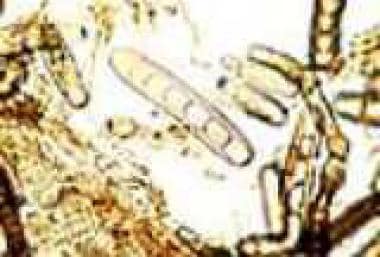
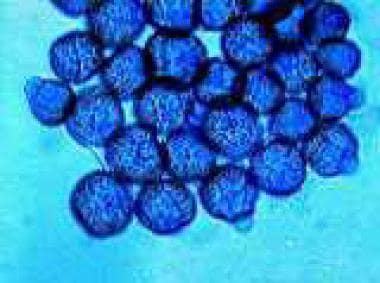
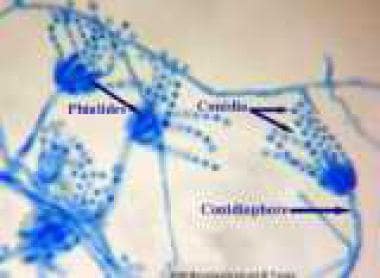
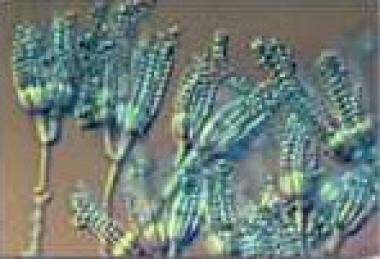
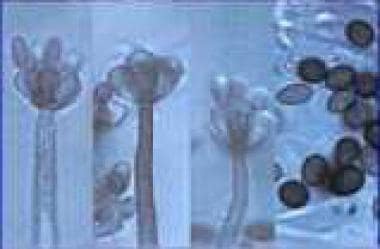
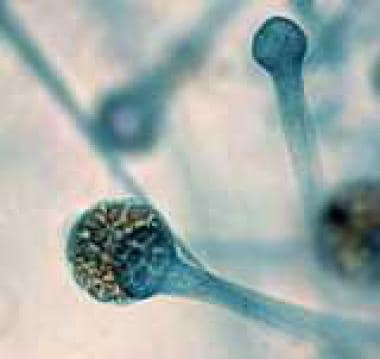
Fungi as aeroallergens Airborne spores and other fungi particles are ubiquitous in nonpolar landscapes, especially among field crops, and often form the bulk of suspended biogenic debris. The term mold is often used synonymously with the term fungi. A definition more precise than this specifies that molds lack macroscopic reproductive structures but may produce visible colonies. Respiratory illness in subjects exposed to rust and dark-spored imperfect fungi was described more than 60 years ago, and human sensitization to diverse fungi is now well recognized. Because fungus particles are commonly derived from wholly microscopic sources, exposure hazards are assessed by directly sampling a suspect atmosphere in most circumstances. Because of their small size, fungal emanations present special collection requirements to ensure particle viability for culture-based studies. Functional biology of fungi Fungi have 2 basic structures. Yeast grows as single cells by means of central division of eccentric buds to form daughter units. Most other familiar fungi are composed of branching threads, 3-10 µm in width, termed hyphae. A mycelium is an aggregate of hyphae. Hyphae are modified to bear the simple reproductive parts of many microfungi and form the structural tissue of fleshy fungi (eg, mushrooms, puff balls). In general, familiar allergenic molds reproduce asexually. However, 2 large and distinctive classes, Ascomycetes and Basidiomycetes, also produce innumerable sexual spores for atmospheric dispersion. In its life cycle, a single fungus organism produces both sexual and asexual spores from morphologically different structures respectively termed perfect and imperfect stages. In considering known and potential allergens, 5 major classes of fungi have particular clinical significance: Oomycetes, Zygomycetes, Ascomycetes, Basidiomycetes, and Deuteromycetes. Most molds require elemental oxygen during growth. Traces of formed carbohydrate are also essential. Vegetative hyphae of most fungi grow best between 18° and 32°C, and, although most become dormant at subfreezing temperatures, a few may sporulate below 0°C. At the other extreme, although 71°C is generally lethal for molds, certain types thrive at slightly cooler temperatures. Aspergillus fumigatus and Aspergillus niger tolerate a wide range of temperatures. Atmospheric moisture affects not only the growth and fruiting of fungi but also the dispersion of spores and resultant prevalence. Spore counts typically rise with rainfall and fog and with damp, nocturnal conditions. Rain and dew splash also foster dispersion of slime spores. As a result, atmospheric recoveries of Fusarium, Phoma, Cephalosporium, and Trichoderma species peak with rainfall. The reproductive units of many fungi are detached by direct wind scouring or wind-induced substrate motion. Such dry spore dispersal increases as airspeed rises and relative humidity falls, peaking often during summer afternoons. At such time, typical spores of Cladosporium, Alternaria, Epicoccum, Helminthosporium, Rhizopus, Aspergillus, and Penicillium species also may peak. The circadian trends in changes of temperature, humidity, airspeed, and light intensity frequently interact to promote diurnal airborne spore levels. All data emphasize that regional vegetation strongly affects the local airborne spore levels. Assessing the prevalence of fungi in air Studies of airborne fungi provide prevalence data that are important to estimate patients' exposures to molds. A common method of sampling molds is to use an Anderson air-sample volumetric collector (Anderson Instruments; Atlanta, Ga). The collector machine is allowed to sample the designated space for 5 minutes, trapping air particles in the filter. The filter then is placed on a Petri dish with media containing Sabouraud glucose, potato dextrose, and malt extract agar. Colonies grow on the agar plate, which an experienced mycologist can often use to identify the species on the basis of its gross appearance. Spore counts may be expressed as the number of colonies from a cubic meter of air. If the counts are higher than 200 spores in a cubic meter of air, patients with allergy are most likely to have symptoms. Clinical relevance of allergenic fungi Several fungal species (usually molds) cause allergic reactions in humans. The most common and best described mold allergen sources belong to the taxonomic group Fungi Imperfecti (usually asexual stages of Ascomycetes), which includes Alternaria, Cephalosporium, and Aspergillus species. Species of Basidiomycetes and yeast such as C albicans are also important allergen sources. Alternaria and Cladosporium species are common in outdoor environments worldwide. Airborne spores and mycelium debris of Cladosporium and Alternaria species are present during spring, summer, and especially autumn because of the degradation of leaves and other biomaterial. In indoor environments, Aspergillus and Penicillium species predominate with relatively few characteristic seasonal changes. In early 1970, the United States faced an unexpected energy crisis because of the political climate in the world. The heavy dependence on foreign oil suddenly became a national issue. In responding to the call for conservation, the housing industry used more energy-saving insulation in buildings. However, the heavy insulation unexpectedly resulted in an excessive increase of humidity inside those buildings. This led to increase in mold-related health issues because the increased humidity led to higher mold counts within the buildings. Similarities of allergen epitopes (antigenic [Ag] determinants) have been reported among some mold species, as observed in the closely related genera Alternaria and Stemphyllium. Otherwise, no immunochemical similarities have been detected among the major allergens of these species. The preparation of allergen extracts from cultured mold is very difficult secondary to low protein and high carbohydrate contents and the presence of potent proteolytic enzymes.
Pathophysiology
Immunologic evolution of allergy Allergen-specific immunoglobulin E (IgE) produced by B cells mediate allergic diseases. The allergen sensitization begins with the processing of mold Ags by Ag-presenting cells (APC) such as dendritic cells. APCs present processed mold allergens to naive T-helper (Th) cells, which differentiate into the effector stage type 2 Th (Th2) cells and produce Th2 cytokines (interleukin [IL]-4, IL-5, and IL-13). IL-4 is essential for isotype switching to IgE and with additional signaling provided by the Th2 cells, B cells begin to produce IgE specific for allergens. The Fc portion of IgE antibody binds to high-affinity Fce receptors (FceR) expressed on the cell surface of mast cells in tissue, which in turn stabilizes Fce. IgE bound to FceR is stable for several weeks. When allergens bind to adjacent 2 IgE molecules bound to FceR (cross-linking), an activation signal is elicited, leading to the release of preformed and newly formed mediators from mast cells (mast-cell activation).
These mediators include histamine, leukotrienes, and prostaglandins, causing acute tissue inflammation. Mast-cell activation also lead to release of a variety of chemotactic factors, such as leukotriene B4, platelet-activating factor, and eosinophil chemotactic factor, resulting in an influx of eosinophils, neutrophils, and mononuclear cells into the site of mast-cell activation. Mast cells also produce IL-4,IL-5,and IL-13, further augmenting Th2 responses and IgE production. Granulocyte-macrophage colony-stimulating factor (GM-CSF), IL-3, and IL-5 derived from Th2 cells, mast cells, and other lineage cells induce the differentiation of eosinophil precursors in the bone marrow. IL-5 is thought to be crucial for eosinophil trafficking to the peripheral circulation, leading to eosinophilia. Various chemotactic factors, including chemokines, then recruit eosinophils to the site of allergen exposure. Thus, IgE-mediated immune reactions result in eosinophil-dominant inflammation. The initial inflammatory process initiated by mold allergens may be further compounded by the waves of inflammatory cell infiltration. Clinical features of mold allergy differ in the upper or lower respiratory tract that can also vary in each individual influenced by age, genetic predisposition, exposure to other environmental allergens-irritants, etc. Th2 responses are predominant to immune responses to mold allergens, but a type 1 T-helper (Th1) response characterized by cell-mediated immunity may also contribute to mold-induced inflammatory condition. The known clinical disorders related to immune reactions to molds are listed in Clinical forms of mold allergy below. Mold-induced respiratory symptoms may be notably delayed at the onset, and they may be associated with bacterial superinfection. This may reflect the fact that the concomitant microbial agents (and endotoxin) present in wild sources of mold growth, such as dusts from decomposing plant material, can compound the clinical manifestations. Determinants of allergic fungi Cross-reactivity (shared epitopes) of allergens derived from common airborne fungus spores remain controversial. Allergenic cross-reactivity such as observed between Phoma and Alternaria extracts more likely reflect the presence of shared epitopes in the species' reproductive stages. Establishing biologic or allergenic properties among molds is difficult, especially imperfect fungi. Therefore, defining Ag determinants is important when a mold allergen extract is prepared. Total airborne fungi in North America range from extremely low levels during periods of below-freezing temperature to peak levels that usually occur in late summer and early autumn. This pattern parallels variations in dominant Cladosporium and Alternaria species in many areas. Penicillium species most often lack a defined annual pattern; A fumigatus may be more prominent from December-April in some areas but can be unpredictable in other regions. Mold allergy may account for persistent respiratory symptoms in individuals during nonpollen seasons.
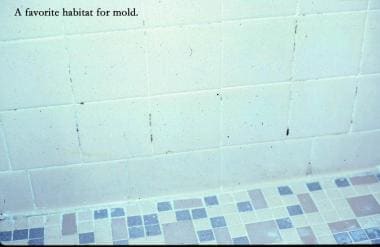
Fungi readily invade indoor environments, and indoor growth can cause perennial allergic symptoms. Penicillium and Aspergillus species are commonly found in enclosed spaces, followed by Rhizopus and Mucor species. Soiled upholstery and garbage containers are favored sites of indoor fungal growth. The porosity of rubber and synthetic foams and their tendency to remain moist favor fungal growth. Basements, window molding, shower curtains, and plumbing fixtures are common sites for indoor fungal growth. Poorly maintained cold-mist vaporizers and some console humidifiers can emit dense microbial aerosols during operation. If high relative humidity and condensation persist in indoor environments, mold is likely to recur after decontamination. Clinical forms of mold allergy - Allergic rhinitis and/or allergic conjunctivitis: These are common problems in both children and adults. Allergic rhinitis or allergic conjunctivitis is usually a perennial problem with seasonal fluctuation of symptoms in regions such as the southern part of the United States, where humidity and temperatures are high. Many indoor fungal allergens (eg, Alternaria, Aspergillus, Cephalosporium, Curvularia, Epicoccum, Fusarium, Helminthosporium, Hormodendrum, Mucor, Penicillium, Phoma, Pullularia, Rhizopus, and Stemphylium species) can cause allergic symptoms. They are the result of type 1 (IgE-mediated) hypersensitivity reactions. Patients should have detectable IgE antibody to provoke mast-cell activation with fungal exposure. Studies also indicated the close association of mold allergy with prolonged coldlike symptoms in winter, sinusitis, and the presence of adenoid hypertrophy in children.1
- Allergic asthma or IgE-mediated asthma: Patients with fungal spore–induced asthma often have IgE antibodies to more prevalent fungi, such as Alternaria and Cephalosporium species. As many as 25% of patients with asthma have skin prick test reactivity to a mixture of 4 species of Aspergillus. The fungal allergen-induced asthma can occur in both children and adults as a result of a type 1 hypersensitivity reaction. These patients manifest potent late-phase reactions.
- Allergic fungal sinusitis (AFS): Allergic Aspergillus sinusitis occurs primarily in patients with nasal polyps and mucoid impaction of the sinuses. The mucus typically contains eosinophils, Charcot-Leyden crystals (breakdown products of eosinophils), and hyphae of A fumigatus. AFS can also be induced with exposure to other fungi, including Bipolaris, Curvularia, Alternaria, Exserohilum, Helminthosporium, and Rhizopus species. This condition is relatively rare in the pediatric population and is a result of type 1, type 3 (immune complex), and type 4 (delayed type) hypersensitivity reactions. Manning et al (1989) reported 6 patients aged 8-16 years who had findings typical to allergic Aspergillus sinusitis.2
- Allergic bronchopulmonary aspergillosis (ABPA): This is a well-recognized form of hypersensitivity pneumonitis, with nearly every case occurring in patients with previously diagnosed asthma or cystic fibrosis (CF). ABPA rarely occurs in the absence of clinical asthma. The pulmonary immune system responds to a saprophytic fungus present in bronchial mucus, leading to bronchial wall widening (bronchiectasis) and distal small-airway fibrosis (bronchiolitis obliterans). It is characterized by clinical, immunologic, radiologic, and pathologic findings that range from mild asthma to end-stage fibrotic lung disease. Children with CF are susceptible to ABPA with mucoid impaction of Aspergillus species. A fumigatus is the most frequent Aspergillus species to infect humans. Spores are 2-3.5 µm, which permits penetration to smaller airways. ABPA is the result of types 1, 3, and 4 hypersensitivity reactions.
- Non-Aspergillus allergic bronchopulmonary mycosis (ABPM): The most common cause of ABPM is C albicans. Isolated cases of ABPM caused by other fungi in asthma patients have been described; pathogens included Cladosporium and Curvularia species. ABPM has recently been described in patients with CF. A child with CF was reported to have developed ABPM with Trichosporon beigelii. The disease is the result of types 1, 3, and 4 hypersensitivity reactions.
- Extrinsic allergic alveolitis (EAA): EAA encompasses a broad spectrum of pulmonary interstitial and alveolar diseases caused by repeated (occupational) exposure to a wide variety of organic dusts, microbes, and chemicals. Repeated exposure to various molds can also cause EAA. Mold-induced EAA includes wood pulp worker's lung (Alternaria species), malt worker's lung (Aspergillus clavatus), farmer's lung (A fumigatus), maple bark stripper's lung (Cryptostroma corticale), and sewage worker's lung (Cephalosporium species). The inflammatory process of EAA involves mast-cell activation, immune complex formation (type 3 hypersensitivity tissue injury), and influx of immune cells producing proinflammatory cytokines, such as IL-1, IL-2, IL-3, IL-12, interferon-g (IFN-g), and GM-CSF. The disease is likely the result of type 3 and type 4 hypersensitivity reactions.
Frequency
United States
Depending on patients' geographic locations, their mold allergies can be seasonal (most often fall) or perennial. Perennial mold allergies are prevalent in humid and warm climates secondary to persistent presence of molds in indoor environments. Among preschool aged children living in the southern United States with documented reactivity to indoor allergens, 80% had reactivity to mold spores, house dust mites, or both. No data are available for the prevalence of the 5 other clinical disorders listed in Pathophysiology section. EAA is considered to be more prevalent among workers whose occupations predispose them to repeated exposure to causative reagents.
International
No epidemiologic data are currently available. However, in recent years, mold exposure in schoolchildren has become a major concern of parents and healthcare professionals worldwide. The increase in mold allergy symptoms in susceptible children may be partly attributed to improper repair of moisture-damaged buildings or congested homes of the inner city.
Mortality/Morbidity
- Anaphylaxis due to a mold allergy is extremely rare, but a mold allergy could cause a severe respiratory reaction if the patient has allergic bronchial asthma due to mold sensitivity. How much mold allergy contributes to mortality in asthma patients is unknown.
- Morbidity associated with mold allergy is high in pediatric population because most children develop allergic symptoms early in their lives following exposure to mold allergens.
- Although the patient number is limited, those who develop ABPA, ABPM, AFS, or EAA generally experience chronic, relapsing clinical courses. They must be treated aggressively during relapse. When ABPA, ABPM, hypersensitive pneumonitis, or EAA is not well controlled, it can result in substantial disability or even death.
- The frequency of prolonged coldlike symptoms in winter, sinusitis, and adenoid hypertrophy is higher among the children who have mold allergy than those without mold allergy.
Race
No racial predilection is known.
Sex
No sex predilection is known.
Age
Mold allergy is prevalent in all age groups, and it may occur in young children secondary to indoor exposure to mold.
- Allergic rhinitis and allergic asthma can occur in children and adults.
- ABPM and EAA are rare in children.
- ABPA has been reported in children of all ages, especially in those with CF.
History
- Allergic rhinitis and conjunctivitis
- Because molds can grow in indoor environments, many children are exposed to them from birth. How early children can become allergic to mold Ags is unclear, but it is estimated that nearly 40% of children with allergic rhinitis have positive skin test or radioallergosorbent testing (RAST) reactivity to mold allergens.
- Symptoms of allergic rhinitis include runny nose, itchy nose, sneezing, nasal congestion, sniffling, sore throat, cough, itchy eyes, and runny eyes and may be worse when patients are indoors. Symptoms may be most severe in hot and humid seasons, but some molds are prevalent throughout the year. The most characteristic symptoms are injected conjunctivae, headache, and fatigability.
- Children typically have a history of recurrent respiratory infections (including sinus infections) and otitis media.
- A recent study revealed that mold allergy may be most prevalent in winter secondary to the airtight insulation used in homes built in recent years.3, 4 History of prolonged cold symptoms that last for more than 2 weeks in winter may indicate mold allergy.
- Although uncommon, sinusitis or lower respiratory tract disease (eg, allergic bronchitis, bronchial asthma) subsequently develops in some patients.
- An increased prevalence of adenoid hypertrophy is reported in children with mold allergy.
- Allergic asthma
- The history of mold-induced asthma may not differ from that of any other allergic asthma. The onset may be acute or insidious. The patient's history usually includes cough, wheezing, and tachypnea with dyspnea with prolonged expiration.
- Symptoms may be precipitated by exposure to molds, viral infections, or exposure to any irritants, especially when patients have become hyperresponsive.
- Allergic bronchopulmonary aspergillosis, allergic bronchopulmonary mycosis, and extrinsic allergic alveolitis
- Molds are ubiquitous microorganisms; therefore, unless the prevalence of the offending fungi is known, eliciting a history of fungal exposure leading to chronic inflammation and disease development is difficult.
- In EAA, because of the relationship between the disease and exposure to specific fungi in particular professions, the diagnosis can be suspected at an early stage. The period from exposure to onset of disease may be months to years in EAA.
- Allergic fungal sinusitis
- This disease appears to be most common in areas with hot, humid climates and high ambient mold-spore counts.
- Most AFS cases caused by Bipolaris spicifera are reported in Texas, Louisiana, and Georgia.
- At least 6 cases of allergic Aspergillus sinusitis were reported in the state of Texas.2
Physical
Clinical manifestations of mold allergies are limited primarily to the upper and lower respiratory tracts.
- Allergic rhinitis and/or allergic conjunctivitis
- Signs include allergic shiners, Dennie lines (the accentuated lines below the margin of lower eyelids), frequent otitis media, and pale and swollen turbinates.
- The conjunctivae are often injected, with prominent palpebral conjunctivae and/or frequent tearing.
- Persons who chronically breathe through their mouth typically have narrow and elevated palates, enlarged tonsils, and a cobblestone appearance of the posterior pharyngeal wall.
- Children often have elongated adenoid facies with signs of overbite. They often speak with heavily nasal voices.
- Allergic asthma
- Signs include cough, wheezing, prolonged expiration, and tachypnea.
- A deformed chest wall (eg, pigeon breast, barrel chest) is sometimes observed in children, especially in those with chronic allergic asthma.
- Depending on the frequency of wheezing in the daytime and nighttime, asthma can be classified as mild intermittent, mild persistent, moderate persistent, or severe persistent according to the National Asthma Education and Prevention Program Expert Panel Report 2: Guidelines for the Diagnosis and Management of Asthma published by the National Heart, Lung, and Blood Institute (NHLBI) of the National Institutes of Health (NIH).5
- Allergic bronchopulmonary aspergillosis and allergic bronchopulmonary mycosis
- Cough, purulent sputum, dyspnea, wheezing, low-grade fever (<38.5°C), chest pain, hemoptysis, and malaise are common.
- In the acute stage, symptoms can be minimal or can be accompanied by occasional crackles. In chronic cases, clubbing, cyanosis, tachypnea, and cor pulmonale are common. In children with CF, ABPA may cause rapid weight loss, lethargy, fever, and productive cough.
- Allergic fungal sinusitis
- AFS generally produces a subacute or chronic course of sinus involvement. All pediatric patients presented with nasal polyposis and progressive facial deformity.
- Patients may report dull pressure on the face or head. Persistent, sometimes unilateral, nasal stuffiness, hyposmia, purulent and postnasal secretion, sore throat, fetid breath, and malaise are always present. The secretions often pool in the nasopharynx at night. The increasing postnasal drainage with resultant cough may be accompanied by wheezing.
- Extrinsic allergic alveolitis
- EAA may occur in an acute, intermediate, or chronic form.
- In the acute stage, patients may have flulike illness accompanied by coughing and undue breathlessness hours after exposure. Malaise, fever, chills, widespread aches and pains, anorexia, and tiredness may also be present.
- In the chronic form, EAA is a slowly progressive illness causing undue breathlessness, dry cough but no wheeze, possible weight loss, and, in rare cases, clubbing. Patients gradually have respiratory failure, pulmonary hypertension, or right heart failure.
Causes
All of the clinical disorders related to mold allergy are caused by repeated exposures to molds and the immune responses of susceptible individuals. The relationships between specific molds and particular disorders are discussed in Pathophysiology. - Molds are potential problems in outdoor and indoor environments. Nearly 20 allergenically important molds are related to the household environment. Among them, Alternaria and Hormodendrum species are the most well recognized. Favorite habitats include damp, dark places (eg, cellars, bathrooms, garages, attics); rotting leaves or vegetation, indoor plants, and organic plant containers (eg, wicker, straw, hemp); old foam-rubber pillows and peeling wallpaper; furniture stuffed with decaying kapok or cotton; rubber gaskets on old refrigerator doors; dishwashers, drainage sinks, and washing machines; and garbage cans. Water-damaged areas, such as leaky roofs, walls with dry rot, and wet carpets, or areas with poor drainage are also prime habitats for mold.
- Depending on the areas where surveys are conducted, sterile mycelia and the fungi of the genera Cladosporium, Penicillium, Alternaria, Epicoccum, Aspergillus, Pullularia, and Drechslera are most commonly encountered. Studies have also shown that poorly maintained landscaping, high shade levels, and large amounts of organic debris near the home (including ivy, compost, and bark chips) are highly correlated with the accumulation of indoor molds. Also, the development of mold in room-air humidifiers, cold-mist vaporizers, and air-conditioning systems has received much recent attention.
- When mold allergens bind to specific IgE on mast cells of susceptible individuals, mast-cell activation causes an immediate reaction, leading to the early release of histamine. As in the case of other airborne allergens, a delayed allergic reaction is expected to follow, with infiltration of various inflammatory cells that serve to magnify the inflammatory process, which may last for days. Immediate and late mucosal inflammatory processes lead to the development of the signs and symptoms of allergy (see Pathophysiology).
- Although genetic factors are known to influence the development of allergies, the exact genetic transmission of each disorder listed in Pathophysiology is currently unknown. Environment plays an important role. In addition to the presence of mold allergens, smoking increases the frequency of allergic rhinitis and asthma. A child with CF is at increased risk for ABPA. Many cases of EAA occur as occupational diseases among individuals working in environments infested with specific molds.
Aspiration Syndromes
Asthma
Atelectasis, Pulmonary
Atypical Mycobacterial Infection
Bronchiectasis
Bronchiolitis
Bronchitis, Acute and Chronic
Cystic Fibrosis
Empyema
Gastroesophageal Reflux
Histoplasmosis
Hypereosinophilic Syndrome
Hyperimmunoglobulinemia E (Job) Syndrome
Hypersensitivity Pneumonitis
Loffler Syndrome
Nasal Polyps
Parainfluenza Virus Infections
Passive Smoking and Lung Disease
Pneumonia
Pneumothorax
Pulmonary Hypertension, Idiopathic
Pulmonary Interstitial Emphysema
Status Asthmaticus
Toxocariasis
Vascular Ring and Sling: Surgical Perspective
Wegener Granulomatosis
Other Problems to be Considered
Allergic rhinitis and allergic conjunctivitis
- Viral infectious rhinitis
- Nasal congestion as a complication of pregnancy
- Oral contraceptives
- Hypothyroidism
- Rhinitis medicamentosa (rebound vasodilation due to drugs such as Neo-Synephrine, terbutaline, and reserpine)
- Tumors
- Wegener granulomatosis
In children, the presence of congenital choanal atresia or a foreign body should be considered. The presence of nasal polyps should be carefully excluded. Differential diagnoses for allergic conjunctivitis include but are not limited to infectious conjunctivitis (viral and bacterial) and vernal conjunctivitis. Allergic asthma For patients with wheezing, after a carefully obtained history, the following conditions must be excluded: - Medical conditions involving the lung that manifest with symptoms suggestive of asthma
- Syndromes characterized by abnormal breathing in which the lungs are structurally normal
- Cases of local airway obstruction that manifest with wheezing that is audible to the patient or can be heard on examination
For those with cough without wheezing, the following conditions must be excluded: - Cardiac failure with acute pulmonary edema
- Cardiac failure secondary to myocardial infarction
- Pulmonary embolism
- Pneumonia
- Tracheobronchitis
For children with wheezing or cough, asthma needs to be differentiated from the following conditions: - Infections - Bronchiolitis, pneumonia, croup, tuberculosis, bronchitis
- Anatomic or congenital conditions - CF, vascular ring, dysmotile cilia syndrome, immune deficiency, congestive heart failure, laryngotracheomalacia, tracheoesophageal fistula, gastroesophageal reflux
- Hypersensitivity vasculitis - ABPA, hypersensitive pneumonia, periarteritis nodosa
- Other - Foreign-body aspiration, pulmonary thromboembolism, psychogenic cough, sarcoidosis, bronchopulmonary dysplasia
Allergic fungal sinusitis Differential diagnoses include conditions that lead to chronic sinus diseases, including the following: - Immune deficiency
- Ciliary dyskinesia
- Aspirin hypersensitivity with nasal polyp
- Anatomic defect with small ostium of sinus
- Poorly treated sinusitis
Poor response to prolonged antibiotic treatment should raise the suspicion for AFS, and a workup for the disease should be initiated. Allergic bronchopulmonary aspergillosis and allergic bronchopulmonary mycosis The following conditions and findings must be excluded for diagnosis: - Asthma not associated with mold allergy
- Chest radiographic infiltrate (eg, atelectasis, mucoid impactions, middle-lobe syndrome)
- Bronchiectasis caused by other diseases
- Other forms of hypersensitivity pneumonitis
Extrinsic allergic alveolitis Individuals who are exposed to mycotoxin in an atmosphere with molds may develop symptoms of respiratory illness now defined as organic dust toxic syndrome. The disease is due to toxicity, not hypersensitivity. Another condition that must be excluded is nitrogen oxide pneumonitis, which is reported in individuals working in silos. Other diseases that should be excluded include the following: - Cryptogenic fibrosing alveolitis
- Sarcoidosis
- Pneumoconiosis
- Tuberculosis
- Metastatic cancer of the lung
Any infection, inflammation, or drug reaction leading to a fibrotic process of the lung also should be considered as differential diagnosis. Worth re-emphasis is that mold-exposed patients can present with various IgE- and non-IgE-mediated symptoms. Mycotoxins, irritation by spores, or metabolites may be culprits in non-IgE–mediated presentations; environmental assays have not been perfected. Symptoms attributable to the toxic effects of molds and not attributable to IgE or other immune mechanisms need further evaluation regarding their pathogenesis. However, immune, rather than toxic, responses seemed to be the major causes of symptoms in most studies.
Lab Studies
- The diagnosis of fungal sensitivity heavily depends on skin tests with fungal allergens. However, the variability and complexity of fungal extracts often hamper diagnosis. One of the breakthroughs of Ag preparation occurred when a recombinant form of a fungal allergen became available. Asturias et al compared a purified natural Aspergillus Ag (nAlt a) and recombinant Ag (rAlt a 1).6 They found a statistically significant correlation in specific IgE levels to both Ags by using skin test and immunoblotting/inhibition analysis. Therefore, the use of recombinant Ag may help in reducing the inconsistency of test results with the use of natural Ags.
- Allergic rhinitis and/or conjunctivitis
- Immediate hypersensitivity skin testing: This test is the most useful method to detect IgE antibody against mold allergens. Testing can be performed by using the prick or intradermal method. The preferred site is the upper part of the back for the prick method or the arms for the intradermal method. Histamine and normal sodium chloride solution are most commonly used as positive and negative controls, respectively. Results are recorded 15 minutes after the test is performed. Wheal diameter more than 3 mm above the reaction of the negative control is considered a positive result. Mold-allergen extracts used for the skin test depend on the prevalence of various molds in the region, as identified with annual atmospheric sampling. The most common molds are Alternaria, Aspergillus, Cephalosporium, Curvularia, Epicoccum, Fusarium, Helminthosporium, Hormodendrum, Mucor, Penicillium, Phoma, Pullularia, Rhizopus, and Stemphyllium species.
- RAST: A positive result confirms allergen-specific IgE in the peripheral blood. The test is indicated in individuals who have clinically significant dermatographism or extensive skin disease, those who cannot discontinue antihistamines or other medications with antihistamine actions (eg, tricyclic antidepressants), or those who have a history of anaphylactic reaction (because direct application of the suspected allergen may precipitate recurrent anaphylaxis). RAST is not generally considered as sensitive as skin testing.
- Nasal cytology: The presence of more than 10% of eosinophils in the cell population in the nasal secretion supports the diagnosis. Hansel staining is used to identify eosinophils. Eye-swab results can be used to diagnose allergic conjunctivitis. If neutrophils are present in more than 90% of the cell population, bacterial infection should be considered.
- Sinus images may depict sinusitis or adenoid hypertrophy.
- Allergic asthma
- Skin test or RAST: These tests are helpful in determining the offending airborne allergens.
- Pulmonary function testing: Simple spirometry to measure airway flow rates can help in identifying reversible or fixed airway obstruction. A reduced forced vital capacity in the absence of airflow obstruction is supportive evidence of restrictive lung disease. Spirometry can be performed during the initial workup or a follow-up visit in an outpatient clinic. The patient can use a peak flow meter to monitor his or her airflow at home. Airflow rates can be helpful in determining necessary adjustments for medications, depending on the patient's clinical course.
- Allergic fungal sinusitis
- Allergy skin test or RAST: These tests can help in identifying immediate hypersensitivity to suspected fungi.
- Nasal cytology: This test is most critical for establishing the diagnosis. Mucus samples are obtained. If positive, they should contain clinically significant amounts of eosinophils, Charcot-Leyden crystals, and hyphae of fungi (A fumigatus or Bipolaris, Curvularia, Alternaria, Exserohilum, Helminthosporium, or Rhizomucor species).
- Fungal culture: Fungal cultures may further support the identification of the offending fungi. A sensitivity test can help in choosing an antifungal agent should such treatment be indicated.
- Total serum IgE: A clinically significant elevation can be corroborative evidence for the diagnosis of AFS.
- Precipitin test: The presence of immunoglobulin G (IgG) in blood against the offending fungi can be corroborative evidence for the diagnosis of AFS.
- Allergic bronchopulmonary aspergillosis and allergic bronchopulmonary mycosis
- Skin test or RAST: These tests are used to confirm immediate hypersensitivity to A fumigatus or other offending fungi.
- Precipitin test: Precipitin test is used to confirm the presence of a high titer of IgG antibody against specific fungal Ags. Healthy individuals may have circulating IgG antifungal antibodies in the absence of any fungal-related disease.
- Total serum IgE: This measurement is usually more than 400 IU/mL.
- Sputum analysis: Sputum may appear brown, orange, or gray. Hyphae of Aspergillus species or other fungi can be observed, or they grow from culture.
- Other: Persistent eosinophilia of more than 0.5 X 10⁹/L (>500/µL) may be present.
- In hypersensitive pneumonitis (HP), a recent report indicated the bronchial alveolar lavage (BAL) typically reveals bronchial lymphocytosis with increased CD8+ T cells.7 Lymphocyte counts from 30% to more than 50% are common. BAL fluid with less than 30% lymphocytes should put the diagnosis of HP in question.
- Extrinsic allergic alveolitis
- Immediate hypersensitivity intradermal skin test: If results are positive, they may reveal both immediate (20 min) and late-phase (4-6 h) reactions.
- Precipitin test: This test reveals positive IgG antibody against Ags of the offending fungi.
- Assay for cell-mediated immunity: A delayed-type skin reaction against offending fungal Ags may be positive, with wheal formation after 24-48 hours after the intradermal application of fungal Ag. Positive results on lymphocyte transformation tests against the offending fungi indicate type IV hypersensitivity. The test is not practical for clinical use.
- Laboratory-based inhalation challenge test with aerosolized solutions of soluble Ags of the suspected fungus: This test may be used to reproduce symptoms. It should be performed only in a pulmonary function testing center with personnel who have extensive expertise in this area.
- Monitoring: Serial monitoring of temperature, changes in circulating neutrophil and lymphocyte blood counts, and lung vital capacity may help in monitoring disease activity.
Imaging Studies
- Allergic rhinitis and/or conjunctivitis: Sinus radiographs are not usually necessary unless they are used to look for superimposed sinusitis.
- Allergic asthma
- Chest radiographs are used only to look for an ongoing infection, such as middle-lobe syndrome or pneumonia, or for chronic changes of the lung in chronic asthma. A barium swallow study may be used to exclude tracheoesophageal fistula or vascular ring in infants with chronic wheezing.
- Sinus radiographs are used to exclude sinusitis in recalcitrant asthma unresponsive to conventional therapy. Look for air-fluid level, mucosal thickening, or opacity in the sinus cavity.
- CT scanning of the paranasal sinuses may help in excluding sinusitis in asthma that is unresponsive to conventional therapy. CT scanning of the paranasal sinuses is useful if surgery is indicated for a sinus infection. A lateral view helps in identifying patients with adenoid hypertrophy.
- Allergic fungal sinusitis
- CT scanning of the paranasal sinuses may reveal a persistently opacified sinus cavity despite prolonged antibiotic therapy. AFS commonly causes unilateral sinus opacification due to obstruction of the sinus ostium with thick, inspissated mucus. CT should reveal a persistently opacified sinus cavity that may be expansile. CT may also reveal high attenuation in the opacified sinus due to high protein concentration. In a series of 6 children with a diagnosis of allergic Aspergillus sinusitis, all had CT findings of diffuse expansile sinus disease, and 4 had evidence of bony erosion, which raised the suspicion for malignancy.
- Corresponding lesions have a characteristic hypointense appearance on T1- and T2-weighted images on sinus MRIs. Such lesions are nearly pathognomic for AFS, but they are not always present.
- Allergic bronchopulmonary aspergillosis and allergic bronchopulmonary mycosis
- Diagnostic signs on chest radiograph include pulmonary infiltrate, mucus plugging and the finger-in-glove sign (ie, distal occlusion of bronchi packed with secretion), and bronchiectasis. Another reason for chest imaging is to look for late changes of lung tissues, such as fibrosis, blebs, bullae, and/or spontaneous pneumothorax. A dilated bronchus is seen as a ring shadow on en face. On a coronal view, the dilated bronchus may be seen as a parallel line shadow. Both are unique to ABPA and ABPM.
- Conventional CT scanning provides an axial perspective and can demonstrate proximal and distal bronchiectasis.
- Bronchography demonstrates bronchiectasis, but it is associated with complications and generally not necessary since CT scanning is available. Bronchography is not recommended for children because of the need for general anesthesia.
- Extrinsic allergic alveolitis
- A widespread ground-glass appearance or an alveolar filling pattern, particularly in the lower and middle zones, can be seen on a chest radiograph when the disease is moderately severe. The lesions may resolve after exposure ceases. If exposure continues, a nodular pattern or honeycombing may develop. When the upper zone is affected, it manifests as irreversible fibrosis.
- In subacute cases, CT scans reveal reticular or nodular infiltration in parenchyma. In chronic cases, a similar pattern of fibrosis can be seen throughout the lung fields. Expiratory images may reveal patchy areas of increased lucency, indicating airtrapping.
Other Tests
- Pulmonary function tests are recommended for all fungal-induced pulmonary diseases, including asthma, ABPA, ABPM, and EAA, as a means for longitudinal monitoring of the clinical course.
- Bronchoalveolar lavage (BAL) is not indicated in clinical practice. However, studies demonstrated that, in ABPA, BAL samples yields higher IgE levels against the fungal Ag than do peripheral blood samples. This finding suggests the local production of IgE against Aspergillus species. In EAA, BAL is no more helpful than the demonstration of serum precipitins.
Procedures
- Rhinoscopy
- Specimens obtained from the sinus cavity can be diagnostic in AFS by showing abundant eosinophils, Charcot-Leyden crystals, and hyphae of fungi. Rhinoscopy is also useful for culture for fungi and to determine if a nasal polyp is present.
- For patients with chronic allergic rhinitis that is recurrent or resistant to conventional therapy, the procedure is helpful for identifying adenoid hypertrophy, chronic adenoiditis, nasal polyps, or ethmoidal bullae. If rhinitis is complicated with sinusitis, it helps to determine the obstruction of ostium of sinus tract and/or to collect discharge for microbiologic study.
- Bronchoscopy: Bronchoscopy is indicated only for selected patients for tissue diagnosis. It is not considered a routine procedure for any of the lower respiratory tract disorders, such as ABPA, ABPM, and EAA.
Histologic Findings
Allergic rhinitis and/or conjunctivitis In acute cases, submucosal cellular infiltration is limited. Edema and vasodilation are obvious, indicating an immediate phase reaction. In subacute or recurrent rhinitis, goblet cells are increased. Eosinophil, neutrophil, and plasma-cell infiltration is significant in the submucosal area. In chronic cases, epithelial cells are often severely damaged or disrupted, exposing the submucosal layer. More mononuclear cells are found in the submucosa. Increased deposition of collagens is present. Immunohistochemical studies reveal heavy deposition of eosinophil cationic protein in the submucosa. Allergic asthma Hyperinflation and airway plugging with exudate and mucus, especially in the bronchioles, can be seen postmortem. Eosinophil infiltration is present in submucosa, and creola bodies are present. Surface epithelium shows significant disruption or loss. The reticular basement membrane is homogeneously thickened with hyaline deposition. Smooth muscle in the larger airways is hypertrophied. Edematous tissue is always present. Bronchial glands are also enlarged. Cellular infiltration is prominent with mononuclear cells positive for CD3, CD4, CD25, and IL-2 receptor (IL-2R), as well as many degranulated (activated) eosinophils. Mast cells are notably increased in tissues. Allergic fungal sinusitis The swollen mucosa is covered with thick sinus secretions that appear as allergic mucin and are loaded with degranulating eosinophils. Charcot-Leyden crystals can be found. Hyphae of the offending fungi should be visible. Sinus mucosal tissue characteristically shows intense chronic inflammation with a large number of eosinophils. In 6 children with allergic Aspergillus sinusitis, all had multiple sinuses densely packed with greenish black, inspissated mucin. Allergic bronchopulmonary aspergillosis and allergic bronchopulmonary mycosis The bronchi contain thick, tenacious mucus with fibrin, eosinophils, and Charcot-Leyden crystals. Aspergillus (in ABPA) or other fungi hyphae may be identified with special stains. No invasion of the bronchial wall occurs despite a large number of hyphae. The upper lobe bronchi may be dilated and partially collapsed, while smaller bronchi are occluded with mucus. Bronchial wall inflammation with mononuclear cells and/or eosinophils often is observed. Some changes from asthma are expected to be apparent. Extrinsic allergic alveolitis In patients with acute and subacute forms of EAA, lung biopsy specimens may reveal noncaseating granulomas with foreign-body giant cells, large numbers of lymphocytes, foamy macrophages, and bronchiolitis fibrosa obliterans associated with centrolobular pneumonia. Vasculitis is rare. In chronic disease, the lesions become nonspecific as the granulomas disappear and fibrosis supervenes. Interstitial pneumonitis persists, and bronchiolitis fibrosa obliterans may lead to peripheral destruction of alveolar walls. The overall picture is a variable mixture of scarring pneumonitis, honeycombing, and emphysema.
Staging
Staging of mold allergy diseases depends on the affected organs. Staging of each of the 6 diseases discussed in this article is as follows:
- Allergic rhinitis and/or conjunctivitis: Mold allergy–induced allergic rhinitis and/or conjunctivitis usually manifests with perennial or year-round allergic symptoms; in the seasonal form of allergic rhinitis, symptoms correspond with seasonal changes. No staging is apparent from a clinical standpoint.
- Allergic asthma: According to Global Initiatives for Asthma: Global Strategy for Asthma Management and Prevention, asthma can be classified into 4 stages according to its severity.
- Stage I - Mild intermittent (symptoms <1 time per wk, nighttime symptoms <2 times per mo)
- Stage II - Mild persistent (daytime symptoms >2 times per wk, nighttime symptoms >2 times per mo)
- Stage III - Moderate persistent (symptoms daily, nighttime symptoms >1 time per wk)
- Stage IV - Severe persistent (symptoms continuous, nighttime symptoms frequent)
- Allergic fungal sinusitis: Most diagnoses of AFS are made after patients have prolonged sinusitis. The acute stage is not clinically apparent.
- Allergic bronchopulmonary aspergillosis and allergic bronchopulmonary mycosis
- Stage I (acute): Diagnostic criteria are met (ie, asthma without infiltrate, peripheral eosinophilia >8%, histologic diagnosis of mucus impaction, sputum positive for Aspergillus species or other fungus, positive skin test and precipitin to fungus, elevated total serum IgE).
- Stage II (remission): This occurs after therapy with prednisone and with the lack of any subsequent radiologic findings for 6 months. IgE levels decline and stabilize. This stage may be permanent, but exacerbation may occur.
- Stage III (exacerbation): Radiologic findings include increased infiltrates, and the total serum IgE level at least doubles. Symptoms, including wheezing, fever with a temperature around 38.5°C, myalgia, and sputum production, may be increased.
- Stage lV (prednisone-dependent asthma): This occurs when repeated efforts to taper steroids fail. Diagnosis is established in some patients at this stage. Levels of IgE specific to fungi are elevated, as are precipitin antibody values. New infiltrates may be apparent if the prednisone dose is low.
- Stage V (fibrotic): This is end-stage fibrotic lung disease. Irreversible obstructive and restrictive pulmonary physiologic abnormalities occur. Anti-fungal antibody titers remain high. Patients develop honeycomb fibrosis, cyanosis, arterial hypoxemia, and respiratory failure. Death occurs with cor pulmonale. No patients regress from stage V to stage lV.
- Extrinsic allergic alveolitis
- Acute form: This form is easily recognized because symptoms are quickly distressing and incapacitating and have a high degree of specificity. Patients have repeated episodes of an influenzalike illness accompanied by coughing and undue breathlessness 3-9 hours after exposure to the offending fungi. The sensitizing period may vary from weeks to years. Affected patients may soon be able to identify the causative environment. The exposure level determines the severity of the disease.
- Chronic form: A slowly increasing loss of exercise tolerance occurs because of shortness of breath. This is the result of diffuse pulmonary fibrosis, which has been progressing for years. Eventually, hypoxia and pulmonary hypertension may supervene, and the right heart fails.
- Intermediate form: Depending on the level of fungal Ags exposed and the host responses, various intermediate forms of EAA can be recognized. Therefore, acute exacerbation may occur in those with a chronic form of the disease with only a limited degree of recovery following cessation of exposure. However, in some cases, fibrotic damage continues, regardless of the cessation of exposure.
Medical Care
The most important aspect of patient care is providing information to the patient and, if the patient is a child, the parent. Successful treatment depends on the patient understanding the nature of the disease and that it may be a lifelong ailment. Successful treatment of symptoms largely depends on the cooperation of the patient. Books or pamphlets can often be helpful. - Allergen avoidance: The measures below can be applied to any of the 6 clinical conditions related to mold allergy.
- Symptoms can be alleviated by decreasing exposure to the specific allergens. For mold allergy, the local environment should be kept dry, and dense vegetation around the house should be eliminated. The affected individual may also find that avoiding raking leaves or engaging in other activities likely to stir up mold spores in the immediate atmosphere is helpful. Eliminating other local irritants as much as possible is also helpful.
- The importance of a nonsmoking environment cannot be stressed enough.
- Humidifiers and vaporizers are sources of indoor mold growth if they are not well maintained. A dehumidifier may be useful if the house is located in a humid environment. Roof leaks or wet walls can be sources of mold infestation in the house. A report indicated that an air-conditioned car can be a potential source of fungal allergens. A study in Kansas City indicated that fungal allergens were highest in the homes of children with asthma.
- In occupation-related mold allergy leading to ABPA, ABPM, or EAA, the allergen can sometimes be removed from the environment. Otherwise, individuals perhaps should not work in that environment. Eliminating exposure helps control the disease in affected individuals and may prevent sensitization in unaffected but exposed individuals.
- Simply altering the moisture content in the air and temperature can help. Avoiding or reducing the proliferation of normal airborne microbial contaminants that invariably occurs in the stagnant collection of water in air systems is crucial. Biocidal sterilizing agents must be considered for their low intrinsic toxicity and sensitizing potency. Recirculating filtered air is most economic but requires a high level of maintenance to decrease the load of respirable microbial allergens.
- A study that examined in-home high fungal concentrations (>90th percentile), measured once within the first 3 months of life, as predictors of doctor-diagnosed allergic rhinitis in the first 5 years of life in 405 children in the Boston area indicated high measured fungal concentrations and reports of water damage, molds, or mildew in homes may predispose children with a family history of asthma or allergy to the development of allergic rhinitis.8
- Pharmacotherapy: Avoiding mold allergens all of the time is not easy. Therefore, pharmacotherapy remains a mainstay of medical management of all conditions related to mold allergy. Details of drug management for each condition are discussed further in Medication.
- Allergic rhinitis and/or conjunctivitis: Antihistamines with or without decongestant, eye drops, and steroid nose sprays are available. Combined use of these drugs depends on the severity of the disease.
- Allergic asthma
- Depending on the severity of the disease according to the classification of the National Guideline of Asthma Education and Management, patients may receive one or more of the following agents: mast-cell stabilizer, short-term bronchodilator, long-term bronchodilator, leukotriene antagonists, inhalation corticosteroid, systemic corticosteroid, and theophylline.
- Patients with moderate-to-severe asthma who react to perennial allergens despite using inhaled corticosteroids may benefit from omalizumab treatment.
- Two pivotal, 52-week, phase III trials were conducted in 1071 patients aged 12-76 years. The coprimary endpoint were mean asthma exacerbations per patient. Patients were randomly selected to receive subcutaneous omalizumab or placebo every 2-4 weeks. Inhaled corticosteroid doses were kept stable over the initial 16 weeks (stable-steroid phase) then tapered over 12 weeks (steroid-reduction phase). As add-on therapy to inhaled corticosteroids, omalizumab reduced exacerbations by 33-75% and 33-50% during the stable-steroid and steroid-reduction phases, respectively. The reductions were confirmed by improvements in other measurements of asthma control, including symptom scores (eg, nocturnal awakenings, daytime asthma symptoms).
- Allergic fungal sinusitis: A systemic corticosteroid is the treatment of choice. A high-potency intranasal corticosteroid should also be used.
- Allergic bronchopulmonary aspergillosis and allergic bronchopulmonary mycosis: A systemic corticosteroid is the treatment of choice. When indicated, supportive therapy may include the use of a high-potency inhaled corticosteroid, adrenergic agonists, nedocromil, or theophylline. The results of trials with antifungal agents have not been convincing.
- Several reports appeared sporadically about the success of treating ABPA by using antifungal agents. The antifungal treatment ranged from the use of a combination of oral erythromycin and fluconazole, the use of oral itraconazole alone, or inhalation of amphotericin B alone. At the initial stage, most studies reported the concomitant use of a corticosteroid and these antifungal agents. However, these are only case reports.
- A single dose of 300 mg of the anti-IgE antibody, omalizumab, resulted in a dramatic and rapid improvement of symptoms and lung function in a 12-year-old girl with cystic fibrosis and ABPA.9
- Extrinsic allergic alveolitis: A systemic corticosteroid produces a rapid recovery. It may be supplemented with a bronchodilator.
- Immunotherapy: For patients with allergic rhinitis and/or conjunctivitis, immunotherapy may offer lasting relief of symptoms. In general, results have not been as positive as those for patients with pollen allergy. Likewise, immunotherapy for allergic asthma due to mold allergy is not highly recommended. Immunotherapy has not been useful for patients with AFS, ABPA, or ABPM.
Surgical Care
The only clinical disease caused by mold allergy that is benefited by surgery is AFS. Surgical removal of the allergic mucin that obstructs sinus drainage opens the sinus ostium and removes the mucin, which is laden with fungi.
Other surgical procedures are related only to the adverse effects of the primary disease. For instance, an otolaryngologic surgery may be indicated for a patient with allergic rhinitis who develops chronic ear effusion, adenoid hypertrophy, or chronic adenoiditis.
Consultations
An allergist/immunologist and/or a pulmonologist should be consulted for the diagnosis and long-term follow-up care of patients with any conditions related to mold allergy.
- An allergist/immunologist can offer advice on how to avoid allergens and may perform skin tests or initiate a course of immunotherapy in patients with allergic rhinitis or conjunctivitis if clinically indicated.
- Pulmonologists can offer valuable expertise on the care of patients with ABPA, ABPM, or EAA, especially if the patient progresses to chronic stage or end-stage lung disease.
- An otolaryngologist can help with the surgical removal of allergic mucin or mucus plugging that obstructs the ostium of sinus tracts in patients with AFS.
- A radiologist can help identify sinusitis or adenoid hypertrophy.
Diet
No special diet is indicated for any of the conditions related to mold allergy.
Activity
Patients should try to remain in mold-free environments. For EAA, susceptible individuals should not work in high-risk environments.
Various drugs are used for the treatment of upper airway diseases. For allergic rhinitis and conjunctivitis, antihistamine/decongestant and/or intranasal corticosteroid and anticholinergic nose sprays are the treatments of choice. For allergic asthma, short-acting or long-acting bronchodilators, mast-cell stabilizers, antileukotriene agents, corticosteroid inhalers, oral corticosteroids, anticholinergic inhalers, or theophylline may be indicated, depending on the stage of the disease. For AFS, ABPA, ABPM, and EAA, an oral corticosteroid is the treatment of choice; in AFS, it may be supplemented with a corticosteroid inhaler. In ABPA and ABPM, it may be supplemented with a corticosteroid inhaler or theophylline. In EAA, it may be supplemented with a bronchodilator.
Drug Category: Antihistamines, oral
These agents compete with histamine to bind to H1 receptors on the endothelium and smooth muscle. Histamine is a central vasoactive mediator in allergic rhinitis, and prophylactic use of antihistamines typically provides substantial control of symptoms. Dosage of traditional (first-generation) antihistamine classes is limited by the appearance of undesirable adverse effects including sedation, restlessness, dry mouth, urinary retention, constipation, and blurred vision. For this reason, new-generation antihistamines that are mostly free of such adverse effects are welcome options for treatment. Many first-generation antihistamines are available without a prescription, and loratadine, a second-generation antihistamine, is currently available over-the-counter (OTC).
| Drug Name | Loratadine (Claritin), cetirizine (Zyrtec), levocetirizine (Xyzal), fexofenadine (Allegra) |
| Description | Nonsedating second-generation antihistamines. Fewer adverse effects than first-generation medications. Selectively inhibit peripheral histamine H1 receptors. Loratadine: Available as 10 mg PO or disintegrating tab or syr (5 mg/5 mL). Cetirizine: Available as 5- and 10-mg tab, 5-mg chewable tab, or syr (5 mg/5 mL). Levocetirizine: Available as 5 mg scored tab. Fexofenadine: Available as 30- and 60-mg immediate release tab or 180-mg SR tab. |
| Adult Dose | Loratadine: 10 mg PO qd Cetirizine: 5-10 mg PO qd Levocetirizine: 5 mg PO qhs; decrease with renal impairment Fexofenadine: 60 mg PO bid (immediate release) or 180 mg PO qd (SR) |
| Pediatric Dose | Loratadine: <2 years: Not established 2-5 years: 5 mg PO qd >6 years: Administer as in adults Cetirizine: <2 years: Not established 2-5 years: 2.5-5 mg PO qd >5 years: Administer as in adults Levocertirizine: <6 years: Not established 6-11 years: 2.5 mg (half tab) PO qd in evening >12 years: Administer as in adults Fexofenadine: <6 years: Not established 6-11 years: 30 mg PO bid >11 years: Administer as in adults |
| Contraindications | Documented hypersensitivity Levocetirizine: CrCl <10 mL/min or hemodialysis; children aged 6-11 y with renal impairment |
| Interactions | Ketoconazole, erythromycin, procarbazine, cimetidine, and alcohol may increase loratadine levels; cetirizine may increase toxicity of CNS depressants; theophylline decreases clearance of cetirizine; fexofenadine levels may increase with coadministration of erythromycin and ketoconazole |
| Pregnancy | B - Fetal risk not confirmed in studies in humans but has been shown in some studies in animals
|
| Precautions | Fexofenadine is pregnancy category C; caution in hepatic or renal dysfunction (adjust dose); fexofenadine may be used in hepatic dysfunction without dosage adjustment; |
Drug Category: Antihistamines with decongestants, oral
Antihistamines are most useful for symptoms of itching, sneezing, tearing, or postnasal drip. Decongestants relieve nasal congestion, reducing symptoms of sniffling. Many are available OTC in various combinations of an antihistamine plus pseudoephedrine.
| Drug Name | Loratadine and pseudoephedrine (Claritin-D), cetirizine and pseudoephedrine (Zyrtec-D), fexofenadine and pseudoephedrine (Allegra-D) |
| Description | Second-generation long-acting antihistamine-decongestant combinations with pseudoephedrine 120 or 240 mg. Each available in tab form. |
| Adult Dose | Claritin-D 12-Hour: 5 mg with 120 mg pseudoephedrine; 1 tab PO bid Claritin-D 24-Hour: 10 mg with 240 mg pseudoephedrine; 1 tab PO qd Zyrtec-D 12-Hour: 5 mg with 120 mg pseudoephedrine; 1 tab PO bid Allegra-D: 60 mg with 120 mg pseudoephedrine; 1 tab PO bid Allegra-D 24 h: 180 mg with 240 mg pseudoephedrine; 1 tab PO qd |
| Pediatric Dose | <12 years: Not established >12 years: Administer as in adults |
| Contraindications | Documented hypersensitivity |
| Interactions | Pseudoephedrine antagonizes antihypertensive agents and may increase ectopic pacemaker activity with digitalis; ketoconazole, erythromycin, procarbazine, cimetidine, and alcohol may increase loratadine levels; cetirizine may increase toxicity of CNS depressants; theophylline decreases clearance of cetirizine; fexofenadine levels may increase with coadministration of erythromycin and ketoconazole |
| Pregnancy | B - Fetal risk not confirmed in studies in humans but has been shown in some studies in animals
|
| Precautions | Caution in hepatic or renal dysfunction; not recommended for breastfeeding women; approximately 10% of patients have drowsiness; avoid in patients with glaucoma, hyperthyroidism, GI or urinary obstruction, or seizure disorders |
Drug Category: Antihistamine nasal sprays
These agents locally relieve nasal symptoms more effectively than PO antihistamines. They are often used with PO antihistamine.
| Drug Name | Azelastine (Astelin) |
| Description | Aqueous nasal spray to treat seasonal and perennial allergic rhinitis. |
| Adult Dose | 2 sprays in each nostril bid (137 mcg per spray) |
| Pediatric Dose | <5 years: Not established 5-11 years: 1 spray per nostril bid >12 years: Administer as in adults |
| Contraindications | Documented hypersensitivity |
| Interactions | Potentiates CNS depression; cimetidine increases serum level; caution with concurrent use with PO antihistamines |
| Pregnancy | C - Fetal risk revealed in studies in animals but not established or not studied in humans; may use if benefits outweigh risk to fetus
|
| Precautions | Avoid eyes; may cause sedation or headache; has bitter taste; not recommended for breastfeeding women |
Drug Category: Mast-cell stabilizers
These agents prevent mast-cell activation and, thus, degranulation. Degranulation releases mediators (eg, histamine), which causes tissue swelling and chemotactic factors to attract eosinophils to the site. This leads to delayed-phase inflammation. This process is obvious in allergic rhinitis and allergic asthma, but it may also be involved in other clinical conditions related to mold allergy. Nedocromil may have more anti-inflammatory effect than other agents.
| Drug Name | Cromolyn sodium (NasalCrom, Intal) |
| Description | NasalCrom (5.2 mg per spray, nasal solution) used for mast-cell stabilization in allergic rhinitis. Intal inhaler (0.8 mg per actuation, PO inhaler) used for mild intermittent or mild persistent asthma and especially to prevent asthma. Intal nebulizer solution (20 mg/2 mL, nebulizer solution) used to prevent asthma. |
| Adult Dose | NasalCrom: 1 spray per nostril tid/qid or begin wk before exposure to allergen for prevention Intal inhaler: 2 actuations inhaled PO qid or 2 actuations inhaled PO 10-60 min before precipitant Intal nebulizer solution: 20 mg administered with nebulizer inhaled PO qid
|
| Pediatric Dose | NasalCrom: <2 years: Not established >2 years: Administer as in adults Intal inhaler: <5 years: Not established >5 years: Administer as in adults Intal nebulizer solution: <2 years: Not established >2 years: Administer as in adults
|
| Contraindications | Documented hypersensitivity |
| Interactions | None reported |
| Pregnancy | B - Fetal risk not confirmed in studies in humans but has been shown in some studies in animals
|
| Precautions | Not for treatment of acute attack; may take up to 4 wk for maximum efficacy; must maintain compliant, regular regimen; may cause nasal irritation, cough, or bronchospasm; do not use in severe renal or hepatic impairment; symptoms may reoccur when withdrawing drug; monitor when reducing systemic or inhaled corticosteroids |
| Drug Name | Nedocromil sodium (Tilade) |
| Description | Used for mild intermittent and mild persistent asthma. Metered-dose inhaler provides 1.75 mg per actuation. Nebulizer solution available as 11 mg/2 mL. |
| Adult Dose | Metered-dose inhaler: 2 actuations inhaled PO qid Nebulizer solution: 1 amp (11 mg) by nebulization inhaled PO qid |
| Pediatric Dose | Metered-dose inhaler: <6 years: Not established >6 years: Administer as in adults Nebulizer solution: <2 years: Not established 2-5 years: Not established; some allergists recommend 1 amp inhaled PO by nebulization tid >5 years: Administer as in adults
|
| Contraindications | Documented hypersensitivity |
| Interactions | None reported |
| Pregnancy | B - Fetal risk not confirmed in studies in humans but has been shown in some studies in animals
|
| Precautions | Not for treatment of acute attack; may take up to 4 wk for maximum efficacy; must maintain compliant, regular regimen; may cause nasal irritation, cough, or bronchospasm; do not use in severe renal or hepatic impairment; symptoms may reoccur when withdrawing drug; monitor when reducing systemic or inhaled corticosteroids |
Drug Category: Corticosteroid nasal sprays
Corticosteroids are potent anti-inflammatory agents that affect activation of many cells (eg, mast cells, eosinophils, macrophages, lymphocytes) and effect of mediators (eg, histamine, eicosanoids, ILs, cytokines) that are important in allergic inflammatory process or hypersensitivity reactions. Therefore, they are important for treatment of the various diseases attributable to mold allergy.
| Drug Name | Mometasone (Nasonex) |
| Description | Demonstrated no mineralocorticoid, androgenic, antiandrogenic, or estrogenic activity in preclinical trials. Decreases rhinovirus-induced up-regulation in respiratory epithelial cells and modulate pretranscriptional mechanisms. Reduces intraepithelial eosinophilia and inflammatory cell infiltration (eg, eosinophils, lymphocytes, monocytes, neutrophils, plasma cells). Available as aqueous nasal spray of 50-mcg per spray. |
| Adult Dose | 2 sprays (50 mcg/spray) each nostril qd |
| Pediatric Dose | <2 years: Not established 2-11 years: 1 spray (50 mcg/spray) each nostril qd >12 years: Administer as in adults |
| Contraindications | Documented hypersensitivity; nasal septal perforation; nasal surgery; nasal trauma |
| Interactions | None reported |
| Pregnancy | C - Fetal risk revealed in studies in animals but not established or not studied in humans; may use if benefits outweigh risk to fetus
|
| Precautions | Use with caution in patients with active or quiescent tuberculosis of the respiratory tract; untreated fungal, bacterial, systemic viral infections; or ocular herpes; rare instances of decreased growth velocity in pediatric patients have been reported; also, rare instances of nasal septum perforation and increased IOP have been reported; nasal and inhaled corticosteroids have been associated with development of glaucoma and/or cataracts |
| Drug Name | Fluticasone propionate (Flonase) and fluticasone furoate (Veramyst) |
| Description | Used to treat allergic rhinitis. Delivers 50 mcg per spray. Available as aqueous nasal spray. The propionate delivers 50 mcg per actuation, whereas the furoate delivers 27.5 mcg per actuation. |
| Adult Dose | Flonase: 200 mcg intranasally qd as either 2 actuations per nostril qd or 1 actuation per nostril bid; titrate to lowest effective dose; not to exceed 4 actuations (200 mcg)/d Veramyst: 110 mcg intranasally qd initially (ie, 2 actuations each nostril qd); once symptoms improve, may decrease to 55 mcg qd (ie, 1 actuation each nostril qd) |
| Pediatric Dose | Flonase: <4 years: Not established >4 years: 50 mcg (1 actuation) per nostril qd initially; may increase to 100 mcg (2 actuations) per nostril Maintenance: 50 mcg (1 actuation) per nostril qd
Veramyst: <2 years: Not established 2-11 years: 27.5 mcg (1 actuation) per nostril qd >12 years: Administer as in adults |
| Contraindications | Documented hypersensitivity; untreated nasal infection; nasal septal perforation; nasal surgery; nasal trauma |
| Interactions | Coadministration with other corticosteroids could increase risk of hypercorticism and/or suppression of HPA; coadministration with CYP450 3A4 isoenzyme inhibitors (eg, amprenavir, atazanavir, darunavir, delavirdine, fosamprenavir, indinavir, ketoconazole, nelfinavir, ritonavir, tipranavir) decreases fluticasone elimination and increases plasma fluticasone levels |
| Pregnancy | B - Fetal risk not confirmed in studies in humans but has been shown in some studies in animals
|
| Precautions | Prime before using for first time by shaking contents and releasing 6 test sprays into air away from face; common adverse effects include headache, nose bleed, and nasal sores; fever occurred more frequently in children aged 2-11 years compared with placebo; epistaxis or sensations of nasal burnings may occur; local candidal infections of nasopharynx have been reported with topical steroid use; always consider potential risk of suppression of HPA when using large dose for prolonged periods; rare cases of cataract, glaucoma, and increased intraocular pressure have been reported following intranasal use of corticosteroids; concomitant use of intranasal corticosteroids and other inhaled and/or systemically absorbed corticosteroids may cause hypercorticism and/or HPA suppression; monitor for growth suppression; if exposed to measles or chickenpox, consider prophylactic therapy
|
| Drug Name | Budesonide (Rhinocort Aqua) |
| Description | Inhibits bronchoconstriction mechanisms, produces direct smooth muscle relaxation, may decrease number and activity of inflammatory cells, in turn decreasing airway hyperresponsiveness. Has extremely potent vasoconstrictive and anti-inflammatory activity. Alters level of inflammation in airways by inhibiting multiple types of inflammatory cells and decreasing production of cytokines and other mediators. Decreases inflammation by suppressing migration of polymorphonuclear leukocytes and reversing capillary permeability. Used for treatment of allergic rhinitis. |
| Adult Dose | 4 sprays/nostril qd or divided bid initial; in perennial rhinitis, titrate over 2-4 wk to lowest effective dose (32 mcg/spray) |
| Pediatric Dose | <6 years: Not established 6-12 years: 1-2 sprays/nostril qd or divided bid (32 mcg/spray) >12 years: Administer as in adults |
| Contraindications | Documented hypersensitivity; viral, fungal, and bacterial infections; nasal septal perforation; nasal surgery; nasal trauma |
| Interactions | None reported |
| Pregnancy | B - Fetal risk not confirmed in studies in humans but has been shown in some studies in animals
|
| Precautions | Prolonged use may cause Cushing syndrome, reversible HPA axis suppression, hyperglycemia, and glycosuria; adverse effects include oral thrush, hoarseness, adrenal suppression, glaucoma, skin bruising, and alteration in bone metabolism; not for acute asthma |
| Drug Name | Flunisolide (Nasarel) |
| Description | Inhibits bronchoconstriction mechanisms, produces direct smooth muscle relaxation, may decrease number and activity of inflammatory cells, in turn decreasing airway hyperresponsiveness. Decreases inflammation by suppressing migration of polymorphonuclear leukocytes, and reversing capillary permeability. Does not depress the hypothalamus.
|
| Adult Dose | 2 sprays/nostril bid/tid (29 mcg/spray) initially; then taper slowly to lowest effective dose |
| Pediatric Dose | <6 years: Not established 6-14 years: 1 spray/nostril tid or 2 sprays/nostril bid (29 mcg/spray) |
| Contraindications | Documented hypersensitivity; untreated nasal infection; nasal septal perforation; nasal surgery; nasal trauma |
| Interactions | None reported |
| Pregnancy | C - Fetal risk revealed in studies in animals but not established or not studied in humans; may use if benefits outweigh risk to fetus
|
| Precautions | Educate patient that this agent is not to be used as a rescue treatment for acute bronchospasm; suppression of HPA axis, linear growth, or Cushing syndrome may occur; caution with untreated systemic infections, ocular herpes simplex, or respiratory tuberculosis; patient should rinse mouth after use to reduce likelihood o |
|---|
|