Continually Updated Clinical Reference
 
 
  All Sources     eMedicine     Medscape     Drug Reference     MEDLINE
 
eMedicine - Bronchopulmonary Dysplasia : Article by

Quick Find
Authors & Editors
Introduction
Clinical
Differentials
Workup
Treatment
Medication
Follow-up
Miscellaneous
Multimedia
References

Related Articles
Atelectasis, Pulmonary

Hypertension

Patent Ductus Arteriosus

Pneumonia

Subglottic Stenosis

Tracheomalacia


Patient Education
Click here for patient education.


Author: William Driscoll, DO, Associate Professor, Department of Pediatrics, Division of Neonatology, University of Florida at Jacksonville

William Driscoll is a member of the following medical societies: American Academy of Pediatrics

Coauthor(s): Jonathan Davis, MD, Professor of Pediatrics, Chief of Newborn Medicine, Department of Pediatrics, Tufts University School of Medicine

Editors: Steven M Donn, MD, Professor of Pediatrics, Director, Neonatal-Perinatal Medicine, Department of Pediatrics, University of Michigan Health System; Mary L Windle, PharmD, Adjunct Assistant Professor, University of Nebraska Medical Center College of Pharmacy, Pharmacy Editor, eMedicine.com, Inc; Arun K Pramanik, MD, MBBS, Professor of Pediatrics, Director of Neonatal Fellowship, Louisiana State University Health Sciences Center; Carol L Wagner, MD, Professor of Pediatrics, Medical University of South Carolina; Ted Rosenkrantz, MD, Head, Division of Neonatal-Perinatal Medicine, Professor, Departments of Pediatrics and Obstetrics/Gynecology, University of Connecticut School of Medicine

Author and Editor Disclosure

Synonyms and related keywords: BPD, chronic lung disease, CLD, respiratory distress syndrome, RDS, synchronized intermittent mechanical ventilation, SIMV, intermittent mechanical ventilation, IMV, high-frequency jet ventilation, HFJV, antioxidant enzyme, AOE

Background

Bronchopulmonary dysplasia (BPD) is a form of chronic lung disease that develops in preterm neonates treated with oxygen and positive-pressure ventilation (PPV). Originally describing BPD in 1967, Northway reported clinical, radiographic, and histologic changes in the lungs of preterm infants who had respiratory distress syndrome (RDS) and who were treated with oxygen and mechanical ventilation.

Northway's original definition has been extensively modified over the last 4 decades. Bancalari’s definition involves ventilation criteria, oxygen requirement at 28 days to maintain arterial oxygen tensions >50 mm Hg, and abnormal findings on chest radiographs. In 1988, Shennan et al proposed that an additional need for supplemental oxygenation at 36 weeks' postmenstrual age may be the most accurate indicator of pulmonary outcome; this criterion decreased the large number of relatively healthy preterm infants Bancalari and others included in their definitions.

In 2001, Jobe and Bancalari summarized proceedings of a National Institute of Health consensus conference on BPD. Investigators from the National Institute of Child Health and Human Development (NICHD) recently validated their recommendations. This group improved the definition of BPD and attempted to assign a severity score based on oxygen requirements and the need for respiratory support. However, many physicians set different standards for oxygen requirements and for target ranges for oxygen saturation. This variation in practice may notably influence the incidence and severity of BPD in a particular neonatal ICU (NICU).

Pathophysiology

The pathogenesis of BPD remains complex and poorly understood. BPD results from a variety of toxic factors that can injure small airways and that can interfere with alveolarization (septation), leading to alveolar simplification with a reduction in the overall surface area for gas exchange. The developing pulmonary microvasculature can also be injured. Many strongly believe that alveolar and vascular development are intimately related. Damage to the lung during a critical stage of lung growth can result in clinically significant pulmonary dysfunction. The lungs (alveolar and vascular compartments), heart, and brain are the major organs affected.
Frequency

United States

BPD occurs infrequently in infants who had a  birth weight of >1250 g and in infants who were born at >30 weeks' gestation. Antenatal glucocorticosteroids, early surfactant therapy, and gentle modalities of ventilation have minimized the severity of lung injury, particularly in relatively mature infants. However, improved survival has increased the prevalence of BPD, especially in small infants who may have been exposed to in utero infection (eg, chorioamnionitis).

Several trials of surfactants revealed that incidences of BPD range widely from 17-57%, and no substantial difference between placebo- and surfactant-treated survivors was found. In 1998, Kresch and Clive performed a meta-analysis of surfactant-replacement therapy for infants weighing <2 kg. Infants receiving modified natural surfactant had improved survival, without BPD. In 2001, Van Marter and associates described the wide variation in the prevalence of BPD in different NICUs using various ventilatory strategies. This variation has also been noted among sites in the Vermont Oxford Network (VON) and in the NICHD research network, suggesting that different populations and practices may directly affect outcomes. Infants with severe BPD are often extremely immature and had a very low birth weight, though term infants with clinically significant respiratory failure may also be at increased risk.

International

Studies similar to those in the United States have been conducted to compare rates of BPD in different NICUs in Europe. Results have been similar despite the relatively homogeneous population.

Mortality/Morbidity

Since the introduction of surfactant replacement, survival of the most immature infants has improved. However, the stable 25-50% survival rates in preterm infants at 23-24 weeks likely reflect the lack of alveolarization and vascular development. Survival and morbidity improved in infants >24 weeks after the widespread administration of antenatal corticosteroids was introduced in 1994.

Along with other advances in technology and an improved understanding of neonatal physiology, infants with BPD appear to have milder disease today than in years past.

Infants with severe BPD remain at high risk for pulmonary morbidity and mortality during the first 2 years of life. Infants with BPD are at risk for repeated pulmonary infections and asthma requiring repeated hospital admissions and physician visits.

Abnormal long-term neurodevelopmental outcome, muscular development, slow growth, and chronic pulmonary morbidity are common in infants with BPD. Whether abnormal neurodevelopmental outcomes are directly related to BPD or to the patients' marked immaturity and disease severity is hard to determine.

Sex

Male infants with BPD tend to have more severe disease and worse neurodevelopmental outcome.

Age

BPD is most common in the most immature neonates born at 22-32 weeks' gestational age. These patients frequently weigh <1000 g at birth.


Physical

Infants with BPD have abnormal findings on physical examination, chest radiography, pulmonary function testing, and histopathologic examination. Initial findings observed shortly after birth are consistent with RDS. Persistence of these abnormalities can be associated with an increased risk of BPD.

Physical examination may reveal tachypnea, tachycardia, increased work of breathing (with retractions, nasal flaring, and grunting), frequent desaturations, and significant weight loss during the first 10 days of life.

Infants with severe BPD are often extremely immature and had a very low birth weight. Their requirements for oxygen and ventilatory support often increase in the first 2 weeks of life. At weeks 2-4, oxygen supplementation, ventilator support, or both are often increased to maintain adequate ventilation and oxygenation.

Causes


Atelectasis, Pulmonary
Hypertension
Patent Ductus Arteriosus
Pneumonia
Subglottic Stenosis
Tracheomalacia

Other Problems to be Considered

Airway injury
Nosocomial infection


Lab Studies

  • Arterial blood gases may reveal acidosis, hypercarbia, and hypoxia (with increased oxygen requirements).
  • Continuously monitor oxygenation by using pulse oximeter because of frequent desaturations.
  • Transcutaneous or end-tidal monitoring may be helpful in evaluating trends in levels carbon dioxide, especially if the results are correlated with arterial blood gas levels. A transcutaneous monitor may injure the fragile skin of the very preterm infant. Endotracheal carbon dioxide monitors may increase dead space or become blocked with secretions. 
  • Changes in pulmonary mechanics include increased airway resistance, decreased lung compliance, increased airway reactivity, and increased airway obstruction.

    • Increased resistance and airway hyperactivity may be evident in the early stages of BPD.
    • With worsening severity, airway obstruction can become clinically significant, with expiratory flow limitation.
    • In the early and mild stages of BPD, functional residual capacity can be increased. However, increases in functional residual capacity are noted in severe BPD secondary to air trapping and hyperinflation.
    • Airway hyperresponsiveness is also increased (with an increased incidence of RSV infections and asthma) in infants in both presurfactant and postsurfactant eras.
    • Lung compliance is reduced in infants with BPD. Compliance is often reduced in infants with BPD because of increased resistance, which results in frequency dependence and tachypnea.
    • Changes on pulmonary function tests appear to be correlated with radiographic findings. Serial pulmonary function testing may help in assessing therapeutic modalities used to treat BPD. However, variability related to excessive chest-wall distortion and the location where measurements are made can be problematic. Pulmonary function can slowly improve over time, but abnormalities can persist into late childhood and adolescence.
  • Structural changes in the lung vasculature contribute to high pulmonary vascular resistance due to narrowing of the vessel diameter and decreased angiogenesis. In addition to these structural changes, the pulmonary circulation is characterized by abnormal vasoreactivity, which also increases pulmonary vascular resistance.

    • Overall, injury to the pulmonary circulation can lead to pulmonary hypertension and cor pulmonale, which substantially contribute to the morbidity and mortality associated with severe BPD.
    • Persistent right ventricular hypertrophy or fixed pulmonary hypertension unresponsive to oxygen supplementation on cardiac catheterization portends a poor prognosis.
    • Echocardiographic assessment is an extremely valuable tool in confirming these diagnoses.
    • Infants with BPD can also develop systemic hypertension; therefore, their BPs should be routinely monitored.

Imaging Studies

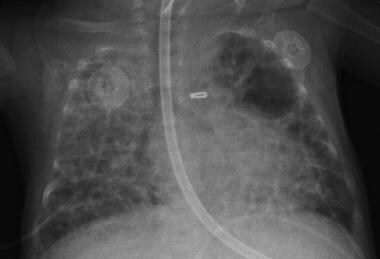
Chest radiography is helpful in determining the severity of BPD and in differentiating BPD from atelectasis, pneumonia, and air leak syndrome. Chest radiographs may demonstrate decreased lung volumes, areas of atelectasis and hyperinflation, pulmonary edema (PE), and pulmonary interstitial emphysema (PIE). Hyperinflation or interstitial abnormalities on chest radiograph appears to be correlated with the development of airway obstruction later in life.

Because the severity of BPD has changed so notably over the past 10 years, Weinstein  developed a scoring system to incorporate subtle radiographic signs that are often seen in infants with BPD. The utility of scoring systems such as this one remains to be demonstrated.

Most recently, CT and MRI studies of infants with BPD have provided detailed images of the lung. High-resolution CT may detect radiographic abnormalities not readily identified with routine chest radiography.

Other Tests

Genetic analysis may be useful.

Members of families with a strong history of atopy and asthma may be at increased risk for BPD and severe BPD. The histocompatability subtype locus anthocyanins 2 (A2) has been found in infants with BPD. A review of monozygotic preterm twins revealed concordance of BPD compared with dizygotic twins.

Polymorphisms in surfactant protein B are associated with BPD.

Variations in proinflammatory mediators, such as tumor necrosis factor-alpha, are associated with a heightened risk of BPD.

Future DNA array studies of patients in large multicenter trials may reveal genetic loci specific for abnormal alveolar, pulmonary vascular, and elastin development. Animal studies of the overexpression or underexpression of these genotypes could further elucidate the complex process of pulmonary development.

Histologic Findings

In 1996, Cherukupalli and colleagues analyzed morphologic and biochemical lung features of infants with BPD. Four distinct pathologic stages were identified: acute lung injury, exudative bronchiolitis, proliferative bronchiolitis, and obliterative fibroproliferative bronchiolitis.

At present, pathologic examination of extremely low-birth-weight infants dying from BPD reveal greatly reduced total numbers of alveoli and septa. This condition is commonly referred to as the new BPD. Infants with BPD today may have worsening airway obstruction after they are discharged from the NICU. Additional research is needed to improve our understanding of the complex interactions of prematurity and environmental influences on pulmonary development and the effects of postnatal treatments on improving neonatal morbidity and mortality.

In 2001, Bhatt and associates described the pulmonary pathology of the new BPD. They reported a striking arrest in pulmonary alveolar and vascular development different from that previously described. They also noted abnormalities in vascular endothelial growth factor  and other signaling molecules important for the migration and development of endothelial cells.


Medical Care

Mechanical ventilation

In most cases of BPD, RDS will have been diagnosed and treated. The mainstay for treating RDS has been surfactant replacement with oxygen supplementation, continuous positive airway pressure (CPAP), and mechanical ventilation. The treatment necessary to recruit alveoli and prevent atelectasis in the immature lung may cause lung injury and activate the inflammatory cascade.

Trauma secondary to PPV is generally referred to as barotrauma. With the recent focus on a ventilation strategy involving low versus high tidal volume, some investigators have adopted the term volutrauma. Volutrauma suggests the occurrence of lung injury secondary to excessive tidal volume from PPV.

The severity of lung immaturity, the fetal milieu, and the effects of surfactant deficiency determine the need for PPV, surfactant supplementation, and resultant barotrauma or volutrauma. With severe lung immaturity, the total number of alveoli is reduced, increasing the positive pressure transmitted to distal terminal bronchioles. In the presence of surfactant deficiency, surface tension forces are increased. Some compliant alveoli may become hyperinflated, while other saccules with increased surface tension remain collapsed. With increasing PPV to recruit alveoli and improve gas exchange, the compliant terminal bronchiole and alveolar ducts may rupture, leaking air into the interstitium, with resultant PIE. Ackerman et all well demonstrated the development of PIE in 1984. The occurrence of PIE greatly increases the risk of BPD.

Many modes of ventilation and many ventilator strategies have been studied to potentially reduce lung injury. In 1996, Bernstein et al compared synchronized intermittent mechanical ventilation with intermittent mechanical ventilation in preterm infants with RDS. Infants weighing <1000 g who received SIMV had less BPD than did other infants.

Other researchers used high-frequency jet ventilation (HFJV) or high-frequency oscillatory ventilation (HFOV) to prevent barotrauma or to rescue infants when conventional ventilation failed. Results have been mixed. Several investigators comparing primary HFOV or HFJV with conventional ventilation suggested that high-volume strategies that effectively recruit alveoli may prevent BPD.

In the Provo multicenter HFOV trial, surfactant was administered, and infants were randomly assigned to receive conventional ventilation or HFOV with a lung-recruitment strategy. Patients given HFOV had minimal BPD at the age of 30 days and needed less oxygen than the others did at discharge.

Keszler and colleagues (1997) compared HFJV with conventional ventilation in preterm infants with RDS who were treated with surfactant. Although the study was terminated early, BPD (ie, reduced oxygen requirement at 36 weeks' postmenstrual age) and the need for supplemental oxygen therapy at home decreased in infants treated with HFJV. No difference were observed in terms of severe neurologic injury (severe intraventricular hemorrhage or periventricular leukomalacia [PVL]).

Regardless of the high-frequency strategy used, avoidance of hypocarbia and optimization of alveolar recruitment may decrease the risk of BPD and associated of neurodevelopmental abnormalities.

PPV with various forms of nasal CPAP has been reported to decrease injury to the developing lung, and it may reduce the development of BPD. Van Marter and colleagues described BPD rates in different centers using various ventilatory strategies. Centers that used more CPAP and less intubation, surfactant, and indomethacin had the lowest rates of BPD.

Stevens et al (2004) reviewed early surfactant therapy and extubation to nasal CPAP. They noted a reduced need for ventilatory support with early surfactant replacement. However, the evidence was insufficient to definitively determine the effect of this technique on the incidence of BPD. The Surfactant Positive Airway Pressure and Pulse Oximetry Trial in Extremely Low Birth Weight Infants (SUPPORT) currently under way in the NICHD Neonatal Research Network may help in identifying the best practices to reduce BPD in this high-risk population.

Highlights of mechanical ventilation:

  • Oxygen and PPV frequently are life saving in extremely preterm infants. However, early and aggressive CPAP may eliminate the need for PPV and exogenous surfactant or facilitate weaning from PPV.
  • Some recommend brief periods of intubation primarily for the administration of exogenous surfactant quickly followed by extubation and nasal CPAP to minimize the need for prolonged PPV. In infants who require oxygen and PPV, careful and meticulous treatment can minimize oxygen toxicity and lung injury.
  • Optimal levels are a pH 7.20-7.40, a partial pressure of carbon dioxide (pCO2) of 45-65 mm Hg, and a partial pressure of oxygen (pO2) of 50-70 mm Hg (with oxygen saturation at 88-94%).
  • Assessment of blood gases requires arterial, venous, or capillary blood samples. As a result, indwelling arterial lines are often inserted early in the acute management of RDS. Samples obtained from these lines provide the most accurate information about pulmonary function. Arterial puncture may not provide completely accurate samples because of patient agitation and discomfort. Capillary blood gas results, if samples are properly obtained, may be correlated with arterial values; however, capillary samples may vary widely, and results for carbon dioxide are poorly correlated.
  • Weaning from mechanical ventilation and oxygen is often difficult in infants with moderate-to-severe BPD, and few criteria are defined to enhance the success of extubation. When tidal volumes are adequate and concentrations of inspired oxygen are low, a trial of extubation and nasal CPAP may be indicated. Atrophy and fatigue of the respiratory muscles may lead to atelectasis and extubation failure. A trial of endotracheal CPAP before extubation is controversial because of the increased work of breathing and airway resistance.
  • Optimization of methylxanthines and diuretics and adequate nutrition may facilitate weaning the infant from mechanical ventilation.
  • Meticulous primary nursing care is essential to ensure airway patency and facilitate extubation. Prolonged and repeated intubations, as well as mechanical ventilation, may be associated with severe upper airway abnormalities, such as vocal cord paralysis, subglottic stenosis, and laryngotracheomalacia.
  • Bronchoscopic evaluation should be considered in infants with BPD in whom extubation is repeatedly unsuccessful.
  • Surgical interventions (cricoid splitting, tracheostomy) to address severe structural abnormalities are used less frequently today than in the past.

Oxygen therapy

Oxygen can accept electrons in its outer ring to form free radicals. Oxygen free radicals can cause cell-membrane destruction, protein modification, and DNA abnormalities. Compared with fetuses, neonates live in a relatively oxygen-rich environment. Oxygen is ubiquitous and necessary for extrauterine survival. All mammals have antioxidant defenses to mitigate injury due to oxygen free radicals. However, neonates have a relative deficiency in antioxidant enzymes.

The major antioxidant enzymes in humans are superoxide dismutase, glutathione peroxidase, and catalase. Activity of antioxidant enzymes tend to increase during the last trimester of pregnancy, similar to surfactant production, alveolarization, and  development of the pulmonary vasculature. Increases in alveolar size and number, surfactant production, and antioxidant enzymes prepare the fetus for transition from a relatively hypoxic intrauterine environment to a relatively hyperoxic extrauterine environment. Preterm birth exposes the neonate to high oxygen concentrations, increasing the risk of injury due to oxygen free radical.

Animal and human studies of supplemental superoxide dismutase and catalase supplementation have shown reduced cell damage, increased survival, and possible prevention of lung injury. Evidence of oxidation of lipids and proteins has been found in neonates who develop BPD. In 2003, Davis and others reported that supplementation with superoxide dismutase in ventilated preterm infants with RDS substantially improved their clinical pulmonary status and markedly reduced in readmissions among patients compared with placebo-treated control subjects. Further trials are currently under way to examine the effects of supplementation with superoxide dismutase in preterm infants at high risk for BPD.

Ideal oxygen saturation for term or preterm neonates of various gestational ages has not been definitively determined. In practice, many clinicians have adopted conservative oxygen saturation parameters (ie, 88-92%). A delicate balance exists to optimally promote neonatal pulmonary (alveolar and vascular) and retinal vascular homeostasis. In the Supplemental Therapeutic Oxygen for Prethreshold Retinopathy of Prematurity (STOP-ROP) trial to reduce severe retinopathy of prematurity (ROP), oxygen saturations >95% minimally affected retinopathy but increased the risk for pneumonia or BPD.

Highlights of oxygen therapy:

  • The normal oxygen requirement of a preterm infant is unknown. Pulmonary hypertension and cor pulmonale may result from chronic hypoxia and lead to airway remodeling in infants with severe BPD. Oxygen is a potent pulmonary vasodilator that stimulates the production of nitric oxide (NO). NO causes smooth muscle cells to relax by activating cyclic guanosine monophosphate.
  • At present, pulse oximetry is the mainstay of noninvasive monitoring of oxygenation.
  • Repeated episodes of desaturation and hypoxia may occur in infants with BPD receiving mechanical ventilation as a result of decreased respiratory drive, altered pulmonary mechanics, excessive stimulation, and bronchospasm. Hyperoxia may overwhelm the neonate's relatively deficient antioxidant defenses and worsen BPD. The patient's oxygen requirements are frequently increased during stressful procedures and feedings. Some NICUs have adopted a conservative oxygen saturation policy of maintaining saturations of 88-94%. Caregivers are more likely to follow wide guidelines for ranges of oxygen saturation than narrow ones. Some infants, especially those living at high altitudes, may require oxygen therapy for many months.
  • Transfusion of packed RBCs may increase oxygen-carrying capacity in preterm infants who have anemia (hematocrit < 30% [0.30]), but transfusion may further increase complication rates. The ideal hemoglobin level in critically ill neonates is not well established. Hemoglobin levels are not well correlated with oxygen transport.
  • In 1988, Alverson and colleagues found that oxygen content and systemic oxygen transport increased and that oxygen consumption and requirements decreased in infants with BPD after blood transfusion.
  • The need for multiple transfusions and donor exposures can be minimized by using erythropoietin therapy, iron supplementation, and a reduction in phlebotomy requirements. Optimal dosing of erythropoietin is not established.

Treatment of Inflammation

Elevated levels of interleukin-6 and placental growth factor in the umbilical venous blood of preterm neonates are associated with increased incidence of BPD. This inflammation likely affects alveolarization and vascularization of the pulmonary system of the second-trimester fetus.

Fetal sheep exposed to inflammatory mediators or endotoxin develop inflammation and abnormal lung development. Activation of inflammatory mediators has been demonstrated in humans and animal models of acute lung injury. Activation of leukocytes after cell injury caused by oxygen free radicals, barotrauma, infection, and other stimuli may begin the process of destruction and abnormal lung repair that results in acute lung injury then BPD.

Radiolabeled activated leukocytes have been recovered by means of bronchoalveolar lavage (BAL) in preterm neonates receiving oxygen and PPV. These leukocytes, as well as lipid byproducts of cell-membrane destruction, activate the inflammatory cascade and are metabolized to arachidonic acid and lysoplatelet factor. Lipoxygenase catabolizes arachidonic acid, resulting in the production of cytokines and leukotrienes. Cyclooxygenase may also metabolize these byproducts to produce thromboxane, prostaglandin, or prostacyclin. All of these substances have potent vasoactive and inflammatory properties. levels of these substances are elevated in the first days of life, as measured in tracheal aspirates of preterm infants who subsequently develop BPD.

Metabolites of arachidonic acid, lysoplatelet factor, prostaglandin, and prostacyclin may cause vasodilatation, increase capillary permeability with subsequent albumin leakage, and inhibit surfactant function. This effects increase oxygenation and ventilation requirements and potentially increase rates of BPD. Activation of transcription factors such as nuclear factor-kappa B in early postnatal life is associated with death or BPD.

Collagenase and elastase are released from activated neutrophils. These enzymes may directly destroy lung tissue because hydroxyproline and elastin (breakdown products of collagen and elastin) have been recovered in the urine of preterm infants who develop BPD.

Alpha1-proteinase inhibitor mitigates the action of elastases and is activated by oxygen free radicals. Increased activity and decreased function of alpha1-proteinase inhibitor may worsen lung injury in neonates. A decrease in BPD and in the need for continued ventilator support is found in neonates given supplemental alpha1-proteinase inhibitor.

All of these findings suggest the fetal inflammatory response effects pulmonary development and substantially contributes to the development of BPD. The self-perpetuating cycle of lung injury is accentuated in the extremely preterm neonate with immature lungs.

Management of infection

Maternal cervical colonization and/or colonization in the neonate with Ureaplasma urealyticum has been implicated in the development of BPD. Viscardi and colleagues found that persistent lung infection with U urealyticum may contribute to chronic inflammation and early fibrosis in the preterm lung, leading to pathology consistent with clinically significant BPD.

Schelonka and colleagues (2005) summarized findings from 23 studies of U urealyticum and concluded that infection with this organism is associated with increased rates of BPD. Infection—either antenatal chorioamnionitis and funisitis or postnatal infection—may activate the inflammatory cascade and damage the preterm lung, resulting in BPD. In fact, any clinically significant episode of sepsis in the vulnerable preterm neonate greatly increases his or her risk of BPD, especially if the infection increases the baby's requirement for oxygen and mechanical ventilation.

Future management

Future management of BPD will involve strategies that emphasize prevention. Because few accepted therapies currently prevent BPD, many therapeutic modalities (eg, mechanical ventilation, oxygen therapy, nutritional support, medication) are used to treat BPD. Practicing neonatologists have observed reduced severities of BPD in the postsurfactant era. Maintaining PPV and oxygen therapy for longer than 4 months and discharging patients to facilities for prolonged mechanical ventilation is now unusual.

Consultations

Infants with BPD have multisystem involvement. Therefore, various pediatric subspecialists should be consulted: cardiologist, pulmonologist, gastroenterologist, developmental pediatrician, ophthalmologist, neurologist, physical therapist, abd nutritionist.

Pharmacists who have specialized in pediatrics and neonatal care are invaluable in guiding therapy and providing in-patient and outpatient support for these fragile infants. They may also assist the pediatrician with the ongoing care of after patients are discharged from the hospital.

Diet

Infants with BPD have increased energy requirements. Early parenteral nutrition is often used to ameliorate the catabolic state of the preterm infant, though excessive fluid administration (and failure to lose weight) in the first week of life may increase the risk for PDA and BPD. Maximizing the patient's intake of protein, carbohydrates, fat, vitamins, and trace metals is critical to prevent further lung injury and augment tissue repair. However, excessive administration of non-nitrogen calories should be avoided because this may lead to excessive formation of carbon dioxide and complicate weaning.

Animal studies of nutritionally deprived newborn rats revealed decreased lung weights. Antioxidant enzymes may protect the lung and help prevent or mitigate BPD. In preterm neonates, deficiency of trace element such as copper, zinc, and manganese may predispose them to lung injury, and supplementation may provide protection.

Vitamins A and E are nutritional antioxidants that may help prevent lipid peroxidation and maintain cell integrity. However, supplementation of vitamin E in preterm neonates does not prevent BPD. Preterm neonates may be deficient in vitamin A, and many trials of vitamin A supplementation to prevent BPD in preterm infants have been completed. Data from meta-analyses reported in a Cochrane Database review of vitamin A supplementation suggest that vitamin A supplementation reduces the risk of BPD in neonates born prematurely, though frequent intramuscular injections preclude administration to most extremely premature infants who could potentially benefit.

Extremely preterm infants may require large amounts of free water because of increased insensible water loss through their thin, immature skin. Excessive administration of fluid increases the risk of symptomatic patent ductus arteriosis (PDA) and PE. The increased ventilator settings and oxygen requirements necessary to treat PDA and PE may worsen pulmonary injury and increase the risk of BPD. Early PDA treatment may improve pulmonary function, but it does not affect the incidence of BPD.  A retrospective study by Oh et al (2005) revealed that lowered fluid intake soon after birth helped reduce the risk of death and oxygen requirement at 36 weeks' corrected gestational age.

Highlights of nutritional support:

  • Protein and fat supplementation is progressively increased to provide approximately 3-3.5 g/kg/day. Rapid and early administration of high concentrations of lipids may worsen BPD by depleting pulmonary vascular lipid.
  • Excessive glucose loads may increase oxygen consumption, the respiratory drive, and glucosuria.
  • Calcium and phosphorus requirements are greatly increased in preterm infants. Most mineral stores in the fetus are collected during the third trimester, leaving the extremely preterm infant deficient in calcium and phosphorus and at increased risk of rickets.
  • Furosemide therapy and limited intravenous administration of calcium may worsen bone mineralization and cause secondary hyperparathyroidism.
  • Vitamin A supplementation may improve lung repair and decrease the incidence of BPD.
  • Supplementation of trace minerals (eg, copper, zinc, manganese) are needed because they are essential cofactors in antioxidant enzymes.
  • Early insertion of percutaneous central venous lines may aid the administration of parenteral nutrition.
  • Early enteral feeding of small amounts (even if umbilical lines are in place) followed by slow, steady increases in volume appears to optimize tolerance of feeds and nutritional support. The most immature and unstable preterm infant often has a difficult transition to complete enteral nutrition. Frequent interruption of feedings because of intolerance or illness can complicate the care of patients.
  • Enteral feedings of breast milk provides the best nutrition while preventing feeding complications (eg, sepsis, necrotizing enterocolitis). The energy content of expressed breast milk and formulas can be enhanced to increase energy intake while minimizing fluid intake. Infants may require 120-150 kcal/kg/day to gain weight.
  • Diuretics may often be used to prevent or treat fluid overload.
  • Postnatal growth failure is common and may have considerable effects on long-term developmental outcomes. Strategies to optimize postnatal weight gain are important to improve pulmonary, retinal, and neurologic development.


Many drug therapies are used to treat infants with severe BPD. The efficacy, exact mechanisms of action, and potential adverse effects of these drugs have not been definitively established.  A study group from the NICHD and U.S. Food and Drug Administration (FDA) reviewed many of the drugs used to prevent and treat BPD. Walsh and colleagues (2006) concluded that detailed analyses of many of these treatments, as well as long-term follow-up, are needed.

Vitamin A supplementation

Seven trials of vitamin A supplementation in preterm neonates to prevent BPD were analyzed for the Cochrane Collaborative Neonatal review. Vitamin A supplementation reduced BPD and death at 36 weeks postmenstrual age. However, the need for frequent intramuscular injections in extremely premature infants has precluded widespread use of this therapy.

Diuretics

Furosemide (Lasix) is the treatment of choice for fluid overload in infants with BPD. It is a loop diuretic that improves clinical pulmonary status and function and decreases pulmonary vascular resistance. Daily or alternate-day furosemide therapy may facilitate weaning from PPV, oxygenation, or both. Adverse effects of long-term therapy are frequent and include hyponatremia, hypokalemia, contraction alkalosis, hypocalcemia, hypercalciuria, renal stones, nephrocalcinosis, and ototoxicity. Careful parenteral and enteral nutritional supplementation is required to maximize the benefits instead of exacerbating the adverse effects. In patients with mild hyponatremia or hypokalemia, supplementation with potassium chloride is favored over supplementation with sodium chloride.

Thiazide diuretics plus aldosterone inhibitors (eg, spironolactone [Aldactone]) have also been used in infants with BPD. In several trials of infants with BPD, thiazide diuretics combined with spironolactone increased urine output with or without improvement in pulmonary mechanics. In 2000, Hoffman et al reported that spironolactone did not reduce the need for supplemental electrolytes in preterm infants with BPD. To the present authors' knowledge, long-term studies to compare the efficacy of furosemide with those of thiazide and spironolactone therapy have not been performed.

Bronchodilators

Albuterol is a specific beta2-agonist used to treat bronchospasm in infants with BPD. Albuterol may improve lung compliance by decreasing airway resistance by relaxing smooth muscle cell. Changes in pulmonary mechanics may last as long as 4-6 hours. Adverse effects include increased BP and heart rate. Ipratropium bromide is a muscarinic antagonist that is related to atropine; however, it may have bronchodilator effects more potent than those of albuterol. Improvements in pulmonary mechanics were demonstrated in patients with BPD after they received ipratropium bromide by inhalation. Combined therapy with albuterol and ipratropium bromide may be more effective than either agent alone. Few adverse effects are noted.

Methylxanthines are used to increase respiratory drive, decrease apnea, and improve diaphragmatic contractility. These substances may also decrease pulmonary vascular resistance and increase lung compliance in infants with BPD, probably by directly causing smooth muscle to relax. Methylxanthines also have diuretic effects. All of these effects may increase success in weaning patients from mechanical ventilation.

Synergy between theophylline and diuretics has been demonstrated. Theophylline has a half-life of 30-40 hours. It is metabolized primarily to caffeine in the liver, and it may result in adverse effects such as increase in heart rate, gastroesophageal reflux, agitation, and seizures. The half-life of caffeine is approximately 90-100 hours, and caffeine is excreted unchanged in the urine. Both agents are available in intravenous and enteral formulations. Caffeine has fewer adverse effects than theophylline. Schmidt and colleagues (2006) reported that the early use of caffeine to treat apnea of prematurity appeared to reduce ventilatory requirements and that it may decrease the incidence of BPD.

Corticosteroids

Systemic and inhaled corticosteroids have been studied extensively in preterm infants to prevent and treat BPD.

Dexamethasone is the primary systemic synthetic corticosteroid studied in preterm neonates. Dexamethasone has many pharmacologic benefits but clinically significant adverse effects. This drug stabilizes cell and lysosomal membranes, increases surfactant synthesis, increases serum vitamin A concentration, inhibits prostaglandin and leukotriene, decreases PE, breaks down granulocyte aggregates, and improves pulmonary microcirculation. Its adverse effects are hyperglycemia, hypertension, weight loss, GI bleeding or perforation, cerebral palsy, adrenal suppression, and death. 

Many researchers have evaluated the effects of early administration of dexamethasone to prevent BPD, often demonstrating short-term improvements in clinical outcome. However, in 1998 Papile and associates reported that early use of dexamethasone during the first 2 weeks of life did not prevent BPD and may worsen neurologic outcome. Infants who received a combination of dexamethasone and indomethacin were at increased risk of spontaneous intestinal perforation. Neurodevelopmental follow-up studies of infants treated with prolonged and high-dose dexamethasone suggest that, though this therapy improves short-term pulmonary outcome, long-term outcome appears to considerably worsen. Recent studies, including a Cochrane review, have demonstrated that low-dose, short-term therapy improved pulmonary and neurodevelopmental outcomes.

Studies of inhaled glucocorticoid therapy have suggested that the only beneficial effect was a reduction in the use of systemic corticosteroids in infants receiving inhaled steroids. However, concerns about systemic absorption (hypertension), associated complications, drug delivery, and current restrictions on systemic dexamethasone use may eliminate the need for this therapeutic approach. The routine use of dexamethasone in infants with BPD is not currently recommended. The American Academy of Pediatrics and the Canadian Society of Pediatrics do not advocate the routine use of corticosteroids in preterm neonates to treat BPD. Despite these recommendations, dexamethasone is still used in carefully selected patients who have substantially increased ventilatory requirements at about 1 month of age.

Vasodilators

Inhaled NO (iNO) is a short-acting gas that relaxes the pulmonary vasculature. It may also act as an anti-inflammatory agent at low concentrations. RBCs rapidly metabolize NO, minimizing systemic hypotension. Prolonged use of high concentrations of iNO and hyperoxia may be associated with increased oxidant injury.

In 1999, Banks and colleagues studied the effect of iNO in 16 preterm infants with severe BPD. In 11 infants, oxygenation improved after 1 hour of inhalation, an effect that persisted in some. Data from controlled trials performed by Kinsella and colleagues (2006) and Ballard and associates (2006) suggested that early, low-dose iNO may be beneficial and that it prevent clinically significant lung injury in select high-risk infants.

Drug Category: Diuretics

Diuretics promote excretion of water and electrolytes by the kidneys. They are used to treat heart failure or hepatic, renal, or pulmonary disease when sodium and water retention results in edema or ascites.

Drug NameFurosemide (Lasix)
DescriptionDOC for fluid overload in infants with BPD. Loop diuretic. Therapy qd or qod improves respiratory function and may facilitate weaning from PPV, oxygen, or both. Increases excretion of water by interfering with chloride-binding cotransport system, which in turn inhibits sodium and chloride reabsorption in ascending loop of Henle and distal renal tubule.
Adult DoseIndication not applicable
Pediatric Dose0.5-2 mg/kg/dose PO/IV bid-qod (qd in infants <31 wk postconceptual age)
ContraindicationsDocumented hypersensitivity; hepatic coma; anuria; state of severe electrolyte depletion
InteractionsAntagonizes muscle-relaxing effect of tubocurarine; auditory toxicity appears to increase with coadministration of aminoglycosides; may enhance anticoagulant activity of warfarin when taken concurrently
PregnancyC - Safety for use during pregnancy has not been established.
PrecautionsHearing loss of various degrees may occur; observe for hyponatremia, hypokalemia, contraction alkalosis, hypocalcemia, hypercalciuria, cholelithiasis, renal stones, nephrocalcinosis, and ototoxicity; potassium chloride supplementation favored over sodium chloride supplementation in mild hyponatremia or hypokalemia

Drug Category: Bronchodilators

Bronchodilators decrease muscle tone in both the small and large airways in the lungs, increasing ventilation. This category includes beta-adrenergic agents, methylxanthines, and anticholinergics.

Drug NameAlbuterol (Proventil, Ventolin)
DescriptionSpecific beta2-agonist used to treat bronchospasm in infants with BPD. May improve lung compliance by decreasing airway resistance secondary to smooth muscle cell relaxation. With current strategies for aerosol administration, exactly how much is delivered to airways and lungs of infants with BPD (especially if ventilator dependent) is unclear. Because clinically significant smooth muscle relaxation does not appear to occur in first few weeks of life, do not start aerosol therapy before this time unless patient has profound respiratory illness.
Adult DoseIndication not applicable
Pediatric Dose0.1-0.2 mg (0.02-0.04 mL of 0.5% solution diluted with 1-2 mL 0.45-0.9% NaCl) per kg/dose inhaled by nebulizer q4-6h
ContraindicationsDocumented hypersensitivity
InteractionsBeta-blockers antagonize effects; inhaled ipratropium may increase duration of bronchodilatation; cardiovascular effects may increase with MAOIs, inhaled anesthetics, tricyclic antidepressants, or sympathomimetic agents
PregnancyC - Safety for use during pregnancy has not been established.
PrecautionsMay cause tachycardia or reflex bronchospasm; changes in pulmonary mechanics may last as long as 4-6 h; adverse effects include increased BP and heart rate; tolerance may develop with prolonged use

Drug NameCaffeine citrate (Cafcit)
DescriptionCNS stimulant used to treat infants with apnea of prematurity and infants with BPD. Caffeine may facilitate weaning from ventilator.
Adult DoseIndication not applicable
Pediatric DoseLoading dose: 20 mg/kg PO/IV
Maintenance dose: 5 mg/kg/d PO/IV
ContraindicationsDocumented hypersensitivity
InteractionsCaution with cardiovascular, renal, or hepatic dysfunction; may act synergistically with diuretics; additive positive inotropic and chronotropic effects with beta-agonists; cimetidine and fluconazole decrease clearance
PregnancyC - Safety for use during pregnancy has not been established.
PrecautionsCaution in cardiovascular, renal, or hepatic dysfunction; monitor levels at least weekly; long half-life of 100 h; therapeutic levels 10-20 mcg/mL; very high levels may alter seizure threshold; may worsen gastroesophageal reflux

Drug NameTheophylline (Elixophyllin, Theo-Dur)
DescriptionSystemic bronchodilator. Used to treat apnea of prematurity. May improve contractility of skeletal muscle and decrease diaphragmatic fatigue in infants with BPD. May facilitate weaning infant with BPD from continuous mechanical ventilation.
Monitor serum levels and adjust on basis of infant's response; therapeutic levels approximately 5-12 mcg/mL. IV dose based on theophylline equivalent.
Adult DoseIndication not applicable
Pediatric DoseLoading dose: 3-5 mg/kg PO/IV
Maintenance dose: 1-3 mg/kg/d PO/IV divided q8-12h
ContraindicationsDocumented hypersensitivity; uncontrolled arrhythmias; hyperthyroidism; uncontrolled seizure disorders
InteractionsDrugs that induce or inhibit hepatic cytochrome P450 (CYP) may affect levels; aminoglutethimide, barbiturates, carbamazepine, ketoconazole, loop diuretics, charcoal, hydantoins, phenobarbital, phenytoin, rifampin, isoniazid, and sympathomimetics may decrease effects; effects may increase with allopurinol, beta-blockers, corticosteroids, thyroid hormones, ephedrine, carbamazepine, cimetidine, erythromycin, macrolides, propranolol, and interferon
PregnancyC - Safety for use during pregnancy has not been established.
PrecautionsCaution in hypertension, tachyarrhythmias, hyperthyroidism, or compromised cardiac function; do not inject IV solution faster than 25 mg/min; patients with PE or liver dysfunction are at increased risk of toxicity because of reduced drug clearance; may worsen gastroesophageal reflux; may lower seizure threshold at high levels

Drug NameIpratropium bromide (Atrovent)
DescriptionMuscarinic antagonist with potent bronchodilating effects. May improve pulmonary mechanics in infants with BPD. Inhaled drug poorly absorbed systemically.
Adult DoseIndication not applicable
Pediatric Dose0.025-0.08 mg/kg inhaled by nebulizer q6h (dilute in 1.5-2 mL 0.9% NaCl)
ContraindicationsDocumented hypersensitivity
InteractionsDrugs with anticholinergic properties (eg, dronabinol) may increase toxicity; albuterol increases effects
PregnancyC - Safety for use during pregnancy has not been established.
PrecautionsNot indicated for acute episodes of bronchospasm; caution in narrow-angle glaucoma, prostatic hypertrophy, and bladder neck obstruction

Drug Category: Corticosteroids

Corticosteroids are produced by the adrenal gland. Mineralocorticoids are produced in the adrenal medulla and primarily affect fluid and electrolyte balance. Glucocorticoids possess strong anti-inflammatory properties and affect the metabolism of many tissues.

Drug NameDexamethasone (Decadron)
DescriptionStabilizes cell and lysosomal membranes, increases surfactant synthesis, increases serum vitamin A concentration, inhibits prostaglandin and leukotriene, breaks down granulocyte aggregates, and improves pulmonary microcirculation. Has many pharmacologic benefits but clinically significant adverse effects: hyperglycemia, hypertension, weight loss, GI bleeding or perforation, cerebral palsy, adrenal suppression, and death.
Adult DoseIndication not applicable
Pediatric Dose0.15-0.25 mg/kg/d PO/IV divided bid; wean over 5-7 d; safe and effective dose ranges for neonates not definitively established.
ContraindicationsDocumented hypersensitivity; active bacterial or fungal infection
InteractionsCoadministration of barbiturates, phenytoin, and rifampin decrease effects; decreases effect of salicylates and vaccines used for immunization
PregnancyC - Safety for use during pregnancy has not been established.
PrecautionsRoutine use in infants with BPD not recommended unless severe pulmonary disease present because of possible detrimental long-term effects on neurologic outcome and increased risk of multiple complications, including severe infections; monitor adrenal insufficiency when tapering; abrupt discontinuation of glucocorticoids may cause adrenal crisis; hyperglycemia, edema, osteoporosis, osteonecrosis, myopathy, peptic ulcer disease, hypokalemia, myasthenia gravis, growth suppression, and infections are possible complications of glucocorticoid use

Drug Category: Vitamin

Preterm infants are deficient in vitamin A.

Drug NameVitamin A (Palmitate-A 5000)
DescriptionIntramuscular vitamin A supplementation reduces incidence of BPD. Firm dosing guidelines not established.
Adult DoseIndication not applicable
Pediatric Dose5000 IU IM 3 times per wk for 4 wk
ContraindicationsNormal vitamin A levels
InteractionsCholestyramine, neomycin, and mineral oil may decrease absorption
PregnancyA - Safe in pregnancy
PrecautionsPregnancy category X if dose exceeds RDA recommendation; monitor for toxicity if dose >25,000 U/d; parenteral vitamin A in low birth low-birth-weight infants may be associated with thrombocytopenia, renal dysfunction, hepatomegaly, cholestasis, ascites, hypotension, and metabolic acidosis (E-Ferol syndrome)


Further Outpatient Care

  • Infection

    • Infants with BPD are frequently susceptibility to respiratory infections in the first 2 years of life.
    • In infants with BPD, infection with a respiratory syncytial virus (RSV) may cause severe illness and even death.
    • Monthly injections of RSV antibody may prevent or reduce the risk of rehospitalization in infants with BPD and may mitigate the severity of illness.
    • The American Academy of Pediatrics (AAP) has issued a policy statement about the use of RSV antibody injections during RSV season (November to March) in preterm infants discharged from the NICU.
  • Growth and development

    • Poor growth and delayed development are frequently observed in infants with BPD, especially those with markedly abnormal pulmonary function. In addition, many infants may have worsening pulmonary function with liberalization of fluid intake and repeated pulmonary infections. Use of diuretics, high-energy formulas, and breast-milk additives are the mainstays of treatment in and out of the hospital.
    • Vohr and associates found no difference in full-scale intelligent quotients (IQs) between infants with BPD and control preterm infants.
    • Schmidt et al (2006) found that infants with BPD are at high risk for abnormal neurodevelopmental sequelae. 
    • Members of the NICHD reviewed Neurodevelopmental outcome of extremely low-birth-weight infants at 18-22 months' postconceptual age. Abnormal growth occurred in 50-60% of infants with BPD. The risk of neurodevelopmental impairment, cerebral palsy, and low IQ more than doubled in infants with severe BPD compared with infants with mild BPD.

Deterrence/Prevention

  • The multifactorial etiology of BPD compounds its prevention.
  • Prenatal steroid therapy and postnatal surfactant has improved survival and mitigated the severity of BPD. Prevention of preterm birth and chorioamnionitis should reduce the incidence of BPD.
  • Meticulous attention to optimal oxygenation, ventilation (early extubation, increased use of CPAP), and fluid management may decrease the incidence and severity of BPD. New therapies, such as iNO and/or recombinant human antioxidants, may also improve short and long-term outcomes.
  • Maximizing nutritional support, careful monitoring of fluid intake, and judicious use of diuretics promote lung healing.
  • Evidence regarding the use of high-frequency ventilation to prevent BPD is inconclusive.

Complications

Postnatal infection and/or sepsis, PVL, severe intraventricular hemorrhage, ventriculomegaly, hearing impairment, and severe retinopathy of prematurity are all important confounding variables that can greatly affect an infant's outcome.

Prognosis

  • Most neonates with BPD ultimately survive.
  • As infants, patients are at increased risk for repeated and serious pulmonary infections (eg, RSV), asthma, cardiac dysfunction, and neurologic impairments.
  • Infants with severe BPD remain at high risk for pulmonary morbidity and mortality during the first 2 years of life.
  • Rehospitalization for impaired pulmonary function is most common during the first 2 years of life.
  • Hakulinen and associates (1990) found a gradual decrease in symptom frequency among children aged 6-9 years compared with infants aged 0-2 years.
  • In children and adults with a history of BPD, high-resolution chest CT reveals lung abnormalities that are directly correlated with the degree of pulmonary dysfunction.
  • The infant with severe BPD is at high risk for long-term pulmonary and neurologic sequelae.
  • Persistent right ventricular hypertrophy or fixed pulmonary hypertension unresponsive to oxygen supplementation is associated with a poor prognosis.
  • Northway (1992) followed up pediatric patients with BPD to adulthood and reported that patients had airway hyperreactivity, abnormal pulmonary function, and hyperinflation, as noted on chest radiography.
  • Bader et al (1987) and Blayney et al (1991) found persistence of respiratory symptoms and abnormal pulmonary function in children aged 7 and 10 years.


Medical/Legal Pitfalls

  • Associated confounding problems in infants with BPD can be severe, and delayed diagnosis can be catastrophic. For example, if an infant with BPD and superimposed sepsis is treated with systemic corticosteroids, the infant may have serious complications or death. When steroids (hydrocortisone, dexamethasone) are administered with indomethacin, the risk of spontaneous intestinal perforation is significantly increased.
  • Careful discussions between parents and caregivers should be undertaken before corticosteroids are given to high-risk infants.


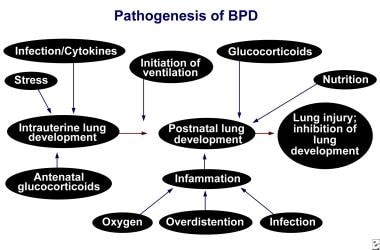
Media file 1:  Prenatal Influences on the development of bronchopulmonary dysplasia (BPD).
Click to see larger pictureClick to see detailView Full Size Image
Media type:  Image

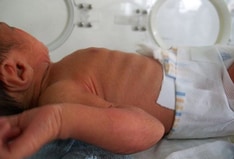
Media file 2:  Bronchopulmonary dysplasia (BPD).
Click to see larger pictureClick to see detailView Full Size Image
Media type:  Image


  • AAP. Prevention of respiratory syncytial virus infections: indications for the use of palivizumab and update on the use of RSV-IGIV. American Academy of Pediatrics Committee on Infectious Diseases and Committee of Fetus and Newborn. Pediatrics. Nov 1998;102(5):1211-6. [Medline].
  • AAP. Revised indications for the use of palivizumab and respiratory syncytial virus immune globulin intravenous for the prevention of respiratory syncytial virus infections. Pediatrics. Dec 2003;112(6 Pt 1):1442-6. [Medline].
  • Abman SH. Bronchopulmonary dysplasia: "a vascular hypothesis". Am J Respir Crit Care Med. Nov 15 2001;164(10 Pt 1):1755-6. [Medline].
  • Abman SH, Wolfe RR, Accurso FJ, et al. Pulmonary vascular response to oxygen in infants with severe bronchopulmonary dysplasia. Pediatrics. Jan 1985;75(1):80-4. [Medline].
  • Ackerman NB Jr, Coalson JJ, Kuehl TJ, et al. Pulmonary interstitial emphysema in the premature baboon with hyaline membrane disease. Crit Care Med. Jun 1984;12(6):512-6. [Medline].
  • Aliakbar S, Brown PR, Bidwell D, Nicolaides KH. Human erythrocyte superoxide dismutase in adults, neonates, and normal, hypoxaemic, anaemic, and chromosomally abnormal fetuses. Clin Biochem. Apr 1993;26(2):109-15. [Medline].
  • Alverson DC, Isken VH, Cohen RS. Effect of booster blood transfusions on oxygen utilization in infants with bronchopulmonary dysplasia. J Pediatr. Oct 1988;113(4):722-6. [Medline].
  • Ambalavanan N, Tyson JE, Kennedy KA, et al. Vitamin A supplementation for extremely low birth weight infants: outcome at 18 to 22 months. Pediatrics. Mar 2005;115(3):e249-54. [Medline].
  • Aquino SL, Schechter MS, Chiles C, et al. High-resolution inspiratory and expiratory CT in older children and adults with bronchopulmonary dysplasia. AJR Am J Roentgenol. Oct 1999;173(4):963-7. [Medline].

  • Aranda JV, Turmen T. Methylxanthines in apnea of prematurity. Clin Perinatol. Mar 1979;6(1):87-108. [Medline].
  • Athavale K, Claure N, D'Ugard C, et al. Acute effects of inhaled nitric oxide on pulmonary and cardiac function in preterm infants with evolving bronchopulmonary dysplasia. J Perinatol. 24(12):769-74. [Medline].
  • Bader D, Ramos AD, Lew CD, et al. Childhood sequelae of infant lung disease: exercise and pulmonary function abnormalities after bronchopulmonary dysplasia. J Pediatr. May 1987;110(5):693-9. [Medline].
  • Bagchi A, Viscardi RM, Taciak V, et al. Increased activity of interleukin-6 but not tumor necrosis factor-alpha in lung lavage of premature infants is associated with the development of bronchopulmonary dysplasia. Pediatr Res. Aug 1994;36(2):244-52. [Medline].
  • Ballard RA, Truog WE, Cnaan A, et al. Inhaled nitric oxide in preterm infants undergoing mechanical ventilation. N Engl J Med. 355(4):343-53. [Medline].
  • Bancalari E, Abdenour GE, Feller R, Gannon J. Bronchopulmonary dysplasia: clinical presentation. J Pediatr. Nov 1979;95(5 Pt 2):819-23. [Medline].
  • Bancalari E, Sosenko I. Pathogenesis and prevention of neonatal chronic lung disease: recent developments. Pediatr Pulmonol. 1990;8(2):109-16. [Medline].
  • Banks BA, Seri I, Ischiropoulos H, et al. Changes in oxygenation with inhaled nitric oxide in severe bronchopulmonary dysplasia. Pediatrics. Mar 1999;103(3):610-8. [Medline].
  • Barth H. Comments on the paper by P. Jurgens, D. Dolif and G Fondalinski: "Comparative nutritional studies using 4 L-amino-acid solutions in 25 adults with healthy metabolism under conditions of total parenteral feeding (Infusionstherapie 5:141-54, 1978) [in German]. Infusionsther Klin Ernahr. 5(5):306-7. [Medline].
  • Batsakis JG, Aronsohn RS, Walker WA, Barnes B. Serum albumin. A CAP survey. Am J Clin Pathol. Jul 1976;66(1):238-43. [Medline].
  • Berman W Jr, Yabek SM, Dillon T, et al. Evaluation of infants with bronchopulmonary dysplasia using cardiac catheterization. Pediatrics. Nov 1982;70(5):708-12. [Medline].
  • Bernstein G, Mannino FL, Heldt GP, et al. Randomized multicenter trial comparing synchronized and conventional intermittent mandatory ventilation in neonates. J Pediatr. Apr 1996;128(4):453-63. [Medline].
  • Bhandari V, Bizzarro MJ, Shetty A, et al. Familial and genetic susceptibility to major neonatal morbidities in preterm twins. Pediatrics. 117(6):1901-6. [Medline].
  • Bhatt AJ, Pryhuber GS, Huyck H, et al. Disrupted pulmonary vasculature and decreased vascular endothelial growth factor, Flt-1, and TIE-2 in human infants dying with bronchopulmonary dysplasia. Am J Respir Crit Care Med. 164(10 Pt 1):1971-80. [Medline].
  • Bland RD, McMillan DD, Bressack MA. Decreased pulmonary transvascular fluid filtration in awake newborn lambs after intravenous furosemide. J Clin Invest. Sep 1978;62(3):601-9. [Medline].
  • Blayney M, Kerem E, Whyte H, O'Brodovich H. Bronchopulmonary dysplasia: improvement in lung function between 7 and 10 years of age. J Pediatr. Feb 1991;118(2):201-6. [Medline].
  • Bose C, Corbet A, Bose G, et al. Improved outcome at 28 days of age for very low birth weight infants treated with a single dose of a synthetic surfactant. J Pediatr. Dec 1990;117(6):947-53. [Medline].
  • Bourbia A, Cruz MA, Rozycki HJ. NF-kappaB in tracheal lavage fluid from intubated premature infants: association with inflammation, oxygen, and outcome. Arch Dis Child Fetal Neonatal Ed. Jan 2006;91(1):F36-9. [Medline].
  • Bourbon J, Boucherat O, Chailley-Heu B, Delacourt C. Control mechanisms of lung alveolar development and their disorders in bronchopulmonary dysplasia. Pediatr Res. 57(5 Pt 2):38R-46R. [Medline].
  • Brayer C, Bony C, Salles M, et al. Bronchopulmonary dysplasia and cytomegalovirus pneumonia [in French]. Arch Pediatr. Mar 2004;11(3):223-5. [Medline].
  • Bruce MC, Wedig KE, Jentoft N, et al. Altered urinary excretion of elastin cross-links in premature infants who develop bronchopulmonary dysplasia. Am Rev Respir Dis. Apr 1985;131(4):568-72. [Medline].
  • Brundage KL, Mohsini KG, Froese AB, Fisher JT. Bronchodilator response to ipratropium bromide in infants with bronchopulmonary dysplasia. Am Rev Respir Dis. Nov 1990;142(5):1137-42. [Medline].
  • Cassell GH, Waites KB, Crouse DT, et al. Association of Ureaplasma urealyticum infection of the lower respiratory tract with chronic lung disease and death in very-low-birth-weight infants. Lancet. Jul 30 1988;2(8605):240-5. [Medline].
  • Cherukupalli K, Larson JE, Rotschild A, Thurlbeck WM. Biochemical, clinical, and morphologic studies on lungs of infants with bronchopulmonary dysplasia. Pediatr Pulmonol. Oct 1996;22(4):215-29. [Medline].
  • Clark DA, Pincus LG, Oliphant M, et al. HLA-A2 and chronic lung disease in neonates. JAMA. Oct 15 1982;248(15):1868-9. [Medline].
  • Cole CH, Colton T, Shah BL, et al. Early inhaled glucocorticoid therapy to prevent bronchopulmonary dysplasia. N Engl J Med. Apr 1 1999;340(13):1005-10. [Medline].
  • Committee on Fetus and Newborn. Postnatal corticosteroids to treat or prevent chronic lung disease in preterm infants. Pediatrics. Feb 2002;109(2):330-8. [Medline].
  • Couroucli XI, Welty SE, Ramsay PL, et al. Detection of microorganisms in the tracheal aspirates of preterm infants by polymerase chain reaction: association of adenovirus infection with bronchopulmonary dysplasia. Pediatr Res. Feb 2000;47(2):225-32. [Medline].
  • Courtney SE, Weber KR, Breakie LA, et al. Capillary blood gases in the neonate. A reassessment and review of the literature. Am J Dis Child. Feb 1990;144(2):168-72. [Medline].
  • Cummings JJ, D'Eugenio DB, Gross SJ. A controlled trial of dexamethasone in preterm infants at high risk for bronchopulmonary dysplasia. N Engl J Med. Jun 8 1989;320(23):1505-10. [Medline].
  • Darlow BA, Graham PJ. Vitamin A supplementation for preventing morbidity and mortality in very low birthweight infants. Cochrane Database Syst Rev. 2002;CD000501. [Medline].
  • Darlow BA, Inder TE, Graham PJ, et al. The relationship of selenium status to respiratory outcome in the very low birth weight infant. Pediatrics. Aug 1995;96(2 Pt 1):314-9. [Medline].
  • Davis JM, Bhutani VK, Stefano JL, et al. Changes in pulmonary mechanics following caffeine administration in infants with bronchopulmonary dysplasia. Pediatr Pulmonol. 1989;6(1):49-52. [Medline].
  • Davis JM, Richter SE, Biswas S, et al. Long-term follow-up of premature infants treated with prophylactic, intratracheal recombinant human CuZn superoxide dismutase. J Perinatol. Jun 2000;20(4):213-6. [Medline].
  • Davis JM, Richter SE, Kendig JW, Notter RH. High-frequency jet ventilation and surfactant treatment of newborns with severe respiratory failure. Pediatr Pulmonol. Jun 1992;13(2):108-12. [Medline].
  • Davis JM, Sinkin RA, Aranda JV. Drug therapy for bronchopulmonary dysplasia. Pediatr Pulmonol. 1990;8(2):117-25. [Medline].
  • Dimaguila MA, Di Fiore JM, Martin RJ, Miller MJ. Characteristics of hypoxemic episodes in very low birth weight infants on ventilatory support. J Pediatr. Apr 1997;130(4):577-83. [Medline].
  • Edwards DK. Radiographic aspects of bronchopulmonary dysplasia. J Pediatr. Nov 1979;95(5 Pt 2):823-9. [Medline].
  • Ehrenkranz RA, Dusick AM, Vohr BR, et al. Growth in the neonatal intensive care unit influences neurodevelopmental a