Continually Updated Clinical Reference
 
 
  All Sources     eMedicine     Medscape     Drug Reference     MEDLINE
 
eMedicine - Zollinger-Ellison Syndrome : Article by

Quick Find
Authors & Editors
Introduction
Clinical
Differentials
Workup
Treatment
Medication
Follow-up
Miscellaneous
Multimedia
References

Related Articles
Diarrhea

Esophagitis

Gastroesophageal Reflux

Gastrointestinal Bleeding: Surgical Perspective

Gastrointestinal Neoplasms

Helicobacter Pylori Infection

Malabsorption Syndromes

Multiple Endocrine Neoplasia

Peptic Ulcer Disease


Patient Education
Click here for patient education.


Author: Stacy A Kahn, MD, Fellow, University of Chicago, Department of Pediatrics, Section of Pediatric Gastroenterology, Hepatology and Nutrition, University of Chicago Comer Children's Hospital

Stacy A Kahn is a member of the following medical societies: American Academy of Pediatrics, American Gastroenterological Association, and North American Society for Pediatric Gastroenterology and Nutrition

Coauthor(s): Stefano Guandalini, MD, Director, University of Chicago Celiac Disease Program, Section Chief of Gastroenterology, Hepatology and Nutrition; Professor, Department of Pediatrics, University of Chicago Comer Children's Hospital; Klaus Radebold, MD, PhD, Research Associate, Department of Surgery, Yale University School of Medicine

Editors: Jayant Deodhar, MD, Associate Professor in Pediatrics, BJ Medical College, India; Honorary Consultant, Departments of Pediatrics and Neonatology, King Edward Memorial Hospital, India; Mary L Windle, PharmD, Adjunct Assistant Professor, University of Nebraska Medical Center College of Pharmacy, Pharmacy Editor, eMedicine.com, Inc; David Piccoli, MD, Chief, Division of Gastroenterology and Nutrition, Department of Pediatrics, The Children's Hospital of Philadelphia; Professor, University of Pennsylvania School of Medicine; Steven M Schwarz, MD, FAAP, FACN, AGAF, Professor of Pediatrics, State University of New York, Downstate Medical Center College of Medicine; Distinguished Lecturer, New York Medical College, School of Public Health; Carmen Cuffari, MD, Associate Professor, Department of Pediatrics, Division of Gastroenterology/Nutrition, Johns Hopkins University School of Medicine

Author and Editor Disclosure

Synonyms and related keywords: Zollinger-Ellison syndrome, gastrinoma, ZES, multiple endocrine neoplasia type 1, MEN-1, peptic ulcers, gastrin-producing tumors, gastrinomas

Background

Zollinger-Ellison syndrome (ZES) is a rare condition characterized by peptic ulcers that are refractory to conventional medical therapy. Gastrin-producing tumors or gastrinomas cause excessive gastric acid secretion, leading to ulcers of the upper GI tract, as well as diarrhea and severe abdominal pain.

The syndrome was originally described by Zollinger and Ellison in 1955. In 1960, Cawkwell described the first childhood case of ZES in The New Zealand Medical Journal.

Pathophysiology

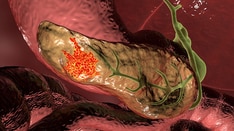
Gastrinomas are neuroendocrine tumors (NETs) that are usually found in the duodenum wall (approximately 50%) or in the pancreas. Approximately 85% of gastrinomas are located in the gastrinoma triangle. The triangle is superiorly bound by the confluence of the cystic and common bile duct, inferiorly bound by the second and third portions of the duodenum, and medially bound by the head and body of the pancreas. When gastrinomas are found in the pancreas, they are nonbeta islet cell tumors. However, in addition to locations in the duodenum and pancreas, gastrinomas have been described in the lymph nodes, liver/biliary tree, gastric antrum, and jejunum. Rare reports have described extra-GI gastrinomas occurring in the heart, ovaries, and lung.

Gastrinomas are the second most common NETs in the overall population, after insulinomas and before vasoactive intestinal polypeptide tumors (VIPomas) and glucagonomas. Gastrinomas may secrete not only high levels of gastrin, causing peptic ulcer disease (PUD), but also other hormones such as adrenocorticotropic hormone (ACTH), vasoactive intestinal polypeptide (VIP), and glucagon. Gastrinomas may also produce various peptides such as insulin, pancreatic polypeptide, glucagon, chromogranin A, neuron-specific enolase, and the alpha and beta subunits of human chorionic gonadotropin.

Frequency

United States

Childhood gastrinomas account for about 2% of all ZES cases. In the United States, the overall incidence of gastrinomas occurring sporadically or in association with multiple endocrine neoplasia type 1 (MEN-1) is 0.1-3 per million. The prevalence of MEN-1 is 0.2-2 per 100,000. MEN-1 is diagnosed in 30-38% of patients with gastrinomas, whereas 20-61% of patients diagnosed with MEN-1 are found to have gastrinomas associated with ZES.

International

Until 1992, 60 cases of ZES in children had been reported in world literature.

Mortality/Morbidity

Prior to the introduction of acid-suppressing drugs, including histamine H2-receptor antagonists and, more recently, proton pump inhibitors (PPIs), ZES carried high mortality rates. Because safe control of gastric acid hypersecretion can be achieved with PPIs in virtually all patients, mortality and morbidity are now attributed to advanced disease with metastases to liver and bones. Because of small numbers, whether gastrinoma tumor growth in children is less aggressive than in adults, as previously thought, is not yet clear. In a study from the National Institutes of Health (NIH) involving 151 patients with ZES, the 10-year survival rate was 94% in the overall ZES population. The survival rate at 10 years was slightly lower (89%) when ZES was associated with MEN-1.

Gastrinomas may be malignant or benign but usually grow slowly. Early studies reported malignancy rates as high as 65% in adults. More recent studies report a malignancy rate of closer to 30%. Lymph nodes, liver, and bone metastases are the most common, although occurrence rates in children are unknown. One case report described a renal gastrinoma in a 12-year-old child.

Race

In 2004, the NIH conducted a large prospective study of 107 patients with ZES associated with MEN-1. They found that 78% were white, 10% were African American, and 9% were Hispanic.

Sex

The male-to-female ratio in childhood ZES is 4:1. However, recent reviews in the adult literature report no gender preference.

Age

The youngest patient reported with ZES was a boy aged 7 years. Gastrinomas have been found in patients aged 90 years and younger. The most common age at diagnosis is 30-50 years.


History

The typical presentation of Zollinger-Ellison syndrome (ZES) is severe abdominal pain with or without diarrhea. Most children present with complications of PUD, such as bleeding from an ulcer or duodenal perforation.

  • Abdominal pain is the most common presenting symptom in ZES. The pain is due to peptic ulcers, which can be found in the upper GI tract in 90-95% of patients. These ulcers are often multiple or in unusual locations. In 70% of patients, single or multiple ulcers are found in the first part of the duodenum. However, ulcers in the second or third part of the duodenum or in the jejunum are highly suggestive of ZES.
  • Other characteristics of ZES ulcers include a size larger than 2 cm, occurrence at multiple locations, and a refractory behavior to conventional therapy.
  • The second most common symptom of ZES ulcers is diarrhea, which is seen in 50-65% of patients. Diarrhea may be the only symptom; however, it can also precede or follow the ulcer formation. The diarrhea is due to mucosal damage by activated pepsinogens that result from excessive acid secretion. The acid also damages enterocytes, inactivates pancreatic enzymes, and causes bile acid insolubility, thereby decreasing micelle formation and causing steatorrhea.
  • ZES may also manifest as symptoms of gastroesophageal reflux and, in severe cases, has been associated with stenosis or Barrett mucosa in adults.

Physical

The physical examination findings are often normal. Patients may have abdominal tenderness and, in the case of perforation, they have peritoneal signs. Patients who experience anemia due to bleeding ulcers may be pale and have tachycardia.

Causes

Gastrinomas may be sporadic or associated with MEN1. Data suggest that the gene for MEN1, called MENIN, is also involved in the pathogenesis of at least one third of sporadic NETs, including gastrinomas. Therefore, all patients who are under evaluation for ZES should undergo genetic testing for MEN1.

MEN1 causes multiple tumors in the pancreas and in the pituitary, parathyroid, and adrenal glands through an autosomal dominant pattern of inheritance. Patients with MEN1 may also have increased risk of skin lesions and carcinoid and smooth muscle tumors. MEN1 is due to mutations in the tumor suppressor gene MEN1, located on chromosome 11q13. MEN1 encodes a transcriptional regulator, menin. Patients with MEN1 have one germline mutation and one somatic mutation that lead to inactivation.


Diarrhea
Esophagitis
Gastroesophageal Reflux
Gastrointestinal Bleeding: Surgical Perspective
Gastrointestinal Neoplasms
Helicobacter Pylori Infection
Malabsorption Syndromes
Multiple Endocrine Neoplasia
Peptic Ulcer Disease

Other Problems to be Considered

Hypochlorhydria due to chronic atrophic gastritis
Prolonged PPI use
GI bleeding
Gastric outlet obstruction


Lab Studies

  • Laboratory studies to confirm the diagnosis of Zollinger-Ellison syndrome (ZES) include the following:
  • Measurements of fasting serum gastrin levels
    • Gastrin levels higher than 100 pg/mL are highly suggestive of ZES. If the gastric pH level is less than 2, a gastrin level of higher than 1000 pg/mL is diagnostic of ZES.
    • If the patient is not receiving acid-suppressing medication and the gastric pH levels are higher than 2, ZES can be ruled out.
  • Secretin stimulation test
    • If the gastrin level is 100-1000 pg/mL and the pH level is less than 2, a secretin stimulation test must be performed.
    • After blood to measure the basal gastrin level is obtained, 2 IU/kg of secretin is intravenously administered. Blood is drawn at 2.5, 5, 10, 15, and 30 minutes. An increase of serum gastrin levels to higher than 200 pg/mL is diagnostic of ZES.
    • The physiologic mechanism of the secretin test remains unclear; however, it is the most important diagnostic test to exclude other conditions with increased acid secretion, hypergastrinemia, or both.
    • Clinical conditions in which patients present with hypergastrinemia, such as gastric outlet obstruction, pernicious anemia, renal failure, and achlorhydria due to atrophic gastritis, must be excluded with secretin provocative testing.
  • Measurement of basal acid output
    • Before measurement of the basal acid output (BAO), acid-inhibitory agents must be discontinued: 24 hours for H2-receptor antagonists and 7 days for PPIs.
    • In the 24 hours prior to the test, the patient receives antacids.
    • A nasogastric tube is placed into the antrum, and the stomach is emptied.
    • Four consecutive samples of gastric fluid are collected; a quadruplicate of each sample is titrated to pH 7 with 0.2 N sodium hydroxide, while the BAO is determined with a radiometer titrator.
    • In an unoperated stomach, a BAO of more than 15 mEq/h is diagnostic of ZES. If the patient underwent gastric resection for acid reduction, a BAO of more than 10 mEq/h is diagnostic for ZES.
  • If the patient has MEN-1, other laboratory abnormalities may be suggestive of ZES.
    • High plasma calcium levels
    • High parathyroid hormone (PTH) levels
    • High prolactin levels

Imaging Studies

  • Because most gastrinomas are smaller than 2 cm, visualizing them with conventional imaging techniques, such as CT scanning, transabdominal ultrasonography, and MRI, is difficult.
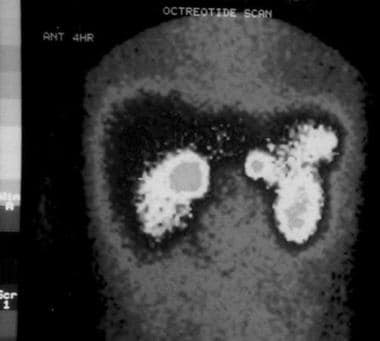
    • Somatostatin receptor scintigraphy (SRS) can reveal 57-78% of gastrinomas and has a sensitivity of 84-94%. It is currently the single most effective imaging modality for gastrinomas. SRS may not accurately reveal tumor size or location and is best used in conjunction with CT scanning with intravenous contrast. It is also useful because it allows for whole body scanning and measure of whole body tumor content during a single test.
    • CT scanning with intravenous contrast and MRI are highly specific for gastrinoma, with reports of 83-100% specificity using MRI. However, sensitivities range from 20-59%.
    • Transabdominal ultrasonography has a sensitivity of 0-28% but may be useful in screening for metastatic disease of the liver, with reported sensitivities of 14-63%. Specificity ranges from 92-100%.
    • Angiography has been used with limited success because of difficulties in discriminating between the relative vascularity of the gastrinoma lesion and the surrounding tissue. It has a sensitivity of 28-68%.
    • In one study, intra-arterial secretin stimulation with hepatic venous sampling yielded a sensitivity rate of 89%; however, because of its invasive nature, it is only used when other imaging techniques are ineffective.

Other Tests

  • Endoscopic ultrasonography (EUS) may reveal structures as small as 2 mm, mainly in the pancreas. Reported sensitivities are 58-100%. One study found a sensitivity of 93% and a specificity of 95% for pancreatic lesions. Specificity is reported to be 84-100%. EUS is limited in its ability to reveal duodenal gastrinomas and can fail to visualize up to one half of them. The successful and safe use of EUS in pediatrics, which requires special equipment, has recently been described in children aged 4-16 years.
  • Portal venous sampling has been described in adults with ZES but not in children, with a positive yield of 46-90%; however, it is associated with a complication rate of 10% and is recommended only as a last resort.

Procedures

  • Endoscopy may be used to evaluate recurrent abdominal pain with or without GI bleeding. Ulcers typical of ZES and biopsy findings may help to confirm the diagnosis. Endoscopy is also indicated to stage PUD. If findings are consistent with ZES, immediate treatment with PPIs and further diagnostic studies are indicated to localize the tumor.
  • Operative techniques such as palpation, duodenal transillumination, and intraoperative ultrasonography can be used during laparotomy for the 20% of gastrinomas that SRS and other imaging studies fail to visualize.

Histologic Findings

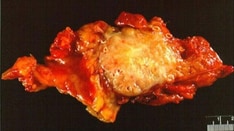
NETs, including gastrinomas, are composed of homogenous sheets of cells with small compact nuclei and prominent nucleoli. The tumors can be glandular or trabecular. Gastrin-producing cells are often well differentiated.

Immunohistochemistry staining may be positive for chromogranin A, neuron-specific enolase, and synaptophysin, as well as for pancreatic peptide, somatostatin, ACTH, and VIP.

Staging

Staging is based on tumor size (>2-3 cm) and metastases to the lymph nodes, liver, or both. Metastases to the liver are associated with poor prognosis and have been reported to occur in roughly 60% of patients with pancreatic gastrinoma versus less than 10% in patients with duodenal gastrinoma.

  • Tumor size does not relate to serum gastrin levels or the severity of symptoms.
  • Ectopic Cushing syndrome, tumor flow cytometry features, and overexpression of certain growth factors such as human epidermal growth factor receptor 2 (HER2/neu) are associated with aggressive gastrinomas and poor prognosis.


Medical Care

Since the introduction of effective antisecretory medications such as histamine H2-receptor antagonists and PPI, treatment paradigms for Zollinger-Ellison syndrome (ZES) have changed. Medical therapy is also indicated before surgery when patients present with metastatic disease and in patients who refuse or cannot undergo surgical resections. Measures are designed to prevent PUD due to gastric acid hypersecretion.

  • PPIs have become the first-line treatment in ZES since their approval in 1988-1989. They are the most effective antisecretory medication available because they block the hydrogen potassium/adenosine triphosphate (ATPase) pump, the final common pathway, regardless of the stimulus.
    • The acid environment in the stomach allows for the release of the prodrug granules, which are then absorbed in the duodenum. Once in the systemic circulation, they are taken up by gastric parietal cells and diffuse into the extracellular canaliculus. The PPI then covalently and irreversibly binds to the proton pump. PPIs require acid for accumulation and activation, which is why they are most efficacious on an empty stomach.
    • PPIs are rapidly and almost completely absorbed. The peak plasma concentration is reached in 1-3 hours. The prodrug is quickly metabolized by the liver, primarily by cytochrome P-450 isoenzyme CYP2C19, resulting in a half-life of roughly 1 hour.
    • Despite the short half-life of PPIs, the irreversible covalent bonding to the proton pump provides sustained antisecretory effects; therefore, the effect is not due to plasma concentration of the drug but rather the area under the plasma concentration curve.
    • Little information about the metabolism and distribution of PPIs in children is available, but some data suggest decreased metabolism in newborns, a metabolic rate in children aged 1-9 years that is higher than that of adults, and more rapid absorption and clearance in children.
  • H2-receptor antagonists are no longer indicated because PPIs provide more effective antisecretory effects and prolonged use of H2-receptor antagonists leads to tachyphylaxis.
  • Somatostatin analogues such as octreotide decrease gastrin and gastric acid secretion and can be used to treat the symptoms associated with gastrinoma. Small studies in adults using weekly subcutaneous octreotide acetate for 1-48 months led to a decrease in abdominal pain and diarrhea in most patients.

Surgical Care

Total gastrectomy was the standard of care until at least the mid-1970s, when the first histamine H2-receptor antagonists were introduced. Surgery is now focused on staging (when gastrinomas are not revealed by imaging) and reducing tumor burden to decrease metastases and improve disease-free survival.

Even in cases in which no tumor is identified before surgery, an exploratory laparotomy is indicated because it offers the only chance of cure.

  • The surgical exploration includes a careful bidigital palpation of the liver, pancreas, stomach, and lymph node groups along the pancreas and duodenum after mobilization of the duodenum and pancreatic head by a Kocher maneuver. Some authorities recommend a duodenotomy because it allows full exploration through palpation of the duodenal wall. Others, however, argue that duodenotomy-related complications, such as leakage and fistula formation, do not justify the procedure.
  • Local tumor excision is currently the procedure of choice.
  • Major surgical resections, including duodenopancreatectomy, have been performed in adults but not in children. The subgroup of patients that may benefit from extensive resections has not yet been identified.
  • Total gastrectomy is no longer recommended because medical therapy with PPIs is effective in virtually all patients.
  • Some investigators report that intraoperative endoscopic transduodenal illumination of the duodenum is helpful in discovering additional gastrinomas of the duodenal wall.
  • Intraoperative ultrasonography of the pancreas may help to localize small tumors in the pancreas.

Consultations

  • Because gastrinomas in children are extremely rare, only pediatric institutions should deal with the disease.
  • Children with ZES benefit from a multidisciplinary approach that involves pediatric gastroenterologists, surgeons, endocrinologists, and radiologists.

Diet

  • Special diets are not required for children with ZES.
  • Special considerations may be necessary for children with severe diarrhea or symptoms who are unable to take in essential calories for normal growth on a regular diet.
  • Although some studies indicate decreased vitamin B-12 levels in patients who receive long-term PPI therapy, no evidence of clinical significance has been reported.
  • Current data are insufficient to support administration of cobalamin.

Activity

Children who are receiving appropriate medication can pursue normal activities.


Inhibition of gastric acid secretion with PPIs is mandatory to prevent complications of gastric acid hypersecretion. PPIs have proven to be safe, without side effects even after long-term use. The goal is to reduce BAO to levels less than 10 mEq/h 1 h prior to the next dose in patients without gastric acid–reducing surgery and less than 5 mEq/h in patients with prior acid-reducing gastric surgery.

Drug Category: Proton pump inhibitors

These agents are used to reduce gastric acid hypersecretion. Dosing should be adequate to achieve a BAO of less than 10 mEq/h. Dosing may vary in each patient. Children may require relatively higher doses per kilogram than adults.

Drug NameLansoprazole (Prevacid)
DescriptionA substituted benzimidazole that covalently and irreversibly binds the hydrogen potassium/ATPase, thereby inhibiting acid secretion. It is available as IV, oral caps, or solutabs. Strawberry-flavored solutabs can be dissolved in water for easy administration to children. Dissolve 15-mg solutab in 4 mL water and 30-mg solutab in 10 mL water.
Adult Dose60 mg PO qd initially; titrate to achieve BAO <10 mEq/h; daily dose may be divided bid
Pediatric DoseNot established; dosing for pediatric GERD and esophagitis:
<30 kg: 15 mg PO qd
>30 kg: 30 mg PO qd
Children may require larger doses per kg than adults; studies report safe and efficacious dosing at 0.5-2 mg/kg/d
ContraindicationsDocumented hypersensitivity
InteractionsCytochrome P450 isoenzyme CYP2C19 and CYP3A3/4 substrate; mildly increases theophylline clearance (about 10%); may increase warfarin effects; may interfere with the absorption of ketoconazole, ampicillin, iron salts, and digoxin; sucralfate delays and decreases lansoprazole absorption by 30%; cranberry juice significantly reduces gastric pH and may reduce effectiveness of PPIs
PregnancyB - Usually safe but benefits must outweigh the risks.
PrecautionsConsider adjusting dose in liver impairment; Prevacid SoluTabs contain aspartame, which is metabolized to phenylalanine and must be used with caution in patients with phenylketonuria

Drug NameOmeprazole (Prilosec, Zegerid Oral Suspension)
DescriptionA substituted benzimidazole that suppresses acid secretion by specific inhibition of hydrogen potassium/ATPase at the secretory surface of the parietal cell.
Adult Dose60 mg PO qd initially; daily doses >80 mg should be administered in divided doses; titrate to achieve BAO <10 mEq/h
Alternatively, may administer 60 mg IV q8h until stable, then establish PO maintenance dose
Pediatric DoseNot established; dosing for pediatric GERD and esophagitis:
<20 kg: 10 mg PO qd
>20 kg: 20 mg PO qd
Adjust dose to individual BAO; children may require larger doses per kilogram than adults; daily doses >80 mg should be administered in divided doses
Immediately before consumption, caps can be opened and granules dispersed in acidic medium (eg, fruit juice, yogurt, apple sauce)
ContraindicationsDocumented hypersensitivity
InteractionsMay decrease effects of itraconazole and ketoconazole; may increase serum levels of diazepam, midazolam, phenytoin, warfarin, digoxin, and methotrexate
PregnancyB - Usually safe but benefits must outweigh the risks.
Precautions

Drug NamePantoprazole (Protonix)
DescriptionA substituted benzimidazole that suppresses acid secretion by specific inhibition of hydrogen potassium/ATPase at the secretory surface of the parietal cell.
Adult Dose40 mg PO bid initially; if needed, may increase dose gradually; not to exceed 240 mg/d
Alternatively, may administer IV for difficult-to-treat cases; not to exceed 120 mg IV bid
Pediatric DoseNot established
ContraindicationsDocumented hypersensitivity
InteractionsMay interfere with bioavailability of ketoconazole, iron salts, and ampicillin esters
PregnancyB - Usually safe but benefits must outweigh the risks.
PrecautionsDecrease dose in hepatic impairment (half-life can increase 7- to 9-fold); no dose adjustment required in patients with renal impairment

Drug Category: Somatostatin Analogues

These agents are synthetic analogues of somatostatin that inhibit GH secretion, thereby leading to a decrease in chloride secretion, sodium absorption, and decreased fluid losses. They are used to treat secretory diarrhea in Zollinger-Ellison syndrome (ZES).

Drug NameOctreotide (Sandostatin)
DescriptionActs primarily on somatostatin receptor subtypes II and V. Inhibits GH secretion and has multitude of other endocrine and nonendocrine effects, including inhibition of glucagon, VIP, and GI peptides. Controls diarrhea in 80% of patients. Progressive increases in dosage may be necessary. In adults, Mozell et al reported success with 100 mcg SC 3 times/wk for 1-48 mo.
Adult Dose50 mcg/d SC q12h initially; if needed, increase to 200-300 mcg/d based on tolerability and response
Pediatric DoseNot established; limited data exist
ContraindicationsDocumented hypersensitivity
InteractionsMay reduce effects of cyclosporine; patients on insulin, oral hypoglycemics, beta-blockers, and calcium channel blockers may need dosage adjustments
PregnancyB - Usually safe but benefits must outweigh the risks.
PrecautionsAdverse effects primarily related to altered GI motility and include nausea, abdominal pain, diarrhea, and increased incidence of gallstones and biliary sludge; because of alteration in counter-regulatory hormones (insulin, glucagon, GH), hypoglycemia or hyperglycemia may be seen; bradycardia, cardiac conduction abnormalities, and arrhythmias have been reported; because of inhibition of TSH secretion, hypothyroidism may also occur; exercise caution in patients with renal impairment; cholelithiasis may occur


Further Inpatient Care

  • Even after surgery and assumed complete gastrinoma resection, patients should be kept safe on acid inhibitory medication until a secretin test has been performed and the BAO has been determined.
  • Biochemical study results that are within the reference range, including serum gastrin levels less than 115 pg/mL and a secretin test with a gastrin rise less than 200 pg/mL, do not exclude a prolonged elevation of the BAO. Up to 6 months may pass before BAO decreases to reference range levels because of hypertrophy of the parietal cell mass acquired during the active phase of the disease.

Further Outpatient Care

  • Postoperative normogastrinemia does not mean long-term cure. Almost 50% of patients with postoperative eugastrinemia experience recurrence of the disease within 5 years.
  • Progression of the disease should be monitored with SRS on a yearly basis.

In/Out Patient Meds

  • Long-term PPI use should be continued as indicated based on BAO.
  • In cases with advanced metastatic disease, chemotherapy with a combination of streptozocin, 5-fluorouracil, and doxorubicin may be used. A response rate of 65% can be expected.

Complications

  • With the introduction of PPIs that are effective in almost all patients, acid-related complications are now reduced to a minimum.
  • Complications of PUD prior to the diagnosis include perforation, bleeding, and esophagitis. A stricture of the gastroesophageal junction may develop.

Prognosis

  • Approximately 60% of gastrinomas are benign at the time of diagnosis, without metastases. Because of the small size of gastrinomas, cure (disease free for at least 5 y) is achieved in only 20-40% of cases.
  • The development of liver metastases is considered an unfavorable sign; however, depending on the tumor biology, patients with liver metastases have survived 10 years and longer.

Patient Education

  • Families of patients who have Zollinger-Ellison syndrome (ZES) with MEN-1 should be informed about the disease and should be screened for MEN-1.


Medical/Legal Pitfalls

  • Exclude MEN-1 (with tumors of the parathyroids, pancreatic islets, and pituitary). If hyperparathyroidism is present, the hypercalcemia (present in 95% of MEN-1 cases with gastrinomas) must be corrected with parathyroidectomy before abdominal surgery is considered.
  • Screening family members for MEN-1 is advisable.
  • Continue PPIs after surgical resections until reliable measurements of BAO are performed. Acid hypersecretion may persist after curative surgery for 6-12 months.

Special Concerns

  • Almost 50% of patients who are cured after surgery experience recurrence of the disease within 5 years.


Media file 1:  Somatostatin receptor scintigraphy in a young patient with Zollinger-Ellison syndrome. Besides physiologic uptake in the kidneys and the spleen, 2 pathologic hot spots are present, one in the area of the duodenum and another next to the pancreas.
Click to see larger pictureClick to see detailView Full Size Image
Media type:  Image

Media file 2:  Somatostatin receptor scintigraphy in the same patient as Image 1 after resection of 2 gastrinomas. The left (big) tumor was a periduodenal lymph node gastrinoma; the right one was a pancreatic gastrinoma. Despite negative findings on the scan, the patient remained hypergastrinemic, probably because of microscopic disease that escaped diagnostic imaging and surgical exploration.

Click to see larger pictureClick to see detailView Full Size Image
Media type:  Image


  • Eire PF, Rodriguez Pereira C, Barca Rodriguez P, Varela Cives R. Uncommon case of gastrinoma in a child. Eur J Pediatr Surg. Jun 1996;6(3):173-4. [Medline].
  • Gibril F, Jensen R. Advances in evaluation and management of Gastrinoma in Patients with Zollinger-Ellison Syndrome. Curr Gastroenterol Rep. 2005;7:114-21. [Medline].
  • Gibril F, Schumann M, Pace A, Jensen RT. Multiple endocrine neoplasia type 1 and Zollinger-Ellison syndrome: a prospective study of 107 cases and comparison with 1009 cases from the literature. Medicine (Baltimore). Jan 2004;83(1):43-83. [Medline].
  • Heikenen JB, Pohl JF, Werlin SL. Octreotide in pediatric patients. J Pediatr Gastroenterol Nutr. Nov 2002;35(5):600-9. [Medline].
  • Israel DM, Hassall E. Omerprazole and other proton pump inhibitors: pharmacology, efficacy, and safety, with special reference to use in children. J Pediatr Gastroenterol Nutr. Nov 1998;27(5):568-79. [Medline].
  • Metz DC, Forsmark C, Lew EA, et al. Replacement of oral proton pump inhibitors with intravenous pantoprazole to effectively control gastric acid hypersecretion in patients with Zollinger-Ellison syndrome. Am J Gastroenterol. Dec 2001;96(12):3274-80. [Medline].
  • Metz DC, Soffer E, Forsmark CE, et al. Maintenance oral pantoprazole therapy is effective for patients with Zollinger-Ellison syndrome and idiopathic hypersecretion. Am J Gastroenterol. Feb 2003;98(2):301-7. [Medline].
  • Nord KS, Joshi V, Hanna M, et al. Zollinger-Ellison syndrome associated with a renal gastrinoma in a child. J Pediatr Gastroenterol Nutr. Nov-Dec 1986;5(6):980-6. [Medline].
  • Norton JA, Fraker DL, Alexander HR, et al. Surgery to cure the Zollinger-Ellison syndrome. N Engl J Med. Aug 26 1999;341(9):635-44. [Medline].
  • Passaro E, Howard TJ, Sawicki MP, et al. The origin of sporadic gastrinomas within the gastrinoma triangle: a theory. Arch Surg. Jan 1998;133(1):13-6; discussion 17. [Medline].
  • Pisegna JR. The effect of Zollinger-Ellison syndrome and neuropeptide-secreting tumors on the stomach. Curr Gastroenterol Rep. Dec 1999;1(6):511-7. [Medline].
  • Proye C, Malvaux P, Pattou F, et al. Noninvasive imaging of insulinomas and gastrinomas with endoscopic ultrasonography and somatostatin receptor scintigraphy. Surgery. Dec 1998;124(6):1134-43; discussion 1143-4. [Medline].
  • Proye CA, Nguyen HH. Current perspectives in the surgery of multiple endocrine neoplasias. Aust N Z J Surg. Feb 1999;69(2):106-16. [Medline].
  • Quatrini M, Castoldi L, Rossi G, et al. A follow-up study of patients with Zollinger-Ellison syndrome in the period 1966-2002: effects of surgical and medical treatments on long-term survival. J Clin Gastroenterol. May-Jun 2005;39(5):376-80. [Medline].
  • Radebold K, Bornman PC, Marks IN. Persistent hypergastrinemia in children and adolescents with the Zollinger-Ellison syndrome: total gastrectomy or life-long medical treatment?. Gastroenterol. 1996;110:A34.
  • Tauber MT, Harris AG, Rochiccioli P. Clinical use of the long acting somatostatin analogue octreotide in pediatrics. Eur J Pediatr. May 1994;153(5):304-10. [Medline].
  • Tomassetti P, Campana D, Piscitelli L, et al. Treatment of Zollinger-Ellison syndrome. World J Gastroenterol. Sep 21 2005;11(35):5423-32. [Medline][Full Text].
  • Wilson SD, Ellison EH. Total gastrectomy in children with Zollinger-Ellison syndrome. Surgery. 1965;91:165-173.
  • Wilson SD. Zollinger-Ellison syndrome in children: a 25-year follow-up. Surgery. Oct 1991;110(4):696-702; discussion 702-3. [Medline].
  • Wilson SD. The role of surgery in children with the Zollinger-Ellison syndrome. Surgery. Oct 1982;92(4):682-92. [Medline].
  • Wilson SD, Schulte WJ, Meade RC. Longevity studies following total gastrectomy. In children with the Zollinger-Ellison syndrome. Arch Surg. Aug 1971;103(2):108-15. [Medline].
  • Yu F, Venzon DJ, Serrano J, et al. Prospective study of the clinical course, prognostic factors, causes of death, and survival in patients with long-standing Zollinger-Ellison syndrome. J Clin Oncol. Feb 1999;17(2):615-30. [Medline].
  • Zollinger RM, Ellison EH. Primary peptic ulcerations of the jejunum associated with islet-cell tumors of the pancreas. Ann Surg. 1955;142:709-728.

Zollinger-Ellison Syndrome excerpt

Article Last Updated: Sep 18, 2006