| Patient Education |
|
Click here for patient education.
|
|
You are in: eMedicine Specialties >
Pediatrics: Genetics and Metabolic Disease > Genetics
Neurofibromatosis
Article Last Updated: Sep 15, 2008
AUTHOR AND EDITOR INFORMATION
Section 1 of 11
Author: Beth A Pletcher, MD, Associate Professor, Co-Director of The Neurofibromatosis Center of New Jersey, Department of Pediatrics, University of Medicine and Dentistry of New Jersey
Beth A Pletcher is a member of the following medical societies: American Academy of Pediatrics, American College of Medical Genetics, American Medical Association, and American Society of Human Genetics
Editors: Ian Krantz, MD, Department of Pediatrics, Assistant Professor, University of Pennsylvania and Children's Hospital of Philadelphia; Mary L Windle, PharmD, Adjunct Assistant Professor, University of Nebraska Medical Center College of Pharmacy, Pharmacy Editor, eMedicine; Leonard G Feld, MD, PhD, MMM, Chairman of Pediatrics, Carolinas Medical Center; Chief Medical Officer, Levine Children's Hospital, Carolinas Healthcare System; Paul D Petry, DO, FACOP, FAAP, Consulting Staff, Freeman Pediatric Care, Freeman Health System; Bruce Buehler, MD, Professor, Department of Pediatrics, Pathology and Microbiology, Executive Director, Hattie B Munroe Center for Human Genetics and Rehabilitation, University of Nebraska Medical Center
Author and Editor Disclosure
Synonyms and related keywords:
neurofibromatosis, NF, classic neurofibromatosis, neurofibromatosis type 1, NF1, neurofibromatosis type 2, NF2, von Recklinghausen disease, hamartomas, optic nerve gliomas, spinal cord tumors, scoliosis, long-bone abnormalities, malignant peripheral nerve sheath tumors, MPNSTs, neurosarcoma, leukemia, chronic myeloid leukemia, myelodysplasia, attention deficit hyperactivity disorder, ADHD, osteoporosis, osteopenia, pheochromocytomas, renal artery stenosis secondary to fibromuscular dysplasia, Moyamoya disease, short stature, macrocephaly, precocious puberty, Noonan syndrome, wooly hair consistency, ptosis, downslanting palpebrae, hypertelorism, low-set posteriorly rotated ears, a short broad neck, pectus deformity, short stature, cryptorchidism, pulmonic stenosis, atrial septal defect, hypertrophic cardiomyopathy
Background
Neurofibromatosis (NF) is a multisystem genetic disorder commonly associated with cutaneous, neurologic, and orthopedic manifestations. Neurofibromatosis type 1 is the most common of the conditions referred to as hamartoses. Neurofibromatosis type 1 differs from central neurofibromatosis, also known as neurofibromatosis type 2 (NF2); patients with the latter disorder demonstrate a relative paucity of cutaneous findings but have high incidence of meningioma as well as acoustic neuromas, which are often bilateral. Patients with neurofibromatosis type 1 have a better prognosis, with fewer CNS tumors, than patients with neurofibromatosis type 2, although morbidity and mortality rates in neurofibromatosis type 1 are not negligible. Among the more severe complications associated with neurofibromatosis type 1 are visual loss secondary to optic nerve gliomas, spinal cord tumors, scoliosis, and long-bone abnormalities that sometimes require amputation. Although neurofibromatosis type 1 is clinically apparent in almost all patients with the disorder, the manifestations of neurofibromatosis type 1 widely vary from person to person, even within the same family. This variation precludes accurate predictions for any affected individual about the severity of or potential for serious complications.
Pathophysiology
Manifestations of neurofibromatosis type 1 are caused by a mutation in, or a deletion of, the NF1 gene. The gene product, neurofibromin, serves as a tumor suppressor. Decreased production of this protein causes various clinical features.
Frequency
International
Estimated incidence of neurofibromatosis type 1 is 1 case in 3000 persons, although actual frequency may be slightly higher. This disparity may be caused by incomplete identification of mildly affected individuals. Approximately half of affected individuals represent first cases in their families as the result of a new genetic event or mutation.
Mortality/Morbidity
- Lifetime risks for benign and malignant tumors increase for individuals affected with neurofibromatosis type 1. Cutaneous or subcutaneous neurofibromas, optic nerve gliomas, dumbbell-shaped spinal cord tumors, and brain tumors are among the well-known nerve-related tumors.
- Adolescence for boys and girls may precipitate the development of subcutaneous and cutaneous neurofibromas. Increase in the size of existing neurofibromas and appearance of new lesions is a frequent observation in women with neurofibromatosis type 1 during pregnancy.1
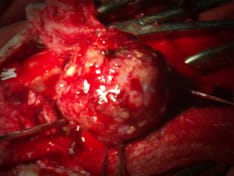
- Plexiform neurofibromas, generally larger, more diffuse and locally invasive are seen in more than 25% of patients with neurofibromatosis type 1,2 and can present a surgical or medical conundrum. The wisdom of watchful waiting versus intervention is often debated, with the recognition that complete resection of a plexiform neurofibroma without residual functional deficits is rarely possible. On the other hand, debulking or partial resection of plexiform neurofibromas may be undertaken for cosmetic purposes or if progressive functional consequences are anticipated.
- Malignant peripheral nerve sheath tumors (MPNSTs) or neurosarcomas are not uncommon in adolescents and adults with neurofibromatosis type 1. Some studies suggest a lifetime risk for development of a MPNST to be about 10%.
- Gliomas in pediatric patients with neurofibromatosis type 1 tend to be lower grade and have a more favorable prognosis than in patients without neurofibromatosis type 1; pilocytic astrocytomas and low-grade astrocytomas (subtype intermediate) are quite common. However, diffusely infiltrating astrocytomas are also seen in a subset of patients and need to be managed accordingly.3
- Leukemia, especially chronic myeloid leukemia, and myelodysplasia in childhood are rare but are also associated with neurofibromatosis type 1.
- Learning disabilities, with or without attention deficit hyperactivity disorder (ADHD), occur in approximately 40% of individuals affected with neurofibromatosis type 1. Children with ADHD are at highest risk for difficulties in social functioning. Visual-spatial motor deficits are seen in many children with neurofibromatosis type 1. A much smaller percentage of affected individuals experience more significant cognitive difficulties such as mild or moderate mental retardation.
- Scoliosis is often mild, although a subset of children younger than 10 years develop a more rapidly progressive form of scoliosis that requires aggressive intervention.
- Seizures occur in 4-7% of individuals with neurofibromatosis type 1 and, in some cases, may be associated with intracranial lesions.
- Bony abnormalities may not clinically appear. Radiographic evidence of intramedullary fibrosis, vertebral dural ectasias, or cortical thinning often is incidentally found. Sphenoid bone dysplasia and long-bone bowing (pseudarthrosis) are also common. In the past, congenital tibial pseudarthrosis led to below-the-knee amputation; however, recent advances in orthopedic management with limb-sparing procedures have decreased the need for this more drastic surgical approach.
- Osteoporosis with statistically significant decreases in bone mineral density can be identified in individuals with neurofibromatosis type 1 and may even be seen in childhood.4 Whereas numerous metabolic pathways that affect bone metabolism have been implicated in the pathogenesis of bony abnormalities in people with neurofibromatosis, studies in children and teens with neurofibromatosis type 1 have provided evidence for increased rates of bone resorption as a cause for osteopenia.5
- Hypertension in neurofibromatosis type 1 can occur at any age. Although many adult patients have the typical essential form of hypertension, any person with neurofibromatosis type 1 and high blood pressure must be carefully evaluated for 2 alternative causes of hypertension (ie, pheochromocytomas and renal artery stenosis secondary to fibromuscular dysplasia). Children with hypertension who have NF1 require careful evaluation for both of these problems.
- Pheochromocytomas are not rare and can cause severe, fluctuating hypertension.
- Renal artery stenosis secondary to fibromuscular dysplasia can also cause hypertension and may not respond well to standard pharmacological management.
- Other vascular lesions such as ectasias, stenoses, aneurysms, and Moyamoya disease occur more often in patients with neurofibromatosis type 1 and may present with CNS symptoms.
- Short stature is common. Affected individuals often are shorter than unaffected siblings.
- Macrocephaly is common and should not cause undue alarm when seen in infants or young children unless serial head-circumference measurements increase faster than normal growth rates.
- Chiari I malformations may also be seen with increased frequency in individuals with neurofibromatosis type 1.
- Puberty usually occurs at a normal age, but precocious puberty with growth acceleration may occur in a few individuals. When precocious puberty is present, evaluate the patient for a chiasmal lesion disrupting the hypothalamic-pituitary axis.
- A subset of patients with neurofibromatosis type 1 are also noted to have clinical features of Noonan syndrome, which include a combination of some typical physical features (wooly hair consistency, ptosis, downslanting palpebrae, hypertelorism, low-set posteriorly rotated ears, a short broad neck, pectus deformity, short stature, cryptorchidism) as well as typical cardiac defects (pulmonic stenosis, atrial septal defect, hypertrophic cardiomyopathy). This is sometimes referred to in the literature as the Watson phenotype and is most often associated with neurofibromatosis type 1 gene mutations.
- Children with neurofibromatosis type 1 and severe, recurrent abdominal pain with a normal GI evaluation findings may, in fact, have abdominal migraines. If abdominal migraines are suspected based on symptoms and no other identifiable etiology, such patients may respond to traditional migraine therapy.
Race
All races and ethnic backgrounds are equally affected, although recent evidence indicates African Americans have less risk for optic nerve glioma than whites, including Hispanics.
Sex
While males and females are equally affected by this autosomal dominant condition, scoliosis may be especially severe in young girls.
Age
The genetic change that causes neurofibromatosis type 1 is present at conception. Clinical manifestations may appear over many years. Diagnosis of children of parents affected with neurofibromatosis type 1 is often made earlier because the clinical criteria for diagnosis are more easily met, and the clinician may be more attuned to neurofibromatosis type 1 as a possible diagnosis. At-risk individuals who reach the age of 10 years without meeting the diagnostic criteria for neurofibromatosis type 1 are probably unaffected.
History
Clinical diagnosis requires the presence of at least 2 of 7 criteria to confirm the presence of neurofibromatosis type 1 (NF1). Several of these manifestations do not appear until later childhood or adolescence, often delaying confirmation of the diagnosis despite suspicion of NF1. Clinical criteria for diagnosis include the following: - At least 6 café au lait spots or hyperpigmented macules at least 5-mm wide in children younger than 10 years (15 mm in adults)
- Axillary or inguinal freckles
- Two or more typical neurofibromas or 1 plexiform neurofibroma
- Optic nerve glioma
- Two or more iris hamartomas (also known as Lisch nodules), often identified only through slit-lamp examination by an ophthalmologist
- Sphenoid dysplasia or typical long-bone abnormalities (eg, pseudarthrosis)
- First-degree relative with neurofibromatosis type 1
Physical
- Cutaneous manifestations
- Café au lait spots are the earliest clinical findings in children with neurofibromatosis type 1. Spots may be present at birth or may appear over time. They frequently increase in size and number throughout childhood.
- Axillary or inguinal freckles are rare at birth but appear throughout childhood and adolescence.
- Urticaria pigmentosa resulting from a collection of mast cells within the dermis may be seen in a small subset of infants and young children with neurofibromatosis type 1. These lesions generally spontaneously resolve.
- Neurofibromas
- Subcutaneous or cutaneous neurofibromas rarely occur in young children but appear over time in older children, adolescents, and adults. Deep lesions may be detected only by palpation, whereas cutaneous lesions may initially appear as small papules on the trunk, extremities, scalp, or face. Puberty and pregnancy may be associated with increased numbers of neurofibromas and more rapid growth of preexisting lesions.
- Plexiform neurofibromas are more diffuse growths that can be locally invasive and quite deep. They may be associated with bony erosion and pain. Plexiform neurofibromas may also be accompanied by overlying hyperpigmentation or hypertrichosis.
- Neurofibromas rarely grow rapidly; such growth can suggest malignant transformation.
- Ophthalmologic examination
- Optic nerve tumors primarily occur in children younger than 5 years and may not be clinically evident. The most common presenting symptom is asymmetric noncorrectable visual loss. Optic nerve gliomas occasionally become symptomatic in older children or even adults; optic nerve gliomas can also undergo spontaneous regression.
- Subtle peripheral field defects, color discrimination difficulties, optic nerve pallor, or proptosis may occur in association with an optic glioma, in the absence of visual acuity deficits.
- Lisch nodules may not be readily visible except by slit lamp, although they can occasionally be seen with an ophthalmoscope, especially in individuals with light-colored irises.
- Patchy choroidal abnormalities and corkscrew retinal vascular changes are described on occasion in patients with neurofibromatosis type 1.
- Orthopedic examination
- Sphenoid dysplasia is usually asymptomatic but can occasionally be associated with herniation through the bony defect. Patients with plexiform neurofibroma of the eyelid or temporal region often have ipsilateral sphenoid dysplasia.
- Congenital pseudarthrosis may be evident at birth. Bowing of the tibia is the most typical presentation. Thinning and angulation of long bones with prominence of the anterior tibia and progressive deformity can occur throughout early childhood. Bowing of the forearm is less common.
- Thoracic cage asymmetry with flaring or prominence of the inferior ribs is seen in some children with neurofibromatosis type 1 but rarely requires surgical intervention.
- Scoliosis, with or without kyphosis, may become evident in childhood or adolescence. In a child younger than 10 years, scoliosis is associated with a poorer prognosis and is likely to rapidly progress. Scoliosis detected in adolescence should be clinically followed but is less likely to require orthopedic intervention.
- Other assessments
- Check blood pressure at every clinical visit because of concerns about alternative causes of hypertension in patients with neurofibromatosis type 1.
- Measure head circumference through the first 3 years of life, as with any pediatric patient. Relative macrocephaly should not cause alarm unless serial measurements suggest rapid growth (ie, growth rates increasing across 2 or more percentile lines).
Causes
- Neurofibromatosis type 1 is an autosomal dominant condition caused by decreased production of the protein neurofibromin, which has a putative tumor suppressor function. Only one deleted or mutated NF1 gene is required to affect individuals.
- The NF1 gene is located within the long arm of chromosome 17. More than 250 mutations that lead to protein truncation have been identified in affected individuals. A more severe phenotype occurs in a subset of patients who have a complete gene deletion.
- The precise role of neurofibromin is not yet fully elucidated, but neurofibromin deficiency causes multiple clinical effects, suggesting this gene product has diverse functions in a variety of tissues.
- The neurofibromatosis type 1 phenotype is highly penetrant (ie, almost all individuals with an NF1 gene mutation have some clinical manifestation of neurofibromatosis), but it has widely variable expressivity (ie, varying degrees of severity of the clinical manifestations even within families).
Café Au Lait Spots
McCune-Albright Syndrome
Other Problems to be Considered
Neurofibromatosis type 2
Lab Studies
- Genetic testing
- Sequencing of the neurofibromin gene has a high detection rate and is the preferred molecular diagnostic study for individuals suspected to have neurofibromatosis type 1 (NF1).
- Detection rates using current sequencing methodologies is greater than 95% in clinically affected individuals.
- Molecular testing is sometimes also useful in confirming the diagnosis in patients with a single clinical finding (eg, multiple café-au-lait spots) in the absence of a family history.
- Prenatal diagnosis
- In a family with multiple affected members and no recognizable mutation, linkage analysis can be used to track the NF1 gene through the generations to determine which chromosome 17 region the fetus received.
- For a parent with neurofibromatosis type 1 who is the only affected family member, sequencing can often identify a specific gene mutation. Once a mutation is identified in an affected parent, prenatal diagnosis using amniocytes or chorionic villi may be feasible.
- When a parent has an identified gene mutation, preimplantation genetic diagnosis may also be possible, if the couple is willing and able to undergo in vitro fertilization followed by transfer of unaffected embryos.
- Detection of a pheochromocytoma
- Urinary free catecholamines (ie, norepinephrine and epinephrine), as well as their metabolites (ie, normetanephrine, metanephrine, and vanillylmandelic acid), measured on a 24-hour urine collection specimen are very good biochemical screening tests for suspected pheochromocytoma.6
- Plasma catecholamines may also be measured using liquid chromatography. Measurement of free plasma metanephrine is more sensitive in the detection of a pheochromocytoma than plasma catecholamines.7
Imaging Studies
- Radiography
- Plain-film radiography may detect various subtle and not-so-subtle bony abnormalities associated with neurofibromatosis type 1. Dural ectasias are often seen incidentally on vertebral radiographs in individuals with neurofibromatosis type 1 or Marfan syndrome and may be harbingers of progressive scoliosis yet to come.
- Perform radiography when the following or similar clinical findings are identified:
- Possible modeling defects of the long bones or ribs
- Concerns about bony erosion secondary to an adjacent plexiform neurofibroma
- Signs of scoliosis
- Bone pain
- MRI and CT scans
- In the past, head MRI and CT scanning was routinely performed in patients with neurofibromatosis type 1. Recently, many clinicians have deviated from standard screening and have opted to use head imaging only for specific indications.
- Some clinicians perform baseline CT scanning or MRI of the head in children at the time of diagnosis and then do not recommend further scanning unless neurologic problems arise. Other clinicians believe baseline studies have limited value because even detection of an asymptomatic optic nerve glioma does not necessarily prompt medical intervention. Some groups in Europe still advocate for annual brain MRIs in children with neurofibromatosis type 1.
- MRI has become the preferred diagnostic head imaging study in neurofibromatosis type 1. Experience over the past decade has shown MRI often reveals unidentified bright objects (UBOs) in the brain parenchyma of patients with neurofibromatosis type 1. These bright spots, seen on T2-weighted images, generally do not enhance, cause no mass effect, and often resolve as the individual ages. UBOs are believed to represent benign hamartomas in neurofibromatosis type 1 and are seen more often in children with neurofibromatosis type 1–related learning disabilities and fine motor difficulties.
- MRI may also reveal focal brainstem lesions that may or may not enhance. Much like the optic nerve lesions, these brainstem lesions tend to be quite indolent and rarely require treatment.8
- Consider CT scanning or MRI to evaluate ventricular size when increasing head circumferences are noted in an infant. Hydrocephalus rarely occurs in children with neurofibromatosis type 1.
- MRI is a valuable tool to evaluate the optic nerves or optic chiasm. MRI is indicated for patients with optic nerve pallor, visual changes, proptosis, or precocious puberty. Clinicians should communicate their concerns about optic nerve pathology when ordering this test so that special orbital views are obtained.
- Consider MRI of the head for patients with headaches that increase in frequency or intensity over time. Although brain tumors are less common in patients with neurofibromatosis type 1 than in those with neurofibromatosis type 2 (NF2), they do occur.
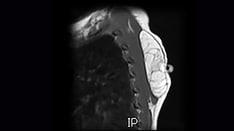
- MRI has also proven useful in evaluating internal lesions (eg, mediastinal masses, spinal cord tumors, deep plexiform neurofibromas, abdominopelvic lesions, neurofibromas of the brachial or sacral plexus).
- MRI using short T1-inversion recovery may be helpful in providing accurate volumetric measurements of plexiform neurofibromas at initial diagnosis and serially over time.
- Although MRI is not always helpful in differentiating benign peripheral nerve sheath lesions from malignant lesions, central hypointense areas within a lesions noted on T2-weighted images (the so-called target sign) is more suggestive of a benign lesion.9
- CT scanning and MRI are first-line imaging studies when pheochromocytoma is suspected based on abnormal serum or urine screening tests.6
- Positron emission tomography: F-18 fluorodeoxyglucose positron emission tomography (FDG-PET) may be used to stage and follow malignant peripheral nerve sheath tumors (MPNSTs).
- Scintigraphy
- If a CT scanning and MRI are unable to identify a suspected pheochromocytoma, then metaiodobenzylguanidine (MIBG) scintigraphy is indicated.10
- Gallium-67 scintigraphy may be used as a screening tool, especially those patients with a large plexiform neurofibroma when one or more areas within the lesion may have undergone malignant transformation.11
Other Tests
- EEG is indicated for patients who exhibit symptoms that suggest a seizure disorder. Seizures are reported more often in children and adults with neurofibromatosis type 1.
- Myelography is occasionally needed to clarify the extent of a spinal cord tumor. MRI alone generally suffices for making medical or surgical decisions.
- Visual evoked potentials (VEPS) may prove helpful in detecting optic nerve gliomas or assessing tumor progression in patients with previously diagnosed optic pathway tumors.
Procedures
- Slit-lamp examination
- Slit-lamp examination by an experienced ophthalmologist provides essential diagnostic information in older children and adults who present with only one clinical criterion (eg, multiple café au lait spots).
- Lisch nodule occurrence appears to depend on age; more than 95% of individuals with neurofibromatosis type 1 older than 10 years exhibit this finding.
- Slit-lamp examination is also valuable in determining whether the parents of an affected child carry the NF1 mutation, even when the parent has no other signs of the condition.
- Laser treatment
- Laser removal of neurofibromas (whether medically or cosmetically indicated) is a common procedure for individuals with neurofibromatosis type 1.
- Recent advances in laser technology allow nonsurgical removal of small cutaneous neurofibromas; however, careful surgical resection of small or large neurofibromas may leave a smaller, less prominent scar.
- Although laser treatment has been used to remove various cutaneous hyperpigmented lesions (eg, port wine stains, tattoos), it has not proven effective in permanent removal of café au lait spots.
Histologic Findings
- Neurofibromas are typically well-differentiated tumors containing elongated spindle-shaped cells and pleomorphic fibroblastlike cells. Inflammatory cells rarely occur in these otherwise benign-appearing lesions. Optic gliomas are also quite indolent and generally are low-grade lesions; optic nerve lesions associated with neurofibromatosis type 1 are less aggressive than optic nerve tumors in the general population and respond better to current therapies.
- Neurofibromas, typically of the large or deep plexiform variety, sometimes undergo malignant transformation to neurofibrosarcomas. Unlike benign neurofibromas, neurofibrosarcomas are characteristically hypercellular with giant cells, an increased number of mitoses, and vascular proliferation. Because rests of malignant cells may embed between larger masses of benign cells in a plexiform neurofibroma, careful examination of a plexiform tumor is important; take samples from multiple regions to confirm the lesion is benign.
Medical Care
- Medical care consists of routine examinations, focusing on some of the possible complications of neurofibromatosis type 1 (NF1).
- Biannual examinations for children younger than 5 years, and annual examinations thereafter, provide the best early detection of problems, which can decrease morbidity and improve the patient's quality of life.
- Annual eye examinations, especially in children younger than 5 years, are essential for early detection of optic nerve lesions. However, because symptomatic optic nerve gliomas may also appear in older children and young adults, annual examinations should be part of ongoing care for all individuals with neurofibromatosis type 1.
- Optic nerve gliomas in children with neurofibromatosis type 1 are typically more indolent than in the general population. Asymptomatic lesions may simply be clinically monitored, whereas for symptomatic lesions (especially in younger children), chemotherapy is generally recommended over radiation therapy.12 For progressive optic nerve lesions in children older than 5 years, radiation therapy may be considered; surgical intervention is only indicated for large lesions that cause hydrocephalus or unilateral lesions that result in proptosis with complete visual loss.13
- Perform a cutaneous examination to search for new neurofibromas and progression of preexisting lesions.
- Plexiform neurofibromas may be locally invasive; direct clinical evaluation at determining the extent of involvement and detecting evidence of bony erosion or nerve entrapment.
- In older children and adolescents, malignancies can occasionally arise within a plexiform neurofibroma or peripheral nerve sheath lesion. Although complete resection of the tumor provides the best chance for cure of a malignant neurosarcoma or malignant peripheral nerve sheath tumor (MPNST), adjuvant chemotherapy is sometimes necessary for unresectable or metastatic lesions. Use of chemotherapy to treat MPNSTs is still in its infancy, and, until recently, very poor outcomes were generally reported despite the use of various combinations of agents.
- More recently, in vitro studies examining a broader range of agents targeting the ras pathway and/or other relevant neurofibromatosis pathways have shown great promise. Specifically, farnesyl transferases used in combination with lovastatin have shown synergistic effects in growth inhibition of MPNST cell lines in vitro.14 A study examining sorafebib reported inhibition of MPNST cell growth in vitro.15 Another study demonstrated that a rapamycin complex 1 inhibitor (RAD001) inhibits MPNST cell growth when used as a single agent and, when used in combination with erlotinib (an epidermal growth factor receptor tyrosine kinase inhibitor), shows even greater growth inhibition and apoptosis.16 These initial studies will likely lead to preclinical and clinical trials for patients with unresectable MPNSTs in the very near future.
- The examination should include a careful search for skeletal involvement, including scoliosis, hemihypertrophy, and long-bone modeling defects.
- Check blood pressure at every visit and take prompt action if hypertension is detected.
- Ask parents about the child's neurodevelopmental progress, which allows any learning disabilities to be addressed in a timely manner. For children and adolescents with attention deficit hyperactivity disorder (ADHD), psychostimulant medication may improve academic performance and social skills.
- Individuals and families may benefit from involvement in a local or national support group or organization committed to the service of patients with neurofibromatosis (see Patient Education).
Surgical Care
- Neurofibromas
- Any competent surgeon can accomplish surgical resection, although consultation with a plastic surgeon is advisable for areas of greater cosmetic concern (eg, the face).
- Neurofibromas that press on vital structures, obstruct vision, or grow rapidly deserve immediate attention.
- Plexiform neurofibromas may be extremely difficult to approach surgically. Plexiform neurofibromas often recur after resection because of residual cell rests deep in soft tissues.
- Surgeons must recognize that removal of some of these lesions can cause substantial blood loss, and they should plan accordingly.
- For many patients, neurofibromas on the scalp, along the hairline, or around the waist (where clothes rub) can cause significant irritation and discomfort. Removal of these lesions should be considered a necessary medical procedure, not a cosmetic procedure.
- Peripheral nerve sheath tumors may occur in the brachial or pelvic plexuses; most are benign, although they may cause significant neurologic symptoms.
- Spinal cord tumors
- Resection of spinal cord tumors is quite difficult but is often necessary to prevent progressive paraplegia or quadriplegia. Prompt action is important when neurologic symptoms appear to maximize operative success.
- For some patients, surgical intervention may not guarantee a complete resection of the tumor but may serve a palliative function.
- More recently, single fraction radiosurgery has been used in a few centers to treat benign intradural extramedullary spinal cord tumors. This technique may be used as a primary therapeutic approach or for patients with residual tumor or postsurgical tumor progression.17
- Orthopedic intervention
- Orthopedic treatment is indicated for rapidly progressive scoliosis and for some severe bony defects.
- Referral as soon as scoliosis is detected is advisable; this allows the orthopedic specialist to possibly use nonsurgical approaches to avoid future spinal fusion procedures.
- Limb-sparing procedures, along with new bracing and casting technologies, have decreased the need for amputation. The best treatment for patients with long-bone defects involves ongoing orthopedic care.
- Vascular lesions
- Percutaneous transluminal renal artery angioplasty (PTRAA) may be effective in treating some cases of stenosis secondary to fibromuscular dysplasia.
- Patients who fail PTRAA or are not candidates for this procedure based on their specific vascular lesion may require surgical repair and anastomosis of the renal artery.
- Pheochromocytomas
- Resection is the treatment of choice for a pheochromocytoma
- When resecting a pheochromocytoma, patients require preoperative prophylactic treatment with an alpha-blocker (preferably a selective post-synaptic alpha-1 receptor antagonist) to offset the effects of catecholamine release during surgical manipulation of the tumor.18
Consultations
- An ophthalmologist is a valuable member of the neurofibromatosis consultation team, evaluating patients on an annual basis for visual acuity changes, for field defects, and for Lisch nodules.
- A neurologist serves as a core consultant, performing a complete focused neurological examination to provide valuable information about neurologic changes.
- A neurosurgeon provides expert consultation when a spinal cord tumor or brain tumor is identified. The neurosurgeon works closely with the neurologist to determine the optimal timing for surgery and the ideal surgical approach.
- A geneticist provides information about diagnosis, diagnostic testing, inheritance, and recurrence risk in future children. A geneticist may also address family planning options and prenatal diagnosis.
- An orthopedic surgeon is a key consultant for the many bone abnormalities that occur in neurofibromatosis (eg, scoliosis, pseudarthrosis, hemihypertrophy, bony erosion by plexiform neurofibromas).
- A developmental pediatrician may be an invaluable resource for evaluating a child with learning disabilities. Speech delay and hypotonia are among the most common signs of developmental delay in neurofibromatosis. Early intervention with appropriate services may help maximize a child's potential. A developmental specialist can determine which services are needed and may recommend early intervention programs.
- The patient may benefit from consultation with several other specialists to address specific neurofibromatosis concerns, including the following:
- A nephrologist to exclude renal vascular lesions
- A general or plastic surgeon to remove neurofibromas
- An oncologist for management and treatment of optic nerve gliomas, other intracranial gliomas, neurosarcomas, or MPNSTs
- An otolaryngologist for suspected hearing loss or acoustic nerve lesions
- A dermatologist for cutaneous lesions
- An oculoplastic surgeon for orbital plexiform neurofibromas
Activity
- Neurofibromatosis type 1 requires no general activity restrictions with the exception of individuals with specific orthopedic concerns whose consulting physicians may recommend activity restrictions.
- Patients with spinal fusion procedures and individuals with significant long-bone weakness or pseudarthrosis may need to limit specific athletic activities.
Neurofibromatosis type 1 (NF1) has no known medical therapy. Researchers have initiated several drug trials in search of medications that slow or halt the growth of neurofibromas. A recent trial used a retinoic acid derivative in an attempt to slow the growth of plexiform neurofibromas. To date, none of these medications has demonstrated significant benefit. For a small subset of patients with pruritus caused by cutaneous neurofibromas, diphenhydramine administration may provide limited temporary relief. Encourage patients with this condition to avoid hot showers and baths because heat may exacerbate itching. Chemotherapy trials with carboplatin have proven efficacy in controlling the growth of visually significant optic gliomas.
Further Inpatient Care
- Hospitalization may be required for major surgical procedures and for clinical evaluation of uncontrolled hypertension.
Further Outpatient Care
- Many minor surgical procedures (eg, cutaneous neurofibroma removal) may be performed in an outpatient setting.
- Although treatment of the patient with neurofibromatosis can be accomplished in the primary care setting, a number of additional medical concerns should be addressed on a routine basis. Some practitioners believe it best for patients to be seen on an annual basis in a comprehensive neurofibromatosis center; other practitioners believe they can provide the annual care themselves and refer to consultants for specific needs.
- Patients younger than 5 years should receive biannual examinations, then annual examinations thereafter. Clinicians should devote special attention to complications of neurofibromatosis. Each biannual examination should include the following:
- Blood pressure estimation
- Head circumference measurement, at least during the first 3 years of life
- Examination of the skin for typical lesions, including early or growing neurofibromas
- Brief, age-appropriate visual acuity check
- Examination of the eyes for evidence of proptosis or strabismus
- Examination of the spine and extremities for abnormalities
- Neurodevelopmental assessment and Tanner staging to exclude precocious puberty
- Annual ophthalmologic examinations should look for optic nerve pallor, visual acuity changes, visual field defects, and Lisch nodules. Promptly refer young children to a pediatric ophthalmologist for concerns about visual acuity, evidence of proptosis, or palpebral plexiform neurofibromas obstructing vision.
- Referral to an orthopedic surgeon may be necessary for deformities of the extremities, including significant hemihypertrophy, or for scoliosis. Orthopedic referral for scoliosis is particularly urgent for children younger than 10 years.
- Referral to a pediatric neurologist may be necessary for concerns about neurologic symptomatology such as significant headaches, weakness or asymmetry, severe hypotonia, rapidly increasing head size, and possible seizures.
- Referral to a developmental specialist may be indicated for a child with motor, speech, or cognitive delays.
Complications
- Locally invasive plexiform neurofibromas
- Dumbbell-shaped spinal cord neurofibromas or neurofibromas of the brachial or sacral plexus
- Optic nerve gliomas, especially in children younger than 5 years
- Scoliosis, which may be particularly aggressive in children younger than 10 years
- Bony modeling defects that may lead to pseudarthrosis, thoracic cage asymmetry, or pathologic fractures
- Hypertension due to pheochromocytoma or renal vascular stenosis secondary to fibromuscular dysplasia
- Increased risk for brain tumors, leukemia, and other malignancies of neural crest origin, including neurofibrosarcomas
- Peripheral nerve sheath tumors, which may undergo malignant transformation and are clinically challenging
- Learning disabilities, attention deficit hyperactivity disorder (ADHD), or, rarely, mental retardation
Prognosis
- Although most individuals with neurofibromatosis type 1 lead relatively long and healthy lives, neurofibromatosis type 1 may reduce overall life expectancy as much as 15 years. The major causes for this increased morbidity and subsequent mortality are hypertension and cancer.
- Prompt attention to complications of neurofibromatosis type 1 and early detection of medical problems may significantly reduce overall morbidity and mortality.
Patient Education
- Ensure children and their parents are aware of symptoms that require immediate medical attention; these include onset of strabismus, headaches that increase in intensity or frequency, signs of precocious puberty, and focal neurologic deficits.
- The following organizations are among the resources for patients with neurofibromatosis and their families:
- In addition to emotional support, these organizations provide the following services:
- Periodic updates on advances in neurofibromatosis research
- Contact information for regional support groups and local medical resources
- Newsletters for patients and families
Medical/Legal Pitfalls
- Failure to identify scoliosis sufficiently early to institute nonsurgical approaches
- Failure to identify optic gliomas sufficiently early to intervene before they cause permanent visual loss
- Failure to identify and appropriately treat alternative causes of hypertension
- Failure to provide appropriate genetic counseling
| Media file 6:
Radiograph showing radial bowing, ulnar bowing, and obliteration of the intramedullary spaces. |
 | View Full Size Image | |
Media type: Radiograph
|
| Media file 8:
Neurofibromatosis. MRI scan depicting an unidentified bright object (UBO) within the brain parenchyma. |
 | View Full Size Image | |
Media type: MRI
|
| Media file 9:
MRI showing a left optic nerve glioma with thickening of the nerve and proptosis. |
 | View Full Size Image | |
Media type: MRI
|
- Dugoff L, Sujansky E. Neurofibromatosis type 1 and pregnancy. Am J Med Genet. Dec 2 1996;66(1):7-10. [Medline].
- Darrigo LG Jr, Geller M, Bonalumi Filho A, et al. Prevalence of plexiform neurofibroma in children and adolescents with type I neurofibromatosis. J Pediatr (Rio J). Nov-Dec 2007;83(6):571-3. [Medline].
- Rodriguez FJ, Perry A, Gutmann DH, et al. Gliomas in neurofibromatosis type 1: a clinicopathologic study of 100 patients. J Neuropathol Exp Neurol. Mar 2008;67(3):240-9. [Medline].
- Brunetti-Pierri N, Doty SB, Hicks J, et al. Generalized metabolic bone disease in Neurofibromatosis type I. Mol Genet Metab. May 2008;94(1):105-11. [Medline].
- Stevenson DA, Schwarz EL, Viskochil DH, et al. Evidence of increased bone resorption in neurofibromatosis type 1 using urinary pyridinium crosslink analysis. Pediatr Res. Jun 2008;63(6):697-701. [Medline].
- Karagiannis A, Mikhailidis DP, Athyros VG, et al. Pheochromocytoma: an update on genetics and management. Endocr Relat Cancer. Dec 2007;14(4):935-56. [Medline].
- Lenders JW, Pacak K, Walther MM, et al. Biochemical diagnosis of pheochromocytoma: which test is best?. JAMA. Mar 20 2002;287(11):1427-34. [Medline].
- Ullrich NJ, Raja AI, Irons MB, et al. Brainstem lesions in neurofibromatosis type 1. Neurosurgery. Oct 2007;61(4):762-6; discussion 766-7. [Medline].
- Iannicelli E, Rossi G, Almberger M, et al. Integrated imaging in peripheral nerve lesions in type 1 neurofibromatosis. Radiol Med (Torino). Apr 2002;103(4):332-43. [Medline].
- Pacak K, Eisenhofer G, Ahlman H, et al. Pheochromocytoma: recommendations for clinical practice from the First International Symposium. October 2005. Nat Clin Pract Endocrinol Metab. Feb 2007;3(2):92-102. [Medline].
- Levine E, Huntrakoon M, Wetzel LH. Malignant nerve-sheath neoplasms in neurofibromatosis: distinction from benign tumors by using imaging techniques. AJR Am J Roentgenol. Nov 1987;149(5):1059-64. [Medline].
- Lee AG. Neuroophthalmological management of optic pathway gliomas. Neurosurg Focus. 2007;23(5):E1. [Medline].
- Binning MJ, Liu JK, Kestle JR, et al. Optic pathway gliomas: a review. Neurosurg Focus. 2007;23(5):E2. [Medline].
- Wojtkowiak JW, Fouad F, LaLonde DT, et al. Induction of apoptosis in neurofibromatosis type 1 malignant peripheral nerve sheath tumor cell lines by a combination of novel farnesyl transferase inhibitors and lovastatin. J Pharmacol Exp Ther. Jul 2008;326(1):1-11. [Medline].
- Ambrosini G, Cheema HS, Seelman S, et al. Sorafenib inhibits growth and mitogen-activated protein kinase signaling in malignant peripheral nerve sheath cells. Mol Cancer Ther. Apr 2008;7(4):890-6. [Medline].
- Johansson G, Mahller YY, Collins MH, et al. Effective in vivo targeting of the mammalian target of rapamycin pathway in malignant peripheral nerve sheath tumors. Mol Cancer Ther. May 2008;7(5):1237-45. [Medline].
- Gerszten PC, Burton SA, Ozhasoglu C, et al. Radiosurgery for benign intradural spinal tumors. Neurosurgery. Apr 2008;62(4):887-95; discussion 895-6. [Medline].
- Bravo EL, Tagle R. Pheochromocytoma: state-of-the-art and future prospects. Endocr Rev. Aug 2003;24(4):539-53. [Medline].
- Baralle D, Mattocks C, Kalidas K, et al. Different mutations in the NF1 gene are associated with Neurofibromatosis-Noonan syndrome (NFNS). Am J Med Genet A. May 15 2003;119A(1):1-8. [Medline].
- Barton B, North K. Social skills of children with neurofibromatosis type 1. Dev Med Child Neurol. Aug 2004;46(8):553-63. [Medline].
- Chander S, Westphal SM, Zak IT, et al. Retroperitoneal malignant peripheral nerve sheath tumor: evaluation with serial FDG-PET. Clin Nucl Med. Jul 2004;29(7):415-8. [Medline].
- DeClue JE, Cohen BD, Lowy DR. Identification and characterization of the neurofibromatosis type 1 protein product. Proc Natl Acad Sci U S A. Nov 15 1991;88(22):9914-8. [Medline].
- Deliganis AV, Geyer JR, Berger MS. Prognostic significance of type 1 neurofibromatosis (von Recklinghausen Disease) in childhood optic glioma. Neurosurgery. Jun 1996;38(6):1114-8; discussion 1118-9. [Medline].
- Evans DG, Baser ME, McGaughran J, et al. Malignant peripheral nerve sheath tumours in neurofibromatosis 1. J Med Genet. May 2002;39(5):311-4. [Medline].
- Feldmann R, Denecke J, Grenzebach M, et al. Neurofibromatosis type 1: motor and cognitive function and T2-weighted MRI hyperintensities. Neurology. Dec 23 2003;61(12):1725-8. [Medline].
- Gutmann DH, Collins FS. The neurofibromatosis type 1 gene and its protein product, neurofibromin. Neuron. Mar 1993;10(3):335-43. [Medline].
- Habiby R, Silverman B, Listernick R, et al. Precocious puberty in children with neurofibromatosis type 1. J Pediatr. Mar 1995;126(3):364-7. [Medline].
- Health supervision for children with neurofibromatosis. American Academy of Pediatrics Committee on Genetics. Pediatrics. Aug 1995;96(2 Pt 1):368-72. [Medline].
- Heuschkel R, Kim S, Korf B, et al. Abdominal migraine in children with neurofibromatosis type 1: a case series and review of gastrointestinal involvement in NF1. J Pediatr Gastroenterol Nutr. Aug 2001;33(2):149-54. [Medline].
- Hughes RJ, Scoble JE, Reidy JF. Renal angioplasty in non-atheromatous renal artery stenosis: technical results and clinical outcome in 43 patients. Cardiovasc Intervent Radiol. Sep-Oct 2004;27(5):435-40. [Medline].
- Karadimas P, Hatzispasou E, Bouzas EA. Retinal vascular abnormalities in neurofibromatosis type 1. J Neuroophthalmol. Dec 2003;23(4):274-5. [Medline].
- Korf BR. Malignancy in neurofibromatosis type 1. Oncologist. 2000;5(6):477-85. [Medline].
- Listernick R, Ferner RE, Piersall L, et al. Late-onset optic pathway tumors in children with neurofibromatosis 1. Neurology. Nov 23 2004;63(10):1944-6. [Medline].
- Mahoney DH Jr, Cohen ME, Friedman HS, et al. Carboplatin is effective therapy for young children with progressive optic pathway tumors: a Pediatric Oncology Group phase II study. Neuro Oncol. Oct 2000;2(4):213-20. [Medline].
- Mautner VF, Kluwe L, Thakker SD, et al. Treatment of ADHD in neurofibromatosis type 1. Dev Med Child Neurol. Mar 2002;44(3):164-70. [Medline].
- Mentzel HJ, Seidel J, Fitzek C, et al. Pediatric brain MRI in neurofibromatosis type I. Eur Radiol. Apr 2005;15(4):814-22. [Medline].
- Mohrenschlager M, Engst R, Muller-Weihrich S, et al. Association of urticaria pigmentosa with café-au-lait spots, neurofibromas and neurofibroma-like neoplasms: a mere coincidence?. Dermatology. 2003;206(4):297-302. [Medline].
- Nakakura S, Shiraki K, Yasunari T, et al. Quantification and anatomic distribution of choroidal abnormalities in patients with type I neurofibromatosis. Graefes Arch Clin Exp Ophthalmol. Oct 2005;243(10):980-4. [Medline].
- Neurofibromatosis. Conference statement. National Institutes of Health Consensus Development Conference. Arch Neurol. May 1988;45(5):575-8. [Medline].
- Ng YT, North KN. Visual-evoked potentials in the assessment of optic gliomas. Pediatr Neurol. Jan 2001;24(1):44-8. [Medline].
- North KN, Riccardi V, Samango-Sprouse C, et al. Cognitive function and academic performance in neurofibromatosis. 1: consensus statement from the NF1 Cognitive Disorders Task Force. Neurology. Apr 1997;48(4):1121-7. [Medline].
- Parsa CF, Hoyt CS, Lesser RL, et al. Spontaneous regression of optic gliomas: thirteen cases documented by serial neuroimaging. Arch Ophthalmol. Apr 2001;119(4):516-29. [Medline].
- Riccardi VM. Neurofibromatosis: Phenotype, Natural History and Pathogenesis. 2nd ed. Baltimore, Md: Johns Hopkins University Press; 1992..
- Schrimsher GW, Billingsley RL, Slopis JM, et al. Visual-spatial performance deficits in children with neurofibromatosis type-1. Am J Med Genet A. Jul 30 2003;120A(3):326-30. [Medline].
- Scott RM, Smith JL, Robertson RL, et al. Long-term outcome in children with moyamoya syndrome after cranial revascularization by pial synangiosis. J Neurosurg. Feb 2004;100(2 Suppl Pediatrics):142-9. [Medline].
- Solomon J, Warren K, Dombi E, et al. Automated detection and volume measurement of plexiform neurofibromas in neurofibromatosis 1 using magnetic resonance imaging. Comput Med Imaging Graph. Jul 2004;28(5):257-65. [Medline].
- Thiagalingam S, Flaherty M, Billson F, et al. Neurofibromatosis type 1 and optic pathway gliomas: follow-up of 54 patients. Ophthalmology. Mar 2004;111(3):568-77. [Medline].
- Tubbs RS, Rutledge SL, Kosentka A, et al. Chiari I malformation and neurofibromatosis type 1. Pediatr Neurol. Apr 2004;30(4):278-80. [Medline].
- Vinters HV, Kerfoot C, Catania M, et al. Tuberous sclerosis-related gene expression in normal and dysplastic brain. Epilepsy Res. Sep 1998;32(1-2):12-23. [Medline].
- Virdis R, Street ME, Bandello MA, et al. Growth and pubertal disorders in neurofibromatosis type 1. J Pediatr Endocrinol Metab. Mar 2003;16 Suppl 2:289-92. [Medline].
- Vivarelli R, Grosso S, Calabrese F, et al. Epilepsy in neurofibromatosis 1. J Child Neurol. May 2003;18(5):338-42. [Medline].
- Zacharia TT, Jaramillo D, Poussaint TY, et al. MR imaging of abdominopelvic involvement in neurofibromatosis type 1: a review of 43 patients. Pediatr Radiol. Mar 2005;35(3):317-22. [Medline].
- Zoller M, Rembeck B, Akesson HO, et al. Life expectancy, mortality and prognostic factors in neurofibromatosis type 1. A twelve-year follow-up of an epidemiological study in Goteborg, Sweden. Acta Derm Venereol. Mar 1995;75(2):136-40. [Medline].
Neurofibromatosis excerpt Article Last Updated: Sep 15, 2008
|