Continually Updated Clinical Reference
 
 
  All Sources     eMedicine     Medscape     Drug Reference     MEDLINE
 
eMedicine - Behcet Syndrome : Article by

Quick Find
Authors & Editors
Introduction
Clinical
Differentials
Workup
Treatment
Medication
Follow-up
Miscellaneous
References

Related Articles
Adrenal Insufficiency

Arthritis, Conjunctivitis, Urethritis Syndrome

Crohn Disease

Herpes Simplex Virus Infection

Sarcoidosis

Systemic Lupus Erythematosus

Ulcerative Colitis


Patient Education
Click here for patient education.


Author: C Egla Rabinovich, MD, Department of Pediatrics, Division of Pediatric Rheumatology, Assistant Clinical Professor, Duke University

C Egla Rabinovich is a member of the following medical societies: American Academy of Pediatrics and American College of Rheumatology

Coauthor(s): Linda Wagner-Weiner, MD, Assistant Professor, Department of Pediatrics, University of Chicago

Editors: Mary L Windle, PharmD, Adjunct Assistant Professor, University of Nebraska Medical Center College of Pharmacy, Pharmacy Editor, eMedicine.com, Inc; Thomas JA Lehman, MD, Clinical Professor of Pediatrics, Department of Pediatrics, Division of Pediatric Rheumatology, Weill-Cornell University; Chief, Hospital for Special Surgery; Paul D Petry, DO, FACOP, FAAP, Consulting Staff, Freeman Pediatric Care, Freeman Health System; Barry L Myones, MD, Associate Professor, Departments of Pediatrics and Immunology, Pediatric Rheumatology Section, Baylor College of Medicine; Director of Research, Pediatric Rheumatology Center, Texas Children's Hospital

Author and Editor Disclosure

Synonyms and related keywords: Behçet syndrome, Behçet's disease, Behçet disease, Adamantiades-Behçet's disease, Adamantiades-Behçet disease, blindness

Background

Behçet syndrome is a multisystem disease probably first described by Hippocrates in the 5th century. The syndrome carries the name of the Turkish dermatologist Hulusi Behçet, who, in 1937, described a syndrome of recurrent aphthous ulcers, genital ulcerations, and uveitis leading to blindness. Although the cause of the disease is still unknown, it has become recognized as a multisystemic inflammatory disease.

Pathophysiology

Behçet syndrome is characterized by recurrent aphthous ulcers, genital ulcers, and uveitis or retinal vasculitis. Other manifestations of the disease include skin lesions, arthritis, gastrointestinal lesions, central nervous system (CNS) involvement, and vascular lesions, including aneurysms and thrombosis. In Behçet syndrome, the basic lesion is vasculitis. Biopsies have shown vasculitis near lesions of Behçet syndrome, including the oral and genital ulcers and lesions of the CNS and the eyes; large vessels are affected by a vasculitis of the vasa vasorum. Vascular injuries may be superimposed on the hypercoagulability observed in some patients.

Neutrophilic hyperfunction is observed in patients with Behçet syndrome with neutrophilic infiltration of skin at the site of a prick with a sterile needle (the pathergy test). Lymphocyte function has also been reported as abnormal, with a clonal expansion of autoreactive T cells.

Frequency

United States

Frequency data for Behçet syndrome should be considered suspect because of problems with case ascertainment. This problem is inherent in any disease where no specific diagnostic test exists and only a set of clinical criteria is used for diagnosis. Figures available from Olmstead County, Minnesota reveal prevalence in this community to be 5 cases per 100,000 persons. Other estimates of prevalence vary from 0.12-0.33 cases per 100,000 persons.

International

Behçet syndrome is thought to be more common along the ancient Silk Road, extending from Asia to the Mediterranean. Estimates from Turkey vary from 80-370 cases per 100,000 population, while prevalence estimates from Japan, Korea, China, and the Middle East vary from 13-20 cases per 100,000 population. In northern Spain, prevalence has been reported as 0.66 cases per 100,000 population, while estimates from Germany are 2.26 cases per 100,000 population.

Mortality/Morbidity

  • Ocular: Uveitis occurs in 60-80% of patients. Retinal arterial and venous lesions are prognostic indicators for blindness, which is a major complication of Behcet syndrome. In Middle Eastern populations, the mean time from onset of disease to blindness is 3-4 years in untreated patients or in those treated only with corticosteroids.
  • CNS: Neurologic involvement is one of the most serious manifestations of Behçet syndrome, occurring in 10-30% of patients and carrying a poor prognosis. Manifestations include meningitis or meningoencephalitis; psychiatric symptoms, including personality changes; neurological deficits, including hemiparesis; and brainstem symptoms. Neurological deficits may be progressive, with 30% of those patients with neurologic manifestations eventually developing dementia.
  • Vascular: Vascular involvement in Behçet syndrome is unique in that it is the only vasculitic disease that involves both the arterial and venous systems. Vascular complications, which occur in 7-40% of patients, include venous and arterial thromboses, vessel occlusions and stenoses, and aneurysm formation. Venous involvement typically includes superficial thrombophlebitis or deep venous thrombosis, usually of the lower extremities. Vena cava thrombosis can also occur, with extension to the hepatic vein, leading to Budd-Chiari syndrome and its associated morbidity and mortality. Patients with arterial manifestations may present with thrombosis or aneurysm formation with possible fatal rupture, especially if pulmonary arteries are involved.

Race

Behçet syndrome is thought to be more common in Turkish, Asian, and Middle Eastern populations. However, the severity of disease may be increased in these populations, with better case ascertainment as a result. An increased incidence of skin pathergy and HLA-B5 antigen is observed in Middle Eastern and Asian patients, compared to North American or northern European patients.

Sex

In Japan and Korea, Behçet syndrome is more common in females, with a male-to-female ratio of 1:2, but it is more common in males in the Middle East, with a male-to-female ratio of 2:1. In the literature, estimates of male-to-female ratios range from 11:1 to 0.2:1. Despite the variability of the reported sex ratios, the disease tends to run a more severe course in males.

Age

Onset typically occurs in patients in the late third and early fourth decades of life. Onset during the childhood years is well recognized, but Behçet syndrome rarely occurs before school age. Mean age of onset for pediatric patients in a large Turkish series was 11.7 years.


History

Two sets of criteria are commonly used for diagnosis of Behçet syndrome: an international criteria for Behçet syndrome, derived in 1990, and the O'Duffy criteria. Both sets of criteria may be too stringent for application in children who have lower risk for oral or genital ulcerations from other causes.

  • The international criteria include recurrent oral ulcerations, plus 2 of the following:
    • Recurrent genital ulcerations
    • Eye lesions
      • Anterior uveitis
      • Posterior uveitis
    • Cells in the vitreous
    • Retinal vasculitis
    • Skin lesions
      • Erythema nodosum
      • Pseudo folliculitis
      • Papulopustular lesions
      • Acneiform nodules (in a postadolescent patient not taking corticosteroids)
    • Positive pathergy test
  • The O'Duffy criteria require the presence of recurrent aphthous ulcerations, plus any 2 of following:
    • Genital ulcers
    • Uveitis
    • Cutaneous pustular vasculitis
    • Synovitis
    • Meningoencephalitis
    • Exclusion of inflammatory bowel disease, systemic lupus erythematosus (SLE), Reiter syndrome, and herpetic infections
  • Oral ulceration, the hallmark of this disease, is usually the initial clinical symptom and can precede other manifestations by years. Ulcers are typically painful, appear in crops, and are nonscarring. For diagnostic purposes, at least 3 episodes in a 12-month period are required. In one study of pediatric Behçet syndrome, the average time interval between the initial oral ulceration and the second manifestation was 8.8 years.
  • Genital ulcers appear in the vulva and vagina in females and scrotum and penis in men. Ulcers are painful, recurring, and scarring.
  • Ocular manifestations may be asymptomatic initially, or may present quite dramatically with hypopyon uveitis. Patients may report blurred vision, eye pain, photophobia, increased lacrimation, and erythematous conjunctiva.
  • Skin manifestations are nonspecific and include erythema nodosum, folliculitis, and pustular rash.
  • Arthralgias and arthritis can occur in small or large joints. Sacroiliitis has been described in HLA-B27–positive patients.
  • Gastrointestinal symptoms are common and include abdominal pain, diarrhea, and melena. Perforation may occur.
  • CNS involvement may occur in up to 25% of children and is the most severe manifestation of the disease. Patients with meningoencephalitis present with headache and stiff neck; focal neurological abnormalities can also be observed. Neuropsychiatric symptoms include hallucinations and personality changes. Other features that have been described include brainstem lesions; pseudotumor cerebri; cranial nerve palsies; and pyramidal, extrapyramidal, and cerebellar symptoms.
  • Vascular manifestations are varied and depend on the type and location of the vessel involved. The most common vascular complaints are secondary to venous thrombosis, often of the superficial veins. This can occur after venipuncture. Patients who develop superficial thrombophlebitis are more at risk than other patients with Behçet syndrome for the development of deep vein thrombosis and arterial disease. Well-known syndromes of large venous occlusions, such as Budd-Chiari syndrome or superior vena-caval syndrome, may occur. Patients with cerebral venous thrombosis develop signs and symptoms of increased intracranial pressure, such as headache and visual blurring. Arterial occlusions may present with symptoms related to ischemia. Cigarette smoking may be a risk factor for arterial disease in Behçet syndrome.
  • Pulmonary manifestations include pulmonary vasculitis and pulmonary arterial aneurysm formation; patients may present with hemoptysis, dyspnea, chest pain, or cough.

Physical

  • Physical findings vary, reflecting the disease manifestations in a particular patient.
    • Oral ulcerations: Ulcers are typically 2-15 mm in diameter, with a necrotic center and surrounding red rim. A white or yellow pseudomembrane covers the surface of the ulcer. The ulcers are typically painful, nonscarring, and found on the lips, buccal mucosa, tongue, tonsils, and larynx. Most last 7-14 days and occur in crops.
    • Genital ulcerations: These typically occur less often than the oral ulcerations. The ulcers occur on the scrotum and vulva, are painful and heal with scarring, especially on the scrotum. Genital ulcerations tend to be deeper and larger than the oral lesions. Females can have asymptomatic ulcers, especially in the vagina.
    • Ocular manifestations: Uveitis can occur in both the anterior and posterior chambers of the eye. Frank pus (hypopyon) may be observed in the anterior chamber. Retinal vasculitis is the most serious ocular finding. Vaso-occlusive lesions of the retinal vessels may cause a progressive decreased visual acuity. A slit lamp examination is necessary for diagnosis of uveitis, and fluorescein angiography is useful to identify retinal lesions.
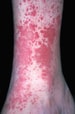
    • Skin manifestations: Erythema nodosum lesions typically occur on the extremities, especially the lower legs, but they can also be observed on the face, neck, and buttocks. The lesions are painful and resolve spontaneously, although some may ulcerate. Lesions may leave a hyperpigmented area on the skin. A folliculitislike rash, resembling acne vulgaris, appears on the face, neck, chest, back, and hairline of patients. Some lesions become more pustular. Twenty-four to 48 hours after a sterile needle prick, some patients develop erythema with a nodule or pustule at the prick site. This pathergy response is commonly observed in patients from Asia and the Middle East and is uncommon in northern European and North American patients.
    • Skeletal involvement: Monoarthritis or polyarthritis occurs in at least 50% of patients. Knees are the most commonly affected joints, followed by wrists, ankles, and elbows. The arthritis is typically nonerosive.
    • Gastrointestinal manifestations: In addition to the oral mucosa, ulcerative lesions may occur anywhere in the gastrointestinal tract. Most commonly, ulcers occur in the ileocecal region. Other involved areas include the transverse and ascending colon and the esophagus. Anticoagulation is controversial in patients with Behçet syndrome because of the risk of bleeding from one of these ulcers.
    • CNS involvement: CNS involvement occurs in up to 25% of patients and may be the most serious manifestation of disease. Findings may include meningitis, encephalitis, focal neurological deficits, and psychiatric symptoms. The CNS lesions may have exacerbations and remissions. In some patients, irreversible dementia ultimately results.
  • Vascular involvement
    • Venous involvement includes migratory superficial thrombophlebitis of the skin and deep venous thrombosis. Patients with lower extremity deep vein thrombosis may have distal edema. With chronic venous occlusion, collateral circulation may develop.
    • Arteritis may involve the aorta or its branches and lead to aneurysm formation. Rupture of aneurysms may be fatal. Pulmonary artery involvement may result in aneurysm formation with pulmonary artery–to–bronchus fistula formation and resultant hemoptysis. Aneurysm formation carries a worse prognosis than occlusive disease. Patients with pulmonary aneurysms often have extrapulmonary vascular complications, such as superficial or deep vein thrombosis.
    • Cardiac valves may develop vegetations with subsequent emboli. Clinically, these lesions are similar to bacterial endocarditis, but cultures are negative, and round cell infiltration is most typically observed on histology. Right ventricular thrombi may also develop, and are frequently found in patients with pulmonary aneurysms.
    • Nephrotic syndrome and kidney amyloidosis have rarely been described in patients with Behçet syndrome.
  • Muscular involvement: Myositis has been described in pediatric Behçet syndrome.

Causes

The etiology of Behçet syndrome is unknown. Behçet syndrome is thought to be caused by a combination of hereditary and environmental factors. The HLA-B51 allele (one of the split antigens of B5) is commonly found in patients from Asia and the Middle East, yet it is rarely found in northern European and North American patients. Infections may play a pathogenic role, as patients who have Behçet syndrome have a higher incidence of antibodies to herpes simplex virus, hepatitis C virus, and parvovirus B19. Streptococcal antigens have also been implicated; a trial of prophylactic penicillin treatment decreased the number of acute arthritis episodes in patients with Behçet syndrome.

Patients who have a parent with Behçet syndrome have disease onset at a younger age (genetic anticipation). In addition, pediatric patients are more likely to have a family history of Behçet syndrome, compared to patients with disease onset as an adult.


Adrenal Insufficiency
Arthritis, Conjunctivitis, Urethritis Syndrome
Crohn Disease
Herpes Simplex Virus Infection
Sarcoidosis
Systemic Lupus Erythematosus
Ulcerative Colitis

Other Problems to be Considered

Primary antiphospholipid antibody syndrome
Multiple sclerosis
Stevens-Johnson syndrome
Familial Mediterranean fever
PFAPA- Syndrome of periodic fever, aphthous stomatitis, pharyngitis, and cervical adenitis


Lab Studies

  • No specific laboratory test result is diagnostic of Behçet syndrome.
    • Serum complement levels are within the reference range, except for just prior to eye or mucous membrane involvement, at which time they may be decreased.
    • Sedimentation rate or C-reactive protein may be elevated. Anemia of chronic disease is common, and a neutrophil leukocytosis is seen in about 15% of patients.
    • HLA-B51 may be present in patients of Asian, Mexican, or Middle Eastern descent.
    • Anticardiolipin antibodies are present in up to 30% of patients.
  • Systemic lupus erythematosus and other vasculitic syndromes must be ruled out. Patients with Behcet syndrome have negative antinuclear and antineutrophilic cytoplasmic antibodies.
  • In patients with CNS findings, cerebral spinal fluid pleocytosis may be present.
  • In addition to thrombosis associated with antiphospholipid antibodies, reports exist of thrombosis in Behçet syndrome associated with factor V Leiden mutations and with prothrombin G20210A mutations.

Imaging Studies

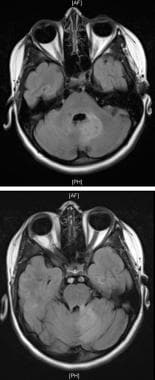
  • Brain MRI and/or computed tomography (CT) scanning for visualization of the neurological lesions is often helpful in patients with CNS involvement. Focal lesions may be observed anywhere in the CNS on the MRI, appearing as high signal on the T2-weighted images and low signal on the T1-weighted images. Flare images may be especially helpful. Enlargement of ventricles or subarachnoid spaces may be observed. However, the MRI findings of the brain may be normal even in the presence of neurologic involvement. Neuropsychologic testing results may be abnormal prior to any detectable lesions on neuro-imaging.
  • Angiography shows areas of aneurysm formation and thrombosis.
  • Echocardiography is useful in patients with murmurs because it is useful for diagnosing the valve vegetations and ventricular thrombi, which can occur in Behçet syndrome.

Other Tests

  • Endoscopy of the gastrointestinal (GI) tract is useful for detecting gastrointestinal ulcerations.
  • A thorough eye examination by an experienced ophthalmologist is essential. Consider fluorescein angiography for evaluation of retinal vessels. Follow-up visits with an ophthalmologist should be scheduled at least every 6-12 months.
  • Neuropsychologic testing may be useful with CNS involvement, revealing memory impairment or personality changes, and can be useful in monitoring neuropsychologic status.

Histologic Findings

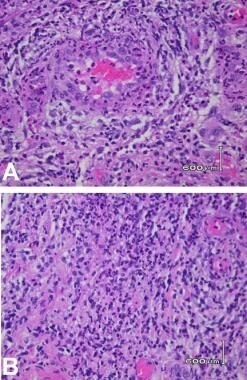
Behçet syndrome is diagnosed clinically, not by means of tissue evaluation. However, round cell infiltration may be found in cardiac valve lesions. Biopsy of the buccal and genital ulcers reveals lymphocytic and plasma cell invasion in the prickle cell layer of the epidermis. Dermal vessels are infiltrated with lymphocytes and plasma cells with immune deposits of immunoglobulin M (IgM) and C3. Occasionally, necrotizing vasculitis is observed.


Medical Care

Treatment must be tailored to each patient's clinical manifestations. Corticosteroids are considered palliative; they are useful in controlling acute manifestations, but progression of CNS and ocular disease may occur in patients treated with corticosteroids alone. Cytotoxic medications are usually indicated in patients with ocular, CNS, and vascular disease. Biologic medications are also being used in patients with these complications. Decreasing morbidity and mortality is the goal of treatment for children with Behçet syndrome.

Surgical Care

Surgical resection of aneurysms with graft placement should be considered if feasible because of the high risk of aneurysmal rupture. However, complications of arterial surgery, such as aneurysms at the surgical site (similar to a pathergylike effect) and local thrombus formation, commonly occur.

Consultations

A rheumatologist should be consulted for all patients with Behçet syndrome. For children, a pediatric rheumatologist is preferable. Consider other consultations depending on patient signs and symptoms.

  • All patients should have regular eye examinations by an ophthalmologist experienced with vasculitis.
  • Consultation with a neurologist should be considered for patients with CNS symptoms.
  • A consultation with a gastroenterologist is appropriate for evaluation and management of abdominal symptoms.
  • Consultation with a vascular surgeon is important for patients with aneurysm formation.

Diet

No specific dietary recommendations are needed for patients with Behçet syndrome. However, patients on long-term corticosteroid treatment should avoid excessive weight gain and follow a low-salt, low-fat diet.

Activity

Restriction of activity should be tailored to a patient's clinical manifestations.


Choice of medications depends on a patient's clinical manifestations. Ocular, CNS, and large vessel involvement requires aggressive medical treatment. Corticosteroids have a suppressive effect on most manifestations of Behçet syndrome, but they do not prevent dementia or blindness. Cytoxic therapies have been shown to be more effective. Close communication between subspecialists, such as ophthalmologists and neurologists, is important for patient care.

Drug Category: Antigout medications

These agents are useful in decreasing frequency of mucosal ulcerations, the skin findings of pseudofolliculitis and erythema nodosum, and can be useful in the management of uveitis and retinal vasculitis.

Drug NameColchicine
DescriptionMechanism of action is unknown, but may have to do with decreased motility and lactic acid production of leukocytes. First-line therapy for PO ulcerations, ocular manifestations, and skin lesions.
Adult Dose0.5-1.5 mg/d PO divided bid, titrate up to maximal tolerated dose
Pediatric DoseNot established; data limited
<5 years: 0.5 mg/d PO divided bid
>5 years: 0.5-1.5 mg/d PO divided bid; titrate up to maximal tolerated dose
ContraindicationsDocumented hypersensitivity; serious renal, GI, hepatic, or cardiac disorders; blood dyscrasias
InteractionsDecreased vitamin B-12 absorption; increased toxicity of sympathomimetic agents; enhances effect of CNS depressants; inhibited by acidifying agents
PregnancyD - Unsafe in pregnancy
PrecautionsRisk of renal failure, hepatic failure, permanent hair loss, bone marrow suppression, numbness or tingling in hands and feet, disseminated intravascular coagulopathy, and decreased sperm count; dose-dependent GI upset is common

Drug Category: Corticosteroids

This agent decreases acute inflammatory manifestations of Behçet syndrome. Depending on patient needs, this agent may be administered topically, orally, parenterally, or by intraocular injection.

Drug NameTriamcinolone acetonide ointment (Aristocort, Kenalog)
DescriptionTopical treatment is useful to decrease the pain and inflammation of aphthous ulcers.
Adult DoseApply sparingly to affected area tid
Pediatric DoseAdminister as in adults
ContraindicationsDocumented hypersensitivity; systemic fungal infections; serious infections
InteractionsNone reported
PregnancyC - Safety for use during pregnancy has not been established.
PrecautionsA percentage of topical drug might be absorbed systemically; if application is repeated, some systemic effects of the corticosteroids may occur

Drug NameBetamethasone ointment (Alphatrex, Diprolene, Maxivate)
DescriptionUseful to decrease the pain and inflammation of genital ulcers.
Adult DoseApply sparingly to affected area tid
Pediatric DoseAdminister as in adults
ContraindicationsDocumented hypersensitivity; systemic fungal infections; serious infections
InteractionsNone reported
PregnancyC - Safety for use during pregnancy has not been established.
PrecautionsA percentage of topical drug might be absorbed systemically; if application is repeated, some systemic effects of the corticosteroids may occur

Drug NameDexamethasone injectable (Decadron)
DescriptionAdministered subtenon intraocular injection for retinal vasculitis.
Adult Dose1-1.5 mg intraocular injection
Pediatric Dose0.5-1.5 mg intraocular injection
ContraindicationsDocumented hypersensitivity; systemic fungal infections
Interactions
PregnancyC - Safety for use during pregnancy has not been established.
PrecautionsLocal irritation

Drug NamePrednisone (Deltasone, Orasone)
DescriptionLow-dose: Second-line therapy for erythema nodosum, anterior uveitis, and arthritis.

High-dose: First-line therapy for GI lesions, acute meningoencephalitis, chronic progressive CNS lesions, and arthritis. Second-line treatment for retinal vasculitis and venous thrombosis.

Adult DoseLow dose: 5-20 mg/d PO
High dose: 20-100 mg/d PO
Pediatric DoseLow dose: 0.05-.5 mg/kg/d PO
High dose: up to 2 mg/kg/d PO
ContraindicationsDocumented hypersensitivity; viral infection, peptic ulcer disease, hepatic dysfunction, connective tissue infections, and fungal or tubercular skin infections; GI bleeding or ulceration.
InteractionsCoadministration with estrogens may decrease prednisone clearance; concurrent use with digoxin may cause digitalis toxicity secondary to hypokalemia; phenobarbital, phenytoin, and rifampin may increase metabolism of glucocorticoids (consider increasing maintenance dose); monitor for hypokalemia with coadministration of diuretics
PregnancyB - Usually safe but benefits must outweigh the risks.
PrecautionsGradual tapering of dose required; suppression of linear growth in children with high doses; increased risk of osteoporosis; possible reversible HPA axis suppression, Cushing syndrome, hyperglycemia, and glucosuria.

Drug NameMethylprednisolone (Medrol, Solu-Medrol)
DescriptionUsed as first-line therapy for acute meningoencephalitis, chronic progressive CNS lesions, and arteritis. Alternate therapy for GI lesions and venous thrombosis.
Adult Dose1 g/d IV for 3 d; may also administer additional weekly pulse doses for acute exacerbation; may be on lower daily doses for acute disease
Pediatric Dose30 mg/kg/d IV; not to exceed 1 g for 3 d and/or weekly pulse doses for acute disease; may also be on lower daily doses for severe disease, 2 mg/kg/d divided bid/qid
ContraindicationsDocumented hypersensitivity; serious infections, except septic shock or tuberculous meningitis; septic fungal infections; varicella; administration of live virus vaccines
InteractionsCoadministration with digoxin may increase digitalis toxicity secondary to hypokalemia; estrogens may increase levels of methylprednisolone; phenobarbital, phenytoin, and rifampin may decrease levels of methylprednisolone (adjust dose); monitor patients for hypokalemia when taking medication concurrently with diuretics
PregnancyC - Safety for use during pregnancy has not been established.
PrecautionsGradual tapering of dose required with daily dosing; caution with any active infection; suppression of linear growth in children with high doses; increased risk of osteoporosis; possible reversible HPA axis suppression, Cushing syndrome, hyperglycemia, and glucosuria

Drug Category: Immunosuppressant agents

These agents are used for the more serious long-term effects of Behçet syndrome, ie, ocular and CNS involvement, severe vasculitis.

Drug NameAzathioprine (Imuran)
DescriptionUsed as alternate therapy for retinal vasculitis, arthritis, chronic progressive CNS lesions, arteritis, and venous thrombosis.
Antagonizes purine metabolism and inhibits synthesis of DNA, RNA, and proteins. May decrease proliferation of immune cells, which results in lower autoimmune activity.
Adult Dose100-150 mg/d PO
Pediatric Dose2-3 mg/kg/d PO
ContraindicationsDocumented hypersensitivity; pregnancy; lactation; low levels of serum thiopurine methyl transferase (TPMT)
InteractionsToxicity increases with allopurinol; concurrent use with ACE inhibitors may induce severe leukopenia; may increase levels of methotrexate metabolites and decrease effects of anticoagulants, neuromuscular blockers, and cyclosporine
PregnancyD - Unsafe in pregnancy
PrecautionsChronic immunosuppression increases the risk of neoplasia; mutagenic potential for both men and women; caution with liver disease and renal impairment; check TPMT level prior to therapy and monitor liver, renal, and hematologic function; pancreatitis rarely associated

Drug NameChlorambucil (Leukeran)
DescriptionUsed as alternate therapy for retinal vasculitis, chronic progressive CNS lesions, arteritis, and venous thrombosis.
Alkylates and cross-links strands of DNA, inhibiting DNA replication and RNA transcription. Many are discarding this therapy because of significant cumulative toxicity and increased risk of malignancy.
Adult Dose5 mg/d PO; adjust dose depending on blood counts
Pediatric Dose0.1-0.2 mg/kg/d PO; adjust dose depending on blood counts; not recommended unless other therapies fail
ContraindicationsDocumented hypersensitivity
InteractionsNone reported
PregnancyD - Unsafe in pregnancy
PrecautionsPossible severe suppression of bone marrow function; affects human fertility; carcinogenic in humans; possible association of secondary acute myelogenous leukemia with long-term therapy; monitor hematologic parameters weekly while on medication

Drug NameCyclophosphamide (Cytoxan, Neosar)
DescriptionUsed as alternate therapy for retinal vasculitis, arthritis, chronic progressive CNS lesions, arteritis, and venous thrombosis.
A cell cycle phase–nonspecific antineoplastic agent and immunosuppressant. A prodrug that requires activation by the cytochrome P-450 system in order to be cytotoxic.
Chemically related to nitrogen mustards. As an alkylating agent, the mechanism of action of the active metabolites may involve cross-linking of DNA, which may interfere with growth of normal and neoplastic cells.
Because of toxicities, cyclophosphamide is being replaced by calcineurin inhibitors and antitumor necrosis factor agents where available.
Adult Dose50-100 mg/d PO
0.5-1 g/m2 IV qmo; not to exceed 1500 mg/dose
Pediatric DoseAdminister as in adults
ContraindicationsDocumented hypersensitivity; severely depressed bone marrow function
InteractionsAllopurinol may increase risk of bleeding or infection and enhance myelosuppressive effects; cyclophosphamide may potentiate doxorubicin-induced cardiotoxicity; may reduce digoxin serum levels and antimicrobial effects of quinolones; chloramphenicol may increase half-life while decreasing metabolite concentrations; may increase effect of anticoagulant; coadministration with high doses of phenobarbital may increase rate of metabolism and leukopenic activity; thiazide diuretics may prolong cyclophosphamide-induced leukopenia and neuromuscular blockade by inhibiting cholinesterase activity
PregnancyD - Unsafe in pregnancy
PrecautionsPossible dose adjustment needed in hepatic or renal failure; caution with bone marrow depression; monitor postinfusion CBC; chronic immunosuppression increases risk of neoplasia; possible reduction of risk of hemorrhagic cystitis with MESNA for infusion therapy; pay attention to adequate hydration with PO therapy; patient education to report any hematuria is warranted; regularly examine the hematologic profile (particularly neutrophils and platelets) to monitor for hematopoietic suppression; regularly examine urine for RBCs, which may precede hemorrhagic cystitis

Drug NameMethotrexate (Folex PFS, Rheumatrex)
DescriptionAn antimetabolite that interferes with the enzyme dihydrofolate reductase, leading to depletion of DNA precursors and inhibition of DNA and purine synthesis, particularly adenosine.
Unknown mechanism of action in treatment of inflammatory reactions (although may involve adenosine receptors and cell-cell adhesion); may affect immune function. Ameliorates symptoms of inflammation (eg, pain, swelling, stiffness). Adjust dose gradually to attain satisfactory response.
Adult Dose7.5-25 mg/wk PO/SC
Pediatric Dose10 mg/m2/wk PO/SC; may increase dose as clinically indicated up to 30 mg/m2/wk (or 1 mg/kg)
ContraindicationsDocumented hypersensitivity; alcoholism; hepatic insufficiency; documented immunodeficiency syndromes; preexisting blood dyscrasias (eg, bone marrow hypoplasia, leukopenia, thrombocytopenia, significant anemia); renal insufficiency
InteractionsPO aminoglycosides may decrease absorption and blood levels of concurrent PO methotrexate (MTX); charcoal lowers MTX levels; coadministration with etretinate may increase hepatotoxicity of MTX; folic acid or its derivatives contained in some vitamins may decrease response to MTX; use with caution with NSAIDs; indomethacin and phenylbutazone can increase MTX plasma levels; may decrease phenytoin serum levels; probenecid, salicylates, procarbazine, and sulfonamides, including TMP-SMZ, may increase effects and toxicity of MTX; may increase plasma levels of thiopurines
PregnancyX - Contraindicated in pregnancy
PrecautionsPossible photosensitivity reaction; monitor for pulmonary disease; caution with peptic ulcer disease and preexisting bone marrow suppression; possible hepatotoxicity, fibrosis, cirrhosis, and bone marrow suppression; monitor CBCs monthly and liver and renal function q1-3mo during therapy (monitor more frequently during initial dosing, dose adjustments, or when risk of elevated MTX levels, eg, dehydration); MTX has toxic effects on hematologic, renal, GI, pulmonary, and neurologic systems; discontinue if significant drop in blood counts occurs; aspirin, NSAIDs, or low-dose steroids may be administered concomitantly with MTX (possibility of increased toxicity with NSAIDs, including salicylates, has not been tested)

Drug NameCyclosporine (Sandimmune, Neoral)
DescriptionFirst-line therapy for retinal vasculitis.
Cyclic polypeptide that suppresses some humoral immunity and, to a greater extent, cell-mediated immune reactions such as delayed hypersensitivity, allograft rejection, experimental allergic encephalomyelitis, and graft versus host disease for a variety of organs. For children and adults, base dosing on ideal body weight.
Adult Dose5 mg/kg/d PO
Pediatric Dose2-5 mg/kg/d PO divided bid/tid
ContraindicationsDocumented hypersensitivity; uncontrolled hypertension; malignancies
InteractionsCarbamazepine, phenytoin, isoniazid, rifampin, and phenobarbital may decrease cyclosporine concentrations; azithromycin, itraconazole, nicardipine, ketoconazole, fluconazole, erythromycin, verapamil, grapefruit juice, diltiazem, aminoglycosides, acyclovir, amphotericin B, and clarithromycin may increase cyclosporine toxicity; acute renal failure, rhabdomyolysis, myositis, and myalgias increase when taken concurrently with lovastatin
PregnancyC - Safety for use during pregnancy has not been established.
PrecautionsPossible CNS symptoms identical to those typically associated with Behçet syndrome in 20-30% of patients; possibility of neurologic symptoms, with potentially irreversible CNS disability; possible infection and lymphoma development; adjustment of dose may be aided by monitoring of serum cyclosporin levels; nephrotoxic; possible hypertension; gradual decline in efficacy; evaluate renal and liver functions often by measuring BUN, serum creatinine, serum bilirubin, and liver enzymes; reserve IV use only for those who cannot take PO

Drug Category: Immunomodulatory agent

Thalidomide has a broad range of immunomodulatory properties. Use of this drug is limited by well-documented teratogenicity and potentially irreversible peripheral neuropathy.

Drug NameThalidomide (Thalomid)
DescriptionUsed for aphthous ulcerations and may also be effective in erythema nodosum lesions. An immunomodulatory agent whose mode of action is not fully known. May suppress TNF-alpha. Downregulates some adhesion molecules.
Adult Dose100-300 mg/d PO with water, preferably hs and at least 1 h pc
Pediatric DoseNot established; data limited; 2-4 mg/kg/d PO
ContraindicationsDocumented hypersensitivity; sexually active males not using latex condom (risk to fetus from semen of patients taking thalidomide unknown); women of childbearing potential not using 2 forms of contraception
InteractionsMay increase sedation of alcohol, barbiturates, chlorpromazine, and reserpine
PregnancyX - Contraindicated in pregnancy
PrecautionsPerform pregnancy test within 24-h period prior to initiating therapy (weekly during the first month, followed by monthly tests in women with regular menstrual cycles or q2wk with irregular menstrual cycles); bradycardia may occur; use protective measures (eg, sunscreens, protective clothing) against exposure to sunlight or UV light (eg, tanning beds); prescribing physician must register with the System for Thalomid Education and Prescribing Safety (STEPS) program established by manufacturer. Recommend close observation for neurotoxicity, ie, EMG at baseline and then q6mo.

Drug Category: Tumor necrosis factor antagonists

Blockade of TNF-alpha by biologics have been shown in uncontrolled reports to be beneficial in uveitis, severe GI disease, severe ulcerations, and CNS vasculitis. Long-term efficacy is unknown.

Drug NameEtanercept (Enbrel)
DescriptionSoluble p75 TNF receptor fusion protein (sTNFR-Ig). Inhibits TNF binding to cell surface receptors, which, in turn, decreases inflammatory and immune responses.
Adult Dose25 mg SC 2 times/wk or 50 mg SC qwk
Pediatric Dose<4 years: Not established
4-17 years: 0.4 mg/kg SC 2 times/wk (72-96 h apart); not to exceed 25 mg/dose
>17 years: Administer as in adults
ContraindicationsDocumented hypersensitivity; sepsis; active tuberculosis
InteractionsDo not administer within 3 mo of live virus vaccines (eg, MMR)
PregnancyB - Usually safe but benefits must outweigh the risks.
PrecautionsSerious infections may develop and the therapy should be discontinued if they occur; possible adverse effects include injection site pain, redness and swelling at injection site, and headaches; rare cases of lupuslike symptoms and heart failure have been reported (discontinue treatment if symptoms develop); check PPD prior to use

Drug NameInfliximab (Remicade)
DescriptionNeutralizes cytokine TNF-alpha and inhibits it from binding to TNF-alpha receptor.
Adult Dose5-10 mg/kg q4-8wk
Pediatric DoseAdminister as in adults
ContraindicationsDocumented hypersensitivity; sepsis; active tuberculosis.
InteractionsNone reported
PregnancyB - Usually safe but benefits must outweigh the risks.
PrecautionsTNF-alpha modulates cellular immune responses; anti-TNF therapies, such as infliximab, may adversely affect normal immune responses and allow development of superinfections; more cases of lymphoma were observed in TNF-alpha blockers compared to controlled groups; may increase risk of reactivation of tuberculosis in patients with particular granulomatous infections; check PPD prior to use

Drug Category: Rheostatic agents

These agents are used to improve peripheral blood flow and to improve delivery of oxygen to tissue suffering from vascular disease.

Drug NamePentoxyphilline (Trental)
DescriptionInhibits production of various proinflammatory cytokines, particularly TNF. FDA-approved for use in peripheral vascular disease. May alter rheology of red blood cells, which in turn reduces blood viscosity. Has been reported to be helpful in orogenital ulcerations.
Adult Dose400 mg PO tid with meals; if digestive or CNS adverse effects develop, decrease dose to 400 mg PO bid or discontinue
Pediatric DoseNot established; data limited; for older children, administer as in adults; decrease dose by 50% for younger children
ContraindicationsDocumented hypersensitivity; cerebral and/or retinal hemorrhage
InteractionsCoadministration with cimetidine or theophylline, increases effect/toxic potential; pentoxifylline increases effect of antihypertensives
PregnancyC - Safety for use during pregnancy has not been established.
PrecautionsCaution in renal impairment


Further Inpatient Care

  • Patients may need to be admitted during acute flares for IV therapy or for diagnostic testing or surgical intervention.

Further Outpatient Care

  • Close follow-up care is warranted to monitor clinical status, including routine eye examinations.

In/Out Patient Meds

  • Medications (see Medication) vary depending on the clinical manifestations. Monitor drug side effects and efficacy closely.

Transfer

  • Transfer to a tertiary care center for diagnosis and intervention may be warranted, depending on the clinical symptomatology.

Deterrence/Prevention

  • No preventative measures are known for Behçet syndrome.

Complications

  • Complications include those caused by medications and the primary disease, and they vary depending on clinical presentation and disease manifestations.

Prognosis

  • Prognosis depends on clinical manifestations. The worst prognoses are associated with retinal vasculitis, leading to blindness; vascular aneurysm formation, with possible rupture; and neuro–Behçet syndrome, which may lead to dementia despite appropriate aggressive treatment.

Patient Education

  • Patients must be educated in disease manifestations, long-term prognosis, and medication side effects.


Medical/Legal Pitfalls

  • Most of the drugs used to treat Behçet syndrome are immunosuppressive, with associated risk of serious life-threatening infections that patients should be warned about. In addition, cytotoxics increase the risk of malignancy, and communication of these risks should be clearly delineated and documented in the medical record.


  • Alpsoy E. Behcet's disease: treatment of mucocutaneous lesions. Clin Exp Rheumatol. Jul-Aug 2005;23(4):532-9. [Medline].
  • Fresko I, Soy M, Hamuryudan B, et al. Genetic anticipation in Behcet''s syndrome. Ann Rheum Dis. 1998;57:45-8. [Medline].
  • Gerber S, Biondi A, Dormont D, et al. Long-term MR follow-up of cerebral lesions in neuro-Behcet''s disease. Neuroradiology. Nov 1996;38(8):761-8. [Medline].
  • Ihle J, Kummerle-Deschner J, Orlikowsky T, et al. Factor V Leiden and venous thrombosis in a 4-yr-old girl with Behcet''s syndrome. Rheumatology (Oxford). Feb 2000;39(2):209-10. [Medline][Full Text].
  • Kone-Paut I, Geisler I, Wechsler B, et al. Familial aggregation in Behcet''s disease: high frequency in siblings and parents of pediatric probands. J Pediatr. Jul 1999;135(1):89-93. [Medline].
  • Lanthier N, Parc C, Scavennec R, et al. Infliximab in the treatment of posterior uveitis in Behçet's disease. Long term follow up in four patients. Presse Med. Jul 23 2005;34(13):916-8. [Medline].
  • Marshall SE. Behcet's disease. Best Pract Res Clin Rheumatol. Jun 2004;18(3):291-311. [Medline].
  • Martini A. Behcet''s disease and Takayasu''s disease in children. Curr Opin Rheumatol. Sep 1995;7(5):449-54. [Medline].
  • Melikoglu M, Fresko I, Mat C, et al. Short-term trial of etanercept in Behçet's disease: a double blind, placebo controlled study. J Rheumatol. Jan 2005;32(1):98-105. [Medline].
  • Nakamura S, Ohno S. Anti-tumor necrosis factor alpha antibody in the treatment of Behcet's disease. Int Ophthalmol Clin. 2005;45(2):179-89. [Medline].
  • Oktem-Tanor O, Baykan-Kurt B, Gurvit IH, et al. Neuropsychological follow-up of 12 patients with neuro-Behcet disease. J Neurol. Feb 1999;246(2):113-9. [Medline].
  • Rakavor Y, Adar H, Tal I, et al. Behcet Disease: Long-term follow-up of three children and review of the literature. Pediatrics. 1989;83:986-92. [Medline].
  • Sakane T, Takeno M, Suzuki N, Inaba G. Behcet''s disease. N Engl J Med. Oct 21 1999;341(17):1284-91. [Medline].
  • Yazici H, Pazarli H, Barnes CG, et al. A controlled trial of azathioprine in Behcet''s syndrome. N Engl J Med. Feb 1 1990;322(5):281-5. [Medline].

Behcet Syndrome excerpt

Article Last Updated: Jun 14, 2006