Continually Updated Clinical Reference
 
 
  All Sources     eMedicine     Medscape     Drug Reference     MEDLINE
 
eMedicine - Smith-Lemli-Opitz Syndrome : Article by

Quick Find
Authors & Editors
Introduction
Clinical
Differentials
Workup
Treatment
Medication
Follow-up
Miscellaneous
Multimedia
References

Related Articles
Adrenal Hypoplasia

Adrenal Insufficiency

Ambiguous Genitalia and Intersexuality

Androgen Insensitivity Syndrome

Cholestasis

Cleft Lip and Palate

Cognitive Deficits

Congenital Adrenal Hyperplasia

Denys-Drash Syndrome

Extremely Low Birth Weight Infant

Failure to Thrive

Fulminant Hepatic Failure

Gastroesophageal Reflux

Growth Failure

Hearing Impairment

Hirschsprung Disease

Hydrops Fetalis

Hypospadias

Jaundice, Neonatal

Malnutrition

Microphallus

Neonatal Sepsis

Pervasive Developmental Disorder

Pervasive Developmental Disorder: Autism

Pierre Robin Malformation

Short Stature

Trisomy 18


Patient Education
Cholesterol Center

What Is Cholesterol?

What Should I Do if I Have High Cholesterol?


Author: Robert D Steiner, MD, Professor, Departments of Pediatrics and Molecular and Medical Genetics, Vice Chair for Research, Department of Pediatrics, Oregon Health & Science University; Director and Consulting Staff, Metabolic Bone Disease Clinic, Shriner's Hospital and Doernbecher Children's Hospital; Deputy Director, Oregon Clinical and Translational Research Institute

Robert D Steiner is a member of the following medical societies: American Academy of Pediatrics, American Association for the Advancement of Science, American College of Medical Genetics, American Society of Human Genetics, Oregon Medical Association, Society for Inherited Metabolic Disorders, Society for Pediatric Research, Society for the Study of Inborn Errors of Metabolism, and Western Society for Pediatric Research

Coauthor(s): Laura S Martin, MD, Associate Professor, Clinician Educator, Department of Pediatrics, Wayne State University; Consulting Staff, Department of Pediatrics, The Center for Molecular Medicine and Genetics, Children's Hospital of Michigan; Roderick F Hume, MD, Department of Maternal-Fetal Medicine, Rockford Health System

Editors: Elaine H Zackai, MD, Director of Clinical Genetics Center, Professor of Pediatrics, Department of Pediatrics, Division of Human Genetics and Molecular Biology, University of Pennsylvania, Children's Hospital of Philadelphia; Mary L Windle, PharmD, Adjunct Assistant Professor, University of Nebraska Medical Center College of Pharmacy, Pharmacy Editor, eMedicine.com, Inc; Robert Anthony Saul, MD, Senior Clinical Geneticist, Greenwood Genetic Center; Clinical Professor, Department of Pediatrics, University of South Carolina; Daniel Rauch, MD, FAAP, Director, Pediatric Hospitalist Program, Associate Professor, Department of Pediatrics, New York University School of Medicine; Bruce Buehler, MD, Professor, Department of Pathology and Microbiology, Director, Hattie B Munroe Center for Human Genetics, Chairman, Department of Pediatrics, University of Nebraska Medical Center

Author and Editor Disclosure

Synonyms and related keywords: Smith-Lemli-Opitz syndrome, SLOS, RSH syndrome, multiple congenital anomalies/mental retardation syndrome, MCA/MR, congenital malformations, dysmorphic facial features, microcephaly, toe syndactyly, learning disabilities, behavioral disabilities, DHCR7 gene, inborn error of metabolism, cyanosis, congestive heart failure, constipation, toxic megacolon, electrolyte disturbances, failure to thrive, cataracts, optic nerve abnormalities, pneumonia, lethal congenital heart defect, hepatic failure, lethargy, respiratory failure, intrauterine growth retardation, IUGR, hydrops fetalis, micrognathia, ptosis of eyelids, strabismus, hypospadias, cryptorchidism, cleft palate

Background

Smith-Lemli-Opitz syndrome (SLOS) is a multiple congenital anomalies/mental retardation (MCA/MR) syndrome caused by a defect in cholesterol synthesis. SLOS is an autosomal recessive genetic condition caused by deficiency of the enzyme 3 beta-hydroxysterol-delta 7-reductase (7-dehydrocholesterol-delta 7-reductase [DHCR7] EC 1.3.1.21), the final enzyme in the sterol synthetic pathway that converts 7-dehydrocholesterol (7DHC) to cholesterol.

Affected individuals usually have low plasma cholesterol levels and invariably have elevated levels of cholesterol precursors, including 7DHC. Severely affected individuals (those with the condition formerly referred to as SLOS type II) have multiple congenital malformations and are often miscarried or stillborn or die in the first weeks of life. Dysmorphic facial features, microcephaly, second- and third-toe syndactyly, other malformations, and MR are typical. Mildly affected individuals may have only subtle dysmorphic features and learning and behavioral disabilities.

Pathophysiology

The classic paradigm for the pathogenesis of an inborn error of metabolism includes the accumulation of a toxic precursor and/or deficiency of an essential product as a result of an enzyme deficiency. In the case of SLOS, the precursor 7DHC is potentially toxic in large concentrations, and cholesterol deficiency is almost certainly detrimental.

Smith, Lemli, and Opitz initially described SLOS as a genetic MCA/MR syndrome in 1964.1 They named the condition RSH after the first initial of the last names of the first 3 patients ascertained.2 The clinical characteristics of SLOS have been well established over the past 4 decades.

The etiology of SLOS was unknown until 1993 when Irons et al discovered that patients with SLOS had low plasma cholesterol levels and accumulated sterol precursors such as 7DHC.3 A deficiency of the microsomal enzyme DHCR7, which reduces the 7-8 double bond of 7DHC to form cholesterol in the final step of the cholesterol synthetic pathway, was hypothesized and later proven to cause SLOS. Mutations in the DHCR7 gene are responsible for SLOS. Therefore, SLOS can now be considered a classic inborn error of metabolism.

Currently, the reason defects in cholesterol synthesis cause congenital malformations is not known. Several disparate lines of research have led to recent understanding of the critical and somewhat unexpected role of cholesterol in early human development. Cholesterol is important in cell membranes, serves as the precursor for steroid hormones and bile acids, and is a major component in myelin. Cholesterol is covalently bound to the embryonic signaling protein sonic hedgehog (Shh) in a necessary step of the autoprocessing of the precursor to active form, occurring about age gestational day 0-7 in humans.

Shh plays a critical role in several embryologic fields relevant to SLOS (eg, brain, face, heart, limbs). Therefore, cholesterol is an essential triggering agent in the early developmental program of the human. Because 7DHC can also activate Shh, cholesterol deficiency that leads to decreased activation of Shh is probably not the sole explanation for congenital malformations in this syndrome.

Abnormalities in the Shh-patched signaling cascade presumably play a role. Membrane instability and dysmyelination from cholesterol deficiency and accumulation of 7DHC and other potentially toxic cholesterol precursors are also likely to contribute to the SLOS phenotype.

Increased isoprenoids were reported in SLOS, but the role these non-sterol isoprenoids play in the pathophysiology of this disorder is unclear.4

Frequency

United States

Prevalence of SLOS has been estimated to be 1 in 20,000-60,000 births among whites. SLOS is also not uncommon in Hispanics. Its specific prevalence in different populations has not been precisely determined. The higher-than-expected prevalence of SLOS suggests a heterozygote advantage.

Only one description of an African American patient has been published, although no biochemical or molecular confirmation of SLOS was available.5 In a study of 150 biochemically diagnosed patients with SLOS, only one individual was of African descent.6 In 2000, Yu and colleagues did not detect the mutation among 121 Africans from Sierra Leone.7 In 2001, Nowaczyk and colleagues reported an IVS8-1G>C (common SLOS mutation) carrier frequency of 1.09% (17 per 1559 population) in Canadian whites and 0.79% (4 per 504 population) in Canadians of African descent; however, no African Canadian patients were identified.8

The results of Wright et al's 2003 study indicate an IVS8-1G>C carrier frequency of 0.73% (10 per 1378 population) in African Americans.9 This predicts the prevalence of SLOS due to IVS8-1G>C homozygosity to be 1 case per 75,061 persons in the African American population. Although the African American carrier frequency of the IVS8-1G>C allele was determined to be 0.73%, few African American patients with SLOS have been identified.

Carrier frequency for SLOS is approximately 1 in 30 persons of northern European descent, suggesting a disease frequency of 1 per 5000-18,000 people. The actual disease prevalence may be lower because of fetal losses.

International

SLOS has been described in patients from the United States, many northern European countries, Japan, South America, and other countries. SLOS appears to be uncommon in Japan. The frequency of SLOS appears to be similar in northern Europe and the United States, but additional studies are needed to determine the frequency of SLOS in other regions.

Mortality/Morbidity

  • Spontaneous abortion of fetuses with SLOS is not unusual. Stillbirths have also been reported.
  • Death from multiorgan system failure during the first weeks of life is typical in individuals with SLOS type II.
  • Congenital heart disease is not uncommon in SLOS and can cause cyanosis or congestive heart failure.
  • Vomiting, feeding difficulties, constipation, toxic megacolon, electrolyte disturbances, and failure to thrive are common and, in some cases, related to gastrointestinal anomalies. Liver disease has been commonly described.10
  • Visual loss may occur because of cataracts, optic nerve abnormalities, or other ophthalmologic problems.
  • Hearing loss is fairly common.
  • Cause of death can include pneumonia, lethal congenital heart defect, or hepatic failure.
  • Survival is unlikely if the plasma cholesterol level is less than approximately 20 mg/dL as measured by gas chromatography, which is used because routine methods of cholesterol measurement include precursor sterols.

Race

See Frequency.

Sex

As an autosomal recessive genetic condition, SLOS is equally prevalent among males and females.

Age

SLOS is a genetic condition that is present from conception, but signs may occasionally be so subtle that patients avoid detection until later childhood or even adulthood. Some have postulated that the mildest cases may completely escape detection in some instances. More commonly, SLOS is suspected at birth or shortly thereafter because of birth defects.


History

The following signs and symptoms may be noted:

  • Lethargy
  • Obtundation or coma
  • Respiratory failure
  • Hearing loss
  • Visual loss
  • Vomiting
  • Feeding difficulties
  • Failure to thrive
  • Constipation
  • Cyanosis
  • Congestive heart failure
  • Photosensitivity

Neuropsychiatric and neurodevelopmental abnormalities are common and include variable MR, aberrant behavior, and autism.

  • The aberrant behavior of the older child can include antisocial, self-destructive, and violent acts or withdrawal, self-stimulation, and frank autism. Indeed, autism is quite common in Smith-Lemli-Opitz syndrome (SLOS).11
  • The risk for neuropsychiatric disorders also appears to be increased in adults with SLOS.

Physical

  • Intrauterine growth retardation (IUGR) is common, as is short stature or abnormally low weight for height, altered muscle tone (hypotonia), and often a distinctive shrill cry.
  • Rarely, hydrops fetalis occurs.
  • Congenital anomalies evident upon physical examination may include the following:
    • Microcephaly
    • Broad nasal tip with anteverted nostrils
    • Micrognathia
    • Ptosis of eyelids
    • Epicanthal folds
    • Strabismus
    • Cataracts
    • Broad maxillary alveolar ridges
    • Slanted or low-set ears
    • Syndactyly of second and third toes
    • Postaxial polydactyly
    • Hypospadias or cryptorchidism in males and, occasionally, complete sex reversal (ie, 46,XY females)
    • Cleft palate
    • Heart murmur or cyanosis or respiratory distress secondary to congenital cardiac defects
    • Respiratory distress secondary to pulmonary anomalies
  • Considerable phenotypic variance may be present within affected families, between individuals, and over time in the neonate, infant, child, and adult with SLOS. Mildly affected individuals may exhibit only subtle dysmorphic facies and learning disabilities, whereas severely affected individuals may have complete sex reversal, lethal cardiac and brain malformations, microcephaly, cleft palate, and multiorgan system failure.

Causes

  • Analysis of family pedigrees has revealed that SLOS is transmitted in an autosomal recessive fashion as an MCA/MR syndrome. Three different groups reported the molecular genetic basis for SLOS simultaneously.
  • SLOS is caused by mutations in the DHCR7 gene, the gene that codes for the enzyme DHCR7 that normally converts 7DHC to cholesterol in the final step of the cholesterol synthetic pathway.
    • Mapping of the DHCR7 gene established the chromosomal position on band 11q12.13.
    • Subsequent mutational analyses by several groups have identified a wide variety of different mutations within the DHCR7 gene with several common mutations.
  • Most patients with SLOS have proven to be compound heterozygotes. This genetic heterogeneity points to possible phenotype-genotype corollaries.


Adrenal Hypoplasia
Adrenal Insufficiency
Ambiguous Genitalia and Intersexuality
Androgen Insensitivity Syndrome
Cholestasis
Cleft Lip and Palate
Cognitive Deficits
Congenital Adrenal Hyperplasia
Denys-Drash Syndrome
Extremely Low Birth Weight Infant
Failure to Thrive
Fulminant Hepatic Failure
Gastroesophageal Reflux
Growth Failure
Hearing Impairment
Hirschsprung Disease
Hydrops Fetalis
Hypospadias
Jaundice, Neonatal
Malnutrition
Microphallus
Neonatal Sepsis
Pervasive Developmental Disorder
Pervasive Developmental Disorder: Autism
Pierre Robin Malformation
Short Stature
Trisomy 18

Other Problems to be Considered

Abetalipoproteinemia
Chromosome anomaly
Cryptorchidism
Growth retardation
Hydrolethalus syndrome
Hypobetalipoproteinemia
Language disorder, expressive
Language disorder, mixed
Language disorder, receptive
Meckel syndrome
Pallister-Hall syndrome
Steroid sulfatase deficiency
Ullrich-Feichtiger syndrome


Lab Studies

  • Prenatal
    • Fetal ultrasonography may reveal anomalies suggestive of Smith-Lemli-Opitz syndrome (SLOS). When clinical suspicion arises, or if SLOS was present in a previous pregnancy, confirmation of diagnosis is available with measurements of amniotic fluid or chorionic villous 7DHC content. In addition, enzyme activity can be measured in chorionic villi. Mutation analysis for prenatal diagnosis could also be considered, but this is most likely to be helpful if a proband in the family has had previously identified DHCR7 gene mutations.
    • Confirmatory prenatal diagnostic testing is currently available in only a few laboratories.
    • Low maternal serum unconjugated estriol levels or a pattern of maternal serum triple or quadruple screen markers suggestive of trisomy but with normal karyotype is a marker for SLOS or steroid sulfatase deficiency. Shackleton reported the unique presence of equine estriols in the maternal urine during pregnancy of a fetus affected by SLOS, potentially allowing noninvasive prenatal screening for SLOS.12
  • Postnatal
    • SLOS is usually suspected clinically, but biochemical studies are necessary for confirmation of diagnosis. Plasma total cholesterol and/or low-density lipoprotein (LDL) cholesterol levels may be low but are not universally low. Measurement of plasma sterols, including at least cholesterol and 7DHC, is the diagnostic test for SLOS. The striking elevation of plasma 7DHC on sterol analysis by gas-liquid chromatography or gas chromatography/mass spectrometry is pathognomonic. The characteristic pattern of low plasma cholesterol levels and the extremely high 7DHC levels define SLOS. 7DHC is present in plasma in healthy individuals in trace quantities. Cholesterol levels are not always below the reference range; screening by plasma cholesterol measurement alone should be discouraged.
    • Sterol analysis has proven useful for diagnosing patients with the classical phenotype, prenatal cases identified through maternal serum screening, and patients with more subtle physical findings and MR. In the United States, a handful of laboratories perform this analysis, and a timely query to GeneTests is extremely useful in identifying laboratories performing this analysis.
    • Mutational analyses have revealed considerable heterogeneity, rendering impractical mutational analysis as initial testing for diagnostic purposes at this point, although molecular genetics testing may prove useful for prenatal diagnosis via chorionic villous sampling (CVS) or amniocentesis in a specific family with a known mutation.
    • Reserve enzyme analysis for atypical cases or cases yielding equivocal results by other methods.
    • Electrolytes and, possibly, cortisol and adrenocorticotropic hormone (ACTH) may be useful in ruling out adrenal insufficiency.

Imaging Studies

  • Brain MRI or CT scanning may reveal structural brain malformations.
  • Renal ultrasonography may be useful in identifying renal anomalies.
  • Abdominal ultrasonography may help identify or rule out pyloric stenosis.
  • Barium swallow may help identify or rule out pyloric stenosis.
  • Abdominal radiography may be useful when Hirschsprung disease is suspected.
  • Barium enema may be useful when Hirschsprung disease is suspected.
  • Chest radiography is important in looking for congenital heart disease and/or congenital pulmonary abnormalities.
  • Genitourinary ultrasonography may be important in identifying genitourinary anomalies.

Other Tests

  • Slit lamp examination may reveal strabismus, cataracts, ptosis, and/or optic nerve abnormalities.
  • Developmental or intelligence quotient (IQ) testing may reveal MR or learning disabilities.

Procedures

  • Rectal biopsy may be useful when Hirschsprung disease is suspected.
  • Echocardiography and ECG are indicated in every newborn with SLOS because the incidence of congenital heart disease is quite high.
  • Obtaining a brainstem-evoked response or audiogram is important in SLOS because hearing loss is not uncommon.
  • Cultured fibroblasts can be used for enzymatic testing to provide diagnostic confirmation in atypical cases. Skin biopsy and enzyme analysis are not normally required when clinical features of SLOS are present in a patient with elevated levels of 7DHC in the blood.

Histologic Findings

Histologic findings have not generally been useful in the diagnosis of SLOS, and little literature is available that describes histologic findings in SLOS. The gross anatomic findings and biochemical findings are of much greater importance.

In one case reported by Ness et al, the liver showed severe cholestasis of the hepatocytes, distorted hepatic architecture, septal fibrosis, and extramedullary hematopoiesis.13 Iron and bilirubin deposition were observed in the hepatocytes. Thymic sections showed marked depletion of thymocytes. The brain was small, weighed 250 g, and showed marked yellow bile staining of the meninges. The gyral pattern was strikingly abnormal. Coronal sections showed mild hydrocephalus with porencephaly, absence of the corpus callosum, and a small hypoplastic cerebellum. Bile staining was present in the basal ganglia and dentate nucleus of the cerebellum, consistent with kernicterus. The cortex corresponding to the grossly abnormal gyral pattern showed abnormal neuronal migration with 4 instead of 6 cortical layers. A severe lack of myelination was also evident using anti-LDL receptor sera.

The pancreas in SLOS may be enlarged and have hyperchromatic nuclei in the islet cells. Severely affected infants have defective or absent pulmonary lobation.


Medical Care

Currently, no treatment has proven effective for patients with Smith-Lemli-Opitz syndrome (SLOS). Potentially, cholesterol supplementation is a logical treatment because it may be expected to raise plasma and tissue cholesterol levels. By feedback inhibition of hydroxymethylglutaryl-coenzyme-A-reductase, cholesterol supplementation may reduce levels of 7DHC and related cholesterol intermediates that may be toxic. Dosing guidelines, optimal form of cholesterol to be administered, and whether supplemental bile acids are needed are some of the questions remaining in development of therapy. The major question is whether cholesterol supplementation makes a difference. Therapeutic trials are underway.

  • Cholesterol supplementation leads to increased plasma cholesterol levels and variable decreases in 7DHC. Kelley et al anecdotally reported that cholesterol suspension has allowed some patients to sleep through the night for the first time and others to overcome aberrant behaviors, to learn to walk, to speak for the first time, and to become responsive sociable family members.6 Well-controlled clinical trials of cholesterol supplementation showing clear clinical benefit have not yet been published.
  • Doses of cholesterol used in therapeutic trials have varied from 20-300 mg/kg/d; in some studies of treatment in SLOS, supplemental bile acids were incorporated as well. Pharmacological crystalline cholesterol in oil or aqueous suspension was used in early studies. Other options for cholesterol supplementation include use of egg yolk, whipping cream, and butterfat.
  • The early promising results of clinical trials in patients with SLOS, the known severity of the untreated condition, and the ability to confirm the diagnosis prenatally have drawn attention toward preconceptional and prenatal therapy.
    • Fetal therapy, like the therapeutic trials for adults and children, should be recognized to be possibly palliative and not curative. The findings that cholesterol is essential in early embryonic development and that the yolk sac is the source of cholesterol at this time suggest a critical period or therapeutic window in the periconceptional period. Most prenatal diagnoses are made during the second trimester. Cholesterol delivery across the placenta and the blood-brain barrier pose significant future challenges.
    • Antenatal therapeutic intervention for SLOS was recently reported. Supplementation of cholesterol was provided by fetal intravenous and intraperitoneal transfusions of fresh frozen plasma during the third trimester. Fetal cholesterol levels and fetal red cell mean corpuscular volume rose, which further indicated that the exogenous cholesterol was incorporated into the fetal erythrocytes. Irons et al concluded that antenatal treatment of SLOS by cholesterol supplementation is possible and may be beneficial in elevating cholesterol levels.14 No positive or negative effects on the baby were obvious postnatally, but follow-up is ongoing. To speculate that the sooner the sterol derangements can be addressed therapeutically the greater the potential decrease in severity is reasonable. Therefore, antenatal therapy may lead to improvement in SLOS clinical expression.
    • 3-Hydroxy-3-methylglutaryl coenzyme A (HMG-CoA) reductase inhibitors (statins) have recently been studied as potential therapy for SLOS. Statins would be expected to lower 7DHC concentrations. Interestingly, in contrast to the effects in healthy individuals, statins do not appear to lower plasma cholesterol levels in many of those with SLOS. Some statins cross the blood-brain barrier. Whether statins will emerge as a useful therapy for SLOS has yet to be determined.
    • Hormone supplementation may be needed for some patients with SLOS.
    • Hearing aids may be of great benefit for those with hearing loss.
    • Gastrostomy feeding may be indicated.
    • Patients should limit exposure to the sun and use liberal amounts of sunscreen.

Surgical Care

  • Consider repair of congenital heart defects in cases of SLOS type I.
  • Repair of polydactyly is best performed early.
  • Consider cleft palate repair as well as pyloromyotomy in a timely fashion in cases of pyloric stenosis.
  • Rectal biopsy for evaluation of ganglion cells may be useful when Hirschsprung disease is suspected and surgical management for Hirschsprung disease may be needed.
  • Gastrostomy placement, with or without fundoplication, may be necessary when feeding difficulties or gastrointestinal reflux is present.

Consultations

  • Medical geneticists and/or metabolic-disease specialists should be consulted.
  • Depending on the extent of congenital malformations, the following consultations are often needed:
    • Pediatric gastroenterologist
    • Pediatric surgeon
    • Ophthalmologist
    • Cardiologist
    • Developmental/behavioral pediatrician
    • Occupational therapist
    • Physical therapist
    • Speech/language pathologist
    • Audiologist
    • Child psychologist and/or psychiatrist
    • Pediatric otorhinolaryngologists
    • Facial and plastic reconstructive surgeon
    • Pediatric urologist

Diet

A high-cholesterol diet may be useful (see Medical Care). Cholesterol should not be considered as a specific treatment of SLOS until efficacy is proven in controlled trials.


No medications have been proven effective in treatment of Smith-Lemli-Opitz syndrome (SLOS). Cholesterol given as egg yolk or crystalline cholesterol in oil or aqueous suspension or sprinkled on food has been used in clinical trials with limited success, but these studies are ongoing. Bile acids, including ursodeoxycholic and chenodeoxycholic acids, have been given in addition to cholesterol in some cases.

Exchange transfusions and transfusions of fresh frozen plasma also have been used in clinical trials. Visit ClinicalTrials and Office of Rare Diseases: Research and Clinical Trials for more information regarding clinical trials.

HMG-CoA reductase inhibitors (statins), including simvastatin, are also beginning to be used in clinical trials along with cholesterol supplementation. Haas et al recently reported the results of a trial of simvastatin, with somewhat disappointing results.15


Further Inpatient Care

  • The condition of patients with the most severe type of Smith-Lemli-Opitz syndrome (SLOS), sometimes referred to as SLOS type II, is characterized by very low plasma cholesterol levels (usually, approximately <20mg/dL [as measured by gas chromatography methods to separate sterols]), obtundation or coma, respiratory failure necessitating mechanical ventilation, and multiple malformations manifesting at birth. This condition is almost invariably lethal. The clinician should strongly consider offering palliative care only.

Further Outpatient Care

  • Early intervention is often useful. In addition, children affected by SLOS may benefit from receiving follow-up care from a geneticist, metabolic-disease specialist, and/or behavioral/developmental pediatrician familiar with the complications and long-term needs of patients with SLOS.

In/Out Patient Meds

  • Supplemental cholesterol may be helpful. Clinical trials are ongoing. Fresh frozen plasma and bile acids have sometimes been administered to patients with SLOS who have very low plasma cholesterol levels or when mildly to moderately affected patients are unable to take their oral cholesterol supplement, often as a result of illness or surgery.

Transfer

  • In the newly diagnosed fetus, newborn, or young infant, transfer to a tertiary care academic facility where a medical geneticist or metabolic-disease specialist is immediately available and pediatric general surgeons and appropriate pediatric surgical subspecialists are available may be required. In some cases, the infant may be too ill and unstable to transport.
  • Transfer or intermittent visits to a facility where active clinical research in SLOS is ongoing may be considered in any age group.

Deterrence/Prevention

  • Photosensitivity may occur; instruct patient to avoid prolonged exposure to sunlight and to judiciously use sunscreens and clothing. Supplemental cholesterol, or even fresh frozen plasma (as a source of cholesterol), may be useful in the short term for patients with SLOS who require surgery or who are very ill for any reason. Adrenal insufficiency may occur, and glucocorticoid and/or mineralocorticoid supplementation may be needed.

Complications

  • Many possible complications are recognized. Virtually every cell in the body is dependent on cholesterol to maintain normal function; therefore, the cholesterol deficiency in patients with SLOS can affect every organ.
  • Those most severely affected with SLOS are either spontaneously aborted or die in the neonatal period despite maximal therapy.
  • Many individuals have multiple malformations. Congenital heart disease and brain malformations may be lethal.
  • Affected individuals who survive may have renal disease, adrenal insufficiency, seizures, failure to thrive, and hepatic dysfunction.

Prognosis

  • Survival is less likely when the plasma cholesterol level is less than approximately 20 mg/dL as measured by gas chromatography.
  • Some individuals with SLOS live into adulthood.
  • Long-term survival may be more common in the era of cholesterol supplementation. Pauli et al reported a 30-year follow-up of 1 of the 3 original patients described by Smith et al and described the following:16
    • Phenotypic manifestation persisted, although the patient's general health had been excellent.
    • He has severe MR and expresses violent behavioral outbursts.
    • He is medicated for a seizure disorder and behavior control.
    • His diet analysis showed poor cholesterol intake, which was increased dramatically because of possible benefit of dietary cholesterol supplementation.
    • Two months following initiation of this diet, caregivers described him as calmer, happier, and more verbal.
    • Repeat assessment of plasma cholesterol levels did not demonstrate impressive improvement.
    • Although published data concerning long-term prognosis of SLOS patients is scarce, this case report is illustrative.

Patient Education

  • The Web site maintained by the SLOS support group The SLOS Advocacy and Exchange provides much useful information for families and health care professionals who wish to learn more about the condition or to contact families who also have a child or children with SLOS.
  • For excellent patient education resources, visit eMedicine's Cholesterol Center. Also, see eMedicine's patient education articles Understanding Your Cholesterol Level.


Medical/Legal Pitfalls

  • Although very common, not all patients have syndactyly, low cholesterol levels, or MR. Do not rely on clinical impression alone, plasma total cholesterol, or LDL cholesterol levels for diagnosis.


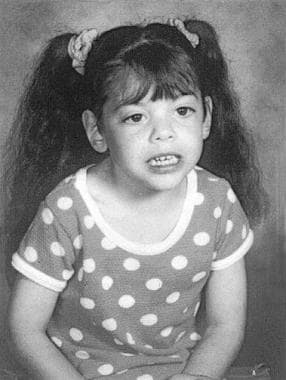
Media file 1:  Child with Smith-Lemli-Opitz syndrome.

Click to see larger pictureClick to see detailView Full Size Image
Media type:  Photo


  1. Smith DW, Lemli L, Opitz JM. A newly recognized syndrome of multiple congenital anomalies. J Pediatr. Feb 1964;64:210-7. [Medline].
  2. Opitz JM. RSH (so-called Smith-Lemli-Opitz) syndrome. Curr Opin Pediatr. Aug 1999;11(4):353-62. [Medline].
  3. Irons M, Elias ER, Tint GS. Abnormal cholesterol metabolism in the Smith-Lemli-Opitz syndrome: report of clinical and biochemical findings in four patients and treatment in one patient. Am J Med Genet. May 1 1994;50(4):347-52. [Medline].
  4. Pappu AS, Connor WE, Merkens LS, et al. Increased nonsterol isoprenoids, dolichol and ubiquinone, in the Smith-Lemli-Opitz syndrome: effects of dietary cholesterol. J Lipid Res. Dec 2006;47(12):2789-98. [Medline].
  5. Hanissian AS, Summitt RL. Smith-Lemli-Opitz Syndrome in a Negro Child. J Pediatr. Feb 1969;74(2):303-5. [Medline].
  6. Kelley RI. A new face for an old syndrome [editorial]. Am J Med Genet. Jan 31 1997;68(3):251-6. [Medline].
  7. Yu H, Tint GS, Salen G, et al. Detection of a common mutation in the RSH or Smith-Lemli-Opitz syndrome by a PCR-RFLP assay: IVS8-G-->C is found in over sixty percent of US propositi. Am J Med Genet. Feb 14 2000;90(4):347-50. [Medline].
  8. Nowaczyk MJ, McCaughey D, Whelan DT, et al. Incidence of Smith-Lemli-Opitz syndrome in Ontario, Canada. Am J Med Genet. Jul 22 2001;102(1):18-20. [Medline].
  9. Wright BS, Nwokoro NA, Wassif CA, et al. Carrier frequency of the RSH/Smith-Lemli-Opitz IVS8-1G>C mutation inAfrican Americans. Am J Med Genet. Jul 1 2003;120A(1):139-41. [Medline].
  10. Rossi M, Vajro P, Iorio R, et al. Characterization of liver involvement in defects of cholesterol biosynthesis: long-term follow-up and review. Am J Med Genet A. Jan 15 2005;132(2):144-51. [Medline].
  11. Sikora DM, Pettit-Kekel K, Penfield J, Merkens LS, Steiner RD. The near universal presence of autism spectrum disorders in children with Smith-Lemli-Opitz syndrome. Am J Med Genet A. Jul 15 2006;140(14):1511-8. [Medline].
  12. Shackleton CH, Roitman E, Kratz LE. Equine type estrogens produced by a pregnant woman carrying a Smith- Lemli-Opitz syndrome fetus. J Clin Endocrinol Metab. Mar 1999;84(3):1157-9. [Medline].
  13. Ness GC, Lopez D, Borrego O. Increased expression of low-density lipoprotein receptors in a Smith- Lemli-Opitz infant with elevated bilirubin levels. Am J Med Genet. Jan 31 1997;68(3):294-9. [Medline].
  14. Irons MB, Nores J, Stewart TL. Antenatal therapy of Smith-Lemli-Opitz syndrome. Fetal Diagn Ther. May-Jun 1999;14(3):133-7. [Medline].
  15. Haas D, Garbade SF, Vohwinkel C, et al. Effects of cholesterol and simvastatin treatment in patients with Smith-Lemli-Opitz syndrome (SLOS). J Inherit Metab Dis. Jun 2007;30(3):375-87. [Medline].
  16. Pauli RM, Williams MS, Josephson KD. Smith-Lemli-Opitz syndrome: thirty-year follow-up of "S" of "RSH" syndrome. Am J Med Genet. Jan 31 1997;68(3):260-2. [Medline].
  17. Abuelo DN, Tint GS, Kelley R. Prenatal detection of the cholesterol biosynthetic defect in the Smith- Lemli-Opitz syndrome by the analysis of amniotic fluid sterols. Am J Med Genet. Apr 10 1995;56(3):281-5. [Medline].
  18. Angle B, Tint GS, Yacoub OA. Atypical case of Smith-Lemli-Opitz syndrome: implications for diagnosis. Am J Med Genet. Dec 4 1998;80(4):322-6. [Medline].
  19. Atchaneeyasakul LO, Linck LM, Connor WE. Eye findings in 8 children and a spontaneously aborted fetus with RSH/Smith-Lemli-Opitz syndrome. Am J Med Genet. Dec 28 1998;80(5):501-5. [Medline].
  20. Azurdia RM, Anstey AV, Rhodes LE. Cholesterol supplementation objectively reduces photosensitivity in theSmith-Lemli-Opitz syndrome. Br J Dermatol. Jan 2001;144(1):143-5. [Medline].
  21. Battaile KP, Maslen CL, Wassif CA, et al. A simple PCR-based assay allows detection of a common mutation, IVS8-1G- ->C, in DHCR7 in Smith-Lemli-Opitz syndrome. Genet Test. 1999;3(4):361-3. [Medline].
  22. Battaile KP, Steiner RD. Smith-Lemli-Opitz syndrome: the first malformation syndrome associated with defective cholesterol synthesis [In Process Citation]. Mol Genet Metab. Sep-Oct 2000;71(1-2):154-62. [Medline].
  23. Battaille KP, Battaile BC, Merkens LS. Carrier frequency of the common mutation IVS8-1 G>C in DHCR7 and estimate of the expected incidence of Smith-Lemli-Opitz syndrome. Mol Gen Metab. 2001;72:67-71. [Full Text].
  24. Bradley LA, Palomaki GE, Knight GJ. Levels of unconjugated estriol and other maternal serum markers in pregnancies with Smith-Lemli-Opitz (RSH) syndrome fetuses [letter]. Am J Med Genet. Feb 12 1999;82(4):355-8. [Medline].
  25. Bronshtein M, Riechler A, Zimmer EZ. Prenatal sonographic signs of possible fetal genital anomalies. Prenat Diagn. Mar 1995;15(3):215-9. [Medline].
  26. Canick JA, Abuelo DN, Bradley LA. Maternal serum marker levels in two pregnancies affected with Smith- Lemli-Opitz syndrome [letter]. Prenat Diagn. Feb 1997;17(2):187-9. [Medline].
  27. Chambers CM, McLean MP, Ness GC. Smith-Lemli-Opitz syndrome produced in rats with AY 9944 treated by intravenous injection of lipoprotein cholesterol. Am J Med Genet. Jan 31 1997;68(3):322-7. [Medline].
  28. Cunniff C, Kratz LE, Moser A. Clinical and biochemical spectrum of patients with RSH/Smith-Lemli- Opitz syndrome and abnormal cholesterol metabolism. Am J Med Genet. Jan 31 1997;68(3):263-9. [Medline].
  29. Dallaire L, Mitchell G, Giguere R. Prenatal diagnosis of Smith-Lemli-Opitz syndrome is possible by measurement of 7-dehydrocholesterol in amniotic fluid. Prenat Diagn. Sep 1995;15(9):855-8. [Medline].
  30. Dehart DB, Lanoue L, Tint GS. Pathogenesis of malformations in a rodent model for Smith-Lemli-Opitz syndrome. Am J Med Genet. Jan 31 1997;68(3):328-37. [Medline].
  31. Elias ER, Hansen RM, Irons M, et al. Rod photoreceptor responses in children with smith-lemli-opitz syndrome. Arch Ophthalmol. Dec 2003;121(12):1738-43. [Medline].
  32. Elias ER, Irons MB, Hurley AD. Clinical effects of cholesterol supplementation in six patients with the Smith-Lemli-Opitz syndrome (SLOS). Am J Med Genet. Jan 31 1997;68(3):305-10. [Medline].
  33. Fitzky BU, Witsch-Baumgartner M, Erdel M. Mutations in the Delta7-sterol reductase gene in patients with the Smith-Lemli-Opitz syndrome. Proc Natl Acad Sci U S A. Jul 7 1998;95(14):8181-6. [Medline].
  34. Ginat S, Battaile KP, Battaile BC. Lowered DHCR7 activity measured by ergosterol conversion in multiple cell types in Smith-Lemli-Opitz syndrome. Mol Genet Metab. Sep-Oct 2004;83(1-2):175-83. [Medline].
  35. Ginat S, Maslen CL, Connor WE. Smith-Lemli-Opitz syndrome: a multiple malformation/mental retardation syndrome caused by defective cholesterol synthesis. The Endocrinologist. 2000;10:300-314.
  36. Herz J, Willnow TE, Farese RV Jr. Cholesterol, hedgehog and embryogenesis [letter]. Nat Genet. Feb 1997;15(2):123-4. [Medline].
  37. Honda A, Batta AK, Salen G. Screening for abnormal cholesterol biosynthesis in the Smith-Lemli- Opitz syndrome: rapid determination of plasma 7-dehydrocholesterol by ultraviolet spectrometry. Am J Med Genet. Jan 31 1997;68(3):288-93. [Medline].
  38. Honda A, Tint GS, Salen G. Sterol concentrations in cultured Smith-Lemli-Opitz syndrome skin fibroblasts: diagnosis of a biochemically atypical case of the syndrome. Am J Med Genet. Jan 31 1997;68(3):282-7. [Medline].
  39. Honda M, Tint GS, Shefer S. Accurate detection of Smith-Lemli-Opitz syndrome carriers by measurement of the rate of reduction of the ergosterol C-7 double bond in cultured skin fibroblasts. J Inherit Metab Dis. Oct 1998;21(7):761-8. [Medline].
  40. Hyett JA, Clayton PT, Moscoso G. Increased first trimester nuchal translucency as a prenatal manifestation of Smith-Lemli-Opitz syndrome. Am J Med Genet. Sep 25 1995;58(4):374-6. [Medline].
  41. Irons M, Elias ER, Abuelo D. Treatment of Smith-Lemli-Opitz syndrome: results of a multicenter trial. Am J Med Genet. Jan 31 1997;68(3):311-4. [Medline].
  42. Irons M, Elias ER, Salen G. Defective cholesterol biosynthesis in Smith-Lemli-Opitz syndrome [letter]. Lancet. May 29 1993;341(8857):1414. [Medline].
  43. Irons MB, Tint GS. Prenatal diagnosis of Smith-Lemli-Opitz syndrome. Prenat Diagn. Apr 1998;18(4):369-72. [Medline].
  44. Jira P, Wevers R, de Jong J. New treatment strategy for Smith-Lemli-Opitz syndrome [letter]. Lancet. Apr 26 1997;349(9060):1222. [Medline].
  45. Jira PE, Wevers RA, de Jong J. Simvastatin. A new therapeutic approach for Smith-Lemli-Opitz syndrome. J Lipid Res. Aug 2000;41(8):1339-46. [Medline].
  46. Johnson DW, ten Brink HJ, Jakobs C. A rapid screening procedure for cholesterol and dehydrocholesterol by electrospray ionization tandem mass spectrometry. J Lipid Res. Oct 2001;42(10):1699-705. [Medline].
  47. Johnson JA, Aughton DJ, Comstock CH. Prenatal diagnosis of Smith-Lemli-Opitz syndrome, type II. Am J Med Genet. Jan 15 1994;49(2):240-3. [Medline].
  48. Kelley RI. RSH/Smith-Lemli-Opitz syndrome: mutations and metabolic morphogenesis. Am J Hum Genet. Aug 1998;63(2):322-6. [Medline].
  49. Krakowiak PA, Nwokoro NA, Wassif CA. Mutation analysis and description of sixteen RSH/Smith-Lemli-Opitz syndrome patients: polymerase chain reaction-based assays to simplify genotyping [In Process Citation]. Am J Med Genet. Sep 18 2000;94(3):214-27. [Medline].
  50. Lin DS, Steiner RD, Flavell DP. Intestinal absorption of cholesterol by patients with smith-lemli-opitz syndrome. Pediatr Res. Jun 2005;57(6):765-70. [Medline].
  51. Linck LM, Hayflick SJ, Lin DS, et al. Fetal demise with Smith-Lemli-Opitz syndrome confirmed by tissue sterol analysis and the absence of measurable 7-dehydrocholesterol Delta(7)- reductase activity in chorionic villi. Prenat Diagn. Mar 2000;20(3):238-40. [Medline].
  52. Linck LM, Lin DS, Flavell D. Cholesterol supplementation with egg yolk increases plasma cholesterol and decreases plasma 7-dehydrocholesterol in Smith-Lemli-Opitz syndrome [In Process Citation]. Am J Med Genet. Aug 28 2000;93(5):360-5. [Medline].
  53. Lowry RB, Yong SL. Borderline normal intelligence in the Smith-Lemli-Opitz (RSH) syndrome. Am J Med Genet. 1980;5(2):137-43. [Medline].
  54. McGaughran JM, Clayton PT, Mills KA. Prenatal diagnosis of Smith-Lemli-Opitz syndrome. Am J Med Genet. Apr 10 1995;56(3):269-71. [Medline].
  55. McKusick VA. OMIM Number:270400. Online Mendelian Inheritance in Man, OMIM. Available at http://www.ncbi.nlm.nih.gov/omim/. Accessed October 3, 1999.
  56. Merkens LS, Connor WE, Linck LM. Effects of dietary cholesterol on plasma lipoproteins in Smith-Lemli-Opitz syndrome. Pediatr Res. Nov 2004;56(5):726-32. [Medline].
  57. Mills K, Mandel H, Montemagno R. First trimester prenatal diagnosis of Smith-Lemli-Opitz syndrome (7- dehydrocholesterol reductase deficiency). Pediatr Res. May 1996;39(5):816-9. [Medline].
  58. Moebius FF, Fitzky BU, Lee JN. Molecular cloning and expression of the human delta7-sterol reductase. Proc Natl Acad Sci U S A. Feb 17 1998;95(4):1899-902. [Medline].
  59. Nowaczyk MJ, Nakamura LM, Eng B, et al. Frequency and ethnic distribution of the common DHCR7 mutation in Smith-Lemli-Opitz syndrome. Am J Med Genet. Sep 1 2001;102(4):383-6. [Medline].
  60. Nowaczyk MJ, Siu VM, Krakowiak PA, et al. Adrenal insufficiency and hypertension in a newborn infant with Smith-Lemli-Opitz syndrome. Am J Med Genet. Oct 15 2001;103(3):223-5. [Medline].
  61. Nwokoro NA, Mulvihill JJ. Cholesterol and bile acid replacement therapy in children and adults with Smith-Lemli-Opitz (SLO/RSH) syndrome. Am J Med Genet. Jan 31 1997;68(3):315-21. [Medline].
  62. Opitz JM. The RSH syndrome: Paradigmatic metabolic malformation syndrome. In: New M, ed. Diagnosis and Treatment of the Unborn Child. 1999:43-55.
  63. Palomaki GE, Bradley LA, Knight GJ, Craig WY, Haddow JE. Assigning risk for Smith-Lemli-Opitz syndrome as part of 2nd trimester screening for Down's syndrome. J Med Screen. 2002;9(1):43-4. [Medline].
  64. Porter FD. RSH/Smith-Lemli-Opitz syndrome: A multiple congenital Anomaly/Mental retardation syndrome due to an inborn error of cholesterol biosynthesis [In Process Citation]. Mol Genet Metab. Sep-Oct 2000;71(1-2):163-74. [Medline].
  65. Porter JA, Young KE, Beachy PA. Cholesterol modification of hedgehog signaling proteins in animal development [published erratum appears in Science 1996 Dec 6;274(5293):1597]. Science. Oct 11 1996;274(5285):255-9. [Medline].
  66. Quezado ZM, Veihmeyer J, Schwartz L, et al. Anesthesia and airway management of pediatric patients with Smith-Lemli-Opitz syndrome. Anesthesiology. Oct 2002;97(4):1015-9. [Medline].
  67. Roessler E, Belloni E, Gaudenz K. Mutations in the C-terminal domain of Sonic Hedgehog cause holoprosencephaly. Hum Mol Genet. Oct 1997;6(11):1847-53. [Medline].
  68. Rossiter JP, Hofman KJ, Kelley RI. Smith-Lemli-Opitz syndrome: prenatal diagnosis by quantification of cholesterol precursors in amniotic fluid. Am J Med Genet. Apr 10 1995;56(3):272-5. [Medline].
  69. Sharp P, Haan E, Fletcher JM. First-trimester diagnosis of Smith-Lemli-Opitz syndrome. Prenat Diagn. Apr 1997;17(4):355-61. [Medline].
  70. Sikora DM, Ruggiero M, Petit-Kekel K. Cholesterol supplementation does not improve developmental progress in Smith-Lemli-Opitz syndrome. J Pediatr. Jun 2004;144(6):783-91. [Medline].
  71. Starck L, Lovgren-Sandblom A, Bjorkhem I. Cholesterol treatment forever? The first Scandinavian trial of cholesterol supplementation in the cholesterol-synthesis defect Smith-Lemli-Opitz syndrome. J Intern Med. Oct 2002;252(4):314-21. [Medline].
  72. Starck L, Lovgren-Sandblom A, Bjorkhem I. Simvastatin treatment in the SLO syndrome: a safe approach?. Am J Med Genet. Nov 22 2002;113(2):183-9. [Medline].
  73. Steiner RD, Linck LM, Flavell DP. Sterol balance in the Smith-Lemli-Opitz syndrome. Reduction In whole body cholesterol synthesis and normal bile acid production [In Process Citation]. J Lipid Res. Sep 2000;41(9):1437-47. [Medline].
  74. Tierney E, Nwokoro NA, Porter FD, et al. Behavior phenotype in the RSH/Smith-Lemli-Opitz syndrome. Am J Med Genet. Jan 15 2001;98(2):191-200. [Medline].
  75. Tint GS. Cholesterol defect in Smith-Lemli-Opitz syndrome [letter]. Am J Med Genet. Sep 15 1993;47(4):573-4. [Medline].
  76. Tint GS, Abuelo D, Till M. Fetal Smith-Lemli-Opitz syndrome can be detected accurately and reliably by measuring amniotic fluid dehydrocholesterols. Prenat Diagn. Jul 1998;18(7):651-8. [Medline].
  77. Tint GS, Irons M, Elias ER. Defective cholesterol biosynthesis associated with the Smith-Lemli-Opitz syndrome. N Engl J Med. Jan 13 1994;330(2):107-13. [Medline].
  78. Tsukahara M, Fujisawa K, Yamamoto K. Smith-Lemli-Opitz syndrome in Japan. Am J Med Genet. Jan 6 1998;75(1):118-9. [Medline].
  79. Wanders RJ, Romeijn GJ, Wijburg F. Smith-Lemli-Opitz syndrome: deficient delta 7-reductase activity in cultured skin fibroblasts and chorionic villus fibroblasts and its application to pre- and postnatal detection. J Inherit Metab Dis. Jul 1997;20(3):432-6. [Medline].
  80. Wassif CA, Krakowiak PA, Wright BS. Residual cholesterol synthesis and simvastatin induction of cholesterol synthesis in Smith-Lemli-Opitz syndrome fibroblasts. Mol Genet Metab. Jun 2005;85(2):96-107. [Medline].
  81. Wassif CA, Maslen C, Kachilele-Linjewile S, et al. Mutations in the human sterol delta7-reductase gene at 11q12-13 cause Smith-Lemli-Opitz syndrome. Am J Hum Genet. Jul 1998;63(1):55-62. [Medline].
  82. Wassif CA, Zhu P, Kratz L, et al. Biochemical, phenotypic and neurophysiological characterization of a genetic mouse model of RSH/Smith--Lemli--Opitz syndrome. Hum Mol Genet. Mar 15 2001;10(6):555-64. [Medline].
  83. Waterham HR, Wijburg FA, Hennekam RC. Smith-Lemli-Opitz syndrome is caused by mutations in the 7- dehydrocholesterol reductase gene. Am J Hum Genet. Aug 1998;63(2):329-38. [Medline].
  84. Witsch-Baumgartner M, Ciara E, Loffler J, et al. Frequency gradients of DHCR7 mutations in patients with Smith-Lemli-Opitzsyndrome in Europe: evidence for different origins of common mutations. Eur J Hum Genet. Jan 2001;9(1):45-50. [Medline].
  85. Zimmerman PA, Hercules DM, Naylor EW. Direct analysis of filter paper blood specimens for identification of Smith-Lemli-Opitz syndrome using time-of-flight secondary ion mass spectrometry. Am J Med Genet. Jan 31 1997;68(3):300-4. [Medline].

Smith-Lemli-Opitz Syndrome excerpt

Article Last Updated: Nov 30, 2007