Continually Updated Clinical Reference
 
 
  All Sources     eMedicine     Medscape     Drug Reference     MEDLINE
 
eMedicine - Marfan Syndrome : Article by

Quick Find
Authors & Editors
Introduction
Clinical
Differentials
Workup
Treatment
Medication
Follow-up
Miscellaneous
Multimedia
References

Related Articles
Ehlers-Danlos Syndrome

Fragile X Syndrome

Gigantism and Acromegaly

Hyperpituitarism

Hyperthyroidism

Klinefelter Syndrome


Patient Education
Click here for patient education.


Author: Harold Chen, MD, MS, FAAP, FACMG, Professor, Department of Pediatrics, Chief, Genetic Laboratory Services, Louisiana State University Medical Center

Harold Chen is a member of the following medical societies: American Academy of Pediatrics, American College of Medical Genetics, American Medical Association, and American Society of Human Genetics

Editors: James Bowman, MD, Senior Scholar of Maclean Center for Clinical Medical Ethics, Professor Emeritus, Department of Pathology, University of Chicago; Mary L Windle, PharmD, Adjunct Assistant Professor, University of Nebraska Medical Center College of Pharmacy, Pharmacy Editor, eMedicine.com, Inc; Leonard G Feld, MD, PhD, MMM, Chairman of Pediatrics, Carolinas Medical Center; Chief Medical Officer, Levine Children's Hospital, Carolinas Healthcare System; Paul D Petry, DO, FACOP, FAAP, Clinical Assistant Professor of Pediatrics, University of North Dakota, School of Medicine and Health Sciences; Consulting Staff, Altru Health System; Bruce A Buehler, MD, Professor, Department of Pathology and Microbiology, Director, Hattie B Munroe Center for Human Genetics, Chairman, Department of Pediatrics, University of Nebraska Medical Center

Author and Editor Disclosure

Synonyms and related keywords: Marfan's syndrome, Marfan disease, Marfan's disease, inherited connective tissue disorder, fibrillin-1 gene, FBN1 gene, ectopia lentis, mitral valve prolapse, mitral regurgitation, aortic root dilatation, aortic dissection, chronic aortic regurgitation, Ghent criteria, dural ectasia, ligamentous laxity, decrescendo diastolic murmur, ejection click,dysrhythmia, syncope, shock, pallor, pulselessness, paresthesia, low back pain, dyspnea, palpitations, pectus excavatum, pectus carinatum, spontaneous pneumothorax, lens dislocation, retinal detachment, myopia, amblyopia, dolichostenomelia, arachnodactyly, Walker sign, Steinberg sign, scoliosis, pes planus, protrusio acetabula, thoracic lordosis, joint hypermobility, highly arched palate, dental crowding, dolichocephaly, malar hypoplasia, enophthalmos, retrognathia, down-slanting palpebral fissures, flat cornea, hypoplastic iris, hypoplastic ciliary muscle, glaucoma, calcification of mitral annulus, dilatation of abdominal aorta, dilatation of descending thoracic aorta, holosystolic murmur, apical blebs, Marfan syndrome, striae atrophicae, recurrent hernia, incisional hernia, TGF beta signalopathies, TGEβR1 gene, TGEβR2 gene, Loeys-Dietz aortic aneurysm syndrome

Background

Marfan syndrome is an inherited connective-tissue disorder transmitted as an autosomal dominant trait. It is noteworthy for its worldwide distribution, relatively high prevalence, clinical variability, and pleiotropic manifestations, some of which are life threatening. Cardinal features of the disorder include tall stature, ectopia lentis, mitral valve prolapse, aortic root dilatation, and aortic dissection. About three quarters of patients have an affected parent; new mutations account for the remainder. Marfan syndrome is fully penetrant with marked interfamilial and intrafamilial variability.

Pathophysiology

The fibrillin-1 gene encodes the glycoprotein fibrillin, a major building block of microfibrils, which constitute the structural components of the suspensory ligament of the lens and which serve as substrates for elastin in the aorta and other connective tissues. Abnormalities involving microfibrils weaken the aortic wall. Progressive aortic dilatation and eventual aortic dissection occur because of tension caused by left ventricular ejection impulses. Likewise, deficient fibrillin deposition leads to reduced structural integrity of the lens zonules, ligaments, lung airways, and spinal dura.

Production of abnormal fibrillin-1 monomers from the mutated gene disrupts the multimerization of fibrillin-1 and prevents microfibril formation. This pathogenetic mechanism has been termed dominant-negative because the mutant fibrillin-1 disrupts microfibril formation though the other fibrillin gene encodes normal fibrillin. This proposed mechanism is evinced by the fact that cultured skin fibroblasts from patients with Marfan syndrome produce greatly diminished and abnormal microfibrils.

Fibrillin-1 mutation causes several Marfanlike disorders such as the mitral valve prolapse, aortic dilation, skin, and skeletal (MASS) phenotype or isolated ectopia lentis.

Recent studies have suggested that abnormalities in the TGFβ-signaling pathway may represent a final common pathway for the development of the Marfan phenotype. The gene defect ultimately leads to decreased and disordered incorporation of fibrillin into the connective tissue matrix.

The identification of mutations in TGFβR2 in patients with Marfan syndrome type II (MFS2 mapped at 3p24.2-p25) provided direct evidence of abnormal TGFβ signaling in the pathogenesis of Marfan syndrome.

Abnormalities in TGFβR2 and TGFβR1 were also reported to cause a new syndrome associated with aortic aneurysm and congenital anomalies (Loeys-Dietz aortic aneurysm syndrome, Online Mendelian Inheritance in Man [OMIM] 609192). These results define a new group of Marfan syndrome–related connective-tissue disorders, namely, TGFβ signalopathies.

Frequency

United States

Marfan syndrome affects about 1 in 10,000 individuals and perhaps as many as 1 in 3000-5000. Estimates suggest that at least 200,000 people in the United States have Marfan syndrome or a related connective-tissue disorder. This makes Marfan syndrome one of the most common single-gene malformation syndromes.

International

No geographic predilection is known.

Mortality/Morbidity

  • Cardiovascular disease (aortic dilatation and dissection) is the major cause of morbidity and mortality.
  • Progression from mitral valve prolapse to mitral regurgitation, often in conjunction with tricuspid prolapse and regurgitation, is the most common cause of infant morbidity. If untreated, Marfan syndrome is highly lethal; the average age at death is 30-40 years.
  • Death after infancy usually involves ascending aortic dissection and chronic aortic regurgitation. Dissection generally occurs at the aortic root and is uncommon in childhood and adolescence.

Race

  • Marfan syndrome is panethnic.

Sex

  • No sex predilection is known.

Age

  • Marfan syndrome may be diagnosed prenatally, at birth, or well into adulthood. Neonatal presentation is associated with a more severe course than that associated with other presentations.
  • Most clinical features are specific to age, and some features may not manifest until relatively late in life. This feature may make diagnosis in a child difficult.


History

Marfan syndrome is currently diagnosed using criteria based on an evaluation of the family history, molecular data, and 6 organ systems. The diagnosis cannot be based on molecular analysis alone because molecular diagnosis is not generally available, mutation detection is imperfect, and not all fibrillin-1 mutations are associated with Marfan syndrome.

With the previous Berlin criteria, Marfan syndrome was diagnosed on the basis of involvement of the skeletal system and 2 other systems, with the requirement of at least one major manifestation (ectopia lentis, aortic dilatation or dissection, or dural ectasia).

In 1995, a group of the world's leading clinicians and investigators in Marfan syndrome proposed revised diagnostic criteria. Known as the Ghent criteria, they identify major and minor diagnostic findings, which are largely based on clinical observation of various organ systems and on the family history. A major criterion is defined as one that carries high diagnostic precision because it is relatively infrequent in other conditions and in the general population. The Ghent criteria were intended to serve as an international standard for clinical and molecular studies and for investigations of genetic heterogeneity and genotype-phenotype correlations.

Revision of these nosologies was necessary because the Berlin criteria did not provide for molecular data and because they may have resulted in false diagnoses of unaffected relatives. However, the new criteria may be too stringent and may exclude Marfan syndrome in many affected patients. For example, 19% of patients whose disease was diagnosed under the Berlin criteria did not meet the Ghent criteria. When patients were screened for dural ectasia, 23% of those whose diagnosis of Marfan syndrome was established by using the Berlin criteria were considered to not have Marfan syndrome when the Ghent criteria were applied.

  • Family history and results of molecular studies are some of the major criteria, a fact that emphasizes the need to obtain a complete family history and pedigree. The major criteria include the following:
    • A first-degree relative (parent, child, or sibling) who independently meets the diagnostic criteria
    • Presence of an FBN1 mutation known to cause Marfan syndrome
    • Inheritance of an FBN1 haplotype known to be associated with unequivocally diagnosed Marfan syndrome in the family
    • In family members, major involvement in 1 organ system and involvement in a second organ system

  • If the family and genetic histories are not contributory, major criteria in 2 different organ systems and involvement of a third organ system are required to make the diagnosis (organ system criteria described in Physical).
  • Clinical presentations are as follows:
    • Delayed achievement of gross and fine motor milestones secondary to ligamentous laxity of the hips, knees, ankles, arches, wrists, and fingers
    • A decrescendo diastolic murmur from aortic regurgitation
    • An ejection click at the apex followed by a holosystolic high-pitched murmur from mitral prolapse and regurgitation
    • Dysrhythmia (a primary feature)
    • Abrupt onset of thoracic pain, which occurs in more than 90% of patients with aortic dissection (Other signs include syncope, shock, pallor, pulselessness, and paresthesia or paralysis in the extremities. Onset of hypotension may indicate aortic rupture.)
    • Low back pain near the tailbone, burning sensation and numbness or weakness in the legs in serious dural ectasia (Dural ectasia may cause headaches and even neurologic deficits.)
    • Joint pain in adult patients
    • Dyspnea, severe palpitations, and substernal pain in severe pectus excavatum
    • Breathlessness, often with chest pain, in spontaneous pneumothorax
    • Visual problems, possibly loss of vision, from lens dislocation or retinal detachment (The most common refractory errors are myopia and amblyopia.)

Physical

At this time, the diagnosis of Marfan syndrome remains mainly clinical.

  • Skeletal findings
    • Affected patients are usually taller and thinner than their family members. Their limbs are disproportionately long compared with the trunk (dolichostenomelia). Arachnodactyly is a common feature.
    • Major criteria include the following:
      • Pectus excavatum that requires surgery or pectus carinatum
      • Reduced upper-to-lower body segment ratio (0.85 vs 0.93) or arm span–to-height ratio greater than 1.05: Arms and legs may be unusually long in proportion to the torso.
      • Positive wrist (Walker) and thumb (Steinberg) signs: Two simple maneuvers may help demonstrate arachnodactyly. First, the thumb sign is positive if the thumb, when completely opposed within the clenched hand, projects beyond the ulnar border. Second, the wrist sign is positive if the distal phalanges of the first and fifth digits of 1 hand overlap when wrapped around the opposite wrist.
      • Scoliosis greater than 20°: More than 60% of patients have scoliosis. Progression is most likely with curvature of more than 20° in growing patients.
      • Reduced extension of the elbows (<170°)
      • Medial displacement of the medial malleolus, resulting in pes planus.  Pes planus is best diagnosed by examining the foot from behind.  A valgus deviation of the hindfoot indicates pes planus.
      • Protrusio acetabula (a deformity of the hip joint in which the medial wall of the acetabulum invades the pelvic cavity with associated medial displacement of the femoral head) of any degree (ascertained using radiography): The prevalence is about 50%.

    • Minor criteria are as follows:
      • Pectus excavatum of moderate severity
      • Scoliosis less than 20°
      • Thoracic lordosis
      • Joint hypermobility
      • Highly arched palate
      • Dental crowding
      • Typical facies (dolichocephaly, malar hypoplasia, enophthalmos, retrognathia, down-slanting palpebral fissures)

    • For the skeletal system to be involved, at least 2 major criteria or 1 major criterion plus 2 minor criteria must be present.

  • Ocular findings

    • The major criterion is ectopia lentis. About 50% of patients have lens dislocation. The dislocation is usually superior and temporal. This may present at birth or develop during childhood or adolescence.

    • Minor criteria for the ocular system include the following:
      • Flat cornea (measured by keratometry)
      • Increased axial length of the globe (measured by ultrasound)
      • Cataract (nuclear sclerotic) in patients younger than 50 years
      • Hypoplastic iris or hypoplastic ciliary muscle that causes decreased miosis
      • Nearsightedness regardless of whether the lens is in place: The most common refraction error is myopia due to elongated globe and amblyopia.
      • Glaucoma (patients <50 y)
      • Retinal detachment

    • At least 2 minor criteria must be present.

  • Cardiovascular findings

    • Cardiovascular involvement is the most serious problem associated with Marfan syndrome.
    • Major criteria include the following

      • Aortic root dilatation involving the sinuses of Valsalva: The prevalence of aortic dilatation in Marfan syndrome is 70-80%. It manifests at an early age and tends to be more common in men than women. A diastolic murmur over the aortic valve may be present.
      • Aortic dissections involving the ascending aorta

    • Minor criteria are listed as follows:

      • Mitral valve prolapse (55-69%): Midsystolic clicks may be followed by a high-pitched late-systolic murmur and, in severe cases, a holosystolic murmur.
      • Dilatation of proximal main pulmonary artery in the absence of peripheral pulmonic stenosis or other cause.
      • Calcification of mitral annulus (patients <40 y)
      • Dilatation of abdominal or descending thoracic aorta (patients <50 y)

    • For the cardiovascular system to be involved, a minor criterion must be present.
  • Pulmonary findings

    • For the pulmonary system, only minor criteria are noted. For the pulmonary system to be involved, a minor criterion must be present.
    • Minor criteria include the following

      • Spontaneous pneumothorax (about 5% of patients)
      • Apical blebs on chest radiography
  • Skin and integumentary findings

    • For skin and integument, only minor criteria are noted. For the skin and integument system to be involved, a minor criterion must be present.
    • Minor criteria include the following:

      • Striae atrophicae in the absence of marked weight changes, pregnancy, or repetitive stress: Stretch marks are usually found on the shoulder, mid back, and thighs.
      • Recurrent or incisional hernia
  • Dural findings

    • For the dura, only one major criterion is defined: Dural ectasia must be present and confirmed using CT or MRI.
    • Dural ectasia is an enlargement of the neural canal that is usually asymptomatic, is nearly always found in the lumbosacral region, and is a common feature of Marfan syndrome. The prevalence of dural ectasia among patients with Marfan syndrome is 65-92%
    • Dural ectasia is defined as a ballooning or widening of the dural sac, often associated with herniation of the nerve root sleeves out of the associated foramina.
    • Dural ectasia most frequently occurs in the lumbosacral spine
    • Severity appears to increase with age, supporting the hypothesis that a weakened dural sac expands from the cumulative effect of increased intrathecal pressure at the base of the spine from upright posture. Less than 20% of patients have serious dural ectasia.
    • Dural ectasia also can be associated with conditions such as Ehlers-Danlos syndrome, neurofibromatosis type 1, ankylosing spondylitis, trauma, scoliosis, or tumors.

Causes

  • Marfan syndrome is caused by mutations in FBN1 gene located on chromosome 15q21.1 and, occasionally, by mutation in TGFβR1 or TGFβR2 gene located on chromosome 9 and on chromosome 3p24.2-p25, respectively.
  • More than 500 fibrillin gene mutations have been identified. Almost all of these mutations are unique to an affected individual or family. Different fibrillin mutations are responsible for genetic heterogeneity. Phenotypic variability in the presence of the same fibrillin mutation suggests the importance of other, yet-to-be-identified factors that affect the phenotype.
  • Despite intensive international efforts, genotype-phenotype correlations have not been made, with the exception of an apparent clustering of neonatal mutations between exons 24 and 32 of FBN1.

    • Genotype-phenotype correlations in Marfan syndrome have been complicated by the large number of unique mutations reported, as well as by clinical heterogeneity among individuals with the same mutation.
    • Mutations in the FBN1 gene have also been found in patients with other fibrillinopathies.
    • Identifying a given mutation is currently of limited value in establishing a phenotype or providing a prognosis.


Ehlers-Danlos Syndrome
Fragile X Syndrome
Gigantism and Acromegaly
Hyperpituitarism
Hyperthyroidism
Klinefelter Syndrome

Other Problems to be Considered

Bicuspid aortic valve and familial thoracic aortic aneurysm type I (OMIM 607086)
Congenital contractural arachnodactyly (Beals syndrome) (OMIM 12105)
Familial aortic dissection (OMIM 132900)
Familial arachnodactyly
Familial ectopic lentis (OMIM 129600)
Familial Marfanlike (marfanoid) habitus (OMIM 154705)
Familial mitral valve prolapse syndrome (OMIM 157700)
Familial thoracic aortic aneurysm/dissection (OMIM 132900, 607086)
Homocystinuria (OMIM 236300)
Loeys-Dietz syndrome type I (OMIM 609192)
Loeys-Dietz syndrome type II (OMIM 309520)
MASS phenotype (OMIM 604308)
Shprintzen-Goldberg syndrome (OMIM 182212)
Stickler syndrome (OMIM 108300)
XYY syndrome


Lab Studies

  • Because no common mutations have been identified, genetic testing includes screening the entire FBN1 gene. DNA testing cannot exclude a diagnosis of Marfan syndrome.
  • Molecular studies of the fibrillin gene should be performed in patients in whom Marfan syndrome is suspected.
  • By 1998, 137 FBN1 mutations had been characterized in patients with Marfan syndrome. Mutations are distributed throughout the FBN1 gene.
  • Most mutations are missense mutations, small in-frame deletions, or insertions that alter a single peptide of about 3000 amino acids.
  • All mutations described to this point are predicted to produce a mutant fibrillin-1 protein.
  • Mutation analysis can identify the exact mutation in the fibrillin gene, and linkage analysis can be used to track an abnormal fibrillin gene within a family.
  • Sequencing of the entire gene for the purpose of detecting mutations is tedious and expensive. Mutations detected using sequencing may represent normal variations, resulting in both false-positive and false-negative results.
  • Molecular diagnosis is commercially available by sequencing of entire coding region or select exons, by mutations scanning, by performing targeted mutation analysis, by conducting linkage analysis, and by sequencing RNA.

Imaging Studies

  • Advances in noninvasive diagnostic imaging modalities have had a profound influence on case management. These studies provide accurate detection and quantification of the severity of cardiovascular disease, aiding in the appropriate timing of surgical intervention.
  • Radiography
    • Chest radiography should be focused on apical blebs. Chest radiographs may also be of value in detecting a thoracic aortic dissection by demonstrating enlargement of the aortic and cardiac silhouette.
    • Pelvic radiography is required only if a positive finding of protrusio acetabula is needed for the diagnosis.

  • Echocardiography
    • Cross-sectional echocardiography is a common tool in the diagnosis and management of aortic root dilatation. The upper limit of the normal aortic root size is 1.9 cm/m2 of body surface area and is independent of the patient's sex.
    • Standard echocardiography is valuable in assessing mitral valve prolapse, left ventricular size and function, left atrial size, and function of the tricuspid valve.
    • Transesophageal echocardiography depicts the distal ascending and descending aorta. It also improves assessment of the prosthetic valves.
    • Doppler echocardiography is useful in detecting and grading the severity of aortic and mitral regurgitation.

  • CT and MRI
    • MRI is the best choice for assessing chronic dissection of any region of the aorta. It should be performed in any patient at any age who has an aortic root dimension of more than 150% of the mean for their body surface area or a ratio of actual to predicted aortic root dimension of more than 1.5.
    • CT or MRI of the lumbosacral spine may be needed to detect dural ectasia. The following MRI and CT criteria for dural ectasia in adults have been proposed:

      • Presence of dural ectasia requires one major criterion or both minor criteria
      • Major criterion - Sagittal width of the dural sac at S1 or below that is greater than the sagittal width of the dural sac above L4
      • Minor criteria - Nerve root sleeve at L5 of more than 6.5 mm in diameter or scalloping at S1 of more than 3.5 mm

  • Aortography
    • Many still consider this procedure the criterion standard for diagnosing acute aortic dissection.
    • However, the sensitivity is not 100%, and aortography has associated risks.

Other Tests

  • An ambulatory electrocardiogram should be obtained in patients with symptomatic palpitations, syncope, or near syncope or a baseline ECG that shows major rhythm or conduction disturbance.

Procedures

  • Measure blood pressure.
  • Upon slit-lamp examination, the patient's pupils should be dilated and checked for lens dislocation and any sign of retinal tears.

Histologic Findings

Immunohistologic evaluation of the skin for abnormal fibrillin has been reported but is not widely available in the United States. This is partly due to the high incidence of false-positive results in patients with other connective-tissue disorders who have symptoms and signs of Marfan syndrome.

Electron microscopy of fibrillin from cultured fibroblasts has shown a substantial increase in fraying of microfibrils in patients with Marfan syndrome. In neonatal Marfan syndrome, electron microscopy of fibrillin strands reveals only beads that are not strung together in the usual necklacelike pattern, resulting in poor elastic tissue strength.


Medical Care

  • Beta-blockers

    • Beta-adrenergic receptor antagonists have gained acceptance as potential agents for delaying aortic expansion and for delaying the progression to rupture or dissection. The rate of surgical interventions has substantially declined during the past decade of beta-blockade use. Beta-blocker therapy retards aortic growth in children and adolescents with Marfan syndrome. Calcium antagonist therapy also retards aortic growth, but a recommended dose has not been established.
    • The optimal age to begin beta-blockade therapy has not been determined. Some investigators begin therapy during infancy, but others wait until the aortic diameter exceeds the 95th percentile or a rapid rate of dilation is observed.
    • In asymptomatic patients, the elastic properties of the aortic root appear to have a heterogeneous response after long-term treatment with atenolol.
    • The stiffness index and distensibility are most likely to be useful when the baseline end-diastolic aortic root diameter is more than 40 mm.
    • More experience is needed to determine the optimal dose of beta-blockers to minimize growth of the aortic root.
  • Other therapy

    • Anticoagulant medications such as warfarin are needed after artificial heart-valve placement.
    • Intravenous antibiotic therapy is required during cardiac and noncardiac procedures to prevent bacterial endocarditis.
    • Progesterone and estrogen therapy have been used to induce puberty and reduce the patient's ultimate height if hormonal treatment is begun before puberty, but no conclusive data are yet available to show whether this therapy reduces scoliosis.
    • Myopia is treatable with refraction.
    • Patients with flat feet may wear shoes with adequate arch support, though custom orthotics may be required.
    • Psychological counseling is helpful for families coping with feelings of denial, anger, blame, depression, or guilt.
  • Future therapeutic strategy

    • The discovery that TGFβ antagonism can rescue aortic aneurysm in C1039G/+ mice prompted the idea to test the efficacy of losartan, a widely used angiotensin II type I receptor (AT1) antagonist, because of its antihypertensive properties and ability to counteract TGFβ in animal models of chronic renal disease and cardiomyopathy. 
    • Thus, TGFβ antagonism is a general strategy against aneurysm progression in patients with Marfan syndrome and other disorders of the TGFβ-signaling network.
  • Genetic counseling

    • Affected individuals can transmit the condition to 50% of their offspring.
    • The recurrence risk is 50% if one parent is affected. The recurrence risk is small if neither parent is affected.
    • During counseling, the variability of the disease should be emphasized because an affected child may be more or less affected than the parent.

Surgical Care

  • Cardiovascular surgery

    • Cardiovascular surgery can substantially prolong survival. Prophylactic and emergency cardiovascular surgery is needed for treatment of aortic and mitral regurgitation, aortic aneurysm, and aortic dissection. Emergency surgical replacement of the aortic root is indicated for survivors of acute proximal aortic dissection.
    • The ascending aorta is usually replaced when the aorta exceeds 55-60 mm in diameter. Composite valve-graft replacement is performed, in which the dilated aortic segment is replaced by a prosthetic valve sewn into a tube graft with reimplantation of the coronary ostia (modified Bentall procedure). Composite valve-graft replacement of the aortic root has low rates of morbidity and mortality, produces excellent long-term results, and is currently the treatment of choice for proximal dissection or clinically significant annuloaortic ectasia in patients with Marfan syndrome.
    • An aortic valve–sparing procedure is evolving for patients with an aortic aneurysm and favorable characteristics of the aortic valve and annulus. The advantages of this procedure include the avoidance of anticoagulation and a lowered risk of thromboembolism and endocarditis. The aortic valve–sparing procedure is still controversial because of concerns that it poses a risk of progressive valvular degeneration and annular dilation. Additional long-term data are required before routine use of this procedure can be recommended
  • Scoliosis surgery

    • Severe scoliosis requires surgery. Bracing has a limited role in treating the most severe form of infantile scoliosis.
    • Surgery should not be performed on a child younger than 4 years because many patients with large curves before this age spontaneously die of cardiac complications. Results of spinal fusion are better in children older than 5 years.
    • Indications for surgery in adults include pain, neurologic signs, and thoracic curves greater than 45°, which can cause restrictive lung disease
  • Pectus repair

    • The shape of the front of the thorax becomes stable and established by mid adolescence. Therefore, repair of pectus excavatum to improve respiratory mechanics should be delayed until then to lessen the risk of recurrence.
    • Pectus carinatum repair is mainly performed for cosmetic reasons
  • Pneumothorax therapy

    • A chest tube is an appropriate initial therapy.
    • After one recurrence, a more aggressive approach involving bleb resection and pleurodesis is recommended
  • Ocular therapy

    • Lasers can be used to restore a detached retina.
    • The risk of retinal detachment related to lens extraction is increased. The lens is removed only in the following few instances:

      • Dislocation of a lens in the anterior chamber, especially when it touches the corneal endothelium
      • Significant lens opacity
      • Evidence of lens-induced uveitis and glaucoma
      • Inadequate visual acuity that is not correctable by refraction and iris manipulation
      • Imminent complete luxation of the lens

Consultations

  • Clinical geneticist
  • Cardiologist
  • Ophthalmologist
  • Cardiovascular surgeon
  • Orthopedic surgeon
  • Orthodontics surgeon

  • Psychologist

Diet

  • No special diet is needed.

Activity

  • In general, patients can remain fully active unless their symptoms limit them. Patients should be discouraged from participating in demanding sports because several highly trained athletes with unrecognized Marfan syndrome have suddenly died from ruptured aortic aneurysms.
  • Competitive and contact sports are potentially dangerous because of underlying aortic weakness and dilatation, valvular insufficiency, ocular abnormalities, and skeletal problems. Patients should avoid blows to the head (eg, in boxing, high diving) and to protect themselves against blows to the globe (racquet sports) with cushioned spectacles.
  • To protect against pneumothorax, patients should avoid the rapid decompression associated with quick ascents in elevators, scuba diving, and flying in unpressurized aircraft.
  • Patients should avoid activities involving isometric work such as weightlifting, climbing steep inclines, participating in gymnastics, and performing pull-ups. These exercises cause excessive elevations of systolic blood pressure and may lead to sudden death.
  • Nonstrenuous activities and sports (eg, golf, walking, fishing) are recommended. Appropriate exercise is physically and emotionally beneficial.


Beta-blocker and calcium-antagonist therapy retard the aortic growth rate in children and adolescents with Marfan syndrome. Atenolol, a beta-blocker that is longer acting and more cardioselective than others, has largely replaced propranolol as the beta-blocker of choice. Experience with calcium antagonists is limited.

Drug Category: Beta-adrenergic blocking agents

These drugs are used to delay aortic expansion and its subsequent progression to dissection or rupture. They inhibit chronotropic, inotropic, and vasodilatory responses to beta-adrenergic stimulation.

Drug NameAtenolol (Tenormin)
DescriptionSelective beta1-adrenergic antagonist.
Adult Dose25-100 mg/d PO
Pediatric Dose1-2 mg/kg/d PO qd or divided bid
ContraindicationsDocumented hypersensitivity, sinus bradycardia, second- or third-degree heart block (without a pacemaker), cardiogenic shock, overt cardiac failure, anuria
InteractionsMay potentiate other antihypertensive agents; coadministration with aluminum salts, barbiturates, calcium salts, cholestyramine, NSAIDs, penicillins, and rifampin may decrease effects; haloperidol, hydralazine, loop diuretics, and MAOIs may increase toxicity
PregnancyD - Unsafe in pregnancy
PrecautionsMay be used with caution in bronchospastic disease; may aggravate peripheral arterial circulatory disorders; use in second trimester may cause fetus to be small for gestational age; patient should take at same time each day and consult physician if concurrently using other adrenergic agonists; gradually taper over 1-2 wk when discontinuing

Drug NamePropranolol hydrochloride (Inderal)
DescriptionNonselective beta-adrenergic antagonist. Has membrane-stabilizing activity and decreases automaticity of contractions.
Adult Dose120-240 mg/d PO divided q6-8h
Pediatric Dose1-2 mg/kg/d PO divided q6-12h
ContraindicationsDocumented hypersensitivity, cardiogenic shock, sinus bradycardia greater than first degree, bronchial asthma, congestive heart failure unless failure is secondary to a tachyarrhythmia treatable with propranolol
InteractionsCatecholamine-blocking action of drugs (eg, reserpine) may excessively reduce resting sympathetic nervous activity, which may result in hypotension, marked bradycardia, vertigo, syncopal attacks, or orthostatic hypotension; concomitant use with calcium channel blockers may depress myocardial contractility or AV conduction and cause other serious reactions; hypotension and cardiac arrest reported with concomitant haloperidol
PregnancyC - Safety for use during pregnancy has not been established.
PrecautionsMust carefully titrate dose to patient tolerance and effectiveness; patient should take at same time each day and consult physician if concurrently using any other adrenergic agonists; gradually taper over 1-2 wk when discontinuing

Drug Category: Calcium channel blocking agents

These drugs inhibit the transport of calcium ions across cell membranes.

Drug NameVerapamil hydrochloride (Calan, Isoptin)
DescriptionCalcium ion influx inhibitor. Prevents aortic growth in Marfan syndrome.
Adult Dose80-120 mg PO tid
Pediatric Dose<2 years: Do not administer
>2 years: Not established
ContraindicationsDocumented hypersensitivity, severe left ventricular dysfunction, hypotension, cardiogenic shock, sick-sinus syndrome or second- or third-degree AV block (except in patients with functioning artificial ventricular pacemaker), atrial flutter or fibrillation, Wolff-Parkinson-White syndrome, Lown-Ganong-Levine syndrome
InteractionsMay raise blood alcohol concentration and prolong its effect; additive negative effects on heart rate, AV conduction, and cardiac contractility may occur with concomitant beta-blocker therapy; may interact with antihypertensives, antiarrhythmics (disopyramide, flecainide, quinidine), nitrates, cimetidine, lithium, carbamazepine, rifampin, phenobarbital, cyclosporine, theophylline, inhalation anesthetics, and neuromuscular blocking agents; prolongs recovery from vecuronium
PregnancyC - Safety for use during pregnancy has not been established.
PrecautionsCarefully monitor patients with hepatic dysfunction; use cautiously in impaired renal function; prolongs recovery from neuromuscular blocking agent vecuronium; patients should avoid alcohol and reduce caffeine consumption


Further Inpatient Care

  • Provide care for postoperative complications, including dysrhythmias, thromboembolism, endocarditis, coronary dehiscence, congestive heart failure, renal failure, and respiratory failure.
  • Observe the patient for postoperative hemorrhage and pseudoaneurysm formation.

Further Outpatient Care

  • Ensure long-term cardiac follow-up, including regular blood pressure measurements and echocardiography.
  • Follow-up is necessary to monitor for possible development of lesions involving different segments and for pseudoaneurysms at the anastomosis site, which cause nearly 40% of late deaths after aortic surgery.
  • Patients need lifelong cardiovascular surveillance to detect new or recurrent disease.

In/Out Patient Meds

  • Patients with mitral valve prolapse require prophylactic antibiotics before dental or invasive procedures.
  • All patients should receive treatment with long-term beta-adrenergic blockade if they have no contraindications.

Transfer

  • Transfer may be required for further diagnostic evaluation and surgical intervention.

Deterrence/Prevention

  • Patients should avoid strenuous activities and sports, such as basketball, volleyball, football, racquetball, squash, boxing, track, diving, and weightlifting.
  • Patients should protect their eyes from injury during work and sports.

Complications

  • Complications that affect the aorta are the primary cause of death.
    • Aortic dissection can result in lethal hemorrhage, acute aortic valvular insufficiency, mitral insufficiency, pericardial tamponade, or visceral ischemia.
    • Mitral valve prolapse may cause clinically significant mitral regurgitation, the most common cause of death in children with Marfan syndrome.

  • Bacterial endocarditis commonly occurs after procedures and surgeries.
  • Severe pectus excavatum can compromise cardiac and pulmonary function.
  • Rarely, the retina may detach.

Prognosis

  • The patient's prognosis depends on the severity of cardiovascular complications and is mainly determined by progressive dilation of the aorta, which potentially leads to aortic dissection and death at a young age.
  • Improved detection, timely and improved surgical techniques, and the prophylactic use of beta-blockers all are helping to prolong survival. The average lifespan is now about 70 years.

Patient Education

  • Lifestyle adaptations, such as avoidance of strenuous exercise and contact sports, are often necessary to reduce the risk of aortic dissection.
  • Patients should wear a Medic-Alert bracelet in case of an emergency.
  • The National Marfan Foundation is a source of information for the public (phone: 1-800-8-MARFAN, email: staff@marfan.org).


Medical/Legal Pitfalls

  • Failure to recognize signs and symptoms of aortic dissection and rupture
  • Failure to inform patient and family of exercise restriction
  • Failure to inform patient and family of reproductive risks (genetic counseling)
  • Failure to offer periodic evaluations to younger patients with a family history of Marfan syndrome who do not fulfill the diagnostic criteria and younger patients with Marfanlike symptoms with no family history of Marfan syndrome who narrowly fail to meet the diagnostic criteria (These patients should be offered follow-up evaluations at least at age 5, 10, and 15 years until age 18 years because occurrence of many Marfan features, such as echocardiographic findings, ectopia lentis, scoliosis, upper-to-lower segment ratio, and protrusio acetabula, are age dependent.)

Special Concerns

  • Genealogy

    • The pedigree should be carefully studied to identify all relatives at risk. These individuals should be approached through the probands or the referring physicians for screening.
    • Because of wide clinical variability, even relatives with no apparent outward manifestations should be advised to undergo detailed ophthalmologic and echocardiographic examinations.
  • Pregnancy

    • Pregnancy in women with Marfan syndrome carries not only the catastrophic and often lethal risk of acute aortic dissection but also a 50% risk of the woman having an affected child.
    • Women should receive a thorough cardiovascular evaluation before conception and during pregnancy. Those with an aortic root diameter of more than 40 mm historically tolerate pregnancy well.
    • Echocardiography should be performed every 6-10 weeks during pregnancy.
    • Women are at significant risk of aortic dissection in pregnancy even in the absence of a preconception cardiovascular abnormality.
    • Aortic-root dilatation may be a risk predictor, but dissection may occur without clinically significant dilatation.
    • For most women, safe vaginal delivery is possible. Epidural and spinal anesthesia should be performed only after the possibility of dural ectasia or an arachnoid cyst, which might result in considerable dilution of anesthetic, is ruled out.
    • Cesarean delivery is usually performed only for obstetric reasons, such as preeclampsia or cephalopelvic disproportion, with the exception of women with an identified cardiovascular problem.
  • Prenatal diagnosis

    • Patients with Marfan syndrome have a 50% risk of passing the gene to the offspring, regardless of its sex.
    • Fetal echocardiography with careful limb-length measurements using level II ultrasonography should be offered during an at-risk pregnancy at 20 weeks’ gestation and at 24 weeks’ gestation.
    • Prenatal molecular diagnosis is possible only if the family's mutation is known or if sufficient affected family members are available for genetic linkage analysis. Prenatal and presymptomatic genetic diagnoses have been accomplished by using a fluorescence polymerase chain reaction (PCR) and the automated laser fluorescence DNA sequencer.
    • Preimplantation genetic diagnosis (PGD) is one option that can be offered to couples in which one of the partners is affected by Marfan syndrome. The main advantage of PGD is that it avoids therapeutic pregnancy termination because only embryos free of the disease under investigation are transferred into the uterus. Several methods have been reported, including mutation-specific PCR, a polymorphic-linked marker, and reverse-transcription PCR.
  • Neonatal form

    • The most severe end of the phenotypic spectrum is neonatal Marfan syndrome, which is characterized by features of classic Marfan syndrome (valvular insufficiency, aortic root dilatation, ectopia lentis, skeletal features) but with the addition of cutis laxa, joint contractures, crumpled ears, skeletal muscle hypoplasia, eye anomalies, pulmonary emphysema, and cardiac insufficiency, which causes early death.
    • Neonatal Marfan syndrome appears to be due to mutations in the FBN1 gene, which is located in exons 23-32 of the epidermal growth factor–like domains in the middle of the protein. Screening for mutations in this region of the fibrillin gene in infants suspected of having neonatal Marfan syndrome can confirm the diagnosis.
  • Psychosocial adaptation

    • The disease complicates the daily physical activities of patients and adversely affects their education and employment.
    • Patients may be more introverted in their social behavior than they otherwise would be.
    • The risk of transmitting the defect to progeny and the risk associated with childbearing in women are major concerns.
    • Most patients emphasize the need for accurate information about the illness immediately after learning the diagnosis. They typically find psychosocial support helpful.
    • Depression and anxiety levels are usually higher in female patients than in male patients.
    • Most patients accept their disease and consider themselves happy most of the time.


Media file 1:  Adult with Marfan syndrome. Note tall and thin build, disproportionately long arms and legs, and kyphoscoliosis.
Click to see larger pictureClick to see detailView Full Size Image
Media type:  Photo

Media file 2:  Positive wrist (Walker) sign.
Click to see larger pictureClick to see detailView Full Size Image
Media type:  Photo

Media file 3:  Positive thumb (Steinberg) sign.
Click to see larger pictureClick to see detailView Full Size Image
Media type:  Photo

Media file 4:  Arachnodactyly.
Click to see larger pictureClick to see detailView Full Size Image
Media type:  Photo

Media file 5:  Pectus excavatum of moderate severity.
Click to see larger pictureClick to see detailView Full Size Image
Media type:  Photo

Media file 6:  Hypermobility of finger joints.
Click to see larger pictureClick to see detailView Full Size Image
Media type:  Photo

Media file 7:  Stretch marks (striae atrophicae) in the lower back.
Click to see larger pictureClick to see detailView Full Size Image
Media type:  Photo

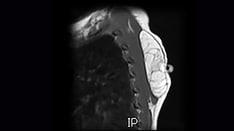
Media file 8:  Dural ectasia in the lumbosacral region.
Click to see larger pictureClick to see detailView Full Size Image
Media type:  MRI


  • American Academy of Pediatrics Committee on Genetics. Health supervision for children with Marfan syndrome. Pediatrics. Nov 1996;98(5):978-82. [Medline].
  • Ahn NU, Sponseller PD, Ahn UM, et al. Dural ectasia in the Marfan syndrome: MR and CT findings and criteria. Genet Med. May-Jun 2000;2(3):173-9. [Medline].
  • Ahn NU, Sponseller PD, Ahn UM, et al. Dural ectasia is associated with back pain in Marfan syndrome. Spine. Jun 15 2000;25(12):1562-8. [Medline].
  • Alpert BS. Tall stature. Pediatr Rev. Sep 1998;19(9):303-5. [Medline].
  • Beighton P, de Paepe A, Danks D, et al. International Nosology of Heritable Disorders of Connective Tissue, Berlin, 1986. Am J Med Genet. Mar 1988;29(3):581-94. [Medline].
  • Boileau C, Jondeau G, Mizuguchi T, Matsumoto N. Molecular genetics of Marfan syndrome. Curr Opin Cardiol. May 2005;20(3):194-200. [Medline].
  • Braverman AC. Exercise and the Marfan syndrome. Med Sci Sports Exerc. Oct 1998;30(10 Suppl):S387-95. [Medline].
  • Collod-Beroud G, Beroud C, Ades L, et al. Marfan Database (third edition): new mutations and new routines for the software. Nucleic Acids Res. Jan 1 1998;26(1):229-3. [Medline][Full Text].
  • Coselli JS, LeMaire SA, Buket S. Marfan syndrome: the variability and outcome of operative management. J Vasc Surg. Mar 1995;21(3):432-43. [Medline].
  • David TE. Current practice in Marfan's aortic root surgery: reconstruction with aortic valve preservation or replacement? What to do with the mitral valve?. J Card Surg. Mar-Apr 1997;12(2 Suppl):147-50. [Medline].
  • De Paepe A. Dural ectasia and the diagnosis of Marfan's syndrome. Lancet. Sep 11 1999;354(9182):878-9. [Medline].
  • De Paepe A, Devereux RB, Dietz HC, Hennekam RC, Pyeritz RE. Revised diagnostic criteria for the Marfan syndrome. Am J Med Genet. Apr 24 1996;62(4):417-26. [Medline].
  • Dean JC. Marfan syndrome: clinical diagnosis and management. Eur J Hum Genet. May 9 2007;[Medline].
  • Dietz HC. Marfan syndrome. GeneReviews [GeneTests Web site]. Available at: www.genetests.com. 2003;[Full Text].
  • Dietz HC, Pyeritz RE. Marfan syndrome and related disorders. In: Scriver CR, Beaudet AL, Sly WS, Valle D, eds. The Metabolic and Molecular Bases of Inherited Disease. New York, NY: McGraw-Hill; 2001:5287-311.
  • Dietz HC, Pyeritz RE. Mutations in the human gene for fibrillin-1 (FBN1) in the Marfan syndrome and related disorders. Hum Mol Genet. 1995;4 Spec No:1799-809. [Medline].
  • Fattori R, Nienaber CA, Descovich B, et al. Importance of dural ectasia in phenotypic assessment of Marfan's syndrome. Lancet. Sep 11 1999;354(9182):910-3. [Medline].
  • Gelb BD. Marfan's syndrome and related disorders--more tightly connected than we thought. N Engl J Med. Aug 24 2006;355(8):841-4. [Medline].
  • Godfrey M. The Marfan syndrome. In: Beighton P, ed. McKusick's Heritable Disorders of Connective Tissue. 5th ed. St Louis, MO: Mosby; 1993:51-135.
  • Habermann CR, Weiss F, Schoder V, et al. MR evaluation of dural ectasia in Marfan syndrome: reassessment of the established criteria in children, adolescents, and young adults. Radiology. Feb 2005;234(2):535-41. [Medline].
  • Hayward C, Porteous ME, Brock DJ. Mutation screening of all 65 exons of the fibrillin-1 gene in 60 patients with Marfan syndrome: report of 12 novel mutations. Hum Mutat. 1997;10(4):280-9. [Medline].
  • Igondjo-Tchen S, Pages N, Bac P, Godeau G, Durlach J. Marfan syndrome, magnesium status and medical prevention of cardiovascular complications by hemodynamic treatments and antisense gene therapy. Magnes Res. Mar 2003;16(1):59-64. [Medline].
  • Kousseff BG, Jennings JW, Ranells JD. The revised diagnostic criteria of Marfan syndrome: a clinical analysis [abstract]. Am J Hum Genet. 1999;65:A36.
  • LeMaire SA, Coselli JS. Aortic root surgery in Marfan syndrome: current practice and evolving techniques. J Card Surg. Mar-Apr 1997;12(2 Suppl):137-41. [Medline].
  • Lipscomb KJ, Smith JC, Clarke B, Donnai P, Harris R. Outcome of pregnancy in women with Marfan's syndrome. Br J Obstet Gynaecol. Feb 1997;104(2):201-6. [Medline].
  • Loeys BL, Chen J, Neptune ER, et al. A syndrome of altered cardiovascular, craniofacial, neurocognitive and skeletal development caused by mutations in TGFBR1 or TGFBR2. Nat Genet. Mar 2005;37(3):275-81. [Medline].
  • Marfan AB. Un cas de deformation congenitale des quatre membres plus prononcee aux extremites caracterisee par l'allongement des os avec un certain degre d'amincissement. Bull Mem Soc Med Hop Paris (ser 3). 1896;13:220-6.
  • Maumenee IH. The eye in the Marfan syndrome. Trans Am Ophthalmol Soc. 1981;79:684-733. [Medline].
  • Milewicz DM. Molecular genetics of Marfan syndrome and Ehlers-Danlos type IV. Curr Opin Cardiol. May 1998;13(3):198-204. [Medline].
  • Mizuguchi T, Collod-Beroud G, Akiyama T, et al. Heterozygous TGFBR2 mutations in Marfan syndrome. Nat Genet. Aug 2004;36(8):855-60. [Medline].
  • National Marfan Foundation. National Marfan Foundation Southern California Chapter: Marfan Syndrome Resource Manual. Available at www.marfan.org. 1999. [Full Text].
  • Nemet AY, Assia EI, Apple DJ, Barequet IS. Current concepts of ocular manifestations in Marfan syndrome. Surv Ophthalmol. Nov-Dec 2006;51(6):561-75. [Medline].
  • Nollen GJ, Mulder BJ. What is new in the Marfan syndrome?. Int J Cardiol. Dec 2004;97 Suppl 1:103-8. [Medline].
  • Pereira L, Levran O, Ramirez F, et al. A molecular approach to the stratification of cardiovascular risk in families with Marfan's syndrome. N Engl J Med. Jul 21 1994;331(3):148-53. [Medline].
  • Pyeritz RE. The Marfan syndrome in childhood: features, natural history and differential diagnosis. Prog Pediatr Cardiol. 1996;5:151-7.
  • Pyeritz RE. The Marfan syndrome. Annu Rev Med. 2000;51:481-510. [Medline].
  • Pyeritz RE. The Marfan syndrome. In: Heritable Connective Tissue and Its Disorders. New York, NY: Wiley-Liss; 1993:437-68.
  • Pyeritz RE, Fishman EK, Bernhardt BA, Siegelman SS. Dural ectasia is a common feature of the Marfan syndrome. Am J Hum Genet. Nov 1988;43(5):726-32. [Medline].
  • Pyeritz RE, McKusick VA. The Marfan syndrome: diagnosis and management. N Engl J Med. Apr 5 1979;300(14):772-7. [Medline].
  • Ramirez F, Dietz HC. Marfan syndrome: from molecular pathogenesis to clinical treatment. Curr Opin Genet Dev. Apr 26 2007;[Medline].
  • Rios AS, Silber EN, Bavishi N, et al. Effect of long-term beta-blockade on aortic root compliance in patients with Marfan syndrome. Am Heart J. Jun 1999;137(6):1057-61. [Medline].
  • Roman MJ, Devereux RB. Diagnostic imaging of the cardiovascular system in the Marfan syndrome. Prog Pediatr Cardiol. 1996;5:175-88.
  • Rose PS, Levy HP, Ahn NU, et al. A comparison of the Berlin and Ghent nosologies and the influence of dural ectasia in the diagnosis of Marfan syndrome. Genet Med. Oct 2000;2(5):278-82. [Medline].
  • Rossi-Foulkes R, Roman MJ, Rosen SE, et al. Phenotypic features and impact of beta blocker or calcium antagonist therapy on aortic lumen size in the Marfan syndrome. Am J Cardiol. May 1 1999;83(9):1364-8. [Medline].
  • Salim MA, Alpert BS, Ward JC, Pyeritz RE. Effect of beta-adrenergic blockade on aortic root rate of dilation in the Marfan syndrome. Am J Cardiol. Sep 15 1994;74(6):629-33. [Medline].
  • Shores J, Berger KR, Murphy EA, Pyeritz RE. Progression of aortic dilatation and the benefit of long-term beta-adrenergic blockade in Marfan's syndrome. N Engl J Med. May 12 1994;330(19):1335-41. [Medline].
  • Silverman DI, Burton KJ, Gray J, et al. Life expectancy in the Marfan syndrome. Am J Cardiol. Jan 15 1995;75(2):157-60. [Medline].
  • Spits C, De Rycke M, Van Ranst N, et al. Preimplantation genetic diagnosis for cancer predisposition syndromes. Prenat Diagn. May 2007;27(5):447-56. [Medline].
  • Sponseller PD, Sethi N, Cameron DE, Pyeritz RE. Infantile scoliosis in Marfan syndrome. Spine. Mar 1 1997;22(5):509-16. [Medline].
  • Stern WE. Dural ectasia and the Marfan syndr