Continually Updated Clinical Reference
 
 
  All Sources     eMedicine     Medscape     Drug Reference     MEDLINE
 
eMedicine - Thrombotic Thrombocytopenic Purpura : Article by

Quick Find
Authors & Editors
Introduction
Clinical
Differentials
Workup
Treatment
Medication
Follow-up
Miscellaneous
References

Related Articles
Acute Disseminated Encephalomyelitis

Anterior Circulation Stroke

Aphasia

Aseptic Meningitis

Brucellosis

Cardioembolic Stroke

Cerebral Venous Thrombosis

Childhood Migraine Variants

Complex Partial Seizures

Confusional States and Acute Memory Disorders

Dissection Syndromes

Dizziness, Vertigo, and Imbalance

Meningococcal Meningitis

Migraine Headache

Migraine Variants

Partial Epilepsies

Posterior Cerebral Artery Stroke

Sudden Visual Loss

Uremic Encephalopathy

Viral Encephalitis

Viral Meningitis


Patient Education
Click here for patient education.


Author: Robert Rust Jr, MD, Thomas E Worrell Jr Professor of Epileptology and Neurology, Co-Director of FE Dreifuss Child Neurology and Epilepsy Clinics, University of Virginia School; Clinical and Residency Training, Child Neurology, University of Virginia Hospital and Clinics

Robert Rust, Jr, is a member of the following medical societies: American Academy of Neurology, American Epilepsy Society, American Headache Society, American Neurological Association, Child Neurology Society, International Child Neurology Association, and Society for Pediatric Research

Editors: David A Griesemer, MD, Professor, Departments of Neurology and Pediatrics, Medical University of South Carolina; Francisco Talavera, PharmD, PhD, Senior Pharmacy Editor, eMedicine; Kenneth J Mack, MD, PhD, Senior Associate Consultant, Department of Child and Adolescent Neurology, Mayo Clinic; Selim R Benbadis, MD, Professor, Director of Comprehensive Epilepsy Program, Departments of Neurology and Neurosurgery, University of South Florida School of Medicine, Tampa General Hospital; Nicholas Y Lorenzo, MD, Chief Editor, eMedicine Neurology; Consulting Staff, Neurology Specialists and Consultants

Author and Editor Disclosure

Synonyms and related keywords: TTP, thrombocytic acroangiothrombosis, Schulman-Upshaw syndrome, Upshaw-Schulman syndrome, constitutional TTP, severe ADAMTS13 deficiency, thrombotic microangiopathy, TMA, hemolytic uremic syndrome, HUS, TTP-HUS, TTP/HUS, ADAMTS13, ADAMTS-13, Shiga toxin, Stx

Background

Moschcowitz originally described thrombotic thrombocytopenic purpura (TTP) in 1925, noting the unusual and fatal combination of fever, hemolytic anemia, renal and cardiac failure, and neurologic dysfunction in a 16-year-old female adolescent. He proposed that these findings were the result of the widespread hyaline thrombosis of small blood vessels that was found at autopsy. In his 1936 study of 4 additional cases, Baehr confirmed Moschcowitz' observations and added the important observation that platelets were involved in the distinctive disseminated capillary and arteriolar thrombocytopenic thrombotic process.

Adams et al masterful 1948 study elucidated the cerebral pathology of this condition, and further clarification was made in 1964. It was not until the early 1960s that that an appropriately detailed description of the renal pathology and important pathogenic role in TTP was provided (Bukowski, 1962). Amorosi and Ultman reported the diagnostic pentad of fever, thrombocytopenia, microangiopathic hemolytic anemia, and renal and neurologic disease in 1966.

Diagnosis and differential diagnosis

Many hundreds of cases labeled TTP have since been reported. However, until recently, no diagnostic laboratory tests have been available to confirm the pathogenic homogeneity of illnesses so labeled. In 1982, clinical diagnosis was standardized to require 2 minor (fever, renal dysfunction, or circulating thrombi) and 2 major (thrombocytopenia, Coombs-negative microangiopathic anemia, or neurologic dysfunction) manifestations for diagnosis (Bukowski, 1982). Of interest, this clinical approach permits TTP to be diagnosed in patients who have neither renal nor neurologic dysfunction.

The clinical overlap with other microangiopathic conditions has long been appreciated. Before the development of a specific test reflective of a specific unifying etiologic process, boundaries were difficult to define.

The greatest uncertainty involved the distinction of some cases of TTP from some cases of the microangiopathic condition hemolytic-uremic syndrome (HUS). In most instances, HUS can be distinguished from TTP because HUS occurs predominantly but not exclusively in children younger than 10 years, whereas TTP occurs predominantly but not exclusively occurs in adults.

Other clinical features aid in distinguishing the conditions at any age of onset. For instance, renal manifestations are usually more prominent than neurologic ones in HUS, whereas neurologic manifestations are usually more prominent than renal ones in TTP. Fever precedes TTP more commonly than it precedes HUS (Silverstein, 1968).

Despite these distinctions, the recognition of increasing numbers of borderline, or atypical, cases eroded confidence in the existence of objective criteria to distinguish atypical HUS from atypical TTP, unless age were permitted to suggest the distinction. This problem led to the application of the unsatisfactory term TTP-HUS to mean an indistinctly defined and clinically heterogenous collection of cases between classic TTP and classic HUS. The recognition of phenotypic instability in recurrent cases encouraged use of this term. For example, 1 patient had 5 episodes manifesting the HUS phenotype before the age of 15 years and 9 episodes manifesting the TTP phenotype after 20 years of age (Ruggenenti, 1991).

Boundaries of the clinical spectrum became even less definite than before when an increasing and heterogeneous collection of microangiopathic conditions were described as examples of symptomatic or acquired TTP, HUS, or TTP-HUS, joining the presumed congenital or idiopathic forms of each.

Fortunately, recent advances in the understanding of the pathogenesis of TTP somewhat clarified the boundaries between microangiopathic clinical entities with renal or neurologic manifestations, and they have produced useful diagnostic tests for some forms of clinically defined TTP.

Relationship to ADAMTS-13 and thrombotic microangiopathies

Of greatest importance are investigations that demonstrated the relationship of ADAMTS-13, a protease that cleaves large platelet multimers, to TTP. These investigations defined a heritable form of TTP with severe ( <5%) AADAMTS-13 activity deficiency and an acquired form due to the elaboration of antibodies directed at 1 or more ADAMTS-13 epitopes.

However, thrombotic microangiopathies (TMAs) are not associated either with severe ADAMTS-13 activity deficiency or with antibodies that block ADAMTS-13 activity. In some instances the clinical syndrome is indistinguishable from typical TTP. Some of cases, especially those in adults, are associated with provocative factors that are associated with the development of typical hereditary or acquired TTP. Recent schemes have used the identification of such provocative factors to classify TTP-like thrombotic disorders without severe or acquired abnormalities of ADAMTS-13 function, as just defined.

These entities tend to occur in adults and sometime manifest features that occur along a clinical spectrum between TTP and HUS. Many of these illnesses cannot be distinguished by using currently available tests, except when the underlying etiologic illnesses are symptomatic. These conditions share with TTP and HUS the fundamental finding of thrombocytopenic and hemolytic TMA on peripheral blood smear.

In children, the most important well-defined entity is postinfectious HUS. This disease is chiefly confined to children less younger than 5 years. Postinfectious HUS tends to be restricted to fewer organ systems than TTP, typically involving the colon and kidney. However, neurologic manifestations are not uncommon, and pulmonary disease or disease of other organs may develop.

It is useful to subdivide postinfectious HUS into cases related to Shiga toxin (Stx)–elaborating pathogens (eg, Escherichia coli O157:H7) and those related to Shigella dysenteriae). In some instances, care must be taken to distinguish such cases from cases of infantile or childhood TTP.

Otherwise, TTP tends to be a disease of adults. This must be distinguished from adult-onset HUS, many cases of which can be subdivided into sporadic or familial HUS. When such distinctions are made, assays of ADAMTS-13 activity are often of considerable value, and TTP can be distinguished from HUS on the basis of an analysis of the types of thromboses present in biopsy specimens. Of note, for most adults, TTP-like presentations entail little or no renal failure; but rather, they include hemolytic and thrombocytopenic TMAs affecting various nonrenal organ systems that are troublesome than those typically seen in HUS.

Some but not all cases have severe congenital or acquired deficiency of ADAMTS-13 activity. From a practical viewpoint, these cases carry a considerably great risk of mortality and nonrenal morbidity. The severity of illness may require prompt treatment with plasma exchange despite well-defined risks, even when the distinction between TTP and HUS is not clear.

Distinguishing TTP from HUS is important because effective therapies are available for certain types of TTP, whereas the management of HUS tends to be largely supportive. Moreover, the identification of a specific TTP or HUS syndrome often proves helpful in defining the patient's prognosis. No completely satisfactory classification scheme and certainly no consensus classification is available for these disorders.

Classification

The following tentative scheme is adapted with considerable modification from the approach of George et al (2002).

  • Hereditary or recurrent TTP - Idiopathic or ADAMTS 13 deficient
  • Postinfectious TTP - Acquired, anti-ADAMTS-13 immunoglobulin G (IgG)–mediated
  • TTP-like symptomatic illness without ADAMTS-13 deficiency
  • Postinfectious HUS - Stx related (IStx HUS)
  • Postinfectious HUS - Non–Stx-related (INon-Stx HUS)
  • Sporadic HUS
  • Familial HUS
  • TMA of uncertain etiology
  • TMA associated with neoplasia or chemotherapy
  • TMA after hematopoietic stem-cell transplantation
  • TMA symptomatic of other illnesses

This scheme variously applies clinical or laboratory defining characteristics and that these characteristics are more or less distinctive represent weaknesses of this scheme. Included under the heading of hereditary or recurrent ADAMTS-13–deficient TTP is severe infantile deficiency (Schulman-Upshaw syndrome), which may comprise a spectrum of age-related presentations. The severity of the deficiency may somewhat mediate the latency of presentation. However, other, incompletely understood factors appear to protect some individuals with severe deficiency from early presentation.

Our current incomplete understanding does not justify or permit eliminating areas of uncertainty and clinical overlap. In this scheme, hereditary TTP is defined as ADAMTS-13 activity that is <5% of normal. In rare cases, other predisposing hereditary genetic defects may be detected. Little or no renal involvement is observed, and various provocations are identified. This form of TTP may manifest in the neonatal period, in infancy, or later in life. It tends to be uncommon in childhood.

Acquired TTP is defined by identifying anti-ADAMTS-13 IgG antibodies, which are responsible for the development of TTP. The disease is rare in childhood. A wide variety of provocations are identified in the literature, wherein the role of ADAMTS-13 deficiency and other contributing circumstances cannot always be adequately sorted out.

Some of the illnesses and other provocations that are currently considered causes of TTP are likely to be distinguished as differential diagnoses of TTP in the future. However, similar provocations may produce the characteristic picture of TTP in 1 patient while provoking a different microangiopathic illness in another. This overlap is best illustrated by Stx-producing E coli O157:H7, which is the most important cause of HUS in children younger than 5 years in industrialized nations. In adults, the same agent may provoke TTP.

Considerable untidiness remains in the classification of TMA anemias. Some of these uncertainties derive from descriptions of cases of presumed TTP or HUS before reliable and specific diagnostic tests were available. Additional uncertainty derives from the occurrence of TTP or HUS-like conditions, the pathophysiology of which remains undefined even after skilled and thorough evaluation with currently available tests. Sometimes, no clear cause a TTP phenotype can be identified.

Although recent pathophysiologic observations have greatly advanced the current situation, uncertainty remains, particularly with regard to TTP-like microangiopathies. Provocation of TMA with or without the development of symptomatic TTP phenotype may occur in various general categories of illness, including inflammatory or vasculitic disease (eg, rheumatoid arthritis, polyarteritis nodosa; systemic lupus erythematosus [SLE]; Sjögren syndrome; hemolysis, elevated liver enzyme levels, and low platelet count [HELLP] syndrome), neoplasia (particularly lymphoma), or chemotherapy.

Occasional diagnostic uncertainty sometimes causes difficulty in selecting therapies for thrombocytopenic microangiopathies. Care must be taken to sort out cases with TTP features because such cases may have serious or even fatal consequences that might be prevented with specific forms of intervention. In other situations, no specific beneficial therapy is known. However, in all instances, scrupulous attention to nonspecific supportive therapy is often a crucial intervention.

Pathophysiology

Pathology

Recent investigators have drawn an increasingly clear distinction between the pathology of TTP and that of HUS. In lethal cases, intravascular thromboses are more widespread in TTP than in HUS, and they differ in composition from those found in HUS. As expected, the thrombi tend to involve some of the most vascular organs of the body. In decreasing order of severity, TTP-associated thrombi are found in the heart, pancreas, kidney, adrenal gland, and brain.

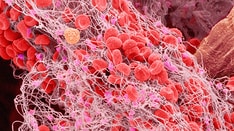
The thrombi of TTP lodge in small arterioles, capillaries, and venules of these various organs. They consist of chiefly platelets, including von Willebrand factor (vWF) multimers, and they are often associated with contiguous microinfarction. On the contrary, microthrombi found in lethal cases of HUS are fibrin- and/or RBC-rich, and they are largely confined to the renal arterioles and capillaries (Hosler, 2003).

The renal thrombi of TTP include microangiopathic examples in the glomerular tufts, and an admixture of arteriolar lesions is found in TTP in older children and adults. Epicardial petechiae, arteriolar thrombosis, and multifocal hemorrhages may be found in the heart, especially in the region of the cardiac conducting system (James, 1966).

Hyaline, eosinophilic platelet thrombi are found in the brains of 50-75% of individuals with fatal TTP. These thrombi are especially widely scattered in the gray matter. They contain fibrin and factor VIII and are of varied age. Endothelial hyperplasia is characteristically observed, as may be circulatory collateralization. Petechial hemorrhages and necrosis of microvascular walls are present, though the contiguous neuropil may appear nearly normal. In lethal cases, evidence of small- or large-vessel cerebral infarctions is uncommon (Adams, 1964).

Pathophysiology

Patients with TTP have long been recognized to have ultralong vWF multimers in circulation (Berkowitz, 1979; Bell, 1991; Chow, 1998). Their presence in TTP-associated microthrombi suggests their importance in TTP pathogenesis. Elegant studies established that TTP may occur as the result of familial or acquired defects in the function of the zinc-dependent metalloprotease ADAMTS-13. This metalloproteinase is synthesized in the liver and is responsible for cleaving vWF multimers. When initially secreted by the Werlad-Palade endothelial bodies, the vWF multimers are termed ultra large until ADAMTS-13 cleaves them. TTP is associated with the persistence in circulation of these ultralarge vWF multimers (Moake, 1984, 1988, and 1990).

Familial TTP is caused by constitutional deficiency of ADAMTS-13, which, if severe enough ( <5% activity) may result in manifestation of TTP in a neonate or small infant. Factors governing the latency in onset or nonpresentation of TTP in individuals with low ADAMTS-13 activity are incompletely understood. Nonfamilial TTP occurs when acquired antibody inhibits the activity of this enzyme. In either case, abnormality of platelet cleavage may occur at a sufficiently low level of ADAMTS-13 activity.

When ultra-large vWF multimers are properly cleaved, small vWF multimers are produced. Under highly regulated conditions, these can bind to glycoprotein complexes Ia/IIa (alpha2beta1 integrin), Ib/IX/V, and IIb/IIIa on the surface of platelets. Variously linked polymorphisms in the coding genes control the expression of these various glycoproteins, which play a role not only in TTP pathogenesis but also in thrombotic stroke among young individuals. Binding induces changes in platelet conformation from their normal clumping-resistant globular form to an elongated configuration that promotes clumping (Siedlecki, 1996). For the IIb/IIIa site, normal-sized multimers require activation by highly regulated circulating clotting mediators or sheer forces. This site is normally a critical regulator of platelet adhesiveness and clotting function. This site also appears to be particularly important in the pathogenesis of TTP.

Without proper cleavage the ultralarge VFW fragments are prothrombotic, tending to bind to platelets without appropriate activating signals. The ensuing dysregulated platelet conformational change produces platelet clumping in arterioles and capillaries (Furlan, 1997; Tsai, 1997; Fujikawa, 2001; Zheng, 2001). The predilection for clotting in particular regional vascular beds is not as yet well understood.

ADAMTS-13 is not the only inducer of multimer cleavage. Calprins, leukocyte elastases, cathepsin G, plasmin, streptokinase, urokinase, and tissue-type plasminogen activator are others. For understandable reasons, these highly active substances are sequestered or inhibited under normal conditions; they play no role in physiologic vWF cleavage. Severe inadequacy of ADAMTS-13 activity (because of genetically determined deficiency or acquired autoimmune inhibition) is the cause of the microangiopathic organ system injuries produced by TTP.

Of interest, excessive activation of ADAMTS-13 may result in an hemorrhagic rather than a thrombotic disorder. This is because relentless cleavage disables platelet binding by the diminutive circulating vWF multimers. The result is a disease that resembles von Willebrand disease type 2a. A similar bleeding disorder could result from abnormalities of the vWF multimers that render them vulnerable to enhanced or unregulated cleavability.

Demonstration of severe deficiency of ADAMTS-13 is considered diagnostic of heritable TTP (Hovinga, 2004). However, in a series of 396 consecutive patients, severe ADAMTS-13 deficiency was found in only 17% of patients with TMAs of various phenotypes. However, severe deficiency was found in more than 60% of congenital, Schulman-Upshaw, or acute idiopathic (sporadic) cases of microangiopathy with a TTP phenotype. The pathogenesis of cases of TTP-like illness without severe deficiency of ADAMTS-13 activity was unclear. Severe deficiency was not found in any of 130 patients with HUS or of 14 patients with TMA associated with hematopoietic stem cell transplantation. Of interest, severe ADAMTS-13 deficiency may be found in individuals without evidence for microvascular platelet clumping and or history of other cardinal features associated with TMAs.

Another study including all patients referred to a regional center for plasma exchange treatment of TTP-HUS revealed severe ADAMTS-13 deficiency ( <5% activity) in only 13%, and just 33% were identified as having idiopathic TTP-HUS (George, 2004). This low rate of association with reduced ADAMTS-13 activity likely reflects inclusion of cases with antibody-mediated reduction of ADAMTS-13 function and cases of HUS and perhaps other non-TTP microangiopathic illnesses.

In 127 individuals selected because they had classic findings of idiopathic TTP (thrombocytopenic microangiopathic hemolysis, age >10 y, no evidence of HUS or other plausible causes), 100% had severe ( <0.1 U/mL) deficiency of ADAMTS-13 activity (Tsai, 2003). The uniformity with which primary ADAMTS-13 deficiency, rather than anti-ADAMTS-13 antibodies, accounted for TTP was because the group of patients with other plausible causes included those with evidence for autoimmune-mediated impairment of ADAMTS-13 function. In this group, microangiopathy of >70% was ascribed to IgG-mediated autoimmune inhibition of ADAMTS-13–mediated multimer cleavage. In the remaining 30%, the authors considered at least 2 other explanations for microangiopathy: (1) Circulating ultralarge vWF multimers had intrinsically diminished cleavability, and (2) the titer of inhibitory antibody below the level of detection with existing assays is still enough to inhibit ADAMTS-13–mediated cleavage (Furlan,1998; Tsai, 2003).

As a result of recent advances in the understanding of TTP pathogenesis, cases with clinical features of TTP can now be classified as those with severe deficiency of ADAMTS-13 activity, a group that can be divided into those with heritable deficiency of the protease and those with symptomatic acquired deficiency of enzymatic activity due to autoimmunity directed at the enzyme. Remaining cases represent idiopathic or symptomatic forms of TTP, the pathogenesis of which is as yet unreliably defined. This last group includes cases that manifest a typical TTP phenotype and those that demonstrate overlapping features of both TTP and HUS.

The favorable response of congenital or heritable TTP to plasma exchange is likely because it provides the recipient with ADAMTS-13 proteases such as those present in the pooled plasma specimens. However, this treatment also provides benefit in cases of acquired autoimmune TTP without diminished ADAMTS-13 protease levels. The effectiveness of plasma exchange in most autoimmune states is not well understood.

Not yet well understood are the factors that govern disease expression in individuals with congenital TTP. Our understanding of the factors that govern the appearance and disappearance of ultralarge vWF multimers in various stages of acute TTP or TTP remissions is incomplete. We lack a good explanation for why some congenital cases have a chronic or chronic-relapsing course of illness. Certain forms of neonatal-onset chronic relapsing TTP, such as Schulman-Upshaw syndrome, are hereditary ADAMTS-13–deficient TMAs. Fever, infection, diarrheal illnesses, surgery, or pregnancy are among the known provocations for relapse of this congenital form of TTP (Tsai, 2003).

For acquired TTP, inflammatory illnesses that provoke the elaboration of anti–ADAMTS-13 antibodies may do so as the result of molecular mimicry or other explanations for autoimmune sensitization. Particular medications, such as ticlopidine, provoke increased titers of circulating IgG inhibitors of ADAMTS-13 function (Tsai 2000 and 2003). Pregnancy is another well-known provocation for TTP, including TTP in pregnant women and in people with AIDS. TTP occurring during pregnancy may be mistaken for preeclampsia (Sherer, 2005).

A gene on chromosomal region 9q34 encodes for the ADAMTS-13 metalloprotease (Levy, 2001). More than 12 mutations have now been identified, some of which may have an increased prevalence in certain populations, such as the Japanese (Kokame, 2002). Homozygous deletions are found in symptomatic individuals. ADAMTS-13 is synthesized in the perisinusoidal cells of the liver. The particular resistance of these cells to injury in many forms of hepatic dysfunction explains why ADAMTS-13 activity tends not to all even in individuals with severe liver disease (Lee, 2002).

Frequency

United States

TTP is a rare disease, and some of its epidemiologic features remain incompletely characterized. The incidence and mortality rate of TTP may have increased over the past 3 decades. In 1991, the estimated incidence was 3.7 cases per 1,000,000 residents per year (Torok, 1995).

Some have ascribed the apparent increase in TTP or HUS prevalence to diagnostic imprecision in earlier as compared to subsequent studies (Miller, 2004). The perceived increase in TTP is also partly ascribed to the appearance of novel provocations, such as bone marrow transplantation. However, these novel interventions may not cannot for all of the increase (Tsai, 2003).

African Americans, especially African American women, might account for a disproportionate share of this increase. In addition, the HIV epidemic might account for some of the increasing incidence of TTP, though the documented rise in TTP preceded the onset of the HIV epidemic. Since the introduction of highly active antiretroviral therapy (HAART), the prevalence of HIV-associated TTP has declined and is associated with advanced stages of HIV, lowered CD4+ cell counts, and increased HIV-1 RNA levels (Becker, 2004).

When considered against the background of the perceived increasing prevalence of autoimmune diseases (eg, juvenile rheumatoid arthritis, asthma, SLE, multiple sclerosis in women) in industrialized nations over the last 40 years, one might conclude that some common set of influences may be causing the increase in autoimmune conditions, including autoimmune forms of TTP. Such influences might include disturbances in the development of immunoregulation and tolerance.

Current research on the genetic and immunoexperiential factors that determine the competence of immunoregulatory T cells is likely to prove relevant to these worrisome observations.

Until recently, epidemiologic data on TTP, HUS, and cases with mixed TTP-HUS manifestations were gathered without benefit of tests for ADAMTS-13 activity. One regional center in the United States estimated that the mean annual incidence of clinically suspected TTP-HUS in 1996-2004 was 11.12 cases per million residents. This finding suggests a further increase in the prevalence TTP, though the inclusion of all cases in the TTP-HUS spectrum underlines the uncertainty associated with epidemiologic estimates of clinically defined syndromes. The authors also found mean annual incidences of 4.46 cases of idiopathic TTP-HUS per million residents and 1.74 cases of TTP associated with severe ( <5%) ADAMTS deficiency per million residents (Terrell, 2005).

Approximately 11-28% of patients with TTP have recurrences.

International

One study showed a decreased combined incidence of TTP and HUS in the United Kingdom (2.2 cases per million population per year) and Saskatchewan (3.2 cases per million population per year) than the United States (6.5 cases per million population per year) (Miller, 2004).

Little reliable information is available concerning international variation in TTP except that autoimmune forms may be increasing in developed nations and in various nations with high rates of HIV infections.

The increased prevalence of TTP in African American men and women in the United States suggests that high prevalences may be found in genetically related populations in the countries from which the African American kindreds originated. The international incidence may be higher in women than in men.

The increasing prevalence of HIV infection in many parts of the world has likely increased the incidence of TTP in the affected countries.

Mortality/Morbidity

Mortality

At the time of its original description, TTP was almost 100% fatal. Advances in care resulted in overall mortality rate of approximately 30% by the early 1970s. The outlook for TTP has considerably improved, but fatalities still occurred in 10-40% of well-treated cases as recently as 1991 (Bukowski 1982; Rock, Shumak et al. 1991). As of the 1990s, mortality rates of heterogeneous adult populations with TTP treated with plasmapheresis or plasma exchange tended to be 7-10% range.

Plasmapheresis and plasma exchange have certainly played an important role in improving outcome. The effect is particularly striking in cases of severe hereditary deficiency, such as Schulman-Upshaw syndrome. Current survival rates are now approaching 90% for individuals with selected common types of TTP treated with plasma exchange. Effective techniques to support patients during acute illness have also played roles. To some extent, improved survival over the past few decades may reflect the inclusion of mild forms of illness that were formerly overlooked.

More recent evidence suggests that both mortality and morbidity may be increasing in certain populations may reflect the inclusion of severely ill patients with various severe neoplastic conditions, HIV infection, transplants, and immunosuppression. Improved therapy undoubtedly accounts for a considerable share of this improved survival, though the relative contributions of therapies for specific diseases versus improved supportive measures are unclear. Improved diagnosis of mild forms of TTP also likely contributes to improved survival rates since the 1970s because individuals with mild forms are likely to recover.

Although specific therapies (eg, plasma infusion and plasma exchange) improved survival in selected common subgroups of TTP, the overall TTP mortality in the United States has increased over the last few decades. Analysis of United States mortality data from 1968-1991, including 4523 TTP-associated deaths, showed that the annual age-adjusted population mortality rate decreased to a nadir of 0.4 per million residents for 1970-1973 but then increased steadily to 1.1 per million in 1988-1991.

The increasing rate of TTP-associated mortality is also partly ascribed an increasing incidence of TTP, especially among African American women, who appear to be at increased risk for especially severe TTP. In the United States, age-adjusted mortality ratios for TTP among African Americans compared with Caucasians is approximately 3.4 (95% confidence interval: 3.2-3.6). Mortality rates due to TTP are higher in African American women than in African American men. Estimated age-adjusted mortality ratios for African American women compared with Caucasian women are approximately 3.6 (95% confidence interval: 3.3-3.9).

HIV is an important risk factor for lethal TTP. In addition, the rising incidence of HIV-associated TTP somewhat accounts for increasing rates of TTP-associated mortality. Between 1968 and 1991, an HIV-related diagnosis was reported in 1.3% of individuals in the United States with death certificates indicating a diagnosis of TTP. This rate rose to 4.4% among such individuals in 1988-1991. The increased incidence of HIV infection and related disease may have contributed to some of the increase in the TTP-related mortality rate in recent years, but it does not explain most of the increase, which began before the onset of the HIV epidemic. The TTP-associated death rate is comparatively low in people younger than 20 years. After 20 years of age, the risk is increases, and the age-specific mortality rate for TTP thereafter increases with increasing age.

Morbidity

The morbidity risk is generally small for individuals with selected common types of TTP who have responses to current therapies for TTP and but not complications of those treatments. Certain TTP subgroups, including HIV-related and some medication-induced forms of TTP, are associated with increased rates of post-treatment morbidity. In some instances, this morbidity is related to complications of therapies, such as plasma exchange. The risk of recurrence in patients with TTP that responds well to optimal therapies, such as aggressive plasma exchange, is approximately 11-28%; recurrence usually within the first year after treatment.

Race

Discussions or race-related prevalence and disease severity have yielded certain useful observations, though these must be placed in the context of the approximate relationship between heredity and the artificial construct of race.

  • Variations in the prevalence regulators of endothelial prostacyclin synthetase, vWF aggregation, or other inherited traits have been identified in certain kindreds. These variations may influence risk for TTP.
  • Data from 1 regional treatment center for TTP and HUS showed that, between 1996 and 2004, the standardized incidence ratio for severe TTP related to ADAMTS-13 deficiency among African Americans compared with others was 9.29 (95% confidence interval: 4.33-19.93) (Terrell, 2005).
  • Approximately 70% of deaths from TTP occurring in the United States affect individuals identified as "white" in the epidemiologic data. This rate is somewhat lower than the 74-84% reported for individuals who identify themselves as being "white." The manifold uncertainties and imprecisions surrounding such self-designations and the variable degree to which individuals are further subdivided into such groups as "white Hispanic" makes this 70% finding difficult to interpret. On the contrary, recent epidemiologic studies clearly demonstrate that, in the United States, individuals identified as "black" have higher mortality rates for TTP than rates for people identified as "white."
  • In the United States, age-adjusted mortality ratios for TTP among African Americans compared with Caucasians is approximately 3.4 (95% confidence interval: 3.2-3.6) Mortality rates due to TTP are higher in African American women than in African American men. Estimated age-adjusted mortality ratios for African American women compared with Caucasian women are approximately 3.6 (95% confidence interval: 3.3-3.9).

Sex

Female individuals are more likely to develop TTP than male individuals, regardless of age.

  • Although early data suggested a female-to-male ratio of 3:2, new data show an overall female-to-male ratio of 1.9 (95% confidence interval: 1.8-2.0). This changing ratio may partly reflect the increasing prevalence of autoimmune diseases over the past 4 decades. Women have a disproportionately increased risk for many autoimmune diseases that tend to arise after puberty, particularly multiple sclerosis and lupus. The greatest age-specific difference between female individuals and male individuals (rate ratio 3.2; 95% confidence interval: 2.6-3.9) was found in individuals in their 20s.
  • The risk for TTP associated with collagen-vascular diseases (eg, lupus), which are more common in women than in men, partly account for difference.
  • Women are at increased risk for TTP during pregnancy and during use of oral contraceptives.
  • HIV infection is a risk factor for TTP, one more prevalent in male individuals than in female individuals. However, the prevalence of this infection has subsequently been rising among female individuals.

Age

TTP is chiefly a disease of adults, with a peak incidence in the third decade of life. However, it may occur at any age. Therefore, an infantile form of TTP exists.

  • The increased prevalence in adults partly reflects the increased risk adults have for symptomatic forms of TTP such as those associated with various collagen-vascular diseases, those occurring during or shortly after puerperium, those associated with oral contraceptives or other drugs more often prescribed for adults than children, or those associated with HIV infections.
  • Why TTP associated with severe inherited deficiency of ADAMTS-13 activity tends not to produce disease until adulthood is unclear. Schulman-Upshaw syndrome is the neonatal form of TTP.
  • The TTP-associated death rate is comparatively low in individuals younger than 20 years. After 20 years of age, the risk increases, and the age-specific mortality rate for TTP thereafter increases with increasing age.


History

  • TTP may arise with or without a history of preceding illness known to provoke a TMA of the TTP phenotype.
    • TTP arising without a clearly defined provocative factor is most likely affect neonates and young infants. This is called Schulman-Upshaw syndrome. Affected infants are usually have a severe deficiency in ADAMTS-13 activity ( <5% of normal activity).
    • TTP may arise without clear provocation late in life. However, the longer the latency to presentation, the more likely some particular provocation is identified as the cause of symptomatic TTP.
    • Factors can provoke decompensation in individuals whose heritable low ADAMTS-13 activity is sufficient until that point to protect against platelet abnormalities. Individuals can also acquire defects of ADAMTS-13 activity, usually on an autoimmune basis, or develop TTP on some other basis.
  • Symptomatic TTP most often arises as a complication medication or intoxication or as a secondary complication of various provocative illnesses. People using medications that may cause TTP or who are being treated for diseases known to secondarily provoke TTP should be familiar with this potential complication.
  • Considerable information concerning the development of TTP was gathered before specific tests for the condition were available. Hence, ideas concerning the causes of TTP may require modification in the current era.
    • Whether the subtype classification of TTP is revised remains to be seen. Also unknown is whether cases with clinical features suggestive of TTP (microangiopathic thrombocytopenia with renal and neurological dysfunction) will continue to be classified as TTP if no abnormality of ADAMTS-13 activity is found.
    • Whether ADAMTS-13 enzymatic activity tests will expand the collection of heritable or acquired clinical phenotypes included under the heading of TTP remains to be seen. These perhaps include diseases without clinically significant renal or neurologic impairment.
    • ADAMTS-13 testing will likely have the greatest effect on appropriately reclassifying illnesses now classified as atypical TTP and not on the classification of classic TTP because many of such cases are found to have heritable or acquired ADAMTS-13 deficiency.
  • ADAMTS-13 deficiency arises as the result of inheritance or acquisition.
    • Even marked degrees of inherited ADAMTS-13 deficiency tend to remain asymptomatic until an additional event provokes decompensation.
    • The ADAMTS-13 enzyme is so important to normal function that, in healthy individuals, ADAMTS-13 activity is greatly in excess of what is required to generate normal platelets.
    • Historical features suggestive of TTP due to heritable deficiency of ADAMTS-13 activity include the following:
      • Compared with acquired ADAMTS-13 deficiency, heritable ADAMTS-13 deficiency tends to manifest early in life.
      • If heritable deficiency becomes symptomatic in neonates or infants, it is generally associated with severe deficiency ( <5% of normal activity); this is called Schulman-Upshaw syndrome.
  • The inciting circumstances for TMA are often unclear. A diagnosis of hereditary TTP should not be excluded merely because a neonate has normal renal or neurologic function at birth or because birth-related or other abnormalities that might provoke TTP are not identified.
    • Factors governing latency to onset of a clinical TTP syndrome or those that may protect infants with low ADAMTS-13 activity from the development of TTP are not yet understood.
    • Other predisposing hereditary genetic defects may play a part in manifestation of TTP as Schulman-Upshaw, but these contributors are incompletely characterized.
    • Little or no renal involvement may be manifested
  • The diagnosis of Schulman-Upshaw syndrome is suggested in neonates or older infants or children when TMA readily responds to 10- to 15-mL/kg infusions of normal plasma or platelets because these contain the small amounts of ADAMTS-13 that is necessary to correct the congenital defect.
    • Because of the heritable nature of the defect, infants with Schulman-Upshaw syndrome have a relapsing and remitting course.
    • In a few cases, heritable ADAMTS-13 deficiency finally produces a TTP syndrome in childhood or later in life. Factors that govern the latency of presentation or that may protect individuals with severe deficiency from the development of TTP remain incompletely understood. For this reason, the diagnosis of Schulman-Upshaw syndrome should not be excluded because a patient has no family history of TTP or ADAMTS-13 deficiency. Parents should be tested for activity of this enzyme if a neonate or infant presents with an otherwise unexplained TTP-like illness.
    • Circumstances provoking manifestations in later childhood or adulthood include febrile illnesses suggestive of infection (with or without diarrhea), surgery, and pregnancy.
    • Acquired deficiency of ADAMTS activity develops in previously healthy individuals because of the elaboration of anti-ADAMTS-13 IgG antibodies. These antibodies inhibit ADAMTS-13 enzymatic activity in any one of several possible ways.
  • The classification of acquired TTP retains uncertain. One issue is whether all TTPs should be defined by ADAMTS-13 deficiency. Hence, some of the predisposing illnesses noted below may produce a TTP-like illness by means of other mechanisms. Many of the provocations may produce TMA without a typical TTP phenotype. Despite various reports, little evidence suggests that ADAMTS-13 deficiency or inhibition in TMA is associated with bone marrow transplantation, HELLP syndrome, or neoplasia (Tsai, 1998; Fontana, 2001; Lee, 2002). The renal pathology of the microangiopathy associated with bone marrow transplantation includes fibrin deposition in the glomeruli in a manner that differs from that of both TTP and E coli O157:H7-associated HUS (Arai, 2001). This finding suggests that that may be an independent disorder. The pathogenesis of tumor-associated TMA may involve tumor-cell emboli. Provocations that are reported to produce a TTP phenotype with acquired deficiency of ADAMTS-13 are as follows:
    • Neoplasia (particularly lymphoma) or antineoplastic chemotherapy
    • Hematopoietic stem-cell transplantation (excluding sepsis, drug-related, or graft versus host disease)
    • Pregnancy-associated conditions, usually peripartum or postpartum, excluding preeclampsia or eclampsia (Some but not all authorities exclude the microangiopathy of HELLP syndrome.)
    • Acute drug-related factors involving quinine more commonly than ticlopidine or clopidogrel; usually idiosyncratic and immune mediated
    • Insidious drug-related factors - Mitomycin C, alpha-interferon, cyclosporine, tacrolimus, and other immunosuppressive or chemotherapeutic agents; usually dose-related and therefore possibly toxic
    • Associated autoimmune disorders - SLE, antiphospholipid antibody syndrome, polyarteritis nodosa, scleroderma, rheumatoid arthritis, and Sjögren syndrome
  • TTP due to acquired defects of ADAMTS-13 activity is rare in childhood and is likely to arise in adults, with mean age-of-onset in the 30s.
  • Other than the age at presentation, historical and clinical features that may differentiate heritable (ADAMTS-13 deficient) from acquired (ADAMTS-13 inhibiting antibody) are likely to be clearly defined now that diagnostic tests are available.
  • No clear historical or clinical criteria distinguish many TTP-like microangiopathies without ADAMTS-13 deficiency from those with hereditary or acquired ADAMTS-13 deficiency. The specific mechanisms of these illnesses remain incompletely defined.
  • Certain additional generalizations about the clinical aspects TTP irrespective of underlying mechanism can be stated and may be helpful in distinguishing TTP on the basis of a particular patient's historical information. These generalizations are based on past and current information, given the limitations of the value of such data.
  • TTP is slightly more common in girls or women than in boys or men, at a ratio of 3:2.
  • The incidence of TTP peaks is in the third decade of life, though TTP may occur in neonates and young children (Kennedy, 1980).
  • In children who present with findings of a thrombocytopenic microangiopathy, certain historical features may suggest other diagnoses than TTP.
  • Historical features suggestive of postinfectious HUS:
    • Age < 5 years
    • Manifestations largely confined to the blood, the colon, the kidneys, and (less commonly) the nervous system
    • Acute renal failure after diarrheal prodrome (which is usually dysenteric, or bloody) (Suspicion is compounded if the child was treated with antibiotics or antimotility agents.)
    • Exposure to undercooked ground beef or other sources of enterohemorrhagic E coli
    • Exposure to sources of S dysenteriae
    • Laboratory identification of infection with bacteria that elaborate Stx, including E coli and S dysenteriae
  • Historical features suggestive of atypical HUS include the following:
    • Age < 5 years
    • Manifestations chiefly confined to the blood, the kidneys, the lungs, and (to a lesser extent) the nervous system
    • Acute renal failure without diarrheal prodrome, (though respiratory prodrome is often identified)
    • Identification Diplococcus pneumoniae infection
  • Historical and other features of adult typical HUS:
    • Adult "typical" HUS is uncommon.
    • In developed nations, this form usually develops in association with dysentery due to enterohemorrhagic E coli. In developing nations, it may be associated with S dysenteriae infection.
    • Renal failure is a less constant finding in adults than in children.
  • Historical and other features suggestive of adult atypical HUS:
    • This form is probably uncommon in adults.
    • This disease is less easily defined in adults than in children.
  • Historical features suggestive of non-TTP, non-HUS TMAs may sometime provoke illnesses with clinical or laboratory features of HUS, TTP, or both. Examples include the following:
    • Sepsis (due to Rickettsia rickettsii, or Meningococcus, Cytomegalovirus, or Aspergillosis species)
    • Disseminated malignancy, particularly lymphoma
    • Endocarditis
    • Malignant hypertension
    • Factor H deficiency
    • Drugs or poisons (eg, sulfa, ticlopidine, cyclosporin A, iodine, oral contraceptives, various other drugs and poisons)
  • The current classification for TTP and related disorders is unsatisfactory and confusing state. (For additional discussion, see Remuzzi, 1988; Teshima, 1996; and Hovinga, 2004).
  • Although the initial signs and symptoms of acute TTP may be subtle and nonspecific at the onset of illness, they quickly and noticeably evolve to a state of serious illness over 7-10 days.
    • Transient and fluctuating abnormalities, especially neurologic abnormalities, are particularly characteristic in the early states of TTP.
    • Neurologic dysfunction may be noted by as many as two thirds of all patients with TTP.
    • Symptoms occasionally persist in a subacute way. In rare cases, a chronic condition of subacute illness becomes established.
    • Heritable deficiency of ADAMTS-13 that manifests in early childhood (as in the Schulman-Upshaw syndrome) almost always produces an acutely deteriorating course of severe illness.
    • In the symptomatic older child or adult with TTP associated with a medication, toxin, or underlying illness, the initial symptoms of TTP may be difficult to distinguish from those due to the provocative circumstances.
    • Most patients report malaise, irritability, or confusion.
    • Many patines report weakness or fatigue.
    • Most patients report various types and degrees of perceived transient or persistent visual or language difficulties.
    • Seizures may be reported.
    • Most patients report headache.
    • Diarrhea or vomiting may be reported. In children younger than 5 years, dysentery (bloody diarrhea) suggests the alternative diagnosis of HUS. In older children and especially adults, bloody diarrhea may be a sign of TTP.
    • Changes in urine and stool suggestive of bleeding may be reported.
    • Nasal or gingival hemorrhages may be reported.
    • Abdominal pain (sometimes due to pancreatitis) may be reported.
    • Arthralgia may be reported.
    • Clots forming in the circulation may only temporarily disrupt regional brain blood supply. Patients may have transient headache, confusion, difficulty speaking, transient paralysis, transient numbness, or even seizures.
    • Patients may have seizures either as the result of occlusion of cerebral blood vessels or high blood pressure.

Physical

Physical examination usually reveals features that are consistent with the diagnosis of TTP and that indicate the extent and severity of illness. Physical findings of TTP are related to inflammation; microangiopathy; and secondary consequences of renal failure, hypertension, or failure of other organ systems. Clot formation produces signs due to focal ischemia, and consumptive coagulopathy results in various manifestations of hemorrhage.

Skin purpura are the initial manifestations in more than 90% of patients. They usually develop in the presence of fever. This presenting finding is not surprising because such lesions provoke alarm that subtle prodromal symptoms or dinginds do not, and they cause patients and their families to seek medical attention.

  • Skin pallor is common. Pallor may result from anemia or pain.
  • Fever usually develops early in the course of the illness.
  • Abnormal pulse rates, fullness, or rhythms may be found.
  • Hypertension is often found.
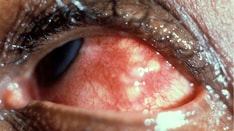
  • Hemorrhage (retinal, choroidal, nasal, gingival, GI, and genitourinary) may be noted.
  • Auscultatory abnormalities, particularly rhythm disturbances, may be noted because of cardiac involvement.
  • Abdominal tenderness may be elicited because of colitis or pancreatitis.
  • Joint pain or tenderness due to arthralgia may be elicited.
  • A wide variety of neurologic manifestations are common.
    • They tend to be multifocal and may be transient or persistent.
    • Neurologic abnormalities are detectable in as many as two thirds of patients with TTP, and they characteristically wax and wane.
    • Multifocal abnormalities are characteristic of TTP.
    • Some neurologic signs may be difficult to detect in young children.
    • Patients may have lethargy, confusion, or other (even severe) abnormalities of mental status (eg, stupor, coma). They may also have various degrees and types of visual or language dysfunction (aphasia or dysphasia).
    • Seizures may be observed.
    • Cranial nerve abnormalities may be present.
    • Focal, often hemiparetic, or generalized weakness may be present transiently or persistently. In general, deficits are due to extensive microthrombi and petechial hemorrhages, and large-vessel infarctions are uncommon in TTP.
    • Long-tract signs may be present transiently or persistently.
    • Focal sensory changes, including hemisensory loss, may be detected.
    • Ataxia or other cerebellar signs may be present transiently or persistently.

Causes

TTP may be a secondary or symptomatic complication of various illnesses. In the era of ADAMTS-13 characterization of TTP, controversy exists concerning the classification of symptomatic TTP-like microangiopathies. With reason, some authorities prefer to consider these conditions not related to non–ADAMTS-13 as separate categories. In some instances, pathologic information may support setting theses conditions apart from TTP on the basis of the type and location of the regional microangiopathic abnormality.

Various drugs, toxins, illnesses, and natural conditions may be implicated in symptomatic cases of TTP (see also History). The following general categories and specific examples may contribute to TTP or TTP-like TMAs:

  • Inflammatory vasculitic illnesses (SLE, antiphospholipid antibody syndrome, rheumatoid arthritis, polyarteritis nodosa, Sjögren syndrome) may be involved. SLE may be the most important of these illnesses with regard to risk for TTP. It develops only in a few patients with that illness and usually does so several years into the course of illness. On occasion, the diagnosis TTP precedes the diagnosis of SLE.
  • Infectious illnesses, particularly endocarditis, HIV infection, and infection with Stx-elaborating enterohemorrhagic enteric pathogens (eg, E coli O157:H7 or S dysenteriae) may be involved.
  • HIV has emerged as an important cause of TTP-like microangiopathies in adults.
  • Several cases of TTP in adults have been associated with E coli O157:H7. The clinical picture may suggest HUS, though investigation may reveal a TTP-like microangiopathy. Other enterohemorrhagic pathogens may produce a similar syndrome.
  • Neoplastic illnesses (particularly lymphoma) may be involved.
  • Malignancies of almost any type, particularly lymphoma, have been suggested as a cause of TTP-like microangiopathy. In such cases, the role of anticancer drug therapy, total-body irradiation, and bone marrow or peripheral stem-cell transplantation with immunosuppressions must also be considered.
  • Bone marrow or hematopoietic stem-cell transplantation with immunosuppression or total-body irradiation may be factors.
  • Gynecologic conditions (eg, puerperium, HELLP syndrome) may be implicated.
    • Puerperium is the most important natural condition that may predispose women to the development of TTP-like microangiopathy. The risk is greatest in the second trimester, though cases have arisen at any time during pregnancy or the immediate postpartum epoch. TTP-induced hypertension may be mistaken for eclampsia.
    • Although simultaneous development of fetal TTP has not been described, the serious consequences of TTP on maternal health may imperil survival of the fetus.
  • Some have suggested that the evidence for HELLP syndrome as a form of TTP is weak.
  • Factor H deficiency syndromes may be contributors.
  • Medications may provoke TTP, though the risk for such provocation is usually small. Important examples include sulfa, cyclosporine A, quinine, iodine, antiplatelet drugs (particularly ticlopidine and clopidogrel) or birth control pills. At present, as much as 2% of the population of the United States is taking clopidogrel.
  • Poisons may be causal factors.


Acute Disseminated Encephalomyelitis
Anterior Circulation Stroke
Aphasia
Aseptic Meningitis
Brucellosis
Cardioembolic Stroke
Cerebral Venous Thrombosis
Childhood Migraine Variants
Complex Partial Seizures
Confusional States and Acute Memory Disorders
Dissection Syndromes
Dizziness, Vertigo, and Imbalance
Meningococcal Meningitis
Migraine Headache
Migraine Variants
Partial Epilepsies
Posterior Cerebral Artery Stroke
Sudden Visual Loss
Uremic Encephalopathy
Viral Encephalitis
Viral Meningitis

Other Problems to be Considered

Sepsis
Rocky Mountain spotted fever
Disseminated fungal infection
Lymphoma
Endocarditis
Malignant hypertension
Factor H Deficiency
Drug effects
Toxins


Lab Studies

  • TTP is a TMA hemolytic anemia from which various associated abnormalities develop. HUS is fundamentally a microangiopathic nonimmune hemolytic anemia with which a variety of ensuing complications may develop.
  • Although the effects of ADAMTS-13 deficiency on clotting homeostasis provide an important conceptual framework for understanding and managing TTP, the microangiopathy of TTP is less well understood. This uncertainty is reflected in the fact that TMA with a TTP phenotype occurs in individuals who do not have abnormalities in the ADAMTS-13 pathway. Other factors, such as heterozygosity for factor V Leiden may contribute to vulnerability to a TTP-like illness.
  • Laboratory findings of TMA in TTP include anemia, and thrombocytopenia, as in HUS and other TMAs.
    • Anemia is an invariable finding
    • Thrombocytopenia is partly the result of platelet consumption in clot formation in the microcirculation.
    • Platelet survival time is shortened.
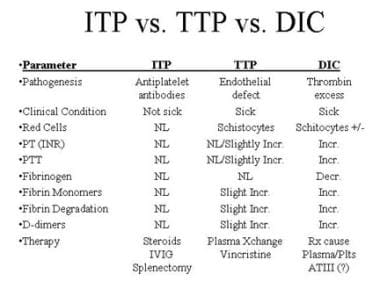
    • Platelet counts are typically <60 X 109/L ( <60,000/mm3) and usually lower than those seen in HUS.
    • An increasing platelet count is a sensitive indicator of the response to therapies such as plasma exchange, increasing within about 5 days of the onset of effective therapy.
    • The peripheral blood smear reveals fragmented RBCs (schistocytes, eg, spherocytes, segmented RBCs, burr cells, or helmet cells).
    • Reticulocytosis (proportional to hemolysis) and circulating free hemoglobin may be found, though not when the bone marrow response to anemia is impaired.
    • Moderate neutrophilia is usually found.
    • Because hemolytic anemia is nonimmune, results of Coombs testing are negative.
    • Unlike many cases of HUS, case of TTP do not commonly manifest changes consistent with disseminated intravascular coagulopathy (elevated levels of fibrin split products, prolonged activated partial thromboplastin time, and low antithrombin III levels). Fibrinogen values may be normal or increased.
    • Prolongation of the prothrombin time (PT) and elevated levels of fibrin degradation products are especially likely to be detected in adult TTP after enterohemorrhagic E coli O157:H7 infection.
    • Because of intravascular hemolysis, the direct bilirubin level is elevated, whereas the haptoglobin value is usually low.
    • Another important indicator of intravascular hemolysis is elevation of serum lactate dehydrogenase (LDH) levels. Because tissue ischemia further elevates value, it may be extremely high.
    • LDH is the most sensitive indicator of ongoing hemolysis. Therefore, it is often used as a sensitive indicator of the response to therapeutic interventions, such as plasma exchange. The value often decreased within about 3 days of the start of plasma exchange.
    • Although no universally accepted criterion standard test is available for the diagnosis of TTP, the identification of possible abnormalities in the ADAMTS-13–vWF axis is of great importance.
    • Identification of unusually large circulating plasma vWF multimers strongly indicates deficiency of ADAMTS-13 activity on an heritable or acquired basis.
    • Several assays have been developed to measure plasma ADAMTS-13 activity. The nature and reliability of these various assays was reviewed (Furlan, 2002).
    • Severe deficiency of ADAMTS-13 activity (levels <5% of normal activity) may be specific for the diagnosis of TTP in an appropriate clinical setting.
    • Activity levels even slightly higher than 5% are thought to protect against TTP on the basis of ADAMTS-13 activity deficiency.
    • Approximately one half of all patients with thrombocytopenia, microangiopathic hemolytic anemia, and severely diminished ADAMTS-13 activity ( <5% of normal) retain normal renal function, and approximately 25% have no clinical neurologic abnormalities.
    • Testing of asymptomatic parents of an individual thought to have heritable ADAMTS-13 deficiency should be considered for diagnostic and counseling purposes. Testing of relatives who have clinical episodes suggestive of TTP should also be considered.
    • Care should be taken in interpreting low values of ADAMTS-13 activity or specific inhibitory antibodies because the assays are not easy to perform and may not be adequately standardized in some laboratories (Tsai, 2003). Although some new assays are simpler to perform, older, more complex, and more time-consuming assays may be more reliable and sensitive.
  • Until well-standardized, reliable, and sensitive assays for ADAMTS-13 activity become widely available, diagnostic confusion will continue to occur.
    • Because as many as 80% of individuals with TTP have renal failure at some time during their illness, testing may reflect this dysfunction.
    • Proteinuria, microscopic hematuria, urinary leukocytosis, urine hyaline casts, increased specific gravity of urine, and various degrees of elevation of blood urea nitrogen (BUN) and creatinine levels are found in patients with acute renal failure. Creatinine elevation may be seen in as many as 44% of patients with TTP (Conlon, 1995).
    • In mild cases, urinary findings may be limited to abnormalities of the urine sediment or mild azotemia on a prerenal basis that improve with correction of the patient's hydration status.
    • Blood may be detected in urine or stool
    • Stool specimens may be melenic, frankly bloody, or merely heme positive.
    • Pancreatitis may occur in TTP, elevating amylase and lipase levels.
    • CSF chemistry, cell counts, and pressure are usually normal, even in some patients with neurologic abnormalities.
    • Additional laboratory testing may entail evaluation for the various provocative illnesses described in association with TTP.
  • CSF chemistry, cell counts, and pressures are usually normal (Adams, 1964).

Imaging Studies

  • A wide variety of abnormalities on imaging studies may be found in TTP.
  • Of surprise, MRIs of the brain are often normal, especially in individuals with adult-onset TTP.
  • Severe hereditary ADAMTS-13 deficiency with infantile-onset Schulman-Upshaw syndrome) may produce severe ischemic brain lesions readily identifiable on brain MRI. These changes are most commonly encountered after several recurrent episodes of TTP. Delayed diagnosis and treatment due to failure to recognize this rare TTP variant may be responsible for the development of such lesions.
  • Patients with TTP may have small, multifocal cortical lesions, including small areas of hemorrhagic change.
  • Infarctions in the vascular territory may be seen and range from small- to large-arterial territories and with or without hemorrhage; however, these findings are uncommon.
  • The territories of the middle or posterior cerebral artery or the cerebellar artery are among the most likely loculations where large-vessel infarctions occur. For obvious reasons, such abnormalities foretell a worsened outcome (Bakashi, 1999).
  • Some patients have brain edema without focal or widespread cortical or subcortical lesions. As might be expected, the prognosis is better for these patients than for those who have strokes or hemorrhages (Bakashi, 1999).

    Changes consistent with reversible posterior leukoencephalopathy (RPLE) may be seen in patients with elevated blood pressure (Bakashi 1999).

  • Single-photon emission CT (SPECT) scans may show diminished cerebral blood flow.

Other Tests

  • Renal biopsy may help clarify the diagnosis of TTP.
    • Patients with hereditary or acquired deficiencies of ADAMTS-13 activity may have platelet-rich, fibrin-poor thrombi in the microvasculature and other sites prone to high fluid shear stress, with ensuing shear-stress related to additional changes in circulating RBCs.
    • Microvascular fibrin and/or platelet thrombi may be found in glomerular hilar arterioles, peripheral ancillary loops, and in extraglomerular vessels of the kidney.
    • Unlike the clots of HUS, the microcirculatory clots that develop in TTP are platelet rich and fibrin-poor. This distinction can be made on the basis of renal biopsy.
  • ECGs may be abnormal.
    • ECGs may indicate pathologic changes such as cardiac hypoxia or ischemia; focal myocarditis; myocardial infarction; epicardial petechiae or microinfarction; and cardiac microvascular (eg, arteriolar) occlusion or petechial hemorrhage involving the sinus node, the atrioventricular node, or the bundle of His.
    • Conduction abnormalities ranging in severity up to complete conduction block (atrioventricular dissociation).
    • Sinus tachycardia may be present and out of proportion to fever, state of hydration, or anemia.
    • Atrial tachycardia may be found.
    • Evidence of myocardial infarction may be found.

Procedures

  • Dialysis must be undertaken in individuals who develop acute renal failure that cannot be reversed with approaches such as hydration or pressor support.


Medical Care

Plasmapheresis, plasma infusion, and plasma exchange

Plasmapheresis and plasma infusion have proven useful in the treatment of TTP, but the combination of both (ie, plasma exchange) by using fresh-frozen, platelet-poor plasma, perhaps in combination with corticosteroids, appears to be the most beneficial therapy in severe cases. Plasmapheresis may remove the large vWF multimers and other possible toxins, whereas the infused fresh-frozen plasma may contain natural circulating antioxidants (eg, prostacyclin) and the multimer-reducing factor found in plasma cryosupernatant.

Plasmapheresis may remove the large vWF multimers and circulating antibodies, while, at the same time, infused fresh-frozen plasma may contribute ADAMTS-13 and circulating antioxidants (eg, prostacyclin). They may also dilute ADAMTS-13–inhibiting immunoglobulin G (IgG).

The response to plasmapheresis and plasma infusion is often so prompt and dramatic as to suggest that these treatments are the most important factors in the greatly improved outlook for patients with TTPs (Ridolfi, 1981; Bukowski 1982; Rock, 1991).

At present, daily plasmapheresis is probably the most widespread approach to managing TTP. It is continued until the platelet count becomes persistently normal and until the LDH level and other indicators of resolution of hemolysis indicate that that the fundamental aspect of TTP has resolved. LDH values and platelet counts are important for assessing the initial response to treatment and for timing of weaning of treatment.

Critically ill patients may be treated with infusions of fresh-frozen plasma without exchange until plasmapheresis may be commenced. In some critically ill patients, plasma exchange may be started and continued for periods of 10 days or longer. Studies have shown that only a few patients who recover from TTP with this treatment have notable permanent organ damage (Tsai, 2003). However, other studies show a somewhat different picture (see Morbidity and Mortality).

Plasma exchange may be more effective than plasma infusion. In a controlled prospective double-blind crossover multicenter trial, survival rates were at least 80% for plasma exchange compared with 60% for plasma infusion (Rock, 1991). A later study showed that the benefits of plasma exchange are related to the infusion of large volumes of plasma, improving the clearance of toxins, antibodies, multimers, or immune complexes compared with plasma infusion (Lawlor, 1997).

Care must be taken to avoid circulatory overload and electrolyte disturbances when plasma exchange and infusion is performed, particularly because most patients with TTP have impaired renal function. Careful orchestration of plasma therapy and dialysis greatly contributes to the avoidance of such complications.

Most cases of TTP are monophasic, but in heterogeneous populations, 11-28% of patients have 1 or more recurrences. Recurrence rates are likely to increase as the follow-up interval lengthens. Relapses may occur weeks to many years after initial presentation. In some instances, chronic TTP develops (Bell, 1991; Rock, 1991; Tsai, 2003).

In 1991, plasma exchange was shown to be superior to plasma infusion in a controlled prospective double-blind crossover multicenter trial by Rock and associates. This therapy resulted in an 80% survival rate for patients randomly assigned to receive plasma exchange and a 60% survival rate for patients randomly assigned to receive plasma infusion.

The superiority of plasma exchange may be related to the infusion of large volumes of plasma or the improved clearance of toxins, antibodies, multimers, or immune complexes compared with plasma infusion. Most patients have been treated with 7 or 8 exchanges (requiring blood from >200). However, at least 60% of patients with severe TTP have had relapses after such treatment. Relapses occur weeks to years after initial remission. Plasma infusions pose the risk of transmitting of infections, including hepatitis and HIV infection.

For severe or recurrent cases, plasmapheresis and plasma infusion are useful, but the combination of both (plasma exchange) by using fresh-frozen, platelet-poor plasma appears to be the most beneficial form of therapy. This is sometimes administered in combination with corticosteroids (Moake, 1984 and 1990)

The risks and benefits of plasma exchange and plasmapheresis should be reviewed with experts familiar with those techniques before they are undertaken.

Platelet transfusion poses a significant risk for a precipitous decline in the patient's clinical status and should be avoided (Bell, 1991).

Other therapies

Other therapies for TTP included selective infusion of corticosteroids or other immunosuppressive drugs; vincristine, cyclophosphamide, or azathioprine; antiplatelet agents (eg, aspirin, dipyridamole); and other treatments (eg, gamma globulin, splenectomy, infusion of prostacyclin, use of staphylococcal protein A columns). Patients whose disease is refractory to acute or long-term plasma exchange or who have frequent relapses may respond to any or a combination of these approaches.

In severe cases, the effects of vincristine, splenectomy, antiplatelet agents, vitamin E, or gamma globulin are usually not particularly impressive, particularly when plasma exchange fails to produce improvement (Byrnes, 1977; Powell, 1984; Remuzzi, 1988; Bell, 1991).

Promising results have been published concerning the efficacy of rituximab in acquired TTP. Rituximab is a chimeric monoclonal anti-CD20 antibody that depletes B cells from the circulation and tissues and that decreases titer of the ADAMTS-13 inhibitor antibody.

  • Corticosteroids
    • Corticosteroids alone are beneficial in mild cases of TTP and may be valuable adjuvants when plasma exchange is undertaken is relatively severe cases.
    • The combination of prednisone and azathioprine is useful in patients who have a relapse, probably because of the effects on both vWF multimers and circulatory endothelial-cell autoantibodies. (Moake, 1990).
  • Vincristine, cyclophosphamide, or azathioprine
    • Vincristine may be useful in some refractory cases, but the effects of such interventions or of antiplatelet agents, vitamin E, or gamma globulin are not impressive, particularly when plasma exchange fails to produce improvement. Therefore, they are generally not recommended.
    • Vincristine is a potent drug whose management is beyond the scope of this review. Therefore, an oncologist or others familiar with the use of this drug should be consulted concerning its risks and principles of management before it is administered.
    • Azathioprine has potential benefit in treating HUS or TTP that does not respond to corticosteroids given alone or in combination with plasmapheresis and plasma exchange. It might also benefit those who have relapses with such therapy. Whether this treatment is superior to splenectomy under these circumstances is unknown.
  • Antiplatelet agents
    • Antiplatelet agents, widely used as therapeutic adjuvants, may increase the risk for bleeding and do not appear to be beneficial when used alone.
    • Most authorities appear to regard these agents as potentially useful adjuvants.
    • Despite their wide use, antiplatelet agents sometimes increase the risk of bleeding.
    • Antiplatelet agents do not appear to be beneficial when used alone (Amorosi, 1977; Birgens, Ernst, 1979; Bell, 1991; Rock, 1991).

Surgical Care

  • Splenectomy is undertaken in some intractable or severe cases of TTP.
  • In some cases of HUS, colonic ischemia may be severe enough to require resection of portions of the bowel.

Consultations

  • Consultations with renal specialists are important, particularly in cases of HUS.
  • Consultation with neonatologists, gastroenterologists, cardiologists, dermatologists, ophthalmologists, and hematologists, or surgeons may be indicated, depending on the patient's particular manifestations.
  • HUS and TTP are multisystemic illnesses whose treatment in extremely ill patients requires the expertise of many subspecialists.

Activity

The activity of patients with TTP should be advanced as tolerated to avoid deconditioning, pulmonary embolus, and other complications of prolonged disease.


Among the various medical forms of therapy that have been tried, prednisone, azathioprine, vincristine, and intravenous immunoglobulin (IVIg) are the medications for which the strongest evidence of efficacy is available. Other agents pose risks without a clear demonstration of benefits. Therefore, they are not considered further here.

Drug Category: Corticosteroids

These agents have anti-inflammatory properties and cause profound and varied metabolic effects. Corticosteroids modify the body's immune response to diverse stimuli.

Bell et al (1991) showed that patients with TTP, normal liver function, and no neurologic abnormalities except for headache respond to prednisone 200 mg/d PO. Patients with hepatic dysfunction respond to prednisolone 200 mg/d IV. With both PO and IV therapy, plasmapheresis and plasma exchange also were stared in patients whose condition did not respond to corticosteroid treatment within 48 h, while they continued steroids at same dose. For patients with additional neurologic abnormalities, rapid deterioration, hematocrit <20%, platelet count < 10 X 109/L ( <10,000/mm3), LDH level >600 U/L, or creatinine level > 5 mg/dL, treatment was undertaken with IV prednisolone at the dosage noted, in addition to plasmapheresis and plasma exchange.

Drug NamePrednisone (Deltasone, Orasone, Meticorten)
DescriptionImmunosuppressant to treat autoimmune disorders; may decrease inflammation by reversing increased capillary permeability and suppressing polymorphonuclear (PMN) activity. Stabilizes lysosomal membranes and suppresses lymphocytes and antibody production.
Adult Dose200 mg/d PO; continue until laboratory values return to reference range for 3 d; then may reduced to 60 mg/d
Pediatric DoseNot established
<40 kg: Initial dosage of 5 mg/kg/d PO may be reasonable; then taper as recommended in adults
>40 kg: Administer as in adults
ContraindicationsDocumented hypersensitivity; systemic fungal infection; some, but not all, patients receiving amphotericin B; concomitant cerebral malaria; latent or active amebiasis, active chickenpox, measles; active tuberculosis; recent myocardial infarction; ulcerative colitis, active or latent peptic ulcer disease, impending GI perforation, or enteric abscess
InteractionsPhenytoin, phenobarbital, ephedrine, or rifampin may enhance clearance, lowering serum levels; may unpredictably alter response to warfarin (usual effect is to lower response to anticoagulation; may need to increase dose on basis of carefully determined PT); may enhance risk of hypokalemia associated with potassium-depleting diuretics; may increase requirements for hypoglycemic agents or insulin in patients with diabetes mellitus
PregnancyC - Fetal risk revealed in studies in animals but not established or not studied in humans; may use if benefits outweigh risk to fetus
PrecautionsMay interfere with diagnosis of infections and ability of treated patients to contain and eliminate infectious pathogens; may cause electrolyte disturbances or worsen congestive heart failure or hypertension in susceptible patients; may result in muscle weakness, loss of muscle mass, osteoporosis, vertebral compression fractures, aseptic necrosis of femoral heads, pathologic fractures of long bones, tendon rupture, pancreatitis, ulcerative esophagitis, impaired wound healing, increased sweating, convulsions, pseudotumor cerebri, glaucoma, subcapsular cataracts, vertigo, headache, confusion or psychosis, menstrual irregularities, suppression of adrenocortical axis, expression of latent diabetes mellitus, or hirsutism
Breastfeeding should be curtailed; corticosteroids appear in breast milk and may result in growth suppression of feeding child and other potential complications noted above

Drug NamePrednisolone (Delta-Cortef, Econopred, AK-Pred)
DescriptionDecreases autoimmune reactions, possibly by suppressing key components of immune system. Initial IV dose should be administered under close supervision; rare instances of anaphylaxis after initial dose reported.
Adult Dose200 mg/d PO/IV; continue until laboratory values return to reference range for 3 d; then reduce to 60 mg/d; change to PO when feasible; for further tapering, reduce 5 mg/wk from total daily dosage; return to initial dosage if relapse or deterioration of laboratory values occurs
Pediatric DoseNot established
<40 kg: Initial dosage of 5 mg/kg/d PO may be reasonable; then taper dose as recommended in adults
>40 kg: Administer as in adults
ContraindicationsDocumented hypersensitivity; systemic fungal infection; some, but not all, patients receiving amphotericin B; concomitant cerebral malaria; latent or active amebiasis, active chickenpox, measles; active tuberculosis; recent myocardial infarction; ulcerative colitis, active or latent peptic ulcer disease, impending GI perforation, or enteric abscess
InteractionsPhenytoin, phenobarbital, ephedrine, or rifampin may enhance clearance, lowering serum levels; may unpredictably alter response to warfarin (usual effect is to lower response to anticoagulation; may need to increase dose on basis of carefully determined PT); may enhance risk of hypokalemia associated with potassium-depleting diuretics; may increase requirements for hypoglycemic agents or insulin in patients with diabetes mellitus
PregnancyC - Fetal risk revealed in studies in animals but not established or not studied in humans; may use if benefits outweigh risk to fetus
PrecautionsMay interfere with diagnosis of infections and ability of treated patients to contain and eliminate infectious pathogens; may cause electrolyte disturbances or worsen congestive heart failure or hypertension in susceptible patients; may result in muscle weakness, loss of muscle mass, osteoporosis, vertebral compression fractures, aseptic necrosis of femoral heads, pathologic fractures of long bones, tendon rupture, pancreatitis, ulcerative esophagitis, impaired wound healing, increased sweating, convulsions, pseudotumor cerebri, glaucoma, subcapsular cataracts, vertigo, headache, confusion or psychosis, menstrual irregularities, suppression of adrenocortical axis, expression of latent diabetes mellitus, or hirsutism
Breastfeeding should be curtailed; corticosteroids appear in breast milk and may result in growth suppression of feeding child and other potential complications noted above

Drug NameHuman immunoglobulin (Gammagard, Gamimune, Sandoglobulin)
DescriptionBelieved to treat conditions associated with inflammation and immune dysregulation by neutralizing circulating myelin antibodies by means of anti-idiotypic antibodies. May downregulate proinflammatory cytokines, including interferon (IFN)-gamma. Blocks Fc receptors on macrophages, suppresses inducer T and B cells, and augments suppressor T cells; blocks complement cascade. May promote remyelination. May increase CSF IgG modestly.
Adult Dose2 g/kg IV administered over 2-5 d
Pediatric DoseNot established
ContraindicationsDocumented hypersensitivity; IgA deficiency
InteractionsGlobulin preparation may interfere with immune response to live virus vaccine (MMR) and reduce efficacy (do not administer within 3 mo of vaccination)
PregnancyC - Fetal risk revealed in studies in animals but not established or not studied in humans; may use if benefits outweigh risk to fetus
PrecautionsCheck serum immunoglobulin A (IgA) level before administering IVIg (use IgA-depleted product, eg, Gammagard S/D); may increase serum viscosity and thromboembolic events; may increase risk of migraine attacks, aseptic meningitis (10%), urticaria, pruritus, or petechiae (2-5 d after infusion to 30 d); increases risk of renal tubular necrosis in elderly patients and in patients with diabetes, volume depletion, or preexisting kidney disease; laboratory changes associated with infusions include elevated antiviral or antibacterial antibody titers for 1 mo, 6-fold increase in erythrocyte sedimentation rate (ESR) for 2-3 wk, and apparent hyponatremia

Drug NameVincristine (Oncovin, Vincasar)
DescriptionPotential benefit in treating HUS-TTP that does not respond to corticosteroids alone or combined with plasmapheresis and plasma exchange or with relapse with such therapy. Superiority to splenectomy under such circumstances unknown. Potent drug. Management beyond scope of this review; therefore, consult oncologists or other familiar with its use concerning risks and principles of management before administration.
Adult Dose1.4 mg/m2 IV on days 1, 4, 7, and 10
Pediatric DoseConsultation with oncologists should be obtained on individual basis
ContraindicationsDocumented hypersensitivity; demyelinating hereditary sensorimotor neuropathies
InteractionsMitomycin-C may cause acute pulmonary reaction; asparaginase, cytochrome P450 (CYP) 3A4 inhibitors (eg, itraconazole, quinupristin-dalfopristin, sertraline, ritonavir), granulocyte-macrophage colony-stimulating factor (GM-CSF, eg, sargramostim, filgrastim), and nifedipine increase toxicity; CYP3A4 inducers (eg, carbamazepine, phenytoin, phenobarbital, rifampin) may decrease effects
PregnancyD - Fetal risk shown in humans; use only if benefits outweigh risk to fetus
PrecautionsCaution in severe cardiopulmonary disease, hepatic impairment (adjust dose), or preexisting neuromuscular dysfunction; numerous precautions should be reviewed with consultant who can collaborate in selection and administration for treating HUS or TTP


Further Inpatient Care

  • In some instances, admission for rehabilitation may be necessary after the acute phase of illness is managed.

Further Outpatient Care

  • In some instances, outpatient rehabilitation is indicated.
  • Patients with persistent renal failure may need outpatient renal dialysis.
  • Other patients require follow-up for neurologic or cardiologic disease

Deterrence/Prevention

  • Preventing the first episode of TTP is difficult because the heritable predilection due to ADAMTS-13 deficiency is usually