Continually Updated Clinical Reference
 
 
  All Sources     eMedicine     Medscape     Drug Reference     MEDLINE
 
eMedicine - Brucellosis : Article by

Quick Find
Authors & Editors
Introduction
Clinical
Differentials
Workup
Treatment
Medication
Follow-up
Miscellaneous
References

Related Articles
Acute Disseminated Encephalomyelitis

Acute Inflammatory Demyelinating Polyradiculoneuropathy

Anterior Circulation Stroke

Arteriovenous Malformations

Aseptic Meningitis

Bell Palsy

Blood Dyscrasias and Stroke

Brainstem Gliomas

Cardioembolic Stroke

Cauda Equina and Conus Medullaris Syndromes

Cavernous Sinus Syndromes

Cerebral Aneurysms

Childhood Migraine Variants

Chronic Inflammatory Demyelinating Polyradiculoneuropathy

Churg-Strauss Disease

Confusional States and Acute Memory Disorders

Diffuse Sclerosis

Dissection Syndromes

Fibromuscular Dysplasia

Frontal Lobe Syndromes

Glioblastoma Multiforme

Guillain-Barre Syndrome in Childhood

Herpes Simplex Encephalitis

HIV-1 Associated Acute/Chronic Inflammatory Demyelinating Polyneuropathy

HIV-1 Associated Cerebrovascular Complications

HIV-1 Associated CNS Complications (Overview)

HIV-1 Associated CNS Conditions: Meningitis

HIV-1 Associated Distal Painful Sensorimotor Polyneuropathy

HIV-1 Associated Multiple Mononeuropathies

HIV-1 Associated Opportunistic Infections: CNS Cryptococcosis

HIV-1 Associated Opportunistic Infections: CNS Toxoplasmosis

HIV-1 Associated Opportunistic Infections: Cytomegalovirus Encephalitis

HIV-1 Associated Opportunistic Infections: PML

HIV-1 Associated Opportunistic Neoplasms: CNS Lymphoma

HIV-1 Associated Progressive Polyradiculopathy

HIV-1 Associated Vacuolar Myelopathy

Leprosy

Leptomeningeal Carcinomatosis

Lyme Disease

Metabolic Disease & Stroke: MELAS

Metastatic Disease to the Spine and Related Structures

Migraine Headache

Multiple Sclerosis

Multiple System Atrophy

Neurocysticercosis

Neurological Sequelae of Infectious Endocarditis

Neuropathy of Leprosy

Neurosarcoidosis

Neurosyphilis

Paraneoplastic Autonomic Neuropathy

Paraneoplastic Cerebellar Degeneration

Paraneoplastic Encephalomyelitis

Pathophysiology of Chronic Back Pain

Polyarteritis Nodosa

Posterior Cerebral Artery Stroke

Primary CNS Lymphoma

Sarcoidosis and Neuropathy

Spinal Cord Infarction

Spinal Epidural Abscess

Syringomyelia

Systemic Lupus Erythematosus

Temporal/Giant Cell Arteritis

Toxic Neuropathy

Tropical Myeloneuropathies

Tuberculous Meningitis

Varicella Zoster

Viral Meningitis

Vitamin B-12 Associated Neurological Diseases

Whipple Disease


Patient Education
Brain and Nervous System Center

Public Health Center

Brain Infection Overview

Brain Infection Causes

Brain Infection Symptoms

Brain Infection Treatment

Foreign Travel


Author: Robert Rust Jr, MD, Thomas E Worrell Jr Professor of Epileptology and Neurology, Co-Director of FE Dreifuss Child Neurology and Epilepsy Clinics, University of Virginia School; Clinical and Residency Training, Child Neurology, University of Virginia Hospital and Clinics

Robert Rust, Jr, is a member of the following medical societies: American Academy of Neurology, American Epilepsy Society, American Headache Society, American Neurological Association, Child Neurology Society, International Child Neurology Association, and Society for Pediatric Research

Editors: Aashit K Shah, MD, Associate Professor of Neurology, Wayne State University; Program Director, Clinical Neurophysiology Fellowship, Department of Neurology, Detroit Medical Center; Francisco Talavera, PharmD, PhD, Senior Pharmacy Editor, eMedicine; Florian P Thomas, MD, MA, PhD, Drmed, Director, Spinal Cord Injury Unit, St Louis Veterans Affairs Medical Center; Associate Program Director, Associate Professor, Departments of Neurology, Molecular Virology, and Molecular Microbiology and Immunology, St Louis University School of Medicine; Selim R Benbadis, MD, Professor, Director of Comprehensive Epilepsy Program, Departments of Neurology and Neurosurgery, University of South Florida School of Medicine, Tampa General Hospital; Nicholas Y Lorenzo, MD, Chief Editor, eMedicine Neurology; Consulting Staff, Neurology Specialists and Consultants

Author and Editor Disclosure

Synonyms and related keywords: neurobrucellosis, Brucella melitensis, Brucella suis, Brucella abortus, Brucella canis, Malta fever, Naples fever, Neapolitan fever, Constantinople fever, Gibraltar fever, Crete fever, Mediterranean fever, undulant fever, rock fever, Levant fever, Syriac fever, Mediterranean gastric remittent fever, febricula tifoidea, intermittent typhoid fever, adeno-tifo fever, typhomalarial fever, subcontinuous malarial fever, gastrobilious fever, cesspit fever, mephitic fever

Background

Brucellosis is a zoonotic infectious illness to which humans became vulnerable at some point after the domestication of animals and the establishment of animal husbandry as an important element of the rise of civilization. It is the most common zoonosis in the world, accounting for the annual occurrence of more than 500,000 cases (Pappas, 2006). Careful modern studies have demonstrated that the prevalence of the disease in domesticated nonhuman mammals subject to brucellosis increases with herd density. Close contact with animals raised for milk, meat, the products of such animals, or with certain beasts of burden accounts for most of the risk sustained by humans for infection with Brucella species.

Of particular importance have been cows, goats, camels, sheep, pigs, and dogs. Brucellosis also may be found in wild animals of North America that are naturally gregarious and exist in herds, such as bison or elk. In Germany, a similar reservoir is found in wild boars (Al Dahouk, 2005). Humans experience only limited risk from wild animals due to lack of proximity, intimate contact, or use of milk and meat products from these animals. Concern about the interaction of wild with domesticated animals, leading to infection of agricultural herds, has been voiced, although supportive evidence is quite limited.

In nonhuman domesticated mammals, brucellosis chiefly affects sexual organs, the most common and serious results of which are abortion of fetuses, infertility of males, metritis, orchitis, and epididymitis. Infection may also cause such disabling conditions within herds as discospondylitis, bursitis, or arthritis. Thus, brucellosis poses a threat to the economy and to the provision of provision of meat, milk, and milk products and in some cultures to the supply of camels whether they are used for transportation or other uses.

In animals, the disease is spread by contact with infected excreta, milk feeding, licking of aborted fetuses, or as a venereal disease with female-to-male and male-to-male transmission. Introduction of an infected animal into an uninfected herd results in rapid spread of disease.

Human disease prevalence in any given area of the world closely parallels the extent to which the indigenous cultures engage in animal husbandry. Risk is also proportional to degree of contact with Brucella-infected animals, their excreta, or their edible byproducts, particularly milk or cheese. Pasteurization of milk is of great importance in preventing human brucellosis, as is care in the slaughtering of animals for meat and assurance of adequate cooking of that meat.

An unmistakable description of Brucella melitensis infection of goats is found in Genesis 31:38. A description of a chronic illness with undulating fever and relapses, found in the Hippocratic corpus, likely referred to ancient brucellosis. Prior to and especially during the 19th century, various febrile illnesses were described that were likely brucellosis. Local names were often attached to the term "fever"—the predominant manifestation of brucellosis—by exogenous military garrisons that may have been more vulnerable than the indigenous population to infection from endemic brucellosis. Hence, Constantinople fever as well as the fevers of Malta, Naples, Gibraltar, Crete, Crimea, Levant, Syria, and so forth. The undulating quality of fever caused the term malarial to be placed in some designations. Since febrile gastrointestinal manifestations may also be prominent, other names for the affliction included various terms designating typhoid.

In 1860, Marston provided the first modern clinical description of brucellosis, which he termed Mediterranean gastric remittent fever. The etiologic role of Brucella melitensis first was demonstrated in Malta in 1887 by Bruce and Carrauna-Secluna, who cultured and isolated this bacterium from the spleens of individuals who died from brucellosis. The original genus designation (Micrococcus) was subsequently changed in honor of David Bruce, a physician with the British army who carried out extensive studies of the organism. It must be mentioned in passing that Dr G. Carruana-Secluna played an important technical role in the success that was achieved in culturing the organism, although it is said that Dr Bruce did not permit him to be listed as a coauthor.

Dr M. Louis Hughes, another colleague of Dr Bruce, was the first to isolate B melitensis from brain, and it was he who provided the species name "melitensis." Hughes published a classic description of this illness in 1897, just prior to his death at age 32 in the Boer War. Hughes' term undulant fever became the most widely accepted clinical designation until "brucellosis" obtained currency, although Malta fever has also shown some staying power as a designation.

Hughes incorrectly concluded that the organism was to be found in the soil. Here again, Dr Carruana-Secluna played an important role together with Dr Themistocles Zammit. Their investigations (with the leading role accorded variously to one or the other) of goats at Chadwick Lakes established one of the most important principles of the epidemiology of infectious diseases, the zoonotic principle of the role of animals in transmission of disease to human. They demonstrated that more than half of Maltese goats were asymptomatically infected and that the organism could be transmitted to humans by the consumption of unpasteurized milk and milk products or by contact with infected goat urine. Naval grog, sometimes a milk-containing drink, was identified as the likely cause of the infection of British seamen at Malta (Edwards, 2006; Wyatt, 2006).

Lemaire first isolated B melitensis from spinal fluid in 1924. Brucellosis subsequently has been recognized as an endemic illness in almost all Mediterranean countries, as well as in India, China, South Africa, and much of Central America and South America. Three additional Brucella species subsequently have been identified that together with Brucella melitensis comprise the most important agents of human brucellosis. Sporadic outbreaks occur in many other parts of the world, including North America. Brucella canis has also been identified, although it plays only a minor zoonotic role.

Pasteurization of milk and the monitoring and culling of herds of sheep, goats, cows, and pigs for brucellosis have considerably reduced the incidence of such outbreaks. Great importance has been assigned to such methods of control and great and justifiable pride is taken by countries such as New Zealand who have earned the designation brucellosis free. Upon such achievements, progress in international human health depends, as do agricultural efforts and investments worth many millions of dollars. A more recent matter of international concern is the possibility that this agent might be used as a biological instrument of terror since in aerosolized form merely 10-100 organisms might be capable of producing infection of humans and animals.

The breeds of animals that may harbor Brucella organisms and the threat that the organisms pose to the health of these various animals and to their veterinarians, herders, handlers, and slaughterers are considered in Pathophysiology and Frequency. The chief veterinary problems include abortion of calves and sterility of rams or billy goats.

Pathophysiology

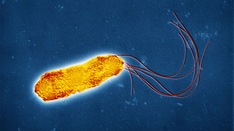
Brucella are gram-negative intracellular coccobacillary organisms. The organisms seek out cells that are capable of providing the nutrient erythritol, hence their predilection to live within cells of the genital tracts of animals. Reticuloendothelial cells are also a favored location in animals and are the chief site of infection in humans, particularly human macrophages. Recent evidence further suggests that the host environment must also provide choline, a necessary precursor for the synthesis, by Brucella organisms, of the cell envelope without which the organisms are not virulent (Comeric, 2006). However, the lipopolysaccharides contained in this membrane are less pyrogenic than those of many other virulent gram-negative organisms.

Of the 6 nominal species of Brucella, only 4 are known to engender human brucellosis. Worldwide, B melitensis (harbored in sheep, goats, and camels) is the most common cause of human brucellosis, the consequences of which ranges from mild-to-severe illness. It has considerable veterinary importance as a cause of sterility in rams. Brucella abortus (harbored in cattle) is more widely distributed throughout the world. It is of extraordinary economic importance as a cause of bovine abortion; however, it has a lower degree of pathogenicity for animals and humans than B melitensis. Nonetheless, it is the most common cause of the rare human brucellosis cases of North America.

Brucella suis (harbored in pigs, hares, rabbits, and reindeer) and Brucella canis (harbored in dogs) are the other Brucella species capable of inducing brucellosis. B suis is the second most common cause of brucellosis in North America and may produce serious human disease.

Typically, the organism is ingested and enters the bloodstream via the gastrointestinal tract. However, transmission may occur through mucous membranes (eyes, nose, gastrointestinal system, genitourinary system), as well as via cuts, abrasions, inhalation, or, in the case of veterinarians and microbiologists, parenteral injection. As few as 10-100 inhaled organisms are thought adequate in some individuals to establish infection. Once within the bloodstream, the organism quickly becomes an intracellular pathogen contained within circulating polymorphonuclear cells and macrophages. The organisms are capable of evading the bactericidal systems of the macrophages that ingest them.

The cells then colonize the lymphatic system (ie, lymph nodes, spleen, bone marrow) as well as other organs, particularly the liver and spleen, but also the kidney, breast and genital tissues, joints, and periosteum. Although the likelihood that organisms resident in these various locations might be passed to humans, breastmilk is as noted an important source of infection from domesticated animals, and evidence exists that sexual transmission may occur (1996) Genitourinary infection is responsible for the abortions found in B abortus infected cows.

This phase of colonization of various organs is usually accompanied by the development of a prolonged interval of undulating fever and malaise in humans, a phase much less likely to arise in domesticated animals. Liver, spleen, and other reticuloendothelial tissues may develop characteristic pathological changes that include infiltration with epithelioid cells, foreign body and Langhans type giant cells, lymphocytes, and plasma cells.

The initial host response to infection is chiefly cellular. Macrophages mediate control of infection during the acute phase, although as noted above in many instances the organisms evade further processing once ingested by the macrophages wherein they may find a safe harbor for replication, evading other arms of the immune response. Initially, the macrophages perform this function without specific activation, but after the first 2 weeks of infection, sensitized T lymphocytes specifically activate the macrophage response. This considerably reduces the survival rate of Brucella organisms in the liver and spleen of most infected individuals.

Humoral immune mechanisms may participate in the control of acute infection, although the nature of that participation is not yet well understood. The capacity of humoral immune mechanisms to influence the course of the infectious reaction is likely limited because of the intracellular repose achieved by Brucella organisms. Nonetheless, the level of immunoglobulin M (IgM) antibodies begins to rise at the end of the first week of infection and usually peaks at approximately 1 month, when immunoglobulin G (IgG) antibodies begin to appear. The level of IgG antibodies often declines in the ensuing months, while IgM antibody titers may remain elevated for years. In some instances there is persistent elevation of IgG antibodies in association with chronic active infection. In other instances IgG a spike of IgG titers occurs after a phase of decline in concentration, suggesting a relapse of illness. Immunoglobulin A (IgA) antibodies are elaborated late and also may persist for very long intervals.

Mediation of the most common neurological manifestations of acute brucellosis is not well understood. These are quite common, and consist of irritability, lethargy or lassitude, fatigue, headache, disturbances of mood, inattentiveness, anorexia, and sleep disturbance. These manifestations are not dissimilar from constitutional symptoms encountered in many other forms of systemic infectious disease. Some of them, specifically headache, anorexia, and mood and sleep disturbances, suggest that brainstem reticular and serotonergic pathways may be involved.

Direct infection of the central nervous system (CNS) may play a role in these abnormalities. Some support for this conception is provided by the facts that, in some cases of acute brucellosis, Brucella organisms can be recovered from the cerebrospinal fluid (CSF) and that the spinal fluid, during the acute phase of illness, may exhibit pleocytosis, hypoglycorrhachia, and elevation of protein concentration. Because the organisms within the nervous system are chiefly in intracellular locations, they are recovered from cultures of spinal fluid in no more than 25% of cases. The likelihood of recovery of organisms from the blood is also only about 25%. The constitutional symptoms that occur in brucellosis suggest that an inflammatory reaction has been mounted against the invading organism, both within or outside the nervous system.

By convention, these constitutional manifestations referable to the nervous system (lethargy, headache, depression, and so on) are not termed neurobrucellosis. Most instances of neurobrucellosis arise during the chronic phase of brucellosis. There are, however, cases in which neurobrucellosis does complicate acute brucellosis. When it does, it usually assumes the form of more profound degrees of encephalopathy or of a meningoencephalitic syndrome.

Other forms of neurological dysfunction that may accompany the acute phase of brucellosis are hearing loss and peripheral neuritis. In regions where B melitensis is endemic, brucellosis may be the most common cause of acquired hearing loss, the onset of which may be during the acute, subacute, or chronic phase of disease. It is especially important, therefore, that we develop a better understanding of the cause of this complication.

The occurrence of neurobrucellosis during the acute phase of illness may be due to direct deleterious effects of organisms invading nervous tissues, to the release of circulating endotoxins, or to the immunological and inflammatory reactions of the host to the presence of these organisms within the nervous system or within other tissues of the body. The importance of inflammatory mediation of some forms of tissue injury during the acute stage of brucellosis is suggested by the occurrence, in some patients, of brain edema.

Some of the more severe cases thought to be acute brucellosis complicated by focal neurological dysfunction or focal dysfunction referable to other organ systems actually may not be primary acute brucellosis infections. Some authorities have argued that these more severe examples of "acute brucellosis" are actually second infections in a host sensitized to brucellar antigens by a prior unrecognized infection. This theory argues that the greater severity of illness in these cases is due to the preexisting hyperimmune potential of the reinfected host. Some support for this theory is provided by the marked signs and symptoms that may occur acutely in veterinarians who have mistakenly inoculated themselves with Brucella vaccines.

Most neurological, and indeed most significant multisystemic, manifestations of brucellosis develop after a latent interval, and are thought to be the consequences of a chronic state of infection with a Brucella organism. The development of clinical manifestations usually is heralded by return of fever and associated constitutional signs and symptoms.

Chronic Brucella infection occurs because of the difficulties inherent in killing an intracellular parasite. It is more likely to occur in cases in which the initial antibiotic treatment of brucellosis was inadequate. Chronic infectious etiology for chronic brucellosis is supported in some cases by the fact that organisms can be cultured or identified in tissues of patients with chronic brucellosis.

Additional support for the conception of chronic infection as the source of chronic brucellosis is the fact that adequate treatment of acute brucellosis reduces the likelihood of chronic brucellosis. Conversely, it could be reasoned that inadequate treatment renders a potentially deleterious autoimmune response to infection more likely; this response would mature during the latent interval between the acute and chronic phases of illness.

Since chronic brucellosis does not develop in all untreated individuals, other host factors likely play a role in susceptibility to chronic infection. Certain individuals may be more vulnerable than others to development of a chronic state of infection because they have greater than average immunoincompetence specific for Brucella species. Macrophages have greater-than-average difficulty killing circulating Brucella organisms. These individuals also may have greater-than-average failure of T-cell sensitization or T-cell mediation of macrophage activation. Other factors also may play a role.

Although it is possible that certain individuals are destined to develop chronic brucellosis because they are genetically deficient in their immune response to infection or are subject to immunodysregulation in response to infection, there is no clear evidence to support this contention. Thus, there is no clear familial or racial predilection for acute or chronic brucellosis. Although the greater tendency of males to develop either form of brucellosis is clear and could suggest a genetic basis, this predilection is at least as well explained by occupational or hygienic considerations.

In many cases, chronic infection is clearly an element of chronic brucellosis. Animals are susceptible to this chronic infection and tend to harbor Brucella organisms in their genital tracts. Humans that remain chronically infected usually harbor Brucella organisms in their lymphatic/reticuloendothelial system. Bones and joints are the organ systems next most likely to remain chronically infected. Inflammatory changes of chronic brucellosis variously detectable in the nervous system, eyes, heart, lungs, kidneys, liver, and human genital tissues suggest that these also may be sites of chronic infection.

Each of these various tissues has the capacity to manifest abnormalities in patients with chronic brucellosis. The specific manifestations of chronic brucellosis may be limited to one or a few organ systems, in which case the chronic disease is termed "focal," or may involve a number of organ systems, in which case the disease is termed "diffuse." In some instances, a single organ system is the primary site of chronic disease, most commonly the heart (subacute bacterial endocarditis) or the bones and joints (most commonly chronic infection of the vertebrae and associated joints and soft tissues). We do not know why certain organ systems should be favored sites for infection.

Evidence of focal dysfunction of the nervous system, either central or peripheral, is found in 5-10% of cases of chronic brucellosis, and this condition is properly termed neurobrucellosis. Nervous system involvement may be the only manifestation of "focal" chronic brucellosis, or the nervous system may be one of several systems involved in chronic "diffuse" brucellosis. Nervous system dysfunction may be a primary element (produced either by the invading organism or by the host response to the invading organism) or secondary (occurring as a complication of endocardial, cerebral endovascular, or spinal infectious/inflammatory processes).

Why the nervous system presents itself as the primary site of focal brucellosis in some patients is not known. It may be a favored site of chronic infection because of inadequate immune surveillance, or it may be particularly vulnerable to autoimmunity engendered by Brucella organisms that have chronically infected other parts of the body or by reintroduction of infection to an already sensitized individual.

Where tissues manifest changes consistent with primary involvement, a classic hallmark is development of a granulomatous cellular response to brucellosis. This is not the only type of pathological change seen in brucellosis, either within or outside of the nervous system. But when this response is present and fully developed, changes include the appearance of epithelioid cells, giant cells of Langhans/foreign body types, lymphocytes, and plasma cells. In most cases of chronic brucellosis, granulomata are noncaseating. These may develop in almost any organ system, but are most likely to be found in the reticuloendothelial system. The next most common sites are bones (usually spinal), testes, and endocardium.

Caseating granulomata may be encountered in various tissues and organs, particularly in chronic brucellosis due to B suis. The pathology of granulomata related to B suis may very closely resemble that of granulomata found in tuberculosis or sarcoidosis. Either inadequate or dysregulated immune responses of the host likely account not only for the chronic infectious illness that may occur in some cases, but also for the inflammatory changes that may themselves be responsible for many of the various systemic and neurological complications of chronic brucellosis. Noncaseating granulomata may be found in the CNS.

Evidence of intrathecal inflammation, either in response to infections of CNS tissues or as an aspect of the host's immune response, is suggested by the findings in CSF. CSF may show, as in some cases of acute brucellosis, elevation of spinal fluid protein level and hypoglycorrhachia. More commonly than in cases of acute neurobrucellosis, brain edema may develop as a feature of chronic neurobrucellosis.

The occurrence of inflammatory central and peripheral demyelination as the pathological manifestation of some types of neurobrucellosis, associated with inflammatory perivenular infiltration but not with histologically demonstrable organisms, strongly suggests that autoimmune mechanisms play a role in some types of neurobrucellosis. The pathological appearance of this change in the brain is virtually identical to that found in acute disseminated encephalomyelitis (ADEM), while the change that may be found in peripheral nerves or spinal roots may be identical to that found in acute inflammatory polyneuritis of the Guillain-Barré (GBS) variety.

In these types of chronic neurobrucellosis, axons tend to be spared, although in severe cases, as in severe ADEM or GBS, there may be considerable axonal loss and associated encephaloclasia or peripheral neuraxonal dissolution. The pathological changes observed also share certain aspects of their appearance with multiple sclerosis (MS) or neuroborreliosis.

As with ADEM or GBS, it remains uncertain whether the autoimmunity is due to an overexuberant or dysregulated response to Brucella that has been present in the tissue that displays the inflammatory demyelination (bystander effect), whether the demyelination develops because infection or inflammation "uncovers" hidden host epitopes to which the host immune system has not developed tolerance, or whether immunogenic epitopes of Brucella organism that have been present within these tissues or in some other location closely resemble human epitopes found in the tissues that become demyelinated (molecular mimicry).

The mechanisms that produce changes that resemble ADEM or GBS in patients with chronic brucellosis are also very likely to participate in the pathogenesis of isolated papillitis, brucellotic meningitis, meningoencephalitis, and some cases of myelitis. These mechanisms may account for the development of syndromes that closely resemble MS both clinically and radiologically.

It is also possible that the occurrence of a "hyperergic" immune response after latency from a bout of acute brucellosis is not due to the slow working out of autoimmunity during a phase of chronic infection, but to reinfection. Thus, host sensitization to brucellar epitopes occurred during the primary acute bout, and the appearance of "chronic brucellosis" takes place only after reinfection. The recovery of organisms or their identification in the tissues could be viewed, in the light of this hypothesis, as the result of reinfection rather than persistence of infection.

As with cerebral malaria, Lyme disease, neurosyphilis, and other infectious diseases that provoke significant intrathecal inflammation, the manifestations of chronic neurobrucellosis are protean. Prominent meningoencephalitic inflammatory changes may be found with arachnoid thickening. Infectious, parainfectious, or postinfectious demyelination with perivenular inflammatory infiltration is a prominent feature in many cases. The perivenular infiltrate is predominantly lymphocytic. Retrobulbar neuritis and papillitis may occur. These various pathological changes often closely resemble those of ADEM.

Chronic inflammatory changes may be found in the perineurium in patients with neurobrucellosis, and adhesive arachnoiditis may develop in the subarachnoid space. Perineural inflammation may lead to dysfunction of cranial or peripheral nerves, with resulting focal cranial neuropathies or radiculitis syndromes, especially if these inflammatory changes progress to the point of granuloma formation.

True arteritic vasculitis also may occur, resulting in focal or multifocal arterial occlusion or infarction or mycotic aneurysm formation. The vascular infiltrate includes lymphocytes, plasma cells, and macrophages. These vascular changes may occur in large or smaller caliber arteries. Vasculitis may be due either to bacterial proliferation in the vascular endothelium or in some instances to the actions of bacterial toxins. Once these initial changes have occurred, host-engendered inflammatory responses also may participate in pathogenesis.

Whether the establishment of bacterial infection in cerebral arteries is the result of invasion by individual organisms circulating in the septicemic phase of infection or of septic embolization from brucellar endocarditis is not always clear. Either mode of tissue invasion may be pertinent. Pathological evidence for endovascular infection, dissolution of the endovascular and mesovascular layers, and formation and rupture of aneurysms with intraparenchymal or subarachnoid hemorrhage all may be found in pathological analysis of brains obtained from individuals with a fatal case of neurobrucellosis.

Transient ischemic events or stroke with ensuing encephaloclasia may cause neurological dysfunction in patients with neurobrucellosis, on the basis of either vasculitic luminal compromise or embolization from heart or areas of vasculitic ulceration. Septic embolization may in rare instances result in Brucella brain abscess.

Lumbar vertebral body and disk granulomata as well as other sites of spinal column inflammation may result in spondylitic extraaxial spinal cord compression. Brucellar spondylitis is most likely to occur in the lumbar region. Sacroiliac joints also may be involved. Inflammatory investment of the cauda equina may occur. Degeneration of anterior horn cells and of both ascending and descending fiber tracts may occur.

There is not as yet any generally accepted explanation for the increased likelihood of brucellosis or neurobrucellosis in the second through fourth decades of life and the considerably reduced likelihood of infection in children, except for the age-related variation in exposure to infected animals. It is conceivable that some aspect of maturation of the immune system plays a role.

Additional forms of neurological dysfunction may occur as the secondary result not only of Brucella endocarditis or arthritis, but of Brucella disease in other organ systems, including kidney, liver, and lung.

Frequency

United States

As in the rest of the world, incidence of brucellosis in the United States is likely to peak during summer. Since pasteurization of milk and milk products has become routine and abattoirs have become closely regulated, the United States has remained essentially free of brucellosis for quite a few years. Incidental cases arise as a result of relaxation of surveillance standards or because of the increasing international exchange of foodstuffs and animals that may harbor Brucella organisms.

In North America, cattle-related B abortus has been the most common cause of brucellosis, except in isolated regions of the Midwest where pig farming is prevalent. Dramatic reductions in B abortus prevalence in the cattle of the United States owing to the Cooperative State and National Brucellosis Surveillance project between 1945 and 1960 caused B suis to emerge as the major public and agricultural health threat. The peak occurrence of human cases of B abortus brucellosis (6321) occurred in 1947. Comparatively few cases are now observed in the United States.

Subsequent concentration of surveillance on hog farms and abattoir workers was devoted to the elimination of B suis, which became the predominant cause of human brucellosis in the United States in the 1970s. These programs have significantly reduced the prevalence of this Brucella species as well. In the decade of 1973-1982, 2215 cases were reported, as compared to 1056 cases from the decade 1993-2002. Most of these cases are now confined to California and Texas, although cases occasionally arise in isolated regions of the Midwest (Pappas, 2006).

Currently most human cases in the United States are due to B melitensis, with 80% of cases wherein an ethnic label was applied are Hispanic, likely due to the large number of Hispanic workers in abattoirs. Moreover, the largest regional cluster is in the Southwestern, Mountain, and Pacific states nearest to Mexico; these regions experience comparatively large numbers of cases chiefly within the Hispanic population related perhaps in part to abattoir work, as well, and perhaps more importantly to travel to Mexico and to the consumption of unpasteurized soft Mexican cheese (Pappas, 2006).

In the decade of 1993-2002, at least one case was reported in 46 states, with 26 states recording a case in 2002. Although the number of cases is small, the highest annual incidence is in Wyoming. North Carolina (27 cases in 1993) and Arkansas (9 cases in 2001) experienced clusters of cases. States with the highest recent annual incidence (cases per million) are Wyoming (1.46), Texas (1.38), Hawaii (1.09), Arkansas (0.95), Arizona (0.92), California (0.83), Iowa (0.77), New Mexico (0.69), and Illinois (0.57) (Pappas, 2006).

B abortus continues to be harbored in gregarious North American wild animals that tend to exist in herds, such as the bison of Yellowstone National Park and adjacent regions of the nearby Rocky Mountain States. The potential for social interaction between bison and cattle poses a threat for spread of infection, a prospect that is monitored carefully. Brucella organisms also are harbored by the reindeer of Alaska, accounting for occasional human cases.

Large-scale pig farming in eastern Tennessee prior to the Civil War may have accounted for undulant febrile illnesses in that region. Whether the growth of large-scale hog farming in the southeastern United States will provoke cases of brucellosis in that region is not known.

Immunization of animal herds, combined with surveillance and culling of infected animals, has proven, in the United States, the best method for prevention of human risk for disease, as for the tremendous economic toll that brucellosis may exert on agriculture owing to abortion of fetuses or sterility of rams or billy goats.

The B abortus and B suis species that have accounted for most brucellosis in North America are less likely to engender clinical disease in humans than B melitensis. When disease develops in North Americans, it often does so with greater latency to onset and milder manifestations.

International

Considerable changes have taken place in the epidemiology of brucellosis during the past few decades with declining prevalence in some regions as the result of extension to increasing numbers of countries of sanitary or herd surveillance/culling practices, although contrary forces have negatively impacted distribution elsewhere. The negative forces have included political and socioeconomic forces that have fueled regional wars or reduced vigilance in control programs, as well as international travel of people and agricultural products that may carry the organisms far and wide.

Of importance, such formerly endemic areas as Israel, France, and much of Latin America have achieved control of the disease (Pappas, 2006). South Korea, where the disease was formerly controlled may have experienced a resurgence. Considerable worsening may be taking place in Syria as well as in various nations of central Asia.

In countries where brucellosis continues to be a common problem, epidemiologically and retrospectively distinguishing brucellosis from the many other zoonotic or arboviral causes of fever prevalent in such locations may be difficult. Indeed, individuals may be co-infected such as a recently reported case of febrile illness due to both malaria and brucellosis acquired by a traveler in Chad (Badiaga, 2005). Thus, the prevalence of brucellosis remains difficult to estimate.

Among the nations for which reliable data are available those with the highest current incidence in annual cases per million people (indicated in parentheses) are Syria (1603.4), Mongolia (605.9), Kyrgystan (362.2), Iraq (278.4), Turkey (262.2), Iran (238.6), Saudi Arabia (214.4), Tajikistan (211.9), Macedonia (148), Kazakhstan (115.8), Algeria (84.3), Albania (63.6), Azerbaijan (52.6), Turkmenistan (51.5), Lebanon (49.5), United Arab Emirates (41), Oman (35.6), Peru (34.9), Tunisia (34.5), Kuwait (33.9), Armenia (31.3), Mexico (28.7), Georgia (27.6), Jordan (23.4), Greece (20.9), and Bosnia/Herzegovina (20.8). No data are available among other regions of importance for India, Pakistan, or Afghanistan, where the disease undoubtedly endemic (Pappas, 2006).

Inspection of the list suggests that disease prevalence is adversely affected by poverty, famine, political unrest, and war and is understandably more common in regions where sheep, goats, and camels are abundant. Absence of careful supervision of abattoirs likely considerably increases risk of human brucellosis. Movement of herds of sheep and other animals in pursuit of grass may variably spread Middle Eastern cases of brucellosis from one nation to another.

Of interest in this regard was the fall in annual incidence of brucellosis in Kuwait during the 1991 interval of Iraqi invasion during which many sheep were slaughtered or otherwise removed. Reconstitution of these herds has resulted in an ensuing increase of incidence toward preinvasion levels.

The data for Syria, manifesting the highest international rate of human brucellosis cases (1603 cases per million population per year), are particularly alarming, and there is evidence that the number of cases have been nearly doubling each recent year. Turkey, with very high rates in the eastern portions of the country, also has worsening statistics, although the Turkish government has instituted a control project. Iran may have cut the annual incidence by more than 75% between 1989 and 2003.

Employing surveillance and animal vaccination/culling techniques, many nations have rid themselves of zoonotic reservoirs, thereby freeing these nations from locally acquired human brucellosis. Additionally, the export of meat or dairy products from countries certified to be free from these Brucella species can be undertaken without risk of transmission of brucellosis to individuals who consume such foods. However, individuals resident in certified countries and the United States remain vulnerable to brucellosis cases that arise due to travel to endemic regions or dietary acquisition via the consumption of dairy or other products imported from endemic regions. Other nations continue to have reservoirs for various Brucella species that pose a threat for transmission of brucellosis to humans.

More than occasional cases are detected in countries surrounding the Mediterranean; India; China; other parts of Southwest, Central, and Southeast Asia; Africa; Central America; and South America (eg, Peru). Northwest Iran and Northeast Turkey are areas of particularly high density of cases of brucellosis. Epidemiological factors of importance include consumption of unpasteurized dairy products obtained from cow, goat, and camel. Close occupational contact with animals (eg, cows, goats, sheep, camels, pigs, hares, rabbits, reindeer) increases risk, as does the consumption of raw, poorly cleaned, or partly cooked meat from such animals. Aerosol and hand-to-mouth transmission may occur in abattoirs or laboratories.

Brucellosis is much more common during summer than winter months, even in regions of the world where winters are comparatively mild. Worldwide, B abortus accounts for the largest number of human and veterinary cases of brucellosis. Estimates of the veterinary toll alone in Latin America due to this organism range as high as $700,000,000. B suis ranks second as a threat to public and veterinary health in the western hemisphere.

In the Mediterranean region and Middle East, the species of greatest importance is B melitensis. In Malta, during the prime of Malta fever due to B melitensis, peak incidence was in August, while the lowest incidence was in January and February. B melitensis is harbored in sheep, goats, and camels. The brucellosis produced by this species is typically more severe than the brucellosis produced by other Brucella species.

The World Health Organization "Mediterranean Zoonoses Control Project" has implemented surveillance, herd vaccination, and culling of infected animals using methods similar to those employed in the United States since 1945. This project has steadily eroded the prevalence of brucellosis in this region. Similar methods have been projected for other portions of the world, but implementation has been inadequate in many areas because of expense, warfare, lack of concern, and other reasons.

Among the highest prevalences for human B melitensis brucellosis is that of the Bedouins of Kuwait, who have more than 540 cases per 100,000. Seroprevalence for Brucella antibodies is 1-7% in Turkey and Iraq, and 10% in Egypt. More than 40% of all cases of fever of unknown origin in Egypt are believed to be due to brucellosis.

Saudi Arabia and several adjacent countries experienced a very considerable rise in prevalence of human and animal brucellosis disease as the result of the investment of oil revenues into massive expansion of husbandry. The importation of considerable numbers of untested and unvaccinated goats, sheep, and other animals outstripped efforts to monitor veterinary brucellosis. This husbandry was designed to provide food for Hajj pilgrims. As a result, 20% of Saudi Arabians have demonstrated seropositivity, and 2% of the population are believed to have active disease. The incidence of new cases is highest during the Hajj; the increase is due to cases among pilgrims to Mecca.

Estimates of prevalence of human or animal brucellosis are not available for many countries of the world. Prevalence is likely high in many countries of Africa and Asia. In Nigeria, 55% of the population was found to be seropositive for Brucella species.

The economic importance of large-scale cattle and sheep husbandry in New Zealand and Australia has made brucellosis a particularly important consideration.

Fortunately, neither B melitensis nor B suis have ever been endemic in either country, and well-designed regulations have long been in place to prevent any threat of introduction. The few human cases of brucellosis due to these agents diagnosed in these countries (few in Australia and very few in New Zealand) in the last few decades have been carefully investigated and have been shown to have been acquired in other endemic areas of the world to which these individuals had traveled. Australian cases tend to be confined to the area of Queensland, one of the poorest regions in Australia (Pappas 2006). The most recent estimate of incidence of human brucellosis in Australia is 0.9 cases per million people per year, while the rate in New Zealand is virtually nil.

B abortus was endemic in both Australia and New Zealand from at least the 1920s until the 1980s. However, a rigorous and remarkably effective program of herd surveillance, vaccination, and a "test and slaughter" culling of infected animals has eliminated this Brucella species from both countries. The last documented bovine case in New Zealand occurred in 1989, and both New Zealand and Australia were certified free from bovine brucellosis in 1992.

As a result of internationally sanctioned programs for zoonosis control that have included national projects for eradication of reservoirs, certification of herds, regulation of the shipping of animals, and periods of preshipping and arrival quarantine, the meat and dairy products of countries such as New Zealand and Australia can be offered to the world without risk for transmission of brucellosis. Such work has been undertaken on a species by species basis, depending upon which Brucella species is endemic within a given country, followed by certification (after adequate intervals of effective surveillance) of freedom from a particular Brucella species. For example, the eradication and ensuing freedom from B abortus has been certified not only for Australia and New Zealand, but also for Austria, Canada, Denmark, Finland, Japan, Switzerland, and various other countries.

Mortality/Morbidity

Brucellosis is only rarely fatal with many mild cases, and in more severe cases, excellent response to appropriate antibiotics. However, brucellosis remains a major cause of morbidity throughout the world, particularly in medically underserved regions. Brucella species are capable of causing protean manifestations, ranging from mild to severe. Illnesses caused by Brucella species may be ascribed incorrectly to other pathogens or to unspecified viral illnesses. In many countries, the etiology may not be identified correctly. In many parts of the world, brucellosis is not a reportable illness.

  • Overall mortality rate in recognizably symptomatic acute or chronic cases of brucellosis is very low, probably less than 2%. It is usually the result of the rare instance of Brucella endocarditis or is the result of severe central nervous system involvement, often as a complication of endocarditis.
  • The outcome from acute Brucella meningoencephalitis is usually excellent, although some individuals develop chronic neurobrucellosis.
  • Chronic neurobrucellosis may result in permanent neurological deficits.
  • The chronic phase of illness may persist for as long as 25 years, but such cases are quite rare.
  • Neurological complications occur in approximately 5% of all cases of brucellosis, usually in the chronic phase of illness.
  • Relapses occur in approximately 10% of cases of brucellosis.
  • Granulomatous disease of bone or joints may result in pain, deformity, and disability of spine or limbs. Some form of osteoarticular disease is present in nearly 30% of cases.

Race

No racial predilection for brucellosis or neurobrucellosis is known.

Sex

Young adult males predominate in most series of patients with brucellosis compiled in areas of endemic disease. A recent report from Northern Saudi Arabia found a male-to-female ratio of 1.7:1, chiefly individuals aged 13-40 years (Fallatah, 2005).

  • The cases represented in such series are caused chiefly by B melitensis.
  • Whether the increase risk manifested by males is related to personal hygiene, occupation, immunological factors, or other circumstances is not known.

Age

Brucellosis in the Mediterranean, chiefly due to B melitensis, has the highest age/sex-related incidence in males in their mid 20s. A recent report from Northern Saudi Arabia found that 60% of cases of brucellosis occurred in individuals aged 13-40 years, while 21% were younger than 13 years, 16% were aged 40-60 years, and 2.5% were older than 60 years (Fallatah, 2005).

  • The reason why men are particularly vulnerable in this period of life to the manifestation of illness due to B melitensis is not known. Possible explanations include engaging in activities such as animal husbandry that increase exposure to Brucella organisms and less diligent personal hygiene. The predilection is not universal, since 60% of cases in Jordan occur in individuals younger than 24 years.
  • Prepubertal children account for fewer than 2% of all cases of neurobrucellosis; fewer than 50 such cases have been described in peer-reviewed medical literature over the past 50 years.
  • Brucellosis is quite uncommon in infants. Transmission to infants may occur through breast milk or ingestion of raw milk.


History

In various series, neurological abnormalities have been found in 3-25% of patients with brucellosis. If the headache, irritability, and other constitutional symptoms found in acute brucellosis were included, the prevalence would be much higher. Having excluded these symptoms, the best-documented studies suggest that the prevalence of discrete neurological abnormalities in brucellosis is approximately 5%. In most cases, these abnormalities arise as features of chronic brucellosis, hence their development in the wake of a latent period after an initial bout of acute brucellosis is what is generally meant by the term neurobrucellosis. In some instances, similar abnormalities may arise during acute or subacute phases of brucellosis.

Because an acute phase of brucellosis usually precedes the subsequent development of neurobrucellosis, this acute phase constitutes an important clue to the etiology of the neurological syndrome. Therefore, the historical and clinical aspects of acute brucellosis are considered first in this section.

Historical details of importance in establishing that acute brucellosis has occurred include risk for exposure to Brucella organisms and evidence of clinical illness consistent with acute brucellosis.

Risk factors for acute brucellosis

The risk factors for brucellosis differ somewhat depending upon whether a given individual resides in or has recently visited a region of endemic disease.

  • Endemic exposure: Brucellosis should be considered in all patients whose place of residence or dietary, travel, or occupational history suggests a risk for the infection, if they are experiencing any of the various known neurological or non-neurological complications of brucellosis. It must be borne in mind that latency from infection to onset of symptoms of primary brucellosis may be as long as months.
    • Threshold for consideration of brucellosis is low in regions of endemic disease, where diagnostic testing is undertaken for any of the many atypical presentations or unusual complications.
    • Dietary history is especially helpful in diagnosing brucellosis in individuals who live in or visit regions of endemic disease.
    • Unpasteurized dairy products, especially goat's cheese, frequently are implicated as sources of human infection.
    • Raw or poorly cooked meats are also important sources of infection in regions of endemic disease.
    • Occasional person-to-person transmission has been reported, including transmission to infants via breastfeeding. There is a little evidence for sexual transmission of brucellosis (Wyatt, 1996).
    • Laboratory transmission of brucellosis may occur, especially in regions of endemic disease.
  • Nonendemic exposure: Brucellosis poses a particular diagnostic challenge in persons not from regions of endemic disease.
    • In areas of the world where brucellosis is rare, the diagnosis may be missed even in patients who manifest typical signs, such as otherwise uncomplicated persistent undulating fever. The possibility of brucellosis is even less likely to be recognized in cases that present atypically.
    • Dietary history is important in evaluating individuals who live in regions where the disease is not endemic for the possibility of brucellosis, since the disease may be acquired by ingestion of infected foods shipped from regions of endemic disease. The foods most likely to transmit brucellosis are noted in the previous paragraph.
    • Although a wide variety of potential intermediate hosts have harbored brucellosis in the extra-Mediterranean world, dairy cattle infected with B abortus have been a particularly important host in North America.
    • Ingestion of unpasteurized milk from cows or goats enhances risk of infection in both regions of endemic disease and regions in which the disease is not endemic.
    • The infection is often symptomatic in cattle. Outbreaks of epizootic bovine abortion due to B abortus should alert health care providers to the possibility of human brucellosis.
    • Some cases in humans in North America have been traced to eating pork from hogs infected with B suis.
    • Brucellosis has developed in infants who have breastfed from mothers who either visited regions of endemic disease or ingested foodstuffs shipped from such regions.
  • The risk for brucellosis is highest for individuals with exposure to goats, sheep, cows, camels, pigs, reindeer, rabbits, or hares in both areas of endemic disease and areas in which the disease is not endemic.
  • Therefore, herders, hunters, farmers, dairy workers, veterinarians, abattoir workers, and meatpackers are at greatest risk for brucellosis.
  • In Scandinavia and Alaska, reindeer are an especially important source of brucellosis.
  • Examples of laboratory transmission have been reported in regions in which the disease is not endemic.

Clinical manifestations of acute brucellosis

In most instances, the manifestations of acute brucellosis consist of a characteristic fever and various constitutional signs and symptoms, but few localizing features.

  • The latency from infection to onset of symptoms of acute brucellosis is usually between 5 and 21 days, although occasionally the interval between infection and first symptoms is many months. The classic ensuing septicemic course is most likely to occur in regions of endemic disease and is usually due to B melitensis infection.
  • The severity of the illness ranges from mild to seriously ill. Mild cases may last for just a few days, while the acute phase of severe cases may persist for weeks to many months. In some cases this lingering illness consists of fever and malaise, which occur in most cases. In some cases, severe debilitation may occur.
  • Common manifestations of acute brucellosis include fever (80-90% of cases), chills, anorexia, insomnia, joint pain (60-80% of cases), bone pain (40-60% of cases), myalgia (20-70% of cases), profuse night sweats (20-25% of cases), and irritability (common).
  • The fever of acute brucellosis caused by B melitensis usually lasts for 10-30 days, undulates irregularly, and is not associated with rash.
    • Some very severe cases are termed malariform brucellosis because the undulating fever spikes reach very high temperatures and are associated with chills, drenching sweats, and prostration from the very onset of illness.
    • The irregular undulation of fever spikes distinguishes malariform acute brucellosis from malaria, which produces quite regular fever spikes; the periodicity of malaria fever spikes (eg, tertiary, quaternary) is determined by the type of malarial parasite that has infected the host.
    • Fever and other constitutional manifestations of acute brucellosis tend to be more severe and persistent in patients who attempt to remain active. Severity and duration typically are reduced by enforced bedrest.
    • Classic acute septicemic presentations of brucellosis are very uncommon in North America and other regions in which the disease is not endemic.
  • Some patients manifest focal abnormalities during acute brucellosis.
    • The most common focal manifestation of acute brucellosis is pain, usually localized to the lower spine, paraspinous muscles, or upper buttocks. In some cases, neuralgic pain is distributed along lumbosacral peripheral nerves, especially the sciatic. The region of the lumbosacral vertebrae may be tender to percussion, as may the course of the sciatic nerve. Thus, these clinical features may closely resemble sciatica. The costovertebral joints may be similarly afflicted.
    • Occasionally, patients develop pain, tenderness, swelling of joints (often monoarticular, knees more than elbows) or bone ends.
    • Skin ulcerations, purpura, erythema, or petechiae may be found, from which organisms may at times be cultured. Some of these changes, especially the purpura, arise as consequences of immune-mediated thrombocytopenia.
    • Abdominal discomfort or pain may be associated with anorexia and weight loss. The pain may in some instances suggest an acute abdomen. In instances where there is right upper quadrant pain, hepatic abscess must be excluded, especially if associated jaundice is present.
    • In some cases, tender enlargement of the spleen is discerned.
    • Some patients develop constipation.
    • In some instances, tender enlargement of the testicles due to epididymo-orchitis, resembling mumps orchitis, develops after the first few days of high fever and chills or chilliness. Although it can be painfully persistent for a number of days, unlike mumps orchitis or brucellosis in sheep or goats, it seldom leads to sterility in humans.
    • Urethritis or urinary tract infection may be found. Occasionally, the kidneys are involved, although the disease seldom results in renal failure.
  • Unlike brucellosis of cattle, human acute brucellosis does not appear to carry any higher risk for abortion than any other form of bacteremic illness.
  • Rarely, some severe varieties of focal involvement of nonneurological organ systems may occur as complications of acute brucellosis, complications that may secondarily injure the nervous system during the acute or ensuing chronic phase of brucellosis. These complications tend to arise in patients who are quite ill.
    • Patients may develop such pulmonary complications as pleuritis or pneumonia, causing shortness of breath, pleuritic chest pain, and considerable fatigue. These complications are more common during the chronic phase of brucellosis.
    • Rarely, bacterial endocarditis develops in patients who are very ill with acute brucellosis, causing chest pain, weight loss, severe fatigue, and various cardiopulmonary findings. Much more commonly, subacute brucellotic endocarditis arises during the chronic phase of brucellosis.
  • The neurological manifestations of acute brucellosis include constitutional complaints (very common) and focal neurological disorders (rare).
    • Nonfocal neurological manifestations of acute brucellosis include headache, irritability, lethargy, depression, disturbed consciousness and concentration, anorexia, and disturbed sleep.
    • Headache, waxing and waning over a considerable period, may be the only sign of acute brucellosis, with symptoms suggesting migraine.
  • The neurological syndrome most likely to arise in the acute phase is encephalopathy, with or without evidence of meningeal irritation.
    • Encephalopathic acute brucellosis is most likely to arise with B melitensis infection.
    • Mental status changes in acute brucellosis range along a continuum that includes irritability, confusion, obtundation, and coma.
    • When an encephalopathic syndrome arises during acute brucellosis, it may evolve gradually over weeks to months. During this period, findings may wax and wane. This evolution tends to blur the distinction between acute and chronic brucellosis.
    • In some patients with an encephalopathic form of acute brucellosis, the evolution may suggest development of MS or other chronic inflammatory diseases of the CNS.
    • Some patients with encephalopathic acute brucellosis manifest meningismus, seizures, or CSF pleocytosis, suggesting acute meningitis or meningoencephalitis.
    • Some patients with acute brucellosis have mild or more marked problems with language or memory.
  • Sensorineural hearing loss is the second most common focal neurological abnormality to develop in the wake of acute brucellosis; it is localized to the vestibuloacoustic nerve.
  • Rarely, neurological complications such as stroke or abscess may complicate brucellar endocarditis when the complication develops during the acute phase of brucellosis.
  • Rare instances of hemiparesis complicating acute brucellosis have been described, some of which are due to brucellar endocarditis.
  • Inflammatory pituitary abscess has been described in patients with acute brucellosis.
  • Elevation of intracranial pressure rarely complicates acute brucellosis.
  • Some patients have very mild courses of acute brucellosis, without strong suggestion of a septicemic course.
    • Findings consist chiefly of fever and malaise suggestive of influenza, without any additional focal complaints.
    • The long duration of fever and malaise, which may persist for 3 months or more, usually distinguishes brucellosis from influenza and many other febrile viral illnesses.
    • Low-grade, long-term exposure to Brucella organisms is especially likely to engender mild brucellosis, hence this form of disease is seen in regions of endemic disease as well as in veterinarians and some individuals with occupational animal exposure in regions in which the disease is not endemic.

Subacute brucellosis is distinguished from mild acute brucellosis by its more insidious onset, but this distinction is not always clear; hence, these 2 types of brucellosis exist on a continuum.

  • Subacute brucellosis does not have discrete onset of undulating fevers and does not produce marked constitutional symptoms.
  • Low-grade fevers, aches and pains, and malaise are noted, but are relatively mild, resembling mild cases of influenza; their course persists for 10-13 days (in some cases many weeks, longer than is typical for influenza.
    • As with mild acute brucellosis, the subacute form is most likely to be engendered by long-term, low-grade exposure to Brucella organisms, hence this form arises in some veterinarians or individuals with occupational exposure to herd animals.
    • As with mild acute brucellosis, B abortus or B suis infection is more likely than B melitensis infections to cause of subacute brucellosis.
  • Chronic brucellosis develops in the wake of some, but not all, subacute cases.
  • In some instances, the development of neurological abnormalities is the first definite evidence that an individual is experiencing subacute brucellosis. These neurological abnormalities may evolve over time into a chronic form of brucellosis.
  • Brucella-related deafness is among the most common of the neurological consequences of subacute brucellosis in regions of endemic disease.
  • Note that some patients with findings suggestive of subacute brucellosis are actually experiencing manifestations of a nonbrucellotic "chronic fatigue syndrome" or are manifesting psychologically induced complaints.
    • Brucella titers must be interpreted cautiously in attempting to distinguish brucellotic from psychogenic complaints in patients who are resident in areas of endemic disease, because of the high seroprevalence of anti-Brucella antibodies even in patients who have not manifested actual brucellosis.

Historical and clinical manifestations of chronic brucellosis

Chronic brucellosis develops in fewer than 15% of all patients who have had acute brucellosis. The risk for chronic brucellosis is reduced considerably if adequate treatment, including enforced rest, is provided for the acute phase of illness. Patients with chronic brucellosis are particularly likely to manifest anorexia and weight loss.

  • Recurrence of fever after a fever-free interval is often the first sign of progression into the chronic phase of brucellosis.
  • The interval between the acute and chronic phases of brucellosis varies from days to many months.
  • Neurobrucellosis and other manifestations of chronic brucellosis are complications that often--although not always--are prevented by adequate treatment of acute brucellosis.

Neurobrucellosis and other forms of chronic brucellosis may in some instances develop without a known preceding bout of acute brucellosis.

  • In such instances, the bout of acute brucellosis may have been very mild and mistaken for influenza or some other mild infectious illness, or the neurobrucellosis may develop as a complication of subacute brucellosis.
  • Failure to diagnose acute brucellosis prevents administration of adequate antibiotic treatment, hence missing the opportunity to prevent possible chronic brucellosis.
  • The apparent development of a relapse suggesting the onset of chronic brucellosis in individuals who have had a prior bout of acute brucellosis may in some instances actually be the result of reinfection with Brucella organisms, prompting a hypersensitivity reaction with or without additional contributions of infecting organisms to pathogenesis.

The onset of chronic brucellosis generally is announced by the reappearance of fever and constitutional symptoms (eg, lethargy, irritability, fatigue).

  • In many cases, the relapses consist solely of typical features of acute brucellosis, such as undulant fever, aches, sweats, and generalized weakness. The recurrence of such bouts is thus highly suggestive of malarial recurrences.
  • Relapses resembling acute brucellosis have been known to continue, in the preantibiotic era, over intervals longer than 20 years. This was the case with the pioneering epidemiologist of brucellosis, Alice Evans, who contracted her illness in the laboratory.
  • In such cases, the intervals between febrile relapses may entail sustained periods of easy fatigability, weakness, mental depression, headache, and other chronic aches and pains. The punctuating epochs of febrile relapse are markedly more debilitating than the intercurrent nonfebrile epochs.
  • In these cases, calcified caseating or noncaseating granulomata may be found in various organs, including the liver, spleen, and kidneys. In association with granulomata is inflammatory infiltration consisting of epithelioid cells, giant cells, lymphocytes, and plasma cells.

In other cases, the relapsing illness includes additional abnormalities referable to specific organ systems.

  • If these abnormalities are preponderantly or solely referable to a single organ system, the chronic brucellosis is referred to by some authorities as "focal." If many organ systems are involved, it is referred to as "diffuse."
  • Organ systems that may be involved include cardiovascular, pulmonary, musculoskeletal, and nervous systems (neurobrucellosis).

Neurobrucellosis develops in about 5% of all brucellosis cases.

  • It may appear, along with constitutional signs and symptoms, as the sole specific manifestation of the chronic illness (ie, as focal chronic brucellosis) or in combination with manifestations in one or more other systems (ie, as an element of diffuse chronic brucellosis).
  • Where neurobrucellosis is an element of diffuse chronic brucellosis, the resulting neurological dysfunction may be a primary result of brucellotic infection of nervous system tissues or the immune reaction to that infection, or it may be secondary to abnormalities in other organ systems, particularly the cardiovascular (eg, subacute bacterial endocarditis) or musculoskeletal (eg, disease of the bones and joints of the spine) systems.

Clinical manifestations of neurobrucellosis are protean, and may suggest a wide variety of alternative diagnoses, including other chronic infectious, inflammatory, vasculitic, rheumatologic, or granulomatous diseases. Manifestations also may suggest neoplastic, cardiovascular, or metabolic diseases. As noted, these manifestations are either primary (due to primary abnormalities of nervous tissues) or secondary (due to diseases that have arisen primarily in other bodily systems, such as musculoskeletal or cardiovascular systems). The primary forms of neurobrucellosis are considered first here.

  • General categories of primary neurobrucellotic manifestations of chronic brucellosis, arranged in their approximate order of frequency from highest to lowest, include 1) diffuse encephalopathy/meningoencephalitis, 2) inflammatory peripheral neuritis/radiculitis, 3) inflammatory demyelinative syndromes, 4) papilledema or papillitis without other focal features, 5) meningomyelitis, 6) posterior fossa (ataxic or brainstem) syndromes, and 7) neuropsychiatric syndromes.
    • The boundaries of these various categories tend to overlap.
    • Although they arise chiefly as manifestations of chronic rather than acute brucellosis, the onset of these various syndromes is usually abrupt, occurring at the time of recurrence of fever after remission of acute brucellosis and an ensuing latent interval. Thus, they are manifestations of chronic brucellosis, but they are acutely manifested neurological disorders that may subsequently become chronic problems. Associated rigors, sweats, and headache are not uncommon.
  • Diffuse encephalopathy/meningoencephalitis: Findings suggesting diffuse encephalopathy or meningoencephalitis account for approximately half of the cases of neurobrucellosis.
    • Manifestations include varied degrees of abnormality of mental status and other cerebral cortical functions. The substrate is presumed to be widespread abnormalities of cerebral cortex or its connections.
    • The most common neurobrucellosis syndrome is that which arises in the wake of a preceding bout of acute brucellosis due to B melitensis. In these cases, the relapse of illness is characterized a few days of irregular intermittent fever, headache, lethargy, achiness, and drowsiness, followed by the development of waxing and waning headache that resembles migraine owing to the throbbing, anorexic manifestations, and periods of intense pain and photophobia. Headache may lateralize. Meningismus is common and, in some instances, seizures occur.
    • In other instances, higher cortical function abnormalities develop that range from varied degrees of difficulty with concentration, language, or memory to obtundation or coma. The patient's condition may in some instances be so severe as to require intubation and considerable support.
    • Headache, lethargy, irritability, and disturbances of mood and sleep are common. Severe headache suggests the possibility of increased intracranial pressure from various causes and may require the exclusion of remediable space-occupying lesions. However, severe headache may occur without such underlying causes.
    • Hemiparesis or aphasias may develop.
    • In most instances, meningeal signs may be present (as may be the case in other subcategories of neurobrucellosis) and may be quite marked.
    • In some cases, meningeal signs are the only findings, other than the expected constitutional features of fever, lethargy, and generalized nonspecific weakness.
    • Seizures may occur.
    • In rare instances, abnormalities referable to the basal ganglia and associated systems develop, including parkinsonism, chorea, athetosis, narcolepsy, or cataplexy.
    • Cranial nerve abnormalities may manifest themselves in addition to the cortical signs in some patients, in which case there may be evidence of brainstem lesions or of basilar arachnoiditis or granuloma formation.
    • Basilar arachnoiditis in the posterior fossa may be associated with development of hydrocephalus.
  • Inflammatory peripheral neuritis/radiculitis involving the peripheral portions of cranial or spinal nerves and nerve roots occurs in almost 20% of cases of neurobrucellosis.
    • It is probable that some of the peripheral neuritides of brucellosis are pathologically similar to or identical to those of acute inflammatory demyelinating polyneuropathy (AIDP), producing as they do clinical syndromes resembling those encountered in the Landry-type GBS, Miller-Fisher syndrome, or encephalomyeloradiculoneuropathy.
    • More commonly, however, inflammation of the perineurium or axon likely accounts for nerve injury rather than demyelination. This appears to be true of the most common peripheral neuritic syndrome of brucellosis, hearing loss due to vestibuloacoustic neuritis. The pathogenesis of some peripheral brucellotic neuritides, such as the mononeuritis multiplex of the sciatic nerve, likely resembles that of chronic inflammatory demyelinating polyneuropathy.
  • Primary cranial neuritis is more common in patients with neurobrucellosis than primary neuritis of somatic or autonomic peripheral nerves.
    • Neuritis of the vestibuloacoustic nerve is the most commonly encountered form of primary peripheral nerve neurobrucellosis. The hearing loss is usually bilateral and the degree of impairment of the function of this nerve ranges from mild to quite severe loss of hearing.
    • Hearing loss may be the only finding in the wake of a relapse of brucellosis. In some series, as many as half of all patients with neurobrucellosis have some degree of hearing loss. Hence, this is an important diagnostic clue for brucellosis.
    • Any of the other cranial nerves may manifest brucellotic neuritis, but those most commonly affected are the oculomotor, trochlear, trigeminal, abducens, and facial nerves as well as the motor divisions of the glossopharyngeal, vagus, cranial accessory, and hypoglossal nerves. The physical findings are appropriate to the specific nerve or group of nerves involved.
    • More than half of all cases of neurobrucellosis include some form of cranial nerve involvement. It is often difficult to know whether these findings are due to inflammatory polyneuropathy or to other possible etiologies, including brainstem encephalitis, basilar arachnoiditis, granulomatous disease of spinal nerve roots, vasculitis, stroke, or increased intracranial pressure.
    • Nerves subserving limbs and trunk are also subject to inflammatory mononeuritis multiplex. The sciatic nerve and its branches are most commonly affected. Radiculitis due to compression by inflammatory disk or bone disease must be excluded.
    • Features that strongly support the diagnosis of mononeuritis multiplex include rapid onset of appropriate neurological signs and symptoms, occurrence in individuals who are not elderly, and loss of the F-wave response. Radiculitis secondary to bone or disk disease is unlikely to arise suddenly in patients who have not had a history of recognized vertebral bone or disk disease.
    • In cases involving some doubt, bone or disk disease can be excluded by spine CT, MRI, and/or myelography. There are instances, however, in which mononeuritis occurs together with disease of bones, disks, and/or associated soft tissues.
    • Mononeuritis multiplex tends to produce demyelination of nerve roots, brachial and sacral plexi, and proximal trunks more than distal portions of the peripheral nerve network. It tends to affect both motor and sensory fibers, leading to areflexic paralysis and sensory ataxia. It resembles chronic inflammatory demyelinating polyneuropathy both clinically and pathologically.
    • A similar process may affect the circumflex, intercostal, and radial nerves and their roots; it also may affect autonomic nerves, causing Horner syndrome and vasomotor and/or trophic disturbances.
    • Brucellar mononeuritis multiplex responds fairly well to treatment of brucellosis, with recovery of F waves and resolution of neuropathic changes.
  • Acute inflammatory cerebral white matter demyelinative syndromes, sharing clinical features with ADEM or MS, arise in nearly 10% of all cases of neurobrucellosis.
    • Brucellar inflammatory demyelinating syndromes may wax and wane in a manner that is so similar to that of MS as to have suggested to some authorities that Brucella organisms might be the infectious etiology of MS.
    • Manifestations include abnormalities of higher cortical function, upper motor neuron motor disease, sensory disturbances, retrobulbar neuritis, papillitis, ataxia, and a wide variety of brainstem signs. Optic neuritis with ataxia, paraparesis, or quadriparesis is a comparatively common syndrome; hence, there is an overlap with the ataxic category of neurobrucellosis.
    • Neuromyelitis optica, combining optic neuritis and transverse myelitis, has been described. Optic neuritis with or without transverse myelitis may be unilateral or bilateral; if bilateral, the onset in one eye may precede onset in the other.
    • These various signs and symptoms may relapse and remit or wax and wane, closely resembling the clinical course of MS. Autopsy studies of severe cases have demonstrated demyelinative changes in white matter tracts of brain and spinal cord that closely resemble the changes of MS or ADEM.
    • Meningeal signs and associated abnormalities of cranial nerve function, including papillitis, are not uncommon associated features, and seizures may occur. Hence, there is an overlap between this syndrome and diffuse meningoencephalitis.
    • T2-weighted MRI images may disclose multiple plaques as are seen in MS or ADEM. These lesions tend to be found in the frontal white matter and the centrum semiovale, and often have the "smudge"-like margins characteristic of ADEM.
    • In some cases, there are fairly symmetrical and extensive areas of confluent periventricular and subcortical white matter abnormality involving both hemispheres that is suggestive of Schilder diffuse sclerosis, 1912 type.
    • Patients with demyelinative neurobrucellosis may have oligoclonal bands in CSF, but unlike in MS, simultaneous serum discloses the same oligoclonal bands.
  • Papilledema or papillitis without other focal neurological features is a finding in approximately 5% of all cases of neurobrucellosis. Some but not all patients with this finding have signs of meningeal irritation or encephalitis.
    • The findings may suggest Behçet syndrome, venous sinus thrombosis, pseudotumor cerebri, tumor, MS, or other differential considerations.
    • These changes in the optic nerve head may be associated with sixth cranial nerve palsies, in which case elevation of intracranial pressure due to brucellotic pseudotumor, brain edema, obstructive hydrocephalus, venous sinus thrombosis, or intracranial hemorrhage from a ruptured mycotic aneurysm must be excluded. Intracranial pressure is elevated in approximately 25% of cases. Rapid diagnosis and treatment often leads to prompt and complete recovery.
    • Even in patients who manifest isolated optic disk findings but do not have elevation of intracranial pressure, delay in making the diagnosis of neurobrucellosis and instituting adequate therapy places the patient at risk for the development of more severe meningoencephalitic manifestations.
  • Inflammatory meningomyelitis, that is, the association of meningeal signs, mental status changes, and inflammatory disease of the spinal cord, occurs in approximately 5% of all cases of neurobrucellosis. There is overlap between this syndrome and the diffuse meningoencephalitic and acute inflammatory demyelinative syndromes already noted.
    • In some instances, myelitis develops in association with the usual constitutional signs of chronic brucellosis (fever, pain, sweats) but with little or no evidence of cerebral dysfunction. These cases may be associated with meningismus.
    • The pathogenesis of myelitis may be a direct effect of invasive organisms, although it is more likely to represent an inflammatory demyelinative process.
    • The myelitic component of this syndrome must be distinguished from myelitic syndromes that are secondary to brucellosis of the spine, adhesive arachnoiditis of the spinal canal, or stroke syndromes secondary to vasculitis, vasculopathy with hemorrhage, or subacute bacterial endocarditis with embolization.
    • Myelitic syndromes of very rapid onset are more suggestive of an inflammatory or vascular etiology, while a more insidious course of onset suggests compressive myelopathies due to arachnoiditis, granulomatous changes, or arthritic brucellosis of the spine.
    • Neurobrucellotic myelitis may be more or less extensive, producing various combinations of spinal signs, including sensory levels, although sensory tract involvement is less common than motor involvement, with weakness and pyramidal signs. Sphincter dysfunction may develop.
  • Syndromes that are predominantly referable to the posterior fossa arise in approximately 5% of all cases of neurobrucellosis. Subtypes include ataxic syndromes (referable to the cerebellum or its brainstem connections) and cranial nucleus syndromes (single or multiple)
    • Posterior fossa signs, including ataxia and cranial nerve palsies, are fairly common features of various neurobrucellotic syndromes; hence, there is considerable overlap between this and other neurobrucellotic syndromes. This subgrouping is set apart from others chiefly by the predominance of brainstem/cerebellar findings.
    • Cranial nerve nucleus signs may include abnormalities of pupils, eye movements, or facial movements or sensation, diplopia, dysphagia, dysarthria, and other abnormalities. The localization must be distinguished, where possible, from peripheral cranial neuritis by detection of "neighborhood signs."
    • Associated long-tract findings are not uncommon. "Crossed findings" (eg, findings consistent with various known brainstem syndromes or long-tract findings that involve an arm and the contralateral leg) help to distinguish the fact that localization is predominantly posterior fossa.
    • Ataxic syndromes may be the sole focal manifestations of neurobrucellosis or may occur in association with signs referable to brainstem or cerebellum. It is not always clear whether ataxia is the result of cerebellar, brainstem, or sensory dysfunction.
    • Ataxia may occur as a primary neurological component in other neurobrucellotic syndromes, including "central ataxia" in diffuse meningoencephalitis or inflammatory demyelinating syndromes of the brain, or "peripheral ataxia" in myelitis with posterior column dysfunction or inflammatory peripheral neuritis. It also may develop as a secondary feature of basilar adhesive arachnoiditis or inflammatory disease of the spine and spinal canal that disturbs the function of the posterior columns.
    • The pathogenesis is presumed to be inflammatory or possibly vasculitic disease that involves brainstem or cerebellum primarily and should be distinguished from cranial nerve dysfunction secondary to basilar arachnoiditis, peripheral neuritis, or hydrocephalus. It also should be distinguished from brainstem or cerebellar disease that arises secondary to emboli from subacute brucellotic endocarditis or hemorrhages from mycotic brucellotic aneurysms.
  • Some predominantly neuropsychiatric syndromes may arise as manifestations of acute brucellosis. The findings should be more than the nonspecific depression and disturbances of sleep and concentration that are common in patients with chronic brucellosis.
    • Isolated neuropsychiatric syndromes probably account for fewer than 5% of all cases of chronic neurobrucellosis, if any at all.
    • This syndrome must be set apart from the nonorganic neuropsychiatric syndromes that are not infrequently encountered in areas of endemic disease as well as in areas in which the disease is not endemic. Most such syndromes have little if any fever or constitutional symptoms and no supportive laboratory evidence (excepting in some instances the seropositivity that is found in many individuals from regions of endemic disease). These neuropsychiatric syndromes share the clinical features of many cases labeled as neurasthenia or nonorganic chronic fatigue syndrome.

Secondary forms of neurobrucellosis arise as the result of primary chronic brucellotic inflammatory disease of other organ systems. General categories of secondary neurobrucellotic manifestations of chronic brucellosis include the following, in approximate order of frequency:

  • Compressive myelopathy/radiculitis (due to disease of bones, adjacent soft tissues, joints, and extraaxial spaces of the CNS)
  • Cerebrovascular syndromes (due to disease of the heart or cerebral vasculature)

Chronic brucellosis of bones and joints may produce a wide variety of neurological abnormalities. The most common form of brucellotic bone disease, vertebral osteomyelitic progressing to spondylosis, is the form most likely to give rise to neurological abnormalities. The secondary radiculopathic neurological consequences of brucellar osteoarticular disease of the spine arise more commonly than any of the primary forms of neurobrucellosis.

  • Vertebral osteomyelitis with spondylosis is a complication that tends to be experienced by elderly males and is confined largely to the lumbosacral vertebrae. These facts suggest the possibility that preexisting lumbosacral disease predisposes to this complication.
  • Although most patients who develop brucellar osteomyelitis have a remote history of acute brucellosis, the advent of clinical signs of this form of chronic brucellosis tends not to be associated with signs and symptoms that are otherwise common concomitants of relapses of chronic brucellosis. Hence, there is little or no fever and few constitutional complaints.
  • Localized pain and tenderness are the common presenting symptoms of brucellar vertebral osteoarticular disease, usually without radicular features at the beginning.
  • Approximately 84% of cases of brucellar vertebral osteomyelitis occur in lumbosacral vertebrae, 7% predominantly in cervical vertebrae, and 9% predominantly in thoracic vertebrae.
    • Brucellar osteomyelitis may be focal or diffuse. If focal, neurological tissues often are spared. If diffuse, compression of neurological tissues may result, with neurological decompensation lagging appreciably behind the development of symptoms of osteoarticular disease.
    • Focal osteomyelitis tends to involve the anterior aspect of vertebral endplates, just at the diskovertebral junction.
    • The L3 and L4 vertebral bodies are especially prone to development of brucellar osteomyelitis. Infection and inflammation may spread to the disk and paraspinous soft tissues, but the spinal canal and foramina usually are spared.
    • Diffuse osteomyelitis involves the entire vertebral endplate or the whole of a given vertebral body (usually lower lumbar), and tends to spread via ligaments or blood vessels to adjacent disks and vertebral bodies.
    • The involved vertebrae demonstrate progressive osteomalacia and necrosis, with disk herniation. This, in turn, may compress nerve roots. Mechanical instability of the chondral endplates and disks of the spinal column may further compromise the cord because of progressive spondylosis with possible compression of nerve roots, nerve bundles, and the spinal cord.
    • Extradural granulomata and infection may spread to involve the dura and nerve roots. Bone or extradural granulomata may participate in the compressive process involving nerve roots or spinal cord.
    • Disk herniation, bone and disk fragments, and granulation tissues in the spinal canal may compress the thecal sac and spinal cord at various cervical or thoracic levels.
  • The myeloradiculitic neurobrucellosis that develops secondary to vertebral osteomyelitis, spondylosis, and associated inflammatory processes tends to have gradual onset, in most instances involves the lumbar plexus asymmetrically, and may trouble patients for months to years.
    • Hence, it is important to remember that peripheral nerve dysfunction secondary to osteoarticular brucellosis tends to arise much more insidiously and gradually than mononeuritis multiplex of peripheral nerves, plexi, and nerve roots.
    • Compression of nerve roots and nerves by osteoarticular inflammatory disease occurs after a preceding history of progressive pain at the appropriate spinal level to explain the radicular syndrome, pain that is often severe at the onset of the radiculopathy. Invariably, this pain is associated with tenderness to percussion of the same level of the spinal column and diminished mobility at that level.
    • Cases have been reported in which the etiology of lower motor neuron dysfunction was a combination of osteomyelitic compression of nerve roots and nerves and mononeuritic inflammatory changes in the sciatic nerve roots or sacral plexus.
    • The most common manifestations of peripheral nerve dysfunction secondary to brucellar spinal osteoarticular disease (eg, low back pain, radicular pain, areflexia, progressive leg weakness) closely resemble sciatica. Pain is usually the earliest and most troublesome aspect of radiculopathic disease secondary to brucellar osteoarticular disease. Motor patterns include monoparesis, monoplegia, or paraparesis.
    • Sensory disturbance is variable.
    • The presence of upper motor neuron signs suggests the possibility of spinal cord compression due either to spondylosis or to the compressive effects of extradural or intrathecal granulomatous inflammatory lesions. In some instances, however, these signs are referable to brucellotic vascular or inflammatory parenchymal disease of brain, brainstem, or spinal cord.
    • Disturbances of autonomic sphincter function may occur with any of these various etiologies for lower spinal cord, spinal root, or peripheral nerve disease.
    • In patients with known brucellar lumbar osteoarticular disease, sudden onset of monoparesis or especially paraparesis in association with the development of a sensory level and sphincter dysfunction is a surgical emergency implying cord compression from decompensation of unstable spondylosis or critical compression from various inflammatory processes. In such cases it is also possible, but less likely, that the etiology is myelitis of vascular or inflammatory etiology.
  • Osteomyelitic disease of the skull may compress the cerebral contents, producing focal signs. The usual location is in the basilar portions of the skull.
  • Adhesive arachnoiditis or granuloma formation within the CNS, with or without associated brucellar osteomyelitis, is most likely to develop in the basilar posterior fossa of the head or in the spinal canal. It may develop in the anterior and middle fossae of the head.
    • Depending on location, this process may produce various neurological signs due to compression of nervous tissues.
    • These inflammatory changes may secondarily compress or distort neurological tissues because of obstruction of CSF pathways, possibly provoking development of such secondary abnormalities as hydrocephalus or spinal block.

Neurovascular neurobrucellosis is the result of endocarditis or of disease of the arteries subserving the brain or spine.

  • Brucella may lead to inflammatory vasculitis or to endovascular infection that may in turn lead to changes ranging from ulceration to the formation of mycotic aneurysms.
    • Patients may manifest panarteritis or inflammatory focal vasculitis. In the first instance, coma and a wide variety of associated neurological abnormalities may manifest themselves, including seizures, weakness, long-tract signs, and movement disorders. Focal inflammatory vasculitis is more common, leading to mental status disturbances, monoparesis, hemiparesis, aphasia, seizures, or other manifestations depending on location.
    • In some instances, vasculitis may produce the presenting signs and symptoms of neurobrucellosis in patients who have recovered from acute brucellosis, producing a postinfectious syndrome resembling that of postvaricella vasculitis.
    • Vasculopathic changes due to endovascular invasion of Brucella organisms are usually a complication of brucellar endocarditis with septic embolism. However, endovascular invasion of cerebral or spinal arteries may occur without endocardial disease. The presence of any of several forms of vasculopathy may predispose to transient ischemic events or stroke due to embolic or thrombotic mechanisms.
    • Endomysial infection from either mechanism produces an ulcerated surface from which septic emboli may be released into the downstream cerebral circulation. This can produce stroke syndromes, typically in the middle cerebral artery distribution, with acute onset of various manifestations, including hemiparesis, aphasia, and other higher cortical deficits. These events may be transient ischemic events or actual strokes.
    • The presentation of this process closely resembles the presentation of inflammatory arterial vasculitis, from which it should be distinguished by imaging studies if possible, because the ulcerative vasculopathy may progress. Similar vascular abnormalities may be seen in CNS syphilis or tuberculosis, from which the brucellar etiology must be distinguished.
    • The progression of ulcerative vasculopathy leads to deeper bacterial invasion of the vascular wall and formation of a mycotic aneurysm, which may rupture. Various stroke syndromes may ensue, as can intracerebral and subarachnoid hemorrhages.
    • Hemorrhagic stroke may exert effects on intracranial pressure as space-occupying lesions and the subarachnoid hemorrhage may produce secondary generalized vascular spasm.
    • These strokes produce lesions that are visible with various appropriate imaging techniques and are likely to be reflected in spinal punctures that disclose elevation of intracranial pressure and, in the case of subarachnoid hemorrhage, bloody CSF.
    • In cases of Brucella-related transient ischemic attacks or stroke, emboli may originate in the heart or in vascular regions of arteritis or aneurysmal dilatation. Recognizing and providing appropriate treatment for Brucella endocarditis is especially important.
    • The prudence of lumbar puncture in these instances depends on the presence of localizing signs and an estimate of the likelihood of cerebral herniation due to the presence of an acute space-occupying lesion.
  • Subacute bacterial endocarditis, which may manifest itself during the acute phase of brucellosis, more commonly becomes apparent as an element of chronic brucellosis.
    • Neurological complications of brucellar subacute bacterial endocarditis include septic embolization with stroke or abscess formation, and as already noted, embolization to the endomysium of cerebral arteries with formation of endovascular ulceration that may lead to formation of a mycotic aneurysm.
    • The possible consequences of these lesions are discussed in the preceding subsection.
  • Spinal motor nerves may become dysfunctional on the basis of a similar polyradiculopathic process, especially those subserving the lower extremities. This produces flaccid areflexic paraparesis with ensuing am