Continually Updated Clinical Reference
 
 
  All Sources     eMedicine     Medscape     Drug Reference     MEDLINE
 
eMedicine - Basilar Artery Thrombosis : Article by

Quick Find
Authors & Editors
Introduction
Clinical
Differentials
Workup
Treatment
Medication
Follow-up
Multimedia
References

Related Articles
Central Pontine Myelinolysis

Cerebellar Hemorrhage

Intracranial Hemorrhage

Metastatic Disease to the Brain

Subarachnoid Hemorrhage


Patient Education
Cholesterol Center

High Cholesterol Overview

High Cholesterol Causes

High Cholesterol Symptoms

High Cholesterol Treatment

Questions About Cholesterol


Author: Salvador Cruz-Flores, MD, Associate Program Director, Director of Souers Stroke Institute, Associate Professor, Department of Neurology, Saint Louis University School of Medicine

Salvador Cruz-Flores is a member of the following medical societies: American Academy of Neurology, American College of Physicians, American Heart Association, American Medical Association, American Society of Neuroimaging, American Stroke Association, National Stroke Association, and Society of Critical Care Medicine

Coauthor(s): Sombat Muengtaweepongsa, MD, Fellow in Stroke and Critical Care, Department of Neurology, St Louis University

Editors: Draga Jichici, HBSc, MD, FRCP(C), FAHA, Assistant Professor, Department of Medicine, Division of Critical Care Medicine, McMaster University Medical School, Canada; Francisco Talavera, PharmD, PhD, Senior Pharmacy Editor, eMedicine; Howard S Kirshner, MD, Professor of Neurology, Psychiatry and Hearing and Speech Sciences, Vice Chairman, Department of Neurology, Vanderbilt University School of Medicine; Director, Vanderbilt Stroke Center; Program Director, Stroke Service, Vanderbilt Stallworth Rehabilitation Hospital; Consulting Staff, Department of Neurology, Nashville Veterans Affairs Medical Center; Selim R Benbadis, MD, Professor of Neurology, Director of Comprehensive Epilepsy Program, Departments of Neurology and Neurosurgery, University of South Florida College of Medicine, Tampa General Hospital; Helmi L Lutsep, MD, Associate Professor, Department of Neurology, Oregon Health and Science University; Associate Director, Oregon Stroke Center

Author and Editor Disclosure

Synonyms and related keywords: basilar artery occlusion, anterior inferior cerebellar artery, AICA, posterior cerebral artery, PCA, atherothrombosis, embolism, arterial dissection, atherosclerotic occlusion, vertebrobasilar insufficiency, VBI, stroke, hypertension, partial basilar artery occlusion, intravenous thrombolysis, atherosclerotic basilar artery stenosis, occlusion of the distal basilar artery, pontine ischemia, locked-in syndrome, top-of-the-basilar syndrome, diabetes mellitus, coronary artery disease, peripheral vascular disease, cigarette smoking, hyperlipidemia, stroke, neck injury, chiropractic manipulation, atrial fibrillation

Background

Basilar artery occlusion is associated with a poor prognosis. However, the advent of high-quality, reliable, and noninvasive technology (eg, MRI) has made its diagnosis possible early in the course of the condition, which has illustrated that some patients with partial occlusion have limited ischemic injury and, therefore, a better prognosis. Although outcomes continue to be poor, advances in pharmacological and mechanical thrombolysis and in endovascular therapy may increase the survival rate and limit the disability rate.

Pathophysiology

The basilar artery is the most important artery in the posterior circulation. It is formed at the pontomedullary junction by the confluence of both vertebral arteries. It lies on the ventral surface of the pons and, throughout its course, gives off its median, paramedian, short, and long circumferential branches.

The branch of the basilar artery with the larger circumference is the anterior inferior cerebellar artery. It normally arises at the junction of the proximal and middle thirds of the basilar artery and supplies the lateral pontine tegmentum, brachium pontis or middle cerebellar peduncle, flocculus, and a small part of the anterior cerebellum. The internal auditory artery usually arises from the anterior inferior cerebellar artery; however, it may also arise as a direct branch of the basilar artery.

The terminal branch of the basilar artery is the posterior cerebral artery (PCA); it supplies the midbrain, the thalamus, and the medial aspect of the temporal and occipital lobes. Proximal to its bifurcation into the terminal branches (ie, PCA), the basilar artery gives off the superior cerebellar arteries that supply the lateral aspect of the pons and midbrain and the superior surface of the cerebellum.

Given the anatomy of the posterior circulation and the circle of Willis, the clinical manifestations depend on the location of the occlusion, the extent of thrombus, and the collateral flow. Normally, the blood flows in an anterograde fashion from the vertebral arteries to the basilar artery up to its terminal branches. This pattern of flow may vary. If the proximal segment of the basilar artery is occluded and the occlusion resulted from a slowly progressive stenosis, collateralization occurs within the cerebellum into the circumferential branches of the basilar artery. Additionally, flow can be reversed from the PCAs into the distal basilar artery.

The mechanism of basilar artery occlusion is different depending on the segment of the vessel that is occluded. On one hand, most cases of distal (top of the basilar) or proximal (vertebrobasilar junction) occlusions are due to embolism either from a cardiac or an arterial source. On the other hand, midbasilar artery occlusion is typically the result of atherothrombosis. Arterial dissections are very rare and usually involve the vertebral artery and occasionally extend to the basilar artery.

Frequency

United States

The actual frequency, incidence, and prevalence of basilar artery occlusion are not known; basilar artery occlusion was reported in 2 cases per 1000 autopsy cases. However, in stroke registries, basilar artery thrombosis may explain as many as 27% of ischemic strokes occurring in the posterior circulation.

Mortality/Morbidity

  • The prognosis of basilar artery occlusion is generally poor, although this is dependent on several factors. Those factors associated with poor outcome include decreased level of consciousness, dysarthria, pupillary abnormalities, bulbar symptoms, diplopia, bilateral cerebellar lesions, tetraplegia, and a cardiac cause of embolism. Up to 90% of patients with no such factors have a good functional outcome, while all patients with such factors either died or had severe disability in one study.
  • The mortality rate is consistently reported at greater than 70%. Recanalization may decrease the mortality rate by 50%. However, the outcome in a recent series of patients with basilar artery thrombosis treated with antithrombotics was similar to the reported outcome in the available series of patients treated with thrombolytic therapy.
  • Recanalization is an important requisite for a good functional outcome. Reportedly, a Barthel index of 85 can be achieved in as many as 58% of patients with vessel recanalization.

Race

  • Atherosclerotic basilar artery stenosis, like stenosis of any other intracranial artery, is more frequent in the African American and Asian populations than in white populations.

Sex

  • The male-to-female ratio is 2:1.

Age

  • Basilar artery occlusion secondary to atherosclerosis is most prevalent in the sixth and seventh decades of life.
  • Occlusion of the distal basilar artery is usually secondary to embolism and is most frequent in the fourth decade.
  • Women with basilar artery occlusion are typically older than men.


History

A stuttering and progressive course of symptoms or transient ischemic attacks in the vertebrobasilar territory is seen in patients with atherosclerotic occlusion.

  • As many as 50% of patients experience transient ischemic attacks or a waxing and waning course for several days to weeks prior to the occlusion.
  • The most common heralding symptoms include the following:
    • Motor deficits such as hemiparesis or tetraparesis and facial paresis - 40-67% of cases
    • Dysarthria and speech impairment - 30-63% of cases
    • Vertigo, nausea, and vomiting - 54-73% of cases
    • Headache - 40-42% of cases
    • Visual disturbances - 21-33% of cases
    • Altered consciousness - 17-33% of cases
  • In a few cases, convulsivelike movements along with hemiparesis (herald hemiparesis) may be the only diagnostic clues.
  • Occasionally, patients may present with isolated vertigo or dizziness with no other neurological symptoms, but this situation is very rare. The presence of vascular risk factors, headache, and the inability to walk may suggest the diagnosis of vertebrobasilar insufficiency. Any associated neurological signs of brainstem dysfunction also support the diagnosis of vertebrobasilar insufficiency.
  • Based on the temporal profile of the symptoms, basilar artery thrombosis may manifest in at least these 3 different ways, as follows:
    • Sudden onset of severe motor and bulbar symptoms with reduced consciousness
    • Gradual or stuttering course of posterior circulation symptoms that finally (1) become progressively disabling motor and bulbar symptoms and (2) reduce consciousness
    • Prodromal symptoms, including double vision, dysarthria, vertigo, and paresthesias: These symptoms precede monophasic basilar artery thrombosis symptoms by several days or even months.

Physical

  • An abnormal level of consciousness and motor signs, such as hemiparesis or quadriparesis (usually asymmetric), are seen in more than 70% of patients.
  • Bulbar and pseudobulbar signs are the most common findings in one series, reportedly affecting 74% of patients.
  • Pupillary abnormalities, oculomotor signs, and pseudobulbar manifestations (ie, facial weakness, dysphonia, dysarthria, dysphagia) are seen in more than 40% of patients.
  • The signs described can be present in different combinations. The recognized syndromes more commonly associated with basilar artery occlusion are as follows:
    • Locked-in syndrome: It is caused by infarction of the basis pontis secondary to occlusive disease of the proximal and middle segments of the basilar artery, which leads to quadriplegia. Because the tegmentum of the pons is spared, the patient has a spared level of consciousness, preserved vertical eye movements, and blinking. Coma associated with oculomotor abnormalities and quadriplegia also indicates proximal basilar and midbasilar occlusive disease with pontine ischemia.
    • Top-of-the-basilar syndrome: This is the manifestation of upper brainstem and diencephalic ischemia caused by occlusion of the rostral basilar artery, usually by an embolus. Patients present with changes in the level of consciousness. They may experience visual symptoms such as hallucinations and/or blindness. Third nerve palsy and pupillary abnormalities are also frequent. Motor abnormalities include abnormal movements or posturing.
  • Oculomotor signs are common and can be associated with the syndromes described above. They usually reflect involvement of the vertical gaze center in the midbrain and/or the abducens nucleus, the horizontal gaze center located in the paramedian reticular formation contiguous to the abducens nucleus, and/or the medial longitudinal fasciculus. Lesions to these structures result in the following:
    • Ipsilateral abducens palsy
    • Ipsilateral conjugate gaze palsy
    • Internuclear ophthalmoplegia
    • One-and-a-half syndrome caused by a lesion simultaneously affecting the paramedian reticular formation and the medial longitudinal fasciculus, resulting in ipsilateral conjugate gaze palsy and internuclear ophthalmoplegia
    • Ocular bobbing, which localizes the lesion to the pons: This is characterized by a brisk downward movement of the eyeball with a subsequent return to the primary position.
    • Skew deviation
  • Other reported signs of pontine ischemia include limb shaking, ataxia (usually associated with mild hemiparesis), facial weakness, dysarthria, dysphagia, and hearing loss.

Causes

  • The risk factors are those seen in patients with stroke. The most common risk factor is hypertension, which is seen in as many as 70% of cases. It is followed by diabetes mellitus, coronary artery disease, peripheral vascular disease, cigarette smoking, and hyperlipidemia.
  • The mechanism of stroke in basilar artery occlusion differs depending on the segment of the vessel involved.
    • Atherosclerotic occlusive disease predominantly affects the mid segment of the basilar artery, followed by the vertebrobasilar junction.
    • Embolism, either from a cardiac or arterial source, is much more frequent in the distal third of the basilar artery and the vertebrobasilar junction.
    • Arterial dissection is much more common in the extracranial vertebral artery. It is often associated with a previous neck injury or chiropractic manipulation. Intracranial dissections are very uncommon.


Central Pontine Myelinolysis
Cerebellar Hemorrhage
Intracranial Hemorrhage
Metastatic Disease to the Brain
Subarachnoid Hemorrhage

Other Problems to be Considered

Basilar meningitis
Basilar migraine
Cerebellar hemorrhage with brainstem compression
Cerebellar infarct with edema and brainstem compression
Pontine hemorrhage
Space-occupying lesions in the posterior fossa
Supratentorial hemispheric mass lesions with mass effect, herniation, and brainstem compression


Lab Studies

  • The laboratory workup should include a complete blood cell count, electrolyte values, BUN and creatinine determination, international normalized ratio (INR), prothrombin time and activated partial thromboplastin time, and lipid profile.
  • Young patients (<45 y) or patients with no evidence of atherosclerosis should be investigated for the presence of procoagulant conditions, such as the following:
    • Protein C, protein S, and antithrombin III deficiencies, especially if the patients has evidence of paradoxical embolism because these disorders have a stronger association with venous rather than arterial thrombosis
    • Lupus anticoagulant and anticardiolipin antibodies
  • Creatine kinase levels, cardiac isoenzyme values, and troponin levels should be tested in the following:
    • All symptomatic patients (eg, those with chest pain)
    • Patients with ECG evidence of ischemic changes, because of the high incidence of concomitant coronary artery disease in patients with cerebrovascular disease

Imaging Studies

  • CT scanning of the head
    • CT scanning is usually the first imaging study performed.
    • It has a sensitivity of greater than 95% for identifying hemorrhage within the first 24 hours of onset and helps to exclude intra- or extra-axial hemorrhage.
    • It has a low sensitivity for early ischemia and usually has the disadvantage of significant artifacts caused by the bony structures surrounding the brain stem and cerebellum.
    • Helpful findings include infarcts in the thalamus and/or occipital lobe or lobes, which indicate involvement of the rostral basilar artery; hyperdense basilar artery (see Media file 5), which indicates probable occlusion; and dilated vertebral and/or basilar artery, which indicates a dolichoectatic vessel.
    • Spiral CT angiography is helpful in identifying occluded and dolichoectatic vessels.
  • MRI and magnetic resonance angiography (MRA)
    • MRI and MRA are more sensitive than CT scanning for identifying ischemia and vascular occlusion.
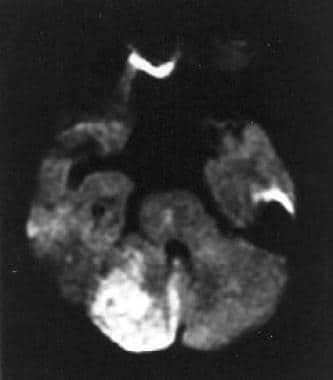
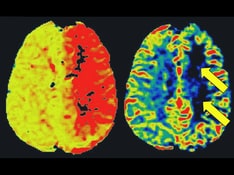
    • Gradient echo technique, with its higher sensitivity for identifying blood, and diffusion/perfusion-weighted images, with a higher sensitivity for identifying ischemia and hypoperfusion, make MRI a more powerful tool in the treatment of these patients (see Media file 1).
    • Helpful findings include lesions that suggest microbleeds, tumors, vertebral/basilar dolichoectasia, and vertebral/basilar dissections.
    • MRA can identify vertebral/basilar occlusion with sensitivity as high as 97% and a specificity of 98% (see Media file 2).
    • MRA has limitations because it frequently overestimates the degree of stenosis. Severe stenosis may resemble vascular occlusion. This occurs because the image of the vessel with MRA is a flow-related phenomenon; therefore, severe stenosis with significant flow compromise may result in poor visualization of the vessel.
  • Transcranial Doppler
    • Transcranial Doppler (TCD) is a useful tool for evaluating cerebrovascular disease; however, it is often inaccurate.
    • In patients with basilar artery disease, the reported sensitivity is 72% and the specificity is 94%.
    • TCD is helpful for purposes of follow-up once an initial evaluation has demonstrated the lesion.
    • The flow direction detected by TCD, in combination with CT angiography, might be useful before performing invasive angiography for helping predict the area of stenosis or occlusion.

Other Tests

  • Electrocardiography
    • ECG should be performed in all patients during the initial evaluation because it can reveal paroxysmal arrhythmias such as atrial fibrillation. Additionally, the prevalence of coronary disease is high in patients with cerebrovascular disease.
    • Ischemic changes seen with ECG should be investigated further with serum creatine kinase measurements, cardiac isoenzyme profiles, and/or troponin levels for the following reasons:
      • Of patients with acute stroke, 5-20% have an arrhythmia.
      • Additionally, 2-3% have a myocardial infarction.
      • The presence of arrhythmias (eg, atrial fibrillation) has an impact on the long-term management plan for stroke prevention.
  • Echocardiography:
    • This should be considered in all patients because cardioembolism is frequent enough in this population.
    • Moreover, even those patients with documented atherothrombosis may have a concomitant cardiac source of embolism.

Procedures

  • Catheter angiography
    • With the availability of noninvasive imaging modalities such as MRI, MRA, and TCD, the role of angiography has changed; however, it still is considered the criterion standard (see Media files 3-4). Angiography is performed (1) when MRA cannot be performed because the patient has an absolute contraindication such as a pacemaker or (2) when the quality of noninvasive studies is not satisfactory or the results of other tests do not explain clinical findings.
    • Angiography should be pursued as a first-line diagnostic test after CT scanning and once the decision is made that recanalization should be performed.
  • The primary goals of the workup are to (1) establish the type of vascular lesion and the mechanism of the stroke and, if early enough, (2) establish if acute intervention is needed to achieve recanalization.


Medical Care

All patients should be admitted to a stroke unit. Patients with unstable or fluctuating neurological symptoms, decreased level of consciousness, active cardiac or respiratory comorbid conditions, hemodynamic instability, or a need for interventional therapies (eg, thrombolysis) must be admitted to a neurological intensive care unit.

  • General care
    • Care is required for all indwelling catheters, including monitoring for infection.
    • Control body temperature because evidence suggests that fever worsens the outcome in patients with stroke.
    • Glucose levels should be monitored to avoid hypoglycemia and hyperglycemia.
    • Aggressive pulmonary toilet is instituted to avoid pneumonia.
  • Hemodynamic management: The goal is to minimize ischemic injury.
    • Cerebral ischemia results in impaired autoregulation. Therefore, under ischemic conditions, cerebral blood flow becomes dependent on blood pressure. In patients with severe cerebral vascular occlusive disease, mean arterial pressure (MAP) and cerebral perfusion pressure (CPP) become critical in maintaining cerebral blood flow (CPP = MAP - intracranial pressure).
    • No evidence from randomized trials indicates that treating hypertension is better than not treating it. Currently available guidelines for the management of acute stroke recommend the use of antihypertensives to lower blood pressure to less than a systolic value of 185 mm Hg or a diastolic value of less than 110 mm Hg only if thrombolysis is being considered. Additionally, some evidence suggests that induced hypertension in selected cases may be beneficial for limiting ischemic injury.
      • If the neurological condition is fluctuating and blood pressure requires close monitoring, an arterial catheter should be placed.
      • Hypertension should not be treated unless the patient has evidence of acute end organ damage such as hypertensive encephalopathy, unstable angina or acute myocardial infarction, heart failure, or acute renal failure. In the absence of any of these circumstances, treatment is indicated only when the diastolic blood pressure is greater than 120 mm Hg or systolic blood pressure is greater than 220 mm Hg.
      • Blood pressure treatment should be considered when thrombolytic therapy is to be administered, aiming to keep the diastolic blood pressure at less than 110 mm Hg and the systolic blood pressure at less than 185 mm Hg when thrombolysis will be used.
      • The preferred antihypertensive agents are nicardipine and labetalol.
      • When diastolic blood pressure is greater than 140 mm Hg and not responsive to nicardipine and labetalol, then nitroprusside should be used.
      • Overzealous treatment of hypertension should be avoided because it can exacerbate the ongoing ischemia.
    • Patients with hypotension should be treated to normalize the MAP and therefore to improve blood pressure–dependent cerebral blood flow.
      • Every effort should be made to maintain a normal intravascular volume by administering isotonic solutions.
      • If the MAP continues to be low despite fluid management, vasopressors such as dopamine, dobutamine, or phenylephrine should be used.
      • Dopamine can cause significant tachycardia; therefore, phenylephrine (Neo-Synephrine) and norepinephrine (Levophed) are the vasopressors of choice after dopamine. Dobutamine should be used with caution and with close monitoring of the cardiac index because it can often cause vasodilatation and hypotension.
      • Dobutamine is the pressor of choice in patients with congestive heart failure.
    • In patients whose intravascular volume status is unknown or who have comorbid conditions such as congestive heart failure or pulmonary edema, a pulmonary artery catheter should be placed to monitor the central venous pressure and the pulmonary capillary wedge pressure. This allows better management and optimization of the intravascular volume to avoid volume overload.
  • Respiratory management: Early assessment and management of the airway is vital, given the frequent involvement of lower cranial nerves and impairment of consciousness in patients with brainstem ischemia. Other important aspects include assessment of the respiratory drive, the gag reflex, and the ability to handle secretions by a forceful cough.
    • Generally, endotracheal intubation should be considered in patients with a decreased level of consciousness and Glasgow Coma Scale score of less than 8.
    • Endotracheal intubation is recommended in most patients to keep their airway clear while maintaining normal ventilation. Of the mechanical ventilation modes, pressure support ventilation (PSV) and synchronized intermittent mandatory ventilation are used most often.
    • For patients with good respiratory drive, the most comfortable mode is PSV. In this mode, the ventilator does not deliver a set of breaths but provides enough pressure support to maintain the desired tidal volume. The usual goal is to maintain a tidal volume of 5-8 mL/kg. Most patients with no comorbid pulmonary condition reach this goal with a PSV of 5-10.
    • For patients with poor respiratory drive, synchronized intermittent mandatory ventilation may be a better mode. This form of ventilation delivers a set number of breaths with a set tidal volume, which is synchronized with the patient's inspiratory effort while allowing the patient to take extra breaths. Adding PSV during the extra breaths can minimize the patient's respiratory effort during the extra breaths.
    • Sedation and paralysis should be avoided because they interfere with the neurologic assessment. Certain circumstances, such as neurogenic hyperventilation, may require the use of sedation and paralysis to avoid hypocarbia, which can worsen the ischemic process. However, sedation alone can and should be used to maintain comfort.
  • Thrombolysis: Tissue plasminogen activator (tPA) is the only pharmaceutical agent approved by the US Food and Drug Administration (FDA) for the treatment of acute ischemic stroke within the first 3 hours of onset. Its approval was based on data from the trial by the National Institute for Neurological Disorders and Stroke. However, the trial did not include patients in stupor or coma and, thus, probably excluded patients who experienced a basilar artery occlusion. Moreover, the trial did not systematically study vascular anatomy in all patients.
  • Intra-arterial thrombolysis: This has emerged as a therapeutic strategy despite the absence of data from randomized clinical trials.
    • Several case series have been published. The average time to treatment has ranged from 8-48 hours. Overall mortality rates have decreased from 46-75% to 26-60%. The rate of hemorrhagic transformation is approximately 8%, which a little higher than that of intravenous thrombolysis in anterior circulation, confirmed by another study in animal models. The patient's condition at presentation is, apparently, the major prognostic factor; patients with quadriplegia and/or coma have worse outcomes than other patients. Despite these efforts, intra-arterial thrombolysis for vertebrobasilar occlusion has not been studied systematically in randomized controlled trials.
    • Thrombolytic agents include urokinase, pro-urokinase, streptokinase, and tPA.
      • Urokinase is not on the market in the United States because of concerns with its production.
      • Streptokinase has not been used for stroke since multicenter European, Italian, and Australian trials were stopped because of greater mortality rates in treated patients than in untreated patients.
      • Pro-urokinase was tested in a prospective randomized fashion. The trial involved only patients with occlusion of the middle cerebral artery stem. Results showed a better outcome in treated patients. However, pro-urokinase was not approved for use in acute stroke; therefore, the only option in the United States is tPA. This drug has been studied prospectively in trials involving combined intravenous and intra-arterial thrombolysis; the dosage used is 0.3 mg/kg, up to a maximum of 10-20 mg intra-arterially.
      • An ongoing phase 3 trial is combining intravenous and intra-arterial thrombolysis with the addition of intravascular ultrasound or with the Merci Retriever, although the intervention is not focused only on basilar artery occlusion.
      • Because the rate of reocclusion is approximately 30%, some investigators have reported limited experience with the use of glycoprotein IIb/IIIa inhibitors such as abciximab to block platelet function and rethrombosis.
    • A recent systematic analysis demonstrated that the morbidity and mortality of patients treated with intra-arterial thrombolysis is not all that different from the effect of intravenous thrombolysis, although recanalization was achieved more frequently with intra-arterial thrombolysis.
    • Ideally, patients with basilar artery occlusion should be treated within the context of a randomized trial. In the absence of this option, many stroke experts would advocate the use of intra-arterial thrombolysis. This decision, however, should be made with knowledge of the background information just described and with recognition of the absence of evidence from randomized trials.
    • Some general guidelines should be followed when treating a patient with intravenous or intra-arterial thrombolysis, as follows:
      • Patients with a stuttering course of longer than 3 hours and up to 12 hours should be considered for intra-arterial thrombolysis, provided that ischemic changes are not present on the CT scan. However, the care team should recognize that under these circumstances, the therapy is offered in a compassionate fashion, given the poor prognosis of basilar artery occlusion.
      • Despite reports of the successful use of anticoagulation immediately following thrombolysis, avoiding systemic anticoagulation is recommended for the first 24 hours after thrombolysis, given the risk of hemorrhagic complications.
      • Although treatment as late as 24-48 hours after symptom onset has been reported, the authors recommend caution because of the high risk of hemorrhagic complications. Systemic anticoagulation may be an alternative for patients with contraindications for thrombolysis, although no evidence clearly indicates any beneficial effect.
      • With rare exceptions, patients should not be treated with thrombolysis if more than 12 hours have elapsed since the onset of more major symptoms or if they have marked ischemic changes on the CT scan, regardless of the time course.
      • The benefits of intra-arterial thrombolysis in selected groups of patients with basilar artery thrombosis, such as patients with minor deficit or old patients with extensive brain stem infarcts, is even less clear.
  • Other therapies
    • Anticoagulation with heparin or low molecular weight heparinoids has been used, but no evidence shows that this has an impact on outcome.
    • The role of other antiplatelets, such as clopidogrel and the combination of aspirin and dipyridamole, in the treatment of acute basilar artery occlusion is not known.
    • Angioplasty with or without stent placement has been performed to treat patients with atherosclerotic stenosis or to mechanically dislodge thrombi. The advantage of angioplasty is the excellent and quick anatomical recanalization, but the success rate is still low. Angioplasty has been performed in patients with acute vertebrobasilar occlusion and in patients selected electively. The morbidity rates cited in the published case series range from 0-50%. The mortality rate is as high as 33%. The role of angioplasty in the therapy for this disorder is not known.
    • Only one case report has described successful endovascular embolectomy in basilar artery thrombosis.
    • Thrombus retrieval has been more recently added to the armamentarium by way of the Merci Retriever device. The FDA approved its use for blood vessel recanalization, although its impact in improving neurological outcome is not known.
    • For patients with atherosclerotic stenosis who survive basilar artery occlusion, the estimated annual risk of recurrent stroke is 20%. Antiplatelet agents such as aspirin, clopidogrel, and the combination aspirin/dipyridamole (Aggrenox) could be used for stroke prophylaxis. No trials have been reported that directly compare clopidogrel with aspirin/dipyridamole. The most recent secondary prevention trials showed that these agents are marginally better than aspirin alone, and, therefore, they may be the drugs of choice. Long-term anticoagulation with warfarin was advocated as the treatment of choice, but the Warfarin-Aspirin Symptomatic Intracranial Disease (WASID) Study Group demonstrated that warfarin is no better than aspirin in preventing strokes in patients with intracranial artery stenosis and is associated with bleeding complications.
  • Conclusion
    • Recanalization of the basilar artery is key to the successful treatment of basilar artery thrombosis and for improving its prognosis. Some unresolved issues need further clarification, such as the best method of recanalization (intra-arterial thrombolysis, mechanical thrombolysis, or combination), the time window for the treatment, and patient selection.
    • In the absence of clear evidence, treating these patients in the context of a clinical trial seems most reasonable. If such an alternative is not available and given the limited time window, then intravenous thrombolysis within 3 hours seems to be a reasonable alternative. In institutions with the service available, intra-arterial pharmacological or mechanical thrombolysis can be considered.

Consultations

  • Physical therapy and occupational therapy should be started soon after admission depending on the condition of the patient. Once the symptoms have stabilized, the patient should be mobilized out of bed and allowed full physical and occupational therapy activities.
  • Speech therapy should address the concerns of aspiration in patients with profound dysarthria and depressed cough reflex.

Diet

  • The patient should be restricted to taking nothing by mouth until the swallowing mechanism has been assessed and cleared and the airway has been protected. If the patient has a high risk of aspiration, a nasogastric or nasoduodenal tube should be placed.
  • If the swallowing abnormalities are so severe that recovery is expected to take weeks or months, a gastrostomy tube should be placed either surgically or percutaneously.

Activity

Some patients have fluctuating symptoms and signs, and these are often position related. Because of this, bed rest is advised until the symptoms have stabilized. In some patients, the severity of the deficits is such that free ambulation is not possible; however, patients should be mobilized out of bed and be actively involved with physical and occupational therapy.


The medications used in the treatment of patients with basilar artery thrombosis include thrombolytic agents, anticoagulants, antihypertensive agents, and antiplatelet agents. Some patients, particularly those with severe and active comorbid conditions, such as an acute myocardial infarction, require inotropic agents and vasopressors.

Several new oral anticoagulant medications are in the final stages of clinical trials for use in the prophylaxis of ischemic thromboembolic stroke. Once approved for use, the potential of such drugs in the arena of stroke treatment is significant.

Drug Category: Antihypertensive Agents

Control severe hypertension. Recommended for patients considered candidates for thrombolytic therapy who have a systolic blood pressure >185 mm Hg and/or a diastolic blood pressure >110 mm Hg.

Drug NameNicardipine (Cardene)
DescriptionRelaxes coronary smooth muscle and produces coronary vasodilation, which, in turn, improves myocardial oxygen delivery and reduces myocardial oxygen consumption.
Adult DoseIV continuous drip: Start drip at 5 mg/h and titrate by 2.5 mg/h to target blood pressure q15min, not to exceed 15 mg/h; once target blood pressure reached, consider decreasing rate to 3 mg/h
Pediatric DoseNot established
ContraindicationsDocumented hypersensitivity; advanced aortic stenosis (reduction of diastolic pressure in these patients may worsen rather than improve myocardial oxygen balance)
InteractionsFentanyl and alcohol may increase hypotensive effects; calcium channel blocker may increase cyclosporine levels; H2 blockers (cimetidine), erythromycin, nafcillin, and azole antifungals may increase toxicity (avoid combination or monitor closely); carbamazepine may reduce bioavailability (avoid this combination); rifampin may decrease levels (monitor and adjust dose of calcium channel blocker)
PregnancyC - Fetal risk revealed in studies in animals but not established or not studies in humans; may use if benefits outweigh risk to fetus
PrecautionsBecause nicardipine decreases peripheral resistance, monitoring of blood pressure during administration required; may occasionally produce symptomatic hypotension; caution advised to avoid systemic hypotension when administering drug to patients who have sustained acute cerebral infarction or hemorrhage
Adjust dose in renal/hepatic impairment; may cause lower extremity edema; allergic hepatitis has occurred but is rare
At high IV doses (5 mg/20 min), reported to increase hepatic venous pressure gradient by 4 mm Hg in cirrhotic patients (use with caution in patients with portal hypertension)
Careful dose titration advised when treating renally impaired patients

Drug NameLabetalol (Normodyne, Trandate)
DescriptionBlocks beta1-, alpha-, and beta2-adrenergic receptor sites, decreasing blood pressure.
Adult DoseInitial dose: 5-10 mg IV bolus over 2 min; repeated doses can be given in escalating fashion from 20-80 mg IV push at 10-min intervals until desired blood pressure achieved or total of 300 mg has been administered
Alternatively, may give drip at rate of 2 mg/min
Pediatric DoseNot established
ContraindicationsDocumented hypersensitivity; heart failure; chronic obstructive pulmonary disease; bronchial asthma; second- or third-degree heart block; cardiogenic shock; severe bradycardia; hepatic failure
InteractionsDecreases effect of diuretics and increases toxicity of methotrexate, lithium, and salicylates; may diminish reflex tachycardia that results from nitroglycerin use without interfering with hypotensive effects; cimetidine may increase blood levels; glutethimide may decrease effects by inducing microsomal enzymes
PregnancyC - Fetal risk revealed in studies in animals but not established or not studies in humans; may use if benefits outweigh risk to fetus
PrecautionsCaution in impaired hepatic function; discontinue therapy upon signs of liver dysfunction; in elderly patients, response rate may be lower and incidence of toxicity may be higher than in other patients

Drug NameNitroprusside sodium (Nitropress)
DescriptionProduces vasodilation and increases inotropic activity of heart. At higher dosages, may exacerbate myocardial ischemia by increasing heart rate.
Adult Dose0.5-10 mcg/kg/min IV until blood pressure controlled
Pediatric DoseNot established
ContraindicationsDocumented hypersensitivity; compensatory hypertension; aortic coarctation; heart failure; congenital optic atrophy; tobacco-induced amblyopia
InteractionsNone reported
PregnancyC - Fetal risk revealed in studies in animals but not established or not studies in humans; may use if benefits outweigh risk to fetus
PrecautionsCaution in increased intracranial pressure, hepatic failure, severe renal impairment, and hypothyroidism; in renal or hepatic insufficiency, levels may increase and can cause cyanide toxicity; sodium nitroprusside has ability to lower blood pressure and, thus, should be used only in patients with MAP >70 mm Hg

Drug NameEnalapril (Vasotec)
DescriptionCompetitive inhibitor of ACE. Reduces angiotensin II levels, decreasing aldosterone secretion.
Adult Dose0.650-1.25 mg IV q6h
Pediatric DoseNot established
ContraindicationsDocumented hypersensitivity
InteractionsNSAIDs may reduce hypotensive effects; may increase digoxin, lithium, and allopurinol levels; rifampin decreases levels; probenecid may increase levels; diuretics may increase hypotensive effects
PregnancyC - Fetal risk revealed in studies in animals but not established or not studies in humans; may use if benefits outweigh risk to fetus
PrecautionsCaution in renal impairment, valvular stenosis, or severe congestive heart failure

Drug Category: Thrombolytic Agents

Potential benefits of thrombolytic therapy for the treatment of thrombosis include fast dissolution of physiologically compromising pulmonary emboli, faster recovery, prevention of recurrent thrombus formation, and rapid restoration of hemodynamic disturbances.

Drug NameAlteplase (Activase)
DescriptionThis is a tPA. Safety and efficacy with concomitant heparin or aspirin during first 24 h after symptom onset have not been investigated. Only drug approved for use in patients within 3 h of onset of acute ischemic stroke.
Adult DoseIV: 0.9 mg/kg; not to exceed 90 mg; 10% of dose to be administered over 2-3 min and the rest over 1 h
Intra-arterial: 0.3 mg/kg; not to exceed 10-20 mg
Pediatric DoseNot established
ContraindicationsDocumented hypersensitivity; active systemic or intracranial bleeding; intracranial neoplasm; AVM; concurrent heparin with aPTT >1.5 times control or concurrent warfarin with INR >1.6; coagulopathies; recent major surgery; head injury or stroke in previous 3 mo; history of ICH
InteractionsDrugs that alter platelet function (eg, aspirin, dipyridamole, abciximab) may increase risk of bleeding prior to, during, or after therapy; current guidelines prohibit use of any anticoagulant or antiplatelet agents for 24 h after IV tPA; interventionalists who use intra-arterial tPA empirically give heparin afterward to reduce risk of rethrombosis; either heparin or alteplase may cause bleeding complications
PregnancyC - Fetal risk revealed in studies in animals but not established or not studies in humans; may use if benefits outweigh risk to fetus
PrecautionsMonitor for bleeding, especially at arterial puncture sites, with coadministration of vitamin K antagonists; control and monitor blood pressure frequently during and following administration (when managing acute ischemic stroke); do not use >0.9 mg/kg to manage acute ischemic stroke (doses >0.9 mg/kg may cause ICH)

Drug Category: Anticoagulant agents

Rationale for use of these agents is to prevent recurrent embolism or extension of the thrombosis.

Drug NameHeparin
DescriptionAugments activity of antithrombin III and prevents conversion of fibrinogen to fibrin. Does not actively lyse but is able to inhibit further thrombogenesis. Prevents reaccumulation of clot after spontaneous fibrinolysis.
Adult DoseAlthough no nomogram exists for its use, authors do not regularly administer IV bolus; usually start IV drip at 1000 U/h; aPTT checked at 4 h, and infusion adjusted accordingly until aPTT of 1.5-2 times control achieved; drip also can be started at dose of 18 U/kg/h
Prophylaxis of deep vein thrombosis: 5000 U q12h SC
Pediatric DoseNot established
ContraindicationsDocumented hypersensitivity; active systemic or intracranial bleeding; severe thrombocytopenia or blood dyscrasias; hypersensitivity during or after eye, brain, or spinal cord surgery
InteractionsDigoxin, nicotine, tetracycline, and antihistamines may decrease effects; NSAIDs, aspirin, dextran, dipyridamole, and hydroxychloroquine may increase toxicity
PregnancyC - Fetal risk revealed in studies in animals but not established or not studies in humans; may use if benefits outweigh risk to fetus
PrecautionsIn neonates, preservative-free heparin recommended to avoid possible toxicity (gasping syndrome) by benzyl alcohol, which is used as a preservative; caution in severe hypotension and shock; monitor for bleeding in peptic ulcer disease, menstruation, increased capillary permeability, and with IM injections

Drug NameWarfarin (Coumadin)
DescriptionInterferes with hepatic synthesis of vitamin K–dependent coagulation factors. Used for prophylaxis and treatment of venous thrombosis, pulmonary embolism, and thromboembolic disorders.
Tailor dose to maintain INR in range of 2-3. Used for long-term stroke prophylaxis.
Adult DoseAdjust PO dose to maintain INR between 2-3 for most indications and 2.5-3.5 for patients with prosthetic heart valves
Pediatric DoseNot established
ContraindicationsDocumented hypersensitivity; severe liver or kidney disease; open wounds; GI ulcers
InteractionsDrugs that may decrease anticoagulant effects include griseofulvin, carbamazepine, glutethimide, estrogens, nafcillin, phenytoin, rifampin, barbiturates, cholestyramine, colestipol, vitamin K, spironolactone, oral contraceptives, and sucralfate
Medications that may increase anticoagulant effects include oral antibiotics, phenylbutazone, salicylates, sulfonamides, chloral hydrate, clofibrate, diazoxide, anabolic steroids, ketoconazole, ethacrynic acid, miconazole, nalidixic acid, sulfonylureas, allopurinol, chloramphenicol, cimetidine, disulfiram, metronidazole, phenylbutazone, phenytoin, propoxyphene, sulfonamides, gemfibrozil, acetaminophen, and sulindac
PregnancyX - Contraindicated; benefit does not outweigh risk
PrecautionsDo not switch brands after achieving therapeutic response; caution in active tuberculosis or diabetes; patients with protein C or S deficiency are at risk of developing skin necrosis

Drug Category: Antiplatelet agents

Inhibit cyclooxygenase system, decreasing the level of thromboxane A2, a potent platelet activator.

Drug NameAspirin (Bayer Aspirin, Ascriptin, Anacin)
DescriptionInhibits prostaglandin synthesis, preventing formation of platelet-aggregating thromboxane A2. May be used in low doses to inhibit platelet aggregation and improve complications of venous stasis and thrombosis. Used for long-term stroke prophylaxis.
Adult Dose81-1300 mg PO qd
Pediatric DoseNot established
ContraindicationsDocumented hypersensitivity; liver damage; hypoprothrombinemia; vitamin K deficiency; bleeding disorders; asthma
Because of association with Reye syndrome, do not use in children (<16 y) with flu
InteractionsAntacids and urinary alkalinizers may decrease effects; corticosteroids decrease serum levels; anticoagulants may cause additive hypoprothrombinemic effects and increase bleeding time; may antagonize uricosuric effects of probenecid and increase toxicity of phenytoin and valproic acid; doses >2 g/d may potentiate glucose-lowering effect of sulfonylurea drugs
PregnancyC - Fetal risk revealed in studies in animals but not established or not studies in humans; may use if benefits outweigh risk to fetus
PrecautionsMay cause transient decrease in renal function and aggravate chronic kidney disease; avoid in patients with severe anemia, with history of blood coagulation defects, or who are taking anticoagulants

Drug NameClopidogrel (Plavix)
DescriptionSelectively inhibits ADP binding to platelet receptor and subsequent ADP-mediated activation of glycoprotein GPIIb/IIIa complex, thereby inhibiting platelet aggregation.
Adult Dose75 mg PO qd
Pediatric DoseNot established
ContraindicationsDocumented hypersensitivity; active pathological bleeding, such as peptic ulcer or intracranial hemorrhage
InteractionsNaproxen associated with increased occult GI blood loss; prolongs bleeding time; warfarin safety not established
PregnancyC - Fetal risk revealed in studies in animals but not established or not studies in humans; may use if benefits outweigh risk to fetus
PrecautionsCaution in patients at increased risk of bleeding from trauma, surgery, or other pathological conditions; caution in patients with lesions (eg, ulcers) with propensity to bleed

Drug NameAspirin 25 mg/dipyridamole 200 mg (Aggrenox)
DescriptionDrug combination with antithrombotic action.
Aspirin inhibits prostaglandin synthesis, preventing formation of platelet-aggregating thromboxane A2. May be used in low doses to inhibit platelet aggregation and to improve complications of venous stasis and thrombosis.
Dipyridamole is a platelet adhesion inhibitor that possibly inhibits RBC uptake of adenosine, itself an inhibitor of platelet reactivity. In addition, may inhibit phosphodiesterase activity, leading to increased cAMP within platelets and formation of potent platelet activator thromboxane A2.
Adult Dose1 tab PO bid
Pediatric DoseNot established
ContraindicationsDocumented hypersensitivity; liver damage; hypoprothrombinemia; vitamin K deficiency; bleeding disorders; asthma
Because of association with Reye syndrome, do not use in children ( <16 y) with flu
InteractionsTheophylline may decrease hypotensive effects of dipyridamole; antiplatelet activity of dipyridamole may increase heparin toxicity; antacids and urinary alkalinizers may decrease aspirin effects; corticosteroids decrease salicylate serum levels; anticoagulants may increase additive hypoprothrombinemic effects and bleeding time; may antagonize uricosuric effects of probenecid and increase toxicity of phenytoin and valproic acid; doses > 2 g/d may potentiate glucose-lowering effect of sulfonylurea drugs
PregnancyC - Fetal risk revealed in studies in animals but not established or not studies in humans; may use if benefits outweigh risk to fetus
PrecautionsAspirin may cause transient decrease in renal function and aggravate chronic kidney disease; avoid use in patients with severe anemia, with history of blood coagulation defects, or who are taking anticoagulants; caution in hypotension; dipyridamole has peripheral vasodilating effects


Further Inpatient Care

  • Rehabilitation: Patients with brainstem, cerebellar, diencephalic, or occipital infarcts secondary to basilar artery occlusion have a significant degree of disability because of weakness, ataxia, swallowing difficulties, other cranial neuropathies, or a combination of all.
    • Patients need training on balance and gait.
    • Patients with dysphagia are at a significant risk for aspiration and pneumonia. Evaluation of these patients should be thorough and should include videofluoroscopy with modified barium swallow to assess for silent aspiration. Interventions for prevention of aspiration include compensatory strategies that include oromotor exercises; postural changes while swallowing; and facilitative strategies that include modification of bolus consistency, volume, and delivery.
    • Using a patch on one eye or prisms can help diplopia.

Further Outpatient Care

  • These patients need strict risk factor control to decrease the risk of stroke recurrence.

Deterrence/Prevention

  • The prevention strategy depends on the cause of the basilar artery occlusion.
    • Patients with a definite cardioembolic source, such as atrial fibrillation, should be treated with warfarin to maintain an INR between 2 and 3.
    • The treatment of patients with basilar artery and vertebral artery atherosclerosis includes antiplatelet agents and risk factor control.
    • No definite indication currently exists for long-term anticoagulation in patients with noncardioembolic stroke.

Complications

  • Aspiration pneumonia
  • Myocardial infarction
  • Deep vein thrombosis and pulmonary embolism

Prognosis

  • Patients with acute basilar artery occlusion have a mortality rate greater than 85%, although the mortality rate may be as low as 40% in patients with recanalization.
  • Good functional outcomes can be expected in as many as 24-35% of patients treated with intravenous or intra-arterial thrombolysis, respectively.
  • For symptomatic patients who survive, the risk of recurrent stroke is 10-15%.

Patient Education


Media file 1:  Diffusion-weighted MRI images showing a right occipital infarct.
Click to see larger pictureClick to see detailView Full Size Image
Media type:  MRI

Media file 2:  Magnetic resonance angiography demonstrating the absence of flow in the vertebrobasilar system.
Click to see larger pictureClick to see detailView Full Size Image
Media type:  MRI

Media file 3:  Right vertebral artery angiography showing an occlusion with no flow in the basilar artery.
Click to see larger pictureClick to see detailView Full Size Image
Media type:  X-RAY

Media file 4:  Angiography performed after intra-arterial thrombolysis and angioplasty showing recanalization and perfusion of the basilar artery and its branches.
Click to see larger pictureClick to see detailView Full Size Image
Media type:  X-RAY

Media file 5:  Hyperdense basilar artery (arrow).
Click to see larger pictureClick to see detailView Full Size Image
Media type:  X-RAY


  • Aichner FT, Felber SR, Birbamer GG. Magnetic resonance imaging and magnetic resonance angiography of vertebrobasilar dolichoectasia. Cerebrovasc Dis. 1993;3:280-284.
  • Amarenco P, Duyckaerts C, Tzourio C, et al. The prevalence of ulcerated plaques in the aortic arch in patients with stroke. N Engl J Med. Jan 23 1992;326(4):221-5. [Medline].
  • Antiplatelet Trialists' Collaboration. Secondary prevention of vascular disease by prolonged antiplatelet treatment. Br Med J (Clin Res Ed). Jan 30 1988;296(6618):320-31. [Medline].
  • Archer CR, Horenstein S. Basilar artery occlusion: clinical and radiological correlation. Stroke. May-Jun 1977;8(3):383-90. [Medline].
  • Arnold M, Nedeltchev K, Schroth G, et al. Clinical and radiological predictors of recanalisation and outcome of 40 patients with acute basilar artery occlusion treated with intra-arterial thrombolysis. J Neurol Neurosurg Psychiatry. Jun 2004;75(6):857-62. [Medline].
  • Astrup J, Siesjo BK, Symon L. Thresholds in cerebral ischemia - the ischemic penumbra. Stroke. Nov-Dec 1981;12(6):723-5. [Medline].
  • Bergui M, Stura G, Daniele D, et al. Mechanical thrombolysis in ischemic stroke attributable to basilar artery occlusion as first-line treatment. Stroke. Jan 2006;37(1):145-50. [Medline].
  • Biller J, Yuh WT, Mitchell GW, et al. Early diagnosis of basilar artery occlusion using magnetic resonance imaging. Stroke. Mar 1988;19(3):297-306. [Medline].
  • Bockenheimer S, Reinhuber F, Mohs C. [Intra-arterial thrombolysis of vessels supplying the brain]. Radiologe. Apr 1991;31(4):210-5. [Medline].
  • Bogousslavsky J, Regli F, Maeder P, et al. The etiology of posterior circulation infarcts: a prospective study using magnetic resonance imaging and magnetic resonance angiography. Neurology. Aug 1993;43(8):1528-33. [Medline].
  • Boysen G, Engell HC, Pistolese GR, et al. Editorial: On the critical lower level of cerebral blood flow in man with particular reference to carotid surgery. Circulation. Jun 1974;49(6):1023-5. [Medline].
  • Bruckmann H, Ferbert A, del Zoppo GJ, et al. Acute vertebral-basilar thrombosis. Angiologic-clinical comparison and therapeutic implications. Acta Radiol Suppl. 1986;369:38-42. [Medline].
  • Calvin SA, Beall DP, Ly JQ, et al. Basilar artery thrombosis. J Okla State Med Assoc. Aug 2004;97(8):334-6. [Medline].
  • Caplan LR. "Top of the basilar" syndrome. Neurology. Jan 1980;30(1):72-9. [Medline].
  • Caplan LR, Wityk RJ, Glass TA, et al. New England Medical Center Posterior Circulation registry. Ann Neurol. Sep 2004;56(3):389-98. [Medline].
  • Castaigne P, Lhermitte F, Gautier JC, et al. Arterial occlusions in the vertebro-basilar system. A study of 44 patients with post-mortem data. Brain. 1973;96(1):133-54. [Medline].
  • Chaves CJ, Caplan LR, Chung CS, et al. Cerebellar infarcts in the New England Medical Center Posterior Circulation Stroke Registry. Neurology. Aug 1994;44(8):1385-90. [Medline].
  • Coull BM, Goodnight SH. Antiphospholipid antibodies, prethrombotic states, and stroke. Stroke. Sep 1990;21(9):1370-4. [Medline].
  • Cravioto H, Rey-bellet, Prose PH, Feigin I. Occlusion of the basilar artery; a clinical and pathologic study of 14 autopsied cases. Neurology. Feb 1958;8(2):145-52. [Medline].
  • Cruz-Flores S, Gomez CR, Malkoff MD. Isolated vertigo as the presentation of severe basilar artery occlusive disease. Neurology. 1994;4(Suppl):A225.
  • Davis SM, Donnan GA. Basilar artery thrombosis: recanalization is the key. Stroke. Sep 2006;37(9):2440. [Medline].
  • Denny-Brown D. Basilar artery-syndromes. Bull New Engl Med Cent. Jun 1953;15(2):53-60. [Medline].
  • Denny-Brown D. The treatment of recurrent cerebrovascular symptoms and the question of "vasospasm". Med Clin North Am. Sep 1951;35(5):1457-74. [Medline].
  • Devuyst G, Bogousslavsky J, Meuli R, et al. Stroke or transient ischemic attacks with basilar artery stenosis or occlusion: clinical patterns and outcome. Arch Neurol. Apr 2002;59(4):567-73. [Medline].
  • Dirnagl U, Pulsinelli W. Autoregulation of cerebral blood flow in experimental focal brain ischemia. J Cereb Blood Flow Metab. May 1990;10(3):327-36. [Medline].
  • Ehsan T, Hayat G, Malkoff MD, et al. Hyperdense basilar artery. An early computed tomography sign of thrombosis. J Neuroimaging. Oct 1994;4(4):200-5. [Medline].
  • European Cooperative Study Group for Streptokinase Treatment in Acute Myocardial. Streptokinase in acute myocardial infarction. European Cooperative Study Group for Streptokinase Treatment in Acute Myocardial Infarction. N Engl J Med. Oct 11 1979;301(15):797-802. [Medline].
  • Feldmann E, Daneault N, Kwan E, et al. Chinese-white differences in the distribution of occlusive cerebrovascular disease. Neurology. Oct 1990;40(10):1541-5. [Medline].
  • Ferbert A, Bruckmann H, Drummen R. Clinical features of proven basilar artery occlusion. Stroke. Aug 1990;21(8):1135-42. [Medline].
  • Fieschi C, Agnoli A, Battistini N, et al. Derangement of regional cerebral blood flow and of its regulatory mechanisms in acute cerebrovascular lesions. Neurology. Dec 1968;18(12):1166-79. [Medline].
  • Fisher CM. Ocular Bobbing. Arch Neurol. Nov 1964;11:543-6. [Medline].
  • Fisher CM. Atherosclerosis of the carotid and vertebral arteries: extracranial and intracranial. J Neuropathol Exp Neurol. 1965;24:455-476.
  • Fisher CM. Some neuro-ophthalmological observations. J Neurol Neurosurg Psychiatry. Oct 1967;30(5):383-92. [Medline].
  • Ford GA. Intra-arterial thrombolysis is the treatment of choice for basilar thrombosis: con. Stroke. Sep 2006;37(9):2438-9. [Medline].
  • Gorelick PB, Caplan LR, Hier DB, et al. Racial differences in the distribution of posterior circulation occlusive disease. Stroke. Sep-Oct 1985;16(5):785-90. [Medline].
  • Gustafsson D, Elg M. The pharmacodynamics and pharmacokinetics of the oral direct thrombin inhibitor ximelagatran and its active metabolite melagatran: a mini-review. Thromb Res. Jul 15 2003;109 Suppl 1:S9-15. [Medline].
  • Hacke W, Kaste M, Fieschi C, et al. Intravenous thrombolysis with recombinant tissue plasminogen activator for acute hemispheric stroke. The European Cooperative Acute Stroke Study (ECASS). JAMA. Oct 4 1995;274(13):1017-25. [Medline].
  • Hacke W, Zeumer H, Ferbert A, et al. Intra-arterial thrombolytic therapy improves outcome in patients with acute vertebrobasilar occlusive disease. Stroke. Oct 1988;19(10):1216-22. [Medline].
  • Haley EC, Kassell NF, Torner JC. Failure of heparin to prevent progression in progressing ischemic infarction. Stroke. Jan 1988;19(1):10-4. [Medline].
  • Hayem MG. Surla thrombose par arterite tronc basilaire. Comme cause du mort rapide. Arch Physiol Norm Pathol. 1868;1:270-289.
  • Heiss WD, Rosner G. Functional recovery of cortical neurons as related to degree and duration of ischemia. Ann Neurol. Sep 1983;14(3):294-301. [Medline].
  • Higashida RT, Tsai FY, Halbach VV, et al. Transluminal angioplasty for atherosclerotic disease of the vertebral and basilar arteries. J Neurosurg. Feb 1993;78(2):192-8. [Medline].
  • Horner J, Buoyer FG, Alberts MJ, Helms MJ. Dysphagia following brain-stem stroke. Clinical correlates and outcome. Arch Neurol. Nov 1991;48(11):1170-3. [Medline].
  • Huemer M, Niederwieser V, Ladurner G. Thrombolytic treatment for acute occlusion of the basilar artery. J Neurol Neurosurg Psychiatry. Feb 1995;58(2):227-8. [Medline].
  • Hurd K, Chopp M, Vande Linde AM, et al. Effects of moderate hyperglycemia on the temporal profile of brain tissue intracellular pH and [Mg2+] after global cerebral ischemia in rats. J Neurol Sci. Apr 1995;129(2):90-6. [Medline].
  • Johansson B, Strandgaard S, Lassen NA. On the pathogenesis of hypertensive encephalopathy. Circ Res. 1974;34-35 Suppl 1:I167-I171.
  • Kahrilas PJ. Pharyngeal structure and function. Dysphagia. 1993;8(4):303-7. [Medline].
  • Kay R, Wong KS, Yu YL, et al. Low-molecular-weight heparin for the treatment of acute ischemic stroke. N Engl J Med. Dec 14 1995;333(24):1588-93. [Medline].
  • Kermer P, Wellmer A, Crome O, et al. Transcranial color-coded duplex sonography in suspected acute basilar artery occlusion. Ultrasound Med Biol. Mar 2006;32(3):315-20. [Medline].
  • Kinsella LJ, Feldmann E, Brooks JM. The clinical utility of transcranial Doppler ultrasound in suspected vertebrobasilar ischemia. J Neuroimaging. Apr 1993;3(2):115-22. [Medline].
  • Kitanaka C, Tanaka J, Kuwahara M, Teraoka A. Magnetic resonance imaging study of intracranial vertebrobasilar artery dissections. Stroke. Mar 1994;25(3):571-5. [Medline].
  • Knepper L, Biller J, Adams HP, et al. MR imaging of basilar artery occlusion. J Comput Assist Tomogr. Jan-Feb 1990;14(1):32-5. [Medline].
  • Kubik S, Adams RA. Occlusion of the basilar artery: A clinical and pathological study. Brain. 1946;69:6-121.
  • Labauge R, Pages M, Marty-Double C, et al. [Occlusion of the basilar artery. A review with 17 personal cases (author's transl)]. Rev Neurol (Paris). 1981;137(10):545-71. [Medline].
  • Lhermitte J, Trelles JO. [L arteriosclerose du tronc basilaire et ses consequences anatomo-cliniques]. Jahrbucher Psychiatrie Neurologie. 1934;51:91-107.
  • Lindsberg PJ, Soinne L, Tatlisumak T, et al. Long-term outcome after intravenous thrombolysis of basilar artery occlusion. JAMA. Oct 20 2004;292(15):1862-6. [Medline].
  • Lindsberg PJ, Soinne L, Roine RO, Tatlisumak T. Options for recanalization therapy in basilar artery occlusion. Stroke. Feb 2005;36(2):203-4. [Medline].
  • Lindsberg PJ, Mattle HP. Therapy of basilar artery occlusion: a systematic analysis comparing intra-arterial and intravenous thrombolysis. Stroke. Mar 2006;37(3):922-8.