You are in: eMedicine Specialties > Neurology > Neuro-oncology Paraneoplastic EncephalomyelitisArticle Last Updated: Jan 5, 2007AUTHOR AND EDITOR INFORMATIONAuthor: David S Liebeskind, MD, Assistant Professor of Neurology, Neurology Director, Stroke Imaging; Associate Neurology Director, Department of Neurology, University of California at Los Angeles David S Liebeskind is a member of the following medical societies: American Academy of Neurology, American Heart Association, American Medical Association, American Society of Neuroimaging, American Society of Neuroradiology, National Stroke Association, and Stroke Council of the American Heart Association Editors: Frederick M Vincent, Sr, MD, Clinical Professor, Department of Neurology and Ophthalmology, Michigan State University Colleges of Human and Osteopathic Medicine; Francisco Talavera, PharmD, PhD, Senior Pharmacy Editor, eMedicine; Jorge Kattah, MD, Head, Program Director, Professor, Department of Neurology, University of Illinois College of Medicine at Peoria; Selim R Benbadis, MD, Professor, Director of Comprehensive Epilepsy Program, Departments of Neurology and Neurosurgery, University of South Florida School of Medicine, Tampa General Hospital; Nicholas Y Lorenzo, MD, Chief Editor, eMedicine Neurology; Consulting Staff, Neurology Specialists and Consultants Author and Editor Disclosure Synonyms and related keywords: anti-Hu syndrome, anti-Hu–associated paraneoplastic encephalomyelitis, paraneoplastic limbic encephalitis, paraneoplastic limbic encephalopathy, paraneoplastic brainstem encephalopathy, paraneoplastic myelopathy, subacute sensory neuronopathy, SSN, paraneoplastic ganglioradiculoneuritis, paraneoplastic sensory neuropathy, paraneoplastic encephalomyelitis, PEM, multifocal inflammatory CNS disorder INTRODUCTIONBackgroundParaneoplastic encephalomyelitis (PEM) is a multifocal inflammatory disorder of the central nervous system (CNS) associated with remote neoplasia. Frequently, the disorder is accompanied by subacute sensory neuronopathy (SSN) due to involvement of the dorsal root ganglia. Anti-Hu antibodies may be detected in both of these conditions. Although various malignancies have been reported in PEM, 80% of cases are associated with bronchial cancer, typically small cell lung carcinoma. Neurologic manifestations commonly precede the diagnosis of cancer, although variable presentations have been reported. Symptoms usually progress over the course of weeks to months, reaching a plateau of neurologic disability. Neurologic impairment may be more debilitating than the associated cancer. No effective therapeutic approaches have been established, although immunosuppressive therapies are employed commonly. PathophysiologyNeurologic dysfunction probably results from an autoimmune reaction directed against onconeural antigens in the human nervous system. Polyclonal immunoglobulin G (IgG) anti-Hu antibodies or type 1 antineuronal nuclear antibodies are most prevalent (~50%), although several other circulating autoantibodies have been identified. Some patients have no identifiable paraneoplastic antibodies. These markers of paraneoplasia have an undetermined pathogenic role. Cytotoxic T cell–mediated neuronal damage is suspected, although no animal models have been developed to confirm this. Almost all cases of PEM with anti-Hu antibodies are related to small-cell lung carcinoma. These antibodies react with a group of 35- to 40-kilodalton neuronal RNA-binding proteins, including HuD, PLE21/HuC, and Hel-N1. Nuclear and cytoplasmic staining of CNS neurons demonstrates the presence of these antibodies. A ubiquitous protein, HuR, is also an antigenic target. The neuronal proteins are homologous to the embryonic lethal abnormal visual (Elav) protein in Drosophila species. Anti-Hu antibodies may alter the production of these proteins, which are essential for the development, maturation, and maintenance of the vertebrate nervous system. Intrathecal synthesis of anti-Hu antibodies may represent an autoimmune cross-reaction with neurologic tissue, triggered by a remote carcinoma. Other PEM antibodies include anti-CV2, anti-Yo, anti-Ma1, anti-Ta or anti-Ma2, and several other atypical antibodies. The targets of such antibodies may be quite varied, including neuropil and intraneuronal sites. Nonneuronal autoantibodies, such as antinuclear antibodies and anticytoplasmic antibodies, are frequently detected in cases with anti-Hu antibodies or anti-Yo antibodies. The presence of such nonneuronal autoantibodies, however, does not correlate with particular clinical characteristics. Voltage-gated potassium channel antibodies may be associated with nonparaneoplastic limbic encephalitis. Recent reports have noted detection of the prion-related 14-3-3 protein and of herpes simplex virus by polymerase chain reaction (PCR) in the cerebrospinal fluid (CSF) of patients with PEM. The significance of these findings is unclear. FrequencyUnited StatesThe incidence of PEM is unknown. PEM affects approximately 0.4% of patients with bronchial carcinoma. Increased recognition of clinical manifestations may provide estimates of incidence in the future. InternationalThe incidence of PEM is unknown. Mortality/Morbidity
RaceNo racial predilection has been reported. SexAnti-Hu–associated PEM has a slight female predominance. Age
CLINICALHistoryThe neurologic manifestations of PEM precede the diagnosis of cancer in 80% of cases. Typically, a subacute onset of neurologic symptoms is followed by progression over weeks to months, finally reaching a plateau of neurologic impairment. The clinical presentation reflects the distribution of this multifocal inflammatory condition. Specific clinical syndromes have been described, although considerable overlap exists.
PhysicalPhysical examination findings assist in the localization of clinical symptoms and anatomical classification of specific paraneoplastic syndromes.
Causes
DIFFERENTIALSAcute Disseminated Encephalomyelitis Amyotrophic Lateral Sclerosis Central Pontine Myelinolysis Complex Partial Seizures Confusional States and Acute Memory Disorders EEG in Dementia and Encephalopathy EEG in Status Epilepticus EEG Seizure Monitoring Epilepsia Partialis Continua Epileptic and Epileptiform Encephalopathies Frontal and Temporal Lobe Dementia Herpes Simplex Encephalitis Idiopathic Orthostatic Hypotension and other Autonomic Failure Syndromes Lambert-Eaton Myasthenic Syndrome Leptomeningeal Carcinomatosis Lumbar Puncture (CSF Examination) Metabolic Neuropathy Metastatic Disease to the Brain Metastatic Disease to the Spine and Related Structures Nutritional Neuropathy Paraneoplastic Autonomic Neuropathy Paraneoplastic Cerebellar Degeneration Partial Epilepsies Prion-Related Diseases Radiation Necrosis Spinal Cord, Topographical and Functional Anatomy Status Epilepticus Stiff Person Syndrome Temporal Lobe Epilepsy Tonic-Clonic Seizures Varicella Zoster Viral Encephalitis Vitamin B-12 Associated Neurological Diseases Whipple Disease
| |||||||||||||||||||||||||||||||||||||||||||||||||||||||||||||||||||||||||||||||||||||||||||||||||||||
| Drug Name | Methylprednisolone (Solu-Medrol, Medrol, Adlone, Depo-Medrol) |
|---|---|
| Description | Has anti-inflammatory properties. Decreases inflammation by suppressing migration of polymorphonuclear leukocytes and reversing increased capillary permeability. Initial PO daily dosage variable, with subsequent dose modification based on clinical response. Constant monitoring may be necessary to adjust for changes in clinical status and environmental stressors. After long-term therapy, taper drug gradually. |
| Adult Dose | 2-60 mg/d PO in 1-4 divided doses, followed by gradual reduction to lowest level that will maintain clinical response |
| Pediatric Dose | Not established |
| Contraindications | Documented hypersensitivity; systemic fungal infections |
| Interactions | Avoid concomitant cyclosporine; inducers of hepatic enzymes, such as phenobarbital, phenytoin, and rifampin, may require increased doses; troleandomycin and ketoconazole may diminish clearance; may have variable effects on antithrombotics, such as aspirin or warfarin |
| Pregnancy | B - Usually safe but benefits must outweigh the risks. |
| Precautions | Drug-induced secondary adrenocortical insufficiency may occur with abrupt discontinuation; corticosteroids have increased effects in patients with hypothyroidism or cirrhosis; corneal perforation may occur in setting of ocular herpes simplex infection; variable psychiatric manifestations may be induced; caution in patients with ulcerative colitis, diverticulitis, peptic ulcer disease, renal failure, hypertension, myasthenia gravis, osteoporosis, or Kaposi sarcoma; monitor growth and development of children |
| Drug Name | Prednisone (Deltasone, Meticorten, Orasone) |
|---|---|
| Description | Has anti-inflammatory properties. May decrease inflammation by reversing increased capillary permeability and suppressing PMN activity. Initial PO daily dosage variable, with subsequent dose modification based on clinical response. Constant monitoring may be necessary to adjust for changes in clinical status and environmental stressors. After long-term therapy, taper drug gradually. |
| Adult Dose | 5-60 mg/d PO qd or divided bid/qid; taper over 2 wk, as symptoms resolve |
| Pediatric Dose | Not established |
| Contraindications | Documented hypersensitivity; viral infection, peptic ulcer disease, hepatic dysfunction, connective tissue infections, and fungal or tubercular skin infections; GI disease |
| Interactions | Estrogens may decrease clearance; concurrent digoxin may cause digitalis toxicity secondary to hypokalemia; phenobarbital, phenytoin, and rifampin may increase metabolism (consider increasing maintenance dose); monitor for hypokalemia with coadministration of diuretics |
| Pregnancy | B - Usually safe but benefits must outweigh the risks. |
| Precautions | Drug-induced secondary adrenocortical insufficiency may occur with abrupt discontinuation; corticosteroids have increased effects in patients with hypothyroidism or cirrhosis; corneal perforation may occur in setting of ocular herpes simplex infection; variable psychiatric manifestations may be induced; caution in patients with ulcerative colitis, diverticulitis, peptic ulcer disease, renal failure, hypertension, myasthenia gravis, osteoporosis, or Kaposi sarcoma; monitor growth and development of children who are administered corticosteroids |
They cause immunosuppressive reduction in inflammation-mediated neurologic injury.
| Drug Name | Cyclophosphamide (Cytoxan, Neosar) |
|---|---|
| Description | Has immunosuppressive properties. Chemically related to nitrogen mustards. As alkylating agent, mechanism of action of active metabolites may involve cross-linking of DNA, which may interfere with growth of normal and neoplastic cells. PO/IV daily dosage recommendations have not been formulated for treatment of PEM. Modify dose based on clinical response or degree of leukopenia. |
| Adult Dose | Administer per institutional protocol |
| Pediatric Dose | Not established |
| Contraindications | Documented hypersensitivity; severely decreased bone marrow function |
| Interactions | Long-term administration of phenobarbital may alter effects; increases effects of succinylcholine chloride |
| Pregnancy | D - Unsafe in pregnancy |
| Precautions | Toxicity has been associated with leukopenia, thrombocytopenia, bone marrow infiltration, history of radiation, history of chemotherapy, hepatic dysfunction, and renal failure; regularly monitor hematologic parameters; may interfere with wound healing |
| Drug Name | Intravenous immunoglobulin (IVIG; Gamimune, Gammagard, Sandoglobulin, Gammar-P) |
|---|---|
| Description | Neutralizes circulating antibodies through anti-idiotypic antibodies. Down-regulates proinflammatory cytokines, including IFN-gamma. Blocks Fc receptors on macrophages. Suppresses inducer T and B cells and augments suppressor T cells. Blocks complement cascade. May increase CSF IgG (10%). IV dosage recommendations have not been formulated for treatment of PEM. |
| Adult Dose | Administer per institutional protocol |
| Pediatric Dose | Not established |
| Contraindications | Documented hypersensitivity; isolated IgA deficiency |
| Interactions | Increases toxicity of live virus vaccine (MMR); do not administer within 3 months of vaccine |
| Pregnancy | C - Safety for use during pregnancy has not been established. |
| Precautions | Check serum IgA before IVIG (use IgA-depleted product, eg, Gammagard S/D); may increase serum viscosity and thromboembolic events; may increase risk of migraine attacks, aseptic meningitis (10%), urticaria, pruritus, or petechiae (2-30 d postinfusion) Increases risk of renal tubular necrosis in elderly patients and in patients with diabetes, volume depletion, or preexisting kidney disease; lab changes associated with infusions include elevated antiviral or antibacterial antibody titers for 1 mo, 6-fold increase in ESR for 2-3 wk, and apparent hyponatremia |
These agents are used for treatment and prophylaxis of seizures.
| Drug Name | Fosphenytoin (Cerebyx) |
|---|---|
| Description | Diphosphate ester salt of phenytoin acts as water-soluble prodrug of phenytoin. Following administration, plasma esterases convert fosphenytoin to phosphate, formaldehyde, and phenytoin. Phenytoin in turn stabilizes neuronal membranes and decreases seizure activity. To avoid need to perform molecular weight-based adjustments when converting between fosphenytoin and phenytoin sodium doses, express dose as phenytoin sodium equivalents (PE). Although can be administered IV and IM, IV route is route of choice and should be used in emergency situations. Concomitant administration of an IV benzodiazepine usually necessary to control status epilepticus. Full antiepileptic effect of phenytoin, whether given as fosphenytoin or parenteral phenytoin, is not immediate. |
| Adult Dose | 15-20 mg/kg IV loading dose, followed by 300 mg IV q24h |
| Pediatric Dose | Not established; use weight-adjusted dosage similar to that used in adults |
| Contraindications | Documented hypersensitivity; sinus bradycardia; sinoatrial or third-degree AV block; Adams-Stokes syndrome |
| Interactions | Amiodarone, benzodiazepines, chloramphenicol, cimetidine, fluconazole, isoniazid, metronidazole, miconazole, phenylbutazone, succinimides, sulfonamides, omeprazole, phenacemide, disulfiram, ethanol (short-term ingestion), trimethoprim, and valproic acid may increase toxicity Barbiturates, diazoxide, ethanol (long-term ingestion), rifampin, antacids, charcoal, carbamazepine, theophylline, and sucralfate may decrease effects Decreases effects of acetaminophen, corticosteroids, dicumarol, disopyramide, doxycycline, estrogens, haloperidol, amiodarone, carbamazepine, cardiac glycosides, quinidine, theophylline, methadone, metyrapone, mexiletine, oral contraceptives, valproic acid |
| Pregnancy | D - Unsafe in pregnancy |
| Precautions | Avoid rapid administration to reduce risk of hypotension and cardiac arrhythmias; monitor for blood dyscrasias with serial blood tests; discontinue use if skin rash appears and do not resume use if rash is exfoliative, bullous, or purpuric; use caution in patients with acute intermittent porphyria, diabetes, or hepatic dysfunction |
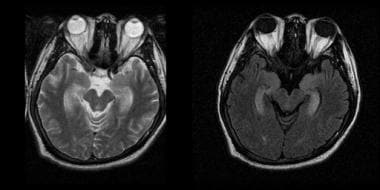
| Media file 1: Mesial temporal hyperintensity demonstrated on T2-weighted (left) and fluid-attenuated inversion recovery (FLAIR, right) MRI | |
![]() | View Full Size Image | Media type: MRI |
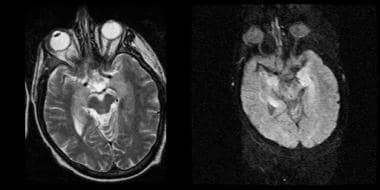
| Media file 2: Paraneoplastic encephalomyelitis. | |
![]() | View Full Size Image | Media type: MRI |
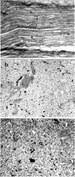
| Media file 3: Paraneoplastic encephalomyelitis. | |
![]() | View Full Size Image | Media type: MRI |
Paraneoplastic Encephalomyelitis excerpt
Article Last Updated: Jan 5, 2007