Continually Updated Clinical Reference
 
 
  All Sources     eMedicine     Medscape     Drug Reference     MEDLINE
 
eMedicine - Heavy Chain Disease, Gamma : Article by

Quick Find
Authors & Editors
Introduction
Clinical
Differentials
Workup
Treatment
Medication
Follow-up
Miscellaneous
References

Related Articles
Chronic Lymphocytic Leukemia

Heavy Chain Disease, Mu

Lymphoma, B-Cell


Patient Education
Click here for patient education.


Author: Wendy Brick, MD, Consulting Staff, Department of Internal Medicine, Division of Hematology and Oncology, Mecklenburg Medical Group

Wendy Brick is a member of the following medical societies: Alpha Omega Alpha, American College of Physicians, American Medical Association, American Society of Clinical Oncology, and American Society of Hematology

Coauthor(s): Guy B Faguet, MD, Former Professor, Department of Medicine, Section of Hematology and Oncology, Medical College of Georgia; Russell Burgess, MD, Department of Internal Medicine, Division of Hematology/Oncology, East Carolina Internal Medicine

Editors: Pradyumma D Phatak, MD, Chair, Associate Professor, Department of Internal Medicine, Division of Hematology and Medical Oncology, Rochester General Hospital; Francisco Talavera, PharmD, PhD, Senior Pharmacy Editor, eMedicine; Troy H Guthrie, Jr, MD, Director of Cancer Institute, Baptist Medical Center; Rajalaxmi McKenna, MD, FACP, Consulting Staff, Department of Medicine, Southwest Medical Consultants, SC, Good Samaritan Hospital, Advocate Health Systems; Emmanuel C Besa, MD, Professor, Department of Medicine, Division of Hematologic Malignancies, Kimmel Cancer Center, Thomas Jefferson University

Author and Editor Disclosure

Synonyms and related keywords: HCD, gamma-HCD, Franklin disease, rheumatoid arthritis, Sjögren syndrome, lupus erythematosus, autoimmune hemolytic anemia, lymphadenopathy, hepatosplenomegaly, heavy-chain disease, lymphoplasmacytic proliferative disorders

Background

The heavy chain diseases (HCDs) are lymphoplasmacytic proliferative disorders characterized by the uncontrolled production of abnormal, often structurally incomplete, immunoglobulin heavy chains. These heavy chains are produced uncoupled from light chains and may exist in serum, urine, or both. HCDs are divided according to immunoglobulin type, ie, immunoglobulin G (IgG), IgM, IgA, and IgD. No IgE HCD is yet known. The most often-studied HCD is gamma-HCD, or Franklin disease, which was first reported by Franklin in 1963. Up to a third of patients with gamma-HCD have an associated autoimmune disorder (eg, rheumatoid arthritis, Sjögren syndrome, lupus erythematosus, autoimmune hemolytic anemia).

Pathophysiology

A mutant cell, which is derived from a normal immunoglobulin-producing cell, may produce the abnormal protein in Franklin disease. Researchers describe many different genetic alterations that affect both the constant and variable regions. Although the gamma-HCD proteins may be complete, most have deletions causing reductions in the heavy chain length. Missing portions of the protein consist of 2 major types.

The first type is characterized by deletions of parts of the V (variable) region and CH1 (constant) domain, leaving a normal hinge region. The second type of deletion encompasses the hinge region. The aberrant chains produced are often 50-66% the length of a normal heavy chain and tend to polymerize with each other. The synthesis of light chains is also down-regulated, suggesting either a 2-gene defect or a negative feedback effect.

Frequency

United States

The condition is uncommon.

International

The condition is uncommon.

Mortality/Morbidity

Patients with gamma-HCD usually present with a lymphomalike illness with lymphadenopathy, hepatosplenomegaly, and sometimes B symptoms. Although researchers note long, uneventful clinical courses in a few patients, most have an unfavorable prognosis. The course is generally malignant, with expected survival of only months to 5 years, depending on the disease state at diagnosis. The disease may rapidly progress or wax and wane. Most patients eventually succumb to bacterial infections.

Race

HCD reportedly occurs in whites, Asians, and blacks.

Sex

The disorder is slightly more common in males than females.

Age

Age at diagnosis ranges from 9-88 years; median age at onset is 60 years.


History

Patients often report a history of progressive weakness, fatigue, and intermittent fevers. Lymphadenopathy, splenomegaly, and hepatomegaly are common. Other features include parotid gland tenderness, severely sore tongue, autoimmune hemolytic anemia, and purpura. The clinical course ranges from rapidly progressive, resulting in death within a few weeks, to asymptomatic chronic disease. Because so few patients have been reported with HCD, projecting a median survival time is difficult. However, from 49 described patients, the median survival time was 12 months.

  • Symptoms of gamma-HCD are variable but include the following:
    • Fevers are frequently recurrent and are secondary to impairment of both cellular and humoral immunity.
    • Malaise may be secondary to the disease state itself or to an anemia. Mild anemia is universal in patients with HCD.
    • Dysphagia is usually caused by edema of the soft palate, secondary to progressive lymphadenopathy of the Waldeyer ring. This edema may also lead to tongue soreness.
    • Recurrent upper respiratory tract infections develop because of impaired humoral and cellular immunity. Edema of the upper respiratory tract, observed when lymphoid tissue of the oropharynx enlarges, may contribute to recurrent upper respiratory tract infections by reducing the ability to rid the airway of pathogens.
    • Splenomegaly, hepatomegaly, and/or abdominal lymphadenopathy cause abdominal pain and are often associated with gamma-HCD.

Physical

  • Lymphadenopathy
    • Develops in 60% of patients and may wax and wane
    • Commonly involves cervical, axillary, thoracic, and abdominal nodes
    • Also involves Waldeyer ring and mesenteric lymph nodes, often leading to an edematous tongue and soft palate
    • Becomes more pronounced as disease progresses
  • Hepatosplenomegaly (60%)
  • Parotid gland swelling
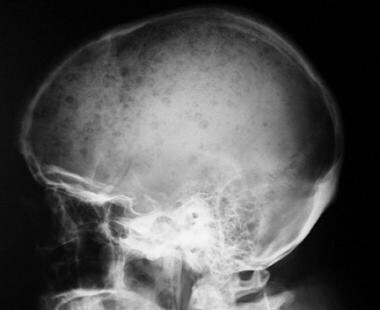
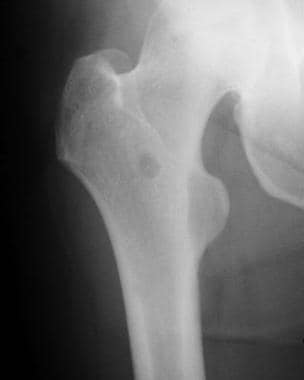
  • Lytic lesions of the bones, similar to those observed in multiple myeloma (only occasionally)

Causes

Causes or risk factors for gamma-HCD are not known.


Chronic Lymphocytic Leukemia
Heavy Chain Disease, Mu
Lymphoma, B-Cell

Other Problems to be Considered

Plasma cell leukemia


Lab Studies

  • Immunoelectrophoresis or immunofixation of serum and urine
    • Conduct immunoelectrophoresis or immunofixation to detect the monoclonal gamma heavy chain without an associated light chain.
    • Immunoselection combined with immunophoresis is the most reliable test but is not available at all institutions.
  • Order serum and/or urine protein electrophoresis, which often shows a more broad-based band than the typical M-spike diagnostic of a monoclonal protein. The abnormal band often migrates to the beta region and not to the gamma region.
  • CBC count
    • This test may reveal a mild normochromic-normocytic anemia, which develops in virtually all patients.
    • A peripheral blood smear may demonstrate eosinophilia, neutropenia, and lymphoid plasma cells. Rouleaux formation may also be noted.
    • Creatinine level is important because renal function occasionally decreases from nodular glomerulosclerosis, precipitated by deposition of the monoclonal heavy chains.
  • Uric acid level: Hyperuricemia is common in affected patients.

Procedures

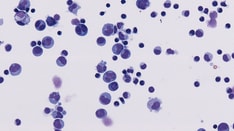
  • Bone marrow biopsy with aspirate: This test often reveals increased numbers of plasma cells, lymphocytes, and large immunoblasts, although biopsy and aspirate findings are sometimes normal. Eosinophilia is also a commonly recognized feature and is occasionally the only abnormality noted in the marrow.
  • Lymph node biopsy
    • Even though gamma-HCD does not have specific histologic patterns, this procedure may exclude other causes of lymphadenopathy.
    • The lymph node biopsy may also reveal pleomorphic lymphocytes, plasma cells, or findings suggesting granulomatous disease.

Histologic Findings

Bone marrow biopsy and aspirate findings may be normal but often reveal increased numbers of plasma cells, lymphocytes, and large immunoblasts. Eosinophilia is also a commonly recognized feature and is sometimes the only abnormality noted in the marrow. The lymph node may reveal pleomorphic lymphocytes, plasma cells, or findings suggesting granulomatous disease.


Medical Care

Treat only the symptomatic patient since chemotherapeutic results are often disappointing. Use chemotherapeutic agents that are effective in treating multiple myeloma (eg, cyclophosphamide, prednisone, vincristine, chlorambucil, doxorubicin). If remissions are achieved, they are usually short lived.

Consultations

  • Oncologists
  • Hematologists


Treat only symptomatic patients because results of chemotherapeutic approaches are often disappointing. Use agents that are effective in treating multiple myeloma.

Drug Category: Antineoplastic agents

Inhibit cell growth and proliferation.

Drug NameVincristine (Oncovin, Vincasar PFS)
DescriptionVesicant agent that blocks mitosis by arresting cells in metaphase.
Adult Dose0.4-2 mg/d IV; dose and frequency depend on the chosen chemotherapeutic regimen
Pediatric DoseAdminister as in adults
ContraindicationsDocumented hypersensitivity; significant neutropenia, unless neutropenia is caused by the disease being treated; bacterial infections
InteractionsAcute pulmonary reaction may occur when taken concurrently with Mitomycin-C
PregnancyC - Safety for use during pregnancy has not been established.
PrecautionsOnly administered by an oncologist trained to give chemotherapy; closely monitor for neutropenia; caution in severe cardiopulmonary impairment, hepatic impairment, and preexisting neuromuscular disease

Drug NameDoxorubicin (Adriamycin)
DescriptionAnthracycline and antimicrobial compound produced by streptomyces in culture, which causes topoisomerase-II–dependent DNA cleavage and intercalation with the DNA double helix.
Adult Dose9-30 mg/m2 IV continuous infusion qd; dose and frequency depend on chosen chemotherapeutic regimen chosen; when used to treat other malignancies, such as sarcomas and myelomas, the dose may be increased up to 70 mg/m2
Pediatric DoseAdminister as in adults
ContraindicationsDocumented hypersensitivity; severe CHF, cardiomyopathy; preexisting myelosuppression; impaired cardiac function; previous treatment with complete cumulative doses of doxorubicin, idarubicin, and/or daunorubicin
InteractionsVerapamil may increase cell toxicity; mercaptopurine increases toxicity; streptozocin inhibits metabolism; cyclophosphamide increases cardiac toxicity; cyclosporine may result in coma, seizure; phenobarbital increases elimination; decreases levels of digoxin, phenytoin
PregnancyD - Unsafe in pregnancy
PrecautionsExtravasation can result in severe tissue necrosis; caution in preexisting cardiac disease and impaired hepatic function; myocardial toxicity manifested by potentially fatal congestive heart failure may occur either during therapy or months to years after termination of therapy

Drug NameCyclophosphamide (Cytoxan)
DescriptionNitrogen-mustard alkylating compound that produces highly reactive carbonium ions, which react with electron-rich areas of susceptible molecules. Used to treat a large number of malignancies.
Adult Dose150-1000 mg/m2 IV; dose and frequency depend on chosen chemotherapeutic regimen
Pediatric DoseAdminister as in adults
ContraindicationsDocumented hypersensitivity; severely depressed bone marrow function
InteractionsAllopurinol may increase risk of bleeding or infection and enhance myelosuppressive effects; may potentiate doxorubicin-induced cardiotoxicity; may reduce digoxin serum levels and antimicrobial effects of quinolones; chloramphenicol may increase half-life of cyclophosphamide while decreasing metabolite concentrations; may increase effect of anticoagulants; coadministration with high doses of phenobarbital may increase rate of metabolism and leukopenic activity of cyclophosphamide; thiazide diuretics may prolong cyclophosphamide-induced leukopenia and neuromuscular blockade by inhibiting cholinesterase activity
PregnancyD - Unsafe in pregnancy
PrecautionsRegularly examine hematologic profile (particularly neutrophils and platelets) to monitor for hematopoietic suppression; regularly examine urine for RBCs, which may precede hemorrhagic cystitis

Drug NameChlorambucil (Leukeran)
DescriptionNitrogen-mustard alkylating agent, generally used for the treatment of chronic lymphocytic leukemia, Waldenström macroglobulinemia, and as a second- or third-line therapy for patients with lymphomas. Alkylates crosslink the strands of DNA, inhibiting DNA replication and RNA transcription. May be given as a single agent or as part of a multidrug treatment regimen; depending on protocol of choice, the dose and schedule of administration are decided.
Adult Dose0.1-0.2 mg/kg/d PO or 3-6 mg/m2/d PO for 3-6 wk; to be administered only by oncologist/ hematologist; adjust dose based on blood counts
Pediatric DoseNot established
ContraindicationsDocumented hypersensitivity; previous resistance to medication
InteractionsNone reported
PregnancyD - Unsafe in pregnancy
PrecautionsCaution in history of seizure disorders or diagnosed bone marrow suppression; secondary malignancies are potential delayed effects of many antineoplastic agents

Drug Category: Corticosteroids

Have anti-inflammatory properties and cause profound and varied metabolic effects. Modify the body's immune response to diverse stimuli.

Drug NamePrednisone (Deltasone, Sterapred, Orasone)
DescriptionSuppresses mRNA synthesis and causes lysis of lymphoid tumors. Cell death results from cell fragmentation.
Adult Dose40-60 mg/m2 PO qd or divided bid/qid; dose and frequency depend on chosen chemotherapeutic regimen
Pediatric DoseAdminister as in adults
ContraindicationsDocumented hypersensitivity; viral infection; peptic ulcer disease; hepatic dysfunction; connective-tissue infections; fungal or tubercular skin infections; GI disease
InteractionsCoadministration with estrogens may decrease clearance; concurrent use with digoxin may cause digitalis toxicity secondary to hypokalemia; phenobarbital, phenytoin, and rifampin may increase metabolism of glucocorticoids (consider increasing maintenance dose); monitor for hypokalemia with coadministration of diuretics
PregnancyC - Safety for use during pregnancy has not been established.
PrecautionsAbrupt discontinuation of glucocorticoids may cause adrenal crisis; hyperglycemia, edema, osteonecrosis, myopathy, peptic ulcer disease, hypokalemia, osteoporosis, euphoria, psychosis, myasthenia gravis, growth suppression, and infections may occur with glucocorticoid use


Complications

  • Infections, especially upper respiratory tract infections: Infections are secondary to impairment of both cellular and humoral immunity. Edema of the lymphoid tissue of the oropharynx reduces the ability to rid the airway of pathogens, perhaps by impairing the cough reflex. Most patients with HCD eventually succumb to bacterial infections.
  • Anemia: The anemia observed in patients with HCD may be either anemia of chronic disease or hemolytic anemia. An autoimmune hemolytic anemia is commonly seen in patients with HCD.
  • Increased incidence of fractures of long bones and vertebrae: HCD, as with multiple myeloma, may be associated with lytic lesions leading to increased incidence of fractures.

Prognosis

  • Prognosis is poor. The clinical course varies because some patients remain asymptomatic for months to years, while others have a waxing and waning course. Still others experience a rapidly progressive course with death occurring within months of diagnosis.


Medical/Legal Pitfalls

  • Failure to diagnose and treat: Although no good treatment exists for HCD, correct diagnosis and treatment may lead to better palliative care, including prophylactic antibiotics if clinically warranted.


  • Agrawal S, Abboudi Z, Matutes E, Catovsky D. First report of fludarabine in gamma-heavy chain disease. Br J Haematol. Nov 1994;88(3):653-5. [Medline].
  • Bloch KJ, Lee L, Mills JA, Haber E. Gamma heavy chain disease--an expanding clinical and laboratory spectrum. Am J Med. Jul 1973;55(1):61-70. [Medline].
  • Faguet GB, Barton BP, Smith LL, Garver FA. Gamma heavy chain disease: clinical aspects and characterization of a deleted, noncovalently linked gamma1 heavy chain dimer (BAZ). Blood. Apr 1977;49(4):495-505. [Medline].
  • Franklin EC. Some impacts of clinical investigation on immunology. Surface IgD, IgE, and heavy-chain variants. N Engl J Med. Mar 4 1976;294(10):531-7. [Medline].
  • Herzenberg AM, Lien J, Magil AB. Monoclonal heavy chain (immunoglobulin G3) deposition disease: report of a case. Am J Kidney Dis. Jul 1996;28(1):128-31. [Medline].
  • Husby G. Is there a pathogenic link between gamma heavy chain disease and chronic arthritis?. Curr Opin Rheumatol. Jan 2000;12(1):65-70. [Medline].
  • Husby G, Blichfeldt P, Brinch L, et al. Chronic arthritis and gamma heavy chain disease: coincidence or pathogenic link?. Scand J Rheumatol. 1998;27(4):257-64. [Medline].
  • Lyons RM, Chaplin H, Tillack TW, Majerus PW. Gamma heavy chain disease: rapid, sustained response to cyclophosphamide and prednisone. Blood. Jul 1975;46(1):1-9. [Medline].
  • Osserman EF, Merlini G, Butler VP Jr. Multiple myeloma and related plasma cell dyscrasias. JAMA. Nov 27 1987;258(20):2930-7. [Medline].
  • Tissot JD, Tridon A, Ruivard M, et al. Electrophoretic analyses in a case of monoclonal gamma chain disease. Electrophoresis. Jul 1998;19(10):1771-3. [Medline].

Heavy Chain Disease, Gamma excerpt

Article Last Updated: Sep 7, 2005