Continually Updated Clinical Reference
 
 
  All Sources     eMedicine     Medscape     Drug Reference     MEDLINE
 
eMedicine - Graves Disease : Article by

Quick Find
Authors & Editors
Introduction
Clinical
Differentials
Workup
Treatment
Medication
Follow-up
Miscellaneous
Multimedia
References

Related Articles
Anxiety Disorders

Hashimoto Thyroiditis

Hyperemesis Gravidarum

Pheochromocytoma

Pituitary Macroadenomas

Pituitary Microadenomas

Struma Ovarii

Thyroid, Papillary Carcinoma

Thyroiditis, Subacute

Toxicity, Cocaine

Wolff-Parkinson-White Syndrome


Patient Education
Endocrine System Center

Thyroid Problems Overview

Thyroid Problems Causes

Thyroid Problems Symptoms

Thyroid Problems Treatment


Author: Sai-Ching Jim Yeung, MD, PhD, FACP, Deputy Section Chief of Emergency Care, Assistant Professor, Department of General Internal Medicine, Ambulatory Treatment and Emergency Care, University of Texas MD Anderson Cancer Center

Sai-Ching Jim Yeung is a member of the following medical societies: American Association for Cancer Research, American College of Physicians, American Medical Association, American Thyroid Association, and Endocrine Society

Coauthor(s): Mouhammed Amir Habra, MD, Endocrine Fellow, Department of Endocrine Neoplasia and Hormonal Disorders, University of Texas MD Anderson Cancer Center; Alice Cua Chiu, MD, Consulting Staff, Department of Internal Medicine, Division of Endocrinology, Columbia Bayshore Medical Center

Editors: Steven R Gambert, MD, Program Director, Physician-in-Chief, Professor, Department of Internal Medicine, Sinai Hospital, Johns Hopkins University School of Medicine; Francisco Talavera, PharmD, PhD, Senior Pharmacy Editor, eMedicine; Kent Wehmeier, MD, Professor, Department of Internal Medicine, Division of Endocrinology, Diabetes, and Metabolism, St Louis University School of Medicine; Mark Cooper, MBBS, PhD, FRACP, Head, Diabetes & Metabolism Division, Baker Heart Research Institute, Professor of Medicine, Monash University; George T Griffing, MD, Professor of Medicine, Director of General Internal Medicine, St Louis University

Author and Editor Disclosure

Synonyms and related keywords: Graves' disease, diffuse toxic goiter, thyrotoxicosis, hyperthyroidism, Basedow's disease, Basedow disease, autoimmune thyroid disorder, autoimmune polyglandular syndrome, pernicious anemia, vitiligo, diabetes mellitus type 1, autoimmune adrenal insufficiency, systemic lupus erythematosus, thyroid antigens, thyroglobulin, thyroperoxidase, sodium-iodide symporter, TSH receptor, life-threatening thyrotoxic crisis, thyroid storm, Graves ophthalmopathy, thyroid acropachy, severe weight loss, osteoporosis, apathetic hyperthyroidism, cardiac hypertrophy, CTLA-4, pretibial myxedema, palpitation, nervousness, tremor, heat intolerance, hyperdefecation, inability to concentrate, proximal muscle weakness, easy fatigability with physical activity, proptosis, lid retraction, lacrimation, gritty sensation in the eye, photophobia, eye pain, diplopia, hyperhidrosis, increased sweating, restlessness, anxiety, irritability, insomnia, thyrotoxic periodic paralysis, onycholysis, alopecia, hyperactive deep-tendon reflexes, brisk deep-tendon reflexes, hypokalemic periodic paralysis, atrial fibrillation, cardiomyopathy, elevated transaminases, lid lag, irregular menstrual periods, gynecomastia, impotence, increased sex hormone–binding globulin levels, decreased free testosterone levels, decreased parathyroid hormone levels, decreased total cholesterol, decreased triglycerides, hand tremor, thyroid bruits, conjunctival injection, conjunctival chemosis, Yersinia enterocolitica, postpartum thyroid syndrome, use of interferons, use of interleukins, injection of percutaneous ethanol

Background

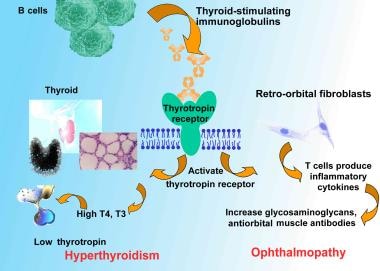
Graves disease, named after Robert J. Graves, MD,1 circa 1830s, is an autoimmune disease characterized by hyperthyroidism due to circulating autoantibodies. Thyroid-stimulating immunoglobulins (TSIs) bind to and activate thyrotropin receptors, causing the thyroid gland to grow and the thyroid follicles to increase synthesis of thyroid hormone. Graves disease, along with Hashimoto thyroiditis, is classified as an autoimmune thyroid disorder. In some patients, Graves disease represents a part of more extensive autoimmune processes leading to dysfunction of multiple organs (eg, autoimmune polyglandular syndromes). Graves disease is associated with pernicious anemia, vitiligo, diabetes mellitus type 1, autoimmune adrenal insufficiency, systemic sclerosis, myasthenia gravis, Sjögren syndrome, rheumatoid arthritis, and systemic lupus erythematosus.2

Pathophysiology

In Graves disease, B and T lymphocyte-mediated autoimmunity are known to be directed at 4 well-known thyroid antigens: thyroglobulin, thyroid peroxidase, sodium-iodide symporter, and the thyrotropin receptor. However, the thyrotropin receptor itself is the primary autoantigen of Graves disease and is responsible for the manifestation of hyperthyroidism. In this disease, the antibody and cell-mediated thyroid antigen-specific immune responses are well defined. Direct proof of an autoimmune disorder that is mediated by autoantibodies is the development of hyperthyroidism in healthy subjects by transferring thyrotropin receptor antibodies in serum from patients with Graves disease and the passive transfer of thyrotropin receptor antibodies to the fetus in pregnant women.

The thyroid gland is under continuous stimulation by circulating autoantibodies against the thyrotropin receptor, and pituitary thyrotropin secretion is suppressed because of the increased production of thyroid hormones. The stimulating activity of thyrotropin receptor antibodies is found mostly in the immunoglobulin G1 subclass. These thyroid-stimulating antibodies cause release of thyroid hormone and thyroglobulin that is mediated by 3,'5'-cyclic adenosine monophosphate (cyclic AMP), and they also stimulate iodine uptake, protein synthesis, and thyroid gland growth.

The anti-sodium-iodide symporter, antithyroglobulin, and antithyroid peroxidase antibodies appear to have little role in the etiology of hyperthyroidism in Graves disease. However, they are markers of autoimmune disease against the thyroid. Intrathyroidal lymphocytic infiltration is the initial histologic abnormality in persons with autoimmune thyroid disease and can be correlated with the titer of thyroid antibodies. Besides being the source of autoantigens, the thyroid cells express molecules that mediate T cell adhesion and complement regulation (Fas and cytokines) that participate and interact with the immune system. In these patients, the proportion of CD4 lymphocytes is lower in the thyroid than in the peripheral blood. The increased Fas expression in intrathyroidal CD4 T lymphocytes may be the cause of CD4 lymphocyte reduction in these individuals.

Several autoimmune thyroid disease susceptibility genes have been identified: CD40, CTLA-4, thyroglobulin, TSH receptor, and PTPN22.3 Some of these susceptibility genes are specific to either Graves disease or Hashimoto thyroiditis, while others confer susceptibility to both conditions. The genetic predisposition to thyroid autoimmunity may interact with environmental factors or events to precipitate the onset of Graves disease.

Frequency

United States

Graves disease is the most common cause of hyperthyroidism in the United States. A study conducted in Olmstead County, Minnesota estimated the incidence to be approximately 30 cases per 100,000 persons per year.4 The prevalence of maternal thyrotoxicosis is approximately 1 case per 500 persons, with maternal Graves disease being the most common etiology. Commonly, patients have a family history involving a wide spectrum of autoimmune thyroid diseases, such as Graves disease, Hashimoto thyroiditis, or postpartum thyroiditis, among others.

International

Among the causes of spontaneous thyrotoxicosis, Graves disease is the most common. Graves disease represents 60-90% of all causes of thyrotoxicosis in different regions of the world. In the Wickham Study in the United Kingdom, the incidence is reported as 100-200 cases per 100,000 population per year.5 A recent update of the incidence in women reports a rate of 80 cases per 100,000 women per year.6

Mortality/Morbidity

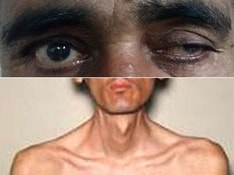
If left untreated, Graves disease can cause severe thyrotoxicosis. A life-threatening thyrotoxic crisis (ie, thyroid storm) can occur. Long-standing severe thyrotoxicosis leads to severe weight loss with catabolism of bone and muscle. Cardiac complications and psychocognitive complications can cause significant morbidity. Graves disease is also associated with ophthalmopathy, dermopathy, and acropachy.

  • Thyroid storm is an exaggerated state of manifestation of thyrotoxicosis.7 It occurs in patients who have unrecognized or inadequately treated thyrotoxicosis and a superimposed precipitating event such as thyroid surgery, nonthyroidal surgery, infection, or trauma. When thyroid storm was first described, the acute mortality rate was nearly 100%. In current practice, with aggressive therapy and early recognition of the syndrome, the mortality rate is approximately 20%.8
  • Long-term excess of thyroid hormone can lead to osteoporosis in men and women. The effect can be particularly devastating in women, in whom the disease may compound the bone loss secondary to chronic anovulation or menopause. Bone loss is accelerated in patients with hyperthyroidism. The increase in bone loss can be demonstrated by increased urinary pyridinoline cross-link excretion. Serum calcium and phosphate, plasma FGF-23 were significantly higher in the patients with Graves disease than in healthy control subjects,9 suggesting that FGF-23 is physiologically related to serum phosphate homeostasis in untreated Graves disease.
  • Hyperthyroidism increases muscular energy expenditure and muscle protein breakdown. These abnormalities may explain the sarcopenia and myopathy observed in patients with hyperthyroid Graves disease.
  • Cardiac hypertrophy has been reported in thyrotoxicosis of different etiologies. Rhythm disturbances such as extrasystolic arrhythmia, atrial fibrillation, and flutter are common. Cardiomyopathy and congestive heart failure can occur. 
  • Psychiatric manifestations such as mood and anxiety disorders are common.10 Subjective cognitive dysfunction are often reported by Graves disease patients and may be due to affective and somatic manifestations of thyrotoxicosis, which remit after treatment of Graves thyrotoxicosis.11
  • Nonpitting edema is the most prevalent form of dermopathy (about 40%) and are primarily in the pretibial area. The nearly all (>95%) patients with dermopathy had ophthalmopathy.12 Advanced forms of dermopathy are elephantiasis or thyroid acropachy.  Severe acropachy can be disabling and can lead to total loss of hand function.
  • Progression of ophthalmopathy can lead to compromised vision and blindness. Visual loss due to corneal lesions or optic nerve compression can be seen in severe Graves ophthalmopathy.
  • Maternal Graves disease can lead to neonatal hyperthyroidism by transplacental transfer of thyroid-stimulating antibodies. Approximately 1-5% of children of mothers with Graves disease (usually with high TSI titer) are affected. Usually, the TSI titer falls during pregnancy.
  • Elderly individuals may develop apathetic hyperthyroidism, and the only presenting features may be unexplained weight loss or cardiac symptoms such as atrial fibrillation and congestive heart failure.

Race

  • In whites, autoimmune thyroid diseases are, based on linkage analysis, linked with the following loci: AITD1, CTLA4, GD1, GD2, GD3, HT1, and HT2. Different loci have been reported to be linked with autoimmune thyroid diseases in persons of other races.
  • Susceptibility is influenced by genes in the human leukocyte antigen (HLA) region on chromosome 6 and in CTLA4 on band 2q33. Association with specific HLA haplotypes has been observed and is found to vary with ethnicity.

Sex

  • As with most autoimmune diseases, susceptibility is increased in females. Hyperthyroidism due to Graves disease has a female-to-male ratio of 7-8:1.
  • The female-to-male ratio for pretibial myxedema is 3.5:1. Only 7% of patients with localized myxedema have thyroid acropachy.
  • Unlike the other manifestations of Graves disease, the female-to-male ratio for thyroid acropachy is 1:1.

Age

  • Typically, Graves disease is a disease of young women, but it may occur in persons of any age.
  • The typical age range is 20-40 years.
  • Most affected women are aged 30-60 years.


History

  • Because Graves disease is an autoimmune disorder that also affects other organ systems, taking a careful patient history is essential to establishing the diagnosis.
  • In some cases, the history might suggest a triggering factor such as trauma to the thyroid, including surgery of the thyroid gland, percutaneous injection of ethanol, and infarction of a thyroid adenoma. Other factors might include interferon (eg, interferon beta-1b) or interleukin (IL-4) therapy.
  • Patients usually present with symptoms typical of thyrotoxicosis. Hyperthyroidism is characterized by both increased sympathetic and decreased vagal modulation.13 Tachycardia and palpitation are very common symptoms.
  • Not all patients present with such classic features. In fact, a subset of patients with euthyroid Graves disease is described.
  • In elderly individuals, fewer symptoms are apparent to the patient. Clues may include unexplained weight loss, hyperhidrosis, or rapid heart beat.
  • Young adults of Southeast Asian descent may complain of sudden paralysis thought to be related to thyrotoxic periodic paralysis. There is an association of polymorphisms of the calcium channel alpha1-subunit gene with thyrotoxic periodic paralysis.14 
  • The symptoms of Graves disease, organized by systems, are as follows:
    • General - Fatigue, general weakness 
    • Dermatologic - Warm, moist, fine skin; sweating; fine hair; onycholysis; vitiligo; alopecia; pretibial myxedema
    • Neuromuscular - Tremors, proximal muscle weakness, easy fatigability, periodic paralysis in persons of susceptible ethnic groups
    • Skeletal - Back pain, loss of stamina, history of fractures
    • Cardiovascular - Palpitations, dyspnea on exertion, chest pain, edema
    • Respiratory - Dyspnea
    • Gastrointestinal - Increased bowel motility, hyperdefecation with or without diarrhea
    • Ophthalmologic - Tearing, gritty sensation in the eye, photophobia, eye pain, protruding eye, diplopia, visual loss 
    • Renal - Polyuria, polydipsia
    • Hematologic - Easy bruising
    • Metabolic - Heat intolerance, weight loss despite increase or similar appetite, worsening diabetes control
    • Endocrine/reproductive - Irregular menstrual periods, decreased menstrual volume, gynecomastia, impotence
    • Psychiatric - Restlessness, anxiety, irritability, insomnia

Physical

  • Most of the physical findings are related to thyrotoxicosis.
  • Physical findings that are unique to Graves disease but not associated with other causes of hyperthyroidism include ophthalmopathy and dermopathy. Myxedematous changes of the skin (usually in the pretibial areas) are described as resembling an orange peel in color and texture. Onycholysis can be seen usually in the fourth and fifth fingernails.
  • The presence of a diffusely enlarged thyroid gland, thyrotoxic signs and symptoms, together with evidence of ophthalmopathy or dermopathy, can establish the diagnosis.
  • Common physical findings, organized by anatomic regions, are as follows:
    • General - Increased basal metabolic rate, weight loss despite increase or similar appetite
    • Skin - Warm, most, fine skin; increased sweating; fine hair; vitiligo; alopecia; pretibial myxedema
    • Head, eyes, ears, nose, and throat - Chemosis, conjunctival irritation, widening of the palpebral fissures, lid lag, lid retraction, proptosis, impairment of extraocular motion, visual loss in severe optic nerve involvement, periorbital edema
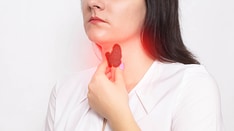
    • Neck - Upon careful examination, the thyroid gland generally is diffusely enlarged and smooth; a well-delineated pyramidal lobe may be appreciated upon careful palpation; thyroid bruits and, rarely, thrills may be appreciated; thyroid nodules may be palpable.
    • Chest - Gynecomastia, tachypnea, tachycardia, murmur, hyperdynamic precordium, S3, S4 heart sounds, ectopic beats, irregular heart rate and rhythm
    • Abdomen - Hyperactive bowel sound
    • Extremities - Edema, acropachy, onycholysis
    • Neurologic - Hand tremor (fine and usually bilateral), hyperactive deep tendon reflexes
    • Musculoskeletal - Kyphosis, lordosis, loss of height, proximal muscle weakness, hypokalemic periodic paralysis in persons of susceptible ethnic groups
    • Psychiatric - Restlessness, anxiety, irritability, insomnia, depression
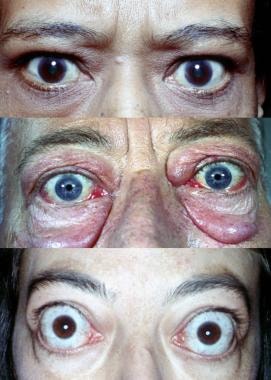
  • Ophthalmopathy is a hallmark of Graves disease.
    • Approximately 25-30% of patients with Graves disease have clinical evidence of Graves ophthalmopathy. Thyrotropin receptor is highly expressed in the fat and connective tissue of patients with Graves ophthalmopathy.
    • Measuring diplopia fields, eyelid fissures, range of extraocular muscles, visual acuity, and proptosis provides quantitative assessment to follow the course of ophthalmopathy.
    • Signs of corneal or conjunctival irritation include conjunctival injection and chemosis.
    • A complete ophthalmologic examination, including retinal examination and slit-lamp examination by an ophthalmologist, is indicated if the patient is symptomatic.
  • Although thyroid nodule(s) may be present, excluding multinodular toxic goiter (especially in older patients) as the cause of thyrotoxicosis is essential. The approach to treatment may be different. Excluding thyroid neoplasia is also important in these patients because reports have indicated that differentiated thyroid cancer is probably more common in patients with Graves disease and may also have a more aggressive course in these patients.

Causes

  • Graves disease is autoimmune in etiology, and the immune mechanisms involved may be one of the following:
    • Expression of a viral antigen (self-antigen) or a previously hidden antigen
    • The specificity crossover between different cell antigens with an infectious agent or a superantigen
    • Alteration of the T cell repertoire, idiotypic antibodies becoming pathogenic antibodies
    • New expression of HLA class II antigens on thyroid epithelial cells (eg, HLA-DR antigen)
  • The autoimmune process in Graves disease is influenced by a combination of environmental and genetic factors.
    • Several autoimmune thyroid disease susceptibility genes have been identified: CD40, CTLA-4, thyroglobulin, TSH receptor, and PTPN22.3 Some of these susceptibility genes are specific to either Graves disease or Hashimoto thyroiditis, while others confer susceptibility to both conditions. HLA-DRB1 and HLA-DQB1 also appear to be associated with Graves disease susceptibility. Genetic factors contribute approximately 20-30% of overall disease susceptibility.
      • Cytotoxic T lymphocyte-associated molecule-4 (CTLA4) is a major thyroid autoantibody susceptibility gene,15, 16 and it is a negative regulator of T-cell activation and may play an important role in the pathogenesis of Graves disease. The G allele of exon1 +49 A/G single nucleotide polymorphism (SNP) of the CTLA4 gene influences higher TPOAb and TgAb production in patients who are newly diagnosed with Graves disease.15 This SNP of the CTLA4 gene can also predict recurrence of Graves disease after cessation of thionamide treatment.17 
      • There is an association of a C/T SNP in the Kozak sequence of CD40 with Graves disease.18, 3 
      • The association of SNPs in PTPN22 varies among autoimmune diseases individually or as part of a haplotype, and the mechanisms by which PTPN22 confers susceptibility to Graves disease may differ from other autoimmune diseases.19
      • Alleles of intron 7 of the thyrotropin receptor gene (TSHR) have also been shown to contribute to susceptibility to Graves disease.
    • Environmental factors associated with susceptibility are largely unproven. Other factors include infection, iodide intake, stress, female sex, steroids, and toxins. Smoking has been implicated in the worsening of Graves ophthalmopathy.
      • Graves disease has been associated with a variety of infectious agents such as Yersinia enterocolitica and Borrelia burgdorferi. Homologies have been shown between proteins of these organisms and thyroid autoantigens.20, 21
      • Stress can be a factor for thyroid autoimmunity. Acute stress-induced immunosuppression may be followed by immune system hyperactivity, which could precipitate autoimmune thyroid disease.
        • This may occur during the postpartum period, in which Graves disease may occur 3-9 months after delivery.
        • Estrogen may influence the immune system, particularly the B-cell repertoire.
        • Both T- and B-cell function are diminished during pregnancy, and the rebound from this immunosuppression is thought to contribute to the development of postpartum thyroid syndrome.
        • Experimental evidence suggests that androgen protects against, and estrogen enhances, thyroiditis after thyroglobulin immunization. The experimental results provide evidence for a major influence of sex steroids on the development of Graves disease.
      • Interferon beta-1b and interleukin-4, when used therapeutically, may cause Graves disease.
      • Trauma to the thyroid has also been reported to be associated with Graves disease. This may include surgery of the thyroid gland, percutaneous injection of ethanol, and infarction of a thyroid adenoma.


Anxiety Disorders
Hashimoto Thyroiditis
Hyperemesis Gravidarum
Pheochromocytoma
Pituitary Macroadenomas
Pituitary Microadenomas
Struma Ovarii
Thyroid, Papillary Carcinoma
Thyroiditis, Subacute
Toxicity, Cocaine
Wolff-Parkinson-White Syndrome

Other Problems to be Considered

Drug-induced hyperthyroidism (eg, iodinated contrast, amiodarone, iodine supplements)
Drug-induced thyroiditis (eg, amiodarone, interferon-alfa)
Exogenous thyroid hormone (intentional or unintentional)
Radiation-induced thyroiditis
Toxic multinodular goiter
Trophoblastic tumors
Silent thyroiditis
Postpartum thyroiditis
Pituitary resistance to thyroid hormone
Abnormal thyroid-binding protein (eg, thyroxine autoantibodies, abnormal concentration or binding of thyroxine-binding globulin or transthyretin)

A summary of the differential diagnoses for thyrotoxicosis is as follows:

  • Graves disease: Special features include a diffusely enlarged thyroid gland, thyroid bruits, ophthalmopathy, pretibial myxedema, and the presence of TSIs.
  • Subacute thyroiditis: Special features include a history of antecedent respiratory tract infection, neck tenderness, elevated sedimentation rate, low or absent radioactive iodine uptake, and a self-limited course.
  • Silent thyroiditis: Special features include painless thyroiditis, which may be seen in postpartum women (postpartum thyroiditis); a self-limited course; and low radioiodine uptake.
  • Multinodular toxic goiter: Special features include a propensity to occur in elderly individuals and multiple nodules palpated or observed after thyroid scanning.
  • Toxic adenoma: Special features include a solitary palpable nodule and a hot nodule observed after thyroid scanning.
  • Factitious thyrotoxicosis: Special features include no goiter, a low thyroglobulin level, and low radioiodine uptake.
  • Iatrogenic thyrotoxicosis: The special feature is a history of thyroid hormone intake.
  • Iodide-induced thyrotoxicosis: The special feature is a propensity to occur in patients with a history of nodular thyroid disease who have been exposed to iodine-containing contrast agents or drugs such as amiodarone.
  • Thyrotropin-secreting pituitary adenoma: Special features include inappropriately elevated or normal thyrotropin levels in the setting of elevated free levothyroxine (T4) and free triiodothyronine (T3) levels, evidence of other pituitary hormone deficiencies, elevated alpha subunit level, and compressive symptoms.
  • Beta-human choriogonadotropin–induced thyrotoxicosis: Special features include a positive pregnancy test result, a history of hydatidiform mole, choriocarcinoma, and embryonal carcinoma of the testis. Also, rarely, it may be observed in normal gestation.


Lab Studies

  • Ultrasensitive (third-generation) thyrotropin assays remain the best screening test for thyroid disorders.
    • With the exception of thyrotropin-induced hyperthyroidism, subnormal or suppressed thyrotropin levels are seen in most patients with thyrotoxicosis.
    • Free T4 levels or the free T4 index is usually elevated, as is the free T3 level or free T3 index. Subclinical hyperthyroidism, defined as a free T4 or free T3 level within the reference range with suppressed thyrotropin, also can be seen.
    • On occasion, only the free T3 level is elevated, a syndrome known as T3 toxicosis. This may be associated with toxic nodular goiter or the ingestion of T3.
    • Assays for thyrotropin-receptor antibodies (particularly TSIs) almost always are positive.
    • Detection of TSIs is diagnostic for Graves disease.
    • The presence of TSIs is particularly useful in reaching the diagnosis in pregnant women, in whom the use of radioisotopes is contraindicated.
    • Other markers of thyroid autoimmunity, such as antithyroglobulin antibodies or antithyroidal peroxidase antibodies, are usually present.
    • Other autoantibodies that may be present include thyrotropin receptor–blocking antibodies and anti–sodium-iodide symporter antibody.
    • The presence of these antibodies supports the diagnosis of an autoimmune thyroid disease.
  • Liver function test results should be obtained to monitor for liver toxicity caused by thioamides (antithyroid medications).
  • A CBC count with differential should be obtained at baseline and with the development of fever or symptoms of infection. Graves disease may be associated with normocytic anemia, low-normal to slightly depressed total WBC count with relative lymphocytosis and monocytosis, low-normal to slightly depressed platelet count.  Thionamides may rarely cause severe hematologic side effects, but routine screening for these rare events is not cost-effective. 
  • Investigation of gynecomastia associated with Graves disease may reveal increased sex hormone–binding globulin levels and decreased free testosterone levels.
  • Graves disease may worsen diabetes control and may be reflected by an increase in hemoglobin A1C in diabetic patients.
  • A fasting lipid profile may show decreased total cholesterol levels and decreased triglyceride levels.
  • Thyrotropin-releasing hormone testing has largely been replaced by third-generation thyrotropin assays.
  • A high titer of serum antibodies to collagen XIII is associated with active Graves ophthalmopathy.

Imaging Studies

  • Radioactive iodine scanning and measurements of iodine uptake are useful in differentiating the causes of hyperthyroidism. In Graves disease, the radioactive iodine uptake is increased and the uptake is diffusely distributed over the entire gland.
  • Ultrasounds with color-Doppler evaluation have been found to be cost-effective and should be performed as a first step in all hyperthyroid patients, and that scintigraphic examination should be limited only to the uncommon cases in which physician's observation, laboratory assays, and/or ultrasounds are not diagnostic.22 A prospective trial showed that thyroid ultrasound findings are predictive of radioiodine treatment outcome and that in patients with Graves disease, normoechogenic and large glands are associated with increased radioresistance.23
  • Computed tomography scanning or magnetic resonance imaging (of the orbits) may be necessary in the evaluation of proptosis. If routinely performed, most patients have evidence of orbitopathy, such as an increased volume of extraocular muscles and/or retrobulbar connective tissue. These techniques are useful to monitor changes over time or to ascertain the effects of treatment.

Histologic Findings

In select cases in which thyroidectomy was performed for the treatment of severe hyperthyroidism, the thyroid glands from patients with Graves disease show lymphocytic infiltrates and follicular hypertrophy, with little colloid present.


Medical Care

Treatment involves alleviation of symptoms and correction of the thyrotoxic state. Adrenergic hyperfunction is treated with beta-adrenergic blockade. Correcting the high thyroid hormone levels can be achieved with antithyroid medications that block the synthesis of thyroid hormones or by treatment with radioactive iodine.

  • The most commonly used therapy for Graves disease is radioactive iodine. Indications for radioactive iodine over antithyroid agents include a large thyroid gland, multiple symptoms of thyrotoxicosis, high levels of thyroxine, and high titers of TSI. Information and guidelines are as follows:
    • Many physicians in the United States prefer to use radioactive iodine as first-line therapy, especially in younger patients, because of the high relapse rates (>50%) associated with antithyroid therapy.
    • Radioiodine treatment can be performed in an outpatient setting.
    • The usual dose ranges from 5-15 mCi, determined either by using various formulas that take into account the estimated thyroid weight and radioiodine uptake or by using fixed dosages of iodine I 131; detailed kinetic studies of 131I are not essential and do not lead to better treatment results. A fixed dose of 7 mCi has been advocated by some researchers as the first empirical dose in the treatment of hyperthyroidism. In general, higher dosages are required for patients who have large goiters, have low radioiodine uptake, or who have been pretreated with antithyroid drugs.
    • Patients currently taking antithyroid drugs must discontinue the medication at least 2 days prior to taking the radiopharmaceutical.24 In one study, withholding antithyroid drugs for just over 2 weeks before radioiodine treatment resulted in the lowest failure rate. Pretreatment with thioanmides reduces the cure rate of radioiodine therapy in hyperthyroid diseases, although a rise in TSH due to thionamides may alleviate this problem.25
    • Thyroid function test results generally improve within 6-8 weeks of therapy, but this can be highly variable.
    • With radioactive iodine, the desired result is hypothyroidism due to destruction of the gland, which usually occurs 2-3 months after administration.
    • Following up with the patient and monitoring thyroid function monthly or as the clinical condition dictates is important.
    • When patients become hypothyroid, they require lifelong replacement with thyroid hormone.
    • The possibility exists that radioactive iodine can precipitate thyroid storm by releasing thyroid hormones. This risk is higher in elderly and debilitated patients. This problem can be addressed by pretherapy administration with antithyroidal medication such as propylthiouracil or methimazole, but antithyroid medication also may decrease the effectiveness of radioiodine, as discussed above.
    • If thyroid function does not normalize within 6-12 months of treatment, a second course at a similar or higher dose can be given. Third courses are rarely needed.
    • Hypothyroidism may ensue in the first year in up to 90% of patients given higher doses of radioiodine. The incidence of permanent hypothyroidism is 3% per year many years after treatment.
    • Approximately one third of patients develop transient hypothyroidism. Unless a patient is highly symptomatic, thyroxine replacement may be withheld if hypothyroidism occurs within the first 2 months of therapy. If it persists for longer than 2 months, permanent hypothyroidism is likely and replacement with T4 should be initiated.
    • Radiation thyroiditis is rare, but it may occur and exacerbate thyrotoxicosis.
    • Long-term follow-up is mandatory for all patients.
    • One concern with the use of radioiodine in persons with Graves disease is its controversial potential for exacerbating existing Graves ophthalmopathy. However, the presence of ophthalmopathy should not influence the choice of therapy for hyperthyroidism. If possible in patients with mild progressive ophthalmopathy, institute a course of steroids (prednisone up to 1 mg/kg) for 2-3 months, tapering a few days before radioiodine therapy. For those with no obvious ophthalmopathy, the chances of exacerbation are much lower. In patients with severe Graves ophthalmopathy, treatment of hyperthyroidism and ophthalmopathy should proceed concurrently and independently of each other.
    • The absolute contraindication for radioiodine is pregnancy. No evidence of germ-line mutations has been demonstrated from gonadal exposure. The incidence of birth defects or abnormal pregnancies has not increased after radioiodine treatments.26 After radioiodine therapy, germinal epithelium and Leydig cell function may change marginally, which may have some clinical significance in male patients with preexisting fertility impairment.27
    • Because it is known that low-dose thyroid radiation exposure in children increases the risk of thyroid cancer later in life, larger doses of 131I are recommended for children.28  If patients are aged 6-10 years, ablative doses of 131I (100-150 mCi/g of thyroid tissue) may be used to prevent the survival of thyroid cells that may be transformed.
  • Graves ophthalmopathy
    • Graves ophthalmopathy can be divided into 2 clinical phases: the inflammatory stage and the fibrotic stage. The inflammatory stage is marked by edema and deposition of glycosaminoglycan in the extraocular muscles. This results in the clinical manifestations of orbital swelling, stare, diplopia, periorbital edema, and at times, pain. The fibrotic stage is a convalescent phase and may result in further diplopia and lid retraction. It improves spontaneously in 64% of patients.
    • Approximately 10-20% of patients have gradual progression of disease over many years, followed by clinical stability. Approximately 2-5% have progressive worsening of the disease, with visual impairment in some.
    • Correction of both hyperthyroidism and hypothyroidism is important for the ophthalmopathy. Antithyroid drugs and thyroidectomy do not influence the course of the ophthalmopathy, whereas radioiodine treatment may exacerbate preexisting ophthalmopathy but can be prevented by glucocorticoids. In the long term, thyroid ablation may be beneficial for ophthalmopathy because of the decrease in antigens shared by the thyroid and the orbit in the autoimmune reactions. In general, treatment of hyperthyroidism is associated with an improvement of ophthalmopathy, but hypothyroidism must be avoided because it worsens ophthalmopathy.
    • For mild-to-moderate ophthalmopathy, local therapeutic measures (eg, artificial tears and ointments, sunglasses, eye patches, nocturnal taping of the eyes, prisms, elevating the head at night) can control symptoms and signs.
    • If the disease is active, the mainstays of therapy are (1) high-dose glucocorticoids,29 (2) orbital radiotherapy, (3) both, or (4) orbital decompression. For severe or progressive disease, glucocorticoids at 40 mg/d (usual dose) may be tried. The drug should be continued until evidence of improvement and disease stability is observed. The dosage is then tapered over 4-12 weeks. High-dose pulse glucocorticoid therapy has also been used with good results.
    • If no response to therapy occurs in the inflammatory phase, orbital radiotherapy with or without steroids may be tried. Orbital radiotherapy does not increase the risk for radiation-induced tumors, cataract, and retinopathy, except in patients with diabetes with possible or definite retinopathy. Diuretics have a limited effect on the edema caused by venous engorgement of the orbit.
    • Gamma knife surgery has been attempted with success in a limited number of patients, but further studies are needed to validate this approach.
    • Surgical management is generally performed in the fibrotic phase, when the patient is euthyroid. See Surgical Care.
    • Novel treatments such as somatostatin analogs or intravenous immunoglobulins are under evaluation. Studies with octreotide LAR (long-acting, repeatable) show conflicting or marginal therapeutic benefit for patients with Graves ophthalmopathy.30, 31, 32  Infliximab, an anti-tumour necrosis factor alpha (TNF-α) antibody, has been reported to successfully treat a case of sight-threatening Graves ophthalmopathy.33 Rituximab, anti-CD20 monoclonal antibody, may transiently deplete B-lymphocytes and potentially suppress the active inflammatory phase of Graves ophthalmopathy (TAO).34 A multicentered prospective pilot study suggests that periocular injection of triamcinolone may reduce diplopia and the size of extraocular muscles in patients with Graves ophthalmopathy of recent onset. In a prospective randomized trial, pentoxifylline improved symptoms and proptosis in the inactive phase of Graves ophthalmopathy.
  • Pretibial myxedema
    • Some degree of pretibial (localized dermopathy) myxedema is observed in 5-10% of patients, with 1-2% having cosmetically significant lesions.
    • Affected patients tend to have more severe ophthalmopathy than those who are not affected.
    • It usually manifests as elevated, firm, nonpitting, localized thickening over the lateral aspect of the lower leg, with bilateral involvement. It also may involve the upper extremities.
    • Milder cases do not require therapy other than treatment of the thyrotoxicosis.
    • Therapy with topical steroids applied under an occlusive plastic dressing film (eg, Saran Wrap) for 3-10 weeks has been helpful.
    • In severe cases, pulse glucocorticoid therapy may be tried.
  • Acropachy
    • Clubbing of fingers with osteoarthropathy, including periosteal new bone formation, may occur.
    • This almost always occurs in association with ophthalmopathy and dermopathy.
    • No therapy has been proven to be effective.

Surgical Care

  • Indications and outcomes
    • Thyroidectomy is no longer the recommended first-line therapy for hyperthyroid Graves disease. However, a recent retrospective cohort study35 showed that one-third of all patients electing surgery as definitive management did so without a specific indication, and the patient satisfaction with the decision for surgery as definitive management of Graves disease was high.  Surgery is a safe alternative therapeutic option in patients who are noncompliant with or cannot tolerate antithyroid drugs, have moderate-to-severe ophthalmopathy, have large goiters, or refuse or cannot undergo radioiodine therapy.
    • Thyroidectomy may be appropriate in the presence of a thyroid nodule that is suggestive of carcinoma.
    • In certain cases (eg, in pregnant patients with severe hyperthyroidism), thyroidectomy may be indicated because radioactive iodine and antithyroid medications may be contraindicated.
    • It generally is reserved for patients with large goiters with or without compressive symptoms.
    • It also may be indicated in patients who refuse radioiodine as definitive therapy or in those in whom the use of antithyroid drugs and/or radioiodine does not control hyperthyroidism.
    • Surgery provides rapid treatment of Graves disease and permanent cure of hyperthyroidism in most patients, and it has "negligible mortality and acceptable morbidity" by experienced surgeons.36
  • Procedures and preparations
    • Preoperative preparation to render the patient euthyroid is essential in order to prevent thyrotoxic crisis (thyroid storm). The hyperthyroid state can be rapidly corrected using a combination of iopanoic acid, dexamethasone, beta-blockers, and thionamides.37
    • This can be accomplished with the use of antithyroid drugs for approximately 6 weeks, with or without concomitant beta-blockade.
    • Most surgeons administer iodine (as Lugol solution or saturated solution of potassium iodide to provide >30 mg of iodine/d) for 10 days before surgery to decrease thyroid gland vascularity, the rate of blood flow, and intraoperative blood loss during thyroidectomy.38 
    • With experienced surgeons, vocal cord paralysis due to superior or recurrent laryngeal nerve injury and hypoparathyroidism are rare adverse events, occurring in less than 1% of patients.
    • Subtotal thyroidectomy is usually used with the intention of leaving enough thyroid remnants behind to avoid hypothyroidism.
    • Importantly, keep in mind that the risk of recurrent hyperthyroidism potentially increases with larger remnant sizes. However, many studies have shown that the size of the remnant is not the only determinant of the risk of recurrence.
    • Iodine uptake and immunologic activity (eg, level of TSI) are just 2 of the other factors that influence the risk of recurrent hyperthyroidism.
    • If the goal of surgery is to avoid recurrent hyperthyroidism, near-total thyroidectomy has been advocated as the procedure of choice.
    • Regardless of the extent of surgery, all patients require long-term follow-up.
  • Ophthalmopathy
    • Near-total thyroidectomy has little, if any, effect on the course of ophthalmopathy.
    • If ophthalmopathy is severe but inactive, orbital decompression may be performed. Reducing proptosis and decompressing the optic nerve can be achieved by transantral orbital decompression.
    • The major adverse effect is postoperative diplopia, which may necessitate a second surgery on the extraocular muscles to correct the problem.
    • Rehabilitative (extraocular muscle or eyelid) surgery is often needed. Eyelid surgery (eg, severance of the Müller muscle, scleral or palatal graft insertion) can be performed to improve exposure keratitis.

Consultations

  • Consultation with an endocrinologist may be necessary for the management and regulation of thyroid hormone levels in atypical presentations, as follows:
    • Graves disease in pregnancy
    • Neonatal Graves disease management
    • Graves disease complicated by a nodular thyroid gland unresponsive to usual medical therapy or in older adults
  • Consultation with an ophthalmologist may be needed in the following situations:
    • Unilateral or bilateral proptosis
    • Workup of other etiologies for eye findings besides Graves disease
    • Follow-up of visual acuity, corneal disease prevention, and eye muscle function
  • Consultation with a dermatologist may be needed in patients with localized myxedema that is unresponsive to topical corticosteroids.

Diet

The amount of iodine in the diet can influence the hormone synthesis activity in the thyroid gland.

  • Iodine-containing food has different effects on thyroid uptake of 131I and technetium Tc 99m. Iodine-rich food decreases 131I uptake but increases 99mTc in most patients. However, the diagnostic value of a radioiodine uptake test to differentiate Graves disease and silent thyroiditis is not affected by dietary iodine intake. Iodine restriction before a radioiodine uptake test is unnecessary.
  • Dietary iodine intake may influence the remission rate after antithyroid drug therapy. This is based on the observation that the outcome of antithyroid therapy in the older literature showed lower remission rates compared with more recent studies and the average dietary iodine content has been decreasing over the years. However, a direct causal relationship has not been established by clinical trials.

Activity

Given the high-output state of the heart, strenuous exercise may be detrimental. The patient should be advised to avoid severe fatigue from exercise. Patients can use their pulse as a guide to activity.


The goals of pharmacotherapy are to reduce morbidity and to prevent complications.

Drug Category: Antithyroid agents

Thioamides function as antithyroid agents mainly by inhibiting iodide organification and coupling processes, thereby preventing synthesis of thyroid hormones. Half-life of T4 is 7 d in persons who are euthyroid and somewhat shorter in patients who are thyrotoxic. This accounts for a several-week delay in onset of clinical improvement in most patients. Agents have been reported to alter intrathyroidal immunoregulatory mechanisms. Only oral preparations are available, but they have been used as retention enemas in patients in whom oral intake is not possible or is contraindicated.

Although these agents fall under pregnancy category D, they have been used safely in many pregnant patients. Retrospective study indicates rate of major congenital malformations with propylthiouracil (3%) or methimazole (2.7%) was not significantly different from normal background rate (2-5%). Duration of treatment ranged from 0-23 wk, with doses ranging from 100-600 mg/d of propylthiouracil or 10-60 mg/d of methimazole.

Concentrations of methimazole are higher in breast milk; therefore, propylthiouracil is preferred in this patient population.

Risk of agranulocytosis is similar (0.2-0.5%) in members of this class. In general, propylthiouracil is associated with transaminase elevation in susceptible individuals, while methimazole may cause a cholestatic effect.

Drug NamePropylthiouracil
DescriptionDerivative of thiourea that inhibits organification of iodine by thyroid gland. Blocks oxidation of iodine in thyroid gland, thereby inhibiting thyroid hormone synthesis; inhibits T4-to-T3 conversion by blocking type I deiodinase (advantage over other agents). Usual course/duration of therapy is 1-2 y; sustained remission more likely after 1-2 y vs 3-6 mo of therapy.
Adult DoseInitial: 300-400 mg/d PO divided tid; not to exceed 1200 mg/d
Maintenance (patient euthyroid): 100-300 mg/d PO
If PO not possible, administer PR as retention enema with propylthiouracil dissolved in Fleet mineral oil, phospho soda, or water q6h in patients with thyroid storm (Yeung, 1995)
Pediatric Dose<6 years: 120-200 mg/m2/d PO divided tid initially
6-10 years: 50-150 mg/d or 5-7 mg/kg/d PO divided q6-8h
>10 years: 150-300 mg/d or 5-7 mg/kg/d PO divided q6-8h
Maintenance (patient euthyroid): 50 mg bid or 33-66% of initial dose
ContraindicationsDocumented hypersensitivity; breastfeeding
InteractionsHas anti–vitamin K activity; may potentiate activity of oral anticoagulants; propylthiouracil pretreatment reduces the cure rate of radioiodine therapy in Graves disease (Bonnema, 2004)
PregnancyD - Fetal risk shown in humans; use only if benefits outweigh risk to fetus
PrecautionsCross-sensitivity between thioamide compounds for minor reactions is low; if minor adverse effects occur (other than agranulocytosis), substitute thioamide; bleeding disorders or easy bruising; liver disease (anorexia, pruritus, RUQ pain, 3-fold elevation of transaminase levels); pregnancy; signs of infection; monitor WBC count and differential (rate of life-threatening infection related to agranulocytosis induced by antithyroid medication is 0.2-0.5%; agranulocytosis usually occurs 2-3 mo after starting therapy, unrelated to therapy dosage); pruritus to exfoliative dermatitis may result, cross-reactivity is not always seen with this adverse effect; ANCA-positive vasculitis (including vasculitic oral ulcers (Karincaoglu, 2006); ANCA-positive pyoderma gangrenosum (Gungor, 2006)

Drug NameMethimazole (Tapazole)
DescriptionInhibits thyroid hormone by blocking oxidation of iodine in thyroid gland; however, not known to inhibit peripheral conversion of thyroid hormone. Considerable debate surrounds optimal dosage/duration.
Adult Dose30-40 mg/d PO can reduce free thyroxine concentrations to normal or subnormal within 3 mo; 10 mg/d is less effective
Maintenance strategy 1 (patient euthyroid): Titration to maintain euthyroidism after initial normalization of thyroid hormone level
Maintenance strategy 2 (patient euthyroid): 40-60 mg/d PO to suppress thyroid hormone to hypothyroid levels in all patients; thyroxine supplements administered to the 40-mg group to establish and maintain euthyroid condition; relapse rates in patients receiving 60 mg/d with thyroxine supplements were significantly lower than in patients taking low doses alone with titration regimen (initially 15 mg bid)
Support for this method has not been found in the literature since its initial report
Initial: 15 mg/d PO for mild hyperthyroidism; 30-40 mg/d for moderate-to-severe; 60 mg/d for severe
Maintenance: 5-30 mg/d PO; some data suggest single qd dose of 30 mg/d to be as effective as divided doses of 10 mg tid
Thyroid storm or thyrotoxic crisis: 60-120 mg/d divided tid
Pediatric DoseAverage dose: 0.4-0.7 mg/kg/d PO divided tid
Maintenance: 50% initial dose; not to exceed 30 mg
ContraindicationsDocumented hypersensitivity; breastfeeding
InteractionsHas anti–vitamin K activity and may potentiate activity of oral anticoagulants
PregnancyD - Fetal risk shown in humans; use only if benefits outweigh risk to fetus
PrecautionsBleeding disorders and easy bruising; liver disease (anorexia, pruritus, RUQ pain, 3-fold elevation of transaminase levels); pregnancy; signs of infection; surgery; monitor WBC count and differential; also associated with cholestasis

Drug Category: Beta-adrenergic blocker

Both cardioselective and noncardioselective types are important adjuncts in treating hyperthyroidism. Beta-blockade provides rapid relief of hyperadrenergic symptoms and signs of thyrotoxicosis (eg, palpitations, tremors, anxiety, heat intolerance, various eyelid signs) before any decrease in thyroid hormone levels demonstrated. Also useful in preventing episodes of hypokalemic periodic paralysis in susceptible individuals. DOC for thyroiditis, which is self-limiting. Higher-dose propranolol can inhibit peripheral T4-to-T3 conversion. Also useful in preparing thyrotoxic patients for surgery.

Drug NamePropranolol (Inderal, Inderal LA)
DescriptionDOC in treating cardiac arrhythmias resulting from hyperthyroidism. Controls cardiac and psychomotor manifestations within minutes.
Drug completely absorbed from GI tract; because of extensive first-pass metabolism in liver, systemic bioavailability affected by hepatic blood flow, intrinsic clearance in liver, and genetic and age differences in individuals.
Dosage prediction for IV from prior PO difficult; therefore, careful titration of IV dose necessary.
Adult DoseInitial: 10 mg PO qid; increase until symptoms controlled
Maintenance: 40-60 mg PO qid; 120 mg qid has been used
Rapid control of thyroid storm: 1 mg/min IV; not to exceed 10 mg, with continuous ECG monitoring; may repeat in 4-6 h
Thyroid surgery preparation: Sole or adjunctive therapy for patients undergoing subtotal thyroidectomy, 20-40 mg qid titrated to achieve pulse rate of <90 bpm administered 4 d to 2 wk preoperatively and continued for 7-10 d postoperatively
Pediatric DoseNeonates: 2 mg/kg/d IV divided q6h as adjunct to antithyroid medications
Adolescents: 1-3 mg/dose IV once over 10 min; alternatively, 10-40 mg PO q6h
ContraindicationsDocumented hypersensitivity; bronchial asthma or chronic obstructive pulmonary disease; cardiogenic shock; overt cardiac failure; second- and third-degree AV block; severe sinus bradycardia
InteractionsCoadministration with aluminum salts, barbiturates, NSAIDs, penicillins, calcium salts, cholestyramine, and rifampin may decrease effects; calcium channel blockers, cimetidine, loop diuretics, and MAOIs may increase toxicity; toxicity of hydralazine, haloperidol, benzodiazepines, and phenothiazines may increase
PregnancyB - Fetal risk not confirmed in studies in humans but has been shown in some studies in animals
PrecautionsBeta-adrenergic blockade may decrease signs of acute hypoglycemia and hyperthyroidism; abrupt withdrawal may exacerbate symptoms of hyperthyroidism, including thyroid storm; withdraw drug slowly and monitor closely; caution in bronchospastic disease, cerebrovascular insufficiency, congestive heart failure, diabetes mellitus, hepatic disease, myasthenic conditions, peripheral vascular disease, and renal disease

Drug NameAtenolol (Tenormin)
DescriptionSelectively blocks beta1 receptors with little or no effect on beta2 types. Useful in treating cardiac arrhythmias resulting from hyperthyroidism.
Adult Dose50-100 mg/d PO
0.5 mg/min IV in 2.5-mg aliquots at 10-min interval between each; not to exceed 10 mg
Pediatric Dose0.3-1.4 mg/kg/d PO qd; may increase by increments of 0.5 mg/kg/d q3-4d; not to exceed 2 mg/kg/d
ContraindicationsDocumented hypersensitivity; congestive heart failure; pulmonary edema; cardiogenic shock; AV conduction abnormalities and heart block (without a pacemaker)
InteractionsCoadministration with aluminum salts, barbiturates, calcium salts, cholestyramine, NSAIDs, penicillins, and rifampin may decrease effects; haloperidol, hydralazine, loop diuretics, and MAOIs may increase toxicity
PregnancyD - Fetal risk shown in humans; use only if benefits outweigh risk to fetus
PrecautionsBeta-adrenergic blockade may reduce symptoms of acute hypoglycemia and mask signs of hyperthyroidism; abrupt withdrawal may exacerbate symptoms of hyperthyroidism and cause thyroid storm; monitor patients closely and withdraw drug slowly; during IV, carefully monitor BP, heart rate, and ECG; caution in bronchospastic disease, congestive heart failure, diabetes mellitus, patients receiving clonidine (stop atenolol several days prior to clonidine withdrawal), peripheral vascular disease, and renal disease

Drug NameMetoprolol (Lopressor, Toprol XL)
DescriptionSelective beta1-adrenergic receptor blocker that decreases automaticity of contractions. Useful in treating cardiac arrhythmias resulting from hyperthyroidism. During IV administration, carefully monitor BP, heart rate, and ECG.
Adult Dose50-450 mg PO qd, must be individualized with gradual increases at weekly intervals
2-20 mg IV qd, equivalent maximal beta-blockade achieved with PO-to-IV ratio of 2.5:1
Pediatric DoseNot established
ContraindicationsDocumented hypersensitivity; cardiogenic shock; myocardial infarction; heart rate <45 bpm; second- and third-degree heart block; PR interval >0.24 seconds; systolic BP <100 mm Hg; moderate-to-severe heart failure; overt cardiac failure; severe sinus bradycardia
InteractionsAluminum salts, barbiturates, NSAIDs, penicillins, calcium salts, cholestyramine, and rifampin may decrease bioavailability and plasma levels, possibly resulting in decreased pharmacologic effects; toxicity may increase with coadministration of sparfloxacin, phenothiazines, astemizole, calcium channel blockers, quinidine, flecainide, and contraceptives; may increase toxicity of digoxin, flecainide, clonidine, epinephrine, nifedipine, prazosin, verapamil, and lidocaine
PregnancyC - Fetal risk revealed in studies in animals but not established or not studied in humans; may use if benefits outweigh risk to fetus
PrecautionsBeta-adrenergic blockade may reduce signs and symptoms of acute hypoglycemia and may decrease clinical signs of hyperthyroidism; abrupt withdrawal may exacerbate symptoms of hyperthyroidism, including thyroid storm; monitor patient closely and withdraw drug slowly; during IV administration, carefully monitor BP, heart rate, and ECG

Drug Category: Iodines

Have long been used to treat thyrotoxicosis and are still important adjunctive therapy for hyperthyroidism in modern medicine. In pharmacologic concentrations (100-times normal plasma level), decrease activity of thyroid gland. Action involves decreasing thyroidal iodide uptake, decreasing iodide oxidation and organification, and blocking release of thyroid hormones (Wolff-Chaikoff effect).

Oral contrast agents ipodate or iopanoic acid also shown to be potent inhibitors of T4-to-T3 conversion, making them ideal for severe or decompensated thyrotoxicosis. Generally administered after thioamide is started. Also used as preoperative preparation for thyroid surgery for Graves disease.

In combination with thioamides and/or propranolol, iodines are used routinely before thyroidectomy. Iodines are given for 2-3 weeks before surgery and decrease vascularity of hyperthyroid gland. Making patient euthyroid before surgery prevents intraoperative and postoperative complications.

Drug NamePotassium iodide; Lugol solution (SSKI, Pima)
DescriptionInhibits thyroid hormone secretion.
Contains 5% iodine and 10% potassium iodide. Contains 8 mg of iodide per drop. May be mixed with juice or water for intake.
Adult Dose1-2 gtt tid mixed in juice or water
Preoperative reduction of thyroid gland vascularity: 60-250 mg (approximately 1-5 gtt of solution containing 1 g/mL) PO tid for 10 d before surgery
Administration dissolved in water has been given by retention enema to patient with thyroid storm (Yeung, 1995)
Pediatric DoseNeonate: 1 gtt q8h
Children: 2-5 gtt q8h
ContraindicationsDocumented hypersensitivity; pulmonary edema; bronchitis; tuberculosis; hyperkalemia; severe chronic reaction (iodism)
InteractionsIncreases lithium toxicity by producing additive hypothyroid effects
PregnancyD - Fetal risk shown in humans; use only if benefits outweigh risk to fetus
PrecautionsUse caution or avoid in acute bronchitis, hyperthyroidism, Addison disease, acute or chronic renal disease, tuberculosis, or acute dehydration; persons with goiter, autoimmune thyroid disease, or with hypocomplementemic vasculitis are at particular risk for adverse reactions; prolonged or excess use may lead to hypothyroidism, thyroid gland hyperplasia, goiter, or thyroid adenoma; use by nursing mothers may cause rash and thyroid suppression in infant; prolonged use may cause dermatitis

Drug NameDiatrizoate sodium (Hypaque sodium)
DescriptionBlocks release of thyroid hormones.
Adult Dose50-125 mL IV
Patients must be well hydrated prior to examination
Pediatric DoseAdjust dose proportionally to age and weight
ContraindicationsDocumented hypersensitivity
InteractionsWhen used with lithium, additive hypothyroid effects may be seen
PregnancyD - Fetal risk shown in humans; use only if benefits outweigh risk to fetus
PrecautionsMonitor for thromboembolic events that may cause MI and stroke

Drug NameIopanoic acid (Telepaque)
DescriptionOral contrast agent for rapid and significant inhibition of peripheral T4-to-T3 conversion. Inorganic iodide released also blocks release of thyroid hormones.
Adult Dose1-3 g/d PO divided bid
Pediatric DoseNeonates: 100-200 mg/d PO
Children: 0.6 g/m2/d PO
ContraindicationsDocumented hypersensitivity
InteractionsWhen used with lithium, additive hypothyroid effects may be seen
PregnancyD - Fetal risk shown in humans; use only if benefits outweigh risk to fetus
PrecautionsUse caution in hypersensitivity to iodinated products; possibility of hypotension increases with increased dosage; anuria may develop if agents are administered to patients with combined hepatic and renal disease or severe renal impairment; prolonged iodine storage in tissues may lead to rebound thyrotoxicosis with potential to cause thioamide resistance

Drug Category: Bile acid sequestrants

Based on the observation that a small portion of L-thyroxine is usually reabsorbed in the bowel and recycled in the enterohepatic circulation, exchange resins have been used to bind thyroid hormones in the GI tract. Enterohepatic circulation of thyroxine is increased in cases of hyperthyroidism.

Drug NameCholestyramine (Questran)
DescriptionCan be used to lower serum thyroid hormone levels. This cholesterol-lowering resin has been used as adjunctive therapy in management of hyperthyroid Graves disease. Proved to be effective and well-tolerated adjunctive therapy, leading to a more rapid reduction of thyroid hormone levels.
Adult Dose4 g PO q6h
Pediatric DoseNot established
ContraindicationsDocumented hypersensitivity
InteractionsInhibits absorption of numerous drugs, including warfarin, thyroid hormone, amiodarone, NSAIDs, methotrexate, digitalis glycosides, glipizide, phenytoin, imipramine, niacin, methyldopa, tetracyclines, clofibrate, hydrocortisone, and penicillin G
PregnancyC - Fetal risk revealed in studies in animals but not established or not studied in humans; may use if benefits outweigh risk to fetus
PrecautionsCaution in constipation and phenylketonuria

Drug Category: Antidepressants

Act in a manner similar to iodine but is not routinely used because of transient effect and risk of potentially serious adverse effects. Now primarily used as a backup agent when other first-line agents are contraindicated because of hypersensitivity or toxicity.

Drug NameLithium (Lithotabs, Eskalith, Lithobid)
DescriptionPatients intolerant to iodine can be treated with lithium, which also impairs thyroid hormone release. Can be used in patients who cannot take PTU or MMI. Use of iodine alone is debatable.
Adult Dose300-600 PO tid/qid in divided doses
Pediatric Dose<6 years: Not established
6-12 years: 15-60 mg/kg/d PO tid/qid; not to exceed usual adult dose
>12 years: Administer as in adults
ContraindicationsDocumented hypersensitivity; severe cardiovascular disease
InteractionsIncreases toxicity of thiazide diuretics, haloperidol, phenothiazines, neuromuscular blockers, carbamazepine, fluoxetine, and ACE inhibitors
PregnancyD - Fetal risk shown in humans; use only if benefits outweigh risk to fetus
PrecautionsToxicity is closely related to serum levels and can occur at therapeutic doses; serum determinations required to monitor therapy

Drug Category: Antiarrhythmics

Amiodarone, an iodinated benzofuran, is an important antiarrhythmic medication that also alters thyroid hormone metabolism. High iodine content of this molecule is responsible for hypothyroidism. On the other hand, amiodarone can lead to hyperthyroidism through 2 complex mechanisms. Type I amiodarone-induced thyrotoxicosis is due to increased thyroid hormone synthesis and release in patients with multinodular goiter or Graves disease, while type II amiodarone-induced thyrotoxicosis is a destructive thyroiditis with release of preformed thyroid hormone.

Drug NameAmiodarone (Cordarone)
DescriptionCase report described successful normalization of thyroid hormone level in a patient with Graves disease who had fulminant PTU-induced hepatitis. However, experience and information in treatment of Graves disease is scant.
Adult Dose200 mg PO qd
Pediatric DoseNot established
ContraindicationsDocumented hypersensitivity; complete AV block; intraventricular conduction defects; coadministration with ritonavir or sparfloxacin
InteractionsIncreases effect and blood levels of theophylline, quinidine, procainamide, phenytoin, methotrexate, flecainide, digoxin, cyclosporine, beta-blockers, and anticoagulants; cardiotoxicity increased by ritonavir, sparfloxacin, and disopyramide; coadministration with calcium channel blockers may cause additive effect and further decrease myocardial contractility; cimetidine may increase levels; protease inhibitors (eg, indinavir, ritonavir, amprenavir, nelfinavir) inhibit metabolism, resulting in increased serum levels, and may prolong QT interval
PregnancyD - Fetal risk shown in humans; use only if benefits outweigh risk to fetus
PrecautionsCaution in thyroid or liver disease

Drug Category: Glucocorticoids

Graves disease is an autoimmune disease. Although glucocorticoids have been shown to decrease T4-to-T3 conversion and decrease thyroid hormones by yet undiscovered mechanisms, the adverse effect profile of long-term glucocorticoid therapy makes it unattractive for long-term management of Graves hyperthyroidism. However, glucocorticoids may have a role in rapidly lowering thyroid hormone levels in the clinical setting of thyroid storm. With regard to Graves ophthalmopathy, current evidence indicates that glucocorticoids represent the only class of drug therapy that, either alone or combined with other therapies, has an unequivocal role in management.

Drug NamePrednisone (Orasone, Deltasone, Sterapred)
DescriptionHas been customarily used in management of Graves ophthalmopathy. Other oral glucocorticoids at equipotent doses may also be effective.
Adult DosePrevention of exacerbation of ophthalmopathy after radioiodine treatment of Graves disease: 0.4-0.5 mg/kg body weight PO for 1 mo initially; gradually withdraw over next 3 mo
Treatment of active Graves ophthalmopathy: 60-100 mg/d PO, progressively reduced q2wk for total duration of 4-6 mo
Pediatric DoseNot established
ContraindicationsDocumented hypersensitivity; viral infection; peptic ulcer disease; hepatic dysfunction; connective tissue infections; fungal or tubercular skin infections; GI bleeding or ulceration
InteractionsCoadministration with estrogens may decrease clearance; concurrent use with digoxin may cause digitalis toxicity secondary to hypokalemia; phenobarbital, phenytoin, and rifampin may increase metabolism of glucocorticoids (consider increasing maintenance dose); monitor for hypokalemia with coadministration of diuretics
PregnancyB - Fetal risk not confirmed in studies in humans but has been shown in some studies in animals
PrecautionsAbrupt discontinuation may cause adrenal crisis; hyperglycemia, edema, osteonecrosis, myopathy, peptic ulcer disease, hypokalemia, osteoporosis, euphoria, psychosis, myasthenia gravis, growth suppression, and infections may occur

Drug NameMethylprednisolone (Solu-Medrol)
DescriptionHas been customarily used for high-dose pulse steroid therapy in management of Graves ophthalmopathy. Other glucocorticoids at equipotent doses may also be effective. Intravenous high dose glucocorticoid therapy may be more effective and better tolerated than oral steroid therapy in the management of Graves ophthalmopathy (Aktaran, 2007).
Adult DoseDifferent regimens have been used:
A) 1 g diluted in 250-500 mL of isotonic solution infused IV twice weekly for 6 wk (Macchia, 2001)
B) 15 mg/kg for 4 cycles and then 7.5 mg/kg for 4 cycles; each cycle consists of 2 infusions on alternate days at 2-wk intervals 12.5 mg/kg IV over 10 h every month for 3-6 months; 0.5 mg/kg/d prednisone given as interpulse therapy (Marcocci, 2001)
Pediatric DoseNot established
ContraindicationsDocumented hypersensitivity; viral, fungal, or tubercular skin infections
InteractionsCoadministration with digoxin may increase digitalis toxicity secondary to hypokalemia; estrogens may increase levels; phenobarbital, phenytoin, and rifampin may decrease levels (adjust dose); monitor patients for hypokalemia when taking medication concurrently with diuretics; grapefruit juice increases prednisolone concentrations; methylprednisolone and cyclosporine mutually inhibit one another, resulting in increased plasma levels of both
PregnancyC - Fetal risk revealed in studies in animals but not established or not studied in humans; may use if benefits outweigh risk to fetus
PrecautionsHyperglycemia, edema, osteonecrosis, peptic ulcer disease, hypokalemia, osteoporosis, euphoria, psychosis, growth suppression, myopathy, and infections are possible complications

Drug NameDexamethasone (Decadron)
DescriptionIn healthy persons, induces decrease in serum T3 levels without a change in serum T4 levels, suggesting an effect of dexamethasone on peripheral T3-to-T4 conversion.
In patients with Graves hyperthyroidism, induces rapid fall in serum thyroid hormone levels. Changes are too rapid to be explained by a steroid-induced fall in the level of a circulating IgG thyroid stimulator (TSI). Mechanism for this observation is unclear.