Continually Updated Clinical Reference
 
 
  All Sources     eMedicine     Medscape     Drug Reference     MEDLINE
 
You are in: eMedicine Specialties > Medicine, Ob/Gyn, Psychiatry, and Surgery > Transplantation

Graft Versus Host Disease

Last Updated: April 4, 2006
Email to a Colleague
Synonyms and related keywords: graft versus host disease, GVHD, GVH disease, graft-versus-hose disease, dermatitis, hepatitis, enteritis, allogeneic hematopoietic cell transplantation, HCT, marrow aplasia, acute GVHD, chronic GVHD

  AUTHOR INFORMATION Section 1 of 11    Click here to go to the next section in this topic
Author Information Introduction Clinical Differentials Workup Treatment Medication Follow-up Miscellaneous Pictures Bibliography

Author: Romeo A Mandanas, MD, FACP, Director of Transplant Services, Cancer Care Associates; Clinical Assistant Professor, Department of Internal Medicine, Section of Hematology/Oncology, University of Oklahoma Health Sciences Center

Romeo A Mandanas, MD, FACP, is a member of the following medical societies: American College of Physicians-American Society of Internal Medicine, American Medical Association, American Society for Blood and Marrow Transplantation, American Society of Clinical Oncology, and American Society of Hematology

Editor(s): Antoni Ribas, MD, Assistant Professor of Medicine, Department of Medicine, Division of Hematology-Oncology, University of California at Los Angeles Medical Center; Francisco Talavera, PharmD, PhD, Senior Pharmacy Editor, eMedicine; Marcel E Conrad, MD, Distinguished Professor of Medicine, University of South Alabama; Director Cancer Center, Clinical Cancer Research Program, The Cancer Center, Mobile Infirmary Medical Center; Michael E Zevitz, MD, Assistant Professor of Medicine, Finch University of the Health Sciences, The Chicago Medical School; Consulting Staff, Private Practice; and Mary C Mancini, MD, PhD, Professor of Surgery, Department of Surgery, Louisiana State University Health Sciences Center

Disclosure


  INTRODUCTION Section 2 of 11   Click here to go to the previous section in this topic Click here to go to the top of this page Click here to go to the next section in this topic
Author Information Introduction Clinical Differentials Workup Treatment Medication Follow-up Miscellaneous Pictures Bibliography

Background: Barnes and Loutit first described (in mice) what is now known as graft versus host disease (GVHD) as a syndrome called secondary disease to differentiate it from primary disease of radiation sickness. Mice that were given allogeneic spleen cells after irradiation developed fatal secondary disease (skin abnormalities and diarrhea), which was a result of introducing immunologically competent cells into an immunoincompetent host.

Human GVHD occurs after allogeneic stem-cell transplantation, with features similar to those observed in animal studies. Acute GVHD describes a distinctive syndrome of dermatitis, hepatitis, and enteritis developing within 100 days of allogeneic hematopoietic-cell transplantation (HCT). Chronic GVHD describes a more diverse syndrome developing after day 100.

Pathophysiology: Several criteria, as first described by Billingham in 1966, are traditionally required to diagnose GVHD, including the following:

  • The graft must contain immunologically competent cells.

  • The host must possess important transplantation alloantigens that are lacking in the donor graft so that the host appears foreign to the graft and can therefore stimulate it antigenically.

  • The host itself must be incapable of mounting an effective immunologic reaction against the graft, or it must at least allow for sufficient time for the latter to manifest its immunologic capabilities, ie, it must have the security of tenure.

Certain patient groups are at risk for GVHD, as outlined in Table 1.

Table 1. Procedures Associated with a High Risk of GVHD*

ProcedureGroups at High Risk
Allogeneic HCTPatients receiving no GVHD prophylaxis
Older patients
Recipients of HLA-nonidentical stem cells
Recipients of graft from allosensitized donors
Recipients of grafts from unrelated donors
Solid-organ transplantation (organs containing lymphoid tissue) Recipients of small-bowel transplants
Transfusion of unirradiated blood productsNeonates and fetuses
Patients with congenital immunodeficiency syndromes
Patients receiving immunosuppressive chemoradiotherapy
Patients receiving directed blood donations from partially HLA-identical, HLA-homologous donors
Source.—Modified from Ferrara and Deeg, 1991.
HLA = Human leukocyte antigen.

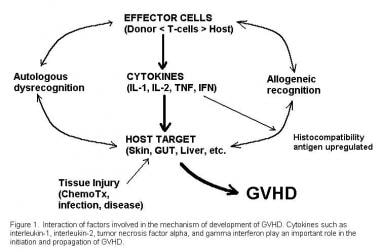
Current understanding of the biology of GVHD includes the occurrence of autologous GVHD and transfusion-associated GVHD. The former suggests that inappropriate recognition of host self-antigens may occur, and the latter is an example of GVHD in an individual who is immunocompetent. Image 4 shows the interactive factors involved in the pathogenesis of GVHD.

Frequency:

  • In the US: Autologous GVHD occasionally occurs after autologous or syngeneic HCT (7-10%). Tissue damage caused by high-dose chemotherapy or secondary cytokine production may expose cryptic self-antigens, which the immune system may newly recognize only after HCT. Mild and usually self-limited episodes of dermal GVHD or even hepatic and GI abnormalities have been described. GVHD-like symptoms and findings can also be induced in autologous recipients after the administration (and withdrawal) of cyclosporin (CSP) and interleukin (IL)-2.

    Transfusion-associated GVHD occurs 4-30 days after transfusion and resembles hyperacute GVHD after allogeneic HCT. Marrow aplasia is a frequent and often fatal complication. This serious complication of transfusion can be prevented by irradiating blood products with at least 2500 cGy before transfusion in individuals at risk. In Japan (where inbred populations share common haplotypes), marrow aplasia is estimated to occur in 1 in 500 open-heart operations in individuals who are immunocompetent.

    The occurrence of acute GVHD in patients who receive marrow from HLA-identical siblings varies widely depending on several recognized risk factors. About 19-66% of recipients are affected, depending on their age, on donor-recipient sex matching, and on donor parity. The incidence of GVHD increases with HLA-nonidentical marrow donors who are related or in HLA-matched unrelated donors, with rates of 70-90%.

    Chronic GVHD is observed in 33% of HLA-identical sibling transplantations, in 49% of HLA-identical related transplantations, in 64% of matched unrelated donor transplantations. The rate could be as high as 80% in 1-antigen HLA-nonidentical unrelated transplantations.

Mortality/Morbidity:

  • The overall grade of acute GVHD is predictive of the patient's outcome, with the highest rates of mortality in those with grade IV, or severe, GVHD.
  • The response to treatment is also predictive of outcomes in GVHD of grades II-IV. Patients with no response or with progression have a mortality rate as high as 75% compared with 20-25% in those with a complete response.
  • In chronic GVHD, mortality rates are increased in patients with extensive disease, progressive onset, thrombocytopenia, and HLA-nonidentical marrow donors. The overall survival rate is 42%, but patients with progressive onset of chronic GVHD have a survival rate of 10%.


  CLINICAL Section 3 of 11   Click here to go to the previous section in this topic Click here to go to the top of this page Click here to go to the next section in this topic
Author Information Introduction Clinical Differentials Workup Treatment Medication Follow-up Miscellaneous Pictures Bibliography

History: Patients at risk for acute GVHD and chronic GVHD are those undergoing allogeneic HCT.

  • Acute GVHD
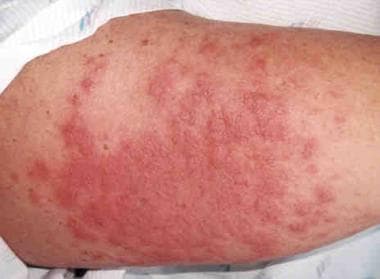
    • Acute GVHD may initially appear as a pruritic or painful rash (median onset, day 19 posttransplantation; range, 5-47 d).
    • A hyperacute form of GVHD has been described as including fever, generalized erythroderma, and desquamation developing 7-14 days after transplantation.
    • After the skin, the next most frequently involved target of GVHD is the liver, where the disease causes asymptomatic elevation of bilirubin, alanine aminotransferase (ALT), aspartate aminotransferase (AST), and alkaline phosphatase levels similar to those observed with cholestatic jaundice. Pruritus ensues, with hyperbilirubinemia. Hepatic coma is rare.
    • Acute GVHD may involve the distal small bowel and colon, resulting in diarrhea, intestinal bleeding, cramping abdominal pain, and ileus. The diarrhea is green, mucoid, watery, and mixed with exfoliated cells forming fecal casts. Voluminous secretory diarrhea may persist despite cessation of oral intake. Approximately 13% of patients who receive HLA-identical transplants may present with upper-GI enteric GVHD manifesting as anorexia and dyspepsia without diarrhea. This is most common in older patients.
    • Acute GVHD also has been associated with increased risk of infectious and noninfectious pneumonia and sterile effusions, hemorrhagic cystitis with infective agents, thrombocytopenia, and anemia. Hemolytic-uremic syndrome (thrombotic microangiopathy) has been observed in patients given CSP A who developed severe GVHD.
  • Chronic GVHD
    • Chronic GVHD is viewed as an extension of acute GVHD. However, it also may occur de novo in patients who never have clinical evidence of acute GVHD, or it may emerge after a quiescent interval after acute GVHD resolves.
    • Ocular manifestations may include burning, irritation, photophobia, and pain due to a lack of tear secretion.
    • Oral and GI manifestations include dryness, sensitivity to acidic or spicy foods, and increasing pain after day 100 (chronic GVHD). Chronic GVHD may affect the esophagus, resulting in symptoms of dysphagia, odynophagia, and insidious weight loss.
    • Obstructive lung disease, with symptoms of wheezing, dyspnea, and chronic cough that is usually nonresponsive to bronchodilator therapy, is a clinical feature of chronic GVHD.
    • Neuromuscular manifestations include weakness, neuropathic pain, and muscle cramps.

Physical:

  • Skin (maculopapular exanthema) findings
    • Lesions are red to violet and typically first appear on the palms of the hands, soles of the feet, cheeks, neck, ears, and upper trunk. They can progress to involve the whole body.
    • In severe cases, bullae may be observed, and vesicles may form.
    • Chronic GVHD can lead to lichenoid skin lesions or sclerodermatous thickening of the skin, which sometimes causes contractures and limits joint mobility.
  • Hepatic findings: Hyperbilirubinemia can manifest as jaundice, cause pruritus, and lead to excoriations from the patient's scratching. Portal hypertension, cirrhosis, and death from hepatic failure are rare.
  • Ocular findings: Acute GVHD may also cause hemorrhagic conjunctivitis, pseudomembrane formation, and lagophthalmos. These complications worsen the prognosis. With chronic GVHD, keratoconjunctivitis sicca is common. Because of the dryness, punctate keratopathy (minimal or severe erosions of the cornea) may ensue.
  • Oral findings: Atrophy of the oral mucosa, erythema, and lichenoid lesions of the buccal and labial mucosae are significantly correlated with chronic GVHD.
  • Pulmonary findings: Bronchiolitis obliterans causes prolonged expiratory breathing phase (wheezes).
  • GI findings: Diffuse abdominal tenderness with hyperactive bowel sounds may accompany secretory diarrhea of acute GVHD. In severe ileus, the abdomen is silent and appears distended.
  • Neuromuscular findings: Findings of autoimmune phenomenon of myasthenia gravis or polymyositis are sometimes observed in chronic GVHD.
  • Other findings: Vaginitis and vaginal strictures have been described in chronic GVHD. Autoimmune thrombocytopenia and anemia have also been described with chronic GVHD.

Causes: Important factors in determining occurrence and severity of GVHD are listed below.

  DIFFERENTIALS Section 4 of 11   Click here to go to the previous section in this topic Click here to go to the top of this page Click here to go to the next section in this topic
Author Information Introduction Clinical Differentials Workup Treatment Medication Follow-up Miscellaneous Pictures Bibliography

Erythema Multiforme (Stevens-Johnson Syndrome)
Gastroenteritis, Bacterial
Gastroenteritis, Viral
Hepatitis, Viral
Malabsorption
Mixed Connective-Tissue Disease
Scleroderma
Sjogren Syndrome


Other Problems to be Considered:

Acute skin toxicity from radiation (total body irradiation)
Hepatobiliary toxicity from chemotherapy (veno-occlusive disease of the liver)
Inflammatory or infectious diarrheas


Quick Find
Author Information
Introduction
Clinical
Differentials
Workup
Treatment
Medication
Follow-up
Miscellaneous
Pictures
Bibliography

Click for related images.

Related Articles
Erythema Multiforme (Stevens-Johnson Syndrome)

Gastroenteritis, Bacterial

Gastroenteritis, Viral

Hepatitis, Viral

Malabsorption

Mixed Connective-Tissue Disease

Scleroderma

Sjogren Syndrome


Patient Education
Click here for patient education.


  WORKUP Section 5 of 11   Click here to go to the previous section in this topic Click here to go to the top of this page Click here to go to the next section in this topic
Author Information Introduction Clinical Differentials Workup Treatment Medication Follow-up Miscellaneous Pictures Bibliography

Lab Studies:

  • Complete blood count
    • Acute GVHD usually does not occur until after engraftment during transplantation.
    • Poor graft function may be a sign of autoimmune cytopenias (eg, thrombocytopenia, anemia, leukopenia) that may be observed with chronic GVHD.
  • Liver function tests (eg, bilirubin, AST, ALT, alkaline phosphatase, total protein, and albumin measurements)
    • Elevation of the alkaline phosphatase concentration is 1 of the early signs of liver involvement by GVHD.
    • A cholestatic picture is usually observed. Hypoalbuminemia is typically due to GVHD-associated intestinal protein leak and a negative nitrogen balance.
  • Serum electrolytes and chemistries (eg, potassium, magnesium, bicarbonate levels) may be altered. Massive diarrhea and diminished oral intake can lead to serious electrolyte abnormalities.

Imaging Studies:

  • Hepatic and Doppler sonography can be used to distinguish GVHD from other causes of jaundice or cholestatic liver function abnormalities, such as cholecystitis and veno-occlusive disease of the liver.
  • Barium swallow study can be used to detect esophageal changes of chronic GVHD, such as web formation, ringlike narrowing, and tapering structures of the middle and upper esophagus.

Other Tests:

  • The Schirmer test is used to measure the degree of tear formation by the lacrimal glands, which can be affected in chronic GVHD.
  • Pulmonary function tests and arterial blood gas analysis can be used to identify obstructive pulmonary disease (eg, obliterative bronchiolitis) in chronic GVHD.
  • Manometric studies of the esophagus can demonstrate poor acid clearance and motor abnormalities that range from aperistalsis to high-amplitude contractions.
  • Genetic polymorphisms, such as those seen in the adhesion molecule CD31 when it is mismatched between donor and recipient, are predictive of an increased risk for GVHD. The IL-10-592A allelic polymorphism is a marker for a favorable outcome after transplantation in recipients of hematopoietic stem cells from HLA-identical siblings.
  • Low numbers of circulating dendritic cells at the time of myeloid engraftment significantly increase the risk of relapse and acute GVHD and are predictive of death after allogeneic HCT.

Procedures:

  • Findings on skin punch biopsy help establish the diagnosis of GVHD when the patient's clinical features are consistent with the syndrome.
  • Upper-GI endoscopy and biopsy, when performed in patients with persistent anorexia and vomiting, may reveal a variety of diagnoses, including GVHD, peptic ulceration, or mycotic or viral infection.
  • On gastroduodenal biopsy, alterations in endothelial cells in the absence of signs of infections may be predictive of the severity of GVHD. These alterations include rupture of capillary basement membranes and extravasated red blood cells.
  • Flexible sigmoidoscopy or colonoscopy with biopsy of sigmoid or colonic lesions may be helpful. In patients with diarrhea, GVHD may involve the colonic mucosa.
  • Liver biopsy is rarely performed, usually only in patients with isolated hepatic findings.
Histologic Findings: Characteristic findings on histologic examination of skin (eg, eosinophilic bodies), liver (eg, necrosis of the bile duct), and gut (eg, crypt-cell degeneration) soon after transplantation may be difficult to distinguish from the effects of the conditioning chemoradiotherapy. Serial biopsy and observation help establish the diagnosis and severity of acute GVHD.

On histology, mononuclear-cell infiltration and inflammation of affected epithelium is more subtle in chronic GVHD than in acute GVHD. Dermal fibrosis and inflammation of sweat glands can be used to distinguish chronic GVHD of skin from acute GVHD. Fibrosis of the submucosa and serosa is observed when chronic GVHD involves the GI tract.

  TREATMENT Section 6 of 11   Click here to go to the previous section in this topic Click here to go to the top of this page Click here to go to the next section in this topic
Author Information Introduction Clinical Differentials Workup Treatment Medication Follow-up Miscellaneous Pictures Bibliography

Medical Care:

Acute GVHD

Chronic GVHD
  • Primary therapy

    • Recognizing and treating chronic GVHD early, before disability ensues, is critical. Used alone, prednisone 1 mg/kg every other day decreases treatment-related mortality rates (21% vs 40%) compared with prednisone combined with azathioprine, which is associated with a survival rate of 61% in patients with standard-risk chronic GVHD (no thrombocytopenia).

    • The addition of CSP 6 mg given every 12 hours every other day in patients at high risk for GVHD with thrombocytopenia may improve survival rates from 26% to 52%. It may also improve functional performance to near-normal in long-term survivors by significantly decreasing the incidence of disabling scleroderma. However, infections are a frequent cause of morbidity and mortality in patients with high-risk chronic GVHD.

    • Thalidomide has been reported as effective primary treatment for chronic GVHD because of its TNF-modulating effect. The 3-year survival rate is about 48%, with a diminished incidence of infection in long-term survivors.
  • Secondary therapy

    • Steroid-refractory chronic GVHD has been treated with azathioprine, alternating CSP/prednisone, or thalidomide, with approximately similar survival rates. Clofazimine, an antileprosy agent, has also been effective in treating cutaneous and oral lesions of chronic GVHD and may be useful as a steroid-sparing agent because its adverse effects and infections appear to be minimal.

    • PUVA therapy plays a role in patients with refractory cutaneous chronic GVHD. In 1 study, it resulted in a 78% response rate and improvement in a few extracutaneous sites.

    • Extracorporeal photopheresis, a modification of PUVA treatment, has also shown benefit, mostly in patients with cutaneous GVHD refractory to steroids.

    • Low-dose (100-cGy) total lymphoid irradiation to thoracoabdominal areas can lead to partial or complete improvement in some patients.

  • Other supportive care

    • Pain control with analgesics for patients with painful mouth sores allows for oral intake. Oral beclomethasone may improve oral intake, nausea, and diarrhea without causing systemic or local toxicity.

    • Octreotide can control secretory diarrhea in enteric GVHD.

    • Antiviral prophylaxis (eg, for herpes simplex, cytomegalovirus [CMV]) can prevent oropharyngeal infection and interstitial pneumonia in patients with refractory GVHD.

    • Antifungal agents (eg, new triazoles, liposomal amphotericin B) may be useful for preventing and treating serious mycotic infections.

    • Retinoic acid is used for ocular sicca syndrome, and pilocarpine (Salagen), for oral sicca manifestations.

    • Clonazepam is used to treat neuromuscular manifestations (eg, muscular aches, cramping, carpal spasm).

    • Ursodeoxycholic acid treatment for abnormalities in liver function can result in improvement of hepatic chronic GVHD; it can reduce elevated bilirubin levels by as much as 30%.

    • Patients receiving chronic corticosteroid therapy are at risk for osteoporosis and fractures. For female patients, estrogen replacement, calcium supplements, and antiosteoporosis agents (eg, Fosamax, calcitonin) should be considered.

    • Patients with stage IV skin GVHD are best treated in the burn unit, where the staff should pay meticulous attention to skin and wound care, nutrition, and infection control.

Surgical Care: Surgical consultations are required mainly for the insertion of central venous access devices, such as Infuse-A-Port devices and pheresis catheters.

Consultations:

  • In patients with severe dermal involvement of chronic GVHD, burn care speeds reepithelialization and closure of the portals of infection.
  • Plastic surgery may be necessary for skin allografting from the marrow donor in certain severe cases of dermal involvement due to chronic GVHD.
  • Patients with eye manifestations of chronic GVHD require ophthalmologic examination, follow-up, and treatment.

Diet:

  • Institute gut rest and hyperalimentation for patients with acute GVHD and severe diarrhea.
  • Patients should slowly advance to a bland diet or to the bananas, rice cereal, applesauce, and toast (BRAT) diet as tolerated.

Activity: Encourage patients who are receiving corticosteroid therapy to maintain an active lifestyle and to participate in a mild-to-moderate exercise program.
  MEDICATION Section 7 of 11   Click here to go to the previous section in this topic Click here to go to the top of this page Click here to go to the next section in this topic
Author Information Introduction Clinical Differentials Workup Treatment Medication Follow-up Miscellaneous Pictures Bibliography

Therapy includes immunosuppressive agents, antimetabolite and/or chemotherapeutic agents, antibodies and/or Igs, immunomodulating agents, and photoactive agents.

Drug Category: Immunosuppressive agents -- Corticosteroids are the mainstay for treatment of GVHD. Corticosteroids cause profound and varied metabolic effects. In addition, they modify the body's immune responses to diverse stimuli. Complications associated with glucocorticoid therapy depend on the dose and duration of treatment. A risk-benefit decision is made to determine the dose, duration, and frequency (daily or intermittent) of treatment.

The lowest possible dose of corticosteroid is used to control the condition and then gradually reduced when possible. Most patients undergoing allogeneic stem-cell transplantation are receiving prophylaxis for GVHD with CSP or tacrolimus in combination with MTX and/or prednisone. Acute GVHD is treated with IV methylprednisolone for as long as 14 days. Subsequent tapering of the dose or switching to an oral agent is continued over several weeks to months. Chronic GVHD is treated with oral prednisone alone or in combination with CSP. If the response is positive, it is continued and tapered over 6-9 months.
Drug Name
Methylprednisolone (Solu-Medrol) -- Synthetic analog of naturally occurring glucocorticoids. Decreases inflammation by suppressing migration of polymorphonuclear leukocytes and reversing increased capillary permeability. Greater anti-inflammatory potency than that of prednisolone and less likely than prednisolone to induce sodium and water retention.
Adult DoseAcute GVHD: 2 mg/kg/d IV divided bid for up to 14 d; then taper or switch to PO agent (eg, prednisone), which is continued several weeks to months; short-term tapering with prednisone to a cumulative dose of 2000 mg/m2 effective and minimizes steroid-related complications
Pediatric DoseAdminister as in adults
ContraindicationsDocumented hypersensitivity to product and/or constituents (eg, benzyl alcohol sensitivity of premature infants); viral, fungal, or tubercular skin infections
InteractionsInhibits CSP metabolism and vice versa, increasing risk of adverse events (eg, convulsions); troleandomycin and ketoconazole decrease clearance, increasing steroid toxicity (adjust steroid dose); may enhance or diminish effects of anticoagulants; decreases salicylate serum levels (adjust salicylate dose to avoid toxicity when steroid withdrawn); increases risk of digitalis toxicity secondary to hypokalemia; estrogens may increase levels; phenobarbital, phenytoin, and rifampin may decrease levels (adjust dose); monitor for hypokalemia when used with diuretics
Pregnancy C - Safety for use during pregnancy has not been established.
PrecautionsGradually reduce dosage to minimize drug-induced secondary adrenocortical insufficiency (may persist for months after discontinuation), and reinstitute hormone therapy if any stress during that period; mineralocorticoid secretion may be impaired (administer salt and/or a mineralocorticoid concurrently); cirrhosis and hyperthyroidism enhance effects of corticosteroids; patients with ocular herpes simplex have had corneal perforation; may induce psychic derangements and/or aggravate existing emotional instability or psychotic tendencies; caution in nonspecific ulcerative colitis if impending perforation, abscess, other pyogenic infection, diverticulitis, fresh intestinal anastomoses, or active or latent peptic ulcer probable; renal insufficiency; hypertension; osteoporosis; myasthenia gravis; suppressed growth and development in infants and children given prolonged therapy; in Kaposi sarcoma, discontinuation may cause clinical remission
Drug Name
Prednisone (Deltasone) -- Synthetic analog of naturally occurring glucocorticoids. Decreases inflammation by suppressing migration of polymorphonuclear leukocytes and reversing capillary permeability.
Adult DoseChronic GVHD: 1 mg/kg PO qod alone or with CSP; continue if response positive; and slowly taper over 6-9 mo
Pediatric DoseAdminister as in adults
ContraindicationsDocumented hypersensitivity; viral infection; peptic ulcer disease; GI disease; hepatic dysfunction; connective tissue infections; fungal or tubercular skin infections
InteractionsInhibits CSP metabolism and vice versa, increasing risk of adverse events (eg, convulsions); troleandomycin and ketoconazole decrease clearance, increasing steroid toxicity (adjust steroid dose); enhances or diminishes effects of anticoagulants; decreases salicylate serum levels (adjust salicylate dose to avoid toxicity when steroid withdrawn); increases risk of digitalis toxicity due to hypokalemia; estrogens may increase levels; phenobarbital, phenytoin, and rifampin may decrease levels (adjust dose); monitor for hypokalemia when used with diuretics
Pregnancy B - Usually safe but benefits must outweigh the risks.
PrecautionsGradually reduce dosage to minimize drug-induced secondary adrenocortical insufficiency (may persist for months after discontinuation), and reinstitute hormone therapy if any stress during that period; mineralocorticoid secretion may be impaired (administer salt and/or a mineralocorticoid concurrently); cirrhosis and hyperthyroidism enhance effects of corticosteroids; patients with ocular herpes simplex have had corneal perforation; may induce psychic derangements and/or aggravate existing emotional instability or psychotic tendencies; caution in nonspecific ulcerative colitis if impending perforation, abscess, other pyogenic infection, diverticulitis, fresh intestinal anastomoses, or active or latent peptic ulcer probable; renal insufficiency; hypertension; osteoporosis; myasthenia gravis; suppressed growth and development in infants and children given prolonged therapy; in Kaposi sarcoma, occurred, discontinuation may cause clinical remission
Drug Name
CSP (Sandimmune, Neoral) -- Cyclic polypeptide. Suppresses some humoral immunity and more so cell-mediated immune reactions. Dosages for children and adults based on ideal body weight. Sandimmune and Neoral not bioequivalent.
Adult DoseProphylaxis of acute GVHD: 1.5 mg/kg IV q12h in combination with short-course MTX, beginning 1-2 d before stem-cell transplantation, switch to PO when patient can tolerate; approximate conversion from IV to PO Sandimmune is 1:3-4; Neoral formulation may be more bioavailable; monitor and alter dose to maintain trough levels 200-500 ng/mL; continue up to 6 mo; gradual tapering usually after 3 mo
Chronic GVHD: 5-6 mg/kg/d qod in combination with prednisone
Pediatric DoseAdminister as in adults
ContraindicationsDocumented hypersensitivity to CSP or polyoxylated castor oil (Cremophor EL); uncontrolled hypertension; malignancies; radiation (eg, PUVA, UVB)
InteractionsGentamicin, cimetidine, tobramycin, ranitidine, vancomycin, diclofenac, amphotericin B, trimethoprim with sulfamethoxazole, ketoconazole, melphalan, and azapropazone exhibit nephrotoxic synergy; diltiazem, danazol, nicardipine, bromocriptine, verapamil, metoclopramide, ketoconazole, erythromycin, fluconazole, methylprednisolone, and itraconazole increase levels; rifampin, phenobarbital, phenytoin, and carbamazepine decrease levels; reduces clearance of prednisolone, digoxin, and lovastatin; increases risk of digitalis toxicity; potassium-sparing diuretics increase occurrence of hyperkalemia; vaccine effectiveness decreased (avoid live vaccines); acute renal failure, rhabdomyolysis, myositis, and myalgias increase with lovastatin; convulsions with high-dose methylprednisolone
Pregnancy C - Safety for use during pregnancy has not been established.
PrecautionsIn patients with malabsorption therapeutic levels may be difficult to achieve with Sandimmune soft gelatin capsules or PO solution; hypertension common; frequently monitor renal and/or liver function; increases risk of infection and lymphoma
Drug Name
Sirolimus (Rapamune) -- Inhibits lymphocyte proliferation by interfering with signal-transduction pathways. Binds to immunophilin FKBP to block action of mammalian target of rapamycin (mTOR). Approved by Food and Drug Administration for prophylaxis of organ rejection in patients receiving allogeneic renal allografts. Prolonged survival of allografts (kidney, heart, skin, islet, small bowel, pancreaticoduodenal, bone marrow) in mice, rats, pigs, and primates. Reversed acute rejection of heart and kidney allografts in rats and prolonged graft survival in presensitized rats. Immunosuppressive effect may last up to 6 mo after discontinuation. Tolerization effect is alloantigen specific. Also used for treatment of GVHD and for prophylaxis in combination with tacrolimus and/or MTX.
Adult Dose6 mg PO loading dose, then 2-5 mg PO qd; trough blood concentrations >8 ng/mL correlated with immunosuppressive activity
Pediatric DoseNot established
ContraindicationsHypersensitivity to sirolimus or derivatives or any component of product
InteractionsLevels and toxicity may increase with diltiazem, nicardipine, clotrimazole, verapamil, erythromycin, ketoconazole, itraconazole, fluconazole, bromocriptine, grapefruit juice, metoclopramide, methylprednisolone, danazol, CSP, cimetidine, and clarithromycin; levels may decrease with rifabutin, rifampin, phenobarbital, phenytoin, and carbamazepine
Pregnancy C - Safety for use during pregnancy has not been established.
PrecautionsMay exacerbate hyperlipidemia and thrombocytopenia; caution in hepatic impairment (decrease maintenance dose by one third); monitor blood levels in children, patients with hepatic impairment, patients taking strong cytochrome P450 (CYP450) 3A4 inducers or inhibitors, or those in whom CSP dosing markedly reduced or discontinued; not recommended in de novo liver or lung transplantation; coadministration with CSP or tacrolimus in liver transplantation increases risk of hepatic-artery thrombosis; bronchial anastomotic dehiscence (most cases fatal) reported in de novo lung transplantation when part of immunosuppressive regimen
Drug Name
Tacrolimus (Prograf) -- Previously known as FK506. Macrolide immunosuppressant produced by Streptomyces tsukubaensis. Prolonged host and transplant survival in animal models. Adults should receive doses at low end of dosing range. Concomitant adrenal corticosteroid therapy recommended early after transplantation.
Adult Dose0.03-0.05 mg/kg/d IV continuous infusion; switch to PO when patient can tolerate capsules
Pediatric DoseHigh doses generally required to maintain blood trough concentrations similar to those in adults
ContraindicationsDocumented hypersensitivity; injection is contraindicated in patients with a hypersensitivity to HCO-60 (polyoxyl 60 hydrogenated castor oil)
InteractionsPotential additive or synergistic nephrotoxicity with aminoglycosides, amphotericin B, cisplatin, CSP, and ganciclovir; substances known to inhibit CYP3A enzyme systems (eg, ritonavir) may inhibit metabolism and increase concentration; decreases effectiveness of vaccines (eg, for measles, mumps, rubella, oral polio)
Pregnancy C - Safety for use during pregnancy has not been established.
PrecautionsMay cause hypertension, caution with potassium-sparing diuretics or calcium channel blockers; may need to reduce dose in renal insufficiency; posttransplantational hepatic impairment may increase risk of renal insufficiency related to high whole-blood levels (consider lowering dosage); associated with myocardial hypertrophy on echocardiography (concentric increases in thickness of left ventricular posterior wall and interventricular septum) that is generally reversible with dose reduction or discontinuation
Drug Name
Mycophenolate mofetil (CellCept) -- The 2-morpholinoethyl ester of mycophenolic acid (MPA), an immunosuppressive agent. Inhibits purine synthesis and proliferation of human lymphocytes. Prolonged survival of allogeneic transplants in animal models.
Adult DoseAcute or chronic GVHD refractory to steroids: 1 g PO bid or 1 g IV bid infused over 2 h; total daily dose 2 g; usually administered in combination with CSP or tacrolimus; safety profile better with 2 g/d than 3 g/d; food decreases maximum concentration (Cmax) by 40% (administration with empty stomach recommended)
Pediatric DoseNot established
ContraindicationsDocumented hypersensitivity to drug or polysorbate 80 (Tween 80)
InteractionsMay elevate levels of acyclovir and ganciclovir; antacids and cholestyramine decrease absorption, reducing levels (do not coadminister); probenecid may increase levels; salicylates may increase toxicity; drugs that alter GI flora may interact by disrupting enterohepatic recirculation; interference of mycophenolic acid glucuronide hydrolysis may decrease drug available for absorption
Pregnancy C - Safety for use during pregnancy has not been established.
PrecautionsCaution in active, serious digestive disease; may increase risk of toxicity in severe chronic renal impairment; phenylketonurics (CellCept oral suspension contains aspartame, source of phenylalanine, ie, 0.56 mg phenylalanine per mL susp
Drug Category: Antimetabolites and/or chemotherapeutic agents -- MTX is used to treat certain neoplastic diseases, severe psoriasis, and adult rheumatoid arthritis. A short-course MTX is administered for the prophylaxis of acute GVHD. It is used in combination with CSP or tacrolimus.

Azathioprine is an antimetabolite that suppresses cell-mediated hypersensitivities and causes variable alterations in antibody production. It is used in combination with steroids and CSP to treat chronic GVHD.
Drug Name
MTX (Rheumatrex) -- Formerly amethopterin. Antimetabolite used to treat certain neoplastic diseases, severe psoriasis, and adult rheumatoid arthritis. Interferes with DNA synthesis, repair, and cellular replication. Actively proliferating tissues (eg, malignant cells, bone marrow, fetal cells, buccal and intestinal mucosa, cells of urinary bladder) generally most sensitive to this effect. May impair malignant growth without irreversible damage to healthy tissues when cellular proliferation in malignant tissues is greater than that of most healthy tissues. Preservative formulation contains benzol alcohol and must not be used for intrathecal or high-dose therapy
Adult DoseProphylaxis of acute GVHD (short course): 15 mg/m2 IV initially; then 10 mg/m2 IV on days +1, +3, +6, +11 when used with CSP
Alternative: 5 mg/m2 IV on days +1, +3, +6, +11 in combination with tacrolimus
Pediatric DoseAdminister as in adults
ContraindicationsDocumented hypersensitivity
InteractionsOral antibiotics (eg, tetracycline, chloramphenicol, nonabsorbable broad-spectrum antibiotics) may decrease absorption and blood levels of concurrent oral MTX; penicillins may reduce renal clearance, increasing toxicity and serum concentrations; may decrease clearance of theophylline (monitor levels when used concurrently); folate deficiency states may increase toxicity; trimethoprim-sulfamethoxazole increases bone marrow suppression in rare cases, probably due to additive antifolate effect
Pregnancy X - Contraindicated in pregnancy
PrecautionsToxic effects can occur any time, and frequency and severity may be related to dose or frequency; most adverse reactions reversible if detected early and therapy reduced or discontinued; take corrective measures, including use of leucovorin calcium, as indicated; if therapy reinstituted, use caution and consider further need for drug and possible recurrence of toxicity; because of diminished hepatic and renal function and decreased folate stores in elderly patients, consider low doses and closely monitor for early toxicity

Can cause fetal death or teratogenic effects in pregnancy; contraindicated in pregnant women with psoriasis or rheumatoid arthritis; should be used to treat neoplasia only when potential benefit outweighs risk to fetus; do not start in women of childbearing potential until pregnancy excluded, and fully counsel women about serious risk to fetus; patients should avoid pregnancy during and for at least 3 mo after therapy for male patients and during and for at least 1 ovulatory cycle after therapy for female patients; patients should avoid breastfeeding

Caution in alcoholism, hepatic insufficiency, documented immunodeficiency syndromes, and preexisting blood dyscrasias (eg, bone marrow, hypoplasia, leukopenia, thrombocytopenia, significant anemia)

Drug Name
Azathioprine (Imuran) -- Imidazolyl derivative of 6-mercaptopurine. Many of its biologic effects similar to those of the parent compound. Suppresses hypersensitivities of cell-mediated type and variably alters antibody production. Immunosuppressive, delayed hypersensitivity, and cellular cytotoxicity suppressed more than antibody responses. Considered slow-acting drug, and effects may persist after discontinuation.
Adult DoseChronic GVHD: 1 mg/kg (50-100 mg) PO/IV single dose or divided bid; if no serious toxicity and of initial response unsatisfactory after 6-8 wk, and titrate dose by 0.5-mg/kg/d q4wk to maximum of 2.5 mg/kg/d; used in combination with steroids and CSP
Pediatric DoseNot established
ContraindicationsDocumented hypersensitivity; patients with rheumatoid arthritis previously treated with alkylating agents (eg, cyclophosphamide, chlorambucil, melphalan; may have prohibitive risk of neoplasia); breastfeeding (relative contraindication)
InteractionsToxicity increases with allopurinol (reduce azathioprine dose to one third to one fourth of usual); ACE inhibitors may induce severe leukopenia; may increase levels of MTX metabolites; may decrease effects of anticoagulants, neuromuscular blockers, and CSP
Pregnancy D - Unsafe in pregnancy
PrecautionsSevere leukopenia, thrombocytopenia, macrocytic anemia, and severe bone-marrow depression; hematologic toxicities dose related and may be most severe after renal transplant where homograft is being rejected; obtain CBCs, including platelet counts, weekly in mo 1, biweekly in mo 2-3, then q1mo or more often as indicated; delayed hematologic suppression (prompt reduction in dosage or temporary withdrawal may be needed if leukocyte count rapidly more persistently decreases or other evidence of bone-marrow depression present); leukopenia not correlated with therapeutic effect (do not intentionally increase dose to lower WBC count)

Serious infections are constant hazard in chronic immunosuppression, especially in homograft recipients; fungal, viral, bacterial, and protozoal infections may be fatal and should be treated vigorously (consider reducing dose and/or using other drugs); mutagenic in animals and humans and carcinogenic in animals; may increase risk of neoplasia (precise risk undefined)

Drug Category: Antibodies and/or Igs -- ATG (Equine, Atgam) is an Ig-containing immunosuppressive agent that principally inhibits cell-mediated immune responses and inhibits humoral immune response to an extent.

IVIG (human) is a sterile, highly purified polyvalent antibody product containing, in concentrated form, all the IgG antibodies that regularly occur in the donor population.

Muromonab-CD3 is a murine monoclonal antibody to the CD3 antigen of human T cells that functions as an immunosuppressant. It is thought to reverse graft rejection by blocking the function of T cells that play a major role in acute allograft rejection.

Newer monoclonal antibodies directed against particular targets such as cytokines or antigens on cells that may have a role in GVHD initiation and propagation include Alemtuzumab, Daclizumab, Infliximab, and other agents being investigated.
Drug Name
ATG (Equine, Atgam) -- Ig-containing immunosuppressive agent. Immunosuppressive action generally similar to that of other antilymphocyte preparations. May differ qualitatively and/or quantitatively in extent of specific effects, partly because of factors such as source of antigenic material, animal used to produce antiserum, and method of production.
Adult DoseProphylaxis for acute GVHD: 7-10 mg/kg IV qod for 6 doses after bone marrow transplantation (BMT)
Treatment of moderate-to-severe acute GVHD: 7 mg/kg IV qod for 6 doses or 15 mg/kg IV qod for 3 doses
Pediatric DoseAdminister as in adult
ContraindicationsDocumented hypersensitivity
InteractionsWhen administered with other immunosuppressants (eg, corticosteroids, azathioprine, irradiation), may increase immunosuppression (effect used to therapeutic advantage); may increase susceptibility to infection, including CMV infection, and possibly risk of lymphoma or lymphoproliferative disorders
Pregnancy C - Safety for use during pregnancy has not been established.
PrecautionsMonitor for leukopenia, thrombocytopenia, and/or concurrent infection (eg, with CMV); may transmit infectious agents; because of risk of severe systemic reaction (eg, anaphylaxis), manufacturer strongly recommends intradermal skin test (allergic reaction can occur despite negative result); equipment to manage anaphylaxis or severe systemic reaction (eg, airway protection, epinephrine, oxygen) should be readily available
Drug Name
IVIG, human (Sandoglobulin) -- Sterile, highly purified polyvalent antibody product containing, in concentrated form, all IgG antibodies that regularly occur in donor population. Do not mix with other medications or fluids; administer in separate infusion line.
Adult DoseMaximum safe dose, concentration, and rate of infusion in patients at increased risk of acute renal failure not established; do not exceed recommended doses and use minimum practicable concentration and infusion rate (<2 mg/kg/min)

Initial: 0.2 g/kg IV q1mo; if response inadequate, increase to 0.3 g/kg IV q1mo or infusion more frequently than q1mo

In previously untreated agammaglobulinemic or hypogammaglobulinemic patients: Administer first infusion as 3% Ig solution; use total volume of fluid provided to reconstitute lyophilized product; begin at 10-20 gtt/min (0.5-1 mL); after 15-30 min, may increase to 30-50 gtt/min (1.5-2.5 mL); after first bottle of 3% solution infused and if patient shows good tolerance, may increase rate or concentration of subsequent infusions; increase gradually, allowing 15-30 min between increments

Pediatric DoseAdminister as in adults
ContraindicationsDocumented hypersensitivity; patients with selective IgA deficiency who possess antibodies to IgA
InteractionsMay impair efficacy of live attenuated viral vaccines (eg, measles, rubella, mumps)
Pregnancy C - Safety for use during pregnancy has not been established.
PrecautionsEnsure that patients not volume depleted before infusion; periodically monitor renal function and urine output, particularly in patients at increased risk for acute renal failure; assess renal function (eg, BUN, serum creatinine levels) before initial infusion and at appropriate intervals thereafter; if renal function deteriorates, consider discontinuation; for patients at risk for renal dysfunction, <2 mg/kg/min may be prudent; patients with agammaglobulinemia or extreme hypogammaglobulinemia who never received Ig substitution treatment or whose last treatment >8 wk ago may be at risk for inflammatory reactions with rapid infusion (>20 gtt/min, 1 mL/min)
Drug Name
Muromonab-CD3 (Orthoclone OKT3) -- Murine monoclonal antibody to CD3 antigen of human T cells, which functions as immunosuppressant. Monoclonal antibody preparation; therefore, homogeneous, reproducible antibody product with consistent, measurable reactivity to human T cells. Reverses graft rejection, probably by blocking function of T cells, which play major role in acute allograft rejection. In in-vitro cytolytic assays, blocked generation and function of effector cells. Binding to T lymphocytes results in early activation of T cells, which leads to cytokine release then blockage of T-cell functions. After termination, T-cell function usually returns to normal within 1 wk.
Adult DoseSteroid refractory acute GVHD: 5 mg/d IV as a single bolus over <1 min for 10-14 d; use a low protein-binding 0.2- or 0.22-µm filter to prepare injections
Pediatric Dose<30 kg: 2.5 mg/d IV as a single bolus over <1 min for 10-14 d
>30 kg: 5 mg/d IV as single bolus over <1 min for 10-14 d
Daily dose may be increased (eg, 2.5-mg increments) to deplete CD3-positive cells (800 ng/mL); augmentation of dose may be required
ContraindicationsDocumented hypersensitivity; antimouse antibody titers 1:1000 or higher; uncompensated heart failure or in fluid overload, as evidenced on chest radiography or >3% weight gain in wk before planned administration; uncontrolled hypertension; history or predisposition to seizures; confirmed or suspected pregnancy or breastfeeding
InteractionsNone reported
Pregnancy C - Safety for use during pregnancy has not been established.
PrecautionsWhen combinations of immunosuppressants used, reduce dose of each to lowest with effective response to reduce potential for and severity of infections and malignant transformation; if patient's temperature >37.8¡ãC (100¡ãF), lower with antipyretics before each dose and evaluate for possible infection

Acute hypersensitivity reaction (eg, anaphylaxis, angioedema) and cytokine release syndrome may be indistinguishable; potentially serious signs and symptoms usually within 10 min after administration probably due to acute hypersensitivity; if hypersensitivity suspected, discontinue immediately and do not resume or re-expose patient; clinical manifestations beginning at 30-60 min or later most likely cytokine mediated

Because some seizures (and other serious CNS events) after administration have been life threatening, take antiseizure precautions (eg, airways ready for use); if infection or a viral-induced lymphoproliferative disorder occurs, order culture or biopsy as soon as possible, promptly institute appropriate anti-infective therapy, and (if possible) reduce or discontinue immunosuppression; a mouse (Ig) protein can induce human antimouse antibody (HAMA) production (eg, sensitization) in some patients after exposure

Initial clinical trials involved concurrent low doses of prednisone and azathioprine for renal allograft rejection; incidences of antibodies were 21% (n=43) for IgM, 86% (n=43) for IgG, and 29% (n=35) for IgE; mean time of appearance of IgG antibodies was 20¡Àd; early IgG antibodies appeared near end of wk 2 in 3% (n=86)

In subsequent clinical experience, dose, duration, and type of immunosuppressants used in combination may affect incidence and magnitude of host antibody response; concomitant immunosuppressants used concomitantly (eg, steroids, azathioprine, prednisone, CSP) have altered time course of antimouse antibody development and specificity of antibodies formed (ie, idiotypic, isotypic, allotypic)

Arterial, venous, and capillary thromboses of allografts and other vascular beds (eg, heart, lungs, brain, bowel); microangiopathic changes (eg, platelet microthrombi) occur in renal allograft in some patients with microangiopathic hemolytic anemia; was observed in 5 (5%) of 93 patients receiving greater-than-recommended dose; relationship to dose uncertain; relative risk appears to increase with doses greater than recommended doses; use in patient with history of thrombosis or underlying vascular disease only when potential benefits clearly outweigh increased risks

Drug Name
Alemtuzumab (Campath) -- Monoclonal antibody against CD52, antigen found on B-cells, T-cells, and almost all chronic lymphocytic leukemia (CLL) cells. Binds to CD52 receptor of lymphocytes, which slows proliferation of leukocytes.
Adult Dose3-10 mg IV over 2 h initially; titrate slowly to 30 mg and administer 3 times/wk for up to 12 wk if no adverse effects
Pediatric DoseNot established
ContraindicationsDocumented hypersensitivity; active systemic infections; underlying immunodeficiency (eg, AIDS)
InteractionsMay increase virulence of live viral vaccine
Pregnancy C - Safety for use during pregnancy has not been established.
PrecautionsMay cause pancytopenia, thrombocytopenia, autoimmune hemolytic anemia, and serious infusion reactions (premedicate with acetaminophen, diphenhydramine, hydrocortisone, and gradually increase dose); fatal bacterial, viral, fungal, and protozoan infections reported; hypotension may occur with IV administration (can control by discontinuing or slowing rate of infusion); antibody not selective for cancerous B and T cells and may eradicate all normal lymphocytes of B- and T-cell lineage (resulting lymphopenia and risk of infection can be profound and long lasting); posttransplantational lymphoproliferative disorders, nausea, and diarrhea may occur
Drug Category: Other Biologic Agents -- Novel fusion proteins carrying a toxin or chemotherapeutic agents are engulfed into target cells, delivering a highly toxic molecule and leading to cell death.
Drug Name
Denileukin Diftitox (Ontak) -- Molecule in which diphtheria toxin and receptor-binding domain of human IL-2 fused. Fusion protein selectively delivers cytotoxic activity of diphtheria toxin to targeted cells. Used only in T-cell lymphoma in which malignant cells express CD25 component of IL-2 receptor. Binds to the IL-2 receptor (measured by CD25). Internalized by receptor-mediated endocytosis, and inhibits protein synthesis by translocating active portion of diphtheria toxin into cytosol. This, in turn, causes cell death.
Adult Dose9-18 mcg/kg/d IV for 5 consecutive d administered q21d; duration of treatment not established; <2% response rate reported if no response by fourth cycle
Pediatric DoseNot established
ContraindicationsKnown hypersensitivity to denileukin diftitox or any component (diphtheria toxin, IL-2, excipients)
InteractionsNo studies conducted. In an in vivo rodent study, denileukin diftitox had no effect on CYP450 levels
Pregnancy C - Safety for use during pregnancy has not been established.
PrecautionsMay impair immune function; associated with delayed-onset vascular-leak syndrome (may occur in first 2 wk of infusion and persist or worsen after cessation; preexisting low serum albumin may predispose patient or be predictive of vascular-leak syndrome); caution in preexisting cardiovascular disease and age >65; edema, hypotension, tachycardia, chest pain, headache, pain, nervousness, dizziness, hypocalcemia, and weight loss may occur
Drug Category: Immunomodulating agents -- Thalidomide exerts an immunologic effect. Its effectiveness is thought to be due to suppression of excessive TNF-alpha production and downmodulation of selected cell-surface adhesion molecules involved in leukocyte migration.
Drug Name
Thalidomide (Thalomid) -- Immunologic effects vary substantially in different conditions but may be related to suppression of excessive TNF-alpha production and downmodulation of selected cell-surface adhesion molecules involved in leukocyte migration.
Adult DoseChronic GVHD: 100-200 mg/d PO divided bid/tid, may increase by 50-mg increments q1-2wk as tolerated; not to exceed 800 mg/d
Pediatric DoseNot established
ContraindicationsDocumented hypersensitivity; potential pregnancy
InteractionsMay enhance sedation of barbiturates, alcohol, chlorpromazine, and reserpine; avoid medications associated with peripheral neuropathy; concomitant use of HIV-protease inhibitors, griseofulvin, rifampin, rifabutin, phenytoin, or carbamazepine with hormonal contraceptive agents may reduce the effectiveness of contraception (women requiring treatment with 1 or more of these drugs must use 2 other effective or highly effective methods of contraception or abstain from reproductive sexual intercourse)
Pregnancy X - Contraindicated in pregnancy
PrecautionsMay need to interrupt therapy if severe hypersensitivity (eg, erythematous macular rash possibly associated with fever, tachycardia, and hypotension) occurs; presence in ejaculate not known, so male patients receiving must use latex condoms due to risk of birth defects; causes nerve damage (may be permanent); peripheral neuropathy common, potentially severe, adverse effect (may be irreversible and generally occurs after use over months); symptoms may occur after therapy and may resolve slowly or not at all; examine patient monthly for the first 3 mo and periodically thereafter; if symptoms of drug-induced neuropathy develop, discontinue immediately; dizziness and orthostatic hypotension possible (patients should sit upright for few minutes before standing up from a recumbency)

Decreased WBC counts, including neutropenia, possible; do not start treatment if absolute neutrophil count (ANC) 0.75 X 10⁹/L (<750/mm3); continually monitor WBC count and differential, especially in patients prone to neutropenia; if ANC 0.75 X 10⁹/L (<750/mm3), reevaluate regimen and, if neutropenia persists, consider withholding if appropriate

Increased HIV viral load possible; clinical significance of increase unknown; until known, measure viral load after mo 1 and 3 of treatment and then q3mo in HIV-seropositive patients

Drug Category: Photoactive agents -- Methoxsalen, a psoralen, and PUVA may be beneficial in treating cutaneous lesions of GVHD and may improve survival in some patients with steroid-resistant GVHD.
Drug Name
8-MOP, methoxsalen, 8-methoxypsoralen (Oxsoralen) -- Naturally occurring photoactive substance that acts as photosensitizer. Subsequent exposure to UVA can cause cell injury. PO dose reaches skin by blood, and UVA penetrates well into skin. If sufficient cell injury occurs in skin, inflammatory reaction occurs. Most obvious manifestation is erythema, which may not begin for several h and peaks at 48-72 h. Over days to weeks, inflammation followed by repair manifested by increased melanization of epidermis and thickening of stratum corneum.

Exact mechanism of action with epidermal melanocytes and keratinocytes not known. Best-known biochemical reaction is with DNA. On photoactivation, conjugates and forms covalent bonds with DNA, which leads to formation of monofunctional (addition to single strand of DNA) and bifunctional adducts (cross-linking of psoralen to both strands of DNA).

Adult Dose10-70 mg PO 2 h before UVA exposure bid/tid; allow at least 48 h between treatments
Pediatric DoseNot established
ContraindicationsDocumented hypersensitivity; specific history of light-sensitive disease (eg, lupus erythematosus, porphyria cutanea tarda, erythropoietic protoporphyria, variegate porphyria, xeroderma pigmentosum, albinism); melanoma or history of melanoma; invasive squamous cell carcinomas; aphakia (significantly increased risk of retinal damage due to absence of lenses)
InteractionsSpecial care in concomitant topical or systemic photosensitizers, eg, anthralin, coal tar or derivatives, griseofulvin, phenothiazines, nalidixic acid, halogenated salicylanilides (bacteriostatic soaps), sulfonamides, tetracyclines, thiazides, and certain organic dyes (eg, methylene blue, toluidine blue, rose bengal, methyl orange)
PrecautionsPatients must not sunbathe 24 h before dosing and UV exposure and should avoid sun exposure (even through glass or cloud cover) for 8 h after dose; sunburn may prevent accurate evaluation of response to photochemotherapy; patient should wear UVA-absorbing wrap-around sunglasses during day for 24 h and avoid sunbathing for 48 h after therapy; protective eyewear (including sides) must prevent stray radiation to eyes; protective eyewear prevents irreversible binding to proteins and DNA components of lens because cataracts can form when; eyewear should permit visual discrimination for well-being and comfort

If sun exposure unavoidable, patient should wear protection (eg, hat, gloves, sunscreens with benzophenone and/or p-aminobenzoic acid (PABA) with a sun protective factor [SPF] ¡Ý15) over all areas possibly exposed (including lips); do not apply sunscreens to areas affected by psoriasis until after treatment in UVA chamber; during PUVA therapy, patients must wear total UVA-absorbing or UVA-blocking goggles mechanically designed to provide maximal ocular protection; reliable radiometer can be used to verify elimination of UVA transmission through goggles

Protect abdominal skin, breasts, genitalia, and other sensitive areas for about one third of initial exposure time until tanning occurs; unless affected by disease, shield male genitalia; erythema and/or burning due to photochemotherapy and sunburn due to sun exposure additive

  FOLLOW-UP Section 8 of 11   Click here to go to the previous section in this topic Click here to go to the top of this page Click here to go to the next section in this topic
Author Information Introduction Clinical Differentials Workup Treatment Medication Follow-up Miscellaneous Pictures Bibliography

Further Inpatient Care:

Deterrence/Prevention:

Complications:

Prognosis:

Patient Education:

  MISCELLANEOUS Section 9 of 11   Click here to go to the previous section in this topic Click here to go to the top of this page Click here to go to the next section in this topic
Author Information Introduction Clinical Differentials Workup Treatment Medication Follow-up Miscellaneous Pictures Bibliography