Continually Updated Clinical Reference
 
 
  All Sources     eMedicine     Medscape     Drug Reference     MEDLINE
 
eMedicine - Glucose Intolerance : Article by

Type 2 Diabetes Mellitus Resource Center

View all Type 2 Diabetes Mellitus Articles

Type 2 Diabetes Mellitus Multimedia Library


Quick Find
Authors & Editors
Introduction
Clinical
Differentials
Workup
Treatment
Medication
Follow-up
Miscellaneous
Multimedia
References

Related Articles
Diabetes Mellitus, Type 1

Diabetes Mellitus, Type 2

Insulin Resistance


Patient Education
Diabetes Center

Diabetes Overview

Diabetes Causes

Diabetes Symptoms

Diabetes Treatment

Diabetic Eye Disease Overview


Author: Samuel T Olatunbosun, MD, Chief, Internal Medicine, 56th Medical Group, Luke Air Force Base

Samuel T Olatunbosun is a member of the following medical societies: American Association of Clinical Endocrinologists, American College of Physicians-American Society of Internal Medicine, and American Diabetes Association

Coauthor(s): Samuel Dagogo-Jack, MD, MBBS, MSc, FRCP, Professor of Medicine, Program Director, Division of Endocrinology, Diabetes and Metabolism, University of Tennessee Health Science Center

Editors: David S Schade, MD, Chief, Division of Endocrinology and Metabolism, Department of Internal Medicine, Professor, University of New Mexico School of Medicine and Health Sciences Center; Francisco Talavera, PharmD, PhD, Senior Pharmacy Editor, eMedicine; Don S Schalch, MD, Professor Emeritus, Department of Internal Medicine, Division of Endocrinology, University of Wisconsin Hospitals and Clinics; Mark Cooper, MBBS, PhD, FRACP, Head, Diabetes & Metabolism Division, Baker Heart Research Institute, Professor of Medicine, Monash University; George T Griffing, MD, Professor of Medicine, St Louis University School of Medicine

Author and Editor Disclosure

Synonyms and related keywords: glucose intolerance, abnormal glucose tolerance, abnormal glucose homeostasis, disorders of glucose tolerance, disorders of glycemia, glucose tolerance, type 1 diabetes mellitus, type 2 diabetes mellitus, gestational diabetes mellitus, GDM, impaired glucose tolerance, IGT, impaired fasting glucose, IFG, insulin resistance, hyperglycemia, normoglycemia, ketoacidosis, dysmetabolic syndrome, central adiposity, pancreas, pancreatic function, hypoglycemia, pancreatic beta cells

Background

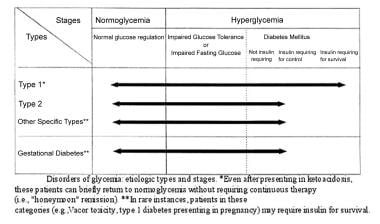
Several distinct disorders of glucose tolerance exist. The most widely used classification of diabetes mellitus and allied categories of glucose intolerance is that recommended by the World Health Organization (WHO) in 1985. However, the American Diabetes Association (ADA) has proposed a system based on disease etiology instead of on type of pharmacologic treatment.1

The major categories of the disorders of glycemia or disorders of glucose tolerance are as follows:

  • Type 1 diabetes mellitus
  • Type 2 diabetes mellitus
  • Other specific types of diabetes
  • Gestational diabetes mellitus (GDM)2
  • Impaired glucose tolerance (IGT)
  • Impaired fasting glucose

Conditions secondarily associated with glucose intolerance also occur.

The diagnosis of a type of diabetes or glucose intolerance in a patient is usually based on the circumstances at the time of diagnosis; however, not all patients easily fit into a particular class. When hyperglycemia is present, its severity may change over time, depending on the nature of the underlying process. An appropriate management approach to any of the disorders of glucose intolerance depends on a good understanding of the mechanisms involved in the disease process.3, 4

Pathophysiology

Heterogeneity occurs in most glucose intolerance disorders, including in the diabetes mellitus syndromes.

Type 1 diabetes

Type 1 diabetes is characterized by absolute insulin deficiency. In type 1A, a cellular-mediated autoimmune destruction of beta cells of the pancreas occurs. The disease process is initiated by an environmental factor, that is, an infectious or noninfectious agent in genetically susceptible individuals. Some of the genes in the histocompatibility leukocyte antigen (HLA) system are thought to be crucial. A stress-induced epinephrine release, which inhibits insulin release (with resultant hyperglycemia), sometimes occurs and may be followed by a transient asymptomatic period known as the honeymoon. Lasting weeks to months, the honeymoon precedes the onset of overt, permanent diabetes.

Amylin, a beta-cell hormone that is normally cosecreted with insulin in response to meals, is also completely deficient in persons with type 1 diabetes. Amylin exhibits several glucoregulatory effects that complement those of insulin in postprandial glucose regulation. Idiopathic forms of type 1 diabetes also occur, without evidence of autoimmunity or HLA association; this subset is termed Type 1B diabetes.

In health, normoglycemia is maintained by fine hormonal regulation of peripheral glucose uptake and hepatic production.

Type 2 diabetes

Type 2 diabetes mellitus results from a defect in insulin secretion and an impairment of insulin action in hepatic and peripheral tissues, especially muscle tissue and adipocytes.5 A postreceptor defect is also present, causing resistance to the stimulatory effect of insulin on glucose use. As a result, a relative insulin deficiency develops, unlike the absolute deficiency found in patients with type 1 diabetes. The specific etiologic factors are not known, but genetic input is much stronger in type 2 diabetes than in the type 1 form.

Impaired glucose tolerance is a transitional state from normoglycemia to frank diabetes; however, patients with impaired glucose tolerance exhibit considerable heterogeneity. Type 2 diabetes, or glucose intolerance, is part of a dysmetabolic syndrome (syndrome X) that includes insulin resistance, hyperinsulinemia, obesity, hypertension, and dyslipidemia. Current knowledge suggests that the development of glucose intolerance or diabetes is initiated by insulin resistance and is worsened by the compensatory hyperinsulinemia.

The progression to type 2 diabetes is influenced by genetics and environmental or acquired factors, such as a sedentary lifestyle and dietary habits that promote obesity. Most patients with type 2 diabetes are obese, and obesity is associated with insulin resistance. Central adiposity is more important than is increased generalized fat distribution. In patients with frank diabetes, glucose toxicity and lipotoxicity may further impair insulin secretion by the beta cells.6

Other forms of glucose intolerance

Gestational diabetes mellitus is described as any degree of glucose intolerance in which onset or first recognition occurs during pregnancy.2 Insulin requirements are increased during pregnancy. This is because of the presence of insulin antagonists, such as human placental lactogen or chorionic somatomammotropin, and cortisol, which promote lipolysis and decrease glucose use. Another factor in increased insulin requirements during pregnancy is the production of insulinase by the placenta. Various genetic defects of the beta cell, insulin action, diseases of the exocrine pancreas, endocrinopathies, drugs, chemical agents, infections, immune disorders, and genetic syndromes can cause variable degrees of glucose intolerance, including diabetes. 

Glucose intolerance may be present in many patients with cirrhosis due to decreased hepatic glucose uptake and glycogen synthesis. Other underlying mechanisms include hepatic and peripheral resistance to insulin and serum hormonal abnormalities. Abnormal glucose homeostasis may also occur in uremia, as a result of increased peripheral resistance to the action of insulin.

Causes of glucose intolerance

The gastrointestinal tract plays a significant role in glucose tolerance. Upon food ingestion, incretin hormones glucagonlike peptide-1 (GLP-1) and glucose-dependent insulinotropic polypeptide (GIP) are synthesized and secreted by specialized gut cells. Oral glucose administration results in a higher insulin secretory response than does intravenous glucose administration; this difference is due, in part, to incretin hormones.

The significance of incretin hormones has been noted lately as a result of efforts to develop new agents that may improve glycemic control in patients with type 2 diabetes through mechanisms that are not currently available. These strategies include the inhibition of dipeptidyl peptidase IV (DPP-4), the major enzyme responsible for degrading incretin hormones in vivo, and the use of GLP-1 agonists.7 Incretin hormones also significantly affect the differentiation, mitogenesis, and survival of beta cells.

Pathologic defects observed in type 2 diabetes mellitus and sometimes in impaired glucose tolerance include postprandial hyperglucagonemia, dysregulation of gastric emptying, and loss of incretin effect.

Postprandial hyperglycemia in diabetes and impaired glucose tolerance (IGT) is related to lower rate of glucose disposal, whereas insulin secretion and action, as well as postprandial turnover, are essentially normal in individuals with isolated IGT.8

Related Medscape topics:
Resource Center Incretin Hormones in Diabetes and Metabolism
Resource Center Insulin

Frequency

United States

  • Approximately 19.3 million (9.3%) people in the United States have diabetes. Nearly 6 million of these cases are undiagnosed.9, 10
  • Impaired glucose tolerance (IGT), considered to be the most common form of glucose intolerance in the United States, is present in 11% of the general population. Prevalence of impaired fasting glucose is 6.9% (13.4 million Americans).10 According to the ADA, however, a review of previous data using a new diagnostic criterion for impaired fasting glucose revised the statistics to 41 million Americans in the 2 categories combined, with 16 million Americans in the IGT category alone.
  • Type 1 diabetes, which usually occurs in children and adolescents, accounts for 5-10% of diabetes cases. Approximately 1 per 400-500 children and adolescents in the United States has type 1 diabetes.
  • Type 2 diabetes, which most commonly occurs in middle age, is the predominant form of clinical disease, constituting 90-95% of diabetes cases. This type of diabetes is reaching epidemic proportions. Minority populations, especially American Indians, Hispanic persons, and African Americans, are at particularly high risk.
  • Gestational diabetes develops in approximately 4% of pregnancies in the United States. The prevalence is 1-14%, depending on the population studied and the diagnostic criteria used.

International

  • The lowest prevalence rates of diabetes (<1%) are found among certain African and Chinese populations and in rural populations of the Mapuche Indians of Chile. 
  • The highest prevalence rates of type 2 diabetes among patients older than 30 years are found in the Pima Indians of Arizona and in the Nauran people of the Pacific island of Nauru. The prevalence rates of these populations are 50%11 and 35%, respectively. The risk in other populations is classified as ranging from low to high-medium. 
  • The overall range for impaired glucose tolerance (IGT; 1-25%) is considerable, although not as wide as for diabetes (0-50%). IGT is rare in Mapuche Indians but is common in many other population groups. Generally, residents of developing nations and migrant or ethnic minorities in industrialized countries are at higher risk for diabetes and for IGT. 
  • The highest rates of type 1 diabetes occur in whites, especially in those of northern European descent. The disease is unknown or rare in certain ethnic groups (eg, Japanese, Chinese, African). 
  • The incidence and prevalence rates of many specific types of diabetes or glucose intolerance, such as the genetic syndromes, are presently unknown in general populations.

Mortality/Morbidity

Several studies demonstrate a relationship between high plasma glucose distributions and the risk for cardiovascular disease and for increased mortality, even within the normoglycemic range. The total annual economic cost (direct and indirect) of diabetes in the United States is at least $132 billion. The overall cost of all categories of glucose tolerance and related cardiovascular risk factors surpasses this estimate. The relationship of morbidity and mortality to glucose tolerance disorders is as follows:

  • Diabetes
    • Sixth leading cause of death by disease 
    • Seventh leading cause of death in the United States 
    • Propensity for acute metabolic complications 
    • Leading cause of end-stage renal disease 
    • Leading cause of blindness 
    • Much higher risk for heart disease 
    • Higher risk for stroke 
    • High risk for neuropathy 
    • High risk for gangrene 
  • Gestational diabetes mellitus
    • Increased risk for fetal and neonatal morbidity and mortality
    • Obstetric complications
    • Increased risk for obesity in offspring, glucose intolerance, and type 2 diabetes 
  • Impaired glucose tolerance (IGT)
    • Major risk factor for diabetes, with 20-50% of persons with IGT progressing to diabetes within 10 years
    • Baseline plasma glucose is the most consistent predictor of progression to diabetes
    • Rates of cardiovascular risk factors that are intermediate between persons with normal glucose tolerance and those with diabetes
    • Increased risk of macrovascular complications (eg, coronary artery disease, gangrene, stroke)
    • Not clearly associated with microvascular complications (eg, nephropathy, retinopathy, neuropathy) 
  • Impaired fasting glucose
    • Not associated with the same risk level as IGT
    • Risk of cardiovascular disease much lower in impaired fasting glucose

Race

  • Native Americans and certain Pacific island populations have the highest risk for glucose intolerance.
  • African Americans and Hispanics have higher rates of glucose intolerance than do non-Hispanic whites.
  • Type 2 diabetes is more prevalent in ethnic minorities, while type 1 diabetes occurs with higher frequencies in whites, especially in white persons of northern European descent.
  • Type 1B diabetes is more common in patients of Asian or African origin.

Sex

  • In the WHO global data, the prevalence ratio of diabetes between men and women varies markedly, with no consistent trend. However, impaired glucose tolerance is more common in women than in men.
  • The relative difference in frequency between the sexes is probably related to the presence of underlying factors, such as pregnancy and obesity, rather than to a sex-specific genetic tendency.

Age

  • Type 1 diabetes occurs most commonly in children and adolescents but may occur in individuals of any age.
  • Type 2 diabetes typically begins in middle life or later, usually after age 30 years; the prevalence rises with age.
  • Maturity-onset diabetes of youth (MODY) can be expressed in childhood or in early adolescence.


History

  • Type 1 diabetes
    • The warning symptoms of type 1 diabetes include polyuria, polydipsia, and polyphagia due to hyperglycemia.
    • Patients may present with unexplained weight loss and easy fatigability that result from reduced glucose use and increased catabolism.
    • Irritability, drowsiness, and loss of consciousness may occur, especially as ketoacidosis develops. The temporal profile is consequent to progression of the metabolic derangement, which is characterized by dehydration, electrolyte abnormalities, osmolality, and acid-base disturbances.
    • After presentation with ketoacidosis, a patient may briefly revert to normoglycemia without requiring therapy (ie, the honeymoon remission).
  • Type 2 diabetes
    • Patients with type 2 diabetes may have any of the symptoms described under type 1 diabetes, but often these persons are asymptomatic.
    • Hyperosmolar nonketotic coma, which may complicate type 2 diabetes mellitus, is characterized by severe dehydration secondary to osmotic diuresis from hyperglycemia.
    • Ketoacidosis, although uncommon, may also occur in type 2 diabetes.
    • Antecedent history in patients with type 2 diabetes includes frequent or recurrent infections, poor wound healing, blurring of vision, and numbness or tingling sensations in the extremities.
  • Gestational diabetes mellitus - This is typically detected during routine screening of pregnant women for glucose intolerance. Any degree of glucose intolerance with onset or recognition during gestation places a patient in the category of gestational diabetes mellitus.
  • Prediabetes - The categories of impaired glucose tolerance (IGT) and impaired fasting glucose have been officially termed prediabetes, because they are risk factors for future diabetes and for cardiovascular disease.12, 13
    • Patients with impaired glucose homeostasis are generally asymptomatic.
    • Features of related risk factors for cardiovascular disease may be present, even with a mild degree of hyperglycemia. They include a history of hypertension, of obesity, of dyslipidemia, and of macrovascular disease, such as stroke, coronary disease, or peripheral vascular disease.
    • In most cases of IGT and impaired fasting glucose, the presence of 1 or more cardiovascular risk factors actually triggers a screening test for disorders of glucose tolerance.
  • Glucose intolerance - Diagnosis of glucose intolerance may also be coincidental in patients with various conditions that may be complicated with glucose intolerance. These conditions include liver cirrhosis, end-stage renal disease, and some rare genetic disorders.

Physical

  • Acute presentation
    • Overt hyperglycemia that has progressed to diabetes, if left untreated, may result in signs of dehydration. Hypotension and other features of hemodynamic decompensation occur with worsening hyperglycemia.
    • Other clinical features, such as Kussmaul respiration and altered level of consciousness due to metabolic derangement, are commonly observed during acute deterioration.
    • Evidence of a precipitating factor, such as fever from an infectious process, may be present and should always be sought.
  • Routine evaluation
    • In routine evaluation of patients with glucose intolerance, weight, height, waist, and hip measurements are recommended. The aim is to determine the body mass index (BMI), the risk level, and the presence of truncal obesity. In type 2 diabetes, 60-90% of the patients are obese. A patient may have central adiposity in spite of a normal BMI. Skin-fold thickness measurement may also be useful in determining regional fat distribution, although it is not often accurate or reproducible.
    • Peripheral stigmata of lipid abnormalities and atherosclerosis, such as premature arcus cornealis, xanthelasma, eruptive (skin) xanthomata, tendon xanthomata, and lipemia retinalis, may be found in some patients.
    • Blood pressure measurement is important, because hypertension is a frequent component of the dysmetabolic syndrome. Hypertension is 1.5-2 times more common in individuals with diabetes than in matched individuals without diabetes. Approximately 40% of individuals with hypertension have impaired glucose tolerance.
  • Thorough evaluation - A thorough evaluation of the various systems and organs is pertinent.
    • Eye examination is important, because ocular manifestations, such as pupillary abnormalities, cataract, refractory errors, retinopathy, and other changes, may be found in some patients with diabetes. These manifestations result mainly from chronic, uncontrolled hyperglycemia.
    • Neurologic examination is also necessary, because muscle wasting, sensory abnormalities, and other features of neuropathy are characteristic of many patients with diabetes who have chronic complications.
  • Related diseases - Specific phenotypic characteristics are found in certain conditions, especially the genetic syndromes.
    • Type A insulin resistance - In addition to glucose intolerance, patients with type A insulin resistance (absent or dysfunctional insulin receptor) may have certain clinical features such as (1) acanthosis nigricans, which is hyperpigmentation and skin thickening of flexural areas, or (2) features of hyperandrogenism, of which some variants may be characterized by thin or muscular body habitus or acral enlargement (pseudoacromegaly).
    • Type B insulin resistance - Due to autoantibodies to the insulin receptor, this resistance commonly manifests as symptomatic diabetes mellitus; ketoacidosis is unusual. Other genetic syndromes associated with insulin resistance include leprechaunism (abnormal facies, growth retardation) and lipodystrophic states (diverse phenotypic manifestations).
    • Internal organ diseases - Other patients may have physical findings that are characteristic of certain internal organ diseases, in which glucose intolerance is only part of the spectrum of metabolic derangement that complicates these conditions. In cirrhosis, the liver may be normal, enlarged, or shrunken, depending on the stage of the disease. Other clinical features of portal hypertension and liver cell failure are often present. In cases of uremia, the various systemic changes, with the wide range of external manifestations that occur in the late phases of renal failure, are generally evident.

Causes

  • Genetic defects of beta-cell function
    • Mutation on chromosome 12, the hepatocyte nuclear factor (HNF-1) alpha - MODY3
    • Mutation on chromosome 7p, the glucokinase gene - MODY2
    • Mutation on chromosome 20, HNF-4 alpha - MODY1
    • Point mutations in mitochondrial DNA
    • Others
  • Defects in insulin action
    • Structure and function of insulin receptor - Postreceptor signal transduction pathways
    • Type A insulin resistance
    • Leprechaunism
    • Rabson-Mendenhall syndrome
    • Lipoatrophic diabetes
    • Others
  • Diseases of the exocrine pancreas - Note that the category malnutrition-related diabetes has been eliminated from the list below because of lack of evidence of the association of protein deficiency with direct causation of diabetes, while fibrocalculous pancreatopathy has been reclassified as a disease of the exocrine pancreas
  • Endocrine diseases associated with excess production of insulin antagonists
  • Drugs or chemical agents with adverse effects
    • Thiazides
    • Diazoxide
    • Glucocorticoids
    • Oral contraceptives
    • Beta-adrenergic agonists
    • Nicotinic acid
    • Thyroid hormone
    • Pentamidine
    • Alpha interferon
    • Atypical antipsychotics, especially clozapine and olanzapine
    • Antiretroviral drugs
    • Vacor
    • Others 
  • Infections associated with beta-cell destruction
  • Immune-mediated causes
    • Stiff person syndrome
    • Anti-insulin receptor abnormalities 
  • Genetic syndromes
  • Pregnancy
  • Obesity
    • Powerful determinant of glucose intolerance in general population
    • Interaction of genetics and acquired factors, such as physical inactivity and dietary habits
  • Other causes of glucose intolerance

Related Medscape topic:
Resource Center Obesity


Diabetes Mellitus, Type 1
Diabetes Mellitus, Type 2
Insulin Resistance


Lab Studies

  • Plasma glucose measurement is used as a screening test and for confirmation of a previously detected abnormality of glucose tolerance. Fasting plasma glucose studies are the preferred diagnostic test of the ADA. A random plasma glucose measurement in the presence of classic diabetes symptoms is also acceptable.
  • Oral glucose tolerance test
    • The standard oral glucose tolerance test (OGTT) involves measurement of plasma glucose concentration 2 hours after a 75-g oral glucose load. It is seldom used as a confirmatory test in the diagnosis of diabetes. However, OGTT may be helpful in situations in which fasting or random glucose results are equivocal. It is required in order to diagnose impaired glucose tolerance (IGT), although it is increasingly being reserved for research purposes.
    • A provisional diagnosis of diabetes must be confirmed on a subsequent day by any of the 3 methods, ie, fasting, casual, and OGTT.
    • The ADA diagnostic criteria, which emphasizes fasting plasma glucose, facilitates the screening of individuals with undiagnosed diabetes, but the criteria help to identify fewer people with diabetes when compared with OGTT.
    • The ADA diagnostic criteria include the following:
      • Normal glucose homeostasis - Fasting plasma glucose (FPG) level of less than 100 mg/dL and 2-hour OGTT result of less than 140 mg/dL after a 75-g oral glucose load
      • Impaired fasting glucose - Fasting plasma glucose level of 100 mg/dL or greater but less than 126 mg/dL, based on ADA criteria (The cutpoint for impaired fasting glucose levels has been reduced from 110 mg/dL by the ADA, with the aim of identifying more individuals who are at risk for developing diabetes.) 
      • Impaired glucose tolerance - Two-hour OGTT result of 140 mg/dL or greater but less than 200 mg/dL
      • Diabetes mellitus - (1) FPG level of 126 mg/dL or greater and a casual plasma glucose level of 200 mg/dL or greater, (2) a casual plasma glucose level of 200 mg/dL or greater on 2 occasions, or (3) the classic symptoms plus a 2-hour OGTT result of 200 mg/dL or greater
      • Gestational diabetes mellitus - Defined as any degree of glucose intolerance with onset or first recognition during pregnancy. In the United States, the most popular screening test for gestational diabetes mellitus is a 1-hour plasma glucose measurement after a 50-g oral glucose load followed by (if necessary) 3-hour diagnostic testing using a 100-g load. The WHO-recommended procedure using a 75-g oral glucose load is used in many parts of the world.  
  • Screening tests for type 2 diabetes should be considered at 3-year intervals in all individuals older than 45 years, particularly if the BMI is 25 kg/m2 or higher. Testing is indicated at a younger age or more frequently in individuals who are overweight (BMI 25 kg/m2 or higher) and have additional risk factors, including the following:
    • Habitual physical inactivity
    • First-degree relation to a person with diabetes 
    • High-risk ethnic background - Such as Hispanic, American Indian, Asian American, African American, or Pacific Islander
    • Delivery of a baby that is large for its gestational age (baby >9 lb) or history of gestational diabetes mellitus 
    • Hypertension - Blood pressure of 140/90 mm Hg or greater, or on therapy for diabetes
    • High-density lipoprotein cholesterol level of 35 mg/dL or less, triglyceride level of 250 mg/dL or more, or both 
    • Polycystic ovary syndrome (PCOS) 
    • IGT or impaired fasting glucose, as determined with previous testing 
    • Other clinical conditions associated with insulin resistance - Such as severe obesity and acanthosis nigricans
    • History of cardiovascular disease 
  • In the absence of the above criteria, testing for prediabetes and diabetes should begin at age 45 years.
  • If results are normal, testing should be repeated at least every 3 years, with consideration of more frequent testing depending on initial results and risk status.
  • Urinalysis is important, because ketonuria and massive glycosuria are indicators of acute decompensation. Significant proteinuria may be present in patients with diabetic nephropathy. Abnormalities are found in specific gravity, and pH can be found in uremia.
  • Urine microalbumin is a marker of early renal impairment and endothelial dysfunction.
  • Glycated hemoglobin is not recommended as a diagnostic tool. It serves as an index of severity of hyperglycemia over 6-8 weeks preceding measurement. This is highly specific as evidence of chronic hyperglycemia. It is a predictor of chronic complications.
  • Serum electrolytes, BUN, creatinine, uric acid, and blood gases are evaluated, because during acute decompensation, metabolic derangement from loss of water, sodium, potassium, other electrolytes, anion gap, and osmolality abnormalities are very common. Normal renal and hepatic function must be confirmed before therapy is started with some oral antidiabetic agents.
  • Liver function tests assessing baseline liver function are used to exclude hepatic disease prior to commencing certain antihyperglycemic agents (eg, biguanides, thiazolidinediones). Periodic measurements are required during treatment with thiazolidinediones. Liver cirrhosis is a cause of glucose intolerance.
  • A lipid profile is necessary, because an increased triglyceride level may be present. This is often a reflection of poor glycemic control and may normalize on attainment of euglycemia. Other lipid abnormalities, such as increased total cholesterol and low-density lipoprotein levels, are commonly found.
  • A complete blood cell (CBC) count is obtained, because an increased white blood cell count is common during acute infection. Ketoacidosis also is a cause of leukocytosis.
  • A C-peptide profile is needed, because an undetectable plasma level indicates type 1 diabetes (in the absence of hypoglycemia). C-peptide profiling may also be helpful in deciding treatment in some cases of type 2 diabetes. It is not routinely used in clinical practice.
  • Increased levels of plasma plasminogen activator inhibitor type 1, a marker of impaired fibrinolysis, are frequently found in patients with glucose intolerance and are a correlate of insulin resistance syndrome.
  • An increased plasma homocysteine level is a risk factor for atherosclerosis. The homocysteine level should therefore be measured in selected patients.

Other Tests

  • Electrocardiography (ECG) and other cardiac workup

    • Perform ECG and other tests depending on the patient's cardiovascular risk profile.
    • Features of left ventricular hypertrophy and/or cardiomegaly are common in patients with hypertension.
    • Low-risk patients may have normal test results, whereas, with appropriate cardiac testing, patients with significant cardiovascular disease may show evidence of ischemia.


Medical Care

Routine evaluation in an ambulatory setting is feasible for most patients. Patients with acute decompensation due to glucose intolerance or to any of the related disorders may require inpatient care. See Consultations for other specialists who the patient may benefit from consulting.14

A major goal in the management of glucose intolerance is glycemic control.

  • Intensive lifestyle modification has been shown to effectively delay or prevent diabetes in a cost-effective manner.15, 16 Nonpharmacologic therapy and lifestyle modification include the following:
    • Diet
    • Exercise
    • Counseling for smoking cessation and counseling regarding alcohol use
    • Reversal of drug-related, iatrogenic causation of glucose intolerance
    • Substitution or addition of an agent or agents that do not adversely affect glucose tolerance or reduction of the dosage of the offending drug
  • Pharmacologic therapy may be required in the following situations:17
    • Fasting glucose level is greater than 126 mg/dL, postprandial glucose level is greater than 160 mg/dL, or glycosylated hemoglobin (HbA1C) level is greater than 7%
    • Hyperglycemia (a significant risk factor in the development of vascular complications)

Related Medscape topic:
CME Achieving Targets in Type 2 Diabetes: Interactive Patient Cases

Consultations

  • Endocrinologist
  • Dietitian
  • Cardiologist, ophthalmologist, and nephrologist, depending on the presence of other related disorders and predominant pathology

Diet

Medical nutrition therapy should be guided by the ADA recommendations and should be individualized based on weight and height, level of physical activity, and requirements for calories and nutrients.18

Related Medscape topic:
CME Chronic Management of Obesity: A Comprehensive Approach to Reducing CV Risk

Activity

A high level of physical activity is desirable, as appropriate to the patient's ability and general health. Most patients benefit from carefully planned exercise programs tailored to individual needs.


Oral antidiabetic agents can be classified into functional categories, as follows:

  • Secretagogues (eg, sulfonylureas, meglitinides), which stimulate insulin release
  • Insulin sensitizers (eg, biguanides, thiazolidinediones), which reduce insulin resistance
  • Medications that slow the digestive/absorptive process (eg, alpha-glucosidase inhibitors)
  • DPP-4 inhibitors (eg, sitagliptin), which inhibit DPP-4, the enzyme that inactivates incretin hormones GLP-1 and GIP.19, 20

Of note is the novel treatment with DPP-4–resistant GLP-1 receptor agonists, such as exenatide and liraglutide, which are incretin mimetics, as well as with the DPP-4 inhibitors sitagliptin (Januvia; Merck & Co) and vildagliptin (LAF237, Norvatis Pharmaceuticals); the latter is in the late stage of clinical development.19, 20 Both strategies have been successful in clinical studies. The action mechanisms of incretin mimetics include stimulation of insulin secretion in response to nutrient intake, inhibition of glucagon secretion, delay of gastric emptying, and induction of early satiety. Other benefits include preservation of beta-cell mass and improvement of secretory function. The advantages of the DPP-IV inhibitors include oral availability, good tolerability, and weight neutrality.

Amylin has several glucoregulatory effects that complement those of insulin in postprandial glucose regulation; thus, mealtime amylin administration may be adjunctive to mealtime insulin replacement and may facilitate improvement of postprandial and overall glycemic control in patients with type 1 or type 2 diabetes. However, naturally occurring human amylin is unsuitable for clinical use because of several physicochemical properties; pramlintide acetate contains an amylin analogue without those limitations.21, 22, 23, 24, 25, 26

All patients with type 1 diabetes are insulin-dependent. Treatment of severe hyperglycemia during acute decompensation in a patient with type 2 diabetes may reverse the state of glucose toxicity, further improving secretory function of beta cells in the pancreas. Type 2 diabetes can be treated effectively with oral hypoglycemic drugs, with or without the addition of insulin. The natural history of type 2 diabetes is that of progressive beta-cell deterioration, secondary failure of oral agents, and the subsequent need for insulin therapy. Gestational diabetes mellitus is treated with insulin and/or with lifestyle change. Oral agents are contraindicated in pregnancy.

With regard to the management of impaired glucose tolerance, the current approach is aggressive lifestyle modifications. The results of the Diabetes Prevention Program (DPP) showed that metformin therapy and intensive lifestyle intervention reduced the risk of developing type diabetes by 31% and 58% respectively, compared with placebo, in individuals with impaired glucose tolerance. The Study to Prevent Non-Insulin–Dependent Diabetes Mellitus (STOP-NIDDM) Trial demonstrated a 25% relative risk reduction in the development of diabetes, and also showed an associated reduction in hypertension (34%) and cardiovascular events (49%). Orlistat may be beneficial in the context of obesity.16

Related Medscape topics:
CME Dawning of a New Age in Type 2 Diabetes Care: An Expanding Role for Injectable Agents
CME/CE FDA Reports Highlight Risks of Insulin and Analgesic Pump Use in Teens 
CME Insulin Glargine Noninferior to Insulin Lispro in Patients With Type 2 Diabetes
CME Intensive Insulin Therapy May Protect Renal Function in Critically Ill Patients 
CME The Changing Shape of Type 2 Diabetes

Drug Category: Sulfonylureas

Chlorpropamide and tolbutamide (first-generation), as well as glipizide, glyburide, and glimepiride (second-generation), are secretagogues, that is, medications that stimulate insulin secretion.

Drug NameGlipizide (Glucotrol)
DescriptionSecond-generation sulfonylurea that stimulates release of insulin from pancreatic beta cells.
Adult Dose5-40 mg/d PO; not to exceed 15 mg/dose or 40 mg/d
Pediatric DoseNot established
ContraindicationsDocumented hypersensitivity; ketoacidosis; type 1 diabetes; pregnancy
InteractionsBeta blockers, phenytoin, corticosteroids, and thiazides decrease hypoglycemic effects; cimetidine may increase hypoglycemic effects; ACE inhibitors enhance hypoglycemic activity
PregnancyC - Fetal risk revealed in studies in animals but not established or not studied in humans; may use if benefits outweigh risk to fetus
PrecautionsCaution in renal or liver dysfunction; trauma, infection, surgery, or stress may require use of insulin

Drug Category: Meglitinides

These agents stimulate insulin secretion from pancreatic cells.

Drug NameRepaglinide (Prandin)
DescriptionMeglitinides analogue, a secretagogue that acts on the pancreas to stimulate the release of insulin. Nateglinide (Starlix) is an analogue of D-phenylalanine.
Adult DoseFor oral hypoglycemic-naïve patient or HbA1C <8%: Repaglinide 0.5 mg PO tid ac; nateglinide 120 mg PO tid ac
Previously treated patient or HbA1C >8%: Repaglinide 1-2 mg PO tid ac; not to exceed 16 mg PO
Pediatric DoseNot established
ContraindicationsDocumented hypersensitivity; ketoacidosis; type 1 diabetes
InteractionsCYP3A4 inhibitors (eg, clarithromycin, ketoconazole, miconazole, erythromycin) decrease metabolism, thus increasing serum levels and hypoglycemic effects; hypoglycemic activity also enhanced by chloramphenicol, NSAIDs, probenecid, salicylates, and warfarin; hypoglycemic activity decreased by corticosteroids, estrogens, INH, phenytoin, and thiazides; glucose control destabilized by beta blockers, quinolones, and thyroid hormones
PregnancyC - Fetal risk revealed in studies in animals but not established or not studied in humans; may use if benefits outweigh risk to fetus
PrecautionsHepatic disease; elderly patients

Drug Category: Antidiabetic agents, biguanides

These agents improve peripheral glucose uptake and utilization.

Drug NameMetformin (Glucophage)
DescriptionReduces insulin resistance, ie, metformin is an insulin sensitizer. Hepatic glucose output is decreased; peripheral insulin-stimulated uptake is increased.
Adult Dose500 mg PO bid or 850 mg PO qd; not to exceed 2500 mg
Pediatric DoseNot established
ContraindicationsDocumented hypersensitivity; renal dysfunction; CHF that requires treatment; concomitant use of parenteral radiographic agents; type 1 diabetes
InteractionsHypoglycemic activity enhanced by ketoconazole, miconazole, erythromycin, chloramphenicol, NSAIDs, probenecid, salicylates, and warfarin; hypoglycemic activity decreased by corticosteroids, estrogens, INH, phenytoin, and thiazides; glucose control destabilized by beta blockers, quinolones, and thyroid hormones
PregnancyB - Fetal risk not confirmed in studies in humans but has been shown in some studies in animals
PrecautionsHepatic disease; advanced age; discontinue if lactic acidosis, hypoxemia, or sepsis occurs

Drug Category: Thiazolidinediones

These agents stimulate peripheral use of glucose as stimulated by insulin. Rosiglitazone and pioglitazone are commonly used.

Following the online publication of a meta-analysis, the Food and Drug Administration on May 21, 2007, issued an alert to patients and health care professionals stating that rosiglitazone can potentially cause an increased risk of myocardial infarction (MI) and heart-related deaths. Rosiglitazone is an antidiabetic agent (thiazolidinedione derivative) that improves glycemic control by improving insulin sensitivity.

The drug is highly selective and is a potent agonist for peroxisome proliferator-activated receptor gamma (PPAR gamma). Activation of PPAR-gamma receptors regulates insulin-responsive gene transcription involved in glucose production, transport, and utilization, thereby reducing blood glucose concentrations and reducing hyperinsulinemia. Potent PPAR-gamma agonists have been shown to increase the incidence of edema. A large scale phase III trial (RECORD) is underway that is specifically designed to study cardiovascular outcomes of rosiglitazone.

For more information, see FDA’s Safety Alert on Avandia. The meta-analysis published online, entitled “Effect of Rosiglitazone on the Risk of Myocardial Infarction and Death from Cardiovascular Causes” can be viewed at The New England Journal of Medicine. Additionally, responses to the controversy can be viewed at the Heartwire news (the heart.org from WebMD), including the following articles: 1) Rosiglitazone increases MI and CV death in meta-analysis and 2) The rosiglitazone aftermath: legitimate concerns or hype?

Drug NameRosiglitazone (Avandia)
DescriptionSensitizes target cells' response to insulin.
Adult Dose4-8 mg/d PO qd or divided bid
Pediatric DoseNot established
ContraindicationsDocumented hypersensitivity; active liver disease; ketoacidosis; type 1 diabetes
InteractionsHypoglycemic activity decreased by loop diuretics, thiazides, and salicylates; glucose control destabilized by quinolones
PregnancyC - Fetal risk revealed in studies in animals but not established or not studied in humans; may use if benefits outweigh risk to fetus
PrecautionsMonitor transaminases, discontinue if ALT rises to more than 3 times upper limit of normal; edema; CHF

Drug Category: Alpha-glucosidase inhibitors

These agents include acarbose and miglitol, which are medications that slow the digestive and absorptive process.

Drug NameAcarbose (Precose)
DescriptionSlows digestive and absorptive process.
Adult Dose25 mg PO tid with first bite of each meal initially; not to exceed 50 mg PO tid if <60 kg; not to exceed 100 mg PO tid if >60 kg
Pediatric DoseNot established
ContraindicationsDocumented hypersensitivity; IBD; colonic ulceration; ileus; cirrhosis; ketoacidosis
InteractionsEnhances hypoglycemic activity of antidiabetic drugs; decreases digoxin serum levels
PregnancyB - Fetal risk not confirmed in studies in humans but has been shown in some studies in animals
PrecautionsMonitor liver function; use glucose (not sucrose) to treat hypoglycemia

Drug Category: Antidiabetic agents, insulins

Insulin is used as hormone replacement.

Drug NameInsulin (Humulin, Novolin)
DescriptionVarious preparations based on onset, peak, and duration of action. The exogenous insulin supply is used to overcome insulin deficiency and resistance.
Adult Dose0.1-2.5 U/kg/d SC; individualized and highly variable
Diabetic ketoacidosis: Regular insulin only, 0.1 U/kg/h IV; use a bolus of 0.1 U/kg if insulin delayed
Pediatric DoseAdminister as in adults
ContraindicationsDocumented hypersensitivity
InteractionsHypoglycemic effect decreased by thyroid hormone, corticosteroids, estrogen, diltiazem, and thiazide; hypoglycemic effect increased by alcohol, anabolic steroids, salicylates, beta blockers, alpha blockers, and tetracycline
PregnancyB - Fetal risk not confirmed in studies in humans but has been shown in some studies in animals
PrecautionsInstruct patient on proper administration of insulin, blood testing, diet, exercise, and management of hypoglycemia; titrate dosage according to patient's need

Drug Category: Incretin mimetics

This new class of drugs broadens the armamentarium of antidiabetic medications. Exenatide and liraglutide are DPP-4resistant GLP-1 receptor agonists or analogues. As incretin mimetics, they enhance insulin secretion, the suppression of glucagon secretion, and the slowing of gastric emptying. Exenatide has been approved by the FDA as adjunctive therapy in patients who have not achieved adequate control with metformin or sulfonylurea; exenatide has been available since June 2005.

Drug NameExenatide (Byetta)
DescriptionA 39-amino acid incretin mimetic peptide derived from Gila monster hormone exendin-4; structurally similar to GLP-1. Enhances glucose-mediated insulin secretion in the beta cell; decreases the pathologic hypersecretion of glucagon in the alpha cell; slows gastric emptying; induces satiety. Improves postprandial hyperglycemia without significant risk of hypoglycemia; produces moderate weight loss. Improvement in islet cell function demonstrated by increased proinsulin-to-insulin ratio.
Adult Dose5 mcg SC bid within 1 h ac in morning and evening; based on response, may increase to 10 mcg SC bid after 1 mo
Pediatric DoseNot established
ContraindicationsDocumented hypersensitivity
InteractionsData limited; coadministration decreases digoxin Cmax and delays Tmax, decreases lovastatin AUC and Cmax, delays lisinopril Tmax, and decreases acetaminophen AUC and Cmax, but these pharmacokinetic alterations do not appear to be clinically significant; may decrease absorption of orally administered drugs (take drugs that require rapid absorption [eg, oral contraceptives, antibiotics] at least 1 h before exenatide)
PregnancyC - Fetal risk revealed in studies in animals but not established or not studied in humans; may use if benefits outweigh risk to fetus
PrecautionsAdminister in thigh, abdomen, or upper arm; may cause hypoglycemia, nausea, vomiting, diarrhea, jittery feeling, dizziness, headache, or dyspepsia; may develop antibodies to protein contents

Drug Category: Amylin analogue

Pramlintide is an amylinomimetic agent that modulates gastric emptying, prevents postprandial increases in plasma glucagon, and promotes satiety, leading to decreased caloric intake and potential weight loss.21, 22, 23, 24, 25, 26

Although naturally-occurring human amylin is unsuitable for clinical use because of several physicochemical properties (eg, poor solubility; self-aggregation; formation of b-pleated sheets, amyloid fibrils, amyloid plaques), the selective substitution of the amino acid proline for Ala25, Ser28, and Ser29 addresses the suboptimal physicochemical properties of human amylin while preserving the important metabolic actions. Pramlintide acetate injection, which contains this amylin analogue, is a sterile, clear, colorless, aqueous solution that also contains mannitol for isotonicity and the preservative m-cresol.

Drug NamePramlintide (Symlin)
DescriptionSynthetic analogue of human amylin, a naturally occurring hormone made in pancreas beta cells. Pramlintide slows gastric emptying, suppresses postprandial glucagon secretion, and regulates food intake through centrally mediated appetite modulation. It is indicated to treat type 1 or type 2 diabetes in combination with insulin. Pramlintide is administered before mealtime for patients who have not achieved desired glucose control despite optimal insulin therapy. The drug helps to achieve lower blood glucose levels after meals, less fluctuation of blood glucose levels during the day, and improvement of long-term control of glucose levels (ie, HbA1C levels) compared with insulin alone. Reductions in insulin use and body weight are also observed.
Adult DoseType 1 diabetes: 15 mcg SC ac initially; titrate upward in 15-mcg increments (if no significant nausea occurs for 3-7 d) to maintenance dose of 30-60 mcg/dose; insulin dose must be initially decreased during initiation phase; once target pramlintide dose achieved, optimize insulin to maintain glycemic control
Type 2 diabetes: 60 mcg SC ac initially; titrate upward (if no significant nausea occurs for at least 3 d) to maintenance dose of 120 mcg/dose; insulin dose must initially be decreased during initiation phase; once target pramlintide dose achieved, optimize insulin to maintain glycemic control
Pediatric DoseNot established
ContraindicationsDocumented hypersensitivity to pramlintide or any of its components, metacresol, D-mannitol, acetic acid, or sodium acetate; gastroparesis; hypoglycemia unawareness
InteractionsDo not use with other drugs that slow gastric emptying (eg, anticholinergic agents, such as atropine) or drugs that slow intestinal nutrient absorption (eg, alpha glucosidase); may delay absorption of concomitantly administered oral drugs (to avoid this effect, administer other drug 1 h before or 2 h after pramlintide)
PregnancyC - Fetal risk revealed in studies in animals but not established or not studied in humans; may use if benefits outweigh risk to fetus
PrecautionsIncreases risk of insulin-induced severe hypoglycemia, especially with type 1 diabetes or gastroparesis; reduce insulin dose in all patients (type 2 or type 1) when initiating therapy (monitor blood glucose and adjust insulin dose during initiation phase); common adverse effects include GI symptoms, especially nausea (incidence decreased when dose increased gradually); always use separate insulin syringe to measure and administer; do not mix in same syringe as insulin (it alters their individual pharmacokinetics); may cause local redness, swelling, or itching at injection site; do not administer unless ingesting major meal (ie, >250 calories or 30 g of carbohydrates)
Adverse events include nausea, vomiting, abdominal pain, headache, fatigue, and dizziness
Incidence and severity of nausea is highest at initiation of therapy and may be reduced by a gradual increase to recommended doses

Drug Category: Dipeptidyl Peptidase-4 Inhibitor

The DPP-4 inhibitors are oral agents that inactivate the major enzyme responsible for degrading incretin hormones in vivo.

Drug NameSitagliptin (Januvia)
DescriptionFirst of a new class of antidiabetic agents known as dipeptidyl peptidaseIV (DPP-4) inhibitors. Sitagliptin blocks the enzyme DPP-4, which is known to degrade incretin hormones. Sitagliptin increases concentrations of active intact incretin hormones (GLP-1 and GIP). The hormones stimulate insulin release in response to increased blood glucose levels following meals. This action enhances glycemic control. Sitagliptin is indicated for diabetes type 2 as monotherapy or in combination with metformin or with a peroxisome proliferator-activated receptor gamma (PPAR-gamma) agonist (eg, thiazolidinediones).
Adult Dose100 mg PO qd
CrCl >30 to <50 mL/min: 50 mg PO qd
CrCl <30 mL/min: 25 mg PO qd
Pediatric DoseNot established
ContraindicationsDocumented hypersensitivity
InteractionsData limited; caution with other drugs that decrease glucose
PregnancyB - Fetal risk not confirmed in studies in humans but has been shown in some studies in animals
PrecautionsCommon adverse effects include upper respiratory tract infection, nasopharyngitis, and headache; assess renal function before initiating therapy and periodically thereafter; decrease dose with moderate or severe renal insufficiency


Further Inpatient Care

  • Admit for treatment and close monitoring during severe acute decompensation.

Further Outpatient Care

  • Monitoring of medication compliance and adverse effects
  • Blood glucose and HbA1C monitoring
  • Dietary consultation
  • Dietary measures and exercise

In/Out Patient Meds

  • Medications include sulfonylureas, meglitinides, biguanides and thiazolidinediones, alpha-glucosidase inhibitors, and insulin preparations, sometimes in combination.
  • Carefully select medications that are beneficial in the context of comorbid states.

Transfer

  • Transfer to a specialist for further evaluation and treatment if specific problems cannot be managed effectively at the primary care level or in the event that glucose intolerance worsens despite the best efforts to control it.

Deterrence/Prevention

  • Avoid dietary indiscretion.
  • Avoid physical inactivity.
  • Quit or avoid smoking.
  • Avoid ethanol abuse.

Complications

  • Impaired glucose tolerance (IGT) and diabetes - Coronary artery disease
  • IGT and diabetes - Peripheral vascular disease
  • IGT and diabetes - Stroke
  • Diabetes - Nephropathy
  • Diabetes - Retinopathy
  • Diabetes - Neuropathy
  • Diabetes - Acute metabolic complications

Prognosis

  • Impaired glucose tolerance (IGT) is a risk factor for type 2 diabetes, with 20-50% of individuals with IGT developing type 2 diabetes over 10 years. Approximately one third revert to normal glucose tolerance, while others persistently demonstrate IGT, as determined using the OGTT.
  • For gestational diabetes mellitus, reclassification is performed at 6 weeks or more postpartum. In most patients with gestational diabetes mellitus, glucose tolerance becomes normal after delivery. However, the lifetime risk for IGT and diabetes is increased substantially in these women.

Patient Education

  • Educate patients on the disease, treatment, monitoring, complications, and primary and secondary preventive measures.
  • Educate family members on various issues, including the management of hypoglycemia.
  • For excellent patient education resources, visit eMedicine's Diabetes Center. Also, see eMedicine's patient education articles Diabetes and Diabetic Eye Disease.


Medical/Legal Pitfalls

  • Failure to recognize an association with major medical disorders, such as hypertension, dyslipidemia, and coronary artery disease
  • Failure to treat comorbid conditions
  • Failure to inform the patient of potentially serious adverse effects that may occur with the use of some antihyperglycemic agents
  • Failure to inform the patient of the possibility of disease progression and the development of complications

Special Concerns

  • Increased glucose tolerance (IGT) and impaired fasting glucose do not imply normality, but they do not carry the stigma and connotations of the term diabetes.


Media file 1:  Etiologic types and stages of the major disorders of glucose tolerance.
Click to see larger pictureClick to see detailView Full Size Image
Media type:  Graph


  1. American Diabetes Association. Diagnosis and classification of diabetes mellitus. Diabetes Care. Jan 2008;31 Suppl 1:S55-60. [Medline].
  2. Buchanan TA, Xiang AH. Gestational diabetes mellitus. J Clin Invest. Mar 2005;115(3):485-91. [Medline][Full Text].
  3. Cooper DH, Krainik AJ, Lubner SJ, et al, eds. The Washington Manual of Medical Therapeutics. Philadelphia, Pa: Lippincott Williams & Wilkins; 2007.
  4. Fauci AS, Braunwald E, Kasper DL, et al, eds. Harrison's Principles of Internal Medicine. 17th ed. New York, NY: McGraw-Hill; 2008.
  5. Corpeleijn E, Mensink M, Kooi ME, et al. Impaired skeletal muscle substrate oxidation in glucose-intolerant men improves after weight loss. Obesity (Silver Spring). May 2008;16(5):1025-32. [Medline].
  6. Dagogo-Jack S, Santiago JV. Pathophysiology of type 2 diabetes and modes of action of therapeutic interventions. Arch Intern Med. Sep 8 1997;157(16):1802-17. [Medline].
  7. Ahren B. [New strategy in type 2 diabetes tested in clinical trials. Glucagon-like peptide 1 (GLP-1) affects basic caused of the disease]. Lakartidningen. 2005;102(8):545-9. [Medline].
  8. Bock G, Dalla Man C, Campioni M, et al. Pathogenesis of pre-diabetes: mechanisms of fasting and postprandial hyperglycemia in people with impaired fasting glucose and/or impaired glucose tolerance. Diabetes. Dec 2006;55(12):3536-49. [Medline][Full Text].
  9. Cowie CC, Rust KF, Byrd-Holt DD, et al. Prevalence of diabetes and impaired fasting glucose in adults in the U.S. population: National Health and Nutrition Examination Survey 1999-2002. Diabetes Care. Jun 2006;29(6):1263-8. [Medline][Full Text].
  10. Harris MI, Flegal KM, Cowie CC, et al. Prevalence of diabetes, impaired fasting glucose, and impaired glucose tolerance in U.S. adults. The Third National Health and Nutrition Examination Survey, 1988-1994. Diabetes Care. Apr 1998;21(4):518-24. [Medline][Full Text].
  11. King H, Rewers M. Global estimates for prevalence of diabetes mellitus and impaired glucose tolerance in adults. WHO Ad Hoc Diabetes Reporting Group. Diabetes Care. 1993;16(1):157-77. [Medline].
  12. Færch K, Vaag A, Holst JJ, et al. Impaired fasting glycaemia vs impaired glucose tolerance: similar impairment of pancreatic alpha and beta cell function but differential roles of incretin hormones and insulin action. Diabetologia. May 2008;51(5):853-861. [Medline].
  13. Nathan DM, Davidson MB, DeFronzo RA, et al. Impaired fasting glucose and impaired glucose tolerance: implications for care. Diabetes Care. Mar 2007;30(3):753-9. [Medline].
  14. American Diabetes Association. Standards of medical care in diabetes--2008. Diabetes Care. Jan 2008;31 Suppl 1:S12-54. [Medline].
  15. Bourn DM, Mann JI, McSkimming BJ, et al. Impaired glucose tolerance and NIDDM: does a lifestyle intervention program have an effect?. Diabetes Care. Nov 1994;17(11):1311-9. [Medline].
  16. Gillies CL, Abrams KR, Lambert PC, et al. Pharmacological and lifestyle interventions to prevent or delay type 2 diabetes in people with impaired glucose tolerance: systematic review and meta-analysis. BMJ. Feb 10 2007;334(7588):299. [Medline].
  17. DeFronzo RA. Pharmacologic therapy for type 2 diabetes mellitus. Ann Intern Med. 1999;131(4):281-303. [Medline].
  18. Du H, van der A DL, van Bakel MM, et al. Glycemic index and glycemic load in relation to food and nutrient intake and metabolic risk factors in a Dutch population. Am J Clin Nutr. Mar 2008;87(3):655-61. [Medline].
  19. Pham DQ, Nogid A, Plakogiannis R. Sitagliptin: a novel agent for the management of type 2 diabetes mellitus. Am J Health Syst Pharm. Mar 15 2008;65(6):521-31. [Medline].
  20. Mest HJ, Mentlein R. Dipeptidyl peptidase inhibitors as new drugs for the treatment of type 2 diabetes. Diabetologia. Apr 2005;48(4):616-20. [Medline].
  21. Ceriello A, Piconi L, Quagliaro L, et al. Effects of pramlintide on postprandial glucose excursions and measures of oxidative stress in patients with type 1 diabetes. Diabetes Care. Mar 2005;28(3):632-7. [Medline].
  22. Hollander P, Ratner R, Fineman M, et al. Addition of pramlintide to insulin therapy lowers HbA1c in conjunction with weight loss in patients with type 2