Continually Updated Clinical Reference
 
 
  All Sources     eMedicine     Medscape     Drug Reference     MEDLINE
 
eMedicine - Glucagonoma : Article by

Quick Find
Authors & Editors
Introduction
Clinical
Differentials
Workup
Treatment
Medication
Follow-up
Miscellaneous
Multimedia
References

Related Articles
Acrodermatitis Enteropathica

Bacteremia

Cirrhosis

Diabetes Mellitus, Type 1

Diabetes Mellitus, Type 2

Paraneoplastic Syndromes

Pellagra

Psoriasis


Patient Education
Click here for patient education.


Author: Luigi Santacroce, MD, Assistant Professor, Medical School, State University at Bari, Italy

Coauthor(s): Laura Diomede, University of Bari School of Medicine, Italy; Mini R Abraham, MD, Consulting Staff, Saint Luke's Medical Group

Editors: Frederick H Ziel, MD, Chief of Endocrinology, Kaiser Permanente Woodland Hills, Associate Professor, Department of Internal Medicine, Division of Diabetes and Endocrinology, University of California at Los Angeles; Francisco Talavera, PharmD, PhD, Senior Pharmacy Editor, eMedicine; Romesh Khardori, MD, Chief, Division of Endocrinology, Metabolism and Molecular Medicine, Professor, Department of Internal Medicine, Southern Illinois University School of Medicine; Mark Cooper, MBBS, PhD, FRACP, Head, Diabetes & Metabolism Division, Baker Heart Research Institute, Professor of Medicine, Monash University; George T Griffing, MD, Professor of Medicine, St Louis University School of Medicine

Author and Editor Disclosure

Synonyms and related keywords: glucagonoma, glucagon, glucagonoma syndrome, alpha-cell tumor, alpha-cell adenoma, alpha cell, alpha cells, alpha-2 cell, alpha-2 cells, diabetes, diabetes mellitus, diabetes mellitus type 2, pancreas, hyperglycemia, hyperglycemic, neuroendocrine, 4D syndrome, neuroendocrine tumor, islet cell, islet cells, islet cell pancreatic tumor, pancreatic tumor, pancreas tumor, insulininsulinoma, glucagon overproduction, hypoaminoacidemia, weight loss, normochromic and normocytic anemia, necrolytic migratory erythema, NME, hyperglucagonemia, pancreas, octreotide, Sandostatin, peptide hormone, bioactive peptide, tumor of the pancreas, multiple endocrine neoplasia type1, MEN I, islet cell tumor

Background

A glucagonoma is a rare neuroendocrine tumor with nearly exclusive pancreatic localization. Malignant glucagonomas are islet cell pancreatic tumors that are discovered because of glucagonoma syndrome (in which the glucagonoma autonomously secretes glucagon), because of local mass effects, or incidentally. Glucagonomas originate from the alpha-2 cells of the pancreas.

In 1942, Becker and colleagues first described glucagonomas. Fewer than 250 cases of glucagonomas have been described in the literature. Unregulated production (overproduction) of peptide hormones and growth factors, which are not normally expressed in the tissue of origin, is characteristic of neuroendocrine tumors. Abnormal production of these bioactive peptides can lead to significant systemic toxic consequences and to the promotion of further tumor growth. The origin of this pathology remained unknown until 1966, when McGavran and colleagues assessed the radioimmunoassay (RIA) technique for glucagon.1

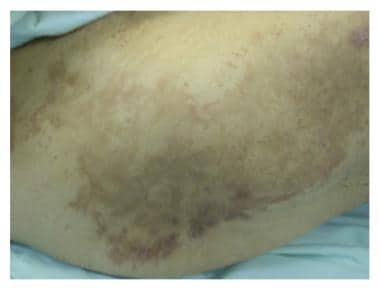
In 75-80% of cases, the glucagonoma starts in malignant form, and in 50% of these cases, metastasis exists at diagnosis. The tumor's presence is characterized by glucagon overproduction, weight loss, diabetes mellitus, hypoaminoacidemia, normochromic and normocytic anemia, and necrolytic migratory erythema (NME), which is the most characteristic clinical sign (as opposed to symptom) of this pathology. NME presents as phlogistic damage to tissues in areas exposed to friction and pressure.

Another noteworthy feature of glucagonoma syndrome is a high rate of thromboembolic complications and consequent pulmonary embolisms; this is dangerous for many patients who can succumb to it. The correct recognition of NME is very important, because it may allow early detection either of glucagonoma or of extrapancreatic, glucagon-secreting tumors.2, 3

Glucagonomas that are not associated with glucagonoma syndrome are diagnosed in various ways. The tumor may appear as a malignant pancreatic tumor discovered because of local growth, with or without metastases, or the tumor may be associated with insulinoma or gastrinoma. Glucagonoma may also occur as a single microadenoma found incidentally at autopsy in elderly patients. Glucagonoma very rarely is part of multiple endocrine neoplasia (MEN) type 1 syndrome (also called Wermer syndrome), and in such cases, the glucagonoma appears as a single, biologically inactive lesion. Similar to other islet cell tumors, the primary and metastatic lesions are slow growing.

However, it is noteworthy that some cases of NME without glucagonoma have been reported.4, 5 It has been suggested that in such patients, hyponutrition, especially that resulting from a lack of vitamins and minerals, causes differentiation/proliferation modifications of keratinocytes.

Related eMedicine topics:
Glucagonoma Syndrome
Diabetes Mellitus, Type 2 [Endocrinology]
Diabetes Mellitus, Type 2 [Pediatrics: General Medicine]
Diabetes Mellitus, Type 2 - A Review
Multiple Endocrine Neoplasia
Multiple Endocrine Neoplasia Type 1
Multiple Endocrine Neoplasia, Type 2
Neoplasms of the Endocrine Pancreas
Pancreas, Islet Cell Tumors

Pathophysiology

Although the relationship between hyperglucagonemia and necrolytic migratory erythema (NME) is not clear, elevated glucagon serum levels can be found at the same time as this cutaneous manifestation of the disease. Glucagon is a peptidic hormone mostly produced from alpha-2 cells of the pancreas and, in smaller amounts, from amine precursor uptake and decarboxylation (APUD) cells in gastric and duodenal mucosa. Three known forms of this hormone exist. The pancreatic form contains 29 amino acids and has a molecular weight of 3485 daltons, the gastric form contains 29 amino acids and has a molecular weight of 3500 daltons, and the enteric form, or enteroglucagon, contains a polypeptidic chain, has a high molecular weight, and is biologically and chemically different from other hormones, although it cross-reacts with them.

Glucagon is secreted under the influence of various factors. The most important of these is the reduced blood concentration of glucose. Acetylcholine and catecholamines elevate serum levels of glucagon and somatostatin; serotonin reduces these levels. Physiologic glucagon activity includes the following:

  • Glycogenolysis activation with contemporary glycolysis inhibition and activation of the gluconeogenesis
  • Stimulation of lipolysis and catecholamine secretion
  • Inhibition of gastric secreting activity, pancreatic secreting activity, and GI motility
  • Stimulation of urinary excretion of water and phosphates, as well as of sodium, calcium, and magnesium ions

Hyperglycemia linked to glucagonoma is a consequence of the glycogenolytic and gluconeogenic effects of glucagon. Similarly, glucagon excess (or relative glucagon excess) can be observed in diabetes mellitus and its complication, diabetic ketoacidosis.

When glucagon is secreted by a tumor, it becomes independent and is no longer influenced by feedback control mechanisms; the subsequent increase in glucagon concentration in the blood produces characteristic symptoms. Diabetes mellitus occurs in patients with glucagonoma because of the lack of equilibrium between insulin production and glucagon production (which occurs when high serum levels of glucagon and normal levels of insulin exist or when insulin production is reduced and a normal glucagon level is present). However, glucagon may not induce hyperglycemia directly unless the metabolism of glucose by the liver is directly compromised.

Another factor affecting glucagon secretion may be variation in the molecular species of glucagon that is present in each case, and the biologic potency of these molecular species of glucagon. Weight loss is due to the action of glucagon on lipid and protein metabolism; increased caloric expenditure, as determined by the proteic catabolism; and the consequent increase of gluconeogenesis and ureagenesis. This mechanism is probably also responsible for the cases of anemia and hypoaminoacidemia observed in patients with glucagonoma. Thromboembolism, occasionally observed in patients, is attributable to the production of a molecule similar to coagulative factor X from tumoral cells.

Although many theories about the pathogenesis of NME exist, the process of pathogenesis is not explained with certainty. According to one theory, NME can be caused by a tryptophan loss in cutaneous tissues because of the excess circulating glucagon. The amino acid tryptophan is responsible for niacin (pellagra prevention vitamin) function, which regulates cell turnover, capillary tone, and the maturation of the epidermis and mucosal epithelia.

According to another theory, NME is related to the hypoalbuminemia due to glucagon excess; in fact, albumin acts as a carrier for zinc and essential fatty acids. Zinc carries out a fundamental role in the maintenance of cutaneous trophism. The mineral is also responsible for the linoleic acid desaturation and is therefore involved in prostaglandin synthesis, which could determine phlogistic damage to tissues in areas exposed to friction and pressure if it occurs in excess. NME may also occur in areas of cutaneous trauma.

Frequency

United States

A study by Yao and colleagues, based on an analysis of the Surveillance, Epidemiology, and End Results (SEER) program database, reported the occurrence of a total of 2705 cases of endocrine pancreatic tumors in the United States over a period of 28 years, ending Jan 1, 2003.6 According to these authors, the incidence of glucagonoma is very low, with islet cell neoplasms accounting for 1.3% of pancreatic cancers.

International

A rare pathology, glucagonoma probably accounts for 1% of all neuroendocrine tumors. Between 1942 and the beginning of the 21st century, approximately 250 cases were described in the literature. Incidence of this pathology is estimated on an annual basis, with 1 case occurring in every 20 million people. This number is probably an underestimation of the actual occurrence because of the relative lack of specificity of the symptoms. The fact that the tumors are, for a time, clinically silent also contributes to this underestimation.

Mortality/Morbidity

Glucagonomas have a slow rate of growth. Most cases start with nonspecific symptoms. In a report on patients with functional pancreatic tumors, the average delay in diagnosis was 3 years. Approximately 50% of cases have metastases at diagnosis; for patients in whom metastasis has occurred, the prognosis is poor.

Because of the small number of cases of glucagonoma, the rate of survival after 5 years has not been determined. However, one study reported an average survival time of 3.7 years in a group of 12 patients and an average survival period of 4.9 years in another group, consisting of 9 patients.

Like other islet cell neoplasms, glucagonomas may overproduce multiple hormones, each of which can have clinical manifestations. Insulin is the second-most common hormone secreted by these tumors. Others include (in order of frequency) adrenocorticotropic hormone (ACTH), pancreatic polypeptide, and parathyroid hormone (PTH) or substances with activity similar to PTH, such as gastrin, serotonin, vasoactive intestinal polypeptide (VIP), and melanocyte-stimulating hormone (MSH).

Race

No race prevalence is known for glucagonoma.

Sex

The frequency of glucagonoma in males and females is nearly equal, although a greater incidence has been reported in females.

Age

Most patients with glucagonoma are in the sixth decade of life, with a mean age of 55 years and an age range of 19-84 years.


History

  • Glucagonoma initially manifests with a nonspecific clinical scenario characterized, in most cases, by weight loss, diabetes mellitus, diarrhea, and stomatitis.
  • The cutaneous lesions in this phase of the disease can easily be confused with nonspecific dermatitis, which occurs more often in patients with diabetes mellitus.
  • Poorly defined symptoms of this condition sometimes make it difficult to establish a correct differential diagnosis (eg, with a pancreatic adenocarcinoma that causes weight loss, the early stages of dyspepsia, and the later stages of jaundice).
  • The so-called 4D syndrome consists of diabetes, dermatitis, DVT (deep vein thrombosis), and depression.

Physical

  • The most frequent clinical sign observed in patients with glucagonoma is necrolytic migratory erythema (NME), which is present in 80% of cases and is characterized by an erythematous and swollen area of skin.
    • The symptoms that appear on the skin include (in order of appearance) maculopapular, ringed lesions and blisters that breach after a few days, as well as, possibly, pustular evolution due to bacterial superinfection. The lesions are often confluent, evolve in a period of 1-2 weeks, and are strongly pruritic and painful. They heal with hyperpigmentation.
    • NME initially occurs in areas of the skin that are subject to friction and pressure, such as the feet and legs, the hands and forearms, and the buttocks, pubic area, groin area, and perineal area. Mucocutaneous lesions are frequently observed as atrophic glossitis, commissural cheilitis, stomatitis, balanoposthitis or vulvovaginitis, and ungual and hair dystrophies.
  • Aside from NME, symptoms often observed in glucagonoma are diabetes or glucose intolerance (in 80-90% of cases) and a weight loss of 5-15 kg (in most patients).
  • Symptoms that occur less frequently are venous thromboses, in particular DVT (in approximately 40% of cases); intestinal motility alterations with diarrhea and abdominal pains (in approximately 20% of cases); cachexia; anemia; scotomata and other optical disturbances; and psychical disturbances, such as insomnia, depression, disorientation, lethargy, and bradylalia.

Causes

The causes of this pathology remain unknown, although some genetic factors could play an important role, especially in patients who have a family history of multiple endocrine neoplasia type 1 syndrome.


Acrodermatitis Enteropathica
Bacteremia
Cirrhosis
Diabetes Mellitus, Type 1
Diabetes Mellitus, Type 2
Paraneoplastic Syndromes
Pellagra
Psoriasis

Other Problems to Be Considered

Burn injury
Essential fatty acid deficiency
Herpetic dermatitis
Kwashiorkor
Renal failure
Zinc deficiency
Prolonged fasting
Hepatic failure
Use of danazol or oral contraceptive


Lab Studies

  • Determining the level of glucagonemia by means of radioimmunoassay (RIA) testing is mandatory. A positive test result for glucagonoma exceeds 1000 pg/mL (reference range is 50-200 pg/mL).
  • Performing a fasting blood sugar and/or glucose tolerance test to establish the presence of diabetes is important.
  • A complete blood count (CBC) with a differential count is important for evaluating whether anemia is present.
  • Because glucagonoma can, in rare cases, be a part of multiple endocrine neoplasia type 1 syndrome, also check serum levels of fasting insulin, glucagon, prolactin, calcium, and VIP.
  • Performing a study of the nutritional status of the patient is important in order to correct nutritional deficits; this test must evaluate the level of serum concentration of amino acids, zinc, and essential fatty acids.
  • Determining the level of transaminases, bilirubinemia, and alkaline phosphatase is important in order to detect hepatic metastases.
    • The serum level of chromogranin A (CgA) has been proposed as and demonstrated to be a type of sensitivity marker (albeit a nonspecific one) for determining the presence of glucagonoma.
    • Stimulation tests with arginine, secretin, or tolbutamide, which rapidly stimulate plasmatic glucagon levels in patients affected by glucagonoma, are of little additional help.
  • The detection of telomerase and the quantification of the human telomerase reverse transcriptase (hTERT) protein subunit have been proposed for distinguishing clinically benign from malignant endocrine tumors. In reported cases, primary endocrine malignant tumor showed telomerase activity. The quantification of hTERT messenger ribonucleic acid (mRNA) has been used in clinical practice to exclude malignancy.

Imaging Studies

  • In patients with functioning islet cell tumors, the radiologist must localize the lesion.
  • Knowing the tumor size and location, especially with hepatic metastases, is fundamentally important when deciding on treatment.
  • As with other endocrine tumors of the pancreas, the diagnosis requires localization by 1 of several modalities, including angiography, computed tomography (CT) scanning, and magnetic resonance imaging (MRI).
    • The selective angiographic study of the coeliac tripod localizes with high reliability the center of the tumor, which usually appears as a prominent, hypervascular area, and simultaneously characterizes hepatic metastases.
    • A CT scan and an MRI study of the pancreas help to characterize the precise site of the tumor (localized in the pancreatic tail in 86-88% of cases).7 In 95% of cases, the tumor appears as a single mass, with a diameter varying from 1-30 cm.
    • Abdominal CT scanning is helpful in localizing the tumor and metastases. Thus, the combination of CT scanning and angiography provides an acceptable preoperative assessment.7
    • MRI is useful in characterizing islet cell tumors, which have marked increased signal intensity on T2-weighted images. Gadolinium enhancement in the nonnecrotic or nondegenerated areas of the tumor shows a characteristic pattern that allows differentiation of islet cell tumors from the more common pancreatic adenocarcinoma, which is hypovascular and has lower signal intensity on T2 images.
  • Metaiodobenzylguanidine (MIBG) scintigraphy may be helpful in detecting the primary tumor.
  • Positron emission tomography (PET) scanning and scintigraphic study with indium-111 octreotide (111In-D-Phe1-octreotide) or C-11 L-dihydroxyphenylalanine (11C-L-DOPA) have been used, but, because of the small number of patients with glucagonoma, estimating the real reliability of these imaging techniques has not been possible. However, because the lymph node metastasizes and the primary tumor in the pancreatic tail cannot be observed with ultrasonography, CT scanning, or angiography, this diagnostic tool might be useful only in selected patients. Practically all glucagonomas studied have been somatostatin receptor positive.8, 9
  • Endoscopic ultrasonography is another useful modality that can be used in early localization of the tumor.

Procedures

  • Correctly performing a biopsy of the skin during an advanced phase of the disease allows for a diagnosis of necrolytic migratory erythema. Different stages of the cutaneous lesions may be present simultaneously. Performing repetitive, multiple, and random sampling of the lesions is very helpful for diagnosis.
  • Based on radiologic features, a Tru-cut biopsy or laparotomy could be performed in order to obtain histologic samples.

Histologic Findings

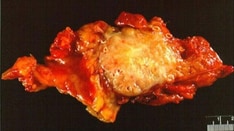
Usually, glucagonomas arise from alpha-2 cells of the pancreatic islets and grossly appear as a single mass (80%). In approximately 80% of cases, glucagonoma is a carcinoma, and it is an adenoma in 20% of cases. Although the tumor is most frequently localized in the tail of the pancreas, finding it in other areas of the organ is not rare (24% in the body of pancreas, 10% in the head of the pancreas, and 20% in the whole pancreas is interested with multiple foci). Glucagonoma is rarely found in a gastric or duodenal location.

The tumor appears as a solid, single mass of 5 cm or more that is well demarcated from the surrounding parenchyma and is capsulated, with a rich vascular network that differentiates it from pancreatic adenocarcinomas. More rarely, a number of neoplastic lesions can be found. The tumor cells are occasionally organized in nests and strands and appear strongly glucagon-positive on immunohistochemical staining. A strong cellular affinity for betacellulin, a member of the family of epidermal growth factors (EGFs), has been reported. Electron microscopy shows secretory granules and an extended rough endoplasmic reticulum (RER).

The basic skin damage seems to consist of small blisters, which contain acantholytic epidermal cells, neutrophils, and lymphocytes. The surrounding epidermis is usually intact, and the dermis contains a lymphocytic perivascular infiltrate. Skin samples from the areas with early necrolytic migratory erythema show lymphocytic infiltration of the dermis, while examination of the epidermis shows focal dyskeratosis and lymphocytes. Later, lymphocytic infiltration of the dermis with neutrophils and eosinophils can be found, while the epidermis shows diffuse parakeratosis, acanthosis, loss of the granular layer, and necrosis of the superficial layers.

Metastases that are histologically similar to the primitive tumor may be in the liver (60-90%).

Staging

No detailed or generally accepted staging system for glucagonoma exists.


Medical Care

Currently, active drugs used to treat glucagonoma do not exist, although some drugs can cause partial regression of a neoplastic mass or improvements in the symptoms of necrolytic migratory erythema (NME).10

  • In the literature, good results have been obtained with doxorubicin and streptozotocin (5-fluorouracil [5-FU] and streptozotocin), via selective damage of islets cells.9
  • Long-acting octreotide, analogous to human somatostatin, causes NME symptom regression in some, but not all, patients.8, 9, 11, 12
  • The remission of glucagonoma through treatment with dacarbazine has been described in a single patient.

Surgical Care

Once a glucagonoma is identified, the optimal management is surgical resection, which is the only curative therapy.10, 13, 14

  • In some patients, removal of the tumor may reverse symptoms.
  • Patients with liver metastases and severe symptoms caused by tumor bulk or hormone-release syndromes may benefit from procedures that reduce hepatic arterial blood flow to metastases, including hepatic arterial occlusion with embolization or chemoembolization that causes a necrosis of the metastases without damaging the healthy hepatic parenchyma, which is supplied from the portal circulation.15, 16 This treatment may also be combined with systemic chemotherapy in selected patients.
  • Multimodal therapeutic interventions including liver transplantation are reported, but the results need further studies to confirm and validate such time and cost expensive procedure.17
  • Beyond neoplasm removal, resect healthy surrounding parenchyma and locoregional lymph nodes, which can occasionally be metastatic or, more rarely, the primary site of the tumor.
  • Several authors have reported the clinical palliation of symptoms from surgical debulking of the tumor.18
  • Although first performed in 1996, laparoscopic resection of pancreatic endocrine tumors has seen only limited use, because there has not been a great deal of data about the safety, feasibility, indications for, and outcomes after such intervention. In 2008, however, Fernández-Cruz and colleagues reported on 49 patients who underwent laparoscopic pancreatic surgery.19 The authors concluded that such surgery is a safe, feasible means of treating benign endocrine pancreatic tumors.

Consultations

The occurrence of mucocutaneous lesions, endocrine disturbances, and optic and psychic disturbances may be very helpful for differential diagnosis, therapy, and needed consultations (from dermatologists, neurologists, endocrinologists, ophthalmologists).

Diet

In patients with glucagonoma, providing a supplemental protein supply in order to furnish amino acids is useful. In more severe cases, such supplementation can be administered intravenously. The administration of essential fatty acids (ie, olive oil), zinc, vitamins, and minerals is also helpful.

Activity

Mild exercise is usually not harmful in patients with glucagonoma.


Worldwide, octreotide is the only drug used for the treatment of glucagonomas.8, 11, 12 In patients with diffuse metastases, antiproliferative drugs may be useful for palliating symptoms.

Drug Category: Antisecretory agents

These medications include drugs with a multitude of endocrine and nonendocrine effects, including the inhibition of glucagon, VIP, and GI peptides.11

Drug NameOctreotide (Sandostatin)
DescriptionSynthetic analog of the hypothalamic peptide somatostatin that inhibits the secretion of pituitary and GI hormones, inducing an increase in the intestinal absorption of water and electrolytes, a decrease in pancreatic and gastric acid secretions, and a delay in intestinal transit time. Octreotide acts primarily on somatostatin receptor subtypes II and V. It inhibits GH secretion and has a multitude of other endocrine and nonendocrine effects, including the inhibition of glucagon, VIP, and GI peptides.
Adult Dose100 mcg SC tid/qid
Administer IV over 5 min in emergencies
Pediatric DoseNot established
ContraindicationsDocumented hypersensitivity
InteractionsMay reduce effects of cyclosporine; patients on insulin, oral hypoglycemics, beta blockers, and calcium channel blockers may need dosage adjustments
PregnancyB - Fetal risk not confirmed in studies in humans but has been shown in some studies in animals
PrecautionsAdverse effects are primarily related to altered GI motility and include nausea, abdominal pain, diarrhea, and increased incidence of gallstones and biliary sludge; because of alteration in counterregulatory hormones (ie, insulin, glucagon, GH), hypoglycemia or hyperglycemia may be observed; bradycardia, cardiac conduction abnormalities, and arrhythmias have been reported; because of inhibition of TSH secretion, hypothyroidism may also occur; exercise caution in patients with renal impairment; cholelithiasis may occur

Drug Category: Antineoplastic agents

These medications inhibit cell growth and differentiation.

Drug NameDoxorubicin (Adriamycin, Rubex)
DescriptionMay be helpful for the palliation of symptoms in patients with progressive disease. The dosage is related to body surface area.
Adult Dose60-75 mg/m2 IV single dose q3-4wk, maximum cumulative dose 550 mg/m2 or 400 mg/m2 with previous or concomitant treatment (eg, daunorubicin, cyclophosphamide, irradiation of cardiac region)
Pediatric DoseNot established
ContraindicationsDocumented hypersensitivity; severe CHF; cardiomyopathy; impaired cardiac function; preexisting myelosuppression; previous treatment with complete cumulative doses of doxorubicin, idarubicin, and/or daunorubicin
InteractionsMay decrease phenytoin and digoxin plasma levels; phenobarbital may decrease plasma levels of doxorubicin; cyclosporine may induce coma or seizures; mercaptopurine increases toxicity of doxorubicin; cyclophosphamide increases cardiac toxicity of doxorubicin
PregnancyD - Fetal risk shown in humans; use only if benefits outweigh risk to fetus
PrecautionsMay cause nausea and reddish stain of urine (not blood in urine) in the short term and toxicity of heart, oral mucosa, hair (alopecia), and hematopoietic system; extravasation may occur, resulting in severe tissue necrosis; caution in patients with impaired hepatic function

Drug NameFluorouracil (Adrucil)
DescriptionUseful for the palliation of symptoms in patients with progressive disease.
Adult Dose15 mg/kg/d IV (continuous 24 h infusion) for 5 consecutive d
Pediatric DoseNot established
ContraindicationsDocumented hypersensitivity; potentially serious infection; bone marrow depression
InteractionsAllopurinol decreases toxicity; cimetidine increases plasma levels
PregnancyD - Fetal risk shown in humans; use only if benefits outweigh risk to fetus
PrecautionsNausea, oral and GI ulcers; may depress immune system and cause bone marrow suppression; caution in severe renal impairment, adjust dose

Drug NameStreptozocin (Zanosar)
DescriptionHelpful for the palliation of symptoms in patients with progressive disease. The dosage is related to body surface area. Streptozocin may sometimes cause complete disease remission. The drug's administration must be suspended only when the desired response or toxicity occurs. Streptozocin may induce severe nephrotoxic effects.
Adult Dose500 mg/m2 IV for 5 consecutive d q4-6wk
Pediatric DoseNot established
ContraindicationsDocumented hypersensitivity; severe renal impairment
InteractionsLoop diuretics, aminoglycosides, and amphotericin B may enhance nephrotoxicity
PregnancyX - Contraindicated; benefit does not outweigh risk
PrecautionsStreptozocin-induced nephrotoxicity may be irreversible and lead to death; may cause hypoglycemia and hyperglycemia; caution in diabetic patients

Drug NameDacarbazine (DTIC-Dome)
DescriptionAdministration in patients with glucagonoma not established; however, dacarbazine may be helpful for the palliation of symptoms in patients in whom surgery is not feasible. Complete disease remission has been reported in only 1 patient.
Adult Dose300 mg/m2 IV for 5 consecutive d q3-4wk
Pediatric DoseNot established
ContraindicationsDocumented hypersensitivity; severe chronic hepatic impairment
InteractionsNone reported
PregnancyC - Fetal risk revealed in studies in animals but not established or not studied in humans; may use if benefits outweigh risk to fetus
PrecautionsMay depress immune system and cause bone marrow suppression; caution in severe renal impairment, adjust dose


Further Inpatient Care

  • For inpatients, psychotherapeutic intervention may be very helpful when comorbid depression is present.

Further Outpatient Care

  • Psychotherapeutic intervention may be very helpful when comorbid depression is present.

In/Out Patient Meds

  • Because of severe weight loss, a period of total parenteral nutrition may be needed as part of the preoperative preparation for patients with glucagonoma. Antibiotics, steroids, amino acids, and zinc supplementation may improve severe skin rash. Octreotide is also useful to help improve the perioperative condition of these patients. Prophylaxis for venous thrombosis and the subcutaneous administration of low-dose heparin are mandatory treatments for all patients during the perioperative period.
  • In patients for whom surgery is not feasible, consider administering streptozotocin and doxorubicin or streptozotocin and 5-FU.
  • In patients with widespread metastases, consider hepatic artery catheterism for doxorubicin + cisplatin + mitomycin-C administration. Such treatment can determine colliquative necrosis and mass reduction in large number of patients. In addition, octreotide administration before, during, and after locoregional therapy may stop the crisis due to the massive release of glucagon.

Complications

  • The main complication of glucagonoma is hepatic metastasis or metastasis of the locoregional lymph nodes.

Prognosis

  • The prognosis for glucagonoma is poor. The rate of survival after 5 years is difficult to determine because of the small number of patients who develop the disease. One study, however, reported an average survival time of 3.7 years in a group of 12 patients and an average survival period of 4.9 years in another group, consisting of 9 patients.


Medical/Legal Pitfalls

  • The main medicolegal problems related to the treatment of glucagonoma are the toxic effects of antiproliferative drugs and the consequences of surgical procedures. For this reason, always obtain an informed consent for any procedure or treatment, explaining all procedures and their possible complications.

Special Concerns

  • The skin changes observed in patients with glucagonoma usually improve with resection of the tumor.


Media file 1:  A section of a glucagonoma mass with several fiber bundles and solid cellular strands (125 X). Courtesy of Professor Pantaleo Bufo, University of Foggia, Italy.
Click to see larger pictureClick to see detailView Full Size Image
Media type:  Photo

Media file 2:  A section of a glucagonoma mass with irregular aspects of fiber bundles and cellular strands (400 X). Courtesy of Professor Pantaleo Bufo, University of Foggia, Italy.
Click to see larger pictureClick to see detailView Full Size Image
Media type:  Photo


  1. McGavran MH, Unger RH, Recant L, et al. A glucagon-secreting alpha-cell carcinoma of the pancreas. N Engl J Med. Jun 23 1966;274(25):1408-13. [Medline].
  2. Pujol RM, Wang CY, el-Azhary RA, et al. Necrolytic migratory erythema: clinicopathologic study of 13 cases. Int J Dermatol. Jan 2004;43(1):12-8. [Medline].
  3. Remes-Troche JM, Garcia-de-Acevedo B, Zuniga-Varga J, et al. Necrolytic migratory erythema: a cutaneous clue to glucagonoma syndrome. J Eur Acad Dermatol Venereol. Sep 2004;18(5):591-5. [Medline].
  4. el Darouty M, Abu el Ela M. Necrolytic migratory erythema without glucagonoma in patients with liver disease. J Am Acad Dermatol. Jun 1996;34(6):1092-3. [Medline].
  5. Nakashima H, Komine M, Sasaki K, et al. Necrolytic migratory erythema without glucagonoma in a patient with short bowel syndrome. J Dermatol. Aug 2006;33(8):557-62. [Medline].
  6. Yao JC, Eisner MP, Leary C, et al. Population-based study of islet cell carcinoma. Ann Surg Oncol. Dec 2007;14(12):3492-500. [Medline][Full Text].
  7. Xu Q, Chen WH, Huang QJ. Spiral CT localization of pancreatic functioning islet cell tumors. Hepatobiliary Pancreat Dis Int. Nov 2004;3(4):616-9. [Medline].
  8. Melen-Mucha G, Lawnicka H, Kierszniewska-Stepien D, et al. The place of somatostatin analogs in the diagnosis and treatment of the neuoroendocrine glands tumors. Recent Patents Anticancer Drug Discov. Jun 2006;1(2):237-54. [Medline].
  9. Kindmark H, Sundin A, Granberg D, et al. Endocrine pancreatic tumors with glucagon hypersecretion: a retrospective study of 23 cases during 20 years. Med Oncol. 2007;24(3):330-7. [Medline].
  10. O'Grady HL, Conlon KC. Pancreatic neuroendocrine tumours. Eur J Surg Oncol. Mar 2008;34(3):324-32. [Medline].
  11. Moattari AR, Cho K, Vinik AI. Somatostatin analogue in treatment of coexisting glucagonoma and pancreatic pseudocyst: dissociation of responses. Surgery. Sep 1990;108(3):581-7. [Medline].
  12. Tomassetti P, Migliori M, Corinaldesi R, et al. Treatment of gastroenteropancreatic neuroendocrine tumours with octreotide LAR. Aliment Pharmacol Ther. May 2000;14(5):557-60. [Medline].
  13. Pautrat K, Bretagnol F, de Muret A, et al. [Recurrent glucagonoma 20 years after surgical resection]. Gastroenterol Clin Biol. Dec 2003;27(12):1163-5. [Medline].
  14. Akerstrom G, Hellman P, Hessman O, et al. Surgical treatment of endocrine pancreatic tumours. Neuroendocrinology. 2004;80 Suppl 1:62-6. [Medline].
  15. Clouse ME, Perry L, Stuart K, et al. Hepatic arterial chemoembolization for metastatic neuroendocrine tumors. Digestion. 1994;55 Suppl 3:92-7. [Medline].
  16. King J, Quinn R, Glenn DM, et al. Radioembolization with selective internal radiation microspheres for neuroendocrine liver metastases. Cancer. Sep 1 2008;113(5):921-9. [Medline].
  17. Radny P, Eigentler TK, Soennichsen K, et al. Metastatic glucagonoma: treatment with liver transplantation. J Am Acad Dermatol. Feb 2006;54(2):344-7. [Medline].
  18. Montenegro F, Lawrence GD, Macon W, et al. Metastatic glucagonoma. Improvement after surgical debulking. Am J Surg. Mar 1980;139(3):424-7. [Medline].
  19. Fernández-Cruz L, Blanco L, Cosa R, Rendón H. Is laparoscopic resection adequate in patients with neuroendocrine pancreatic tumors?. World J Surg. May 2008;32(5):904-17. [Medline].
  20. Adam DN, Cohen PD, Ghazarian D. Necrolytic migratory erythema: case report and clinical review. J Cutan Med Surg. Jul-Aug 2003;7(4):333-8. [Medline].
  21. Baton O, Eggenspieller P, Bechade D, et al. [Median pancreatectomy for early glucagonoma]. Gastroenterol Clin Biol. Mar 2005;29(3):308-10. [Medline].
  22. Bhathena SJ, Higgins GA, Recant L. Glucagonoma and glucagonoma syndrome. In: Unger RH, Orci L, eds. Glucagon. New York, NY: Elsevier Science; 1981:413.
  23. Cruz-Bautista I, Lerman I, Perez-Enriquez B, et al. Diagnostic challenge of glucagonoma: case report and literature review. Endocr Pract. Jul-Aug 2006;12(4):422-6. [Medline].
  24. Du Jardin P, Cools P, Van der Stighelen Y. Necrolytic migratory erythema: first symptom of a glucagonoma. A case report. Acta Chir Belg. Aug 2004;104(4):468-70. [Medline].
  25. Echenique-Elizondo M, Elorza JL, De Delas JS. Migratory necrolytic erythema and glucagonoma. Surgery. Apr 2003;133(4):449-50. [Medline].
  26. Grant CS. Surgical management of malignant islet cell tumors. World J Surg. Jul-Aug 1993;17(4):498-503. [Medline].
  27. Jabbour SA, Davidovici BB, Wolf R. Rare syndromes. Clin Dermatol. Jul-Aug 2006;24(4):299-316. [Medline].
  28. Koike N, Hatori T, Imaizumi T, et al. Malignant glucagonoma of the pancreas diagnoses through anemia and diabetes mellitus. J Hepatobiliary Pancreat Surg. 2003;10(1):101-5. [Medline].
  29. Kovács RK, Korom I, Dobozy A, et al. Necrolytic migratory erythema. J Cutan Pathol. Mar 2006;33(3):242-5. [Medline].
  30. Krause W. Skin diseases in consequence of endocrine alterations. Aging Male. Jun 2006;9(2):81-95. [Medline].
  31. Marko PB, Miljkovic J, Zemljic TG. Necrolytic migratory erythema associated with hyperglucagonemia and neuroendocrine hepatic tumors. Acta Dermatovenerol Alp Panonica Adriat. Dec 2005;14(4):161-4, 166. [Medline][Full Text].
  32. Moertel CG, Johnson CM, McKusick MA, et al. The management of patients with advanced carcinoid tumors and islet cell carcinomas. Ann Intern Med. Feb 15 1994;120(4):302-9. [Medline].
  33. Schanz S, Schaefer J, Fierlbeck G. Glucagonoma presenting with necrolytic migratory erythema: the glucagonoma syndrome. Gastroenterology. Dec 2005;129(6):1816, 2131. [Medline].
  34. Tomita T, Masuzaki H, Noguchi M, et al. GPR40 gene expression in human pancreas and insulinoma. Biochem Biophys Res Commun. Dec 30 2005;338(4):1788-90. [Medline].
  35. Vinik AI, Perry RR. Neoplasms of the gastroenteropancreatic endocrine system. In: Holland JF, Frei E III, Bast RC Jr, et al, eds. Cancer Medicine. 4th ed. Baltimore, Md: William & Wilkins; 1997.
  36. Wang L, Zhao YP, Lee CI, et al. Diagnosis and treatment of malignant pancreatic endocrine tumour. Chin Med Sci J. Jun 2004;19(2):130-3. [Medline].
  37. Zhang M, Xu X, Shen Y, et al. Clinical experience in diagnosis and treatment of glucagonoma syndrome. Hepatobiliary Pancreat Dis Int. Aug 2004;3(3):473-5. [Medline].

Glucagonoma excerpt

Article Last Updated: Nov 20, 2008