Continually Updated Clinical Reference
 
 
  All Sources     eMedicine     Medscape     Drug Reference     MEDLINE
 
eMedicine - Gas Gangrene : Article by

Quick Find
Authors & Editors
Introduction
Clinical
Differentials
Workup
Treatment
Medication
Follow-up
Miscellaneous
Multimedia
References

Related Articles
Abdominal Abscess

Abdominal Trauma, Penetrating

Abortion

Clostridial Cholecystitis

Sepsis, Bacterial

Septic Shock

Toxic Shock Syndrome


Patient Education
Click here for patient education.


Author: Hoi Ho, MD, Assistant Dean for Faculty Affairs and Development, Professor, Department of Internal Medicine, Thomason Hospital, Texas Tech University

Hoi Ho is a member of the following medical societies: Alpha Omega Alpha, American Association for the Advancement of Science, American College of Forensic Examiners, American College of Physicians, American Society for Microbiology, and Infectious Diseases Society of America

Coauthor(s): Miguel Angel Pena-Ruiz, MD, Staff Physician, Department of Internal Medicine, Texas Tech University Health Sciences Center, El Paso; Jason W Tcheng, MS, Texas Tech University School of Medicine; Karl C Bentley, MS, Texas Tech University School of Medicine; Jeffrey P Nelson, MD, Staff Physician, Department of Internal Medicine, University of Texas Medical Branch at Galveston; Enes Kanlic, MD, Associate Professor, Department of Orthopaedic Surgery, Texas Tech University Health Science Center

Editors: Pranatharthi Haran Chandrasekar, MD, Director of Infectious Disease Fellowship, Professor, Department of Internal Medicine, Harper Hospital, Wayne State University School of Medicine; Francisco Talavera, PharmD, PhD, Senior Pharmacy Editor, eMedicine; Charles V Sanders, MD, Edgar Hull Professor and Chairman, Department of Internal Medicine, Professor of Microbiology, Immunology and Parasitology, Louisiana State University School of Medicine at New Orleans; Medical Director, Medicine Hospital Center, Charity Hospital and Medical Center of Louisiana at New Orleans; Consulting Staff, Ochsner Medical Center; Eleftherios Mylonakis, MD, Clinical and Research Fellow, Department of Internal Medicine, Division of Infectious Diseases, Massachusetts General Hospital; Burke A Cunha, MD, Professor of Medicine, State University of New York School of Medicine at Stony Brook; Chief, Infectious Disease Division, Winthrop-University Hospital

Author and Editor Disclosure

Synonyms and related keywords: gas gangrene, clostridial myonecrosis, Clostridium perfringens, C perfringens, clostridial species, clostridia, alpha-toxin, a-toxin, toxin-producing bacteria, bacterial infection, gangrenous wound, adenocarcinoma, colorectal adenocarcinoma, crush injury, open fracture, compound fracture, GI cancer, occult malignancy

Background

The terms gas gangrene and clostridial myonecrosis are used interchangeably and refer to infection of muscle tissue by toxin-producing clostridia. In 1861, Louis Pasteur identified the first clostridial species, Clostridium butyricum. In 1892 and later, Welch, Nuttall, and other scientists isolated a gram-positive anaerobic bacillus from gangrenous wounds. This organism, originally known as Bacillus aerogenes capsulatus, later became Bacillus perfringens, then Clostridium welchii. The organism is now named Clostridium perfringens. Gas gangrene gained recognition for its wartime incidence, during which only a paucity of civilian cases occurred. During World War I, gas gangrene complicated 6% of open fractures and 1% of all open wounds. These figures steadily decreased to 0.7% during World War II, 0.2% during the Korean War, and 0.002% during the Vietnam War; however, gas gangrene was nonexistent during the battle in the Falkland Islands in 1982.

The US military medicine has credited this to the mobility of the forward surgical teams (FSTs) in keeping up with the fast-moving military units. Despite several casualties caused by enormous firepower and improvised explosive devices (IEDs), no gas gangrene has been reported among US soldiers during the ongoing operation Iraqi Freedom. The lethality of war wounds has decreased from 24% during operation Desert Storm (1991) to an unprecedented 10% during operation Iraqi Freedom.

Pathophysiology

Gas gangrene is caused by an anaerobic, gram-positive, spore-forming bacillus of the genus Clostridium. C perfringens is the most common cause of gas gangrene. Other common clostridial species that cause gas gangrene include Clostridium bifermentans, Clostridium septicum, Clostridium sporogenes, Clostridium novyi, Clostridium fallax, Clostridium histolyticum, and Clostridium tertium.

These organisms are true saprophytes and are ubiquitous in soil and dust. Clostridia have been isolated from the mucous membranes of humans, including the GI tract and the female genital tract. Clostridia also may colonize the skin, especially around the perineum. Clostridia are obligate anaerobes, but some species are relatively aerotolerant. Bacterial multiplication and the production of soluble proteins called exotoxins require a low oxygen tension.

Other bacteria are also capable of producing gas, and nonclostridial organisms have been isolated in 60-85% cases of gas gangrene. A recent clinical series on gas gangrene demonstrated a predominance (83.3%) of aerobic gram-negative bacilli in wound cultures compared with anaerobic gram-positive bacilli, with Clostridium species accounting for 4.5% of the isolates. The most frequently identified aerobic gram-negative bacteria were Escherichia coli, Proteus species, Pseudomonas aeruginosa, and Klebsiella pneumoniae.

C perfringens produces at least 20 exotoxins. The most important exotoxins and their biologic effects are as follows:

  • Alpha toxin - Lethal,* lecithinase, necrotizing, hemolytic, cardiotoxic
  • Beta toxin - Lethal,* necrotizing
  • Epsilon toxin - Lethal,* permease
  • Iota toxin - Lethal,* necrotizing
  • Delta toxin - Lethal,* hemolysin
  • Phi toxin - Hemolysin, cytolysin
  • Kappa toxin - Lethal,* collagenase, gelatinase, necrotizing
  • Lambda toxin - Protease
  • Mu toxin - Hyaluronidase
  • Nu toxin - Lethal,* deoxyribonuclease, hemolytic, necrotizing
  • *Lethal as tested by injection in mice

The precise role of these exotoxins in the pathogenesis of gas gangrene is not entirely clear; however, alpha-toxin is apparently of utmost importance. The alpha-toxin is a 370-residue zinc metalloenzyme that has phospholipase-C activity (ie, lecithinase) and causes cell destruction by hydrolysis of key cell membrane components. This toxin can cause lysis of erythrocytes, leukocytes, platelets, fibroblasts, and muscle cells. Strains that do not produce this toxin are less virulent, underscoring its importance. Purified alpha-toxin has a myocardial suppressant effect in vitro and causes shock when injected into animals.

The phi-toxin is a hemolysin. Although it does not directly suppress myocardial function in vitro, it contributes to myocardial suppression in vivo, possibly by increasing the synthesis of secondary mediators which do suppress myocardial function in vitro. At higher concentrations, the phi-toxin can cause extensive cellular degeneration and direct vascular injury.

The kappa-toxin produced by C perfringens is a collagenase responsible for destruction of blood vessels and connective tissue. Other toxins include a deoxyribonuclease and hyaluronidase.

Contamination with clostridial spores in posttraumatic or postoperative lesions establishes the initial stage of infection. Local wound conditions are more important than the degree of clostridial contamination in the development of gas gangrene. Disrupted or necrotic tissue provides the necessary enzymes and a low oxidation/reduction potential, allowing for spore germination. Foreign bodies, premature wound closure, and devitalized muscle reduce the spore inoculum necessary to cause infection in laboratory animals.

The typical incubation period for gas gangrene frequently is short (ie, <24 h), but incubation periods of 1 hour to 6 weeks have been reported. Self-perpetuating destruction of tissue occurs by the presence of a rapidly multiplying microbial population and the production of locally and systemically acting exotoxins. Local effects include necrosis of muscle and subcutaneous fat and thrombosis of blood vessels. Marked edema may further compromise blood supply to the region. Fermentation of glucose probably is the main mechanism of gas production in gas gangrene. In C septicum spontaneous gas gangrene, nitrogen is the predominant gas component (74.5%), followed by oxygen (16.1%), hydrogen (5.9%), and carbon dioxide (3.4%). Production of hydrogen sulfide and carbon dioxide gas begins late and dissects along muscle bellies and fascial planes. These local effects create an environment that facilitates rapid spread of the infection.

Systemically, exotoxins may cause severe hemolysis. Hemoglobin levels may drop to very low levels and, when occurring with hypotension, may cause acute tubular necrosis and renal failure. A rapidly progressive infection can cause a patient to progress quickly into shock. The mechanism of shock is poorly understood. Unconcentrated filtrate from C perfringens, purified alpha-toxin, and purified phi-toxins cause hypotension, bradycardia, and decreased cardiac output when injected into laboratory animals. Because alpha-toxins and phi-toxins are lipophilic and may remain locally bound to tissue plasma membranes, the toxins may stimulate synthesis of secondary mediators, which cause cardiovascular abnormalities.

Frequency

United States

Clostridia species are ubiquitous and widely distributed in the soil, especially in cultivated land. The density of clostridia in the soil is a contributing factor in the development of trauma-related gas gangrene. Civilian cases of gas gangrene are more common, with approximately 3000 cases per year. Gas gangrene can be classified as posttraumatic, postoperative, or spontaneous. Posttraumatic gas gangrene accounts for 60% of the overall incidence; most cases involve automobile accidents.

From 1998-2002, C septicum was implicated in causing serious infections in recipients of contaminated musculoskeletal-tissue allografts. Recently, Clostridium sordellii, an infrequent human pathogen, caused fatal toxic shock syndrome, bacteremia, and extensive endometritis in 4 young women who underwent medical abortion with oral mifepristone and vaginal misoprostol.

International

During April-June 2000, several injection-drug users in Scotland, Ireland, and England developed serious clostridial infections (C novyi and C perfringens) complicated by a high mortality rate (97%).

Mortality/Morbidity

Gas gangrene is undoubtedly an infection with very high mortality. The reported mortality rates vary widely, with a mortality rate of 25% in most recent studies. It can be 100% in patients with spontaneous gas gangrene or those with delayed treatment.

Sex

The sex of the individual does not affect the outcome.

Age

Although age is not a prognostic factor, advanced age and comorbid conditions are associated with higher mortality.


History

History in patients with gas gangrene depends on the precipitating factors of the infection. Most patients with posttraumatic gas gangrene have sustained serious injury to the skin or soft tissues or they have experienced open fractures. Patients with postoperative gas gangrene frequently have a history of recent surgery of the GI tract or the biliary tract. In contrast, the history is usually unremarkable in patients with occult malignancy–associated spontaneous gas gangrene.

  • Sudden onset of pain is usually the first symptom. The pain gradually increases in severity but spreads only as the underlying infection spreads.
  • Patients sometimes report a feeling of heaviness in the affected extremity.
  • A low-grade fever and apathetic mental status may develop.

Physical

  • Local swelling and a serosanguineous exudate appear soon after the onset of pain.
    • The skin characteristically turns to a bronze color, then progresses to a blue-black color with skin blebs and hemorrhagic bullae.
    • Within hours, the entire region may become markedly edematous.
    • The wound may be nonodorous or may have a sweet mousy odor.
    • Crepitus follows gas production; at times, due to brawny edema, crepitus may not be detected with palpation.
    • Pain and tenderness to palpation disproportionate to wound appearance are common findings.
  • Tachycardia disproportionate to body temperature is common, and the patient may report a feeling of impending doom.
  • Late signs include hypotension, renal failure, and a paradoxical heightening of mental acuity.
  • In summary, the typical signs and symptoms of gas gangrene are severe pain and tenderness, local swelling to massive edema, skin discoloration with hemorrhagic blebs and bullae, nonodorous or sweet odor, crepitus, fever, relative tachycardia, and altered mental status.

Causes

Gas gangrene can be classified as posttraumatic, postoperative, or spontaneous.

  • Posttraumatic gas gangrene accounts for 60% of the overall incidence.
    • Most of these cases involve automobile accidents.
    • Other complications of trauma arise from crush injuries, compound fractures, gunshot wounds, thermal or electrical burns, and frostbite.
    • Farm or industrial injuries contaminated with soil are especially prone to developing gas gangrene.
    • Intramuscular or subcutaneous injections with insulin, epinephrine, quinine, or cocaine are rare antecedent events leading to gas gangrene.
  • Postoperative clostridial infections follow cases of colon resection; ruptured appendix; bowel perforation; and biliary or other GI surgery, including laparoscopic cholecystectomy and colonoscopy. Septic back-street abortions are the main cause of uterine gas gangrene.
  • Spontaneous gas gangrene without external wound or injury occurs frequently in patients who have serious underlying conditions.
    • Colorectal adenocarcinoma is the most prevalent risk factor in this group. In addition, hematologic malignancy is also a major premorbid condition.
    • In children, neutropenia, either induced by chemotherapy or cyclic in nature, represents the single most important risk factor for spontaneous C septicum infections.
    • The remaining cases are associated with diabetes or neutropenic colitis. In many cases, no predisposing condition can be found.
    • Although infections with C perfringens and C septicum are reported frequently, infection with C septicum predominates. Patients with C septicum infections have overt or occult malignancies approximately 5 times more often than patients with other clostridial infections. In a large series of nontraumatic myonecrosis due to C septicum, malignant tumors were identified in 92% of patients; of these, 58% had colonic adenocarcinomas.


Abdominal Abscess
Abdominal Trauma, Penetrating
Abortion
Clostridial Cholecystitis
Sepsis, Bacterial
Septic Shock
Toxic Shock Syndrome

Other Problems to be Considered

Necrotizing fasciitis
Nonclostridial crepitant cellulitis/mycosis
Clostridial necrotizing fasciitis


Lab Studies

  • Results from a peripheral blood smear analysis may suggest hemolysis. Despite serious infection, white blood cell counts may not show leukocytosis. However, in patients with toxic shock syndrome due to C sordellii or C septicum, the CBC count may show hemoconcentration and extreme leukocytosis.
  • A Gram stain of the exudate or infected tissues reveals large gram-positive bacilli without neutrophils.
  • The chemistry profile may show significant metabolic abnormalities (metabolic acidosis and renal failure) frequently associated with tissue injuries and hypotension.

Imaging Studies

  • Radiography can help delineate the typical feathering pattern of gas in soft tissue; however, gas may not be present in patients with gas gangrene. Conversely, the simple presence of gas in soft tissue does not confirm the diagnosis of gas gangrene.
  • CT scans are also helpful, especially in abdominal cases.

Other Tests

  • Rapid detection of alpha-toxin or sialidases (ie, neuraminidases) in infected tissues through enzyme-linked immunosorbent assay (ELISA) is not widely available but represents a potential diagnostic tool. ELISA can provide results in as little as 2 hours when the test is applied to wound exudate, tissue samples, or serum.

Procedures

  • Surgical exploration confirms the diagnosis of myonecrosis. Affected muscle appears pale and shows no contractile function when incised or electrically stimulated.
  • Patients with gas gangrene frequently develop massive hemolysis, shock, acute respiratory distress syndrome (ARDS), and renal failure, which often require invasive procedures (eg, right heart catheterization, mechanical ventilation, hemodialysis).

Histologic Findings

Histopathologic findings consist of widespread myonecrosis, destruction of other connective tissues, and a paucity of neutrophils in the infected area. Leukocyte aggregates are found in the border regions.


Medical Care

The combination of aggressive surgical debridement and effective antibiotic therapy is the determining factor for successful treatment of this life-threatening infection.

  • Antibiotic therapy
    • In animal models, prompt treatment with antibiotics significantly improves survival.
    • Historically, penicillin G in dosages of 10-24 million U/d was the drug of choice. Currently, a combination of penicillin and clindamycin is widely used.
    • Recent studies show that protein synthesis inhibitors (eg, clindamycin, chloramphenicol, rifampin, tetracycline) may be more effective because they inhibit the synthesis of clostridial exotoxins and lessen the local and systemic toxic effects of these proteins.
    • A combination of clindamycin and metronidazole is a good choice for patients allergic to penicillin.
    • A combination of penicillin and metronidazole may be antagonistic and is not recommended. Because other nonclostridial bacteria are frequently found in gas gangrene tissue cultures, additional antimicrobial coverage is indicated.
  • Patients with gas gangrene frequently have end-organ failure and other concomitant serious medical conditions that require intensive supportive care.
  • Adjuvant therapy: Recombinant human activated protein C (drotrecogin alfa activated) has been used as an adjuvant therapy for patients with severe sepsis who scored 25 or more on the Acute Physiology and Chronic Health Evaluation (APACHE II). However, patients who had single-organ dysfunction and surgery within 30 days prior to treatment with drotrecogin alfa activated had a higher mortality rate than that of the control groups (subset analyses of the PROWESS and ADDRESS studies). In addition, besides the serious bleeding that may associate with the use of drotrecogin alfa activated, repeated surgical debridement in patients with gas gangrene requires frequent interruption of the continuous infusion of this product. Therefore, the authors do not recommend this adjuvant therapy in the treatment of gas gangrene.
  • Hyperbaric oxygen (HBO) therapy is discussed as follows:
    • Since the 1960s, HBO therapy has been used in the United States for the treatment of gas gangrene; however, its use remains controversial.
    • Controlled prospective studies on human subjects have not evaluated the impact of this treatment on survival. One reason for this is the low number of patients associated with gas gangrene. In addition, the therapeutic effect of HBO is difficult to reliably assess because of a lack of well-designed comparative studies.
    • Many retrospective studies report increased survival in patients when HBO therapy is added to treatment with surgery and antibiotics. However, in a recent retrospective multicenter review of the treatment of major truncal necrotizing infections, HBO therapy fails to show a survival advantage.
    • Studies of animal models show conflicting reports about enhanced survival associated with HBO therapy. Studies indicate that HBO therapy has a direct bactericidal effect on most clostridial species, inhibits alpha-toxin production, and can enhance the demarcation of viable and nonviable tissue prior to surgery. For these reasons, some authors recommend the use of HBO therapy before the initial debridement, if possible.
    • The most common regimen for HBO therapy involves administration of 100% oxygen at 2.5-3 absolute atmospheres for 90-120 minutes 3 times a day for 48 hours, then twice a day as needed.
    • In view of the frequent catastrophic outcomes of patients with gas gangrene, HBO therapy is an important adjunct to surgery and antimicrobial therapy, despite the lack of convincing clinical efficacy.
    • Potential risks for patients undergoing therapy with HBO include pressure-related trauma (eg, barotraumatic otitis, pneumothorax) and oxygen toxicity (eg, myopia, seizures). Other common adverse effects include claustrophobia. Most adverse effects are self-limiting and resolve after termination of HBO therapy.

Surgical Care

  • Fasciotomy for compartment syndrome may be necessary and should not be delayed in patients with extremity involvement.
  • Perform daily debridement as needed to remove all necrotic tissue.
  • Amputation of the extremity may be necessary and life-saving.
  • Abdominal involvement requires excision of the body wall musculature.
  • Uterine gas gangrene following septic abortion usually necessitates hysterectomy.

Consultations

  • General surgeon
  • Orthopedic surgeon
  • HBO service specialist, if the facility is available or within proximity
  • Infectious disease specialist
  • Hematologist or oncologist
  • Gastroenterologist, especially for patients recovering from spontaneous gas gangrene


Historically, penicillin G in dosages of 10-24 million U/d was the DOC. Recent studies show that protein synthesis inhibitors (eg, clindamycin, chloramphenicol, tetracycline) may be more effective by inhibiting the synthesis of clostridial exotoxins and lessening the local and systemic toxic effects of these proteins.

Drug Category: Antibiotics

Inhibit bacterial growth, possibly by blocking dissociation of peptidyl t-RNA from ribosomes, causing RNA-dependent protein synthesis to arrest.

Drug NameClindamycin (Cleocin)
DescriptionMay be used for treatment of skin and soft tissue staphylococcal infections. Also effective against aerobic and anaerobic streptococci (except enterococci). Inhibits bacterial growth, possibly by blocking dissociation of peptidyl t-RNA from ribosomes, causing RNA-dependent protein synthesis to arrest.
Adult Dose15 mg/kg/d IV q8h
Pediatric Dose10 mg/kg/d IV q8h
ContraindicationsDocumented hypersensitivity; regional enteritis, ulcerative colitis, hepatic impairment, antibiotic-associated colitis
InteractionsIncreases duration of neuromuscular blockade induced by tubocurarine and pancuronium; erythromycin may antagonize effects; antidiarrheals may delay absorption
PregnancyC - Safety for use during pregnancy has not been established.
PrecautionsCaution in patients with GI diseases (eg, colitis); during prolonged therapy, conduct periodic tests for blood count, liver function, and renal function; if significant diarrhea occurs, discontinue use or continue use with close observation of patient and appropriate tests to exclude pseudomembranous colitis; adjust dose in severe hepatic dysfunction; no adjustment necessary in renal insufficiency

Drug NamePenicillin G (Pfizerpen)
DescriptionBeta-lactam antibiotic that interferes with synthesis of cell wall mucopeptides during active multiplication, resulting in bactericidal activity against susceptible bacteria.
Adult Dose40,000-60,000 U/kg IV q4-6h; not to exceed 24 million U/d
Pediatric Dose50,000-80,000 U/kg IV q4h
ContraindicationsDocumented hypersensitivity
InteractionsAntagonism may occur with concurrent administration of bacteriostatic antibiotics (eg, tetracycline, erythromycin); may increase serum levels with probenecid; reduces efficacy of oral contraceptives
PregnancyB - Usually safe but benefits must outweigh the risks.
PrecautionsCaution in asthma or impaired renal function

Drug NameMetronidazole (Flagyl)
DescriptionImidazole ring-based antibiotic active against various anaerobic bacteria and protozoa. Used in combination with other antimicrobial agents (except Clostridium difficile enterocolitis).
Adult Dose7.5 mg/kg IV q6h or 15 mg/kg IV q12h
Pediatric DoseNot established
ContraindicationsDocumented hypersensitivity
InteractionsCimetidine may increase toxicity; may increase effects of anticoagulants; may increase toxicity of lithium and phenytoin; coadministration with phenobarbital or phenytoin may decrease effects; disulfiramlike reaction may occur with orally ingested ethanol
PregnancyB - Usually safe but benefits must outweigh the risks.
PrecautionsDecrease dose in hepatic disease; monitor for seizures and development of peripheral neuropathy; transient eosinophilia and leukopenia have been observed; carcinogenic in mice and rats

Drug NameTetracycline (Sumycin)
DescriptionSemisynthetic antibacterial agent derived from Streptomyces cultures. Treats gram-positive and gram-negative organisms and mycoplasmal, chlamydial, and rickettsial infections. Inhibits bacterial protein synthesis by binding with 30S and, possibly, 50S ribosomal subunit(s).
Adult Dose500 mg PO q6h; 1 g IV q12h
Pediatric Dose<8 years: Not recommended
>8 years: Not established
ContraindicationsDocumented hypersensitivity; severe renal or hepatic dysfunction
InteractionsConcurrent use with penicillin may result in reduction of penicillin activity; bioavailability decreases with antacids containing aluminum, calcium, magnesium, iron, or bismuth subsalicylate; can decrease effects of oral contraceptives, causing breakthrough bleeding and increased risk of pregnancy; can increase hypoprothrombinemic effects of anticoagulants
PregnancyD - Unsafe in pregnancy
PrecautionsMay cause pseudotumor cerebri; photosensitivity may occur with prolonged exposure to sunlight or tanning equipment; reduce dose in renal impairment; consider drug serum level determinations in prolonged therapy; tetracycline use during tooth development (ie, last half of pregnancy through 8 y) can cause permanent discoloration of teeth; Fanconilike syndrome (eg, nausea, vomiting, polyuria, hypophosphatemia, glycosuria, hypokalemia, acidosis) may occur with outdated tetracyclines; oral tabs may be associated with esophagitis

Drug NameChloramphenicol (Chloromycetin)
DescriptionBinds to 50S bacterial-ribosomal subunits and inhibits bacterial growth by inhibiting protein synthesis. Effective against gram-negative and gram-positive bacteria.
Adult Dose10-15 mg IV q6h
Pediatric DoseAdminister as in adults
ContraindicationsDocumented hypersensitivity
InteractionsConcurrent therapy with other drugs that may cause bone marrow depression can potentiate toxicity; concurrently with barbiturates, serum levels may decrease while barbiturate levels may increase, causing toxicity; manifestations of hypoglycemia may occur with sulfonylureas; rifampin may reduce levels, presumably through hepatic enzyme induction; may increase effects of anticoagulants; may increase serum hydantoin levels, possibly resulting in toxicity
PregnancyD - Unsafe in pregnancy
PrecautionsCan cause serious and fatal blood dyscrasias; discontinue if periodic blood count shows thrombocytopenia, granulocytopenia, or anemia; several adverse reactions and toxicity can occur if used during pregnancy (eg, gray syndrome)


Further Inpatient Care

  • Daily or repeated surgical debridement
  • Daily or repeated HBO therapy, if available
  • Intensive supportive care
  • Hemodialysis for renal failure, if indicated

Further Outpatient Care

  • Gas gangrene is one of the most devastating infections. Patients who survive the infection often sustain extremity amputation or massive loss of muscles, skin, and soft tissues, which require extensive reconstructive surgery and physical rehabilitation.
  • Patients with spontaneous gas gangrene may have occult malignancies of the GI tract. Carefully instruct these patients, and monitor their cases appropriately.

Transfer

  • Aggressive surgical debridement and intensive medical therapy are the mainstays of treatment of gas gangrene; however, HBO therapy has become an important adjunct therapy, especially in patients with truncal involvement.
  • Patients transferred for HBO therapy must be in stable condition. If compartment syndrome develops, do not delay fasciotomy to perform HBO therapy.

Deterrence/Prevention

  • Avoid suturing wounds that are related to a crush injury or open fractures with devitalized muscle and soil contamination.

Complications

  • Massive hemolysis, which may require repeated blood transfusion
  • Disseminated intravascular coagulation (DIC), which may cause severe bleeding and may complicate aggressive surgical debridement
  • Acute renal failure
  • Acute respiratory distress syndrome
  • Shock

Prognosis

  • Failure to diagnose early and inadequate surgical intervention, the 2 most common mistakes in the management of gas gangrene, eventually dictate the outcome.
  • Patients have better prognoses if the incubation period is shorter than 30 hours, if they have limb involvement, and if they do not have concomitant serious medical conditions or complications (eg, shock, DIC, ARDS, renal failure).
  • Patients with spontaneous gas gangrene frequently have much worse prognoses than patients with other forms of gas gangrene.

Patient Education

  • Educate patients with spontaneous gas gangrene about the strong association with occult malignancies, especially malignancies of the GI tract.


Medical/Legal Pitfalls

  • Failure to consider or to make an early diagnosis of gas gangrene
  • Conservative or inadequate surgical debridement
  • Failure to discuss the positive and negative aspects of HBO therapy with patients or their families, especially when HBO therapy is available at other local institutions
  • Failure to educate patients about the association of occult malignancy and spontaneous gas gangrene
  • Failure to refer patients for an appropriate workup to detect occult malignancy (eg, hematologic, GI)


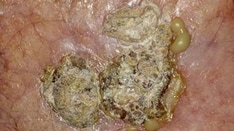
Media file 1:  A patient developed gas gangrene after injecting cocaine. Clostridium septicum was isolated in both blood and wound cultures.
Click to see larger pictureClick to see detailView Full Size Image
Media type:  Photo

Media file 2:  Gas feathering in the arm soft tissue of a patient with gas gangrene.
Click to see larger pictureClick to see detailView Full Size Image
Media type:  X-RAY

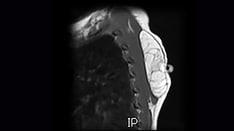
Media file 3:  Extension of gas gangrene to the chest wall despite initial debridement.
Click to see larger pictureClick to see detailView Full Size Image
Media type:  X-RAY


  • Brown DR, Davis NL, Lepawsky M, et al. A multicenter review of the treatment of major truncal necrotizing infections with and without hyperbaric oxygen therapy. Am J Surg. May 1994;167(5):485-9. [Medline].
  • Brown PW, Kinman PB. Gas gangrene in a metropolitan community. J Bone Joint Surg [Am]. Oct 1974;56(7):1445-51. [Medline].
  • Chapnick EK, Abter EI. Necrotizing soft-tissue infections. Infect Dis Clin North Am. Dec 1996;10(4):835-55. [Medline].
  • De A, Varaiya A, Mathur M, Bhesania A. Bacteriological studies of gas gangrene and related infections. Indian J Med Microbiol. 2003;21:202-4. [Full Text].
  • Fischer M, Bhatnagar J, Guarner J, et al. Fatal toxic shock syndrome associated with Clostridium sordellii after medical abortion. N Engl J Med. Dec 1 2005;353(22):2352-60.
  • Gawande A. Casualties of war--military care for the wounded from Iraq and Afghanistan. N Engl J Med. Dec 9 2004;351(24):2471-5.
  • Hart GB, Lamb RC, Strauss MB. Gas gangrene. J Trauma. Nov 1983;23(11):991-1000. [Medline].
  • Larson CM, Bubrick MP, Jacobs DM, West MA. Malignancy, mortality, and medicosurgical management of Clostridium septicum infection. Surgery. Oct 1995;118(4):592-7; discussion 597-8. [Medline].
  • Nichols RL, Smith JW. Anaerobes from a surgical perspective. Clin Infect Dis. May 1994;18 Suppl 4:S280-6. [Medline].
  • Stevens DL, Troyer BE, Merrick DT, et al. Lethal effects and cardiovascular effects of purified alpha- and theta- toxins from Clostridium perfringens. J Infect Dis. Feb 1988;157(2):272-9. [Medline].
  • Stevens DL, Bryant AE, Adams K, Mader JT. Evaluation of therapy with hyperbaric oxygen for experimental infection with Clostridium perfringens. Clin Infect Dis. Aug 1993;17(2):231-7. [Medline].
  • Stevens DL, Maier KA, Laine BM, Mitten JE. Comparison of clindamycin, rifampin, tetracycline, metronidazole, and penicillin for efficacy in prevention of experimental gas gangrene due to Clostridium perfringens. J Infect Dis. Feb 1987;155(2):220-8. [Medline].
  • Stevens DL, Musher DM, Watson DA, et al. Spontaneous, nontraumatic gangrene due to Clostridium septicum. Rev Infect Dis. Mar-Apr 1990;12(2):286-96. [Medline].
  • Tibbles PM, Edelsberg JS. Hyperbaric-oxygen therapy. N Engl J Med. Jun 20 1996;334(25):1642-8. [Medline].
  • U.S. casualty status. Washington, D.C.: Department of Defense, 2004. [http://www.defenselink.mil/news/casualty.pdf.].

Gas Gangrene excerpt

Article Last Updated: Nov 7, 2006