You are in: eMedicine Specialties > Medicine, Ob/Gyn, Psychiatry, and Surgery > Hematology
|
Agnogenic Myeloid Metaplasia With Myelofibrosis Last Updated: December 20, 2004 |
|
| Synonyms and related keywords: AMM, idiopathic myelofibrosis, aleukemic myelosis, myelosclerosis, leukoerythroblastic anemia with diffuse osteosclerosis, megakaryocytic splenomegaly, anemia, bone marrow fibrosis, extramedullary hematopoiesis, leukoerythroblastosis, hepatosplenomegaly, hematopoietic system, chronic myeloid leukemia, chronic myelogenous leukemia, chronic myelocytic leukemia, CML, polycythemia vera, essential thrombocytosis |
|   |
AUTHOR INFORMATION
| Section 1 of 11  |
|
| Author: Asheesh Lal, MBBS, Physician, Department of Internal Medicine, Lexington Medical Center |
| Asheesh Lal, MBBS, is a member of the following medical societies:
American Society of Clinical Oncology, and
American Society of Hematology |
| Editor(s): Karen Seiter, MD, Professor, Department of Internal Medicine, Division of Oncology/Hematology, New York Medical College; Francisco Talavera, PharmD, PhD, Senior Pharmacy Editor, eMedicine;
Troy H Guthrie, Jr, MD, Director of Cancer Institute, Baptist Medical Center;
Rajalaxmi McKenna, MD, FACP, Consulting Staff, Department of Medicine, Southwest Medical Consultants, SC, Good Samaritan Hospital, Advocate Health Systems;
and Emmanuel C Besa, MD, Professor of Medicine, Department of Medicine, Division of Hematologic Malignancies, Kimmel Cancer Center, Thomas Jefferson University |
Disclosure
|   |
INTRODUCTION
| Section 2 of 11  |
|
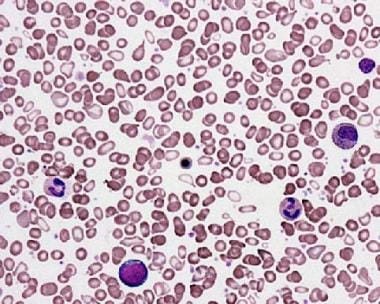
Background: Agnogenic myeloid metaplasia (AMM), first described by Heuck in 1879, is a clonal disorder arising from the neoplastic transformation of early hematopoietic stem cells. AMM is categorized as a chronic myeloproliferative disorder, along with chronic myelogenous leukemia (CML), polycythemia vera, and essential thrombocytosis. The disorder is characterized by anemia, bone marrow fibrosis, extramedullary hematopoiesis, leukoerythroblastosis, teardrop-shaped RBCs in peripheral blood, and hepatosplenomegaly. Pathophysiology: The hematopoietic system is most affected. Other organ systems may be involved by extramedullary hematopoiesis.
Clonality studies in patients with AMM demonstrate that myeloid cells arise from clonal stem cells; however, bone marrow fibroblasts and, sometimes, T cells are polyclonal. The cause of the excessive marrow fibrosis observed in this disorder remains unclear. Platelets, megakaryocytes, and monocytes are thought to secrete several cytokines, such as transforming growth factor beta, platelet-derived growth factor, interleukin-1, epidermal growth factor, and basic fibroblast growth factor, which may result in fibroblast formation and extracellular matrix proliferation. In addition, endothelial proliferation and growth of capillary blood vessels in the bone marrow are observed and may be a result of transforming growth factor beta and basic fibroblast growth factor production.
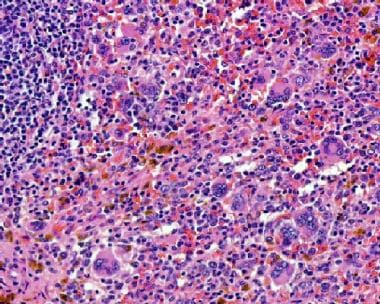
Neoangiogenesis is a hallmark feature of chronic myeloproliferative disorders. Approximately 70% of patients with AMM have substantial increases in bone marrow microvessel density. Neoangiogenesis in AMM is noted in both medullary and extramedullary hematopoiesis. Increased serum vascular endothelial growth factor levels have been postulated as the underlying mechanism for increased angiogenesis. Frequency:
- In the US: AMM is an uncommon disease, with an annual incidence of approximately 0.5-1.5 cases per 100,000 individuals.
- Internationally: Worldwide incidence is unknown.
Mortality/Morbidity: The main causes of death are infection, hemorrhage, cardiac failure, postsplenectomy complications, and transformation to acute leukemia.
- Leukemic transformation occurs in approximately 20% of patients within the first 10 years. Renal failure, hepatic failure, and thrombosis have also been reported as causes of death.
- The median length of survival is approximately 3.5-5.5 years from diagnosis, with a range of 1-15 years.
- The 5-year survival rate is approximately half that expected for age- and sex-matched controls. Less than 20% of patients are expected to be alive at 10 years.
Race:
- AMM appears to be more common in white people than in individuals of other races.
- An increased prevalence rate has been noted in Ashkenazi Jews.
Sex: A slight male preponderance appears to exist; however, in younger children, girls are affected twice as frequently as boys.
Age:
- AMM characteristically occurs in individuals older than 50 years. The median age at diagnosis is approximately 65 years.
- The disease has been reported in persons in all phases of life, from neonates to octogenarians.
- Approximately 22% of patients are younger than 56 years. AMM usually occurs in children in the first 3 years of life.
|   |
CLINICAL
| Section 3 of 11  |
|
History: A fourth of patients are asymptomatic, and the diagnosis is made as a result of detecting splenomegaly or checking blood counts for an unrelated cause. Symptoms may occur as a result of anemia, splenomegaly, hypermetabolic states, extramedullary hematopoiesis, bleeding, bone changes, portal hypertension, and immune abnormalities. - Anemia may occur as a result of ineffective erythropoiesis, erythroid hypoplasia, and hypersplenism. Anemia may cause easy fatigability, weakness, dyspnea, and palpitations.
- Splenomegaly may result in early satiety and left upper-quadrant discomfort. Splenic infarcts, perisplenitis, or subcapsular hematoma may occur, causing severe left upper-quadrant or left shoulder pain. Occasionally, patients may have diarrhea related to pressure on the colon.
- A hypermetabolic state occurs and can result in weight loss, night sweats, and low-grade fever. Gout and urate kidney stones may develop.
- Bleeding is observed in a fourth of patients and varies in severity from insignificant cutaneous petechiae to severe, life-threatening GI tract bleeding. Platelet dysfunction, acquired factor V deficiency, thrombocytopenia, disseminated intravascular coagulation (DIC), esophageal varices, and peptic ulcer disease may occur, contributing to bleeding.
- Extramedullary hematopoiesis may cause symptoms, depending on the organ or site of involvement. The condition may result in GI tract hemorrhage, spinal cord compression, focal seizures, symptoms related to brain tumors, ascites, hematuria, pericardial effusion, pleural effusion, hemoptysis, and respiratory failure.
- Portal hypertension may occur as a result of markedly increased splenoportal blood flow and decreased hepatic vascular compliance. Ascites, esophageal and gastric varices, GI tract bleeding, and hepatic encephalopathy may occur. Hepatic or portal vein thrombosis may also arise as complications.
- Patients with AMM develop osteosclerosis. This may cause severe joint and bone pain.
- Half of patients with AMM have abnormalities of humoral immunity. A variety of autoantibodies and circulating immune complexes may be detected, and amyloidosis may develop. Infections, commonly pneumonia, may occur as a result of immune deficiency.
Physical: - Splenomegaly is the most common finding and is present in approximately 90% of patients. Spleen size may vary from barely palpable to massive (observed in 35% of patients).
- Hepatomegaly is also observed in 60-70% of patients.
- Pallor is observed in 60% of patients.
- Other physical findings include petechiae and ecchymosis (20%), lymphadenopathy (10-20%), signs of portal hypertension (10-18%), and gout (6%).
Causes: No specific risk factors can be identified in most patients, although exposure to radiation, Thorotrast contrast agents, and industrial solvents (eg, benzene, toluene) have been associated with an increased risk.
|   |
DIFFERENTIALS
| Section 4 of 11  |
|
Chronic Myelogenous Leukemia Hairy Cell Leukemia Histoplasmosis Myelodysplastic Syndrome Polycythemia Vera Thrombocytosis, Essential Tuberculosis
Other Problems to be Considered:
Chronic myelomonocytic leukemia
Malignancies with bone marrow fibrosis
Diagnose AMM with caution in patients with another malignancy. The bone marrow involvement in carcinomas or lymphomas may be associated with marrow fibrosis. In these situations, the fibrosis reverses after effective treatment of the underlying disease. Similarly, marrow fibrosis may result in cases of granulomatous involvement of bone marrow, as in histoplasmosis and tuberculosis. |
|
Patient Education
|
|
Click here for patient education.
|
|
|
|
|
|   |
WORKUP
| Section 5 of 11  |
|
Lab Studies:
- A CBC panel with careful examination of the peripheral smear is essential in patients thought to have AMM.
- Peripheral blood reveals leukoerythroblastosis with teardrop poikilocytosis. Large platelets and megakaryocyte fragments may be observed.
- Anemia is present in most patients, with more than 60% having a hemoglobin concentration of less than 10 g/dL. Causes of anemia include hemodilution, ineffective erythropoiesis, and shortened RBC survival. Approximately 15% of patients also experience a major hemolytic episode during the course of the illness. This may result from an erythrocyte defect similar to that observed in paroxysmal nocturnal hemoglobinuria or from antibodies to RBCs. Anemia resulting from blood loss or folate deficiency (because of increased consumption) may also occur.
- Leukopenia is observed in up to a fourth of patients, whereas leukocytosis may be observed in a third. A small number of blasts and Pelger-Huët cells are observed.
- Thrombocytosis is more common than thrombocytopenia.
- RBC mass and plasma volume studies may help determine the cause of anemia.
- DIC is observed in 15% of patients. The condition is usually clinically silent, but changes in the form of decreased platelets, decreased clotting factors, and increased fibrin degradation products may be observed. Such changes may result in excessive bleeding at the time of surgery. Obtaining a preoperative DIC panel may therefore be prudent.
Imaging Studies:
- Skeletal radiographs show increased bone density and a prominence of bony trabeculae. Increased bone density may be patchy, resulting in a mottled appearance.
- MRIs may help assess the severity and progression of disease. Marrow patterns observed on an MRI examination of the proximal femur appear to correlate with clinical severity.
- Liver and splenic enlargement is observed on ultrasonograms and CT scans.
Other Tests:
- Cytogenetic studies of bone marrow are helpful in excluding CML, myelodysplastic syndrome, or other chronic myeloid disorders. Various chromosomal abnormalities may occur. A recent review reported cytogenetic abnormalities in approximately 61% of patients with AMM.
Procedures:
- Obtaining bone marrow aspirate and biopsy specimens is important to help establish the diagnosis. This is usually performed over the posterior iliac crest, using specialized needles. Aspirate may also be obtained from over the sternum, although most physicians prefer the posterior iliac crest. Biopsy specimens should not be obtained from the sternum. Sternal aspirates are typically not useful because of the high frequency of dry taps and an inability to obtain a biopsy from this site. Obtaining studies for bcr:abl gene rearrangement is also important to exclude CML.
Histologic Findings: Bone marrow aspirates are dry in up to 50% of patients. Performing a bone marrow biopsy is essential for confirming the diagnosis. Biopsy specimens reveal hypercellular marrow with increased megakaryocytes. Characteristic features include patchy hematopoietic cellularity and reticular fibrosis. The amount of reticulin deposition varies from field to field. Megakaryocytes may be present in clusters and may show dysplasia. Distended marrow sinusoids, frequently containing intravascular hematopoiesis, are also observed.
Cytogenetic studies reveal chromosomal abnormalities in 50-60% of patients. The presence of an abnormal karyotype is associated with a poorer prognosis.
Liver biopsy specimens usually reveal normal histology or minimal portal fibrosis. Thrombotic lesions may occur in portal veins. Hepatic vein thrombosis may occur.
|   |
TREATMENT
| Section 6 of 11  |
|
Medical Care: Therapy for AMM mainly is supportive. None of the treatments has been shown to consistently prolong survival. Asymptomatic patients may be observed without intervention. Anemia and thrombocytopenia may be severe and require transfusional support. Use allopurinol to keep uric acid levels within the reference range. Patients who have hemolysis should receive folic acid supplementation. Anemia is usually unresponsive to the administration of exogenous erythropoietin. - Chemotherapeutics have mainly been used as cytoreductive therapy to control leukocytosis, thrombocytosis, or organomegaly.
- Hydroxyurea is the preferred agent, but other agents (eg, interferon, cladribine) have also been used. Busulfan has been used, but it is not a preferred agent in view of the lesser toxicity of hydroxyurea. Patients with AMM are especially prone to developing myelotoxicity with these agents, which should therefore be used with caution.
- Interferon alfa is a viable alternative to hydroxyurea therapy, especially in young patients (<45 y), who have long life expectancy. Response rates of 50% have been observed, with improvement in splenomegaly and blood cell counts. Results are best in patients with elevated counts.
- Aggressive chemotherapy to induce remissions has been used; however, despite aggressive chemotherapy, hematologic remissions are rare and do not change the overall course of the disease.
- Radiation may be used to treat symptomatic extramedullary hematopoiesis. This therapy is also beneficial for bone pain resulting from tumors or periostitis.
- Splenic irradiation may be considered for patients in whom splenectomy is contraindicated. Splenic radiation is beneficial to patients with symptomatic splenomegaly or splenic infarction. The effects are usually temporary (median duration, 6 mo).
- After splenic irradiation, prolonged pancytopenia may occur (25% of patients). Splenectomy after splenic irradiation is associated with a very high risk of intra-abdominal hemorrhage; accordingly, reserve this therapy only for patients in whom surgery is contraindicated.
- Androgens and corticosteroids: These agents have been used to treat patients with severe anemia and are administered to improve symptoms and to decrease transfusional requirements. Approximately 30% of patients respond to therapy.
- Thalidomide: This drug is one of the most promising being investigated for AMM. Small studies have reported some improvement in anemia, thrombocytopenia, and splenomegaly. Improvements were associated with significant adverse effects, resulting in high drop-out rates. Marked increases WBC counts and/or platelets were also reported. More recent studies using low-dose thalidomide (50 mg) and prednisone showed thalidomide to be better tolerated than higher doses.
- Imatinib: Administration of imatinib mesylate has been reported to cause improvement in splenomegaly, but it is also associated with marked increases in WBC or platelet counts.
- High-dose chemotherapy: This modality combined with autologous transplantation has been shown to slow disease progression. In a small study, evidence of improvement in fibrosis was noted.
- Investigational drugs: Several new investigational drugs are being studied, including farnesyl transferase inhibitors, tyrosine kinase inhibitors, and vascular endothelial growth factor inhibitors.
Surgical Care: Patients requiring surgery are best treated under the supervision of an experienced hematologist. Patients are prone to developing problems with bleeding, infections, and thromboses. A high risk of perioperative mortality has been reported in patients undergoing splenectomy. No clear data are available for optimal preoperative management. Obtain CBC and platelet counts, and order studies to assess for subclinical DIC. Consider patients with significant thrombocytosis for cytoreductive therapy to decrease platelet counts to the reference range. Patients who experience problems with bleeding may require platelet transfusions and infusion of cryoprecipitate, based on coagulation parameters. - Splenectomy may be considered for treating patients with overt portal hypertension, progressive anemia requiring transfusions, or symptomatic splenomegaly refractory to hydroxyurea.
- Splenectomy has also been used in patients with severe thrombocytopenia; however, a recent review reported a lack of a sustained benefit in this situation.
- Splenectomy has been associated with a significant risk of operative mortality and morbidity from infections, hemorrhage, and thrombosis. Mortality rates of up to 38% have been reported, although more recent reports estimate the operative mortality rate to be approximately 9%.
- Patients may develop marked hepatomegaly and thrombocytosis after splenectomy, which may be minimized by close monitoring and the appropriate use of cytoreductive therapy. Aplastic crises do not occur following splenectomy because bone marrow continues to be the predominant site of hematopoiesis.
- Splenectomy is reportedly associated with a higher rate of transformation to acute myelogenous anemia (AML). A recent study reported a cumulative transformation rate of 55% in splenectomized patients compared to 27% for nonsplenectomized patients. Splenectomy was considered an independent risk factor for transformation to AML.
- Allogeneic stem cell transplantation
- Allogeneic stem cell transplantation is a potentially curative therapy in patients with AMM. Long-lasting, complete remissions have been reported. Regression of marrow fibrosis occurs following successful allogeneic transplantation.
- Patients with hemoglobin values below 10 g/dL, karyotypic abnormalities, osteomyelosclerosis, and older age appear to have poorer outcomes. The 1-year mortality rate for persons receiving HLA-identical sibling transplants is approximately 30%.
- Newer nonmyeloablative transplantations may improve the overall outcome by decreasing the early mortality observed after conventional high-dose chemotherapy–based transplantation regimens, but these are currently investigational.
Consultations: Consultation with a hematologist may be helpful when caring for patients with AMM.
|   |
MEDICATION
| Section 7 of 11  |
|
Therapy for AMM is mainly supportive and is used to control symptoms and decrease transfusion requirements. No treatment consistently prolongs survival.
Drug Category: Antineoplastic agents -- Predominantly used as cytoreductive therapy to control leukocytosis, thrombocytosis, and organomegaly. Patients with AMM are especially prone to developing myelotoxicity with these agents; therefore, use them with caution. Drug Name
| Hydroxyurea (Droxia, Hydrea) -- Inhibitor of deoxynucleotide synthesis. Less leukemogenic than alkylating agents (busulfan). Myelosuppressive effects last a few days to a week and are easier to control than those associated with alkylating agents. Lethal to cells in S phase and is cell-cycle specific. Used mainly to control counts and alleviate constitutional symptoms or symptoms resulting from hepatic enlargement. Can be administered at higher doses in patients with extremely high WBC counts (>300,000/mL) and adjusted accordingly as WBC and platelet counts fall. Can be administered as a single daily dose or divided into 2-3 doses at a higher dose range. |
|---|
| Adult Dose | Not established; initial suggested dose, 500 mg PO qd, not to exceed 800 mg/m2 q4h; allow 3-4 d for change in blood cell counts; best administered under guidance of experienced hematologist/oncologist |
|---|
| Pediatric Dose | Not established; initial suggested dose, 15 mg/kg/d PO qd; allow 3-4 d for change in blood cell counts |
|---|
| Contraindications | Documented hypersensitivity; leukopenia (<2500 WBC/mL); thrombocytopenia (<100,000 WBC/mL); severe anemia |
|---|
| Interactions | Coadministration with fluorouracil can increase neurotoxicity |
|---|
| Pregnancy |
C - Safety for use during pregnancy has not been established.
|
|---|
| Precautions | Therapy requires close supervision; complete blood status (bone marrow examination and kidney and liver function) should be determined prior to and repeatedly during treatment; monitor hemoglobin level and total leukocyte and platelet counts at least qwk; if WBC count decreases to <2500/mL or platelet count is <100,000/mL, therapy should be interrupted until reference range levels return; if anemia occurs, manage with whole blood replacement without interrupting hydroxyurea therapy |
|---|
Drug Name
| Busulfan (Myleran, Busulfex) -- Potent cytotoxic drug that, at recommended dosage, causes profound myelosuppression. As alkylating agent, mechanism of action of active metabolites may involve cross-linking of DNA, which may interfere with growth of normal and neoplastic cells. |
|---|
| Adult Dose | Not established; suggested dose, 2 mg/d PO and adjusted based on blood cell counts; best administered under guidance of experienced hematologist/oncologist |
|---|
| Pediatric Dose | Not established |
|---|
| Contraindications | Documented hypersensitivity; severely depressed bone marrow function; women who are breastfeeding; failure to respond to previous treatment |
|---|
| Interactions | CYP3A3/4 enzyme substrate; acetaminophen, cyclophosphamide, itraconazole, and thioguanine may increase toxicity; phenytoin may decrease levels |
|---|
| Pregnancy |
D - Unsafe in pregnancy
|
|---|
| Precautions | Regularly examine hematologic profile (particularly neutrophils and platelets) to monitor for hematopoietic suppression; may cause pulmonary fibrosis; if WBC count is high, hydration and allopurinol should be used to prevent hyperuricemia |
|---|
Drug Name
| Cladribine (Leustatin) -- Synthetic antineoplastic agent for continuous IV infusion. The enzyme deoxycytidine kinase phosphorylates this compound into active 5'-triphosphate derivative, which then breaks DNA strands and inhibits DNA synthesis. Disrupts cell metabolism, causing death to both resting and dividing cells. |
|---|
| Adult Dose | Not established; suggested dose, 0.05 mg/kg/d for 7 d; may repeat cycle if needed; best administered under guidance of experienced hematologist/oncologist |
|---|
| Pediatric Dose | Not established |
|---|
| Contraindications | Documented hypersensitivity |
|---|
| Interactions | None reported |
|---|
| Pregnancy |
D - Unsafe in pregnancy
|
|---|
| Precautions | Caution in patients with history of hematologic or immunologic dysfunctions; neurotoxicity may occur |
|---|
Drug Name
| Interferon alfa-2a and interferon alfa-2b (Roferon-A and Intron A) -- Protein product manufactured by recombinant DNA technology. Mechanism of antitumor activity is not clearly understood, but direct antiproliferative effects against malignant cells and modulation of host immune response may play important roles. |
|---|
| Adult Dose | Not established; suggested dose, 5 million U 3-5 times/wk for maintenance may decrease to 3 million U 3 times/wk; adjust dose based on blood cell counts |
|---|
| Pediatric Dose | Not established |
|---|
| Contraindications | Documented hypersensitivity |
|---|
| Interactions | Theophylline may increase toxicity; cimetidine may increase antitumor effects; zidovudine and vinblastine may increase toxicity |
|---|
| Pregnancy |
C - Safety for use during pregnancy has not been established.
|
|---|
| Precautions | Caution in brain metastases, severe hepatic or renal insufficiencies, seizure disorders, multiple sclerosis, or compromised CNS |
|---|
Drug Category: Androgens -- Improve symptoms of anemia and decrease transfusion requirements.Drug Name
| Oxymetholone (Anadrol-50) -- Used to manage anemias resulting from deficient RBC production. |
|---|
| Adult Dose | 2-4 mg/kg/d PO |
|---|
| Pediatric Dose | Neonates: 0.175 mg/kg/d PO
>1 month: 1-2 mg/kg/d PO| Contraindications | Documented hypersensitivity; males with prostate or breast cancer; females with breast cancer with hypercalcemia, those who are pregnant, and those who are breastfeeding; nephrosis; severe hepatic dysfunction |
|---|
| Interactions | May increase sensitivity of anticoagulants |
|---|
| Pregnancy |
X - Contraindicated in pregnancy |
|---|
| Precautions | Anabolic steroid; may cause virilization in women; may cause hepatotoxicity, decrease HDL-C, and increase LDL-C |
|---|
|
|---|
Drug Category: Corticosteroids -- Have anti-inflammatory properties and cause profound and varied metabolic effects. Modify the body's immune response to diverse stimuli.Drug Name
| Prednisone (Deltasone) -- Inhibits phagocytosis of platelets and may improve RBC survival. |
|---|
| Adult Dose | 1 mg/kg/d PO initial |
|---|
| Pediatric Dose | Administer as in adults |
|---|
| Contraindications | Documented hypersensitivity; viral infection; peptic ulcer disease; hepatic dysfunction; connective-tissue infections; fungal or tubercular skin infections; GI tract disease |
|---|
| Interactions | Coadministration with estrogens may decrease prednisone clearance; concurrent use with digoxin may cause digitalis toxicity secondary to hypokalemia; phenobarbital, phenytoin, and rifampin may increase metabolism of glucocorticoids (consider increasing maintenance dose); monitor for hypokalemia with coadministration of diuretics |
|---|
| Pregnancy |
B - Usually safe but benefits must outweigh the risks.
|
|---|
| Precautions | Abrupt discontinuation may cause adrenal crisis; hyperglycemia, edema, osteonecrosis, myopathy, peptic ulcer disease, hypokalemia, osteoporosis, euphoria, psychosis, myasthenia gravis, growth suppression, and infections are possible |
|---|
Drug Category: Immunosuppressant agents -- Interfere in processes that promote immune reactions.Drug Name
| Thalidomide (Thalomid) -- Mechanism of action not clearly known but thought to work by immunomodulatory effects and antiangiogenesis. |
|---|
| Adult Dose | Doses from 50-800 mg have been used; for AMM, lower doses may be better tolerated and have similar efficacy |
|---|
| Pediatric Dose | <12 years: Not established
>12 years: Administer as in adults| Contraindications | Documented hypersensitivity; sexually active males not using latex condom (unknown risk to fetus from semen of patients taking thalidomide); women with childbearing potential not using 2 forms of contraception |
|---|
| Interactions | Increases risk of thromboembolism with darbepoetin alfa and docetaxel; may increase sedative effects of alcohol, barbiturates, chlorpromazine, and reserpine |
|---|
| Pregnancy |
X - Contraindicated in pregnancy |
|---|
| Precautions | In late 1950s, up to 12,000 birth defects, primarily phocomelias, were associated with use of thalidomide during pregnancy; exposure resulted in eye disorders in 46 (54%) patients and included ocular mobility defects, facial palsy, and abnormal lacrimation; other abnormalities observed following exposure included facial hemangioma and esophageal or duodenal atresia, anomalies of the heart, kidney, external ears, central nervous system, and GI tract have also been reported; void hazardous tasks, such as operating motor vehicles or dangerous machinery; can cause severe birth defects; concomitant use of substances associated with peripheral neuropathy; severe skin reactions during therapy may indicate hypersensitivity; may cause moderate-to-severe peripheral neuropathy that may be irreversible; may increase HIV viral load in HIV-seropositive patients, neutropenic patients; patients with a history of seizures or risk factors for seizures; increased incidence of thrombotic events |
|---|
|
|---|
Drug Category: Tyrosine kinase inhibitors -- Inhibit tyrosine kinase, which in turn inhibits activation of intracellular pathways that can promote deregulated cell proliferation.Drug Name
| Imatinib mesylate (Gleevec) -- Specifically designed to inhibit tyrosine kinase activity of the bcr-abl kinase in Ph+ CML cell lines. Well absorbed after oral administration, with maximum concentrations achieved within 2-4 h. Elimination is primarily in feces in form of metabolites. |
|---|
| Adult Dose | 400-800 mg/d PO |
|---|
| Pediatric Dose | 260 mg/m2/d |
|---|
| Contraindications | Documented hypersensitivity |
|---|
| Interactions | CYP3A4 inhibitors (ketoconazole increases distribution of imatinib); CYP3A4 substrates (simvastin increases maximum concentration of imatinib by a 2- to 3.5-fold factor); CYP3A4 inducers (phenytoin decreases AUC by approximately one fifth of typical AUC); likely to increase blood levels of drugs that are substrates of CYP2C9, CYP2D6, and CYP3A4/5 |
|---|
| Pregnancy |
D - Unsafe in pregnancy
|
|---|
| Precautions | Liver or renal impairment (pharmacokinetic data are lacking; imatinib mesylate is potentially hepatotoxic); myelosuppression (exacerbation, risk of sepsis); patients at risk from fluid retention/edema (eg, congestive heart failure, hypertension); viral or bacterial infection (risk of worsening); dose must be reduced or interrupted if edema or anemia occur, transaminases or bilirubin become elevated, or grade 3-4 neutropenia or thrombocytopenia develop; pediatric patients commonly experience musculoskeletal pain |
|---|
|   |
FOLLOW-UP
| Section 8 of 11  |
|
Complications:
- Portal hypertension occurs in approximately 7% of patients and may be related to both increased portal flow resulting from marked splenomegaly and to intrahepatic obstruction resulting from thrombotic obliteration of small portal veins. This may result in variceal bleeding or ascites. Hepatic or portal vein thrombosis may occur. Symptomatic portal hypertension is managed by splenectomy, with or without the creation of a portosystemic shunt.
- Splenic infarction may occur and results in an acute or subacute onset of severe pain in the left upper quadrant that may be associated with nausea, fever, and referred left shoulder discomfort. The episode is usually self-limited and may last several days. Treat patients with hydration and opiate analgesics. Refractory cases may require splenectomy or splenic irradiation.
- Extramedullary hematopoiesis may involve any organ, and symptoms depend on the organ or site of involvement. Extramedullary hematopoiesis may result in GI tract bleeding, spinal cord compression, seizures, hemoptysis, and/or effusions. These are easily controlled with low-dose radiation.
- Patients with AMM are also prone to developing infectious complications because of defects in humoral immunity.
- Osteosclerosis, hypertrophic osteoarthropathy, and periostitis may occur, resulting in significant pain and discomfort. This may require the administration of nonsteroidal anti-inflammatory drugs or opioid analgesics.
- Gout or urate stones may develop as a result of uric acid overproduction. Allopurinol should be used to keep uric acid in the reference range.
Prognosis:
- Median length of survival for patients with AMM is 3.5-5.5 years. The 5-year survival rate is about half of that expected for age- and sex-matched controls. Less than 20% of patients are expected to be alive at 10 years. The common causes of death are infections, hemorrhage, cardiac failure, postsplenectomy mortality, and leukemic transformation.
- Advanced age and anemia are associated with shorter survival.
- Other poor prognostic factors include the presence of hypercatabolic symptoms, leukocytosis (leukocyte count, 10,000-30,000/mL), leukopenia, circulating blasts, increased numbers of granulocyte precursors, thrombocytopenia (platelet count, <100,000/mL), and karyotype abnormalities.
- A simple scoring system to determine prognosis has been proposed. This system uses 2 adverse prognostic factors: hemoglobin value less than 10 g/dL and total WBC count less than 4000/mL or greater than 30,000/mL. Patients with no risk factors are at low risk, those with both the risk factors are at high risk, and those with a single risk factor are at intermediate risk. Median survival times for low-, intermediate-, and high-risk groups are 93, 26, and 13 months, respectively.
- Low-risk patients with an abnormal karyotype have a worse outcome than those with a normal karyotype (median survival, 50 mo versus 112 mo).
- Leukocytosis (>30,000/mL) and abnormal karyotype have reportedly been associated with increased risk of transformation to AML.
- Bone marrow vascularity is significantly increased in patients with AMM. Increased bone marrow microvascular density has also been reported in approximately 70% of patients and is an independent poor prognostic factor for survival.
|   |
MISCELLANEOUS
| Section 9 of 11  |
|
Medical/Legal Pitfalls:
- A diagnosis of AMM must be carefully considered, especially in patients with other malignancies or granulomatous disorders. These patients may have findings of marrow fibrosis as observed in AMM. A misdiagnosis of AMM in a patient with a potentially curable disorder could result in a lawsuit. Performing testing for bcr:abl gene rearrangements is important to exclude CML.
- Patients with AMM who require a splenectomy should be well counseled regarding the risks and benefits of the procedure. Splenectomy has been associated with a significant risk of perioperative mortality and complications. Careful preoperative counseling may help avoid legal problems.
|   |
PICTURES
| Section 10 of 11  |
|
| Caption: Picture 1. Peripheral smear in agnogenic myeloid metaplasia showing the presence of teardrop RBCs and a leukoerythroblastic picture with the presence of nucleated RBC precursor and immature myeloid cells. Courtesy of Wei Wang, MD, and John Lazarchick, MD; Department of Pathology, Medical University of South Carolina. |  | View Full Size Image |

|
Picture Type: Photo |
| Caption: Picture 2. Bone marrow biopsy in agnogenic myeloid metaplasia showing extensive fibrosis. Courtesy of Wei Wang, MD, and John Lazarchick, MD; Department of Pathology, Medical University of South Carolina. |  | View Full Size Image |
|
Picture Type: Photo |
| Caption: Picture 3. Reticulin stain on bone marrow biopsy in agnogenic myeloid metaplasia showing extensive fibrosis. Courtesy of Wei Wang, MD, and John Lazarchick, MD; Department of Pathology, Medical University of South Carolina. |  | View Full Size Image |
|
Picture Type: Photo |
| Caption: Picture 4. Extramedullary hematopoiesis in the spleen in a patient with agnogenic myeloid metaplasia. Courtesy of Wei Wang, MD, and John Lazarchick, MD; Department of Pathology, Medical University of South Carolina. |  | View Full Size Image |

|
Picture Type: Photo |
|   |
BIBLIOGRAPHY
| Section 11 of 11 |
|
-
Aksoy M, Erdem S, Dincol G: Two rare complications of chronic benzene poisoning: myeloid metaplasia and paroxysmal nocturnal hemoglobinuria. Report of two cases. Blut 1975 Apr; 30(4): 255-60[Medline].
-
Barosi G, Ambrosetti A, Centra A: Splenectomy and risk of blast transformation in myelofibrosis with myeloid metaplasia. Italian Cooperative Study Group on Myeloid with Myeloid Metaplasia. Blood 1998 May 15; 91(10): 3630-6[Medline].
-
Barosi G: Myelofibrosis with myeloid metaplasia: diagnostic definition and prognostic classification for clinical studies and treatment guidelines. J Clin Oncol 1999 Sep; 17(9): 2954-70[Medline].
-
Barosi G, Grossi A, Comotti B, et al: Safety and efficacy of thalidomide in patients with myelofibrosis with myeloid metaplasia. Br J Haematol 2001 Jul; 114(1): 78-83[Medline].
-
Bartlett RP, Greipp PR, Tefferi A: Extramedullary hematopoiesis manifesting as a symptomatic pleural effusion. Mayo Clin Proc 1995 Dec; 70(12): 1161-4[Medline].
-
Besa EC, Nowell PC, Geller NL: Analysis of the androgen response of 23 patients with agnogenic myeloid metaplasia: the value of chromosomal studies in predicting response and survival. Cancer 1982 Jan 15; 49(2): 308-13[Medline].
-
Canepa L, Ballerini F, Varaldo R, et al: Thalidomide in agnogenic and secondary myelofibrosis. Br J Haematol 2001 Nov; 115(2): 313-5[Medline].
-
Castro-Malaspina H, Rabellino EM, Yen A: Human megakaryocyte stimulation of proliferation of bone marrow fibroblasts. Blood 1981 Apr; 57(4): 781-7[Medline].
-
Cervantes F, Barosi G, Demory JL: Myelofibrosis with myeloid metaplasia in young individuals: disease characteristics, prognostic factors and identification of risk groups. Br J Haematol 1998 Aug; 102(3): 684-90[Medline].
-
Cortes J, Giles F, O'Brien S, et al: Results of imatinib mesylate therapy in patients with refractory or recurrent acute myeloid leukemia, high-risk myelodysplastic syndrome, and myeloproliferative disorders. Cancer 2003 Jun 1; 97(11): 2760-6[Medline].
-
Cortes J, Albitar M, Thomas D, et al: Efficacy of the farnesyl transferase inhibitor R115777 in chronic myeloid leukemia and other hematologic malignancies. Blood 2003 Mar 1; 101(5): 1692-7[Medline].
-
Di Raimondo F, Azzaro MP, Palumbo GA, et al: Elevated vascular endothelial growth factor (VEGF) serum levels in idiopathic myelofibrosis. Leukemia 2001 Jun; 15(6): 976-80[Medline].
-
Dupriez B, Morel P, Demory JL: Prognostic factors in agnogenic myeloid metaplasia: a report on 195 cases with a new scoring system. Blood 1996 Aug 1; 88(3): 1013-8[Medline].
-
Elliott MA, Mesa RA, Li CY, et al: Thalidomide treatment in myelofibrosis with myeloid metaplasia. Br J Haematol 2002 May; 117(2): 288-96[Medline].
-
Gilbert HS: Long term treatment of myeloproliferative disease with interferon-alpha- 2b: feasibility and efficacy. Cancer 1998 Sep 15; 83(6): 1205-13[Medline].
-
Giles FJ, Cooper MA, Silverman L, et al: Phase II study of SU5416--a small-molecule, vascular endothelial growth factor tyrosine-kinase receptor inhibitor--in patients with refractory myeloproliferative diseases. Cancer 2003 Apr 15; 97(8): 1920-8[Medline].
-
Giovanni B, Michelle E, Letizia C, et al: Thalidomide in myelofibrosis with myeloid metaplasia: a pooled-analysis of individual patient data from five studies. Leuk Lymphoma 2002 Dec; 43(12): 2301-7[Medline].
-
Gisslinger H, Gisslinger B, Kees M, et al: Imatinib mesylate in chronic idiopathic myelofibrosis, a Phase II trial [abstract]. Blood 2002; 100: 800a.
-
Gisslinger H, Gisslinger B, Kees M, et al: Imatinib mesylate in chronic idiopathic myelofibrosis, a Phase II trial [abstract]. Blood 2002; 100: 800a.
-
Guardiola P, Esperou H, Cazals-Hatem D: Allogeneic bone marrow transplantation for agnogenic myeloid metaplasia. French Society of Bone Marrow Transplantation. Br J Haematol 1997 Sep; 98(4): 1004-9[Medline].
-
Guardiola P, Anderson JE, Bandini G: Allogeneic stem cell transplantation for agnogenic myeloid metaplasia: a European Group for Blood and Marrow Transplantation, Societe Francaise de Greffe de Moelle, Gruppo Italiano per il Trapianto del Midollo Osseo, and Fred Hutchinson Cancer Researc. Blood 1999 May 1; 93(9): 2831-8[Medline].
-
Hasselblach HC, Bjerrum OW, Jensen BA, et al: STI571 (Gleevec) therapy in idiopathic and postpolycythemic myelofibrosis. Blood 2002; 100: 344b.
-
Heuck G: Zwei Falle von Leukemie mit eigenthumlichen Blutresp. Knockenmarksbefund. Arch Pathol Anat Physiol Virchows 1879; 78: 475-496.
-
Ho AYL, Lim S, Fishlock K, et al: Imatinib mesylate in myelofibrosis: preliminary results show early sustained improvements in platelet counts and splenomegaly [abstract]. Blood 2002; 100: 799a.
-
Ho AYL, Lim S, Fishlock K, et al: Imatinib mesylate in myelofibrosis: preliminary results show early sustained improvements in platelet counts and splenomegaly [abstract]. Blood 2002; 100: 799a.
-
Honda Y, Delzell E, Cole P: An updated study of mortality among workers at a petroleum manufacturing plant. J Occup Environ Med 1995 Feb; 37(2): 194-200[Medline].
-
Hu H: Benzene-associated myelofibrosis [letter]. Ann Intern Med 1987 Jan; 106(1): 171-2[Medline].
-
Jacobson RJ, Salo A, Fialkow PJ: Agnogenic myeloid metaplasia: a clonal proliferation of hematopoietic stem cells with secondary myelofibrosis. Blood 1978 Feb; 51(2): 189-94[Medline].
-
Jaroch MT, Broughan TA, Hermann RE: The natural history of splenic infarction. Surgery 1986 Oct; 100(4): 743-50[Medline].
-
Kimura A, Katoh O, Hyodo H: Transforming growth factor-beta regulates growth as well as collagen and fibronectin synthesis of human marrow fibroblasts. Br J Haematol 1989 Aug; 72(4): 486-91[Medline].
-
Koeffler HP, Cline MJ, Golde DW: Splenic irradiation in myelofibrosis: effect on circulating myeloid progenitor cells. Br J Haematol 1979 Sep; 43(1): 69-77[Medline].
-
Kvasnicka HM, Thiele J, Werden C: Prognostic factors in idiopathic (primary) osteomyelofibrosis. Cancer 1997 Aug 15; 80(4): 708-19[Medline].
-
Levy V, Bourgarit A, Delmer A: Treatment of agnogenic myeloid metaplasia with danazol: a report of four cases. Am J Hematol 1996 Dec; 53(4): 239-41[Medline].
-
McNally RJ, Rowland D, Roman E: Age and sex distributions of hematological malignancies in the U.K. Hematol Oncol 1997 Nov; 15(4): 173-89[Medline].
-
Merup M, Kutti J, Birgergard G, et al: Negligible clinical effects of thalidomide in patients with myelofibrosis with myeloid metaplasia. Med Oncol 2002; 19(2): 79-86[Medline].
-
Mesa RA, Silverstein MN, Jacobsen SJ: Population-based incidence and survival figures in essential thrombocythemia and agnogenic myeloid metaplasia: an Olmsted County Study, 1976-1995. Am J Hematol 1999 May; 61(1): 10-5[Medline].
-
Mesa RA, Hanson CA, Rajkumar SV: Evaluation and clinical correlations of bone marrow angiogenesis in myelofibrosis with myeloid metaplasia. Blood 2000 Nov 15; 96(10): 3374-80[Medline].
-
Mesa RA, Steensma DP, Pardanani A, et al: A phase 2 trial of combination low-dose thalidomide and prednisone for the treatment of myelofibrosis with myeloid metaplasia. Blood 2003 Apr 1; 101(7): 2534-41[Medline].
-
Mesa RA, Tefferi A, Gray LA, et al: In vitro antiproliferative activity of the farnesyltransferase inhibitor R115777 in hematopoietic progenitors from patients with myelofibrosis with myeloid metaplasia. Leukemia 2003 May; 17(5): 849-55[Medline].
-
Miller JB, Testa JR, Lindgren V: The pattern and clinical significance of karyotypic abnormalities in patients with idiopathic and postpolycythemic myelofibrosis. Cancer 1985 Feb 1; 55(3): 582-91[Medline].
-
Odenike O, Hoving K, Sher H, et al: Phase II study of imatinib mesylate (IM) in myelofibrosis with myeloid metaplasia (MMM). In: Abstracts of 2003 ASCO Annual Meeting; May 31–June 3, 2003; Chicago, Ill. Abstract 2354.
-
Piccaluga PP, Visani G, Pileri SA, et al: Clinical efficacy and antiangiogenic activity of thalidomide in myelofibrosis with myeloid metaplasia. A pilot study. Leukemia 2002 Sep; 16(9): 1609-14[Medline].
-
Pozzato G, Zorat F, Nascimben F, et al: Thalidomide therapy in compensated and decompensated myelofibrosis with myeloid metaplasia. Haematologica 2001 Jul; 86(7): 772-3[Medline].
-
Rameshwar P, Denny TN, Stein D: Monocyte adhesion in patients with bone marrow fibrosis is required for the production of fibrogenic cytokines. Potential role for interleukin-1 and TGF-beta. J Immunol 1994 Sep 15; 153(6): 2819-30[Medline].
-
Rodriguez JN, Martino ML, Dieguez JC: rHuEpo for the treatment of anemia in myelofibrosis with myeloid metaplasia. Experience in 6 patients and meta-analytical approach. Haematologica 1998 Jul; 83(7): 616-21[Medline].
-
Rupoli S, Da Lio L, Sisti S: Primary myelofibrosis: a detailed statistical analysis of the clinicopathological variables influencing survival. Ann Hematol 1994 Apr; 68(4): 205-12[Medline].
-
Silverstein MN, Wollaeger EE, Baggenstoss AH: Gastrointestinal and abdominal manifestations of agnogenic myeloid metaplasia. Arch Intern Med 1973 Apr; 131(4): 532-7[Medline].
-
Tefferi A, Barrett SM, Silverstein MN: Outcome of portal-systemic shunt surgery for portal hypertension associated with intrahepatic obstruction in patients with agnogenic myeloid metaplasia. Am J Hematol 1994 Aug; 46(4): 325-8[Medline].
-
Tefferi A, Silverstein MN, Li CY: 2-Chlorodeoxyadenosine treatment after splenectomy in patients who have myelofibrosis with myeloid metaplasia. Br J Haematol 1997 Nov; 99(2): 352-7[Medline].
-
Tefferi A: Myelofibrosis with myeloid metaplasia. N Engl J Med 2000 Apr 27; 342(17): 1255-65[Medline].
-
Tefferi A, Mesa RA, Gray LA, et al: Phase 2 trial of imatinib mesylate in myelofibrosis with myeloid metaplasia. Blood 2002 May 15; 99(10): 3854-6[Medline].
-
Terui T, Niitsu Y, Mahara K: The production of transforming growth factor-beta in acute megakaryoblastic leukemia and its possible implications in myelofibrosis. Blood 1990 Apr 1; 75(7): 1540-8[Medline].
-
Vallespi T, Imbert M, Mecucci C: Diagnosis, classification, and cytogenetics of myelodysplastic syndromes. Haematologica 1998 Mar; 83(3): 258-75[Medline].
-
Visfeldt J, Andersson M: Pathoanatomical aspects of malignant haematological disorders among Danish patients exposed to thorium dioxide. APMIS 1995 Jan; 103(1): 29-36[Medline].
-
Wang JC, Lang HD, Lichter S: Cytogenetic studies of bone marrow fibroblasts cultured from patients with myelofibrosis and myeloid metaplasia. Br J Haematol 1992 Feb; 80(2): 184-8[Medline].
-
Yanagida M, Ide Y, Imai A: The role of transforming growth factor-beta in PEG-rHuMGDF-induced reversible myelofibrosis in rats. Br J Haematol 1997 Dec; 99(4): 739-45[Medline].
-
Yoon SY, Li CY, Mesa RA: Bone marrow effects of anagrelide therapy in patients with myelofibrosis with myeloid metaplasia. Br J Haematol 1999 Sep; 106(3): 682-8[Medline].
Agnogenic Myeloid Metaplasia With Myelofibrosis excerpt |