| Patient Education |
|
Click here for patient education.
|
|
You are in: eMedicine Specialties >
Allergy and Immunology > Immunodeficiencies
DiGeorge Syndrome
Article Last Updated: Feb 2, 2006
AUTHOR AND EDITOR INFORMATION
Section 1 of 10
Author: Iftikhar Hussain, MD, Department of Internal Medicine, Division of Allergy and Immunology, Assistant Professor, Washington University School of Medicine
Iftikhar Hussain is a member of the following medical societies: American Academy of Allergy Asthma and Immunology, American College of Allergy, Asthma and Immunology, American College of Physicians, American Thoracic Society, and Association of Clinical Research Professionals
Coauthor(s):
Patrick H Win, MD, Fellow, Department of Internal Medicine, Division of Allergy and Immunology, Barnes-Jewish Hospital, Washington University School of Medicine;
Sridhar Guduri, MD, Consulting Staff, Allergy and Asthma Clinics of Ohio
Editors: Jeffrey Lee Kishiyama, MD, Assistant Clinical Professor of Medicine, Consulting Staff, University of California at San Francisco School of Medicine, Allergy and Asthma Associates of Santa Clara Valley Research Center; Francisco Talavera, PharmD, PhD, Senior Pharmacy Editor, eMedicine; Samuel R Marney, Jr, MD, Director, Department of Internal Medicine, Division of Allergy and Immunology, Associate Professor, Vanderbilt University School of Medicine; Timothy D Rice, MD, Departments of Internal Medicine and Pediatrics and Adolescent Medicine, Associate Professor, Saint Louis University School of Medicine; Michael A Kaliner, MD, Clinical Professor of Medicine, Section of Allergy and Immunology, Washington Hospital Center, George Washington University School of Medicine; Chief, Medical Director, Institute for Asthma and Allergy
Author and Editor Disclosure
Synonyms and related keywords:
DiGeorge syndrome, DiGeorge anomaly, DGA, thymic hypoplasia, thymic aplasia, third and fourth pouch syndrome, third and fourth arch syndrome, cellular immunodeficiency, hypoparathyroidism, 22q11 deletion syndromes, velocardiofacial syndrome, VCFS, Shprintzen syndrome, conotruncal anomaly face syndrome, Cayler syndrome, Opitz-GBBB syndrome, CHARGE syndrome, coloboma, heart anomalies, atresia of choanae, retardation, genital hypoplasia, ear anomalies, hypocalcemia, fetal alcohol syndrome, FAS, FISH, FISH technique, fluorescent in situ hybridization, multiplex ligation-dependent probe amplification, MLPA
Background
Conditions associated with DiGeorge syndrome are 22q11 deletion syndromes, velocardiofacial syndrome (VCFS or Shprintzen syndrome), conotruncal anomaly face syndrome, Cayler syndrome, Opitz-GBBB syndrome, and CHARGE (coloboma [eye], heart anomaly, atresia [choanal], retardation [mental and growth], genital anomaly, ear anomaly) syndrome.
DiGeorge anomaly (DGA) is a congenital immunodeficiency characterized by abnormal facies; congenital heart defects; hypoparathyroidism with hypocalcemia; cognitive, behavioral, and psychiatric problems; and increased susceptibility to infections. Pathological hallmarks include conotruncal abnormalities and absence or hypoplasia of thymus and parathyroid glands. Although this condition is commonly known as DiGeorge syndrome, the term DiGeorge anomaly is more appropriate. The constellation of defects is not a syndrome resulting from a single cause, but rather the failure of an embryological field to develop normally.
Harrington first noted the absence of the thymus gland in 1929. This condition was later associated with congenital hypoparathyroidism by Lobdell in 1959. Angelo DiGeorge first noted the immunological consequences associated with the above conditions and was the first to propose that the concurrent absence of the thymus and parathyroid glands might result from a perturbation in the development of the third and fourth pharyngeal pouches.
Kelly in Philadelphia and de la Chapelle in France described partial monosomy of chromosome 22 associated with DiGeorge anomaly, providing the first clue to its genetic origin. Since then, a number of phenotypically similar syndromes have been described. Today, these are collectively grouped under the acronym CATCH-22 (cardiac defects, abnormal facies, thymic hypoplasia, cleft palate, and hypocalcemia resulting from 22q11 deletions); however, this acronym does not recapitulate the full spectrum of symptoms. This disorder varies greatly in expressivity. While some patients are mildly affected with learning disabilities and subtle craniofacial malformations, others die after birth with thymic aplasia and major cardiovascular defects.
Pathophysiology
DiGeorge anomaly is characterized by malformations attributed to abnormal development of the pharyngeal arches and pouches. The common thread among all the organs involved in DiGeorge anomaly is that their development is dependent on migration of neural crest cells to the region of pharyngeal pouches.
Lammer and Opitz described DiGeorge anomaly as a field defect in which a group of tissues (field or neural crest and pharyngeal pouches in DiGeorge anomaly) that are interdependent on each other for normal development develop in an abnormal fashion. Although DiGeorge anomaly has traditionally been described as abnormal development of the third and fourth pharyngeal pouches, defects involving the first to sixth pouches are known to occur. Animal studies have shown that acute ethanol exposure in mice at a time when neural crest cells are migrating results in a craniofacial phenotype similar to that noted in DiGeorge anomaly. Features of DiGeorge anomaly have been described in children with evidence of fetal alcohol syndrome. Thus, it is postulated that any intrauterine insult to the facial neural crest can result in features of DiGeorge anomaly.
Frequency
United States
Autopsy studies for DiGeorge anomaly accounted for 0.7% of 3469 postmortem examinations in the Seattle, Washington, area over a period of 25 years.
International
In the past, incidence of DiGeorge anomaly was estimated to be 1 case per 20,000 persons in Germany and 1 case per 66,000 persons in Australia. With the advent of fluorescent in situ hybridization (FISH) techniques to detect monosomy 22 and the inclusion of related syndromes, more recent estimates place the incidence of DiGeorge anomaly and VCFS in the range of 1 case per 3000 persons.
Mortality/Morbidity
- A congenital heart defect is the main cause of morbidity and mortality. Ryan et al reported an 8% mortality rate in a series of 558 patients, with heart disease accounting for all but one of the cases. Most deaths occur within 6 months after birth.
-
- Infections due to severe immune deficiency are the second most common cause of mortality.
Sex
- No major difference is noted in the incidence of DiGeorge anomaly between males and females.
Age
- DiGeorge anomaly usually is diagnosed shortly after birth because of abnormal facies or cardiac manifestations.
History
- Genetic
-
- DiGeorge anomaly has been reported to be inherited in autosomal dominant, autosomal recessive, and X-linked fashions.
- To date, sibling involvement has been observed only if a chromosome 22 deletion was found in a parent.
- The frequency of this occurrence has been estimated at 8-25% of all syndromes associated with chromosome 22 deletion.
- Approximately 17% of patients with phenotypic features of DiGeorge anomaly have no detectable genomic deletion. Several mutations in T-box transcription factor (TBX1) have been identified in patients without genetic deletion, including missense and frameshift mutations.
- Exposure history: History of exposure to alcohol and other toxins is also relevant because the phenotype associated with fetal alcohol syndrome resembles that of DiGeorge anomaly.
-
- Endocrine: Hypoparathyroidism leading to hypocalcemia (observed in 60% of patients) usually begins in the neonatal period, occasionally manifesting in the form of tetany or tonic convulsions.
-
- Cardiac
-
- Various malformations are seen, particularly affecting the outflow tract.
- In a series of 545 patients with 22q11 deletions, 20% had no cardiac defects (ie, based on clinical examination and echocardiography findings). The most common cardiac anomalies included tetralogy of Fallot (17%), ventricular septal defect and interrupted aortic arch (14% each), pulmonary atresia/ventricular septal defect (10%), and truncus arteriosus (9%). Other anomalies included pulmonic stenosis, atrial septal defect, atrioventricular septal defect, and transposition of great arteries.
- Immunologic
-
- Thymic hypoplasia or aplasia leading to defective T-cell function is the hallmark of DiGeorge anomaly.
- Depending on T-cell proliferative response to mitogens, DiGeorge anomaly can be classified as partial or complete. Patients with partial DiGeorge anomaly have below-normal proliferative response to mitogens, and the immune parameters may improve with time.
- Patients with complete DiGeorge anomaly are rare and have no T-cell response to mitogens. These patients usually have very few detectable T cells in peripheral blood (1-2%) and usually require treatment.
- Note that a normal-sized thymus is not necessary for normal T-cell development, and patients with a very small thymus, even in an ectopic location, may have a T-cell response to mitogens that ranges from below normal to normal. Mitogen responsiveness may be the most important parameter in assessing T-cell function, and peripheral T-cell numbers may not be indicative of T-cell response.
- In the presence of significant T-cell defects, use caution with blood transfusions because nonirradiated blood may prove fatal owing to a graft-versus-host response.
- Other manifestations
-
- Patients may have growth retardation.
- Behavioral and psychiatric problems may be observed. Children and adults with DiGeorge anomaly have high rates of behavioral, psychiatric, and communication disorders. Children have high rates of ADHD, anxiety, and affective disorders. Adults have high rates of psychotic disorders, particularly schizophrenia. An estimated 25% of children with 22q11 deletion syndrome develop schizophrenia in late adolescence or adulthood.
- Neurological abnormalities may include structural brain abnormality and seizures, among others.
- Patients may have genitourinary malformation.
- Infectious
-
- Patients with DiGeorge anomaly who present with infections as the first manifestation are unusual because cardiac malformations and hypocalcemia are so severe that they usually manifest in the neonatal period. However, recurrent infections are a major problem and an important cause of later mortality.
- Increased susceptibility to infections caused by organisms typically associated with T-cell dysfunction is observed. These include systemic fungal infections, Pneumocystis jiroveci (previously Pneumocystis carinii) infection, and disseminated viral infections (Marcinkowski, 2000; Sanchez-Velasco, 2001).
- Association with autoimmune and other diseases
- As is true with other immunodeficiency syndromes, DiGeorge anomaly is associated with autoimmune disorders. Association with Graves disease has been reported sporadically (Kawamura, 2000; Ham Pong, 1985).
- Other associated diseases include immune cytopenias (DePiero, 1997), immune thrombocytopenic purpura (Levy, 1997), juvenile rheumatoid arthritis–like polyarthritis (Sullivan, 1997), and severe eczema (Archer, 1990).
- DiGeorge anomaly and velocardiofacial syndrome (VCFS) were recently found to be significantly associated with eczema and asthma but not with allergic rhinitis (Staple, 2005).
Physical
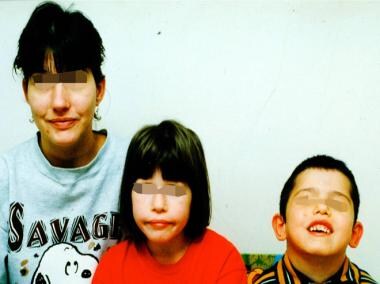
- Facies: Patients' appearances are characterized by hypertelorism, micrognathia, short philtrum with fish-mouth appearance, antimongoloid slant, and telecanthus with short palpebral fissures.
-
- Otolaryngic: Patients have low-set ears, often with defective pinna; cleft palate; submucous cleft; and velopharyngeal insufficiency.
Causes
Microdeletion of chromosome 22 accounts for more than 90% of cases of DiGeorge anomaly. Deletions of chromosome 22q11.2 are found in the vast majority of patients with DiGeorge anomaly and VCFS. Most deletions are de novo, with 10% or less inherited from an affected parent. Exposure to alcohol and other toxins, such as retinoids in the intrauterine stage, can result in similar phenotypic syndromes.
- Genetic studies
-
- DiGeorge anomaly is the most frequent contiguous gene deletion syndrome in humans. By use of fluorescent in situ hybridization (FISH) probes, more than 90% of patients with DiGeorge anomaly have a microdeletion of 22q11.21 through 22q11.23, spanning approximately 2 megabase (Mb) in length. More detailed mapping defined a 250-kilobase (kb) DiGeorge critical region (DGCR), which has been sequenced in its entirety. Other anomalies reported in DiGeorge anomaly include deletions of 10p13, 17p13, and 18q21.
- Although efforts have intensified to identify candidate gene(s), no single gene deletion has been shown to be sufficient for the development of DiGeorge anomaly. Two of the candidate genes implicated in the pathogenesis of DiGeorge anomaly include HIRA, a transcriptional corepressor of cell cycle–dependent histone gene transcription and mammalian homolog of the yeast Hir1p and Hir2p proteins, and UFD1L, homolog of a highly conserved yeast gene involved in the degradation of ubiquinated genes. T-box transcription factor TBX1 is a key gene implicated in cardiac outflow tract dysmorphogenesis and aortic arch malformations observed in DiGeorge anomaly (Xu, 2004). A study focusing on the adaptor protein Crkol23 shows that other genes within the deleted regions might affect the same developmental pathways.
Other Problems to be Considered
Diagnosis of DiGeorge anomaly is based on the presence of congenital cardiac malformations, hypocalcemia secondary to hypoparathyroidism, and a small or absent thymus. Differential diagnoses include all 22q11 deletion syndromes (see Introduction) and exposure to teratogens during pregnancy, including alcohol, retinoids, bisdiamine, and maternal diabetes.
Conditions related to DiGeorge anomaly include the following:
22q11 deletion syndromes
Velocardiofacial syndrome (VCFS or Shprintzen syndrome)
Conotruncal anomaly face syndrome
Cayler syndrome
Opitz-GBBB syndrome
CHARGE syndrome (coloboma [eye], heart anomaly, atresia [choanal], retardation [mental and growth], genital anomaly, ear anomaly)
Lab Studies
- Assessment of immune system
-
- In vitro studies of T-cell function offer the most reliable estimate of the extent of immunodeficiency. Although a finding of very low to absent T cells in peripheral blood suggests severe immunodeficiency, base decisions regarding treatment on T-cell proliferative responses to antigens, not on the number of T cells.
- Flow cytometry is performed in vitro to estimate the number of T cells in peripheral blood and the proliferative responses to mitogens and antigens.
- At times, a sudden increase in CD3+/CD4+ T cells is observed in patients with DiGeorge anomaly and is associated with modest mitogen response but no proliferative response to antigens. Response to antigens is the best predictor of the ability of the T cells to protect from infection and is the most clinically relevant of the in vitro tests of T-cell function.
- Evaluation of humoral immunity reveals variable immunoglobulin levels and depends on the extent of T-cell deficiency. As would be expected (ie, because normal B-cell development requires normal T-cell function), the B-cell repertoire is normal in patients whose only measurable T-cell defect is a low number. Patients with partial DiGeorge anomaly generate good antibody response to protein vaccines, but no data are available on polysaccharide vaccines. Increased prevalence of immunoglobulin A deficiency has been observed in 4 of 32 patients with 22q11.2 deletion.
- Assessment of parathyroid function
-
- The etiology of hypocalcemia is usually evident with low parathyroid hormone (PTH) levels.
- Latent or subclinical hypoparathyroidism can be unmasked by performing a disodium edetate challenge.
- Despite occasional normal calcium and PTH levels, the secretory reserve for PTH is usually diminished in patients with DiGeorge anomaly.
Imaging Studies
- A lateral-view chest radiograph is useful in assessing the thymic shadow.
-
- Although chest radiographs may reveal an absence of a thymus shadow, MRI is more reliable for estimating mediastinal thymus size. However, because the thymus has not descended into the mediastinum in this condition, imaging studies are not warranted.
Other Tests
- Genetic studies include the fluorescent in situ hybridization (FISH) technique for karyotyping, which is sensitive and readily available for chromosome analysis. A multiplex ligation-dependent probe amplification (MLPA) single tube assay was recently developed to detect deletions of the 22q11.2 region and other chromosomal regions associated with DiGeorge anomaly and velocardiofacial syndrome (VCFS). This method appears to be equivalent to the FISH technique.
Procedures
- Diagnosis of cardiac abnormalities usually requires invasive techniques, including cardiac catheterization.
Histologic Findings
Thymic biopsy findings are essentially normal, except for evidence of hypoplasia.
Medical Care
- Hypoparathyroidism and hypocalcemia are managed with calcium supplements and vitamin D administration.
-
- Treatment of immunodeficiency
-
- Use the usual prophylactic regimens for T- and B-cell deficiency.
- Several therapies have been used to treat immunodeficiency associated with DiGeorge anomaly. Cases of immune reconstitution have been reported following transplantation of HLA-identical bone marrow, peripheral blood mononuclear cells, and fetal thymus. However, some of these patients may have had partial DiGeorge anomaly, and improvement may have been coincidental.
- Markert et al reported a study of 5 patients with complete DiGeorge anomaly who were treated with allogeneic, cultured, postnatal thymus tissue. Of these patients, 4 developed immune reconstitution with T-cell proliferative responses to mitogens.
- Early thymus transplantation (ie, before the onset of infectious complications) may promote successful immune reconstitution. Although Goldsobel et al reported that the results of thymus transplantation are disappointing, a significant number of patients in their group were lost to follow-up, and if their results were corrected accordingly, the benefits of thymus transplantation would seem to be more impressive. T-cell function may improve in patients with partial DiGeorge anomaly; therefore, thymus transplantation is not indicated.
Surgical Care
Correct cardiac malformations per standard surgical techniques. Irradiated cytomegalovirus-negative blood products must be administered because of the risk of graft versus host disease with nonirradiated products. Because the risk of infection is very high, a low index of suspicion must be used with regards to starting antibiotics.
Consultations
Obtain early consultation with a cardiologist and immunologist to evaluate disease manifestations.
The goals of pharmacotherapy are to prevent calcium deficiency, reduce morbidity, and prevent complications.
Drug Category: Calcium salts
These agents are used to treat or prevent calcium deficiency.
| Drug Name | Calcium gluconate (Kalcinate) |
| Description | Moderates nerve and muscle performance and facilitates normal cardiac function. Can be administered IV initially, and calcium levels maintained with high-calcium diet. Some patients require oral calcium supplementation. The 10% IV solution provides 100 mg/mL of calcium gluconate, which equals 9 mg/mL (0.46 mEq/mL) of elemental calcium. |
| Adult Dose | Doses expressed as calcium gluconate 2-3 g IV over 5-10 min; repeat q6h prn based on response and serum calcium levels; not to exceed 15 g/d Alternatively: Repeat doses administered as 167 mg/kg IV infusion over 4-6h prn Oral supplementation: 15 g/d PO divided tid/qid |
| Pediatric Dose | Doses expressed as calcium gluconate 100-200 mg/kg IV over 5-10 min; then 500 mg/kg/d IV continuous infusion or divided doses q6-8h Oral supplementation: 500-725 mg/kg/d PO divided qid |
| Contraindications | Documented hypersensitivity; renal calculi; hypercalcemia; hypophosphatemia; renal or cardiac disease; digitalis toxicity |
| Interactions | May decrease effects of tetracyclines, atenolol, salicylates, iron salts, and fluoroquinolones; antagonizes effects of verapamil; large intakes of dietary fiber may decrease calcium absorption and levels |
| Pregnancy | B - Usually safe but benefits must outweigh the risks.
|
| Precautions | Caution in digitalized patients and patients with respiratory failure, acidosis, or severe hyperphosphatemia |
| Drug Name | Calcium carbonate (Os-Cal, Titralac, Oystercal, Caltrate) |
| Description | Has higher oral bioavailability of calcium than other orally administered calcium salt products. Moderates nerve and muscle performance and facilitates normal cardiac function. Dose expressed as calcium carbonate. |
| Adult Dose | 5-10 g/d PO divided tid/qid |
| Pediatric Dose | 112.5-162.5 mg/kg/d PO divided qid |
| Contraindications | Documented hypersensitivity; renal calculi; hypercalcemia; hypophosphatemia; renal or cardiac disease; digitalis toxicity |
| Interactions | May decrease effects of tetracyclines, atenolol, salicylates, iron salts, and fluoroquinolones; antagonizes effects of verapamil; large intakes of dietary fiber may decrease calcium absorption and levels |
| Pregnancy | B - Usually safe but benefits must outweigh the risks.
|
| Precautions | Caution in digitalized patients and patients with respiratory failure, acidosis, or severe hyperphosphatemia |
Drug Category: Vitamin D supplements
These supplements help treat, prevent, or manage hypocalcemia.
| Drug Name | Ergocalciferol, vitamin D-2 (Drisdol) |
| Description | Vitamin D-2 analog converted in liver to an active intermediate and then further converted to most active form in kidneys. Effectively increases renal reabsorption of calcium, intestinal absorption of calcium, and calcium mobilization from bone to plasma. |
| Adult Dose | 25,000-200,000 U/d PO along with calcium supplements |
| Pediatric Dose | Administer as in adults |
| Contraindications | Documented hypersensitivity; hypercalcemia; malabsorption syndrome |
| Interactions | Colestipol, mineral oil, and cholestyramine may decrease absorption of ergocalciferol from small intestine; thiazide diuretics may increase effects of vitamin D |
| Pregnancy | A - Safe in pregnancy
|
| Precautions | Pregnancy category C in doses >400 U/d; caution in patients with cardiac disease, arteriosclerosis, renal impairment, and renal stones; caution during breastfeeding |
Further Inpatient Care
- Close monitoring of the calcium level is required.
-
- Prevention of infections should remain a top priority.
-
- Treatment of immunodeficiency includes the following:
-
- Use the usual prophylactic regimens for T- and B-cell deficiency.
- Several therapies have been used to treat immunodeficiency associated with DiGeorge anomaly. Cases of immune reconstitution have been reported following transplantation of HLA-identical bone marrow, peripheral-blood mononuclear cells, and fetal thymus. However, some of these patients may have had partial DiGeorge anomaly, and improvement may have been coincidental.
- Markert et al reported a study of 5 patients with complete DiGeorge anomaly who were treated with allogeneic, cultured, postnatal thymus tissue. Of these patients, 4 developed immune reconstitution with T-cell proliferative responses to mitogens.
-
- Early thymus transplantation (ie, before the onset of infectious complications) may promote successful immune reconstitution. Goldsobel et al reported that the results of thymus transplantation are disappointing. However, a significant number of patients in their group were lost to follow-up, and if their results are corrected accordingly, the benefits of thymus transplantation seem to be more impressive. T-cell function may improve in patients with partial DiGeorge anomaly; therefore, thymus transplantation is not indicated.
Further Outpatient Care
- Genetic counseling and screening
-
- Approximately 8% of the patients with DiGeorge anomaly or velocardiofacial (VCFS) studied by Driscoll et al showed familial transmission of 22q11 deletion.
- Because subjects with 22q11 deletion have a 50% risk of transmitting the deletion, they should be offered genetic counseling and fluorescent in situ hybridization (FISH) for prenatal detection as early as 10-12 weeks of gestation by chorionic villus sampling.
- Recent studies show that 22q11 deletions occur in 20-30% of newborns with isolated conotruncal cardiac malformations. Therefore, screen all patients with conotruncal anomalies for 22q11 deletions, identify other family members at risk, and assess the risk in future pregnancies.
Prognosis
- Prognosis depends markedly on the degree of involvement of cardiac and immune systems. A 1-month mortality rate of 55% and a 6-month mortality rate of 86% have been reported due to congenital heart disease.
Medical/Legal Pitfalls
- The utmost care must be taken to avoid nonirradiated blood products.
-
- Live vaccines are typically contraindicated in patients with DiGeorge anomaly and in household members of such patients because of the risk of shedding of live organisms; however, 2 recent studies show that live viral vaccines (LVVs) may be safe in select populations affected by DiGeorge anomaly.
Azzari et al recently evaluated the safety and immunogenicity of measles-mumps-rubella (MMR) vaccine in children with congenital T-cell defect (DiGeorge anomaly). No severe adverse reactions were reported in the 14 patients included in the study. Patients and control subjects experienced the same frequency of seroconversion for measles and rubella. The mean titers of antimeasles or antirubella antibodies were the same in patients and controls, and no decrease in CD4 cells was detected after immunization (Azzari, 2005).
Moylett et al recently reviewed patients with partial DiGeorge syndrome at Texas Children's Hospital (Baylor College of Medicine). Forty-seven percent of the patients with partial DiGeorge syndrome received a live viral vaccine. No significant adverse events were recorded in association with administration of LVVs. At initial presentation, the difference between the cellular immune function of patients who received LVVs and of those who did not receive LVVs was not statistically significant. Adequate cellular immune function was documented for 15 of the 25 LVV recipients at the time of vaccine administration without significant change from baseline (Moylett, 2004).
- Ammann AJ, Wara DW, Cowan MJ, et al. The DiGeorge syndrome and the fetal alcohol syndrome. Am J Dis Child. Oct 1982;136(10):906-8. [Medline].
- Archer E, Chuang TY, Hong R. Severe eczema in a patient with DiGeorge's syndrome. Cutis. Jun 1990;45(6):455-9. [Medline].
- August CS, Berkel AI, Levey RH, et al. Establishment of immunological competence in a child with congenital thymic aplasia by a graft of fetal thymus. Lancet. May 23 1970;1(7656):1080-3. [Medline].
- Azzari C, Gambineri E, Resti M, et al. Safety and immunogenicity of measles-mumps-rubella vaccine in children with congenital immunodeficiency (DiGeorge syndrome). Vaccine. Feb 25 2005;23(14):1668-71. [Medline].
- Barrett DJ, Ammann AJ, Wara DW, et al. Clinical and immunologic spectrum of the DiGeorge syndrome. J Clin Lab Immunol. Jul 1981;6(1):1-6. [Medline].
- Bastian J, Law S, Vogler L, et al. Prediction of persistent immunodeficiency in the DiGeorge anomaly. J Pediatr. Sep 1989;115(3):391-6. [Medline].
- Belohradsky BH. [Thymus aplasia and hypoplasia with hypoparathyroidism, heart and vascular abnormalities (Di-George syndrome)]. Ergeb Inn Med Kinderheilkd. 1986;54:35-105. [Medline].
- Bowers DC, Lederman HM, Sicherer SH, et al. Immune constitution of complete DiGeorge anomaly by transplantation of unmobilised blood mononuclear cells. Lancet. Dec 19-26 1998;352(9145):1983-4. [Medline].
- Cleveland WW, Fogel BJ, Brown WT, Kay HE. Foetal thymic transplant in a case of Digeorge's syndrome. Lancet. Dec 7 1968;2(7580):1211-4. [Medline].
- Conley ME, Beckwith JB, Mancer JF, Tenckhoff L. The spectrum of the DiGeorge syndrome. J Pediatr. Jun 1979;94(6):883-90. [Medline].
- DePiero AD, Lourie EM, Berman BW, et al. Recurrent immune cytopenias in two patients with DiGeorge/velocardiofacial syndrome. J Pediatr. Sep 1997;131(3):484-6. [Medline].
- DiGeorge AM. Congenital absence of the thymus and its immunologic consequences: concurrence with congenital hypoparathyroidism. White Plains, NY: March of Dimes-Birth Defects Foundation;1968:IV(1): 116-21.
- Driscoll DA, Budarf ML, Emanuel BS. A genetic etiology for DiGeorge syndrome: consistent deletions and microdeletions of 22q11. Am J Hum Genet. May 1992;50(5):924-33. [Medline].
- Driscoll DA, Spinner NB, Budarf ML, et al. Deletions and microdeletions of 22q11.2 in velo-cardio-facial syndrome. Am J Med Genet. Sep 15 1992;44(2):261-8. [Medline].
- Driscoll DA, Salvin J, Sellinger B, et al. Prevalence of 22q11 microdeletions in DiGeorge and velocardiofacial syndromes: implications for genetic counselling and prenatal diagnosis. J Med Genet. Oct 1993;30(10):813-7. [Medline].
- Farrell MJ, Stadt H, Wallis KT, et al. HIRA, a DiGeorge syndrome candidate gene, is required for cardiac outflow tract septation. Circ Res. Feb 5 1999;84(2):127-35. [Medline].
- Fernandez L, Lapunzina P, Arjona D, et al. Comparative study of three diagnostic approaches (FISH, STRs and MLPA) in 30 patients with 22q11.2 deletion syndrome. Clin Genet. Oct 2005;68(4):373-8. [Medline].
- Francis IR, Glazer GM, Bookstein FL, Gross BH. The thymus: reexamination of age-related changes in size and shape. AJR Am J Roentgenol. Aug 1985;145(2):249-54. [Medline].
- Gidding SS, Minciotti AL, Langman CB. Unmasking of hypoparathyroidism in familial partial DiGeorge syndrome by challenge with disodium edetate. N Engl J Med. Dec 15 1988;319(24):1589-91. [Medline].
- Goldmuntz E, Clark BJ, Mitchell LE, et al. Frequency of 22q11 deletions in patients with conotruncal defects. J Am Coll Cardiol. Aug 1998;32(2):492-8. [Medline].
- Goldmuntz E, Driscoll DA, Emanuel BS. Microdeletions of chromosome 22 in patients with conotruncal cardiac defects. Am J Cardiol. 1992;70:557.
- Goldmuntz E, Driscoll D, Budarf ML, et al. Microdeletions of chromosomal region 22q11 in patients with congenital conotruncal cardiac defects. J Med Genet. Oct 1993;30(10):807-12. [Medline].
- Goldsobel AB, Haas A, Stiehm ER. Bone marrow transplantation in DiGeorge syndrome. J Pediatr. Jul 1987;111(1):40-4. [Medline].
- Greenberg F, Elder FF, Haffner P, et al. Cytogenetic findings in a prospective series of patients with DiGeorge anomaly. Am J Hum Genet. Nov 1988;43(5):605-11. [Medline].
- Greenberg F, Courtney KB, Wessels RA, et al. Prenatal diagnosis of deletion 17p13 associated with DiGeorge anomaly. Am J Med Genet. Sep 1988;31(1):1-4. [Medline].
- Guris DL, Fantes J, Tara D, et al. Mice lacking the homologue of the human 22q11.2 gene CRKL phenocopy neurocristopathies of DiGeorge syndrome. Nat Genet. Mar 2001;27(3):293-8. [Medline].
- Haire RN, Buell RD, Litman RT, et al. Diversification, not use, of the immunoglobulin VH gene repertoire is restricted in DiGeorge syndrome. J Exp Med. Sep 1 1993;178(3):825-34. [Medline].
- Ham Pong AJ, Cavallo A, Holman GH, Goldman AS. DiGeorge syndrome: long-term survival complicated by Graves disease. J Pediatr. Apr 1985;106(4):619-20. [Medline].
- Harrington LH. Absence of the thymus gland. Lond Med Gaz. 1929;3:314.
- Hasegawa T, Hasegawa Y, Yokoyama T, et al. Unmasking of latent hypoparathyroidism in a child with partial DiGeorge syndrome by ethylenediaminetetraacetic acid infusion. Eur J Pediatr. Apr 1993;152(4):316-8. [Medline].
- Hong R. The DiGeorge anomaly (CATCH 22, DiGeorge/velocardiofacial syndrome). Semin Hematol. Oct 1998;35(4):282-90. [Medline].
- Jerome LA, Papaioannou VE. DiGeorge syndrome phenotype in mice mutant for the T-box gene, Tbx1. Nat Genet. Mar 2001;27(3):286-91. [Medline].
- Jose DG, Barnes G, Rossiter EJ, et al. Reconstitution of cellular immune function in a child with thymic aplasia by foetal thymus grafting. Aust N Z J Med. Jun 1974;4(3):267-73. [Medline].
- Junker AK, Driscoll DA. Humoral immunity in DiGeorge syndrome. J Pediatr. Aug 1995;127(2):231-7. [Medline].
- Kawamura T, Nimura I, Hanafusa M, et al. DiGeorge syndrome with Graves' disease: A case report. Endocr J. Feb 2000;47(1):91-5. [Medline].
- Kelley RI, Zackai EH, Emanuel BS, et al. The association of the DiGeorge anomalad with partial monosomy of chromosome 22. J Pediatr. Aug 1982;101(2):197-200. [Medline].
- Lammer EJ, Opitz JM. The DiGeorge anomaly as a developmental field defect. Am J Med Genet Suppl. 1986;2:113-27. [Medline].
- Lane HC, Depper JM, Greene WC, et al. Qualitative analysis of immune function in patients with the acquired immunodeficiency syndrome. Evidence for a selective defect in soluble antigen recognition. N Engl J Med. Jul 11 1985;313(2):79-84. [Medline].
- Levy A, Michel G, Lemerrer M, Philip N. Idiopathic thrombocytopenic purpura in two mothers of children with DiGeorge sequence: a new component manifestation of deletion 22q11?. Am J Med Genet. Apr 14 1997;69(4):356-9. [Medline].
- Lindsay EA, Vitelli F, Su H, et al. Tbx1 haploinsufficieny in the DiGeorge syndrome region causes aortic arch defects in mice. Nature. Mar 1 2001;410(6824):97-101. [Medline].
- Lobdell DH. Congenital absence of the parathyroid glands. AMA Arch Pathol. Apr 1959;67(4):412-5. [Medline].
- Marcinkowski M, Bauer K, Stoltenburg-Didinger G, et al. Fatal aspergillosis with brain abscesses in a neonate with DiGeorge syndrome. Pediatr Infect Dis J. Dec 2000;19(12):1214-6. [Medline].
- Markert ML, Boeck A, Hale LP, et al. Transplantation of thymus tissue in complete DiGeorge syndrome. N Engl J Med. Oct 14 1999;341(16):1180-9. [Medline].
- Mayumi M, Kimata H, Suehiro Y, et al. DiGeorge syndrome with hypogammaglobulinaemia: a patient with excess suppressor T cell activity treated with fetal thymus transplantation. Eur J Pediatr. Apr 1989;148(6):518-22. [Medline].
- Minier F, Carles D, Pelluard F, et al. [DiGeorge syndrome, a review of 52 patients]. Arch Pediatr. Mar 2005;12(3):254-7. [Medline].
- Moylett EH, Wasan AN, Noroski LM, Shearer WT. Live viral vaccines in patients with partial DiGeorge syndrome: clinical experience and cellular immunity. Clin Immunol. Jul 2004;112(1):106-12. [Medline].
- Muller W, Peter HH, Wilken M, et al. The DiGeorge syndrome. I. Clinical evaluation and course of partial and complete forms of the syndrome. Eur J Pediatr. Jun 1988;147(5):496-502. [Medline].
- Muller W, Peter HH, Kallfelz HC, et al. The DiGeorge sequence. II. Immunologic findings in partial and complete forms of the disorder. Eur J Pediatr. Nov 1989;149(2):96-103. [Medline].
- Murphy KC. Annotation: velo-cardio-facial syndrome. J Child Psychol Psychiatry. Jun 2005;46(6):563-71. [Medline].
- Ryan AK, Goodship JA, Wilson DI, et al. Spectrum of clinical features associated with interstitial chromosome 22q11 deletions: a European collaborative study. J Med Genet. Oct 1997;34(10):798-804. [Medline].
- Saitta SC, Harris SE, McDonald-McGinn DM, et al. Independent de novo 22q11.2 deletions in first cousins with DiGeorge/velocardiofacial syndrome. Am J Med Genet A. Jan 30 2004;124(3):313-7. [Medline].
- Sanchez-Velasco P, Ocejo-Vinyals JG, Flores R, et al. Simultaneous multiorgan presence of human herpesvirus 8 and restricted lymphotropism of Epstein-Barr virus DNA sequences in a human immunodeficiency virus-negative immunodeficient infant. J Infect Dis. Jan 15 2001;183(2):338-342. [Medline].
- Scambler P. HIRA, a DiGeorge syndrome candidate gene, is required for normal embryogenesis. Am J Hum Genet. 1998;63:A7.
- Scambler PJ, Carey AH, Wyse RK, et al. Microdeletions within 22q11 associated with sporadic and familial DiGeorge syndrome. Genomics. May 1991;10(1):201-6. [Medline].
- Smith CA, Driscoll DA, Emanuel BS, et al. Increased prevalence of immunoglobulin A deficiency in patients with the chromosome 22q11.2 deletion syndrome (DiGeorge syndrome/velocardiofacial syndrome). Clin Diagn Lab Immunol. May 1998;5(3):415-7. [Medline].
- Sobin C, Kiley-Brabeck K, Karayiorgou M. Lower prepulse inhibition in children with the 22q11 deletion syndrome. Am J Psychiatry. Jun 2005;162(6):1090-9. [Medline].
- Staple L, Andrews T, McDonald-McGinn D, et al. Allergies in patients with chromosome 22q11.2 deletion syndrome (DiGeorge syndrome/velocardiofacial syndrome) and patients with chronic granulomatous disease. Pediatr Allergy Immunol. May 2005;16(3):226-30. [Medline].
- Stiehm ER. Immunodeficiency disorders: General considerations. In: Stiehm ER, ed. Immunologic disorders in Infants and Children. Philadelphia, Pa: WB Saunders; 1989:. 157-95.
- Stoller JZ, Epstein JA. Identification of a novel nuclear localization signal in Tbx1 that is deleted in DiGeorge syndrome patients harboring the 1223delC mutation. Hum Mol Genet. Apr 1 2005;14(7):885-92. [Medline].
- Sulik KK, Johnston MC, Daft PA, et al. Fetal alcohol syndrome and DiGeorge anomaly: critical ethanol exposure periods for craniofacial malformations as illustrated in an animal model. Am J Med Genet Suppl. 1986;2:97-112. [Medline].
- Sullivan KE, McDonald-McGinn DM, Driscoll DA, et al. Juvenile rheumatoid arthritis-like polyarthritis in chromosome 22q11.2 deletion syndrome (DiGeorge anomalad/velocardiofacial syndrome/conotruncal anomaly face syndrome). Arthritis Rheum. Mar 1997;40(3):430-6. [Medline].
- Xu H, Morishima M, Wylie JN, et al. Tbx1 has a dual role in the morphogenesis of the cardiac outflow tract. Development. Jul 2004;131(13):3217-27. [Medline].
- Yamagishi H, Garg V, Matsuoka R, et al. A molecular pathway revealing a genetic basis for human cardiac and craniofacial defects. Science. Feb 19 1999;283(5405):1158-61. [Medline].
- Zinkstok J, van Amelsvoort T. Neuropsychological profile and neuroimaging in patients with 22Q11.2 Deletion Syndrome: a review. Neuropsychol Dev Cogn C Child Neuropsychol. Feb 2005;11(1):21-37. [Medline].
- de la Chapelle A, Herva R, Koivisto M, Aula P. A deletion in chromosome 22 can cause DiGeorge syndrome. Hum Genet. 1981;57(3):253-6. [Medline].
- van Amelsvoort T, Daly E, Henry J, et al. Brain anatomy in adults with velocardiofacial syndrome with and without schizophrenia: preliminary results of a structural magnetic resonance imaging study. Arch Gen Psychiatry. Nov 2004;61(11):1085-96. [Medline].
DiGeorge Syndrome excerpt Article Last Updated: Feb 2, 2006
|