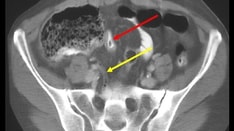
You are in: eMedicine Specialties > Obstetrics and Gynecology > General Gynecology Corpus Luteum RuptureArticle Last Updated: Sep 7, 2006AUTHOR AND EDITOR INFORMATIONAuthor: Michael M Frumovitz, MD, Fellow, Department of Gynecologic Oncology, The University of Texas M.D. Anderson Cancer Center Michael M Frumovitz is a member of the following medical societies: American College of Obstetricians and Gynecologists Coauthor(s): Charles J Ascher-Walsh, MD, Clinical Assistant Professor, Department of Obstetrics and Gynecology, New York-Presbyterian Medical Center, Columbia University Editors: Bryan D Cowan, MD, Professor and Chairman, Department of Obstetrics and Gynecology, University of Mississippi College of Medicine; Consulting Staff, Department of Obstetrics and Gynecology, Veterans Affairs Medical Center; Medical Director, Wiser Hospital for Women, University of Mississippi Medical Center; Francisco Talavera, PharmD, PhD, Senior Pharmacy Editor, eMedicine; Richard S Legro, MD, Professor, Department of Obstetrics and Gynecology, Division of Reproductive Endocrinology, Pennsylvania State University College of Medicine; Consulting Staff, Milton S Hershey Medical Center; Frederick B Gaupp, MD, Consulting Staff, Department of Family Practice, Assumption Community Hospital; Lee P Shulman, MD, Professor of Obstetrics and Gynecology, Feinberg School of Medicine, Northwestern University; Chief, Division of Reproductive Genetics, Department of Obstetrics and Gynecology, Prentice Women's Hospital, Northwestern Memorial Hospital Author and Editor Disclosure Synonyms and related keywords: corpus luteum rupture, ruptured corpus luteum, acute abdomen, intraperitoneal hemorrhage, ovum, follicle, abdominal pain, circulatory collapse, hemorrhagic shock, disseminated intravascular coagulation, DIC, abdominal trauma, anticoagulant use, anticoagulation therapy INTRODUCTIONBackgroundRuptured corpus luteum is a common phenomenon with presentation ranging from no symptoms to symptoms mimicking an acute abdomen. Sequelae vary. Resolution may be spontaneous (most often); intraperitoneal hemorrhage and death may occur. Although most patients require only observation, some need laparoscopy or laparotomy to achieve hemostasis. PathophysiologyEach month, a mature ovarian follicle ruptures, releasing an ovum so the process of fertilization can begin. Occasionally, this rupture site may bleed, causing abdominal pain and signs of hemorrhage. The etiology of this increased bleeding is unknown, although abdominal trauma and anticoagulation treatments may increase the risk. FrequencyUnited StatesOccurrence is unknown but is likely quite frequent and without symptoms. InternationalOccurrence is unknown but is likely quite frequent and without symptoms. Mortality/MorbidityAlthough circulatory collapse, hemorrhagic shock, disseminated intravascular coagulation (DIC), and death have been reported, these are rare. Most cases are self-limiting, with abdominal pain relieved with analgesics. RaceNo differences in frequency are reported by race or socioeconomic standing. SexRuptured corpus luteum occurs only in females. AgeThe condition most commonly occurs in women aged 18-35 years (peak reproductive years). CLINICALHistoryThe patient often presents with an acute onset of abdominal pain, usually in the second half of the menstrual cycle. Other presenting symptoms may include the following:
PhysicalPhysical findings can range from mild unilateral low abdominal tenderness to those of an acute abdomen with severe tenderness, guarding, rebound, and peritoneal signs.
CausesEtiology remains unknown, but risk factors include abdominal trauma and anticoagulation therapy. DIFFERENTIALSAbdominal Trauma, Blunt Appendicitis Bladder Stones Cystitis, Nonbacterial Diverticulitis Ectopic Pregnancy Nephrolithiasis Ovarian Cysts
|
| Drug Name | Acetaminophen (Tylenol) |
|---|---|
| Description | DOC for pain in patients with documented hypersensitivity to aspirin or NSAIDs, those with upper GI disease, or those who are taking oral anticoagulants. |
| Adult Dose | 325-1000 mg PO q6h; not to exceed 4 g/d |
| Pediatric Dose | Not established |
| Contraindications | Documented hypersensitivity |
| Interactions | Rifampin can reduce analgesic effects of acetaminophen; coadministration with barbiturates, carbamazepine, hydantoins (eg, phenytoin), ethanol, and isoniazid may increase hepatotoxicity |
| Pregnancy | B - Usually safe but benefits must outweigh the risks. |
| Precautions | Hepatotoxicity is possible in people with chronic alcoholism following various dose levels; severe or recurrent pain or high or continued fever may indicate a serious illness; acetaminophen is contained in many OTC products, and combined use with these products may result in cumulative doses exceeding the recommended maximum dose; caution in renal impairment; cardiac and pulmonary disease increases risk of toxicity |
| Drug Name | Meperidine (Demerol) |
|---|---|
| Description | Analgesic with multiple actions similar to those of morphine. May produce less constipation, smooth muscle spasm, and depression of cough reflex than similar analgesic doses of morphine. |
| Adult Dose | 50-150 mg PO/IV/IM/SC q3-4h prn |
| Pediatric Dose | Not established |
| Contraindications | Documented hypersensitivity; MAOIs; upper airway obstruction or significant respiratory depression; during labor when delivery of premature infant is anticipated; convulsive states as in epilepsy, tetanus, strychnine poisoning, diabetic acidosis, head injuries, shock, liver disease, respiratory depression, or increased cranial pressure |
| Interactions | Monitor for increased respiratory and CNS depression with coadministration of cimetidine; hydantoins may decrease effects; avoid with protease inhibitors |
| Pregnancy | C - Safety for use during pregnancy has not been established. |
| Precautions | Caution in patients with head injuries because meperidine may increase respiratory depression and CSF pressure (use only if absolutely necessary); caution when using postoperatively and in patients with history of pulmonary disease (suppresses cough reflex); substantially increased dose levels because of tolerance may aggravate or cause seizures even if no history of convulsive disorders is present; monitor closely for morphine-induced seizure activity in patients with seizure history |
Article Last Updated: Sep 7, 2006