You are in: eMedicine Specialties > Transplantation > Surgery Intestinal and Multivisceral TransplantationArticle Last Updated: Nov 30, 2007AUTHOR AND EDITOR INFORMATIONAuthor: Richard K Gilroy, MBBS, FRACP, Assistant Professor, Medical Director of Liver Transplantation and Hepatology, Department of Internal Medicine, Kansas University Medical Center Coauthor(s): Jean Frederick Botha, MBBCh, FCS(SA), Assistant Professor of Surgery, Transplant Surgeon, Department of Surgery, University of Nebraska Medical Center; Debra L Sudan, MD, Associate Professor, Department of Surgery, Division of Transplantation, University of Nebraska Medical Center Editors: Ron Shapiro, MD, Professor of Surgery, University of Pittsburgh; Director, Kidney, Pancreas, and Islet Transplantation, Thomas E Starzl Transplantation Institute, University of Pittsburgh Medical Center; Francisco Talavera, PharmD, PhD, Senior Pharmacy Editor, eMedicine; Debra L Sudan, MD, Associate Professor, Department of Surgery, Division of Transplantation, University of Nebraska Medical Center; Michael E Zevitz, MD, Assistant Professor of Medicine, Finch University of the Health Sciences, The Chicago Medical School; Consulting Staff, Private Practice; John Geibel, MD, DSc, MA, Professor, Department of Surgery, Section of Gastrointestinal Medicine and Department of Cellular and Molecular Physiology, Yale University School of Medicine; Director of Surgical Research, Department of Surgery, Yale-New Haven Hospital Author and Editor Disclosure Synonyms and related keywords: isolated small bowel transplantation, ISB transplantation, combined liver-small bowel transplantation, LSB transplantation, multivisceral transplantation, isolated liver transplantation, organ transplantation, liver/small bowel transplantation, small bowel transplant, liver transplant, multivisceral transplant, intestinal transplant, multi-visceral transplantation, multi-visceral transplant, LSB transplant, ISB transplant, total parenteral nutrition, TPN, complications of total parenteral nutrition, TPN complications, HPN, home parenteral nutrition, parenteral nutrition, total parenteral nutrition liver disease, total parenteral nutrition hepatic disease, TPN liver disease, TPN-induced liver disease INTRODUCTIONUntil recently, parenteral nutrition was the standard of care for all patients with intestinal failure. The success of kidney, liver, and heart transplantation has increased with the advent and application of new antirejection medications coupled with improved surgical techniques. Advances in intestinal transplantation, by contrast, have been slow to develop until recently. At the turn of the 20th century, Alexis Carrel demonstrated the technical feasibility of intestinal transplantation; however, acute allograft rejection was an insurmountable obstacle in the absence of immunosuppressive medications.1 In the 1960s, surgeons demonstrated renewed interest in intestinal transplantation following early successes with kidney transplantation. This interest rapidly waned as the inadequacy of the immunosuppressive medications available at the time became apparent.
The first successful transplantation efforts were reported in 1988 and 1989; a few isolated small bowel (ISB) and combined liver–small bowel (LSB) transplant recipients achieved functional graft survival beyond 3 months using cyclosporine-based immunosuppressive regimens. Only with the introduction of tacrolimus have the results justified routine application of small bowel transplantation to patients with life-threatening complications of TPN administration. ProblemIntestinal failure is a term applied to individuals who are unable to maintain adequate nutrition with an enteric diet. These patients require TPN to maintain energy (caloric) intake. The causes of intestinal failure include anatomic and functional abnormalities and, along with the population affected, are listed as follows:
Patients with SBS have insufficient small bowel length to support energy (caloric) needs; this typically occurs when at least 80% of the small intestine has been resected. Resection of less than 80% of the length of the bowel is generally accompanied by intestinal adaptation and subsequent enteral tolerance. Considerable interindividual variability occurs among patients. Some individuals may require TPN despite having less than 80% of their small intestine resected, while others may not require TPN after more extensive resections. This fact emphasizes the importance of trials of enteral tolerance and nutritional rehabilitation while assessing an individual with SBS (see Intestinal Rehabilitation). Additional factors that may help predict those likely to achieve enteral tolerance include younger age, the presence of an ileocecal valve, and the presence of an ileum. The functional causes of intestinal failure in those with normal bowel length include intestinal aganglionosis, chronic idiopathic intestinal pseudoobstruction, and congenital mucosal abnormalities such as microvillous inclusion disease. INDICATIONSIndications for transplantation The most common cause of death for individuals permanently dependent on TPN is liver failure. Steatohepatitis and cholelithiasis with or without associated cholecystitis are common in patients on TPN and warrant exclusion before the physician makes a diagnosis of TPN-induced liver disease. Advanced TPN-induced liver disease is irreversible; however, when it is identified early it is often reversible with discontinuation of TPN. Progressive liver disease is more common in young children on TPN and is often associated with a history of multiple resections and recurrent infection. Progressive and irreversible liver disease develops in 2-42% of children and adults with intestinal failure due to SBS.2, 3, 4, 5, 6 The development of liver disease may be related to enteric stasis, the ability to establish some degree of enteral tolerance, catheter-related sepsis, age, a history of prematurity, the extent of bowel resection, the presence of an underlying inflammatory condition, or the length of time on TPN.7, 8, 9, 10, 4, 6 The mediators and pathways responsible for the progression of TPN-associated liver disease to end-stage liver disease remain undefined. Two other causes of life-threatening complications in patients with intestinal failure include recurring sepsis and loss of vascular access due to venous thrombosis.11, 10 These problems are often concomitant. Sepsis associated with indwelling catheters is more common in children; in some patients, recurrent sepsis is related to gastrointestinal stasis and bacterial overgrowth. Overall, the mortality rate associated with catheter-related sepsis has progressively diminished with the introduction of flexible, silastic, silicone rubber catheters; tunneled, cuffed catheters; and improved line care.12, 13, 14 In summary, intestinal transplantation is a salvage procedure applied to patients who have either anatomic or functional diseases that preclude enteral tolerance (eg, intestinal failure) and have life-threatening complications of TPN such as progressive liver disease, a history of catheter-related sepsis, or loss of vascular access.16, 15 It can not be overemphasized that measures to augment intestinal function and minimize the risk of complications of parenteral nutrition (PN) must be explored in every patient on PN to avoid the need for this procedure. To illustrate the problems faced in the setting of intestinal transplantation, an illustration of the variables and the impact of these upon the patient need to be presented.
Patient evaluation The goals of patient evaluation for intestinal transplantation are as follows:
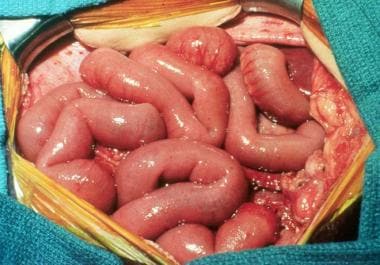
One critical aspect of the evaluation process is to determine whether the patient's intestinal failure is potentially reversible. Most information regarding nutritional assessment comes from a carefully obtained patient history. Particular attention is given to TPN regimens, prior attempts to achieve enteral tolerance, current enteral feeding protocols, growth, development, and exclusion of nutritional deficiencies. Multidisciplinary consultation with experienced pediatric nutritionists, gastroenterologists, and hepatologists is invaluable before determining the presence or absence of nutritional deficiencies and complications from long-term TPN. Many routine screening studies are listed in Workup. In addition to a thorough history and review of operative records, evaluation of the length and function of the remnant native bowel is further accomplished through radiographic contrast studies. These studies help delineate the length of the remaining small bowel, its anatomic location, the presence or absence of the ileocecal valve, the caliber of the remaining small and large intestine, and the transit time from the proximal to distal bowel. These studies also may help define surgically correctable diseases that permit enteral tolerance without transplantation. Occasionally, additional motility studies are necessary. The medical and surgical team must be rigorous when establishing the presence of intestinal failure and when defining its cause because Munchausen syndrome by proxy has been reported in an intestinal transplant recipient.17 For patients with functional disease, review of histopathologic findings following bowel biopsy is important to confirm the diagnosis and extent of bowel involvement. During the assessment of TPN complications, the physician must decide whether a patient's TPN-related liver disease is reversible. This decision may be difficult, and considerations include liver biopsy findings and the likelihood of progression during the waiting period. The presence of dense, bridging fibrosis may prompt consideration of LSB transplantation. Minor amounts of fibrosis associated with cholestasis may allow ISB transplantation. However, if rapid progression of the disease is observed and a long waiting period is anticipated (eg, small infants), combined listing for LSB transplantation may be indicated. An assessment for manifestations of portal hypertension is important, although diminished mesenteric blood flow secondary to the short remnant intestinal length provides protection against varices. Increasing splenomegaly, cytopenia, dilated superficial abdominal veins, and bleeding from gastrostomy sites or stomata provide clues to the presence of portal hypertension. The bilirubin level alone is not a good indicator of whether ISB or LSB transplantation is indicated. ISB transplantation in jaundiced patients has been shown to reverse liver disease, even in patients with a total bilirubin level of 20 mg/dL at the time of transplantation.18 Doppler ultrasonography is used to assess venous access and to determine the patency of the central veins. Intestinal transplantation is considered when the patient has lost 2 or more common venous access sites, such as the subclavian or internal jugular veins, or when unconventional sites such as the right atrial, transhepatic, or direct inferior vena caval catheters are required. Patient history and previous records should reveal the number and type of organisms responsible for previous central venous line infections. Fungal infections requiring mechanical ventilation or vasopressor support are most worrisome.19, 11 Furthermore, a history of infection with multidrug-resistant organisms should raise concern for future mortality and should be considered in the overall assessment. Comorbid conditions can greatly increase the likelihood of complications in the posttransplant period. Specific evaluations of other organ systems are dictated by patient history and are further directed by any abnormalities identified from the results of baseline studies. For example, intestinal failure as a consequence of necrotizing enterocolitis may be associated with a history of prolonged neonatal ventilation and bronchopulmonary dysplasia. These conditions are associated with repeated hospitalizations and a propensity for prematurity in infants, which may give rise to behavioral and developmental problems that should be identified and addressed as early as possible. However, controlled trials to support this are lacking. The authors strongly believe that early intervention facilitates posttransplant recovery and that such interventions are important. Portions of these evaluations are incorporated into the psychosocial assessment of the patient and the patient's support system. RELEVANT ANATOMYRelevant donor anatomy For isolated intestinal transplantation, en bloc removal of the donor intestine commences at the pylorus and proceeds as far as the terminal ileum (see Image 1). Inclusion of the colon in the graft has been associated with worse patient survival, presumably because of increased septic complications as demonstrated by researchers from the University of Pittsburgh. Inclusion of the stomach has been associated with poor gastric motility (personal communications). The superior mesenteric artery and vein provide the blood supply to the organ. When performing a combined LSB transplantation, the duodenum and head of the pancreas are retained in the allograft. In preparation for multivisceral transplantation, other abdominal organs are obtained at the time of intestinal procurement, most commonly the entire donor pancreas. The allograft is prepared in the operating room before implantation. The recipient's requirements dictate which technique should be performed; these requirements are described later. For all recipients, bowel continuity is the ultimate goal, and proximal and distal enteric anastomoses are performed at the time of allograft implantation. A more comprehensive outline of these procedures is available in the 1999 article by DeRoover and Langnas.20 CONTRAINDICATIONSAlthough not absolute contraindications to transplantation, the following is a list of conditions and situations in which transplantation may be contraindicated:
WORKUPLab Studies
Imaging Studies
Other Tests
TREATMENTMedical TherapyTherapeutic options At the completion of the evaluation, the physician should recommend one of the following therapies: continued medical therapy with TPN, ISB transplantation, LSB transplantation, multivisceral transplantation, or isolated liver transplantation. If intestinal failure is not confirmed during the evaluation, intestinal transplantation is not indicated. Likewise, if the patient does not exhibit evidence of life-threatening complications of TPN administration, risk-benefit and survival analyses support continued TPN administration. Isolated intestinal transplantation is the simplest surgical option and offers potential elimination of TPN and its complications. The results of ISB transplantation have not supplanted long-term TPN in the management of SBS in the absence of TPN-associated complications.21, 22, 16, 15 However, more recent reports, with 1-year survival rates exceeding 90%, suggest that ISB transplantation might soon challenge TPN as the primary therapy for TPN-dependent intestinal failure.23 Importantly, if the patient shows evidence of potential to advance enteral nutrition, guidance is offered to such individuals to facilitate this. These patients should be enrolled in an intestinal rehabilitation clinic (see Intestinal Rehabilitation). Periodically reevaluated, these specialized multidisciplinary clinics optimize TPN regimens, evaluate for complications of TPN, augment intestinal adaptation, and establish timely referral for surgery or transplantation, if needed. Transplantation for intestinal failure, at this point, might be best viewed as a salvage procedure for patients with progressive complications of TPN. LSB transplantation is recommended for individuals with irreversible liver injury and intestinal failure. These patients have more severe disease than recipients who receive ISB grafts, and patients waiting for LSB transplantation constitute the majority of intestinal transplant candidates. Waiting list mortality rates are high, and patients are often in intensive care units at the time of transplantation. Multivisceral transplantation includes transplantation of grafts of other abdominal viscera along with the liver and intestinal grafts. This may include the stomach, pancreas, kidney, and/or colon. This procedure is usually reserved for patients with additional organ system failure (eg, pancreatic insufficiency, diabetes, kidney failure), often on a background of a nonreconstructible gastrointestinal tract. Multivisceral transplantation is also indicted for patients with duodenal fistulae or locally aggressive tumors that can only be treated with massive abdominal evisceration.15 The main drawback with including the stomach appears to be poor emptying, and authorities at some centers completely avoid this by performing a gastrojejunostomy between the allograft and a small native gastric remnant. Surgeons at the University of Pittsburgh have demonstrated that inclusion of the colon diminishes survival and is not recommended. Although some researchers have demonstrated adequate stomach function after LSB transplantation in patients with motility disorders, Tzakis suggested that multivisceral transplantation with removal of the native stomach at the time of transplantation is indicated for these patients. However, other researchers are not necessarily in agreement with this approach.24, 25, 26 Patients who receive multivisceral grafts have lower overall survival rates compared with patients who receive other types of intestinal allografts.15 In a small group of predominantly pediatric patients, liver dysfunction related to TPN progresses during the period in which enteral tolerance is being established after intestinal resections. This is usually during the initial evaluation period and, in a select few centers, has been noted to follow aggressive intestinal rehabilitation. If enteral tolerance is likely to be achieved following transplantation, isolated liver transplantation may be recommended.27, 28 To date, at the University of Nebraska, isolated liver transplantations have been performed in 11 children with TPN-associated liver disease; 8 children are currently alive and 7 have been successfully weaned from TPN. In this group, assessment of adequate bowel length is best accomplished by demonstrating enteral tolerance. A history of weight gain during the administration of 50% or more of the energy (caloric) requirements via the enteral route is encouraging. Surrogate markers for the potential of further adaptation include the remaining length of small bowel relative to the patient's age and the presence of the ileocecal valve.29 The high waiting list mortality rate for LSB transplant candidates makes this is an attractive option for carefully selected patients. The goal of intestinal transplantation is to eliminate the need for TPN and to reverse or prevent TPN-associated liver disease. The clear disadvantage of intestinal transplantation is the considerable morbidity and mortality associated with the procedure and with the subsequent long-term immunosuppression. Preoperative DetailsWaiting list mortality The waiting list mortality rate is nearly 50% for LSB candidates and approximately 10% for ISB candidates. The lower mortality rate for ISB candidates is principally related to a lesser degree of liver disease. However, the mortality rate for ISB transplantation is underestimated because patients whose disease progresses may require the combined procedure and therefore are not included in ISB mortality figures. At the University of Nebraska, 30% of patients placed on the ISB waiting list develop progressive liver dysfunction and become LSB candidates; half of these patients die while waiting for a transplant.18 The mean waiting time is more than twice as long for patients whose status has changed compared with those who undergo isolated intestinal transplantation.18 Donor selection and organ procurement Intestinal transplant donors typically include those donors who would be suitable for other forms of organ donation. The donor should be stable and have no evidence of significant metabolic acidosis, and the donor should be matched to the recipient by ABO blood type, size, and medical urgency according to United Network of Organ Sharing status. Approximately two thirds of intestinal transplant recipients have SBS and, as a consequence, have shrinkage of the peritoneal cavity or loss of peritoneal domain.15 In order to decrease the number and viability of passenger lymphocytes in the extensive lymphoid tissue of the gut, surgeons at the University of Nebraska typically administer both antithymocyte globulin (Thymoglobulin) and muromonab-CD3 (Orthoclone OKT3) intraoperatively to cadaveric donors.20 Researchers from the University of Pittsburgh recently presented data that support the use of allograft irradiation. In animal models, the large lymphocyte load of the donor organ has been shown to predispose the transplant recipient to graft versus host disease (GVHD); however, under current regimens the rate is 2-5%. The effect of either regimen on chimerism and long-term rejection is largely unknown and is an area for further investigation. Primary or recurrent CMV enteritis appears to occur more frequently after intestinal transplantation than after other solid organ transplantation; CMV enteritis is associated with a higher risk of graft loss or patient death.30, 31 therefore, surgeons at the University of Nebraska select CMV-negative recipients, with the recognition that seropositivity in infants younger than 1 year may be the result of circulating maternal antibodies.32 Intraoperative DetailsDetailed reviews of the surgical procedures involved in intestinal and multivisceral transplantation are beyond the scope of this article. Please refer to previously published descriptions of these techniques.33, 20, 24, 34 Postoperative DetailsAfter the operation, the patient is returned to the intensive care unit, where hemodynamic monitoring and mechanical ventilation are performed as needed. Doppler ultrasonography is routinely performed on postoperative day 1 to assess vessel patency or as clinically indicated. The standard immunosuppression drugs following intestinal transplantation are tacrolimus and steroids. Tacrolimus is administered orally in a dose sufficient to provide a blood level of approximately 20-25 ng/mL by the end of the first postoperative week. Steroids are administered at a dose of approximately 20 mg/d for adults and 0.3 mg/kg for children. No evidence indicates that the routine addition of azathioprine, mycophenolate, cyclophosphamide, or antilymphocyte therapy decreases the frequency or severity of acute rejection, but the addition of these agents may lead to an increased risk for infection and other immunosuppression-related complications.35, 36 Some benefit may be achieved with the simultaneous administration of either sirolimus or mycophenolate in patients who receive reduced doses of tacrolimus because of renal toxicity or in patients who experience refractory acute and/or chronic rejection. The protocol at the University of Nebraska Medical Center is to routinely administer basiliximab, an interleukin 2 receptor antagonist, on the day of surgery and on postoperative day 4 to reduce the chance of rejection. This has decreased the rate of rejection from 85% to 35%. Because of the high rate of infectious complications, broad-spectrum antibacterial and antifungal prophylaxis is administered for 1-2 weeks after transplantation, and prophylactic ganciclovir has been recommended. Other prophylactic regimens target prevention of herpes simplex virus (HSV) infection, EBV infection, and Pneumocystis carinii pneumonia.18 The appearance of allograft ostomy and the amount of ostomy output are useful clinical signs of graft dysfunction. Ostomy losses of up to 100 mL/kg/d are acceptable and can be compensated for with supplemental intravenous fluids. Because no serological or biochemical tests are diagnostic for small bowel rejection, the routine protocol is endoscopy with biopsy. A high index of suspicion for rejection and abdominal perforation is warranted in any intestinal transplant recipient with unexplained fever, diarrhea, or gastrointestinal bleeding. Enteral nutrition is provided as soon as intestinal function returns. In the absence of other clinical complications, enteral feedings are started on the third-to-fifth postoperative day. The concentration and type of enteral nourishment are tailored to the patient's clinical response. A low-fat diet is used in the early posttransplant period. On average, recipients of ISB allografts are successfully weaned from parenteral nutrition by the third or fourth week posttransplant. After 4-6 weeks, an unrestricted diet is allowed. Occasionally, the recipient does not establish enteral feeding; this is sometimes referred to as food aversion. Ancillary services, including speech therapy, may be helpful in these patients. Enteral feeding can be withdrawn as oral feeding approaches energy (calorie) requirements. The administration of loperamide, often in high doses, may be helpful for reducing ostomy losses and is often used early after transplantation, although no controlled trials support this.
Drug Name: Tacrolimus (Prograf) Suppresses humoral immunity (T-lymphocyte) activity. Adult Dose 300-500 mcg/kg/d PO/NG divided bid Dosages are subsequently directed by target levels for immunosuppression needed at various times posttransplant; different centers have different protocols (see Table below) Pediatric Dose Administer as in adults Contraindications Documented hypersensitivity Interactions levels may increase with diltiazem, nicardipine, clotrimazole, verapamil, erythromycin, ketoconazole, itraconazole, fluconazole, bromocriptine, grapefruit juice, metoclopramide, methylprednisolone, danazol, cyclosporine, cimetidine, and clarithromycin; levels may decrease with rifabutin, rifampin, phenobarbital, phenytoin, and carbamazepine Pregnancy C - Fetal risk revealed in studies in animals but not established or not studied in humans; may use if benefits outweigh risk to fetus Precautions Do not administer simultaneously with cyclosporine; tonic clonic seizures may occur Drug Name: Methylprednisolone (Adlone, Medrol, Solu-Medrol) Decreases inflammation by suppressing migration of polymorphonuclear leukocytes and reversing increased capillary permeability. Adult Dose Intraoperative bolus followed by 200 mg/d IV divided q6h for 4 doses, then 160 mg/d IV divided q6h for 4 doses, then 120 mg/d IV divided q6h for 4 doses, then 80 mg/d IV divided q6h for 4 doses, then 40 mg/d IV divided q12h for 2 doses, then switch to prednisolone 20 mg PO qd Pediatric Dose <20 kg: 20 mg/kg intraoperatively followed by 10 mg/kg/d IV divided q6h for 4 doses, then 8 mg/kg/d IV divided q6h for 4 doses, then 6 mg/kg/d IV divided q6h for 4 doses, then 4 mg/kg/d IV divided q12h for 2 doses, then 2 mg/kg/d IV divided q12h for 2 doses, then 1 mg/kg/d for 1 dose, then switch to prednisolone 0.3 mg/kg/d PO qd Contraindications Documented hypersensitivity; viral, fungal, or tubercular skin infection Interactions Coadministration with digoxin may increase digitalis toxicity secondary to hypokalemia; estrogens may increase levels; phenobarbital, phenytoin, and rifampin may decrease levels (adjust dose); monitor patients for hypokalemia when taking concurrently with diuretics Pregnancy C - Fetal risk revealed in studies in animals but not established or not studied in humans; may use if benefits outweigh risk to fetus Precautions -Hyperglycemia, edema, osteonecrosis, peptic ulcer disease, hypokalemia, osteoporosis, euphoria, psychosis, growth suppression, myopathy, and infections are possible complications of glucocorticoid use -Depo-Medrol contains benzyl alcohol which is potentially toxic when administered locally to neural tissue; administration of Depo-Medrol by other than indicated routes, including the epidural route, has been associated with reports of serious medical events including arachnoiditis, meningitis, paraparesis/paraplegia, sensory disturbances, bowel/bladder dysfunction, seizures, visual impairment including blindness, ocular and periocular inflammation, and residue or slough at injection site Drug Name: Basiliximab (Simulect) Chimeric monoclonal antibody that specifically binds to and blocks the interleukin-2 (IL-2) receptor on the surface of activated T cells. Adult Dose <20 kg: 10 mg on days 0 and 4 >20 kg: 20 mg on days 0 and 4 Pediatric Dose <2 years: Not established 2-15 years: 12 mg/m2 IV; not to exceed 20 mg >15 years: Administer as in adults Contraindications Documented hypersensitivity Interactions None reported Pregnancy B - Fetal risk not confirmed in studies in humans but has been shown in some studies in animals Precautions Long-term effect on ability of immune system to respond to antigens unknown Drug Name: Alemtuzumab (Campath) Monoclonal antibody against CD52, an antigen found on B-cells, T-cells, and almost all CLL cells. Binds to the CD52 receptor of the lymphocytes, which slows the proliferation of leukocytes. Adult Dose 0.3 mg/kg IV preoperatively and then repeated postoperatively; administer an additional dose on each of postoperative days 3 and 7 Pediatric Dose Not established Contraindications Documented hypersensitivity; active systemic infections; underlying immunodeficiency (eg, AIDS) Interactions May increase virulence of live viral vaccine Pregnancy C - Fetal risk revealed in studies in animals but not established or not studied in humans; may use if benefits outweigh risk to fetus Precautions May cause pancytopenia, thrombocytopenia, autoimmune hemolytic anemia, and serious infusion reactions (premedicate with acetaminophen, diphenhydramine, hydrocortisone, and gradually increase dose); fatal bacterial, viral, fungal, and protozoan infections reported; hypotension may occur with IV administration (can control by discontinuing or slowing rate of infusion); antibody is not selective for cancerous B- and T-cells and may eradicate all normal lymphocytes of B- and T-cell lineage (resulting lymphopenia and risk of infection can be profound and long-lasting); posttransplant lymphoproliferative disorders, nausea, and diarrhea may occur Drug Name: Sirolimus (Rapamune) -Inhibits lymphocyte proliferation by interfering with signal transduction pathways. Binds to immunophilin FKBP to block action of mTOR. FDA-approved for prophylaxis of organ rejection in patients receiving allogeneic renal allografts. -Dosages and levels should be adjust no more often than twice per wk initially, and monitoring of levels should be started 4 d after initiating medication unless specific indication exists for more frequent monitoring (eg, medication interacting with rapamycin metabolism) Adult Dose 6 mg PO loading dose, then 2-5 mg Pediatric Dose Not established Contraindications Documented hypersensitivity Interactions Drug levels and toxicity may increase with diltiazem, nicardipine, clotrimazole, verapamil, erythromycin, ketoconazole, itraconazole, fluconazole, bromocriptine, grapefruit juice, metoclopramide, methylprednisolone, danazol, cyclosporine, cimetidine, and clarithromycin; levels may decrease with rifabutin, rifampin, phenobarbital, phenytoin, and carbamazepine; administer sirolimus 4 h after cyclosporine Pregnancy C - Fetal risk revealed in studies in animals but not established or not studied in humans; may use if benefits outweigh risk to fetus Precautions May exacerbate hyperlipidemia and thrombocytopenia; caution with hepatic impairment (decrease maintenance dose by one third); monitor blood sirolimus blood levels in pediatric patients, in patients with hepatic impairment, during coadministration of strong CYP3A4 inducers or inhibitors, or if cyclosporine dosing is markedly reduced or discontinued Not recommended for use in de novo liver or lung transplantation; coadministration with cyclosporine or tacrolimus in liver transplant patients recipients increases hepatic artery thrombosis risk; bronchial anastomotic dehiscence (fatal in most cases) has been reported in de novo lung transplantation when sirolimus has been part of immunosuppressive regimen; increased susceptibility to infection and possible lymphoma development may result from immunosuppression; risk for renal impairment increased when sirolimus and cyclosporine used concomitantly, compared to cyclosporine alone Drug Name: Antithymocyte globulin (Thymoglobulin) -Purified concentrated gamma-globulin (primarily monomeric IgG) from hyperimmune horses immunized with human thymic lymphocytes. Mechanism of action is thought to be its effect on lymphocytes responsible in part for cell-mediated immunity and lymphocytes involved in cell immunity. -Immunosuppressive action generally is similar to other antilymphocyte preparations. However, they may differ qualitatively and/or quantitatively in the extent to which they produce specific effects, in part because of factors such as source of antigenic material used, type of animal used to produce antiserum, and method of production. -A hematologist or another physician with extensive experience must be involved in the administration and monitoring of antilymphocyte serum because of the many complications and adverse effects of this therapy. Dose and duration of therapy vary with different investigational protocols. Adult Dose 1.5 mg/kg IV on days 1, 3, 5, 7 Pediatric Dose Not established Contraindications Documented hypersensitivity Interactions None reported Pregnancy C - Fetal risk revealed in studies in animals but not established or not studied in humans; may use if benefits outweigh risk to fetus Precautions Thymoglobulin is restricted to patients felt to be at high risk for ACR; to reduce risk of phlebitis, administer only via IV; medical emergency resources should be available immediately to manage rash, dyspnea, hypotension, or anaphylaxis if they develop Drug Category: Antibiotics -- Empiric antimicrobial therapy must be comprehensive and should cover all likely pathogens in the context of the clinical setting. Drug Name: Piperacillin and tazobactam (Zosyn) Antipseudomonal penicillin plus beta-lactamase inhibitor. Inhibits biosynthesis of cell wall mucopeptide and is effective during stage of active multiplication. Adult Dose 3.375 g IV q8h for 7 d Pediatric Dose 200-300 mg/kg IV q8h for 7 d Contraindications Documented hypersensitivity; severe pneumonia, bacteremia, pericarditis, emphysema, meningitis, and purulent or septic arthritis should not be treated with oral penicillin during acute stage Interactions -Tetracyclines may decrease effects of piperacillin; high concentrations of piperacillin may physically inactivate aminoglycosides if administered in same IV line; effects are synergistic when administered concurrently with aminoglycosides -Probenecid may increase penicillin levels; high-dose parenteral penicillins may result in increased risk of bleeding Pregnancy B - Fetal risk not confirmed in studies in humans but has been shown in some studies in animals Precautions Perform CBC count prior to initiation of therapy and at least qwk during therapy; monitor for liver function abnormalities by measuring AST and ALT during therapy; exercise caution in patients diagnosed with hepatic insufficiencies; perform urinalysis, BUN, and creatinine determinations during therapy and adjust dose if values become elevated; monitor blood levels to avoid possible neurotoxic reactions Drug Name: Trimethoprim and sulfamethoxazole (Bactrim, Septra) Inhibits bacterial growth by inhibiting synthesis of dihydrofolic acid. Antibacterial activity includes common urinary tract pathogens except Pseudomonas aeruginosa. Adult Dose 80 mg TMP/400 mg SMZ PO bid every Monday and Tuesday Pediatric Dose <2 months: Do not administer >2 months: 1 mL/kg/d suspension Contraindications Documented hypersensitivity; megaloblastic anemia due to folate deficiency Interactions May increase PT when used with warfarin (perform coagulation tests and adjust dose accordingly); coadministration with dapsone may increase blood levels of both drugs; coadministration of diuretics increases incidence of thrombocytopenia purpura in elderly persons; phenytoin levels may increase with coadministration; may potentiate effects of methotrexate in bone marrow depression; hypoglycemic response to sulfonylureas may increase with coadministration; may increase levels of zidovudine Pregnancy C - Fetal risk revealed in studies in animals but not established or not studied in humans; may use if benefits outweigh risk to fetus Precautions -Discontinue at first appearance of rash or sign of adverse reaction; obtain CBC counts frequently; discontinue therapy if significant hematologic changes occur; goiter, diuresis, and hypoglycemia may occur with sulfonamides; prolonged IV infusions or high doses may cause bone marrow depression (if signs occur, give 5-15 mg/d leucovorin) -Caution in folate deficiency (eg, chronic alcoholism, elderly patients, anticonvulsant therapy, malabsorption syndrome); hemolysis may occur in persons with G-6-PD deficiency; AIDS patients may not tolerate or respond to TMP-SMZ; caution in renal or hepatic impairment (perform urinalyses and renal function tests during therapy); give fluids to prevent crystalluria and stone formation Drug Category: Antivirals -- Nucleoside analogs are initially phosphorylated by viral thymidine kinase to eventually form a nucleoside triphosphate. These molecules inhibit HSV polymerase with 30-50 times the potency of human alpha-DNA polymerase. Drug Name: Ganciclovir (Cytovene) Synthetic guanine derivative active against CMV. An acyclic nucleoside analog of 2'-deoxyguanosine that inhibits replication of herpes viruses both in vitro and in vivo. levels of ganciclovir-triphosphate are as much as 100-fold greater in CMV-infected cells than in uninfected cells, possibly due to preferential phosphorylation of ganciclovir in virus-infected cells. Adult Dose 5 mg/kg IV bid for 14 d followed by treatment with acyclovir Pediatric Dose <3 months: Not established >3 months: Administer as in adults Contraindications Documented hypersensitivity Interactions -Serum creatinine may increase following concurrent use with either cyclosporine or amphotericin B; renal clearance is reduced in presence of probenecid -Bioavailability may increase when didanosine is administered either 2 h prior to or simultaneously; bioavailability may decrease in presence of zidovudine, while bioavailability of zidovudine is increased in presence of ganciclovir -Concomitant administration with cytotoxic drugs (eg, dapsone, vinblastine, doxorubicin, pentamidine, flucytosine, vincristine, amphotericin B, TMP-SMZ, or other nucleoside analogs) may result in additive toxicity in bone marrow, spermatogonia, and germinal layers of skin and GI mucosa (coadminister only if potential benefits outweigh risks) -Coadministration with imipenem and cilastatin may cause generalized seizures (use only if potential benefits outweigh risks) Pregnancy C - Fetal risk revealed in studies in animals but not established or not studied in humans; may use if benefits outweigh risk to fetus Precautions -Clinical toxicity includes granulocytopenia, anemia, and thrombocytopenia; because -Half-life and plasma/serum concentrations may be increased as a result of reduced renal clearance; doses > 6 mg/kg IV may result in increased toxicity; rapid infusion may result in increased toxicity; initially, reconstituted IV solutions have a high pH (11); phlebitis or pain may occur at site of IV infusion despite further dilution in IV fluids; administration should be accompanied by adequate hydration; photosensitization (photoallergy or phototoxicity) may occur Drug Name: Acyclovir (Zovirax) -Inhibits activity of both HSV-1 and HSV-2. Has affinity for viral thymidine kinase and, once phosphorylated, causes DNA chain termination when acted on by DNA polymerase. Patients experience less pain and faster resolution of cutaneous lesions when used within 48 h of rash onset. May prevent recurrent outbreaks. Early initiation of therapy is imperative. Adult Dose 80 mg/kg/d Pediatric Dose Administer as in adults Contraindications Documented hypersensitivity Interactions Concomitant use of probenecid or zidovudine prolongs half-life and increases CNS toxicity Pregnancy B - Fetal risk not confirmed in studies in humans but has been shown in some studies in animals Precautions Caution in renal failure or when using nephrotoxic drugs Drug Category: Antifungals -- Mechanism of action may involve alteration of RNA and DNA metabolism or intracellular accumulation of peroxide that is toxic to fungal cells. Drug Name: Fluconazole (Diflucan) Fungistatic activity. Synthetic oral antifungal (broad-spectrum bistriazole) that selectively inhibits fungal cytochrome P-450 and sterol C-14 alpha-demethylation, which prevents conversion of lanosterol to ergosterol, thereby disrupting cellular membranes. Adult Dose 400 mg PO/IV qd for 4 wk Pediatric Dose 5 mg/kg PO/IV qd for 4 wk Contraindications Documented hypersensitivity Interactions levels may increase with hydrochlorothiazide; levels may decrease with long-term coadministration of rifampin; coadministration may decrease phenytoin concentrations; may increase concentrations of theophylline, tolbutamide, glyburide, and glipizide; effects of anticoagulants may increase with coadministration; increases in cyclosporine concentrations may occur when administered concurrently Pregnancy C - Fetal risk revealed in studies in animals but not established or not studied in humans; may use if benefits outweigh risk to fetus Precautions Adjust dose for renal insufficiency; closely monitor if rashes develop, and discontinue drug if lesions progress; may cause clinical hepatitis, cholestasis, and fulminant hepatic failure (including death) when taken with underlying medical conditions (eg, AIDS, malignancy) or while taking multiple concomitant medications; not recommended for breastfeeding women Drug Category: Prostaglandins -- Alprostadil is identical to naturally occurring prostaglandin E1. Drug Name: Alprostadil (Prostaglandin E1, PGE1) Possesses various pharmacologic effects, including vasodilation and inhibition of platelet aggregation. Adult Dose 0.2-0.6 mcg/kg IV continuous infusion over 1 h for 7 d Pediatric Dose Administer as in adults Contraindications Documented hypersensitivity; hyaline membrane disease, respiratory distress syndrome Interactions None reported Pregnancy X - Contraindicated; benefit does not outweigh risk Precautions Long-term infusions may cause cortical proliferation of long bones in neonates; prostaglandins inhibit platelet aggregation (caution in neonates with bleeding tendencies) Drug Category: Proton pump inhibitors -- For patients who require complete acid suppression. Patients taking omeprazole via NG tube should have granules mixed with an acidic juice. Following administration, NG tube should be flushed to prevent blockage. Drug Name: Omeprazole (Prilosec) Decreases gastric acid secretion by inhibiting the parietal cell H+/K+ ATP pump. Adult Dose 20 mg PO/NG bid Pediatric Dose 0.5 mg/kg PO/NG q12h Contraindications Documented hypersensitivity Interactions May decrease effects of itraconazole and ketoconazole; may increase toxicity of warfarin, digoxin, and phenytoin Pregnancy C - Fetal risk revealed in studies in animals but not established or not studied in humans; may use if benefits outweigh risk to fetus Precautions Bioavailability may increase in elderly persons Drug Category: Salicylates -- Inhibit prostaglandin synthesis, which prevents formation of platelet-aggregating thromboxane A2. Drug Name: Aspirin (Anacin, Ascriptin, Bayer Aspirin) Treats mild to moderate pain. Low dose may be used to inhibit platelet aggregation and improve complications of venous stasis and thrombosis. Adult Dose 80 mg PO/PR qd Pediatric Dose 40 mg PO/PR qd Contraindications Documented hypersensitivity; liver damage, hypoprothrombinemia, vitamin K deficiency, bleeding disorders, asthma; due to association of aspirin with Reye syndrome, do not use in children (<16 y) with influenza Interactions Effects may decrease with antacids and urinary alkalinizers; corticosteroids decrease salicylate serum levels; additive hypoprothrombinemic effects and increased bleeding time may occur with coadministration of anticoagulants; may antagonize uricosuric effects of probenecid and increase toxicity of phenytoin and valproic acid; doses >2 g/d may potentiate glucose-lowering effect of sulfonylurea drugs Pregnancy D - Fetal risk shown in humans; use only if benefits outweigh risk to fetus Precautions May cause transient decrease in renal function and aggravate chronic kidney disease; avoid use in patients with severe anemia, with history of blood coagulation defects, or taking anticoagulants Drug Category: Immune globulins -- Neutralize circulating myelin antibodies through antiidiotypic antibodies. Immune globulins down-regulate proinflammatory cytokines, including INF-gamma. They also block Fc receptors on macrophages, suppress inducer T and B cells, and augment suppressor T cells. Immune globulins block complement cascade and promote remyelination. Administration may increase CSF IgG (10%). Drug Name: CMV hyperimmune globulin (CytoGam) Used to prevent CMV disease in immunosuppressed recipients of organ transplants. Adult Dose 150 mg/kg IV postoperative day 3, then 100 mg/kg qowk IV for 4 wk, then 50 mg/kg/mo for 1 y Pediatric Dose Administer as in adults Contraindications Documented hypersensitivity; IgA deficiency; anti-IgE/IgG antibodies Interactions Increases toxicity of live virus vaccine (MMR); do not administer within 3 mo of vaccine Pregnancy C - Fetal risk revealed in studies in animals but not established or not studied in humans; may use if benefits outweigh risk to fetus Precautions Check serum IgA before IVIG (use an IgA-depleted product such as Gammagard S/D); infusion may increase serum viscosity and thromboembolic events; infusion may increase risk of migraine attacks, aseptic meningitis (10%), urticaria, pruritus, and petechiae (2-5 to 30 d postinfusion); increases risk of renal tubular necrosis in elderly patients and in patients with diabetes, volume depletion, and preexisting kidney disease; associated laboratory result changes include elevated antiviral or antibacterial antibody titers for 1 mo, a 6-fold increase in ESR for 2-3 wk, and apparent hyponatremia Table. Proposed Immunosuppression Targets
COMPLICATIONSRejection Rejection episodes occur in 70-90% of recipients following intestinal transplantation, although hyperacute rejection is rare.37, 15, 18, 38 The median number of rejection episodes per patient is 2.5 and does not differ with the type of allograft.38 Most episodes respond to steroid bolus therapy, and only 20% of patients require muromonab-CD3 for treatment of steroid-resistant rejection. With newer immunosuppressive protocols the incidence of rejection in intestinal transplant recipients has declined markedly in the last 5 years.23 Concurrent liver transplantation has been proposed to offer protective benefits, but these effects have not been universal. Recent data, reported by Fishbein and others at the International Small Bowel Transplant Symposium in Stockholm, Sweden have provided optimism that newer immunosuppressive protocols, which include sirolimus and other agents (eg, alemtuzumab [Campath]), may lower the frequency of rejection and may reduce immunosuppression-related adverse effects while improving survival. The development of moderate or severe acute intestinal graft rejection is a poor prognostic indicator and is associated with a mortality rate of 40%.18 Graft enterectomy can be performed in ISB recipients with severe rejection; however, removal of the intestinal graft from recipients of composite grafts is technically more challenging and is generally not performed. High mortality occurs in this situation. Infection and sepsis Sepsis is the most frequent cause of death following intestinal transplantation.15 Frequently involved factors include intra-abdominal infection or abscess, bowel perforation, line infection, wound infection, pulmonary infection, urinary tract infection, and viral enteritis. Sepsis is not uncommon with acute rejection, and this should always be remembered when evaluating a septic patient. Approximately 40% of small bowel transplant recipients require further surgery during their original inpatient stay; additional surgery is usually the result of infectious complications.36 Furthermore, these complications are primarily responsible for the prolonged hospitalizations of these patients; ISB recipients typically are hospitalized for 3 weeks to 3 months, and LSB recipients typically are hospitalized for 3-6 months. Following small bowel transplantation, typical pathogens are enteric organisms, fungal species, or staphylococci (associated with central venous line infections). Bacterial infection appears to be far more common if the colon is included in the allograft; thus, inclusion of the colon is not the recommended protocol in many centers.39 Empiric antibiotic selection is based on the focus of infection and previous resistance patterns of positive isolates. The regimen should be modified based on culture results. In view of the high propensity for translocation of gut-derived bacteria, researchers at the University of Pittsburgh recommend surveillance stool cultures to direct empiric antibiotic selection at the onset of apparent infection.40 CMV infection CMV disease occurs more frequently after intestinal transplantation than after other types of solid organ transplantation. When present, involvement of the allograft occurs in more than 90% of cases.39 In the past, more than half of intestinal transplant recipients developed symptomatic CMV infection.39 Recipients of grafts from donors who are seropositive for CMV have a worse outcome than recipients of grafts from seronegative donors.41, 31 In light of this observation, a policy to avoid donor-positive/recipient-negative transplantations was adopted by the University of Nebraska, which has probably contributed to the reduced incidence of CMV disease observed at this center. Most infections are diagnosed following endoscopic biopsy; the remainder are identified during evaluations of febrile patients. Lymphoproliferative disease Posttransplant lymphoproliferative disease (PTLD) is a complication of over-immunosuppression. PTLD is a lymphoma that occurs after transplantation, and it is frequently associated with EBV infection.42 PTLD occurs in 7-29% of intestinal transplant recipients, and children appear to have an increased frequency of PTLD compared with adults.36, 15, 43, 18 Ongoing graft monitoring is essential during therapy for PTLD because graft rejection may occur on a background of reduced immunosuppression, with the potential for graft loss. Graft versus host disease GVHD following intestinal transplantation has been far less common than one might expect considering the substantial volume of lymphoid tissue present in both the mesentery and the Peyer patches of the intestinal allograft. The rate of GVHD after intestinal transplantation is 0-16%.44, 37, 36, 18 Transplantation programs with higher reported GVHD rates use simultaneous bone marrow infusion, which may contribute to the increased prevalence of GVHD.44 Strategies to prevent GVHD include graft irradiation and the administration of antilymphocyte serum.45 All blood products should be irradiated. Treatment with pulse methylprednisolone generally is effective for controlling mild cases.46 Unfortunately, a nonspecific presentation and diagnostic delay appear to contribute to the high mortality associated with GVHD. Chronic rejection Chronic rejection is becoming more apparent over time. Patients present with failure to thrive, diarrhea, and, occasionally, sepsis. Routine small bowel biopsy results may show mucosal atrophy, although results also may demonstrate minimal, if any, change. This is because obliterative vasculitis and fibrosis, which are often factors involved in chronic rejection, are localized to layers of the small bowel deeper than the biopsy procedure can access. For this reason, biopsy results may be falsely reassuring. Often, at later stages, patients need to be explanted and may later become candidates for repeat intestinal transplantation. As with other forms of transplantation, repeated bouts of acute rejection are predictors of chronic rejection. Renal dysfunction As the long-term survival rates of intestinal recipients improve, more complications related to the immunosuppressive management will occur. Among the most serious of these complications is chronic renal disease. The frequency of chronic renal dysfunction among patients who underwent intestinal transplantation appears higher than among recipients of any other form of nonrenal solid organ transplant.47 The renal dysfunction is multifactorial in origin; intestinal allograft dysfunction likely contributes to the high incidence, although this has never been studied. To reduce the incidence of renal dysfunction, close monitoring of hydration parameters is an important component of posttransplant health maintenance. In the face of chronic renal dysfunction, early nephrology referral and possible revisions to immunosuppression strategies might be considered. OUTCOME AND PROGNOSISQuality of life The International Transplant Registry and several large centers have shown that 77-93% of surviving recipients remain independent of parenteral nutrition beyond 6-12 months after transplantation.37, 15, 18 Rovera and colleagues examined 10 adult recipients of successful intestinal transplantation and 10 adult patients who were stable on home parenteral nutrition. They reported that quality of life was similar between the groups. The major difference was that further improvement over time was observed in the group that received intestinal transplants.48 Another study on quality of life examined 30 recipients in whom graft function was maintained beyond 1 year. Rehabilitation potential was excellent, and 92% of recipients returned to school or work.49 On the other hand, the prolonged need for intense immunosuppression was associated with rehospitalization in 50% of patients during the preceding year, and poor linear growth in 25% of pediatric transplant recipients occurred despite seemingly adequate allograft function. Patient and graft survival The results of intestinal transplantation were recently reported at the Sixth International Small Bowel Transplant Symposium. Reports came from several single-center series, including Omaha, Paris, Miami, and Pittsburgh. Worldwide, pooled data through 1997 on the outcomes of intestinal transplantation are reported through the Intestinal Transplant Registry.15 A total of 446 patients were enrolled in the registry. Most patients were younger than 13 years, and only 35% of the patients were older than 16 years. Surgeries performed included ISB (45%), LSB (40%), and multivisceral (15%) transplantations. The 1-year survival rate for patients undergoing intestinal transplantation after 1995 was approximately 65%, and the 1-year graft survival rate was 60%. Statistical analysis of the registry data revealed that the factors significant for determining outcome included center size and type of allograft. Transplantation programs wherein more than 10 intestinal transplantations were performed had significantly improved survival. A patient survival advantage was noted for those patients receiving either an ISB or LSB transplant compared with those receiving a multivisceral transplant; no apparent survival advantage was conferred by the use of living-related donors.15 The most common cause of death was sepsis (47%), followed by multiorgan failure (26%), graft thrombosis (10%), PTLD (10%), and graft rejection (4%). 15 The most common reason for graft failure was refractory rejection.15 More recent data published from the Intestinal Transplant Registry in 2003 highlighted the improved survival rates, with 1-year survival rates after intestinal transplantation identified as similar to those of liver allograft recipients.50 Recently, at the Second International Congress on Immunosuppression (Dec 2001, San Diego, Calif), some of the larger programs (including the University of Nebraska and the University of Pittsburgh) reported significant reductions in rejection. This is believed to likely lead to improved long-term survival over time. Intestinal Rehabilitation: The AlternativeIntestinal rehabilitation is an emerging subspecialty. It focuses on measures to optimize enteral tolerance while concurrently assessing, preventing, or managing the complications of PN. Rehabilitation is most successful when undertaken by multidisciplinary teams with a coordinated approach. These groups use modifications to diet, in association with judicious use of medications, to optimize enteral tolerance of the bowel that is present. In some instances, surgical procedures are performed to remove areas of stasis or to lengthen the bowel. Pivotal to the success of intestinal rehabilitation is the patient's participation within the framework of a multidisciplinary team.51 Intestinal failure is defined as a reduction of intestinal absorption so that macronutrient, water, electrolyte supplements, or a combination thereof are needed to maintain health or growth. Severe intestinal failure is when PN, fluid, or both are needed. Mild intestinal failure is when oral supplements or dietary modification suffice. Short bowel syndrome (SBS) is present when failure results from intestinal loss and failure to adapt by 1 month. Approximately 10,000-20,000 patients with SBS are treated each year in the United States. The incidence is 1-2 cases per 100,000 persons per year, and this accounts for approximately one third of home PN users. The severity of the disease generally correlates with remnant bowel length and the loss of the ileocecal valve. Over the past decade, the severity of SBS has been better correlated with the absolute function of the intestine that remains, as enormous interindividual variability is present. Of those patients on home PN, the survival rate is 90% for instances in which PN was commenced for benign disease as compared with 15% 1-year survival rates in cases in which PN was commenced for intestinal failure that developed as a consequence of malignant disease. Intestinal rehabilitation monitors for complications of PN. These complications include the following:
|