Overview
The cause of hypertensive heart disease is chronically elevated blood pressure (BP); however, the causes of elevated BP are diverse. Essential hypertension accounts for 90% of cases of hypertension in adults. Secondary causes of hypertension account for the remaining 10% of cases of chronically elevated BP.
According to the Framingham Study, hypertension accounts for about one quarter of heart failure cases. [1] In the elderly population, as many as 68% of heart failure cases are attributed to hypertension. [2] Community-based studies have demonstrated that hypertension may contribute to the development of heart failure in as many as 50-60% of patients. In patients with hypertension, the risk of heart failure is increased by two-fold in men and by three-fold in women.
Cardiovascular effects of hypertension
Uncontrolled and prolonged elevation of BP can lead to a variety of changes in the myocardial structure, coronary vasculature, and conduction system of the heart. These changes in turn can lead to the development of left ventricular hypertrophy (LVH), coronary artery disease (CAD), various conduction system diseases, and systolic and diastolic dysfunction of the myocardium, complications that manifest clinically as angina or myocardial infarction, cardiac arrhythmias (especially atrial fibrillation), and congestive heart failure (CHF).
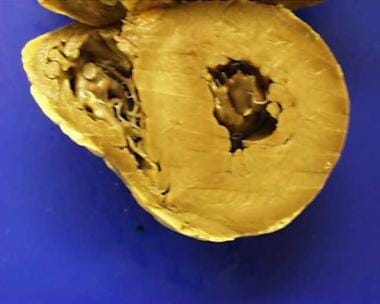
Thus, hypertensive heart disease is a term applied generally to heart diseases, such as LVH (seen in the images below), coronary artery disease, cardiac arrhythmias, and CHF, that are caused by the direct or indirect effects of elevated BP. Although these diseases generally develop in response to chronically elevated BP, marked and acute elevation of BP can lead to accentuation of an underlying predisposition to any of the symptoms traditionally associated with chronic hypertension.
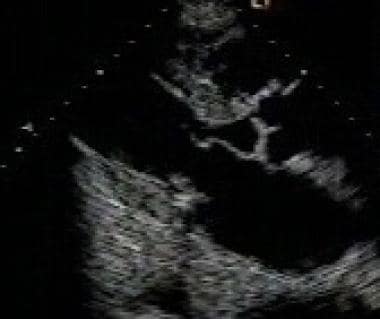 Two-dimensional echocardiogram (parasternal long axis view) from a 70-year-old woman showing concentric left ventricular hypertrophy and left atrial enlargement.
Differentials
The following conditions should also be considered when evaluating hypertensive heart disease:
-
Coronary artery atherosclerosis
-
Athlete's heart (with LVH)
-
Congestive heart failure due to other etiologies
-
Atrial fibrillation due to other etiologies
-
Diastolic dysfunction due to other etiologies
-
Sleep apnea
Patient education
It is important to educate patients about the nature of their disease and the risks associated with untreated hypertension. In addition, dietary modifications and the importance of regular exercise, taking medications regularly, weight loss, and avoiding medications and foods that can potentially elevate blood pressure should be emphasized.
For patient education information, see the Heart Health Center, Diabetes Center and the Cholesterol Center, as well as High Blood Pressure, High Cholesterol, Chest Pain, Coronary Heart Disease, and Heart Attack.

Etiology
The etiology of hypertensive heart disease is a complex interplay of various hemodynamic, structural, neuroendocrine, cellular, and molecular factors. [3] These factors play integral roles in the development of hypertension and its complications; however, elevated blood pressure (BP) itself can modulate these factors.
Obesity has been linked to hypertension and left ventricular hypertrophy (LVH) in various epidemiologic studies, with as many as 50% of obese patients having some degree of hypertension and as many as 60-70% of patients with hypertension being obese.
Elevated BP leads to adverse changes in cardiac structure and function in two ways: directly, by increased afterload, and indirectly, by associated neurohormonal and vascular changes. Elevated 24-hour ambulatory BP and nocturnal BP have been demonstrated to be more closely related to various cardiac pathologies, especially in black persons. The pathophysiologies of the various cardiac effects of hypertension differ and are described in this section.
Left ventricular hypertrophy
Of patients with hypertension, 15-20% develop LVH. The risk of LVH is increased two-fold by associated obesity. The prevalence of LVH based on electrocardiogram (ECG) findings, which are not a sensitive marker at the time of diagnosis of hypertension, is variable. [4, 5] Studies have shown a direct relationship between the level and duration of elevated BP and LVH. [6]
LVH, defined as an increase in the mass of the left ventricle, is caused by the response of myocytes to various stimuli accompanying elevated BP. Myocyte hypertrophy can occur as a compensatory response to increased afterload. Mechanical and neurohormonal stimuli accompanying hypertension can lead to activation of myocardial cell growth, gene expression (of which some occurs primarily in fetal cardiomyocytes), and, thus, to LVH. In addition, activation of the renin-angiotensin system, through the action of angiotensin II on angiotensin I receptors, leads to growth of interstitium and cell matrix components. [7] In summary, the development of LVH is characterized by myocyte hypertrophy and by an imbalance between the myocytes and the interstitium of the myocardial skeletal structure.
Various patterns of LVH have been described, including concentric remodeling, concentric LVH, and eccentric LVH. Concentric LVH is an increase in LV thickness and LV mass with increased LV diastolic pressure and volume, commonly observed in persons with hypertension; this is a marker of poor prognosis in these patients. Compare concentric LVH with eccentric LVH, in which LV thickness is increased not uniformly but at certain sites, such as the septum.
Although the development of LVH initially plays a protective role in response to increased wall stress to maintain adequate cardiac output, it later leads to the development of diastolic and, ultimately, systolic myocardial dysfunction.
Interestingly, findings from a prospective study (The Multiethnic Study of Atherosclerosis [MESA] trial) also indicate a higher risk of developing systemic hypertension among patients in the higher quartiles of the LV mass at baseline.
Left atrial abnormalities
Frequently underappreciated, structural and functional changes of the left atrium are very common in patients with hypertension. The increased afterload imposed on the left atrium (LA) by the elevated LV end-diastolic pressure secondary to increased BP leads to impairment of the left atrium and LA appendage function, plus increased LA size and thickness.
Increased LA size accompanying hypertension in the absence of valvular heart disease or systolic dysfunction usually implies chronicity of hypertension and may correlate with the severity of LV diastolic dysfunction.
In addition to LA structural changes, these patients are predisposed to atrial fibrillation. Atrial fibrillation, with loss of atrial contribution in the presence of diastolic dysfunction, may precipitate overt heart failure.
Valvular disease
Although valvular disease does not cause hypertensive heart disease, chronic and severe hypertension can cause aortic root dilatation, leading to significant aortic insufficiency. Some degree of hemodynamically insignificant aortic insufficiency is often found in patients with uncontrolled hypertension. An acute rise in BP may accentuate the degree of aortic insufficiency, with return to baseline when the BP is better controlled. In addition to causing aortic regurgitation, hypertension is also thought to accelerate the process of aortic sclerosis and cause mitral regurgitation.
Heart failure
Heart failure is a common complication of chronically elevated BP. Patients with hypertension fall into one of the following categories:
-
Asymptomatic but at risk of developing of heart failure: Stage A or B, per the American College of Cardiology (ACC)/American Heart Association (AHA) classification, depending on whether or not they have developed structural heart disease as a consequence of hypertension
-
Suffering from symptomatic heart failure: Stage C or D, per the ACC/AHA classification
Hypertension as a cause of congestive heart failure (CHF) is frequently underrecognized, partly because at the time heart failure develops, the dysfunctioning left ventricle is unable to generate the high BP, thus obscuring the heart failure's etiology. The prevalence of asymptomatic diastolic dysfunction in patients with hypertension and without LVH may be as high as 33%. Chronically elevated afterload and the resulting LVH can adversely affect the active early relaxation phase and the late compliance phase of ventricular diastole.
Diastolic dysfunction
Diastolic dysfunction is common in persons with hypertension. It is often, but not invariably, accompanied by LVH. In addition to elevated afterload, other factors that may contribute to the development of diastolic dysfunction include coexistent coronary artery disease, aging, systolic dysfunction, and structural abnormalities such as fibrosis and LVH. Asymptomatic systolic dysfunction usually follows.
Early LV diastolic dyssynchrony may be associated with LV remodeling and contribute to LV diastolic dysfunction in patients with hypertension. [8] The level of diastolic dysfunction appears to correlate with increasing severity of hypertension, and peak myocardial systolic strain rate may be an independent factor in the extent of LV remodeling and diastolic function. [8]
Systolic dysfunction
Later in the course of disease, the LVH fails to compensate by increasing cardiac output in the face of elevated BP, and the LV cavity begins to dilate to maintain cardiac output. As the disease enters the end stage, LV systolic function decreases further. This leads to further increases in activation of the neurohormonal and renin-angiotensin systems, leading to increases in salt and water retention and increased peripheral vasoconstriction. Eventually, the already compromised LV is overwhelmed, and the patient progresses to the stage of symptomatic systolic dysfunction.
Decompensation
Apoptosis, or programmed cell death, stimulated by myocyte hypertrophy and the imbalance between its stimulants and inhibitors, is considered to play an important part in the transition from compensated to decompensated stage. The patient may become symptomatic during the asymptomatic stages of the LV systolic or diastolic dysfunction, owing to changes in afterload conditions or to the presence of other insults to the myocardium (eg, ischemia, infarction). A sudden increase in BP can lead to acute pulmonary edema without necessarily changing the LV ejection fraction. [9]
Generally, development of asymptomatic or symptomatic LV dilatation or dysfunction heralds rapid deterioration in clinical status and a markedly increased risk of death. In addition to LV dysfunction, right ventricular (RV) thickening and diastolic dysfunction also develop as results of septal thickening and LV dysfunction.
Myocardial ischemia
Patients with angina have a high prevalence of hypertension. Hypertension is an established risk factor for the development of coronary artery disease, almost doubling the risk. The development of ischemia in patients with hypertension is multifactorial.
Importantly, in patients with hypertension, angina can occur in the absence of epicardial coronary artery disease. The reason for this is 2-fold. Increased afterload secondary to hypertension leads to an increase in LV wall tension and transmural pressure, compromising coronary blood flow during diastole. In addition, the microvasculature beyond the epicardial coronary arteries has been shown to be dysfunctional in patients with hypertension, and it may be unable to compensate for increased metabolic and oxygen demand.
The development and progression of arteriosclerosis, the hallmark of coronary artery disease, is exacerbated in arteries subjected to chronically elevated BP. Shear stress associated with hypertension and the resulting endothelial dysfunction cause impairment in the synthesis and release of the potent vasodilator nitric oxide. A decreased nitric oxide level promotes the development and acceleration of arteriosclerosis and plaque formation. Morphologic features of the plaque are identical to those observed in patients without hypertension.
Cardiac arrhythmias
Cardiac arrhythmias commonly observed in patients with hypertension include atrial fibrillation, premature ventricular contractions (PVCs), and ventricular tachycardia (VT). [10] The risk of sudden cardiac death is increased. [11] Various mechanisms thought to play a part in the pathogenesis of arrhythmias include altered cellular structure and metabolism, inhomogeneity of the myocardium, poor perfusion, myocardial fibrosis, and fluctuation in afterload. All of these may lead to an increased risk of ventricular tachyarrhythmias.
Atrial fibrillation (paroxysmal, chronic recurrent, or chronic persistent) is observed frequently in patients with hypertension. [12] In fact, elevated BP is the most common cause of atrial fibrillation in the Western hemisphere. In one study, nearly 50% of patients with atrial fibrillation had hypertension. Although the exact etiology is not known, LA structural abnormalities, associated coronary artery disease, and LVH have been suggested as possible contributing factors. The development of atrial fibrillation can cause decompensation of systolic and, more importantly, diastolic dysfunction, owing to loss of atrial kick, and it also increases the risk of thromboembolic complications, most notably stroke.
Premature ventricular contractions, ventricular arrhythmias, and sudden cardiac death are observed more often in patients with LVH than in those without LVH. The etiology of these arrhythmias is thought to be concomitant coronary artery disease and myocardial fibrosis.
Epidemiology
The estimated prevalence of hypertension in the United States in 2005 was 35.3 million for men and 38.3 million for women. Hypertension is more prevalent in black persons than in Hispanic and non-Hispanic white persons, and this prevalence is increasing.
Data from 1988-1994 and 1999-2002 demonstrated an increased prevalence of hypertension in black individuals from 35.8% to 41.4%. (Although the prevalence in whites is increasing as well, it is not as dramatic a rise.) [13] This difference between the groups is attributed to factors other than race, because the prevalence of hypertension among blacks and whites is the same in the United Kingdom and because hypertension is not very common on the African continent. In addition, hypertension is the most common etiology of heart failure in black persons in the United States.
Systolic blood pressure (BP) increases with age; this increase is more marked in men than in women until women reach menopause, when their BP rises more sharply and reaches levels higher than in men. Thus, the prevalence of hypertension is higher in men than in women younger than 55 years, but the rate is higher in women older than 55 years. The prevalence of hypertensive heart disease probably follows the same pattern and is affected by the severity of BP increase.
In a study by Peacock et al, patients presenting with acute heart failure as a manifestation of hypertensive emergency were more likely to be African American. They were also more likely to have a history of heart failure and were more likely to have higher brain-type natriuretic peptide (BNP) and creatinine levels and lower left ventricular (LV) ejection fraction (EF). [14]
Although the exact frequency of LVH is unknown, its rate based on electrocardiographic (ECG) findings is 2.9% for men and 1.5% for women. The rate of LVH based on echocardiographic findings is 15-20%. Of patients without LVH, 33% have evidence of asymptomatic LV diastolic dysfunction.
Patient History
Symptoms of hypertensive heart disease depend on the duration, severity, and type of disease. In addition, the patient may or may not be aware of the presence of hypertension, which is why hypertension has been named "the silent killer."
Left ventricular hypertrophy
Patients with left ventricular hypertrophy (LVH) alone are totally asymptomatic, unless the LVH leads to the development of diastolic dysfunction and heart failure.
Heart failure
Although symptomatic diastolic heart failure and systolic heart failure are indistinguishable, the clinical history may be quite revealing. In particular, individuals who abruptly develop severe symptoms of congestive heart failure (CHF) and rapidly return to baseline with medical therapy are more likely to have isolated diastolic dysfunction.
Heart failure symptoms include exertional and nonexertional dyspnea (New York Heart Association [NYHA] classes I-IV); orthopnea; paroxysmal nocturnal dyspnea; fatigue (more common in systolic dysfunction); ankle edema and weight gain; abdominal pain secondary to a congested, distended liver; and, in severe cases, altered mentation.
Patients can present with acute pulmonary edema due to sudden decompensation in LV systolic or diastolic dysfunction. This decompensation can be caused by precipitating factors such as an acute rise in blood pressure (BP), dietary indiscretion, or myocardial ischemia. Patients can develop cardiac arrhythmias, especially atrial fibrillation, or they can develop symptoms of heart failure insidiously over time.
Myocardial ischemia
Angina, a frequent complication of hypertensive heart disease, is indistinguishable from other causes of myocardial ischemia. Typical symptoms of angina include substernal chest pain lasting less than 15 minutes (vs >20 min in infarction). Pain is often described as follows:
-
A heaviness, pressure, and/or squeezing
-
Radiating to the neck, jaw, upper back, or left arm
-
Provoked by emotional or physical exertion
-
Relieved with rest or sublingual nitroglycerin
However, patients may also present with atypical symptoms without chest pain, such as exertional dyspnea or excessive fatigue, commonly referred to as an angina equivalent. Female patients, in particular, are more likely to present atypically.
Patients may present with chronic, stable angina or acute coronary syndrome, including myocardial infarction without ST-segment elevation and acute myocardial infarction with ST elevation. Ischemic electrocardiographic (ECG) changes may be found in individuals presenting with hypertensive crisis in whom no significant coronary atherosclerosis is detectable by coronary angiography.
Acute coronary symptoms can be precipitated by a ruptured atherosclerotic plaque; they can also result from an acute and severe rise in BP that leads to a sudden increase in transmural pressure without a change in stability of the plaque.
Cardiac arrhythmias
Irregular or abnormal heart rhythms can cause a variety of symptoms, including the following:
-
Palpitations
-
Near or total syncope
-
Precipitation of angina
-
Sudden cardiac death
-
Precipitation of heart failure, especially with atrial fibrillation in diastolic dysfunction
Physical Examination
Physical signs of hypertensive heart disease depend on the predominant cardiac abnormality and the duration and severity of the hypertensive heart disease. Findings from the physical examination may be entirely normal in the very early stages of the disease, or the patient may have classic signs upon examination.
In addition to generalized findings attributable directly to high blood pressure (BP), the physical examination may reveal clues to a potential etiology of hypertension, such as truncal obesity and striae in Cushing syndrome, renal artery bruit in renal artery stenosis, and abdominal mass in polycystic kidney disease.
Pulses
The arterial pulses are normal in the early stages of hypertensive heart disease. The cardiac rhythm is regular if the patient is in sinus rhythm; it is irregularly irregular if the patient is in atrial fibrillation. The heart rate is as follows:
-
Normal in patients in sinus rhythm
-
Not normal in decompensated heart failure
-
Tachycardic in patients with heart failure and in patients with atrial fibrillation and a rapid ventricular response
The pulse volume is usually normal, but it is decreased in patients with left ventricular (LV) dysfunction. Additional findings may include radial-femoral delay if the etiology of hypertension is coarctation of the aorta
Blood pressure
Systolic and/or diastolic BP is elevated (>140/90mm Hg). Mean BP and pulse pressure are also elevated generally. The BP in the upper extremities may be higher than that in the lower extremities in patients with coarctation of the aorta. BP may be normal at the time of evaluation if the patient is on adequate antihypertensive medications or if the patient has advanced LV dysfunction and the LV cannot generate enough stroke volume and cardiac output to produce an elevated BP.
Veins
In patients with heart failure, the jugular veins may be distended. The predominant waves depend on the severity of the heart failure and any other associated lesions.
Heart
The apical impulse is sustained and nondisplaced in patients without significant systolic LV dysfunction but with LVH. A presystolic S4 may be felt. Later in the course of disease, when significant systolic LV dysfunction supervenes, the apical impulse is displaced laterally, owing to LV dilatation. In the right ventricle, a lift is present late in the course of heart failure if significant pulmonary hypertension develops.
S1 is normal in intensity and character. S2 at the right upper sternal border is loud because of an accentuated aortic component (A2); it can have a reverse or paradoxical split due either to increased afterload or to associated left bundle-branch block (LBBB). S4 is frequently palpable and audible, implying the presence of a stiffened, noncompliant ventricle due to chronic pressure overload and LV hypertrophy (LVH). S3 is not typically present initially, but it is audible in the presence of heart failure, either systolic or diastolic.
An early decrescendo diastolic murmur of aortic insufficiency may be heard along the mid-parasternal to left parasternal area, especially in the presence of acutely elevated BP, frequently disappearing once the BP is better controlled. In addition, an early systolic to midsystolic murmur of aortic sclerosis is commonly audible. A holosystolic murmur of mitral regurgitation may be present in patients with advanced heart failure and a dilated mitral annulus.
Lungs
Findings upon chest examination may be normal or may include signs of pulmonary congestion, such as rales, decreased breath sounds, and dullness to percussion due to pleural effusion.
Abdomen
The abdominal examination may reveal a renal artery bruit in patients with hypertension secondary to renal artery stenosis, a pulsatile expansile mass of abdominal aortic aneurysm, and hepatomegaly and ascites due to congestive heart failure (CHF).
Extremities
Ankle edema may be present in patients with advanced heart failure.
Central nervous system and ophthalmologic system
Central nervous system (CNS) examination findings are usually unremarkable unless the patient has had previous cerebrovascular accidents with residual deficit. CNS changes may also be seen in patients who present with hypertensive emergency.
Examination of the fundi may reveal evidence of hypertensive retinopathy, the severity of which depends on the duration and severity of the patient's hypertension, or earlier signs of hypertension, such as arteriovenous nicking.
Staging of Hypertension
Although hypertensive heart disease typically is not described in various stages, the disease usually progresses in the following sequence:
-
Increased wall stress leads to left ventricular (LV) hypertrophy (LVH)
-
Which leads to diastolic LV dysfunction
-
Which can be followed by systolic LV dysfunction
The risks of ventricular ectopy, ventricular arrhythmias, sudden cardiac death, and cardiovascular mortality are increased in patients once LVH develops and are also increased in patients with heart failure. Table 1, below, shows the division of blood pressure (BP) and hypertension into stages.
Table 1. Stages of Elevated BP and Hypertension According to The Seventh Report of the Joint National Committee (JNC7) on Prevention, Detection, Evaluation, and Treatment of High Blood Pressure [15] (Open Table in a new window)
Category |
Systolic BP, mm Hg |
Diastolic BP, mm Hg |
Optimal |
< 120 |
< 80 |
Prehypertension |
120-139 |
80-89 |
Stage I |
140-159 |
90-99 |
Stage II |
>160 |
>100 |
Laboratory Studies
Laboratory studies are helpful in establishing the etiology of hypertension, quantitating the severity of target organ damage, and monitoring the adverse effects of therapy. The tests to be ordered depend on clinical judgment regarding the etiology of hypertension.
Recommendations from the Seventh Report of the Joint National Committee (JNC7) on Prevention, Detection, Evaluation, and Treatment of High Blood Pressure include carrying out the following baseline laboratory workup before initiating treatment for hypertension [15] :
-
Electrocardiogram
-
Urinalysis
-
Blood glucose and hematocrit levels
-
Serum potassium, creatinine (or the corresponding estimated glomerular filtration rate [GFR]), and calcium measurements
-
Lipid profile after a 9- to 12-hour fast - Includes high density lipoprotein (HDL) cholesterol, low-density lipoprotein (LDL) cholesterol, and triglycerides
-
Optional tests - Include measurement of urinary albumin excretion or albumin/creatinine ratio
Cardiovascular risk assessment
New guidelines on the assessment of cardiovascular risk, released in late 2013 by the American Heart Association/American College of Cardiology (AHA/ACC), recommend use of a revised calculator for estimating the 10-year risk of developing a first atherosclerotic cardiovascular disease (ASCVD) event, which is defined as nonfatal myocardial infarction, death from coronary heart disease, or stroke (fatal or nonfatal) in a person who was initially free from ASCVD. The calculator uses clinical and laboratory risk factors, including systolic blood pressure and treatment for hypertension. [16]
For patients 20-79 years of age who do not have existing clinical ASCVD, the guidelines recommend assessing clinical risk factors every 4-6 years. For patients with low 10-year risk (< 7.5%), the guidelines recommend assessing 30-year or lifetime risk in patients 20-59 years old.
Regardless of the patient’s age, clinicians should communicate risk data to the patient and refer to the AHA/ACC lifestyle guidelines, which cover diet and physical activity. [17] For patients with elevated 10-year risk, clinicians should communicate risk data and refer to the AHA/ACC guidelines on blood cholesterol [18] and obesity. [19]
Evaluating the renal system
Blood urea nitrogen (BUN) and creatinine levels are elevated in patients with renal failure. Other studies include the above-mentioned urinalysis, GFR, and urinary albumin excretion or albumin/creatinine ratio measurements.
Evaluating the endocrine system
Hypokalemia is found in patients with primary hyperaldosteronism and in patients with secondary hyperaldosteronism, Cushing disease, and Bartter syndrome. Hypokalemia is most useful in leading to further diagnostic studies if the patient has not received diuretics.
Plasma renin activity is generally depressed and serum aldosterone level is elevated in patients with primary hyperaldosteronism. Twenty-four–hour urinary catecholamine and metanephrine levels are elevated in patients with pheochromocytoma.
Elevated 24-hour urinary free cortisol and failure to suppress an early morning serum cortisol level after an overnight dexamethasone suppression test are observed in patients with Cushing disease. Thyrotropin levels may be elevated in patients with hypothyroidism and depressed in patients with hyperthyroidism.
Transthoracic Echocardiography
Transthoracic echocardiography (TTE) may be very useful for identifying features of hypertensive heart disease. [20] TTE is more sensitive and specific then electrocardiography for diagnosing the presence of left ventricular (LV) hypertrophy (LVH) (57% for mild and 98% for severe LVH). LVH is symmetrical, whereas the hypertrophy of hypertrophic cardiomyopathy is asymmetrical. The definition of the LVH based on echocardiography findings is somewhat controversial in the absence of any criterion standards. (See the images below.)
Two-dimensional echocardiogram (parasternal long axis view) from a 70-year-old woman showing concentric left ventricular hypertrophy and left atrial enlargement.
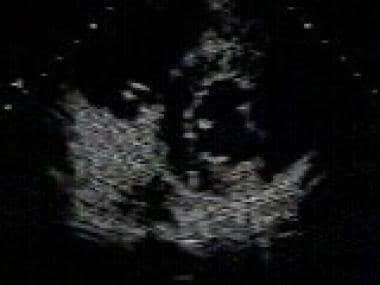 Two-dimensional echocardiogram (parasternal short axis view) from a 70-year-old woman showing concentric left ventricular hypertrophy.
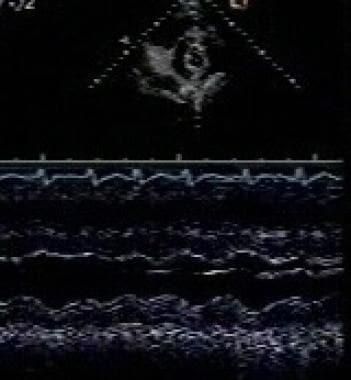 M-mode echocardiogram from a 70-year-old woman showing concentric left ventricular hypertrophy.
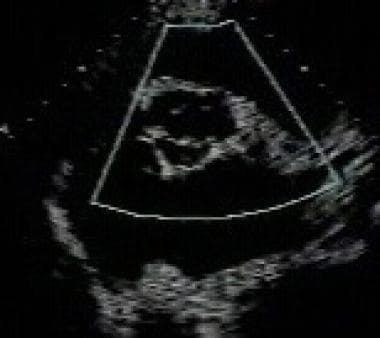 Two-dimensional echocardiogram (parasternal short axis view at the aortic valve level) from a 70-year-old woman showing mild aortic sclerosis.
Calculating LV mass
On two-dimensional (2-D) and M-mode examination, the interventricular septum is thickened, as is the posterior wall (>1.1cm). LVH is defined quantitatively as an increase in the LV mass or the LV mass index (LVMI), which is defined as LV mass divided by body surface area. Various formulas have been used to calculate LV mass, each with inherent drawbacks.
The Troy formula was used in the Framingham Heart study. The American Society of Echocardiography (ASE)–recommended formula for estimation of LV mass from LV linear dimensions (validated with necropsy) is based on modeling the LV as a prolate ellipse of revolution: LV mass = 0.8 × {1.04[(LVIDd + PWTd + SWTd)3 - (LVIDd)3]} + 0.6 g, where LVIDd is the internal dimension of the left ventricle at end diastole, PWTd is posterior wall thickness at end diastole, and SWTd is septal wall thickness at end diastole. This formula is appropriate for evaluating patients without major distortions of LV geometry (eg, patients with hypertension). [21]
In various studies, LVH has been defined either as LV mass greater than 215 g or above 225 g. Because LV mass is affected by height, weight, and body surface area, LVMI more accurately sets the limits for LV mass. Framingham Heart Study data indicated that abnormal LVMI limits are 134 g/m2 for men and 110 g/m2 for women.
Flow velocity pattern
The transmitral flow velocity pattern, characterized by abnormally prolonged isovolumic relaxation time, a reversed "E:A" ratio (ie, reversed velocity of early diastole to peak flow velocity of atrial contraction), and a prolonged deceleration time, is abnormal. The patient may exhibit a pseudonormal pattern during the transition from the impaired relaxation to the restrictive filling phase.
The tissue Doppler indices are abnormal. The tissue Doppler profile shows a reversed E:A ratio, which is especially helpful in patients who have a pseudonormal pattern on transmitral flow velocity Doppler studies.
Systolic dysfunction
Evidence of LV systolic dysfunction includes a dilated LV, low LV fractional shortening, low LV ejection fraction, and the presence of systolic dysfunction, which is commonly associated with some degree of diastolic dysfunction.
Aortic dilatation
Left atrial dilatation may be demonstrated by evidence of right-sided dilatation (right-sided chambers may be dilated with some degree of pulmonary hypertension) and evidence of valvular abnormalities, such as aortic sclerosis (on 2-D transesophageal echocardiography [TEE]) and aortic and mitral insufficiency (on color flow and Doppler examination).
Additional Imaging Studies
Chest radiographs may show notching of the undersurface of the ribs from the development of collateral circulation in coarctation of the aorta; cardiomegaly in late stages of the disease, due to LV dilatation; cephalization of pulmonary blood flow, Kerley B lines, and alveolar infiltrates in the presence of elevated left ventricular (LV) end-diastolic pressure and pulmonary congestion; and blunting of the costophrenic angle in the presence of pleural effusion.
Computed tomography (CT) scanning, and magnetic resonance imaging (MRI) of the heart, although not used routinely, have been shown in experimental studies to quantify LV hypertrophy (LVH). A study by Hinojar et al found that native T1 may be applied to discriminate between hypertrophic cardiomyopathy (HCM) and hypertensive heart disease. Investigators found that native T1 was an independent discriminator between HCM and hypertension, above and beyond extracellular volume fraction, LV wall thickness, and indexed LV mass. [22]
In a study of 125 patients with acute chest pain, elevated cardiac enzymes, and a negative coronary angiogram, Emrich and colleagues found that cardiac magnetic resonance imaging (CMRI) has a high diagnostic value. In 90% of patients, MRI-based diagnoses were the same as the final reference diagnoses. [23]
CT scanning, MRI, and magnetic resonance angiography (MRA) of the abdomen and chest show the presence of adrenal masses, renal artery stenosis, or evidence of coarctation of aorta. Nuclear imaging may be useful in screening for the presence of coronary artery disease.
Electrocardiography
A 12-lead electrocardiogram (ECG) may show a variety of abnormalities. For example, ischemic ECG changes may be found in individuals presenting with hypertensive crisis in whom no significant coronary atherosclerosis is detectable by coronary angiography. Evidence of left atrial (LA) enlargement includes broad P waves in the limb leads and a prominent and wide, delayed negative deflection in V1. (See the images below.)
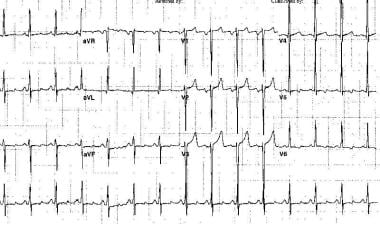 Electrocardiogram from a 47-year-old man with a long-standing history of uncontrolled hypertension showing left atrial enlargement and left ventricular hypertrophy.
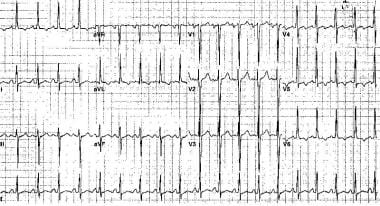 Electrocardiogram from a 46-year-old man with long-standing hypertension showing left atrial abnormality and left ventricular hypertrophy with strain.
In one series, among patients with left anterior fascicular block on ECG, 50% had hypertension. As many as 70-80% of patients with left bundle-branch block (LBBB) have hypertension.
LVH criteria
Various criteria, differing in sensitivity and specificity, have been used to diagnose left ventricular (LV) hypertrophy (LVH). Note that the specificities and sensitivities of the different approaches are far less than those of echocardiography. The frequency of LVH on ECG at the time of initial diagnosis varies from 10% to 100%; in one trial, for example, the frequency was 13%. The sensitivity of ECG for diagnosing LVH is limited, approximately 30-57% in patients with severe LVH.
The Cornell criteria (most sensitive) are (1) R wave in aVL plus an S wave in V3 of greater than 2.8 mV in men and greater than 2 mV in women. The Cornell and Cornell voltage duration (Cornell voltage multiplied by QRS duration) criteria have a sensitivity as high as 95% and a specificity as high as 50-60%. A Cornell voltage duration of greater than 2440 mV/ms-1 particularly identifies the highest-risk patients.
The Sokolow-Lyon criteria are an S wave in V1 plus an R wave in V5 or V6 of greater than 3.5mV or an R wave in V5 or V6 of greater than 2.6 mV. The sensitivity of these criteria is 25%, with a specificity of close to 95%. The Gubner-Ungerleider criteria are an R wave in I plus an S wave in III of greater than 2.5 mV. Another set of LVH criteria, the Romhilt-Estes criteria, are summarized in Table 2, below.
Table 2. Romhilt-Estes Criteria (A Point Score System*) (Open Table in a new window)
Voltage Criteria |
Points |
|
R wave or S wave in any limb lead >0.2 mV or S wave in lead V1 or V2 or R wave in V5 or V6 >0.3 mV |
3 |
|
LV strain (ST and T waves in direction opposite to QRS direction) without digitalis |
3 |
|
LV strain (ST and T waves in direction opposite to QRS direction) with digitalis |
1 |
|
LA enlargement (terminal negativity of P waves in V1 >0.1 mV deep and 0.04 seconds wide) |
3 |
|
Left-axis deviation greater than -30° |
2 |
|
QRS duration greater than 0.09 seconds |
1 |
|
Intrinsicoid deflection in V5 or V6 >0.05 seconds |
1 |
|
* Probable left ventricular (LV) hypertrophy (LVH) is 4 points; definite LVH is 5 points. The sensitivity of these criteria is 50%, with a specificity of close to 95%. |
|
|
Other Studies
Histology
Gross findings
Left ventricular (LV) hypertrophy (LVH) (concentric) occurs without dilatation of the LV (see the image below). The ratio of wall thickness to the radius of the ventricular chamber increases. LV wall thickness may exceed 2 cm, and the heart weight exceeds 500 g. Dilatation of the ventricular chamber, thinning of the walls, and enlargement of the external dimensions of the heart occur with the onset of decompensation.
Microscopic findings
The earliest changes in hypertensive heart disease include myocyte enlargement, with an increase in the myocytes' transverse diameters. At a more advanced stage, cellular and nuclear enlargement (with variation in cell size), loss of myofibrils, and interstitial fibrosis occur. (See the images below.)
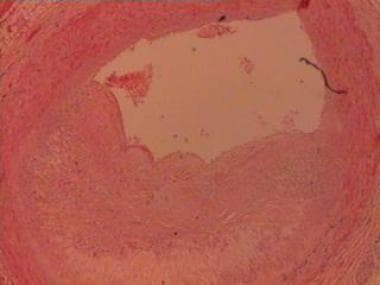 Histologic section of the myocardium showing a cross-section of coronary artery affected by atherosclerosis and myocyte hypertrophy.
 Histologic section of the heart showing the hypertrophied myocytes and fibrosis accompanying left ventricular hypertrophy.
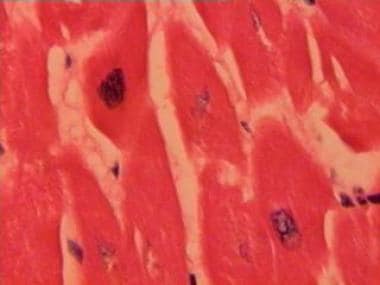 Histologic section of an autopsy myocardial specimen from a patient with long-standing hypertension and associated coronary artery disease. The slide shows myocardial hypertrophy, contraction bands (typical of left ventricular hypertrophy), and "car box" nuclei.
Cardiac catheterization
Cardiac catheterization is used for the diagnosis of coronary artery disease and helps to assess the severity of elevated pulmonary artery pressure in patients with heart failure.
Sleep evaluation
Sleep evaluation and additional tests for excluding other secondary causes of hypertension may be indicated.
Blood Pressure Goals and Consultations
The medical care of patients with hypertensive heart disease falls under two categories—treatment of the elevated blood pressure (BP) and prevention and treatment of hypertensive heart disease. According to Eighth Report of the Joint National Committee (JNC8), BP goals should be as follows [24] :
-
In patients aged 60 years or older, initiate treatment for systolic BP (SBP) of 150 mmHg or greater or diastolic BP (DBP) of 90 mmHg or greater, and treat to below those levels.
-
In patients aged 60 or younger or those older than 18 years with either diabetes or chronic kidney diease, initiate treatment for SBP of 140 mmHg or greater or DBP of 90 mmHg or greater, and treat to below those levels.
A 2015 trial among patients at high risk for cardiovascular events but without diabetes, showed targeting an SBP below 120 mmHg resulted in lower rates of fatal and nonfatal major cardiovascular events, including heart failure and death from any cause, although this was at the expense of significantly higher rates of some adverse events in the intensive-treatment group. [25]
Consultations
The care and management of patients with hypertensive heart disease include consultations with the following clinicians:
-
Preventive cardiologist
-
Hypertension specialist
-
Heart failure specialist
-
Heart failure nurse
-
Electrophysiologist: For treatment of complex arrhythmias
-
Sleep specialist: If sleep apnea is suspected
Lifestyle Modifications
Emerging data support a target blood pressure (BP) goal below 150/80 mmHg in patients older than 80 years as a means of reducing the risk of congestive heart failure by 64%. [26] Various treatment strategies include the following:
-
Dietary modifications
-
Regular aerobic exercise
-
Weight loss [27]
-
Pharmacotherapy directed toward hypertension, heart failure secondary to diastolic and systolic left ventricular (LV) dysfunction, coronary artery disease, and arrhythmias
Dietary modifications
Studies have shown that diet and a healthy lifestyle alone or in combination with medical treatment can lower BP and decrease the symptoms of heart failure, as well as reverse LV hypertrophy (LVH). A heart-healthy diet is part of the secondary prophylaxis in patients with coronary artery disease and of the primary prophylaxis in patients at high risk for this disease. Specific dietary recommendations include a diet low in sodium, high in potassium (in patients with normal renal function), rich in fresh fruits and vegetables, low in cholesterol, and low in alcohol consumption. [28, 29, 30]
In a large cohort study of women, the following six modifiable lifestyle and dietary factors for lowering the risk of hypertension were identified [31] :
-
A body mass index (BMI) below 25 kg/m2
-
Vigorous exercise for a daily mean period of 30 minutes
-
A high score on the Dietary Approaches to Stop Hypertension (DASH) diet
-
Modest alcohol intake (up to 10 g/day)
-
Nonnarcotic analgesic use less than once weekly
-
Intake of 400 mcg/day or more of supplemental folic acid
A low-sodium diet, alone or in combination with pharmacotherapy, has been shown by numerous studies to reduce BP in patients with hypertension, with a more prominent response in a subset of patients with hypertension—mainly black individuals—with low renin levels. Restriction of sodium in these patients does not lead to compensatory stimulation of the renin-angiotensin system and thus has a potent antihypertensive effect. Data also indicate that sodium reduction, previously shown to lower BP, may also reduce the long-term risk of cardiovascular events. The recommended daily sodium intake is 50-100 mmol, equivalent to 3-6 g of salt per day, which leads to an average 2-8 mmHg reduction in BP. [32]
In various epidemiologic studies, a high-potassium diet has been associated with lowering of BP. The mechanism of this action is not clear. Intravenous infusion of potassium has been shown to cause vasodilatation, which is believed to be mediated by nitric oxide in the vascular wall. Fresh fruits and vegetables rich in potassium, such as bananas, oranges, avocados, and tomatoes, should be recommended for patients with normal renal function.
The DASH diet has been shown to significantly lower the BP (8-14 mmHg) in patients with hypertension regardless of whether or not they maintain a constant sodium content in their diet. The DASH diet is not only rich in important nutrients and fiber but also includes foods that contain far more potassium, calcium, and magnesium than are found in the average American diet. This diet should be advised in patients with hypertension. [33, 34, 35, 36, 37]
Heavy alcohol consumption has been associated with high BP and an increase in LV mass. [38] Moderation in alcohol consumption is advised; no more than 1-2 drinks daily is recommended. [39]
Sinha et al concluded that high intakes of red or processed meat were associated with modest increases in total mortality, cancer mortality, and cardiovascular disease mortality. [40] The baseline population was a cohort of one-half million people aged 50-71 years from the National Institutes of Health (NIH)-AARP (formerly known as the American Association of Retired Persons) Diet and Health Study. [40]
Exercise
Regular dynamic isotonic (aerobic) exercise, such as walking, running, swimming, or cycling, has been shown to decrease BP and improve cardiovascular well-being. [41] It also has additional favorable cardiovascular effects, including improved endothelial function, peripheral vasodilatation, reduced resting heart rate, improved heart rate variability, and reduced plasma levels of catecholamines.
Regular aerobic exercise sessions of at least 30 minutes for most days of the week can produce an average reduction in BP of 4-9 mmHg. Isometric and strenuous exercise should be avoided.
Weight reduction
Studies have shown that weight reduction is one of the most effective ways to reduce BP. A 5-20 mmHg BP reduction occurs with each 10 kg of weight loss. [42] Gradual weight reduction (1 kg weekly) should be advised. Pharmacologic interventions to reduce weight should be used with great caution, because diet pills, especially those available over the counter, frequently contain sympathomimetics. These agents can raise BP, worsen angina or symptoms of heart failure, and exacerbate tendencies for cardiac arrhythmias. Medications that should be avoided include nonsteroid anti-inflammatory drugs (NSAIDs), sympathomimetics, and monoamine oxidase inhibitors (MAOIs), as these agents can elevate BP or interfere with antihypertensive therapy.
Pharmacotherapy
The treatment of hypertension and hypertensive heart disease can involve the following classes of antihypertensive medications:
-
Thiazide diuretics
-
Beta blockers and combined alpha and beta blockers
-
Calcium channel blockers
-
Angiotensin-converting enzyme (ACE) inhibitors
-
Angiotensin-receptor blockers (ARBs)
-
Direct vasodilators (eg, hydralazine)
-
Angiotensin receptor neprilysin inhibitor (ARNI) for systolic heart failure
Most patients require two or more antihypertensive drugs to achieve the blood pressure (BP) goal; when the BP is more than 20/10 mmHg above the goal, consideration should be given to initiating therapy with two drugs, either as separate prescriptions or in fixed-dose combinations. (Surgical treatment may be necessary for definitive treatment in selected cases of secondary causes of hypertension, such as aortic coarctation or pheochromocytoma.)
Thiazide-type diuretics
Thiazide-type diuretics should be used for most patients with uncomplicated hypertension, either alone or in combination with drugs from other classes, according to the Joint National Committee (JNC). [15] Updated recommendations from the Eighth Report of the JNC (JNC8) on Prevention, Detection, Evaluation, and Treatment of High Blood Pressure were published in 2014. [24]
Calcium channel blockers
Calcium channel blockers are effective for systolic hypertension in elderly patients and African Americans. In one study, an ACE inhibitor/dihydropyridine calcium channel blocker combination proved to be superior to the ACE inhibitor/thiazide diuretic combination in reducing cardiovascular events in patients with hypertension who were at high risk for such events. [43]
ACE inhibitors and ARBs
ACE inhibitors are the first choice in patients with diabetes and/or ventricular dysfunction. ARBs are a reasonable alternative, especially for patients who suffer adverse effects from ACE inhibitors.
Beta blockers
Beta blockers are the drugs of first choice in patients with heart failure due to systolic left ventricular (LV) dysfunction, patients with ischemic heart disease with or without a history of myocardial infarction, and patients with thyrotoxicosis.
Alpha channel blockers
Avoid peripheral alpha channel blockers in patients with hypertension in view of findings that they have an adverse effect on cardiovascular morbidity and mortality rates. Central alpha antagonists have no evidence-based support and have more adverse effects.
Other agents
Intravenous drugs used in patients with a hypertensive emergency include nitroprusside, labetalol, hydralazine, enalapril, and beta blockers (avoided in patients with acutely decompensated heart failure).
Some evidence shows that peroxisome proliferator-activated receptor gamma agonist ameliorates oxidative stress and leads to reversal of systemic hypertension-associated cardiac remodeling in chronic pressure overload myocardium and LV hypertrophy (LVH). [44, 45]
Current guidelines indicate the use of acetaminophen as a first-line analgesic in patients with coronary artery disease. However, a study demonstrated that acetaminophen induced a significant increase in ambulatory BP in these patients. [46]
Treatment of LV Dysfunction and Arrhythmias
Treatment of left ventricular hypertrophy
Left ventricular (LV) hypertrophy (LVH), a marker of increased risk of cardiovascular morbidity and mortality, should be treated aggressively because patients with LVH represent the subgroup of patients at the highest risk for cardiovascular events and mortality. Whether regression in LVH leads to improvement in cardiovascular mortality and morbidity rates is not clear, although limited data support this hypothesis. Data also indicate that regression of electrocardiographic LVH is associated with less hospitalization for heart failure in hypertensive patients. [44]
Medications for the treatment of hypertension have been shown to reduce LVH. Limited meta-analysis data suggest a slight advantage to angiotensin-converting enzyme (ACE) inhibitors.
Treatment of left ventricular diastolic dysfunction
Certain classes of antihypertensives—ACE inhibitors, beta blockers, and nondihydropyridine calcium channel blockers—have been shown (although not consistently) to improve echocardiographic parameters in symptomatic and asymptomatic diastolic dysfunction and the symptomatology of heart failure. Candesartan, an angiotensin receptor blocker (ARB), has been shown to decrease hospitalization in patients with diastolic heart failure. [47]
Use diuretics and nitrates with caution in patients with heart failure due to diastolic dysfunction. These drugs may cause severe hypotension by inappropriately decreasing the preload, which is required for adequate LV filling pressures. If diuretics are indicated, delicate titration is necessary. Hydralazine has been shown to cause severe hypotension in patients with heart failure due to diastolic dysfunction.
By increasing the intracellular calcium level, digoxin can worsen LV stiffness. However, a large, randomized trial has not shown any increase in mortality rate.
Treatment of left ventricular systolic dysfunction
Diuretics (predominantly loop diuretics) are used in the treatment of LV systolic dysfunction. Low-dose spironolactone has been shown to decrease the rates of morbidity and mortality in patients in NYHA class III or IV heart failure who are already taking ACE inhibitors. This agent is also recommended for use in post-myocardial infarction patients with diabetes mellitus or who have an LV ejection fraction of less than 40%. [48]
ACE inhibitors or angiotensin receptor blockers (ARBs) are used for preload and afterload reduction and the prevention of pulmonary or systemic congestion. These drugs have been shown to decrease morbidity and mortality rates in patients with heart failure due to systolic dysfunction. The aim should be to use the target dose or the maximum tolerable doses. ACE inhibitors are also indicated in patients with asymptomatic LV dilatation and dysfunction.
The angiotensin receptor neprilysin inhibitor (ARNI) sacubitril/valsartan has been shown to be superior to ACE inhibitor alone in reducing the risk of death and hospitalization in patients with heart failure due to systolic dysfunction and is now preferred over ACE Inhibitots and ARBs. [49, 50]
Beta blockers (cardioselective or mixed alpha and beta), such as carvedilol, metoprolol XL, and bisoprolol, have been shown to improve LV function and decrease rates of mortality and morbidity from heart failure. Trials have also shown improvement in outcomes for patients in New York Heart Association (NYHA) class IV heart failure with carvedilol administration. These drugs should be started when the patient has no signs of fluid overload and is in compensated heart failure. Therapy should be initiated with low doses, increasing the dose of the beta blocker very slowly and closely monitoring the patient for signs of worsening heart failure.
Treatment of cardiac arrhythmias
The treatment of these conditions depends upon the specific arrhythmia and the underlying LV function, Anticoagulation should be considered in patients with atrial fibrillation. In addition, treat anxiety, stress, sleep apnea, and other contributing or precipitating factors.
Treatment-Resistant Hypertension
The Symplicity HTN-2 trial assessed the effectiveness and safety of catheter-based renal denervation to reduce blood pressure (BP) in patients with treatment-resistant hypertension. [51] The findings suggested that this approach can safely reduce hypertension in these patients, but the Symplicity HTN-3 blinded trial did not show a significant reduction of systolic BP (SBP) in patients with resistant hypertension 6 months after renal-artery denervation as compared with a sham control. [51, 52] In addition, some data suggest that baroreflex activation therapy (BAT) using an implantable stimulator can potentially reduce SBP safely over the long term in patients with resistant hypertension. [53]
Prognosis
Mortality and morbidity rates from hypertensive heart disease are higher than those of the general population and depend on the specific cardiac pathology. [1] Data suggest that increases in mortality and morbidity rates are related more to the pulse pressure than to the absolute systolic or diastolic blood pressure (BP) levels, but all are important.
Left ventricular hypertrophy
The development of left ventricular (LV) hypertrophy (LVH) is clearly related to an increase in the cardiovascular mortality rate. In fact, studies have shown an increase in the risk of sudden cardiac death in patients with LVH. [54]
The increased risk of cardiovascular events with LVH depends on its type. Concentric LVH poses the greatest risk of such events, as much as a 30% risk over a 10-year period in one study, compared with a 15% risk with eccentric remodeling and a 9% risk without any LVH. The degree of LVH, as assessed by LV mass index (LVMI), is also related to the cardiovascular mortality rate, with a relative risk of 1.73 for men and 2.12 for women for each 50 g/m2 increase in the LVMI over a 4-year period. With LVH, the relative risk of mortality is increased two-fold in patients with coronary artery disease and 4-fold in patients without coronary artery disease. [55]
Although not proven, limited data suggest a reduction in LVH results in a reduction in cardiovascular events. Regression of the LVMI has been demonstrated with several different antihypertensive medications.
Left ventricular diastolic dysfunction
The prognosis of patients with diastolic dysfunction is poor and is affected by the presence of underlying coronary artery disease. In one study, survival rates at 3 months, 1 year, and 5 years in patients with heart failure due to diastolic dysfunction were 86%, 76%, and 46%, respectively. In another study, the 7-year cardiovascular mortality rate approached 50% in patients with heart failure due to diastolic dysfunction and concomitant coronary artery disease; some also had hypertension.
Even in patients with asymptomatic diastolic dysfunction due to hypertension, the risk of all-cause mortality and cardiovascular events is significantly increased, particularly with an increase in the pulmonary artery wedge pressure (PAWP). LV diastolic dysfunction and the heart failure symptoms associated with it have been shown to improve with treatment aimed at lowering blood pressure (BP) and reducing LVH. Whether such treatment has any effect on the mortality rate is not clear.
Left ventricular systolic dysfunction
The mortality rate from heart failure due to systolic LV dysfunction is high and depends on the symptoms and New York Heart Association (NYHA) heart failure classification. The 5-year mortality rate for patients with heart failure due to systolic dysfunction approaches 20%, whereas the 2-year mortality rate in patients with NYHA class IV classification is as high as 50%. Mortality rates have decreased with the use of angiotensin-converting enzyme (ACE) inhibitors and beta blockers, which improve LV function.
Long-Term Monitoring
The long-term follow-up of patients with hypertensive heart disease includes monitoring of several factors. For example, patients with heart failure require daily measurement of weight and evaluation of accurate fluid balance. Furthermore, the effectiveness and choice of antihypertensive treatment, medication effectiveness and compliance, the presence or absence of coronary artery disease and degree of left ventricular (LV) systolic function, and the patient's dietary habits and exercise pattern require assessment. In addition, it is important to reinforce dietary advice and advice regarding the importance of regular exercise.
Workup for secondary causes of hypertension should be performed if not already done. In addition, screen for complications related to hypertension, such as cerebrovascular disease, hypertensive retinopathy, worsening heart failure, and renal failure, and assess for LV hypertrophy (LVH) by electrocardiography or echocardiography.
When evaluating the adverse effects of various medications, obtain a urinalysis and blood urea nitrogen (BUN) result, creatinine level, and electrolyte levels to rule out renal insufficiency and electrolyte imbalances secondary to medications and to quantitate proteinuria. A study by Leung et al found a 30% incidence of hyponatremia (Na < 130 mmol) in long-term follow-up of patients who were exposed to thiazide diuretics for treatment of hypertension. [56]
In addition, advise the patient to avoid taking over-the-counter medications, such as commonly used nonsteroidal anti-inflammatory agents (NSAIDs), cough suppressants, and decongestants containing sympathomimetics, which can potentially raise blood pressure.
Hypertension Clinical Practice Guidelines (ISH, 2020)
The International Society of Hypertension (ISH) released their global recommendations on the management of hypertension in adults aged 18 years and older in June 2020. [57] Where possible, the ISH differentiated between "optimal care" (evidence-based standard of care) and "essential care" (minimum standards of care in low-resource settings). Selected recommendations are outlined below.
Hypertension Classification
Office blood pressure (BP) measurement
-
Normal BP: < 130 mmHg (systolic [SBP]) and < 85 mmHg (diastolic [DBP])
-
High-normal: 130-139 mmHg SBP and/or 85-89 mmHg DBP
-
Grade 1 hypertension: 140-159 mmHg SBP and/or 90-99 mmHg DBP
-
Grade 2 hypertension: ≥160 mmHg SBP and/or ≥100 mmHg DBP
Hypertension Criteria
Office, ambulatory (ABPM), and home based (HBPM) (SBP/DBP [mmHg])
-
Office BP: ≥140 and/or ≥90 mmHg
-
ABPM: 24-Hour average of ≥130 and/or ≥80 mmHg; daytime/awake average of ≥135 and/or ≥85 mmHg; nighttime/sleep ≥120 and/or ≥70 mmHg
-
HBPM: ≥135 and/or ≥85 mmHg
Hypertension Diagnosis
Office and out-of-office BP measurements and plans
-
At the first office visit, concurrently measure BP in both arms. If a >10 mmHg difference is consistent between the arms on repeated measurements, use the arm with the higher BP. If a >20 mmHg difference is found, consider further evaluation.
-
Office BP < 130/85 mmHg: Remeasure in 3 years (after 1 year if other risk factors exist)
-
Office BP 130-159/85-99 mmHg: Confirm with ABPM or HBPM measurement, or confirm with repeated office visits. If HBPM < 135/85 mmHg or 24-hour ABPM < 130/80 mmHg, remeasure after 1 year; If HBPM ≥135/85 mmHg or 24-hour ABPM ≥130/80 mmHg, then hypertension is diagnosed.
-
Office BP >160/100 mmHg: Confirm within a few days or weeks.
Diagnostic Studies
Laboratory, electrocardiography (ECG), and imaging
-
Levels of sodium, potassium, serum creatinine, fasting glucose; estimated glomerular filtration rate; lipid profile
-
Urine dipstick
-
12-Lead ECG to detect atrial fibrillation, left ventricular hypertrophy, ischemic heart disease
-
Other tests as needed if organ damage or secondary hypertension is suspected
Treatment for Hypertension
Grade 1 hypertension (140-159/90-99 mmHg)
-
Start lifestyle interventions (smoking cessation, exercise, weight loss, salt and alcohol reduction, healthy diet)
-
Initiate pharmacotherapy in high-risk patients (cardiovascular disease, chronic kidney disease, diabetes, or organ damage) and those with persistent high BP after 3-6 months of lifestyle intervention
Grade 2 hypertension (≥160/100 mmHg)
-
Immediately initiate pharmacotherapy
-
Start lifestyle interventions
BP control targets
-
Aim for BP control within 3 months
-
Aim for at least a 20/10 mmHg BP reduction, ideally to < 140/90 mmHg
-
< 65 years: Target BP < 130/80 mmHg if tolerated (but >120/70 mmHg)
-
≥65 years: Target BP < 140/90 mmHg if tolerated; individualizing target BPs may be considered in those who are frail, independent, and likely to tolerate therapy
Pharmacotherapy (if BP uncontrolled after 3-6 months of lifestyle intervention)
Consider monotherapy in low-risk grade 1 hypertension and elderly (>80 years) or frail patients. A simplified regimen with once-daily dosing and single pill combinations is ideal.
For non-black patients who are not pregnant or not planning pregnancy:
-
Step 1: Use a dual low-dose drug combination (angiotensin-converting enzyme inhibitor [ACEI] or angiotensin-receptor blocker [ARB] + dihydropyridine-calcium channel blocker [DHP-CCB])
-
Step 2: Increase the regimen to the dual full-dose combination
-
Step 3 (triple combination): Add a thiazide or thiazide-like diuretic
-
Step 4 (resistant hypertension): Triple combination plus spironolactone or, alternatively, amiloride doxazosin, eplerenone, clonidine, or a beta-blocker
For black patients who are not pregnant or not planning pregnancy:
-
Step 1: Use a dual low-dose drug combination (eg, ARB + DHP-CCB or DHP-CCB + thiazide/thiazide-like diuretic)
-
Step 2: Increase the regimen to the dual full-dose combination
-
Step 3 (triple combination): Add a diuretic or ARB or ACEI
-
Step 4 (resistant hypertension): Triple combination plus spironolactone or, alternatively, amiloride doxazosin, eplerenone, clonidine, or a beta-blocker
Cardiovascular Disease Primary Prevention Clinical Practice Guidelines (ACC/AHA 2019)
The American College of Cardiology (ACC) and the American Heart Association (AHA) published recommendations on the primary prevention of cardiovascular disease (CVD) in March 2019. [58, 59] Ten key messages and a few recommendations from the guidelines are summarized below, including an emphasis on lifestyle choices/modifications and a major shift away from the broad use of aspirin in primary prevention.
Key messages
A healthy lifestyle over a lifetime is the most important way to prevent atherosclerotic vascular disease, heart failure, and atrial fibrillation.
A team-based care approach is an effective strategy for CVD prevention. Clinicians should evaluate the social determinants of health that affect individuals to inform treatment decisions.
Adults aged 40-75 years being evaluated for CVD prevention should undergo 10-year atherosclerotic CVD (ASCVD) risk estimation and have a clinician–patient risk discussion before being started on pharmacotherapy (eg, antihypertensive therapy, a statin, or aspirin). The presence or absence of additional risk factors and/or the use of coronary artery calcium (CAC) scanning can help guide decisions about preventive interventions in select individuals.
All adults should consume a healthy diet that emphasizes consumption of vegetables, fruits, nuts, whole grains, lean vegetable or animal protein, and fish, and minimizes the intake of trans fats, processed meats, refined carbohydrates, and sweetened beverages. In the setting of overweight and obesity, counseling and caloric restriction are recommended to achieve and maintain weight loss.
Adults, including those with type 2 diabetes mellitus (T2DM), should engage in at least 150 minutes per week of accumulated moderate-intensity physical activity or 75 minutes per week of vigorous-intensity physical activity.
For adults with T2DM, lifestyle changes (eg, improving dietary habits, achieving exercise recommendations) are crucial. If medication is indicated, metformin is first-line therapy, followed by consideration of a sodium-glucose cotransporter 2 inhibitor (SGLT2) or a glucagon-like peptide-1 receptor agonist (GLP-1).
At every healthcare visit, assess all adults for tobacco use. Assist tobacco users and strongly advise them to quit.
Aspirin should be used infrequently in the routine primary prevention of ASCVD because of a lack of net benefit.
Statin therapy is first-line treatment for the primary prevention of ASCVD in patients with elevated low-density lipoprotein cholesterol (LDL-C) levels (≥190 mg/dL), those with diabetes mellitus who are aged 40-75 years, and those determined to be at sufficient ASCVD risk after a clinician-patient risk discussion.
Nonpharmacologic interventions are recommended for all adults with elevated blood pressure or hypertension. When pharmacologic therapy is required, target the blood pressure to generally be below 130/80 mmHg.
Select Recommendations
For adults aged 40-75 years, routinely assess traditional CV risk factors and calculate their 10-year ASCVD risk with the pooled cohort equations (PCE). For those aged 20-39 years, it is reasonable to assess traditional ASCVD risk factors at least every 4-6 years.
In adults at borderline risk (5% to < 7.5% 10-year ASCVD risk) or intermediate risk (≥7.5% to < 20% 10-year ASCVD risk), using additional risk-enhancing factors is reasonable to guide decisions about preventive interventions (eg, statin therapy).
In adults at intermediate risk (≥7.5% to < 20% 10-year ASCVD risk) or selected adults at borderline risk (5% to < 7.5% 10-year ASCVD risk), if risk-based decisions for preventive interventions (eg, statin therapy) remain uncertain, measuring a CAC score to guide the clinician-patient risk discussion is reasonable, as follows:
-
CAC = 0: Withholding statin therapy is reasonable; reassess in 5-10 years if higher risk conditions are absent (eg, diabetes, family history of premature coronary heart disease, tobacco use).
-
CAC = 1-99: Initiating statin therapy is reasonable for those aged 55 years or older.
-
CAC is ≥100, or is in ≥75th percentile: Initiating statin therapy is reasonable.
For adults aged 20-39 years and for those aged 40-59 years whose 10-year ASCVD risk is below 7.5%, consider estimating their lifetime or 30-year ASCVD risk.
In adults at intermediate risk (≥7.5% to < 20% 10-year ASCVD risk):
-
If statin therapy is decided upon, use a moderate-intensity agent.
-
Reduce LDL-C levels by ≥30%; for optimal ASCVD risk reduction, particularly in high-risk patients (≥20% 10-year ASCVD risk), reduce LDL-C levels by ≥50%.
-
In the setting of risk-enhancing factors, initiating or intensifying statin therapy is favored.
In diabetic adults aged 40-75 years, regardless of the estimated 10-year ASCVD risk, moderate-intensity statin therapy is indicated. High-intensity statin therapy is reasonable for diabetic adults with multiple ASCVD risk factors to reduce LDL-C levels by 50% or more.
The maximally tolerated statin therapy is recommended in patients aged 20-75 years with LDL-C levels of 190 mg/dL (≥4.9 mmol/L) or higher.
Blood pressure (BP)-lowering agents are recommended for the following patients:
-
Adults with an estimated 10-year ASCVD risk of ≥10% and an average BP of ≥130/80 mmHg (for primary CVD prevention)
-
Adults with an estimated 10-year ASCVD risk < 10% and a BP of ≥140/90 mmHg
Low-dose aspirin (75-100 mg orally daily) guidance includes the following:
-
Consider for primary ASCVD prevention in select adults aged 40-70 years who have higher ASCVD risk but not an increased bleeding risk.
-
Do not routinely administer for primary ASCVD prevention in adults >70 years as well as in adults of any age who have a higher bleeding risk.
Cholesterol Management Clinical Practice Guidelines (2018)
The recommendations on management of blood cholesterol were released in November 2018 by the American College of Cardiology (ACC), American Heart Association (AHA), and multiple other medical societies. [60, 61]
The guideline's top 10 key recommendations for reducing the risk of atherosclerotic cardiovascular disease through cholesterol management are summarized below.
Emphasize a heart-healthy lifestyle across the life course of all individuals.
In patients with clinical atherosclerotic cardiovascular disease (ASCVD), reduce low-density lipoprotein cholesterol (LDL-C) levels with high-intensity statin therapy or the maximally tolerated statin therapy.
In individuals with very high-risk ASCVD, use an LDL-C threshold of 70 mg/dL (1.8 mmol/L) to consider the addition of nonstatins to statin therapy.
In patients with severe primary hypercholesterolemia (LDL-C level ≥190 mg/dL [≥4.9 mmol/L]), without calculating the 10-year ASCVD risk, begin high-intensity statin therapy.
In patients 40 to 75 years of age with diabetes mellitus and an LDL-C level of ≥70 mg/dL: Start moderate-intensity statin therapy without calculating their 10-year ASCVD risk.
In patients aged 40 to 75 years evaluated for primary ASCVD prevention: Have a clinician–patient risk discussion before starting statin therapy.
In nondiabetic patients aged 40 to 75 years and with the following characteristics:
-
LDL-C levels ≥70 mg/dL (≥1.8 mmol/L), at a 10-year ASCVD risk of ≥7.5%: Start a moderate-intensity statin if a discussion of treatment options favors statin therapy.
-
A 10-year risk of 7.5-19.9% (intermediate risk): Risk-enhancing factors favor initiation of statin therapy.
-
LDL-C levels ≥70-189 mg/dL (≥1.8-4.9 mmol/L), at a 10-year ASCVD risk of ≥7.5-19.9%: If a decision about statin therapy is uncertain, consider measuring coronary artery calcium (CAC) levels.
Assess patient adherence and the percentage response to LDL-C–lowering medications and lifestyle changes with a repeat lipid measurement 4-12 weeks after initiation of statin therapy or dose adjustment; repeat every 3-12 months as needed.
-
Two-dimensional echocardiogram (parasternal long axis view) from a 70-year-old woman showing concentric left ventricular hypertrophy and left atrial enlargement.
-
Two-dimensional echocardiogram (parasternal short axis view) from a 70-year-old woman showing concentric left ventricular hypertrophy.
-
M-mode echocardiogram from a 70-year-old woman showing concentric left ventricular hypertrophy.
-
Two-dimensional echocardiogram (parasternal short axis view at the aortic valve level) from a 70-year-old woman showing mild aortic sclerosis.
-
Electrocardiogram from a 47-year-old man with a long-standing history of uncontrolled hypertension showing left atrial enlargement and left ventricular hypertrophy.
-
Electrocardiogram from a 46-year-old man with long-standing hypertension showing left atrial abnormality and left ventricular hypertrophy with strain.
-
Gross specimen of the heart with concentric left ventricular hypertrophy.
-
Histologic section of the myocardium showing a cross-section of coronary artery affected by atherosclerosis and myocyte hypertrophy.
-
Histologic section of an autopsy myocardial specimen from a patient with long-standing hypertension and associated coronary artery disease. The slide shows myocardial hypertrophy, contraction bands (typical of left ventricular hypertrophy), and "car box" nuclei.
-
Histologic section of the heart showing the hypertrophied myocytes and fibrosis accompanying left ventricular hypertrophy.
Tables
Category |
Systolic BP, mm Hg |
Diastolic BP, mm Hg |
Optimal |
< 120 |
< 80 |
Prehypertension |
120-139 |
80-89 |
Stage I |
140-159 |
90-99 |
Stage II |
>160 |
>100 |
Voltage Criteria |
Points |
|
R wave or S wave in any limb lead >0.2 mV or S wave in lead V1 or V2 or R wave in V5 or V6 >0.3 mV |
3 |
|
LV strain (ST and T waves in direction opposite to QRS direction) without digitalis |
3 |
|
LV strain (ST and T waves in direction opposite to QRS direction) with digitalis |
1 |
|
LA enlargement (terminal negativity of P waves in V1 >0.1 mV deep and 0.04 seconds wide) |
3 |
|
Left-axis deviation greater than -30° |
2 |
|
QRS duration greater than 0.09 seconds |
1 |
|
Intrinsicoid deflection in V5 or V6 >0.05 seconds |
1 |
|
* Probable left ventricular (LV) hypertrophy (LVH) is 4 points; definite LVH is 5 points. The sensitivity of these criteria is 50%, with a specificity of close to 95%. |
|
|

What would you like to print?
- Overview
- Etiology
- Epidemiology
- Patient History
- Physical Examination
- Staging of Hypertension
- Laboratory Studies
- Transthoracic Echocardiography
- Additional Imaging Studies
- Electrocardiography
- Other Studies
- Blood Pressure Goals and Consultations
- Lifestyle Modifications
- Pharmacotherapy
- Treatment of LV Dysfunction and Arrhythmias
- Treatment-Resistant Hypertension
- Prognosis
- Long-Term Monitoring
- Hypertension Clinical Practice Guidelines (ISH, 2020)
- Cardiovascular Disease Primary Prevention Clinical Practice Guidelines (ACC/AHA 2019)
- Cholesterol Management Clinical Practice Guidelines (2018)
- Show All
- Media Gallery
- Tables
- References