Considerations in Palliative Care
When treating patients with gynecologic malignancy, goals of care may evolve from cure to symptom control and maintaining quality of life during terminal stages. Attention to palliative care should start early in treatment and change along with the course of a disease. [1] The various gynecologic cancers, although arising from anatomically adjacent organs, have different symptoms and patterns of progression. Palliative strategies are therefore tailored to the complications caused by the particular combination of local invasion and distant spread of tumors arising from a given site of origin. [2]
As with most incurable cancers, pain is a dominant issue and can require multiple treatment modalities to adequately control. Judicious use of narcotics, radiation, and nonnarcotic pain remedies is essential. Bowel obstruction and fistulas remain common problems resulting from progressive gynecologic cancer. Palliative surgery may be considered in carefully selected patients.
Optimal palliative care is provided by a treatment team that may include a gynecologic oncologist, a radiation oncologist, a radiologist, a pain specialist from hospice services, and/or a palliative care physician when available. [3] The skills of the interventional radiologist are also useful for palliation of pain, bleeding, symptomatic pleural effusion, ascites, urinary fistulas and ureteral obstruction. Additionally, early referral to hospice care provides significant support to the patient and family in the home setting. [4]

Cervical Cancer
Cervical cancer tends to spread locally before it metastasizes to distant organs. When confined to the pelvis or regional lymph nodes, it may be cured with radical surgery, chemoradiation, or both. Despite advances in early detection, women without adequate screening can present with advanced stage disease. In the presence of distant metastasis, cervical cancer is generally not curable, and treatment is of palliative intent. Patients with advanced or recurrent cervical cancer may have any of the following symptoms:
· Vaginal bleeding or discharge
· Pelvic or back pain
· Anxiety and depression
· Urinary or bowel fistulas
· Lower extremity edema
· Deep venous thrombosis (DVT)
· Dyspnea from anemia or pulmonary involvement
· Uremia from ureteral obstruction
Vaginal bleeding
Available interventions to control vaginal bleeding include vaginal packing, radiation therapy, embolization of the uterine arteries, surgical resection, and arterial ligation. A Cochrane review of palliative measures to control vaginal bleeding in advanced cervical cancer, found no evidence supporting or refuting use of vaginal packing, tranexamic acid or interventional radiology approaches as compared to traditional radiotherapy. [5]
Vaginal packing is usually a temporary measure. Gauze, lamb's wool, or calcium alginate packing can be used. Monsel solution (ie, ferric subsulfate) applied to the packing or even formalin applied to only the tip of the packing may enhance this measure.
Other potentially helpful approaches include external beam radiation or brachytherapy. Type and length of radiation treatment should depend on the patient's performance status.
Fulminant hemorrhage might require embolization of the uterine arteries, a procedure performed in the interventional radiology suite. If radiographically directed embolization is not available, laparotomy with ligation of the uterine arteries or the anterior divisions of the hypogastric arteries is another alternative, but should be used judiciously. A measure of this intensity is not appropriate when there is widespread dissemination of disease causing imminent threat to the patient's life, but carefully selected patients may derive benefit. Symptomatic anemia from blood loss can be remedied with blood transfusions once bleeding is stopped.
Pain
Pain is often a very disabling symptom of advanced or recurrent cervical cancer. Regional nerve, muscle, and bone infiltration can cause severe discomfort. Goals of pain management are to optimize the patient’s activities of daily living while also minimizing adverse effects and substance abuse behavior. Reassessment of pain is necessary to confirm adequate control and management of adverse effects. Prior to prescribing narcotic analgesia, pain related to oncologic emergency must be ruled out. This includes bone fracture, threatened neural injury due to brain or spinal metastasis, acute abdomen, or systemic infection. [6]
Narcotic analgesics are a fundamental component of cancer pain treatment and may be prepared for oral, rectal, vaginal, sublingual, intravenous, intramuscular, epidural, or topical administration. Common adverse effects of narcotics include constipation, pruritus, nausea, drowsiness, and skin rash. Because constipation is almost universal with increasing doses of narcotics, a bowel stimulant should be prescribed simultaneously. For continuous pain, regularly scheduled opioids in long acting formulation should be given with supplemental doses for breakthrough. When initiating a long acting opioid, doses should be 50 to 100% of patients’ daily requirement. Breakthrough doses are prescribed at 10-20% of the total daily dose. Hospital or inpatient hospice admission may be required for control of severe pain crises. [6]
Nonsteroidal anti-inflammatory drugs (NSAIDs) and certain antidepressant medications can often provide a favorable synergistic effect when prescribed concurrently with narcotics, especially for pain thought to be of neuropathic origin. A trial of anticonvulsant and topical agents can also be useful in neuropathic pain.
When pain is directly attributable to specific foci of disease, such as bone metastasis or para-aortic lymph node recurrence, a brief course of palliative radiation therapy yields substantial pain reduction in a high percentage of patients. However, pain relief may not be maximally achieved until 1-2 weeks after palliative radiation therapy. For diffuse bone pain, trial of bisphosphonate or denosumab can be considered.
Transdermal electrical nerve stimulation (TENS), massage therapy, and meditation or other biofeedback techniques are sometimes helpful adjuncts to narcotic therapy. Additionally, epidural analgesia can be particularly beneficial in patients with regional pain and significant side effects from systemic narcotic therapy. Interventional strategies also include neurodestructive procedures such as hypogastric plexus block for pelvic pain.
Anxiety and depression
Anxiety and depression are common comorbidities in patients with malignancy of any type and must be promptly recognized and treated. If they are not, pain control and patient compliance with other important therapies may be compromised. Patients at increased risk for anxiety/depression may display signs and symptoms of distress including poor sleep, poor concentration, feelings of anger and loss of control, preoccupation with illness and death, and sadness about loss of usual health. Health care providers should screen for and acknowledge this distress. Referral to mental health professionals, counseling services and chaplaincy care should be offered with clinical evidence of moderate or severe distress . Effective therapies include anxiolytics, antidepressants, supportive counseling, spiritual counseling, and family support. [7]
Fistulas
Advanced cervical cancer may cause urinary fistulas, vesicovaginal more commonly than ureterovaginal fistulas. Although not necessarily painful, fistulous drainage can have an extremely negative impact on quality of life. Because of constant odor, patients with fistulas may often choose to avoid social and family encounters, ultimately becoming housebound.
Palliation of fistulas may be surgically accomplished by creation of a ureterointestinal conduit or by placement of bilateral percutaneous nephrostomies to decompress the ureters. Both procedures require an external appliance and maintenance. Functional status, life expectancy, and operative risk should guide the selection of the means of palliation.
Placement of nephrostomy tubes is a simpler procedure than surgical diversion of ureteral outflow. The tubes can be a source of infection and do require changing every few months. Patients should also be educated regarding signs and symptoms of blockage as tubes can become kinked or dislodged.
Occasionally, rectovaginal fistulas occur from primary tumor invasion of the adjacent rectum. These more often result from radiation injury or tumor recurrence. A diverting colostomy is the surgical procedure of choice in someone with a limited lifespan. Diverting end colostomy is associated with fewer long-term complications than loop colostomy. [8]
Edema
Edema may be generalized anasarca caused by protein depletion and malnutrition or may be localized to the legs as a consequence of lymphatic and/or venous obstruction due to a large tumor burden in pelvic lymph nodes. Symptomatic relief of edema and leg discomfort may be achieved by the use of graded compression stockings, elevation of the legs, and administration of diuretics. Physical therapists with training and expertise in lymphedema management can facilitate fluid drainage with external massage maneuvers and appropriate placement of compression bandages.
Deep venous thrombosis
DVT may cause secondary edema. Anticoagulation is standard treatment for DVT unless medically contraindicated. Current evidence shows that treatment with low molecular weight heparin is more effective and safe in cancer patients when compared to warfarin. [9] Prolonged anticoagulation is often necessary, because DVT typically recurs in patients with incurable cancer. Anticoagulation prevents further extension of the thrombus and promotes gradual recanalization of the vessel as the thrombus is resorbed. At the same time, collateral vessels enlarge to accommodate more flow, and the net result is relief of extremity swelling and improved comfort for the patient.
Continued anticoagulation in palliative care patients with limited life expectancy is controversial. Some patients may find daily injections both painful and inconvenient. While therapy can initially provide improvement in symptoms, it may be of limited use at the end of life. Decision to stop anticoagulation therapy must be made on an individual basis by addressing specific goals of care. [10]
Because anticoagulation might exacerbate hemorrhage from recurrent cancer in the pelvis or elsewhere, vena cava filters are sometimes preferable to prevent pulmonary emboli and can be used when anticoagulation is contraindicated.
Pulmonary complications of cervical cancer
In the patient with end-stage cancer, dyspnea may be caused by anemia, pleural effusion, infection, heart failure, or lymphangitic spread of cancer. Blood transfusions can ameliorate the dyspnea of anemia.
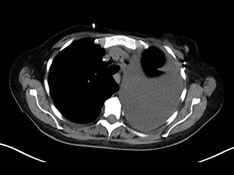
Thoracentesis and pleurodesis can improve the symptoms of a malignant pleural effusion. With pleurodesis, drainage of fluid is followed by pleural instillation of talc or doxycycline to sclerose the pleural lining. Video-assisted thorascopic sclerosis (VATS) may also be considered to achieve higher sclerosis efficacy with shorter inpatient admission time. Insertion of an indwelling pleural catheter is an alternative treatment to talc pleurodesis. Advantages of an indwelling pleural catheter are that placement is a same-day procedure and the catheter allows for patient drainage for symptom control as an outpatient. In a randomized trial comparing indwelling pleural catheters vs talc pleurodesis, there was no significant difference between both methods in controlling dyspnea symptoms for patients with malignant pleural effusion. [11]
Pneumonia and heart failure should be treated as in the patient without cancer. Lymphangitic spread of cancer can cause hypoxia and dyspnea. Both oxygen and narcotics ameliorate this symptom (see Dyspnea section).
Uremia
Progressive or recurrent cervical cancer may cause uremia secondary to ureteral obstruction. Uremia may induce nausea, vomiting, somnolence, confusion, and seizures. Untreated uremia is eventually fatal.
Death may be delayed if ureteral obstruction is relieved by percutaneous nephrostomy or ureteral stents. If other complications of disease progression have proven refractory to medical or surgical intervention, relieving ureteral obstruction to provide transiently improved excretion of uric acid and other waste products only prolongs the patient's pain and suffering. Patient and family counseling are necessary to identify the point at which further medical intervention is inappropriate in this setting.
Nausea and vomiting
Nausea and vomiting can be a result of disease progression as well as various treatments. In progression of disease, mechanical obstruction of large or small bowel can produce nausea/vomiting. Patients may experience anxiety and anticipatory nausea related to chemotherapy treatments. Pretreatment with anti-emetics prior to chemotherapy often controls chemotherapy induced nausea and vomiting. Infection, central nervous system metastases, and metabolic derangements, such as uremia, can also cause nausea. Identifying cause of nausea/vomiting is important so treatment can be directed to underlying pathophysiologic mechanism.
Metabolic causes of nausea and vomiting can be relieved by correcting the metabolic imbalance. Hypercalcemia is an uncommon paraneoplastic manifestation of metastatic gynecologic cancer for which hydration, diuretics, steroids, calcium-binding agents, and bisphosphonates should be considered. In the palliative setting, multiple agents can be used for control of nausea and vomiting including phenothiazines, butyrophenones (e.g. haloperidol), anticholinergics, antihistamines, steroids, or 5HT-3 antagonists. For nonspecific nausea and vomiting, National Comprehensive Cancer Network (NCCN) guidelines recommend initiation of dopamine receptor antagonist (eg, prochlorperazine, haloperidol, metoclopramide, olanzapine) that can be titrated to maximum benefit. If symptoms persist, a combination of therapy can be used by adding an anticholinergic (eg, scopolamine), antihistamine, and/or cannabinoid. Patients with anxiety-related nausea may benefit from the addition of benzodiazepine. [12]
Nausea and vomiting caused by brain metastases can be improved through the use of radiation therapy and steroids. Nausea related to slow bowel transit or carcinomatosis ileus can be improved with prokinetic activity of metoclopramide, its use is contraindicated in cases of obstruction and should be used with caution in combination with phenothiazines due to risk of extrapyramidal symptoms.
Diarrhea
Diarrhea can also accompany advanced or recurrent cervical cancer. While loose bowel movements are a frequent result of acute lower gastrointestinal toxicity from pelvic radiotherapy, this effect nearly always resolves within a few weeks after treatment is completed. Agents that reduce diarrhea include anticholinergics and opiate derivatives, such as loperamide, diphenoxylate and atropine. Hydration and electrolyte repletion should be encouraged with a bland diet. If diarrhea is severe with >7 stools a day, inpatient hospital admission may be necessary with IV fluid hydration and antidiarrheals. C difficile infection and fecal impaction should be ruled out.
Occasionally, diarrhea remains a long-term adverse effect following successful treatment of cervical cancer. A suspected contributing influence is chronic mucosal change within the terminal ileum (where bile acid reabsorption can be impaired) from radiation therapy, especially when patients experience exacerbation with intake of fatty foods. Dietary modification can be particularly helpful in this regard. Ultimately some patients will require small bowel resection or bypass.
Ovarian Cancer
Recurrent ovarian cancer is seldom curable. Second-, third-, or even fourth-line chemotherapy is often administered in a palliative fashion, as a means of diminishing symptoms and prolonging life. When chemotherapy is considered for patients with good performance status, it is most appropriate to offer enrollment in formal clinical studies, such as those coordinated by the Gynecologic Oncology Group and NRG Oncology.
When chemotherapeutic options are exhausted or their adverse effects are not worth the small potential for benefit, other means of palliating symptoms of progressive ovarian cancer are necessary. [13]
Ovarian cancer spreads regionally in the form of scattered deposits of tumor on all surfaces in the peritoneal cavity. Morbidity and mortality are typically a direct result of this process.
Bowel obstruction
Bowel obstruction is a common terminal effect of progressive ovarian cancer. Obstruction can be partial or complete and can occur at a single or multiple sites. Treatment options are dependent on location of obstruction as well as patient’s overall functional status and extent of disease. Surgery should be limited to patients with single site of obstruction and overall good performance status. Poor nutritional and performance status, carcinomatosis, advanced age, ascites, and extensive prior treatment with chemotherapy/radiation are all poor prognostic indicators. [14]
Localized rectosigmoid obstruction can be palliated with a transverse loop colostomy. Often, a small incision at the stoma site is all that is necessary to identify the dilated proximal colon and to elevate it through the anterior abdominal wall. Once the stoma site begins to function, a patient can eat and correct nutritional deficits.
Cecostomy tube placement can be used to vent the large intestine in colonic obstruction. However, cecostomy sites are prone to recurrent obstruction from solid stool, and tube placement is most appropriate in those patients with extremely short life expectancies.
Multiple areas of partial small bowel obstruction are typically not amenable to surgical correction. Tumor implants on the bowel surface and mesentery cause adhesions and impede peristalsis. Infrequently, an isolated small bowel obstruction can be managed with bowel resection and reanastomosis. More commonly, palliation and symptom control become the focus of care in treatment of malignant bowel obstruction. This can be achieved with a percutaneous gastrostomy tube draining by gravity or with a nasogastric tube (NG) on suction. [15] While NG tubes may provide immediate relief of symptoms, they are uncomfortable and not a long term treatment option. Intraluminal stenting performed endoscopically may provide relief and avoid morbidity associated with major surgical procedure, but are reserved for those with a short life expectancy. Associated nausea and vomiting can be controlled using combination of anti-emetic drugs mentioned above. It may also be beneficial to decrease gastrointestinal secretions with somatostatin analogue such as octreotide.
Ascites
Ascites can result from widespread microscopic and macroscopic tumor infiltration over the peritoneum, preventing absorption of peritoneal fluid. This symptom can become quite troubling when progressive disease is unresponsive to chemotherapy. Patients complain of pain, early satiety, vomiting, fatigue, and shortness of breath. Diuretics are of limited efficacy in relieving malignant ascites, and relief is best obtained by repetitive paracentesis. Placement of a semipermanent drainage tube, Pleurx, has been FDA-approved for symptomatic relief in patients with recurrent ascites. The eventual metabolic impact is depletion of albumin. However, the immediate, temporary improvement in patient comfort usually takes precedence over long-term nutritional status for a patient who is terminally ill.
Anorexia
Anorexia seldom occurs without bowel obstruction or ascites. For anorexia without associated bowel obstruction, treatment with megestrol acetate or steroids can stimulate appetite and lead to an increased sense of well-being. Parenteral nutritional support might be appropriate as a short-term measure perioperatively following relief of bowel obstruction or other intervention. However, long-term parenteral nutritional support is seldom an appropriate measure in a patient with incurable malignant impairment of bowel function. There are risks associated with artificial nutrition including fluid overload and infection.
At terminal stages, lack of thirst and hunger is a normal process. This disease progression is often misinterpreted by family members as allowing the patient to starve. Patient and family should be educated regarding natural course of disease and that withdrawing nutritional support may actually improve some symptoms. Mouth care and small amounts of liquid can treat symptoms of dry mouth.
Constipation
Constipation may be an adverse effect of narcotic analgesics or colonic dysmotility from tumor involvement. Treatment options range from behavioral changes to medicinal agents. When possible, an increase in fluid intake and exercise can be of benefit, as can close attention to bodily signals of defecation. More useful to the patient with cancer is the addition of fiber, colonic stimulants, and laxatives to their regimen. Prior to treatment of constipation, impaction and obstruction should be ruled out. In cases of impaction, glycerin suppositories or enemas are helpful. Enema choices include warm tap water, phosphate/biphosphate, soapsuds, milk and molasses, and mineral oil. Fleet, saline or tap water enema should be limited to 2 over 24 hours.
In first line treatment of constipation, stool softeners should be combined with stimulant laxatives, such as docusate sodium tablets and senna. Dosage should be increased with the goal of soft bowel movement every 1-2 days. If constipation persists, additional laxatives can be added to regimen including bisacodyl, polyethylene glycol, lactulose, sorbitol, magnesium hydroxide or magnesium citrate. Methylnaltrexone, a peripherally acting mu opioid receptor antagonist, can be used for opioid induced constipation. It is administered subcutaneously at a dose of 0.15mg/kg subcutaneously, with a maximum of one dose per day. Use of prokinetic agents like metoclopramide can also be considered. [6]
Dyspnea
As mentioned above, dyspnea symptoms can be secondary to anemia, pleural effusion, infection, heart failure, or lymphangitic spread of cancer. Treatment of the underlying cause should be prioritized including blood transfusion to correct anemia, therapeutic procedure to relieve effusion, and antibiotic therapy for pneumonia. If dyspnea is persistent as a result of untreatable metastatic tumor burden, treatment is based on symptom control. Nonpharmacological therapies for comfort include oxygen for symptomatic hypoxia, cooler temperatures, fans and relaxation therapy. Anxiety associated dyspnea can be improved with addition of benzodiazepine. Opioids are used for pharmacologic treatment of dyspnea. For a patient on chronic opioid therapy, dosage can be increased by 25%. If patient is opioid naïve, morphine can be added 2.5mg-10mg by mouth or 1-3mgIV every two hours as needed. Fluid status should be monitored and symptoms of fluid overload can be treated with low dose diuretic. Anticholinergics including scopolamine, atropine or glycopyrrolate can also be used to reduce excessive secretions. Noninvasive and mechanical ventilation can be considered only in patients with a severe reversible condition. Patient and family goals should be addressed regarding treatment of respiratory failure. Providers should give guidance regarding prognosis and reversibility of respiratory failure. Emotional and spiritual support should be provided as needed. [12]
Endometrial Cancer
Endometrial cancer may recur regionally within the pelvis or in distant sites, including the lung, bone, liver, and brain. Complications from pelvic or intra-abdominal disease progression are managed according to the general principles previously outlined for cervical or ovarian cancer. Recurrence in other sites warrants symptom-driven intervention.
Pulmonary metastases
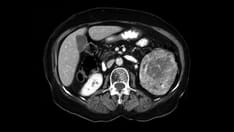
Parenchymal lung metastases are often asymptomatic until erosion into a bronchus or blood vessel occurs. Centrally located recurrence in the mediastinum or hilar regions can cause superior vena cava syndrome or large airway compromise. Palliative radiotherapy and endobronchial stents are available therapeutic options. Metastases to the pleural cavity may cause effusions and subsequent dyspnea. Thoracentesis may temporarily improve the pulmonary symptoms. For recurrent effusions, thoracostomy tube drainage and subsequent pleurodesis or VATS will most likely relieve the symptoms of pleural effusion. Placement of intrapleural semipermanent catheter is also a treatment option.
Bone metastases
Bone metastasis can cause severe pain, jeopardize the spinal column or nerve roots, lead to fracture, and contribute to hypercalcemia. Focal external beam radiation directed at metastasis can prevent and alleviate impending spinal or nerve root injury. Fractures or impending fractures require orthopedic consultation for surgical stabilization of the weight-bearing structure. Postoperative radiotherapy can then applied to prevent dislocation of the implanted devices as a result of continued tumor cell proliferation within the remaining bone. In some cases, procedures like vertebroplasty/kyphoplasty are more likely to restore patient’s ambulatory status than radiation alone.
Diffuse bone pain without evidence of fracture can be treated with a trial of bone-modifying agents including bisphosphonates or a RANKL inhibitor, denosumab. While these agents are primarily used to reduce incidence of fracture, spinal cord compression and need for bone surgery/radiation, they have also been shown to relieve pain in clinical trials. Corticosteroids or systemic administration of radioisotopes can be considered. For localized pain, local radiation therapy, nerve block or radiofrequency ablation can provide relief. [6]
Hypercalcemia
Hypercalcemia may accompany bone metastases, either as a direct consequence of bone destruction or as an indirect paraneoplastic phenomenon. Common symptoms of hypercalcemia include malaise, fatigue, obtundation, anorexia, pain, polyuria, polydipsia, dehydration, constipation, nausea, and vomiting. Cardiac dysrhythmias and cardiac arrest may result. Untreated hypercalcemia may progress to loss of consciousness and coma. As with correcting uremia by relieving bilateral ureteral obstruction, correcting hypercalcemia can prolong life and relieve symptoms.
Treatment of hypercalcemia with subsequent reversal of symptoms rests in restoring volume, increasing calcium excretion, and inhibiting osteoclastic release of calcium. Administration of intravenous fluids is the first step. Once volume has been restored, treatment with loop diuretics increases calcium excretion. Avoid re-creation of a dehydrated state with overly aggressive diuretics. In the palliative setting, a significant decrease in tumor burden is unlikely; therefore, other agents must be used to correct hypercalcemia. Administering bisphosphonates, calcitonin, mithramycin, or gallium nitrate inhibits osteoclastic activity. Bisphosphonates are the most popular agent because of their ease of administration, relatively long duration of action, and effectiveness throughout multiple treatments.
Hepatic metastases
Liver metastases are usually asymptomatic and are frequently detected only after other sites of disease have become manifest. There is a potential role for systemic chemotherapy for pulmonary or hepatic spread of disease, but response rates are generally low. Hepatic metastases can occasionally enlarge and cause pain from liver capsule distention. Analgesics, regional nerve block, and whole-liver radiotherapy can provide palliative benefit.
Brain metastases
Brain metastases may cause a wide range of cognitive or behavioral abnormalities. Systemic corticosteroids and radiation are usually used to lessen the effects of brain metastasis. Neurosurgical resection followed by whole-brain radiotherapy is appropriate for patients with a solitary solid-tumor brain metastasis, good performance status, and minimal disease outside the central nervous system.
Vulvar and Vaginal Cancer
Vulvar cancer and vaginal cancer, as with cervical cancer, tend to spread locally before widespread metastases occur. Accordingly, they can cause many of the same problems that are associated with pelvic and systemic disease progression that the other gynecologic cancers do; vulvar and vaginal cancer therefore call for similar palliative treatment strategies. Additionally, because of their relatively more superficial sites of origin, complications may arise as a result of disease involvement of the perineal region and inguinofemoral nodal chains. Local groin progression (seen in the image below) may provide a challenge in terms of odor and hygiene, which is amenable to dressing with activated charcoal.
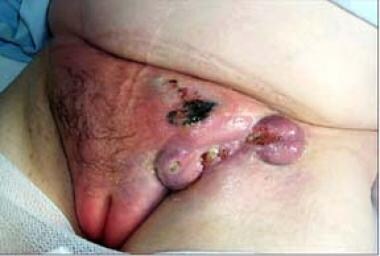 A groin recurrence from vulvar cancer 6 years after primary treatment. The recurrence was initially treated with excision and radiation therapy, but the cancer ultimately returned in the groin.
Rectal fistulas or anal sphincter involvement might warrant consideration of diverting colostomy. Groin node involvement may compress the femoral vessels and cause lower extremity edema. Vascular stents can sometimes relieve obstruction and improve edema. Ulceration of the skin by infiltrative tumor can be treated with radiotherapy if the region has not been pretreated too heavily with radiotherapy during an initial attempted curative treatment. Other topical treatments for localized ulcers include zinc oxide and gel-based wound dressings.
Guidelines
Guidelines summary
In July 2021, the National Comprehensive Cancer Network (NCCN) published clinical practice guidelines on palliative care in oncology. [16] According to the NCCN, the focus of palliative care is the optimal management of distressing symptoms, in addition to patient-centered psychosocial and spiritual care. Specific recommendations include the following:
-
Patients and their families and caregivers should be told that palliative care is an essential component of comprehensive cancer care
-
All patients with cancer should be repeatedly screened for palliative care needs, beginning with their initial diagnosis and thereafter at intervals as clinically indicated
-
The primary oncology team should initiate palliative care, which is then augmented by collaboration with palliative care experts
-
An interdisciplinary team of palliative care specialists should be available to provide consultation or direct care to patients and/or families as requested or needed
-
All health care professionals should receive education and training to develop palliative care knowledge, skills, and attitudes
-
Institutional quality improvement programs should monitor the quality of palliative care
-
Exposure of the uterus and left adnexal mass during exploratory laparotomy.
-
Partially necrotic para-aortic lymph node mass intimately associated with regional vessels and fixed to underlying bony tissue.
-
A groin recurrence from vulvar cancer 6 years after primary treatment. The recurrence was initially treated with excision and radiation therapy, but the cancer ultimately returned in the groin.