| Patient Education |
|
Click here for patient education.
|
|
You are in: eMedicine Specialties >
Infectious Diseases > MEDICAL TOPICS
Actinomycosis
Article Last Updated: Apr 14, 2006
AUTHOR AND EDITOR INFORMATION
Section 1 of 11
Author: Hari Polenakovik, MD, Infectious Diseases and General Medicine Consultant Physician, Department of Medicine, Western Health, Footscray, Victoria, Australia
Hari Polenakovik is a member of the following medical societies: American College of Physicians-American Society of Internal Medicine and Infectious Diseases Society of America
Coauthor(s):
Sylvia Polenakovik, MD, Clinical Instructor, Internist, Wayne Hospital, Greenville, Ohio, Department of Internal Medicine, Wright State University
Editors: Daniel R Lucey, MD, MPH, Chief, Fellowship Program Director, Department of Internal Medicine, Division of Infectious Diseases, Washington Hospital Center; Professor, Department of Internal Medicine, Uniformed Services University of the Health Sciences; Francisco Talavera, PharmD, PhD, Senior Pharmacy Editor, eMedicine; Michael Stuart Bronze, MD, Professor, Stewart G Wolf Chair in Internal Medicine, Department of Medicine, University of Oklahoma Health Science Center; Eleftherios Mylonakis, MD, Clinical and Research Fellow, Department of Internal Medicine, Division of Infectious Diseases, Massachusetts General Hospital; Burke A Cunha, MD, Professor of Medicine, State University of New York School of Medicine at Stony Brook; Chief, Infectious Disease Division, Winthrop-University Hospital
Author and Editor Disclosure
Synonyms and related keywords:
Actinomyces israeli, Actinomyces gerencseriae, Actinomyces naeslundii, Actinomyces odontolyticus, Actinomyces viscosus, Actinomyces turicensis, Actinomyces meyeri, Propionibacterium propionicus, Actinobacillus actinomycetemcomitans, Prevotella, Fusobacterium, Bacteroides, Staphylococcus, Streptococcus, Enterobacteriaceae, actinomycetes, actinophytosis
Background
Actinomycosis is a subacute-to-chronic bacterial infection caused by filamentous, gram-positive, anaerobic-to-microaerophilic bacteria that are not acid fast. It is characterized by contiguous spread, suppurative and granulomatous inflammation, and formation of multiple abscesses and sinus tracts that may discharge sulfur granules. The most common clinical forms of actinomycosis are cervicofacial (ie, lumpy jaw), thoracic, and abdominal. In women, pelvic actinomycosis is possible.
Pathophysiology
Actinomycetes are prominent among the normal flora of the oral cavity but less prominent in the lower gastrointestinal tract and female genital tract. As these microorganisms are not virulent, they require a break in the integrity of the mucous membranes and the presence of devitalized tissue to invade deeper body structures and cause human illness.
Furthermore, actinomycosis generally is a polymicrobial infection, with isolates numbering as many as 5-10 bacterial species. Establishment of human infection may require the presence of such companion bacteria, which participate in the production of infection by elaborating a toxin or enzyme or by inhibiting host defenses. These companion bacteria appear to act as copathogens that enhance the relatively low invasiveness of actinomycetes. Specifically, they may be responsible for the early manifestations of the infection and for treatment failures.
Once infection is established, the host mounts an intense inflammatory response (ie, suppurative, granulomatous), and fibrosis may develop subsequently. Infection typically spreads contiguously, frequently ignoring tissue planes and invading surrounding tissues or organs. Ultimately, the infection produces draining sinus tracts. Hematogenous dissemination to distant organs may occur in any stage of the infection, whereas lymphatic dissemination is unusual.
Cervicofacial actinomycosis
Cervicofacial actinomycosis is the most common manifestation, comprising 50-70% of reported cases. Infection typically occurs following oral surgery or in patients with poor dental hygiene. This form of actinomycosis is characterized in the initial stages by soft-tissue swelling of the perimandibular area. Direct spread into the adjacent tissues occurs over time, along with development of fistulas (sinus tracts) that discharge purulent material containing yellow (ie, sulfur) granules. Invasion of the cranium or the bloodstream may occur if the disease is left untreated.
Thoracic actinomycosis
Thoracic actinomycosis accounts for 15-20% of cases. Aspiration of oropharyngeal secretions containing actinomycetes is the usual mechanism of infection. Occasionally, thoracic actinomycosis may result from the introduction of organisms via esophageal perforation, by direct spread from an actinomycotic process of the neck or abdomen, or via hematogenous spread from a distant lesion. Thoracic actinomycosis commonly presents as a pulmonary infiltrate or mass, which, if left untreated, can spread to involve the pleura, pericardium, and chest wall, ultimately leading to the formation of sinuses that discharge sulfur granules.
Actinomycosis of the abdomen and pelvis
Actinomycosis of the abdomen and pelvis accounts for 10-20% of reported cases. Typically, patients have a history of recent or remote bowel surgery (eg, perforated acute appendicitis, perforated colonic diverticulitis following trauma to the abdomen) or ingestion of foreign bodies (eg, chicken or fish bones), during which actinomycetes is introduced into the deep tissues. The ileocecal region is involved most frequently, and the disease presents classically as a slowly growing tumor. Diagnosis is usually established postoperatively, following exploratory laparotomy for a suspected malignancy. Involvement of any abdominal organ, including the abdominal wall, can occur by direct spread, with eventual formation of draining sinuses. Actinomycosis of the pelvis most commonly occurs by the ascending route from the uterus in association with intrauterine contraceptive devices (IUCDs). In such cases, an IUCD has been in place for an average of 8 years.
Frequency
United States
Actinomycosis is a rare infection. During the 1970s, the reported annual incidence in the Cleveland area was 1 case per 300,000. Improved dental hygiene and widespread use of antibiotics for various infections probably have contributed to the declining incidence of this disease.
International
Actinomycosis occurs worldwide, with likely higher prevalence rates in areas with low socioeconomic status and poor dental hygiene.
Mortality/Morbidity
The availability of antibiotics has greatly improved the prognosis for all forms of actinomycosis. At present, cure rates are high and neither deformity nor death is common.
Race
No racial predilection exists.
Sex
For unknown reasons, men are affected more commonly than women, with the exception of pelvic actinomycosis. The reported male-to-female ratio is 3:1.
Age
Actinomycosis can affect people of all ages, but the majority of cases are reported in young to middle-aged adults (aged 20-50 y).
History
- Cervicofacial actinomycosis (ie, lumpy jaw)
- History of dental manipulation or trauma to the mouth, poor oral hygiene, dental caries, or periodontal disease; may arise following local tissue damage caused by neoplasm or radiation treatment
- Painless or occasionally painful soft-tissue swelling involving the submandibular or perimandibular region; over time, multiple sinuses drain pus containing sulfur granules; tendency to remit and recur
- Reddish or bluish discoloration of the skin overlying the lesion
- Chewing difficulties (ie, with involvement of mastication muscles)
- Thoracic actinomycosis
- History of aspiration (Risk factors include seizure disorder, alcoholisms, and poor dental hygiene.)
- Dry or productive cough, occasionally blood-streaked sputum, shortness of breath, chest pain
- Fever, weight loss, fatigue, anorexia
- Abdominal actinomycosis
- History of abdominal surgery, perforated viscus, mesenteric vascular insufficiency, or ingestion of foreign bodies (eg, fish or chicken bones)
- Nonspecific symptoms: The most common nonspecific symptoms are as follows:
- Low-grade fever
- Weight loss
- Fatigue
- Change in bowel habits
- Vague abdominal discomfort
- Nausea
- Vomiting
- Sensation of a mass
- Pelvic actinomycosis
- History of IUCD
- Lower abdominal discomfort, abnormal vaginal bleeding or discharge
Physical
- Cervicofacial actinomycosis
- Patients present with nodular lesion(s), usually located at the angle of the jaw. These gradually increase in size and number (ie, multiple abscesses), and ultimately form sinuses that open onto the cheek or submandibular area. Sulfur granules may be seen in the exudate.
- Nodules may be tender in the initial stages, but typically they are nontender and woody hard in the later stages.
- Lymphadenopathy typically is absent.
- Trismus is present if the mastication muscles are involved.
- Fever is variably present.
- Thoracic actinomycosis
- Fever, cachexia, abnormal breath sounds, cough (dry or productive of purulent sputum), hemoptysis
- Sinus tracts with drainage from the chest wall (ie, pleurocutaneous fistula)
- Abdominal actinomycosis
- Scar(s) from antecedent abdominal surgery
- Low-grade fever and cachexia (variably present)
- Mass most often located in the right lower quadrant, less frequently in the left lower quadrant; mass typically firm-to-hard in consistency, nontender, often fixed to underlying tissue
- Sinus tracts with drainage from either the abdominal wall (ie, peritoneocutaneous fistula) or the perianal region
- Pelvic actinomycosis
- Pelvic mass
- Menometrorrhagia
- Other manifestations, as in abdominal actinomycosis
Causes
Actinomycosis is caused by gram-positive filamentous bacteria that do not form spores and are not acid-fast. They belong to the order of Actinomycetales, family Actinomycetaceae, genus Actinomyces. Members of the genera Propionibacterium, Actinobaculum, and Bifidobacterium may cause similar clinical syndromes. These bacteria grow slowly in anaerobic-to-microaerophilic conditions, forming colonies with a characteristic molar tooth appearance. The most common isolated species are Actinomyces israeli and Actinomyces gerencseriae, Actinomyces turicensis, Actinomyces radingae, Actinomyces europaeus, followed by Actinomyces naeslundii, Actinomyces odontolyticus, Actinomyces viscosus, Actinomyces meyeri, and Propionibacterium propionicum.
In addition to these microorganisms, almost all actinomycotic lesions contain so-called companion bacteria. The most important of these bacteria is Actinobacillus actinomycetemcomitans, followed by Peptostreptococcus, Prevotella, Fusobacterium, Bacteroides, Staphylococcus, and Streptococcus species, and Enterobacteriaceae, depending on the location of actinomycotic lesions. These companion bacteria appear to magnify the low pathogenic potential of actinomycetes.
Abdominal Abscess
Adnexal Tumors
Appendicitis
Blastomycosis
Brain Abscess
Colon Cancer, Adenocarcinoma
Crohn Disease
Diverticulitis
Liver Abscess
Lung Abscess
Lung Cancer, Non-Small Cell
Lung Cancer, Oat Cell (Small Cell)
Lymphoma, Non-Hodgkin
Malignant Neoplasms of the Small Intestine
Nocardiosis
Pelvic Inflammatory Disease
Pneumonia, Aspiration
Pneumonia, Bacterial
Pneumonia, Fungal
Tuberculosis
Uterine Cancer
Other Problems to be Considered
Abdominal mass
Epidural abscess
Lab Studies
- CBC count: Anemia and mild leukocytosis are common.
- Erythrocyte sedimentation rate (ESR) and C-reactive protein (CRP) levels are often elevated.
- Chemistry results usually are normal, with the exception of a frequently elevated alkaline phosphatase level in hepatic actinomycosis.
- Organism cultures
- Because actinomycosis is difficult to diagnose on the basis of the typical clinical features, direct identification and/or isolation of the infecting organism from a clinical specimen or from sulfur granules is necessary for definitive diagnosis in most cases.
- Acceptable specimen material is obtained from draining sinuses, deep needle aspirate, or biopsy specimens; swabs, sputum, and urine specimens are unacceptable or inappropriate.
- Prompt transport of the specimens to the microbiology laboratory is necessary for optimal isolation of actinomycete organisms, preferably in an anaerobic transport device.
- A Gram-stained smear of the specimen may demonstrate the presence of beaded, branched, gram-positive filamentous rods, suggesting the diagnosis.
- Cultures should be placed immediately under anaerobic conditions and incubated for 48 hours or longer; the isolation and definitive identification of actinomycetes may require 2-3 weeks.
- Nucleic acid probes and polymerase chain reaction (PCR) methods are being developed for more rapid and more accurate identification.
- Antimicrobial susceptibility testing is not indicated in the management of actinomycosis, partly because of their predictable antibiogram.
- The preliminary diagnosis of actinomycosis also can be made by examining sulfur granules. Granules should be crushed between 2 slides, stained with 1% methylene-blue solution, and examined microscopically for features characteristic of actinomycetes.
- Serologic diagnosis: Current serologic tests have no role in diagnosing actinomycosis.
- Papanicolaou test: The relationship between a Papanicolaou test result that is positive for actinomycetelike organisms and the eventual development of pelvic actinomycosis is not clear.
Imaging Studies
- Chest x-ray films
- A chest x-ray film may disclose a poorly defined mass or pneumonitis or cavitary lesion, with or without pleural involvement; hilar adenopathy is uncommon.
- The presence of a masslike lesion that extends across fissures or pleura, invades into the adjacent chest wall or thoracic vertebrae, or causes local destruction of the ribs or sternum suggests thoracic actinomycosis.
- CT scans (irrespective of the anatomic area of involvement) usually reveal an infiltrative mass with focal areas of decreased attenuation that enhance with contrast. This infiltrative mass has a tendency to invade surrounding tissues; surrounding lymphadenopathy is uncommon.
Procedures
- CT scan or ultrasound-guided fine-needle aspiration and/or biopsy have been used successfully to obtain clinical material for diagnosis.
- Surgery (eg, thoracotomy with open lung biopsy, exploratory laparotomy) may be required for diagnostic purposes.
Histologic Findings
Actinomycosis is characterized by a mixed suppurative and granulomatous inflammatory reactions, connective tissue proliferation, and the presence of sulfur granules. The sulfur granules are almost pathognomonic for this infection, although similar findings have been reported with Nocardia brasiliensis, Streptomyces madurae, and Staphylococcus aureus presenting as botryomycosis. The granules are approximately 0.1-1 mm in diameter and may be seen with the naked eye as yellowish particles. Microscopically, the granules manifest a cauliflowerlike shape at low magnification; at higher magnification (X100), when the particle has been pressed between slide and cover slip, a clump of filamentous actinomycete microcolonies surrounded by polymorphonuclear neutrophils (PMNs) can be observed. Gram stain renders these microcolonies visible as gram-positive, intertwined branching filaments, with radially arranged, peripheral hyphae. Coexisting with them are the companion bacteria, which are gram-positive and gram-negative cocci and rods. Image 1 and Image 2 are representative photomicrographs.
Medical Care
In most cases, antimicrobial therapy is the only treatment required, although surgery can be an adjunct in selected cases. Penicillin G is the drug of choice for treating an infection caused by actinomycetes.
Surgical Care
Attempt to cure actinomycosis, including extensive disease, with aggressive antimicrobial therapy alone initially. Surgical therapy may include incision and drainage of abscesses, excision of sinus tracts and recalcitrant fibrotic lesions, decompression of closed-space infections, and interventions aimed at relieving obstruction (eg, when actinomycotic lesions compress the ureter).
Consultations
- Interventional radiology
- Surgery
- Infectious diseases
Diet
No specific dietary precautions are indicated.
Activity
Patients may be active to the degree tolerated.
High-dose penicillin, administered over a prolonged period, is the cornerstone of therapy for actinomycosis. The risk of actinomycetes developing penicillin resistance appears to be minimal. Lack of a clinical response to penicillin usually indicates the presence of resistant companion bacteria, which may require modification of the antibiotic regimen (ie, addition of an agent that is active against these copathogens).
Antibiotics that possess no activity against Actinomyces species include metronidazole, aminoglycosides, aztreonam, co-trimoxazole (TMP-SMX), and penicillinase-resistant penicillins (eg, methicillin, nafcillin, oxacillin, cloxacillin) and cephalexin. The data concerning the fluoroquinolones (ciprofloxacin, gatifloxacin and moxifloxacin) are insufficient.
Drug Category: Antibiotics
Therapy must cover all likely pathogens in the context of this clinical setting.
| Drug Name | Penicillin G (Pfizerpen, Bicillin) |
| Description | DOC for treatment of actinomycosis. Interferes with synthesis of cell wall mucopeptide during active multiplication, resulting in bactericidal activity against susceptible microorganisms. |
| Adult Dose | 12-24 million U/d IV by continuous infusion or in divided doses q4h for 1-2 wk, then switch to PO (penicillin VK) for 6-12 mo |
| Pediatric Dose | 200,000-400,000 U/kg/d IV by continuous infusion or in divided doses q4h for 1-2 wk, then switch to PO (penicillin VK) for 6-12 mo |
| Contraindications | Documented hypersensitivity |
| Interactions | Probenecid can increase effects; coadministration of tetracyclines can decrease effects |
| Pregnancy | B - Usually safe but benefits must outweigh the risks.
|
| Precautions | Caution in impaired renal function |
| Drug Name | Penicillin VK (Pen-Vee K, V-Cillin-K) |
| Description | DOC for treatment of actinomycosis. Interferes with synthesis of cell wall mucopeptide during active multiplication, resulting in bactericidal activity against susceptible microorganisms. |
| Adult Dose | 500 mg PO q6h for 6-12 mo |
| Pediatric Dose | 25-50 mg/kg/d PO in divided doses q6h for 6-12 mo |
| Contraindications | Documented hypersensitivity |
| Interactions | Probenecid can increase effects; coadministration of tetracyclines can decrease effects |
| Pregnancy | B - Usually safe but benefits must outweigh the risks.
|
| Precautions | Caution in impaired renal function |
| Drug Name | Doxycycline (Bio-Tab, Doryx, Vibramycin) |
| Description | For nonpregnant patients with penicillin allergy. Inhibits protein synthesis and, thus, bacterial growth by binding to 30S and possibly 50S ribosomal subunits of susceptible bacteria. |
| Adult Dose | 100 mg PO/IV q12h |
| Pediatric Dose | <8 years: Not recommended >8 years: 1 mg/kg PO/IV q12h; not to exceed 200 mg/d |
| Contraindications | Documented hypersensitivity; severe hepatic dysfunction |
| Interactions | Minimal decrease in bioavailability with antacids containing aluminum, calcium, magnesium, iron, or bismuth subsalicylate |
| Pregnancy | D - Unsafe in pregnancy
|
| Precautions | Photosensitivity may occur with prolonged exposure to sunlight or tanning equipment; reduce dose in renal impairment; consider drug serum level determinations in prolonged therapy; if used during tooth development (last half of pregnancy through age 8 y), can cause permanent discoloration of teeth; Fanconilike syndrome may occur with tetracyclines past expiration date |
| Drug Name | Clindamycin (Cleocin) |
| Description | Alternative in patients allergic to penicillin. Lincosamide agent that inhibits bacterial growth, possibly by blocking dissociation of peptidyl t-RNA from ribosomes, causing RNA-dependent protein synthesis to arrest. Drawback is lack of coverage against some companion bacteria. |
| Adult Dose | 600 mg IV q8h Alternatively, 150-300 mg PO q8h |
| Pediatric Dose | 8-20 mg/kg/d as hydrochloride or 8-25 mg/kg/d as palmitate PO divided tid/qid 20-40 mg/kg/d IV divided tid/qid |
| Contraindications | Documented hypersensitivity; regional enteritis; ulcerative colitis; hepatic impairment; antibiotic-associated colitis |
| Interactions | Increases duration of neuromuscular blockade induced by tubocurarine and pancuronium; erythromycin may antagonize effects; antidiarrheals may delay absorption |
| Pregnancy | B - Usually safe but benefits must outweigh the risks.
|
| Precautions | Adjust dose in severe hepatic dysfunction; no adjustment necessary in renal insufficiency; associated with severe and possibly fatal colitis |
| Drug Name | Amoxicillin/clavulanic acid (Augmentin) |
| Description | Drug combination that can be used alone in mild to moderately severe cases of actinomycosis; covers both pathogenic actinomycetes and companion bacteria, which frequently are resistant to penicillin. |
| Adult Dose | 500 mg PO q8h or 875 mg PO q12h |
| Pediatric Dose | <40 kg: 20-40 mg/kg/d PO divided bid >40 kg: Administer as in adults |
| Contraindications | Documented hypersensitivity |
| Interactions | Coadministration with warfarin or heparin increases risk of bleeding |
| Pregnancy | B - Usually safe but benefits must outweigh the risks.
|
| Precautions | Caution with renal impairment since drug eliminated via renal mechanisms; adjust dosage when CrCl <30 mL/min |
| Drug Name | Ceftriaxone (Rocephin) |
| Description | Covers both pathogenic actinomycetes and companion bacteria, which frequently are resistant to penicillin. Useful in moderately severe to severe forms of cervicofacial and thoracic actinomycosis. Third-generation cephalosporin with broad-spectrum, gram-negative activity; lower efficacy against gram-positive organisms. Arrests bacterial growth by binding to penicillin-binding proteins. |
| Adult Dose | 2 g IV/IM q12-24h; not to exceed 4 g/d |
| Pediatric Dose | Neonates > 7 d: 25-50 mg/kg/d IV/IM; not to exceed 125 mg/d Infants and children: 100 mg/kg/d IV/IM divided q12h; not to exceed 2 g/d |
| Contraindications | Documented hypersensitivity |
| Interactions | Probenecid may increase levels; coadministration with ethacrynic acid, furosemide, and aminoglycosides may increase nephrotoxicity |
| Pregnancy | B - Usually safe but benefits must outweigh the risks.
|
| Precautions | Adjust dose in renal impairment; caution in breastfeeding women, allergy to penicillin, pseudo-biliary lithiasis, and non—C difficile diarrhea |
| Drug Name | Imipenem/cilastatin (Primaxin) |
| Description | Covers both pathogenic actinomycetes and companion bacteria, which frequently are resistant to penicillin. Useful in moderately severe to severe forms of abdominal and pelvic actinomycosis. |
| Adult Dose | 500-1000 mg IV q8h, not to exceed 4 g/d |
| Pediatric Dose | Not established; 15-25 mg/kg/dose IV q6h suggested for > 3 mo |
| Contraindications | Documented hypersensitivity |
| Interactions | Coadministration with cyclosporine may increase CNS adverse effects of both agents; coadministration with ganciclovir may result in generalized seizures |
| Pregnancy | C - Safety for use during pregnancy has not been established.
|
| Precautions | Adjust dose in renal insufficiency; avoid use in children <12 years |
Further Inpatient Care
- Obtain imaging studies and percutaneous diagnostic studies to allow more expedient diagnosis of actinomycosis.
- Place a peripherally inserted central catheter (PICC) for administration of intravenous antibiotics.
- Arrange outpatient intravenous antibiotic therapy.
- If the patient's condition is failing penicillin therapy, consider broadening the antimicrobial spectrum to cover the potentially uncultured companion bacteria.
Further Outpatient Care
- Follow up on outpatient intravenous antibiotic programs, and switch patients to oral antibiotic therapy. Prolonged antibiotic therapy is often required.
- Use CT scans and magnetic resonance imaging to monitor the response to therapy.
In/Out Patient Meds
- Discharge patients taking oral antibiotics.
Transfer
- If a CT scanner or interventional radiology is not available, transfer to a facility with these services.
Deterrence/Prevention
- Maintenance of good oral hygiene and adequate regular dental care are important.
- Patients and physicians alike should be aware of the increased risk of infection associated with insertion of IUCD.
Complications
- Osteomyelitis of the mandible, ribs, and vertebrae
- CNS disease, including brain abscess; chronic meningitis; actinomycetoma; cranial, epidural, and subdural infection; and spinal epidural infection
- Endocarditis
- Hepatic actinomycosis
- Disseminated actinomycosis
Prognosis
- When actinomycosis is diagnosed early and treated with appropriate antibiotic therapy, the prognosis is excellent.
- The more advanced and complicated actinomycotic forms require aggressive antibiotic and surgical therapy for optimal outcome; however, deaths can occur despite such therapy.
Patient Education
- Because actinomycosis is an endogenous infection, no risk of person-to-person transmission exists.
Medical/Legal Pitfalls
- Failure to make a timely diagnosis: To minimize delays in diagnosis, actinomycosis should be considered in the differential diagnosis of any inflammatory lesion of subacute or long-term nature.
- Failure to determine ineffectiveness of antibiotic therapy
| Media file 1:
Actinomycosis in the endometrial tissue, low-power view. Image courtesy of Paul Gibbs, MD. |

 | View Full Size Image | |
Media type: Image
|
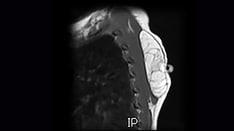
| Media file 2:
Actinomycosis in the endometrial tissue, high-power view. Image courtesy of Paul Gibbs, MD. |
 | View Full Size Image | |
Media type: Image
|
- Apotheloz C, Regamey C. Disseminated infection due to Actinomyces meyeri: case report and review. Clin Infect Dis. Apr 1996;22(4):621-5. [Medline].
- Arend SM, Oosterhof H, van Dissel JT. Actinomyces and the intrauterine device. Arch Intern Med. Jun 8 1998;158(11):1270. [Medline].
- Belmont MJ, Behar PM, Wax MK. Atypical presentations of actinomycosis. Head Neck. May 1999;21(3):264-8. [Medline].
- Brown JR. Human actinomycosis. A study of 181 subjects. Hum Pathol. Sep 1973;4(3):319-30. [Medline].
- Cayley J, Fotherby K, Guillebaud J, et al. Recommendations for clinical practice: actinomyces like organisms and intrauterine contraceptives. The Clinical and Scientific Committee. Br J Fam Plann. Jan 1998;23(4):137-8. [Medline].
- Chaudhry SI, Greenspan JS. Actinomycosis in HIV infection: a review of a rare complication. Int J STD AIDS. Jun 2000;11(6):349-55. [Medline].
- Choi J, Koh WJ, Kim TS, et al. Optimal duration of IV and oral antibiotics in the treatment of thoracic actinomycosis. Chest. Oct 2005;128(4):2211-7. [Medline].
- Chouabe S, Perdu D, Deslee G, et al. Endobronchial actinomycosis associated with foreign body: four cases and a review of the literature. Chest. Jun 2002;121(6):2069-72. [Medline].
- Cintron JR, Del Pino A, Duarte B, Wood D. Abdominal actinomycosis. Dis Colon Rectum. Jan 1996;39(1):105-8. [Medline].
- Clarridge JE, Zhang Q. Genotypic diversity of clinical Actinomyces species: phenotype, source, and disease correlation among genospecies. J Clin Microbiol. Sep 2002;40(9):3442-8. [Medline].
- Colmegna I, Rodriguez-Barradas M, Rauch R, et al. Disseminated Actinomyces meyeri infection resembling lung cancer with brainmetastases. Am J Med Sci. Sep 2003;326(3):152-5. [Medline].
- Curi MM, Dib LL, Kowalski LP, et al. Opportunistic actinomycosis in osteoradionecrosis of the jaws in patients affected by head and neck cancer: incidence and clinical significance. Oral Oncol. May 2000;36(3):294-9. [Medline].
- Endo S, Murayama F, Yamaguchi T, et al. Surgical considerations for pulmonary actinomycosis. Ann Thorac Surg. Jul 2002;74(1):185-90. [Medline].
- Felekouras E, Menenakos C, Griniatsos J, et al. Liver resection in cases of isolated hepatic actinomycosis: case report and review of the literature. Scand J Infect Dis. 2004;36(6-7):535-8. [Medline].
- Fife TD, Finegold SM, Grennan T. Pericardial actinomycosis: case report and review. Rev Infect Dis. Jan-Feb 1991;13(1):120-6. [Medline].
- Hamid D, Baldauf JJ, Cuenin C, Ritter J. Treatment strategy for pelvic actinomycosis: case report and review of the literature. Eur J Obstet Gynecol Reprod Biol. Apr 2000;89(2):197-200. [Medline].
- Hansen T, Kunkel M, Kirkpatrick CJ, Weber A. Actinomyces in infected osteoradionecrosis--underestimated?. Hum Pathol. Jan 2006;37(1):61-7. [Medline].
- Hsieh MJ, Liu HP, Chang JP, Chang CH. Thoracic actinomycosis. Chest. Aug 1993;104(2):366-70. [Medline].
- Huang KL, Beutler SM, Wang C. Endocarditis due to Actinomyces meyeri. Clin Infect Dis. Oct 1998;27(4):909-10. [Medline].
- Kim JC, Ahn BY, Kim HC, et al. Efficiency of combined colonoscopy and computed tomography for diagnosis of colonic actinomycosis: a retrospective evaluation of eight consecutive patients. Int J Colorectal Dis. Aug 2000;15(4):236-42. [Medline].
- Kim TS, Han J, Koh WJ, et al. Thoracic Actinomycosis: CT Features with Histopathologic Correlation. AJR Am J Roentgenol. Jan 2006;186(1):225-31. [Medline].
- Kuijper EJ, Wiggerts HO, Jonker GJ, et al. Disseminated actinomycosis due to Actinomyces meyeri and Actinobacillus actinomycetemcomitans. Scand J Infect Dis. 1992;24(5):667-72. [Medline].
- Lequerre T, Nouvellon M, Kraznowska K, et al. Septic arthritis due to Actinomyces naeslundii: report of a case. Joint Bone Spine. Oct 2002;69(5):499-501. [Medline].
- Lippes J. Pelvic actinomycosis: a review and preliminary look at prevalence. Am J Obstet Gynecol. Feb 1999;180(2 Pt 1):265-9. [Medline].
- Litwin KA, Jadbabaie F, Villanueva M. Case of pleuropericardial disease caused by Actinomyces odontolyticus that resulted in cardiac tamponade. Clin Infect Dis. Jul 1999;29(1):219-20. [Medline].
- Mabeza GF, Macfarlane J. Pulmonary actinomycosis. Eur Respir J. Mar 2003;21(3):545-51. [Medline].
- Macfarlane DJ, Tucker LG, Kemp RJ. Treatment of recalcitrant actinomycosis with ciprofloxacin. J Infect. Sep 1993;27(2):177-80. [Medline].
- Oostman O, Smego RA. Cervicofacial Actinomycosis: Diagnosis and Management. Curr Infect Dis Rep. May 2005;7(3):170-174. [Medline].
- Pulverer G, Schutt-Gerowitt H, Schaal KP. Human cervicofacial actinomycoses: microbiological data for 1997 cases. Clin Infect Dis. Aug 15 2003;37(4):490-7. [Medline].
- Reddy I, Ferguson DA Jr, Sarubbi FA. Endocarditis due to Actinomyces pyogenes. Clin Infect Dis. Dec 1997;25(6):1476-7. [Medline].
- Rothschild B, Naples V, Barbian L. Bone manifestations of actinomycosis. Ann Diagn Pathol. Feb 2006;10(1):24-27. [Medline].
- Sabbe LJ, Van De Merwe D, Schouls L, et al. Clinical spectrum of infections due to the newly described Actinomyces species A. turicensis, A. radingae, and A. europaeus. J Clin Microbiol. Jan 1999;37(1):8-13. [Medline].
- Scarano FJ, Ruddat MS, Robinson A. Actinomyces viscosus postoperative endophthalmitis. Diagn Microbiol Infect Dis. Jun 1999;34(2):115-7. [Medline].
- Schaal KP, Lee HJ. Actinomycete infections in humans--a review. Gene. Jun 15 1992;115(1-2):201-11. [Medline].
- Schaal KP, Pape W. Special methodological problems in antibiotic susceptibility testing of fermentativeactinomycetes. Infection. 1980;8 Suppl 2:S176-82. [Medline].
- Sharma M, Briski LE, Khatib R. Hepatic actinomycosis: an overview of salient features and outcome of therapy. Scand J Infect Dis. 2002;34(5):386-91. [Medline].
- Smego RA Jr, Foglia G. Actinomycosis. Clin Infect Dis. Jun 1998;26(6):1255-61; quiz 1262-3. [Medline].
- Smith AJ, Hall V, Thakker B, Gemmell CG. Antimicrobial susceptibility testing of Actinomyces species with 12 antimicrobial agents. J Antimicrob Chemother. Aug 2005;56(2):407-9. [Medline].
- Soria-Aledo V, Flores-Pastor B, Carrasco-Prats M, et al. Abdominopelvic actinomycosis: a serious complication in intrauterine device users. Acta Obstet Gynecol Scand. Sep 2004;83(9):863-5. [Medline].
- Sudhakar SS, Ross JJ. Short-term treatment of actinomycosis: two cases and a review. Clin Infect Dis. Feb 1 2004;38(3):444-7. [Medline].
- Wagenlehner FM, Mohren B, Naber KG, Mannl HF. Abdominal actinomycosis. Clin Microbiol Infect. Aug 2003;9(8):881-5. [Medline].
- Warren NG. Actinomycosis, nocardiosis, and actinomycetoma. Dermatol Clin. Jan 1996;14(1):85-95. [Medline].
- Weese WC, Smith IM. A study of 57 cases of actinomycosis over a 36-year period. A diagnostic ''failure''with good prognosis after treatment. Arch Intern Med. Dec 1975;135(12):1562-8. [Medline].
- Wust J, Steiger U, Vuong H, Zbinden R. Infection of a hip prosthesis by Actinomyces naeslundii. J Clin Microbiol. Feb 2000;38(2):929-30. [Medline].
- Xia T, Baumgartner JC. Occurrence of Actinomyces in infections of endodontic origin. J Endod. Sep 2003;29(9):549-52. [Medline].
- Yung BC, Cheng JC, Chan TT, et al. Aggressive thoracic actinomycosis complicated by vertebral osteomyelitis and epidural abscess leading to spinal cord compression. Spine. Mar 15 2000;25(6):745-8. [Medline].
- de Montpreville VT, Nashashibi N, Dulmet EM. Actinomycosis and other bronchopulmonary infections with bacterial granules. Ann Diagn Pathol. Apr 1999;3(2):67-74. [Medline].
Actinomycosis excerpt Article Last Updated: Apr 14, 2006
|