Continually Updated Clinical Reference
 
 
  All Sources     eMedicine     Medscape     Drug Reference     MEDLINE
 
You are in: eMedicine Specialties > Medicine, Ob/Gyn, Psychiatry, and Surgery > Urology

Hyperuricosuria and Gouty Diathesis

Last Updated: February 14, 2006
Email to a Colleague
Synonyms and related keywords: hyperuricosuria, gouty diathesis, uric acid stones, nephrolithiasis, hyperuricemia, gouty arthritis, urolithiasis, uric acid calculi, purine, purine-rich food, endogenous uric acid overproduction, urinary stones, primary gout, gout, Lesch-Nyhan syndrome, myeloproliferative disease

  AUTHOR INFORMATION Section 1 of 11    Click here to go to the next section in this topic
Author Information Introduction Clinical Differentials Workup Treatment Medication Follow-up Miscellaneous Pictures Bibliography

Author: Bijan Shekarriz, MD, Director, Laparoscopy and Minimally Invasive Surgery, Associate Professor of Urology, Department of Urology, State University of New York Upstate Medical University

Coauthor(s): Marshall L Stoller, MD, Medical Director of Urinary Stone Center, Professor, Department of Urology, University of California at San Francisco

Bijan Shekarriz, MD, is a member of the following medical societies: American Urological Association, and Endourological Society

Editor(s): Allen Donald Seftel, MD, Associate Professor, Department of Urology, Case Western Reserve University; Francisco Talavera, PharmD, PhD, Senior Pharmacy Editor, eMedicine; Grannum R Sant, MD, Residency Program Director, Charles M Whitney Professor and Chairman, Department of Urology, Tufts University School of Medicine; J Stuart Wolf, Jr, MD, FACS, David A Bloom Professor of Urology, Director, Division of Minimally Invasive Urology, Department of Urology, University of Michigan Medical Center; and Stephen W Leslie, MD, FACS, Founder and Medical Director, Lorain Kidney Stone Research Center; Clinical Assistant Professor, Department of Urology, Medical College of Ohio; Chief Editor - eMedicine Urology

Disclosure


  INTRODUCTION Section 2 of 11   Click here to go to the previous section in this topic Click here to go to the top of this page Click here to go to the next section in this topic
Author Information Introduction Clinical Differentials Workup Treatment Medication Follow-up Miscellaneous Pictures Bibliography

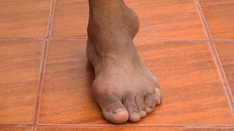
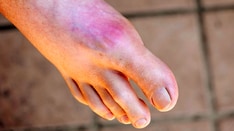
Background: Uric acid is the major end-product of purine metabolism. Uric acid is relatively insoluble in water, which leads to the formation of uric acid calculi. Hyperuricosuria is defined as urinary excretion of uric acid greater than 800 mg/d in men and greater than 750 mg/d in women. This may be due to either excess dietary intake of purine-rich foods or endogenous uric acid overproduction. Hyperuricosuria may be associated with hyperuricemia. In contrast, the term gouty diathesis describes the formation of urinary stones in patients with primary gout. These patients may be otherwise asymptomatic or may present with other manifestations of gout (eg, gouty arthritis).

Uric acid–related nephrolithiasis may involve pure calcium stones, uric acid stones, or a combination of both. Furthermore, uric acid stones may occur in patients with normal urinary and serum levels of uric acid. Unlike most other forms of urolithiasis, medical therapy is an integral part of management of uric acid stones. Therefore, an understanding of the pathophysiology of uric acid–related nephrolithiasis is important for a cost-effective treatment approach.

Pathophysiology: The urinary solubility of uric acid depends on its concentration in urine and the urinary pH. At a pH below 5.5, nearly 100% of uric acid exists in an undissociated form. The 3 mechanisms responsible for uric acid–related stone formation are (1) an acidic urinary milieu, (2) dehydration, and (3) hyperuricosuria. One or more of these factors may be found in patients with uric acid–related calculi. Persistently acidic urine (ie, pH <5.5) is the most important factor predisposing patients with gout to the formation of uric acid stones. Monosodium urate may initiate calcium oxalate stone formation by the induction of heterogeneous nucleation or by absorption of certain inhibitors. Patients with hyperuricosuric calcium stones have a urinary pH of greater than 5.5.

Frequency:

  • In the US: Uric acid stones account for 5-10% of urinary stones. Approximately 15-20% of patients with calcium stones have hyperuricosuria. Up to 20% of patients with gout develop uric acid stones.
  • Internationally: Other Western countries have a similar frequency of uric acid–related stones; however, the incidence varies in other countries and some geographic differences may exist. In Israel, for example, uric acid stones have been found in approximately 40% of individuals who form stones. Uric acid bladder stones are a common problem in children in rural Southeast Asia.

Mortality/Morbidity:

  • With appropriate diagnosis and treatment, most patients survive with minimal long-term morbidity. The prognosis of the familial and genetic forms is dependent on the primary disease and associated abnormalities.

Race:

  • A familial form of uric acid lithiasis, with an ethnic predilection for individuals of Jewish and Italian descent, has been described.

Sex:

  • Between 80-90% of patients with hyperuricosuric calcium nephrolithiasis are men, compared to approximately 70% of patients with calcium stones and not hyperuricosuria.
  • Gout is mainly a disorder of men, and only 5% of cases occur in women.
  • Uric acid stones occur more commonly in men than in women. Most uric acid stones are not associated with gout. Dehydration and urine acidity predispose patients to uric acid stones.

Age:

  • Hyperuricosuric calcium nephrolithiasis and gouty diathesis usually manifest in middle-aged individuals. In men, the peak age of onset of clinical gout is approximately 45 years.


  CLINICAL Section 3 of 11   Click here to go to the previous section in this topic Click here to go to the top of this page Click here to go to the next section in this topic
Author Information Introduction Clinical Differentials Workup Treatment Medication Follow-up Miscellaneous Pictures Bibliography

History:

  • Acute phase
    • Pain symptoms are discussed as follows:

      • Similar to patients with many other stone types, patients with uric acid–related urinary calculi may present with acute renal or ureteral colic.

      • A typical episode occurs suddenly during the night. The episode is abrupt and does not resolve with rest or change in position. In contrast to someone with an acute abdomen who is stationary, patients experiencing acute renal colic frequently move in unusual positions in an effort to relieve their severe pain.

      • Some patients may experience a gradual onset of pain, resulting in a dull chronic ache in the flank region. The location of pain varies depending on stone location and may shift from the flank to the anterior abdominal wall, groin, and, eventually, to the ipsilateral testicle or labia.

      • When the stone is lodged in the ureterovesical junction, patients frequently complain of marked urinary frequency and urgency.

      • The severity of pain is often inversely proportional to the size of the stone. Large renal staghorn calculi rarely result in acute renal colic, as is observed with smaller ureteral stones.

      • The degree and type of pain is not specific to any particular stone composition.
    • GI symptoms include the following:

      • Nausea and vomiting are frequently associated with urolithiasis.

      • Patients may complain of altered bowel habits, including diarrhea or constipation.
    • Urinary symptoms include the following:

      • When ureteral stones are near the bladder, patients often complain of dysuria, frequency, and urgency. Furthermore, gross hematuria may be observed. Eighty-five percent of patients present with either gross or microscopic hematuria.

      • Some patients may present with an associated urinary tract infection. Rare, severe, gas-forming infections may result in pneumaturia.

      • The vast majority of ureteral stones that pass into the bladder transit the urethra uneventfully. A ureteral stone passed into the bladder rarely causes urinary obstruction, ie, with patients complaining of an interrupted stream. Unlike our feline friends, in whom stones frequently become inspissated in the urethra, resulting in renal failure and/or death, stones rarely become obstructed in the human urethra.
  • Chronic phase
    • A history of gout and associated joint disease are important clues in discerning the etiology. The use of probenecid (a known uricosuric agent) in patients with gout may result in hyperuricosuria and an increased risk of uric acid stone formation. Uricosuric agents such as probenecid specifically increase urinary uric acid levels to help decrease hyperuricemia and reduce gout attacks. When they cause hyperuricosuria or uric acid calculi, alternate therapies for the hyperuricemia should be used.
    • Myeloproliferative disorders, especially in children, may result in hyperuricosuria and associated urinary stones. Furthermore, a massive increase in the endogenous purine pool due to tumor necrosis may result in severe hyperuricosuria, crystalluria, and acute urinary obstruction during chemotherapy for myeloproliferative disorders. In these patients, the rate of uric acid stone formation is approximately 40%, which is much higher compared to patients with gout.
    • Obtaining a dietary history is important to help elucidate iatrogenic causes of hyperuricosuria, including an excessive intake of purine-rich foods and excessive weight loss, which result in a catabolic state and increased uric acid production.
    • A hereditary form of hyperuricemia and hyperuricosuria is the Lesch-Nyhan syndrome, which may be associated with urinary calculi. These patients have a deficiency in the enzyme hypoxanthine-guanine phosphoribosyl-transferase. This enzyme catalyzes the salvage pathway of purines and is responsible for the conversion of hypoxanthine to inosinic acid and guanine to guanylic acid. If the enzyme is deficient, low levels of guanylic and inosinic acid occur with a subsequent increase in de novo purine synthesis because these nucleotides modulate purine synthesis by feedback inhibition.
    • Long-standing malaise and lethargy may be an associated symptom of urinary obstruction with or without infection.

Physical:

  • Costovertebral angle tenderness is common during acute renal colic. Abdominal distention and tenderness secondary to ileus may also be observed.
  • In cases with associated urinary tract infection, fever is commonly present.
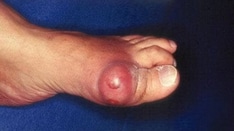
  • After resolution of the acute stone event, patients may be asymptomatic, or they may present with physical findings related to the underlying disease. For example, patients with gout may present with chronic joint changes (ie, tophi) due to gouty arthritis.

Causes: Hyperuricosuric calcium nephrolithiasis is characterized by calcium oxalate or calcium phosphate stones in patients with hyperuricosuria. The hyperuricosuria most commonly is due to excessive intake of a purine-rich diet; however, hyperuricosuria may be related to overproduction of uric acid in as many as 30% of these patients. This may represent a latent form of gout. In contrast to calcium-based stones, uric acid stones form in an acidic environment with a urinary pH that is always below 5.5. The solubility of uric acid depends on 3 factors: (1) urinary pH, (2) uric acid concentration, and (3) urinary volume. Based on these factors, the causes of uric acid stones can be categorized as follows:

  • Acidic urine
    • Gouty diathesis
    • Chronic diarrhea
    • Inflammatory bowel disease
    • Exercise/dehydration
    • Familial
  • Hyperuricosuria
    • Gouty diathesis
    • Excessive intake of a purine-rich diet
    • Inborn errors of metabolism

      • Hypoxanthine-guanine phosphoribosyl-transferase deficiency

      • Phosphoribosylpyrophosphate synthetase overactivity

      • Glucose-6-phosphatase synthetase deficiency
    • Myeloproliferative disorders

      • Leukemia

      • Hemolytic anemia

      • Neoplasia
    • Medications
    • Chemotherapy
  • Low urinary volume
    • GI disorders
    • Strenuous exercise/dehydration
  DIFFERENTIALS Section 4 of 11   Click here to go to the previous section in this topic Click here to go to the top of this page Click here to go to the next section in this topic
Author Information Introduction Clinical Differentials Workup Treatment Medication Follow-up Miscellaneous Pictures Bibliography

Abdominal Aortic Aneurysm
Acute Abdomen and Pregnancy
Appendicitis
Crohn Disease
Diverticulitis
Gastroenteritis, Bacterial
Gastroenteritis, Viral
Ileus
Inflammatory Bowel Disease
Pancreatitis, Acute
Pancreatitis, Chronic
Pelvic Inflammatory Disease
Salpingitis


Other Problems to be Considered:

Musculoskeletal disorders
Herniated disc
Renal artery embolism

Quick Find
Author Information
Introduction
Clinical
Differentials
Workup
Treatment
Medication
Follow-up
Miscellaneous
Pictures
Bibliography

Click for related images.

Related Articles
Abdominal Aortic Aneurysm

Acute Abdomen and Pregnancy

Appendicitis

Crohn Disease

Diverticulitis

Gastroenteritis, Bacterial

Gastroenteritis, Viral

Ileus

Inflammatory Bowel Disease

Pancreatitis, Acute

Pancreatitis, Chronic

Pelvic Inflammatory Disease

Salpingitis


Patient Education


  WORKUP Section 5 of 11   Click here to go to the previous section in this topic Click here to go to the top of this page Click here to go to the next section in this topic
Author Information Introduction Clinical Differentials Workup Treatment Medication Follow-up Miscellaneous Pictures Bibliography

Lab Studies:

  • Laboratory evaluation should include urinalysis and urine culture. In patients with known uric acid stones, urinary pH should be recorded using pH paper. Blood chemistry tests should include calcium, phosphorus, electrolyte, creatinine, uric acid, and parathormone levels.

Imaging Studies:

  • All patients with questionable urinary calculi should have a baseline radiologic evaluation, including a scout film (ie, kidneys, ureters, bladder [KUB]). The scout film is useful not only as a baseline for tracking radiopaque calculi, but also for establishing radiolucency of possible uric acid stones.
  • A recent study was able to convert CT ureteral stone dimensions to stone dimensions as seen on conventional KUB imaging and thus aid in directing therapeutic options of intervention versus conservative observation. A Web site can be accessed to help make this conversion (http://www.urocomp.com).
  • Intravenous urography (ie, intravenous pyelogram [IVP]) or renal ultrasonography may be useful. Contrast is used for IVP, which can make a uric acid stone appear as a filling defect, especially in the renal pelvis. Ultrasound is a very good tool for identifying and tracking uric acid calculi, especially in the renal pelvis, because their radiolucency does not affect ultrasound images. This modality is less useful for ureteral calculi.
  • A noncontrast CT scan is the imaging modality of choice for the differential diagnosis of urinary calculi. With noncontrast CT scans, uric acid calculi, despite being radiolucent on conventional radiographs, appear as bright-white images, as do other calculi. The average density readings of uric acid stones on CT scan images is substantially less than calcium-containing stones but is still well above the threshold of optical visualization as anything but a bright-white spot. In these cases, performing KUB imaging at the same time as the CT scan is essential to help indicate that the stone is relatively radiolucent and therefore likely to be composed of uric acid. If the stone is located in the kidney, ultrasound can be useful for tracking the progress or dissolution of the stone.
  • In rare circumstances (eg, patients with intravenous contrast allergy, unavailability of CT scan), retrograde pyelography may help to confirm the diagnosis.

Other Tests:

  • Perform a 24-hour urine collection for volume, pH, calcium, uric acid, oxalate, citrate, phosphorus, sodium, and creatinine analysis after the acute stone event has resolved. This test should help elucidate the metabolic abnormality associated with stone formation. The most common urinary abnormalities in patients with uric acid stones are persistently acidic urine (<5.5), low volume, and hyperuricosuria.
Staging:
  • Staghorn calculi are stones in the renal pelvis that extend into at least 2 calyceal groups. A complete staghorn calculus fills the entire renal collecting system.
  • Proximal ureteral calculi are stones in the ureter distal to the ureteropelvic junction and anterior to the superior edge of the sacroiliac joint.
  • Midureteral calculi are stones in the ureter that overlie the sacroiliac joint as seen on KUB images.
  • Distal ureteral calculi are stones in the ureter below the inferior margin of the sacroiliac joint down to the ureterovesical junction.
  TREATMENT Section 6 of 11   Click here to go to the previous section in this topic Click here to go to the top of this page Click here to go to the next section in this topic
Author Information Introduction Clinical Differentials Workup Treatment Medication Follow-up Miscellaneous Pictures Bibliography

Medical Care: In the acute phase, the primary goals are symptomatic relief with hydration for the euvolemic state and adequate pain management. When the acute stone episode has resolved, the cornerstones of medical treatment are urinary alkalinization (ie, pH 6.5-7.0), hydration (ie, urinary output 1500-2000 mL/d), and allopurinol (ie, patients with hyperuricosuric calcium nephrolithiasis) to decrease serum and urinary uric acid levels. The authors have observed impressive dissolution of large uric acid stones (staghorn) with oral alkalinization (see Images 1-2). These measures are effective for dissolving existing uric acid stones and for stone prophylaxis.

Surgical Care: In the acute phase, surgical intervention may be indicated to relieve urinary obstruction associated with infection or to relieve pain in patients who are not responding to medical treatment. Furthermore, a complete or high-grade ureteral obstruction may require intervention irrespective of the clinical symptoms. In all these circumstances, the urinary obstruction should be relieved. This may be achieved by retrograde insertion of a ureteral stent or a percutaneous nephrostomy tube.

  • Once the acute stone event has subsided, urinary alkalinization is the treatment of choice for dissolution of uric acid stones. Percutaneous or retrograde irrigation with alkalinizing agents was a common practice in the past. It was mainly used for dissolution of residual stone fragments after percutaneous or retrograde manipulations or for those patients who did not tolerate systemic alkalinization. The most commonly used solutions are sodium bicarbonate (pH 7.0-8.0), tromethamine (THAM, pH 8.6), and 0.3 M tromethamine E (THAM-E, pH 10.5). These procedures require prolonged hospitalization and are currently not cost-effective compared to modern endourological modalities.
  • Surgical intervention (eg, percutaneous nephrolithotomy) may be necessary for treating large uric acid stones that do not dissolve with medical management.
  • Hyperuricosuric calcium stones are not amenable to chemolysis; surgical intervention may be indicated based on stone size.
  • Extracorporeal shock wave lithotripsy (ESWL) is the primary mode of treatment for renal and proximal ureteral stones up to 2.5 cm in maximal diameter. Uric acid stones fragment easily with ESWL, and this modality may improve oral chemolysis by increasing the stone surface. Larger stones may require percutaneous nephrolithotripsy. Intravenous or retrograde contrast via ureteral catheters or double-J stents may be necessary for visualization of the uric acid calculi during ESWL.
  • Ureteroscopy and intracorporeal lithotripsy are the treatments of choice for most large or impacted distal ureteral stones. All intracorporeal lithotripsy modalities, such as electrohydraulic, ultrasonic, or laser, are effective for uric acid stone fragmentation.

Consultations:

  • Internal medicine specialist for gout
  • Oncologist for management of myeloproliferative disease

Diet: A diet with high fluid intake, low sodium intake, and moderate protein intake is recommended. Low sodium intake reduces sodium urinary excretion, which reduces monosodium urates that are catalysts for hyperuricosuric calcium nephrolithiasis. Additionally, decreased sodium intake reduces sodium urinary excretion, which reduces urinary calcium excretion.

Activity: An increased risk of developing a urinary stone is noted in individuals with sedentary and white-collar occupations; therefore, regular physical exercise may be beneficial for all persons who form stones. Physical activity may facilitate stone passage during acute renal colic.
  MEDICATION Section 7 of 11   Click here to go to the previous section in this topic Click here to go to the top of this page Click here to go to the next section in this topic
Author Information Introduction Clinical Differentials Workup Treatment Medication Follow-up Miscellaneous Pictures Bibliography

The goals of pharmacotherapy are to reduce morbidity and to prevent complications.

Drug Category: Urinary alkalinizing agents -- The most important medications used for the dissolution or prevention of uric acid urinary stones are alkalinizing agents (eg, potassium citrate) to increase the urinary pH to 6.5-7.0. Balanced citrate alkali (eg, potassium citrate) are the most commonly used medications (Urocit-K, Polycitra-K). Sodium and potassium bicarbonate are also used frequently. One disadvantage of sodium alkali is that the increased sodium and fluid load may be detrimental to patients with renal failure, liver failure, or congestive heart failure.

Alternatively, citrate supplementation may be given. Citrate inhibits calcium oxalate crystallization directly and by complexing with calcium in solution to reduce its concentration and availability. Potassium citrate is preferred over sodium citrate because it is not associated with a sodium load. Potassium citrate comes in a slow-release wax-based tablet, which may be seen as an intact tablet in the stool; however, the citrate has been absorbed. Patients should be warned that this may occur.

For patients who are not tolerant of or compliant with a frequent dosing schedule, a single evening dose may be quite beneficial to increase the urinary pH (alkaline tide) overnight.

Potassium citrate can also be given as a crystal preparation. The advantage of this preparation is that it forces patients to increase their fluid intake. Potassium citrate may be given in liquid preparations, with and without glucose additives. Finally, lemonade has been shown to increase urinary citrate levels and is an alternative or supplement to pharmacologic formulations.

The primary treatment for uric acid stones is urinary alkalinization. Surprisingly, it is not associated with hypocitraturia. Allopurinol should be added to the therapeutic regimen when associated hyperuricemia, hyperuricosuric calcium stone disease, intolerance of alkali, or continuing uric acid stone production is present despite alkalinization therapy. Initial dosing should be 300 mg/d.
Drug Name
Potassium citrate (Urocit-K, Polycitra-K) -- Available as tab, syr, and crystals. All forms should be taken with water or juice according to directions.
Adult Dose30-60 mEq/d PO in divided doses tid/qid with food
Pediatric Dose10-40 mEq/d PO in divided doses tid/qid with food
ContraindicationsDocumented hypersensitivity; severe renal impairment with oliguria/azotemia; hyperkalemia; untreated Addison disease; acute dehydration
InteractionsIncreased drug effect/toxicity with potassium-containing medications, potassium-sparing diuretics, ACE inhibitors, or cardiac glycosides could lead to toxicity; drugs that slow GI transit time (ie, anticholinergics) are expected to increase GI irritation by potassium salts
Pregnancy C - Safety for use during pregnancy has not been established.
PrecautionsFrequent monitoring of serum potassium concentration is recommended; caution in CHF, hypertension, edema, or any condition sensitive to sodium or potassium intake
Conversion of citrate to bicarbonate in the liver may be blocked in severe illness, shock, or hepatic failure
Associated with GI distress; bradycardia; hyperkalemia, metabolic alkalosis; neuromuscular and skeletal weakness; dyspnea
Drug Name
Potassium bicarbonate and potassium citrate (Effer-K, K-Ide, Klor-Con/EF, K-Lyte -- Needed for conduction of nerve impulses in heart, brain, and skeletal muscle. Helps maintain normal renal function. Plays role in contraction of cardiac, skeletal, and smooth muscles. All PO forms of potassium bicarbonate should be taken with adequate fluids according to directions.
Adult Dose50-100 mEq PO in divided tid/qid with meals
Pediatric Dose15-60 mEq PO in divided doses tid/qid with meals
ContraindicationsDocumented hypersensitivity; severe renal impairment with oliguria/azotemia; hyperkalemia; untreated Addison disease; acute dehydration
InteractionsIncreased drug effect/toxicity with potassium-containing medications, potassium-sparing diuretics, ACE inhibitors, or cardiac glycosides could lead to toxicity; drugs that slow GI transit time (ie, anticholinergics) are expected to increase GI irritation by potassium salts
Pregnancy C - Safety for use during pregnancy has not been established.
PrecautionsFrequent monitoring of serum potassium concentration is recommended; caution in CHF, hypertension, edema, or any condition sensitive to sodium or potassium intake
Associated with GI distress; bradycardia; hyperkalemia, metabolic alkalosis; neuromuscular and skeletal weakness; dyspnea
Drug Name
Sodium bicarbonate (Neut) -- Excellent urinary alkalinization agent. Dissociates to provide bicarbonate ion, which neutralizes hydrogen ion concentration and raises blood and urinary pH.
Adult Dose650 mg (7.6 mEq) PO tid
Pediatric DoseAdjust dose for weight
ContraindicationsDocumented hypersensitivity; alkalosis; hypernatremia; hypocalcemia; severe pulmonary edema; unknown abdominal pain
InteractionsDecreases serum levels/effect of chlorpropamide, lithium, methotrexate, salicylates, and tetracycline; increases serum levels/toxicity of amphetamine, ephedrine, flecainide, pseudoephedrine, quinidine, and quinine
Pregnancy C - Safety for use during pregnancy has not been established.
PrecautionsCaution in renal failure, CHF, and cirrhosis because of the sodium and fluid load; may increase urinary calcium and sodium excretion and may decrease urinary citrate, thereby promoting calcium stone formation
Drug Category: Antihyperuricemic agents -- In cases of hyperuricemia or significant hyperuricosuria, allopurinol is effective. This drug inhibits the conversion of hypoxanthine and xanthine to uric acid. In patients with hyperuricosuric calcium stones, treatment involves reducing the monosodium urate–induced calcium oxalate crystallization. This is accomplished by decreasing urinary uric acid excretion and limiting dietary sodium intake (<150 mEq/d). Patients should initially be treated with dietary purine and sodium restriction. In approximately 30% of patients, hyperuricosuria is due to uric acid overproduction and does not improve with dietary restriction. In this situation and for those patients intolerant of diet restriction, allopurinol is the medication of choice.
Drug Name
Allopurinol (Zyloprim) -- Inhibits xanthine oxidase, the enzyme that synthesizes uric acid from hypoxanthine. Reduces the synthesis of uric acid without disrupting the biosynthesis of vital purines.
Adult Dose300 mg PO qd
Pediatric Dose<6 years: 150 mg PO qd
6-10 years: 300 mg PO qd
ContraindicationsDocumented hypersensitivity
InteractionsAlcohol decreases effects; increases incidence of skin rash when used concurrently with ampicillin and amoxicillin; large amounts of vitamin C acidify urine and may cause kidney stone formation; inhibits metabolism of azathioprine and mercaptopurine, reduce dose to one third or one fourth of usual doses of these drugs
Pregnancy C - Safety for use during pregnancy has not been established.
PrecautionsNot for use in asymptomatic hyperuricemia; reduce dose in renal insufficiency; monitor liver function and perform CBC counts before initiating therapy and periodically thereafter
Increase in acute attacks of gout reported early in treatment; fluid intake sufficient to yield a daily urine output of 2 L is required to avoid possible formation of xanthine stones and to prevent precipitation of urates in patients receiving concomitant uricosuric agent; if skin rash occurs, discontinue medication and contact physician because of the possibility of toxic epidermal necrolysis
  FOLLOW-UP Section 8 of 11   Click here to go to the previous section in this topic Click here to go to the top of this page Click here to go to the next section in this topic
Author Information Introduction Clinical Differentials Workup Treatment Medication Follow-up Miscellaneous Pictures Bibliography

Further Outpatient Care:

Complications:

Prognosis:

Patient Education:

  MISCELLANEOUS Section 9 of 11   Click here to go to the previous section in this topic Click here to go to the top of this page Click here to go to the next section in this topic
Author Information Introduction Clinical Differentials Workup Treatment Medication Follow-up Miscellaneous Pictures Bibliography

Medical/Legal Pitfalls:

  • Uric acid stones are radiolucent, and a noncontrast CT scan may be required for correct diagnosis. A KUB study is also recommended to confirm that the stone visible on CT scan is indeed radiolucent and therefore likely to be composed of uric acid. Furthermore, a urinary pH level should be obtained prior to any treatment. In the case of highly acidic urine, medical treatment with urinary alkalinization should be the initial mode of treatment.
  PICTURES Section 10 of 11   Click here to go to the previous section in this topic Click here to go to the top of this page Click here to go to the next section in this topic
Author Information Introduction Clinical Differentials Workup Treatment Medication Follow-up Miscellaneous Pictures Bibliography

Caption: Picture 1. CT scan demonstrating right partial staghorn uric acid calculus. Uric acid stones appear dense on CT scan and radiolucent on kidneys, ureters, and bladder imaging (ie, KUB, not shown).
Click to see larger pictureClick to see detailView Full Size Image
Picture Type: CT
Caption: Picture 2. Follow-up CT scan of patient in Image 1 (ie, with partial staghorn uric acid calculus) 1 year later. This patient was treated with oral urinary alkalinization with sodium bicarbonate. Note only a small residual fragment is present (right image).

Click to see larger pictureClick to see detailView Full Size Image
Picture Type: CT
  BIBLIOGRAPHY Section 11 of 11   Click here to go to the previous section in this topic Click here to go to the top of this page
Author Information Introduction Clinical Differentials Workup Treatment Medication Follow-up Miscellaneous Pictures Bibliography

  • Asplin JR: Uric acid stones. Semin Nephrol 1996 Sep; 16(5): 412-24[Medline].
  • Bernardo NO, Smith AD: Chemolysis of urinary calculi. Urol Clin North Am 2000 May; 27(2): 355-65[Medline].
  • Coe FL, Kavalach AG: Hypercalciuria and hyperuricosuria in patients with calcium nephrolithiasis. N Engl J Med 1974 Dec 19; 291(25): 1344-50[Medline].
  • Low RK, Stoller ML: Uric acid-related nephrolithiasis. Urol Clin North Am 1997 Feb; 24(1): 135-48[Medline].
  • Moe OW, Abate N, Sakhaee K: Pathophysiology of uric acid nephrolithiasis. Endocrinol Metab Clin North Am 2002 Dec; 31(4): 895-914[Medline].
  • Pak CY: Etiology and treatment of urolithiasis. Am J Kidney Dis 1991 Dec; 18(6): 624-37[Medline].
  • Pak CY: Medical management of urinary stone disease. Nephron Clin Pract 2004; 98(2): c49-53[Medline].
  • Pak CY, Poindexter JR, Peterson RD, et al: Biochemical distinction between hyperuricosuric calcium urolithiasis and gouty diathesis. Urology 2002 Nov; 60(5): 789-94[Medline].
  • Shekarriz B, Stoller ML: Uric acid nephrolithiasis: current concepts and controversies. J Urol 2002 Oct; 168(4 Pt 1): 1307-14[Medline].
  • Steele TH: Hyperuricemic nephropathies. Nephron 1999; 81 Suppl 1: 45-9[Medline].
  • Stoller ML: Gout and stones or stones and gout? J Urol 1995 Nov; 154(5): 1670[Medline].

Hyperuricosuria and Gouty Diathesis excerpt