You are in: eMedicine Specialties >
Rheumatology > Systemic Rheumatic Disease
Antiphospholipid Syndrome
Article Last Updated: Aug 10, 2007
AUTHOR AND EDITOR INFORMATION
Section 1 of 12
Author: Elise Belilos, MD, Section Head of Rheumatology, Division of Rheumatology, Allergy and Immunology, Winthrop-University Hospital; Assistant Professor of Clinical Medicine, Department of Internal Medicine, State University of New York at Stony Brook
Elise Belilos is a member of the following medical societies: American College of Rheumatology and Arthritis Foundation
Coauthor(s):
Steven Carsons, MD, Chief, Division of Rheumatology, Allergy, and Immunology, Professor of Medicine, Department of Internal Medicine, Winthrop University Hospital, State University of New York at Stony Brook
Editors: Carlos J Lozada, MD, Director of Rheumatology Fellowship Program, Associate Professor, Department of Medicine, Division of Rheumatology and Immunology, Jackson Memorial Medical Center, University of Miami School of Medicine; Francisco Talavera, PharmD, PhD, Senior Pharmacy Editor, eMedicine; Lawrence H Brent, MD, Associate Professor of Medicine, Thomas Jefferson University; Chair, Program Director, Department of Medicine, Division of Rheumatology, Albert Einstein Medical Center; Alex J Mechaber, MD, FACP, Assistant Dean for Medical Curriculum, Associate Professor of Medicine, Division of General Internal Medicine, University of Miami Miller School of Medicine; Herbert S Diamond, MD, Professor of Medicine, Temple University School of Medicine; Chairman, Department of Internal Medicine, Western Pennsylvania Hospital
Author and Editor Disclosure
Synonyms and related keywords:
antiphospholipid syndrome, APS, primary APS, secondary APS, antiphospholipid antibody syndrome, aPL syndrome, catastrophic antiphospholipid syndrome, CAPS, anticardiolipin antibody syndrome, aCL syndrome, antiphosphatidylserine, lupus anticoagulant syndrome, LA syndrome, Hughes syndrome, Sneddon syndrome, SLE, systemic lupus erythematosus, rheumatic disease, arterial thrombosis, venous thrombosis, anticoagulation, lowmolecular-weight heparin, low molecular weight heparin, LMWH, unfractionated heparin, anticoagulation therapy, thrombosis, thrombosis prophylaxis, beta-2 glycoprotein I, apolipoprotein H
Background
Antiphospholipid syndrome (APS) is a disorder characterized by recurrent venous or arterial thrombosis and/or fetal losses associated with characteristic laboratory abnormalities, such as persistently elevated levels of antibodies directed against membrane anionic phospholipids (ie, anticardiolipin [aCL] antibody, antiphosphatidylserine) or their associated plasma proteins, predominantly beta-2 glycoprotein I (apolipoprotein H), or evidence of a circulating anticoagulant. Multiple terms for APS exist. Unfortunately, some synonyms can be confusing. Lupus anticoagulant (LA) syndrome, for example, is misleading because patients with APS may not necessarily have systemic lupus erythematosus (SLE) and LA is associated with thrombotic rather than hemorrhagic complications. In an attempt to avoid further confusion, APS is currently the preferred term for the clinical syndrome (as described below). APS can occur in patients without evidence of any definable associated disease or in association with SLE or another rheumatic or autoimmune disorder. Traditionally, this has been referred to as primary or secondary APS, respectively, although, currently, the preferred terminology is APS with or without associated rheumatic disease. Although antiphospholipid (aPL) antibodies are clinically linked to APS, whether they are involved in the pathogenesis or are an epiphenomenon is unclear. (Up to 5% of healthy individuals are known to have aPL antibodies.)
Pathophysiology
In APS, the homeostatic regulation of blood coagulation is altered; however, the mechanisms of thrombosis are not yet defined. One hypothesis postulates a defect in cellular apoptosis, which exposes membrane phospholipids to the binding of various plasma proteins, such as beta-2 glycoprotein I. Once bound, a phospholipid-protein complex is formed and a neoepitope is uncovered, which subsequently becomes the target of autoantibodies. Recent evidence suggests that oxidized beta-2 glycoprotein I is able to bind to and activate dendritic cells in a manner similar to activation triggered by Toll-like receptor 4 (TLR-4), which could amplify the production of autoantibodies.1 Other proposed mechanisms for the hypercoagulable effect of aPL antibodies, which may or may not depend on beta-2 glycoprotein I, include the following: - Production of antibodies against coagulation factors, including prothrombin, protein C, protein S, and annexins
- Activation of platelets to enhance endothelial adherence
- Activation of vascular endothelium, which, in turn, facilitates the binding of platelets and monocytes
- Reaction of antibodies to oxidized low-density lipoprotein, thus predisposing to atherosclerosis and myocardial infarction (MI)
Complement activation has been increasingly recognized as a possible significant role in the pathogenesis of APS. Emerging evidence from murine models suggests that APL-mediated complement activation may be a primary event in pregnancy loss.2 Clinically, the series of events that leads to hypercoagulability and recurrent thrombosis can affect virtually any organ system, including the following:
- Peripheral venous system (deep venous thrombosis [DVT])
- Central nervous system (cerebrovascular accident [CVA], sinus thrombosis)
- Hematologic (thrombocytopenia, hemolytic anemia)
- Obstetric (pregnancy loss, eclampsia)
- Pulmonary (pulmonary embolism [PE], pulmonary hypertension)
- Dermatologic (livedo reticularis, purpura, infarcts/ulceration)
- Cardiac (Libman-Sacks valvulopathy, MI)
- Ocular (amaurosis, retinal thrombosis)
- Adrenal (infarction/hemorrhage)
- Musculoskeletal (avascular necrosis of bone)
Frequency
United States
The actual frequency of APS in the general population is unknown. One to 5% of healthy individuals have aPL antibodies. aCL antibodies tend to be found more frequently in elderly persons; thus, positive titer results should be interpreted with caution in this population. aPL antibodies are found in approximately 30-40% of patients with SLE, but only about 10% have APS.3 Approximately half of APS cases are not associated with another rheumatic disease. In a study of 100 patients with confirmed venous thrombosis and no history of SLE, aCL antibodies were found in 24% and LA in 4%.
International
International frequency is probably similar to US frequency.
Mortality/Morbidity
- APS may contribute to an increased frequency of CVAs or MIs, especially in younger individuals. CVAs may develop secondary to in situ thrombosis or embolization that originates from the valvular lesions of Libman-Sacks (sterile) endocarditis, which may be seen in patients with APS. Cardiac valvular disease may be severe enough to require valve replacement. Recurrent pulmonary emboli or thrombosis can lead to life-threatening pulmonary hypertension.
- Catastrophic APS (CAPS) is a rare, serious, and often fatal manifestation (mortality rate of approximately 50%) characterized by multiorgan infarctions over a period of days to weeks.
- Late spontaneous fetal loss (second or third trimester) is common; however, it can occur at any time during pregnancy. Recurrent early fetal loss (<10 weeks’ gestation) is also possible.
Race
- No defined racial predominance for primary APS has been documented, although SLE is more common in African American and Hispanic populations.
Sex
- A female predominance has been documented, particularly for secondary APS. This parallels the association of APS with SLE and other connective-tissue diseases, which also have a female predominance.
Age
- APS is more common in young to middle-aged adults; however, it also manifests in children and elderly people. Disease onset has been reported in children as young as 8 months.
History
Antiphospholipid syndrome (APS) is a heterogenous disorder in terms of clinical manifestations and range of autoantibodies. In 2006, revised criteria for the diagnosis of APS were published in an international consensus statement.4 At least one clinical criterion and one laboratory criterion (discussed further in Lab Studies) must be present for a patient to be classified as having APS. - The clinical criteria are as follows:
- Vascular thrombosis
- One or more clinical episodes of arterial, venous, or small-vessel thrombosis in any tissue or organ confirmed by findings from imaging studies, Doppler studies, or histopathology (see Histologic Findings).
- Thrombosis may involve the cerebral vascular system, coronary arteries, pulmonary system (emboli or thromboses), arterial or venous system in the extremities, hepatic veins, renal veins, ocular arteries or veins, or adrenal glands. Investigation is warranted if a history of DVT, PE, acute ischemia, MI, or CVA (especially when recurrent) is present in a younger individual (males <55 y; females <65 y) or in the absence of other risk factors.
- Pregnancy morbidity
- One or more late-term (>10 weeks’ gestation) spontaneous abortions
- One or more premature births of a morphologically healthy neonate at or before 34 weeks’ gestation because of severe preeclampsia or eclampsia or severe placental insufficiency
- Three or more unexplained, consecutive, spontaneous abortions before 10 weeks’ gestation
- Laboratory criteria: Patients must have (1) medium to high levels of immunoglobulin G (IgG) or immunoglobulin M (IgM) anticardiolipin (aCL), (2) anti–beta-2 glycoprotein I, or (3) LA on at least 2 occasions at least 12 weeks apart. (See also Lab Studies.)
Other antiphospholipid (aPL)–associated clinical features recognized by the 2006 consensus statement but not included in the criteria include cardiac valve disease, livedo reticularis, thrombocytopenia, nephropathy, and neurologic manifestations. Thus, history of any of the following should raise the examiner's suspicion for APS: - Thrombosis (eg, DVT/PE, MI, transient ischemic attack [TIA], or CVA, especially if recurrent, at an earlier age, or in the absence of other known risk factors)
- Miscarriage (especially late trimester or recurrent) or premature birth
- History of heart murmur or cardiac valvular vegetations
- History of hematologic abnormalities, such as thrombocytopenia or hemolytic anemia
- History of nephropathy
- Nonthrombotic neurologic symptoms, such as migraine headaches, chorea, seizures, transverse myelitis, Guillain-Barré syndrome, or dementia (rare)
- Unexplained adrenal insufficiency
- Avascular necrosis of bone in the absence of other risk factors
- Pulmonary hypertension
Physical
- Cutaneous
- Livedo reticularis
- Superficial thrombophlebitis
- Leg ulcers
- Painful purpura
- Splinter hemorrhages
- Venous thrombosis
- Leg swelling (DVT)
- Ascites (Budd-Chiari syndrome)
- Tachypnea (PE)
- Peripheral edema (renal vein thrombosis)
- Abnormal funduscopic examination results (retinal vein thrombosis)
- Arterial thrombosis
- Abnormal neurologic examination results (eg, CVA)
- Digital ulcers
- Gangrene of distal extremities
- Signs of MI
- Heart murmur (frequently aortic) or mitral insufficiency (Libman-Sacks endocarditis)
- Abnormal funduscopic examination results (retinal artery occlusion)
Causes
APS is an autoimmune disorder of unknown cause. The search for possible triggers has uncovered a wide array of associated autoimmune or rheumatic diseases, infections, and drugs that are associated with the LA or aCL antibodies. These associations may ultimately provide a clue to the etiology of APS. A considerable percentage of persons with certain autoimmune or rheumatic diseases also have aPL antibodies. Note that these represent percentages of patients with aPL antibodies, rather than the clinical syndrome of APS. - Common autoimmune or rheumatic diseases and the percentage of affected patients with aPL antibodies
- SLE - 25-50%
- Sjögren syndrome - 42%
- Rheumatoid arthritis - 33%
- Autoimmune thrombocytopenic purpura - 30%
- Autoimmune hemolytic anemia - Unknown
- Psoriatic arthritis - 28%
- Systemic sclerosis - 25%
- Mixed connective-tissue disease - 22%
- Polymyalgia rheumatica or giant cell arteritis - 20%
- Behçet syndrome - 20%
- Infections
- Syphilis
- Hepatitis C infection
- HIV infection
- Human T-cell lymphotrophic virus type 1 infection
- Malaria
- Bacterial septicemia
- Drugs
- Cardiac - Procainamide, quinidine, propranolol, hydralazine
- Neuroleptic or psychiatric - Phenytoin, chlorpromazine
- Other - Interferon alfa, quinine, amoxicillin
- Genetic predisposition
- Familial association: Relatives of persons with known APS are more likely to have aPL antibodies. One study showed a 33% frequency.
- HLA associations: Recent studies have revealed an association between aCL antibody and groups of individuals who carry certain HLA genes, including DRw53, DR7 (mostly people of Hispanic origin), and DR4 (mostly whites).
Disseminated Intravascular Coagulation
Infective Endocarditis
Thrombotic Thrombocytopenic Purpura
Other Problems to be Considered
Hypercoagulable state - Malignancy, oral contraceptive use and hormone replacement therapy, homocystinemia, antithrombin III deficiency, protein C or S deficiency, factor V Leiden mutation, prothrombin A20210 mutation, antiprothrombin antibodies Atherosclerotic vascular disease, including multiple cholesterol emboli syndrome Systemic necrotizing vasculitis
Lab Studies
The hallmark result from laboratory tests that defines antiphospholipid syndrome (APS) is the presence of antiphospholipid (aPL) antibodies or abnormalities in phospholipid-dependent tests of coagulation. In addition to the clinical criteria listed in History, at least one of the following laboratory criteria is necessary for the classification of APS:
- Presence of LA in plasma on 2 or more occasions at least 12 weeks apart (see below)
- Presence of moderate to high levels of anticardiolipin (aCL) (IgG or IgM) in serum or plasma (ie, >40 IgG phospholipid units (GPL)/mL or IgM phospholipid units (MPL)/mL or >99th percentile) on 2 or more occasions at least 12 weeks apart
- Presence of moderate to high levels of anti–beta-2 glycoprotein I antibodies (IgG or IgM) in serum or plasma (>99th percentile) on 2 or more occasions at least 12 weeks apart
aCL antibodies react primarily to membrane phospholipids, such as cardiolipin and phosphatidylserine. Of the 3 known isotypes of aCL (ie, IgG, IgM, immunoglobulin A [IgA]), IgG correlates most strongly with thrombotic events. Cardiolipin is the dominant antigen used in most serologic tests for syphilis; consequently, these patients may have a false-positive test result for syphilis.
Recent literature suggests that an abnormal LA finding is the laboratory test result that confers the strongest risk for thrombosis.5 LA is directed against plasma coagulation molecules. In vitro, this interaction results in the paradoxical prolongation of clotting assays, such as activated partial thromboplastin time (aPTT), kaolin clotting time, and dilute Russell viper venom time (DRVVT). The presence of LA is confirmed by mixing normal platelet-poor plasma with the patient's plasma. If a clotting factor is deficient, the addition of normal plasma corrects the prolonged clotting time. If the clotting time does not normalize during mixing studies, an inhibitor is present; the absence of a specific clotting factor inhibitor confirms that a LA is present.
Patients with APS may have one or more abnormal results from these laboratory tests; the following laboratory tests should be considered in a patient suspected of having APS: - aCL antibodies (IgG, IgM)
- Anti–beta-2 glycoprotein I antibodies (IgG, IgM)
- Activated partial thromboplastin time (aPTT)
- LA tests such as DRVVT
- Serologic test for syphilis (false-positive result)
- CBC count (thrombocytopenia, hemolytic anemia)
Thrombocytopenia is fairly common in persons with APS (22% at presentation, 30% cumulatively) and is therefore associated with paradoxical thrombosis. However, patients with platelet counts of less than 50,000/µL may have an increased risk of bleeding. Hemolytic anemia has been well described in patients with APS and is associated with the presence of IgM aCL antibodies. A low antinuclear antibody level may be present and does not necessarily imply coexisting SLE.
Additional antibodies directed against phospholipid/phospholipid-protein complexes that may be useful in selected cases include the following: - IgA aCL
- IgA beta-2 glycoprotein I
- anti-phosphatidylserine antibodies
- anti-phosphatidylethanolamine antibodies
- anti-prothrombin antibodies
- antibodies against the phosphatidylserine-prothrombin complex
Imaging Studies
- Imaging studies are helpful for confirming a thrombotic event. A good example is the use of CT scanning or MRI of the brain (CVA), chest (PE), or abdomen (Budd-Chiari syndrome).
- Doppler ultrasound studies are recommended for possible detection of DVT.
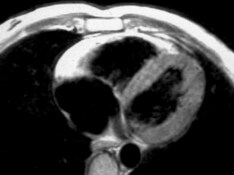
- Two-dimensional echocardiography findings may demonstrate asymptomatic valve thickening, vegetations, or valvular insufficiency; aortic or mitral insufficiency is the most common valvular defect found in persons with Libman-Sacks endocarditis.
Procedures
- Individualize appropriate procedures to evaluate specific thrombotic events.
Histologic Findings
Unlike inflammatory autoimmune diseases, histologic studies of skin or other involved tissue reveal a noninflammatory bland thrombosis with no signs of perivascular inflammation or leukocytoclastic vasculitis. Similarly, biopsy samples from affected kidneys demonstrate glomerular and small arterial microthrombi.
Medical Care
Patients with antiphospholipid syndrome (APS) may be evaluated in an outpatient setting. Inpatient evaluation is required if the patient presents with a significant clinical event. Patients with CAPS require intense observation and treatment, often in an intensive care unit. In general, treatment regimens for APS must be individualized according to the patient's current clinical status and history of thrombotic events. Asymptomatic individuals in whom blood test findings are positive do not require specific treatment. - Prophylactic therapy
- Eliminate other risk factors, such as oral contraceptives, smoking, hypertension, or hyperlipidemia.
- Low-dose aspirin is used widely in this setting; however, the effectiveness of low-dose aspirin as primary prevention for APS remains unproven. Clopidogrel has anecdotally been reported to be helpful in persons with APS and may be useful in patients allergic to aspirin.
- In patients with SLE, consider hydroxychloroquine, which may have intrinsic antithrombotic properties.
- Consider the use of statins, especially in patients with hyperlipidemia.
- Thrombosis
- Perform full anticoagulation with intravenous or subcutaneous heparin followed by warfarin therapy.
- Based on the most recent evidence, a reasonable target for the international normalized ratio (INR) is 2.0-3.0 for venous thrombosis and 3.0 for arterial thrombosis. Patients with recurrent thrombotic events, while well maintained on the above regimens, may require an INR of 3.0-4.0. For severe or refractory cases, a combination of warfarin and aspirin may be used. Treatment for significant thrombotic events in patients with APS is generally lifelong.
- Obstetric considerations
- Patients with pregnancy loss receive a prophylactic dose of subcutaneous heparin (preferably low–molecular-weight heparin [LMWH]) and low-dose aspirin. Therapy is withheld at the time of delivery and is restarted after delivery, continuing for 6-12 weeks postpartum. Most authors avoid warfarin (Coumadin) because it is contraindicated in pregnancy.
- Patients with a history of thrombosis receive therapeutic doses of heparin during pregnancy; long-term anticoagulation is then continued postpartum.
- Corticosteroids have not been proven effective for persons with primary APS, and they have been shown to increase maternal morbidity and fetal prematurity rates.
- Breastfeeding women may use heparin and warfarin.
- CAPS
- These patients generally are very ill, often with active SLE.
- Treatment with intensive anticoagulation, plasma exchange, and corticosteroids appears beneficial, but no controlled trials have been performed. Intravenous immunoglobulin may be of some benefit and cyclophosphamide may be considered in selected cases, especially in SLE-associated CAPS.
Surgical Care
Recurrent DVT may necessitate placement of an inferior vena cava filter.
Consultations
- Rheumatologist
- Hematologist
- Neurologist, cardiologist, pulmonologist, hepatologist, ophthalmologist (depending on clinical presentation)
- Obstetrician with experience in high-risk pregnancies
Diet
- If warfarin therapy is instituted, instruct the patient to avoid excessive consumption of foods that contain vitamin K.
Activity
- No specific limitations on activity are necessary.
- Individualize the activity according to the clinical setting.
- Instruct the patient to avoid sports with excessive contact if taking warfarin.
- Limit activity in patients with acute DVT.
- Instruct the patient to avoid prolonged immobilization.
Therapeutic agents are based on anticoagulant properties, and benefits are weighed carefully against their significant risks. Life-long treatment with warfarin (see Treatment) is standard for recurrent thrombotic events. For obstetric patients with antiphospholipid syndrome (APS) (see Obstetric considerations), the standard therapy is subcutaneous LMWH and low-dose aspirin. Heparin therapy may be administered in several regimens, as follows:
- Thrombotic events are initially treated with intravenous infusion of unfractionated heparin or therapeutic doses of LMWH.
- Subcutaneous LMWH (enoxaparin [Lovenox]) may also be used for obstetric or thrombosis prophylaxis. Lower doses (20-40 mg/d SC) are used to prevent fetal loss, while higher doses (1 mg/kg q12h or 1.5 mg/kg/d) are used for thrombosis prophylaxis in patients (pregnant or nonpregnant) who have had prior thrombotic events.
Patients who require heparin administration throughout pregnancy should receive calcium and vitamin D supplementation to help avoid heparin-induced osteoporosis. When monitoring heparin therapy, note that the aPTT may be unreliable in the presence of circulating LA with a baseline elevated aPTT. In this case, factor Xa may be helpful.
The antithrombotic properties of hydroxychloroquine have long been recognized and may be considered in the prophylactic treatment of a patient with SLE and a positive antiphospholipid (aPL) antibody test result. Case reports suggest that clopidogrel may be effective because of its antiplatelet effect. Recently, statins have been suggested to have potential antithrombotic effects. In addition to full anticoagulation, plasma exchange and corticosteroids are generally used in the treatment of CAPS. Intravenous immunoglobulin or cyclophosphamide may also be considered in selected patients with CAPS.
Drug Category: Anticoagulants
Standard therapy for thrombosis commonly consists of intravenous heparin followed by warfarin. Treatment of a pregnant patient with a history of recurrent fetal loss is controversial but generally includes subcutaneous heparin and aspirin.
| Drug Name | Warfarin (Coumadin) |
| Description | Interferes with hepatic synthesis of vitamin K–dependent coagulation factors. Long-term warfarin is DOC for APS in patients with recurrent thrombotic events. Titrated dose suggested to maintain INR in therapeutic range (see above). |
| Adult Dose | Individualized to achieve target INR |
| Pediatric Dose | Individualized to achieve target INR |
| Contraindications | Documented hypersensitivity; active bleeding or hemorrhage; malignant hypertension; severe liver or kidney disease; pregnancy; neurologic, ophthalmologic, or traumatic surgery |
| Interactions | Drugs that may decrease anticoagulant effects include griseofulvin, carbamazepine, glutethimide, estrogens, nafcillin, phenytoin, rifampin, barbiturates, cholestyramine, colestipol, vitamin K, spironolactone, oral contraceptives, and sucralfate Drugs that may increase anticoagulant effects include oral antibiotics, sulfonamides, chloral hydrate, clofibrate, diazoxide, anabolic steroids, ketoconazole, ethacrynic acid, miconazole, nalidixic acid, sulfonylureas, allopurinol, chloramphenicol, cimetidine, disulfiram, metronidazole, phenylbutazone, phenytoin, propoxyphene, gemfibrozil, and acetaminophen Drugs that may enhance bleeding diathesis when coadministered include aspirin, most NSAIDs (eg, ibuprofen, indomethacin, naproxen), ticlopidine, and clopidogrel |
| Pregnancy | X - Contraindicated; benefit does not outweigh risk
|
| Precautions | Monitor PT and INR; hepatic or renal insufficiency; elderly or debilitated patients or those prone to falls; do not switch brands after achieving therapeutic response; caution in active tuberculosis or diabetes; patients with protein C or S deficiency are at risk of developing skin necrosis |
| Drug Name | Enoxaparin (Lovenox) |
| Description | LMWH. Most experience; other LMWH preparations available. |
| Adult Dose | Low dose: 20-40 mg/d SC High (adjusted dose): 1 mg/kg SC bid; alternatively, 1.5 mg/kg SC qd See above |
| Pediatric Dose | Not established |
| Contraindications | Documented hypersensitivity; major bleeding; thrombocytopenia (see information for heparin) |
| Interactions | Drugs that inhibit platelet activation (eg, aspirin, NSAIDs, dipyridamole, sulfinpyrazone, ticlopidine, clopidogrel) may increase risk of bleeding |
| Pregnancy | B - Fetal risk not confirmed in studies in humans but has been shown in some studies in animals
|
| Precautions | Monitor platelets, hematocrit, and stool for occult blood; active or recent GI bleed or hemorrhagic CVA; severe hypertension; recent brain, spinal, or eye surgery; heparin-induced thrombocytopenia; heparin-induced osteoporosis; elderly or debilitated patients |
| Drug Name | Unfractionated heparin |
| Description | Used in inpatient settings as continuous infusion during conversion to warfarin therapy until a therapeutic INR is achieved. May be administered SC as substitute for warfarin during attempted pregnancy or for temporary anticoagulation during warfarin loading in outpatient setting. |
| Adult Dose | SC: 5000-10,000 U q12h IV standard dosing Initial: 5000 U Maintenance: 1000-2000 U/h Weight-based dosing Initial: 80 U/kg IV Maintenance: 18 U/kg/h IV IV: Titrate infusion to aPTT; aPTT of 2-times baseline is considered therapeutic (if baseline is within reference range) |
| Pediatric Dose | Use weight-based dosing as described for adults |
| Contraindications | Severe thrombocytopenia; uncontrollable active bleeding; when monitoring is not possible; documented hypersensitivity; subacute bacterial endocarditis; history of heparin-induced thrombocytopenia |
| Interactions | Digoxin, nicotine, tetracycline, and antihistamines may decrease effects; aspirin, NSAIDs, ticlopidine, clopidogrel dextran, dipyridamole, sulfinpyrazone, and hydroxychloroquine may increase toxicity |
| Pregnancy | C - Fetal risk revealed in studies in animals but not established or not studies in humans; may use if benefits outweigh risk to fetus
|
| Precautions | Monitor platelets, hematocrit, and stool for occult blood; active or recent GI bleed or hemorrhagic CVA; severe hypertension; recent brain, spinal, or eye surgery; heparin resistance; heparin-induced osteoporosis; in neonates, preservative-free heparin is recommended to avoid possible toxicity (gasping syndrome) from benzyl alcohol, which is used as preservative; caution in severe hypotension, shock, or elderly or debilitated patients |
| Drug Name | Aspirin (Anacin 81, Ascriptin, Bayer Aspirin) |
| Description | Although not proven effective when used alone, most clinicians use aspirin with SC heparin in pregnant patients with APS. Begin aspirin as soon as conception is attempted. |
| Adult Dose | 81 mg PO qd |
| Pediatric Dose | Not established |
| Contraindications | Documented hypersensitivity; liver damage; hypoprothrombinemia; vitamin K deficiency; bleeding disorders; aspirin-sensitive asthma; because of association of aspirin with Reye syndrome, do not use in children (<16 y) with influenza or varicella infections |
| Interactions | Effects may decrease with antacids and urinary alkalinizers; additive hypoprothrombinemic effects and increased bleeding time may occur with coadministration of anticoagulants; may antagonize uricosuric effects of probenecid and increase toxicity of phenytoin and valproic acid; doses >2 g/d may potentiate glucose-lowering effect of sulfonylurea drugs |
| Pregnancy | C - Fetal risk revealed in studies in animals but not established or not studies in humans; may use if benefits outweigh risk to fetus
|
| Precautions | May cause transient decrease in renal function and aggravate chronic kidney disease; avoid use in patients with severe anemia, in those with a history of blood coagulation defects, or those taking anticoagulants |
Drug Category: Antimalarials
As prophylactic therapy, these agents may have an additional anticoagulant effect in patients with SLE.
| Drug Name | Hydroxychloroquine (Plaquenil) |
| Description | Most common antimalarial used in APS, mostly because of excellent safety profile. |
| Adult Dose | 6-7 mg/kg/d; usually 200-400 mg/d PO qd or divided doses |
| Pediatric Dose | 6-7 mg/kg/d PO |
| Contraindications | Documented hypersensitivity; retinal and visual-field changes attributable to 4-aminoquinolones |
| Interactions | Hepatotoxic or dermotoxic drugs may increase toxicity; serum levels increase with cimetidine; choline magnesium trisalicylate may decrease absorption |
| Pregnancy | C - Fetal risk revealed in studies in animals but not established or not studies in humans; may use if benefits outweigh risk to fetus
|
| Precautions | Perform periodic ophthalmologic examinations (q6-12mo); hepatic disease, G-6-PD deficiency, psoriasis, and porphyria |
Drug Category: Immunosuppressive agents
Consider immunosuppressive agents in select cases (eg, refractory APS, CAPS).
| Drug Name | Cyclophosphamide (Cytoxan, Neosar) |
| Description | Chemically related to nitrogen mustards. As an alkylating agent, mechanism of action of active metabolites may involve cross-linking of DNA, which may interfere with growth of normal and neoplastic cells. Has not been shown to be effective in APS. |
| Adult Dose | 0.5-1 g/m2 IVPB single dose 2-3 mg/kg/d PO single morning dose |
| Pediatric Dose | Dosing by weight; administer as in adults |
| Contraindications | Documented hypersensitivity; infection; severely depressed bone marrow function; severe cytopenias |
| Interactions | Allopurinol may increase risk of bleeding or infection and enhance myelosuppressive effects; may potentiate doxorubicin-induced cardiotoxicity; may reduce digoxin serum levels and antimicrobial effects of quinolones; chloramphenicol may increase half-life while decreasing metabolite concentrations; may increase effect of anticoagulants; coadministration with high doses of phenobarbital may increase rate of metabolism and leukopenic activity; thiazide diuretics may prolong cyclophosphamide-induced leukopenia and neuromuscular blockade by inhibiting cholinesterase activity |
| Pregnancy | D - Fetal risk shown in humans; use only if benefits outweigh risk to fetus
|
| Precautions | Leukopenia and thrombocytopenia; monitor CBC and platelet counts and perform urinalysis q1-2wk with any change in dosing; perform urinalysis with cytology q6-12mo after cessation of drug (especially with PO regimen) |
Drug Category: Corticosteroids
In selected cases with specific nonthrombotic autoimmune manifestations (eg, clinically significant thrombocytopenia), corticosteroids may be considered.
| Drug Name | Prednisone (Deltasone, Orasone, Sterapred) |
| Description | Immunosuppressant for treatment of autoimmune disorders. May decrease inflammation by reversing increased capillary permeability and suppressing PMN activity. Useful in treating cytopenias. |
| Adult Dose | Individualize dosing depending on clinical setting and specific manifestation being treated |
| Pediatric Dose | Individualize dose as in adults; high dose is 1-2 mg/kg/d PO |
| Contraindications | Documented hypersensitivity; no absolute contraindications; use caution in severe bacterial, viral, or fungal infection; active peptic ulcer disease; uncontrolled diabetes mellitus |
| Interactions | May cause water and salt retention, exacerbating hypertension and increasing requirement for antihypertensive drugs in patients with hypertension; may aggravate hyperglycemia, increasing requirement for hypoglycemic agents in patients with diabetes; metabolism may be increased by drugs that induce hepatic microsomal enzymes, including phenytoin, phenobarbital, carbamazepine, and rifampin, thus increasing corticosteroid requirements |
| Pregnancy | B - Fetal risk not confirmed in studies in humans but has been shown in some studies in animals
|
| Precautions | Toxicities include weight gain, dyspepsia, mood changes, infection, peptic ulcer disease, hypertension, diabetes mellitus, osteoporosis, avascular necrosis, cataracts, glaucoma, myopathy, and skin changes; growth retardation in children; abrupt discontinuation may result in adrenal crisis |
Drug Category: Immunomodulatory therapy agents
These agents interfere with processes that promote immune reactions resulting from diverse stimuli.
| Drug Name | Intravenous immune globulins, 5% (Gammagard, Gamimune) |
| Description | Following features may be relevant to efficacy: neutralization of circulating myelin antibodies through antiidiotypic antibodies, down-regulation of proinflammatory cytokines (including IFN-gamma), blockade of Fc receptors on macrophages, suppression of helper/inducer T and B cells and augmentation of suppressor T cells, blockade of the complement cascade, promotion of remyelination, and 10% increase in CSF IgG. May be effective in APS. |
| Adult Dose | 400 mg/kg/d IV for 5 d; alternatively, 1000 mg/kg/d for 1-2 consecutive days |
| Pediatric Dose | Administer as in adults |
| Contraindications | Documented hypersensitivity; IgA deficiency; anti-IgE/IgG antibodies |
| Interactions | Live viral vaccines (MMR) |
| Pregnancy | C - Fetal risk revealed in studies in animals but not established or not studies in humans; may use if benefits outweigh risk to fetus
|
| Precautions | Caution in IgA-deficient patients, may have severe reactions; check serum IgA levels prior to use; may increase serum viscosity and thromboembolic events; adverse effects may include migraine attacks, 10% increased risk of aseptic meningitis, and increased risk of urticaria or pruritus or petechiae 2-5 d postinfusion (may last as long as 1 mo); increased risk of renal tubular necrosis in patients who are older, have diabetes, are volume depleted, or have preexisting kidney disease; can lead to changes in laboratory values (eg, elevated antiviral or antibacterial antibody titers for 1 mo, 6-fold increased ESR for 2-3 wk, apparent hyponatremia) |
Further Inpatient Care
- Intensive observation is warranted for patients with CAPS.
Further Outpatient Care
- Carefully monitor medication doses and the INR if applicable.
- Closely observe the patient for clinical events.
- Ensure the care of any underlying connective-tissue disease.
In/Out Patient Meds
- The suggested medications include heparin, warfarin, aspirin, and, in selected cases, hydroxychloroquine, intravenous immunoglobulin, and corticosteroids.
- Corticosteroids are rarely used for the treatment of recurrent fetal loss because of the increased risk of maternal morbidity. Generally, the use of corticosteroids is reserved for specific nonthrombotic manifestations, such as associated thrombocytopenia, autoimmune hemolytic anemia, or the treatment of an underlying connective-tissue disease.
- Prescribe antihypertensive drugs when necessary.
- Administer antihyperlipidemic agents including statins when appropriate.
Transfer
- When treating seriously ill patients with CAPS, transfer the patient to a setting where plasma exchange can be performed or where intravenous immunoglobulin or cyclophosphamide can be administered if needed.
Deterrence/Prevention
- Instruct the patient to avoid smoking.
- Inform the patient to avoid oral contraceptives or estrogen replacement therapy.
- Ensure that the patient avoids any prolonged immobilization.
Complications
- Permanent functional disability can occur at a relatively young age. This may include the following:
- Cardiovascular accident
- MI
- Pulmonary hypertension
- Renal failure
- Death
Prognosis
- With appropriate medication and lifestyle modifications, most individuals with primary antiphospholipid syndrome (APS) lead normal healthy lives. However, subsets of patients continue to have thrombotic events despite aggressive therapies. In these patients and in patients with CAPS, the disease course can be devastating, often leading to significant morbidity or early death.
- Patients with secondary APS carry a similar prognosis; however, morbidity and mortality may also be influenced by these patients' underlying autoimmune or rheumatic condition. In patients with SLE and APS, antiphospholipid (aPL) antibodies have been associated with neuropsychiatric disease and have been recognized as a major predictor of irreversible organ damage.
- Women with aPL antibodies who experience recurrent miscarriages may have favorable prognoses in subsequent pregnancies if treated with aspirin and heparin.
Patient Education
- Stress the importance of early recognition of a possible clinical event.
- Educate the patient about anticoagulation therapy.
- Discuss the importance of planned pregnancies so that long-term warfarin can be switched to aspirin and heparin before pregnancy is attempted.
- For excellent patient education resources, visit eMedicine's Circulatory Problems Center. Also, see eMedicine's patient education article Blood Clot in the Legs.
Medical/Legal Pitfalls
- Failure to recognize antiphospholipid syndrome (APS) when suggested by history or clinical examination findings, especially thrombosis in a relatively young individual
- Failure to warn female patients about potential complications with pregnancy
- Failure to discourage continuation of oral contraceptives or other estrogen preparations
Special Concerns
- No specific treatment is required in a patient with antibodies or other laboratory evidence of APS who lacks the clinical manifestations of APS.
The authors gratefully acknowledge the contributions of Amiel Tokayer, MD.
| Media file 2:
Antiphospholipid syndrome. Arterial thrombosis resulting in ischemia and necrosis of the foot. |

 | View Full Size Image | |
Media type: Photo
|
- Giannakopoulos B, Passam F, Rahgozar S, Krilis SA. Current concepts on the pathogenesis of the antiphospholipid syndrome. Blood. Jan 15 2007;109(2):422-30. [Medline].
- Girardi G, Redecha P, Salmon JE. Heparin prevents antiphospholipid antibody-induced fetal loss by inhibiting complement activation. Nat Med. Nov 2004;10(11):1222-6. [Medline].
- Lockshin MD. Update on antiphospholipid syndrome. Bull NYU Hosp Jt Dis. 2006;64(1-2):57-9. [Medline].
- Miyakis S, Lockshin MD, Atsumi T, Branch DW, Brey RL, Cervera R. International consensus statement on an update of the classification criteria for definite antiphospholipid syndrome (APS). J Thromb Haemost. Feb 2006;4(2):295-306. [Medline].
- Galli M, Luciani D, Bertolini G. Lupus anticoagulants are stronger risk factors for thrombosis than anticardiolipin antibodies in the antiphospholipid syndrome: a systematic review of the literature. Blood. 2003;101(5):1827-1832. [Medline].
- Asherson RA, Cervera R, Piette JC, et al. Catastrophic antiphospholipid syndrome: clues to the pathogenesis from a series of 80 patients. Medicine (Baltimore). Nov. 2001;80(6):355-377. [Medline].
- Cervera R, Piette JC, Fornt J. Antiphospholipid syndrome: clinical and immunologic manifestations and patterns of disease expression in a cohort of 1,000 patients. Arthritis Rheum. 2002;46(4):1019-1027. [Medline].
- Derksen RH, Khamashta MA, Branch DW. Management of the obstetric antiphospholipid syndrome. Arthritis Rheum. Apr 2004;50(4):1028-39. [Medline].
- Erkan D, Lockshin MD. New treatments for antiphospholipid syndrome. Rheum Dis Clin North Am. Feb 2006;32(1):129-48, x. [Medline].
- Fessler BJ. Thrombotic syndromes and autoimmune diseases. Rheum Dis Clin North Am. May 1997;23(2):461-79. [Medline].
- Galli M. Non beta 2-glycoprotein I cofactors for antiphospholipid antibodies. Lupus. Oct 1996;5(5):388-92. [Medline].
- Goldberg SN, Conti-Kelly AM, Greco TP. A family study of anticardiolipin antibodies and associated clinical conditions. Am J Med. Nov 1995;99(5):473-9. [Medline].
- Harris EN. Antiphospholipid syndrome. In: Klippel JH, Dieppe PA, eds. Rheumatology. 2nd ed. London, UK: Mosby; 1998:7.35.1-7.35.6.
- Hojnik M, George J, Ziporen L, Shoenfeld Y. Heart valve involvement (Libman-Sacks endocarditis) in the antiphospholipid syndrome. Circulation. Apr 15 1996;93(8):1579-87. [Medline].
- Lim W, Crowther MA, Eikelboom JW. Management of antiphospholipid antibody syndrome: a systematic review. JAMA. Mar 1 2006;295(9):1050-7. [Medline].
- Lockshin M. Antiphospholipid antibody syndrome. In: Kelley WR, Harris ED, Budd RC, Genovese MC, Firestein GS, Sergent JS, Sledge CB, Ruddy S, eds. Kelley's Textbook of Rheumatology. 7th. Philadelphia: WB Saunders; 1248-57.
- McNeil HP, Chesterman CN, Krilis SA. Immunology and clinical importance of antiphospholipid antibodies. Adv Immunol. 1991;49:193-280. [Medline].
- Pittoni V, Isenberg D. Apoptosis and antiphospholipid antibodies. Semin Arthritis Rheum. Dec 1998;28(3):163-78. [Medline].
- Ravelli A, Martini A. Antiphospholipid antibody syndrome in pediatric patients. Rheum Dis Clin North Am. Aug 1997;23(3):657-76. [Medline].
- Rosove MH, Brewer PM. Antiphospholipid thrombosis: clinical course after the first thrombotic event in 70 patients. Ann Intern Med. Aug 15 1992;117(4):303-8. [Medline].
- Ruiz-Irastorza G, Egurbide MV, Aguirre C. High impact of antiphospholipid syndrome on irreversible organ damage and survival of patients with systemic lupus erythematosus. Arch Intern Med. 2004;164(1):77-82. [Medline].
- Salmon JE, Girrardi G. The role of complement in the antiphospholipid syndrome. Curr Dir Autoimmun. 2004;7:133-148. [Medline].
- Sanna G, Bertolaccini ML, Cuadrado MJ. Neuropsychiatric manifestations in systemic lupus erythematosus: prevalence and association with antiphospholipid antibodies. J Rheumatol. 2003;30(5):985-992. [Medline].
- Sebastiani GD, Galeazzi M, Morozzi G, Marcolongo R. The immunogenetics of the antiphospholipid syndrome, anticardiolipin antibodies, and lupus anticoagulant. Semin Arthritis Rheum. Jun 1996;25(6):414-20. [Medline].
- Simantov R, LaSala JM, Lo SK, et al. Activation of cultured vascular endothelial cells by antiphospholipid antibodies. J Clin Invest. Nov 1995;96(5):2211-9. [Medline].
- Wallace DJ. The use of chloroquine and hydroxychloroquine for non-infectious conditions other than rheumatoid arthritis or lupus: a critical review. Lupus. Jun 1996;5 Suppl 1:S59-64. [Medline].
- Zanon E, Saggiorato G, Ramon R. Anti-prothrombin antibodies as a potential risk factor of recurrent venous thromboembolism. Thromb Haemost. 2004;91(2):255-8. [Medline].
Antiphospholipid Syndrome excerpt Article Last Updated: Aug 10, 2007
|