Background
Surgery for subarachnoid hemorrhage (SAH) is used to prevent the extravasation of blood into the subarachnoid space between the pial and arachnoid membranes, which has a detrimental effect on both local and global brain function and leads to high morbidity and mortality. Other than trauma, the most common cause of SAH is an intracranial aneurysm; therefore, the procedures discussed will focus primarily on treating aneurysmal SAH (aSAH).
An estimated 15-30% of patients with aSAH die before reaching the hospital, and approximately 25% of patients die within 24 hours, with or without medical attention. Mortality at the end of 1 week approaches 40%. Half of all patients die in the first 6 months, and only half of the patients who make it to the hospital return to their previous level of functioning.
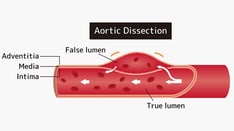
SAH accounts for half of all spontaneous atraumatic intracranial hemorrhages (usually as the result of aneurysmal or arteriovenous malformation [AVM] leakage or rupture), with the other half consisting of bleeding that occurs within the brain parenchyma. Intracranial arterial dissection, though rare overall, may give rise to SAH as a complication. [1]
Ancient Greek, Egyptian, and Arabic literature all have references to intracranial aneurysms, but the first successful treatment was reported in the early 19th century. However, such positive outcomes did not become routine until the advent of modern neurosurgical techniques.
Walter Dandy performed the first successful clipping of an aneurysm in 1937, using a vascular clip designed by Harvey Cushing. [2] In the following years, advancements in microneurosurgical techniques, including the operating microscope, microsurgical instruments, better anesthesia, and improved management of SAH complications, led to significant improvements in surgical outcomes.
Endovascular therapy for the treatment of intracranial aneurysms was pioneered in the mid-1970s by Serbinenko at the Moscow Institute of Neurosurgery. This initial approach, which attempted to achieve parent vessel occlusion using latex balloons, was moderately successful in a limited subset of cases; however, it never gained widespread applicability. Other balloon devices, including detachable silicon and latex balloons, were subsequently developed in the United States, Europe, and Japan. The success of balloon embolization has been tempered by the associated complications of deflation and aneurysmal rupture.
In 1990, Guglielmi et al at the UCLA (University of California, Los Angeles) Medical Center developed the Guglielmi detachable coil (GDC), a radiopaque platinum coil that is delivered through a microcatheter into an aneurysm, which then is detached by electrolysis. The GDC system is approved by the US Food and Drug Administration (FDA) for treatment of aneurysms that have the potential for high surgical morbidity and mortality. In Europe, GDCs have been used as a first-line intervention in lieu of surgical treatment for patients without contraindications for endovascular therapy. Endovascular coiling has become first-line treatment for aneurysms at most US centers.
Controversy remains regarding the question of which aneurysms are appropriate for surgical or endovascular treatment; rigorous studies coupled with additional clinical experience will help with the formation of guidelines. Some aneurysms may require a combined approach.
Although detachable coil therapy is, to date, the most promising development in the realm of endovascular methodologies for SAH, it is almost certain that approaches will be developed that are even safer and more efficacious in occluding aneurysms. The future of SAH management most likely will revolve around the continuing development and refinement of minimally invasive endovascular techniques.
See also Subarachnoid Hemorrhage, Emergent Management of Subarachnoid Hemorrhage, Arteriovenous Malformation, Cerebral Aneurysms, and Cerebral Vasospasm After Subarachnoid Hemorrhage.

Anatomy
Rupture of "berry," or saccular, aneurysms of branch points of the basal vessels of the brain accounts for more than three quarters of nontraumatic SAH cases.
Circle of Willis
Most aneurysms occur at bifurcations of the intracranial arteries, and the location with the most branch points is the circle of Willis. The circle of Willis is in close proximity to the ventral surface of the brain in the suprasellar cistern and is adjacent to the optic nerves and tracts. It extends from the superior border of the pons to the longitudinal fissure between the cerebral hemispheres.
The circle of Willis is an anastomotic circle of the important arteries that supply the brain from the heart: the two vertebral arteries and the two internal carotid arteries in the neck. It can be divided into anterior and posterior sections.
Anterior portion
The anterior portion of the circle of Willis consists of the internal carotid arteries, the posterior communicating artery, the proximal middle cerebral artery, the anterior cerebral artery, and the anterior communicating artery, as follows:
-
The right common carotid artery originates from the brachiocephalic trunk, the first branch of the aorta, and gives rise to the right internal carotid artery
-
The left common carotid artery, the second branch of the aorta, branches into the left internal carotid artery
-
The cerebral portion of the internal carotid artery gives off its first anastomotic branch, the posterior communicating artery, shortly after it enters the head; it then divides into the anterior and middle cerebral arteries at the medial end of the lateral sulcus
-
The anterior communicating artery is a short segment that connects the two anterior cerebral arteries and forms the anterior border of the circle of Willis
Posterior portion
The posterior segment of the circle of Willis consists of the basilar apex and the proximal portions of the posterior cerebral arteries and the paired posterior communicating arteries, as follows:
-
The basilar artery is formed by the union of the two vertebral arteries, each of which begins as a branch of the first part of the subclavian artery and runs through bony foramina in the cervical spine
-
The two posterior cerebral arteries arise from the terminal bifurcation of the basilar artery
-
The posterior communicating arteries connect the internal carotid and the posterior cerebral arteries and form the posterior-lateral borders of the circle of Willis
Location of aneurysm rupture
Approximately 85% of saccular aneurysms occur in the anterior circulation. The most common sites of rupture are as follows:
-
The internal carotid artery, including the posterior communicating junction (30-40%)
-
The anterior communicating artery/anterior cerebral artery (30-40%)
-
The middle cerebral artery (20%)
-
The vertebral-basilar arteries (4-10%)
-
Other arteries, such as pericallosal and anterior choroidal (1-5%)
Clinical Grading Systems
Clinical assessment of the severity of SAH commonly utilizes grading scales. The two clinical scales that have most often been employed are the Hunt and Hess grading system and the World Federation of Neurological Surgeons (WFNS) system. A third system, the Fisher scale, classifies SAH on the basis of appearance on computed tomography (CT) and quantification of intracranial blood.
The Hunt and Hess and WFNS grading systems have been shown to correlate well with patient outcome. The Fisher classification has been used successfully to predict the likelihood of symptomatic cerebral vasospasm, one of the most important complications of aSAH.
All three grading systems are useful in determining the indications for and timing of surgical management. For an accurate assessment of SAH severity, these grading systems must be applied in concert with assessment of the patient's overall general medical condition and determination of the location and size of the ruptured aneurysm.
The Hunt and Hess grading system is as follows [3] :
-
Grade 1 – Asymptomatic or mild headache
-
Grade 2 – Moderate to severe headache, nuchal rigidity, and no neurologic deficit other than possible cranial nerve palsy
-
Grade 3 – Mild alteration in mental status (confusion, lethargy), mild focal neurologic deficit
-
Grade 4 – Stupor and/or hemiparesis
-
Grade 5 – Comatose and/or decerebrate rigidity
The WFNS scale is as follows:
-
Grade 1 – Glasgow Coma Score (GCS) of 15, motor deficit absent
-
Grade 2 – GCS of 13-14, motor deficit absent
-
Grade 3 – GCS of 13-14, motor deficit present
-
Grade 4 – GCS of 7-12, motor deficit absent or present
-
Grade 5 – GCS of 3-6, motor deficit absent or present
The Fisher scale (appearance on CT) is as follows:
-
Group 1 – No blood detected
-
Group 2 – Diffuse deposition of subarachnoid blood, no clots, and no layers of blood greater than 1 mm
-
Group 3 – Localized clots and/or vertical layers of blood 1 mm or greater in thickness
-
Group 4 – Diffuse or no subarachnoid blood, but intracerebral or intraventricular clots are present
Surgical Methods
Surgical methods for the treatment of SAH improved dramatically with the advent of modern microsurgical techniques and even more dramatically with the success of endovascular therapy. Current surgical options include direct aneurysmal clipping and endovascular exclusion. (See Indications for Surgical Clipping or Coil Embolization below for the specific indications for treating an aneurysm surgically, endovascularly, or both).
Direct aneurysmal clipping
Direct aneurysmal clipping is no longer considered first-line treatment of aSAH in the United States, because most aneurysms are treatable by endovascular means. The main principle of “open” aneurysm surgery is to clip the aneurysmal neck so as to occlude it without compromising flow to the parent artery. Clips are available in various sizes and shapes and are compatible with magnetic resonance imaging (MRI). Giant aneurysms or aneurysms with a calcified neck may require specialized clips with added strength (tandem or booster clips).
So-called keyhole (minipterional, supraorbital, or keyhole interhemispheric) approaches have been developed for unruptured intracerebral aneurysms and have also been applied to ruptured aneurysms. [4]
Endovascular methods
Of the various endovascular options currently available, GDCs have had the largest influence with respect to treatment of SAH; they are first-line therapy in Europe.
GDCs are soft and flexible and can be contoured to the configuration of the aneurysm. Sizes range from 2 to 20 mm in diameter and from 2 to 30 cm in length. In limited clinical trials, GDCs have been reported to achieve excellent rates of aneurysmal occlusion combined with a low complication rate in appropriate patients. The two-dimensional (2D) GDC and three-dimensional (3D) GDCs may have even better potential for aneurysm occlusion than the original GDCs, but further study is needed.
Balloon embolization is efficacious in selected patients, but it has a higher incidence of complications than coil embolization does.
Endovascular flow diversion has yielded good results in several studies. [5, 6] Colby et al assessed the effectiveness of the Pipeline embolization device (PED) in the treatment of 50 cases of anterior communicating artery aneurysms that recurred or were difficult to treat and found it to be a safe and effective therapeutic alternative to surgical clipping and endovascular coiling. [7] The procedure was deemed to be successful in 96% of cases. No patients died, one had a major ischemic stroke, and two had intracranial hemorrhage. Complete occlusion of the aneurysm was documented in 81% of patients at 6 months and in 85% at final follow-up digital subtraction angiography (DSA).
Other surgical options
Proximal ligation of the parent artery or trapping of aneurysms with or without bypass is effective for giant aneurysms. Trial balloon occlusion can be used to assess which cases necessitate a bypass graft during the trapping procedure.
Wrapping or coating of aneurysms may be the only option in rare cases of dissecting or fusiform aneurysms.
Indications for Surgical Clipping or Coil Embolization
Emergency neurosurgical consultation should be obtained in all cases of suspected aSAH.
Surgical clipping
The indications for surgery in patients with SAH can be stratified according to the clinical grade (see Clinical Grading Systems above). Other factors, such as the overall medical condition of the patient, the size and location of the aneurysm, the accessibility of the aneurysm for surgical repair, the patient's preference for open surgery or coiling, and the presence or absence of thrombus or aneurysm wall calcification, are also important.
Clinical grade
For patients with low- or intermediate-grade SAH (Hunt and Hess/WFNS grades 1-3), early treatment is strongly recommended because the risk of complications from the condition itself greatly exceed the risk of complications from intervention. Most aneurysms will be amenable to coiling or clipping. The European experience [8, 9] has suggested that the complication rate will be lower in these patients with endovascular treatment. Frankly, most patients will choose an endovascular approach over a craniotomy when given the option.
For patients with more severe SAH (Hunt and Hess/WFNS grades 4-5), the decision whether to operate is controversial and largely depends on the institution. The threshold for endovascular treatment is still low, in that the procedure tends to be less risky for a “sick” patient. The overall outcome is poor, with or without surgical intervention.
Patients with higher-grade SAH or poor medical status that does not qualify for early surgery or endovascular treatment may be candidates for delayed surgery or endovascular obliteration of the aneurysm.
Other factors
The indications that favor open surgical management primarily have to do with factors associated with mass effect or elevated intracranial pressure (ICP) from a focal source. Only surgery will yield a reduction in mass effect. Specific factors are as follows:
-
Mass effect or hematoma associated with the aneurysm - Large hematomas, especially those in the temporal lobe, must be evacuated to prevent or treat uncal herniation; if the risk of an open craniotomy is already accepted for the decompression, aneurysm clipping at the same time is indicated, but endovascular options may still be entertained perioperatively if clipping is not manageable
-
Large and giant aneurysm - Some aneurysms cause symptoms related to their size and the pressure exerted on adjacent structures, and surgical clipping will typically deflate the aneurysm and relieve this pressure; common sites include periophthalmic aneurysms that may compress the optic nerves and posterior communicating aneurysms that may exert pressure on the third nerve
-
Wide-necked aneurysms - A large neck-to-dome ratio makes acute endovascular coiling of wide-necked aneurysms more difficult; because this same anatomy complicates clipping as well, open surgery is often a better choice
-
Vessels emanating from the aneurysm dome - Such aneurysms cannot be excluded without occluding distal vessels from its dome; open surgery may provide the option of bypass or vessel reconstruction with clips
-
Recurrent aneurysm after coil embolization - Although partial recanalization of a coiled aneurysm is fairly common (~10%) and this recurrence is typically handled with a recoiling, open options may exist for these cases
Endovascular treatment
Endovascular therapy (eg, coil embolization) for SAH continues to expand, and the results have generally been excellent. Data from a study by Molyneux et al that compared the traditional treatment modality (aneurysmal clipping) with newer endovascular techniques favored endovascular therapy. [8] Before this study and subsequent studies that supported its findings, coiling was the primary treatment for nearly all aneurysms in the posterior circulation.
In general, endovascular treatment of aneurysms is favored over open surgery in the following situations:
-
Patients with aneurysms in the posterior circulation, especially the basilar apex - This is because of the high surgical morbidity encountered with open clipping from harm to brainstem perforators
-
Patients with higher-grade SAH (ie, Hunt and Hess/WFNS grades 4-5)
-
Patients who are medically unstable
-
Patients with symptomatic cavernous aneurysms
-
Patients with small-neck aneurysms in the posterior fossa
-
Patients with vasospasm
-
Patients in whom the aneurysm lacks a defined surgical neck (though these are also difficult to "coil")
-
Patients with multiple aneurysms in different arterial territories if the surgical risk is high
Surgery remains the standard reference for therapy and is favored over endovascular treatment when surgical risk is low or equal to that of endovascular therapy (see above). However, many patients may be treated adequately with either method, and the ultimate choice of intervention often is guided by the patient (or the family) and by physician and institution preference.
A combined approach may benefit a particular subset of patients—for example, those with poor-grade SAH and an aneurysm that cannot be occluded completely by means of endovascular therapy.
Treatment Indications for Unruptured Aneurysms
Symptomatic aneurysms
Aneurysms may be identified before rupture by virtue of their mass effect or by sudden growth that can cause headaches or occult leakage of blood. Treatment is indicated in patients with symptomatic unruptured aneurysms because the rate of subsequent rupture is high. Most symptomatic aneurysms tend to be large or even giant. Patients with giant aneurysms face an increased treatment risk; however, this risk usually is less than the morbidity and mortality associated with aneurysm rupture.
Asymptomatic aneurysms
For decades, recommendations for the treatment of incidentally discovered aneurysms were plagued the lack of prospective data on the natural history of the aneurysms. Such data have become available and exert a strong influence on treatment recommendations. [10] The risk of aneurysmal rupture is highly dependent on its size and location.
In the prospective Lancet study by Wiebers et al, the cumulative 5-year rupture rates for patients without a history of SAH who had aneurysms located in the internal carotid artery, the anterior communicating artery or anterior cerebral artery, and the middle cerebral artery were 0%, 2.6%, 14.5%, and 40% for aneurysms smaller than 7 mm, 7-12 mm, 13-24 mm, and 25 mm or larger, respectively. [10] For the same sizes of aneurysms involving the posterior circulation and posterior communicating arteries, the rates were 2.5%, 14.5%, 18.4%, and 50%, respectively.
Accordingly, most physicians will recommend treatment of larger or enlarging asymptomatic aneurysms on the basis of the risk-to-benefit ratio provided by these data. For example, a young healthy person with a 7-mm posterior communicating aneurysm (5-year rupture rate, 14.5%) would be treated, whereas an elderly person with a 3-mm middle cerebral artery aneurysm would be managed conservatively.
Timing of Surgical Intervention
The timing of surgery for SAH has been a topic of considerable debate. In the late 1980s, a very large study helped demonstrate that the outcomes of early surgery were equivalent to those of late surgery (see below). [11] As a consequence of the vastly improved endovascular options currently available, this study was not updated.
Early surgery
Early surgery (0-3 days) has the following advantages:
-
Prevention of rebleeding, which is associated with a high mortality
-
Facilitated treatment of ischemic complications (vasospasm) - Permissive hypertension or even induced hypertension is a pillar of treatment for vasospasm and is relatively contraindicated if the aneurysm is not secured
-
Decreased duration of hospitalization (from incorporating surgical recovery in the medical management period)
-
Possible prophylaxis against vasospasm by removal of subarachnoid clot (not really possible)
The following are among the disadvantages of early surgery for SAH:
-
Technical problems associated with edematous brain tissue
-
High risk of intraoperative rupture of fragile aneurysm
-
Higher surgical morbidity and mortality
-
Higher rates of perforator infarct due to mechanical manipulation and vasospasm
Delayed surgery
Delayed surgery for SAH (>10 days post hemorrhage) has the following advantages:
-
Less edematous brain tissue
-
Lower risk of intraoperative aneurysm rupture
-
Lower surgical morbidity and mortality
-
Flexibility of scheduling
-
Lower chance of vasospasm complications
The disadvantages of delayed surgery are as follows:
-
Increased morbidity and mortality due to rebleeding
-
Fear of inducing rerupture during treatment of vasospasm
-
Technical difficulties due to adhesions around the aneurysm
Clinical grade and timing of surgery
Low-grade SAH
Findings from the International Cooperative Study on Timing of Aneurysm Surgery included the following [11, 12] :
-
Surgical outcomes were usually superior with delayed surgery; however, the increased morbidity and mortality associated with delay (as high as 30% in some studies for patients with low-grade SAH) negated these results
-
Overall results were comparable for early and delayed surgery, except that patients with low-grade SAH (Hunt and Hess/WFNS grades 1-2) had a better outcome with early surgery
-
Subsequently, many centers published favorable results with early surgery for low-grade SAH, and it now is a common treatment decision
Intermediate-grade SAH
For patients with intermediate-grade SAH (Hunt and Hess/WFNS grade 3), the published results have been less conclusive, as follows:
-
Several studies showed no difference in morbidity and mortality between early and delayed surgery
-
A study in Japan suggested that early surgery is beneficial in this group of patients
-
Greater microsurgical experience and advances in neuroanesthesia and neurointensive management are likely to improve the outcomes for early surgery in this group of patients
High-grade SAH
The timing of surgical management for patients with high-grade SAH (Hunt and Hess/WFNS grades 4-5) must be individualized on the basis of the following criteria:
-
Clinical examination findings and GCS on admission
-
Evidence of brain destruction on CT
-
ICP measurement
-
Concurrent medical problems
-
Presence of absence of cerebral vasospasm
Data suggest that some patients with an initial GCS less than 5 can have good outcomes if the following occur:
-
A ventricular drain is placed on an emergency basis
-
ICP does not exceed 30 mm Hg
-
Angiography shows normal intracranial filling
Patients with significant evidence of brain destruction, increased ICP, and angiographic evidence of poor intracranial filling have a universally poor outcome, regardless of treatment.
The overall outcome in patients with high-grade SAH is poor with or without surgical intervention; however, because surgical treatment seems to benefit some patients, many authors suggest an aggressive approach to management.
Preprocedural Evaluation
General assessment
Cardiac and pulmonary function can decline with SAH; therefore, all patients should undergo electrocardiographic (ECG) and arterial blood gas (ABG) monitoring. Hemodynamic status should be monitored in patients who show evidence of compromise.
A higher incidence of perioperative hyperglycemia is associated with poor neurologic outcomes in aSAH patients; accordingly, efforts should be made to identify risk factors and maintain meticulous perioperative control of hyperglycemia in patients who undergo surgical clipping. [13]
A fundoscopic examination should be performed. As many as 10% of patients with SAH have vitreous or retinal hemorrhage (Terson syndrome), which can lead to loss of vision.
Neurologic examination
Serial neurologic examinations should be performed until the time of surgery for early detection of complications. Minor changes in mood, mentation, or focal neurologic function can be an early indicator of an impending complication, such as progressive hydrocephalus and/or arterial vasospasm.
Imaging
CT, CT angiography (CTA), cerebral angiography, ultrasonography (US), and magnetic resonance imaging (MRI) are briefly discussed below. It is important to note that performing formal angiography may result in a life-threatening delay in treatment; accordingly, when this procedure is under consideration, it is essential to evaluate the patient's overall medical condition and neurologic status.
Computed tomography
CT is the preferred imaging modality for the initial diagnosis of SAH because it is highly sensitive for detecting SAH, intracerebral hemorrhage (ICH), subdural hematoma (SDH), and hydrocephalus and requires very little time. It is not, however, sensitive for detecting ischemia.
When SAH is detected, CTA may be performed by administering contrast material intravenously (IV). This is particularly important in the unstable patient or in the patient with a large life-threatening intracerebral or subdural hematoma for whom immediate surgery is indicated but there is not enough time for formal arteriography. CT may detect calcification of the aneurysmal dome and neck, as well as the presence of thrombus. This information can have important surgical implications.
Cerebral angiography
Formal cerebral angiography is the gold standard for defining the presence of intracerebral aneurysms and their anatomy. It can provide important information about the size, shape, and configuration of the aneurysmal dome and neck, as well as the relation of the parent vessel and the perforators. Furthermore, it provides information regarding dynamic blood flow that cannot be obtained from CTA or magnetic resonance angiography (MRA). Multiple views, including 3D views, should be obtained for optimal delineation of the anatomy of the aneurysmal neck.
During diagnostic angiography, a trial balloon occlusion of the parent artery can be performed and may help guide preoperative surgical planning. This can be important in giant and fusiform aneurysms that may have to be "trapped" because they lack a defined neck for surgical clipping. A trial balloon occlusion also may provide important information about collateral blood flow.
If cerebral angiography findings are negative (10-20%), a repeat test should be performed 10 days to 2 weeks later. Patients with SAH and a negative cerebral angiogram may have a better prognosis. A false-negative study finding can result from aneurysm obliteration secondary to clotting or focal vasospasm. Hemorrhage secondary to a ruptured AVM or spinal cord aneurysm may be present despite a negative finding on cerebral angiography. Perimesencephalic SAH is a subset of angionegative SAH. As a rule, such patients do not need repeat formal cerebral arteriography.
A follow-up angiogram after the operation is also useful for detecting the presence of aneurysmal obliteration and evaluating for possible cerebral vasospasm.
In summary, cerebral angiography can provide the following important surgical information in the setting of SAH:
-
Cerebrovascular anatomy and dynamic blood flow
-
Aneurysm location and source of bleeding
-
Aneurysm size and shape, as well as orientation of the aneurysm dome and neck
-
Relation of the aneurysm to the parent artery and perforating arteries
-
Presence of multiple or mirror aneurysms (identically placed aneurysms in both left and right circulations)
Ultrasonography
Transcranial Doppler US is a noninvasive method of detecting and following the course of arterial vasospasm. Typically, it may be performed at the bedside with instant results.
Magnetic resonance imaging
MRI is the best imaging modality for evaluating cerebral ischemia. [14] The incidence of cerebral ischemia after aneurysms is very high and correlates with the Hunt and Hess grade. Ischemic damage may be seen on MRI that is clinically undetected. Even after intervention with coiling or clipping, new ischemic damage is common: 10-60% in the open surgical setting. [15, 16, 17] With endovascular treatment, a prospective MRI study found ischemic lesions in 37 of 40 patients. [18]
MRA is also highly sensitive for evaluating aneurysms, but its value is decreased after surgical clip placement. Modern aneurysm clips are all MRI-compatible, but the clips do create a focal artifact. MRA may also be used for the initial diagnosis of an aneurysm in a patient with SAH and an IV contrast dye allergy. MRA also has value in the diagnosis of vasospasm. MRI is used for angionegative SAH when the suspicion is high for an aneurysm; a thrombosed or partially thrombosed aneurysm may be seen.
MRI can help delineate the degree of intramural thrombus in these occult aneurysms or in giant aneurysms.
Surgical Clipping
Choice of approach
Most anterior circulation aneurysms can be approached from the pterion. Exceptions include (1) aneurysms arising from the division of the anterior cerebral artery into the pericallosal and callosal marginal branches and (2) small distal mycotic aneurysms.
Posterior-circulation aneurysms are less accessible, and a number of approaches are used. The most basic is the retromastoid, retrosigmoid craniectomy. This provides access to the entire ipsilateral vertebral artery and the midline basilar artery as long as there is minimal brain swelling. It is technically easier in older patients because of the presence of some degree of brain atrophy.
The modified pterional approach can be employed for aneurysms arising from the basilar apex where the neck is above the dorsum sellae.
The subtemporal approach is used for aneurysms that initiate at the head of the basilar artery in which the bifurcation of the basilar artery is below the dorsum sellae. A posterior subtemporal approach can be used for most aneurysms arising from the trunk of the basilar artery.
A far lateral inferior approach can be used for certain lower basilar trunk and midline vertebral artery aneurysms. A midline suboccipital approach can be utilized for aneurysms extending from the vertebral artery where it pierces the dura. The midline suboccipital approach may also be used for aneurysms that arise from the distal posterior inferior communicating artery.
Exposure
The first principle of vascular surgery is proximal control. This principle is also primary for cerebrovascular surgery. Preoperative planning involves an understanding of the intracranial access to the proximal feeding vessels. In patients with proximal internal carotid artery aneurysms, such as periophthalmic aneurysms, or proximal posterior communicating aneurysms, careful consideration must be given to control of the internal carotid artery in the neck, either with a surgical cutdown or with an intravascular balloon.
Skillful brain retraction is paramount in aneurysm surgery, with care taken to minimize tissue and vessel damage. This typically requires draining the cerebrospinal fluid (CSF) in the basilar cisterns or with a ventricular catheter if there is hydrocephalus. For the rare pericallosal aneurysm approached via an interhemispheric approach, access to the basal cisterns is not available, in which case a ventriculostomy or even a lumbar drain may be used for CSF drainage.
Use of only one blade of a self-retaining retractor (eg, Yasargil, Greenburg, Sugita, Budde) usually suffices for adequate exposure of most saccular aneurysms, and it allows for compensatory expansion and displacement of nonretracted areas of the brain, thus minimizing tissue trauma. Care must be taken not to rupture the aneurysms while retracting the brain. Therefore, for a posterior communicating aneurysm, the frontal lobe is retracted first over the opticofrontal cistern (away from the aneurysm), whereas for an anterior communicating aneurysm, the retraction is more posterior at the frontotemporal junction over the opticocarotid cistern. Temporal tip and sylvian bridging vein may be taken without harm.
Dissection
Dissection is undertaken to identify the parent arteries for possible temporary clipping in the event of aneurysmal rupture or during difficult dissection. The basilar cisterns are opened by incising the arachnoid, typically with careful sharp dissection. The sylvian fissure is split to provide access as needed to the proximal arteries.
Dissection of the aneurysm itself is the most technically demanding portion of the operation, in that the aneurysm is prone to rupture. Most surgeons prefer to expose only the neck and to place the clip before dissecting the dome. Care must be taken to identify perforating arteries and dissect them away from the clip placement site if possible.
Clip placement
Mobilization of the aneurysm in all directions is necessary for visualization of any perforating vessels that might inadvertently be incorporated by clip misplacement. However, this may not be possible for large aneurysms or without risking rupture by mobilizing the dome.
Occlusion of the aneurysm is accomplished with an appropriately sized clip placed across the neck. Using a clip that is as small as possible helps facilitate the visualization of perforating vessels during clip placement. Care must be taken not to occlude the parent vessels with the clip.
Confirming patency after clip placement is performed by micro-Doppler and or indocyanine green (ICG) angiography. Formal intraoperative angiography (ie, digital subtraction angiography [DSA]) is the gold standard but is more invasive, expensive, and risky. With high-risk aneurysms, such as complicated middle cerebral artery aneurysms, intraoperative angiography with ICG or DSA is crucial, because clip readjustment is necessary in as many as 20% of cases. [19]
Clot removal
Large intracerebral hematomas should be removed at the time of craniotomy to lessen the complications associated with increased ICP. With large temporal lobe hematomas and likely middle cerebral artery stroke syndrome, a decompressive craniectomy may also be used.
Endovascular Treatment
Endovascular treatment of aneurysms involves (1) skillful embolization of the aneurysm and (2) maintenance of the patency of the parent vessels. Coil embolization is the mainstay of the treatment strategy, but success requires the use of stents, balloons, and sometimes glue. Successful treatment also requires early recognition and treatment of complications, including rupture and arterial embolization.
Initial steps
General anesthesia is required to ensure adequate airway protection, oxygenation, sedation, blood pressure management, and ICP management.
After the femoral artery puncture and initial angiogram, anticoagulation is initiated with heparin. The risk of thromboembolic events during the procedure in patients with acute SAH eclipses the risk of hemorrhage.
A guide catheter (6 French) is placed in the internal carotid or vertebral artery. This allows passage of the microcatheter and facilitates contrast injection for angiography and road mapping. Road mapping is a computer-generated technique that allows real-time visualization of endovascular equipment superimposed over a map of the intracranial arteries.
Aneurysm sizing
Before coil embolization, the approximate size of the aneurysm must be determined. This may be done by estimating aneurysm size on the basis of the size of the adjacent intracranial arteries, by using objects such as coins for reference, or by employing a guiding catheter with a known size.
The clinician should find the projection that provides optimal visualization of the parent artery in relation to the aneurysm; this usually requires views in multiple planes.
The plastic microcatheter tip and the Micro-Guide wire are shaped according to the configuration of the aneurysm.
Catheterization and coil placement
The aneurysm is catheterized with the microcatheter and guide wire with the aid of road mapping. The microcatheter should not touch the walls of the aneurysm.
When the microcatheter is in the desired position within the aneurysm, the first GDC can be delivered. The first coil should be slightly smaller than the diameter of the aneurysm, and it should cross the neck of the aneurysm several times to form a receptacle.
After placement of the first coil, the aneurysm is filled with coils of decreasing size until it is densely packed. With small aneurysms, complete packing of the aneurysmal sac and neck is usually possible. In some larger aneurysms, the neck cannot be occluded completely. These aneurysms have a higher risk of recurrence. Often, aneurysms with larger necks can be treated successfully with a balloon or stent-assisted techniques. There is some reluctance to use stents in the setting of acute SAH because patients are required to be on antiplatelet agents.
Final steps
The microcatheter is withdrawn cautiously from the aneurysm, and a final angiogram is obtained.
Heparinization is reversed with protamine, the femoral sheath is removed, and the patient is transferred to the neurologic intensive care unit.
Postprocedural Monitoring and Complications
Posttreament management of SAH is directed at prophylaxis and treatment of the complications, including the following:
-
Rebleeding [20]
-
Vasospasm (see below)
-
Hydrocephalus
-
Hyponatremia
-
Seizures - Some patients may require steroid and/or anticonvulsant therapy as outpatients; oral nimodipine therapy is often continued for 3 weeks after SAH
-
Pulmonary complications
-
Cardiac complications
Patients with neurologic deficits may require outpatient rehabilitation. Cognitive and psychologic rehabilitation is often needed.
Cerebral vasospasm is the delayed narrowing of the large-capacitance vessels at the base of the brain; it is a leading cause of morbidity and mortality in survivors of nontraumatic SAH. Vasospasm is reported to occur in as many as 70% of patients with SAH and is clinically symptomatic in as many as 30%. Most commonly, this occurs 4-14 days after the hemorrhage. Vasospasm can lead to impaired cerebral autoregulation and may progress to cerebral ischemia and infarction. Most often, the terminal internal carotid artery or the proximal portions of the anterior and middle cerebral arteries are involved. The arterial territory involved is not related to the location of the ruptured aneurysm.
If vasospasm becomes symptomatic, most authors advocate the use of hypertensive, hypervolemic, and hemodilutional (HHH) therapy. Although the efficacy of HHH therapy remains subject to debate, a number of studies have demonstrated improved cerebral blood flow and resolution of the ischemic effects of vasospasm.
Initiation of HHH therapy requires placement of a central venous catheter in order to guide volume expansion and to safely administer inotropic or vasopressor therapy. This therapy should be reserved for patients with aneurysms secured by surgical clipping or endovascular techniques in order to reduce the risk of rebleeding.
Antiplatelet treatment (APT) has been used in some patients with aSAH after endovascular treatment. A systematic review and meta-analysis of five retrospective studies by Zhao et al suggested that APT was associated with reduced mortality and better functional outcomes after endovascular treatment, with no increase in the incidence of hemorrhagic complications; long-term APT was also associated with a reduced incidence of delayed cere [21] bral ischemia.
Transluminal balloon angioplasty has been recommended for treatment of vasospasm after failure of conventional therapy. One study reported improved neurologic outcome in 70% of patients with symptomatic vasospasm after transluminal angioplasty. [22] Case series reports have indicated that angioplasty appears to be effective in treating vasospasm of large proximal vessels. [23] It is not effective in direct treatment of vasospasm of more distal vessels; however, distal blood flow may be increased as a result of increased proximal vessel diameter. The potential complications of angioplasty itself include vessel rupture, dissection, or occlusion, as well as ICH.
Nonspecific postcraniotomy problems include the following:
-
Jaw pain and stiffness due to temporalis muscle dissection
-
Atrophy or wasting of the temporalis muscle
-
Paralysis of the frontalis muscle if an osteoplastic craniotomy is used
-
Deranged or absent sense of smell due to intraoperative traction on the olfactory tract
-
Local neuralgias
-
Wound infection
Complications of surgical clipping include the following:
-
Hemorrhagic complications
-
Aneurysm rupture
-
Ischemic complications (stroke)
-
Damage to parent artery or perforating arteries
-
Acute or delayed neurologic deficits from iatrogenic trauma
-
Meningitis
-
Nonspecific postoperative syndrome similar to postconcussive syndrome (eg, headache, dizziness, blurred vision, poor concentration, poor short-term memory, emotional lability, insomnia, fatigue)
Common complications of endovascular therapy include the following:
-
Aneurysm rupture
-
Thromboembolism with acute or delayed neurologic deficit (stroke)
-
Coil displacement or compaction
-
Nonspecific access complications such as groin hematoma or arterial dissection
Outcome and Prognosis
Mortality and morbidity are influenced by the magnitude of the bleeding, the age of the patient, the presence or absence of comorbid conditions, and the occurrence of medical complications.
Despite advances in medical and surgical therapy, mortality for aSAH remains 50% at 1 year.
Survival is inversely proportional to SAH grade upon presentation (see Clinical Grading Systems above). Reported data have demonstrated an approximate 70% survival rate for Hunt and Hess grade 1, 60% for grade 2, 50% for grade 3, 20% for grade 4, and 10% for grade 5.
Approximately 25% of survivors have persistent neurologic deficits. Most survivors have either a transient or a permanent cognitive deficit.
A retrospective cohort analysis based on the Nationwide Inpatient Sample (NIS), in which the NIS Subarachnoid Severity Scale was used to adjust for severity of SAH, found that after such adjustment, treatment in a high-volume center was associated with a lower risk of in-hospital mortality and a greater likelihood of a good functional outcome. [24]
Wang et al performed a prognostic analysis of 104 consecutive patients with poor-grade aSAH (WFNS grade 4 and 5) to investigate the efficacy of early management (microsurgical clipping or endovascular coiling) and analyze prognostic factors. [25] They found that CT Fisher grade 1-2, WFNS grade 4, and endovascular coiling may predict a favorable prognosis and that the CT low-density area appeared to be a possible risk factor for poor prognosis.
Ota et al studied 70 patients with poor-grade SAH (WFNS 4-5) who underwent surgical clipping or conservative treatment immediately after SAH diagnosis in an effort to identify factors related to poor-grade SAH and to analyze preoperative prognostic factors. [26] Poor outcomes correlated with older age, brain-destructive hemorrhage, and Evans index (EI) of 3 or greater. The lack of correlation between radiographic signs of poor-grade SAH and poor outcome suggested that early decompressive surgery may improve outcome.
-
CT scan reveals subarachnoid hemorrhage in the right sylvian fissure; no evidence of hydrocephalus is apparent.
Tables

What would you like to print?
- Background
- Anatomy
- Clinical Grading Systems
- Surgical Methods
- Indications for Surgical Clipping or Coil Embolization
- Treatment Indications for Unruptured Aneurysms
- Timing of Surgical Intervention
- Preprocedural Evaluation
- Surgical Clipping
- Endovascular Treatment
- Postprocedural Monitoring and Complications
- Outcome and Prognosis
- Show All
- References