You are in: eMedicine Specialties > Urology > Infections and Related Inflammatory Conditions Cystitis, NonbacterialArticle Last Updated: May 18, 2006AUTHOR AND EDITOR INFORMATIONAuthor: Lynda A Frassetto, MD, Associate Clinical Professor, Department of Internal Medicine, University of California at San Francisco School of Medicine Lynda A Frassetto is a member of the following medical societies: American College of Physicians and American Society of Nephrology Editors: Erik T Goluboff, MD, Assistant Professor, Program Director, Department of Urology, Columbia-Presbyterian Medical Center, Columbia University; Francisco Talavera, PharmD, PhD, Senior Pharmacy Editor, eMedicine; J Stuart Wolf, Jr, MD, FACS, David A Bloom Professor of Urology, Director, Division of Minimally Invasive Urology, Department of Urology, University of Michigan Medical Center; Michael E Zevitz, MD, Assistant Professor of Medicine, Finch University of the Health Sciences, The Chicago Medical School; Consulting Staff, Private Practice Author and Editor Disclosure Synonyms and related keywords: interstitial cystitis (IC), urgency-frequency syndrome, nonbacterial cystitis, chemical cystitis, radiation cystitis, autoimmune cystitis, viral cystitis, mycobacterial cystitis, chlamydial cystitis, fungal cystitis, potassium leak test, chronic pelvic pain syndrome, painful bladder syndrome (PBS) INTRODUCTIONNonbacterial cystitis currently is a catchall term that comprises a variety of medical disorders, including nonbacterial infectious (viral, mycobacterial, chlamydial, fungal) and noninfectious (radiation, chemical, autoimmune, hypersensitivity) cystitis as well as interstitial cystitis. This terminology has been recently updated to painful bladder syndrome/interstitial cystitis (PBS/IC). PBS/IC describes a syndrome of pain and genitourinary symptoms, such as frequency, urgency, pain, dysuria, and nocturia, for which no etiology can be found. The phrase interstitial cystitis is now reserved for those with symptoms of PBS/IC and the classic cystoscopic and histologic findings. General symptoms of cystitis include urgency, frequency, dysuria, and, occasionally, hematuria, dyspareunia, abdominal cramps, and/or bladder pain and spasms. Establishing or excluding a specific diagnosis often requires recurrent cultures and various urological procedures, including cystoscopy with bladder biopsies, various bladder tests, and immune system function examinations. If the diagnosis is interstitial cystitis, treatment can be difficult and unrewarding. In recent years, recognition of the different possible causes of nonbacterial cystitis has allowed a more coherent approach to the diagnosis and treatment of this challenging entity. ProblemPainful bladder syndrome/interstitial cystitis No universal agreement about the definition of PBS/IC exists. In an effort to study this problem, a consensus panel at the National Institutes for Diabetes, Digestive, and Kidney Diseases (NIDDK) developed a list of inclusion criteria in 1987 to define persons with interstitial cystitis (PBS/IC), primarily to establish a standardized diagnostic parameter for research purposes. The NIDDK criteria for interstitial cystitis require the exclusion of many other diagnoses, including infectious and malignant diseases and toxic exposures. The initial list required the presence of glomerulations or Hunner ulcers on cystoscopic examination and bladder pain or urgency. The presence of any one of the following excludes the diagnosis of interstitial cystitis for study purposes:
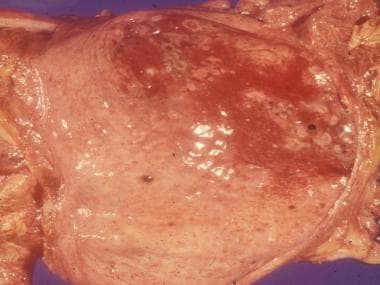
Many physicians who treat interstitial cystitis (PBS/IC) consider this list too rigid and exclusive. For example, not all experts consider cystoscopy to be a required diagnostic tool for interstitial cystitis in clinical practice. They argue that once urine tests, such as cytology and cultures, have been used to screen for bladder cancer and infections, symptomatic patients who fail to respond well to simple medical therapies (eg, anticholinergic medications) probably should be treated for interstitial cystitis. Cystoscopy with hydrodistention requires general or spinal anesthesia because the characteristic glomerulations of interstitial cystitis are only visible after the bladder is hydrodistended (pressurized usually to 80-100 cm water pressure), which would be unacceptably painful without the anesthetic. In one study by Denson and colleagues comparing the cystoscopic findings with histologic evidence of inflammation in patients suspected of having interstitial cystitis, 6 (9%) patients had no cystoscopic evidence of disease and 21 (30%) had no tissue inflammation. In this study, only one patient had a classic Hunner ulcer. FrequencyInfectious cystitis The frequency of viral and herpetic cystitis is unclear because culture results can be falsely negative. A large number of people have been suggested to have asymptomatic infections initially with both herpes simplex viruses (HSV), HSV-1 and HSV-2, so the incidence of herpetic cystitis may be higher than culture-positive results indicate. Hemorrhagic cystitis due to adenoviral infections is common in hosts who are immunocompromised, especially bone marrow transplant recipients or those with AIDS. Hemorrhagic cystitis from adenoviruses or BK polyoma virus has been reported in pediatric bone marrow transplant patients in 20% and 8%, respectively, of cases. The frequency of Chlamydia infections also may be higher than cultures indicate. A study of 130 young adults aged 14-25 years in an urban outpatient clinic demonstrated a 21% frequency of Chlamydia trachomatis infection; one third were asymptomatic. Risk factors for Chlamydia infection in this group included younger age, more than one sexual partner, and international travel. In another study of 36 cases of bladder biopsies performed to evaluate cystitis, antigen from C trachomatis was detected by immunochemistry in one third of the specimens. Mycobacterial cystitis or urogenital tuberculosis is more common in underdeveloped countries and continues to be a major urologic problem in places such as North Africa due mainly to the delay in diagnosis. The tuberculosis vaccine, bacillus Calmette-Guerin (BCG), which may be instilled into the bladder to treat bladder tumors, also has been reported to cause cystitis. Fungal cystitis is more common in hosts who are immunocompromised, such as those with diabetes mellitus, subjects who have received chemotherapy, or those with indwelling catheters who have received multiple courses of antibiotics. Noninfectious cystitis Radiation cystitis has been reported to occur in 6.5% of 1784 patients treated with a combination of external beam and intracavitary radiotherapy for stage Ib carcinoma of the cervix. Perez et al reported moderate-to-severe cystitis occurring in 12% of 738 patients treated with definitive irradiation therapy for prostate cancer after 10 years. Autoimmune disease related to cystitis is another entity that may be more common than previously realized. A review in Sweden demonstrated that 17% of all subjects diagnosed with interstitial cystitis had rheumatoid arthritis, 47% had hypersensitivity reactions or allergies, and 2.3% had either ulcerative colitis or Crohn disease, a rate of more than 30 times the prevalence rate in the general population. Both Sjögren syndrome and systemic lupus erythematosus (SLE) have been associated with urinary symptoms. In one study by Haarala et al of 121 patients and 121 age- and sex-matched controls, more than 60% of patients had some urinary symptoms, compared to 20% of controls. Painful bladder syndrome/interstitial cystitis The exact number of people with PBS/IC or related diagnoses in the United States is unclear but may be as high as 450,000. Held and associates estimated that, for every patient diagnosed with PBS/IC, 5 cases of PBS/IC are undiagnosed. Recent data from the Nurses Health Studies suggest that the frequency of PBS/IC is higher than previously reported, around 60 cases per 100,000 population. Lipsky has suggested that the frequency of nonbacterial prostatitis and chronic pelvic pain syndrome is more common than prostatitis. In general, this condition occurs in whites (>90% of cases) and females (>80% of cases). One author estimates that as many as 60% of men with chronic pain syndrome/prostadynia have interstitial cystitis when cystoscopy is performed under anesthesia. Many patients currently being treated for prostatitis who fail to respond to therapy actually may have undiagnosed interstitial cystitis. Recently, population studies have suggested that the incidence and prevalence of the disease in other countries, such as Finland and the Netherlands, which had previously been reported to be lower than in the United States, was, in fact, significantly higher. Leppilahti and colleagues in Finland randomly selected subjects and evaluated urinary symptoms; women with moderate-to-severe scores underwent clinical evaluation. The prevalence of clinically confirmed PBS/IC in this study was 530 per 100,000. EtiologyInfectious etiologies Nonbacterial cystitis may have an acute, subacute, or chronic course. Some kinds of nonbacterial cystitis, such as viral or mycobacterial, can involve other systems or may depend on the degree of host immunosuppression. Herpes or chlamydial nonbacterial cystitis is sexually transmitted, while other types, such as fungal cystitis, occur mainly in hosts who are immunocompromised. Noninfectious etiologies Cystitis may occur following radiation therapy to the pelvis for cancer treatment. The average time from the beginning of radiation therapy to initial symptoms can be several months to several years. Symptoms can include anything from mild bleeding to severe, recurrent bleeding and pain requiring hospitalization for treatment. Autoimmune diseases such as SLE or Sjögren syndrome also can be associated with irritative bladder symptoms, such as frequency or pain. Cystitis also may be cause by chemicals and medications. Both intravenous and oral cyclophosphamide, used to treat malignancies and vasculitides (eg, SLE, Wegener granulomatosis) can cause hemorrhagic cystitis. Low-dose methotrexate, used to treat rheumatoid arthritis, also has been reported to cause hemorrhagic cystitis. Painful bladder syndrome/interstitial cystitis The etiology of PBS/IC is unknown. Although first described as a pathologic condition in 1887, it was not recognized as a disorder until the mid-1970s. Before that, patients often were labeled hysterical females because physicians could find no organic cause and because most cases involved women. Currently, PBS/IC is not believed to be a disease but a syndrome with more than one etiology. Suggested possible etiologies include an as-yet-unidentified infectious agent or autoimmune diseases. For example, Van de Merwe and associates demonstrated an association between PBS/IC and various connective-tissue diseases such as Sjögren syndrome and systemic lupus erythematosus. Multiple studies have examined the question of an infectious etiology for PBS/IC, but no single organism has been found consistently by culture, biopsy, or scanning electron microscopy. However, the idea of cryptic bacterial infections and/or the role of antecedent bacterial urinary tract infections (UTIs) causing urothelial damage continues to be evaluated. One recent theory has suggested that the lining of the bladder wall of subjects with PBS/IC is "leaky" or defective, allowing toxic substances to enter the bladder and produce symptoms. This could be due to defects in the protective glycosamine glycan layer of the apical membrane or a defect in the epithelial cell layer. Normally, the bladder wall is nearly impervious to water, protons, and small molecule reabsorption, due in part to the tight junctions between the apical membranes of the epithelial cells. Adding a toxic agent, such as nystatin, or sensitizing the bladder wall to an antigen disrupts the tight junctions and increases the permeability of normal bladder epithelium. In a study of 231 patients with PBS/IC and 41 healthy subjects, Parsons and associates demonstrated that infusing 50 mL water into the bladders of both healthy subjects and those with interstitial cystitis produced no reaction. Infusing 50 mL of a 0.4 M KCl solution triggered symptoms in 75% of subjects with interstitial cystitis, but only 4% of healthy subjects experienced symptoms (P <.01). In this potassium leak test, the subjects are blinded to which solution contains the potassium; the test is positive if the subject rates his pain level 2 or more points higher (on a scale of 1-5) while infusing the potassium solution compared to the sterile water. Instillations are performed via Foley catheters. However, in a 1999 study by Chambers et al in 39 consecutive subjects treated in urology clinic for evaluation of symptoms consistent with interstitial cystitis, the potassium leak test demonstrated a sensitivity of only 69.5% and a specificity of 50%. These authors concluded that the test is not a useful diagnostic tool because physicians would not be able to diagnose the disease using the test in half of the cases and endoscopic diagnosis according to the stricter NIDDK criteria was more useful. This issue remains unresolved. In the authors' practice, the potassium leak test is at least occasionally useful in helping direct therapy in selected patients. Another theory suggests that mast cells play an important role in the etiology of PBS/IC. Mast cells contain or can synthesize a large number of inflammatory mediators, including cytokines, chemotactic factors, histamine, vasoactive peptides, cenogeneses, leukotrienes, and prostaglandins. These compounds can cause pain, tissue damage, changes in vascular regulation, and can lead to infiltration of other inflammatory cells. Although mast cells are found in many tissues, the number of mast cells in the muscle layers (detrusor) often is higher in interstitial cystitis than in other kinds of cystitis. Many factors can trigger mast cell secretion, including chemotactic factors, drugs, hormones, solar and other radiation, bacterial toxins, and viruses. Medications, such as Atarax, that inhibit the inflammatory mediators found in mast cells have been used with varying success in the treatment of interstitial cystitis. One suggestion involves using the relative number of mast cells found in the bladder biopsies of patients with interstitial cystitis to help select those who are most likely to benefit from mast cell inhibitory medications. When high numbers of mast cells are found, then these mast cell inhibitors are used. Nitric oxide synthase, which regulates the production of nitric oxide in cells and is important in vascular regulation, also has been found to be decreased in the urine of patients with interstitial cystitis as compared to controls. What role nitric oxide plays in interstitial cystitis is unknown. Another theory suggests that PBS/IC is related to pelvic muscle hyperirritability and increased tension, leading to hypersensitivity of the peripheral and central nerves in the area. The muscles of the pelvic floor are chronically contracted, and urination requires relaxation of the pelvic floor muscles. Chronically increased stress or increased muscle tension, which causes the pelvic muscles to contract further, pulls the pelvic organs up against the pubic bone and causes further discomfort. According to this suggestion, the resulting chronic stimulation of the spinal cord and central nerves in the brain leads to an abnormal state of hypersensitivity and chronic pain. Recent studies in subjects with complex regional pain syndromes (eg, reflex sympathetic dystrophy) have shown abnormal neuron growth in the dorsal horns of the spinal canal that leads to activation of the slow (type C) nerves when the fast (type A, light touch, pinprick) nerves are stimulated. This leads to the perception of pain after stimulus that is normally nonpainful. Consistent with this idea of neuron cross-talk is a recent report by Pezzone et al of increased electromyography (EMG) activity in the colons of rats with induced bladder-wall irritation and increased bladder EMG activity in rats with acute colonic irritation. Jasmin and associates also demonstrated that infecting the central nervous system of rats with pseudorabies virus led to a localized immune response and bladder inflammation, which was not noticed when the bladder was denervated. Abnormalities in the recently described vanilloid receptors (VRs) responsible for activation of the unmyelinated C-fibers that conduct thermal and noxious stimuli to the central nervous system may be involved. VR1 is a nonselective cation channel with 6 transmembrane domains related to the transient receptor potential (TRP) channel family. Noxious temperatures (greater than about 43°C) and chemicals, such as capsaicin (the primary active ingredient in hot peppers), cause the ion channel to open and the nerve to be stimulated. The presence of even small quantities of hydrogen ions appears to lower the degree of heat or amount of capsaicin needed to activate the channel. The role of this receptor in pain stimulation is currently an area of active research. Yet another recent theory suggests a genetic component to PBS/IC. In a prospective study that compared patients with PBS/IC and their first-degree relatives with a cohort of patients without PBS/IC, both the patients with PBS/IC and their family members had significantly higher lifetime prevalences of panic disorder, which has been linked to a genetic marker, D13S779 on chromosome 13. In some patients, all of these etiologies may play a part in the disease process that produces the symptoms now termed PBS/IC. In recent years, interest in this subject has increased, leading to more research into the pathophysiology. PathophysiologyInfectious cystitis Cytopathologic viruses, such as HSV-1 and -2, live integrated into the host genome in the nervous system. Impairment of immune surveillance, which can occur from comorbid diseases, drugs, or chronic activation of the neuroendocrine pathways involved with corticosteroid production, allow the virus to activate, travel down the peripheral nerves, and cause an outbreak of the disease. Adenovirus and BK polyoma viruses normally do not cause cystitis in adults who are immunocompetent; whether the infections are due to primary infection or reactivation of latent virus is unclear. Chlamydiae are obligate intracellular parasites with a unique reproductive cycle involving 2 forms, an extracellular form adapted to survival in the environment, which allows the infection to be transmitted from one person to another, and an intracellular form that replicates and produces more extracellular forms. C trachomatis is the organism most commonly identified and is associated with symptoms of urethritis, cervicitis, pelvic inflammatory disease, proctitis, and epididymitis. Initial infection with mycobacteria generally elicits a mild inflammatory response with few or no symptoms. Weeks after the primary infection with continued replication of the bacilli, development of cell-mediated immunity leads to macrophage infiltration and ingestion of the pathogen. While mycobacteria can persist within macrophages, replication usually ceases, and spread of the disease is contained. Subjects with disturbances in cell-mediated immune responses therefore are at higher risk for dissemination of the infection. While fungal infections can occur in hosts who are immunocompetent, they are more likely to occur in subjects with abnormal immune systems. Species of fungi associated with urogenital fungal infections include Blastomyces dermatitidis, Candida species, and Torulopsis glabrata. Noninfectious cystitis Radiation cystitis presumably is due to the ionizing radiation administered for treatment for pelvic and urogenital cancers. In the study by Perez et al, both the volume of space irradiated, as well as the total dose of radiation were important factors influencing morbidity. Those subjects treated with stationary radiation portals that delivered higher doses of radiation to the bladder had an 18% incidence of morbidity compared to those treated with rotating portals (5%, P <0.1) Chemical cystitis, due to chemotherapy with alkylating agents such as cyclophosphamide, is thought to be due to metabolites excreted in the urine. The effects appear to be related to the dose and duration of therapy. Interstitial cystitis The pathophysiology of interstitial cystitis is unknown. Because it may be a syndrome, and a not a disease, the pathophysiology may be different depending on the exact etiology. However, data from animal and human studies demonstrate pathophysiologic changes, including urothelial dysfunction, mast cell stimulation and activation, sensory nerve upregulation, spinal cord imprinting, and pelvic floor dysfunction. ClinicalInfectious etiologies As mentioned above, the symptoms of cystitis include urgency, frequency, and dysuria and occasionally may include hematuria, dyspareunia, abdominal cramps, and/or bladder pain and spasms. In a recent study of subjects with herpes virus infection confirmed by HSV-2 antibody testing, subjects exhibited a wide range of symptoms, varying from transient complaints of dysuria that rarely occur to frequent prolonged attacks of dysuria, frequency, and pain. Infection with chlamydial organisms may or may not produce symptoms but may have an associated mucopurulent cervical or urethral discharge. Infections with tuberculosis often have a more indolent onset, with fevers and mild nonlocalized abdominal pain, but typically produce sterile (ie, for bacteria) pyuria and ongoing infection that eventually damage the entire urinary tract. Noninfectious etiologies Radiation cystitis is graded depending on the presentation.
Both Sjögren syndrome and SLE have been associated with urinary symptoms. One tertiary referral center for assessment of vulval disease reported that 7 of 11 women with chronic dyspareunia had tissue and serologic evidence of Sjögren disease. These women had vaginal symptoms for an average of 7 years (range 1-20) before diagnosis. Chemical cystitis due to chemotherapy can be acute and fulminant, or even fatal, but more often is delayed and mild to moderate. Atypical bladder epithelial cells may appear in the urine. While these symptoms may be acute or chronic in subjects with nonbacterial cystitis, subjects with interstitial cystitis often have severe, recurring, or unremitting symptoms. Interstitial cystitis Interstitial cystitis often is diagnosed only after the patient has had repeated, frequent complaints of pain, frequency, and urgency without identifying a specific cause or any significant symptom relief from simple prescribed remedies. Held and associates, in their epidemiologic survey in 1987, found that the average duration of symptoms is 4.5 years and patients see an average of 5 doctors before a correct diagnosis is reached. Symptoms of interstitial cystitis usually begin in persons aged 20-50 years (median age of onset 40 years), although interstitial cystitis occasionally is diagnosed in children. The mean age of patients is reported as 50-60 years. The exact number of people with this diagnosis in the United States is unclear because many cases are either undiagnosed or misdiagnosed, but one estimate reports the number of people with interstitial cystitis in the United States as 450,000. In the 1975 study by Oravisto et al in Finland, disease onset was subacute and full development of the classic symptom complex occurred over a relatively short time. However, as many as half the patients reported spontaneous remission of symptoms lasting an average of 8 months (range 1-80 months). No clear genetic component for this disorder has been described, but patients often have a history of allergies to medications and environmental stimuli, asthma, or arthritides such as SLE or other immunopathologic abnormalities with a presumed autoimmune component such as inflammatory bowel disease or fibromyalgia. Patients with interstitial cystitis also are much more likely to report childhood bladder problems than other people. In the study by Koziol et al of 565 interstitial cystitis patients, urgency and frequency were reported in nearly everyone. With reduced bladder capacity and decreased bladder contractions, subjects urinate as often as every 1-2 hours throughout the day and night, with increasing frequency as the duration of the disease increases. As many as 40% of patients may have one or more episodes of hematuria. Half of the subjects reported being awakened in the middle of the night because of pain. Two thirds of the subjects reported pelvic pain or pressure, with more than one half reporting pain on intercourse and one third reporting pain for days after intercourse. More than one half of the subjects reported excessive fatigue, difficulties concentrating, and inability to enjoy their usual activities. Almost all subjects found travel to be difficult to impossible, and two thirds of the subjects found employment or working at the job for which they were qualified difficult or impossible. Diagnosis of interstitial cystitis The strict NIDDK standard for the diagnosis of interstitial cystitis requires exclusion of many other diagnoses, including bladder infections, bladder or gynecologic tumors or cancer, kidney or bladder stones, vaginitis, endometriosis, sexually transmitted diseases, tuberculous, radiation or chemical cystitis, and prostatitis. This standard was intended for research purposes and generally is considered too strict and rigorous for routine clinical practice. Clinical diagnosis of interstitial cystitis There is no single correct way to make the diagnosis of interstitial cystitis. Many specialists begin the patient evaluation with an extensive history to understand which organ systems are involved, followed by a physical examination directed towards the involved organ systems. Abdominal, genital, and rectal examinations may help localize specific areas of pathology. Basic urinary laboratory tests also are performed. Important inclusion criteria on history include the following:
Important exclusion criteria by history include the following:
Important exclusion criteria by physical examination include the following:
Clinical pearls in the diagnosis of interstitial cystitis include the following:
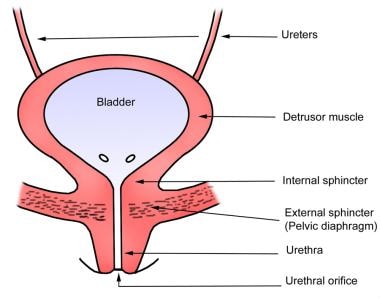
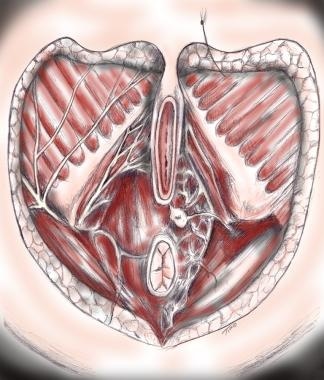
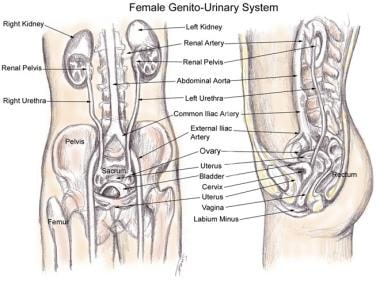
RELEVANT ANATOMYImages 1-3 demonstrate the anatomy of the female pelvis and bladder and the muscles of the pelvic floor that may be involved in nonbacterial cystitis. CONTRAINDICATIONSAlso see the Treatment section for indications and contraindications for surgery for specific problems. Surgery rarely is indicated for nonbacterial cystitis caused by infectious diseases. Tuberculous cystitis is one possible exception, but only when medical treatment has failed. Radiation cystitis may cause bleeding that is massive enough to require surgery, but this also is unusual. Most bleeding episodes stop without treatment or with a combination of bladder irrigation and blood transfusion support. For interstitial cystitis, surgery is considered the treatment of last resort. Less than 10% of patients are considered candidates for surgical treatment, and only if multiple medical therapies have failed. Patients with poorly localized or diffuse pelvic pain may not be cured even by removal of the affected organs, emphasizing the poorly understood neurologic and psychiatric components of this syndrome. WORKUPLab Studies
Imaging Studies
Other Tests
Diagnostic Procedures
TREATMENTMedical therapyTreatment of nonbacterial cystitis depends on the etiology when it can be determined. Infectious etiologiesIn recent years, several antiviral agents chemically related to acyclovir have been shown to be effective against HSV-1 and HSV-2. Treatment for immunocompetent adults includes acyclovir 400 mg tid for 10 days or valacyclovir 1000 mg bid for 10 days. Ganciclovir and vidarabine have been used in some cases of adenoviral-associated hemorrhagic cystitis in patients who have undergone bone marrow transplantation. Cystitis due to BK polyoma virus reportedly resolved without treatment in 9 pediatric patients. However, in adults who have undergone renal transplantation, cidofovir and a decrease in the dose of immunosuppressants is usually recommended because of the concern of renal parenchymal damage from the virus. Mycophenolate mofetil has been associated with more adenoviral infections than azathioprine. Chlamydia can be treated with doxycycline 100 mg bid for 7 days, azithromycin 1 g orally as a single dose, erythromycin 500 mg qid for 7 days, or one of the fluoroquinolones, such as ofloxacin 300 mg bid for 7 days. Erythromycin, azithromycin, and amoxicillin also can be used in pregnant women. Mycobacterial treatment begins with 3 or 4 agents, generally starting with isoniazid (INH) and rifampin (RIF) and another 1 or 2 agents, depending on the probable sensitivities of the organism and the underlying state of the immune system. Standard treatment regimens include INH 300 mg/d, RIF 600 mg qd, ethambutol (EMB) 15 mg/kg, and pyrazinamide 2 g/d. Other drugs that can be used include streptomycin 0.75-1 g/d, ethionamide (ETH) 1 g/d, or one of the fluoroquinolones. Treatment regimens are modified when the actual drug sensitivities are determined. Toxicity from these drugs sufficient to require a change in regimen can occur in as many as 5% of patients. Fungal cystitis in immunocompetent patients with indwelling catheters may simply respond to removal of the catheter without further treatment of the infection. If removal of the catheter is not an option, treatment with oral azole antifungal agents or bladder irrigations containing amphotericin B 50 mcg/mL for 5 days can be instituted. In immunosuppressed patients, another option may be intravenous amphotericin B, depending on the degree of dissemination of the infection. Susceptibility testing to antifungal agents may be necessary if patients have previously been on therapy for fungal infections. Noninfectious etiologiesWhile minor bleeding episodes from radiation treatments will stop without treatment, severe bleeding may require hospitalization for therapy. Clot evacuation and continuous bladder irrigation are the standard treatment for patients with heavy bleeding. A small number of patients with severe bleeding may require further treatment. Methods that have been tried include hyperbaric oxygen therapy and chemical therapy. The long-term results of hyperbaric oxygen in 11 patients was reported by Del Pizzo—3 had complete resolution of symptoms, 3 had persistent symptoms, and 5 had initial improvement but then relapsed. A more recent review by Chong et al of 60 subjects with radiation cystitis demonstrated 80% had complete or partial resolution of the hematuria, and 96% (27 of 28) of subjects treated within 6 months of the onset of hematuria had complete resolution of symptoms. Srisupundit and colleagues reported good short-term results (follow-up, 1-9 mo) in 13 of 20 patients treated with an intravenous infusion of a chemically stabilized chlorite matrix tetrachlorodecaoxygen (TCDO). Urinary diversion surgery is presently the surgical treatment of choice in patients whose symptoms fail to resolve. Chemical cystitis from chemotherapy agents, such as cyclophosphamide, may resolve with hydration or with discontinuation of the drug. Another alternative is mesna, a semisynthetic sulfhydryl compound that reacts chemically with drug metabolites, detoxifying them in a manner similar to the physiologic cysteine-cystine system. Recently, Ballen and colleagues have suggested that extremely aggressive hydration with IV fluids and diuretics to maintain a urine output greater than 150 mL/h may be as effective a therapy as mesna, as well as being much less expensive. Treatment of autoimmune diseases generally relies on a combination of symptomatic relief, anti-inflammatory, and immunosuppressive agents. In the last several years, monoclonal antibodies to tumor necrosis factor (TNF)–alpha and several of the interleukins have markedly improved symptoms in some of the rheumatic diseases. The greater variety of immunologic targets amenable to treatment modification has allowed rheumatologists to tailor combinations of drugs that yield improved efficacy with fewer symptoms. Painful bladder syndrome/interstitial cystitisActive inclusion of the patient in the treatment of this chronic disease is of paramount importance. Patient response to different treatments varies, and a variety of therapies and approaches may be necessary to optimally control symptoms. Using a team approach and working with patients and their families to help develop the treatment plan will help maximize the benefits of each selected therapy to the patient and improve overall symptom relief. Several organizations are dedicated to patients with interstitial cystitis. Finding out that others have the same problems, obtaining support, and access to up-to-date information on therapies can be extremely helpful to patients. This discussion of the treatment of PBS/IC divides the treatment into 4 broad categories—behavioral therapies, oral medications, cystoscopic and intravesical treatments, and other methods of pain relief. Behavioral therapies Dietary manipulation often will help improve some patients' symptoms, sometimes dramatically, although controlled studies on this are lacking. Foods to avoid include alcohol, caffeine, canned or processed meats, and high-acid diets (ketogenic, high fat, low carbohydrate). A list of common acidic foods is available on various Web sites. The elevated hydrogen ion content in acidic foods possibly may directly contribute to VR1 activation and pain. A tasteless dietary supplement, calcium glycerophosphate (Prelief, by AkPharma, Inc) has been suggested as a possible therapy for PBS/IC; it works by decreasing the effective acidity of many ingested foods. A study by Whitmore et al on the use of calcium glycerophosphate for interstitial cystitis indicated that 70% of these patients reported reduced pain and discomfort, while 61% had improved urinary urgency during therapy. Suggested dosage is usually 2 or 3 tablets with each meal, depending on the acid content of the food ingredients. High-potassium foods also should be avoided because of the potential irritability of urinary potassium. This is particularly important in patients with a positive potassium leak test result. Other foods that may exacerbate symptoms include chocolate; hot spicy foods, seasonings, and sauces; tea; coffee; cranberry juice; onions; tomatoes; aged cheeses; nuts; carbonated beverages (especially diet colas); strawberries; citrus fruits and juices; beans; sour cream; vinegar; sprouts; avocado; corned beef; fried foods; rye products; and aspartame (Nutrasweet). A clinical trial of abstinence of some or all of these foods may help pinpoint the most important dietary factors in each patient. Diet sodas may cause problems because of their caffeine, carbonation, sugar substitutes, and fruit extracts, all of which can be irritating to a patient with PBS/IC. Stress is also a significant flare factor in many patients with PBS/IC. A nonstressful work and home environment is important; involving family members in therapeutic regimens and support groups, as well as supportive psychotherapy, are approaches that have been used successfully. Voiding diaries, which quantitate the volume, frequency, and pain associated with urination may help provide patients and their doctors an idea of whether or not a therapy is working. A simple patient symptom score, similar to the American Urological Association (AUA) score for prostate symptoms, also can be used and is very helpful in following progress. Progress may be difficult to measure on a day-to-day basis but is easier to evaluate when assessed on an overall basis over time. While no statistically validated symptom score currently is available for this purpose, the authors prefer use of the Leslie Incontinence Symptom Score (LISS) to follow the cases of patients with interstitial cystitis and patients with incontinence by helping to measure their progress. The LISS scoring system is shown below. Table 1. Leslie Incontinence Symptom Score (LISS)
Total symptom score (sum of questions 1-8) = _______________________ Scoring system: 1-12 = Mild 13-25 = Moderate 26-40 = Severe Other urologists and groups who treat PBS/IC have developed several similar symptomatology questionnaires. Medications Many oral medications have been used for the treatment of PBS/IC, with varying success. Medications that often are used as first-line therapy are tricyclic antidepressants, such as imipramine (Tofranil) and especially amitriptyline (Elavil), which not only treat the depression often associated with this chronic, painful condition but also have some bladder-relaxing and pain-blocking properties. Hanno and associates reported improvement with amitriptyline (Elavil) therapy in about half of 25 patients who had failed hydrodistention and DMSO (RIMSO-50) therapy. Starting at 25 mg before bedtime and increasing the dose over a 2-week period to 75 mg, subjects reported improvement in voiding intervals with decreased urgency and less pain and dyspareunia. Subjects with greater bladder capacity (more than 450-600 mL) may respond better. Antihistamines are another commonly used first- or second-line medication. Mast cells, which often are found to be increased in the bladder wall in PBS/IC, contain large amounts of histamine, a vasoactive substance that causes itching and swelling while promoting inflammatory cell infiltration. Hydroxyzine (Atarax) is believed to block mast cell activation and has been shown to be helpful in treating some patients with interstitial cystitis. Doses start at 25 mg qd/tid. The most common adverse effects are drowsiness and dry mouth. Some practitioners use this medication earlier when bladder biopsies confirm high numbers of mast cells present in the bladder walls of patients. Another first- or second-line therapy is an oral restorative for the bladder lining's damaged, attenuated, or missing glycosaminoglycans barrier called pentosan polysulfate (Elmiron, Alza Pharmaceuticals), which was approved by the Food and Drug Administration (FDA) in 1996 for the treatment of interstitial cystitis. The FDA-approved dose is 100 mg orally tid, although many urologists use 200 mg bid to improve efficacy and compliance. Approximately one third of patients experience pain and symptom relief with this medication, although maximum improvement of symptoms may take as long as 6 months. An open-label, compassionate use study prior to the official release of pentosan polysulfate in 1996 suggested symptom relief in 62% of patients. However, other studies have not confirmed this very high positive response rate. One suggestion is that this medication should be recommended in patients with a positive potassium leak test who theoretically would be more likely to benefit from this type of treatment with a positive, symptomatic response. Some practitioners add intravesical heparin alone or in combination with DMSO or lidocaine to oral pentosan polysulfate (Elmiron) therapy. Whether or not this adds much to the therapeutic benefit is not clear, but anecdotal reports suggest that it may be helpful, especially in the short-term for the more severe cases. Several recent randomized double-blind trials of pentosan polysulfate have been published. In one, 380 adults with cystoscopic evidence of interstitial cystitis were treated with 300, 600, or 900 mg of pentosan polysulfate. After 7 months, symptom scores decreased by similar amounts in about 20% of subjects; subjects classified as responders usually improved with the first 4 weeks. A smaller trial of 136 patients randomized to oral pentosan polysulfate with or without hydroxyzine also demonstrated a low response rate and nonsignificant differences between groups. Local anesthetics, such as oral phenazopyridine (Pyridium or Pyridium Plus), also can reduce bladder pain. Pyridium turns the urine orange and may permanently stain fabric. Pyridium Plus also contains hyoscyamine, an atropine derivative and parasympatholytic agent used to treat detrusor muscle spasm, and butabarbital, which is a short-acting anxiolytic sedative. Opioid narcotics are a common therapy for pain that is resistant to other treatments. Adverse effects include nausea, constipation, and respiratory depression. Tolerance eventually develops to all opioids presently available. The opiate antagonist nalmefene also has been tried as a possible therapy for PBS/IC because mast cells are known to degranulate and release histamine and other chemical mediators when their endogenous opiate receptors are stimulated; blocking this reaction might prevent the mast cells from releasing the biochemical mediators that may cause many of the symptoms of interstitial cystitis. In one trial of 37 subjects with some prior treatment for PBS/IC, approximately half the subjects had improvement in suprapubic pain and dysuria at 6 months and about one fourth had decrease in daytime and nighttime voiding frequency after 12 months of treatment. Doses were started at 0.5 mg bid and were increased over a period of 6 months to a maximum dose of 60 mg bid. Adverse effects included insomnia and nausea. Another medication that has been tried is oral L-arginine, 1500 mg daily. L-arginine is a substrate for nitric oxide synthase. In one placebo-controlled trial, L-arginine increased nitric oxide synthase activity. Decreased symptoms of pain, urgency, and frequency were noted in about one third of the 21 patients who took the active drug. Blockade of the calcium channels has been shown to inhibit detrusor muscle contraction and down-regulate lymphocyte production of the inflammatory mediator interleukin (IL)-2. In a small trial using the calcium channel blocker nifedipine, 8 out of 9 patients reported improvement of symptoms for at least 4 months, but only about half report longer-term improvement. In many patients, especially those who are normotensive, the drug is better tolerated in the extended-release form. Hypotension is the main adverse effect. Anticholinergic agents also can be used for the treatment of pain from smooth muscle spasms. Common adverse effects of antispasmodics can be dry mouth and drowsiness. Medications such as Cystospaz, Levsin, and Urised contain hyoscyamine, a parasympatholytic agent more peripherally active than atropine and with fewer central nervous system (CNS) adverse effects. These medications differ mainly in terms of added ingredients and preservatives used. Some people may find they respond differently to each of the various brands. Other antispasmodics include the acetylcholine inhibitor oxybutynin (Ditropan) and the muscarinic receptor antagonist tolterodine tartrate (Detrol). These agents may be effective as adjuvant symptom therapy in interstitial cystitis. A recent study on the use of oral gabapentin (Neurontin) for intractable genitourinary pain included 8 patients with interstitial cystitis. Daily dosages ranged from 300-2100 mg with a mean of about 1200 mg per day. Five of the 8 patients noted improvement or relief of symptoms. The medication was well tolerated. Adverse effects included dizziness and drowsiness. While this is a very small study, these patients had failed all other treatments for symptom relief. Further investigations of the use of gabapentin (Neurontin) for selected cases of interstitial cystitis appear warranted based on this finding. Considering use of this medication in selected cases may be reasonable. Another small study involved 11 subjects with moderate-to-severe PBS/IC who were treated with low-dose cyclosporine (1.5-3 mg/kg) for 3-6 months, with a decrease in pain scores and frequency and an increase in average voided urine volumes, with minimal toxicity (2 subjects had elevated blood pressure that resolved with treatment cessation). Long-term studies with cyclosporine for PBS/IC are not available. Intravesical therapies Intravesical therapy has the advantages of delivering high concentrations of medications to the relatively impermeable bladder, thereby avoiding the systemic adverse effects of oral medications. The main disadvantages are the costs and patient morbidity associated with the procedure. Cystoscopy under anesthesia with bladder hydrodistention under pressure to about 80-100 cm water pressure is a recognized treatment for interstitial cystitis. Many patients report significant, but often transient, symptomatic improvement with bladder hydrodistention alone. In about 20% of patients, symptoms may improve for several months. Because of the limited response, some practitioners no longer consider hydrodistention an efficacious therapy for interstitial cystitis. Cystoscopy with hydrodistention may be considered for first-line therapy in patients with more severe symptoms. In addition to cystoscopy, medications administered directly into the bladder (intravesical instillation therapy) often are used. This avoids the unwanted systemic effects of many oral medications. In 1978, the FDA approved RIMSO-50, a purified form of the industrial solvent DMSO for symptomatic relief of interstitial cystitis. RIMSO-50 is instilled directly into the bladder by a catheter, retained for 15 minutes, and then spontaneously voided. This treatment is administered every 1-2 weeks for 4-8 treatments or until maximum symptomatic relief is obtained. About half the patients treated with this regimen experience significant pain reduction. However, treatments generally become less effective over time. Adverse effects include transient worsening of bladder symptoms thought to be due to histamine release from mast cells; hematologic, renal, and hepatic dysfunction; and a garliclike odor to the skin and breath. Interestingly, DMSO has been reported to acutely increase the reflex firing of pelvic efferent axons, decreasing bladder capacity and releasing nitric oxide from both dorsal root ganglia and bladder cells. Nitric oxide release by DMSO may be the initial event in the desensitization of the pain pathways in the urinary tract. Reports exist that intravesical heparin used in subjects who have responded to RIMSO-50 reduces relapse rates, and intravesical heparin has been suggested as maintenance therapy. Heparin is a polyanionic compound that is thought to mimic the antiadherence characteristics of the glycosaminoglycans of the bladder mucosal lining. Intravesical instillation of 20,000 units of heparin in 10-20 mL of sterile water via a small catheter can be used as a temporary therapy while waiting for other treatments to take effect. Intravesical heparin therapy can be performed by the patient with self-catheterization up to 3 times a day and as needed. While this treatment helps some patients immediately, it usually takes 2-3 weeks to create a noticeable effect. Corticosteroids and/or lidocaine also have been used with RIMSO-50 therapy to improve the anti-inflammatory action of RIMSO-50 and improve pain relief. The caustic agent silver nitrate also has been used as intravesical therapy for interstitial cystitis. Various concentrations and dwell times have been used, up to 2% and 10 minutes; higher concentrations require local or general anesthesia at administration. Silver nitrate therapy also can be combined with other therapies such as hydrodistention. Success rates of 50% at 1 year have been reported, but controlled clinical trials are lacking. Another intravesical therapy is sodium oxychlorosene (Clorpactin WCS-90). A 0.4% solution commonly is used, but it requires regional or general anesthesia because instillation is quite painful. Repeated instillations frequently are necessary because two thirds of patients report recurring symptoms. Intravesical Clorpactin usually is reserved for patients who fail to respond to other therapies, such as DMSO or silver nitrate treatment. Intravesical therapy with bacillus Calmette-Guerin (BCG) also has been tried with anecdotal reports of substantial, long-term symptomatic success in some cases. Therapy is thought to work by an immunoregulatory mechanism and possibly through induction of nitric oxide synthase activity or modification of IL-6 response. The beneficial effect of BCG therapy may not become apparent for 6 months, and adverse effects are not uncommon. A recently published multicenter randomized clinical trial of intravesical BCG in 265 subjects with moderate-to-severe PBS/IC (based on NIDDK criteria) demonstrated an acceptable safety profile but a low rate of response and only a trend to greater response in the BCG group: 12% for placebo and 21% for BCG. Capsaicin has been used to produce VR1 blockade or desensitization, which may be a revolutionary treatment for PBS/IC. Intravesical capsaicin was used in small numbers of patients with bladder hyperactivity or hypersensitivity due to various neurologic and nonneurologic lower urinary tract disorders. It significantly decreased the urinary symptoms of frequency and urgency in many of the patients tested. Another vanilloid receptor antagonist is resiniferatoxin (RTX). In a randomized placebo-controlled trial involving 163 subjects, intravesical RTX (given as a single dose of 0.01, 0.05, or 0.1 µmol/L) was compared with placebo. RTX was well tolerated, but the symptom scores did not improve over the 12 weeks of the trial. A new, investigational oral immunoregulatory drug (suplatast tosilate [IPD-1151T]) that is effective in treating various allergic diseases, such as asthma, atopic dermatitis, and rhinitis, by reducing immunoglobulin E (IgE) production and suppressing helper T cell–mediated allergic responses (especially IL-4 and IL-5) has produced promising results when used to treat interstitial cystitis in early studies. In one early pilot study from Japan reported by Ueda et al, 10 of 14 patients (71%) had a complete clinical response or total symptomatic relief after 4 months of treatment that lasted at least a year while on therapy. Two more patients (14%) had moderate or partial relief also lasting a year while on treatment. If these results are confirmed, an immunological cause for at least some types of PBS/IC, probably the nonulcerative subtypes, is suggested. Although the study was small and had no control or placebo group, almost 86% of patients had complete or moderate symptomatic relief while on treatment, as well as improvement in their overall bladder capacities. Only larger, placebo-controlled, randomized studies will ultimately be able to demonstrate how well this medication or any of the others discussed in this article actually work for symptom relief in PBS/IC. Shanberg and colleagues reported another type of intravesical therapy to be of use in patients with petechial hemorrhages and Hunner ulcers who had failed other therapies. This therapy is neodymium:yttrium-aluminum-garnet (Nd:YAG) laser photoirradiation. Treatment requires simultaneous laparoscopy to avoid bowel perforation. Twenty of 28 patients with Hunner ulcers had rapid relief of bladder pain and frequency symptoms, as did 10 of the 20 patients with biopsy evidence of severe inflammation. Finally, a novel use for botulinum toxin has been developed for patients with overactive bladders. Injection of small amounts of toxin into the detrusor muscles of the bladder has been shown to improve bladder capacity and to decrease the amount of postvoid residual urine. Treatment effects last about 6 months. Other pain control treatment options Neuromodulation is a nonspecific term for symptom control through changes in nerve activity and function. Several types of neuromodulation have been tried in the treatment of PBS/IC. Biofeedback is one therapeutic option. Biofeedback has been used with varying success in other chronic pain conditions, including temporomandibular joint disorders and physiologic conditions, such as urge and fecal incontinence, with reasonably good results and virtually no adverse effects or complications. Treatment generally requires training with biofeedback equipment that monitors pelvic muscle response. A substantial amount of equipment is necessary, as well as a trained technician, to perform this therapy. Some biofeedback exercising and training can be performed at home. Subjects keep records of how symptoms are responding. Another type of treatment is pain relief through nerve stimulation. This has been tried with both acupuncture and transcutaneous nerve stimulation (TENS). In some patients, applying the TENS unit near the affected area (usually to the lower abdominal wall for 0.5-2 hours twice a day) improves symptoms. In one long-term study by Fall and associates, 54% of 33 patients with classic interstitial cystitis improved with TENS therapy, while only 26% of 27 patients with nonulcer PBS/IC responded to treatment. In one prospective crossover study, though, no improvement was reported in any study endpoint (frequency, urgency, voiding interval, pain control) with either TENS or acupuncture. A more invasive method for patients refractory to conventional therapy is implantation of neural modulatory electrodes in the sacral roots of the spinal cord (SNS). Worldwide, more than 5000 subjects with pelvic floor dysfunction and bladder and bowel problems have been treated with these stimulators. Exactly how this therapy works is not known. Clinical improvement in symptoms has been noted in about two thirds of subjects, with up to 20% of subjects remaining dissatisfied with the results. Many patients with PBS/IC notice a reduction in pain, daytime frequency, and urgency and increased urinary voiding volumes. What to do first: A treatment algorithm As in many chronic conditions, maintaining a good relationship between the physician and patient seems to improve the patient's ability to control the physical symptoms and pain. The need for supportive interaction with the patient cannot be overestimated in the treatment of interstitial cystitis. Referral to a specialist interested in the diagnosis and treatment of interstitial cystitis and/or pelvic pain syndromes may be useful. Because no cure for interstitial cystitis exists, the goals of therapy are to make this chronic condition as livable for the patient as possible. Unfortunately, an evidence-based therapeutic algorithm for the treatment of patients with interstitial cystitis, either newly diagnosed or who have failed initial therapy, does not exist. In the 581 women in the Interstitial Cystitis Data Base (ICDB) Study established by the NIDDK in 1993, cystoscopy and hydrodistention was performed in 33% of the patients at baseline who previously had been diagnosed and in 48% of newly diagnosed patients. Patients with severe symptoms were almost 3 times as likely to be cystoscoped as patients with mild symptoms. Intravesical DMSO or heparin also was more likely to be used in subjects with more severe symptoms. Oral amitriptyline was the second most commonly reported therapy (17%), followed by phenazopyridine (Pyridium) in 14%. Approximately 10% of patients were on a special diet at the time of diagnosis, primarily those subjects with less severe symptoms (P <.01). Use of other therapies correlated primarily with symptoms, for example hyoscyamine was used in 10% patients with severe urgency symptoms compared with 1% of those with mild urgency symptoms, while pain medicines were used more often in patients with more severe pain. Documentation of pain (pain diaries), the inciting factors, and the response to various pain treatments may help both the patient and physician develop better control strategies. One suggestion is that the relative number of mast cells found in the bladder biopsies of patients with interstitial cystitis can be used to help select those who are most likely to benefit from mast cell inhibitory medications. When high numbers of mast cells are found, then mast cell inhibitors, such as hydroxyzine, are used. This idea has never been tested rigorously. Whether switching to another monotherapy or adding therapies is better when symptoms progress or recur also has never been tested; ICDB data suggest that physicians are more likely to add therapies under these circumstances. In all, about 20% of patients were on no treatment at baseline, 30% were on 1 therapy, 20% were on 2 therapies, and 30% were on 3 or more therapies (see Interstitial Cystitis for treatment tables). Many patients with interstitial cystitis respond to dietary manipulation; a significant proportion of these subjects have multiple allergies and/or a concomitant diagnosis of irritable bowel syndrome. Dietary modification probably is the most important conservative treatment available and should be part of the initial therapeutic strategy of every patient with interstitial cystitis. Pentosan polysulfate (Elmiron) has been studied extensively, but its precise role remains unclear. Initial reports prior to its official release in 1996 suggested that it was well tolerated and very helpful to many patients. Subjective relief has been reported to be as high as 62%, but other studies have not confirmed this high rate of symptomatic improvement. A positive response to the potassium leak test has been suggested to help indicate which patients are likely to respond to the medication, but this has not been confirmed. Pentosan polysulfate has been demonstrated by meta-analysis of all available placebo-controlled studies to be more beneficial than placebo in treating pain, frequency, and urgency, although it was not helpful in alleviating symptoms of nocturia. This trial and error method mainly is due to the lack of truly adequate therapy, principally because of the lack of understanding of the underlying pathophysiology (pathophysiologies) of this syndrome. This was underscored in another report from the ICDB group where the authors concluded, "Although all symptoms fluctuated, there was no evidence of significant long-term change in overall disease severity. Our observations support the clinical observation that interstitial cystitis is a chronic disease and no current treatments have a significant impact on symptoms with time." Surgical therapySurgical therapy generally is considered only as a treatment of last resort. Perhaps 10% of patients with interstitial cystitis may become candidates for surgical treatment. One possible procedure for subjects with small capacity bladders (<350-400 mL under general anesthesia) is to increase the bladder size with either large or small bowel without removing the diseased portion of the bladder (augmentation cystoplasty). For a detailed discussion of this operation, see Augmentation Cystoplasty. Concern about leaving a significant portion of diseased bladder intact leads many urologists to perform a more extensive operation, removing the damaged part of the bladder and using a piece of the patient's bowel to make a larger bladder (subtotal cystectomy with substitution cystoplasty). This often is used in subjects with small bladder capacity and frequency and urgency related to small bladder capacity. In other cases, the bladder is removed completely and a ureterostomy is performed (cystectomy). The decision to perform a partial or complete cystectomy may be based on biopsy of the trigone part of the bladder and assessment of urethral sensation. Those subjects with involvement of the entire bladder and urethra then may undergo removal of both the bladder and the urethra (cystourethrectomy). Unfortunately, some subjects who have failed medical therapy do not have improvement in pain even with surgical removal of the bladder and urethra. Presumably, better understanding of the pathophysiologic processes involved in interstitial cystitis would allow better selection criteria for choosing the appropriate procedure for each patient. Until the pathophysiology is understood, the decision to perform a specific operation on a patient depends on the experience of the surgeon and the wish of the patient. Preoperative detailsPatients should have a realistic understanding of the goals and limitations of surgical therapy for interstitial cystitis. This especially is true for patients being considered for cystectomy and urinary diversion, which may require stoma care, use of urinary appliances, or the manual dexterity and motivation to perform self-catheterization. Selection of an appropriate stoma site is important in preventing postoperative stomal complications. The patient also must be evaluated for other medical problems, such as cardiac, renal, hepatic, or pulmonary dysfunction, that may complicate intraoperative and postoperative care. Good nutrition helps patients heal faster. Patients undergoing cystectomy may need blood transfusions; preoperative autologous blood donation or directed blood donations are an alternative to standard blood unit transfusions. Just before surgery, the patient is administered a skin and bowel prep, adequate hydration, preoperative anesthetic, and, often, antibiotic medications. Intraoperative detailsFor a partial cystectomy and substitution cystoplasty, after a Foley catheter with a 3-way irrigation system is inserted, the peritoneal cavity is entered and a segment of bowel is divided along the antimesenteric border. The segment of bowel is folded with the posterior surface closed and the anterior surface left partially open. The bladder is opened to expose the trigone, and a supra-trigonal cystectomy is performed, leaving a 1- to 2-cm cuff of bladder that includes the trigone and the bladder neck. The bowel segment is anastomosed to the remaining rim of bladder, and a suprapubic catheter is placed. For a detailed discussion of this operation, see Cystectomy, Partial. A complete cystectomy with urinary diversion is a much more complicated operation. A modified lithotomy position is used to allow exposure to the urethra and vagina. The peritoneal cavity is entered, each ureter is mobilized, and the ureters are divided just above the bladder. The bladder is mobilized free of the anterior wall. In female patients, depending on age, the fallopian tubes, ovaries, and uterus also may be mobilized and removed. The vagina is reconstructed and sutured. During complete cystectomy, the ureters are either anastomosed to a section of large or small bowel, whereby one end of the small bowel is attached to the abdominal wall (incontinent diversion), or a small reservoir is made out of intestine, to which the ureters are attached and to which nipple valves (also made out of intestine), are attached and then anastomosed to the abdominal wall (continent urinary diversion). Drains are placed in the abdomen, and a catheter is placed through the stoma to fix the anastomotic limb in a straight position while the diversion heals. Before the patient leaves the operating room, prove that the continence mechanism is effective and that it can be easily catheterized; otherwise, postoperative problems may occur. For a detailed discussion of this operation, see Cystectomy, Radical. Postoperative details
Follow-upFor excellent patient education resources, visit eMedicine's Kidneys and Urinary System Center, Women's Health Center, and Procedures Center. Also, see eMedicine's patient education articles Bladder Control Problems, Blood in the Urine, Cystoscopy, and Pain During Intercourse. COMPLICATIONSMedical complicationsDrug toxicity Many of the medications mentioned so far have adverse effects. Some have been mentioned in the Treatment section. In this section, some other common adverse effects are listed.
Radiation toxicity Radiation of living tissues increases the risk of damage to the matrix and the cellular components and to DNA. The effect is dose and tissue dependent. Doses greater than 65 Gy have been associated with late bladder problems. Inability to adequately shield the surrounding tissues can lead to bladder and bowel complications after prostate or cervical radiation, including bleeding, scarring, and pain in 5-20% of patients. In one retrospective review of radiation treatment for prostate cancer, impotence was a common problem. Surgical complicationsComplications of the augmentation or subtotal cystectomy during the initial postoperative period include ileus, wound infection, difficulty with catheterization, dehiscence, urinary extravasation, and thromboembolic events. Late complications include persistence of symptoms, ureteral reflux, urolithiasis or stenosis, difficulty with catheterization, and progressive renal failure from reflux or metabolic abnormalities. Cystectomies are difficult operations. A 1-3% mortality rate is not unexpected. Twenty to 30% of patients may have a prolonged hospital stay because of postoperative complications. The average hospital stay for a cystectomy currently is about a week and a half. Postoperative complications for total cystectomy with ureteral diversion are more common. Along with the problems listed above, complications include sufficient blood loss to require transfusion, coagulopathies requiring platelets or fresh frozen plasma, and rectal injury. The most common urology-specific early postoperative complications of the ureteral diversion include leakage at the anastomotic sites, obstruction, and infection. Metabolic changes can occur from loss of bicarbonate through the intestinal mucosal lining, leading to a hyperchloremic metabolic acidosis. Usually this is mild, but, occasionally, patients may need oral bicarbonate supplementation. These metabolic abnormalities tend to improve with time. Delayed complications include bacterial colonization of the urine in the reservoir and pyelonephritis from ureteral reflux, renal stones, stomal stenosis or prolapse, parastomal hernias, and ureteral stenosis. All of these chronic problems can lead to the development of progressive renal failure. OUTCOME AND PROGNOSISInfectious etiologies Infectious causes of nonbacterial cystitis, such as HSV-1 or HSV-2, can now be treated; however, the treatment does not eliminate the dormant virus integrated into the host genome, so the disease can recur. Both chlamydial and mycobacterial infections can be cured. For chlamydial disease, cure is not protective and the disease can be reacquired. And, while generally mycobacterial infections can be cured with regimens containing 3 or 4 drugs, in the review by Mnif et al of 60 cases of urogenital tuberculosis, only 2 were cured by medical therapy alone. Fifty-four patients required surgical intervention, including nephrectomy (43), ureterovesical reimplantation (7), augmentation enterocystoplasty (11), or other ureteral diversions (5). Two patients w | |||||||||||||||||||||||||||||||||||||||||||||||||||||||||||||||||||||||||||||||||||||||||||