Continually Updated Clinical Reference
 
 
  All Sources     eMedicine     Medscape     Drug Reference     MEDLINE
 
eMedicine - Urinary Tract Infection, Females : Article by

Quick Find
Authors & Editors
Introduction
Clinical
Differentials
Workup
Treatment
Medication
Follow-up
Miscellaneous
Multimedia
References

Related Articles
Appendicitis

Behcet Disease

Bladder Cancer

Bladder Stones

Bladder Trauma

Chlamydial Genitourinary Infections

Cholangitis

Cholecystitis

Colovesical Fistula

Common Pregnancy Complaints and Questions

Cystitis, Nonbacterial

Diverticulitis

Emphysema

Emphysematous Pyelonephritis

Enterobacter Infections

Enterococcal Infections

Escherichia Coli Infections

Gardnerella

Gastroenteritis, Bacterial

Glomerulonephritis, Acute

Gonococcal Infections

Herpes Simplex

Interstitial Cystitis

Klebsiella Infections

Mycoplasma Infections

Nephrolithiasis

Nephrolithiasis: Acute Renal Colic

Pancreatitis, Acute

Pneumonia, Bacterial

Pneumonia, Community-Acquired

Proteus Infections

Providencia Infections

Pseudomonas Aeruginosa Infections

Pyelolithotomy

Pyelonephritis, Acute

Pyelonephritis, Chronic

Pyonephrosis

Renal Cell Carcinoma

Renal Corticomedullary Abscess

Renal Transplantation (Medical)

Renal Transplantation (Urology)

Schistosomiasis

Sepsis, Bacterial

Septic Shock

Serratia

Shock and Pregnancy

Shock, Distributive

Subacute Thyroiditis

Trichomoniasis

Tuberculosis

Tuberculosis of the Genitourinary System

Ureaplasma Infection

Ureteral Injury During Gynecologic Surgery

Ureteral Stricture

Ureteral Trauma

Ureterocele

Ureterolithotomy

Ureteropelvic Junction Obstruction

Ureteroscopy

Urethral Prolapse

Urethral Syndrome

Urethritis

Urinary Diversions and Neobladders

Urinary Tract Infection, Females

Urinary Tract Infections in Pregnancy

Urinary Tract Obstruction

Urologic Imaging Without X-rays: Ultrasound, MRI, and Nuclear Medicine

Urothelial Tumors of the Renal Pelvis and Ureters

Vaginitis

Vesicoureteral Reflux

Vesicovaginal and Ureterovaginal Fistula

Vesicovaginal Fistula

Xanthogranulomatous Pyelonephritis


Patient Education
Kidneys and Urinary System Center

Urinary Tract Infections Overview

Urinary Tract Infection Causes

Urinary Tract Infection Symptoms

Urinary Tract Infections Treatment

Blood in Urine Overview

Birth Control Overview

Birth Control Spermicides Introduction

Birth Control FAQs


Author: Burke A Cunha, MD, Professor of Medicine, State University of New York School of Medicine at Stony Brook; Chief, Infectious Disease Division, Winthrop-University Hospital

Burke A Cunha is a member of the following medical societies: American College of Chest Physicians, American College of Physicians, and Infectious Diseases Society of America

Coauthor(s): Jeffrey M Tessier, MD, Assistant Professor, Department of Medicine, Uniformed Services University of the Health Sciences; Mary F Bavaro, MD, Chief, Division of Infectious Disease, Navy Medical Center, San Diego

Editors: Klaus-Dieter Lessnau, MD, FCCP, Clinical Assistant Professor of Medicine, New York University School of Medicine; Medical Director, Pulmonary Physiology Laboratory, Director of Research in Pulmonary Medicine, Department of Medicine, Section of Pulmonary Medicine, Lenox Hill Hospital; Francisco Talavera, PharmD, PhD, Senior Pharmacy Editor, eMedicine; Mark Jeffrey Noble, MD, Consulting Staff, Urologic Institute, Cleveland Clinic Foundation; Eleftherios Mylonakis, MD, Clinical and Research Fellow, Department of Internal Medicine, Division of Infectious Diseases, Massachusetts General Hospital; Michael Stuart Bronze, MD, Professor, Stewart G Wolf Chair in Internal Medicine, Department of Medicine, University of Oklahoma Health Science Center

Author and Editor Disclosure

Synonyms and related keywords: urinary tract infection, UTI, cystitis, pyelonephritis, bacteriuria, candiduria, urosepsis, sexually transmitted disease, STD, Escherichia coli, E coli, Pseudomonas aeruginosa, P aeruginosa, Klebsiella pneumoniae, K pneumoniae, candidal species, enterococcal species, enterococci, pelvic inflammatory disease, PID, yeast infection, uropathogens

Background

This article addresses pyelonephritis and cystitis as they apply to adult females; pediatric infections are not covered. Nosocomial urinary tract infections (UTIs) and their main risk factor, indwelling urethral catheters, will be discussed, as well as infections in special hosts (patients with spinal injury, diabetes, transplants) and special conditions (candiduria, perirenal abscess). For issues relating to multidrug-resistant organisms (such as Acinetobacter) or particular organisms (gonorrhea, schistosomiasis), the reader should consult those particular articles. This article does not discuss urethritis, sexually transmitted diseases (STDs), or pelvic inflammatory disease (PID) in any detail.

UTIs may be referred to as cystitis or pyelonephritis, terms that refer to the lower and upper urinary tract, respectively. The terms bacteriuria and candiduria describe bacteria or yeast in the urine. Very ill patients may be referred to as having urosepsis.

The following terms are defined for uniformity in this article:

Asymptomatic bacteriuria (ASB) refers to 2 consecutive urine cultures growing more than 100,000 colony-forming units (CFU) of a bacterial species in a patient lacking symptoms of a UTI.

Uropathogens are specific bacteria that have been clinically associated with invasion of the urinary tract.

Complicated UTIs are defined as UTIs that are associated with metabolic disorders, that occur at sites other than the urinary bladder, or that are secondary to anatomic or functional abnormalities that impair urinary tract drainage. Most complicated UTIs are nosocomial in origin. The most common pathogens include Escherichia coli, enterococci, Pseudomonas aeruginosa, candidal species, and Klebsiella pneumoniae. Complicated UTIs may be subdivided into the following 4 categories:

  1. Structural abnormalities - Calculi, infected cysts, renal/bladder abscesses, certain forms of pyelonephritis, spinal cord injury (SCI), catheters
  2. Metabolic/hormonal abnormalities - Diabetes, pregnancy
  3. Impaired host responses - Transplant recipients, patients with AIDS
  4. Unusual pathogens - Yeast, etc

Pathophysiology

In general, 3 main mechanisms are responsible for UTIs, including (1) colonization with ascending spread, (2) hematogenous spread, and (3) periurogenital spread of infection. Specific organism characteristics, defects in host defenses, and pathophysiologic details concerning particular UTIs now will be discussed.

Bacterial virulence

Uropathogenic bacteria, derived from a subset of fecal flora, have traits that enable adherence, growth, and resistance of host defenses, resulting in colonization and infection of the urinary tract.

Adhesins are bacterial surface structures that enable attachment to host membranes. In E coli infection, these include both pili (ie, fimbriae) and outer membrane proteins (eg, Dr hemagglutinin). P fimbriae, which attach to globoseries-type glycolipids found in the colon and urinary epithelium, are associated with pyelonephritis, cystitis, and also are found in many E coli strains causing urosepsis. Type 1 fimbriae bind to mannose-containing structures found in many different cell types, including the major protein found in human urine, Tamm-Horsfall protein. Whether this facilitates or inhibits uroepithelial colonization is the subject of some debate.

Other factors that may be important for E coli virulence in the urinary tract include capsular polysaccharides, hemolysins, cytotoxic necrotizing factor (CNF) protein, and aerobactins. Several Kauffman serogroups of E coli may be more likely to cause UTIs, including O1, O2, O4, O6, O16, and O18. Another example of bacterial virulence is the swarming capability of Proteus mirabilis. Swarming involves the expression of specific genes when these bacteria are exposed to surfaces such as catheters. This results in the coordinated movement of large numbers of bacteria, enabling P mirabilis to move across solid surfaces. This likely explains the association of P mirabilis UTIs with instrumentation of the urinary tract.

Host resistance

Most uropathogens gain access to the urinary tract via an ascending route. The shorter length of the female urethra allows uropathogens easier access to the bladder. The continuous unidirectional flow of urine helps to minimize UTIs, and anything that interferes with this increases the host's susceptibility to UTI. Examples of interference include volume depletion, sexual intercourse, urinary tract obstruction, instrumentation, use of catheters not drained to gravity, and vesicoureteral reflux.

Secretory defenses help to promote bacterial clearance and prevent adherence. Secretory immunoglobulin A (IgA) reduces attachment and invasion of bacteria in the urinary tract. Women who are nonsecretors of the ABH blood antigens appear to be at higher risk of recurrent UTIs; this may occur because of a lack of specific glycosyltransferases that modify epithelial surface glycolipids, allowing E coli to bind to them better.

Urine itself has several antibacterial features that suppress UTIs. Specifically, the pH, urea concentration, osmolarity, and various organic acids prevent most bacteria from surviving in the urinary tract.

Pathophysiologic details of complicated urinary tract infections

Pyelonephritis almost always is the result of bacteria migrating from the bladder to the renal parenchyma, which is enhanced by vesicourethral reflux. In uncomplicated pyelonephritis, the bacterial invasion and renal damage are limited to the pyelocalyceal-medullary region; in complicated pyelonephritis, all regions of the kidney may be affected. If the infection progresses, bacteria may invade the bloodstream, resulting in bacteremia.

Complicated pyelonephritis results from structural and functional abnormalities, urologic manipulations, or underlying disease. Complicated pyelonephritis includes pyelonephritis in men and pyelonephritis elderly people. Patients with diabetes may develop emphysematous or xanthogranulomatous pyelonephritis and necrotizing papillitis.

Subclinical pyelonephritis should be considered in indigent people; pregnant women; people with diabetes; people with alcoholism; and patients with a history of pyelonephritis, renal transplant, UTI before age 12 years, and more than 3 UTIs in the past year.

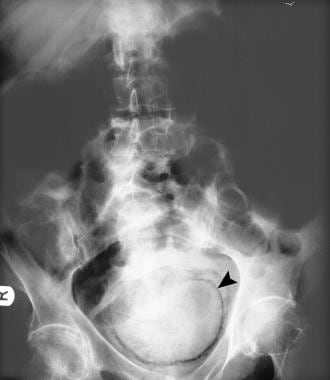
Calculi related to UTIs most commonly occur in women with recurrent UTIs from Proteus, Pseudomonas, and Providencia species (see Image 1); bacterial biofilms serve to assist struvite growth. Because magnesium ammonium phosphate is acid soluble, stone formation does not tend to occur with a urinary pH lower than 7.19. Increases in ammonia raise the pH and injure the uroepithelial glycosaminoglycan layer, contributing to bacterial adherence. Alkalinity also increases the amount of phosphate and carbonate available to bind calcium and magnesium.

Renal corticomedullary abscesses usually are associated with vesicoureteral reflux or urinary tract obstruction, and the usual organisms include E coli, Klebsiella species, and Proteus species. Clinical syndromes include acute focal bacterial nephritis, acute multifocal bacterial nephritis, emphysematous pyelonephritis, and xanthogranulomatous pyelonephritis.

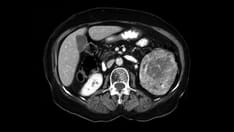
Acute focal bacterial nephritis is also known as acute lobar nephronia or focal pyelonephritis. This is an acute bacterial interstitial nephritis affecting a single renal lobe. Acute multifocal bacterial nephritis affects more than 1 lobe (see Image 2). Emphysematous pyelonephritis is a severe, necrotizing form of acute multifocal bacterial nephritis. Retroperitoneal (ie, extraluminal) gas may be observed in the renal parenchyma and perirenal space on radiographs. This is observed most commonly in people with diabetes, but it also may be observed in patients with immunocompromise or obstruction.

Xanthogranulomatous pyelonephritis is a severe chronic infection of the renal parenchyma. The kidney is enlarged and is fixed to the retroperitoneum by either perirenal fibrosis or an extension of the granulomatous process. The inciting event appears to be renal obstruction and chronic UTI. Predisposing factors include renal calculi, lymphatic obstruction, renal ischemia, dyslipidemia, diabetes, and primary hyperparathyroidism.

A perinephric abscess is defined as a collection of purulent material between the renal capsule and Gerota fascia. A perinephric abscess may develop secondary to an intrarenal abscess, a renal cortical abscess, xanthogranulomatous pyelonephritis, chronic or recurrent pyelonephritis, or from hematogenous dissemination. Predisposing factors are similar to those for intrarenal abscess. Approximately 25% of patients have diabetes.

Over time, patients with diabetes may develop cystopathy, nephropathy, and renal papillary necrosis, complications that predispose them to UTIs. Long-term effects of diabetic cystopathy include vesicourethral reflux and recurrent UTIs; as many as 30% of women with diabetes have some degree of cystocele, cystourethrocele, or rectocele.

Vaginal candidiasis and vascular disease also play a role in recurrent infections. Hyperglycemia causes neutrophil dysfunction by increasing intracellular calcium levels, interfering with actin and, thus, diapedesis and phagocytosis.

Renal cortical abscesses (ie, renal carbuncles) usually result from hematogenous spread of bacteria. Primary sources of infection include skin infections, osteomyelitis, and endovascular infections. These are observed commonly in users of injection drug, people with diabetes, and patients on dialysis. The most common organism isolated is Staphylococcus aureus. Ten percent of cortical abscesses may rupture through the renal capsule and form a perinephric abscess.

Autosomal dominant polycystic kidney disease can lead to end-stage renal disease. Cysts may become infected from either bacteremia or from bacteriuria.

Several factors increase the risk of UTI in pregnancy. These factors include relative obstruction of the ureters (secondary to the enlarging uterus), smooth muscle relaxation of the ureter and bladder (secondary to progesterone), and aminoaciduria and glycosuria, which provide a favorable environment for bacteria to grow. E coli is the most common organism isolated from cultures, although P mirabilis and K pneumoniae also are observed. Less common agents include group B streptococci and Staphylococcus saprophyticus. Group B streptococci are isolated in approximately 5% of infections and have been linked to preterm labor; these patients should receive prophylactic antibiotics during delivery to reduce the risk of neonatal sepsis.

Risk factors for candiduria include diabetes mellitus, indwelling urinary catheters, and antibiotic use. Candiduria may clear spontaneously or may result in (or from) deep fungal infections. The presence of Candida species in the urine usually represents colonization and not infection, and, as such, not all patients with candiduria require treatment. A lower threshold for initiating treatment exists for patients with diabetes, history of renal transplantation, or genitourinary abnormalities.

Frequency

United States

UTIs in women are very common; approximately 25-40% of women in the United States aged 20-40 years have had a UTI. In 1998, approximately 3.2% of emergency department visits were related to symptoms involving the genitourinary tract. Estimates based on office and emergency department visits suggest per annum about 7 million episodes of acute cystitis and 250,000 episodes of acute pyelonephritis. Ten to 15% of nephrolithiasis episodes are secondary to organisms associated with stone production. The incidence of renal and perirenal abscesses is 1-10 cases per 10,000 population. Some estimate that UTIs cost at least 1 billion dollars per year.

Patients with spinal cord injuries are at an increased risk for UTIs; lower rates occur in those with incomplete injuries. In patients practicing clean intermittent catheterization, the mean incidence of UTIs is 10.3 per1000 catheter days; after 3 months, the rate is fewer than 2 per 1000 catheter days. Once a urethral catheter is in place, the daily incidence of bacteriuria is 3-10%. Because the majority will become bacteriuric by 30 days, that is a convenient dividing line between short- and long-term catheterization.

International

UTIs have been well studied in Sweden and other parts of Europe, and these data are referred to frequently in this article.

Data from the tropics are less well documented. UTIs appear to be common and associated with structural abnormalities. Chronic infection from Schistosoma haematobium disrupts bladder mucosal integrity and causes urinary obstruction and stasis. Salmonella bacteriuria, with or without bacteremia, is very common in patients with schistosomiasis. Treatment requires both antischistosomal and anti-Salmonella agents.

Tuberculosis (TB) of the kidney results from hematogenous spread but is relatively rare in developing countries. Unlike most other extrapulmonary manifestations of the disease, TB of the kidney does not become manifest until 5-15 years after the primary infection. Constitutional symptoms are uncommon, and most patients present with symptoms of bladder irritation. Initially, pyuria is observed, and, with progression of the disease, proteinuria and blood may be observed as well. Repeated urine samples should be sent for mycobacterial culture. A loss of calyceal architecture and ureteric obstruction may be observed on imaging studies. Concurrent pulmonary disease is present in 5% of patients, and the tuberculin test rarely is helpful. Antituberculous medicines should be administered for 6 months. If the ureter is obstructed, corticosteroids have been advocated; if obstruction persists, surgical intervention is necessary.

Mortality/Morbidity

  • The mortality associated with acute uncomplicated cystitis among women aged 20-60 years appears to be negligible. A longitudinal cohort study of Swedish women showed a higher mortality among women with a history of UTI compared with age-matched women without this history (37% versus 28% in 10 y, P <0.001).1 These cohorts were not matched for other mortality-related factors, making it difficult to attribute the increased mortality to UTIs.
  • In contrast, the morbidity in terms of quality of life and economic measures is tremendous. Each episode of UTI in a young woman results in an average of 6.1 days of symptoms, 1.2 days of decreased class/work attendance, and 0.4 days in bed.
  • Groups at risk for UTIs associated with calculi include those with dysfunctional voiding, urinary intestinal diversion, indwelling urinary catheters, and vesicoureteral reflux.

Race

No racial predilection exists.

Sex

Uncomplicated UTIs are much more common among women than men when matched for age. A study of Norwegian men aged 21-50 years showed an approximate incidence of 0.0006-0.0008 infections per person-year, compared with approximately 0.5-0.7 per person-year in similarly aged women in the United States.

  • Renal carbuncles are more common in men than women by a ratio of 3:1 and are most common in the second to fourth decades of life. The right kidney is involved most commonly (63%).
  • Renal corticomedullary abscesses affect men and women equally; xanthogranulomatous pyelonephritis affects more women than men.

Age

The incidence of UTI in women tends to increase with increasing age. Several peaks above baseline correspond with specific events, including an increase among women aged 18-30 years (associated with honeymoon cystitis and pregnancy). Older adults have is a higher incidence of renal corticomedullary abscesses. This article does not discuss UTIs in children.


History

  • Acute urethritis
    • This topic is addressed in greater detail in Urethritis. The symptoms of acute urethritis overlap with those of cystitis, including acute dysuria and urinary hesitancy.
    • Urethral discharge is much more suggestive of urethritis, while bladder-related symptoms, such as urgency, polyuria, and incomplete voids, are more consistent with cystitis.
    • Fever may be a component of urethritis-related syndromes (eg, Reiter syndrome, Behçet syndrome) but rarely is observed in acute cystitis.
  • Acute cystitis
    • The symptoms of dysuria, urgency, hesitancy, polyuria, and incomplete voids also may be accompanied by urinary incontinence, gross hematuria, and suprapubic or low back pain.
    • The predominant complaints relate to the inflamed bladder mucosa. Constitutional symptoms, such as fever, nausea, and anorexia, are rare or mild.
  • Acute pyelonephritis
    • Unlike urethritis and cystitis, pyelonephritis may present with a paucity of lower urinary tract symptoms.
    • The classic triad of fever, costovertebral angle pain, and nausea and/or vomiting may be present, though not necessarily occurring together temporally.
    • Hematuria may occur but is more suggestive of nephrolithiasis in the presence of localizing back or flank pain.
    • Fever and vomiting may suggest gastroenteritis. Patients also may present with right upper quadrant pain radiating to the back, mimicking cholecystitis or pancreatitis.
  • Complicated urinary tract infections
    • UTIs associated with calculi may be insidious or asymptomatic. Patients may present with recurrent UTIs, abdominal pain, fever, gross hematuria, urinary fistulae, renal failure, or urosepsis.
    • Patients with renal corticomedullary abscesses present with chills, fever, and flank or abdominal pain. Patients may have dysuria and/or nausea/vomiting. Leukocytosis may be present. Bacteriuria, pyuria, hematuria, or proteinuria may be present as the intrarenal abscesses drain in the collecting system, but the urinalysis results may be normal in as many as 30% of patients. Bacteremia may be observed in acute focal or multifocal bacterial nephritis.
    • Patients with perinephric abscesses most commonly present with chills, fever, flank or abdominal pain, and dysuria. The physical examination is notable for flank and costovertebral angle tenderness and possibly a palpable mass.
    • Renal cortical abscess patients may present with chills, fever, and flank or abdominal pain. Patients may present with a flank mass or a bulge in the lumbar region. Some have abnormal results on lung examination of the affected side (dullness to percussion, rales). Blood and urine culture results usually are negative, but the white blood cell count often is elevated.
    • In patients with SCI, signs and symptoms suggestive of a UTI are malodorous and cloudy urine, muscular spasticity, fatigue, fevers, chills, and autonomic instability. Patients with lesions above T6 may exhibit autonomic dysreflexia to noxious stimuli (such as an overdistended bladder). The sympathetic response below the level of injury is uninhibited, producing severe vasoconstriction and reflexive bradycardia. If the patient is febrile, this may appear as a pulse-temperature dissociation.

Physical

  • Acute cystitis
    • Abnormal physical examination findings generally are lacking in women with acute cystitis. Patients may demonstrate some suprapubic tenderness to palpation.
    • The pelvic examination reveals no abnormalities unless another process, such as vaginitis, is mimicking or occurring simultaneously with cystitis.
  • Acute pyelonephritis
    • Fever in a young woman with symptoms referable to the urinary tract supports a diagnosis of pyelonephritis. Unilateral or bilateral costovertebral angle tenderness may be present.
    • A pelvic examination may reveal findings suggestive of pelvic inflammatory disease, such as cervical motion tenderness or vaginal discharge.
    • The abdominal examination may reveal upper quadrant tenderness, but peritoneal symptoms should not be present in acute uncomplicated pyelonephritis.
  • Patients with perinephric abscesses most commonly present with fever, chills, and flank tenderness; they may have a palpable mass.

Causes

E coli causes 70-95% of both upper and lower UTIs. The remainder of infections is composed of various organisms, including S saprophyticus, Proteus species, Klebsiella species, Enterococcus faecalis, other Enterobacteriaceae, and yeast. Some species are more common in certain subgroups, such as S saprophyticus in young women.

  • Sexual intercourse contributes to increased risk, as does use of a diaphragm and/or spermicide. Women who are elderly, pregnant, or have preexisting urinary tract structural abnormalities or obstruction carry a higher risk of UTI.
  • Most complicated UTIs are nosocomial in origin. The most common pathogens include E coli, enterococci, P aeruginosa, Candida species, and Klebsiella pneumoniae.
  • Calculi related to UTIs most commonly occur in women who experience recurrent UTIs with Proteus, Pseudomonas, and Providencia species.
  • Perinephric abscesses are associated most commonly with E coli, Proteus species, and S aureus but also may be secondary to Enterobacter, Citrobacter, Serratia, Pseudomonas, and Klebsiella species. More unusual causes include enterococcus, Candida species, anaerobes, Actinomyces species, and Mycobacterium tuberculosis. Twenty-five percent of infections are polymicrobial.
  • Candiduria is defined as more than 1,000 CFU of yeast from 2 cultures. Candida albicans, which is germ tube positive, is the usual culprit. Germ tube–negative Candida species (tropicalis, parapsilosis, glabrata, lusitaniae, krusei) are less common.
  • Patients with SCI develop UTIs with microorganisms that form dense biofilms on the bladder wall; thus, these infections are difficult to eradicate. Organisms that commonly cause infections include Proteus, Pseudomonas, Klebsiella, Serratia, and Providencia species, along with enterococci and staphylococci. Approximately 70% of infections are polymicrobial.


Appendicitis
Behcet Disease
Bladder Cancer
Bladder Stones
Bladder Trauma
Chlamydial Genitourinary Infections
Cholangitis
Cholecystitis
Colovesical Fistula
Common Pregnancy Complaints and Questions
Cystitis, Nonbacterial
Diverticulitis
Emphysema
Emphysematous Pyelonephritis
Enterobacter Infections
Enterococcal Infections
Escherichia Coli Infections
Gardnerella
Gastroenteritis, Bacterial
Glomerulonephritis, Acute
Gonococcal Infections
Herpes Simplex
Interstitial Cystitis
Klebsiella Infections
Mycoplasma Infections
Nephrolithiasis
Nephrolithiasis: Acute Renal Colic
Pancreatitis, Acute
Pneumonia, Bacterial
Pneumonia, Community-Acquired
Proteus Infections
Providencia Infections
Pseudomonas Aeruginosa Infections
Pyelolithotomy
Pyelonephritis, Acute
Pyelonephritis, Chronic
Pyonephrosis
Renal Cell Carcinoma
Renal Corticomedullary Abscess
Renal Transplantation (Medical)
Renal Transplantation (Urology)
Schistosomiasis
Sepsis, Bacterial
Septic Shock
Serratia
Shock and Pregnancy
Shock, Distributive
Subacute Thyroiditis
Trichomoniasis
Tuberculosis
Tuberculosis of the Genitourinary System
Ureaplasma Infection
Ureteral Injury During Gynecologic Surgery
Ureteral Stricture
Ureteral Trauma
Ureterocele
Ureterolithotomy
Ureteropelvic Junction Obstruction
Ureteroscopy
Urethral Prolapse
Urethral Syndrome
Urethritis
Urinary Diversions and Neobladders
Urinary Tract Infection, Females
Urinary Tract Infections in Pregnancy
Urinary Tract Obstruction
Urologic Imaging Without X-rays: Ultrasound, MRI, and Nuclear Medicine
Urothelial Tumors of the Renal Pelvis and Ureters
Vaginitis
Vesicoureteral Reflux
Vesicovaginal and Ureterovaginal Fistula
Vesicovaginal Fistula
Xanthogranulomatous Pyelonephritis

Other Problems to be Considered

Consider any condition involving flank/back pain or abdominal/pelvic pain.

The differential diagnosis for infectious causes of sterile pyuria includes perinephric abscess, urethral syndrome, renal TB, and fungal infections of the urinary tract system.

Noninfectious causes of pyuria include uric acid and hypercalcemic nephropathy, lithium and heavy metal toxicity, sarcoidosis, interstitial cystitis, polycystic kidney disease, genitourinary malignancy, and renal transplant rejection.


Lab Studies

  • In the 1980s, many experts felt that urine cultures were unnecessary in young women with cystitis complaints because almost all of these were caused by pan-susceptible isolates of E coli. However, since 1998, resistant isolates of E coli have emerged (in numbers as high as 20% in some communities). Trimethoprim-sulfamethoxazole (TMP-SMZ) resistance has been associated with concomitant resistance to other antibiotics. Consider obtaining urine cultures in the new millennium.
  • Urine specimens may be obtained by suprapubic aspiration, catheterization, or midstream clean catch. Bacteriuria, especially with many squamous cells without pyuria suggests contamination or colonization; some women may need to be catheterized to obtain a clean specimen. Although midstream urine specimens have been advocated, one randomized trial showed that the rate of contamination was not excessive in young women who urinated into a container without cleansing the perineum or discarding the first urine output.
  • Dipstick testing should include glucose, protein, blood, nitrite, and leukocyte esterase. A microscopic evaluation of the urine sample for white blood cell (WBC) counts, red blood cell (RBC) counts, and cellular or hyaline casts should be performed. In the office, a combination of clinical symptoms with dipstick and microscopic analysis showing pyuria and/or positive nitrite/leukocyte esterase tests can be used as presumptive evidence of UTI.
  • The most accurate method to measure pyuria is counting leukocytes in unspun fresh urine using a hemocytometer chamber; greater than 10 WBC/mL is considered abnormal. Counts determined from a wet mount of centrifuged urine are not reliable measures of pyuria. A noncontaminated specimen is suggested by a lack of squamous epithelial cells. Pyuria is a sensitive (80-95%) but nonspecific (50-76%) method of diagnosing UTI.
  • White cell casts may be observed in conditions other than infection, and they may not be observed in all cases of pyelonephritis. If the patient has evidence of acute infection and white cell casts are present, the infection likely represents pyelonephritis. A spun sample (5 mL at 2000 revolutions per min [rpm] for 5 min) is best used for evaluation of cellular casts.
  • Leukocyte esterase is a dipstick test that can rapidly screen for pyuria; it is 57-96% sensitive and 94-98% specific for identifying pyuria.
  • Nitrite tests detect the products of nitrate reductase, an enzyme produced by many bacterial species. These products are not present normally unless a UTI exists. This test has a sensitivity and specificity of 22% and 94-100%, respectively. The low sensitivity has been attributed to enzyme-deficient bacteria causing infection or low-grade bacteriuria.
  • Microscopic hematuria is found in about half of cystitis cases; when found without symptoms or pyuria, it should prompt a search for malignancy. Other things to be considered in the differential include calculi, vasculitis, renal TB, or glomerulonephritis. In a developing country, hematuria is suggestive of schistosomiasis, which can be associated with salmonellosis and squamous cell malignancies of the bladder. For more information on this interesting topic, the reader is referred to the article on Schistosomiasis.
  • Proteinuria commonly is observed in infections of the urinary tract, but the proteinuria usually is low grade. More than 2 grams of protein per 24 hours suggests glomerular disease.
  • Urine culture remains the criterion standard for the diagnosis of UTI. Collected urine should be sent for culture immediately; if not, it should be refrigerated at 4°C. Two culture techniques (dip slide, agar) are widely used and accurate. The 1999 Infectious Disease Society of America (IDSA) consensus limits for cystitis and pyelonephritis in women are more than 1000 CFU/mL and more than 10,000 CFU/mL, respectively, for clean-catch midstream urine specimens. Note that any amount of uropathogen grown in culture from a suprapubic aspirate should be considered evidence of a UTI. Approximately 40% of patients with perinephric abscesses have sterile urine cultures.
  • If a Gram stain of an uncentrifuged, clean-catch, midstream urine specimen reveals the presence of 1 bacterium per oil-immersion field, it represents 10,0000 bacteria/mL of urine. A specimen (5 mL) that has been centrifuged for 5 minutes at 2000 rpm and examined under high power after Gram staining will identify lower numbers. In general, a Gram stain has a sensitivity of 90% and a specificity of 88%.
  • Patients with spinal cord injury
    • Diagnosing a UTI in a patient with an SCI is difficult. In these patients, suprapubic aspiration of the bladder is the criterion standard for diagnosing a UTI, although it is not performed often in clinical practice.
    • All of these patients have some degree of bacteruria, but not all are actively infected. The diagnosis of significant bacteriuria, per the 1992 consensus statement of the National Institute on Disability and Rehabilitation Research (NIDRR), is any detectable concentration of a uropathogen collected from a patient with SCI and with an indwelling catheter. For patients utilizing intermittent catheterization, the definition of significant bacteriuria is 100 CFU/mL or more.
    • The optimal method to diagnose pyuria in a patient with SCI has not been determined. More than 50 WBC per high-power field (hpf) is a reasonable indicator of high-level pyuria and has been associated with increased morbidity.
  • Approximately 70% of patients with corticomedullary abscesses have abnormal urinalysis findings, whereas those with renal cortical abscesses usually have normal findings. Two thirds of patients with perinephric abscesses have an abnormal urinalysis.
  • Other lab tests
    • The WBC count usually is elevated in patients with complicated UTI. The WBC count may or may not be elevated in patients with uncomplicated UTI. Patients with complicated UTIs may have anemia, which is observed in 40% of patients with perinephric abscesses.
    • Some patients have findings of electrolyte abnormalities, and 25% of patients with perinephric abscesses have azotemia.
    • Bacteremia is associated with pyelonephritis, corticomedullary abscesses, and perinephric abscesses. Approximately 10-40% of patients with pyelonephritis or perinephric abscesses have positive results on blood culture. Bacteremia is not necessarily associated with a higher morbidity or mortality in women with uncomplicated UTI.
    • Cervical swabs may be indicated.

Imaging Studies

  • No imaging studies are indicated in the routine evaluation of cystitis or pyelonephritis. Women with acute pyelonephritis should be considered for imaging if they continue to have symptoms or clinical progression despite standard antimicrobial therapy for their infection. Complicated UTIs may require imaging. Options include a simple kidneys, ureter, and bladder (KUB) radiograph; a renal ultrasound; a CT scan; an MRI; nuclear imaging; and angiograms. Urologic intervention may be required, including intravenous pyelograms (IVPs) and ureterograms (ie, retrograde and percutaneous).
  • A renal ultrasound is a useful imaging modality in patients with complicated UTIs, and it may be performed at the bedside in a patient who is hemodynamically unstable. It is relatively inexpensive, does not involve radiation, and iodinated contrast is not needed. A renal abscess may appear as a fluid-filled mass with a thick wall. Acute focal bacterial nephritis appears as a poorly defined mass with low-amplitude echoes and disruption of the corticomedullary junction. Xanthogranulomatous pyelonephritis images reveal stones in approximately 70% of patients. Ultrasound findings may be falsely negative in 36% of perinephric abscesses. A drawback to ultrasound is the difficulty in differentiating renal abscess from tumor; it also is difficult to interpret in a patient who is obese.
  • Renal angiography may help differentiate renal abscess from renal tumor because an abscess often has increased peripheral vascularization (the remainder of the mass is avascular).
  • Nuclear studies
    • Gallium (Ga) scans also may be used in the workup of a complicated UTI. The patient is injected with a transiently radioactive substance and returns 1-3 days later. The emitted radiation provides an image, which, although it lacks precise anatomic detail, does provide functional information. A subtraction technique using Ga citrate and technetium (Tc) glucoheptonate needs to be performed to differentiate intrarenal abscess from tumor, obstruction, and severe pyelonephritis.
    • An indium-111–labeled WBC scan can help to diagnose infection in persons with autosomal-dominant polycystic kidney disease.
  • For complicated UTIs, computed tomography (CT) scans provide the best definition, and the information is available quickly. Drawbacks to CT scans include some exposure to irradiation and the need for iodinated contrast. Abscesses should appear as low-density masses with contrast enhancement of the wall from inflamed/dilated blood vessels. Acute focal bacterial nephritis has a lobar distribution of inflammation, wedge-shaped hypodense lesions (postcontrast), and masslike hypodense lesions in severe infections. Xanthogranulomatous pyelonephritis may appear as large renal calculi, nonfunctioning kidneys, contrast enhancement around low attenuation areas, thickening of Gerota fascia, and spherical areas of low attenuation.
  • Patients with spinal cord injuries with more than 2 symptomatic UTIs within 6 months should be evaluated to rule out high-pressure voiding, vesicoureteral reflux, and the presence of stones. Evaluations often include urodynamic studies, nuclear scanning, renal ultrasound, voiding cystourethrography, abdominal CT scans, IVP, and/or cystoscopy.

Procedures

  • The consulting urologist may wish to perform an IVP, cystoscopy, or a ureterogram (either retrograde or percutaneous).


Medical Care

For adult women with acute bacterial cystitis who are otherwise healthy and not pregnant, single-dose therapy generally is less effective than a longer duration of the same antimicrobial agent. Most antimicrobial agents administered for 3 days are as effective as the same drug administered for a longer duration, with exceptions being nitrofurantoin and beta-lactams as a group.

TMP-SMZ for 3 days is considered the current standard therapy for bacterial cystitis. TMP-SMZ works as well as fluoroquinolones, which are more expensive. In 1999, to postpone the emergence of quinolone resistance, IDSA guidelines for UTI did not recommend quinolones as initial empiric therapy, except in communities with high rates (ie, over 10-20%) of uropathogen resistance to TMP-SMZ. Quinolones should be used for patients with known TMP-SMZ allergies, known TMP-SMZ–resistant pathogens, or those failing a TMP-SMZ regimen.

Drug selection could be facilitated if resistance patterns among uropathogens could be predicted clinically. Studies have compared women with UTI caused by TMP-resistant bacteria with women with TMP-sensitive isolates. After multivariate analysis, the strongest risk factor was current or recent use of TMP-SMZ; current use of any antibiotic, estrogen exposure, diabetes, and recent hospitalization also were significant. Rates of fecal colonization with TMP-SMZ–resistant E coli are increased in those who have recently been to Mexico, children in daycare centers, and in family members of those recently treated for a UTI.

  • Cystitis
    • Cystitis in older women or infection caused by S saprophyticus is less responsive to 3 days of therapy; therefore, 7 days of therapy is suggested.
    • Bladder analgesia using phenazopyridine 200 mg tid should be considered in women with severe dysuria. Duration of therapy should be limited to 2 or 3 days to ensure clinical improvement of symptoms.
  • Pyelonephritis
    • Fewer firm data are available on which to base sound treatment recommendations for pyelonephritis. For young women who are not pregnant with normal urinary tracts, 14 days of therapy is appropriate.
    • Mild infections can be managed with oral fluoroquinolones or TMP-SMZ. Women who should be considered for outpatient treatment include those with mild-to-moderate infection, those with easy access to follow-up appointments, and women without significant nausea or vomiting.
    • Patients presenting with acute pyelonephritis can be treated with a single dose of a parenteral antibiotic followed by oral therapy, provided they are monitored within the first 48 h. A study of febrile, nonpregnant women presenting with symptoms of acute pyelonephritis found that 25% were hospitalized. These patients tended to be older and have diabetes, higher temperatures, and vomiting. Eighty percent of the outpatients were treated with a single parenteral dose of ceftriaxone or gentamicin, followed by oral therapy (usually TMP-SMZ). Twelve percent returned with persistent symptoms, most in the first day; most of these were admitted.
    • Hospitalize patients with more severe infection and treat with a parenteral fluoroquinolone, an aminoglycoside (with or without ampicillin), or an extended-spectrum cephalosporin (with or without an aminoglycoside). Treat gram-positive cocci with ampicillin/sulbactam (with or without an aminoglycoside).
    • Patients who relapse despite adequate therapy who lack anatomic abnormalities should be treated for 6 weeks. If a new pathogen causes infection, then another 2-week course should be effective.
  • Urinary tract infections associated with calculi
    • For UTIs associated with calculi, treatment ranges from observation to nephrectomy.
    • The preferred method of treatment is surgical (see Surgical Care). Mere observation is not recommended, as the mortality is 28% versus 7.2% in the surgically treated group. Antibiotic therapy should be used in conjunction.
    • Although food and vitamin supplements that are rich in phosphorus and magnesium are advisable, remember that magnesium (and other divalent cations) can chelate quinolones, preventing their absorption from the gut.
    • Acidifying agents have been used. Ascorbic acid does not significantly decrease urinary pH, and ammonium chloride provides only temporary acidification.
    • Urease inhibitors are effective in reducing stone formation, but long-term use is fraught with neurosensory, hematologic, and dermatologic adverse effects.
  • Renal carbuncles
    • For renal carbuncles, surgical drainage once was the only treatment. However, modern antibiotics alone often are curative. A semisynthetic penicillin, cephalosporin, quinolone, or vancomycin is recommended.
    • Generally, parenteral antibiotics should be administered for 10-14 days, followed by oral therapy for 2-4 weeks. Fever should resolve within 5-6 days and pain within 24 hours.
    • If patients do not respond within 48 hours, percutaneous (or open) drainage should be performed.
  • Acute, focal, and multifocal bacterial nephritis
    • Acute, focal, and multifocal bacterial nephritis should respond to antibiotics within 1 week. An extended-spectrum penicillin, cephalosporin, or quinolone should be used. A beta-lactam and an aminoglycoside also may be considered.
    • Parenteral therapy should be used first, followed by at least 2 weeks of oral therapy. Those with large abscesses (ie, > 5 cm), obstructive uropathy, advanced age, and urosepsis may not respond to antimicrobial therapy alone and require percutaneous drainage.
    • Patients with severely damaged renal parenchyma, xanthogranulomatous pyelonephritis, or patients who are elderly and have sepsis may require nephrectomy.
  • Perinephric abscesses
    • Perinephric abscesses are associated with a high mortality rate (ie, 20-50%) and require percutaneous or surgical drainage and antibiotics.
    • An aminoglycoside and an antistaphylococcal penicillin should be used. An extended-spectrum beta-lactam also may be used.
    • Antibiotics should be modified based on culture results.
  • Spinal cord injury and urinary tract infections
    • Antibiotics should be reserved for patients with clear signs and symptoms of UTI.
    • Oral fluoroquinolones are the drugs of choice for empiric treatment of acute UTIs.
    • Options for hospitalized patients include parenteral fluoroquinolones, ampicillin and gentamicin, imipenem plus cilastatin, third-generation cephalosporins, beta-lactam/beta-lactamase inhibitor combinations, or the aminoglycosides.
    • Duration of therapy generally is 7-14 days, but 4-5 days may be acceptable for patients who are mildly symptomatic and who are closely monitored.
    • If a patient fails to respond, then another culture should be obtained and an imaging study should be considered to rule out persistent infection, stone disease, and anatomic abnormalities causing obstruction.
    • Treatment of asymptomatic patients is more controversial. While urine cultures with low bacterial counts often become sterile without treatment, some patients with ASB develop chronic infections secondary to bacterial biofilms. Some suggest that first episodes of ASB should be treated if significant bacteriuria (ie, more than 10,000 CFU/mL) is accompanied by pyuria (ie, more than 8-10 leukocytes/hpf).

Surgical Care

  • Urinary tract infections associated with infected calculi
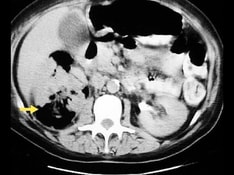
    • Treatment ranges from observation to nephrectomy. Hydronephrosis is a concern (see Image 3).
    • Surgical options include extracorporeal shock wave lithotripsy (ESWL), endoscopic methods, percutaneous methods, or open surgery.
    • Mere observation is not recommended; the mortality associated with observation is 28%, versus 7.2% in the surgically treated group. Appropriate antibiotic therapy should be used as well.

Consultations

A pharmacokinetics consultation is suggested when using aminoglycosides or vancomycin. Urologic consultation is essential in patients with complicated UTIs. Other consultations depend on the patient's underlying state of health and may include an obstetrician, gynecologist, endocrinologist, nephrologist, neurologist, and neurosurgeon. Infectious disease input is essential for unusual or resistant pathogens or hosts who are immunocompromised. Consultation with the patient's primary care provider is suggested.

Diet

  • Hydration to accentuate unidirectional clearance of bacteruria is recommended, especially if an obstruction was relieved recently. Drinking cranberry juice (10 oz/d) may offer some benefit and does not appear to be harmful. One recent study found less recurrence of UTIs in women who drank 50 cc of cranberry-lingonberry concentrate daily for 6 months. The mechanism of action of cranberry juice is not clear. It is bacteriostatic, an effect probably due to hippuric acid. Another mechanism may involve suppression of E coli fimbriae by proanthocyanidins (tannins). Ascorbic acid (vitamin C) does not cause significant urinary acidification.
  • For complicated UTIs associated with struvite calculi, foods and vitamin supplements rich in phosphorus and magnesium are advised.
  • Remember that divalent cations (eg, magnesium, iron, calcium, zinc) can chelate oral fluoroquinolones, preventing their absorption from the gut.

Activity

Please see Deterrence/Prevention for a discussion on sexual activities and recurrent UTIs in women.


The goals of pharmacotherapy are to eradicate the infection, reduce morbidity, and prevent complications.

Drug Category: Antibiotics

Empiric antimicrobial therapy should cover all likely pathogens in the context of this clinical setting. The prolonged or repeated use of antibiotics may result in fungal or bacterial overgrowth of nonsusceptible organisms, superinfections, or infections with C difficile.

Antibiotics sometimes are used in combination. Sometimes these combinations work against each other (ie, are antagonistic); examples would include beta-lactams (such as penicillin) and tetracyclines. Antagonism is defined as at least a 99% decrease in killing by the combination (when compared with the most active antimicrobial alone).

Synergism is when a combination of antibiotics has a significantly greater effect than would be expected from the sum of the separate drugs (ie, over a 99% increase in killing). Aminoglycosides and either beta-lactams or vancomycin are considered synergistic combinations. Because no single drug is considered bactericidal for the enterococcus, some might prefer to use synergistic combinations when treating enterococcal UTIs.

The techniques used to generate data regarding synergy and antagonism are laborious and should generally be performed only in a research laboratory.

Drug NameTrimethoprim (Proloprim, Trimpex)
DescriptionInhibits bacterial growth by inhibiting synthesis of dihydrofolic acid. Active in vitro against a broad range of gram-positive and gram-negative bacteria, including uropathogens, such as Enterobacteriaceae and S saprophyticus. Resistance usually is mediated by decreased cell permeability or alterations in the amount or structure of dihydrofolate reductase. Demonstrates synergy with the sulfonamides, potentiating the inhibition of bacterial tetrahydrofolate production.
Adult Dose100-200 mg PO q12h
Pediatric DoseNot established
ContraindicationsDocumented hypersensitivity
InteractionsIncreases effect of phenytoin and rifampin; impairs excretion of creatinine (when present with cyclosporine) and methotrexate
PregnancyC - Fetal risk revealed in studies in animals but not established or not studied in humans; may use if benefits outweigh risk to fetus
PrecautionsDiscontinue at first appearance of skin rash or sign of adverse reaction; monitor CBCs; discontinue therapy if significant hematologic changes occur; high doses may cause bone marrow depression (if signs occur, administer 5-15 mg/d leucovorin); caution in folate deficiency (eg, patients with long-term alcoholism, elderly people, those receiving anticonvulsant therapy, those with malabsorption syndrome); hemolysis may occur in individuals who are G-6-PD deficient; caution in renal or hepatic impairment (perform urinalysis and renal function tests during therapy); administer fluids to prevent crystalluria and stone formation; adverse effects include nausea, vomiting, hypersensitivity reactions with morbilliform rash (especially in patients with AIDS), and diarrhea; less common adverse effects include marrow suppression, renal dysfunction, hepatitis, and aseptic meningitis

Drug NameTrimethoprim-sulfamethoxazole (Bactrim, Bactrim DS, Septra, Septra DS, Cotrim)
DescriptionTMP-SMZ has been given an "A, I" rating in the 1999 IDSA guidelines for treating UTIs. Combination antimicrobial designed to take advantage of the synergy between TMP and sulfonamides. Inhibits dihydropteroate synthetase, preventing the incorporation of para-aminobenzoic acid (PABA) into dihydrofolate and subsequent synthesis of tetrahydrofolate. TMP-SMZ activity includes common urinary tract pathogens, both aerobic gram-positive and gram-negative bacteria, except P aeruginosa.
Adult DoseTraditional dosing: 160 mg TMP/800 mg SMZ PO q12h for 10-14 d
Parenteral dose: 4-5 mg/kg TMP with 20-25 mg/kg SMZ PO q12h
Dosage adjustment is recommended for impaired CrCl ( <30 mL/min)
Pediatric Dose8-12 mg/kg TMP component PO divided bid
ContraindicationsDocumented hypersensitivity; megaloblastic anemia due to folate deficiency; risk/benefit assessment should be considered in patients with G6PD deficiency, blood dyscrasias, folate deficiency, porphyria, hepatic or renal impairment
InteractionsMay increase PT when used with warfarin (perform coagulation tests and adjust dose accordingly); coadministration with dapsone may increase blood levels of both drugs; coadministration of diuretics increases incidence of thrombocytopenia purpura in elderly persons; phenytoin levels may increase with coadministration; may potentiate effects of methotrexate in bone marrow depression; coadministration with sulfonylureas may increase hypoglycemic response to sulfonylureas
PregnancyC - Fetal risk revealed in studies in animals but not established or not studied in humans; may use if benefits outweigh risk to fetus
PrecautionsDiscontinue at first appearance of skin rash or sign of adverse reaction; monitor CBCs; discontinue therapy if significant hematologic changes occur; goiter, diuresis, and hypoglycemia may occur with sulfonamides; prolonged IV infusions or high doses may cause bone marrow depression (if signs occur, administer 5-15 mg/d leucovorin); caution in folate deficiency (eg, people with long-term alcoholism, elderly people, those receiving anticonvulsant therapy, those with malabsorption syndrome); hemolysis may occur in individuals who are G-6-PD deficient; patients with AIDS may not tolerate or respond to TMP/SMZ; caution in renal or hepatic impairment (perform urinalyses and renal function tests during therapy); administer fluids to prevent crystalluria and stone formation

Drug NameAmpicillin (Omnipen, Principen, Totacillin, Polycillin)
DescriptionImpairs cell wall synthesis in actively dividing bacteria; binds to and inhibits penicillin-binding proteins (PBPs).
Activity against anaerobes and gram-negative aerobes. Generally used in combination with an aminoglycoside for empiric or directed activity against E faecalis.
Beta-lactams, in general, have been given an "E, I" rating in the 1999 IDSA guidelines for treating UTIs. Beta-lactams are less effective because they are excreted rapidly in the urine and do little to alter the GI/GU reservoir of bacteria.
Adult DoseAmpicillin trihydrate: 500 mg PO q6h
Ampicillin: 150-200 mg/kg IV divided q4-6h (approximately 1g q6h)
Pediatric Dose<28 days: Not recommended
>28 days: 50 mg/kg PO/IV q6h
ContraindicationsDocumented hypersensitivity
InteractionsDecreased bioavailability of atenolol; altered response to coumarin derivatives; probenecid and disulfiram elevate ampicillin levels; allopurinol decreases ampicillin effects and has additive effects on ampicillin rash; may decrease effects of oral contraceptives
PregnancyB - Fetal risk not confirmed in studies in humans but has been shown in some studies in animals
PrecautionsAdjust dose in renal failure; avoid use in known infectious mononucleosis because a maculopapular rash will occur in >95% of cases and may be confused with hypersensitivity; not to be used alone for the treatment of UTIs because resistance is common; if used for cystitis, 7 d (not 3) must be prescribed

Drug NameAmoxicillin (Trimox, Amoxil, Biomox)
DescriptionInterferes with synthesis of cell wall mucopeptides during active multiplication, resulting in bactericidal activity against susceptible bacteria.
Adult Dose250-500 mg PO q8h; not to exceed 3 g/d
Pediatric Dose20-50 mg/kg/d PO divided q8h
ContraindicationsDocumented hypersensitivity
InteractionsReduces the efficacy of oral contraceptives
PregnancyB - Fetal risk not confirmed in studies in humans but has been shown in some studies in animals
PrecautionsAdjust dose in renal impairment; may enhance chance of candidiasis

Drug NameGentamicin (Garamycin, Gentacidin)
DescriptionBactericidal aminoglycoside antibiotic that inhibits bacterial protein synthesis. Activity against various aerobic gram-negative bacteria, as well as E faecalis and staphylococcal species. Most commonly used with or without ampicillin to treat acute pyelonephritis in the hospitalized patient when Enterococcus species are a concern. Only aminoglycoside with appreciable activity against gram-positive organisms.
Requires dosing adjustment based on CrCl; IBW should be used for the calculation (the drug is not fat soluble). Trough serum levels should be monitored to ensure adequate clearance and reduce toxicity (<2 mcg/mL). Peak levels should also be monitored (may draw 0.5 h after 30-min infusion) after 4-5 half-lives when dosed more than once daily (levels should not exceed 12 mcg/mL for prolonged periods).
Daily dosing is not appropriate for treating gram-positive infections because the drug exhibits no appreciable postantibiotic effect with these organisms.
Adult Dose3-5 mg/kg IV qd
1 mg/kg IV q8h
Pediatric Dose<28 days: Not recommended
>28 days: 2.5 mg/kg IV q8h
ContraindicationsDocumented hypersensitivity; non–dialysis-dependent renal insufficiency
InteractionsCoadministration with other aminoglycosides, cephalosporins, penicillins, and amphotericin B may increase nephrotoxicity; aminoglycosides enhance effects of neuromuscular blocking agents, thus prolonged respiratory depression may occur; coadministration with loop diuretics may increase auditory toxicity of aminoglycosides; irreversible CN 8 dysfunction may occur (monitoring may minimize)
PregnancyC - Fetal risk revealed in studies in animals but not established or not studied in humans; may use if benefits outweigh risk to fetus
PrecautionsNarrow therapeutic index (not intended for long-term therapy); caution in renal failure (not on dialysis), myasthenia gravis, hypocalcemia, and conditions that depress neuromuscular transmission; adjust dose in renal impairment

Drug NameCefixime (Suprax)
DescriptionThird-generation oral cephalosporin with broad activity against gram-negative bacteria, including Enterobacteriaceae, by inhibiting cell wall synthesis. Has shown poor activity against staphylococcal and enterococcal species. Cefixime compared favorably to a quinolone in one study.
Adult Dose400 mg PO qd
Pediatric Dose8 mg/kg PO qd
ContraindicationsDocumented hypersensitivity
InteractionsCoadministration of aminoglycosides increases nephrotoxicity; probenecid may increase effects of cefixime; may decrease effectiveness of oral contraceptives
PregnancyB - Fetal risk not confirmed in studies in humans but has been shown in some studies in animals
PrecautionsAdjust dose in severe renal insufficiency (high doses may cause CNS toxicity); superinfections, and promotion of nonsusceptible organisms may occur with prolonged use or repeated therapy; may increase risk for C difficile infection; expensive but tolerated well by patients

Drug NameCefpodoxime proxetil (Vantin)
DescriptionExtended-spectrum oral cephalosporin with bactericidal activity against gram-positive and gram-negative bacteria, including S aureus (not MRSA) and S saprophyticus. Active agent in vivo is cefpodoxime. Beta-lactams, in general, have been given an "E, I" rating in the 1999 IDSA guidelines for treating UTIs.
Adult DoseAcute cystitis: 100 mg PO q12h
Acute pyelonephritis: 200 mg PO q12h
Pediatric Dose10 mg/kg PO divided bid; not to exceed 400 mg/d
ContraindicationsDocumented hypersensitivity
InteractionsDecreased effect with antacids and H2-receptor antagonists; increased effect with probenecid
PregnancyB - Fetal risk not confirmed in studies in humans but has been shown in some studies in animals
PrecautionsAdjust dose in severe renal insufficiency (high doses may cause CNS toxicity); superinfections and promotion of nonsusceptible organisms may occur with prolonged use or repeated therapy

Drug NameNitrofurantoin (Furadantin, Macrobid, Macrodantin)
DescriptionSynthetic nitrofuran that interferes with bacterial carbohydrate metabolism by inhibiting acetylcoenzyme A. Bacteriostatic at low concentrations (5-10 mcg/mL) and bactericidal at higher concentrations. Bactericidal against uropathogens such as S saprophyticus, E faecalis, and E coli; possesses no activity against Proteus, Serratia, or Pseudomonas species. Received a "B, I" rating in the 1999 IDSA guidelines for treating UTIs. Manufactured in different forms to facilitate durable urine concentrations: macrocrystals (Macrodantin), microcrystal suspension (Furadantin), and a combined preparation (Macrobid). Achieves no appreciable concentrations in the prostate, kidney, or blood.
Adult DoseNitrofurantoin monohydrate/macrocrystals (Macrobid): 100 mg PO bid
Nitrofurantoin macrocrystals (Macrodantin): 50-100 mg PO qid
Pediatric DoseNot established
ContraindicationsDocumented hypersensitivity; renal insufficiency ( <60 mL/min CrCl); anuria or oliguria; at term in pregnant women due to risk of acute hemolysis in newborn with G-6-PD deficiency (it can displace bilirubin)
InteractionsAnticholinergics may delay gastric emptying and increase absorption, increasing bioavailability; antacids made of magnesium salts may decrease absorption; high doses of probenecid concurrently with nitrofurantoin decreases renal clearance; may decrease efficacy of quinolones
PregnancyB - Fetal risk not confirmed in studies in humans but has been shown in some studies in animals
PrecautionsNitrofurantoin may cause severe and irreversible peripheral neuropathy; renal impairment, diabetes, electrolyte imbalance, anemia, and vitamin B deficiency increase risk for adverse effects; pulmonary hypersensitivity syndromes (ie, acute, subacute, chronic) can occur and are more common in patients who have been sensitized to nitrofurantoin through prior use; acute reactions (eg, fever, dyspnea, eosinophilia, pulmonary infiltrates) usually occur in the first 12 h in sensitized patients or within 3 wk in newly exposed patients; subacute reactions occur after longer exposures (>1 mo), and chronic reactions occur after 6 mo; reactions usually resolve after discontinuation of the drug; treatment with steroids may be useful; chronic syndrome may result in permanent pulmonary dysfunction

Drug NameCiprofloxacin (Cipro)
DescriptionQuinolone. Antimicrobial activity based on ability to inhibit bacterial DNA gyrase and topoisomerases, which are required for replication, transcription, and translation of genetic material. Quinolones have broad activity against gram-positive and gram-negative aerobic organisms. Differences in chemical structure between quinolones have resulted in altered levels of activity against different bacteria. Ciprofloxacin has greatest antimicrobial activity against P aeruginosa. Altered chemistry structures result in toxicity differences as well. Quinolones have been given an "A, I" or "A, II" rating in the 1999 IDSA guidelines for treating UTIs.
Adult DoseCystitis:
250 mg PO bid
Pyelonephritis:
500-750 mg PO bid
200-400 mg IV q12h
Pediatric Dose<18 years: Not recommended
>18 years: Administer as in adults
ContraindicationsDocumented hypersensitivity
InteractionsAntacids, iron salts, and zinc salts may reduce oral absorption; administer antacids 2-4 h before or after taking fluoroquinolones; cimetidine may interfere with metabolism of fluoroquinolones; quinolones may reduce therapeutic effects of phenytoin; probenecid may increase serum concentrations of quinolones; ciprofloxacin may increase toxicity of theophylline, caffeine, cyclosporine, and digoxin (monitor levels); may increase effects of anticoagulants (monitor PT)
PregnancyC - Fetal risk revealed in studies in animals but not established or not studied in humans; may use if benefits outweigh risk to fetus
PrecautionsAssociated with a variety of CNS manifestations such as hallucinations and seizures; factors that increase risk of adverse effects should be noted when considering use; IV solution of ciprofloxacin should be administered by slow infusion over 60 min to reduce risk of phlebitis

Drug NameFosfomycin (Monurol)
DescriptionGiven a "B, I" rating in the 1999 IDSA guidelines for treating UTIs. Phosphonic acid is a bactericidal agent, active against most UTI pathogens, including E coli and Enterobacter, Klebsiella, and Enterococcus species. Little cross-resistance between fosfomycin and other antibacterial agents exists. Primarily excreted unchanged in the urine, and concentrations remain high for 24-48 h after a single dose. It is unique, but quite expensive.
Adult Dose3 g PO in 4 oz of water as single dose
Pediatric DoseNot established
ContraindicationsDocumented hypersensitivity
InteractionsFood and antacids decrease absorption
PregnancyB - Fetal risk not confirmed in studies in humans but has been shown in some studies in animals
PrecautionsAdverse effects include diarrhea, vaginitis, and nausea

Drug NameOfloxacin (Floxin)
DescriptionQuinolone. Antimicrobial activity based on ability to inhibit bacterial DNA gyrase and topoisomerases, which are required for replication, transcription, and translation of genetic material. Quinolones have broad activity against gram-positive and gram-negative aerobic organisms. Differences in chemical structure between quinolones have resulted in altered levels of activity against different bacteria. Altered chemical structure results in toxicity differences as well. Quinolones have been given an "A, I" or "A, II" rating in the 1999 IDSA guidelines for treating UTIs.
Adult Dose200-400 mg PO bid
200-400 mg IV q12h
Pediatric Dose<18 years: Not recommended
>18 years: Administer as in adults
ContraindicationsDocumented hypersensitivity
InteractionsAntacids, iron salts, and zinc salts may reduce oral absorption; administer antacids 2-4 h before or after taking fluoroquinolones; cimetidine may interfere with metabolism of fluoroquinolones; quinolones may reduce therapeutic effects of phenytoin; probenecid may increase serum concentrations of quinolones; may increase toxicity of caffeine, cyclosporine, and digoxin (monitor levels); may increase effects of anticoagulants (monitor PT)
PregnancyC - Fetal risk revealed in studies in animals but not established or not studied in humans; may use if benefits outweigh risk to fetus
PrecautionsQuinolones increase risk of pseudomembranous colitis caused by C difficile; may cause severe photosensitivity reactions in patients exposed to sunlight or UV light; have been associated with a variety of CNS manifestations such as hallucinations and seizures; factors that increase risk of adverse effects should be noted when considering use of any quinolone

Drug NameLevofloxacin (Levaquin)
DescriptionQuinolone. Antimicrobial activity based on ability to inhibit bacterial DNA gyrase and topoisomerases, which are required for replication, transcription, and translation of genetic material. Quinolones have broad activity against gram-positive and gram-negative aerobic organisms. Differences in chemical structure between quinolones have resulted in altered levels of activity against different bacteria. Altered chemical structure results in toxicity differences as well. Quinolones have been given an "A, I" or "A, II" rating in the 1999 IDSA guidelines for treating UTIs.
Adult Dose250-500 mg PO/IV qd
Pediatric Dose<18 years: Not recommended
>18 years: Administer as in adults
ContraindicationsDocumented hypersensitivity
InteractionsAntacids, iron salts, and zinc salts may reduce oral absorption; administer antacids 2-4 h before or after taking fluoroquinolones; cimetidine may interfere with metabolism of fluoroquinolones; quinolones may reduce therapeutic effects of phenytoin; probenecid may increase serum concentrations of quinolones; may increase toxicity of caffeine, cyclosporine, and digoxin (monitor levels); may increase effects of anticoagulants (monitor PT)
PregnancyC - Fetal risk revealed in studies in animals but not established or not studied in humans; may use if benefits outweigh risk to fetus
PrecautionsIn prolonged therapy, perform periodic evaluations of organ system functions (eg, renal, hepatic, hematopoietic); adjust dose in renal function impairment; superinfections may occur with prolonged or repeated antibiotic therapy

Drug NameErtapenem (Invanz)
DescriptionBactericidal activity results from inhibition of cell wall synthesis and is mediated through ertapenem binding to penicillin binding proteins. Stable against hydrolysis by a variety of beta-lactamases including penicillinases, cephalosporinases, and extended spectrum beta-lactamases. Hydrolyzed by metallo-beta-lactamases.
Adult Dose1 g IV qd for 14 d if given IV and 7 d if given IM; infuse over 30 min if given IV
Pediatric DoseNot established
ContraindicationsDocumented hypersensitivity to drug or amide type anesthetics
InteractionsProbenecid may reduce renal clearance of ertapenem and increase half-life but benefit is minimum and does not justify coadministration
PregnancyB - Fetal risk not confirmed in studies in humans but has been shown in some studies in animals
PrecautionsPseudomembranous colitis may occur; seizures and CNS adverse reactions may occur; when using with lidocaine to administer intramuscularly, avoid inadvertent injection into blood vessel


Deterrence/Prevention

  • Approximately 25% of women with acute cystitis develop recurrent UTIs. The number of recurrences experienced varies for each woman (range, 0.3-7.6 episodes per year), and recurrences often cluster in time. The majority of recurrent infections are from bacteria colonizing the fecal or periurethral reservoirs. The 3 main risk factors are (1) the frequency of sexual intercourse, (2) the use of a spermicide and diaphragm, and (3) the loss of estrogen's effect in the vagina and periurethral structures.
    • Women who develop a UTI within 2 weeks of a treated UTI either have a new infection or they have a recurrence of the original uropathogen. The latter is supported by cultures growing the same species, especially if it is biotyped or shares the same antimicrobial sensitivities.
    • Looking for a source of persistent infection, such as a structural abnormality (eg, calculus, abscess, cystic disease) is prudent.
  • Women with recurrent UTIs (less than 2-3 per y) may benefit from behavioral modification and a program of self-initiated antibiotics.