Practice Essentials
Gallbladder tumors are recognized with increasing frequency, as a consequence of improvements in imaging techniques and increased utilization of these studies. Approximately 5% of patients evaluated with ultrasonography (US) for abdominal pain will have a gallbladder polyp. Cancer of the gallbladder is uncommon, though it is the fifth most frequent gastrointestinal (GI) malignancy.
It is possible to cure gallbladder cancer when tumors are treated surgically at an early stage. Given that gallbladder polyps are common, it is important to identify those that carry a high risk of malignancy. The size of a gallbladder polyp is generally the strongest predictor of malignant transformation. [1]
Benign lesions of the gallbladder are relatively common, but only adenomatous polyps are considered to have malignant potential. Although US can be useful in evaluating these lesions, considerable difficulty may be encountered in establishing the diagnosis preoperatively.
In 1924, Blalock suggested avoiding surgery on patients with gallbladder cancer if the diagnosis could be made preoperatively. [2] Therapeutic nihilism continued to define the approach to gallbladder cancer through most of the 20th century. Although most patients with gallbladder cancer continue to present with advanced disease, advances in imaging and hepatobiliary surgical techniques have made curative surgery possible in a greater number of cases.
The surgical approach to gallbladder cancer includes prevention, early detection, appropriate staging, and curative resection. Cholecystectomy is recommended for suspicious gallbladder polyps in order to facilitate early detection and treatment. Gallbladder cancer is commonly diagnosed incidentally following cholecystectomy or on the basis of preoperative imaging. The surgical indications are based on stage and margin status.

Anatomy
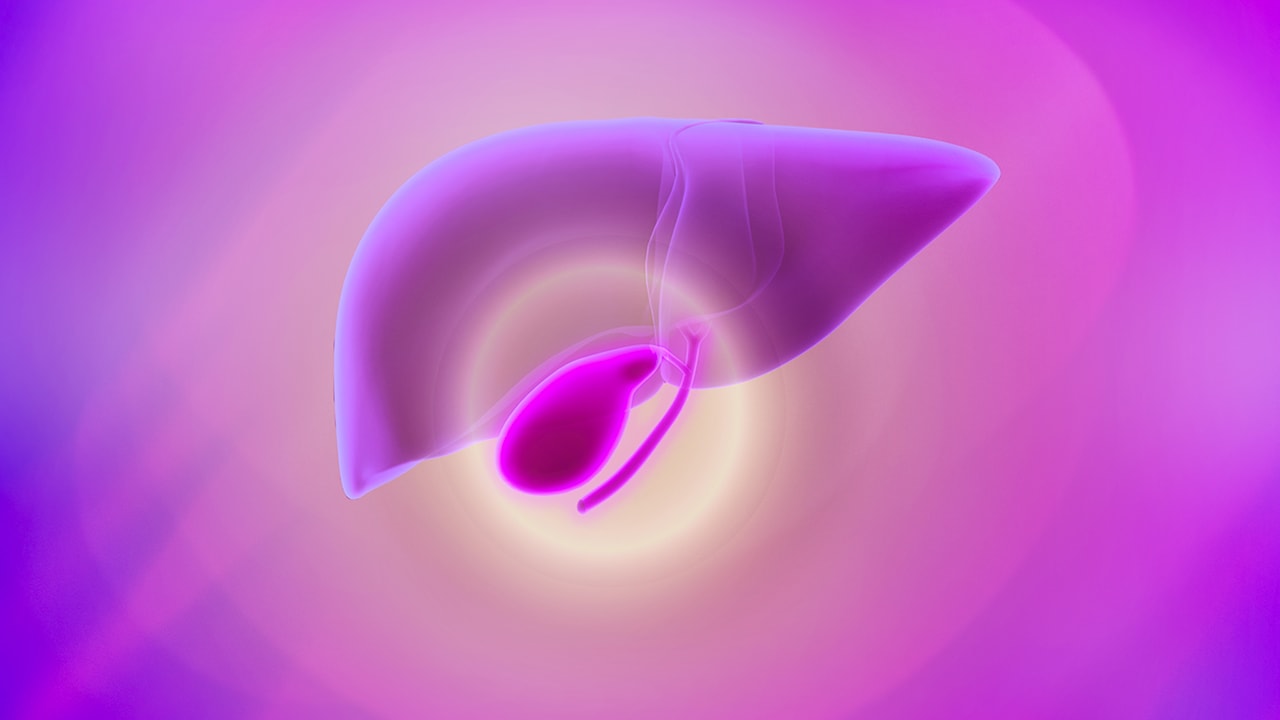
The gallbladder is a saccular structure located at the inferior surface of the liver, at the division of the right and left hemilivers, just below segments IV and V. It is composed of four different areas: fundus, body, infundibulum, and neck. The gallbladder is approximately 7-10 cm long and about 2.5-3.5 cm wide. It normally contains approximately 30-50 mL of fluid, but it can distend and hold as much as 300 mL of fluid.
Gallbladder cancer generally spreads via the lymphatic channels and venous drainage, and peritoneal metastasis is common. Because the gallbladder is immediately adjacent to the liver, bile duct, portal vein, hepatic artery, duodenum, and transverse colon, involvement of these structures is common.
The cystic plate is the reflection of the visceral peritoneum between the liver and the gallbladder. The dissection between the gallbladder and the liver during cholecystectomy divides the plane between the cystic plate and the muscle layer of the gallbladder. This is the anatomic basis for the improved survival in patients undergoing liver resection for T1b gallbladder cancer.
The lymphatic drainage of the gallbladder proceeds from the cystic node to the pericholedochal nodes and then to the regional nodal basins, including the superior mesenteric, retropancreatic, retroportal, and celiac. Interestingly, direct drainage from the gallbladder to the aortocaval nodes has been demonstrated. For this reason, exposure of this region is a necessary step in the operative staging of gallbladder cancer. [3]
Pathophysiology
Benign lesions
Cholesterol polyps
Cholesterol polyps account for approximately 50% of all polypoid lesions of the gallbladder. These lesions are thought to originate from a defect in cholesterol metabolism. They appear as yellow spots on the mucosal surface of the gallbladder and are identified histologically as epithelium-covered macrophages laden with triglycerides and esterified sterols in the lamina propria of the mucosal layer of the gallbladder. As a rule, cholesterol polyps exist as multiple lesions and are usually smaller than 10 mm. They are generally asymptomatic.
Inflammatory polyps
These lesions result from chronic inflammation. They extend into the gallbladder lumen by a narrow vascularized stalk.
Adenomyomatosis
Adenomyomatosis is characterized by extensions of Rokitansky-Aschoff sinuses through the muscular wall of the gallbladder. US reveals a thickened gallbladder wall with intramural diverticula. Although adenomyomatosis is generally considered a benign condition, serial US evaluation is indicated to rule out enlarging adenomatous polyps and gallbladder cancer. Some authors have reported gallbladder cancer occurring in localized adenomyomatosis and have suggested a more aggressive approach to these benign lesions.
Adenomatous polyps
Adenomatous polyps are benign epithelial neoplasms with malignant potential. Papillary adenomas grow as pedunculated, complex, branching tumors projecting into the gallbladder lumen. Tubular adenomas arise as flat, sessile neoplasms. Consequently, it can be difficult to distinguish some adenomas from other gallbladder polyps by means of US. As in many GI tumors, an adenoma-carcinoma sequence is generally thought to occur in these lesions.
Others
Other rare, benign lesions found in the gallbladder include fibromas, leiomyomas, lipomas, hemangiomata, granular cell tumors, and heterotopic tissue, including gastric, pancreatic, and intestinal epithelium.
Malignant lesions
Chronic inflammation from a variety of stimuli has been implicated in the pathogenesis of gallbladder cancer. Numerous studies have investigated genetic abnormalities in gallbladder cancer and have shown that approximately 39-59% of these cancers are associated with the K-ras mutation, whereas more than 90% are associated with a p53 mutation. Other studies have identified higher levels of microsatellite instability and loss of heterozygosity when gallbladder cancers develop against a background of chronic cholecystitis.
A number of other genetic abnormalities have been associated with gallbladder cancer, including overexpression of the c-erb-2 gene, upregulation of cyclin D1, p16, p27, and MSH2. [4]
The most common risk factor for gallbladder cancer is gallstones, which are present in 75-90% of gallbladder cancer cases. The size of the gallstones plays a role in the risk of developing of gallbladder cancer. Gallbladders containing gallstones that are greater than 3 cm in diameter have a 10-fold greater risk for developing malignancy than do those containing gallstones that are 1 cm in diameter.
Causality is difficult to establish, but other chronic inflammatory conditions, such as cholecystoenteric fistula, primary sclerosing cholangitis (PSC), pancreaticobiliary maljunction, and chronic infection with Salmonella typhi, have also been associated with an increased risk of gallbladder cancer.
Modern series report about a 10% incidence of gallbladder cancer in porcelain gallbladders (in which the gallbladder wall is calcified), a much lower rate than that reported in older series. Stippled calcification of the mucosa is thought to carry a higher risk of gallbladder cancer than does generalized calcification of the gallbladder wall. [5, 6] On the basis of these associations, chronic inflammation is postulated to be involved in the pathogenesis of gallbladder cancer.
Gallbladder cancer is often discovered incidentally during a workup for gallstone disease, and about 50% of gallbladder cancer cases are diagnosed incidentally in cholecystectomy specimens. Unfortunately, about 35% of patients have distant metastases at the time of diagnosis. Gallbladder cancer spreads early via lymphatic, hematogenous, and transcoelomic dissemination. Local invasion into the liver and surrounding organs is common.
As noted, an adenoma-carcinoma sequence is thought to be involved in many cases of gallbladder cancer. Histologically, adenocarcinoma is found in 90% of gallbladder cancer cases, and squamous cell carcinoma is found in 2% of cases. A number of histologic subtypes of adenocarcinoma have been described, but papillary adenocarcinoma represents about 5% of gallbladder cancers; it tends to be well differentiated and carries a more favorable prognosis.
Rare types of gallbladder cancer include sarcoma, adenosquamous carcinoma, oat cell carcinoma, carcinoid, lymphoma, melanoma, neuroendocrine carcinoma, [7] and metastatic tumors.
Etiology
Gallstones are present in 75-90% of gallbladder cancer cases, but an etiologic influence remains unproven. Risk factors for developing gallbladder cancer include the inflammatory conditions listed above, advanced age, and the presence of a gallstone larger than 3 cm. Anomalous pancreatobiliary junction also may be a risk factor for the development of gallbladder cancer.
Some authors have implicated bile acid composition, methyldopa, oral contraceptives, and occupational exposure to rubber, but these associations remain unproven. A 2008 study found evidence that excess body weight in women, specifically a 5 kg/m2 increase in the body-mass index (BMI), is strongly associated with an increased risk of gallbladder cancer. [8]
Epidemiology
Approximately 5% of patients evaluated with US for abdominal pain will have a gallbladder polyp. Adenomatous polyps are found in about 1% of cholecystectomy specimens.
The American Cancer Society estimated that for 2023, 12,220 new cases of cancer of the gallbladder or nearby large bile ducts would be diagnosed in the United States, with 4510 resulting deaths, and roughly 40% of these new cases would be gallbladder cancers. [9] The incidence of gallbladder cancer has been reported to be 1.2 cases per 100,000 persons in the United States [10] ; the reported incidence has been much higher in Mexican Americans and Native Americans, though the highest incidence has been found in the indigenous peoples of the Andes Mountains, in northeastern Europeans, and in Israelis.
The female-to-male ratio for gallbladder cancer is about 3:1; the incidence of the disease peaks in the seventh decade of life. [4]
Prognosis
The overall survival rate for adenocarcinoma of the gallbladder depends on the stage at presentation. For T1 lesions, many studies report 5-year survival rates of 100%, especially when hepatectomy is used routinely for T1b or deeper lesions.
Reported 5-year survival rates following extended cholecystectomy for T2 lesions have been in the range of 38-77%. Tumor location may affect survival for T2 lesions. In a study that included 252 patients who underwent curative resection for T2 disease, those with tumors on the hepatic side had higher rates of vascular invasion, neural invasion, and nodal metastasis and lower 3- and 5-year survival rates than patients with tumors on the peritoneal side. [11]
Extended resection is necessary for stage III and IV tumors and results in a 5-year survival rate of about 25%.
Patients with unresectable disease have a median survival of 2-4 months and a 1-year survival rate of less than 5%. [4, 12]
A study by Li et al indicated that the tumor-stroma ratio (TSR) may be an important prognostic indicator for gallbladder cancer. [13] In their study of 51 patients who underwent operations for gallbladder carcinoma, who were classified on the basis of the TSR as either stroma-poor or stroma-rich, the latter had a worse prognosis than the former. Univariate analysis found the TSR to have a statistically significant relation to overall survival.
A study by Kim et al suggested a carbohydrate (cancer) antigen (CA) 19-9 value of 65 IU/mL as the optimal cutoff value for preoperative prediction of outcome in gallbladder cancer. [14] For patients with a CA 19-9 level lower than 65 IU/mL, 5-year overall survival was 76.8%, whereas for patients with a CA 19-9 level higher than 65 IU/mL, overall survival was 24.0%.
A single-center study and accompanying meta-analysis from China suggested that adenosquamous carcinoma of the gallbladder is associated with a worse prognosis than pure gallbladder adenocarcinoma. [15]
-
A schematic drawing of the extent of lymphadenectomy for gallbladder cancer, especially when the extrahepatic biliary tree is resected.
-
Gallbladder tumors. A schematic drawing of the extent of resection of liver segments IV-b and V for gallbladder cancer.
-
Sagittal ultrasonogram in a 71-year-old woman. This image demonstrates heterogeneous thickening of the gallbladder wall (arrows). The diagnosis was primary papillary adenocarcinoma of the gallbladder.
-
A transaxial enhanced computed tomography (CT) scan of a 60-year-old man with right upper quadrant pain shows a partially calcified gallbladder (arrow). At laparotomy and histology, an infiltrating adenocarcinoma of the gallbladder was confirmed.
-
Computed tomography (CT) scan in a 65-year-old man. This image depicts squamous cell carcinoma of the gallbladder and invasion of the liver.
Tables
Tumor (T), Node (N), Metastasis (M) |
Description |
TX |
Primary tumor cannot be assessed |
T0 |
No evidence of primary tumor |
Tis |
Carcinoma in situ |
T1 |
Tumor invades lamina propria (T1a) or muscle layer (T1b) |
T2 |
Tumor invades perimuscular connective tissue on peritoneal side, without involvement of serosa (visceral peritoneum) (T2a); or tumor invades perimuscular connective tissue on hepatic side, with no extension into liver (T2b) |
T3 |
Tumor perforates serosa (visceral peritoneum) and/or directly invades liver and/or 1 other adjacent organ or structure, such as stomach, duodenum, colon, pancreas, omentum, or extrahepatic bile ducts |
T4 |
Tumor invades main portal vein or hepatic artery or invades multiple extrahepatic organs or structures |
NX |
Regional lymph nodes cannot be assessed |
N0 |
No regional lymph node metastasis |
N1 |
Metastases to 1-3 regional lymph nodes |
N2 |
Metastases to ≥4 regional lymph nodes |
MX |
Distant metastasis cannot be assessed |
M0 |
No distant metastasis |
M1 |
Distant metastasis |
AJCC Stage |
TNM |
0 |
Tis, N0, M0 |
I |
T1(a/b), N0, M0 |
IIA |
T2a, N0, M0 |
| IIB | T2b, N0, M0 |
IIIA |
T3, N0, M0 |
IIIB |
T1-3, N1, M0 |
IVA |
T4, N0-1, M0 |
IVB |
Any T, N2, M0 Any T, any N, M1 |