You are in: eMedicine Specialties > Medicine, Ob/Gyn, Psychiatry, and Surgery > Hematology
|
Plasmacytoma, Extramedullary Last Updated: September 13, 2006 |
|
| Synonyms and related keywords: plasma cell tumor, plasmocytoma, plasmacytoma of the skeletal system, solitary bone plasmacytoma, SBP, soft tissue plasmacytoma, SEP, extramedullary plasmacytoma, neoplastic monoclonal cell, bone marrow
|
|   |
AUTHOR INFORMATION
| Section 1 of 10  |
|
| Author: Suzanne R Fanning, DO, Fellow, Department of Hematology and Medical Oncology, Cleveland Clinic Foundation Coauthor(s): Mohamad A Hussein, MD, Director, Myeloma Research Program, Consulting Staff, Department of Medical Oncology and Hematology, Cleveland Clinic Cancer Center, Cleveland Clinic Foundation; Fernando Perez-Zincer, MD, Senior Fellow, Department of Hematology and Medical Oncology, The Cleveland Clinic Foundation Cancer Center |
| Suzanne R Fanning, DO, is a member of the following medical societies:
American College of Physicians,
American Medical Association,
American Society for Clinical Oncology,
American Society of Clinical Oncology, and
American Society of Hematology |
| Editor(s): Paul Schick, MD, Emeritus Professor, Department of Internal Medicine, Thomas Jefferson University Medical College; Research Professor, Department of Internal Medicine, Department of Internal Medicine, Drexel University College of Medicine; Francisco Talavera, PharmD, PhD, Senior Pharmacy Editor, eMedicine;
Wendy Hu, MD, Consulting Staff, Department of Hematology/Oncology and Bone Marrow Transplantation, Huntington Memorial Medical Center;
Rajalaxmi McKenna, MD, FACP, Consulting Staff, Department of Medicine, Southwest Medical Consultants, SC, Good Samaritan Hospital, Advocate Health Systems;
and Emmanuel C Besa, MD, Professor of Medicine, Department of Medicine, Division of Hematologic Malignancies, Kimmel Cancer Center, Thomas Jefferson University |
Disclosure
|   |
INTRODUCTION
| Section 2 of 10  |
|
Background: A plasmacytoma is a discrete, solitary mass of neoplastic monoclonal plasma cells in either bone or soft tissue (extramedullary). Types are as follows:
- Soft-tissue (extramedullary) plasmacytoma (SEP)
- Solitary bone plasmacytoma (SBP)
- Multifocal form of multiple myeloma
- Multiple myeloma
- Plasmablastic sarcoma
To simplify, solitary plasmacytomas can be divided into 2 groups according to location:
- Plasmacytoma of the skeletal system (SBP)
- Soft tissue (extramedullary) plasmacytoma (SEP)
Diagnostic criteria for solitary bone plasmacytoma
Criteria for identifying SBP vary among authors (Bataille, 1981; Corwin, 1979; McLain, 1989). Some include patients with more than one lesion and elevated levels of myeloma protein and exclude patients whose disease progressed within 2 years or whose abnormal protein persisted after radiotherapy. With the use of magnetic resonance imaging (MRI), flow cytometry, and polymerase chain reaction (PCR), the current accepted criteria are as follows (Dimopoulos, 2000; Dimopoulos, 1999):
- Single area of bone destruction due to clonal plasma cells
- Bone marrow plasma cell infiltration not exceeding 5% of all nucleated cells
- Absence of osteolytic bone lesions or other tissue involvement (no evidence of myeloma)
- Absence of anemia, hypercalcemia, or renal impairment attributable to myeloma
- Low, if present, concentrations of serum or urine monoclonal protein
- Preserved levels of uninvolved immunoglobulins
Soft tissue plasmacytoma: Diagnostic criteria
Diagnostic criteria for SEP are as follows (Galieni, 2000):
- Tissue biopsy showing monoclonal plasma cell histology
- Bone marrow plasma cell infiltration not exceeding 5% of all nucleated cells
- Absence of osteolytic bone lesions or other tissue involvement (no evidence of myeloma)
- Absence of hypercalcemia or renal failure
- Low serum M protein concentration, if present
Pathophysiology: A plasmacytoma can arise in any part of the body. SBP arises from the plasma cells located in the bone marrow, while SEP is thought to arise from plasma cells located in mucosal surfaces (Wiltshaw, 1976). Both represent a different group of neoplasms in terms of location, tumor progression, and overall survival rate (Frizzera, 1988; Hussong, 1999). Some suggest SEP represents marginal cell lymphomas with extensive plasmacytic differentiation (Hussong, 1999). Both SBP and SEP do, however, share many of the biologic features of other plasma cell disorders. Cytogenetic studies show recurrent losses in chromosome 13, chromosome arm 1p, and chromosome arm 14q, as well as gains in chromosome arms 19p, 9q, and 1q (Aalto, 1999). Interleukin 6 is still considered the principal growth factor in the progression of plasma cell disorders (Dimopoulos, 2000).
The specific roles of surface markers, adhesion molecules, and angiogenesis in solitary plasmacytoma need to be studied further.
In a study by Kumar et al, high-grade angiogenesis in the SBP was associated with increased progression to multiple myeloma and shorter progression-free survival. Some have postulated that SBP may be considered an intermediate step in the evolution from monoclonal gammopathy of undetermined significance to multiple myeloma (Dimopoulos, 2000). Frequency:
Mortality/Morbidity:
- SBP develops into multiple myeloma in 50-60% of patients (Soutar, 2004). Median overall survival time is 10 years (Hu, 2000).
- SEP progresses to multiple myeloma in 11-30% of patients at 10 years. Overall survival rate at 10 years is 70%.
Sex:
- SBP has a male-to-female ratio of 2:1.
- Three fourths of SEP cases involve males (Alexiou, 1999; Hu, 2000; Galieni, 2000; Wiltshaw, 1976; Liebross, 1999).
Age:
- The median age of patients with either SBP or SEP is 55 years.
- This median age is 10 years younger for patients with multiple myeloma (Alexiou, 1999; Hu, 2000; Galieni, 2000; Wiltshaw, 1976; Liebross, 1999).
|   |
CLINICAL
| Section 3 of 10  |
|
History: See Physical. - Solitary bone plasmacytoma
- The most common symptom of SBP is pain at the site of the skeletal lesion due to bone destruction by the infiltrating plasma cell tumor (Kyle, 1997; Dimopoulos, 2000).
- Compression fractures of the thoracic and lumbar vertebral bodies usually result in severe spasms and back pain. Patients with important vertebral involvement also may have evidence of nerve root or spinal cord compression (Dimopoulos, 2000). Spinal cord compression represents an emergency requiring immediate diagnosis and treatment to avoid permanent neurologic damage (eg, paraplegia, bowel and bladder dysfunction, chronic pain).
- Pleuritic pain from pathologic rib and clavicular fractures are associated with marked local tenderness.
- Solitary extramedullary plasmacytoma
- SEP presents as a mass growing in the aerodigestive tract in 80-90% of patients, often with spread to lymph nodes, although other sites are affected as well.
- Common complaints include swelling, headache, nasal discharge, epistaxis, nasal obstruction, sore throat, hoarseness, dysphonia, dysphagia, dyspnea, epigastric pain, and hemoptysis (Galieni, 2000).
- Symptoms from SEP in other tissues are associated with the site of the tumor, tumor size, and compression and/or involvement of the surrounding structures.
- SEP involving the lung most commonly presents as a pulmonary nodule or hilar mass.
Physical: - Solitary bone plasmacytoma
- Solitary bone plasmacytoma may involve any bone, but it has a predisposition for the red marrow–containing axial skeleton. Spinal disease is observed in 34-72% of cases. The thoracic vertebrae are most commonly involved, followed by lumbar, sacral, and cervical vertebrae (Dimopoulos, 1999). The rib, sternum, clavicle, or scapula is involved in 20% of cases (Burt, 1993). Physical findings are related to the site of involvement, presenting as a painful mass, pathologic fracture, or root or spinal cord compression syndrome.
- Patients with long bone involvement may present with pathological fracture (Dimopoulos, 1999).
- Occasionally, patients with SBP may present with peripheral polyneuropathy (Read, 1978; Schindler, 1997) or with features consistent with POEMS (polyneuropathy, organomegaly, endocrinopathy, M protein, and skin changes) syndrome (Iwashita, 1977).
- Solitary extramedullary plasmacytoma
- Although SEP can occur in any site, 80-90% of tumors develop in the head and neck area, especially in the aerodigestive tract.
- Approximately 80% of cases involve the paranasal sinuses, pharynx, nasal cavity, or gums and oral mucosa (Alexiou, 1999; Dimopoulos, 1999; Galieni, 2000; Wiltshaw, 1976; Liebross, 1999). A mass (plasmacytoma) in these areas is the most common finding, with compression or invasion of the surrounding structures. Patients with tumors involving the base of the skull may present with cranial nerve palsies.
- Case reports of involvement of the urinary bladder, central nervous system, orbit, gastrointestinal tract, liver, spleen, pancreas, lung, breast, skin, testis, parotid gland, mediastinum, and thyroid gland (associated with goiter and Hashimoto thyroiditis) exist (Alexiou, 1999; Dimopoulos, 1999; Galieni, 2000; Wiltshaw, 1976; Liebross, 1999).
- In 30-40% of cases, local lymph nodes are involved at presentation or upon relapse (Hu, 2000).
Causes: - No definite cause has been found for SBP.
- Because of its presentation in the mucosa of the aerodigestive tract (>80%), the etiology of SEP may be related to chronic stimulation of inhaled irritants or viral infection (Wiltshaw, 1976).
|   |
DIFFERENTIALS
| Section 4 of 10  |
|
Lymphoma, Non-Hodgkin
Other Problems to be Considered:
Other differential diagnoses of SEP (Galieni, 2000)
Reactive plasmacytosis
Poorly differentiated neoplasms
Immunoblastic lymphoma
Marginal zone B-cell lymphoma
Plasma cell granuloma |
|
Patient Education
|
|
Click here for patient education.
|
|
|
|
|
|   |
WORKUP
| Section 5 of 10  |
|
Lab Studies:
- Solitary bone plasmacytoma
- Although levels are lower than in multiple myeloma, electrophoresis reveals a monoclonal protein in the serum or urine in 24-72% of patients (Knowling, 1983; Liebross, 1998; Brinch, 1990; Bolek, 1996; Jackson, 1990; Galieni, 1995; Holland, 1992; Frassica, 1989).
- Uninvolved immunoglobulin levels usually are within the reference range.
- Peripheral blood cell count, renal function, and calcium are within the reference range.
- Solitary extramedullary plasmacytoma
- Protein electrophoresis shows a monoclonal component in 14-25% of cases (Dimopoulos, 1999; Galieni, 2000; Liebross, 1999). In a series of 46 patients by Galieni and colleagues (2000), all patients had normal uninvolved immunoglobulins.
- Peripheral blood cell count, renal function, and calcium are within the reference range.
Imaging Studies:
- Solitary bone plasmacytoma
- On plain radiographs, SBP classically has a lytic appearance with clear margins and a narrow zone of transition to healthy surrounding bone (Dimopoulos, 2000). Rare occurrences of a cyst, a trabeculated lesion resembling a giant cell tumor or an aneurysmal bone cyst, and sclerotic lesions have been described (Huvos, 1992). The sclerotic lesion is associated with polyneuropathy, organomegaly, endocrinopathy, monoclonal gammopathy, and skin changes (POEMS) syndrome (Miralles, 1992).
- On MRI, the SBP exhibits abnormal signal intensity (low on T1-weighted imaging and high on T2-weighted or short tau inversion recovery [STIR] images) that, in the appropriate clinical setting, is consistent with SBP (Moulopoulos, 1993).
- Solitary extramedullary plasmacytoma
- Radiographic assessment shows local bone destruction in most patients with nasal cavity or maxillary sinus involvement (Liebross, 1999).
- Computed tomography scan, MRI, and complete endoscopic examination of the aerodigestive and gastrointestinal tracts are required to determine the exact extent of the tumor and its potential for resectability (Alexiou, 1999).
Histologic Findings:
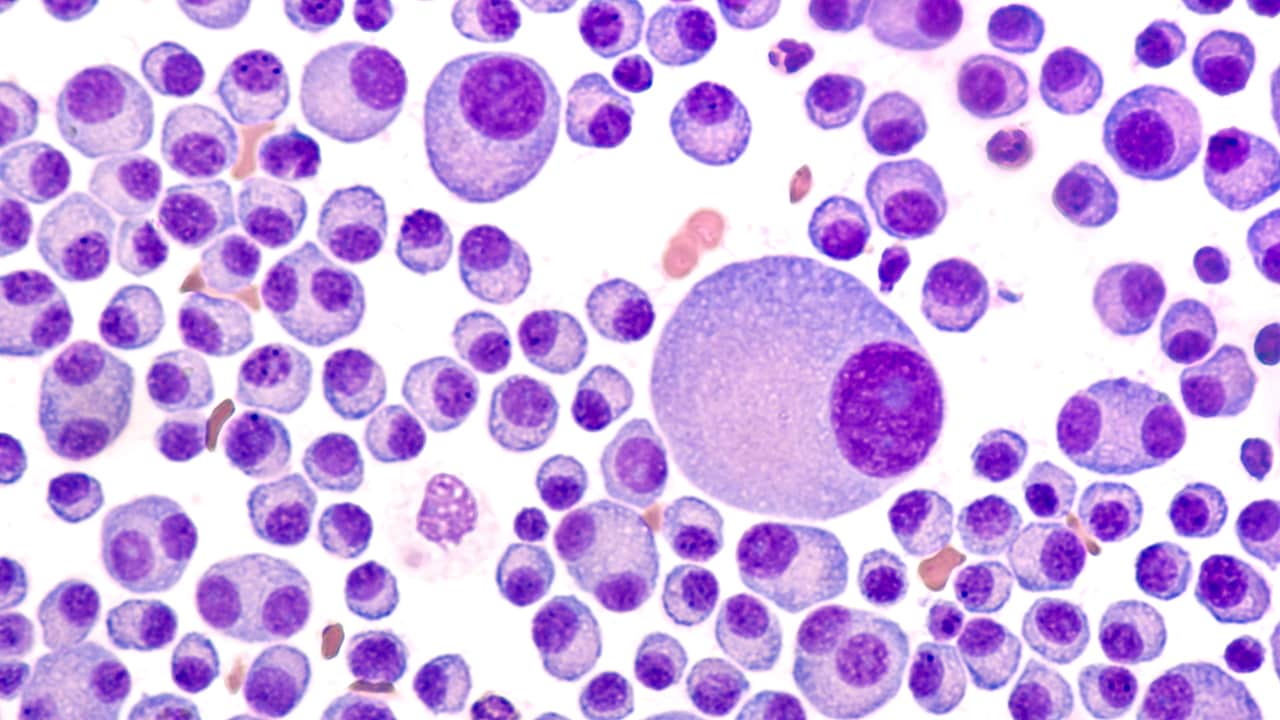
- SBP: Biopsy of the lesion reveals infiltration of the bone by monoclonal plasma cells.
- SEP: Biopsy of the soft tissue lesion shows infiltration by monoclonal plasma cells.
- In SEP, the soft tissue lesion commonly exhibits submucosal growth, requiring deep biopsy, open biopsy, or complete excision depending on tumor location (Alexiou, 1999).
- Histologically, SEP may be classified as low, intermediate, or high grade (Susnerwala 1997).
- Bone marrow biopsy shows less than 5% plasma cells without evidence of clonality (Galieni, 2000).
Staging: - Wiltshaw (1976) classified soft tissue plasmacytoma into 3 clinical stages:
- Stage I - Limited to an extramedullary site
- Stage II - Involvement of regional lymph nodes
- Stage III - Multiple metastasis (although it is no longer a solitary plasmacytoma)
- The therapeutic and prognostic value of this classification needs further evaluation.
|   |
TREATMENT
| Section 6 of 10  |
|
Medical Care: - Solitary bone plasmacytoma
- Local radiotherapy is the treatment of choice (Dimopoulos, 2000; Dimopoulos, 1999; Liebross, 1998; Hu, 2000). Treatment fields should be designed to encompass all disease observed on MRI and should include a margin of healthy tissue (at least 2 cm). For spinal lesions, the margins should include at least 1 uninvolved vertebra.
- Local control is achieved in 88-100% of patients. Virtually all patients have major symptom relief (Hu, 2000) and a local tumor recurrence rate of approximately 10%.
- Most centers use approximately 40 Gy for spinal lesions and 45 Gy for other bone lesions. For lesions larger than 5 cm, 50 Gy should be considered.
- No dose-response relationship between radiation dose and disappearance of monoclonal protein was noted in a series of patients with solitary bone plasmacytoma as reported by Liebross et al (1998).
- Monoclonal protein is markedly reduced after radiotherapy in the majority of patients, but protein disappearance is observed in only 20-50% of patients (Alexiou, 1999).
- Surgery is contraindicated in the absence of structural instability or neurologic compromise (Soutar, 2004).
- Chemotherapy may be considered for patients not responding to radiation therapy. Regimens useful in multiple myeloma can be considered (Soutar, 2004).
- No role exists for adjuvant chemotherapy in SBP.
- Solitary extramedullary plasmacytoma
- Based on the documented radiation sensitivity of plasma cell tumors, the accepted treatment is radiotherapy.
- When a lesion can be completely resected, surgery provides the same results as radiotherapy.
- Combined therapy (surgery and radiotherapy) is an accepted treatment depending on the resectability of the lesion (Alexiou, 1999; Dimopoulos, 1999; Hu, 2000; Galieni, 2000; Liebross, 1999). In fact, combination treatment may provide the best results (Alexiou, 1999).
- The optimal dose for local control is 40-50 Gy (depending on tumor size) delivered over 4-6 weeks (Alexiou, 1999; Ho, 2000, Liebross, 1999).
- Because of the high rate of lymph node involvement, these areas should be included in the radiation field (Hu, 2000).
- Adjuvant radiotherapy should be recommended to patients with positive surgical margins.
- Chemotherapy may be considered for patients with refractory or relapsed disease. Regimens used for multiple myeloma can be considered (Soutar, 2004).
- Adjuvant chemotherapy may be considered for patients with tumors larger than 5 cm, as well as those with high-grade histology.
Surgical Care: - Although surgical resection is not advised for the treatment of solitary bone plasmacytoma, spine instrumentation or another procedure sometimes is necessary to try to reestablish the normal architecture of the spine or other bone affected.
- If possible, a complete resection of the lesion, including lymph node dissection, should be attempted for soft tissue plasmacytomas.
Consultations: - Orthopedic evaluation is recommended for patients with SBP because lesions may cause spinal cord compression syndrome or impending fractures. Therapeutic procedures, such as kyphoplasty, can be implemented in order to restore vertebral structure.
- An ear, nose, and throat evaluation is recommended for patients with SEP of the head and neck to precisely localize the lesion, obtain an adequate biopsy (including lymph nodes), and plan possible resection.
|   |
MEDICATION
| Section 7 of 10  |
|
No defined role exists for chemotherapy treatment of solitary bone plasmacytoma or soft tissue plasmacytoma, as mentioned above.
|   |
FOLLOW-UP
| Section 8 of 10  |
|
Further Outpatient Care:
- Periodic evaluation for progression and development of multiple myeloma is recommended every 6 weeks for the first 6 months for solitary bone plasmacytoma (SBP) and solitary extramedullary plasmacytoma (SEP), with extension of clinic appointments thereafter. Besides a complete history and physical examination, the following tests are recommended:
- Complete blood cell count
- Complete metabolic panel with lactic dehydrogenase, calcium, phosphorus, C-reactive protein, and beta2 microglobulin
- Serum protein electrophoresis with immunofixation
- Serum immunoglobulin quantification
- Urinary protein electrophoresis with immunofixation (24-h urine sample)
- Orthopedic and/or ear-nose-throat follow-up is recommended for SBP and SEP, respectively, based on tumor location.
Prognosis:
- Solitary bone plasmacytoma
- SBP progresses to multiple myeloma at a rate of 65-84% at 10 years and 65-100% at 15 years.
- The median onset of conversion to multiple myeloma is 2-5 years with a 10-year disease-free survival rate of 15-46%.
- The overall median survival time is 10 years (Hu, 2000).
- Kyle (1997) described 3 patterns of treatment failure: development of multiple myeloma (54%), local recurrence (11%), and development of new bone lesions in the absence of multiple myeloma (2%).
- Prognostic features for conversion of SBP to multiple myeloma, although controversial, include the following (Liebross, 1998; Holland, 1992; Bataille, 1981):
- Lesion size of at least 5 cm
- Patients aged 40 years and older
- High M protein levels
- Persistence of M protein after treatment
- Spine lesions
- In a study by Wilder et al, 10-year myeloma-free survival was 91% versus 29% in patients whose M-protein did or did not resolve at 1 year following radiation therapy.
- Solitary extramedullary plasmacytoma
- The 10-year overall survival rate is 70% (Soutar, 2004).
- The rate of progression to multiple myeloma is lower than in solitary bone plasmacytoma, ranging from 11-30% at 10 years (Hu, 2000). In a review of 721 cases by Alexiou and colleagues (1999), after treatment, approximately 65% of patients were free of recurrence and did not progress to multiple myeloma, 22% experienced recurrence, and 15% of cases evolved to multiple myeloma.
- In one study, local control following radiation therapy was achieved in 83% of patients with low-grade histology versus 17% of patients with intermediate- to high-grade tumors (Susnerwala, 1997).
|   |
MISCELLANEOUS
| Section 9 of 10  |
|
Medical/Legal Pitfalls:
- Failure to diagnose spinal cord compression syndrome, pathologic and/or impending fractures can cause irreversible neurologic damage (eg, paraplegia, bowel or bladder dysfunction), chronic pain, or disabling musculoskeletal damage.
- Inappropriate follow-up or failure to evaluate progression to multiple myeloma delays institution of appropriate therapy to control the well-known systemic complications of multiple myeloma (eg, generalized bone destruction, hypercalcemia, anemia, hyperviscosity, infections, amyloid).
|   |
BIBLIOGRAPHY
| Section 10 of 10 |
|
-
Aalto Y, Nordling S, Kivioja AH, et al: Among numerous DNA copy number changes, losses of chromosome 13 are highly recurrent in plasmacytoma. Genes Chromosomes Cancer 1999 Jun; 25(2): 104-7[Medline].
-
Alexiou C, Kau RJ, Dietzfelbinger H, et al: Extramedullary plasmacytoma: tumor occurrence and therapeutic concepts. Cancer 1999 Jun 1; 85(11): 2305-14[Medline].
-
Bataille R, Sany J: Solitary myeloma: clinical and prognostic features of a review of 114 cases. Cancer 1981 Aug 1; 48(3): 845-51[Medline].
-
Bezwoda WR, Gordon V, Bagg A, Mendelow B: Light chain restriction analysis of bone marrow plasma cells in patients with MGUS or 'solitary' plasmacytoma: diagnostic value and correlation with clinical course. Br J Haematol 1990 Apr; 74(4): 420-3[Medline].
-
Bolek TW, Marcus RB, Mendenhall NP: Solitary plasmacytoma of bone and soft tissue. Int J Radiat Oncol Biol Phys 1996 Sep 1; 36(2): 329-33[Medline].
-
Brinch L, Hannisdal E, Abrahamsen AF, et al: Extramedullary plasmacytomas and solitary plasma cell tumours of bone. Eur J Haematol 1990 Feb; 44(2): 132-5[Medline].
-
Burt M, Karpeh M, Ukoha O, et al: Medical tumors of the chest wall. Solitary plasmacytoma and Ewing's sarcoma. J Thorac Cardiovasc Surg 1993 Jan; 105(1): 89-96[Medline].
-
Corwin J, Lindberg RD: Solitary plasmacytoma of bone vs. extramedullary plasmacytoma and their relationship to multiple myeloma. Cancer 1979 Mar; 43(3): 1007-13[Medline].
-
Delauche-Cavallier MC, Laredo JD, Wybier M, et al: Solitary plasmacytoma of the spine. Long-term clinical course. Cancer 1988 Apr 15; 61(8): 1707-14[Medline].
-
Dimopoulos MA, Moulopoulos LA, Maniatis A, Alexanian R: Solitary plasmacytoma of bone and asymptomatic multiple myeloma. Blood 2000 Sep 15; 96(6): 2037-44[Medline].
-
Dimopoulos MA, Kiamouris C, Moulopoulos LA: Solitary plasmacytoma of bone and extramedullary plasmacytoma. Hematol Oncol Clin North Am 1999 Dec; 13(6): 1249-57[Medline].
-
Frassica DA, Frassica FJ, Schray MF, et al: Solitary plasmacytoma of bone: Mayo Clinic experience. Int J Radiat Oncol Biol Phys 1989 Jan; 16(1): 43-8[Medline].
-
Frizzera G: Castleman's disease and related disorders. Semin Diagn Pathol 1988 Nov; 5(4): 346-64[Medline].
-
Galieni P, Cavo M, Avvisati G, et al: Solitary plasmacytoma of bone and extramedullary plasmacytoma: two different entities? Ann Oncol 1995 Sep; 6(7): 687-91[Medline].
-
Galieni P, Cavo M, Pulsoni A, et al: Clinical outcome of extramedullary plasmacytoma. Haematologica 2000 Jan; 85(1): 47-51[Medline].
-
Holland J, Trenkner DA, Wasserman TH, Fineberg B: Plasmacytoma. Treatment results and conversion to myeloma. Cancer 1992 Mar 15; 69(6): 1513-7[Medline].
-
Hu K, Yahalom J: Radiotherapy in the management of plasma cell tumors. Oncology (Huntingt) 2000 Jan; 14(1): 101-8, 111; discussion 111-2, 115[Medline].
-
Hussong JW, Perkins SL, Schnitzer B, et al: Extramedullary plasmacytoma. A form of marginal zone cell lymphoma? Am J Clin Pathol 1999 Jan; 111(1): 111-6[Medline].
-
Huvos AG: Multiple myeloma including solitary osseous myeloma. In: Bone Tumors: Diagnosis, Treatment, and Prognosis. Philadelphia, Pa: WB Saunders Co; 1992:653-667.
-
Iwashita H, Ohnishi A, Asada M, et al: Polyneuropathy, skin hyperpigmentation, edema, and hypertrichosis in localized osteosclerotic myeloma. Neurology 1977 Jul; 27(7): 675-81[Medline].
-
Jackson A, Scarffe JH: Prognostic significance of osteopenia and immunoparesis at presentation in patients with solitary myeloma of bone. Eur J Cancer 1990 Mar; 26(3): 363-71[Medline].
-
Knowling MA, Harwood AR, Bergsagel DE: Comparison of extramedullary plasmacytomas with solitary and multiple plasma cell tumors of bone. J Clin Oncol 1983 Apr; 1(4): 255-62[Medline].
-
Kumar S, Fonseca R, Dispenzieri A, et al: Prognostic value of angiogenesis in solitary bone plasmacytoma. Blood 2003 Mar 1; 101(5): 1715-7[Medline].
-
Kyle RA: Monoclonal gammopathy of undetermined significance and solitary plasmacytoma. Implications for progression to overt multiple myeloma. Hematol Oncol Clin North Am 1997 Feb; 11(1): 71-87[Medline].
-
Liebross RH, Ha CS, Cox JD, et al: Solitary bone plasmacytoma: outcome and prognostic factors following radiotherapy. Int J Radiat Oncol Biol Phys 1998 Jul 15; 41(5): 1063-7[Medline].
-
Liebross RH, Ha CS, Cox JD, et al: Clinical course of solitary extramedullary plasmacytoma. Radiother Oncol 1999 Sep; 52(3): 245-9[Medline].
-
McLain RF, Weinstein JN: Solitary plasmacytomas of the spine: a review of 84 cases. J Spinal Disord 1989 Jun; 2(2): 69-74[Medline].
-
Mendenhall CM, Thar TL, Million RR: Solitary plasmacytoma of bone and soft tissue. Int J Radiat Oncol Biol Phys 1980 Nov; 6(11): 1497-501[Medline].
-
Mill WB, Griffith R: The role of radiation therapy in the management of plasma cell tumors. Cancer 1980 Feb 15; 45(4): 647-52[Medline].
-
Miralles GD, O'Fallon JR, Talley NJ: Plasma-cell dyscrasia with polyneuropathy. The spectrum of POEMS syndrome. N Engl J Med 1992 Dec 31; 327(27): 1919-23[Medline].
-
Moulopoulos LA, Dimopoulos MA, Weber D, et al: Magnetic resonance imaging in the staging of solitary plasmacytoma of bone. J Clin Oncol 1993 Jul; 11(7): 1311-5[Medline].
-
Pasqualetti P, Festuccia V, Collacciani A, Casale R: The natural history of monoclonal gammopathy of undetermined significance. A 5- to 20-year follow-up of 263 cases. Acta Haematol 1997; 97(3): 174-9[Medline].
-
Read D, Warlow C: Peripheral neuropathy and solitary plasmacytoma. J Neurol Neurosurg Psychiatry 1978 Feb; 41(2): 177-84[Medline].
-
Schindler OS, Briggs TW, Gillies SA: Bilateral demyelinating neuropathy in a solitary lytic and sclerotic myeloma of the proximal humerus: a case report. Int Orthop 1997; 21(1): 59-61[Medline].
-
Soutar R, Lucraft H, Jackson G, et al: Guidelines on the diagnosis and management of solitary plasmacytoma of bone and solitary extramedullary plasmacytoma. Clin Oncol (R Coll Radiol) 2004 Sep; 16(6): 405-13[Medline].
-
Susnerwala SS, Shanks JH, Banerjee SS, et al: Extramedullary plasmacytoma of the head and neck region: clinicopathological correlation in 25 cases. Br J Cancer 1997; 75(6): 921-7[Medline].
-
Weber DM: Solitary Bone and Extramedullary Plasmacytoma. American Society of Hematology Education Book 2005. 373-6.
-
Wilder RB, Ha CS, Cox JD, et al: Persistence of myeloma protein for more than one year after radiotherapy is an adverse prognostic factor in solitary plasmacytoma of bone. Cancer 2002 Mar 1; 94(5): 1532-7[Medline].
-
Wiltshaw E: The natural history of extramedullary plasmacytoma and its relation to solitary myeloma of bone and myelomatosis. Medicine (Baltimore) 1976 May; 55(3): 217-38[Medline].
Plasmacytoma, Extramedullary excerpt |