Continually Updated Clinical Reference
 
 
  All Sources     eMedicine     Medscape     Drug Reference     MEDLINE
 
eMedicine - WDHA Syndrome : Article by

Quick Find
Authors & Editors
Introduction
Clinical
Differentials
Workup
Treatment
Medication
Follow-up
Miscellaneous
References

Related Articles
Celiac Sprue

Inflammatory Bowel Disease

Mastocytosis, Systemic

Villous Adenoma

Zollinger-Ellison Syndrome


Patient Education
Click here for patient education.


Author: Sandeep Mukherjee, MB, BCh, MPH, FRCPC, Associate Professor, Department of Internal Medicine, Section of Gastroenterology and Hepatology, University of Nebraska Medical Center; Consulting Staff, Section of Gastroenterology and Hepatology, Veteran Affairs Medical Center

Sandeep Mukherjee is a member of the following medical societies: Royal College of Physicians and Surgeons of Canada

Coauthor(s): Randall E Brand, MD, Associate Professor, Department of Internal Medicine, Section of Gastroenterology and Hepatology, University of Nebraska Medical Center; Richard K Gilroy, MBBS, FRACP, Assistant Professor, Medical Director of Liver Transplantation and Hepatology, Department of Internal Medicine, Kansas University Medical Center; Daniel Schafer, Department of Surgery, University of Nebraska Medical Center

Editors: Manoop S Bhutani, MD, FACG, FACP, Professor, Department of Medicine, Division of Gastroenterology, Director, Center for Endoscopic Ultrasound, Co-Director, Center for Endoscopic Research, Training and Innovation, University of Texas Medical Branch at Galveston; Francisco Talavera, PharmD, PhD, Senior Pharmacy Editor, eMedicine; BS Anand, MD, Department of Internal Medicine, Division of Gastroenterology, Professor, Baylor University College of Medicine; Alex J Mechaber, MD, FACP, Assistant Dean for Medical Curriculum, Associate Professor of Medicine, Division of General Internal Medicine, University of Miami Miller School of Medicine; Julian Katz, MD, Clinical Professor of Medicine, Drexel University College of Medicine; Consulting Staff, Department of Medicine, Section of Gastroenterology and Hepatology, Hospital of the Medical College of Pennsylvania

Author and Editor Disclosure

Synonyms and related keywords: pancreatic cholera; Verner-Morrison syndrome; VIPoma syndrome; watery diarrhea, hypokalemia, and achlorhydria syndrome; vasoactive intestinal peptide; VIP; non–beta pancreatic islet cells; dehydration; hypokalemia; ganglioneuroma; ganglioneuroblastoma; hypercalcemia; hyperglycemia; hypochlorhydria; flushing; multiple endocrine neoplasia type 1 syndrome; MEN-1 syndrome; Werner syndrome; watery diarrhea, hypokalemia, and hypochlorhydria syndrome; WDHH syndrome; amine precursor uptake and decarboxylation tumors; APUD tumors; APUDomas

Background

In 1957, Priest and Alexander reported a patient with peptic ulcer, diarrhea, hypokalemia, and an islet cell tumor.1 However, the first complete description of the syndrome of watery diarrhea, hypokalemia, and achlorhydria (ie, WDHA syndrome) was provided by Verner and Morrison in 1958.2 This rare condition is characterized by severe watery diarrhea caused by oversecretion of vasoactive intestinal peptide (VIP) from non–beta pancreatic islet cells. Patients usually have elevated VIP levels and require frequent hospitalizations for dehydration and/or hypokalemia. Because this condition resembles cholera, Matsumoto and colleagues (1966) suggested the alternative term pancreatic cholera.3

A small percentage of patients also have hypercalcemia, hyperglycemia, hypochlorhydria, and flushing. Multiple endocrine neoplasia type 1 (MEN-1) syndrome (ie, Werner syndrome) may be associated in a subset of patients with hypercalcemia. These tumors virtually always are intrapancreatic, although ectopic primary sites, such as the liver and jejunum, occur in about 10% of patients. In children, the VIPoma syndrome is caused by either a ganglioneuroma or ganglioneuroblastoma.

The goals of therapy include prolongation of survival, control of symptoms, and correction of electrolyte abnormalities. Surgical resection offers the only chance for cure, but the tumor has often spread to regional lymph nodes and/or to the liver at the time of diagnosis. Palliative treatment consists of surgical resection of the primary tumor with regional lymph node dissection and, if possible, resection of hepatic metastases. The use of somatostatin analogs has become the mainstay of therapy for symptom control. Other palliative measures include systemic chemotherapy, hepatic arterial embolization with or without chemotherapy, and the use of interferon alfa.

Unlike pancreatic carcinoma, aggressive intervention appears warranted in light of improved 5-year survival rates from the palliative effect of tumor debulking. Selected patients with extensive hepatic metastases have been treated with orthotopic liver transplantation with excellent results, although experience remains limited.

Pathophysiology

The pathophysiology of WDHA syndrome is best understood by reviewing the properties of VIP. VIP is a 28–amino acid regulatory peptide that is widely distributed throughout the gastrointestinal tract and brain. It has a half-life of 1-2 minutes and was first isolated by Said in 1970. The peptide is secreted, usually from non–beta islet pancreatic cells in response to food containing fat, proteins, and alcohol. It enters the portal circulation and is metabolized by the liver. VIP relaxes smooth muscles, resulting in a decrease in lower esophageal sphincter pressure, relaxation of the gastric antrum and body, and inhibition of gallbladder and intestinal circular muscle contraction.

Exogenous administration of VIP has many pharmacological actions, including positive inotropic action on the heart; vasodilatation; increase in intestinal water and electrolyte secretion; inhibition of gastrin and gastric acid secretion; and stimulation of pancreatic secretion, lipolysis, and glycolysis.

Occasionally, patients with WDHA syndrome may have elevated levels of peptide histidine methionine (PHM), a 27–amino acid peptide originally derived from porcine intestine (ie, peptide histidine isoleucine [PHI]). The distinctive features of PHI are the presence of histidine and isoleucine at the N and C terminals as opposed to most gastrointestinal peptides, which have amidated C terminal amino acids.

Although PHI/PHM acts via a different receptor on target cells, it has numerous similarities to VIP. For example, both are derived from a common precursor polypeptide and are encoded from the same mRNA. Furthermore, both peptides are co-localized in enteric neurons and VIPomas, with an identical tissue distribution and similar pharmacological activities. Although PHI infusions cause intestinal secretion and may cause WDHA syndrome, PHI is 32 times less potent than VIP. In the small percentage of patients who have secretory diarrhea with VIP levels within the reference range, other agents that have been implicated include calcitonin, gastric inhibitory peptide, pancreatic polypeptide, prostaglandins, neurotensin, and secretin.

Frequency

United States

Pancreatic endocrine tumors are uncommon, with a prevalence of less than 10 cases per million population. VIPomas are a rare subtype of pancreatic islet cell tumors, with an estimated incidence of 0.05-0.2 per million population.

International

Pancreatic endocrine tumors are uncommon, with a prevalence of less than 10 cases per million population. For example, data from a referral center in Ireland on the relative frequency of these tumors demonstrated an average incidence of 3.6 cases per million population per year. Insulinomas were the most common pancreatic endocrine tumor, occurring 8 times more frequently than VIPomas.

Mortality/Morbidity

Most patients with WDHA syndrome have hepatic metastases at the time of diagnosis, but these tumors usually grow slowly. Therefore, despite advanced disease, patients can have extended survival. A report from Florida on 18 patients noted a mean survival of 3.5 years, with the longest disease-free survival being 15 years and the longest overall survival being 15 years. If treatment is unsuccessful, patients often have a poor quality of life from diarrhea and its complications.

Sex

A slight female preponderance appears to exist.

Age

The age at diagnosis has a bimodal distribution, ranging from 10 months to 9 years in children and 32-81 years in adults.


History

  • Diarrhea is the most common symptom and occurs in at least 89% of patients. Although typically described as painless, the diarrhea may initially be episodic and can be associated with abdominal cramps. Diarrhea eventually becomes voluminous (ie, stool output >3 L/d in 80% of patients). It is secretory in nature and persists with fasting. It is often described as having the appearance of weak tea.
  • Weight loss has been reported in 72% of patients.
  • Abdominal pain is a common symptom, occurring in 50% of patients.
  • Flushing is observed in 20% of patients and has been attributed to the vasodilatory effects of VIP. However, in human studies, prolonged VIP infusion leads to tachyphylaxis, which may explain why only a minority of patients develop flushing.

Physical

Physical examination may reveal signs of volume depletion and chronic ill health. No specific physical findings exist except for flushing, which is observed in 20% patients and is believed to be due to the vasodilatory properties of VIP.

Causes

WDHA syndrome occurs in 6% of patients with MEN-1 syndrome. Significant advances have been made in elucidating the molecular pathogenesis of WDHA syndrome and other pancreatic endocrine tumors. Studies provide evidence for the importance of several genes, such as the (1) MEN1 gene; (2) p16/MTS1 tumor suppressor gene; (3) DPC4/Smad 4 gene, a tumor suppressor gene located on chromosome arm 18q24; (4) amplification of the HER2/neu proto-oncogene; (5) deletions in chromosome 1; and (6) a possible tumor suppressor gene on chromosome arm 3p.

  • Alterations in the MEN1 gene and the p16/MTS1 1 tumor suppressor gene are particularly important in tumor pathogenesis.  
    • The inherited MEN-1 syndrome is caused by mutations in a 10-exon gene that is located on chromosome arm 11q13, which encodes for a protein that interacts with AP1 transcription factor Jun D.
    • The loss of heterozygosity at the MEN1 locus occurs in nearly 93% of sporadic pancreatic endocrine tumors, with mutations in the MEN1 gene locus reported in 27-39% of sporadic tumors.
    • Unlike mutations in the multiple endocrine neoplasia type 2 (MEN-2) gene (ie, MEN2), MEN1 gene mutations in sporadic tumors appear to be distributed throughout the 9 coding exons and are believed to be an early event in tumorigenesis.
    • The frequency and allelic mutations of the MEN1 gene in pancreatic endocrine tumors associated with MEN-1 were analyzed in a study. Allelic deletions of the MEN1 locus were described in 43% of these tumors, and mutations of the MEN1 gene were noted in 13% of these tumors. In most tumor groups, the frequency of allelic deletions at band 11q13 was 2-3 times higher than the frequency of gene mutations. Other factors, such as tumor suppressor genes on band 11q13, may be involved in tumorigenesis of these neoplasms.
  • Studies provide evidence that p16/MTS1 tumor suppressor gene alterations located on chromosome arm 9p21 occur in a significant percentage of pancreatic endocrine tumors. These inactivating mutations result in loss of cell cycle inhibition and reportedly occur in nearly 92% of these tumors.
  • A significant proportion of VIPomas develop malignant degeneration; however, currently, predicting which tumors will follow such a course is not possible. Hopefully, in the future, the molecular aberrations in this subset of patients may be identified, allowing earlier and more aggressive treatment.
  • A report by Tannapfel et al studied the frequency of the BRAF and k-ras-2 mutations in primary neuroendocrine gastroenteropancreatic tumors.4 (The BRAF gene, one of the human isoforms of RAF, is activated by ras, leading to cooperative effects in cells responsive to growth factor signals). Although their results suggested BRAF mutations do not have a role in tumorigenesis of neuroendocrine tumors, the authors hypothesized that activation of the RAF/mitogen-activated protein kinase pathway might have a causative role in the development of neuroendocrine tumors, independent of BRAF or k-ras-2 mutation.


Celiac Sprue
Inflammatory Bowel Disease
Mastocytosis, Systemic
Villous Adenoma
Zollinger-Ellison Syndrome

Other Problems to be Considered

Surreptitious use of laxatives/medications
Infective diarrhea
Diabetic diarrhea
Carcinoid syndrome
Medullary carcinoma of the thyroid
Chronic idiopathic diarrhea or pseudopancreatic cholera syndrome
Peptide histidine isoleucine or peptide histidine methionine hypersecretion
Congenital secretory diarrhea


Lab Studies

  • Patients with WDHA syndrome may initially have an indolent course, or the disease may masquerade as other, more common, conditions, leading to a delay in the diagnosis. The diagnosis of WDHA syndrome requires evidence of a state of hormone excess. It can be easily missed if it is based solely on immunocytochemistry because pancreatic endocrine tumors frequently synthesize multiple peptides.
  • The definitive diagnosis of WDHA syndrome requires (1) the presence of secretory diarrhea, (2) elevated serum VIP levels, and (3) identification of a pancreatic endocrine tumor.
  • Electrolytes: Hypokalemia is present in 90-100% of patients and is secondary to the heavy losses of potassium in the diarrheal fluid. Patients often have coexisting hypomagnesemia and non–anion gap metabolic acidosis, reflecting the severity of the diarrhea.
  • Serum glucose: Hyperglycemia occurs in 25-50% of VIPomas secondary to the glycogenolytic effect of VIP in the liver.
  • Serum calcium  
    • Hypercalcemia occurs in 25-76% of patients with WDHA syndrome. Nearly 6% of these patients have associated MEN-1 syndrome with resultant hypercalcemia secondary to hyperparathyroidism.
    • A retrospective study reported that pancreatic endocrine tumors causing hypercalcemia were almost always malignant.
    • Although VIP has osteolytic activity, neither this mechanism nor elevated parathyroid hormone–binding protein levels in these patients have been established conclusively as the cause of hypercalcemia.
  • Fasting VIP levels  
    • VIP assay should be performed using a reliable radioimmunoassay at the time when the patient is symptomatic because, occasionally, the VIP levels may be within the reference range between episodes of diarrhea.
    • The reference range for fasting levels in most laboratories is 0-190 pg/mL.
    • One study reported that provocative testing with pentagastrin produced an increase in VIP plasma levels of 81% over the basal values.
  • Serum chromogranin A: Studies demonstrate that serum chromogranin A levels may be useful for assessing tumor progression, relapse, and tumor burden.
  • Serum gastrin and gastric acid: Serum gastrin measurement and tests of gastric acid secretion are no longer performed routinely. Verner and Morrison proposed the term watery diarrhea, hypokalemia, and hypochlorhydria (WDHH) because as many as 76% of patients have hypochlorhydria and not achlorhydria.2
  • Stool volume: Virtually all patients have stool volumes greater than 700 mL/d and nearly 80% have stool volumes greater than 3 L/d; volumes as high as 20 L/d have been reported in the literature. The diagnosis of WDHA is doubtful if the stool volume is less than 700 mL/d. Note that the diarrhea persists despite fasting.
  • Stool electrolytes: The diarrhea in WDHA syndrome is secretory. The stool osmotic gap typically is less than 50 mEq/L.
  • Urine: The urine should be tested to detect surreptitious laxative abuse (eg, phenolphthalein).

Imaging Studies

  • Conventional imaging studies (ie, transabdominal ultrasound, CT scan, MRI, selective angiography) can detect fewer than 60% of primary tumors and can fail to reveal metastases in more than 30% of cases.
  • Somatostatin receptor scintigraphy with single-photon emission computed tomography imaging  
    • Somatostatin receptor scintigraphy (SRS) using (indium-diethylene triamine pentaacetic acid-phenylalanine [In-DTPA-DPhe]) octreotide is the most sensitive modality for identifying the primary tumor or metastatic disease.
    • SRS can be used to localize more than 90% of hepatic metastases. This technique also has the advantage of surveying the entire body and is more sensitive than a bone scan at detecting bone metastases.
    • Additional imaging with MRI and selective angiography is helpful for better defining the location of liver metastases and detecting small lesions that are not identified using SRS.
    • The results of SRS imaging should be interpreted in the clinical context of each patient because as many as 12% of SRS localizations could be falsely positive due to the presence of somatostatin receptors in normal tissues (eg, lymphocytes, thyroid tissue) as well as benign and malignant processes.
    • Studies on specificity are important, but, when interpreted within the correct clinical context, changes in treatment occurred in only 2.7% of patients who underwent SRS imaging.
  • Iodine I 123 VIP scintigraphy: This technique has been used occasionally to identify tumors in patients with negative conventional imaging results and a negative finding on SRS scan. Northern blotting analysis reveals that VIP tumors possess somatostatin receptor subtype 3, which binds to both somatostatin-14 and to VIP with higher affinity than octreotide.
  • Positron emission tomography (PET)  
    • This technique may gain greater importance in the future. PET is more sensitive than CT scan for tumor localization, and, when used with 18F-fluorodeoxyglucose, it may be possible to predict the presence of malignancy in poorly differentiated tumors.
    • According to Virgolini et al, one of the newer developments, (68)Ga-labeled DOTA-Tyr(3)-octreotide, has shown promising results in patients with pancreatic islet-cell tumors based on high-affinity binding to the somatostatin receptor subtype 2.5 When combined with PET technology, a change in patient management was reported in up to 30% of patients. When labeled with (90)Y or (177)Lu, some somatostatin analogues have been applied to patients in advanced stages of the disease. However, despite positive response data in 50% of patients, long-term results and survival rates are lacking.

Procedures

  • Endoscopic ultrasound  
    • Endoscopic ultrasound (EUS) and SRS should be viewed as complementary studies when evaluating patients with WDHA syndrome.
    • If the results of SRS are negative and the patient is a surgical candidate, EUS is the next diagnostic procedure of choice for tumor localization because it is a sensitive method for detecting intrapancreatic tumors greater than 0.5 cm. (VIPomas are almost entirely intrapancreatic.)
    • Additional imaging studies (eg, CT scan, MRI) should be performed to exclude metastatic disease because EUS cannot be used to evaluate the liver or the upper abdomen adequately, and considerable expertise is required to acquire proficiency in this technique.
  • Selective angiography with hepatic venous sampling: This functional localization study is performed when SRS and EUS findings are negative. Hepatic venous samples should be obtained to determine hormonal gradients for tumor localization.
  • Intraoperative ultrasound: This technique is recommended during surgical exploration because it may help identify additional tumors that were not detected by other methods.

Histologic Findings

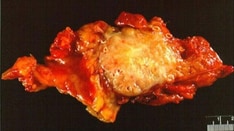
Pancreatic islet tumors that cause the WDHA syndrome are believed to originate from cells that are part of the neuroendocrine cell system. These tumors share cytochemical properties with carcinoid tumors, medullary carcinomas of the thyroid, melanomas, and pheochromocytomas, and they are collectively called amine precursor uptake and decarboxylation (APUD) tumors or APUDomas.

Histologic classification cannot be used to predict whether a tumor is benign or malignant. Malignancy can be confirmed only when evidence of local invasion or metastatic spread is present.

These tumors are composed of sheets of small round cells with uniform nuclei and cytoplasm. Mitotic figures are rare. Electron-dense granules are present that contain various products that are characteristic of neuroendocrine differentiation. These include various amines; neuron-specific enolase; synaptophysins; the alpha and beta subunits of human chorionic gonadotrophin; and chromogranins A, B, and C. Immunocytochemistry reveals that these tumors frequently are multihormonal, with more than 50% of tumors containing more than one hormone. Massive amyloid deposition has been reported in one case in which islet-associated polypeptide and calcitonin were believed to be candidates for the amyloidogenic peptide.

Staging

Unlike insulinomas, VIPomas are generally large in size at the time of clinical presentation, and 50-90% of VIPomas are reported to be malignant. Tumor staging is assessed by a combination of conventional imaging techniques, SRS, and, occasionally, EUS.


Medical Care

Management of WDHA syndrome is initially directed at treating symptoms related to hormone excess and, subsequently, at the tumor itself.

  • Resuscitation: Rehydration and correction of electrolyte and acid-base abnormalities are the most urgent steps in patient care. These can be life-saving measures because the most common cause of death in these patients is acute renal failure associated with hypokalemia.
  • Octreotide: This is a long-acting synthetic analog of somatostatin, which inhibits the release of VIP. It controls diarrhea in as many as 87% of patients and may reduce the tumor size in a minority of patients. Slow-release lanreotide and Sandostatin LAR are 2 longer-acting preparations that have been developed, but lanreotide is not available in the United States.
  • Antidiarrheals: Antidiarrheal medications, such as loperamide (Imodium), may be used in addition to octreotide in patients with breakthrough diarrhea.
  • Chemotherapy  
    • Several chemotherapeutic agents have been used to treat patients with metastatic disease. Streptozotocin and doxorubicin have emerged as the agents of choice based primarily on a 1992 Eastern Cooperative Oncology Group (ECOG) study in which the combined use of these agents was associated with a 69% response rate, which was significantly higher than the 45% rate for the streptozotocin and 5-fluorouracil (5-FU) combination or 30% with chlorozotocin alone.
    • A review of 322 patients with metastatic disease treated with interferon alfa suggested that interferon has minimal tumoricidal activity, although it may stabilize tumor growth in 20-30% of patients.
    • A case report from France demonstrated major clinical improvement and regression in tumor size in a patient with jejunal VIPoma metastatic to the liver and peritoneum treated with a combination of interferon alfa and 5-FU.
    • Because of the scarcity of this condition and the incomplete understanding of its natural history, interpreting the effectiveness of these therapeutic interventions is difficult.
  • Interventional radiology
    • Because most metastatic tumors in the liver are highly vascular and receive their blood supply by the hepatic artery, hepatic artery occlusion, with or without chemotherapy, may be used for palliative treatment in patients with a patent portal vein.
    • In one large study involving 111 patients with metastatic pancreatic endocrine tumors or carcinoid tumors, hepatic artery occlusion was associated with an objective beneficial response in 60% of patients, which improved to 80% of patients with the use of chemotherapy (ie, doxorubicin, dacarbazine, streptozotocin, 5-FU). In this study, chemoembolization was also associated with longer remission time (ie, 4 mo vs 18 mo).
    • Another study reported that chemoembolization with doxorubicin in iodized acid combined with gelatin or sponge particles resulted in improved symptoms in 68-100% of patients and a decrease in tumor size and/or hormone levels in 57-100% of patients.
    • A report by Case et al reported dramatic improvement in diarrhea following hepatic artery embolization in a patient with VIPoma and liver metastases that had not responded to surgical debulking, antidiarrheals, octreotide, and targeted radioisotope injections.6

Surgical Care

Surgical resection provides the only hope for cure because 50-60% of VIPomas are malignant. Therefore, all patients should be considered for exploratory laparotomy, with the exception of those with unresectable metastatic disease or with coexisting medical illnesses that preclude surgery.

  • Exploration  
    • During exploration, the liver should be examined carefully for metastatic disease and an attempt should be made to resect isolated hepatic metastasis.
    • A careful examination of the entire pancreas requires an extended Kocher maneuver, with incision of the retroperitoneum on the superior and inferior aspects of the pancreatic body. Mobilization of the spleen may be required in order to examine the pancreatic tail, and the small bowel should be explored for extrapancreatic tumors.
    • Although VIPomas are usually intrapancreatic, nearly 10% tumors may have an ectopic location, occurring frequently along the ganglia of the autonomic nervous system. An intraoperative ultrasound is recommended for identifying tumors that were not detected preoperatively and for establishing the presence of local invasion.
  • Pancreatectomy  
    • Isolated tumors in the pancreatic body or tail should be removed by distal pancreatectomy, with or without splenectomy. Laparoscopic resection has been performed successfully in 2 patients, but experience remains limited.
    • More proximal tumors in the pancreatic head or body may be treated by enucleation rather than a Whipple procedure because these more radical techniques have not always been associated with better outcomes.
    • However, a review of 125 patients with neuroendocrine tumors by the Johns Hopkins Group revealed that the most common operation performed was pancreaticoduodenectomy (in 40% of patients). The most favorable outcome in this retrospective series was observed in patients with benign functional tumors and in those with completely resected malignant tumors.
  • Blind distal pancreatectomy is a controversial procedure that is occasionally performed in symptomatic patients in whom no tumor is found because of the 20% rate of islet cell hyperplasia in symptomatic patients. Because other hormones may cause the diarrheogenic syndrome, one reasonable alternative when faced with this clinical conundrum is to close the abdomen and to perform further localizing studies.
  • Cytoreductive/debulking surgery  
    • Cytoreductive/debulking surgery may prolong life expectancy in certain patients. However, the natural history of metastatic WDHA syndrome is not well understood because of its rarity, and, as a result, no studies have evaluated cytoreductive surgery in a controlled prospective manner to determine if survival is improved.
    • As expected, patients with resectable disease have a 5-year survival rate as high as 79%, while patients with incompletely resected or unresectable disease have a 5-year survival rate of only 28%. Note that these patients represent only a very small proportion (5-9%) of patients with metastatic disease.
    • Although only a minority of patients with metastatic WDHA syndrome have resectable disease, whether patients whose illness is well controlled with medical therapy experience any long-term benefit from debulking surgery is unclear.
  • No surgical discussion is complete without reference to the role of liver transplantation in metastatic WDHA syndrome. Although this was first described in 1990, caution should be exercised when evaluating patients with extrahepatic pancreatic endocrine tumors, particularly noncarcinoid tumors.

Consultations

A multispecialty team comprised of gastroenterologists, surgeons, radiologists, and oncologists should evaluate patients with WDHA syndrome. Because of the rarity of VIPomas, most treatment recommendations are based on the experience of pancreatic endocrine tumors. Octreotide is recommended for symptom control and may have minor antineoplastic effects. Most experts agree that chemotherapy and interferon are indicated for patients with extensive metastatic disease; however, no agreement exists as to when such treatment should be started. New treatment modalities undoubtedly will be devised for chemotherapy, hormonal modulation, and receptor modulation; however, surgical resection currently remains the cornerstone of successful treatment.

  • Oncologist
  • Interventional radiologist

Diet

No dietary modifications are required.

Activity

Activity is unrestricted.


Medications used to treat WDHA syndrome are divided into 2 categories, antisecretory agents (eg, somatostatin and its synthetic derivatives) and chemotherapeutic agents. Conventional antidiarrheals are useful adjuncts to somatostatin analogs.

Drug Category: Antisecretory agents

Used to treat the profuse secretory diarrhea of WDHA syndrome after patients have been resuscitated adequately. Although conventional antidiarrheals may play an adjunctive role, somatostatin derivatives are the most effective and cost-saving drugs for treating the diarrhea of WDHA syndrome.

Because VIPomas possess somatostatin receptors, somatostatin and its synthetic derivatives are used not only for tumor imaging but also to inhibit hormonal secretion of functional tumors. Radioactive-labeled somatostatin derivatives currently are being investigated in the treatment of these tumors.

Drug NameOctreotide (Sandostatin, Sandostatin LAR)
DescriptionA synthetic analog of somatostatin with a half-life of approximately 100 min.
A potent physiological inhibitor of numerous GI functions, including (1) release of GI peptides (eg, CCK, gastrin, secretin), (2) gastric acid secretion, (3) intestinal blood flow, (4) gall bladder and intestinal motility, (5) pancreatic enzyme secretion, and (6) small intestinal mucosal secretion. These inhibitory effects, either alone or in combination, contribute to the antidiarrheal effect. These agents improve diarrhea in as many as 86% of patients with WDHA syndrome and have been reported to decrease tumor size in up to 16% patients.
Octreotide may stabilize tumor growth in some patients but has only minimal tumoricidal activity. Some patients with troublesome diarrhea experience reduced responsiveness to octreotide with time, and, although the VIP levels decline, they do not return to baseline values. Two possible reasons for such tachyphylaxis are accelerated octreotide degradation or down-regulation of somatostatin receptors. Regardless of the mechanism, rebound diarrhea can be difficult to treat.
Sandostatin LAR is a long-acting somatostatin analog that is currently not available in the United States.
Adult DoseSandostatin: 50-150 mcg SC q4-8h; doses as high as 500-1000 mcg/d have been used
Sandostatin LAR: 30 mg IM q3-4wk
Pediatric Dose2-20 mcg/kg SC qd; experience is limited because of the rarity of this condition in children
ContraindicationsDocumented hypersensitivity
InteractionsMay reduce effects of cyclosporine; patients on insulin, oral hypoglycemics, beta-blockers, and calcium channel blockers may need dose adjustment
PregnancyC - Fetal risk revealed in studies in animals but not established or not studied in humans; may use if benefits outweigh risk to fetus
PrecautionsAdverse effects are common but rarely severe enough to discontinue treatment; discomfort at injection site is common; postprandial hyperglycemia is reported occasionally; the most common adverse effects are GI and include nausea, abdominal cramps, and alterations in bowel habit that usually improve with time; long-term use results in development of gallstones and/or sludge in as many as 52% patients; however, the percentage of patients developing symptomatic gallstone disease is low

Drug NameLanreotide (Somatuline LA)
DescriptionSomatostatin analog with a considerably longer half-life than octreotide.
Currently not available in the United States.
Adult Dose30 mg IM q10-14d
Pediatric DoseNot established
ContraindicationsDocumented hypersensitivity
InteractionsMay increase absorption of bromocriptine
PregnancyC - Fetal risk revealed in studies in animals but not established or not studied in humans; may use if benefits outweigh risk to fetus
PrecautionsTransient abdominal pain, pain at injection site, and hypoglycemia were reported in 3 of 16 patients in a European study

Drug Category: Antineoplastic agents

Chemotherapeutic agents are used to treat metastatic WDHA syndrome when surgical resection is not possible. The combination of streptozotocin and doxorubicin is superior to streptozotocin and 5-FU in the treatment of advanced islet cell carcinoma. Chlorozotocin alone is similar in efficacy to streptozotocin plus 5-FU but has fewer adverse effects than streptozotocin-containing regimens.

Drug NameStreptozotocin (Zanosar)
DescriptionNaturally occurring nitrosourea originally discovered as antibiotic obtained from Streptomyces achromogenes. Capable of inhibiting DNA synthesis during all stages of mammalian cycle through liberation of alkylating and carbamoylating moieties. Streptozotocin has a methylnitrosourea (MNU) moiety attached to 2 carbon of glucose and has special affinity for islet of Langerhans cells. Has half-life of approximately 15 min, and only 10-20% of dose recovered in urine.
Adult Dose500 mg/m2/d IV for 5 d; repeat q6wk for combination regimens
Pediatric DoseNot established
ContraindicationsDocumented hypersensitivity; jaundice; renal failure; leucopenia; thrombocytopenia
InteractionsAminoglycosides, loop diuretics, and doxorubicin may increase nephrotoxicity; phenytoin may decrease effects
PregnancyC - Fetal risk revealed in studies in animals but not established or not studied in humans; may use if benefits outweigh risk to fetus
PrecautionsSevere nausea and vomiting are common; liver dysfunction can occur; renal toxicity is dose-related and cumulative; requires close monitoring of renal, hepatic, and hematologic functions; hyperglycemia is a frequent adverse effect because the drug destroys pancreatic islet cells

Drug NameChlorozotocin (DCNU, Dome, NSC 178248)
DescriptionNot available in the United States. Antineoplastic nitrosourea in which the 2 carbon of glucose is substituted by the chloronitrosourea group (CNU).
Adult Dose150 mg/m2 q7wk
Pediatric DoseNot established
ContraindicationsDocumented hypersensitivity; jaundice; renal failure; leucopenia; thrombocytopenia
InteractionsNone reported
PregnancyX - Contraindicated; benefit does not outweigh risk
PrecautionsMyelosuppression, nausea, and vomiting of short duration may occur

Drug NameDoxorubicin (Adriamycin, Rubex)
DescriptionAnthracycline antibiotic derived from fungus Streptomyces peucetius var caesius. Intercalates with DNA and disrupts many functions, including DNA and RNA synthesis. Maximum toxicity occurs during S phase of cell cycle.
Doxorubicin has multiphasic disappearance curve, with half-lives ranging up to 30 h. Does not cross blood-brain barrier but taken up rapidly by heart, lungs, liver, kidney, and spleen.
Adult Dose5 mg/m2 IV; repeat after 21 d of each 6-wk treatment cycle when administered with streptozotocin
Pediatric DoseNot established
ContraindicationsDocumented hypersensitivity; severe heart failure; cardiomyopathy; impaired cardiac function; preexisting myelosuppression
InteractionsMay decrease phenytoin and digoxin plasma levels; phenobarbital may decrease its plasma levels; cyclosporine may induce coma or seizures; mercaptopurine increases toxicity; cyclophosphamide increases cardiac toxicity
PregnancyD - Fetal risk shown in humans; use only if benefits outweigh risk to fetus
PrecautionsMyelosuppression is major dose-limiting complication, with leucopenia reaching its lowest level in the second week of therapy; stomatitis, GI disturbances, and alopecia are frequent complications; cardiotoxicity is a unique characteristic of anthracycline antibiotics manifested by CHF unresponsive to digoxin; extravasation may result in severe local tissue necrosis; reduce dose in patients with impaired hepatic function

Drug NameFluorouracil (Adrucil)
DescriptionPyrimidine analog of uracil, which inhibits RNA function and thymidylate synthesis. Requires enzymatic conversion to nucleotide to exert cytotoxic activity. Interruption of thymidylate synthesis results in inhibition of DNA synthesis while RNA and protein production continues. Results in an imbalance in growth that is not compatible with cell survival.
Administered parenterally and metabolized primarily in liver. Inactivated by reduction of pyrimidine ring by dihydrouracil dehydrogenase. Because enzyme widely distributed in body, dose modification not required in presence of liver disease. Readily enters CSF, with values that slowly subside over 9 h. Urinary excretion of a single IV dose is only 11% in 24 h.
Adult Dose400 mg/m2 IV qd for 5 d concurrently with streptozotocin
Pediatric DoseNot established
ContraindicationsDocumented hypersensitivity; bone marrow suppression; serious infection
InteractionsIncreased risk of bleeding with anticoagulants, NSAIDs, platelet inhibitors, and thrombolytic agents; enhanced bone marrow toxicity with other immunosuppressive agents
PregnancyD - Fetal risk shown in humans; use only if benefits outweigh risk to fetus
PrecautionsNausea, oral and GI ulcers, depression of immune system, and failure of hemopoiesis may occur; adjust dosage in renal impairment.

Drug Category: Interferons

Interferons are glycoproteins with a variety of biological actions. They are important cytokines that have immunomodulating, antiviral, and antiproliferative properties. Interferons alfa and beta are produced by most cells in response to viral infections, while interferon gamma is only produced by T lymphocytes.

Drug NameInterferon alfa (Roferon-A, Intron A)
DescriptionHighly purified protein, containing 165 amino acid residues. Interferons must be administered SC or IM. Rapidly inactivated in body fluids and various tissues, with initial half-life of 40 min and a terminal half-life of 5 h. Negligible amounts excreted renally. Interferon has been used as monotherapy and combined with octreotide.
Adult Dose5 million U SC 3 times/wk
Pediatric DoseNot established
ContraindicationsDocumented hypersensitivity; myelosuppression; severe depression
InteractionsTheophylline may increase toxicity; cimetidine may increase antitumor effects; zidovudine and vinblastine may increase toxicity
PregnancyC - Fetal risk revealed in studies in animals but not established or not studied in humans; may use if benefits outweigh risk to fetus
PrecautionsEarly adverse effects include a flulike illness with fever, chills, nausea, and headache occurring about 6 h after injection; fatigue, myalgia, and malaise occur a few weeks later; bone marrow suppression and alopecia are observed in 1-5% of patients, although predicting which adverse effects will occur is not possible; it may precipitate or worsen underlying autoimmune diseases, the most common of which is thyroiditis

Drug Category: Antidiarrheals

These agents are often used with somatostatin analogs. Although a wide variety of these medications has been tried, the most commonly used antidiarrheal is loperamide (Imodium).

Drug NameLoperamide (Imodium)
DescriptionSynthetic piperidine derivative that slows intestinal transit by direct effect on nerve endings and intestinal wall ganglia. Interferes with cholinergic and noncholinergic mechanisms involved in peristalsis, resulting in reduced activity of the intestinal wall muscles. Like diphenoxylate and morphine, it may enhance contractions of intestinal circular muscles, thus increasing segmentation and retarding intestinal forward motion. It is more specific, longer-acting, and 3 times more potent than diphenoxylate on a weight basis. Neither tolerance to the antidiarrheal effect of loperamide nor physical dependence reported.
Apparent elimination half-life in healthy adults is 9-14 h. Less than 2% of the drug is excreted in urine, and 30% is excreted as an intact molecule in feces. Enterohepatic circulation described in animals. Whether loperamide crosses placenta or distributed in milk is unknown.
Adult Dose4 mg PO initially, then 2 mg after each loose stool; not to exceed 16 mg/d
Pediatric DoseNot established; 0.08-0.24 mg/kg PO divided bid/tid is suggested
ContraindicationsDocumented hypersensitivity; diarrhea resulting from infections; pseudomembranous colitis
InteractionsPhenothiazines, tricyclic antidepressants, and CNS depressants may increase its toxicity
PregnancyB - Fetal risk not confirmed in studies in humans but has been shown in some studies in animals
PrecautionsDiscontinue use if no clinical improvement is observed in 48 h; because loperamide is primarily metabolized in liver, CNS toxicity should be monitored in patients with hepatic insufficiency; should not be used if high fever or blood in stool is noted; perform resuscitation of dehydrated patients before administering antidiarrheals; caution in children <2 y; no well-controlled studies of loperamide in pregnant women exist, it should only be used in pregnancy when clearly needed; use caution in breastfeeding women because whether the drug is distributed in milk is not clear


Further Inpatient Care

  • Preliminary data suggest that octreotide administered postoperatively is associated with a lower rate of complications, such as the development of pancreatic fistula. As a result, many surgical units routinely administer octreotide until the abdominal drains have been removed and the patient is eating normally.
  • Histamine 2 (H2)–receptor antagonists or proton pump inhibitors should be administered postoperatively to prevent hyperacidity because rebound hyperchlorhydria is common in the postoperative period.

In/Out Patient Meds

  • Octreotide should be prescribed to treat the debilitating diarrhea frequently observed in these patients.
  • Antidiarrheals may be useful adjuncts for treating diarrhea in patients who are not responding to octreotide. Rebound diarrhea can be difficult to treat.

Deterrence/Prevention

  • No effective therapy is available for patients who are not cured surgically. Neither somatostatin nor interferon alfa has significant tumoricidal properties, although they may have a tumoristatic effect.

Complications

  • Dehydration
  • The most common cause of death in WDHA syndrome is acute renal failure associated with hypokalemia. The typical renal lesion observed in these patients is a vacuolar tubular nephropathy.
  • Non–anion gap metabolic acidosis
  • Perianal skin irritation from severe diarrhea
  • Poor quality of life from severe diarrhea

Prognosis

  • A proper assessment of the prognosis is limited because of the rarity of the condition.
  • Tumors that cannot be resected completely are associated with a 1-year survival rate of approximately 40%.
  • A paper from the Mayo Clinic, Jacksonville, reported 5- and 10-year survival rates for malignant tumors of 88% and 25%, respectively.
  • Soga and Yakuwa (1998) also observed encouraging long-term outcomes in an evaluation of 241 patients with WDHA syndrome.7 The 5-year survival rate was 94.4% in 46 patients without metastases and 59.6% in 43 patients with metastatic disease.7

Patient Education

  • Patients should be advised to seek treatment at a center with expertise in this field. Patients need to be aware that dehydration and acute renal failure are significant complications, and they must seek hospitalization if they are not doing well at home.


Medical/Legal Pitfalls

  • Delay in diagnosis: This is not uncommon because of the rarity of the condition and because the initial presentation may masquerade as other disease processes.
  • Education: Once the diagnosis is established, patients and their families need to be educated about the disease and treatment approach.
  • Referrals: Patients should be advised to seek treatment at a major referral center that has expertise in this field. This is true particularly for the subset of patients with nonresectable disease who may be candidates for innovative, potentially life-saving treatment protocols.
  • Consultations: Because treatment of this condition can be complex, patients benefit from a multidisciplinary team of specialists starting at the time of the initial diagnosis.
  • Endoscopic ultrasound: This procedure should be performed only by trained physicians.
  • Pneumococcal vaccination: This should be administered to all patients who undergo distal pancreatectomy and splenectomy.


  1. Priest WM, Alexander MK. Isletcell tumour of the pancreas with peptic ulceration, diarrhoea, and hypokalaemia. Lancet. Dec 7 1957;273(7006):1145-7. [Medline].
  2. Verner JV, Morrison AB. Islet cell tumor and a syndrome of refractory watery diarrhea and hypokalemia. Am J Med. Sep 1958;25(3):374-80. [Medline].
  3. Matsumoto KK, Peter JB, Raymond G. Watery diarrhea and hypokalemia associated with pancreatic islet cell adenoma. Gastroenterology. 1966;50:231-42.
  4. Tannapfel A, Vomschloss S, Karhoff D, Markwarth A, Hengge UR, Wittekind C, et al. BRAF gene mutations are rare events in gastroenteropancreatic neuroendocrine tumors. Am J Clin Pathol. Feb 2005;123(2):256-60. [Medline].
  5. Virgolini I, Kurtaran A, Leimer M, Kaserer K, Peck-Radosavljevic M, Angelberger P, et al. Location of a VIPoma by iodine-123-vasoactive intestinal peptide scintigraphy. J Nucl Med. Sep 1998;39(9):1575-9. [Medline].
  6. Case CC, Wirfel K, Vassilopoulou-Sellin R. Vasoactive intestinal polypeptide-secreting tumor (VIPoma) with liver metastases: dramatic and durable symptomatic benefit from hepatic artery embolization, a case report. Med Oncol. 2002;19(3):181-7. [Medline].
  7. Soga J, Yakuwa Y. Vipoma/diarrheogenic syndrome: a statistical evaluation of 241 reported cases. J Exp Clin Cancer Res. Dec 1998;17(4):389-400. [Medline].
  8. Akerström G, Hellman P. Surgery on neuroendocrine tumours. Best Pract Res Clin Endocrinol Metab. Mar 2007;21(1):87-109. [Medline].
  9. Alexakis N, Neoptolemos JP. Pancreatic neuroendocrine tumours. Best Pract Res Clin Gastroenterol. 2008;22(1):183-205. [Medline].
  10. Ayub A, Zafar M, Abdulkareem A, Ali MA, Lingawi T, Harbi A. Primary hepatic vipoma. Am J Gastroenterol. Jun 1993;88(6):958-61. [Medline].
  11. Bartsch D, Hahn SA, Danichevski KD, Ramaswamy A, Bastian D, Galehdari H, et al. Mutations of the DPC4/Smad4 gene in neuroendocrine pancreatic tumors. Oncogene. Apr 8 1999;18(14):2367-71. [Medline].
  12. Bartsch DK, Fendrich V, Langer P, Celik I, Kann PH, Rothmund M. Outcome of duodenopancreatic resections in patients with multiple endocrine neoplasia type 1. Ann Surg. Dec 2005;242(6):757-64, discussion 764-6. [Medline].
  13. Berkovic MC, Altabas V, Herman D, Hrabar D, Goldoni V, Vizner B, et al. A single-centre experience with octreotide in the treatment of different hypersecretory syndromes in patients with functional gastroenteropancreatic neuroendocrine tumors. Coll Antropol. Jun 2007;31(2):531-4. [Medline].
  14. Bettini R, Boninsegna L, Mantovani W, Capelli P, Bassi C, Pederzoli P, et al. Prognostic factors at diagnosis and value of WHO classification in a mono-institutional series of 180 non-functioning pancreatic endocrine tumours. Ann Oncol. May 2008;19(5):903-8. [Medline].
  15. Bramley PN, Lodge JP, Losowsky MS, Giles GR. Treatment of metastatic Vipoma by liver transplantation. Clin Transplant. Oct 1990;4(5 part 1):276-8; discussion 279. [Medline].
  16. Brunt LM, Mazoujian G, O'Dorisio TM, Wells SA Jr. Stimulation of vasoactive intestinal peptide and neurotensin secretion by pentagastrin in a patient with VIPoma syndrome. Surgery. Mar 1994;115(3):362-9. [Medline].
  17. Buchanan KD, Johnston CF, O'Hare MM, Ardill JE, Shaw C, Collins JS, et al. Neuroendocrine tumors. A European view. Am J Med. Dec 22 1986;81(6B):14-22. [Medline].
  18. Crowley PF, Slavin JL, Rode J. Massive amyloid deposition in pancreatic vipoma: a case report. Pathology. Nov 1996;28(4):377-9. [Medline].
  19. Doherty GM. Multiple endocrine neoplasia type 1. J Surg Oncol. Mar 1 2005;89(3):143-50. [Medline].
  20. Doherty GM. Rare endocrine tumours of the GI tract. Best Pract Res Clin Gastroenterol. Oct 2005;19(5):807-17. [Medline].
  21. Eriksson B, Oberg K. Interferon therapy of malignant endocrine pancreatic tumors. In: Mignon M, Jensen RT, eds. Endocrine Tumors of the Pancreas: Recent Advances in Research and Management. Series: Frontiers in Gastrointestinal Research. Vol 23. Basel, Switzerland: S. Karger; 1995:451-60.
  22. Fendrich V, Habbe N, Celik I, Langer P, Zielke A, Bartsch DK, et al. [Operative management and long-term survival in patients with neuroendocrine tumors of the pancreas--experience with 144 patients]. Dtsch Med Wochenschr. Feb 2 2007;132(5):195-200. [Medline].
  23. Frank M, Klose KJ, Wied M, Ishaque N, Schade-Brittinger C, Arnold R. Combination therapy with octreotide and alpha-interferon: effect on tumor growth in metastatic endocrine gastroenteropancreatic tumors. Am J Gastroenterol. May 1999;94(5):1381-7. [Medline].
  24. Ghaferi AA, Chojnacki KA, Long WD, Cameron JL, Yeo CJ. Pancreatic VIPomas: subject review and one institutional experience. J Gastrointest Surg. Feb 2008;12(2):382-93. [Medline].
  25. Gibril F, Reynolds JC, Chen CC, Yu F, Goebel SU, Serrano J, et al. Specificity of somatostatin receptor scintigraphy: a prospective study and effects of false-positive localizations on management in patients with gastrinomas. J Nucl Med. Apr 1999;40(4):539-53. [Medline].
  26. Goh BK, Ooi LL, Tan YM, Cheow PC, Chung YF, Chow PK. Clinico-pathological features of cystic pancreatic endocrine neoplasms and a comparison with their solid counterparts. Eur J Surg Oncol. Jun 2006;32(5):553-6. [Medline].
  27. Gumbs AA, Grès P, Madureira F, Gayet B. Laparoscopic vs open resection of pancreatic endocrine neoplasms: single institution's experience over 14 years. Langenbecks Arch Surg. May 2008;393(3):391-5. [Medline].
  28. Görtz B, Roth J, Krahenmann A, de Krijger RR, Muletta-Feurer S, Rütimann K, et al. Mutations and allelic deletions of the MEN1 gene are associated with a subset of sporadic endocrine pancreatic and neuroendocrine tumors and not restricted to foregut neoplasms. Am J Pathol. Feb 1999;154(2):429-36. [Medline].
  29. Harris AG, O'Dorisio TM, Woltering EA, Anthony LB, Burton FR, Geller RB, et al. Consensus statement: octreotide dose titration in secretory diarrhea. Diarrhea Management Consensus Development Panel. Dig Dis Sci. Jul 1995;40(7):1464-73. [Medline].
  30. Ichimura T, Kondo S, Okushiba S, Morikawa T, Katoh H. A calcitonin and vasoactive intestinal peptide-producing pancreatic endocrine tumor associated with the WDHA syndrome. Int J Gastrointest Cancer. 2003;33(2-3):99-102. [Medline].
  31. Ikuta S, Yasui C, Kawanaka M, Aihara T, Yoshie H, Yanagi H, et al. Watery diarrhea, hypokalemia and achlorhydria syndrome due to an adrenal pheochromocytoma. World J Gastroenterol. Sep 14 2007;13(34):4649-52. [Medline].
  32. Jackson C, Buchman AL. Calcitonin-secreting VIPoma. Dig Dis Sci. Dec 2005;50(12):2203-6. [Medline].
  33. Kazanjian KK, Reber HA, Hines OJ. Resection of pancreatic neuroendocrine tumors: results of 70 cases. Arch Surg. Aug 2006;141(8):765-9; discussion 769-70. [Medline].
  34. Keller J, Mueller-Wolf JC, Ahmadi-Simab K, Fibbe C, Rosien U, Layer P. Do elevated plasma vasoactive intestinal polypeptide (VIP) levels cause small intestinal motor disturbances in humans?. Dig Dis Sci. Feb 2005;50(2):276-82. [Medline].
  35. Krejs GJ. Comparison of the effect of VIP and PHI on water and ion movement in the canine jejunum in vivo. Gastroenterol Clin Biol. 1984;8:868.
  36. Levy-Bohbot N, Merle C, Goudet P, Delemer B, Calender A, Jolly D, et al. Prevalence, characteristics and prognosis of MEN 1-associated glucagonomas, VIPomas, and somatostatinomas: study from the GTE (Groupe des Tumeurs Endocrines) registry. Gastroenterol Clin Biol. Nov 2004;28(11):1075-81. [Medline].
  37. Lubinski SM, Hendrix T. Images in clinical medicine. VIPoma. N Engl J Med. Aug 19 2004;351(8):808. [Medline].
  38. Lévy-Bohbot N, Merle C, Goudet P, Delemer B, Calender A, Jolly D, et al. Prevalence, characteristics and prognosis of MEN 1-associated glucagonomas, VIPomas, and somatostatinomas: study from the GTE (Groupe des Tumeurs Endocrines) registry. Gastroenterol Clin Biol. Nov 2004;28(11):1075-81. [Medline].
  39. Mansour JC, Chen H. Pancreatic endocrine tumors. J Surg Res. Jul 2004;120(1):139-61. [Medline].
  40. Mao C, Carter P, Schaefer P, Zhu L, Dominguez JM, Hanson DJ, et al. Malignant islet cell tumor associated with hypercalcemia. Surgery. Jan 1995;117(1):37-40. [Medline].
  41. Maton PN, Gardner JD, Jensen RT. Use of long-acting somatostatin analog SMS 201-995 in patients with pancreatic islet cell tumors. Dig Dis Sci. Mar 1989;34(3 Suppl):28S-39S. [Medline].
  42. Moertel CG, Lefkopoulo M, Lipsitz S, Hahn RG, Klaassen D. Streptozocin-doxorubicin, streptozocin-fluorouracil or chlorozotocin in the treatment of advanced islet-cell carcinoma. N Engl J Med. Feb 20 1992;326(8):519-23. [Medline].
  43. Moug SJ, Leen E, Horgan PG, Imrie CW. Radiofrequency ablation has a valuable therapeutic role in metastatic VIPoma. Pancreatology. 2006;6(1-2):155-9. [Medline].
  44. Murphy MS, Sibal A, Mann JR. Persistent diarrhoea and occult vipomas in children. BMJ. Jun 3 2000;320(7248):1524-6. [Medline].
  45. Nguyen HN, Backes B, Lammert F, Wildberger J, Winograd R, Busch N, et al. Long-term survival after diagnosis of hepatic metastatic VIPoma: report of two cases with disparate courses and review of therapeutic options. Dig Dis Sci. Jun 1999;44(6):1148-55. [Medline].
  46. Nikou GC, Toubanakis C, Nikolaou P, Giannatou E, Safioleas M, Mallas E. VIPomas: an update in diagnosis and management in a series of 11 patients. Hepatogastroenterology. Jul-Aug 2005;52(64):1259-65. [Medline].
  47. Nobels FR, Kwekkeboom DJ, Bouillon R, Lamberts SW. Chromogranin A: its clinical value as marker of neuroendocrine tumours. Eur J Clin Invest. Jun 1998;28(6):431-40. [Medline].
  48. Oberg K, Eriksson B. Endocrine tumours of the pancreas. Best Pract Res Clin Gastroenterol. Oct 2005;19(5):753-81. [Medline].
  49. Onozawa M, Fukuhara T, Minoguchi M, Takahata M, Yamamoto Y, Miyake T. Hypokalemic rhabdomyolysis due to WDHA syndrome caused by VIP-producing composite pheochromocytoma: a case in neurofibromatosis type 1. Jpn J Clin Oncol. Sep 2005;35(9):559-63. [Medline].
  50. Orlefors H, Sundin A, Ahlstrom H, Bjurling P, Bergstrom M, Lilja A, et al. Positron emission tomography with 5-hydroxytryprophan in neuroendocrine tumors. J Clin Oncol. Jul 1998;16(7):2534-41. [Medline].
  51. Park SK, O'Dorisio MS, O'Dorisio TM. Vasoactive intestinal polypeptide-secreting tumours: biology and therapy. Baillieres Clin Gastroenterol. Dec 1996;10(4):673-96. [Medline].
  52. Pederzoli P, Bassi C, Falconi M, Camboni MG. Efficacy of octreotide in the prevention of complications of elective pancreatic surgery. Italian Study Group. Br J Surg. Feb 1994;81(2):265-9. [Medline].
  53. Phan GQ, Yeo CJ, Hruban RH, Lillemoe KD, Pitt HA, Cameron JL. Surgical experience with pancreatic and peripancreatic neuroendocrine tumors: review of 125 patients. J Gastrointest Surg. Sep-Oct 1998;2(5):472-82. [Medline].
  54. Pratz KW, Ma C, Aubry MC, Vrtiska TJ, Erlichman C. Large cell carcinoma with calcitonin and vasoactive intestinal polypeptide-associated Verner-Morrison syndrome. Mayo Clin Proc. Jan 2005;80(1):116-20. [Medline].
  55. Ram R, Natanzi N, Saadat P, Eliav D, Vadmal MS. Skin metastasis of pancreatic vasoactive intestinal polypeptide tumor: case report and review of the literature. Arch Dermatol. Jul 2006;142(7):946-7. [Medline].
  56. Remme CA, de Groot GH, Schrijver G. Diagnosis and treatment of VIPoma in a female patient. Eur J Gastroenterol Hepatol. Jan 2006;18(1):93-9. [Medline].
  57. Rigabert J, De Clermont H. [Diagnostic procedures and more particularly, place of scintigraphy in neuroendocrine tumors, example of vipoma in MEN 1]. Ann Endocrinol (Paris). Jun 2007;68(2-3):199-203. [Medline].
  58. Rindi G, Candusso ME, Solcia E. Molecular aspects of the endocrine tumours of the pancreas and the gastrointestinal tract. Ital J Gastroenterol Hepatol. Oct 1999;31 Suppl 2:S135-8. [Medline].
  59. Schonfeld WH, Eikin EP, Woltering EA, Modlin IM, Anthony L, Villa KF, et al. The cost-effectiveness of octreotide acetate in the treatment of carcinoid syndrome and VIPoma. Int J Technol Assess Health Care. Summer 1998;14(3):514-25. [Medline].
  60. Smith SL, Branton SA, Avino AJ, Martin JK, Klingler PJ, Thompson GB, et al. Vasoactive intestinal polypeptide secreting islet cell tumors: a 15-year experience and review of the literature. Surgery. Dec 1998;124(6):1050-5. [Medline].
  61. Stephen AE, Hodin RA. Neuroendocrine tumors of the pancreas, excluding gastrinoma. Surg Oncol Clin N Am. Jul 2006;15(3):497-510. [Medline].
  62. Tauber MT, Harris AG, Rochiccioli P. Clinical use of the long acting somatostatin analogue octreotide in pediatrics. Eur J Pediatr. May 1994;153(5):304-10. [Medline].
  63. Tomassetti P, Migliori M, Gullo L. Slow-release lanreotide treatment in endocrine gastrointestinal tumors. Am J Gastroenterol. Sep 1998;93(9):1468-71. [Medline].
  64. Virgolini I, Traub-Weidinger T, Decristoforo C. Nuclear medicine in the detection and management of pancreatic islet-cell tumours. Best Pract Res Clin Endocrinol Metab. Jun 2005;19(2):213-27. [Medline].
  65. Warner RR. Enteroendocrine tumors other than carcinoid: a review of clinically significant advances. Gastroenterology. May 2005;128(6):1668-84. [Medline].

WDHA Syndrome excerpt

Article Last Updated: Jun 4, 2008