|
Related Articles | Abdominal Abscess
Appendicitis
Bladder Cancer
Bladder Stones
Bladder Trauma
Chlamydial Genitourinary Infections
Cholangitis
Cholecystitis
Chronic Pelvic Pain Syndrome and Prostatodynia
Colovesical Fistula
Cystitis, Nonbacterial
Diverticulitis
Emphysema
Emphysematous Pyelonephritis
Enterobacter Infections
Enterococcal Infections
Epididymal Tuberculosis
Epididymitis
Escherichia Coli Infections
Glomerulonephritis, Acute
Gonococcal Infections
Herpes Simplex
Klebsiella Infections
Mycoplasma Infections
Nephrolithiasis
Nonbacterial Prostatitis
Pancreatitis, Acute
Pneumonia, Bacterial
Pneumonia, Community-Acquired
Prostate Hyperplasia, Benign
Prostatitis, Bacterial
Prostatitis, Tuberculous
Proteus Infections
Providencia Infections
Pseudomonas Aeruginosa Infections
Pyelolithotomy
Pyelonephritis, Acute
Pyelonephritis, Chronic
Pyonephrosis
Renal Cell Carcinoma
Renal Corticomedullary Abscess
Renal Transplantation (Medical)
Renal Transplantation (Urology)
Schistosomiasis
Sepsis, Bacterial
Septic Shock
Serratia
Shock, Distributive
Spermatocele
Testicular Choriocarcinoma
Testicular Seminoma
Testicular Torsion
Testicular Trauma
Testicular Tumors: Nonseminomatous
Transitional Cell Carcinoma, Renal
Transrectal Ultrasound of the Prostate (TRUS)
Transureteroureterostomy
Transurethral Electrovaporization of the Prostate
Transurethral Microwave Thermotherapy of the Prostate (TUMT)
Transurethral Needle Ablation of the Prostate (TUNA)
Transurethral Resection of the Prostate
Tuberculosis
Tuberculosis of the Genitourinary System
Ureaplasma Infection
Ureteral Stricture
Ureteral Trauma
Ureterocalicostomy
Ureterocele
Ureterolithotomy
Ureteropelvic Junction Obstruction
Ureteroscopy
Urethral Cancer
Urethral Caruncle
Urethral Diverticula
Urethral Diverticulum
Urethral Strictures
Urethral Syndrome
Urethral Trauma
Urethritis
Urinary Diversions and Neobladders
Urinary Tract Obstruction
Urothelial Tumors of the Renal Pelvis and Ureters
Vesicoureteral Reflux
Xanthogranulomatous Pyelonephritis
|
|
You are in: eMedicine Specialties >
Infectious Diseases > MEDICAL TOPICS
Urinary Tract Infection, Males
Article Last Updated: May 7, 2007
AUTHOR AND EDITOR INFORMATION
Section 1 of 11
Author: Burke A Cunha, MD, Professor of Medicine, State University of New York School of Medicine at Stony Brook; Chief, Infectious Disease Division, Winthrop-University Hospital
Burke A Cunha is a member of the following medical societies: American College of Chest Physicians, American College of Physicians, and Infectious Diseases Society of America
Coauthor(s):
Cindy L Tamminga, MD, Consulting Staff, Division of Infectious Diseases, Naval Medical Center at Portsmouth;
Bryan P Blair, MD, Staff Physician, Department of Urology, Naval Medical Center at Portsmouth
Editors: Klaus-Dieter Lessnau, MD, FCCP, Clinical Assistant Professor of Medicine, New York University School of Medicine; Medical Director, Pulmonary Physiology Laboratory, Department of Medicine, Section of Pulmonary Medicine, Lenox Hill Hospital; Francisco Talavera, PharmD, PhD, Senior Pharmacy Editor, eMedicine; Mark Jeffrey Noble, MD, Consulting Staff, Urologic Institute, Cleveland Clinic Foundation; Eleftherios Mylonakis, MD, Clinical and Research Fellow, Department of Internal Medicine, Division of Infectious Diseases, Massachusetts General Hospital; Michael Stuart Bronze, MD, Professor, Stewart G Wolf Chair in Internal Medicine, Department of Medicine, University of Oklahoma Health Science Center
Author and Editor Disclosure
Synonyms and related keywords:
male urinary tract infection, UTI, prostatitis, epididymitis, orchitis, pyelonephritis, cystitis, indwelling urethral catheters, catheter, gonorrhea, obstruction, prostatic hypertrophy, urinary tract instrumentation, catheterization, urological surgery
Background
This article addresses prostatitis, epididymitis, orchitis, and, as they apply to adult males, pyelonephritis, cystitis, and urethritis. Nosocomial urinary tract infections (UTIs) and their main risk factor, indwelling urethral catheters, also are discussed, with attention directed to unique aspects of the male urinary system. Special hosts (eg, patients with spinal injury, diabetes, or transplants) and special conditions (eg, candiduria, perirenal abscess) are discussed in more detail in Urinary Tract Infection, Females. For issues relating to multidrug-resistant organisms (eg, Acinetobacter) or particular organism infections (eg, gonorrhea, schistosomiasis), consult those particular articles.
The normal male urinary tract has many natural defenses to infection. Transitional epithelium conducts urine from the kidneys to an elastic bladder, which can store large volumes at low pressures. The male urethra is separated from the rectum by several centimeters of keratinized squamous epithelium; the long urethra provides an additional barrier between the bladder and the perineum. Because of these many defenses, UTIs in males are considered, by definition, complicated by many experts. Complicated infections are those more likely to be associated with anatomic abnormalities, requiring surgical intervention to prevent sequela. The diagnosis and treatment of urinary tract infections in males should proceed with this concept in mind.
UTIs can be divided anatomically into upper- and lower-tract infections. In the male, lower-tract disease includes prostatitis, epididymitis, cystitis, and urethritis. Upper-tract disease (pyelonephritis) is similar in males and females. The phrase "significant bacteriuria" sometimes is used to emphasize that the number exceeds that which might be caused by contamination during the collection of the specimen. Bacteriuria can be symptomatic or asymptomatic.
Prostatitis
In the 1800s, prostatitis was thought to be secondary to excessive alcohol consumption or physical or sexual activity. Often it was associated with gonorrhea and could be fatal or lead to abscess formation. By the 1920s, most cases were attributed to microorganisms, and antibiotics combined with prostate massage were standard therapy after World War II. Although the role of bacteria was questioned in the 1950s, it was reemphasized in 1968 when Meares and Stamey described their "4-glass test."
Epididymitis
Epididymitis is a clinical syndrome caused by infection or inflammation of the epididymis. It is the most common cause of acute scrotum in adult male populations. Long-term complications include abscesses, infarction, recurrence, chronic pain, and infertility.
Orchitis
Orchitis was first described in approximately 400 BC by Hippocrates. Because of the widespread use of mumps vaccination, it is no longer a common infection in the United States. Orchitis is one of the few genitourinary infections resulting from a viral pathogen.
Pyelonephritis
Pyelonephritis is an infection of the renal parenchyma. Infection usually occurs in a retrograde ascending fashion from the bladder, but it may occur hematogenously. The ureteral orifice becomes edematous, and it loses its one-way valve function during infection. Retrograde flow of bacteria into the upper tracts and into renal parenchyma results in clinical symptoms.
Bacterial cystitis
Bacterial cystitis without concomitant infection in other portions of the genitourinary tract is believed to be a rare event in males. The abrupt onset of irritative voiding symptoms (eg, frequency, urgency, nocturia, dysuria) and suprapubic pain are clinically diagnostic.
Urethritis
Urethritis has been described for thousands of years. The term gonorrhea (gonus meaning seed, rhoia meaning flow) was coined by Galen. Gonococcal urethritis remains the most commonly reported communicable bacterial disease in the United States.
Urinary catheters
Up to 25% of hospitalized patients have urinary catheters inserted, and of these, 10-27% develop UTIs. UTI accounts for approximately 40% of all nosocomial infections; 15% of these infections occur in clusters and often involve highly resistant organisms. The single most important risk factor for nosocomial bacteriuria and UTI is the presence of an indwelling urethral catheter; 80% of nosocomial UTIs are associated with the use of urethral catheters. Once the urethral catheter is in place, the daily incidence of bacteriuria is 3-10%. Because most become bacteriuric by 30 days, that is a convenient dividing line between short- and long-term catheterization.
Pathophysiology
Entry of microorganisms into the prostate gland almost always occurs via the urethra; with intraprostatic reflux of urine, bacteria migrate from the urethra or bladder through the prostatic ducts. Other possibilities include entry via the hematogenous route, via the lymphatics from the rectum, and during prostatic surgery; many patients have no known precipitating event. Prostatic fluid contains various antibacterial substances, including zinc and antibodies, which are lacking in some patients with chronic bacterial prostatitis. Interestingly, acute prostatitis usually does not result in chronic prostatitis, and chronic bacterial prostatitis usually is not antedated by acute prostatitis. Of men referred for prostatitis, less than 10% have either acute or chronic bacterial prostatitis. Acute prostatitis This is an acute infection of the entire prostate gland, resulting in fever and localized pain. Microscopically, neutrophilic infiltrates, diffuse edema, and microabscesses may be seen, which may coalesce into larger collections. Chronic prostatitis This may be caused by inflammatory or noninflammatory diseases. It has been subdivided by the National Institutes of Health (NIH) into category II (chronic bacterial prostatitis), category III (chronic abacterial prostatitis; category IIIA is chronic inflammatory abacterial prostatitis and category IIIB is chronic noninflammatory abacterial prostatitis, also known as chronic pelvic pain or prostatodynia), and category IV (asymptomatic inflammatory prostatitis). Chronic prostatitis may arise via dysfunctional voiding, intraprostatic reflux, chronic exposure to microorganisms (see Causes), autoimmune mechanisms, irritative urinary metabolites, and as a variant of neuropathic pain. Chronic bacterial prostatitis often produces few or no symptoms related to the prostate, but it probably is the most common cause of relapsing UTI in men. Epididymitis The pathophysiology of epididymitis is divided; Chlamydia trachomatis and Neisseria gonorrhoeae are the most common pathogens in patients younger than 35 years, whereas Enterobacteriaceae and gram-positive cocci are frequent pathogens in older patients. In either case, infection results from retrograde ascent of infected urine from the prostatic urethra, into the vas deferens, and, finally, into the epididymis. Orchitis Orchitis is one of the few genitourinary infections resulting from a viral pathogen. Mumps orchitis occurs in 18% of postpubertal boys infected with the mumps virus. Other viruses that can cause the disease include coxsackie B, mononucleosis, and varicella. Unlike the majority of genitourinary infections, viral particles are spread to the testicle by the hematogenous route. Granulomatous orchitis is rare and results from hematogenous dissemination of tuberculosis, fungi, and actinomycosis. Pyelonephritis This results from hematogenous or ascending infection. Bacteremia, particularly with virulent organisms such as Staphylococcus aureus, can result in pyelonephritis with focal renal abscesses. Bacterial adherence allows for mucosal colonization and subsequent infection by an ascending route. Whereas type 1 pili are produced by most uropathogenic strains of Escherichia coli, P-pili, which bind to the uroepithelial glycosaminoglycan layer, are found in most strains of E coli that cause pyelonephritis. Genotypic factors may affect uroepithelial susceptibility to these adherence molecules. Endotoxin from gram-negative organisms can retard ureteral peristalsis. E coli is responsible for approximately 25% of cases in males, with Proteus and Providencia causing many remaining infections; Klebsiella, Pseudomonas, Serratia, and enterococci are less frequent. Bacterial cystitis Most cases of cystitis occur by an ascending mechanism. Patients may have poor bladder emptying from prostatic obstruction or dysfunctional voiding. Elevated postvoid residuals allow bacteria to multiply to critical levels. High voiding pressures and poor bladder compliance diminish the natural uroepithelial resistance to infection. Urethritis The urethral nonsquamous epithelium can be penetrated by N gonorrhoeae, resulting in periurethral microabscesses. Necrotic debris is sloughed into the urethra lumen, producing a milky penile discharge.
Frequency
United States
The prevalence of UTI in males varies according to age. Young men rarely develop a UTI, and the prevalence of bacteruria is 0.1% or less. In marked contrast, adult women are 30-times more likely than men to develop a UTI. The rate of infection increases with age in both sexes, with the increase especially notable in men older than 50 years. In men aged 65 years or older, 10% have been found to have bacteriuria, as compared with 20% of women in this age group. - In contrast to UTI, prostatitis affects men of all ages and, from 1990-1994, accounted for almost 2 million office visits per year in the United States. Prostatitis syndromes account for 25% of male office visits for genitourinary complaints, 8% of visits to urologists, and 1% of visits to primary care physicians. Of these men, 5% have bacterial prostatitis, 64% have nonbacterial prostatitis, and 31% have prostatodynia.
- Epididymitis has a bimodal distribution, corresponding to different age groups and pathogens. Most cases in men younger than 35 years are due to sexually transmitted pathogens. Older patients are more likely to have obstructive prostatism or a history of instrumentation or catheterization.
- Mumps orchitis occurs in 18% of postpubertal boys infected with the mumps virus.
Mortality/Morbidity
The natural history of UTIs varies based on the site of the infection, the host, and the pathogen. Asymptomatic bacteruria appears to be a benign finding in men; it does not contribute to mortality in elderly patients, it does not impair renal function, and it does not cause hypertension.
- Risk factors for serious morbidity or renal impairment from UTIs have been well characterized. They include urinary obstruction, infection with urea-splitting bacteria, congenital urinary tract anomalies, renal papillary necrosis, catheter drainage, diabetes, spinal cord injury with high-pressure bladders, and acute bacterial prostatitis.
-
- Other complications that can result from UTI include recurrent infection, perinephric and intrarenal abscess formation, hydronephrosis, pyonephrosis, emphysematous pyelonephritis, bacteremia, and gram-negative sepsis. Pyonephrosis refers to infected hydronephrosis associated with suppurative destruction of the kidney parenchyma, which results in nearly total loss of renal function. Emphysematous pyelonephritis is an acute necrotizing parenchymal and perirenal infection caused by gas-forming bacteria. Women are affected more often than men, and nearly all cases occur in patients with diabetes. The overall mortality rate is 43%. Bacteremia occurs in approximately 20% of men with acute pyelonephritis or acute bacterial prostatitis. The current literature does not mention any patients dying from prostatitis or after a vigorous prostatic massage, but this often was reported in the preantibiotic era.
-
- Patients with nosocomial UTIs have their hospital stay extended by an average of 3 days, and these patients are 3-times more likely to die during hospitalization. Approximately 2-4% of patients with nosocomial UTIs develop bacteremia, which is associated with a 13% mortality rate. The urinary tract is the second most common source of nosocomial bacteremia (17%).
Race
Gonococcal urethritis is more common in ethnic minorities, lower socioeconomic groups, and those living in urban centers. Some of these associations may be limited by confounding.
Age
UTI is rare in young men, with 8 infections per 10,000 men occurring in the 21- to 50-year age group; urethritis of venereal origin is a much more common cause of dysuria in this age group.
- The incidence of UTI in men begins to increase with age, particularly after age 50 years. The prevalence may reach as high as 20-50% in patients who are debilitated and live in nursing homes. Also, the spectrum of causative agents is somewhat broader in these elderly men.
-
- The peak age for urethritis is 20-24 years. It is more common in ethnic minorities, lower socioeconomic groups, and those living in urban centers. The risk to a male having intercourse with an infected female is 17%.
-
- Most cases of epididymitis in men younger than 35 years are due to sexually transmitted pathogens. Older patients are more likely to have obstructive prostatism or a history of instrumentation or catheterization.
History
In men, complaints of dysuria, urinary frequency, and urgency are approximately 75% predictive for UTI, whereas the acute onset of hesitancy, urinary dribbling, and slow stream are only approximately 33% predictive for UTI. Clinical symptoms may be inconsistent with laboratory test results. Absence of bacteruria despite symptoms of frequency, urgency, or dysuria suggests urethritis. On the other hand, bacteruria may be symptomatic or asymptomatic. In elderly patients, the typical manifestations of UTI may be absent or replaced by vague findings of failure to thrive or worsening mental status.
- Prostatitis syndromes
- These syndromes tend to occur in young and middle-aged men. Symptoms may include pain (in the perineum, lower abdomen, testicles, or penis or with ejaculation), bladder irritation, and sometimes blood in the semen.
- Acute prostatitis typically presents with spiking fever, chills, malaise, myalgia, dysuria, pelvic or perineal pain, and cloudy urine. Obstructive symptoms can result from swelling of the acutely inflamed prostate, and these range from dribbling and hesitancy to anuria. A less common presentation is with a vague flulike illness.
- Patients with chronic prostatitis, by definition, have had symptoms for at least 3 months. Chronic bacterial prostatitis and nonbacterial prostatitis have similar presentations, including dysuria, frequency, urgency, perineal discomfort, and a low-grade temperature. The only way to differentiate between these 2 entities is through culture of prostatic secretions. Although not life-threatening, the patient's quality of life has been compared to someone with unstable angina or active Crohn disease. Prostatodynia, a noninflammatory disorder, has a symptom complex similar to that of chronic prostatitis, except that the patient does not give a history of recurrent UTIs. Interestingly, many men with chronic bacterial prostatitis are asymptomatic.
- Orchitis
- The most common presentation of orchitis is in a patient in the later stages of epididymitis. In this situation, inflammation has spread to the adjacent testicle and results in a tender, warm, and swollen hemiscrotal mass. Patients have the characteristic history and urine findings of epididymitis.
- Of patients with orchitis resulting from tuberculosis, 70% have other genitourinary or pulmonary symptoms of this disease.
- Viral orchitis is notable for the symptoms of the viral syndrome. Orchitis occurs in approximately 18% of postpubertal boys infected with the mumps virus. Orchitis symptoms usually begin within 1 week of parotitis. Up to 30% of cases are bilateral, and sterility develops in up to 10% of cases.
- Pyelonephritis
- This is suggested by fever, chills, and flank pain combined with pyuria and bacteriuria. Although fever is very suggestive of pyelonephritis, it has been demonstrated in some males with simple cystitis.
- The differential diagnosis includes appendicitis, diverticulitis, pancreatitis, and lower-lobe pneumonia.
- Occasionally, the urinalysis and urine culture findings are negative, such as when an obstruction of the upper urinary tract is present due to stone disease.
- Cystitis
- Symptoms cannot reproducibly differentiate cystitis (lower UTI) from pyelonephritis (upper UTI).
- Dysuria, frequency, urgency, and suprapubic pain usually are present in patients with cystitis. Fever and flank pain usually are not present; however, they might be present.
- Urethritis
- The incubation period of gonococcal urethritis is 2-6 days. Occasionally, 2 weeks may elapse before symptoms occur. Dysuria, thick milky discharge, and pruritus are the presenting symptoms.
- The incubation period of nongonococcal urethritis (NGU) is 2-6 weeks. Symptoms are less severe, and discharge may be clearer than with gonococcal urethritis. Patients are likely to have a higher level of education (ie, 90% of urethritis cases in college health services is NGU) and fewer sexual contacts.
- Catheterized and hospitalized patients
- Clinical and microbiologic criteria for the diagnosis of UTI are not well established in catheterized hospitalized patients.
- Symptoms may be atypical or may be attributed to other disease processes, and no reliable colony count cutoff defines significant bacteriuria. Low-level (100-1000 colony-forming units [CFU] per mL) colonization can progress to high-level (>100,000 CFU/mL) bacteriuria within 3 days in 96% of catheterized patients who are cultured on subsequent days (and not treated with antimicrobials). Thus, most experts agree that growth of more than 100 CFU/mL of a predominant pathogen represents catheter-related UTI.
- Polymicrobial bladder infections are not uncommon in catheterized patients, and nonpathogenic organisms can be significant in catheterized patients.
Physical
Males who present with genitourinary complaints warrant a thorough general physical examination, with particular attention to the vital signs, kidneys, bladder, prostate, and external genitalia. Auscultation over the upper abdominal quadrants and the costovertebral angles may reveal the bruits of renal artery stenosis, an aneurysm, or an arteriovenous malformation. The costovertebral angles also should be percussed for tenderness. Palpation of the suprapubic area should be performed; a bladder that contains 500 mL or more of fluid often is palpable as a suprapubic mass.
The external genitalia should be examined carefully. The penis should be examined for the presence of ulcers or lesions, and special attention should be paid to the urethral meatus for the presence of erythema or discharge. The testes and epididymis must be examined and palpated for tenderness and swelling. A rectal examination is mandatory, with a 360° sweep of the interior of the rectum followed by careful palpation of the prostate. In patients with suspected acute bacterial prostatitis, palpation should be very gentle so as not to cause bacteremia.
- Acute bacterial prostatitis
-
- Careful examination of the prostate is not contraindicated, but prostatic massage is contraindicated. Upon examination, it is warm, swollen, soft ("boggy"), and extremely tender.
-
- The patient may have a fever and appear acutely uncomfortable; hypotension may be noted.
-
- Chronic bacterial prostatitis
-
- The physical findings are variable in chronic bacterial prostatitis. A low-grade fever may be present, and the rectal examination may be unremarkable or may reveal severe anal sphincter spasm. The prostate may be mildly or extremely tender.
-
- Examination of urine voided after prostate massage is more helpful diagnostically than quantitating the amount of pain experienced during the digital examination.
-
- Epididymitis
-
- In early epididymitis, the epididymis is tender and indurated, but the testis itself is nontender and soft.
-
- In hours to days, inflammation progresses to the adjacent testicle and a reactive hydrocele occurs. Identifying the lateral sulcus between the testicle and epididymis then becomes increasingly difficult, and discerning testis from epididymis may be impossible.
-
- Orchitis
-
- The most common presentation of orchitis is in a patient with late signs of epididymitis.
-
- In this situation, the inflammation has spread to the adjacent testicle and results in a tender, warm, swollen, hemiscrotal mass.
-
- Pyelonephritis
-
- Patients with pyelonephritis have fever, chills, and flank pain.
-
- They will appear ill, and they may have hypotension.
-
- Urethritis
-
- Patients with urethritis have a thick milky discharge; the underpants may be impressively stained.
-
- Typically, those with gonorrhea have a thicker, more copious discharge, but significant overlap with chlamydial urethritis is not uncommon.
-
- Gram stain is the key to an immediate diagnosis, although patients frequently have co-infections.
-
Causes
Obstruction from any cause is a major risk factor for the development of UTI. Prostatic hypertrophy with partial obstruction is the main contributor to the increase in UTI in males older than 50 years. Instrumentation of the urinary tract, catheterization, and urological surgery are other important risk factors. Risk factors for acute cystitis in young men include homosexual behavior with anal intercourse, intercourse with a female infected or colonized with a uropathogen, lack of circumcision, and HIV infection with CD4 counts of 200 or less. Other risk factors observed more commonly in elderly or institutionalized males include cognitive impairment, fecal or urinary incontinence, and use of catheters.
- Pathogens of the prostate
- Acknowledged pathogens of the prostate are gram-negative uropathogens (eg, Enterobacteriaceae such as E coli, Klebsiella, and Pseudomonas).
- Probable pathogens include Enterococcus and S aureus.
- Possible pathogens include coagulase-negative Staphylococcus, Chlamydia, Ureaplasma, anaerobes, Candida, and Trichomonas.
- Acknowledged nonpathogens of the prostate include diphtheroids, lactobacilli, and Corynebacterium.
- Viruses and cell wall–deficient bacteria have a controversial association with prostatitis. Rare cases have been reported from Clostridia and Burkholderia (formerly Pseudomonas) pseudomallei (the causative agent of melioidosis).
- Unusual pathogens reported in patients with AIDS include cytomegalovirus and some fungi (Aspergillus, Histoplasma, and Cryptococcus). The prostate is a known reservoir for Cryptococcus neoformans.
- Chronic bacterial prostatitis
- Most commonly, this is caused by E coli (80%), but other gram-negative bacteria and enterococci also may be observed.
- Whether Staphylococcus epidermidis, S aureus, and diphtheroids are pathogenically significant is doubtful.
- Rare cases may be caused by yeasts (eg, Candida, Blastomyces, Histoplasma, Cryptococcus) and mycobacteria.
- Nonbacterial prostatitis
- Bacterial pathogens cannot be demonstrated in cases of nonbacterial prostatitis.
- The evidence supporting a causative role for Chlamydia and Ureaplasma is not convincing.
- Epididymitis
- Chlamydia trachomatis and N gonorrhoeae are the most common causes of epididymitis in patients younger than 35 years.
- Enterobacteriaceae and Enterococcus are frequent pathogens in older patients.
- Orchitis
- Primary orchitis is one of the few genitourinary infections resulting from viral pathogens; mumps, coxsackie B, Epstein-Barr, and varicella reach the testis via the hematogenous route. Colorado tick fever has been associated with epididymoorchitis.
- Rarely, granulomatous orchitis results from the hematogenous spread of tuberculosis, fungi, and actinomycetes. Brucella has been associated with orchitis; clinically, these patients resemble patients with tuberculosis.
- Secondary orchitis is more common and is a late complication of untreated epididymitis (see above).
- Pyelonephritis and cystitis: Bacteria responsible for pyelonephritis and cystitis in males include E coli, Klebsiella, Enterobacter, Proteus, Pseudomonas, Serratia, Enterococcus, and Staphylococcus species.
- Urethritis
- Most often, this is caused by N gonorrhoeae.
- Causes of NGU include C trachomatis (in up to 50% of cases), Ureaplasma urealyticum, Trichomonas vaginalis, and herpes simplex virus.
- Mycoplasma plays a controversial role in urethritis.
- Catheter-associated bacteriuria
- Risk factors for catheter-associated bacteriuria include female sex, significant comorbid conditions (especially diabetes mellitus), age older than 50 years, lack of systemic antibiotic, and a serum creatinine level greater than 2 mg/dL.
- Catheter-associated bacteriuria usually resolves after the catheter is removed; however, one third may have symptoms, and bacteremia is the most serious complication.
- Risk factors for bacteremia secondary to catheter-associated UTI are male sex, UTI caused by Serratia marcescens, older age, underlying urologic disease, and an indwelling catheter.
- Short-term catheters are placed for a mean duration of 2-4 days. The usual indications are for acute illnesses, output measurement, perioperative routine, and acute retention. Approximately 15% of patients develop bacteriuria, usually with a single organism (E coli). Approximately 10-30% develop a fever, and the risk of postoperative wound infection associated with bacteriuria is increased.
- Long-term catheters are placed for chronic medical or neurologic problems, including chronic urinary retention and incontinence. Essentially all patients develop bacteriuria, which may be polymicrobial in up to 95% of cases. New pathogens often emerge, while many persist because of adherence properties (fimbrial adhesion in Providencia and E coli) or their effect on the local environment (Proteus and Morganella). Catheter obstruction may occur via an interaction between bacteria, the glycocalyx, protein, and crystals; Proteus mirabilis is a potent producer of urease, which alkalinizes the urine, precipitating struvite and apatite.
Abdominal Abscess
Appendicitis
Bladder Cancer
Bladder Stones
Bladder Trauma
Chlamydial Genitourinary Infections
Cholangitis
Cholecystitis
Chronic Pelvic Pain Syndrome and Prostatodynia
Colovesical Fistula
Cystitis, Nonbacterial
Diverticulitis
Emphysema
Emphysematous Pyelonephritis
Enterobacter Infections
Enterococcal Infections
Epididymal Tuberculosis
Epididymitis
Escherichia Coli Infections
Glomerulonephritis, Acute
Gonococcal Infections
Herpes Simplex
Klebsiella Infections
Mycoplasma Infections
Nephrolithiasis
Nonbacterial Prostatitis
Pancreatitis, Acute
Pneumonia, Bacterial
Pneumonia, Community-Acquired
Prostate Hyperplasia, Benign
Prostatitis, Bacterial
Prostatitis, Tuberculous
Proteus Infections
Providencia Infections
Pseudomonas Aeruginosa Infections
Pyelolithotomy
Pyelonephritis, Acute
Pyelonephritis, Chronic
Pyonephrosis
Renal Cell Carcinoma
Renal Corticomedullary Abscess
Renal Transplantation (Medical)
Renal Transplantation (Urology)
Schistosomiasis
Sepsis, Bacterial
Septic Shock
Serratia
Shock, Distributive
Spermatocele
Testicular Choriocarcinoma
Testicular Seminoma
Testicular Torsion
Testicular Trauma
Testicular Tumors: Nonseminomatous
Transitional Cell Carcinoma, Renal
Transrectal Ultrasound of the Prostate (TRUS)
Transureteroureterostomy
Transurethral Electrovaporization of the Prostate
Transurethral Microwave Thermotherapy of the Prostate (TUMT)
Transurethral Needle Ablation of the Prostate (TUNA)
Transurethral Resection of the Prostate
Tuberculosis
Tuberculosis of the Genitourinary System
Ureaplasma Infection
Ureteral Stricture
Ureteral Trauma
Ureterocalicostomy
Ureterocele
Ureterolithotomy
Ureteropelvic Junction Obstruction
Ureteroscopy
Urethral Cancer
Urethral Caruncle
Urethral Diverticula
Urethral Diverticulum
Urethral Strictures
Urethral Syndrome
Urethral Trauma
Urethritis
Urinary Diversions and Neobladders
Urinary Tract Obstruction
Urothelial Tumors of the Renal Pelvis and Ureters
Vesicoureteral Reflux
Xanthogranulomatous Pyelonephritis
Other Problems to be Considered
The differential diagnosis for infectious causes of sterile pyuria includes perinephric abscess, urethral syndrome, chronic prostatitis, renal tuberculosis, and fungal infections of the urinary tract system, including C neoformans and Coccidioides immitis.
Noninfectious causes of pyuria include uric acid and hypercalcemic nephropathy, lithium and heavy metal toxicity, sarcoidosis, interstitial cystitis, polycystic kidney disease, genitourinary malignancy, and renal transplant rejection.
Prostatitis can coexist with both benign prostatic hyperplasia and prostate cancer. The symptom complex of benign prostatic hyperplasia and chronic prostatitis overlap. Older men sometimes are misdiagnosed with one or the other. In addition, prostatitis can increase prostate-specific antigen levels, raising the concern for prostate cancer.
In men older than 50 years, the presentation of cystitis is difficult to differentiate from obstructive prostatism due to prostatic hyperplasia, transitional cell carcinoma of the bladder, and acute or chronic bacterial prostatitis. In young men, urolithiasis, bladder cancer, and strictures are included in the differential diagnosis.
Lab Studies
- Urine specimens may be obtained by suprapubic aspiration, catheterization, or midstream clean catch. Most males can perform a midstream clean catch reasonably well with a reliability approaching that of suprapubic aspiration. Uncircumcised men must retract the prepuce and cleanse the glans prior to obtaining a specimen. Bacteriuria without pyuria suggests contamination or colonization. Pyuria without bacteriuria suggests NGU, genitourinary tuberculosis, stone disease, or malignancy.
-
- If a Gram stain of an uncentrifuged clean-catch midstream urine sample reveals the presence of 1 bacterium per oil-immersion field, this represents 10,000 bacteria per milliliter of urine. A specimen (5 mL) that has been centrifuged for 5 minutes at 2000 revolutions per minute (rpm) and examined under high power after Gram staining allows for the identification of bacteria in lower numbers. In general, Gram stain has a sensitivity of 90% and a specificity of 88%.
-
- The most accurate method to measure pyuria is counting leukocytes in unspun fresh urine using a hemocytometer chamber; more than 10 WBC/mL is considered abnormal. Examination for pyuria is a sensitive (80-95%) but nonspecific (50-76%) method of diagnosing UTI. Counts determined from a wet mount of centrifuged urine are not reliable measures of pyuria. An uncontaminated specimen is suggested by a lack of squamous epithelial cells.
-
- White cell casts may be observed in conditions other than infection, and they may not be observed in all cases of pyelonephritis. If the patient has evidence of acute infection and white cell casts are present, the infection likely represents pyelonephritis. A spun sample (5 mL at 2000 rpm for 5 min) is best used for evaluation of cellular casts.
-
- The leukocyte esterase is a dipstick test that can rapidly screen for pyuria; it is 57-96% sensitive and 94-98% specific for identifying pyuria. The nitrite test is a rapid screening test for bacteriuria; false-negative test results are seen in low-grade bacteriuria, but false-positive results are rare. A positive nitrite test has 27% sensitivity and 94% specificity for UTI when the cutoff is 100,000 CFU/mL.
-
- Microscopic hematuria is found in approximately half of cystitis cases; when found without symptoms or pyuria, it should prompt a search for malignancy. Other factors to be considered in the differential include calculi, vasculitis, renal tuberculosis, or glomerulonephritis. In a developing country, hematuria is suggestive of schistosomiasis, which can be associated with salmonellosis and squamous cell malignancies of the bladder. For more information on this interesting topic, the reader is referred to Schistosomiasis.
-
- Proteinuria commonly is observed in infections of the urinary tract, but the proteinuria usually is low-grade. More than 2 grams of protein per 24 hours suggests glomerular disease.
-
- Urine culture remains the criterion standard for the diagnosis of UTI.
-
- Collected urine should be immediately sent for culture; if not, it should be refrigerated at 4°C.
- Two culture techniques (dip slide, agar) are used widely and are accurate.
- The exact number of bacteria needed to define UTI in a man is a bit controversial; most would accept a value of more than 10,000 CFU/mL. Some advocate the treatment of any pathogens growing in a patient with symptoms of UTI.
-
- In acute bacterial prostatitis, most patients have pyuria and bacteruria, allowing the infecting organism to be isolated by midstream urine collection. Blood cultures, a CBC count, and a basic metabolic panel should be obtained.
- In chronic bacterial prostatitis, bacteria and leukocytes may or may not be observed in prostate-specific secretions (ie, expressed prostatic secretions [EPS] or third midstream bladder specimen [VB3] postprostatic massage). More than 15 leukocytes per high-power field is abnormal.
-
- The 4-glass test was described by Meares and Stamey in 1968 to accurately localize bacteria (ie, urethra vs prostate). One should obtain simultaneous cultures of (1) urethral urine, ie, first voided bladder specimen (VB1); (2) midstream urine, ie, second midstream bladder specimen (VB2); (3) EPS; and (4) VB3. The specimens must be quantitatively cultured immediately after collection, and the tests should be performed when the patient does not have significant bacteruria. If bacteruria is present, ampicillin, cephalexin, or nitrofurantoin should be given for 2-3 days to sterilize the urine; these agents are not effective against chronic bacterial prostatitis. If the number of bacteria in EPS ejaculate, or VB3, exceeds that in VB1 or VB2 by at least 10-fold, the infection is prostatic in origin.
-
- Although the 4-glass test is the standard for diagnosis, it is used infrequently. Half the urologists surveyed rarely performed the Meares-Stamey test; 33% never did. Only 4% answered "almost always." Interestingly, these physicians were less likely to use antibiotics.
-
- A simpler procedure has been suggested by Nickel. In the premassage and postmassage test, urine is obtained before and after prostate massage. These specimens are sent for culture and sediment microscopy. If bacteria and leukocytosis in the postmassage specimen exceeds that in the premassage specimen, category II prostatitis is suggested. Leukocytosis alone indicates category IIIA, whereas no bacteria or leukocytosis indicates category IIIB.
-
- In epididymitis, a microscopic examination of the urethral secretions is helpful only in cases with very mild symptoms, where torsion is not a consideration.
-
- Leukocytes and bacteria on a Gram stain would suggest epididymitis (unless the patient has had a previous vasectomy).
-
- Torsion of the spermatic chord and torsion of a testicular appendage would be the main considerations. Spermatic cord torsion normally is diagnosed using ultrasound, which is very sensitive and specific, or with surgical exploration. The latter does not alter the outcome of epididymitis if the testicle is inadvertently explored to pursue torsion.
-
- Orchitis: Of patients with orchitis resulting from tuberculosis, 70% have other genitourinary or pulmonary symptoms of this disease. Testing urine for acid-fast bacilli, testing using purified-protein derivative, and obtaining a chest x-ray are helpful.
-
- For urethritis, a urethral swab obtained an hour after the last micturition is 95% sensitive and 99% specific for gonorrhea. Inflammatory cells without intracellular gram-negative diplococci suggest NGU.
-
- A small swab should be carefully inserted approximately 1 inch into the male urethra and rotated about its axis 5 times. Then it should be withdrawn and immediately streaked onto either chocolate agar or Thayer-Martin/New York City media. The same swab then should be rolled onto a slide, which should then be heat-fixed and stained (ie, Gram stain). Importantly, roll the specimen on only a very limited part of the slide; this will make the microscopic search easier. The same swab then may be sent for chlamydia testing, although many public health facilities do not have the funds to test males for this disease.
-
- Chocolate agar is heated blood agar; the heating causes the RBCs to lyse, releasing their intracellular contents, thereby enhancing the recovery of fastidious organisms such as N gonorrhea. This media is perfectly suited for culturing the male urethra, which normally is sterile. Thayer-Martin and New York City agars have antibiotics (including vancomycin) incorporated into them, thereby limiting the growth of competing bacteria that may overgrow the gonococcus. These media are perfect for culturing the female cervix, the pharynx, or the anus. They also can be used for the male urethra, although the vancomycin may actually inhibit the growth of the gonococcus, creating a false-negative culture result. All neisserial growths must be confirmed as gonorrhea with a quadFERM test; gonorrhea will only change the color in the glucose well.
-
Imaging Studies
- Certain patients are at increased risk of urosepsis and complications. In these patients, imaging and urologic intervention should be considered.
-
- Patients with a history of kidney stones, especially struvite stones, are candidates for urosepsis.
-
- Patients with diabetes are susceptible to emphysematous pyelonephritis, and they may require immediate nephrectomy. Individuals with diabetes also may develop obstruction from necrotic renal papillae that are sloughed into the collecting system and obstruct the ureter.
-
- Patients with polycystic kidneys are prone to abscess formation.
-
- Patients with tuberculosis are prone to developing ureteral strictures, fungus balls, and stones.
-
- Other high-risk groups include those with a history of genitourinary surgery, a neurogenic bladder, papillary necrosis (sickle cell disease, diabetes, or analgesic abuse), and a history of ureteral stricture or tumor with obstruction.
-
- Options for imaging include plain films, intravenous pyelogram (IVP), renal ultrasound, and CT scan.
-
- Plain films may localize stone densities, but identification within the urinary tract cannot be confirmed. Uric acid and some struvite stones are radiolucent. Plain films give no information about the renal parenchyma or function.
-
- IVP is very good for diagnosing the exact location and extent of ureteral obstruction. IVP also is a very good screening tool for moderate (4 cm or larger) mass lesions, provided tomography is performed in conjunction; CT or sonography is more sensitive for diagnosing smaller mass lesions. The American Urological Association considers an IVP the practice standard for evaluating the upper tracts for hematuria.
-
- Renal ultrasound is a noninvasive study that requires no contrast and provides useful information about the renal parenchyma; it can be performed at the bedside in a hemodynamically unstable patient. It can help detect hydronephrosis, pyonephrosis, and perirenal abscess. The quality of the study is dependent on the skill of the examiner; the study may be of little benefit in patients who are obese.
-
- CT scan with contrast is the study of choice, offering excellent information about both the renal parenchyma and the collecting system. It also is a functional study when the excretory phase is included, which demonstrates the site and degree of obstruction very well.
-
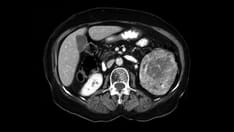
- Transrectal ultrasound is the study of choice to demonstrate a prostate abscess; a CT scan or MRI also may be useful. Virtually all men older than 60 years have some prostatic calculi (see Image 1); however, no correlation exists between chronic prostatitis and the presence or absence of prostatic calculi. IVP findings may be unremarkable in chronic bacterial prostatitis.
-
- The differential diagnosis of acute scrotum includes epididymitis, torsion of the spermatic chord, and torsion of a testicular appendage.
-
- Scrotal ultrasound with Doppler interrogation and radionuclide scans can be helpful in equivocal cases.
-
- Torsion of the spermatic cord must be assumed until proven otherwise because necrosis can develop in less than 3 hours.
-
- Consultation with urologist is mandatory in all but the most clear-cut cases because the standard is to try to intervene in less than 3 hours.
-
Procedures
- Chronic prostatitis may result in an element of bladder neck obstruction, which may be demonstrated by urodynamic studies and may be corrected with transurethral surgery.
-
Histologic Findings
In acute bacterial prostatitis, inflammation is observed in part or all of the gland. This is characterized by marked infiltration with neutrophils and diffuse edema. Microabscesses may be present, and these may coalesce into larger collections.
The histology of chronic bacterial prostatitis is that of focal nonacute inflammation; however, this is not diagnostic because this may be observed in men without bacterial infection. Because it may be a focal disease, needle biopsies may be unreliable. Occasionally, biopsies may reveal a granulomatous prostatitis of unknown cause.
Medical Care
- Prostatitis
- To eradicate prostatitis, therapeutic drug levels must be achieved within the prostatic acini. Other challenges include prostatic calculi (a nidus for infection), inspissated secretions and microabscesses, and biofilms produced by offending organisms. Bladder outlet obstruction promotes stasis (and thus infection).
- Nitrofurantoin, sulfonamides, vancomycin, penicillins, and cephalosporins do not penetrate well into the prostate, although carbenicillin cures approximately 60% of patients with chronic bacterial prostatitis.
- Antibiotics that penetrate well into the acid milieu of the prostate are nonpolar; lipid soluble; and have a high measure of acid strength, a small molecular radius, and low serum protein binding. Drugs that best fit these criteria are the fluoroquinolones, doxycycline, trimethoprim, rifampin, and erythromycin. Of the group, the fluoroquinolones appear to achieve the best tissue levels.
- Quinolones can be divided into first, second, third, and fourth generations. First-generation drugs (nalidixic acid) are not effective for prostatic infections. Third-generation and fourth-generation fluoroquinolones provide increased streptococcal and anaerobic coverage, which is not needed to treat prostatic infections.
- The second-generation quinolones widely used to treat prostatic infection include ciprofloxacin, ofloxacin, norfloxacin, and levofloxacin. These drugs all are bactericidal against gram-negative bacilli; however, because of increased resistance, they are no longer recommended by the CDC for N gonorrhoeae infections. Levofloxacin is most effective against susceptible strains of Enterococcus faecalis and has the advantage of once-daily dosing. Although all of the second-generation drugs are used to treat prostatitis, only ofloxacin is approved by the US Food and Drug Administration for this indication.
- Doxycycline, trimethoprim-sulfamethoxazole (TMP-SMX), and erythromycin often are used as second-line agents, especially when culture-directed therapy is possible. Of note, only the trimethoprim (and not sulfamethoxazole) readily penetrates the prostate.
- Regarding antibiotic concentrations in the prostate, interpreting the literature is difficult because many different terms are used (eg, "mean concentration in prostatic tissue," "mean concentration in prostatic fluid,prostatic tissue/serum ratio,prostatic fluid/serum ratio," and "stromal/epithelial ratio"); furthermore, these specimens often are obtained in patients with benign prostatic hypertrophy or carcinoma (ie, not prostatitis). One also must note the host being tested; TMP-SMX penetrates the dog prostate far better than the human prostate, probably because of differences in semen pH. Although some antibiotics appear to be more suitable by certain criteria, clinical efficacy probably is the bottom line.
- Acute bacterial prostatitis
- The intensely inflamed prostate allows antimicrobials to easily pass from the plasma.
- Hospitalized patients could receive a variety of antimicrobials; parenteral ampicillin and gentamicin often are used. In most cases, the fever resolves in 2 days.
- Once improved, appropriate oral agents include TMP-SMX or a fluoroquinolone; the latter generally is preferred.
- Therapy should be continued for a minimum of 4 weeks to prevent chronic bacterial prostatitis from developing. Analgesics and stool softeners may be helpful.
- Chronic bacterial prostatitis
- An attempt should be made to cure chronic bacterial prostatitis.
- Long-term results with TMP-SMX (15-60% cure rate) probably reflect the inability of sulfa drugs to penetrate the noninflamed prostate; the usual regimen is one double-strength TMP-SMX dose twice a day for 3 months. The combination of trimethoprim with rifampin may be useful but needs further study.
- Some evidence suggests that 30 days of a fluoroquinolone may be superior to TMP-SMX.
- Coverage for Chlamydia and Ureaplasma should be considered for patients with category IIIA prostatitis (ie, leukocytosis without demonstrable bacteria).
- If therapy fails, appropriate management is to either treat acute exacerbations or try chronic suppressive therapy (using half-normal doses).
- Antimicrobials are not needed for asymptomatic patients who have evidence of inflammation on biopsy specimens or in secretions (category IV prostatitis); antimicrobials should be considered for men who are infertile who have bacteria or inflammation in their semen.
- Nonantimicrobial modalities for prostatitis
- Many nonantimicrobial modalities of therapy are available for prostatitis.
- Narcotics, nonsteroidal anti-inflammatory drugs, and tricyclic antidepressants (eg, amitriptyline) may be needed for pain relief.
- Diazepam and baclofen may decrease sphincter or perineal muscle spasm.
- Alpha-blockers may minimize ductal reflux and dysfunctional voiding.
- Hormonal manipulation with a 5alpha-reductase inhibitor (finasteride) may decrease glandular inflammation.
- Conflicting evidence suggests that allopurinol may reduce prostatic urate reflux.
- Lycopene, prominent in tomato sauces, also may diminish glandular swelling.
- Saw palmetto is a popular herbal remedy for prostate problems, and small studies have suggested benefit; it warrants further study.
- Nonpharmaceutical approaches
- Nonpharmaceutical approaches also may be used.
- An example of "what's old is new" is prostate massage. For decades, prostate massage was the primary therapy for prostatitis, but it was largely abandoned in the antibiotic era. More clinicians now are using repetitive prostate massage; it may improve circulation and antibiotic penetration and may help drain clogged ducts.
- Applications of heat can be beneficial, but some of the techniques (transrectal and transurethral) limit its widespread application; hot sitz baths are simple and help, probably by relaxing muscle spasms.
- Biofeedback, relaxation exercises, acupuncture, massage therapy, and chiropractic manipulation may be beneficial.
- Epididymitis
- For epididymitis, antibiotic treatment for patients younger than 35 years should target Chlamydia and gonococci. Ceftriaxone (250 mg IM) followed by doxycycline (100 mg PO bid for 7-10 d) usually is effective.
- Therapy for older men should address enteric gram-negative rods. TMP-SMX (double-strength, 1 dose PO bid) or a fluoroquinolone can be used; a 30-day course covers concomitant prostatic infection.
- When risk factors for urosepsis are present, such as fever or urinary retention, the patient should be hospitalized and intravenous antibiotics should be started.
- Urethritis
- For urethritis, ceftriaxone (125 mg IM as a single dose) treats penicillinase-producing N gonorrhoeae.
- Treatment of NGU also should be given (doxycycline 100 mg PO bid for 7 d).
- Sexual partners also should be treated, and patient counseling regarding safe sex is paramount; cases need to be reported to public health departments.
- Pyelonephritis
- Most patients with pyelonephritis should undergo imaging studies to rule out other lesions.
- Intravenous antibiotic treatment should be initiated empirically with an aminoglycoside and ampicillin.
- Third-generation and fourth-generation cephalosporins, a carbapenem, or aztreonam also provide broad gram-negative rod coverage.
- Fluid resuscitation is important if the blood pressure is unstable or if the patient is very old.
- Intravenous antibiotics usually are continued until the patient is afebrile for 24 hours, and then oral therapy is prescribed to complete 7-10 days of treatment.
- Urologic consultation should be considered for patients who do not respond rapidly to antibiotics. In one study, fever persisted for 3 days in 13% of hospitalized patients with pyelonephritis, but none had complications; prolonged fever was associated with high baseline creatinine levels, younger age, and a high peripheral WBC count.
- Cystitis
- For the few men with uncomplicated cystitis, TMP-SMX can be used in areas where resistant E coli number less than 20%; alternatively, a fluoroquinolone can be used.
- Length of treatment should be 7-10 days.
Surgical Care
- Acute prostatitis
-
- If the patient with acute prostatitis has significant urinary obstruction, a Foley catheter can be gently inserted. If this is too uncomfortable, a suprapubic cystotomy may be required.
- The catheter usually can be removed 1-2 days later.
-
- Chronic bacterial prostatitis
-
- This condition is very difficult to cure medically, but surgery is indicated only for a few specific conditions.
- Transurethral incision of the bladder neck benefits some patients with bladder neck obstruction; transurethral balloon dilatation of the prostate is not helpful. A partial transurethral prostatectomy (TURP) removes only part of the infected gland and thus, benefits only one third of patients.
- Radical or total prostatectomy usually is not required or beneficial; complications include incontinence and impotence. Patients for whom a radical TURP or total prostatectomy should be considered are those with either prostatic calculi (see Image 1) or those in whom the same bacteria have been consistently isolated from prostatic specimens. A prostate biopsy may confirm that the bacteria actually are originating from the prostate.
-
- Prostatic abscesses
-
- These rarely are cured by antimicrobials alone; drainage is best achieved by an ultrasound-guided needle.
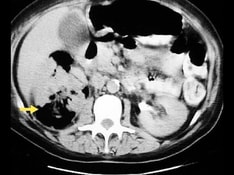
- Other surgical interventions may be needed to remove or address other complications, such as calculi (see Image 2).
-
- Emphysematous pyelonephritis: Patients with diabetes are prone to develop emphysematous pyelonephritis, which is characterized by gas formation in the urinary tract. Often it requires immediate nephrectomy for survival.
- Acute scrotum
-
- Of cases of acute scrotum, 90% are caused by epididymitis, torsion of the spermatic chord, and torsion of a testicular appendage. Bacteria and leukocytes observed on a urethral Gram stain supports a diagnosis of epididymitis, although some overlap may be present among these 3 conditions.
- Torsion of the spermatic cord must be assumed until proven otherwise because unresolved torsion of the cord is likely to result in irreversible necrosis in less than 12 hours.
-
- Consultation with a urologist is mandatory in all but the most clear-cut cases for operative salvage of the torsed testicle.
-
- The surgical intervention is detorsion and orchidopexy, with orchidopexy of the contralateral side (because this side is predisposed to torsion at a later date).
-
Consultations
- Consultation with a specialist in pharmacokinetics is suggested when using aminoglycosides.
-
- Consultation with an infectious diseases specialist is suggested when unusual or resistant microorganisms have been isolated or if the infection is in an unusual host.
-
- Consultation with the patient's primary care provider is suggested.
-
- Consultation with a urologist is essential in all forms of prostatitis; in acute bacterial prostatitis, suprapubic drainage may be required if acute urinary retention occurs.
-
- Consultation with a urologist is essential in all but the most clear-cut cases of acute scrotum.
-
- For patients with nonbacterial prostatitis, controlling discomfort may require input from pain specialists. Chronic abacterial prostatitis shares the following with other chronic pain syndromes: (1) pain as a primary complaint; (2) discord between symptoms and findings; and (3) history of multiple, unsuccessful treatments. Providers of alternative healing (eg, hypnotherapists) and a psychiatrist or psychologist also may be needed.
-
Diet
- Keeping well hydrated is important, especially if an obstruction was recently relieved.
-
- Drinking cranberry juice (10 oz/d) may offer some benefit and does not appear to be harmful. It appears to inhibit E coli from adhering to human uroepithelium; the amounts of bacteriostatic hippuric acid that are present are unlikely to be clinically effective.
-
- For complicated UTIs associated with struvite calculi, foods and vitamin supplements rich in phosphorus and magnesium are advised. Remember that divalent cations (eg, magnesium) can chelate oral fluoroquinolones, preventing their absorption from the gut.
-
Activity
- Bedrest and avoiding certain activities (eg, bike riding) may be beneficial in prostatitis. For patients with category IIIB (chronic, noninflammatory, abacterial) prostatitis, bedrest for 2 weeks has been advocated. Sitting on ring cushions can be a simple way to minimize symptoms.
-
- For viral orchitis, supportive therapy with scrotal support, cold compresses, and bedrest is all that is needed. The use of estrogens, gammaglobulin, and steroids has been advocated by some, but these have not been shown to decrease the risk of sterility or shorten the duration of symptoms. Symptoms usually resolve spontaneously in 7-10 days.
-
- In urethritis, sexual activity may be resumed when both partners have completed treatment; barrier methods are encouraged. No one knows for sure when sexual activity may be resumed for the other topics discussed in this article.
-
The goals of pharmacotherapy are to eradicate the infection, reduce morbidity, and prevent complications.
In April 2007, the Centers for Disease Control and Prevention (CDC) updated treatment guidelines for gonococcal infection and associated conditions. Fluoroquinolone antibiotics are no longer recommended to treat gonorrhea in the United States. The recommendation was based on analysis of new data from the CDC's Gonococcal Isolate Surveillance Project (GISP). The data from GISP showed the proportion of gonorrhea cases in heterosexual men that were fluoroquinolone-resistant (QRNG) reached 6.7%, an 11-fold increase from 0.6% in 2001. The data were published in the April 13, 2007, issue of the Morbidity and Mortality Weekly Report. This limits treatment of gonorrhea to drugs in the cephalosporin class (eg, ceftriaxone 125 mg IM once as a single dose).
Fluoroquinolones may be an alternative treatment option for disseminated gonococcal infection if antimicrobial susceptibility can be documented. If acute prostatitis or epididymitis is not likely to be caused by gonorrhea, fluoroquinolones may be considered an option. For more information, see the CDC's Antibiotic-Resistant Gonorrhea Web site; CDC Updated Gonococcal treatment recommendations (April 2007); or Medscape Medical News on CDC Issues - New Treatment Recommendations for Gonorrhea.
Drug Category: Antibiotics
Empiric antimicrobial therapy must be comprehensive and should cover all likely pathogens in the context of this clinical setting.
| Drug Name | Ciprofloxacin (Cipro) |
| Description | Fluoroquinolone with activity against pseudomonads, streptococci, MRSA, S epidermidis, and most gram-negative organisms but no activity against anaerobes. Inhibits bacterial DNA synthesis and growth. |
| Adult Dose | 500-750 mg PO bid Alternatively, 200-400 mg IV q12h |
| Pediatric Dose | <18 years: Not recommended >18 years: Administer as in adults |
| Contraindications | Documented hypersensitivity |
| Interactions | Antacids, iron salts, and zinc salts may reduce serum levels; administer antacids 2-4 h before or after taking fluoroquinolones; cimetidine may interfere with metabolism of fluoroquinolones; reduces therapeutic effects of phenytoin; probenecid may increase serum concentrations; may increase toxicity of theophylline, caffeine, cyclosporine, and digoxin (monitor digoxin levels); may increase effects of anticoagulants (monitor PT) |
| Pregnancy | C - Safety for use during pregnancy has not been established.
|
| Precautions | Quinolones increase risk of pseudomembranous colitis caused by Clostridium difficile; may cause severe photosensitivity reactions in patients exposed to sunlight or UV light; have been associated with a variety of CNS manifestations such as hallucinations and seizures; factors that increase risk of adverse effects should be noted when considering use of any quinolone; IV solutions should be given by slow infusion over 60 min to reduce risk of phlebitis and hypotension |
| Drug Name | Levofloxacin (Levaquin) |
| Description | A fluoroquinolone with better gram-positive activity but less activity against Pseudomonas aeruginosa. Active L-isomer of ofloxacin. |
| Adult Dose | 250-500 mg PO/IV qd |
| Pediatric Dose | <18 years: Not recommended >18 years: Administer as in adults |
| Contraindications | Documented hypersensitivity |
| Interactions | Antacids, iron salts, and zinc salts may reduce serum levels; administer antacids 2-4 h before or after taking fluoroquinolones; cimetidine may interfere with metabolism of fluoroquinolones; reduces therapeutic effects of phenytoin; probenecid may increase serum concentrations; may increase toxicity of theophylline, caffeine, cyclosporine, and digoxin (monitor digoxin levels); may increase effects of anticoagulants (monitor PT) |
| Pregnancy | C - Safety for use during pregnancy has not been established.
|
| Precautions | Quinolones increase risk of pseudomembranous colitis caused by C difficile; may cause severe photosensitivity reactions in patients exposed to sunlight or UV light; have been associated with a variety of CNS manifestations such as hallucinations and seizures; factors that increase risk of adverse effects should be noted when considering use of any quinolone; IV solutions should be given by slow infusion over 60 min to reduce risk of phlebitis and hypotension |
| Drug Name | Ofloxacin (Floxin) |
| Description | Pyridine carboxylic acid derivative with broad-spectrum bactericidal effect. |
| Adult Dose | 200-400 mg PO/IV bid |
| Pediatric Dose | <18 years: Not recommended >18 years: Administer as in adults |
| Contraindications | Documented hypersensitivity |
| Interactions | Antacids, iron salts, and zinc salts may reduce serum levels; administer antacids 2-4 h before or after taking fluoroquinolones; cimetidine may interfere with metabolism of fluoroquinolones; reduces therapeutic effects of phenytoin; probenecid may increase serum concentrations; may increase toxicity of theophylline, caffeine, cyclosporine, and digoxin (monitor digoxin levels); may increase effects of anticoagulants (monitor PT) |
| Pregnancy | C - Safety for use during pregnancy has not been established.
|
| Precautions | Quinolones increase risk of pseudomembranous colitis caused by C difficile; may cause severe photosensitivity reactions in patients exposed to sunlight or UV light; have been associated with a variety of CNS manifestations such as hallucinations and seizures; factors that increase risk of adverse effects should be noted when considering use of any quinolone; IV solutions should be given by slow infusion over 60 min to reduce risk of phlebitis and hypotension |
| Drug Name | Trimethoprim (Proloprim, Trimpex) |
| Description | Dihydrofolate reductase inhibitor that prevents tetrahydrofolic acid production in bacteria. Active in vitro against a broad range of gram-positive and gram-negative bacteria, including uropathogens such as Enterobacteriaceae and Staphylococcus saprophyticus. Resistance usually is mediated by decreased cell permeability or alterations in amount or structure of dihydrofolate reductase. Demonstrates synergy with sulfonamides, potentiating inhibition of bacterial tetrahydrofolate production. |
| Adult Dose | 100-200 mg PO bid |
| Pediatric Dose | Not established |
| Contraindications | Documented hypersensitivity, megaloblastic anemia due to folate deficiency |
| Interactions | May increase toxicity of phenytoin |
| Pregnancy | C - Safety for use during pregnancy has not been established.
|
| Precautions | Discontinue at first appearance of skin rash or sign of adverse reaction; monitor CBCs (discontinue therapy if significant hematologic changes occur); prolonged high doses may cause bone marrow depression (if signs occur, give 5-15 mg/d leucovorin); caution in folate deficiency (eg, chronic alcoholism, elderly patients, those receiving anticonvulsant therapy, or those with malabsorption syndrome); hemolysis may occur in G-6-PD–deficient individuals; patients with AIDS may not tolerate or respond to TMP-SMX; caution in renal or hepatic impairment (perform urinalyses and renal function tests during therapy); give fluids to prevent crystalluria and stone formation; may cause nausea, vomiting, and hypersensitivity reactions |
| Drug Name | Trimethoprim-sulfamethoxazole (Bactrim, Bactrim DS, Septra, Septra DS) |
| Description | Combination antimicrobial designed to take advantage of synergy between TMP and sulfonamides as described above. SMX inhibits dihydropteroate synthetase, preventing incorporation of paraaminobenzoic acid (PABA) into dihydrofolate and subsequent synthesis of tetrahydrofolate. SMX has broad bacteriostatic activity against both aerobic gram-positive and gram-negative organisms, with little activity against anaerobes. Unfortunately, SMX does not penetrate well into the kidney. |
| Adult Dose | 160 mg TMP plus 800 mg SMX PO bid; alternatively, 4-5 mg/kg TMP plus 20-25 mg/kg SMX IV q12h |
| Pediatric Dose | <2 months: Do not administer >2 months: Not established |
| Contraindications | Documented hypersensitivity; megaloblastic anemia due to folate deficiency; risk/benefit assessment should be considered in patients with G-6-PD deficiency, blood dyscrasias, folate deficiency, porphyria, or hepatic or renal impairment |
| Interactions | May increase PT when used with warfarin (perform coagulation tests and adjust dose accordingly); coadministration with dapsone may increase blood levels of both drugs; coadministration of diuretics increases incidence of thrombocytopenia purpura in elderly; phenytoin levels may increase with coadministration; may potentiate effects of methotrexate in bone marrow depression; hypoglycemic response to sulfonylureas may increase with coadministration; coadministration with methenamine may lead to increased risk of crystalluria |
| Pregnancy | C - Safety for use during pregnancy has not been established.
|
| Precautions | Discontinue at first appearance of skin rash or sign of adverse reaction; follow CBCs; discontinue therapy if significant hematologic changes occur; goiter, diuresis, and hypoglycemia may occur with sulfonamides; prolonged IV infusions or high doses may cause bone marrow depression (if signs occur, give 5-15 mg/d leucovorin); caution in folate deficiency (eg, chronic alcoholism, elderly patients, those receiving anticonvulsant therapy, or those with malabsorption syndrome); hemolysis may occur in G-6-PD–deficient individuals; patients with AIDS may not tolerate or respond to TMP-SMX; caution in renal or hepatic impairment (perform urinalyses and renal function tests during therapy); adjust dose if CrCl is <30 mL/min; give fluids to prevent crystalluria and stone formation |
| Drug Name | Ampicillin (Omnipen, Polycillin, Principen) |
| Description | Aminopenicillin beta-lactam that impairs cell-wall synthesis in actively dividing bacteria by binding to and inhibiting penicillin-binding proteins in the cell wall. Enhanced activity against anaerobes and gram-negative aerobes. Generally used in combination with an aminoglycoside for empiric or directed activity against E faecalis UTIs. |
| Adult Dose | 500 mg PO q6h; 150-200 mg/kg IV divided q4-6h (1 g q6h) |
| Pediatric Dose | Not established |
| Contraindications | Documented hypersensitivity |
|
|---|
|