Practice Essentials
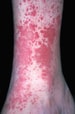
Behçet disease is a rare vasculitic disorder that is characterized by recurrent oral aphthous ulcers, genital ulcers, and uveitis. [1] The systemic manifestations can be variable. Ocular disease has the greatest morbidity, followed by vascular disease, generally from active vasculitis. Cutaneous manifestations can occur in up 75% of patients with Behcet disease and can range from acneiform lesions, to nodules and erythema nodosum. [2] (See Presentation, as well as Dermatologic Aspects of Behçet Disease.) GI manifestations can be severe; often, differentiating Behçet disease from active inflammatory bowel disease can be clinically difficult.
Behçet disease is unique among vasculitides in that it has the ability to affect small, medium, and large vessels. The disease appears to involve an autoimmune response triggered by exposure to an infectious agent, and it occurs predominantly in people with ancestors along the Silk Road, the ancient network that connected Asia with the Middle East and southern Europe.
Diagnosis is based on clinical criteria (see Presentation), because specific diagnostic tests are lacking. The criteria most commonly used for diagnosis come from the International Study Group for Behçet's Disease. [3] The treatment approach depends on the individual patient, severity of disease, and major organ involvement (see Treatment and Medication.
For patient education information, see Behcet’s Syndrome.

Background
Hippocrates may have described Behçet disease in the fifth century BCE. In 1930, the Greek ophthalmologist Benediktos Adamantiades reported a patient with inflammatory arthritis, oral and genital ulcers, phlebitis, and iritis. [4] The disease is named after the Turkish dermatologist Hulusi Behçet, who identified it in a patient in 1924 and published a description of the disease in 1937. [5]
Starting in 1946, numerous sets of diagnosis/classification criteria for Behçet disease have been proposed. The International Criteria for Behcet's Disease (ICBD), published in 2006, remains the most widely used. [6]
Pathophysiology
Theories behind the pathogenesis of Behçet disease currently suggest an autoimmune etiology. It is thought that in genetically predisposed individuals, exposure to an infectious agent or an environmental antigen triggers the autoimmune response.
Infectious triggers
Exposure to an infectious agent may trigger a cross-reactive immune response. Proposed infectious agents have included the following [7] :
-
Herpes simplex virus (HSV)
-
Streptococcus species
-
Staphylococcus species
The International Study Group for Behçet's Disease has emphasized the presence of recurrent oral ulcers as a primary consideration in the diagnosis of Behçet disease. [3] In response, the pathogens above have been targeted for study, with the hope of establishing a direct link between their presence and disease activity. Unfortunately, researchers have so far been unable to generalize results across geographic populations.
The study of heat shock proteins (HSPs) has provided some insight into possible mechanisms that contribute to the development of Behçet disease. Through discovery that human HSP-60 and HSP-65 share greater than 50% homology with mycobacterial HSP, enhanced T-cell response has been elicited with exposure to both bacterial and human homogenates in Behçet disease patients compared with controls in United Kingdom, Japanese, and Turkish populations.
HSP-65, found in high concentrations in oral ulcers and active skin lesions in patients with Behçet disease, has also been demonstrated to stimulate production of antibodies that exhibit cross-reactivity with streptococcal species present in the mouth. [8, 9, 10] Feng et al suggested that HSP-A6 levels may be useful in differentiating intestinal Behçet disease from Crohn disease: in their study, serum HSP-A6 expression was significantly elevated in intestinal Behçet disease (0.72 ± 0.39 ng/mL) compared with Crohn disease (0.50 ± 0.24 ng/mL, P = 0.000) and healthy controls (0.38 ± 0.37 ng/mL). [11] The clinical relevance of enzyme-linked immunosorbent assay (ELISA) testing to measure HSPA6 is currently unknown.
Attempts at determining whether tissue antigens have a role in channeling the immune response have been unsuccessful. Elevated peripheral levels of gamma-delta T cells (γδ+ T cells) in patients with Behçet disease in response to exposure to mycobacterial HSPs compared with those in healthy subjects imply a role for their production. [12] Antigen-driven expansion of oligoclonal Vβ+ T-cell receptor (TCR)–specific cell lines in Behçet disease patients has been demonstrated. [13] However, generalization of these results is not applicable because of the high degree of interindividual variability in TCR expression.
T cells and neutrophils
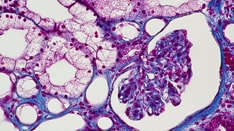
Systemic involvement of multiple organs is observed in Behçet disease, rooted primarily in the development of vasculitic or vasculopathic lesions in the affected areas. These areas may demonstrate microscopic evidence of inflammatory tissue infiltration with both T cells and neutrophils. [8, 14, 15, 16]
Studies of T lymphocytes have suggested a T-helper type 1 (TH1)–predominant response. Both CD4+ and CD8+ lymphocytes demonstrate higher concentrations in peripheral blood, with characteristic and corresponding elevations of cytokines (interleukin [IL]–2] and interferon-γ [IFN-γ]). Serum levels of IL-12 have also been shown to be elevated in patients with Behçet disease, possibly helping drive the response. Decreased levels and impaired activity of natural killer cells were demonstrated in bronchoalveolar lavage specimens of Behçet disease patients with pulmonary manifestations. [17]
Because of the degree of neutrophilic infiltration demonstrated in characteristic Behçet disease lesions (eg, hypopyon, pustular lesions, and pathergy reactions), the activity and function of these cells has been explored extensively. Unfortunately, existing studies offer inconsistent results regarding cell adhesion and chemotactic behavior, superoxide production, and phagocytic properties.
Thus, the specific role of neutrophils in Behçet disease has been difficult to characterize. Some studies have found that cytokine release in Behçet disease may, by an unknown mechanism, place neutrophils in a static pre-excitatory “primed” state, eventually triggered into hyperactivity by environmental stimuli at a lower threshold than in individuals who do not have Behçet disease. [18, 19, 20, 21]
Genetics
Behçet disease is a sporadic disease, but a familial aggregation is well known. [22] Carriers of HLA-B51/HLA-B5 have an increased risk of developing Behçet disease compared with noncarriers. [23] HLA-B51 is the the strongest associated genetic factor and it has been shown to be more prevalent in Turkish, Middle Eastern, and Japanese populations, corresponding with a higher prevalence of Behçet disease in these populations. [24] However, HLA-B51 has not been shown to affect the severity of symptoms and is less prevalent in patients not from endemic areas. [25]
In addition, genome-wide association (GWA) studies have linked increased susceptibility to Behçet disease with polymorphisms in genes encoding for cytokines, activator factors, and chemokines. [24] Specific single-nucleotide polymorphisms involving the following genes have been identified [26, 27] :
-
Familial Mediterranean fever gene ( MEFV) mutation Met694Val
-
TLR4 (involved in pathogen recognition and activation of innate immunity)
-
ERAP1 (codes for a molecule that processes microbial proteins in white blood cells)
-
CCR1-CCR3 (involved in recruitment of effector immune cells to sites of infection)
-
STAT4 (involved in increased risk for autoimmune disease)
-
KLRK1-KLRC4
Etiology
The specific etiology of Behçet disease remains elusive but, as described in Pathophysiology, the interplay between infectious-agent exposure and genetic factors may have a role. An environmentally triggered hyperactive primed state of autoimmunity ensues, resulting in two types of vascular damage. The first is vasculitic lesions that may be widespread. Sequelae depend on the various organ systems affected.
Some of the pathologic changes are not vasculitis but due to thrombosis and/or clot formation caused by the development of a hypercoagulable state. The mechanism is still undetermined; however, studies have demonstrated excessive thrombin formation and the potential role of impaired fibrinolytic kinetics in the generation of the hypercoagulable/prothrombotic state. Pathologic activation of the procoagulant cascade via endothelial injury has also been demonstrated in patients with Behçet disease. [28, 29]
Epidemiology
The prevalence of Behçet disease in the United States is reported as 0.12-0.33 case per 100,000 population. [30] However, data from the study of residents of Olmsted County, Minnesota over a 45-year period identified a prevalence of 5.2 cases per 100,000 population. [31]
Worldwide, the incidence and prevalence of Behçet disease are highest along the Silk Road, the ancient trade passage that extended from China to the Middle East and southern Europe. This geographic pattern correlates with the prevalence of carriage of the HLA-B*51 allele of the major histocompatibility complex, which is associated with susceptibility to Behçet disease. [32] A meta-analysis of 18 HLA-B*51 studies concluded that this association with Behçet disease appeared to strengthen geographically eastward along the Silk Road. [33]
Turkey has the highest prevalence of Behçet disease, with 420 cases per 100,000 population. The prevalence in Japan, Korea, China, Iran, and Saudi Arabia ranges from 13.5 to 22 cases per 100,000 population. The prevalence in North America and Europe is much less, with 1 case per 15,000-500,000 population. [20, 30]
The prevalence of Behçet disease is highest in Middle Eastern and Japanese populations.
The sex prevalence varies by country. In the Middle East, Behçet disease is more common among males, with male-to-female ratios of 3.8:1 (Israel), 5.3:1 (Egypt), and 3.4:1 (Turkey). In Germany, Japan, and Brazil, the disease is slightly more common in females. In the United States, Behçet disease is more common in females (5:1 female-to-male ratio). [20, 30, 34]
Males are more likely to develop severe presentations of Behçet disease. Pulmonary aneurysms, eye involvement, thrombophlebitis, and neurologic disease are all more common in males. However, females are more likely to develop erythema nodosum–like skin lesions.
Behçet disease is most common in persons aged 20-40 years. The mean age at onset is 25-30 years. Cases that develop before age 25 years are more likely to involve eye disease and active clinical disease.
Prognosis
Prognosis is related to the site and severity of involvement. Aneurysms are an especially feared complication. Thrombotic events and vasculitis may lead to ischemia distal to vascular lesions. Uncontrolled ophthalmologic involvement in the form of anterior and posterior uveitis can lead to vision loss. Neurologic involvement suggests progressive disease and can lead to permanent deficits or even death.
Mortality and morbidity data include the following:
-
The mortality rate in a cohort of 817 patients in France was 5% at a median follow-up of 7.7 years [35]
-
Coronary/pulmonary arterial aneurysm rupture in association with Behçet disease carries a high mortality rate
-
Neurologic involvement has been associated with mortality rates of up to 20% at 7-year follow-up in one Turkish study [36]
-
Thrombosis may lead to death
-
Central nervous system involvement can lead to permanent deficits or death
-
Eye involvement can result in blindness
In a study comparing 298 pregnancies in 94 Behçet disease patients with 219 pregnancies in 95 healthy controls, women with Behçet disease delivered smaller babies (3214 versus 3351 g, respectively; P= 0.028) and had higher miscarriage rates. The authors suggest vasculitis of the placenta as a possible cause. [37]
Ophthalmologic Complications
Spontaneous remissions and relapses characterize the natural history of ocular Behçet disease.
Without treatment, the visual prognosis of uveitis from Behçet disease is very poor, with blindness occurring in more than 75% of patients. Even with the use of systemic steroids and early immunosuppressive agents, the prognosis for vision remained poor, with treatment delaying but not improving final visual outcomes. Rates of visual impairment (20/50 or worse) was 12%/eye-year and blindness (20/200 or worse) was 9%/eye-year. [38]
A study in Turkish patients reported that mean age at onset of uveitis was 28.5 years in men and 30 years in women. The Kaplan-Meier survival analysis estimated that the risks of losing useful vision (P > 0.10) at 5 years were 21% in male patients versus 10% in female patients; at 10 years, risks were 30% versus 17%, respectively. After 10 years, however, the risk for blindness remained stable. [39]
Another study estimated that in Japan and Turkey, more than 50% of cases result in legal blindness in 5 years. [40]
However, with the advent of biologic agents, specifically TNF-alpha inhibitors such as adalimumab and infliximab, visual prognosis has improved. [41, 39] National Eye Institute data comparing visual outcomes over multiple decades (1960s to 1990s) demonstrated better visual outcomes; and it was hypothesized that the change was resulted from movement away from steroid monotherapy as the sole treatment. Final visual acuity was 0.91 logMAR in the 1960s, 0.82 logMAR in the 1980s and 0.46 in the 1990s. [40]
In a study of cases in England and Australia from 2000-2010, the observed risks for vision loss and severe vision loss were 39% and 24%, respectively, at 10 years. Male sex, unilateral disease, and left eye involvement increased the risk for severe vision loss at 5 and 10 years. [41]
Savey et al reported results from 769 patients examined in Paris, 50 of whom were of sub-Saharan ancestry. Their results suggested that males of sub-Saharan ancestry may be more likely to experience severe illness and to have a higher risk for CNS involvement and death. [42]
Last, the severity of Behçet disease may be trending downward over recent decades; the risk for blindness has steadily fallen from 75% to 25% in recent reports. Research has focused on the rising use of immunomodulatory and immunosuppressive medications to explain much of this trend; however, researchers in Japan also believe other factors, including lifestyles and hygiene, could play a role. [40, 43]
-
Oral aphthous ulcers secondary to Behçet disease.
-
Behçet disease. T2-weighted magnetic resonance images show brainstem involvement with meningoencephalitis in an 11-year-old girl with neurologic Behçet disease.
-
Histology of Behçet disease ulcers revealing neutrophilic infiltrate and vasculitis.
Tables
Sign/Symptom |
Points |
Genital aphthosis |
2 |
Oral aphthosis |
2 |
Skin lesions |
2 |
Neurologic manifestations |
1 |
Vascular manifestations |
1 |
Positive pathergy test (optional) |
1 |