Continually Updated Clinical Reference
 
 
  All Sources     eMedicine     Medscape     Drug Reference     MEDLINE
 
eMedicine - Schizophrenia : Article by

Schizophrenia Resource Center

View all Schizophrenia Articles

Schizophrenia Multimedia Library


Quick Find
Authors & Editors
Introduction
Clinical
Differentials
Workup
Treatment
Medication
Follow-up
Miscellaneous
References

Related Articles
Addison Disease

ALA Dehydratase Deficiency Porphyria

Alcohol-Related Psychosis

Behcet Disease

Bipolar Affective Disorder

Brain Abscess

Brief Psychotic Disorder

Churg-Strauss Syndrome

Cocaine-Related Psychiatric Disorders

Cytomegalovirus

Delusional Disorder

Depression

Encephalopathy, Dialysis

Encephalopathy, Hepatic

Encephalopathy, Hypertensive

Encephalopathy, Uremic

Folic Acid Deficiency

Head Trauma

Huntington Disease Dementia

Hypercalcemia

Hyperparathyroidism

Hyperthyroidism

Hypocalcemia

Hypoglycemia

Hypokalemia

Hypomagnesemia

Hyponatremia

Hypoparathyroidism

Hypothyroidism

Lung Cancer, Oat Cell (Small Cell)

Mental Disorders Secondary to General Medical Conditions

Paraneoplastic Syndromes

Phencyclidine (PCP)-Related Psychiatric Disorders

Porphyria, Acute Intermittent

Schizoaffective Disorder

Schizophreniform Disorder

Shared Psychotic Disorder

Substance-Induced Mood Disorder With Depressive Features

Systemic Lupus Erythematosus

Wernicke-Korsakoff Syndrome

Wilson Disease


Patient Education
Mental Health and Behavior Center

Schizophrenia Overview

Schizophrenia Causes

Schizophrenia Symptoms

Schizophrenia Treatment


Author: Frances R Frankenburg, MD, Chief of Inpatient Psychiatry, Bedford VA Medical Center, Associate Professor, Department of Psychiatry, Boston University School of Medicine

Frances R Frankenburg is a member of the following medical societies: Alpha Omega Alpha and American Psychiatric Association

Editors: Ronald C Albucher, MD, Chief Medical Officer, Westside Community Services; Consulting Staff, California Pacific Medical Center; Francisco Talavera, PharmD, PhD, Senior Pharmacy Editor, eMedicine; Eduardo Dunayevich, MD, Adjunct Assistant Professor, University of Cincinnati; Clinical Research Physician, Department of Psychiatry, Neuroscience, Lilly Research Laboratories; Harold H Harsch, MD, Program Director of Geropsychiatry, Department of Geriatrics/Gerontology, Associate Professor, Department of Psychiatry and Department of Medicine, Froedtert Hospital, Medical College of Wisconsin; Stephen Soreff, MD, President of Education Initiatives, Nottingham, NH; Faculty, Metropolitan College of Boston University, Boston, MA

Author and Editor Disclosure

Synonyms and related keywords: dementia praecox, auditory hallucinations, impaired information processing, delusions, disorganized speech, disorganized behavior, psychiatric disorders, thought disturbances, distorted thinking, mental illness, psychosis, mental disorder, delusions, depression, mania, manic depressive, major depressive disorder, mood disorder

Background

Schizophrenia is a severe and persistent debilitating psychiatric disorder. It is not well understood and probably consists of several separate illnesses. Symptoms include disturbances in thoughts (or cognitions), mood (or affects), perceptions, and relationships with others. The hallmark symptoms of schizophrenia are the experiences of hallucinations, often of the auditory type, as well as delusions. However, impaired information processing is probably the most harmful symptom. Patients with schizophrenia have lower rates of employment, marriage, and independent living than other people.

Pathophysiology

Neuroimaging studies have demonstrated anatomical abnormalities in patients with schizophrenia. Bilateral ventriculomegaly and decreased brain volume exist in medial temporal areas such as the hippocampus and amygdala.1 Because of the large overlap between the healthy and the schizophrenia brain, these findings are of greater research interest than clinical use.

Interest has also focused on the various connections within the brain rather than localization in one part of the brain. Indeed, neuropsychological studies show impaired information processing in patients with schizophrenia, and MRI studies show anatomic abnormalities in a network of neocortical and limbic regions and interconnecting white matter tracts.2

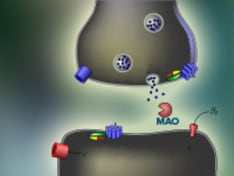
The first clearly effective antipsychotic drugs, chlorpromazine and reserpine, were structurally different from each other, but they shared antidopaminergic properties. Drugs that diminish the firing rates of mesolimbic dopamine D2 neurons are antipsychotic, and drugs that stimulate these neurons (eg, amphetamines) exacerbate psychotic symptoms. Therefore, abnormalities of the dopaminergic system are thought to exist in patients with schizophrenia; however, little direct evidence supports this. This theory has recently undergone considerable refinement.

Hypodopaminergic activity in the mesocortical system (leading to negative symptoms) and hyperdopaminergic activity in the mesolimbic system (leading to positive symptoms) may exist. Moreover, the newer antipsychotic drugs block both dopamine D2 and 5-hydroxytryptamine (5-HT) receptors. Clozapine, perhaps the most effective antipsychotic agent, is a particularly weak dopamine D2 antagonist. Undoubtedly, other neurotransmitter systems, such as norepinephrine, serotonin, and gamma-aminobutyric acid (GABA), are involved. Some research focuses on the N-methyl-D-aspartate (NMDA) subclass of glutamate receptors because NMDA antagonists, such as phencyclidine hydrochloride and ketamine, can lead to psychotic symptoms in healthy subjects.3

Frequency

International

The prevalence of schizophrenia is approximately 1% worldwide.

Mortality/Morbidity

People with schizophrenia have a 10% lifetime risk of suicide. Mortality is also increased because of medical illnesses, due to a combination of unhealthy lifestyles, side effects of medication, and decreased health care.

Race

No known racial differences exist in the prevalence of schizophrenia. Some research indicates that schizophrenia is diagnosed more frequently in black people than in white people. This finding has been attributed to cultural bias by practitioners.

Sex

The prevalence of schizophrenia is the same in men and women. The onset of schizophrenia is later and the symptomatology is less severe in women than in men. This may be because of the antidopaminergic influence of estrogen.

Age

The onset of schizophrenia usually occurs in adolescence, and symptoms remit somewhat in older patients. Most of the deterioration that occurs in patients with schizophrenia occurs in the first 5-10 years of the illness and is usually followed by decades of relative stability, although a return to baseline is unusual.


History

  • Information about the medical and psychiatric history of the family, details about pregnancy and early childhood, history of travel, and history of medications and substance abuse are all important. This information is helpful in ruling out other causes of psychotic symptoms.
  • The patient usually had an unexceptional childhood but began to experience a change in personality and a decrease in academic, social, and interpersonal functioning during mid-to-late adolescence. In retrospect, family members may describe the person with schizophrenia as a physically clumsy and emotionally aloof child. 
  • Usually, about a year passes between the onset of these vague symptoms and the first visit to a psychiatrist.
  • The first psychotic episode usually occurs between the late teenage years and mid 30s.

Physical

Findings on a general physical examination are usually not contributory. This examination is necessary to rule out other illnesses

A neurologic examination is important to evaluate the patient for movement disorders, particularly those that might indicate Wilson disease or Huntington disease, or other disorders that are present before the initiation of antipsychotic medications. Some patients with schizophrenia have motor disturbances before exposure to antipsychotic agents.

Mental Status Examination

The symptoms of schizophrenia may be divided into the 3 following domains:

  1. Positive symptoms: These include psychotic symptoms, such as hallucinations, which are usually auditory; delusions; and disorganized speech and behavior.
  2. Negative symptoms: These include a decrease in emotional range, poverty of speech, loss of interests, and loss of drive. The person with schizophrenia has tremendous inertia.
  3. Cognitive symptoms: These include deficits in attention and executive functions such as the ability to organize and abstract.

Patients who are schizophrenic may show a repertoire of strange poorly understood behaviors that are rarely observed in others. These include water drinking to the point of intoxication, staring at oneself in the mirror, stereotyped behaviors, hoarding useless objects, self-mutilation, and a disturbed wake-sleep cycle. They often experience difficulty dealing with change.

  • On a detailed mental status examination in the office, the following observations are often made when talking with a person with schizophrenia:

    • The schizophrenic person may be dressed oddly and pay insufficient attention to personal hygiene.
    • This person may be unduly suspicious of the examiner and endorse a variety of odd beliefs or delusions.
    • He or she often has a flat affect, meaning that they have little range of expressed emotion.
    • The person may admit to hallucinations or attend to auditory or visual stimuli not apparent to the examiner.
    • The person may show thought blocking in which long pauses occur before answers to questions or odd pauses in the middle of answers.
    • Conversation and initiation of speech may be limited.
    • Schizophrenia patients may demonstrate their difficulty in abstract thinking by not being able to understand common proverbs. Alternatively, the patient may produce an esoteric or intriguing interpretation that turns out to be idiosyncratic and meaningless on further investigation.
    • The speech of the schizophrenic person can be circumstantial, meaning that the person takes a long time and uses a lot of words in answering a question, or tangential, meaning the person speaks at length but never actually answers the question.
    • The patient often shows poor attention, disorganized thinking, and stereotyped or perseverative thinking.
    • The patient may make odd movements (which may or may not be related to neuroleptic medication).
    • The person has no insight into his or her problems (anosognosia).
    • The person should always be asked about suicide, violence, and homicidewhether or not they are having any thoughts about hurting or harming themselves or others in any way and whether or not they are hearing voices telling them to do so.
    • Orientation (knowing their own identity, where he or she is, and what the time is) is usually intact.


  • According to the American Psychiatric Association's Diagnostic and Statistical Manual of Mental Disorders (DSM-IV-TR), the patient must have experienced at least 2 of the following symptoms: delusions, hallucinations, disorganized speech, disorganized or catatonic behavior, or negative symptoms. Only 1 symptom is required if the delusions are bizarre or if auditory hallucinations occur in which the voices comment in an ongoing manner on the person's behavior, or if 2 or more voices are talking with each other. The patient must experience at least 1 month of symptoms (or less if successfully treated) during a 6-month period, and social or occupational deterioration problems occur over a significant amount of time. These problems must not be attributable to another condition for the diagnosis of schizophrenia to be made.4

Causes

The causes of schizophrenia are not known. Most likely, at least 2 groups of risk factors exist: genetic and perinatal. 

  • Genetic

    • The risk of schizophrenia is elevated in biological relatives of patients who are schizophrenic but not in adopted relatives.

    • The risk of schizophrenia in first-degree relatives of people with schizophrenia is 10%.

    • If both parents are schizophrenic, the risk of schizophrenia in their child is 40%.

    • Concordance for schizophrenia is about 10% for dizygotic twins and 40-50% for monozygotic twins. 

    • Many genetic loci that increase the risk for schizophrenia probably exist. 

    • Schizophrenia has been associated with left and mixed handedness.

  • Perinatal: Much research concerning the association of pregnancy and birth complications with schizophrenia has been conducted. These perinatal risk factors suggest that schizophrenia is a neurodevelopmental disorder, perhaps sometimes beginning in utero or at birth, although the exact nature is far from understood.

    • Women who are malnourished or who have certain viral illnesses during their pregnancy may be at greater risk of giving birth to children who later develop schizophrenia.

    • Children born to Dutch mothers who were malnourished during World War II have a high incidence of schizophrenia.

    • The 1957 influenza A2 epidemics in Japan, England, and Scandinavia resulted in an increase in schizophrenia in the offspring of women who developed this flu during their second trimester. 

    • Women in California who were pregnant between 1959 and 1966 were more likely to have children who developed schizophrenia if they had flu in the first trimester of their pregnancy.5

    • Obstetric complications may be associated with a higher incidence of schizophrenia.

    • Children born in the winter months may be at greater risk for developing schizophrenia.


Addison Disease
ALA Dehydratase Deficiency Porphyria
Alcohol-Related Psychosis
Behcet Disease
Bipolar Affective Disorder
Brain Abscess
Brief Psychotic Disorder
Churg-Strauss Syndrome
Cocaine-Related Psychiatric Disorders
Cytomegalovirus
Delusional Disorder
Depression
Encephalopathy, Dialysis
Encephalopathy, Hepatic
Encephalopathy, Hypertensive
Encephalopathy, Uremic
Folic Acid Deficiency
Head Trauma
Huntington Disease Dementia
Hypercalcemia
Hyperparathyroidism
Hyperthyroidism
Hypocalcemia
Hypoglycemia
Hypokalemia
Hypomagnesemia
Hyponatremia
Hypoparathyroidism
Hypothyroidism
Lung Cancer, Oat Cell (Small Cell)
Mental Disorders Secondary to General Medical Conditions
Paraneoplastic Syndromes
Phencyclidine (PCP)-Related Psychiatric Disorders
Porphyria, Acute Intermittent
Schizoaffective Disorder
Schizophreniform Disorder
Shared Psychotic Disorder
Substance-Induced Mood Disorder With Depressive Features
Systemic Lupus Erythematosus
Wernicke-Korsakoff Syndrome
Wilson Disease

Other Problems to be Considered

Other psychiatric illnesses

  • Bipolar disorder: Schizophrenia and bipolar affective disorder (manic-depressive illness) may be difficult to distinguish from each other. Patients with manic-depressive illness predominantly have disturbances in their affect or mood. Psychotic symptoms may be prominent during a mania or depression. In classic manic-depressive illness, the psychotic symptoms are congruent with mania or depression, and the person has periods of euthymia with no psychotic symptoms between the episodes. However, some patients have, in the absence of depression or mania, periods of psychotic symptoms. The diagnosis of schizoaffective disorder is used in these cases.
  • Delusional disorder: In this disorder, the person has a variety of paranoid beliefs, but these beliefs are not bizarre and are not accompanied by any other symptoms of schizophrenia. For example, a person who is functioning well at work but becomes unreasonably convinced that his or her spouse is having an affair has a delusional disorder rather than schizophrenia.
  • Schizotypal personality disorder: In this personality disorder, a pervasive pattern of difficulty forming close relationships with others exists, and odd thoughts and behaviors occur. The oddness in this disorder is not as extreme as that observed in schizophrenia.
Medical illnesses

  • Anatomic lesions

    • Brain tumors: Patients with these conditions rarely initially present with psychosis.  But brain tumors have no predictable set of symptoms. Because brain tumors can be treated and can be lethal, it is important to consider brain imaging studies for every person with a new onset of a psychotic illness or, perhaps, a marked change in symptomatology.
    • Idiopathic calcification of the basal ganglia: This is a rare disorder in which patients may present early in adulthood with psychosis.6
    • Intracranial bleeds: Patients who report head trauma or who, for whatever reason, are not able to provide a clear history, probably should have brain imaging performed to rule out subdural hematomas, which can manifest as changes in mental status.
Metabolic illnesses
  • Wilson disease
    • Wilson disease (hepatolenticular degeneration) is a disorder of the metabolism of copper. It is an autosomal recessive illness, the gene for which has been located on chromosome 13. The first symptoms are often vague changes in behavior during adolescence, followed by the appearance of odd movements. The diagnosis can be indicated by the laboratory findings of increased urinary copper levels and low serum copper and ceruloplasmin levels or the detection of Kayser-Fleischer rings (copper deposits around the cornea) with or without a slit-lamp examination. The diagnosis is usually confirmed by finding increased hepatic copper at biopsy.
    • The diagnosis can be quite difficult to make because not all patients with Wilson disease have low serum ceruloplasmin or Kayser-Fleischer rings, the 2 findings most commonly associated with this disorder. Because the treatment of this disease is also difficult, some experts recommend liver biopsy so that a tissue diagnosis may be made before chelating therapy is started. This is an important diagnosis to make because of the existence of a very specific treatment.
  • Porphyria: Patients with this disorder of heme biosynthesis can present with psychiatric symptoms. There may be a family history of psychosis. The psychiatric symptoms may be associated with electrolyte changes, peripheral neuropathy, and episodic severe abdominal pain. Abnormally high levels of porphyrins in 24-hour urine collections confirm the diagnosis.
  • Other metabolic disturbances: Patients with hypoxemia or electrolyte disturbances may present with confusion and psychotic symptoms. A hypoglycemic person is particularly likely to be confused, irritable, and mistaken for a person who is psychotic.

Endocrine disorders

  • Thyroid dysfunction: Severe hypothyroidism or hyperthyroidism can be associated with psychotic symptoms. Hypothyroidism is usually associated with depression. If the depression is severe, associated psychotic symptoms may exist. A hyperthyroid person is typically depressed, anxious and irritable. In infrequent cases, the presentation may be confused with schizophrenia.
  • Adrenal dysfunction: Mental status changes may occur in hypoadrenalism (Addison disease) and hyperadrenalism (Cushing disease). Artificially induced hyperadrenalism, as when patients are treated with high doses of steroids for medical illnesses, is associated with changes in mental status.
  • Parathyroid dysfunction: Hypoparathyroidism or hyperparathyroidism with changes in calcium can on occasion be associated with vague mental status changes.
Infectious illnesses

Many infectious illnesses, such as influenza, Lyme disease, hepatitis C, and any of the encephalitides (particularly those caused by the herpes viruses), can cause mental status changes such as depression, anxiety, irritability, or psychosis. Elderly people with pneumonias or urinary tract infections may become confused or frankly psychotic.

The infectious illnesses of particular interest are the following:
  • Neurosyphilis: This can be divided into meningovascular syphilis, tabes dorsalis, or general paresis. Patients with general paresis may present with behavioral changes, psychosis or dementia. The diagnosis can be suggested by a history of exposure, personality changes, and pupillary changes such as the Argyll Robertson pupil. The Venereal Disease Research Laboratory (VDRL) and rapid plasma reagin (RPR) tests are nontreponemal tests that use antigens to detect antibodies to Treponema pallidum. Antibodies decline during the disease, so these tests have a high false-negative rate. If neurosyphilis is strongly suspected, the more specific treponemal tests, such as the fluorescent-treponemal antibody absorption test (FTA-ABS) can be useful.
  • HIV: HIV penetrates the blood-brain barrier early in the course of HIV infection, so HIV infection is associated with a number of mental status changes, particularly dementia or other neuropsychological impairment. Patients with HIV are at risk for opportunistic infections, such as neurosyphilis, toxoplasmosis, cryptococcal meningitis, progressive multifocal leukoencephalopathy, cytomegalovirus encephalopathy, and tuberculous meningitis, all of which can lead to altered mentation. Persons infected with HIV are also at risk for primary central nervous system lymphoma and may present with vague symptoms such as confusion and memory loss. Many drugs used to treat HIV may cause mental status changes. Finally, persons infected with HIV are at risk for nutritional deficiencies that also contribute to mental status changes.
  • Cerebral abscess: Patients with cerebral abscesses rarely initially present with psychosis, but brain imaging should be considered to rule out this treatable possibility. Immunosuppressed or persons living in or traveling in underdeveloped countries are particularly at risk.
  • Creutzfeldt-Jakob disease: Prions cause the rare Creutzfeldt-Jakob disease (CJD), one of the transmissible spongiform encephalopathies. The disease usually occurs in people older than 50 years and is marked by dementia, abnormal EEG complexes, and myoclonic jerks. People who have been treated with growth hormone injections are at risk of contracting CJD. A variant of this illness, vCJD, is the human form of mad cow disease, bovine spongiform encephalopathy. Fewer than 200 cases of vCJD have occurred worldwide, and only 2 cases have occurred in the United States (as of 2003). Unlike CJD, this disease seems to affect people aged 20-40 years. The illness is much longer lasting than CJD and begins with behavioral changes. In several cases, the person was diagnosed with schizophrenia before the diagnosis of vCJD was made.
Other illnesses
  • Multiple sclerosis: This illness is notoriously difficult to diagnose in its early stages. The physical symptoms can be overlooked, and psychological symptoms may occasionally be the presenting feature.
  • Huntington disease: In this neurodegenerative disorder, neuronal loss throughout the brain occurs, especially in the striatum. This is an autosomal dominant disorder, the gene for which has been located on chromosome 4. Family history is essential to making the diagnosis, but it can be misleading. The occurrence of choreoathetoid movements well before exposure to antipsychotic agents is suggestive of Huntington disease. About three fourths of patients with Huntington disease initially present with psychiatric symptoms, and most need inpatient psychiatric care at some point in their illness.
  • Dementia with Lewy bodies: Patients with the second most common type of dementia (after Alzheimer disease) present with fluctuating mental status and prominent psychiatric symptoms, including depression and visual hallucinations. This is an important disorder to diagnose because these patients are reported to do poorly when treated with antipsychotic drugs.
  • Lipid storage disorders: These disorders include metachromatic leukodystrophy, adrenoleukodystrophy, GM2 gangliosidosis, and ceroid lipofuscinosis. These illnesses usually occur in childhood but may occasionally come to medical attention during adolescence. Patients may present with psychiatric symptoms such as cognitive deterioration and changes in personality. Patients may be diagnosed with schizophrenia until the neurologic symptoms of these illnesses become more prominent.7
  • Paraneoplastic neurologic syndromes: Malignancies can occasionally lead to dramatic mental status changes early in their course and before they have been diagnosed or metastasized to the brain. The etiology is not clear. Various syndromes have been described, including subacute cerebellar degeneration, encephalopathy with brainstem involvement, diffuse encephalopathies with mental symptoms, and limbic encephalopathy. The carcinoma is typically a bronchial oat-cell carcinoma.
  • Seizure disorder: Occasionally, patients with a seizure disorder, especially temporal lobe epilepsy, may display odd behavior before, during, or after a seizure. Aura and ictal symptoms can include hallucinations, disturbances of memory, or affective and cognitive changes. Ictal and postictal phenomena can include motor abnormalities, which can be quite complex.
  • Systemic lupus erythematosus: Patients with this connective tissue disease, typically young women, present with unexplained fever and/or joint pain in association with psychiatric symptoms, such as psychosis or cognitive deficit. The diagnosis can be suggested by the physical findings of malar flush and the laboratory findings of anemia, renal dysfunction, and elevated erythrocyte sedimentation rate (ESR) and, most specifically, antinuclear antibody (ANA) levels.
  • Vasculitis: In cases of systemic vasculitides, such as polyarteritis nodosa, Churg-Strauss syndrome, Wegener granulomatosis, or Behcet disease, patients may present with personality changes. Other symptoms such as weight loss and fever usually occur. MRI scans show characteristic lesions of vasculitis.
Other conditions
  • Heavy metal toxicity: People exposed to heavy metals, usually in the course of their work, may develop changes in their personality, cognitions, or mood.  Heavy metals sometimes contaminate herbal medications.
  • Medication: Many medications have been associated with mental status changes. The more commonly implicated ones are corticosteroids (psychosis or mania); levodopa (hallucinations or insomnia); antidepressants (mania); interferon-alpha (depression); and beta-blockers, including beta-blockers in eye drops (depression).
  • Substance abuse: Disturbed perceptions, thought, mood, and behavior associated with substance abuse are not uncommon. Anabolic steroids used by body builders can lead to psychotic symptoms.8
Vitamin deficiency
  • Thiamine deficiency: People who rely on alcohol for calories or patients with advanced malignancies or malabsorption syndromes may become deficient in this vitamin. Acute and severe depletion of this vitamin can lead to Wernicke encephalopathy, marked by oculomotor disturbances, ataxia, and confabulation. If untreated, Korsakoff psychosis may develop. Wernicke encephalopathy is a common cause of chronic cognitive impairment in people with alcoholism, and it is underdiagnosed.9
  • Vitamin B-12 and/or folate deficiency: Patients with this deficiency may present with depression or dementia. Occasionally, it may also be associated with delusional thinking.9


Lab Studies

No characteristic laboratory results are found in schizophrenia. The following blood work should be performed on all patients, at the beginning of the illness and periodically afterwards:

  • CBC count
  • Liver, thyroid, and renal function tests
  • Electrolyte, glucose, B12, folate, and calcium level
  • If the patient's history provides any reason for suspicion, check HIV; RPR; ceruloplasmin; ANA; urine for culture and sensitivity and/or drugs of abuse; and 24-hour urine collections for porphyrins, copper, or heavy metals.
  • If the patient is a woman of childbearing age, a pregnancy test is important.
  • If a strong suspicion of neurosyphilis exists, specific treponemal tests may be helpful.

Imaging Studies

  • Brain imaging is indicated to rule out subdural hematomas, vasculitis, cerebral abscesses, and tumors. The research findings of increased ventricular size and decreased medial temporal brain volume in schizophrenia are not diagnostic.
  • Perform a chest radiograph if any suspicion of an occult malignancy exists.

Other Tests

  • Neuropsychological testing in patients with schizophrenia often shows poor information processing and easy distractibility. Indicating the patient's strengths and weaknesses and planning treatment can be helpful.
  • If indicated, an electroencephalogram can be useful.
  • Dexamethasone suppression test and adrenocorticotropic hormone (ACTH) stimulation tests are used to establish the diagnosis of hypercortisolism and hypocortisolism, respectively.

Procedures

  • If a strong suspicion of Wilson disease exists, consider a liver biopsy (or multiple biopsies) to confirm the diagnosis.


Medical Care

The use of antipsychotic medications, also known as neuroleptic medication or major tranquilizers, is the mainstay of treatment for schizophrenia. These medications have repeatedly been shown to diminish the positive symptoms of schizophrenia and prevent relapses. Approximately 80% of patients who are schizophrenic relapse within 1 year if antipsychotic medications are stopped, while only 20% relapse if treated. Novel antipsychotic medications are associated with fewer extrapyramidal adverse effects and are possibly more effective in treating the negative symptoms and cognitive impairment of schizophrenia than are the conventional antipsychotic agents.

The following adverse effects are those typically associated with conventional antipsychotic agents or with risperidone at doses greater than 6 mg/d.

  • Akathisia is a subjective sense of inner restlessness, mental unease, irritability, and dysphoria.
  • Dystonia is the occurrence of painful and frightening muscle cramps that usually occur within 12-48 hours of the beginning of treatment or an increase in dose. This typically occurs in young muscular men. It affects the head and neck, but it may extend to the trunk and limbs.
  • Hyperprolactinemia is associated with galactorrhea, amenorrhea, gynecomastia, impotence, and osteoporosis.
  • Neuroleptic malignant syndrome presents with hyperthermia, muscular rigidity, altered mental state, and autonomic instability. Laboratory findings include increased creatine kinase and myoglobinuria. Acute renal failure may be present. A significant mortality rate exists. Rarely, neuroleptic malignant syndrome associated with clozapine and other atypical antipsychotic agents have been reported.
  • Parkinsonism presents with tremor, bradykinesia, akinesia, and, sometimes, rigidity or bradyphrenia. This occurs particularly in women and elderly patients.
  • Tardive dyskinesia
    • The incidence of tardive dyskinesia (TD) is as high as 70% in elderly patients. It presents as involuntary and repetitive (but not rhythmic) movements of the mouth and face. Chewing, sucking, grimacing, or pouting movements of the facial muscles may occur. People may rock back and forth or tap their feet. Occasionally, diaphragmatic dyskinesia exists, which leads to loud and irregular gasping. The patient is often not aware of these movements.
    • Risk factors for TD include age, female sex, and negative symptoms. Duration of therapy and dose seem to be logical risk factors, but this has not been demonstrated conclusively.
    • Use of novel antipsychotic drugs is assumed to result in a decline in the incidence of TD, but, until many patients have been exposed to these drugs for several years, this will not be known with certainty.

The following adverse effects may occur with all antipsychotic agents, except as noted.

  • Anticholinergic side effects include dry mouth, exacerbation of glaucoma, confusion, decreased memory, agitation, visual hallucinations, and constipation. Risperidone, aripiprazole, and ziprasidone are relatively free of anticholinergic adverse effects.
  • The QT interval is the electrocardiogram interval between the beginning of the QRS complex and the end of the T wave. It reflects the time required for the ventricles to depolarize and repolarize. A prolonged QT interval puts a person at risk for torsades de pointes, a potentially lethal arrhythmia. When the QT is corrected for heart rate, it is called QTc. QTc intervals are lengthened by the conventional antipsychotic agents thioridazine, pimozide, and mesoridazine and, to a lesser extent, by the novel antipsychotic agent ziprasidone.
  • All antipsychotic agents may be associated with esophageal dysmotility, aspiration, and the risk of pneumonia.
  • Orthostatic hypotension can be problematic at the beginning of therapy, with dose increases, and in elderly patients. This is related to alpha1-blockade and is particularly severe with risperidone and clozapine.
  • Venous thromboembolism may be associated with the use of antipsychotic drugs. Patients treated with clozapine may be at particular risk for this complication. The reasons for this possible association are not understood.10, 11
  • Altered glucose and lipid metabolism, with or without weight gain, may occur with most antipsychotic agents, as can weight gain itself.12 Aripirazole and ziprasidone are the antipsychotic drugs least likely, and olanzapine and clozapine the most likely, to lead to these adverse effects. The mechanism of weight gain associated with psychotropic drugs is not understood. Sensitivity to insulin may be increased, or increased leptin levels may be present. Weight gain is associated both with psychological problems (eg, decreased self-esteem) and with medical problems (eg, diabetes, coronary artery disease, arthritis). Some approaches to the problem of weight gain include educational programs on nutrition and exercise, and cognitive behavioral therapy.

The conventional antipsychotic agents have more adverse effects than the newer agents; however, they possess some advantages. Because they are available in generic forms, they are less expensive. They are available in a variety of vehicles, including liquid and intramuscular preparations. Most importantly, they are also available as depot preparations. In other countries, several different antipsychotic depot preparations exist, but, in the United States, only haloperidol and fluphenazine are available in depot forms. Risperidone is now available as a long-acting injection (Risperdal Consta) that uses biodegradable polymers.

  • Haloperidol and fluphenazine decanoate can be administered every 2-4 weeks. Doses range from 50-200 mg/mo for haloperidol decanoate and 12.5-50 mg every 3 weeks for fluphenazine decanoate.

  • Plasma concentrations of haloperidol are correlated with clinical effects.  Levels of about 15-25 ng/mL are optimal.

  • Anticholinergic agents (eg, benztropine, procyclidine, trihexyphenidyl, diphenhydramine) or amantadine are often used in conjunction with the conventional antipsychotic agents to prevent dystonic movements or to treat extrapyramidal symptoms. Akathisia is particularly difficult to treat, but it occasionally responds to an anticholinergic agent, a benzodiazepine, or a beta-blocker.

  • Clozapine is the oldest atypical antipsychotic agent and probably the most effective.13 It is associated with about a 1% risk of agranulocytosis, so patients must have weekly white blood cell count monitoring for the first 6 months (the period of greatest risk) and then monitoring every 2 weeks for 6 months, and then every 4 weeks, as long as the absolute neutrophil count (ANC) is normal. (If the ANC drops, then a rigid protocol of monitoring and possibly medication cessation must be followed). Clozapine is also associated with anticholinergic adverse effects, sedation, and drooling. However, approximately one third of patients who have not responded to conventional antipsychotic agents do better on clozapine. Violence, substance abuse, smoking, and suicidality are diminished with the use of clozapine.

Many patients with schizophrenia are treated with other psychotropic medications in addition to antipsychotic agents. Very little rigorous evidence for the use of polypharmacy in schizophrenia exists, but it is widely practiced. Medications often used include the antidepressants, mood stabilizers, and anxiolytic agents. Note that carbamazepine and clozapine should not be used together. Using 2 different antipsychotic agents together is common, although research to support this is scant.

Consultations

Social work: Schizophrenia affects the person's whole family. The effects of familial "high expressed emotion" (hostile overinvolvement and intrusiveness) on the outcome of persons with schizophrenia who return home have generated interest. Some studies have found that family therapy or family interventions may prevent relapse, but these findings have not always been replicated.

Vocational rehabilitation: Few patients with schizophrenia are able to maintain competitive employment. Supported employment programs are associated with higher rates of employment but not with increases in global functioning, self-esteem, time out of the hospital, or quality of life.

Nutrition: Many psychotropic medications are associated with weight gain and changes in glucose or lipid metabolism, so nutritional counseling may be helpful.

Diet

No particular diet is recommended. However, many psychotropic medications are associated with weight gain, so nutritional counseling may be helpful.

Activity

Because many psychotropic medications are associated with weight gain, persons with schizophrenia should be encouraged to be as physically active as possible.

  • Most patients with schizophrenia smoke. This may be a result of previous conventional antipsychotic treatment because nicotine may ameliorate some of the adverse effects of these drugs. Smoking may also be related to the boredom associated with hospitalizations, the peer pressure from other patients to smoke, or the boredom associated with unemployment. In any case, the health risks from smoking are well known, and patients who are schizophrenic should be encouraged to stop smoking.
  • Involving people outside the usual medical settings is also helpful. The National Alliance for the Mentally Ill (NAMI) is a helpful advocacy group that is supportive for family members. NAMI also advocates funding and research. Patients with schizophrenia often have difficulty finding housing; therefore, working with associations that may provide housing assistance is important.


The medications listed below diminish the positive symptoms of schizophrenia and prevent relapses. The newer, or atypical, antipsychotic drugs may be more effective in treating negative symptoms and cognitive impairment. 

All medications should be used in lower doses with children and elderly patients and with great caution in women who are pregnant or breastfeeding.

Drug Category: Antipsychotics

Mainstay of treatment of schizophrenia. Some clinicians routinely perform ECGs on patients before beginning treatment with antipsychotic medication. Note that the use of antipsychotic medications for the treatment of behavioral symptoms in elderly patients with dementia has not been shown to be effective and is associated with an increased risk of mortality.

Drug NameAripiprazole (Abilify)
DescriptionImproves positive and negative schizophrenic symptoms. The mechanism of action is unknown, but is hypothesized to work differently than other antipsychotics. Aripiprazole is thought to be a partial dopamine (D2) and serotonin (5HT1A) agonist, and antagonize serotonin (5HT2A). Additionally, no QTc interval prolongation was noted in clinical trials. Available as tab, orally disintegrating tab, or oral solution.
Adult Dose10-15 mg PO qd; if needed, may increase dose gradually q2wk, not to exceed 30 mg/d
Alternatively, 9.75 mg IM initially (dose range 5.25 to 15 mg); may give second dose after minimum of 2 h; not to exceed total cumulative dose of 30 mg/d; replace injection with oral dose (10-30 mg/d) as soon as possible
Pediatric DoseNot established
ContraindicationsDocumented hypersensitivity
InteractionsCYP450 3A4 and 2D6 isoenzyme substrate, thus, inhibitors (ie, ketoconazole, quinidine, fluoxetine, paroxetine) or inducers (ie, carbamazepine) may increase or decrease serum levels respectively
PregnancyC - Safety for use during pregnancy has not been established
PrecautionsCommon adverse effects include headache, anxiety, somnolence, or insomnia; rare reports of tardive dyskinesia and neuroleptic malignant syndrome; may cause orthostatic hypotension, seizure, dysphagia, or suicidal ideation; hyperglycemia may occur and in some cases be extreme, resulting in ketoacidosis, hyperosmolar coma, or death

Drug NameClozapine (Clozaril)
DescriptionAntagonist at adrenergic, cholinergic, histaminergic and serotonergic receptors. Has some D2 antagonism and high D4 affinity.
Adult Dose25 mg PO qd or bid initial, gradually increase to a therapeutic target dose of 300-450 mg/d; maximum dose is 900 mg/d
Pediatric DoseNot established
ContraindicationsDocumented hypersensitivity; paralytic ileus; WBC count <3500 cells/mm3 or absolute neutrophil count (ANC) < 2000/mm before or during therapy; history of myeloproliferative disorder or uncontrolled seizure disorder
InteractionsEpinephrine and phenytoin may decrease effects; tricyclic antidepressants, neuroleptics, CNS depressants, guanabenz, and anticholinergics may increase effects; do not administer with carbamazepine or any drugs known to suppress bone marrow function; benzodiazepines should be used with clozapine with caution because of some cases of cardiopulmonary collapse
PregnancyC - Safety for use during pregnancy has not been established.
PrecautionsDo not stop the medication abruptly; perform ANC count testing qwk for the first 6 mo, then q2wk for 6 months, then q4wk for the duration; monitor for treatment-emergent adverse effects such as hypotension, myoclonic jerks and seizures, urinary incontinence or retention, and constipation; there are clearly outlined parameters for blood monitoring which must be followed

Drug NameFluphenazine hydrochloride (Prolixin)
DescriptionHigh-potency typical antipsychotic that blocks postsynaptic mesolimbic dopaminergic D1 and D2 receptors in the brain. Exhibits a strong alpha-adrenergic and anticholinergic effects and may depress the reticular activating system.
Adult Dose2.5-10 mg/d PO; may increase to maximum 40 mg/d
Decanoate: 50 mg IM q1-4wk as needed and tolerated; may treat some patients with higher doses
Pediatric Dose0.25-0.75 mg PO qd/qid
Decanoate form:
<5 years: Not established
5-12 years: 3.125-12.5 mg IM q1-3wk as needed and tolerated
>12 years: 12.5-25 mg IM q1-3wk as needed and tolerated

ContraindicationsDocumented hypersensitivity; narrow-angle glaucoma
InteractionsMay potentiate effects of narcotics including respiratory depression; CNS effects increase when coadministered with lithium; barbiturates may decrease effects of fluphenazine
PregnancyC - Safety for use during pregnancy has not been established
PrecautionsMay cause hypotension, orthostatic hypotension, photosensitivity, constipation, xerostomia, akathisia, dizziness, tardive dystonia, Parkinsonism, tardive dyskinesia, blurred vision, prolonged QT interval, torsades de pointes (rare), agranulocytosis, cholestatic jaundice
If used as maintenance medication, use abnormal involuntary movement scale (AIMS) to check for the development of tardive dyskinesia
Mild leukocytosis, leukopenia, and eosinophilia occasionally occur; dermatologic reactions are common; watch for urinary retention, blurred vision, dry mouth, and constipation as a result of anticholinergic effects

Drug NameHaloperidol (Haldol)
DescriptionDrug of choice for patients with acute psychosis when no contraindications exist. Haloperidol is a D2 antagonist. Butyrophenone noted for high potency and low potential for causing orthostasis. The drawback is the high potential for EPS/dystonia. Parenteral dosage form may be admixed in same syringe with 2 mg of lorazepam for better anxiolytic effects.
Adult Dose0.5-5 mg PO bid/tid (up to 30 mg/d)
2-5 mg IM q4-8h prn
Decanoate form: If person is stabilized on a dose of oral haloperidol up to 10 mg/d, use 10 to 15 times the daily oral dose IM q4wk; if person is stabilized on a higher dose of oral haloperidol, use 20 times oral dose IM for first 4 wk; then 10-15 times previous daily oral dose q4wk; initial doses should not exceed 100 mg
Pediatric Dose<3 years: Not established
3-12 years:
Initial: 0.05 mg/kg/d PO or 0.25-0.5 mg/d PO bid/tid, increase by 0.25-0.5 mg q5-7d
Maintenance: 0.05-0.15 mg/kg/d PO bid/tid; not to exceed 0.15 mg/kg/d
>12 years: Administer as in adults
ContraindicationsDocumented hypersensitivity; narrow-angle glaucoma; bone marrow suppression; severe cardiac or liver disease; severe hypotension; subcortical brain damage
InteractionsMay increase tricyclic antidepressant serum concentrations and hypotensive action of antihypertensive agents; phenobarbital or carbamazepine may decrease effects of haloperidol; haloperidol coadministration with anticholinergics may increase intraocular pressure; encephalopathic syndrome associated with concurrent administration of lithium and haloperidol
PregnancyC - Safety for use during pregnancy has not been established.
PrecautionsIf used as a maintenance medication, use the abnormal involuntary movement scale (AIMS) to check for the development of tardive dyskinesia; if IV/IM, monitor for hypotension; caution in diagnosed CNS depression or cardiac disease; in history of seizures, benefits must outweigh risks; significant increase in body temperature may indicate intolerance to antipsychotics (discontinue if occurs)

Drug NameOlanzapine (Zyprexa)
DescriptionOlanzapine is a selective monoaminergic antagonist at the following receptors: serotonin, D1-4, muscarinic, H1, and alpha1.
Adult Dose5-10 mg PO qd, increase to 10 mg PO qd within 5-7 d, adjust by 5 mg/d at 1-wk intervals to a maximum of 20 mg/d
Pediatric DoseNot established
ContraindicationsDocumented hypersensitivity
InteractionsFluvoxamine may increase effects of olanzapine; antihypertensives may increase risk of hypotension and orthostatic hypotension; levodopa, pergolide, bromocriptine, charcoal, carbamazepine, omeprazole, rifampin, and cigarette smoking may decrease the effects of olanzapine
PregnancyC - Safety for use during pregnancy has not been established.
PrecautionsCaution in narrow-angle glaucoma, cardiovascular disease, cerebrovascular disease, prostatic hypertrophy, seizure disorders, hypovolemia, and dehydration; may lead to weight gain and disturbances in glucose and lipid regulation; a small risk of seizures may exist

Drug NamePaliperidone (Invega)
DescriptionMajor active metabolite of risperidone and first oral agent allowing once-daily dosing. Indicated for treatment of acute schizophrenia. Mechanism of action not completely understood but thought to mediate central receptor antagonism of dopamine type 2 (D2) and serotonin type 2 (5HT2A). Also elicits antagonist activity at adrenergic alpha1 and alpha2 receptors and histamine-1 receptors. Has no affinity for cholinergic, muscarinic, or beta-adrenergic receptors. Available as extended-release drug delivery system via osmotic pressure.
Adult Dose6 mg PO qd initially; if needed, may increase by 3-mg increments after at least 5 d; not to exceed 12 mg/d; some patients respond to lower doses of 3 mg/d
CrCl >50 to <80 mL/min: Do not exceed daily dose of 6 mg
CrCl 10 to <50 mL/min: Do not exceed daily dose of 3 mg
Pediatric Dose<18 years: Not established
ContraindicationsDocumented hypersensitivity to paliperidone or risperidone
InteractionsNot substantially metabolized by cytochrome P450 isoenzymes and does not inhibit P-glycoprotein; may increase arrhythmia risk when coadministered with other drugs known to prolong QTc (eg, class IA [quinidine, procainamide] or class III [amiodarone, sotalol] antiarrhythmics, antipsychotics [chlorpromazine, thioridazine], antibiotics [gatifloxacin, moxifloxacin]); coadministration with other CNS depressants, including alcohol, may cause additive effects; coadministration with other drugs causing orthostatic hypotension (eg, alpha-blockers, diuretics) may increase hypotension risk; may antagonize effect of dopamine agonists (eg, levodopa, pramipexole)
PregnancyC - Safety for use during pregnancy has not been established.
PrecautionsElderly patients with dementia-related psychosis treated with atypical antipsychotic drugs have increased risk of CVA and TIA (some resulting in death) compared with placebo; decrease dose with renal impairment; causes modest QTc prolongation (caution with other drugs that prolong QTc, congenital long QT syndrome, or history of cardiac arrhythmias); other adverse effects include tachycardia, neuroleptic malignant syndrome, tardive dyskinesia, hyperglycemia (some with associated ketoacidosis, hyperosmolar coma, or death), orthostatic hypotension and syncope, hyperprolactinemia, sedation, priapism, thrombotic thrombocytopenia purpura, disrupted body temperature regulation, and antiemetic effector dysphagia
Avoid with preexisting gastrointestinal narrowing (eg, esophageal motility disorders, small bowel inflammatory disease, short gut syndrome, peritonitis, cystic fibrosis, chronic pseudoobstruction, Meckel diverticulum) because tab is nondeformable and does not appreciably change in shape or size through gut and is eliminated intact in feces; swallow tab whole (do not chew or split); suicidality is inherent in psychotic illnesses and close supervision of high-risk patients should accompany therapy

Drug NameRisperidone (Risperdal)
DescriptionHas both D2 and serotonin 5HT2 antagonism. Now available in long-acting form using microspheres made of biodegradable polymers.
Adult Dose1 mg PO bid initial, slowly increase to optimum range of 4-8 mg/d; doses >10 mg/d do not appear to offer additional benefit; use lower doses in elderly patients
If using long-acting risperidone (Risperdal Consta), dose can be started at 25 mg IM q2wk, this needs to be supplemented with PO risperidone for first 3 wk
Pediatric DoseNot established
ContraindicationsDocumented hypersensitivity
InteractionsCoadministration with carbamazepine may decrease effects; risperidone may inhibit effects of levodopa; clozapine may increase risperidone levels
PregnancyC - Safety for use during pregnancy has not been established.
PrecautionsMay cause extrapyramidal reactions, hyperprolactinemia, hypotension, tachycardia, and arrhythmias

Drug NameQuetiapine (Seroquel)
DescriptionMay act by antagonizing dopamine and serotonin effects. Newer antipsychotic used for long-term management. Improvements over earlier antipsychotics include fewer anticholinergic effects and less dystonia, parkinsonism, and tardive dyskinesia.
Adult DoseInitial: 25 mg PO bid/tid; increase by 25-50 mg bid/tid on day 2 or 3 to achieve range of 300-400 mg divided bid/tid by day 4; adjust as needed at intervals of at least 2 d with adjustments of 25-50 mg bid
Maintenance: 150-750 mg/d PO; not to exceed 800 mg/d
Pediatric DoseNot established
ContraindicationsDocumented hypersensitivity
InteractionsMay antagonize levodopa and dopamine agonists; phenytoin, thioridazine, and other liver enzyme inducers may reduce quetiapine levels; CYP450 3A inhibitors (eg, ketoconazole, fluconazole, erythromycin) increase quetiapine serum concentration
PregnancyC - Safety for use during pregnancy has not been established.
PrecautionsMay induce orthostatic hypotension associated with dizziness, tachycardia, and syncope; the neuroleptic malignant syndrome and tardive dyskinesia have been associated with this treatment

Drug NameZiprasidone (Geodon)
DescriptionAntipsychotic agent that antagonizes dopamine type-2, 5-HT2, histamine H1, and alpha1-adrenergic receptors.
Adult Dose20 mg PO bid initial; may increase gradually (q2-3d); not to exceed 160 mg/d
Pediatric DoseNot established
ContraindicationsDocumented hypersensitivity; QTc prolongation
InteractionsCYP450-3A4 inhibitors (eg, erythromycin, ketoconazole) may increase serum levels; CYP450-3A4 inducers (eg, carbamazepine, rifampin) may decrease serum levels; coadministration with drugs that increase QT/QTc interval (eg, amiodarone, fluoroquinolones) increases risk of life-threatening arrhythmias
PregnancyC - Safety for use during pregnancy has not been established.
PrecautionsProlongs QT/QTc (caution in patients with known risk factors, eg, hypomagnesemia, hypokalemia); caution in seizure disorders; may cause hypotension, extrapyramidal symptoms, and somnolence


Further Inpatient Care

  • Inpatient hospitalizations are usually brief and are for the purposes of stabilization rather than treatment.

Further Outpatient Care

  • The bulk of care for patients with schizophrenia occurs in an outpatient setting. This probably is best performed with a team. Suggested members of the team include a psychopharmacologist, counselor or therapist, social worker, nurse, vocational counselor, and case manager.
  • Treatment requires an integration of medical, psychological, and psychsocial inputs.
  • In the United States, many people with schizophrenia do not live with their families. They do not always have the skills needed for independent living, so a system of alternative housing arrangements has emerged. At their most basic, these systems may consist of boarding houses or single-room occupancy (SRO) hotels with no supervision. Many organizations, often state-supported, provide communal-living settings with 24-hour supervision in halfway houses. In some Veterans Administration (VA) facilities, family care homes exist. Therapeutic halfway houses in which independence and social skills training are encouraged also exist.
  • One form of case management known as assertive case treatment is typically used for patients who have had multiple inpatient hospitalizations. The treatment involves active outreach to patients. Case managers usually have a fairly small outpatient load of about 10 patients and are able to go into the community to work with their clients. The managers coordinate and integrate care. This kind of treatment is very expensive but may be associated with a better clinical and social outcome.

Deterrence/Prevention

In studies in Norway and North American clinics, researchers have found preliminary evidence that treatment of the prodrome of schizophrenia (the subclinical phase that is a precursor to acute psychosis) may delay onset of psychosis or reduce the severity of the illness.14

Complications

  • Alcohol and drug abuse are common. Of patients with schizophrenia, 20-70% have a comorbid substance abuse problem. Comorbid substance abuse, particularly common in younger men, is associated with increased hostility, crime, violence, suicidality, noncompliance with medication, homelessness, poor nutrition, and poverty. Schizophrenic patients who also abuse substances may fare better in dual diagnosis treatment programs, in which principles from both mental health and chemical dependency fields can be integrated.
  • Noncompliance with medication is difficult to estimate and is one of the reasons for the use of intramuscular preparations of antipsychotic medications. 
  • Family and treaters should encourage the person to take their medication, while at the same time respecting his or her autonomy. In practice, this can be difficult.
  • Many patients with schizophrenia report symptoms of depression. Considerable uncertainty exists as to whether depression is part of schizophrenia, a reaction to the illness, or a complication of treatment. This is a particularly important problem because of the high rate of suicide in patients with schizophrenia. The research evidence for the use of antidepressant agents in schizophrenia is mixed. Further complicating the situation are the findings that all antipsychotic agents may have antidepressant properties.
  • Some patients who are schizophrenic may be violent, sometimes due to hallucinations or delusions.

    • Because the violence may be unpredictable and bizarre, these events are often highly publicized.
    • Violence may be associated with command hallucinations or substance abuse.
    • Most patients who are schizophrenic are not violent and are usually afraid of others rather than threatening to others.

Prognosis

The prognosis of schizophrenia is guarded.

  • Patients with schizophrenia have a 10% risk of suicide.
  • Full recovery is unusual.
  • Symptoms usually follow a waxing and waning course.
    • The patient's pattern of symptoms may change over years.
    • Positive symptoms respond fairly well to antipsychotic medication, but the other symptoms are quite persistent.
  • Early onset of illness, family history of schizophrenia, structural brain abnormalities, and prominent negative symptoms are associated with poor prognosis. 
  • We have poor understanding of this illness and unacceptably poor treatment. Research is ongoing into the pathophysiology and treatment of this illness. With earlier intervention with improved agents the goal is complete resolution of all symptoms of this illness and continuation or resumption of a full meaningful life.

Patient Education

  • Because of the nature of schizophrenia, the patients may have difficulty understanding the illness. Nevertheless, teaching the patient to understand the importance of medication compliance and abstinence from alcohol and other drugs of abuse is important.
  • If possible, teaching the patient to recognize early signs of a decompensation, such as insomnia or increased irritability, is helpful.
  • Family members should be referred to the National Alliance on Mental Illness (NAMI) (or other appropriate support group if available), which provides many educational opportunities.
  • Social skills training is helpful, but the effects are not long-lived. This kind of training, as well as other sorts of problem-solving therapy, may need to be continued on an indefinite basis, similar to the medication.
  • Physical illnesses in schizophrenia are common. The importance of a healthy lifestyle and regular health care should be stressed.
  • For excellent patient education resources, visit eMedicine's Mental Health and Behavior Center. Also, see eMedicine's patient education article Schizophrenia.


Medical/Legal Pitfalls

  • Misdiagnosis is a pitfall. Treatable illnesses, such as Wilson disease, endocrine dysfunction, or infectious illnesses, are particularly important to diagnose.
  • Physicians should warn people being treated with conventional antipsychotic agents about the risk of tardive dyskinesia. Regular examinations, using the AIMS, should be performed to document its presence or absence.
  • Do not neglect the medical care of the person with schizophrenia. Obesity, diabetes, cardiovascular disease, and lung diseases are prevalent in schizophrenia.
  • Schizophrenic children, pregnant or breastfeeding women, and elderly patients present special challenges. In all of these cases, use medications with particular caution.

Special Concerns

  • Poverty: Because of vocational difficulties, many patients with schizophrenia also have to cope with the burdens of poverty.
  • Health insurance: In the United States, patients who do not work may be eligible for governmental programs, such as Medicare and Medicaid. These programs pay the cost of medical care and, in the case of Medicaid, medications. Unfortunately, once persons begin to work and earn a sufficient salary, they are at risk of losing these benefits. This is particularly awkward because they may be working in a setting with minimal or no health benefits. This situation is complicated and must be monitored closely by professionals with a good understanding of health benefits.
  • Informed consent: Consent is a legal term and should be used with respect to specific tasks. A person who is delusional in some but not all areas of life might be adjudicated competent by a court to make medical and financial decisions for him or herself.


  1. Wright IC, Rabe-Hesketh S, Woodruff PW, et al. Meta-analysis of regional brain volumes in schizophrenia. Am J Psychiatry. Jan 2000;157(1):16-25. [Medline].
  2. Sigmundsson T, Suckling J, Maier M, et al. Structural abnormalities in frontal, temporal, and limbic regions and interconnecting white matter tracts in schizophrenic patients with prominent negative symptoms. Am J Psychiatry. Feb 2001;158(2):234-43. [Medline].
  3. Coyle JT. The glutamatergic dysfunction hypothesis for schizophrenia. Harv Rev Psychiatry. Jan-Feb 1996;3(5):241-53. [Medline].
  4. American Psychiatric Association. Diagnostic and Statistical Manual of Mental Disorders (DSM-IV-TR). 4th ed. Washington, DC: American Psychiatric Press; 2000.
  5. Brown AS, Begg MD, Gravenstein S, Schaefer CA, Wyatt RJ, Bresnahan M, et al. Serologic evidence of prenatal influenza in the etiology of schizophrenia. Arch Gen Psychiatry. Aug 2004;61 (8):774-80. [Medline].
  6. Cummings JL, Gosenfeld LF, Houlihan JP, McCaffrey T. Neuropsychiatric disturbances associated with idiopathic calcification of the basal ganglia. Biol Psychiatry. May 1983;18(5):591-601. [Medline].
  7. Rosebush PI, MacQueen GM, Clarke JT, et al. Late-onset Tay-Sachs disease presenting as catatonic schizophrenia: diagnostic and treatment issues. J Clin Psychiatry. Aug 1995;56(8):347-53. [Medline].
  8. Pope HG Jr, Katz DL. Psychiatric and medical effects of anabolic-androgenic steroid use. A controlled study of 160 athletes. Arch Gen Psychiatry. May 1994;51(5):375-82. [Medline].
  9. Reuler JB, Girard DE, Cooney TG. Current concepts. Wernicke''s encephalopathy. N Engl J Med. Apr 18 1985;312(16):1035-9. [Medline].
  10. Hagg S, Spigset O, Soderstrom TG. Association of venous thromboembolism and clozapine. Lancet. Apr 1 2000;355(9210):1155-6. [Medline].
  11. Thomassen R, Vandenbroucke JP, Rosendaal FR. Antipsychotic drugs and venous thromboembolism. Lancet. Jul 15 2000;356(9225):252. [Medline].
  12. Newcomer JW. Metabolic considerations in the use of antipsychotic medications: a review of recent evidence. J Clin Psychiatry. Suppl 1 2007;68:20-7. [Medline].
  13. Baldessarini RJ, Frankenburg FR. Clozapine. A novel antipsychotic agent. N Engl J Med. Mar 14 1991;324(11):746-54. [Medline].
  14. McGlashan TH, Zipursky RB, Perkins D, Addington J, Miller T, Woods SW, et al. Randomized, double-blind trial of olanzapine versus placebo in patients prodromally symptomatic for psychosis. Am J Psychiatry. May 2006;163:790-9. [Medline].
  15. Allison DB, Mentore JL, Heo M. Antipsychotic-induced weight gain: a comprehensive research synthesis. Am J Psychiatry. Nov 1999;156(11):1686-96. [Medline].
  16. Auquier P, Lancon C, Rouillon F, Lader M, Holmes C. Mortality in schizophrenia. Pharmacoepidemiol Drug Saf. Dec 2006;15:873-9.