Continually Updated Clinical Reference
 
 
  All Sources     eMedicine     Medscape     Drug Reference     MEDLINE
 
eMedicine - Restrictive Lung Disease : Article by

Quick Find
Authors & Editors
Introduction
Clinical
Differentials
Workup
Treatment
Medication
Follow-up
Miscellaneous
Multimedia
References

Related Articles
Acute Respiratory Distress Syndrome

Asbestosis

Chronic Bronchitis

Chronic Obstructive Pulmonary Disease

Coal Worker's Pneumoconiosis

Emphysema

Eosinophilic Pneumonia

Hypersensitivity Pneumonitis

Lung Transplantation

Lymphocytic Interstitial Pneumonia

Obesity

Pulmonary Eosinophilia

Pulmonary Fibrosis, Idiopathic

Pulmonary Fibrosis, Interstitial (Nonidiopathic)

Pulmonary Function Testing

Sarcoidosis

Silicosis


Patient Education
Click here for patient education.


Author: Sat Sharma, MD, FRCPC, Professor and Head, Division of Pulmonary Medicine, Department of Internal Medicine, University of Manitoba; Site Director, Respiratory Medicine, St. Boniface General Hospital

Sat Sharma is a member of the following medical societies: American Academy of Sleep Medicine, American College of Chest Physicians, American College of Physicians-American Society of Internal Medicine, American Thoracic Society, Canadian Medical Association, Royal College of Physicians and Surgeons of Canada, Royal Society of Medicine, Society of Critical Care Medicine, and World Medical Association

Editors: Laurie Robin Grier, MD, Medical Director of MICU, Associate Professor of Medicine, Section of Pulmonary and Critical Care Medicine, Louisiana State University Health Science Center at Shreveport; Francisco Talavera, PharmD, PhD, Senior Pharmacy Editor, eMedicine; Daniel R Ouellette, MD, FCCP, Associate Professor of Medicine, Wayne State University School of Medicine; Consulting Staff, Pulmonary Disease and Critical Care Medicine Service, Henry Ford Health System; Timothy D Rice, MD, Associate Professor, Departments of Internal Medicine and Pediatrics and Adolescent Medicine, Saint Louis University School of Medicine; Zab Mosenifar, MD, Director, Division of Pulmonary and Critical Care Medicine, Director, Women's Guild Pulmonary Disease Institute, Executive Vice Chair, Department of Medicine, Cedars Sinai Medical Center; Professor of Medicine, David Geffen School of Medicine at UCLA

Author and Editor Disclosure

Synonyms and related keywords: restrictive lung disease, pulmonary fibrosis, kyphoscoliosis, sarcoidosis, interstitial pneumonitis, intrinsic lung diseases, pneumonitis, diseases of lung parenchyma, interstitial lung disease, pneumonitis, idiopathic fibrotic diseases, connective-tissue diseases, drug-induced lung disease, primary lung disease, extrinsic lung disorders, extraparenchymal diseases, lung restriction, impaired ventilatory function, respiratory failure, idiopathic pulmonary fibrosis, IPF, total lung capacity, TLC

Background

Restrictive lung diseases are characterized by reduced lung volume, either because of an alteration in lung parenchyma or because of a disease of the pleura, chest wall, or neuromuscular apparatus. In physiological terms, restrictive lung diseases are characterized by reduced total lung capacity (TLC), vital capacity, or resting lung volume. Accompanying characteristics are preserved airflow and normal airway resistance, which are measured as the functional residual capacity (FRC). If caused by parenchymal lung disease, restrictive lung disorders are accompanied by reduced gas transfer, which may be marked clinically by desaturation after exercise.

The many disorders that cause reduction or restriction of lung volumes may be divided into 2 groups based on anatomical structures.

The first is intrinsic lung diseases or diseases of the lung parenchyma. The diseases cause inflammation or scarring of the lung tissue (interstitial lung disease) or result in filling of the air spaces with exudate and debris (pneumonitis). These diseases can be characterized according to etiological factors. They include idiopathic fibrotic diseases, connective tissue diseases, drug-induced lung disease, and primary diseases of the lungs (including sarcoidosis).

The second is extrinsic disorders or extraparenchymal diseases. The chest wall, pleura, and respiratory muscles are the components of the respiratory pump, and they need to function normally for effective ventilation. Diseases of these structures result in lung restriction, impaired ventilatory function, and respiratory failure (eg, nonmuscular diseases of the chest wall, neuromuscular disorders).

Pathophysiology

Air flows to and from the alveoli as lungs inflate and deflate during each respiratory cycle. Lung inflation is accomplished by a contraction of respiratory, diaphragmatic, and external intercostal muscles, whereas deflation is passive. FRC is the volume of air in the lungs when the respiratory muscles are fully relaxed and no airflow is present. The volume of FRC is determined by the balance of the inward elastic recoil of the lungs and the outward elastic recoil of the chest wall. Restrictive lung diseases are characterized by a reduction in FRC and other lung volumes because of pathology in lungs, pleura, or the structures of the thoracic cage.

The distensibility of the respiratory system is called compliance, the volume change produced by a change in the distending pressure. Lung compliance is independent of the thoracic cage, which is a semirigid container. The compliance of an intact respiratory system is an algebraic sum of the compliances of both of these structures; therefore, it is influenced by any disease of the lungs, pleura, or chest wall.

In cases of intrinsic lung disease, the physiological effects of diffuse parenchymal disorders reduce all lung volumes by the excessive elastic recoil of the lungs, in comparison to the outward recoil forces of the chest wall. Expiratory airflow is reduced in proportion to lung volume.

Arterial hypoxemia in these disorders is primarily caused by ventilation-perfusion mismatching, with further contribution from an intrapulmonary shunt. The diffusion of oxygen is impaired, which contributes a little towards hypoxemia at rest but is primarily the mechanism of exercise-induced desaturation.

Hyperventilation at rest and exercise is caused by the reflexes arising from the lungs and the need to maintain minute ventilation by reducing tidal volume and increasing respiratory frequency.

In cases of extrinsic disorders of the pleura and thoracic cage, the total compliance by the respiratory system is reduced, and, hence, lung volumes are reduced. As a result of atelectasis, gas distribution becomes nonuniform, resulting in ventilation-perfusion mismatch and hypoxemia. In kyphoscoliosis, lateral curvature, anteroposterior angulation, kyphosis, or several of these conditions are present. The Cobb angle, an angle formed by 2 limbs of a convex prime curvature of the spine, is an indication of the severity of disease. An angle greater than 100° is usually associated with respiratory failure.

Neuromuscular disorders affect an integral part of the respiratory system, a vital pump. The respiratory pump can be impaired at the level of the central nervous system, spinal cord, peripheral nervous system, neuromuscular junction, or respiratory muscle. The pattern of ventilatory impairment is highly dependent on the specific neuromuscular disease.

Frequency

United States

For intrinsic lung diseases, studies cite an overall prevalence of 3-6 cases per 100,000 persons, with a prevalence of idiopathic pulmonary fibrosis (IPF) of 27-29 cases per 100,000 persons. The prevalence for adults aged 35-44 years is 2.7 cases per 100,000 persons. Prevalence exceeded 175 cases per 100,000 persons among patients older than 75 years. Exposure to dust, metals, organic solvents, and agricultural employment is associated with increased risk.

  • In North America, the prevalence of sarcoidosis is 10-40 cases per 100,000 persons.
  • The incidence of chronic interstitial lung diseases in persons with collagen vascular diseases is variable, but it is increasing for most diseases.
  • Kyphoscoliosis is a common extrinsic disorder. It is associated with an incidence of mild deformities amounting to 1 case per 1000 persons, with severe deformity occurring in 1 case per 10,000 persons.
  • Other nonmuscular and neuromuscular disorders are rare, but their incidence and prevalence are not well known.

International

In Sweden, the prevalence rate for sarcoidosis is 64 cases per 100,000 persons. In Japan, the prevalence rate of sarcoidosis is 10-40 cases per 100,000 persons. The prevalence of sarcoidosis is difficult to determine, and tuberculosis is common.

  • The worldwide prevalence of fibrotic lung diseases is difficult to determine because studies have not been performed.

Mortality/Morbidity

The mortality and morbidity from various causes of restrictive lung disease is dependent on the underlying case of the disease process.

The median survival time for patients with IPF is less than 3 years. Factors that predict poor outcome include older age, male gender, severe dyspnea, history of cigarette smoking, severe loss of lung function, appearance and severity of fibrosis on radiologic studies, lack of response to therapy, and prominent fibroblastic foci on histopathologic evaluation.

Race

Although a familial variant of IPF exists, a genetic predisposition is not documented. US prevalence of sarcoidosis is estimated to be 10-17 times higher among African Americans compared to white Americans.

Sex

Lymphangioleiomyomatosis (LAM) and lung involvement in tuberous sclerosis occur exclusively in premenopausal women. Men are more likely to have pneumoconiosis because of occupational exposure, IPF, and collagen vascular diseases (eg, rheumatoid lung). Worldwide, sarcoidosis is slightly more common in women.

Age

IPF is rare in children. Some intrinsic lung diseases present in patients aged 20-40 years. These include sarcoidosis, collagen vascular–associated diseases, and histiocytosis X. Most patients with IPF are older than 50 years.


History

  • The initial evaluation of patients should consist of a complete history, including a total review of past systemic conditions. A careful history of occupation, travel, habits, hobbies, exposures, and HIV risk factors is critical to help identify any etiologic agent.
  • Duration of illness
    • Acute disorders last days to weeks and include acute interstitial pneumonitis, eosinophilic pneumonia, and diffuse alveolar hemorrhage.
    • Hypersensitivity pneumonitis and bronchiolitis obliterans-organizing pneumonia (BOOP) may manifest as acute, subacute, or chronic disease.
    • Subacute disorders lasting weeks to months include sarcoidosis, drug-induced interstitial lung disease, alveolar hemorrhage syndrome, BOOP, and connective tissue diseases.
    • Chronic cases lasting months to years include IPF, sarcoidosis, and pulmonary histiocytosis X.
  • Smoking history: Pulmonary histiocytosis X, desquamative interstitial pneumonitis, IPF, and respiratory bronchiolitis occur with increased frequency among persons who smoke or those who previously smoked.
  • Prior medication use
    • A detailed history of previously used medications is needed to exclude the possibility of drug-induced lung disease. These commonly used drugs are nitrofurantoin, amiodarone, gold, chemotherapeutic agents, procainamide, and hydralazine.
    • Radiation may also cause pneumonitis and fibrosis.
  • Family history: Familial associations include IPF, sarcoidosis, and LAM.
  • Occupational history
    • Seek a strict chronological listing of the patient's lifelong employment, including specific duties and known exposures.
    • Inhaled inorganic dust from substances (eg, silica, asbestos, beryllium, hard metals, cobalt) can cause pneumoconiosis.
    • Inhaled organic dust may cause hypersensitivity and pneumonitis.
  • Environmental exposure: A review of the domestic and work environment of the patient and spouse is invaluable.
  • Symptoms of intrinsic diseases
    • Progressive exertional dyspnea is the predominant symptom. Grading the level of dyspnea is useful as a method to gauge the severity of the disease and to follow its course.
    • A dry cough is common and may be a disturbing sign. A productive cough is an unusual sign in most patients with diffuse parenchymal lung disorders.
    • Hemoptysis or grossly bloody sputum occurs in patients with diffuse alveolar hemorrhage syndromes and vasculitis.
    • Wheezing is an uncommon manifestation but can occur in patients with lymphangitic carcinomatosis, chronic eosinophilic pneumonia, and respiratory bronchiolitis.
    • Chest pain is uncommon in most instances of the disease, but pleuritic chest pain can occur in patients with rheumatoid arthritis, systemic lupus erythematosus, and some drug-induced disorders.
  • Symptoms of extrinsic disorders
    • Nonmuscular diseases of the chest wall affect patients with kyphoscoliosis. Patients younger than 35 years tend to be asymptomatic, whereas middle-aged patients develop dyspnea, decreased exercise tolerance, and respiratory infections.
    • The cause of respiratory failure is often multifactorial and is secondary to spinal deformity, muscle weakness, disordered ventilatory control, sleep disordered breathing, and airway disease.
    • Neuromuscular disorders occur as the respiratory muscle weakness progresses. Patients develop dyspnea upon exertion, followed by dyspnea at rest, and their condition ultimately advances to respiratory failure.
    • Patients with neuromuscular diseases develop significant respiratory muscle weakness and may demonstrate fatigue, dyspnea, impaired control of secretions, and recurrent lower respiratory tract infections. Acute and chronic respiratory failure, pulmonary hypertension, and cor pulmonale eventually ensue.

Physical

  • Intrinsic disorders
    • The physical examination in patients with intrinsic lung disorders may yield distinguishing physical findings.
    • Those with chest wall disorders show obvious massive obesity and an abnormal configuration of the thoracic cage (eg, kyphoscoliosis, ankylosing spondylitis).
    • Velcro crackles are common in most patients with interstitial lung disorders.
    • Inspiratory squeaks or scattered, late, inspiratory high-pitched rhonchi are frequently heard in patients with bronchiolitis.
    • Cyanosis at rest is uncommon in persons with interstitial lung diseases, and this is usually a late manifestation of advanced disease.
    • Digital clubbing is common in those with IPF and is rare in others (eg, those with sarcoidosis or hypersensitivity pneumonitis).
    • Extrapulmonary findings, including erythema nodosum, suggest sarcoidosis. A maculopapular rash can occur in those with connective tissue diseases, or it may be drug-induced. Raynaud phenomenon may be present in patients with connective tissue diseases, and telangiectasia is present in those with scleroderma. Peripheral lymphadenopathy, salivary gland enlargement, and hepatosplenomegaly are signs of systemic sarcoidosis. Uveitis may be observed in those with sarcoidosis and ankylosing spondylitis.
    • Cor pulmonale occurs in the late stages of pulmonary fibrosis or advanced kyphoscoliosis. Pulmonary hypertension and cor pulmonale become evident when signs include a loud P2, right-sided precordial lift, and right-sided gallop.
  • Extrinsic disorders
    • By their very nature, severe kyphoscoliosis and massive obesity are easily recognizable. The pleural disorders are associated with decreased tactile fremitus, dullness upon percussion, and decreased intensity of breath sounds.
    • In cases of neuromuscular diseases, the physical examination findings may indicate accessory muscles usage, rapid shallow breathing, paradoxical breathing, and other features of systemic involvement.

Causes

  • Intrinsic lung diseases
    • Collagen vascular diseases, including scleroderma, polymyositis, dermatomyositis, systemic lupus erythematosus, rheumatoid arthritis, and ankylosing spondylitis, are a cause of restrictive lung disease.
    • Other causes may include drugs and other treatments (eg, nitrofurantoin, amiodarone, gold, dilantin, bleomycin, bischloroethylnitrosourea [BCNU or carmustine], cyclophosphamide, methotrexate, radiation).
    • Causes related to primary or unclassified diseases may include sarcoidosis, pulmonary histiocytosis X, LAM, pulmonary vasculitis, alveolar proteinosis, eosinophilic pneumonia, and BOOP.
    • Inorganic dust exposure (eg, silicosis, asbestosis, talc, pneumoconiosis, berylliosis, hard metal fibrosis, coal worker's pneumoconiosis) may cause restrictive lung disease.
    • Organic dust exposure (eg, farmer's lung, bird fancier's lung, bagassosis, and mushroom worker lung, which all cause hypersensitivity pneumonitis) is another cause.
  • Idiopathic fibrotic disorders: These may include acute interstitial pneumonia, IPF (usually interstitial pneumonitis), lymphocytic interstitial pneumonitis, desquamative interstitial pneumonitis, and nonspecific interstitial pneumonitis.
  • Extrinsic disorders
    • Nonmuscular diseases of the chest wall, in which kyphosis can be idiopathic or secondary, may cause restrictive lung disease. The most common cause of secondary kyphoscoliosis is neuromuscular disease (eg, polio, muscular dystrophy). Fibrothorax, massive pleural effusion, morbid obesity, ankylosing spondylitis, and thoracoplasty are other causes.
    • Neuromuscular diseases manifest as respiratory muscle weakness and are due to myopathy or myositis, quadriplegia, or phrenic neuropathy from infectious or metabolic causes.


Acute Respiratory Distress Syndrome
Asbestosis
Chronic Bronchitis
Chronic Obstructive Pulmonary Disease
Coal Worker's Pneumoconiosis
Emphysema
Eosinophilic Pneumonia
Hypersensitivity Pneumonitis
Lung Transplantation
Lymphocytic Interstitial Pneumonia
Obesity
Pulmonary Eosinophilia
Pulmonary Fibrosis, Idiopathic
Pulmonary Fibrosis, Interstitial (Nonidiopathic)
Pulmonary Function Testing
Sarcoidosis
Silicosis


Lab Studies

  • Intrinsic lung diseases
    • Routine laboratory evaluations often fail to reveal positive findings. However, anemia can indicate vasculitis, polycythemia can indicate hypoxemia in advanced disease, and leukocytosis can suggest acute hypersensitivity pneumonitis.
    • The decision to perform additional tests should be directed by the findings of the clinical assessment. Antinuclear antibodies and rheumatoid factor should be measured to screen for collagen vascular disorders, creatine kinase for polymyositis, antineutrophilic cytoplasmic antibodies for vasculitis, and antiglomerular basement membrane antibody for Goodpasture syndrome.
    • The presence of precipitating antibodies to an antigen may help in diagnosing hypersensitivity pneumonitis. Serum angiotensin-converting enzyme levels are often elevated in patients with sarcoidosis, but this finding has poor specificity.
  • Extrinsic disorders: An elevated creatine kinase level may indicate myositis, which may cause muscle weakness and restrictive lung disease.

Imaging Studies

  • Chest radiography for intrinsic lung disorders
    • The diagnosis of an interstitial lung disorder is often initially based on abnormal chest radiograph findings, which can be normal in as many as 10% of patients. All previous chest films should be reviewed.
    • The most common radiographic abnormality is a reticular pattern. Nodular, reticulonodular, or mixed patterns, such as alveolar filling (ie, ground-glass appearance), and increased interstitial markings are not unusual; however, these are not predictive of a specific pathological picture.
    • Air-space opacities suggest pulmonary hemorrhage, eosinophilic pneumonia, and BOOP.
    • Upper-zone predominance on chest radiographs is observed in patients with sarcoidosis, histiocytosis X, chronic hypersensitivity pneumonitis, pneumoconiosis, or ankylosing spondylitis. Lower-zone predominance is seen in patients with IPF, asbestosis, or collagen vascular diseases.
    • The finding of honeycombing correlates with advanced fibrosis and indicates a poor prognosis. Bilateral hilar lymphadenopathy, with or without mediastinal adenopathy, suggests sarcoidosis.
  • Computed tomography of the chest
    • High-resolution computed tomography of the chest can be helpful, but the accuracy of the findings for helping determine a specific etiology is inconsistent. Bibasilar peripheral lung zone involvement is seen in patients with IPF, asbestosis, connective tissue disease, or eosinophilic pneumonia.
    • Central disease along bronchovascular bundles is indicative of sarcoidosis or lymphangitic carcinoma.
    • Upper-zone predominance is observed in patients with sarcoidosis, eosinophilic granuloma, or chronic hypersensitivity pneumonitis. Lower-zone predominance is seen in patients with IPF, asbestosis, or rheumatoid arthritis.
    • Lower-zone and peripheral infiltration is ordinarily seen in patients with IPF or asbestosis.
    • The presence of bilateral cysts and nodules, with preservation of lung volumes, may suggest a diagnosis of LAM or histiocytosis X.
    • Bibasilar reticular fibrosis with coexisting retraction bronchiectasis indicates end-stage irreversible disease, and ground-glass attenuation may indicate the presence of an active inflammatory process with potential to respond to medical therapy.
  • Tests for extrinsic disorders
    • Evidence of nonmuscular diseases of the chest wall and associated deformities of the spinal column and ribs are readily appreciated on chest radiographs. The severity of kyphoscoliosis is determined by the Cobb angle, which, when greater than 100°, indicates severe deformity. Neuromuscular diseases are also diagnosed based on chest radiograph findings showing low volumes and basal atelectasis.
    • Fluoroscopy is used to assess for diaphragm paralysis.
    • A positive result from a sniff test may demonstrate paradoxical upward movement of the affected diaphragm.

Other Tests

  • Pulmonary function testing
    • Complete lung function testing includes spirometry, lung volume, diffusing capacity, and arterial blood gas measurements. Pulmonary function test findings do not indicate a specific diagnosis or help distinguish alveolitis from fibrosis. Findings from sequential tests are invaluable for monitoring the course of the disease and assessing the response to therapy.
    • All disorders are associated with a restrictive defect with a reduction in TLC, FRC, and residual volume (RV).
    • While a reduction in the forced expiratory volume in one second (FEV1) and the forced vital capacity (FVC) with a normal or increased FEV1-to-FVC ratio suggests a restrictive pattern, the diagnosis of restriction is based on a decreased TLC. The assessment of the severity of restriction is also based on TLC.
    • An obstructive airflow limitation may be observed in patients with sarcoidosis, LAM, hypersensitivity pneumonitis, and pulmonary fibrosis with concomitant chronic obstructive pulmonary disease.
  • Tests for extrinsic lung disorders
    • In nonmuscular diseases of the chest wall, severe kyphoscoliosis produces a restrictive pattern. The TLC is markedly reduced, with relative preservation of the RV. The vital capacity is reduced, and the RV-to-TLC ratio is elevated. Chest wall components are reduced, and inspiratory muscle weakness may also contribute to the restrictive process. Maximal inspiratory and expiratory pressures are modestly decreased in patients with mild disease but are severely reduced in patients with advanced disease.
    • Hypoxemia is due to a ventilation-perfusion mismatch caused by the underlying atelectasis and shunt.
    • In neuromuscular diseases, the maximal inspiratory and expiratory mouth pressures vary from normal to severely reduced. When maximal inspiratory pressure falls below 30 cm of water, ventilatory failure commonly ensues.
    • Patients with chronic muscular diseases have a decreased vital capacity and FRC, but the RV is preserved. TLC is also moderately reduced. Breathing during sleep is often abnormal in these patients. They have nocturnal desaturation during rapid eye movement sleep, secondary to hypoventilation.
    • The diffusing capacity of lung for carbon monoxide (DLCO) is reduced in all patients with intrinsic lung disorders, and the severity of the reduction does not correlate well with the stage of the disease. The DLCO is the most sensitive parameter, and findings may be abnormal even when the lung volumes are preserved. A normal DLCO value excludes intrinsic lung disease and indicates a chest wall, pleural, or neuromuscular cause of restrictive lung disease.
    • Arterial blood gas values at rest may reveal hypoxemia. Arterial oxygen desaturation occurs with exercise, along with an excessive increase in the respiratory rate and a high ratio of dead-space gas volume to tidal gas volume.
    • Cardiopulmonary exercise testing with measurements of gas exchange and oxygenation is more sensitive, and findings correlate better with lung biopsy but do not help predict the prognosis. A 6-minute walk test with oximetry provides a measure of oxygen requirement and a quantifiable measure of disease progression.

Procedures

  • Bronchoalveolar lavage
    • In selected cases, bronchoalveolar lavage (BAL) cellular analysis may be helpful to narrow the differential diagnosis. However, the utility of BAL in the clinical assessment and management of interstitial lung diseases remains to be established.
    • Performing BAL lymphocytosis in patients with IPF may help predict steroid responsiveness. A predominance of T lymphocytes with an elevated CD4-to-CD8 ratio is characteristic but not diagnostic of sarcoidosis.
    • BAL fluid may contain malignant cells, asbestos bodies, eosinophils, and hemosiderin macrophages, which assist in making a diagnosis.
  • Lung biopsy
    • A lung biopsy is not always required to make a diagnosis in patients suggested to have interstitial lung diseases. A lung biopsy can provide information that may help lead to a specific diagnosis, assess for disease activity, exclude neoplastic and infectious processes, establish a definitive diagnosis, and predict the prognosis.
    • Fiberoptic bronchoscopy with transbronchial lung biopsy is often the initial procedure of choice, especially when sarcoidosis, lymphangitic carcinomatosis, eosinophilic pneumonia, Goodpasture syndrome, histiocytosis X, hypersensitivity pneumonitis, or infection is suggested based on clinical evidence.
  • Surgical lung biopsy
    • Video-assisted thoracoscopic lung biopsy is the preferred method for obtaining lung tissue samples for analysis.
    • Histologic patterns may be helpful in narrowing the differential diagnosis. Honeycombing is seen in end-stage disease, in which the original disease process often cannot be differentiated.
      • The common histologic patterns include interstitial pneumonitis (ie, IPF). Subpleural and paraseptal inflammation is present, with an appearance of temporal heterogeneity. Patchy scarring of the lung parenchyma and normal, or nearly normal, alveoli interspersed between fibrotic areas is the hallmark of this disease. Also, the lung architecture is completely destroyed.
      • Desquamative interstitial pneumonitis is characterized by diffuse and temporally uniform involvement of the lung parenchyma. The alveoli are filled with macrophages and hyperplastic type II pneumocytes.
      • BOOP (also called proliferative bronchiolitis) is often patchy and peribronchiolar. The proliferation of granulation tissue within small airways and alveolar ducts is excessive and is associated with chronic inflammation of surrounding alveoli.
      • Diffuse alveolar damage is marked by a nonspecific reaction with diffuse temporally uniform involvement and marked thickening of the alveolar septa; inflammatory cell infiltration and type II cell hyperplasia and fibroblast proliferation are present.
      • For acute interstitial pneumonia, the pathological appearance is identical to that of diffuse alveolar damage.
      • In eosinophilic pneumonia, the eosinophils and macrophages are the predominant alveolar inflammatory cells, and they also extend into the interstitium.
      • Lymphocytic interstitial pneumonitis marked by a lymphoid infiltrate that involves both the interstitium and alveolar spaces is the prominent finding.
      • In nonspecific interstitial pneumonia, the lesions are characterized by a relatively uniform appearance consisting of mononuclear interstitial infiltrates associated with varying degrees of interstitial fibrosis.
      • Granulomatous lung diseases are marked by granulomas characterized by the accumulation of T lymphocytes, macrophages, and epithelioid cells. These may progress to pulmonary fibrosis.

Histologic Findings

The histological findings of various interstitial pneumonias include an interstitial cellular infiltrate and interstitial fibrosis, eventually leading to an end-stage honeycomb lung. These findings are described in detail in Procedures.

Contrasting Clinical, Radiologic, and Histologic Features of Acute Interstitial Pneumonia (AIP), Usual Interstitial Pneumonia (UIP), Nonspecific Interstitial Pneumonia (NSIP), and BOOP

FeaturesAIPUIPNSIPBOOP
Pathologic
Temporal appearanceUniformHeterogeneousUniformUniform
Interstitial inflammationScantScantUsually prominentVariable
Collagen fibrosisNoPatchyVariable, diffuseNo
Fibroblast proliferationDiffuse, interstitialPatchy (fibroblast foci)OccasionalPatchy, airspace
BOOP areasRareNoRare--
Honeycomb changesRareYesRareNo
Hyaline membranesYes, often focalNoNoNo


Medical Care

Treatment depends on the specific diagnosis, which is based on findings from the clinical evaluation, imaging studies, and lung biopsy.

Corticosteroids, immunosuppressive agents, and cytotoxic agents are the mainstay of therapy for many of the interstitial lung diseases. Objective data assessing the risks and benefits of immunosuppressive and cytotoxic agents to treat diverse interstitial lung disorders are sparse. Direct comparisons among these agents are lacking.

Ancillary therapies include supplemental oxygen therapy, which alleviates exercise-induced hypoxemia and improves performance.

  • Idiopathic pulmonary fibrosis
    • The rate of progression of IPF is highly variable, and controversy exists regarding the timing of treatment. The disease may be responsive to treatment in the early, so-called inflammatory stage. IPF always progresses insidiously, and documenting the changes over short periods is difficult. Initiate a trial of therapy for 6-12 weeks, starting as early as possible, with the hope of slowing disease progression. Discontinue therapy if no benefit is observed or if adverse effects develop.
    • The prognosis for patients with IPF who do not respond to medical therapy is poor. They usually die within 2-3 years. These and other patients with severe functional impairment, oxygen dependency, and a deteriorating course should be listed for lung transplantation.
    • Conventional therapies (corticosteroids, azathioprine, cyclophosphamide) provide only marginal benefit to patients with IPF.
    • Lung transplantation should be considered for patients with IPF refractory to medical therapy.
    • Because of a lack of response to available anti-inflammatory therapy, alternative approaches to therapy are being pursued. Emerging strategies to treat patients with IPF include agents that inhibit epithelial injury or enhance repair, anticytokine approaches, agents that inhibit fibroblast proliferation or induce fibroblast apoptosis, and other novel approaches.
  • Corticosteroids
    • Corticosteroids are a first-line therapy but are associated with myriad adverse effects. Corticosteroids, the most commonly used drugs, halt or slow the progression of pulmonary parenchymal fibrosis with variable success.
    • Questions about which patients should be treated, when therapy should be started, and what constitutes the best therapy receive uncertain answers at present.
    • Although subjectively most patients with IPF feel better, an objective improvement occurs in 20-30% patients. A favorable response is a reduction in symptoms; the clearing of radiographs; and improvements in FVC, TLC, and DLCO. The optimal duration of therapy is not known, but treatment for 1-2 years is suggested.
  • Cytotoxic therapy
    • Immunosuppressive cytotoxic agents may be considered for patients who do not respond to steroids, experience adverse effects, or have contraindications to high-dose corticosteroid therapy. The failure of steroid therapy is defined as a fall in FVC or TLC by 10%, a worsened radiographic appearance, and a decreased gas exchange at rest or with exercise.
    • Azathioprine is less toxic than methotrexate or cyclophosphamide and may be preferred as a corticosteroid-sparing agent for disorders that are not life threatening. A response to therapy may not occur for 3-6 months.
    • Because of potentially serious toxicities, cyclophosphamide is reserved for fulminant or severe inflammatory disorders refractory to alternate therapy.
  • Antifibrotic therapies
    • These therapies, including colchicine, are suggested for a variety of fibrotic disorders, including IPF.
    • Recent studies demonstrate no difference in the decline of pulmonary function with either colchicine or prednisone; therefore, a trial of therapy with colchicine is reasonable in less symptomatic patients or those who are experiencing adverse effects with steroid therapy.
    • A recent study showed that in patients with idiopathic pulmonary fibrosis, interferon gamma-1b did not affect progression-free survival, pulmonary function, or the quality of life. No survival benefit was demonstrated in this trial.
  • Collagen vascular disease
    • Therapy for pulmonary fibrosis associated with collagen vascular disease is controversial because the course may be indolent. Because these diseases begin as an alveolitis, an aggressive approach may be warranted.
    • Patients with severe disease or those who have a deteriorating course must be treated with corticosteroids, cytotoxic therapy, or both.
  • Sarcoidosis
    • Because the disease remits spontaneously, patients with respiratory symptoms and radiographic or pulmonary function evidence of extensive disease may benefit from corticosteroids. Patients with hypercalcemia or extrapulmonary involvement generally require treatment. Therapy should be continued for 6 months or longer; however, even after prolonged treatment, up to 50% of patients relapse after therapy is discontinued.
    • For patients who do not respond to corticosteroids, alternate therapies (eg, chloroquine, methotrexate, azathioprine) may be used; however, data are limited.
  • Treatment of extrinsic lung disorders
    • Patients with nonmuscular chest wall disorders and neuromuscular disease may develop problems with ventilation and gas exchange during sleep. The effect of decreased chest wall and lung compliance or decreased muscle strength is hypercapnia and hypoxemia, which occurs initially during sleep. Identify and treat the cause of muscle weakness.
    • Treatment of neuromuscular diseases includes preventive therapies to minimize the impact of impaired secretion clearance and the prevention and prompt treatment of respiratory infections.
    • The patients who develop respiratory failure or have severe gas exchange abnormalities during sleep may be treated with noninvasive positive-pressure ventilation via a nasal or oronasal mask. Patients in whom these devices fail may require a permanent tracheotomy and ventilator assistance with a portable ventilator.
    • Noninvasive ventilation with body-wrap ventilators or positive-pressure ventilation has been proven beneficial because it helps relieve dyspnea and pulmonary hypertension and helps improve RV and gas exchange. Also, hospitalization rates are markedly reduced and the activities of daily living are enhanced.
    • Treatment for massive obesity consists of weight loss, which causes dramatic improvement in pulmonary function test findings but is harder to achieve. These patients require polysomnographic study because of the high incidence of nocturnal hypoventilation or upper airway obstructions. Either continuous positive airway pressure or noninvasive pressure ventilation helps correct hypoventilation and upper airway obstruction.
    • In advanced disease, when respiratory failure develops, these patients are treated with mechanical ventilation. If they have copious secretions, cannot control their upper airway, or are not cooperative, then invasive ventilation with a tracheotomy tube is indicated. In other patients, eg, those who have good airway control and minimal secretions, use noninvasive ventilation, initially nocturnal, and then intermittently.

Consultations

  • Consultation with a pulmonologist is helpful for diagnosis and management.


Medications are best employed for the specific diagnosis. Corticosteroids, cytotoxic agents, and immunosuppressive agents have been used with varying success.

Drug Category: Corticosteroids

Have anti-inflammatory properties and can modify the body's immune response.

Drug NamePrednisone (Deltasone, Orasone, Meticorten)
DescriptionUsed as an immunosuppressant in the treatment of autoimmune disorders. By reversing increased capillary permeability and suppressing PMN activity, may decrease inflammation. Oral corticosteroid with relatively less mineralocorticoid activity.
Therapy is best prescribed in consultation with a pulmonary disease specialist.
Adult Dose1 mg/kg/d PO, up to 100 mg/d initially, followed by a taper after 8 wk to a maintenance dose of 0.25-0.5 mg/kg/d
Pediatric DoseNot established
ContraindicationsDocumented hypersensitivity; viral infection, peptic ulcer disease, hepatic dysfunction, connective tissue infections, and fungal or tubercular skin infections; GI disease
InteractionsCoadministration with estrogens may decrease clearance; concurrent use with digoxin may cause digitalis toxicity secondary to hypokalemia; phenobarbital, phenytoin, and rifampin may increase metabolism (consider increasing maintenance dose); monitor for hypokalemia with coadministration of diuretics
PregnancyB - Usually safe but benefits must outweigh the risks.
PrecautionsAbrupt discontinuation of glucocorticoids may cause adrenal crisis; hyperglycemia, edema, osteonecrosis, myopathy, peptic ulcer disease, hypokalemia, osteoporosis, euphoria, psychosis, myasthenia gravis, growth suppression, and infections may occur

Drug Category: Cytotoxic agents

These agents inhibit cell growth and proliferation.

Drug NameCyclophosphamide (Cytoxan, Neosar)
DescriptionChemically related to nitrogen mustards. As an alkylating agent, mechanism of action of active metabolites may involve cross-linking of DNA, which may interfere with growth of normal and neoplastic cells of immune system. Possible steroid-sparing medication.
Adult Dose2 mg/kg/d IV; adjust dose according to leukocyte count
Pediatric DoseNot established
ContraindicationsDocumented hypersensitivity; severely depressed bone marrow function
InteractionsAllopurinol may increase risk of bleeding or infection and enhance myelosuppressive effects; may potentiate doxorubicin-induced cardiotoxicity; may reduce digoxin serum levels and antimicrobial effects of quinolones
Chloramphenicol may increase half-life while decreasing metabolite concentrations; may increase effect of anticoagulants; coadministration with high doses of phenobarbital may increase rate of metabolism and leukopenic activity; thiazide diuretics may prolong cyclophosphamide-induced leukopenia and neuromuscular blockade by inhibiting cholinesterase activity
PregnancyD - Unsafe in pregnancy
PrecautionsRegularly examine hematologic profile (particularly neutrophils and platelets) to monitor for hematopoietic suppression; regularly examine urine for RBCs, which may precede hemorrhagic cystitis

Drug NameAzathioprine (Imuran)
DescriptionInhibits mitosis and cellular metabolism by antagonizing purine metabolism and inhibiting synthesis of DNA, RNA, and proteins. These effects may decrease proliferation of immune cells and result in lower autoimmune activity. Possible steroid-sparing medication.
Adult Dose3 mg/kg/d PO/IV; not to exceed 200 mg/d
Pediatric DoseNot established
ContraindicationsDocumented hypersensitivity; low levels of serum thiopurine methyl transferase (TPMT)
InteractionsToxicity increases with allopurinol; concurrent use with ACE inhibitors may induce severe leukopenia; may increase levels of methotrexate metabolites and decrease effects of anticoagulants, neuromuscular blockers, and cyclosporine
PregnancyD - Unsafe in pregnancy
PrecautionsIncreases risk of neoplasia; caution with liver disease and renal impairment; hematologic toxicities may occur; check TPMT level prior to therapy and follow liver, renal, and hematologic function; pancreatitis rarely associated

Drug Category: Anti-inflammatory agents

Reduce inflammation by inhibiting key steps of the immune system.

Drug NameColchicine
DescriptionDecreases leukocyte motility and phagocytosis observed in inflammatory responses.
Adult Dose0.6 mg/d PO
Pediatric DoseNot established
ContraindicationsDocumented hypersensitivity; severe renal, hepatic, GI, or cardiac disorders; blood dyscrasias
InteractionsToxicity of sympathomimetic agents and effects of CNS depressants are significantly increased
PregnancyC - Safety for use during pregnancy has not been established.
PrecautionsRisk of renal failure, hepatic failure, permanent hair loss, bone marrow suppression, numbness or tingling in hands and feet, disseminated intravascular coagulopathy, and decreased sperm count; dose-dependent GI upset is common


Deterrence/Prevention

Acute exacerbation in patients with IPF is a recently recognized complication that occurs unpredictably and presents as worsening dyspnea. Chest radiography demonstrates bilateral mixed alveolar-interstitial infiltrates and CT scan reveals ground-glass opacities and consolidation. The treatment includes high-dose systemic corticosteroids, although these are likely not effective, and the disease portends extremely poor prognosis.

Complications

Acute exacerbation in patients with IPF is a recently recognized complication that occurs unpredictably and presents as worsening dyspnea. Chest radiography demonstrates bilateral mixed alveolar-interstitial infiltrates and CT scan reveals ground-glass opacities and consolidation. The treatment includes high-dose systemic corticosteroids, although these are likely not effective, and the disease portends extremely poor prognosis.

Prognosis

  • The natural history of interstitial lung diseases is variable. It depends on the specific diagnosis and the extent and severity of lung involvement. IPF is typically a relentless progressive disorder, and patients have a mean survival of 4-6 years after diagnosis.
  • Pulmonary sarcoidosis has a relatively benign self-limiting course, with spontaneous recovery or stabilization in most cases. Approximately 15% of patients develop pulmonary fibrosis and disability.
  • Prognosis for collagen vascular diseases, eosinophilic pneumonia, BOOP, and drug-induced lung disease is generally favorable with treatment.
  • Patients with chest wall diseases and neuromuscular disorders develop progressive respiratory failure and succumb during an intercurrent pulmonary infection.


Medical/Legal Pitfalls

  • Irrespective of lung biopsy findings, if patients are symptomatic, they should receive a trial period of therapy. For many years, the absolute standard for diagnosis of IPF was purported to be surgical lung biopsy. This theory (and subsequent biopsy findings) helped differentiate patients with cellular, as opposed to fibrotic, disease. In practice, the same histologic patterns are seen in both types of patients.
  • Therapeutic options for IPF are limited. Drugs with antifibrotic properties or anti-inflammatory agents that work against growth factors and suppress inflammation are needed.
  • An absolute requirement is that all patients with restrictive lung disease must be differentiated as having either intrinsic or extrinsic disorders, the determination of which is based on pulmonary function test findings.

Special Concerns

  • The clinical course of IPF is variable. In most cases, the course involves a progressive deterioration culminating in death from respiratory failure. The secular survival interval expectation among newly diagnosed patients is typically 3-5 years.
  • A low FVC, low DLCO, low arterial oxygen at presentation, male sex, and older age are markers of a poor prognosis.
  • Improvement after a trial corticosteroid therapy is associated with a favorable prognosis and is more probable in patients with cellular changes, which may be noted on lung biopsy findings, or ground-glass attenuation, which may be noted on a high-resolution CT scan image.


Media file 1:  Restrictive lung disease. Approximately half of the patients with idiopathic pulmonary fibrosis develop clubbing. Clubbing is commonly seen in patients with asbestosis.
Click to see larger pictureClick to see detailView Full Size Image
Media type:  Photo

Media file 2:  Restrictive lung disease. Lung volume is plotted against transpulmonary pressure. Compliance is the change in volume for a given change in pressure. A patient with emphysema has much higher lung compliance compared to a patient with intrinsic lung disease.
Click to see larger pictureClick to see detailView Full Size Image
Media type:  Graph

Media file 3:  Restrictive lung disease. Idealized flow volume curves for normal, obstructive, and restrictive lungs.
Click to see larger pictureClick to see detailView Full Size Image
Media type:  Graph

Media file 4:  Restrictive lung disease. The expiratory flow volume curves of 2 patients are depicted graphically. A is a patient with restrictive lung disease (idiopathic pulmonary fibrosis), low forced vital capacity (FVC), but an increased ratio of forced expiratory volume in 1 second (FEV1) to FVC because of increased elastic recoil. B is a patient with chronic obstructive lung disease whose FEV1-to-FVC ratio is low but whose lung volumes are increased.
Click to see larger pictureClick to see detailView Full Size Image
Media type:  Graph

Media file 5:  Pulmonary function test results from a patient with restrictive lung disease.
Click to see larger pictureClick to see detailView Full Size Image
Media type:  Graph

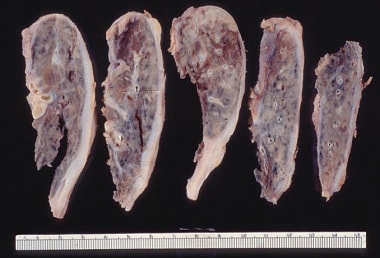
Media file 6:  Gross pathology of small and firm lungs due to restrictive lung disease from advanced pulmonary fibrosis.
Click to see larger pictureClick to see detailView Full Size Image
Media type:  Photo

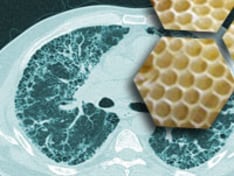
Media file 7:  Restrictive lung disease. Intrinsic lung disease may progress to extensive fibrosis, regardless of etiology. This is described as honeycomb lung.
Click to see larger pictureClick to see detailView Full Size Image
Media type:  Photo

Media file 8:  Restrictive lung disease. End-stage sarcoidosis.
Click to see larger pictureClick to see detailView Full Size Image
Media type:  Photo

Media file 9:  Restrictive lung disease. Usual interstitial pneumonitis (left).
Click to see larger pictureClick to see detailView Full Size Image
Media type:  Photo

Media file 10:  Restrictive lung disease. Usual interstitial pneumonitis (right).
Click to see larger pictureClick to see detailView Full Size Image
Media type:  Photo

Media file 11:  Restrictive lung disease. Histopathology of a case of idiopathic pulmonary fibrosis. Alveolitis with fibroblast proliferation and collagen deposition is present.
Click to see larger pictureClick to see detailView Full Size Image
Media type:  Image

Media file 12:  Restrictive lung disease. In usual interstitial pneumonitis or idiopathic pulmonary fibrosis, subpleural and paraseptal inflammation is present, with an appearance of temporal heterogeneity. Patchy scarring of the lung parenchyma and normal, or nearly normal, alveoli interspersed between fibrotic areas are the hallmarks of this disease. Also, the lung architecture is completely destroyed.
Click to see larger pictureClick to see detailView Full Size Image
Media type:  Image

Media file 13:  Restrictive lung disease. Characteristic features of usual interstitial pneumonitis as described in Image 14.
Click to see larger pictureClick to see detailView Full Size Image
Media type:  Image

Media file 14:  Restrictive lung disease. Bronchiolitis obliterans-organizing pneumonia (also called proliferative bronchiolitis) is often patchy and peribronchiolar. The proliferation of granulation tissue within small airways and alveolar ducts is excessive and is associated with chronic inflammation of surrounding alveoli.
Click to see larger pictureClick to see detailView Full Size Image
Media type:  Image

Media file 15:  Restrictive lung disease. Bronchiolitis obliterans-organizing pneumonia, as described in Image 16, showing a close-up view of fibrogranulation tissue in terminal airspaces.
Click to see larger pictureClick to see detailView Full Size Image
Media type:  Image

Media file 16:  Restrictive lung disease. Granulomatous lung diseases are marked by granulomas characterized by the accumulation of T lymphocytes, macrophages, and epithelioid cells. These may progress to pulmonary fibrosis. This low-power image shows well-formed granuloma along the airway.
Click to see larger pictureClick to see detailView Full Size Image
Media type:  Image

Media file 17:  Restrictive lung disease. Multiple well-formed noncaseating granulomas secondary to sarcoidosis.
Click to see larger pictureClick to see detailView Full Size Image
Media type:  Image

Media file 18:  Restrictive lung disease. Sarcoid granulomas.
Click to see larger pictureClick to see detailView Full Size Image
Media type:  Image

Media file 19:  Restrictive lung disease. High-power view of sarcoid granuloma shows giant cells.
Click to see larger pictureClick to see detailView Full Size Image
Media type:  Image

Media file 20:  A patient who developed restrictive lung disease had findings of bronchiolitis obliterans-organizing pneumonia on an open lung biopsy specimen.
Click to see larger pictureClick to see detailView Full Size Image
Media type:  Image

Media file 21:  A patient who developed restrictive lung disease had findings of bronchiolitis obliterans-organizing pneumonia on an open lung biopsy specimen. The biopsy sample shows intraluminal buds of granulation tissue.
Click to see larger pictureClick to see detailView Full Size Image
Media type:  Image

Media file 22:  Restrictive lung disease. Lymphocytic interstitial pneumonitis, for which the prominent finding is a lymphoid infiltrate that involves both the interstitium and alveolar spaces.
Click to see larger pictureClick to see detailView Full Size Image
Media type:  Image

Media file 23:  Restrictive lung disease. Usual interstitial pneumonitis honeycombing.
Click to see larger pictureClick to see detailView Full Size Image
Media type:  Image

Media file 24:  Restrictive lung disease. Chest radiograph of a 67-year-old man diagnosed with idiopathic pulmonary fibrosis, based on open lung biopsy findings. Extensive bilateral reticulonodular opacities are seen in both lower lobes.
Click to see larger pictureClick to see detailView Full Size Image
Media type:  X-RAY

Media file 25:  Restrictive lung disease. High-resolution CT scan of the same patient in Image 26 demonstrates peripheral honeycombing and several areas of ground-glass attenuation. Ground-glass opacification may correlate with active alveolitis and a favorable response to therapy.
Click to see larger pictureClick to see detailView Full Size Image
Media type:  CT

Media file 26:  Restrictive lung disease. A CT scan image from a 59-year-old woman shows advanced pulmonary fibrosis. Extensive honeycombing and traction bronchiectasis are present.
Click to see larger pictureClick to see detailView Full Size Image
Media type:  CT

Media file 27:  Restrictive lung disease may occur in stage II and stage III sarcoidosis. In this image, mediastinal lymphadenopathy is shown secondary to stage II disease.
Click to see larger pictureClick to see detailView Full Size Image
Media type:  CT

Media file 28:  Restrictive lung disease. Sarcoidosis on CT scan shows nodules in midlung zones. These nodules are predominantly along the bronchovascular bundles and in a subpleural location.
Click to see larger pictureClick to see detailView Full Size Image
Media type:  CT

Media file 29:  Restrictive lung disease secondary to sarcoidosis.
Click to see larger pictureClick to see detailView Full Size Image
Media type:  CT

Media file 30:  Restrictive lung disease. A chest radiograph of stage III sarcoidosis. This stage refers to pulmonary infiltrates without evidence of mediastinal lymphadenopathy.
Click to see larger pictureClick to see detailView Full Size Image
Media type:  X-RAY

Media file 31:  Restrictive lung disease. Chest radiograph from a 39-year-old woman with severe kyphoscoliosis who developed hypercapnic respiratory failure. Spirometry findings showed a severe restrictive lung disease, with a forced expiratory volume in one second of 0.4 L/s and a forced vital capacity of 0.5 L.
Click to see larger pictureClick to see detailView Full Size Image
Media type:  X-RAY

Media file 32:  A Powerpoint presentation on restrictive lung disease.
Click to see larger pictureClick to see detailView Full Size Image
 
Media type:  Presentation

Media file 33:  The flow volume curve of a patient with lung fibrosis.
Click to see larger pictureClick to see detailView Full Size Image
Media type: 

Media file 34:  Likely case of idiopathic pulmonary fibrosis, which should be treated with prednisone.
Click to see larger pictureClick to see detailView Full Size Image
Media type: