| Patient Education |
|
Click here for patient education.
|
|
You are in: eMedicine Specialties >
Infectious Diseases > MEDICAL TOPICS
Proteus Infections
Article Last Updated: Mar 2, 2006
AUTHOR AND EDITOR INFORMATION
Section 1 of 10
Author: Gus Gonzalez, MD, Medical Oncologist, Department of Hematology/Oncology, Sparks Regional Medical Center
Gus Gonzalez is a member of the following medical societies: American College of Physicians-American Society of Internal Medicine
Coauthor(s):
Michael Stuart Bronze, MD, Professor, Stewart G Wolf Chair in Internal Medicine, Department of Medicine, University of Oklahoma Health Science Center
Editors: Douglas A Drevets, MD, Assistant Professor, Department of Medicine, Section of Infectious Disease, Oklahoma University Health Sciences Center; Francisco Talavera, PharmD, PhD, Senior Pharmacy Editor, eMedicine; Aaron Glatt, MD, Professor of Clinical Medicine, New York Medical College; Chief Medical Officer, Departments of Medicine and Infectious Diseases, New Island Hospital; Eleftherios Mylonakis, MD, Clinical and Research Fellow, Department of Internal Medicine, Division of Infectious Diseases, Massachusetts General Hospital; Burke A Cunha, MD, Professor of Medicine, State University of New York School of Medicine at Stony Brook; Chief, Infectious Disease Division, Winthrop-University Hospital
Author and Editor Disclosure
Synonyms and related keywords:
Proteus infection, Proteus vulgaris, P vulgaris, Proteus mirabilis, P mirabilis, Proteus myxofaciens, P myxofaciens, Proteus morganii, P morganii, Proteus rettgeri, P rettgeri, Proteus penneri, P penneri, gram-negative bacteremia, systemic inflammatory response syndrome, SIRS, sepsis, struvite stones, urethritis, cystitis, prostatitis, pyelonephritis
Background
Proteus species are part of the Enterobacteriaceae family of gram-negative bacilli. Proteus organisms are implicated as serious causes of infections in humans, along with Escherichia, Klebsiella, Enterobacter, and Serratia species. Proteus species are most commonly found in the human intestinal tract as part of normal human intestinal flora, along with Escherichia coli and Klebsiella species, of which E coli is the predominant resident. Proteus is also found in multiple environmental habitats, including long-term care facilities and hospitals. In hospital settings, it is not unusual for gram-negative bacilli to colonize both the skin and oral mucosa of both patients and hospital personnel. Infection primarily occurs from these reservoirs. However, Proteus species are not the most common cause of nosocomial infections
Proteus mirabilis causes 90% of Proteus infections and can be considered a community-acquired infection. Proteus vulgaris and Proteus penneri are easily isolated from individuals in long-term care facilities and hospitals and from patients with underlying diseases or compromised immune systems.
Patients with recurrent infections, those with structural abnormalities of the urinary tract, those who have had urethral instrumentation, and those whose infections were acquired in the hospital have an increased frequency of infection caused by Proteus and other organisms (eg, Klebsiella, Enterobacter, Pseudomonas, enterococci, staphylococci).
Pathophysiology
Proteus species possess an extracytoplasmic outer membrane, a feature shared with other gram-negative bacteria. In addition, the outer membrane contains a lipid bilayer, lipoproteins, polysaccharides, and lipopolysaccharides. Infection depends on the interaction between the infecting organism and the host defense mechanisms. Various components of the membrane interplay with the host to determine virulence. Inoculum size is important and has a positive correlation with the risk of infection. Certain virulence factors have been identified in bacteria. The first step in the infectious process is adherence of the microbe to host tissue. Fimbriae facilitate adherence and thus enhance the capacity of the organism to produce disease. E coli, P mirabilis, and other gram-negative bacteria contain fimbriae (ie, pili), which are tiny projections on the surface of the bacterium. Specific chemicals located on the tips of pili enable organisms to attach to selected host tissue sites (eg, urinary tract endothelium). The presence of these fimbriae has been demonstrated to be important for the attachment of P mirabilis to host tissue. The attachment of Proteus species to uroepithelial cells initiates several events in the mucosal endothelial cells, including secretion of interleukin 6 and interleukin 8. Proteus organisms also induce apoptosis and epithelial cell desquamation. Bacterial production of urease has also been shown to increase the risk of pyelonephritis in experimental animals. Urease production, together with the presence of bacterial motility and fimbriae, may favor the production of upper urinary tract infections (UTIs) by organisms such as Proteus. Enterobacteriaceae (of which Proteus is a member) and Pseudomonas species are the microorganisms most commonly responsible for gram-negative bacteremia. When these organisms invade the bloodstream, endotoxin, a component of gram-negative bacterial cell walls, apparently triggers a cascade of host inflammatory responses and leads to major detrimental effects. Because Proteus and Pseudomonas organisms are gram-negative bacilli, they can cause gram-negative endotoxin-induced sepsis, resulting in systemic inflammatory response syndrome (SIRS). SIRS has a mortality rate of 20-50%.
Although other organisms can trigger a similar response, it is useful to consider gram-negative bacteremia as a distinct entity because of its characteristic epidemiology, pathogenesis, pathophysiology, and treatment. The presence of the sepsis syndrome associated with a UTI should raise the possibility of urinary tract obstruction. This is especially true of patients who reside in long-term care facilities, who have long-term indwelling urethral catheters, or who have a known history of urethral anatomic abnormalities. The ability of Proteus organisms to produce urease and to alkalinize the urine by hydrolyzing urea to ammonia makes it effective in producing an environment in which it can survive. This leads to precipitation of organic and inorganic compounds, which leads to struvite stone formation. Struvite stones are composed of a combination of magnesium ammonium phosphate (struvite) and calcium carbonate-apatite. Struvite stone formation can be sustained only when ammonia production is increased and the urine pH is elevated to decrease the solubility of phosphate. Both of these requirements can occur only when urine is infected with a urease-producing organism such as Proteus. Urease metabolizes urea into ammonia and carbon dioxide: Urea ® 2NH3 + CO2. The ammonia/ammonium buffer pair has a pK of 9.0, resulting in the combination of highly alkaline urine rich in ammonia. Symptoms attributable to struvite stones are uncommon. More often, women present with UTI, flank pain, or hematuria and are found to have a persistently alkaline urine pH (>7.0).
Frequency
United States
The genitourinary tract is the site of disease responsible for gram-negative bacteremia in approximately 35% of patients. In previously healthy outpatients, E coli is by far the most often implicated cause of UTIs. In contrast, individuals with multiple prior episodes of UTI, multiple antibiotic treatments, urinary tract obstruction, or infection developing after instrumentation frequently become infected with Proteus bacteria or other bacteria such as Enterobacter, Klebsiella, Serratia, and Acinetobacter.
Bacteriuria occurs in 10-15% of hospitalized patients with indwelling catheters. The risk of infection is 3-5% per day of catheterization.
Mortality/Morbidity
Among long-term care residents, UTIs are the second most common infection responsible for hospital admission, second only to pneumonia. UTIs can result in sepsis if not recognized and treated rapidly. Failure to treat or a delay in treatment can result in SIRS. The mortality rate for SIRS is 20-50%.
Sex
Other factors that increase infection rates are female sex, duration of catheterization, underlying illness, faulty catheter care, and lack of systemic antibiotic therapy. Infection occurs either by migration of bacteria up the catheter along the mucosal sheath or by migration up the catheter lumen from infected urine.
- UTIs are the most common clinical manifestation of Proteus infections. Proteus infection accounts for 1-2% of UTIs in healthy women and 5% of hospital-acquired UTIs. Complicated UTIs (ie, those associated with catheterization) have a prevalence of 20-45%.
- UTIs are more common in males then females in the neonatal population. This is a result of congenital abnormalities seen more often in males.
- After the age of 50 years, the ratio between men and women begins to decline because of the increasing incidence of prostate disease. UTIs in men younger than 50 years are usually caused by urologic abnormalities.
Age
UTIs are more common in persons aged 20-50 years.
History
Approximately 95% of UTIs occur when bacteria ascend through the urethra and the bladder.
- Complicated UTIs occur with instrumentation (including Foley catheters), obstruction, calculi, or neurogenic bladder. These carry a higher risk for complications such as hospitalization and sepsis.
- Sexually active women are at greater risk for UTIs. The same is true for men, although to a lesser degree.
- Other predisposing factors for UTIs are men who have unprotected anal intercourse, an uncircumcised penis, unprotected vaginal intercourse, and/or CD4 count less than 200/µL.
- Although infrequent, chronic prostatitis should be considered in males with a history of recurrent UTIs. Obstructive symptoms are transient but may progress to infect the bladder because of poor bladder emptying.
- Frequent and unexplained incidents of renal calculi may be indicative of a chronic Proteus infection. Multiple magnesium ammonium phosphate crystals are present in the urine sediment along with radio dense renal calculus. (This calculus is less radio dense than calcium oxalate.) This results in formation and precipitation of struvite crystals, a predominant component of urinary calculi and encrustations on urinary catheters.
Physical
Patients may present with urethritis, cystitis, prostatitis, or pyelonephritis. Chronic, recurring stones may be an indication of chronic infection.
- Symptoms of urethritis are usually mild and may be dismissed by the patient.
- Women present with dysuria, pyuria, and increased frequency of urination.
- Presenting symptoms in males are usually mild and may include urethral discharge.
- Signs and symptoms of cystitis tend to be more prominent compared to those of urethritis.
- In both men and women, symptoms are of sudden onset.
- They include dysuria, increased frequency, urgency, suprapubic pain, back pain, small volumes, concentrated appearance, and hematuria. If the patient is febrile, this could be a sign of bacteremia and impending sepsis. These symptoms may not be present if the patient has an indwelling catheter.
- Prostatitis is obviously limited to men and occurs more acutely than cystitis. This becomes more common as men age.
- In addition to symptoms of cystitis, patients with prostatitis may present with fever and chills.
- Perianal pain and various symptoms of urinary obstruction may be present. The prostate may be tender and diffusely swollen.
- Pyelonephritis can be considered a progression of disease, and symptoms are therefore more profound. Sepsis can develop quickly, especially in elderly patients or those with a compromised immune system.
- Symptoms of urethritis and cystitis may or may not be present.
- Defining symptoms of pyelonephritis include flank pain, nausea and vomiting, costovertebral tenderness, fever, and, rarely, a palpable and tender kidney. Hematuria and pyuria are frequently encountered.
Causes
- Hospital-acquired infections are usually caused by interruption of the closed sterile system by hospital personnel.
- Proteus species also cause sepsis neonatorum and bacteremia with fever and neutropenia.
- Proteus species are also involved in synergistic nonclostridial anaerobic myonecrosis, which may involve subcutaneous tissue, fascia, and muscle. This condition is caused by combinations of other aerobic gram-negative bacilli (E coli or Klebsiella or Enterobacter species) and anaerobes. Surgical evaluation and intervention is critical to successful treatment.
Acute Bacterial Prostatitis and Prostatic Abscess
Lab Studies
- Proteus organisms are easily recovered through routine laboratory cultures. Most strains are lactose negative and demonstrate characteristic swarming motility on agar plates. Any positive culture result from an otherwise sterile area should be considered an acute infection if clinical signs and symptoms are present.
- UTIs in symptomatic patients have traditionally been defined by recovering bacteria in large numbers (ie, >100,000 colony-forming units [CFUs]/mL) on examination. Bacterial counts of less than 100,000 CFUs/mL may indicate infection in urine samples, especially if obtained directly from the ureters or renal pelvis, whereas specimens from suprapubic catheters usually have bacterial counts greater than 100,000 CFUs/mL. However, even small numbers of organisms may be of true clinical significance in symptomatic patients (eg, women with the urethral syndrome).
- Microscopic bacteriuria is best evaluated through uncentrifuged Gram staining of the urine. Microscopic bacteriuria is found in 90% of cases when bacterial counts exceed 100,000 CFUs/mL. Detection by microscopy confirms infection, but absence does not exclude infection. Pyuria is demonstrated in nearly all acute bacterial infections, but its absence calls the diagnosis into question. The leukocyte esterase dipstick test is a useful alternative to microscopic examination, but this method is less sensitive than microscopy.
- Persistently alkaline urine with a positive Proteus culture finding should prompt an examination for renal calculi.
- Although cultures are the most definitive way of confirming an acute infection, they are often prohibitively expensive and take time for complete identification. Cultures are most effective when patients do not respond to empiric therapy or when they have recurrent symptoms.
Imaging Studies
- An ultrasound of the kidneys or a CT scan should be considered as part of a workup for Proteus infection of the urinary tract that does not resolve quickly with antimicrobial therapy. Calices and/or perinephric abscesses should be excluded.
Medical Care
Recommended empirical treatment includes the following:
- Uncomplicated UTIs in women can be treated on an outpatient basis with an oral quinolone for 3 days or trimethoprim/sulfamethoxazole (TMP/SMZ) for 3 days.
- Acute uncomplicated pyelonephritis in women can be treated with oral quinolones for 7-14 days, single-dose ceftriaxone or gentamicin followed by TMP/SMZ, or an oral cephalosporin or quinolone for 14 days as outpatient therapy. For hospitalized patients, therapy consists of parenteral (or oral once the oral route is available) ceftriaxone, quinolone, gentamicin (plus ampicillin), or aztreonam until defervescence. Then, an oral quinolone, cephalosporin, or TMP/SMZ for 14 days may be added to complete treatment.
- Complicated UTIs in men and women can be treated with a 10- to 21-day course of oral therapy (in the same manner as for hospitalized patients) as long as the follow-up is adequate.
Surgical Care
- If struvite renal calculus is associated with Proteus infection, it must be removed.
- Most nonurologic infections result in abscesses. Radical surgical debridement is the cornerstone of successful therapy. Amputation may be necessary if skin or muscle necrosis of an extremity is the presenting infection, but tissue recovery is often better than expected. Broad-spectrum antimicrobial therapy is started empirically and is modified by the results of smears and cultures. Mortality and morbidity rates are high, even with adequate treatment.
Consultations
The discovery of stones requires an evaluation by a physician knowledgeable in the short- and long-term management of stones, typically a urologist or nephrologist.
Serious and occasionally fatal hypersensitivity (ie, anaphylactoid) reactions have occurred in patients receiving antibiotics. These reactions are more likely to occur in persons with a history of sensitivity to multiple allergens. Cross-sensitivity between penicillins and cephalosporins has occurred. If a reaction occurs, discontinue the implicated drug unless the condition is life threatening and amenable only to therapy with that antibiotic. Serious anaphylactoid reactions require immediate emergency treatment with epinephrine. Oxygen, intravenous steroids, and airway management, including intubation, should also be used as indicated.
Pseudomembranous colitis has been reported with nearly all antibacterial agents and has ranged in severity from mild to life threatening. This diagnosis must therefore be considered in patients who present with diarrhea subsequent to the administration of antibacterial agents. Antibiotic treatment alters the normal flora of the colon and may permit overgrowth of clostridia. Studies indicate that a toxin produced by Clostridium difficile is a primary cause of antibiotic colitis. Mild cases of pseudomembranous colitis usually respond to drug discontinuation alone. In moderate-to-severe cases, consider treatment with fluids and electrolytes, protein supplementation, and an antibacterial drug effective against C difficile.
Antibiotic therapy requires constant observation for signs of overgrowth of nonsusceptible organisms, including fungi. Overgrowth more usually occurs in the setting of chronic UTIs or in patients with indwelling catheters than in uncomplicated UTIs. If superinfection occurs (usually involving Aerobacter, Pseudomonas, or Candida organisms), discontinue the offending drug and/or institute appropriate therapy. As with any potent agent, it is advisable to periodically check for organ system dysfunction during prolonged therapy, to include the renal, hepatic, and hematopoietic systems. This measure is particularly important in premature infants, neonates, and other infants.
P mirabilis remains susceptible to nearly all antimicrobials except tetracycline. Resistance does not appear to be a significant clinical factor, but 10-20% of strains can acquire resistance to ampicillin and first-generation cephalosporins. Acquisition of resistance to extended-spectrum alpha-lactamases remains uncommon. P mirabilis is likely to be sensitive to ampicillin; broad-spectrum penicillins (eg, ticarcillin, piperacillin); first-, second-, and third-generation cephalosporins; imipenem; and aztreonam.
P vulgaris and P penneri are resistant to ampicillin and first-generation cephalosporins. Activation of an inducible chromosomal beta-lactamase (not found in P mirabilis) occurs in up to 30% of these strains. Imipenem, fourth-generation cephalosporins, aminoglycosides, TMP/SMZ, and quinolones have excellent activity (90-100%). Consult the local infectious disease sensitivity surveillance for appropriate empiric therapy.
A vaccine derived from purified mannose-resistant Proteus-like (MR/P) fimbriae proteins has been proven to prevent infection in mouse models and is under clinical research, but it is not available commercially. Vaccine description is beyond the scope of this article.
Drug Category: Antibiotics
Therapy must be comprehensive and cover all likely pathogens in the context of this clinical setting.
| Drug Name | Ceftriaxone (Rocephin) |
| Description | Third-generation cephalosporin with broad-spectrum, gram-negative activity; lower efficacy against gram-positive organisms; higher efficacy against resistant organisms. Bactericidal activity results from inhibiting cell wall synthesis by binding to one or more penicillin-binding proteins. Highly stable in presence of beta-lactamases, both penicillinase and cephalosporinase, of gram-negative and gram-positive bacteria. Approximately 33-67% of dose excreted unchanged in urine, and remainder secreted in bile and ultimately in feces as microbiologically inactive compounds. At 1-3 h after 1-g IV dose, average concentrations determined were 581 mcg/mL in gallbladder bile, 788 mcg/mL in common duct bile, 898 mcg/mL in cystic duct bile, 78.2 mcg/g in gallbladder wall, and 62.1 mcg/mL in concurrent plasma. In healthy adult subjects, over 0.15-3 g dose, range of elimination half-life is 5.8-8.7 h. Apparent volume of distribution is 5.78-13.5 L, plasma clearance is 0.58-1.45 L/h, and renal clearance is0.32-0.73. L/h. Reversibly bound to human plasma proteins, and binding has been reported to decrease from 95% bound at plasma concentrations <25 mcg/mL to 85% bound at 300 mcg/mL. |
| Adult Dose | 1-2 g/d IV/IM or equally divided doses bid, depending on type and severity of infection; not to exceed 4 g/d |
| Pediatric Dose | 50-75 mg/kg/d IV/IM divided q12h; not to exceed 2 g/d; generally, therapy should be continued for at least 2 d after signs and symptoms of infection have disappeared; usual duration of therapy is 4-14 d; in complicated infections, longer therapy may be required |
| Contraindications | Documented hypersensitivity |
| Interactions | Probenecid may increase levels; coadministration with ethacrynic acid, furosemide, and aminoglycosides may increase nephrotoxicity |
| Pregnancy | B - Usually safe but benefits must outweigh the risks.
|
| Precautions | Transient elevations of BUN and serum creatinine levels have occurred at recommended dosages, nephrotoxic potential is similar to other cephalosporins; usually, no dosage adjustment is necessary for impairment of renal or hepatic function; chronic hepatic disease and malnutrition (eg, impaired vitamin K synthesis/low stores) may require monitoring of PT, vitamin K 10 mg qwk may be necessary if PT is prolonged before or during therapy; caution with history of GI tract disease, especially colitis; may cause pseudobiliary lithiasis; sonographic abnormalities in gallbladder (sometimes with symptoms of gallbladder disease) have occurred, abnormalities appear as an echo without acoustical shadowing, suggesting sludge, or an echo with acoustical shadowing, which may be misinterpreted as gallstones; chemical nature of detected material is determined to be predominantly a ceftriaxone-calcium salt; may require cholecystectomy |
| Drug Name | Gentamicin (Garamycin) |
| Description | Bactericidal antibiotic (demonstrated by in vitro tests) that inhibits normal protein synthesis in susceptible microorganisms. Active against a wide variety of pathogenic bacteria, including E coli, Proteus species (indole-positive and indole-negative), Pseudomonas aeruginosa; species of Klebsiella, Enterobacter, and Serratia; Citrobacter species; and Staphylococcus species (including penicillin- and methicillin-resistant strains). The following organisms are usually resistant to aminoglycosides: Streptococcus pneumoniae, most species of streptococci, particularly group D and anaerobic organisms (ie, Bacteroides or Clostridium species). In vitro studies demonstrate that an aminoglycoside combined with an antibiotic that interferes with cell wall synthesis may act synergistically against some group D streptococcal strains. Combination of gentamicin and penicillin G has a synergistic bactericidal effect against virtually all strains of Streptococcus faecalis and its variants (ie, Streptococcus faecalis var liquefaciens, Streptococcus faecalis var zymogenes), Streptococcus faecium, and Streptococcus durans. An enhanced killing effect against many of these strains occurs in vitro when combined with ampicillin, carbenicillin, nafcillin, or oxacillin. Combined effect of gentamicin and carbenicillin is synergistic for many strains of P aeruginosa. In vitro synergism against other gram-negative organisms occurs when combined with cephalosporins. |
| Adult Dose | Multiple-day dosing: 2 mg/kg load, then 1.7 mg/kg IV q8h Peak: 4-10 mcg/mL Trough: 1-2 mcg/mL Once daily dosing: 5.1 (7 if critically ill) mg/kg IV qd Peak: 16-24 mcg/mL Trough: <1 mcg/mL |
| Pediatric Dose | <2000 g (0-7 d): 2.5 mg/kg IV q18-24h <2000 g (8-28 d): 2.5 mg/kg IV q12h >2000 g (0-7 d): 2.5 mg/kg IV q12h >2000 g (8-28 d): 2.5 mg/kg IV q12h >28 days: 2.5 mg/kg IV q12h Peak: 4-10 mcg/mL Trough: 1-2 mcg/mL |
| Contraindications | Documented hypersensitivity; non–dialysis-dependent renal insufficiency |
| Interactions | Coadministration with other aminoglycosides, cephalosporins, penicillins, and amphotericin B may increase nephrotoxicity; aminoglycosides enhance effects of neuromuscular blocking agents, prolonged respiratory depression may occur; coadministration with loop diuretics may increase auditory toxicity of aminoglycosides; possible irreversible hearing loss of varying degrees may occur (monitor regularly) |
| Pregnancy | C - Safety for use during pregnancy has not been established.
|
| Precautions | Narrow therapeutic index (not intended for long-term therapy); monitor for potential toxicity (ie, nephrotoxicity, neurotoxicity); examine renal and CNVIII function, urine (specific gravity, cells, casts), blood (BUN, serum creatinine, or creatinine clearance), serial audiograms; caution in patients with renal failure (not on dialysis), myasthenia gravis, hypocalcemia, and conditions that depress neuromuscular transmission; adjust dose in patients with renal impairment, determine peak (avoid >12 mcg/mL) and trough (avoid > 2 mcg/mL); electrolyte imbalance, dehydration increases risk of toxicity; monitoring renal function in elderly patients is especially important; Fanconilike syndrome, with aminoaciduria and metabolic acidosis has occurred |
| Drug Name | Imipenem and cilastatin (Primaxin) |
| Description | Demonstrates in vitro activity against a wide range of gram-positive and gram-negative organisms. Because of its broad spectrum of bactericidal activity against gram-positive and gram-negative aerobic and anaerobic bacteria, it is useful for the treatment of mixed infections and as presumptive therapy prior to the identification of the causative organisms. Although clinical improvement has been observed in patients with cystic fibrosis, chronic pulmonary disease, and lower respiratory tract infections caused by P aeruginosa, bacterial eradication may not necessarily be achieved. Potent inhibitor of beta-lactamases from certain gram-negative bacteria that are inherently resistant to most beta-lactam antibiotics (eg, P aeruginosa, Serratia and Enterobacter species). As with some other beta-lactam antibiotics, some strains of P aeruginosa may develop resistance fairly rapidly during treatment. Therefore, perform periodic susceptibility testing when clinically appropriate. Base total daily dosage on type or severity of infection and administer in equally divided doses based on consideration of degree of susceptibility of the pathogen(s), renal function, and body weight. Dosage recommendations reflect quantity of imipenem component administered. Corresponding amount of cilastatin is also present in solution. A product that is only for IM use is available. |
| Adult Dose | 1 g IV q6h (slow infusion rate if nausea develops) based on normal renal function; dose may range from 250-500 mg q6h IV for a maximum of 3-4 g/d; reduce IV dosage schedule for adults with impaired renal function (CrCl 70 mL/min/1.73 m2) and/or body weight; calculate reduced dosage regimen CrCl 6-20 mL/min/1.73/m2: 125-250 mg IV q12h for most pathogens; risk of seizures increases when doses of 500 mg IV q12h are administered with CrCl 5 mL/min/1.73/m2 (should not receive, unless hemodialysis is instituted within 48 h); inadequate information to recommend usage in patients undergoing peritoneal dialysis |
| Pediatric Dose | 1-2 months (weighing 1500 g): 25 mg/kg IV q6h; recommended for non-CNS infections >3 months: 15-25 mg/kg IV q6h; recommended for non-CNS infections Fully susceptible organisms: Not to exceed 2 g/d |
| Contraindications | Documented hypersensitivity; hypersensitivity to lidocaine when used as diluent for IM injection and associated contraindications (ie, severe shock, heart block) |
| Interactions | Coadministration with cyclosporine may increase adverse CNS effects of both agents; coadministration with ganciclovir may result in generalized seizures; do not mix with or physically add to other antibiotics |
| Pregnancy | C - Safety for use during pregnancy has not been established.
|
| Precautions | Adjust dose in renal insufficiency; avoid use in children <12 y; seizure activity; not recommended for CNS infections |
| Drug Name | Trimethoprim and sulfamethoxazole, TMP/SMZ (Septra, Septra DS, Bactrim) |
| Description | Blocks 2 consecutive steps in the biosynthesis of nucleic acids and proteins essential to many bacteria. SMZ inhibits bacterial synthesis of dihydrofolic acid by competing with PABA. TMP blocks production of tetrahydrofolic acid from dihydrofolic acid by binding to and reversibly inhibiting required enzyme, dihydrofolate reductase. In vitro studies indicate that bacterial resistance develops more slowly with TMP/SMZ combination than with either component alone. In vitro serial dilution tests indicate that the spectrum of antibacterial activity includes common urinary tract pathogens with exception of P aeruginosa. The following organisms are usually susceptible: E coli, Klebsiella and Enterobacter species, Morganella morganii, P mirabilis, and indole-positive Proteus species, including P vulgaris. Additional information for PO use: PO products available: Tab (80 mg TMP/400 mg SMZ); double-strength (DS) tab (160 mg TMP/800 mg SMZ); susp (TMP 40 mg/5mL and SMZ 200 mg/5 mL) |
| Adult Dose | UTIs: 1 DS tab q12h for 10-14 d; 2 tab q12h for 10-14 d; alternatively, 20 mL susp q12h for 10-14 d Shigellosis: Same as for UTIs, except treat for 5 d |
| Pediatric Dose | <2 months: Contraindicated >2 months: UTIs: TMP 8 mg/kg/d and SMZ 40 mg/kg/d PO, divided q12h for 10 d Shigellosis: Same as for UTIs or acute otitis media, except treat for 5 d; reduce dose in patients with renal impairment |
| Contraindications | Documented sulfa hypersensitivity; megaloblastic anemia due to folate deficiency; pregnant women at term and breastfeeding women; age <2 mo |
| Interactions | May increase PT when used with warfarin (perform coagulation tests and adjust dose accordingly); coadministration with dapsone may increase blood levels of both drugs; coadministration of diuretics increases incidence of thrombocytopenia purpura in elderly persons; phenytoin levels may increase with coadministration; may potentiate effects of MTZ in bone marrow depression; hypoglycemic response to sulfonylureas may increase with coadministration; may increase levels of zidovudine |
| Pregnancy | C - Safety for use during pregnancy has not been established.
|
| Precautions | Discontinue at first appearance of skin rash or sign of adverse reaction; obtain CBC counts frequently; discontinue therapy if significant hematologic changes occur; goiter, diuresis, and hypoglycemia may occur with sulfonamides; prolonged IV infusions or high doses may cause bone marrow depression (if signs occur, administer 5-15 mg/d leucovorin); caution in patients with folate deficiency (eg, chronic alcoholism, elderly persons, those receiving anticonvulsant therapy, those with malabsorption syndrome) Hemolysis may occur in G-6-PD–deficient individuals; patients with AIDS may not tolerate or respond to TMP/SMZ; caution in patients with renal or hepatic impairment (perform urinalyses and renal function tests during therapy); administer fluids to prevent crystalluria and stone formation; metabisulfite may cause allergic-type reactions, including anaphylactic symptoms and life-threatening or less severe asthmatic episodes; caution in newborn infants benzyl alcohol associated with increased incidence of neurologic and other complications that are sometimes fatal; do not use to treat group A beta-hemolytic streptococcal infections, will not eradicate streptococci and therefore will not prevent sequelae such as rheumatic fever |
| Drug Name | Aztreonam (Azactam) |
| Description | Exhibits potent and specific activity in vitro against a wide spectrum of gram-negative aerobic pathogens, including P aeruginosa. Active over a pH range of 6-8 in vitro, as well as in presence of human serum and under anaerobic conditions. Combined with aminoglycosides, demonstrates synergistic activity in vitro against most strains of P aeruginosa. Duration of therapy depends on severity of infection and continues for at least 48 h after patient is asymptomatic or evidence of bacterial eradication is obtained. Doses smaller than indicated should not be used. Transient or persistent renal insufficiency may prolong serum levels. After an initial loading dose of 1 or 2 g, reduce dose by one half for estimated CrCl of 10-30 mL/min/1.73/m2. When only serum creatinine concentration is available, the following formula (based on sex, weight, and age) can approximate CrCl. Serum creatinine should represent a steady state of renal function. Males: CrCl = [(weight in kg)(140 - age)] ÷(72 X serum creatinine in mg/dL) Females: 0.85 X above value. In patients with severe renal failure (CrCl <10 mL/min/1.73/m2) and those supported by hemodialysis, usual dose of 500 mg, 1 g, or 2 g is initially administered. Maintenance dose is one fourth of usual initial dose given at usual fixed interval of 6, 8, or 12 h.For serious or life-threatening infections, supplement maintenance doses with one eighth of initial dose after each hemodialysis session. Elderly persons may have diminished renal function. Renal status is a major determinant of dosage in these patients. Serum creatinine may not be an accurate determinant of renal status. Therefore, as with all antibiotics eliminated by kidneys, obtain estimates of CrCl, and make appropriate dosage modifications. Insufficient data are available regarding IM administration to pediatric patients or dosing in pediatric patients with renal impairment. Administered IV only to pediatric patients with normal renal function. |
| Adult Dose | UTIs: 1 g IV q8h Moderately severe systemic infections: 2 g IV q8h; not to exceed 8 g qd Severe systemic or life-threatening infections: 2 g IV q6-8h; not to exceed 8 g qd |
| Pediatric Dose | Mild-to-moderate infections: 30 mg/kg IV q8h; not to exceed 120 mg/kg/d Moderate-to-severe infections: 30 mg/kg IV q6-8h; not to exceed 120 mg/kg/d |
| Contraindications | Documented hypersensitivity |
| Interactions | Tetracyclines may reduce effects |
| Pregnancy | B - Usually safe but benefits must outweigh the risks.
|
| Precautions | Rare cases of toxic epidermal necrolysis have occurred in patients undergoing bone marrow transplant with multiple risk factors, including sepsis, radiation therapy, and other concomitantly administered drugs associated with toxic epidermal necrolysis; monitor patients with hepatic or renal impairment; if used with aminoglycoside, monitor renal function because of potential aminoglycoside nephrotoxicity or ototoxicity |
| Drug Name | Ampicillin (Omnipen, Polycillin) |
| Description | Like benzyl penicillin, is bactericidal against sensitive organisms during active multiplication. Inhibits biosynthesis of cell wall mucopeptide. Not effective against penicillin-producing bacteria, particularly resistant staphylococci. All strains of Pseudomonas and most strains of Klebsiella and Aerobacter organisms are resistant. |
| Adult Dose | 1 g IV q6h; may require larger doses for severe infections |
| Pediatric Dose | 100 mg/kg/d PO/IV divided q6h |
| Contraindications | Documented hypersensitivity |
| Interactions | Probenecid and disulfiram elevate ampicillin levels; allopurinol decreases ampicillin effects and has additive effects on ampicillin rash; may decrease effects of oral contraceptives |
| Pregnancy | B - Usually safe but benefits must outweigh the risks.
|
| Precautions | Adjust dose in renal failure; evaluate rash and differentiate from hypersensitivity reaction |
| Drug Name | Ticarcillin (Ticar) |
| Description | Demonstrates substantial in vitro bactericidal activity against gram-positive and gram-negative organisms. Not stable in presence of penicillinase. Exhibits in vitro synergism with aminoglycosides (gentamicin, tobramycin, amikacin) against certain strains of P aeruginosa. |
| Adult Dose | 3 g IV q4h, or 4 g IV q6h CrCl: >60 mL/min: 3 g IV q4h 30-60 mL/min: 2 g IV q4h 10-30 mL/min: 2 g IV q8h <10 mL/min: 2 g IV q12h (or 1 g IM q6h) <10 mL/min with hepatic dysfunction: 2 g IV qd (or 1 g IM q12h) Peritoneal dialysis: 3 g IV q12h Hemodialysis: 2 g IV q12h, supplemented with 3 g IV after each dialysis |
| Pediatric Dose | >40 kg: Administer as in adults <40 kg: Bacterial septicemia: 200-300 mg/kg/d IV divided q4-6h Infections (respiratory tract, skin and soft tissue, intra-abdominal, female pelvis and genital tract, urinary tract): Complicated: 150-200 mg/kg/d IV divided q4-6h Uncomplicated: 50-100 mg/kg/d IV/IM divided q6-8h Insufficiency: Clinical data are insufficient to recommend optimum dose |
| Contraindications | Documented hypersensitivity |
| Interactions | Tetracyclines decrease ticarcillin effects; decreases effect of oral contraceptives; large IV doses can increase risk of bleeding in patients receiving anticoagulants; increases duration of neuromuscular blockers; probenecid increases ticarcillin levels |
| Pregnancy | B - Usually safe but benefits must outweigh the risks.
|
| Precautions | If hemorrhagic manifestations associated with abnormalities of coagulation tests occur, discontinue drug; theoretical sodium content is 5.2 mEq/g, and actual vial content can be as high as 6.5 mEq/g, carefully monitor electrolyte and cardiac status; perform CBC counts prior to initiation of therapy and at least weekly during therapy; monitor for liver function abnormalities by measuring AST and ALT during therapy; perform urinalysis and BUN and creatinine determinations during therapy, adjust dose if values become elevated; if renal impairment is known or suspected, adjust dose and monitor blood levels |
| Drug Name | Piperacillin (Pipracil) |
| Description | Exerts bactericidal activity by inhibiting both septum and cell wall synthesis. Active against various gram-positive and gram-negative aerobic and anaerobic bacteria. Inactivated in vitro by staphylococcal beta-lactamase and beta-lactamase produced by gram-negative bacteria. Its broad spectrum of bactericidal activity against gram-positive and gram-negative aerobic and anaerobic bacteria makes it particularly useful for treatment of mixed infections and presumptive therapy prior to the identification of the causative organisms. Administered IM or IV. |
| Adult Dose | Mild-to-moderate infections: 3 g IV q6-12h Serious infection: 3-4 g IV infusion over 20-30 min q4-6h; not to exceed 24 g/d |
| Pediatric Dose | <12 years: Not established >12 years: Administer as in adults |
| Contraindications | Documented hypersensitivity |
| Interactions | Tetracyclines may decrease effects; at high concentrations, may physically inactivate aminoglycosides; probenecid may increase levels of piperacillin; coadministration with aminoglycosides has synergistic effects |
| Pregnancy | B - Usually safe but benefits must outweigh the risks.
|
| Precautions | Caution in patients with renal impairment and in those with history of seizures; if hemorrhagic manifestations associated with abnormalities of coagulation tests occur, discontinue drug; contains 1.85 mEq of sodium per gram, caution in patients requiring restricted salt intake; monitor electrolyte levels as indicated (ie, diuretic use, chemotherapy); associated with an increased incidence of fever and rash in cystic fibrosis patients |
| Drug Name | Levofloxacin (Levaquin) |
| Description | Mechanism of action of levofloxacin and other fluoroquinolone antimicrobials involves inhibition of bacterial topoisomerase IV and DNA gyrase (both of which are type II topoisomerases), enzymes required for DNA replication, transcription, repair and recombination. Has in vitro activity against a wide range of gram-negative and gram-positive microorganisms. Fluoroquinolones, including levofloxacin, differ in chemical structure and mode of action from aminoglycosides, macrolides, and beta-lactam antibiotics, including penicillins. Fluoroquinolones may therefore be active against bacteria resistant to these antimicrobials. |
| Adult Dose | 500 mg PO/IV qd CrCl <50 mL/min/1.73/m2: 250 mg PO/IV qd |
| Pediatric Dose | Not established |
| Contraindications | Documented hypersensitivity to levofloxacin or any other components |
| Interactions | Antacids, iron salts, and zinc salts may reduce serum levels; administer antacids 2-4 h before or after taking fluoroquinolones; cimetidine may interfere with metabolism of fluoroquinolones; reduces therapeutic effects of phenytoin; probenecid may increase serum concentrations; may increase toxicity of theophylline, caffeine, cyclosporine, and digoxin (monitor digoxin levels); may increase effects of anticoagulants (monitor PT) |
| Pregnancy | C - Safety for use during pregnancy has not been established.
|
| Precautions | In prolonged therapy, perform periodic evaluations of organ system functions (eg, renal, hepatic, hematopoietic); adjust dose in renal function impairment; superinfections may occur with prolonged or repeated antibiotic therapy |
Further Inpatient Care
- Remove catheters as soon as possible. Replace only if required and only after patient has completely responded to therapy.
- Switch from intravenous to oral therapy as soon as possible once directed based on identification and sensitivities.
- Monitor renal function and provide adequate fluid support either via the intravenous or oral route.
Deterrence/Prevention
- Avoid procedures that introduce bacteria through the urethra and devices that come into contact with the urethra. Postprocedure antimicrobials are appropriate for high-risk individuals.
Complications
- Other presentations of hematogenous spread must also be considered.
- The presence of calculi results in obstruction of urinary flow. This increases the risk of perinephric abscesses and is associated with them 20-60% of the time. While a single species may be recovered through culture, multiple species may also be found. If multiple organisms are cultured, consider a perinephric or renal abscess.
- Intraspinal bacterial infections most often occur within the posterior epidural space. Bacteria may gain access to the epidural space through hematogenous spread from distant infections, usually in the skin or pelvic structures, or by contiguous spread from adjacent vertebral osteomyelitis. Penetrating injuries may also implant bacteria in the epidural space. Staphylococcus aureus is the most common causative organism, being isolated in 60-90% of cases. Proteus species, along with E coli, P aeruginosa, S pneumoniae, and Klebsiella species have been reported.
- Meningitis is a more common predisposing condition in neonates and infants. Gram-negative organisms and Proteus and Citrobacter species are the most frequent causative organisms.
- Acute infection of the stomach may produce diffuse phlegmonous or suppurative gastritis. This rare condition probably arises from preexisting disease of the stomach, such as damage by ethanol or noxious agents, chronic gastritis, trauma, or upper gastrointestinal surgery. Alpha-hemolytic streptococci are the most common organisms involved, although P vulgaris and other bacteria (eg, E coli, Clostridium perfringens, Bacillus subtilis, staphylococci, pneumococci) have been implicated. Suppurative gastritis is a medical emergency with a high mortality rate and may necessitate surgical resection after appropriate treatment with fluids, electrolytes, and antibiotics.
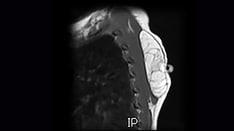
- A spinal epidural abscess may extend over many spinal levels. The epidural mass may consist of pus and granulation tissue in acute cases or of fibrous granulation tissue in chronic cases.
- The thoracic spine is the site of the abscess in 50-80% of patients, followed in frequency by the cervical and lumbar spine. Isolated epidural abscesses resulting from hematogenous spread generally occur dorsal to the thecal sac, whereas contiguous spread of infection from an underlying osteomyelitis collects anterior to the thecal sac.
Prognosis
- Treatment of uncomplicated UTIs has a low mortality/morbidity index and can be treated with a short course of empiric antibiotic therapy.
- Recurrence rates are directly influenced by eradicating the underlying cause (ie, catheter, anatomical obstruction, renal calculi).
- Once the infectious agent spreads beyond the bladder, morbidity and mortality increase significantly. If hematogenous spread occurs, the chance of death can be as high as 30-45% despite the use of antibiotic therapy and intensive care. Patients with preexisting medical problems, neonates, and elderly individuals are at the greatest risk for complications.
Patient Education
- Education concerning catheter care my reduce the frequency of infections.
Medical/Legal Pitfalls
- Women presenting with a history of UTIs and alkaline urine must be evaluated for renal calculi to avoid complications. For repeated UTIs in a male patient, a search must be made for obstructive causes, such as prostate cancer, as well as renal calculi.
- Ensure that patients do not have a sexually transmitted disease as the cause of dysuria.
- Beck-Sague C, Villarino E, Giuliano D, et al. Infectious diseases and death among nursing home residents: results of surveillance in 13 nursing homes. Infect Control Hosp Epidemiol. Jul 1994;15(7):494-6. [Medline].
- Braunwald E, Fauci AS, Kasper DL. Harrison's Principles of Internal Medicine. 15th ed. New York, NY: McGraw Hill, Inc;. 2001.
- Dembry LM, Andriole VT. Renal and perirenal abscesses. Infect Dis Clin North Am. Sep 1997;11(3):663-80. [Medline].
- Endimiani A, Luzzaro F, Brigante G, et al. Proteus mirabilis bloodstream infections: risk factors and treatment outcome related to the expression of extended-spectrum beta-lactamases. Antimicrob Agents Chemother. Jul 2005;49(7):2598-605. [Medline].
- Engel JD, Schaeffer AJ. Evaluation of and antimicrobial therapy for recurrent urinary tract infections in women. Urol Clin North Am. Nov 1998;25(4):685-701, x. [Medline].
- Kaye D, Tunkel AR, Fournier GR. Stein, ed. Internal Medicine. 5th ed. St Louis, Mo: Mosby-Year Book;. 1998.
- Li X, Lockatell CV, Johnson DE, et al. Development of an intranasal vaccine to prevent urinary tract infection by Proteus mirabilis. Infect Immun. Jan 2004;72(1):66-75. [Medline].
- Lipsky BA. Urinary tract infections in men. Epidemiology, pathophysiology, diagnosis, and treatment. Ann Intern Med. Jan 15 1989;110(2):138-50. [Medline].
- Mandell GL, Bennett JE, Dolin R. Mandell, Douglas, and Bennett's Principles and Practice of Infectious Diseases. 5th ed. Philadelphia, Pa: Churchill Livingstone;2000.
- Pewitt EB, Schaeffer AJ. Urinary tract infection in urology, including acute and chronic prostatitis. Infect Dis Clin North Am. Sep 1997;11(3):623-46. [Medline].
- Roberts JA. Management of pyelonephritis and upper urinary tract infections. Urol Clin North Am. Nov 1999;26(4):753-63. [Medline].
- Schwartz BF, Stoller ML. Nonsurgical management of infection-related renal calculi. Urol Clin North Am. Nov 1999;26(4):765-78, viii. [Medline].
- Walsh PC, Schaeffer AJ. Walsh PC, ed: Campbell's Urology. 7th ed. Philadelpha, Pa: WB Saunders;1997.
- Warren JW. Catheter-associated urinary tract infections. Infect Dis Clin North Am. Sep 1997;11(3):609-22. [Medline].
Proteus Infections excerpt Article Last Updated: Mar 2, 2006
|